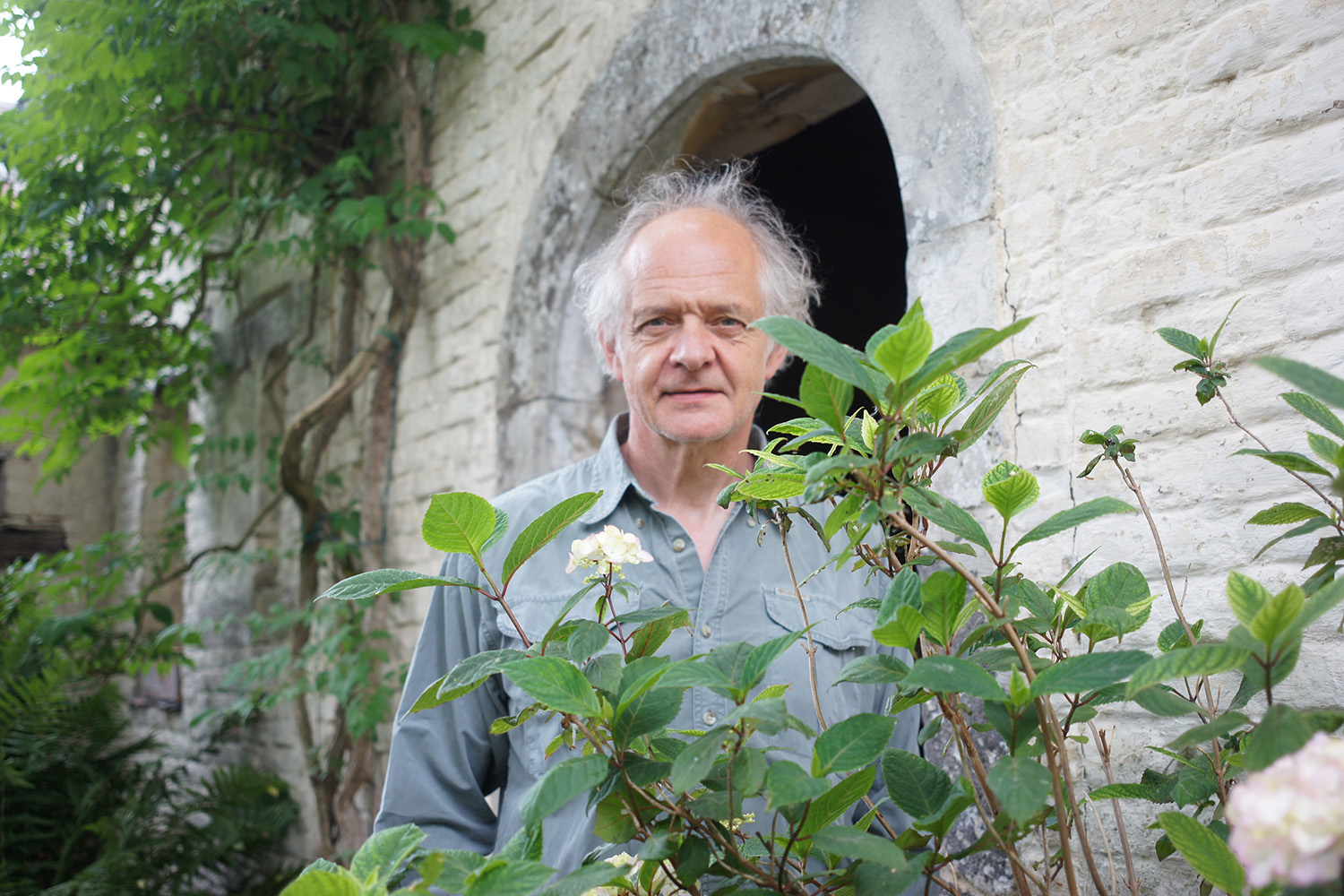
Christian Van Parys
Terralut
Stove maker
Longueville, Belgium
The traditional craft behind ceramic stoves
- Christian has been a ceramicist for over 40 years
- He practises the rare craft of traditional ceramic stove building
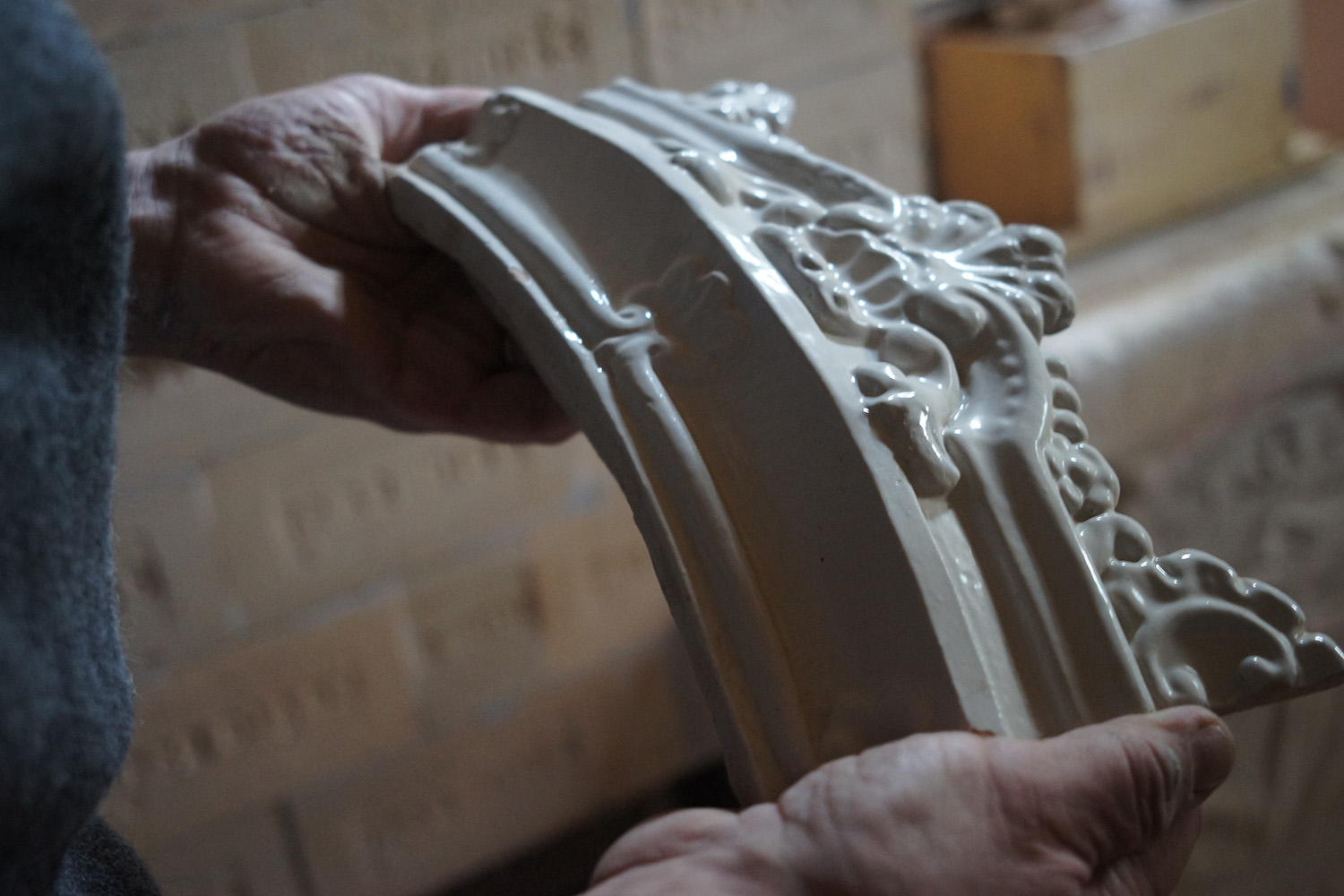
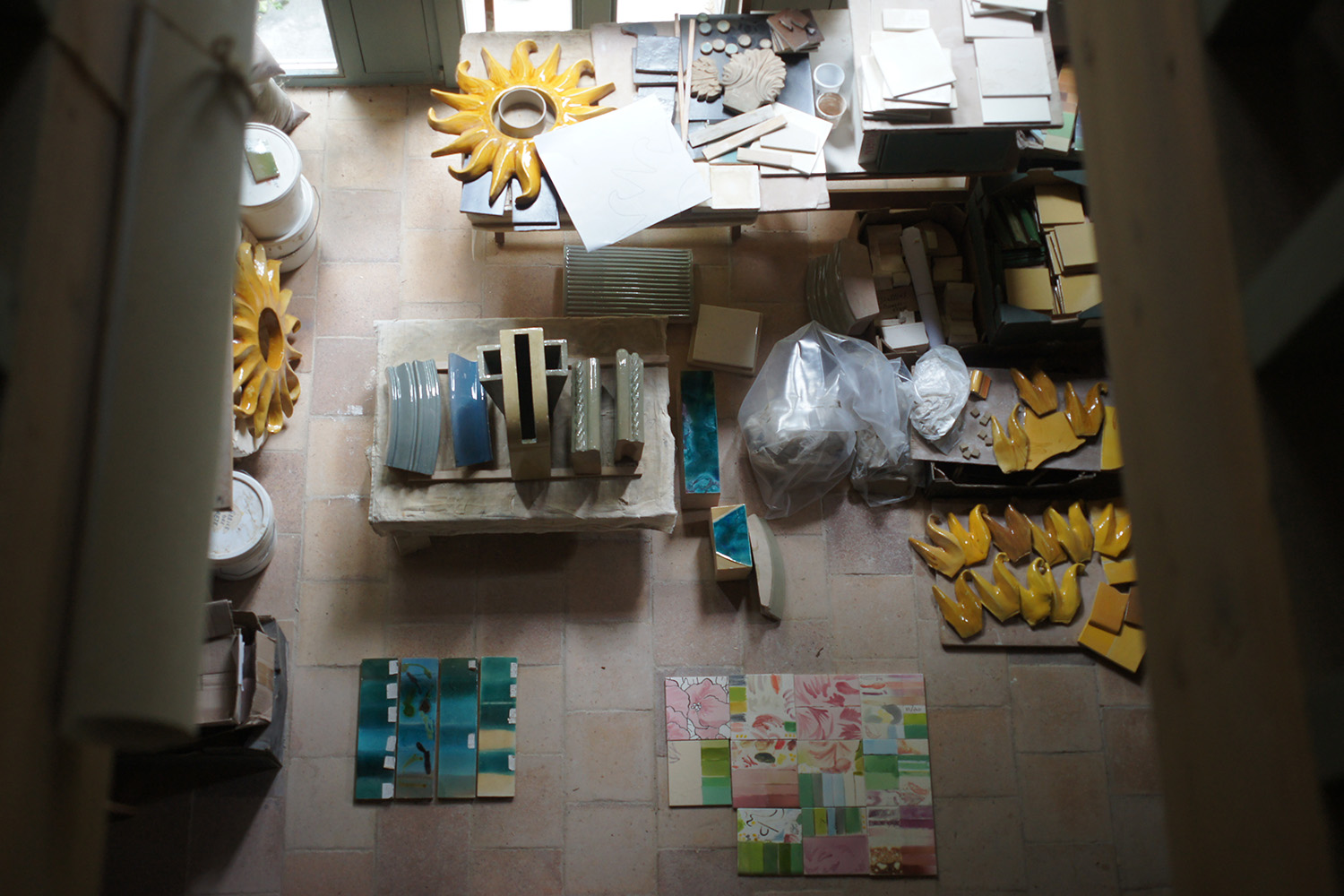
- He also does reconstructions of architectural ceramics
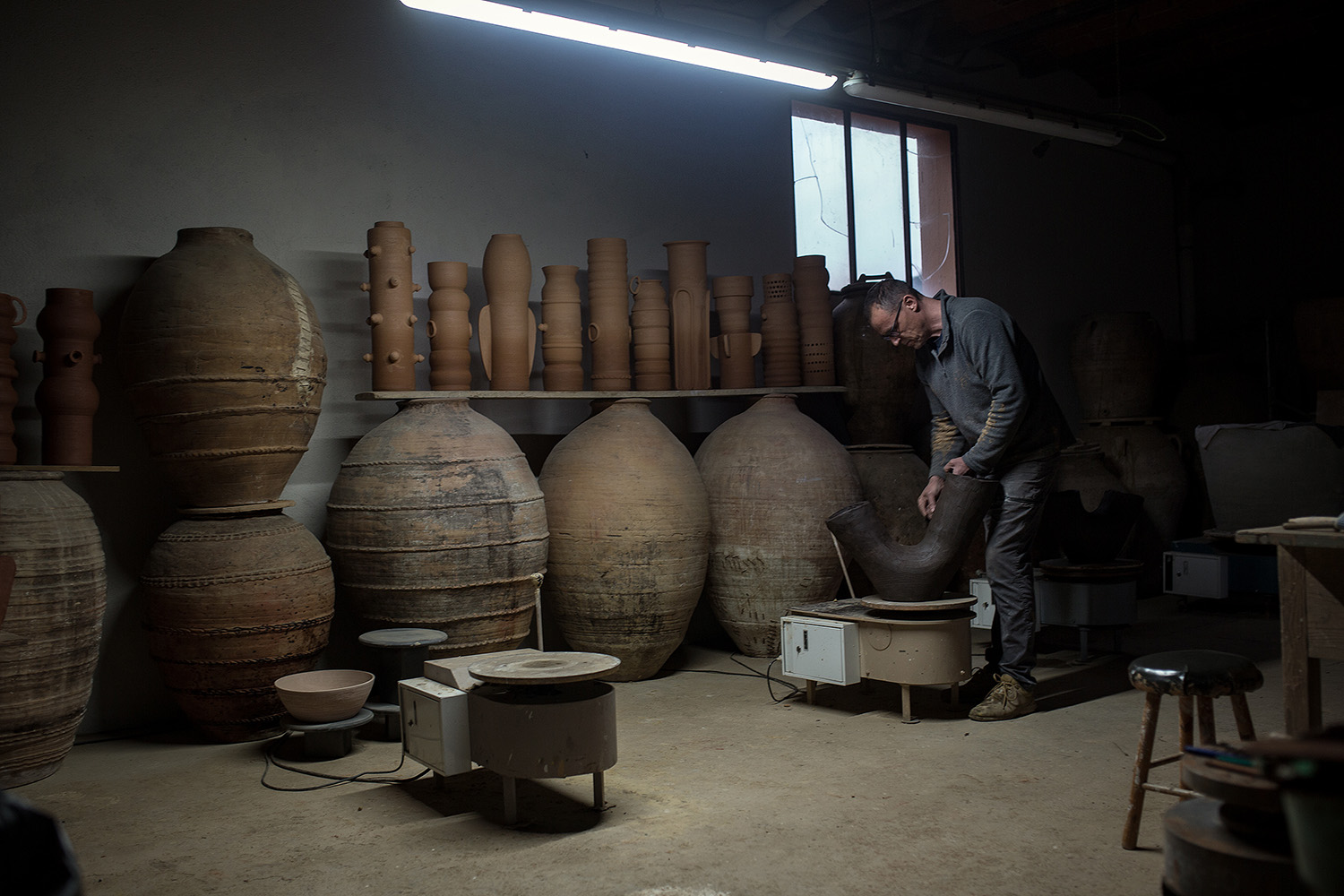
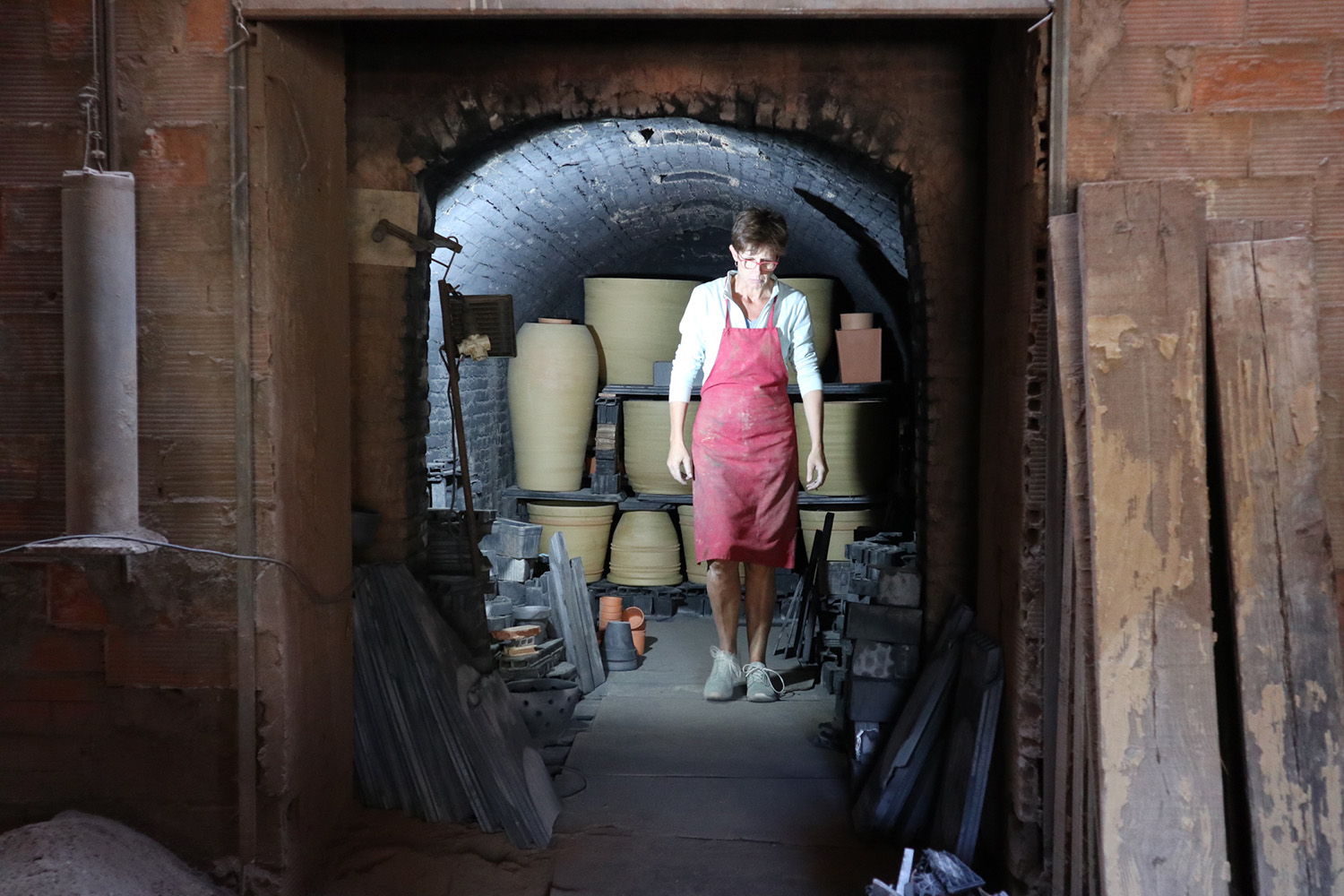
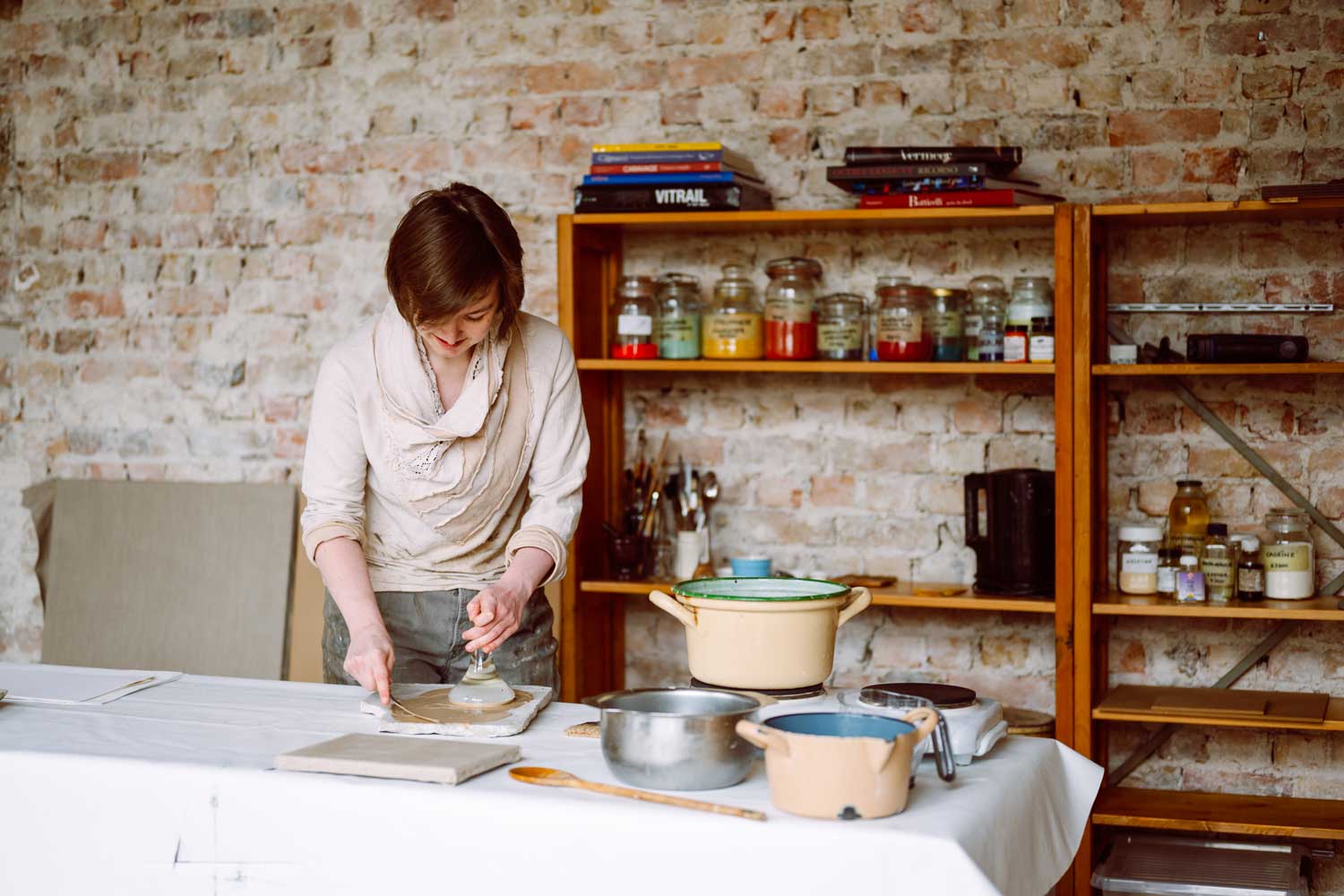
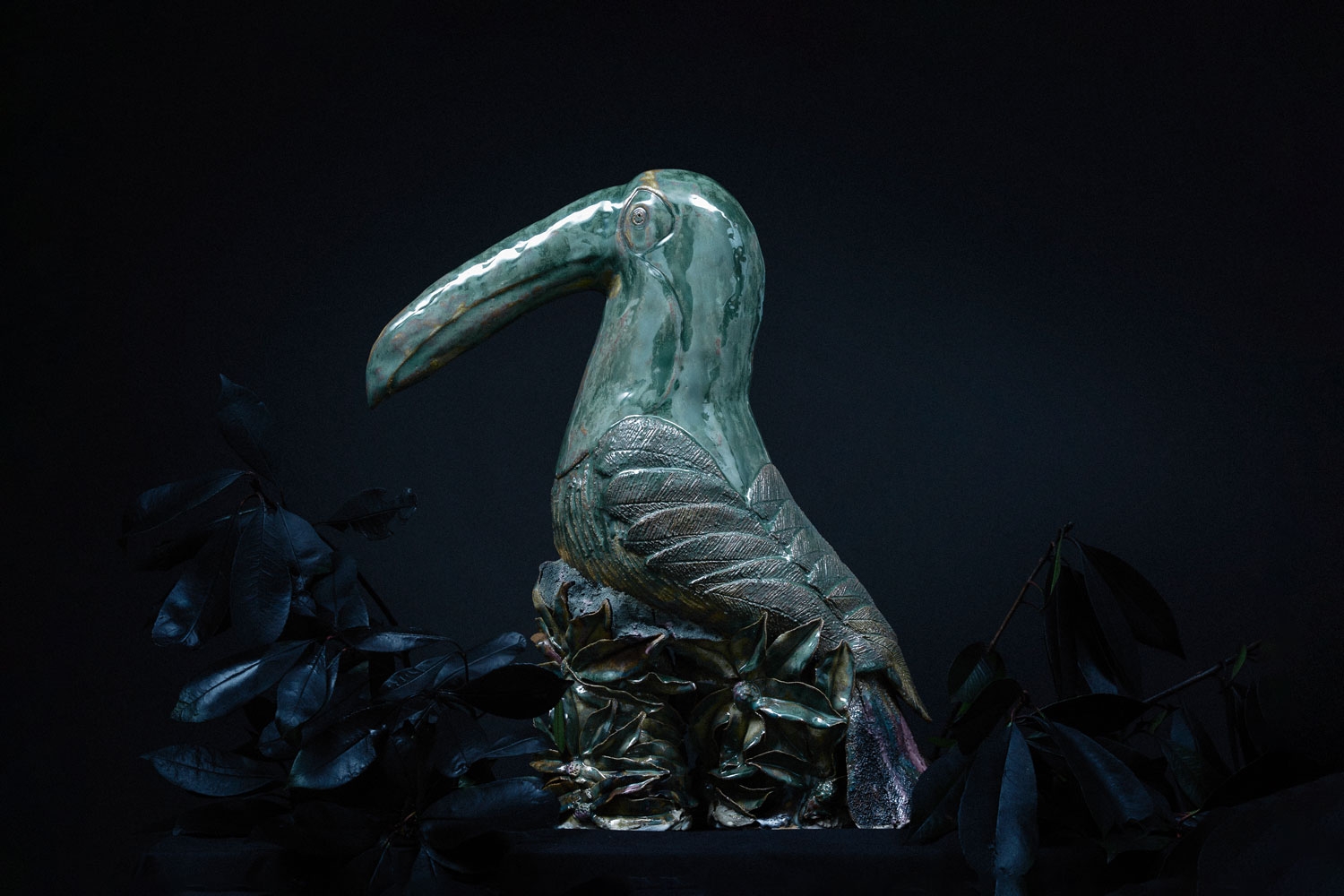
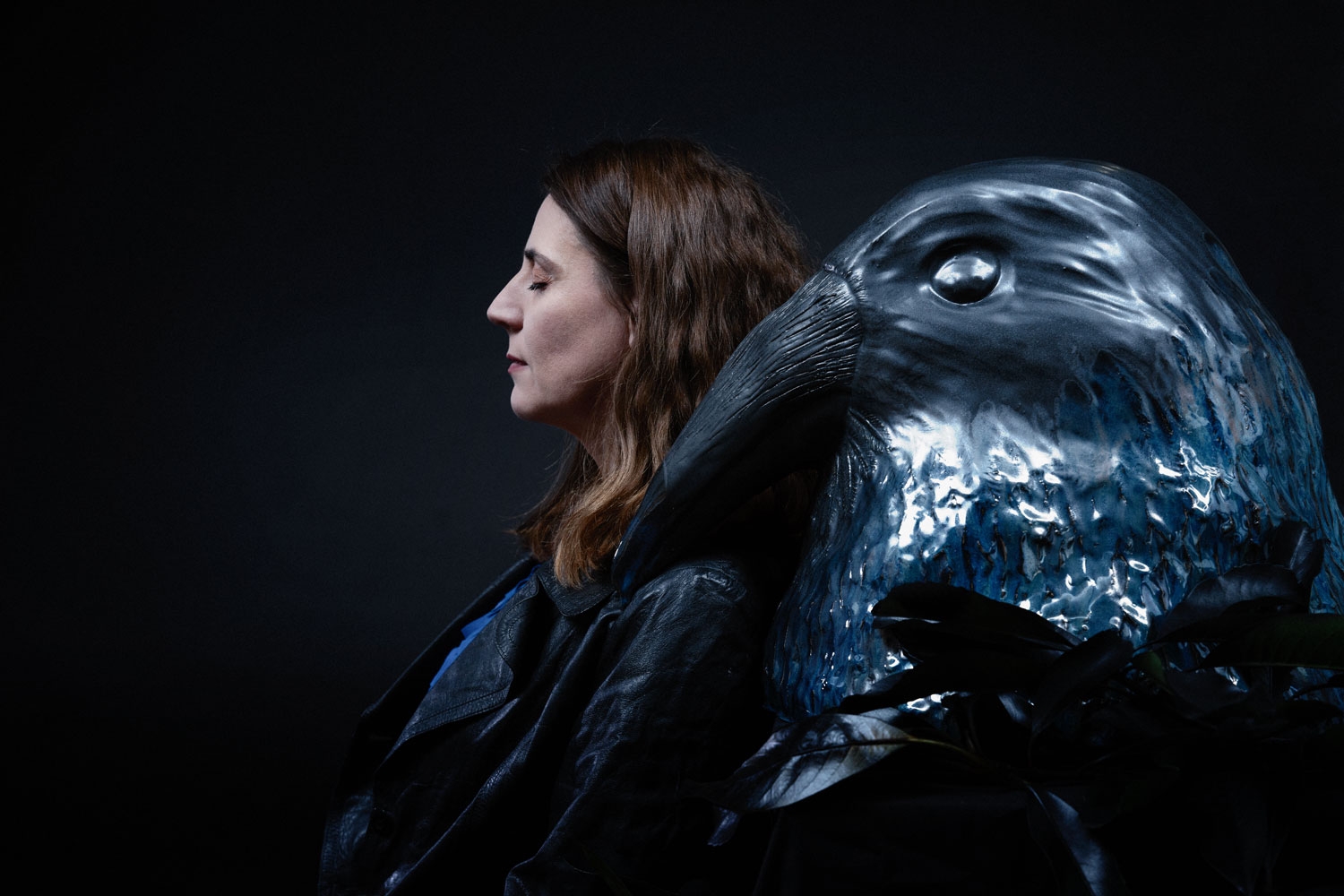
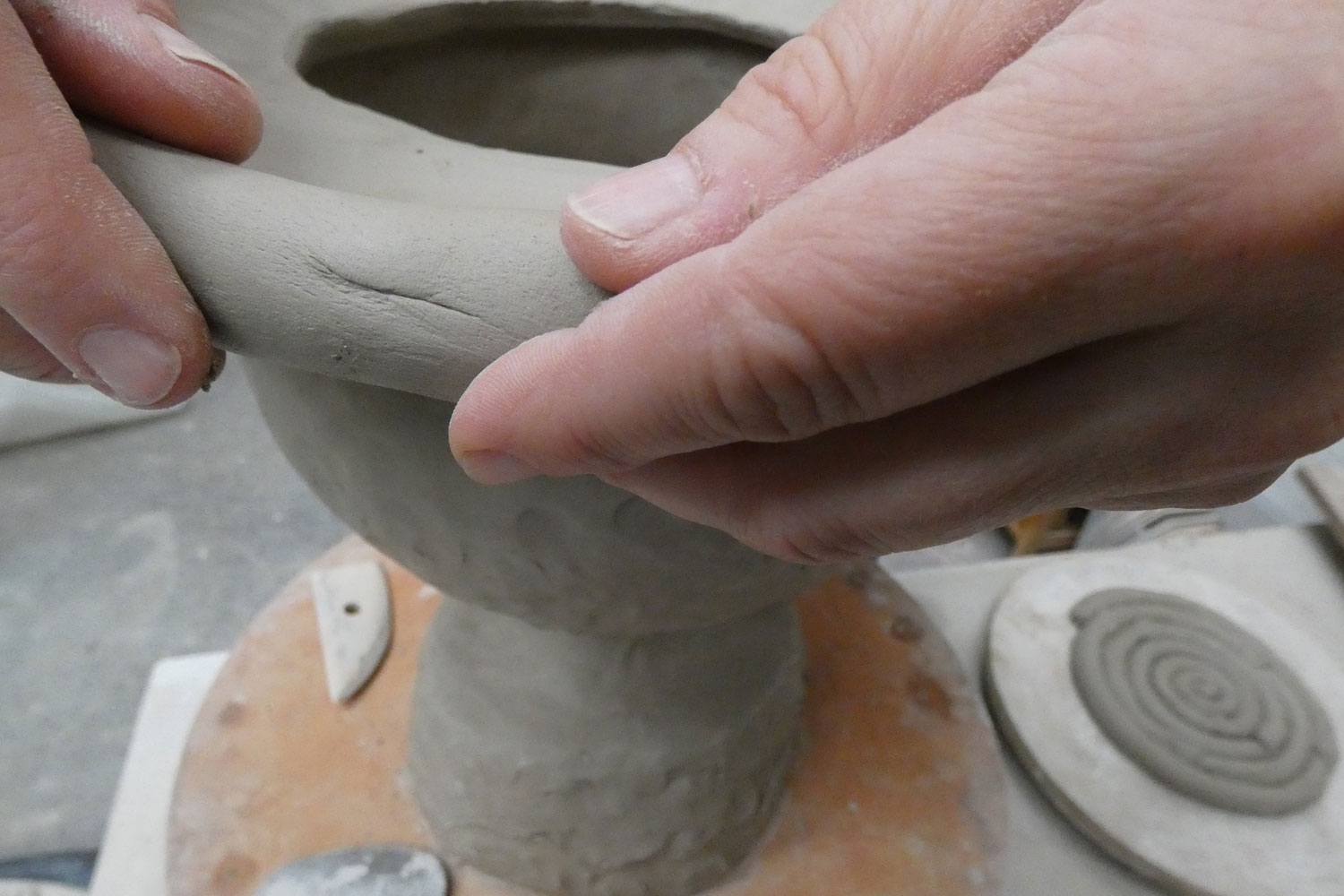
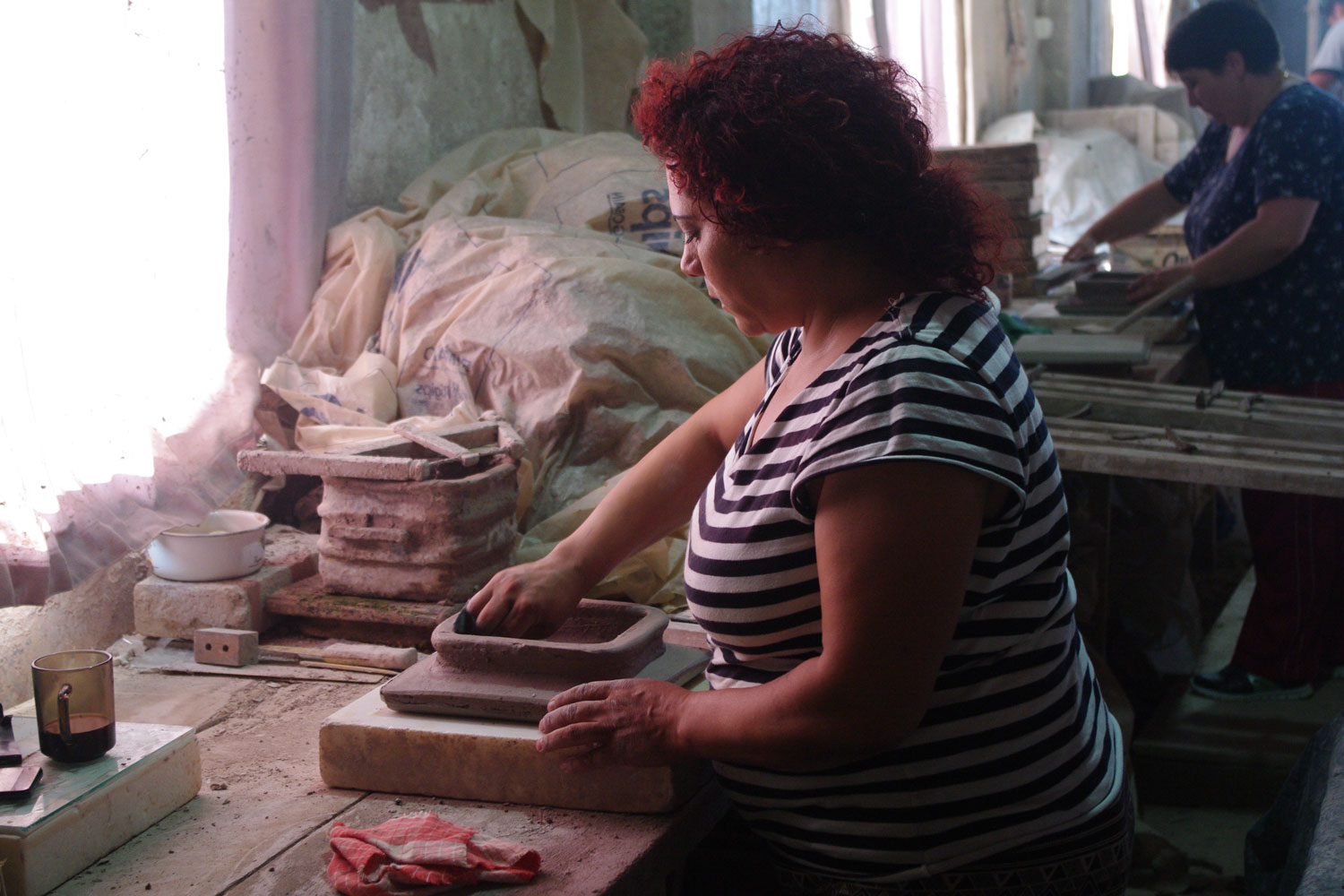
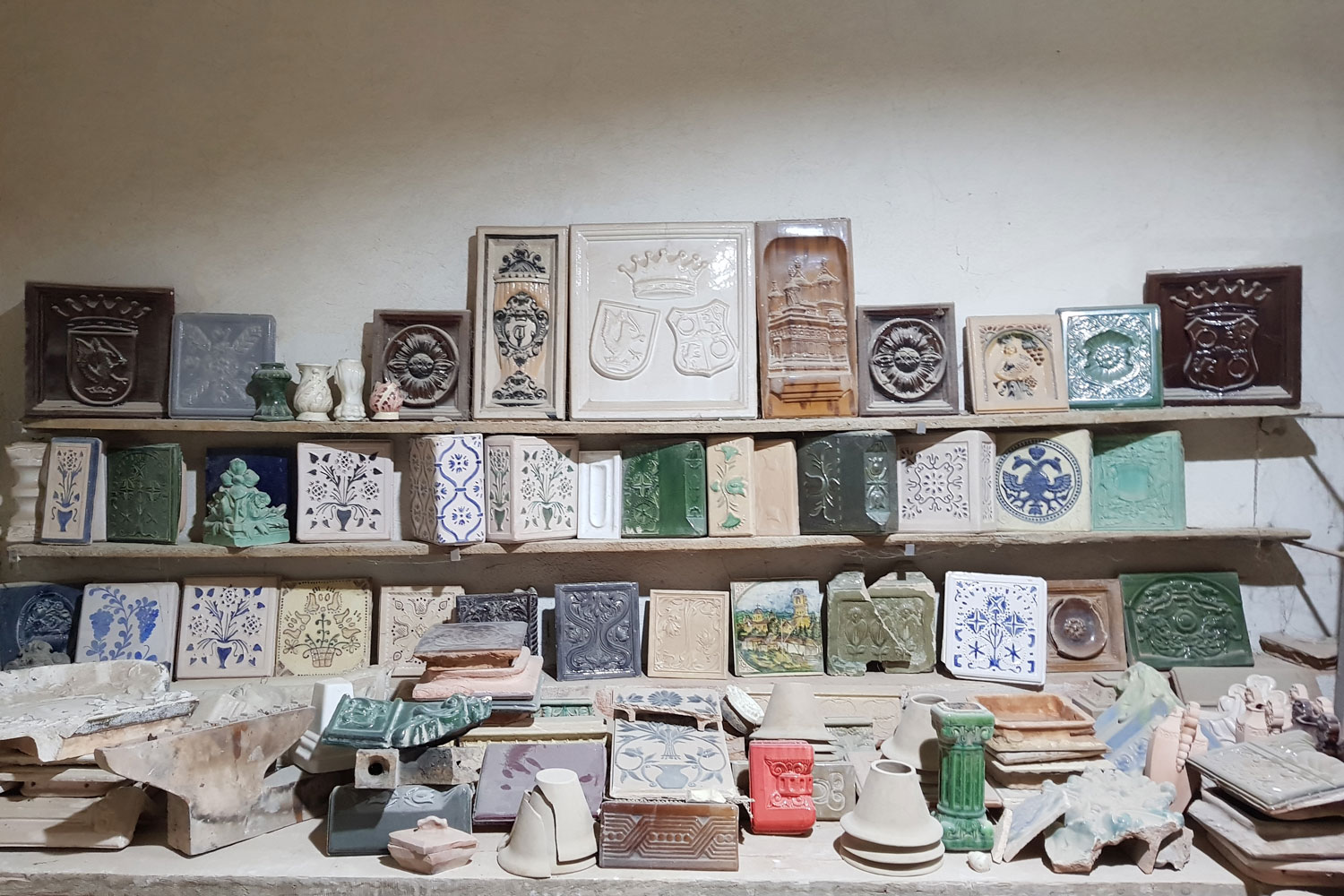
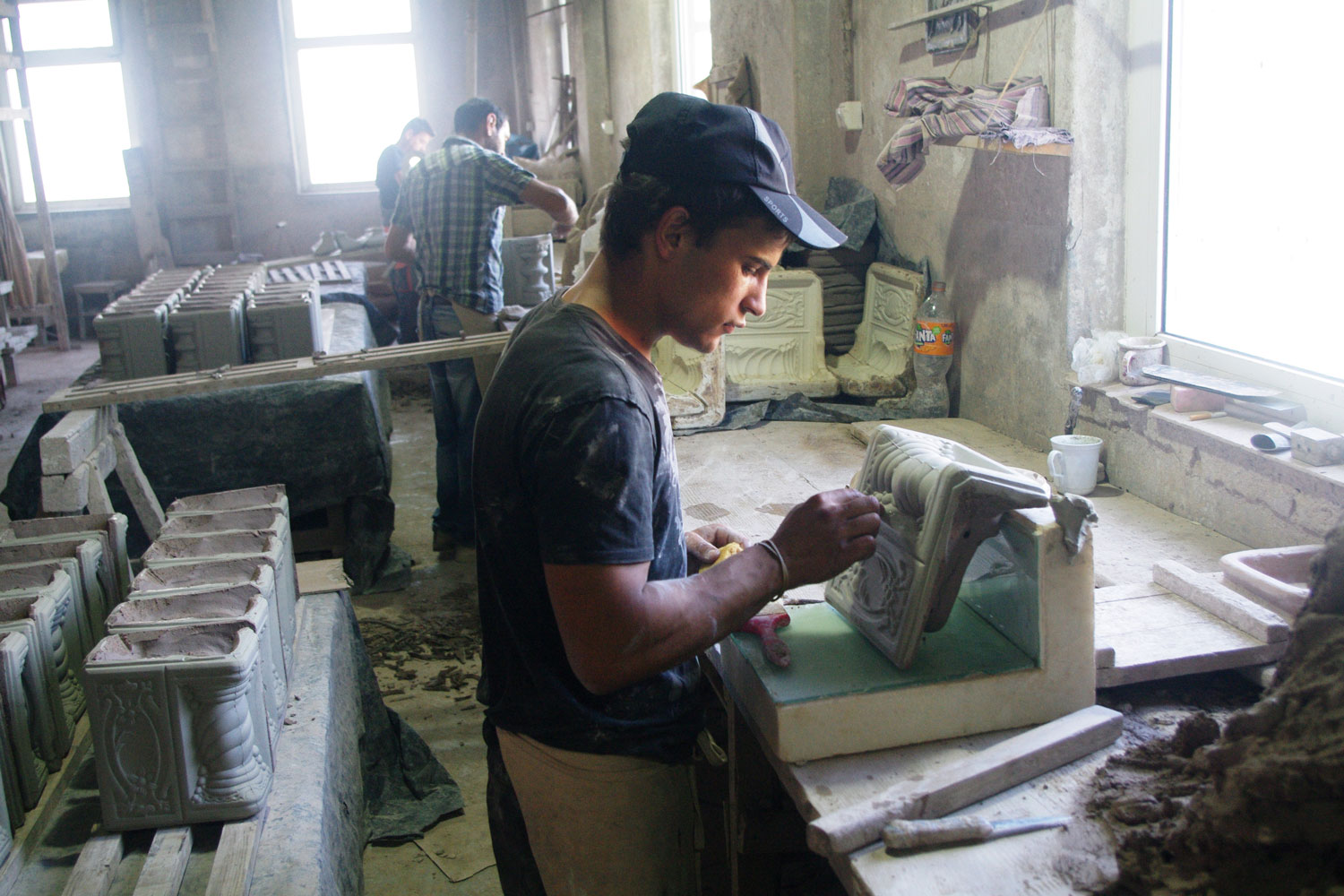
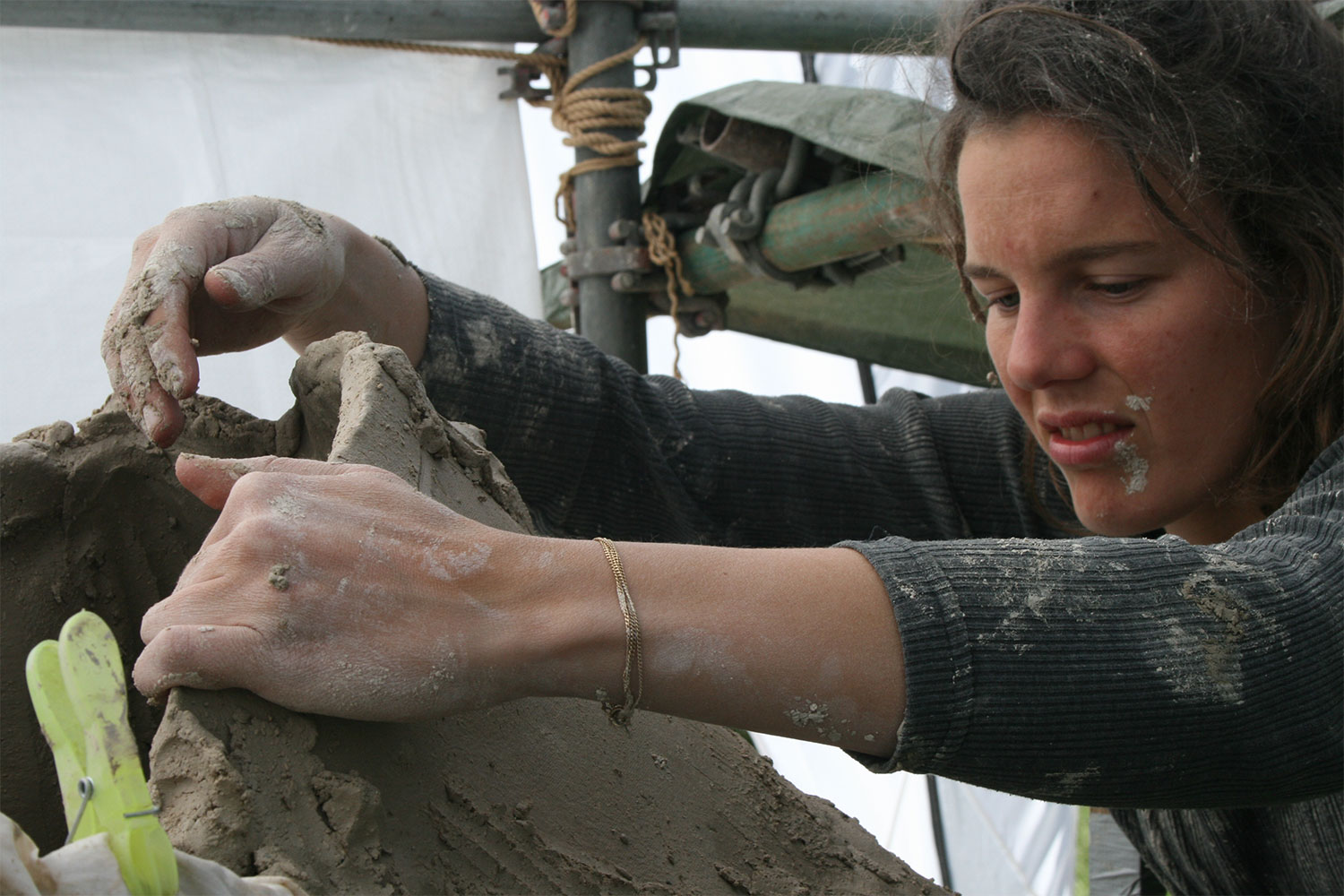
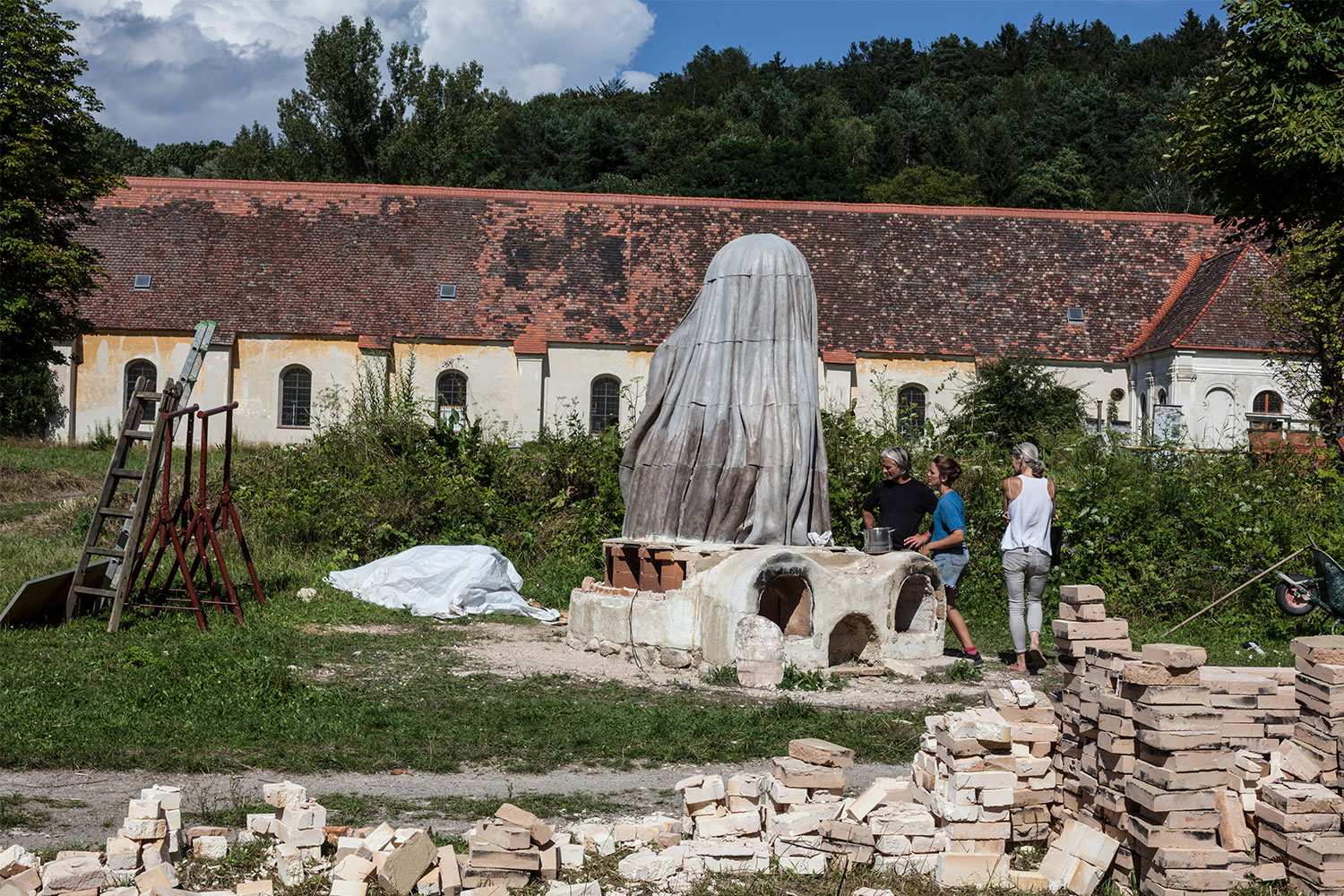
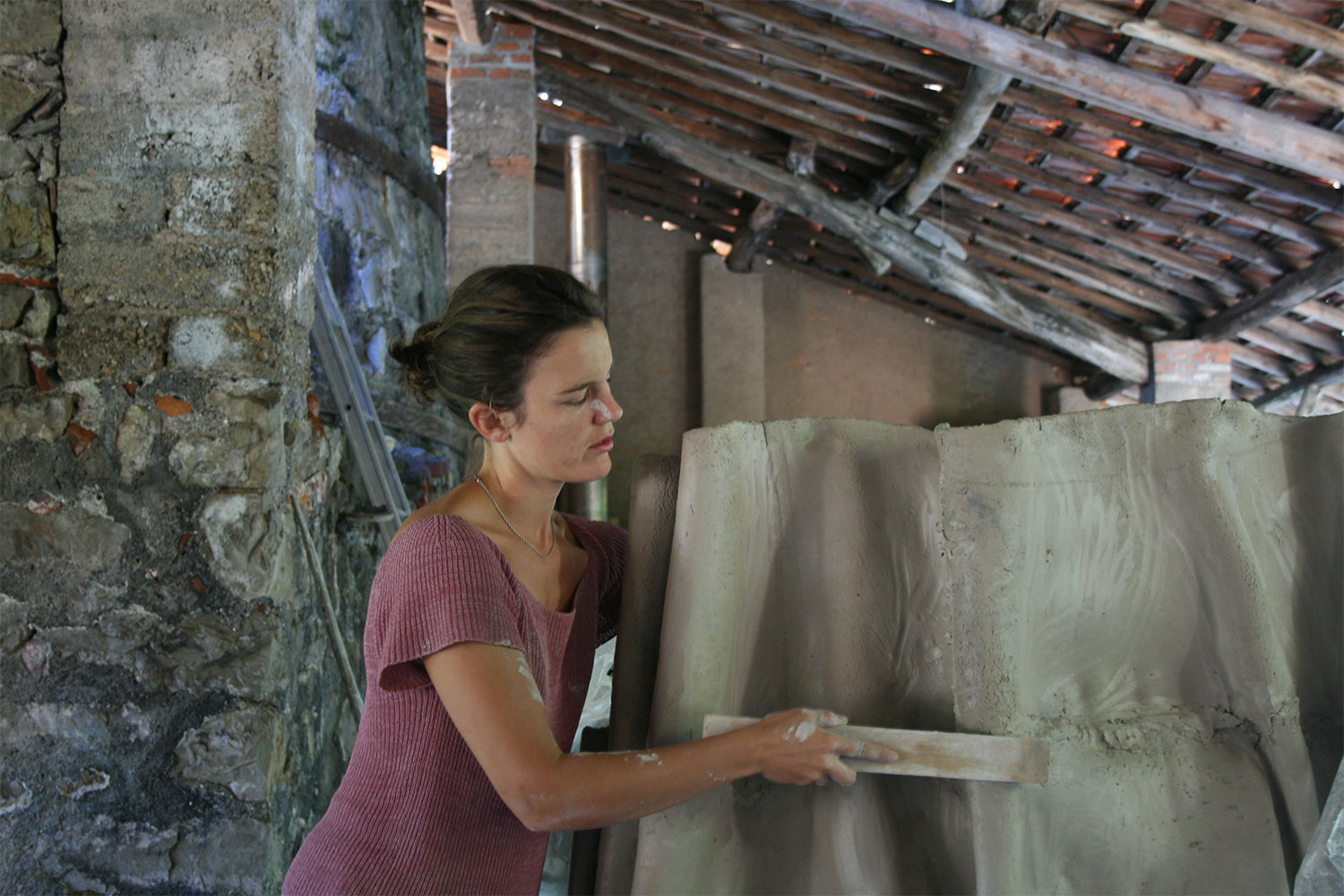
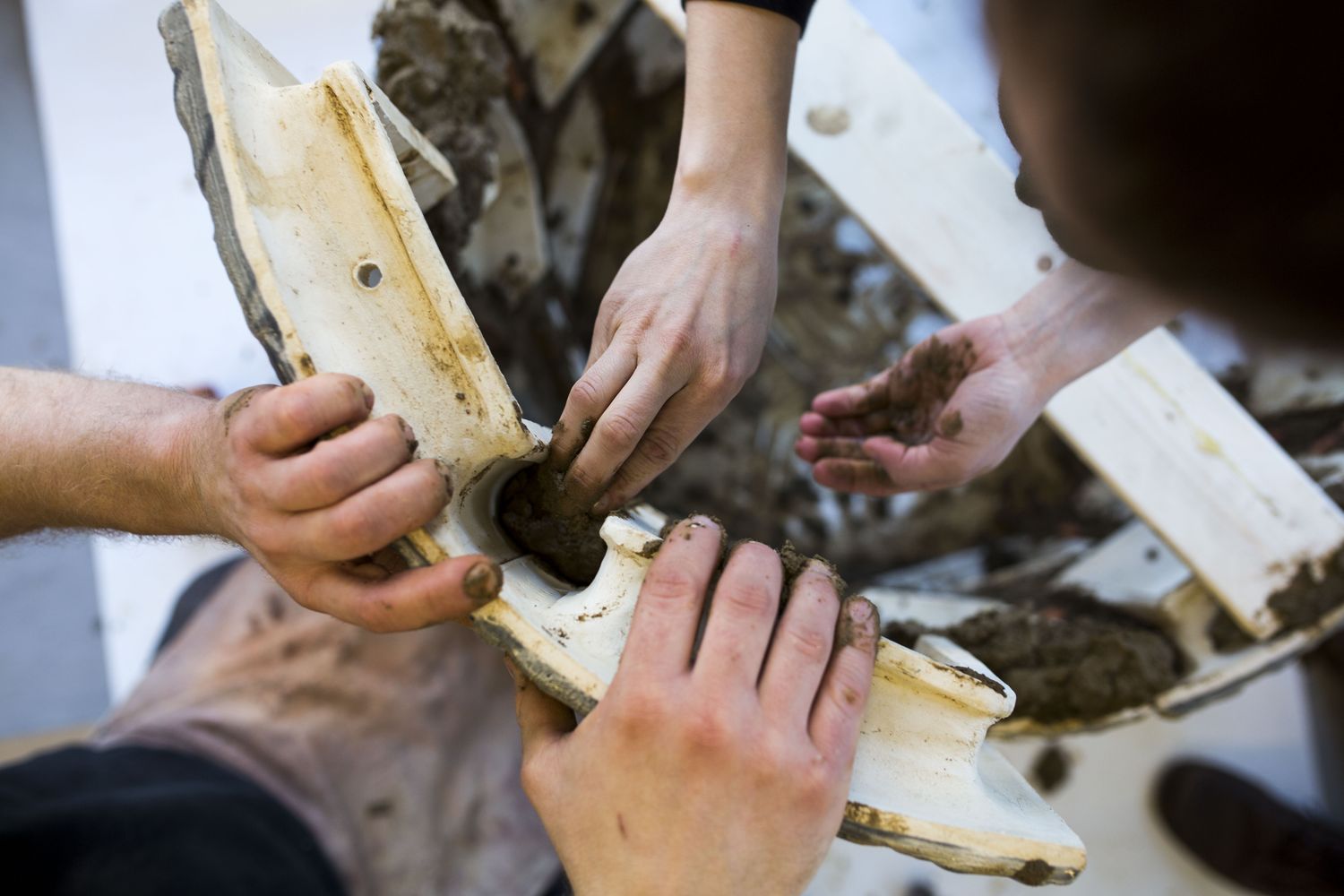
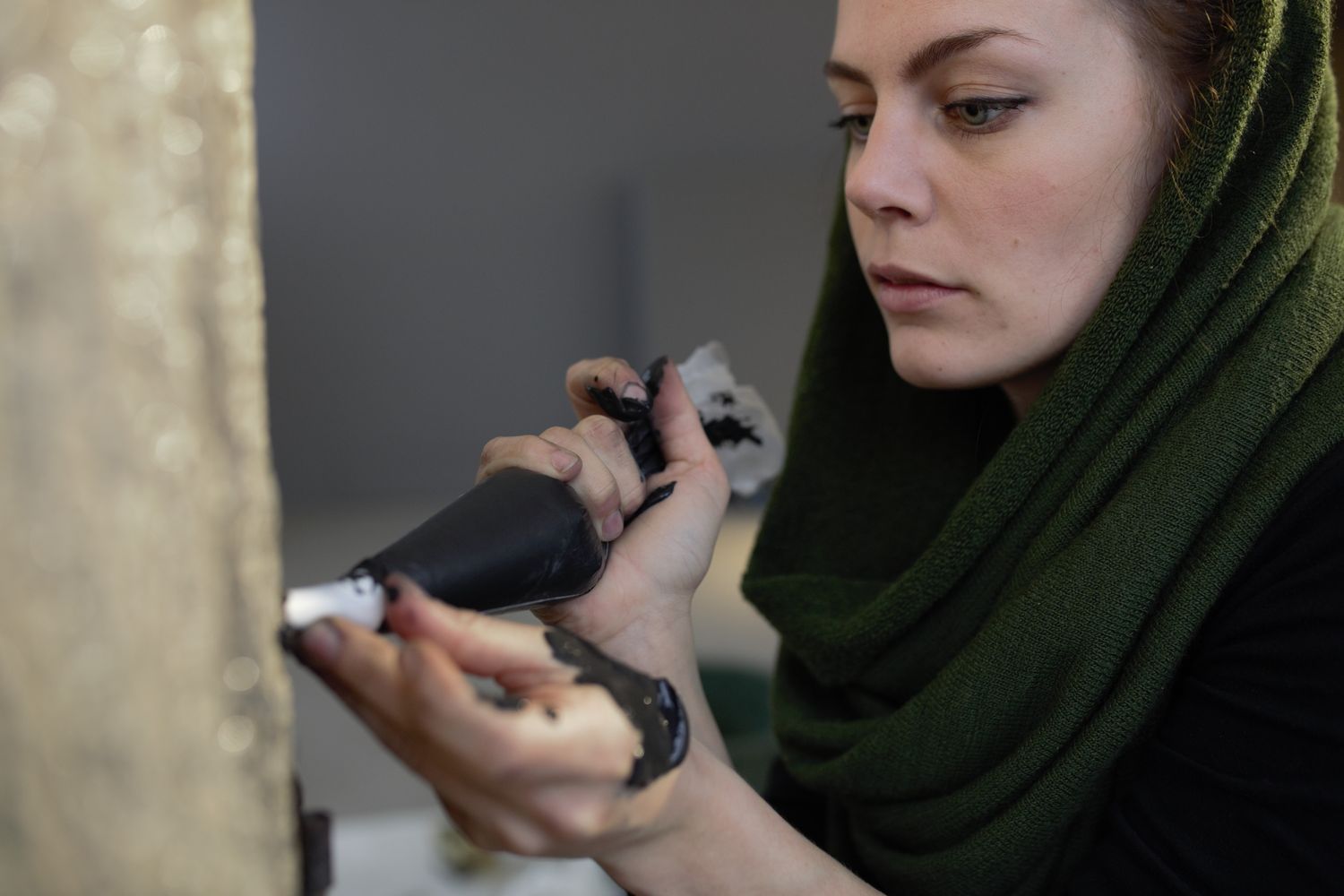
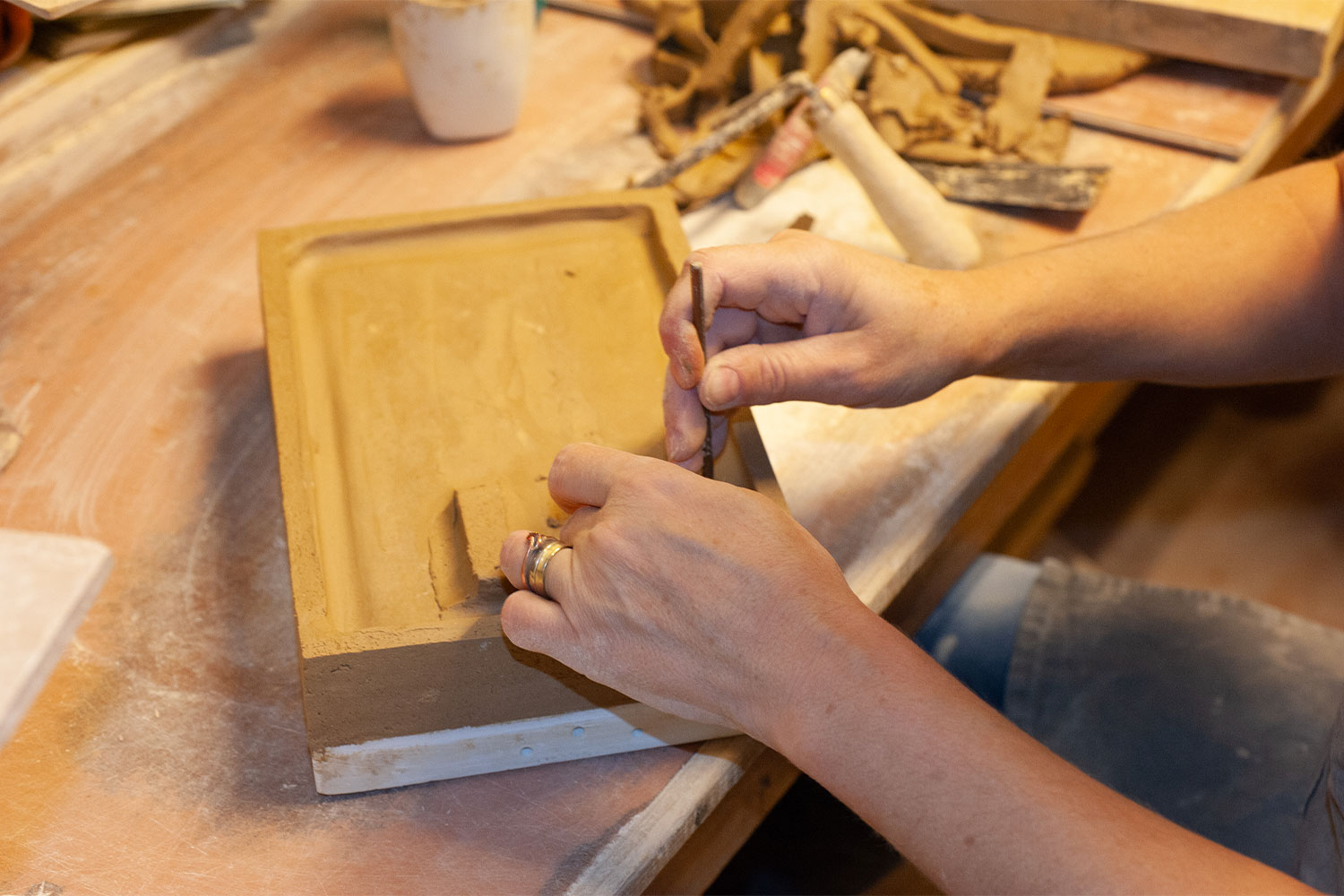
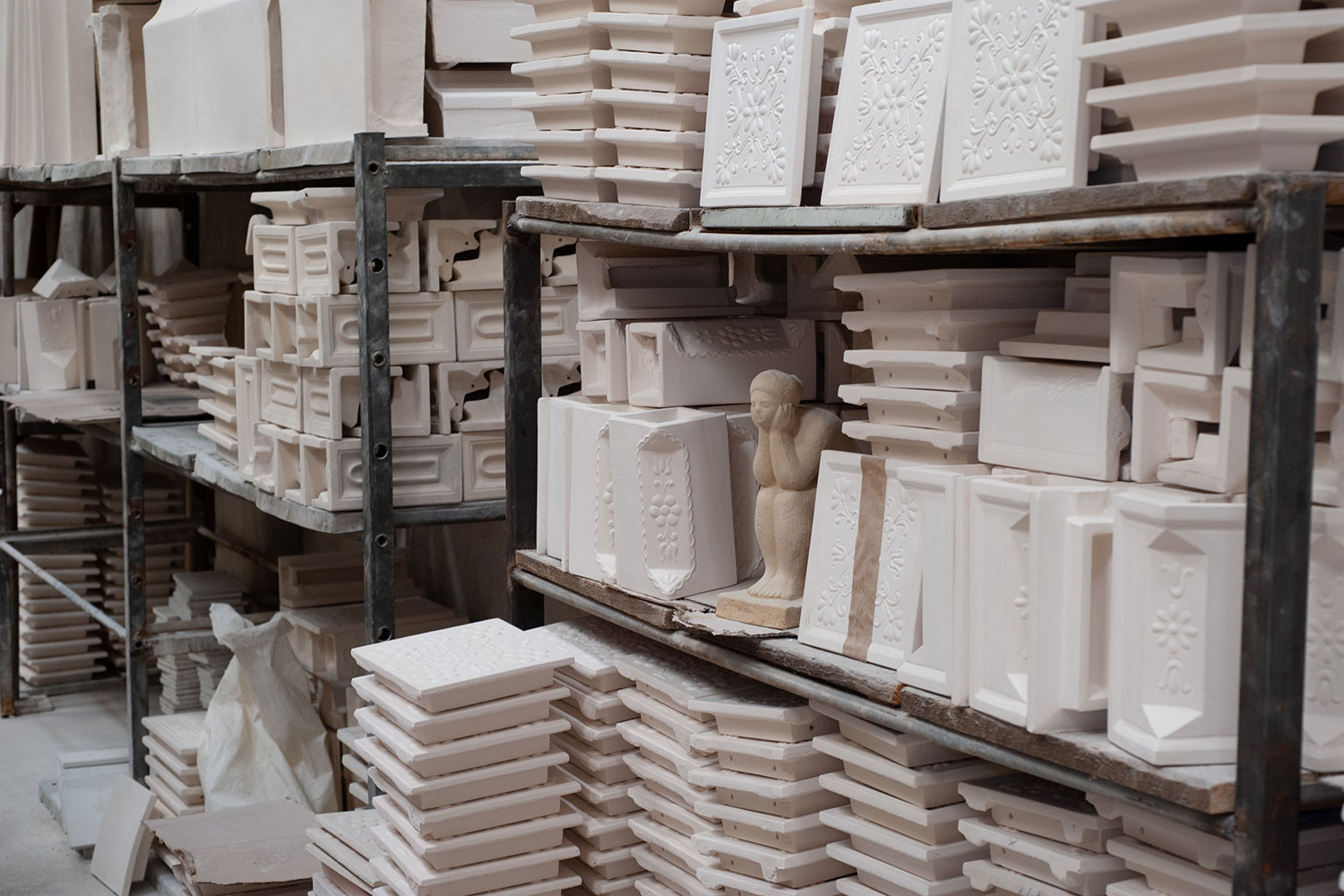
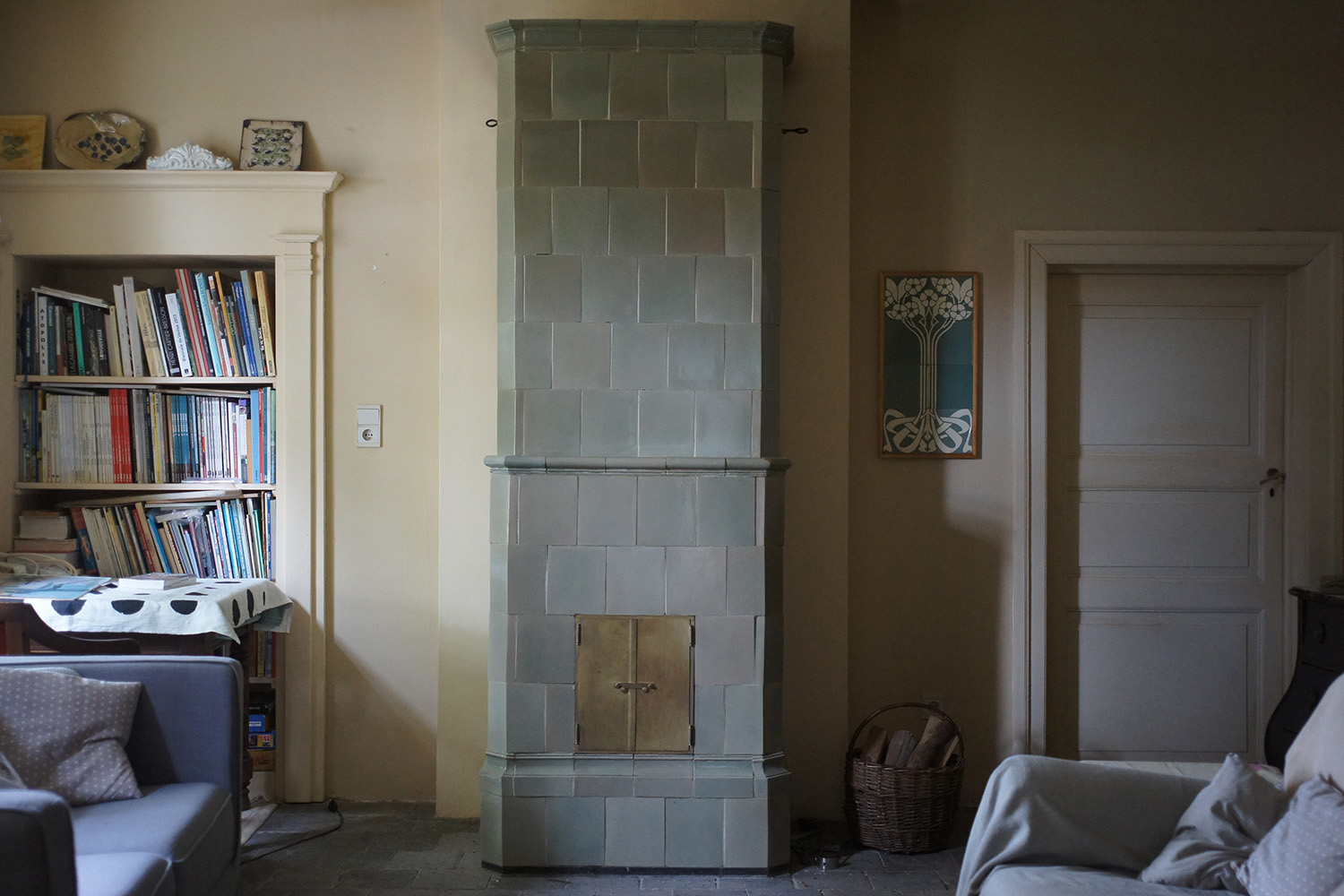
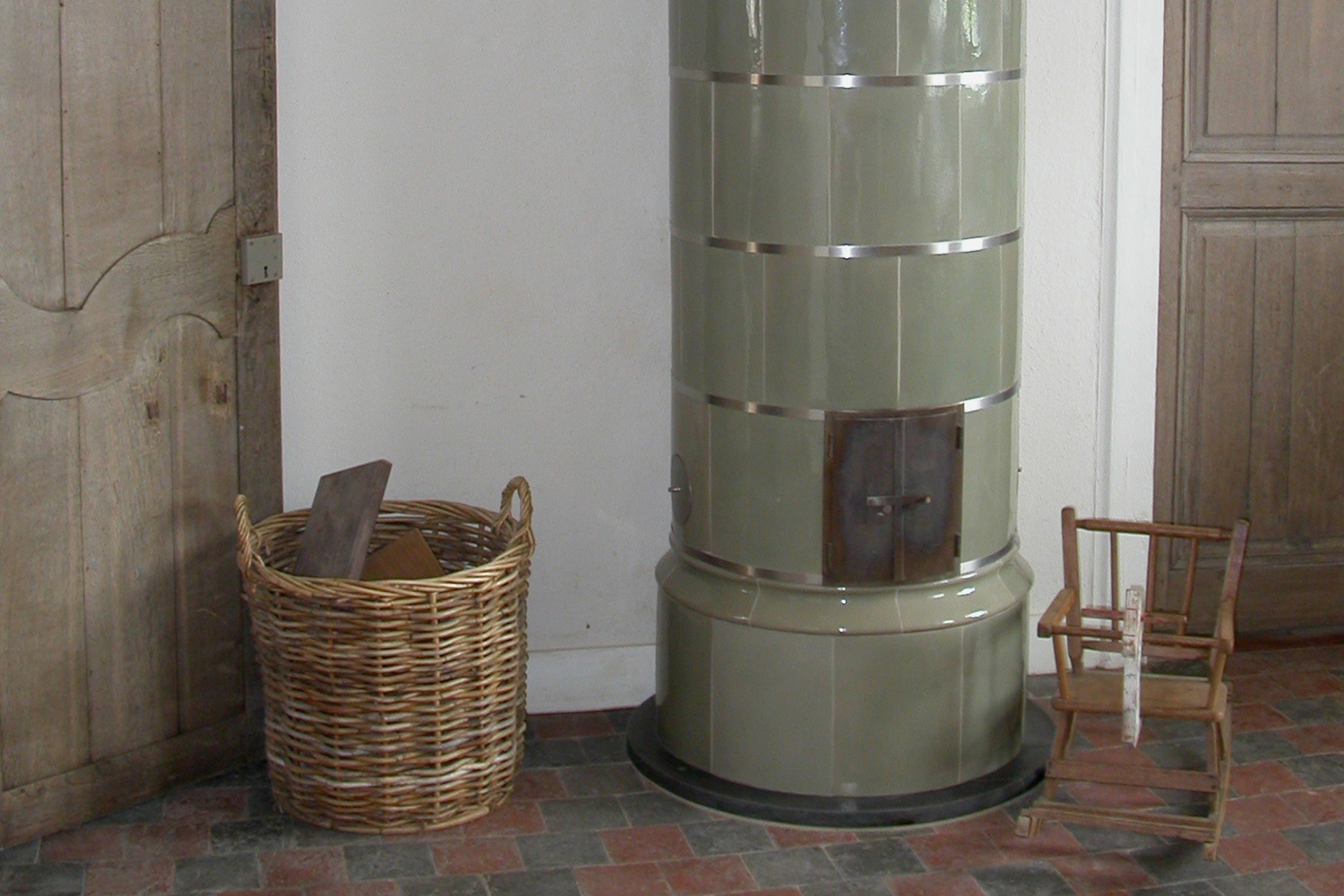
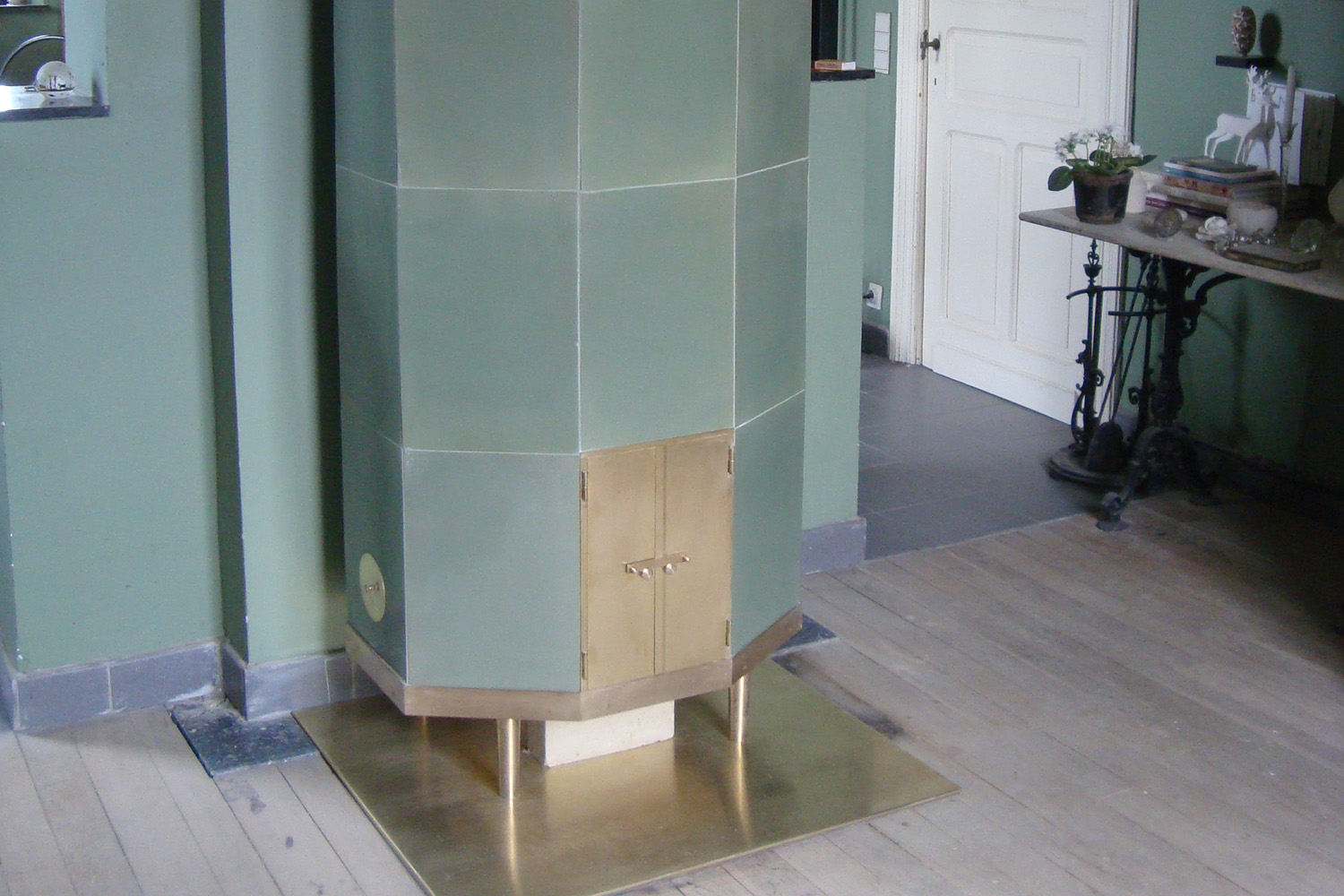
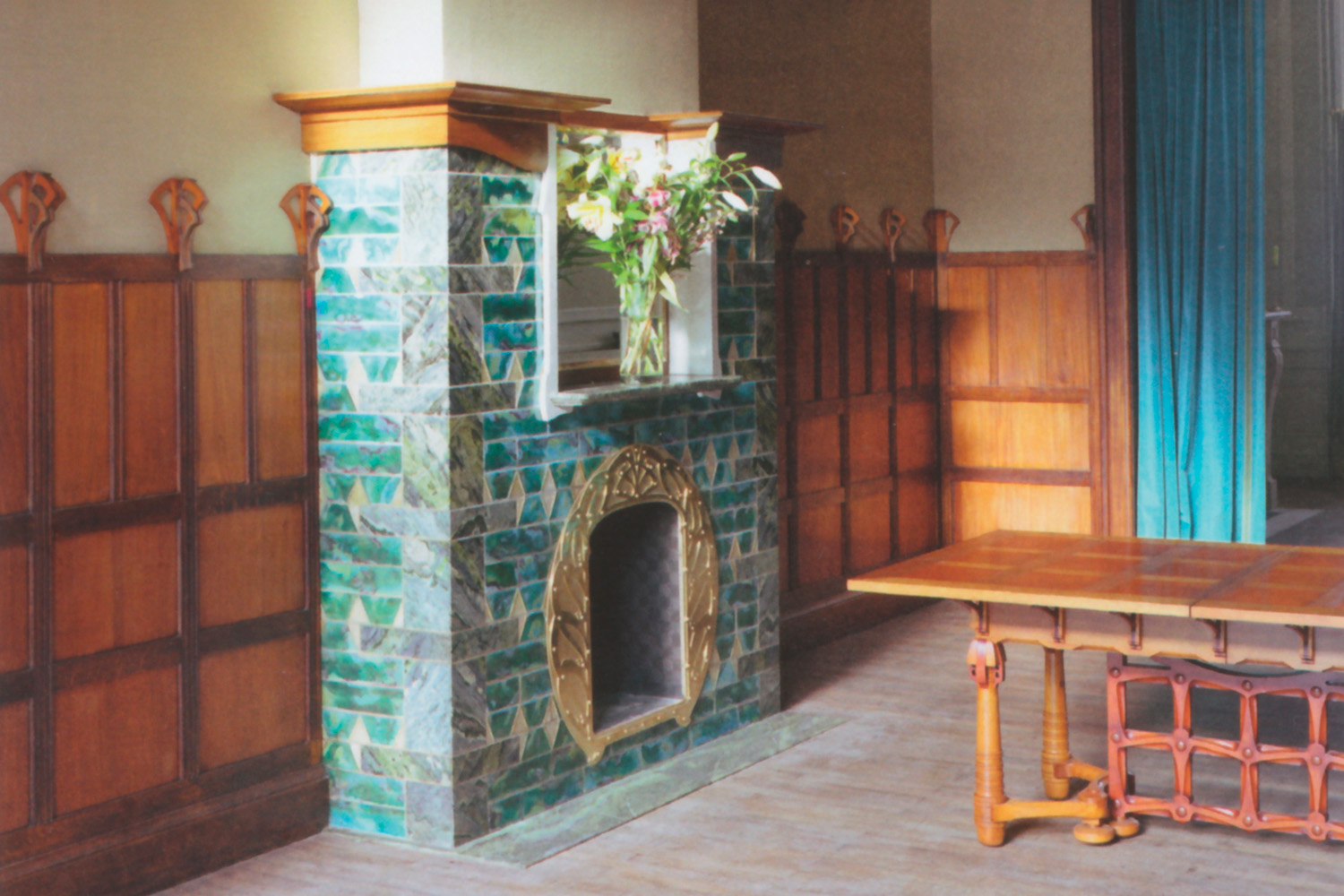
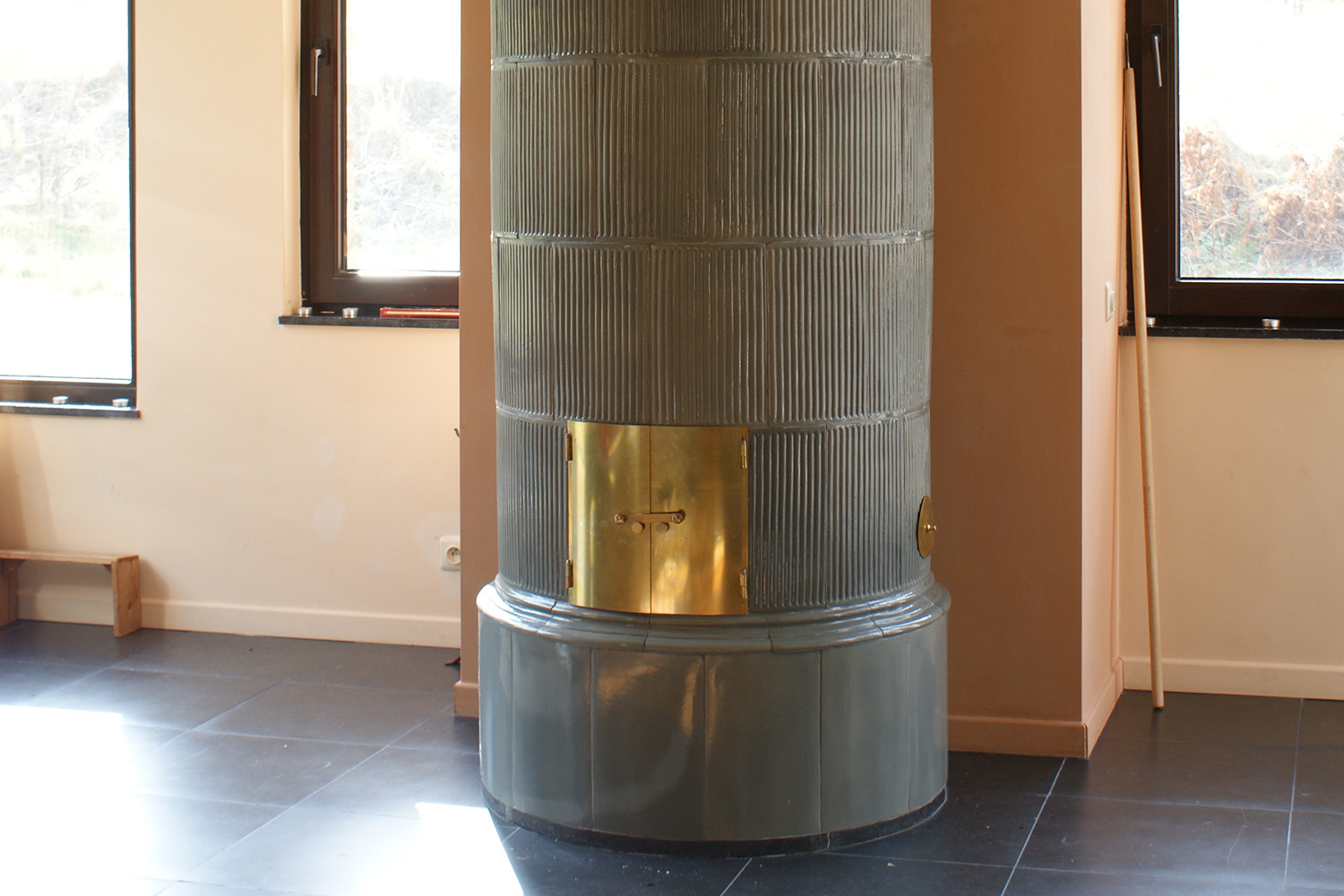
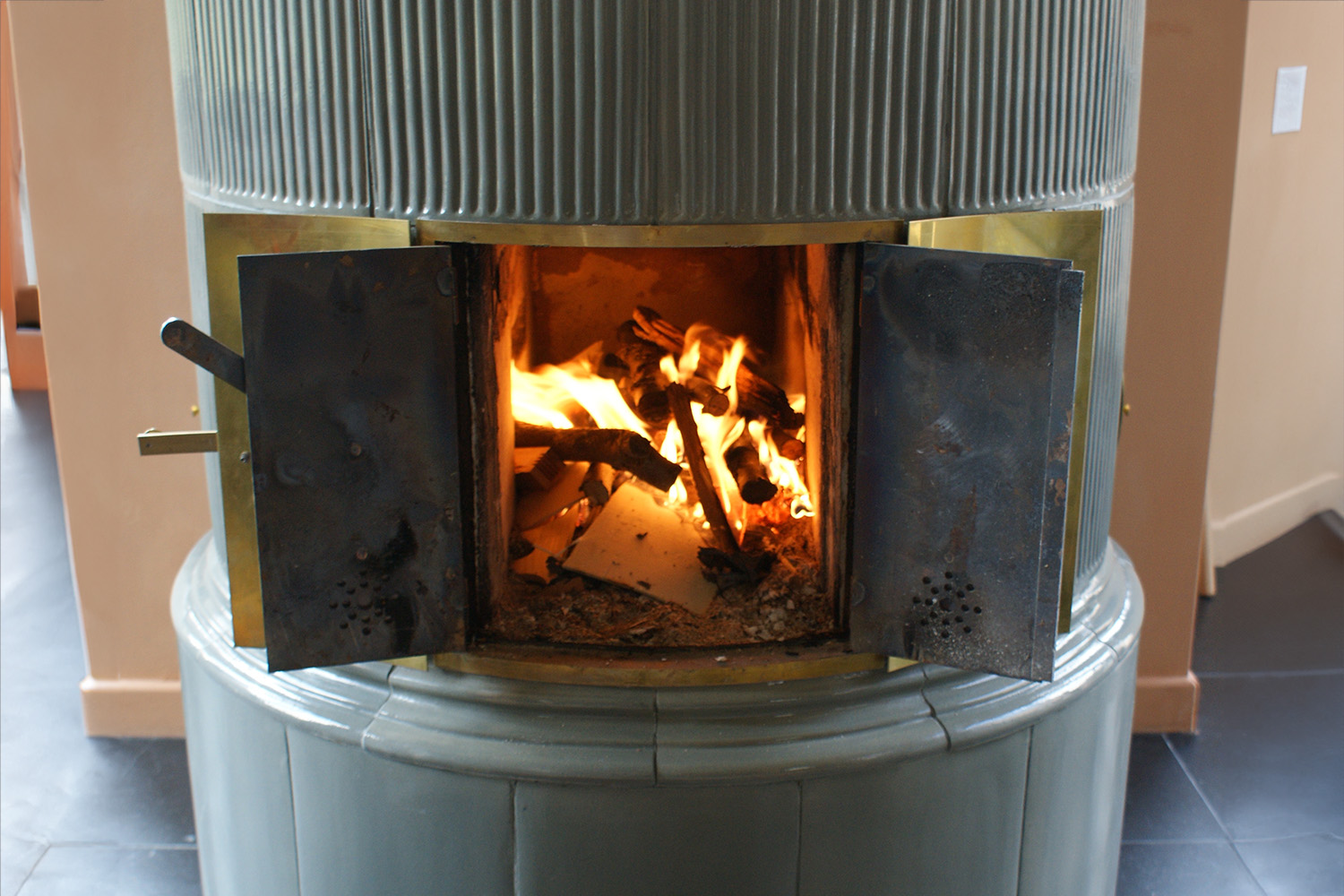
Christian Van Parys specialises in making traditional ceramic stoves and in the reconstruction of architectural ceramics at heritage sites. “In both domains, I always have the feeling that I am innovating,” he says. “I am consciously giving my own interpretation." Ceramic stoves, common in northern and eastern Europe, are a huge source of inspiration for him. “Because they evoke a whole art of living based on simplicity, and embellish daily life.” With his reconstructions of architectural ceramics, Christian aims to help safeguard the decorative features of emblematic Art Nouveau, Art Deco and modernist buildings. To combine such different activities, Christian mastered many diverse techniques. Among other materials, he works with terracotta, earthenware, stoneware and porcelain.
INTERVIEW
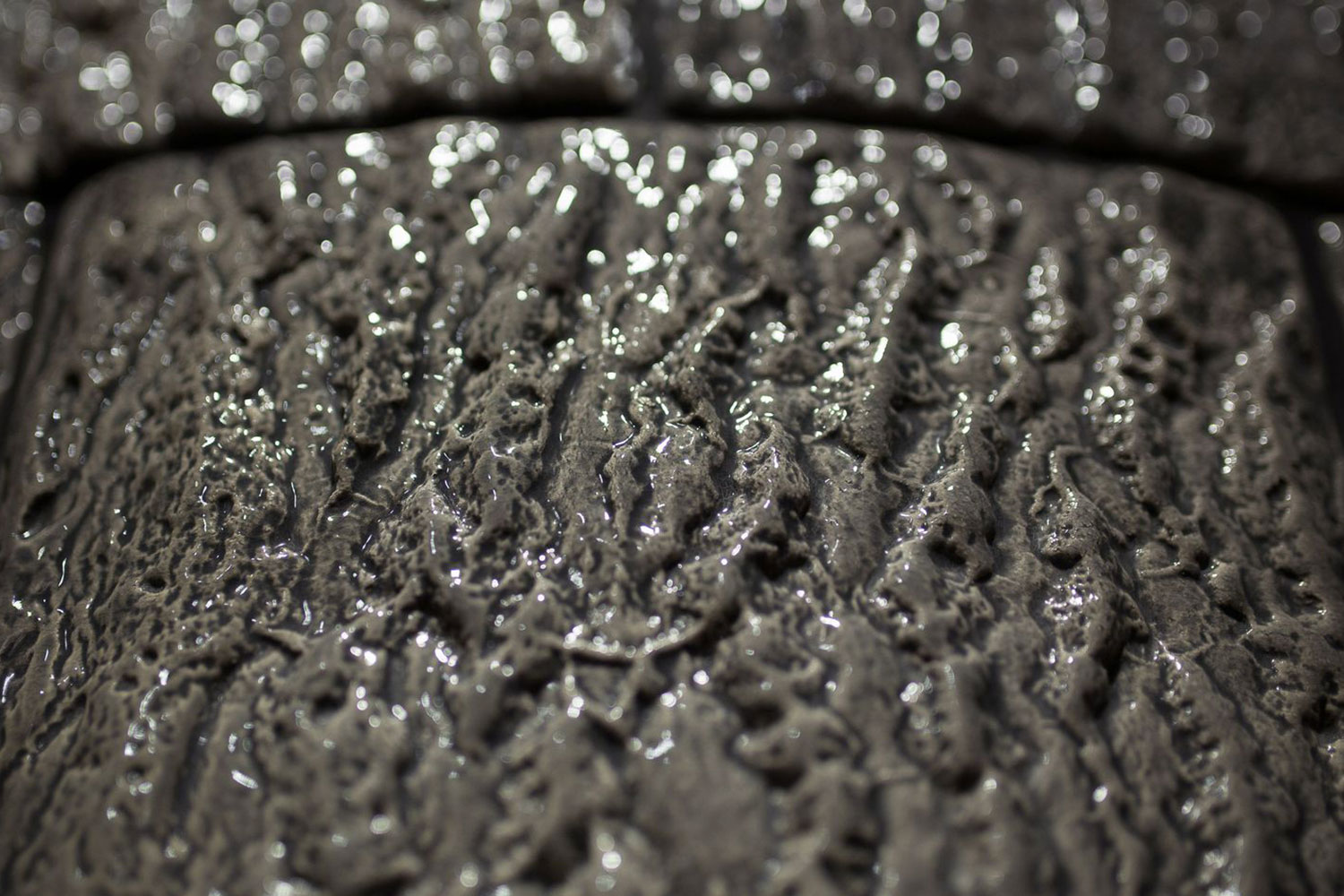
It is difficult to make ceramic tiles that can withstand alternating temperatures, hot and cold. You also have to ensure the circulation of hot fumes through vertical ducts inside the stove, so the heat is distributed efficiently and the stove keeps radiating heat over many hours.
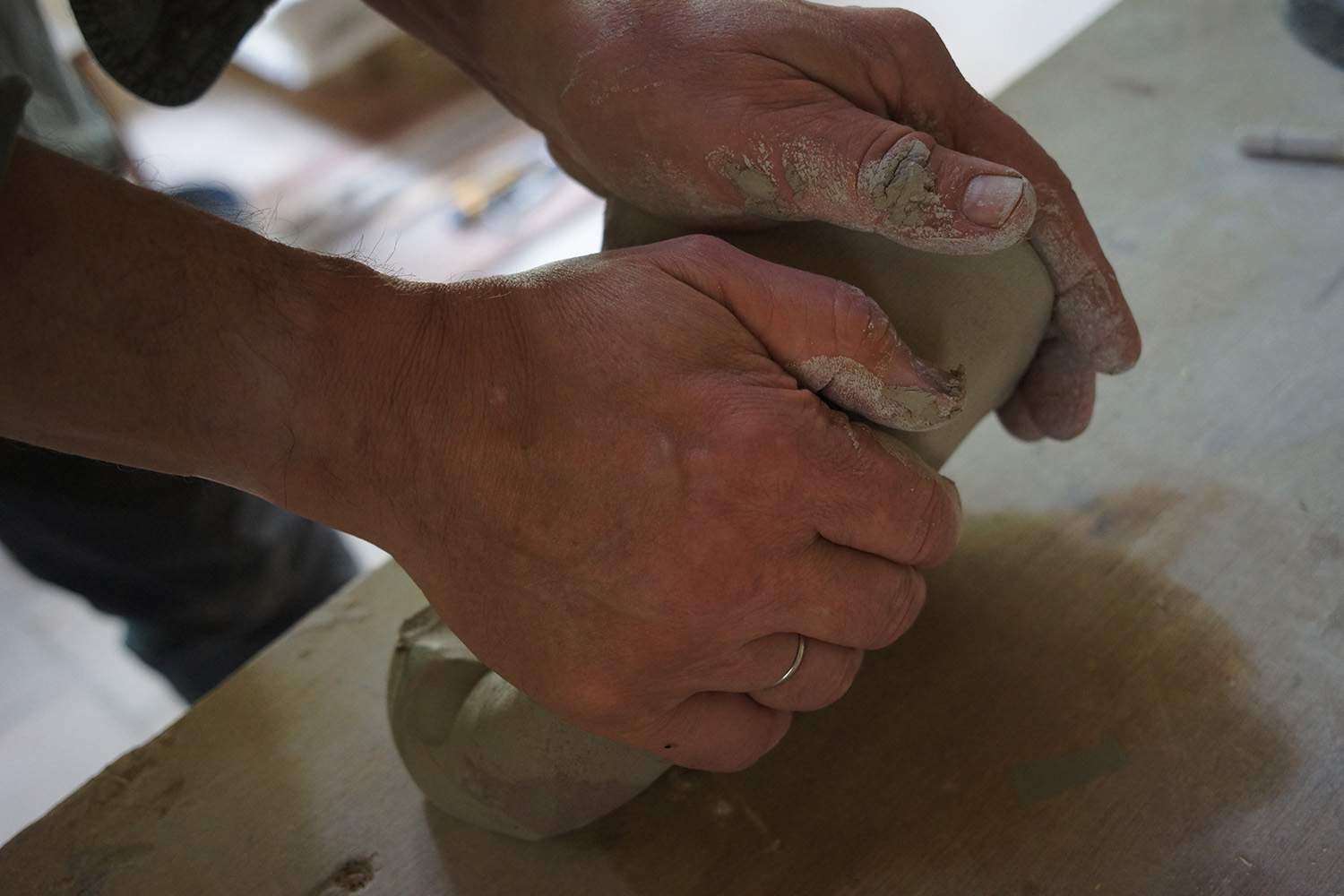
No, this craft is in danger of disappearing, because people do not have the same appreciation for the long durability of objects as in the past. It is a long and hard job to make ceramic stoves, which can weigh up to two tonnes, but they are really built to last.
It was from a discovery at one of my sisters' house in Switzerland, which is the former house of a tile setter. In an outbuilding of this house, I found some old tiles from a ceramic stove, and it turned out that they dated back to the 18th century. Another sister, a ceramicist and sculptor herself, also inspired me to become a ceramicist.
I reconstructed 1,200 white tiles for the kitchen of an Art Nouveau masterpiece in Brussels, the Stoclet Palace, a UNESCO World Heritage Site. It was a privilege to work in this exceptional building, which also contains frescoes by the iconic Austrian artist Gustav Klimt.
Christian Van Parys
Terralut
Stove maker
Longueville, Belgium
AVAILABILITY
By appointment only
LANGUAGES
French, English, Dutch
Homo Faber Finds is a new service aiming to inspire admirers of craft to connect and collaborate with exceptional artisans.
We invite you to submit an enquiry here.