
Chido Kaseke
PatCh MaokoeZimbabwe
Bag maker
Harare, Zimbabwe
Hessian bags carrying heritage forwards
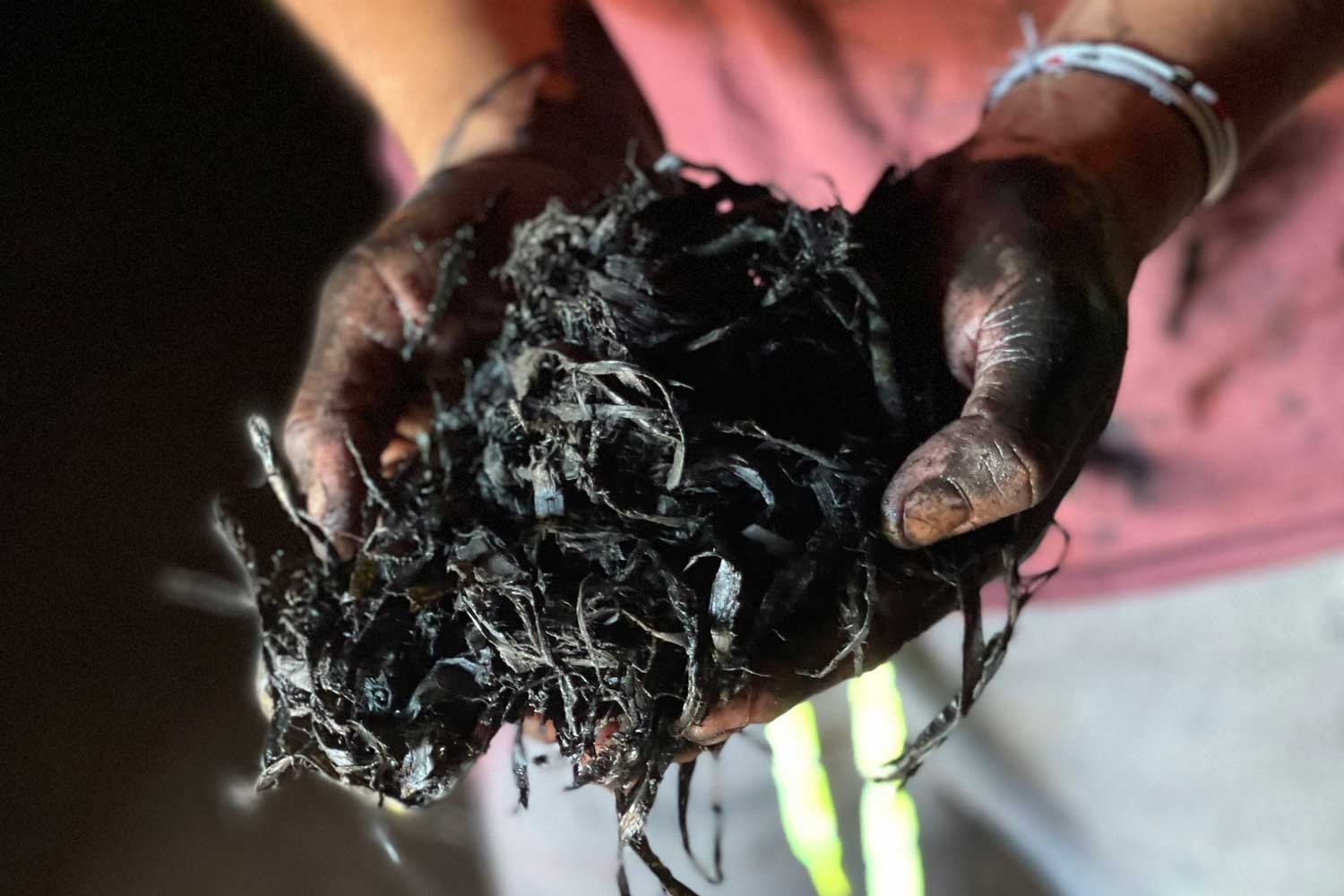
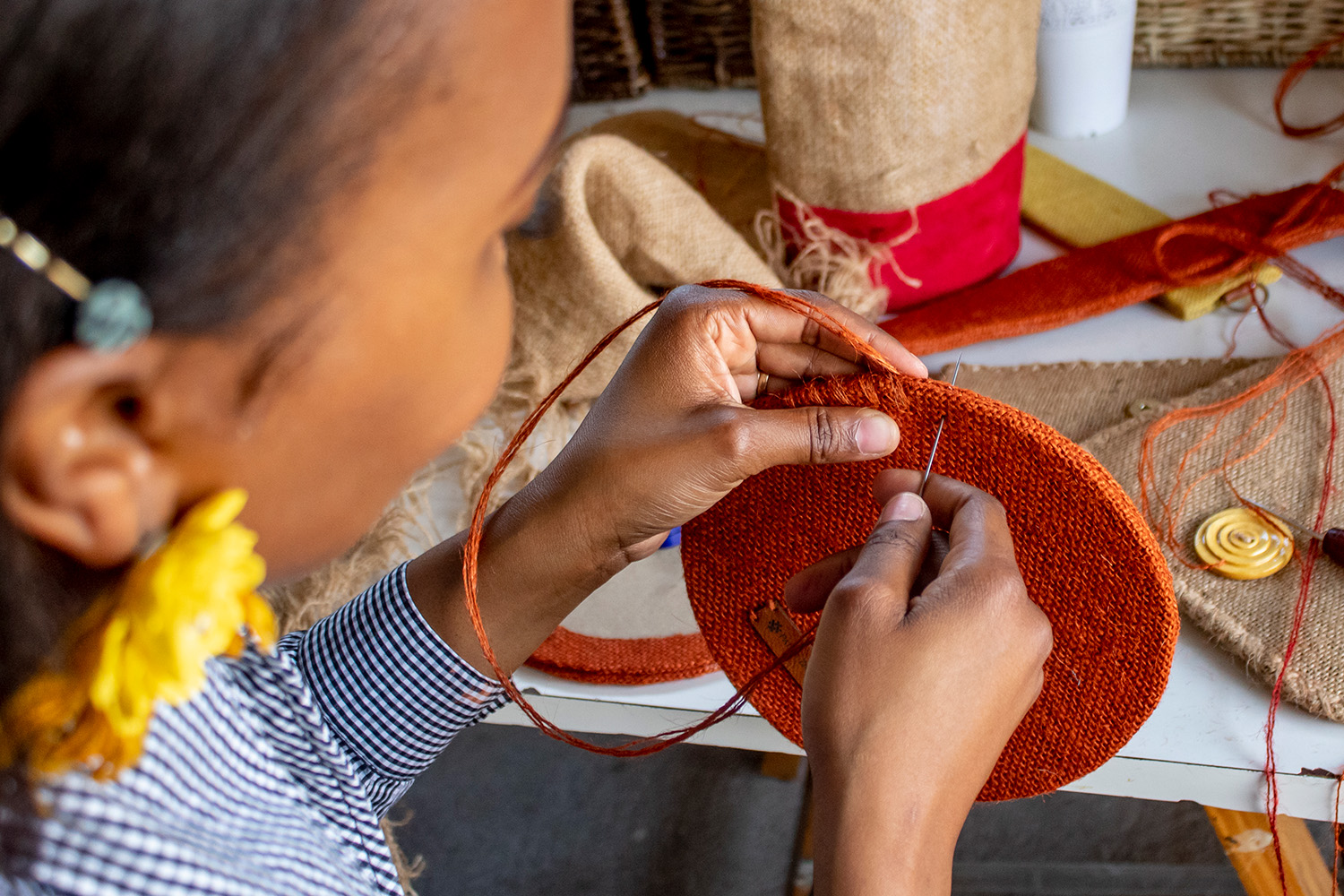
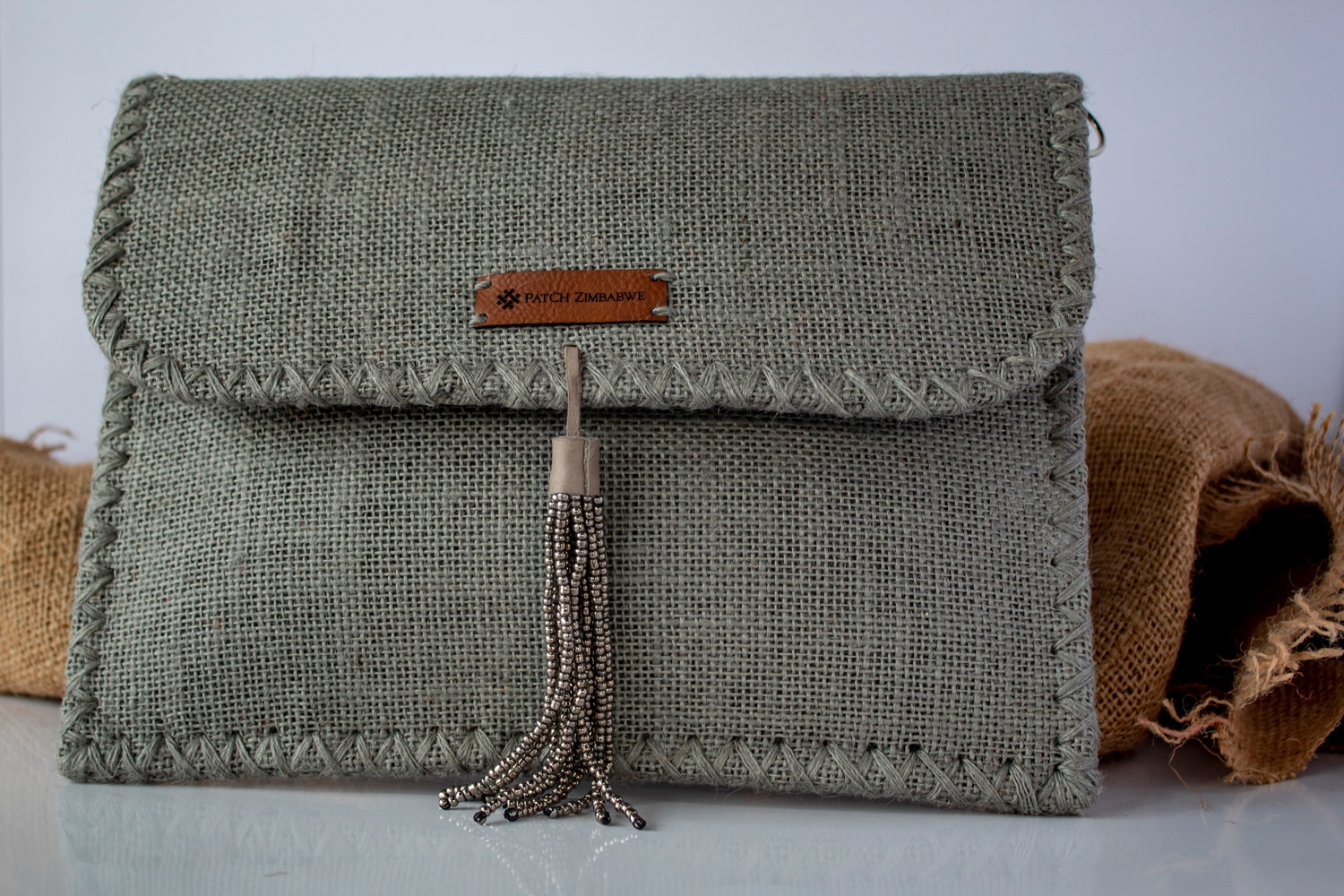
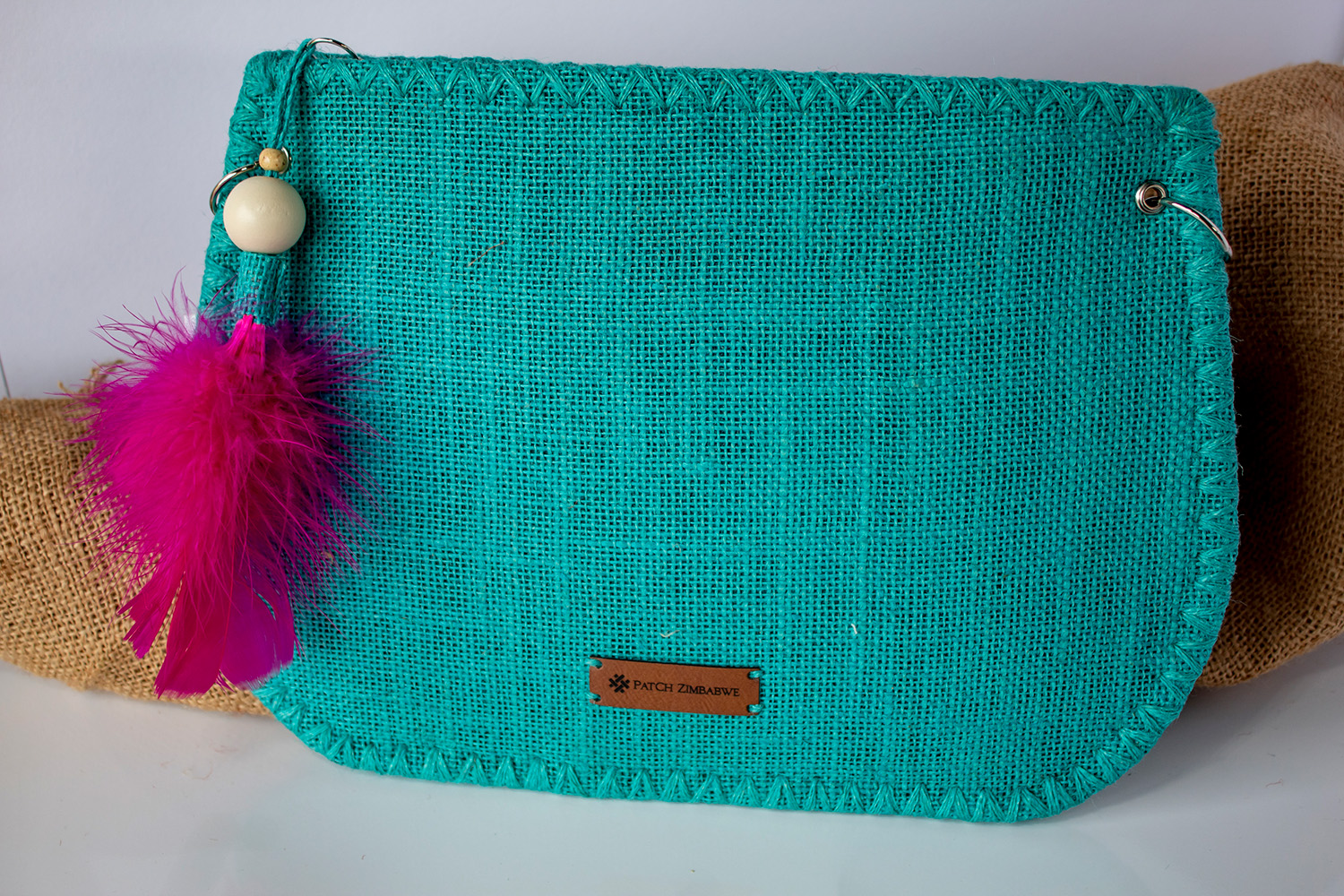
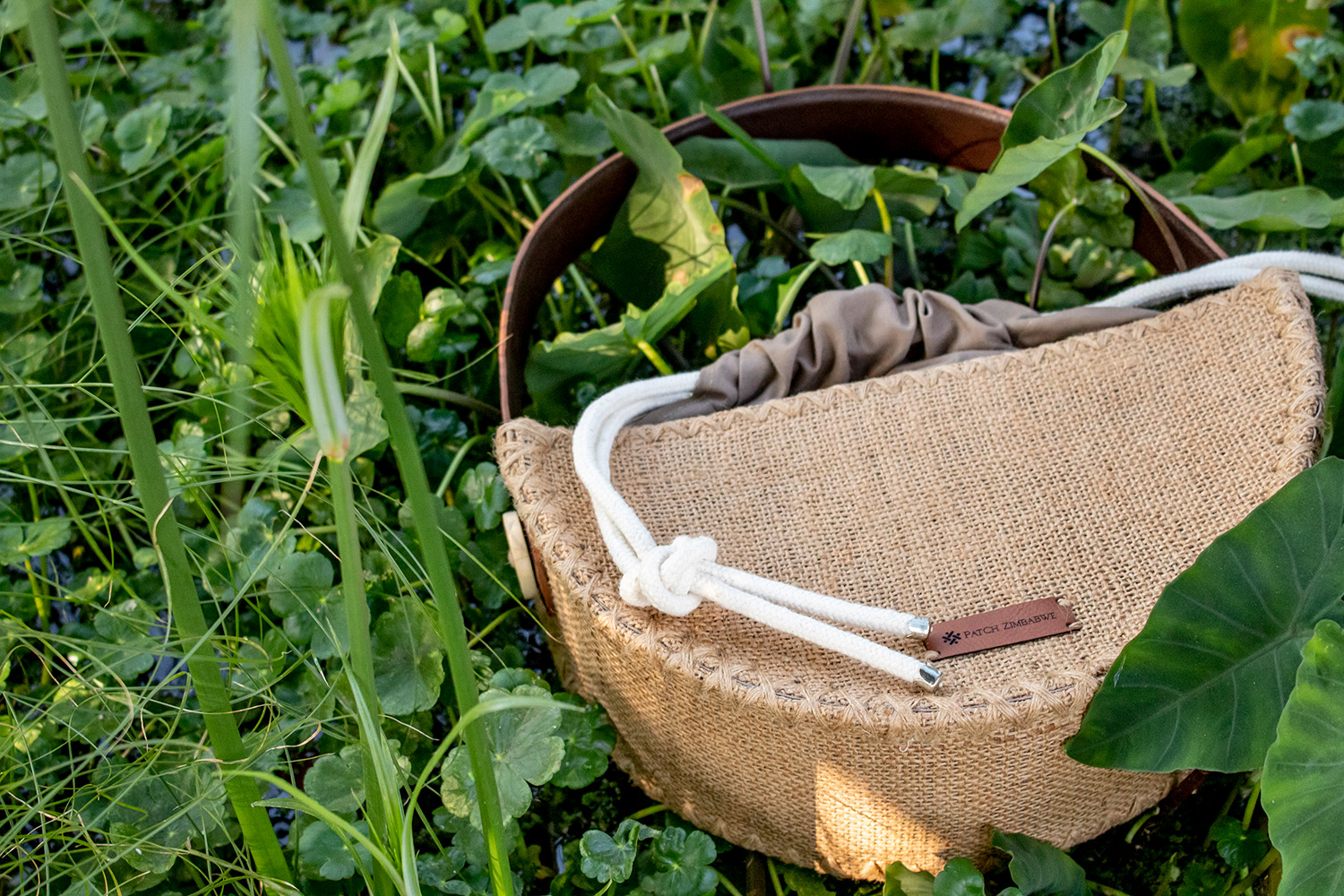
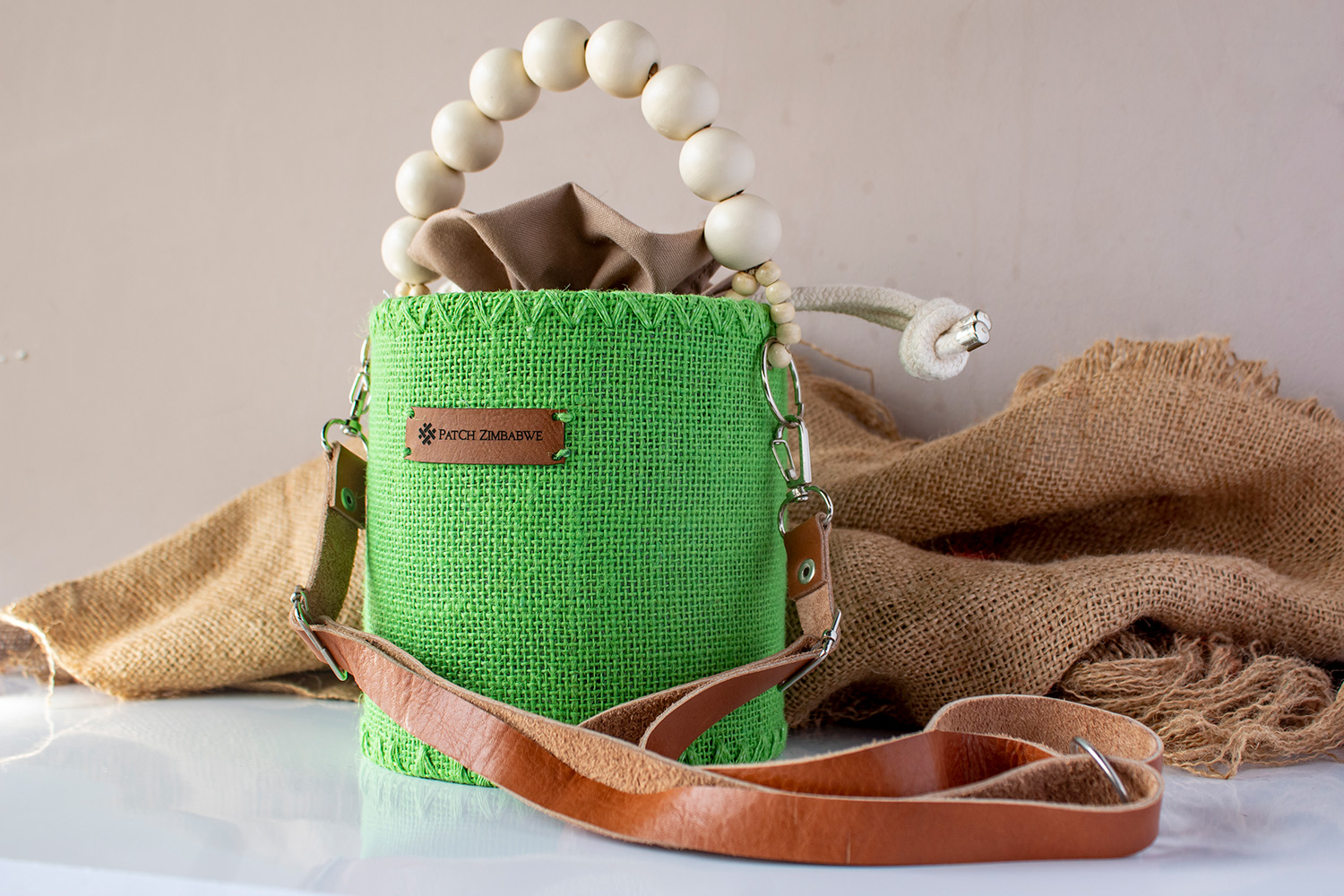
- Chido works with hand-dyed hessian fibre
- She researches practices and processes that are less harmful to nature
- Her designs are inspired by her nation’s textile culture
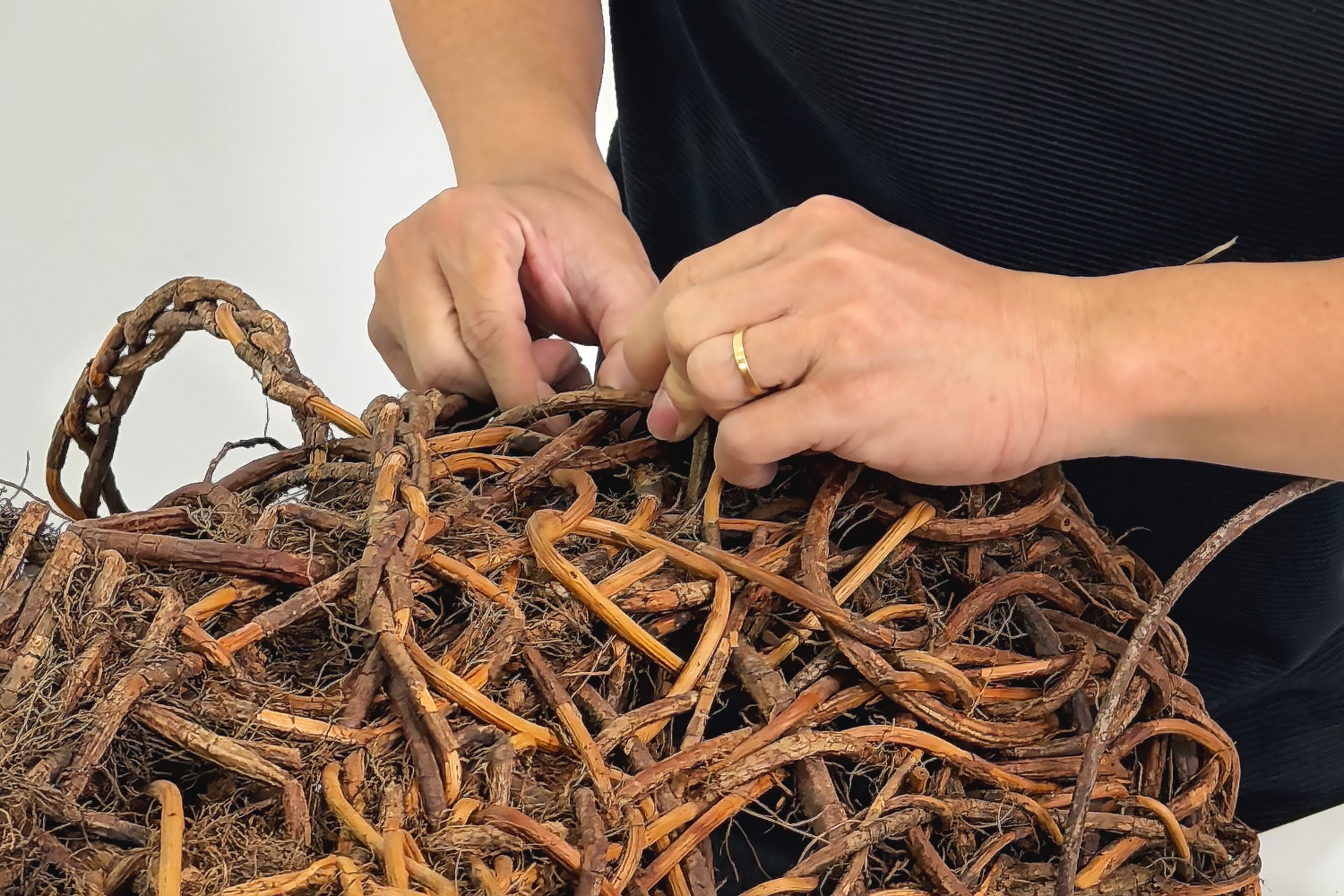
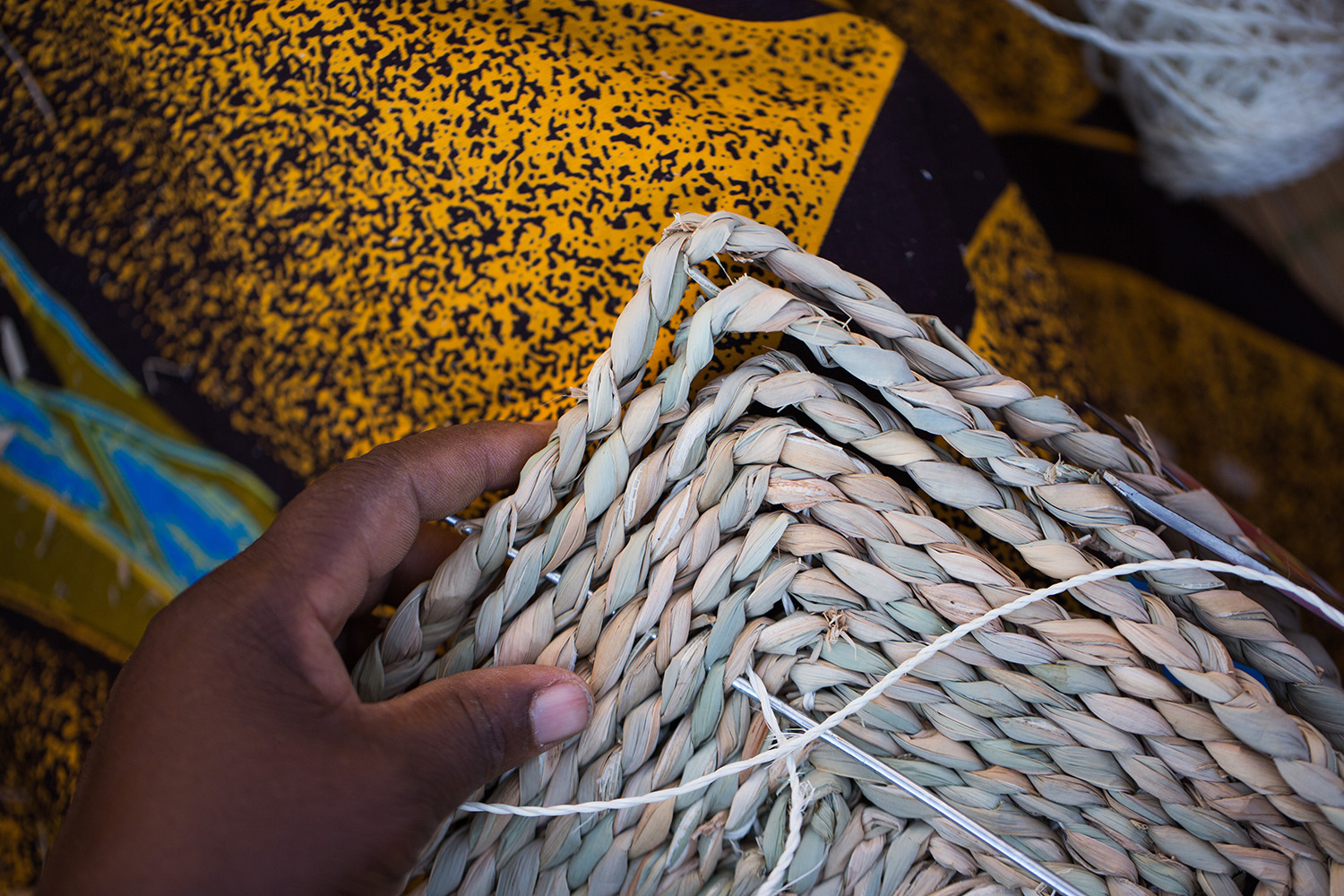
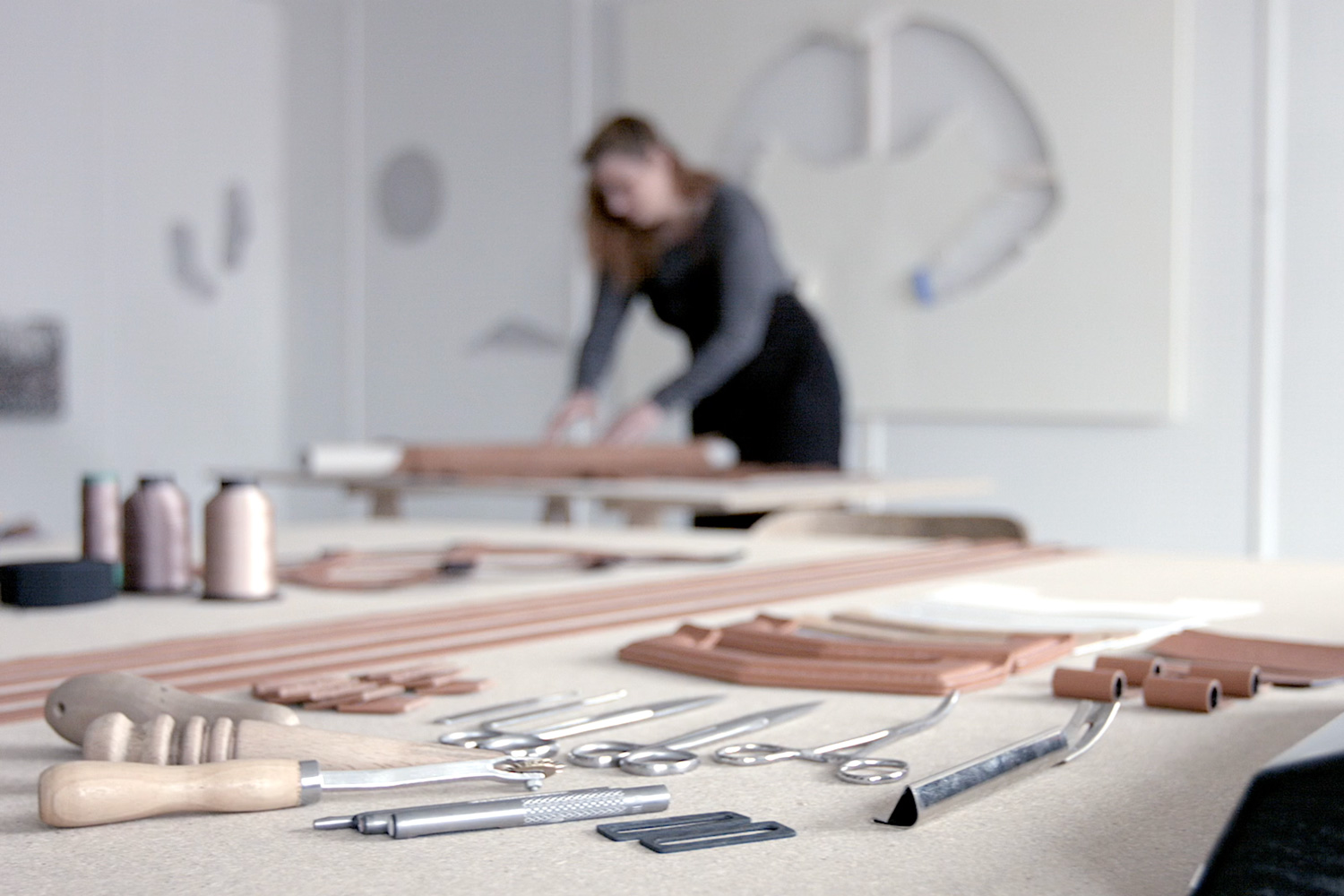
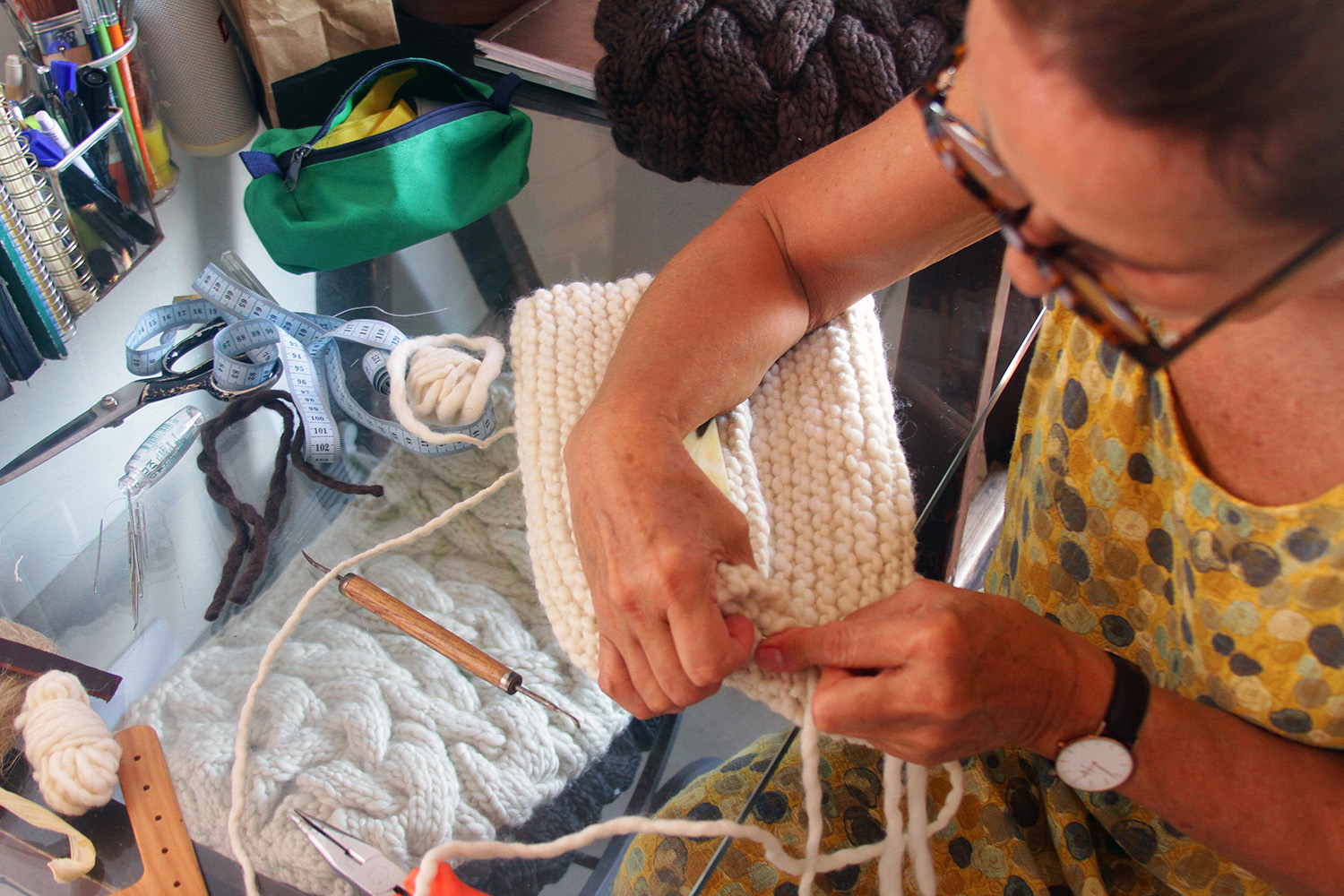
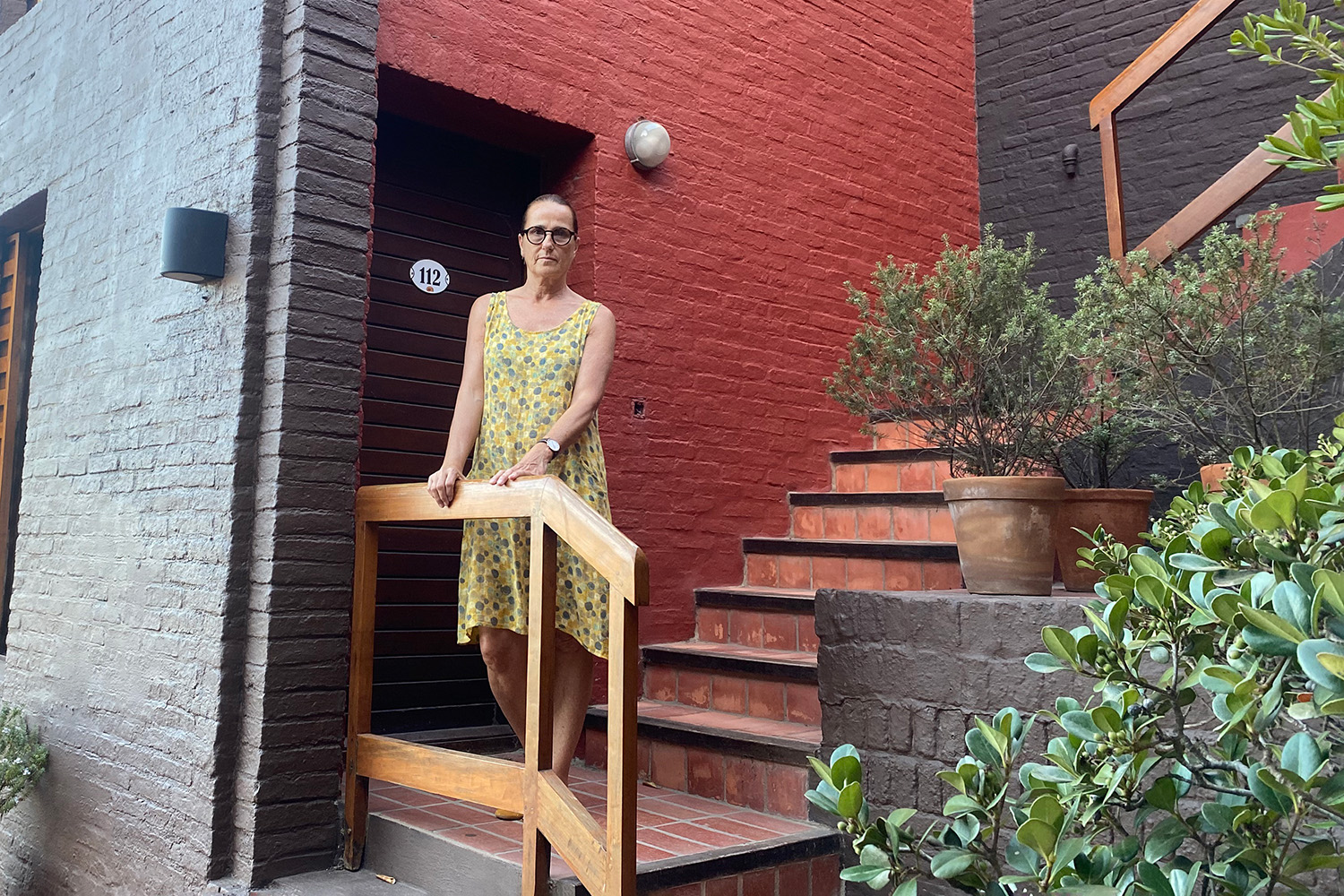
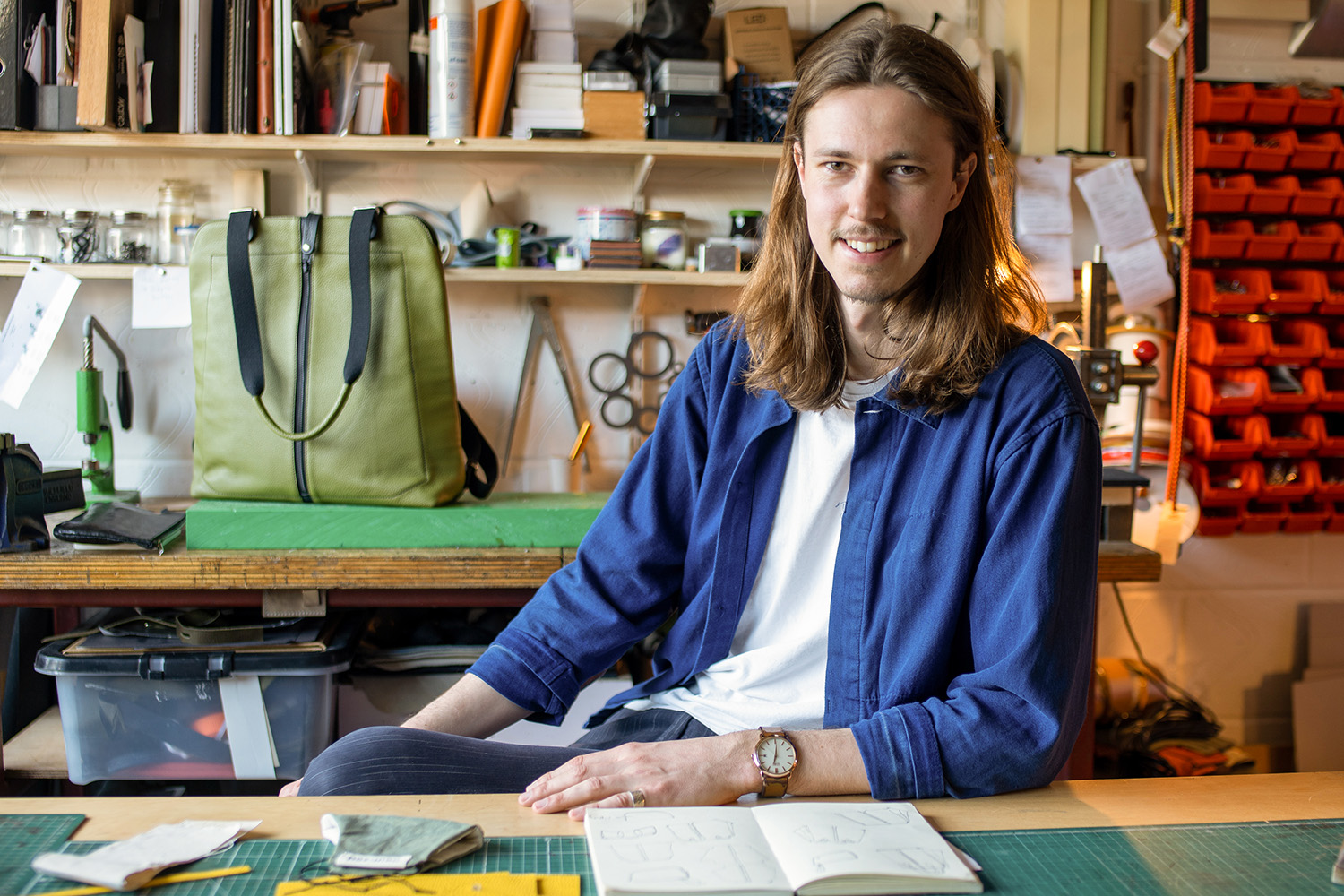
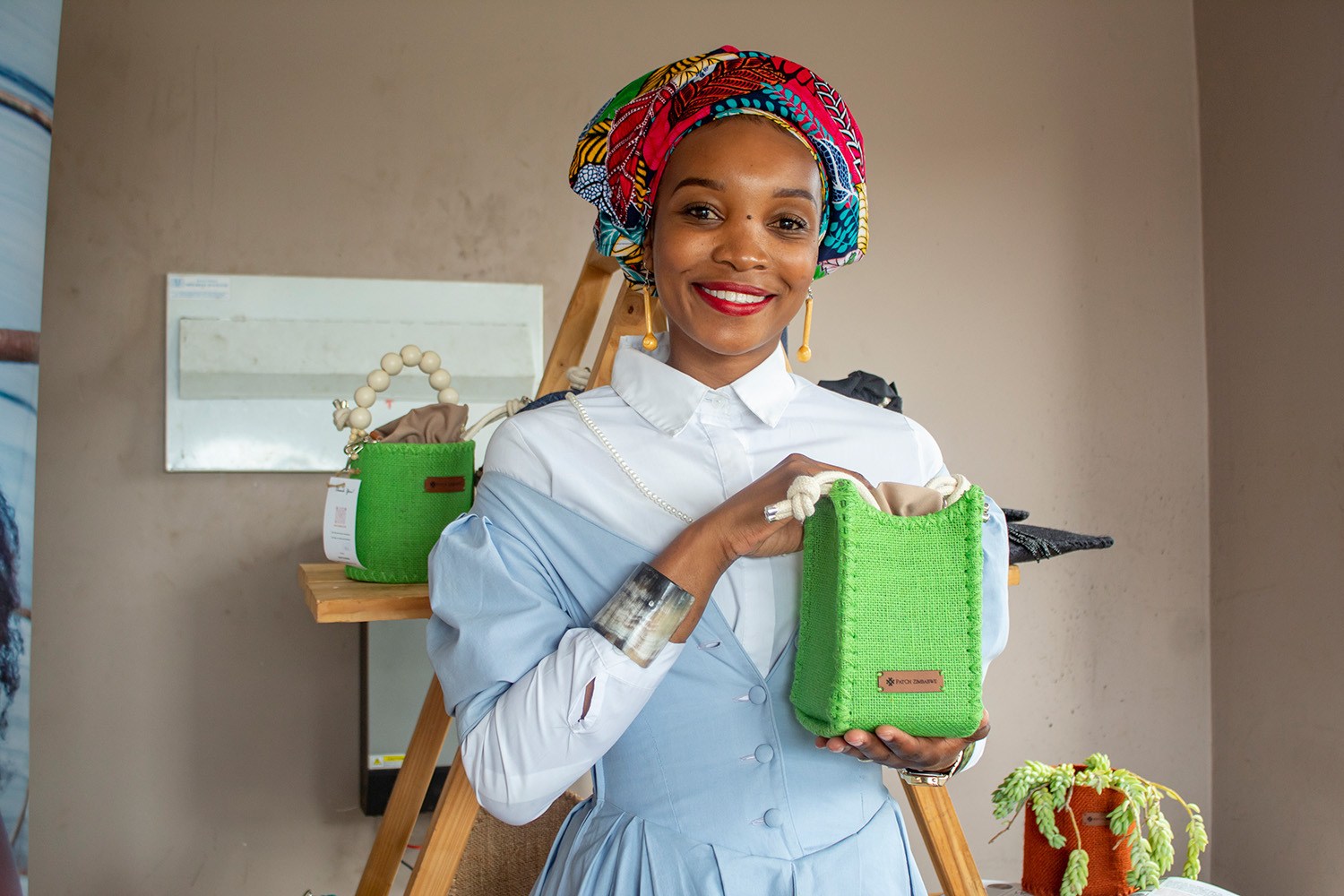
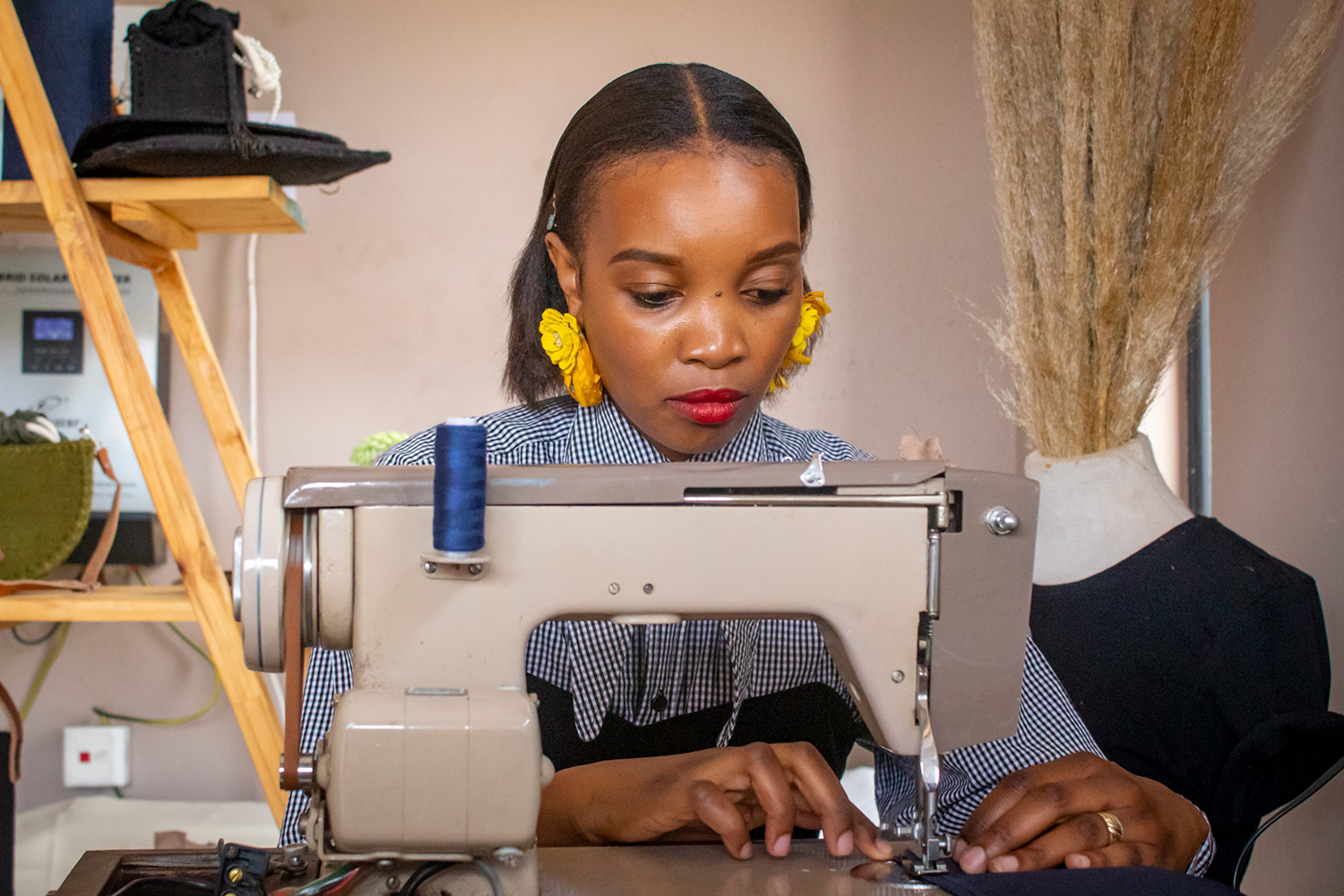
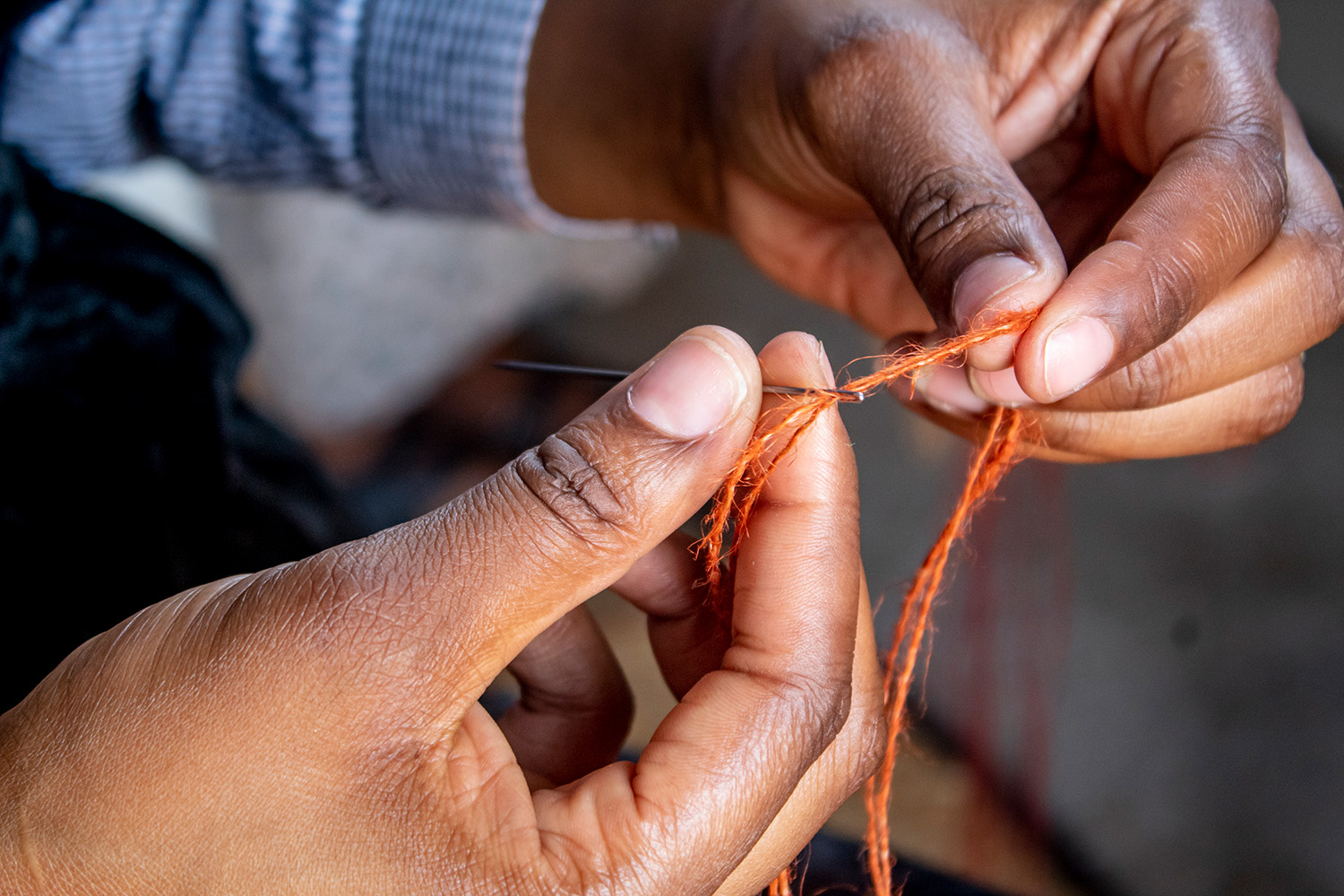
The memories of a childhood spent making and crafting came flooding back to Chido Kaseke during a volunteering stint at her mother and aunt’s handicrafts college. The experience and a growing desire to work with her hands pushed Chido to transform a bag-making hobby into a business. She established her home-based studio in 2015. Chido has a keen interest in researching sustainable materials, practices, and processes that are less harmful to nature. This led her to use hessian, a bio-degradable fibre. “Living in a country with many power outage, it is helpful that the handcrafting process we use requires little to no electricity.” Chido is also invested in supporting the preservation and development of her country’s craft heritage by working with local artisans.
INTERVIEW
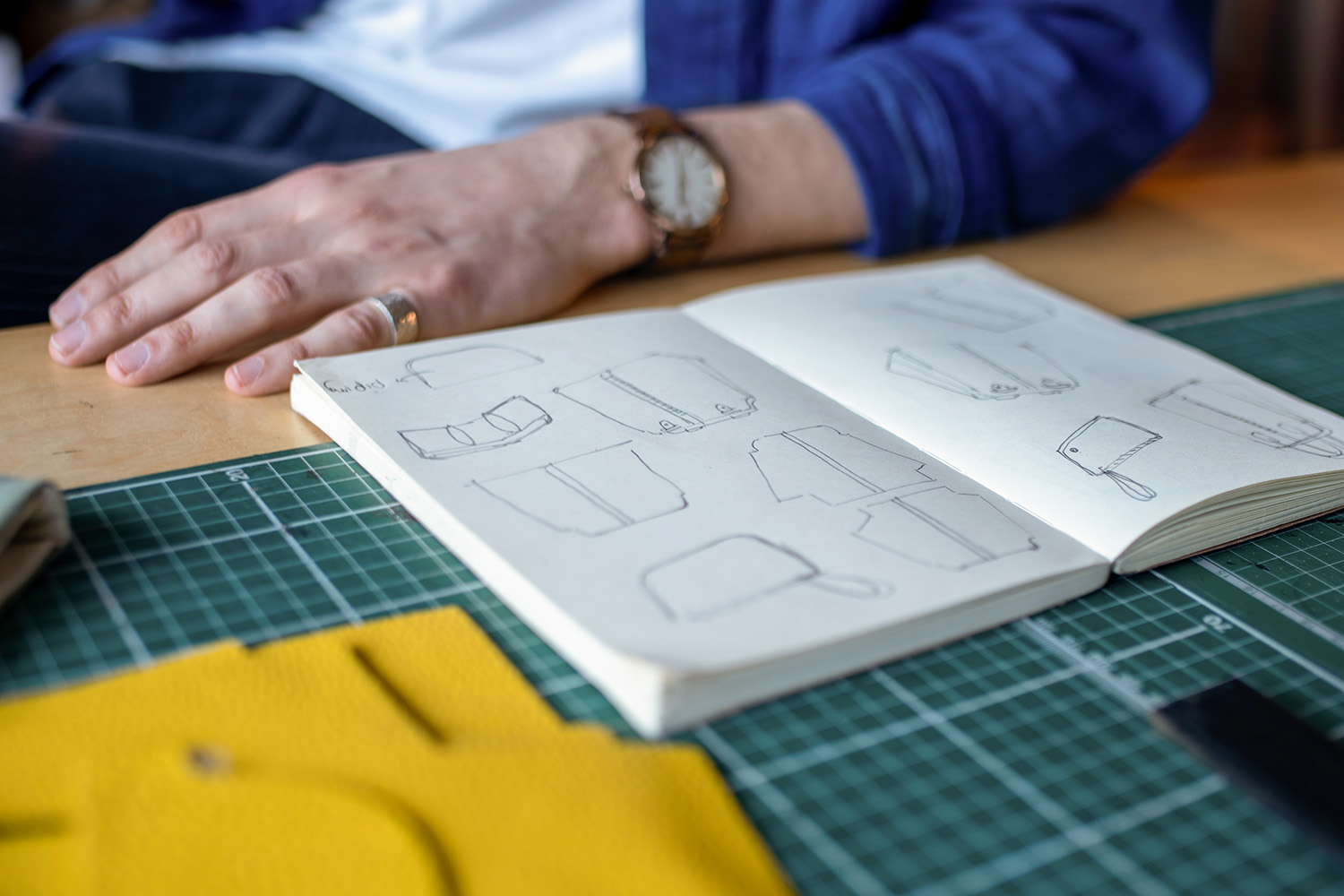
When I am creating with my hands, the focus is on that moment alone. I feel free, at ease, at peace and alive. The practice of handcrafting is not only therapeutic, it is also a way to add and leave my mark on this earth.
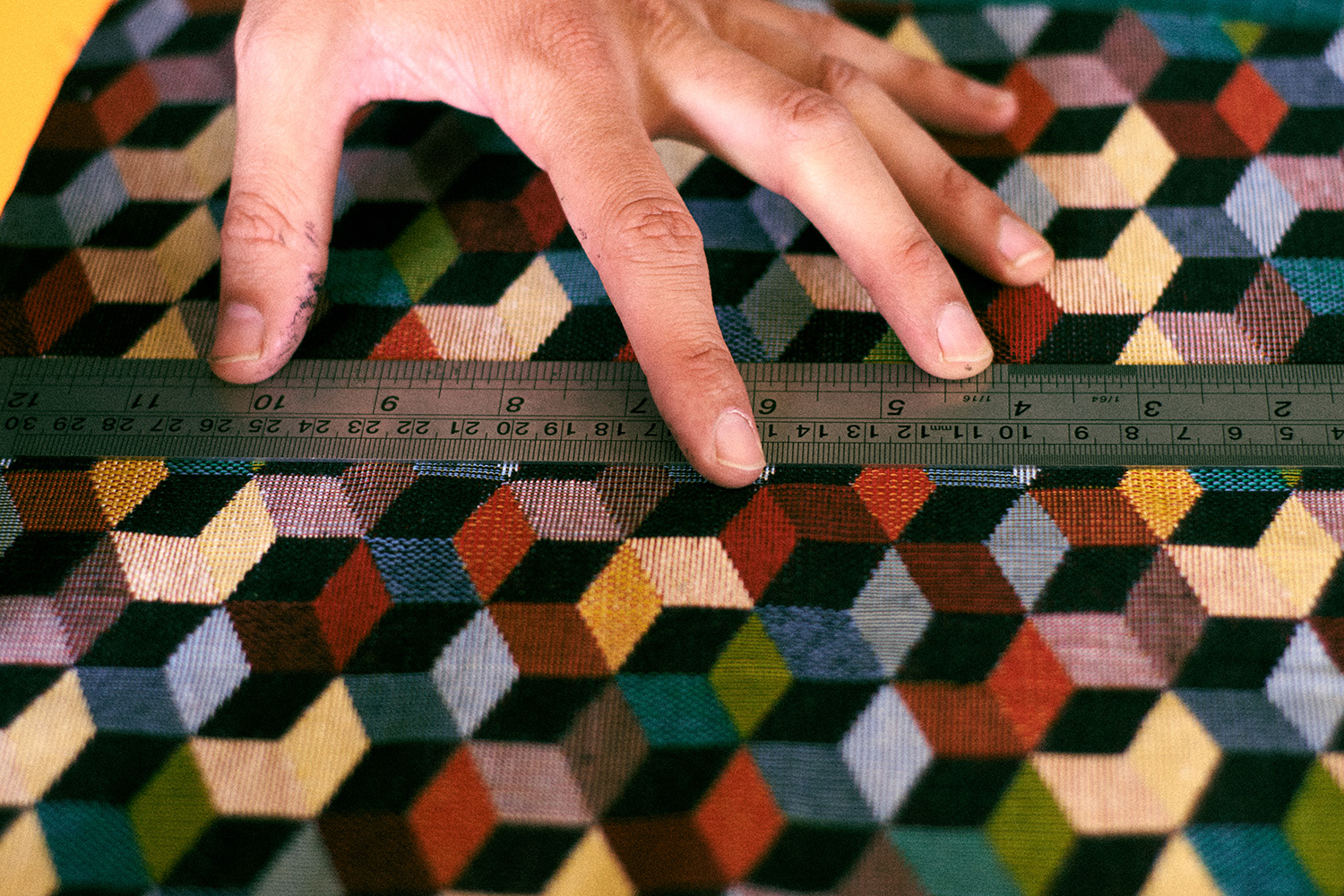
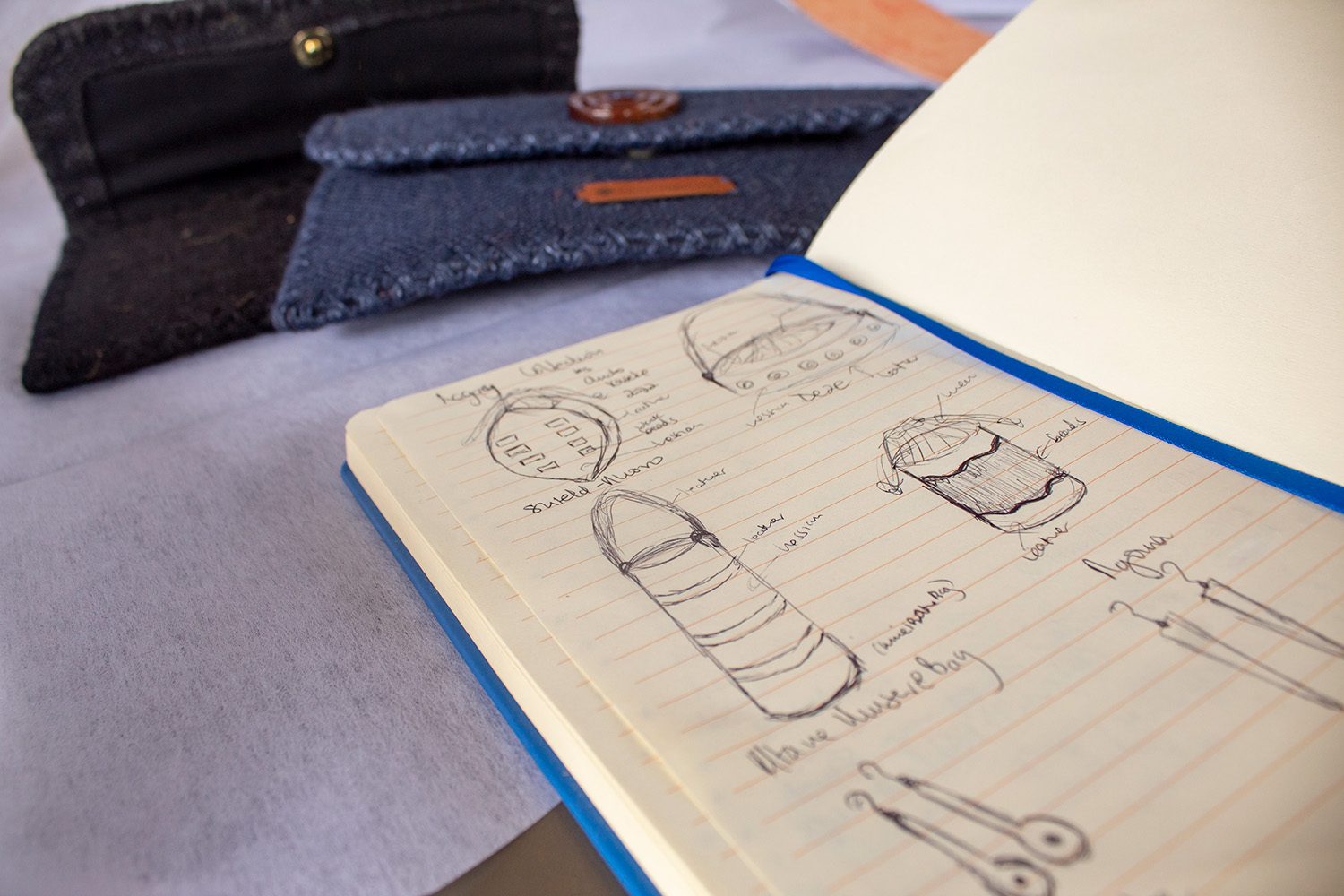
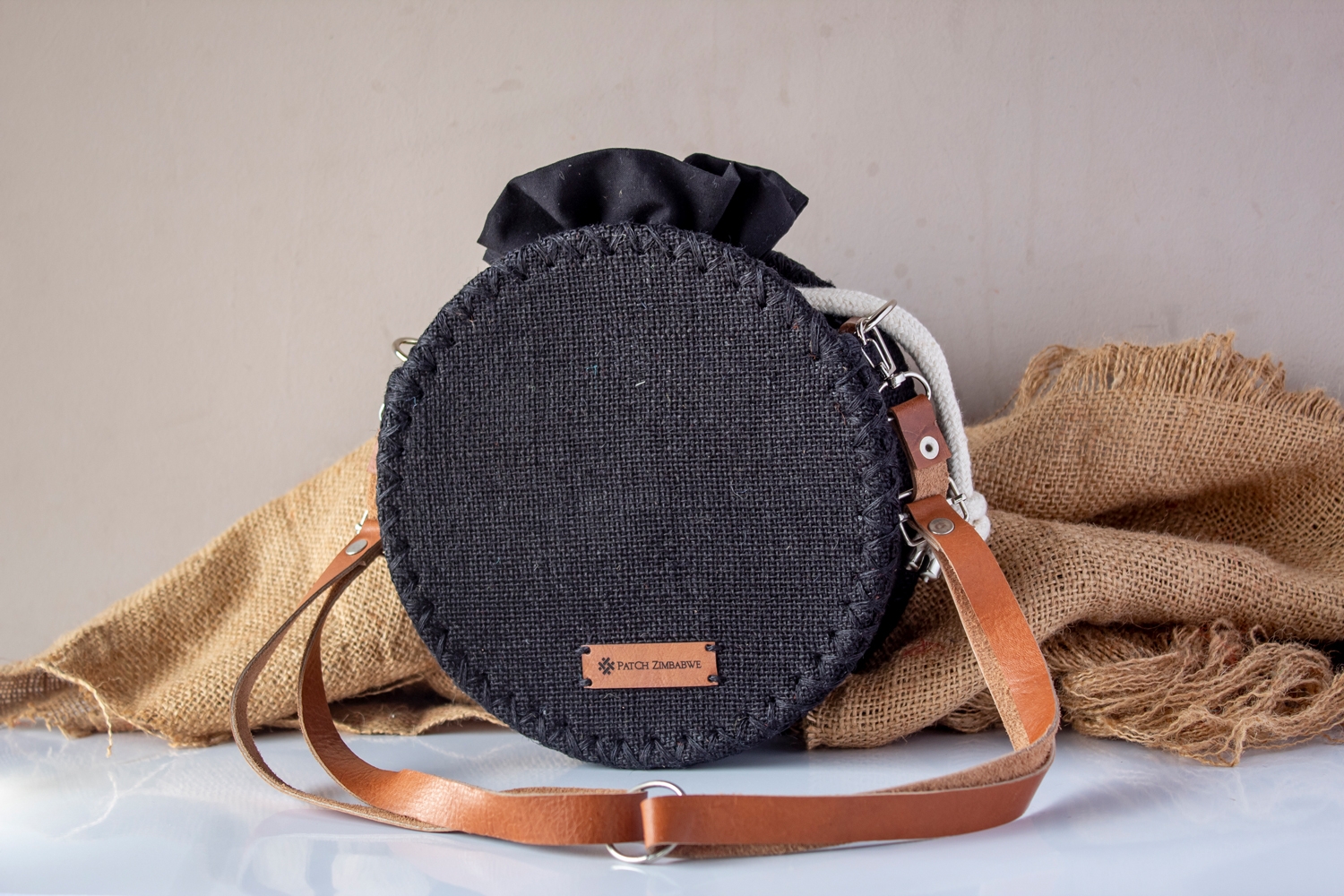
I feel strongly about the preservation of my culture as an African woman of Shona descent. I am always moved to create bags that share the knowledge of our indigenous dyeing ideologies, which is why I have designed handbags inspired by the material culture of my nation, for example the Ngoma bag, which is a depiction of a Shona drum.
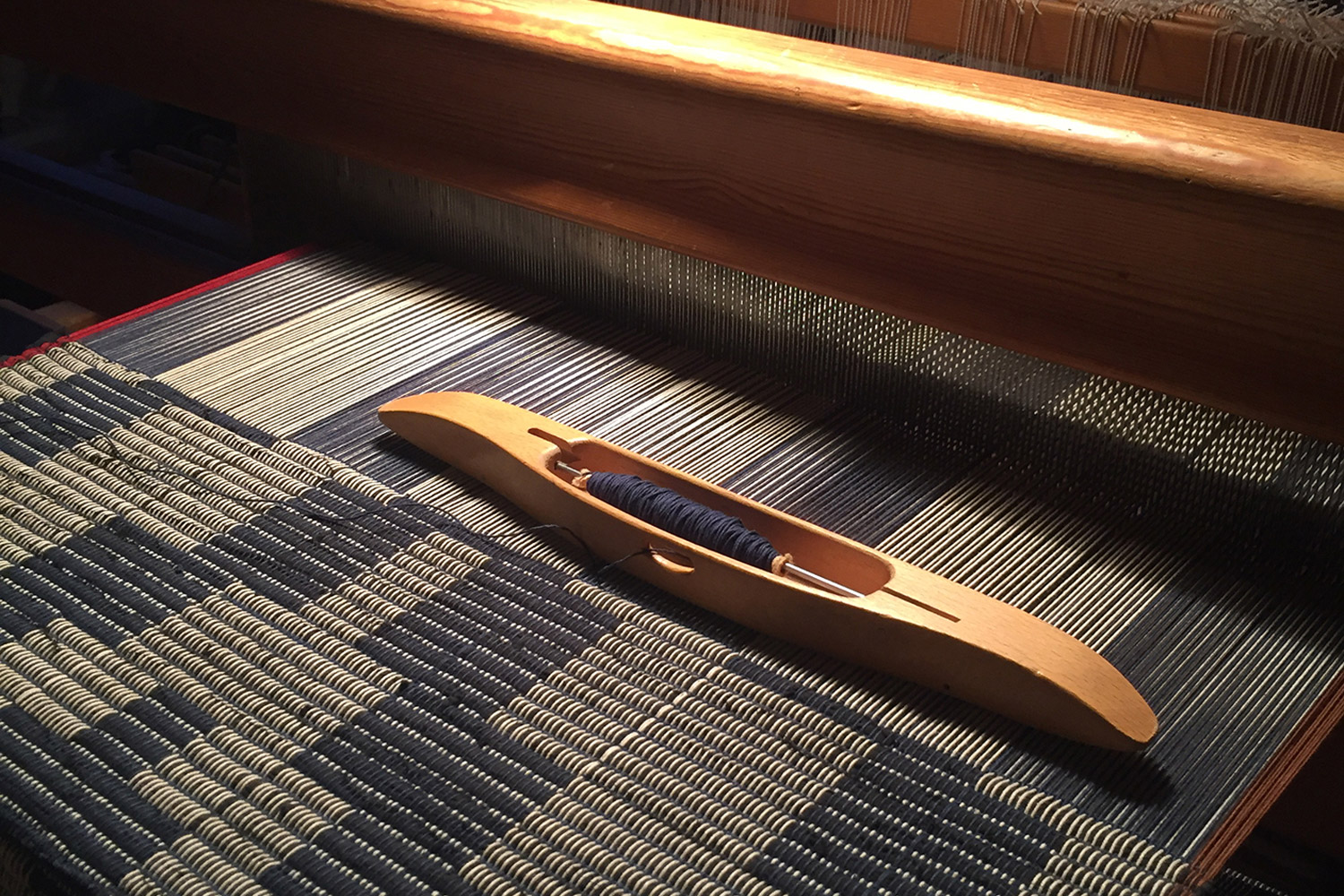
I always prefer to source from local artisans who are skilled in a craft. I have worked with artisans who specialise in indigenous dyes and dyeing practices, hand-weaving, and over the years, also wood and stone sculptors. I will continue to do so as a means to support their craft and help sustain their livelihoods.
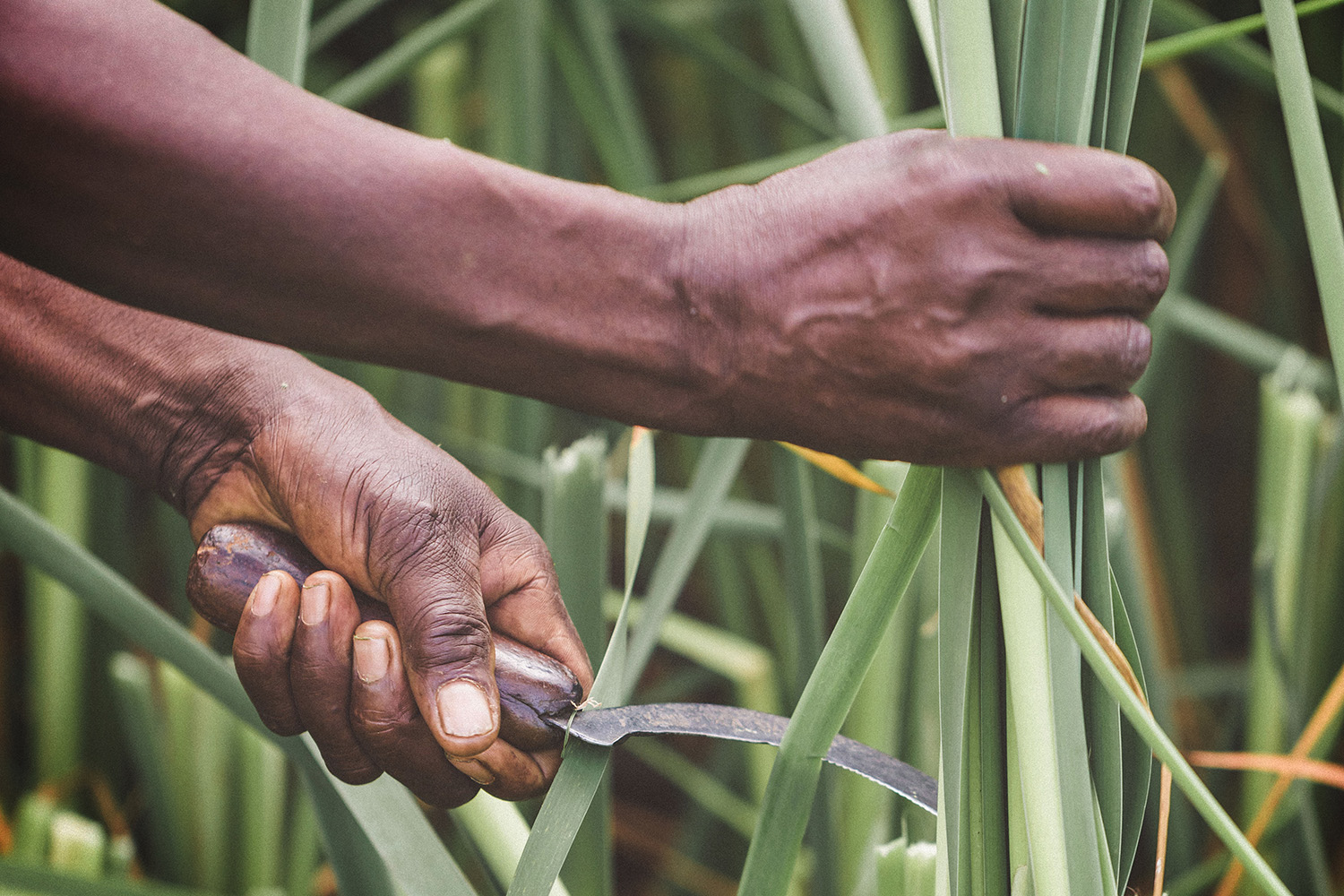
I had past experience using hessian fibre in high school, and have always had a keen interest in items that are looked down upon by people. Hessian is a sustainable, bio-degradable fibre that is normally shunned, and I started researching ways to beautify the material.
Chido Kaseke
PatCh MaokoeZimbabwe
Bag maker
Harare, Zimbabwe
AVAILABILITY
By appointment only
PHONE
+263 777154487
LANGUAGES
Shona, English
Homo Faber Finds is a new service aiming to inspire admirers of craft to connect and collaborate with exceptional artisans.
We invite you to submit an enquiry here.