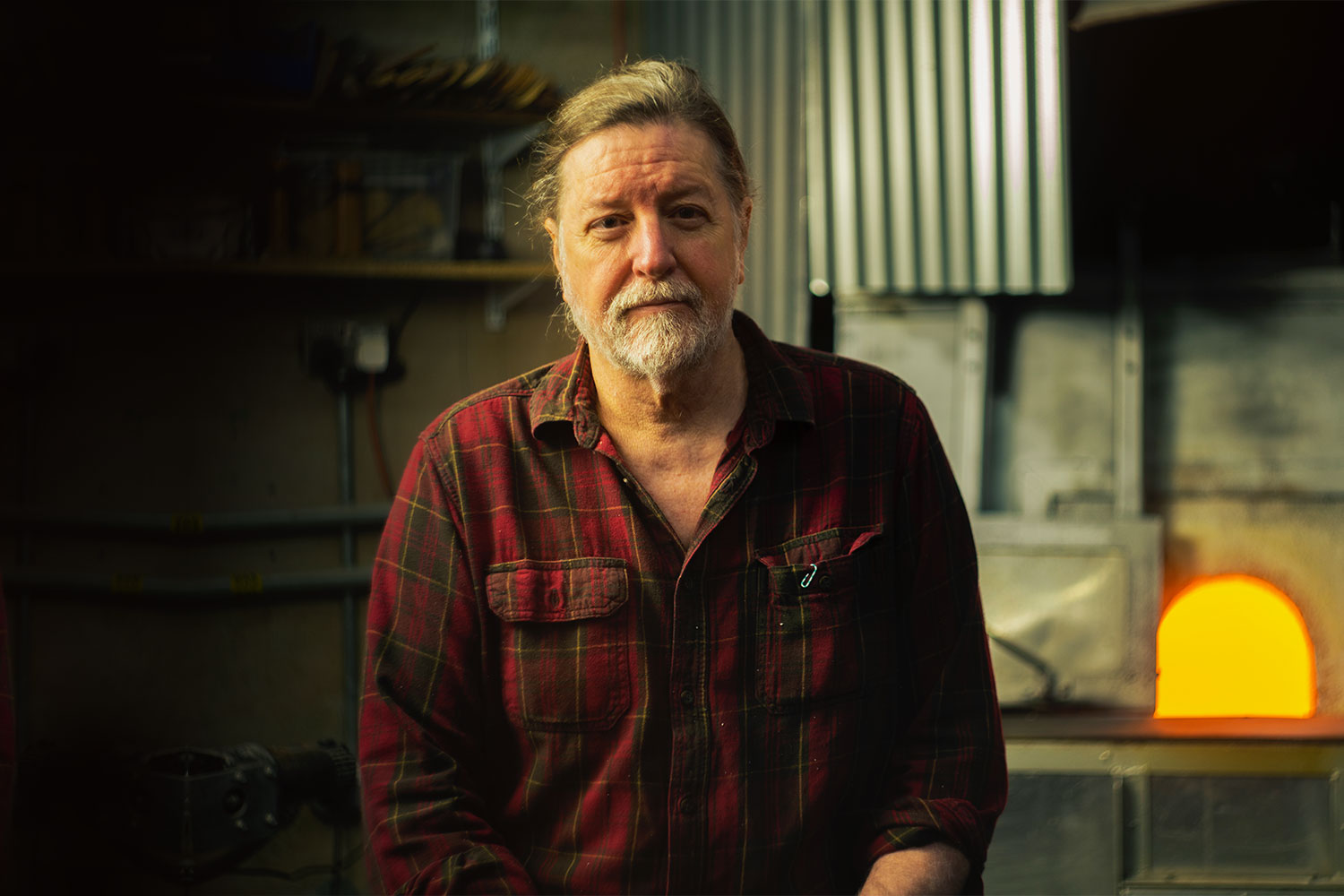


Scott Benefield
Glassblower
Ballintoy, United Kingdom
Recommended by Queen Elizabeth Scholarship Trust - QEST
Continuing an age-old conversation
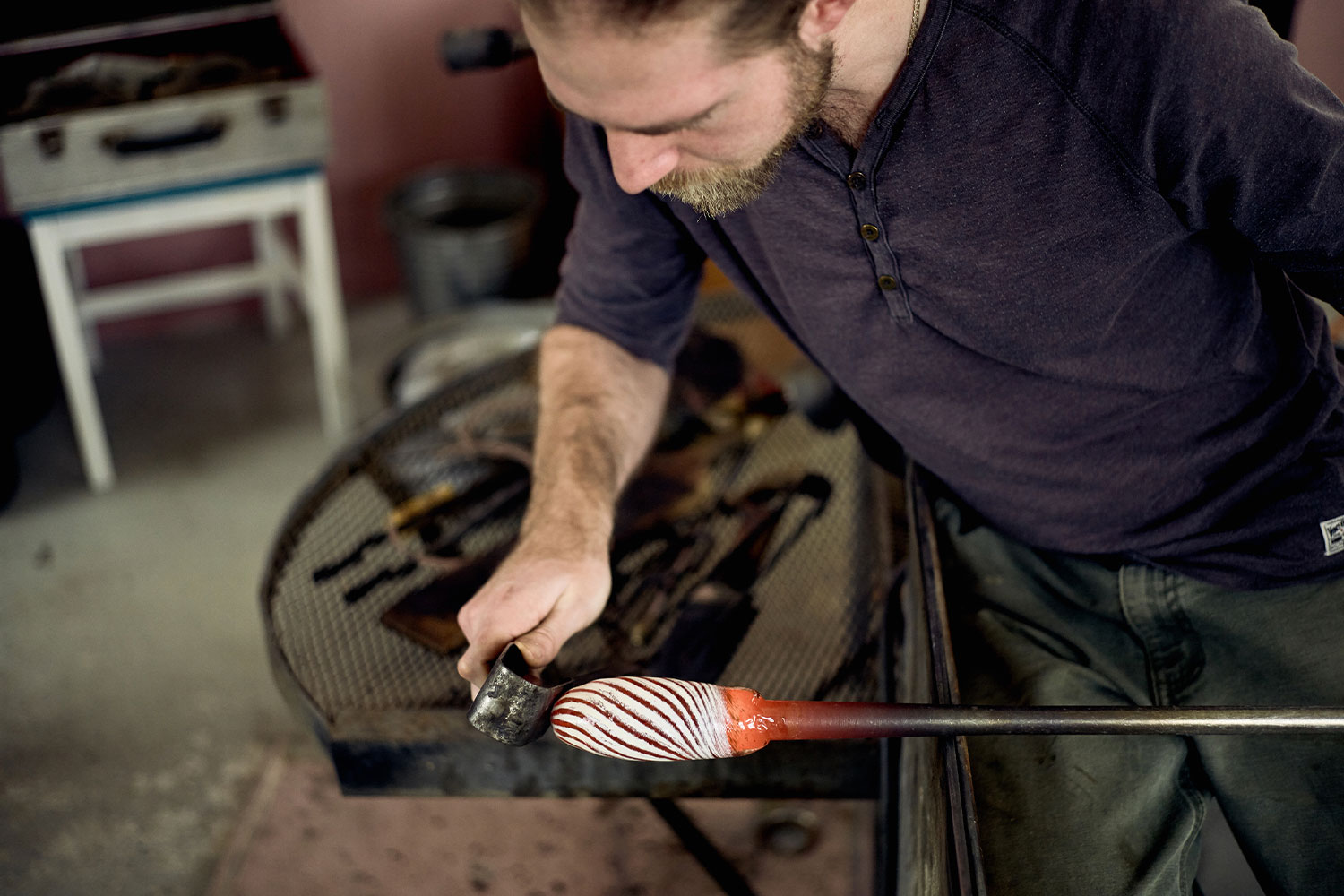
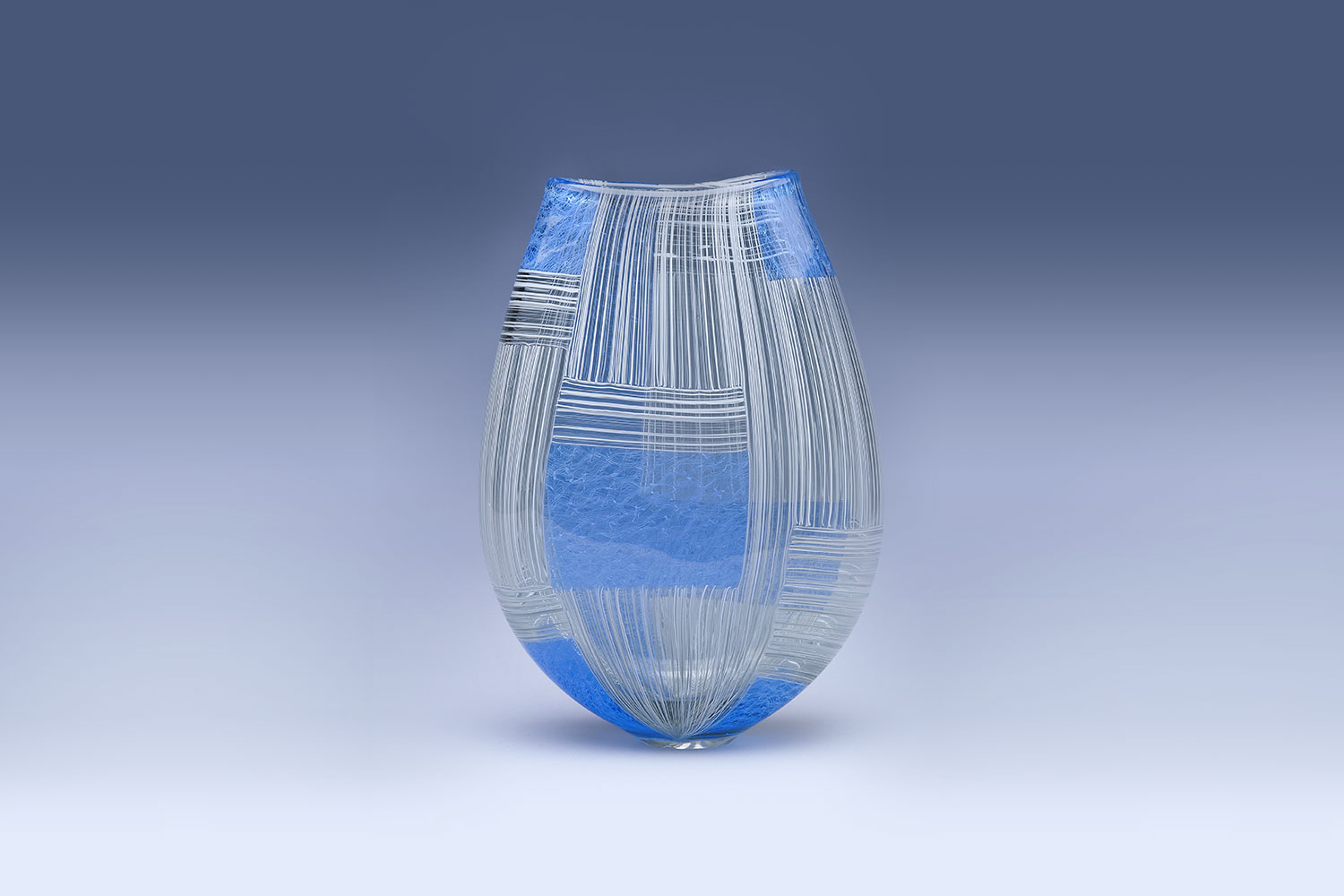
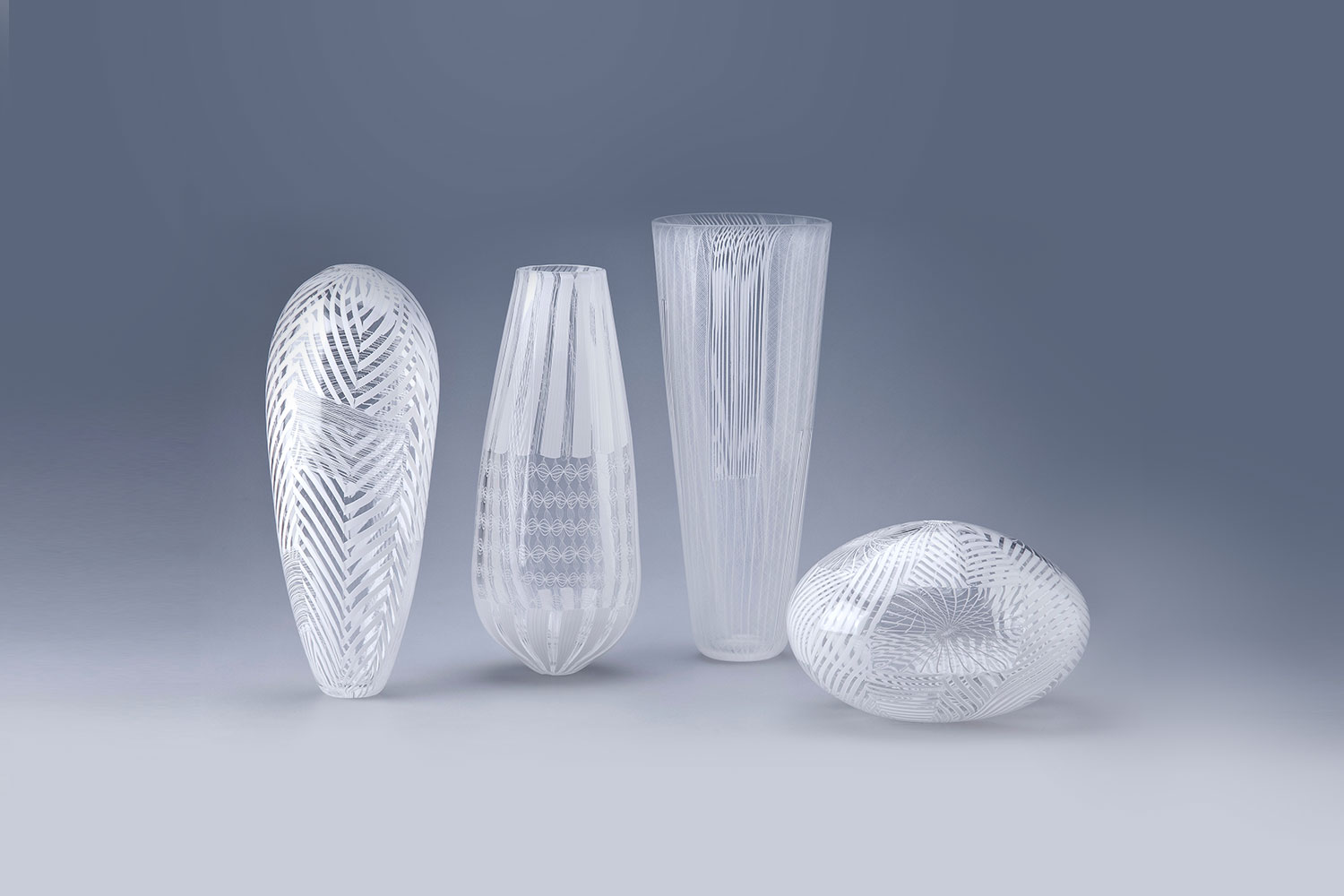
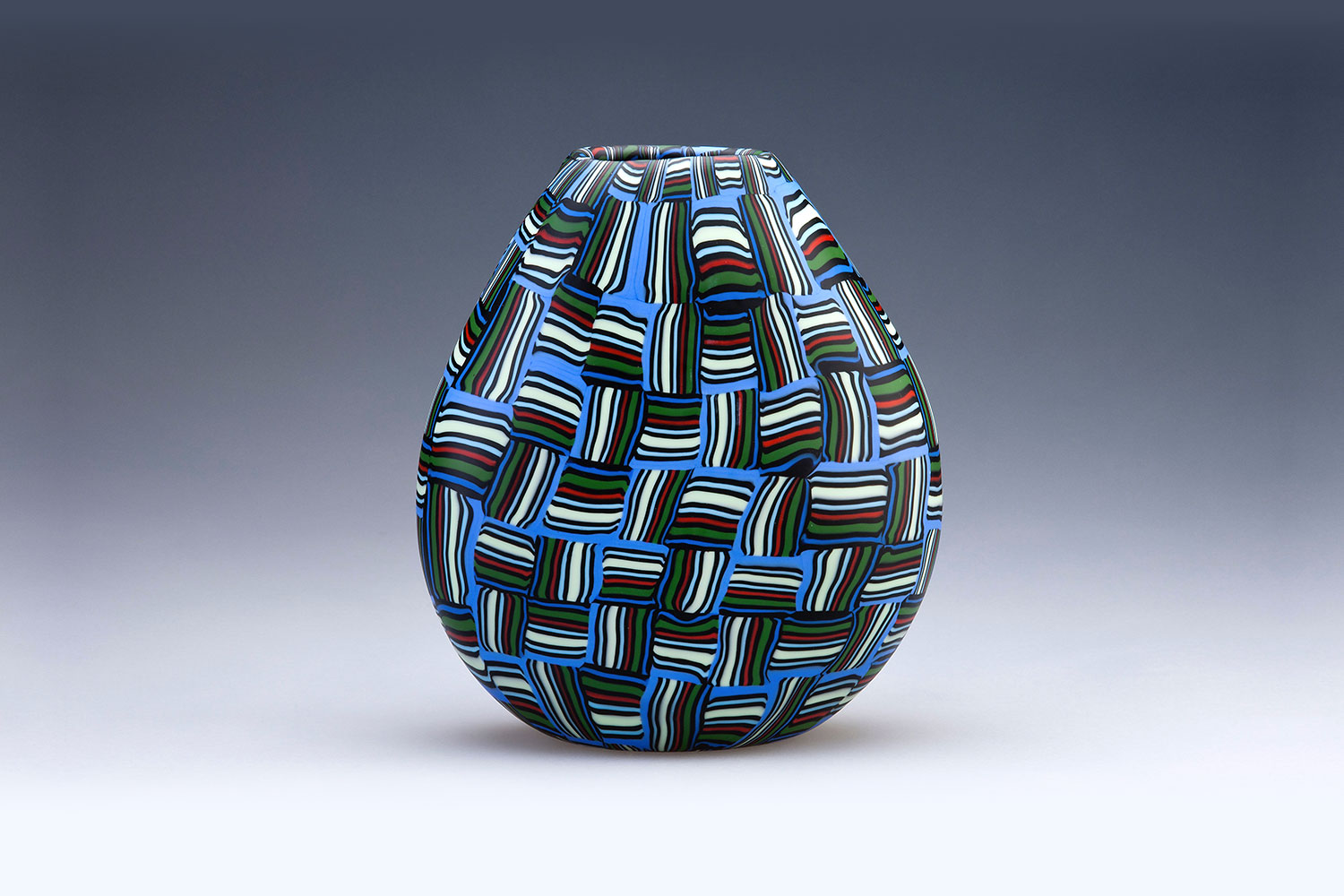
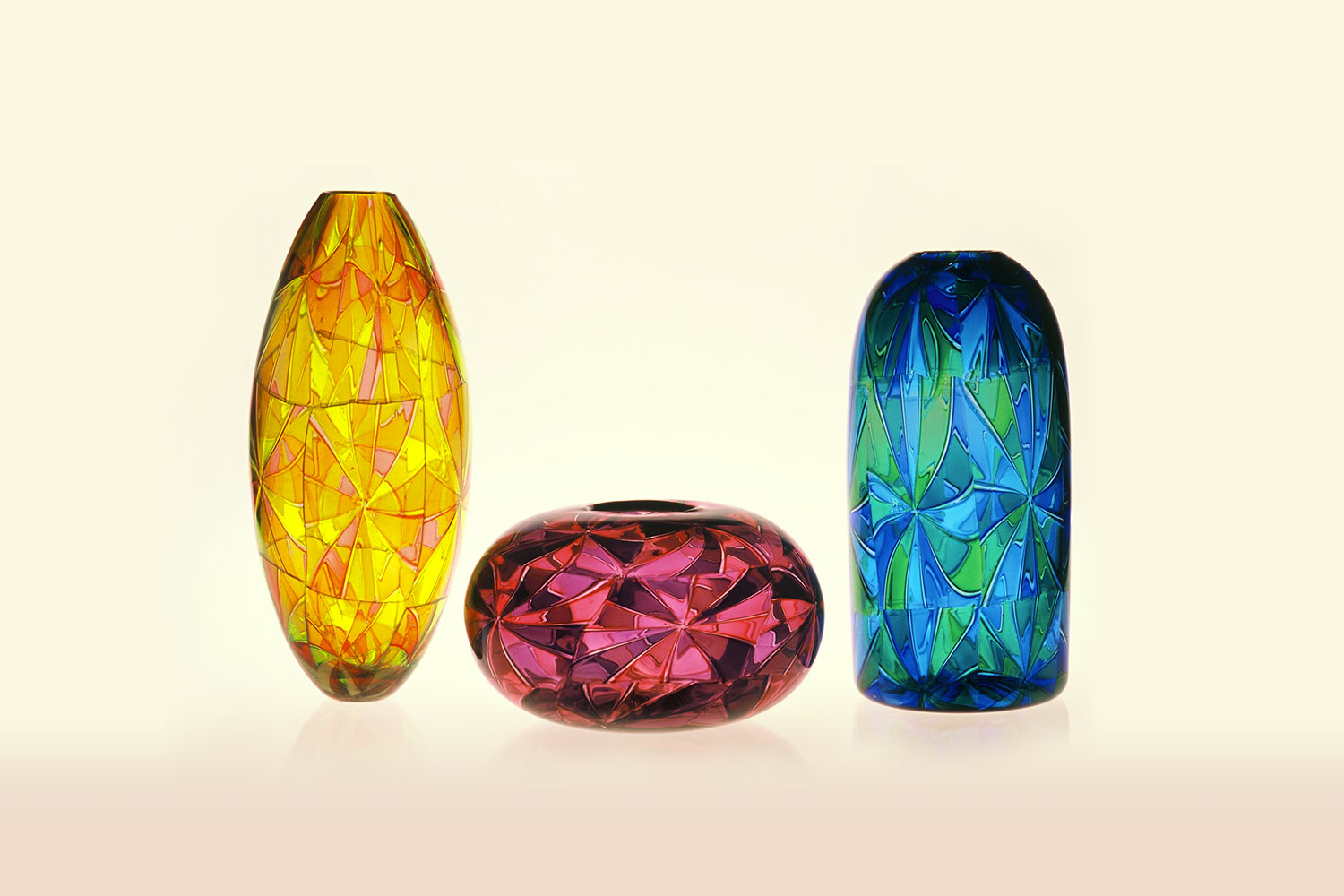
- Scott is inspired by Venetian glass traditions and cane work
- He began his career at a stained glass studio in Washington DC
- He always works in dialogue with the past
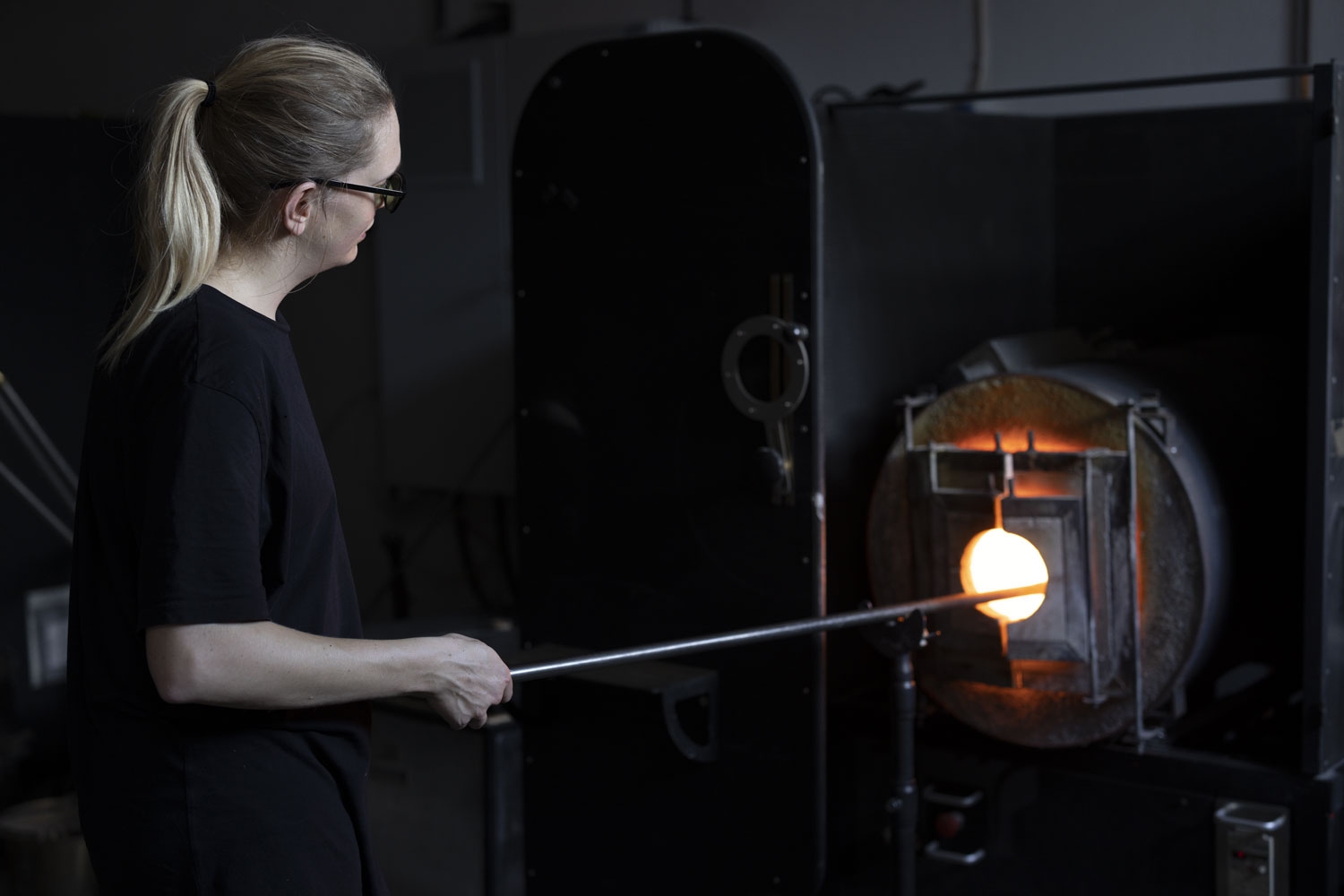
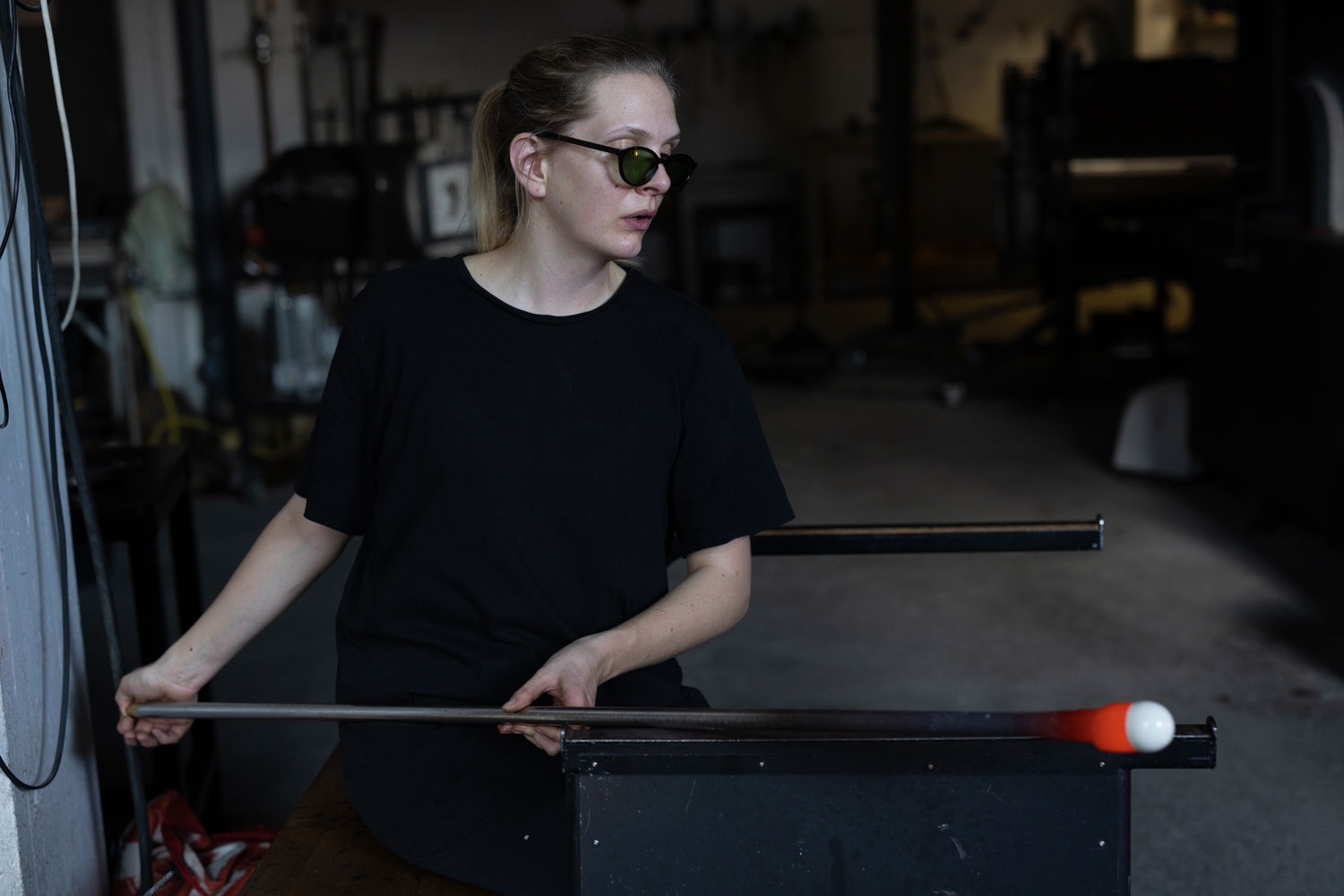
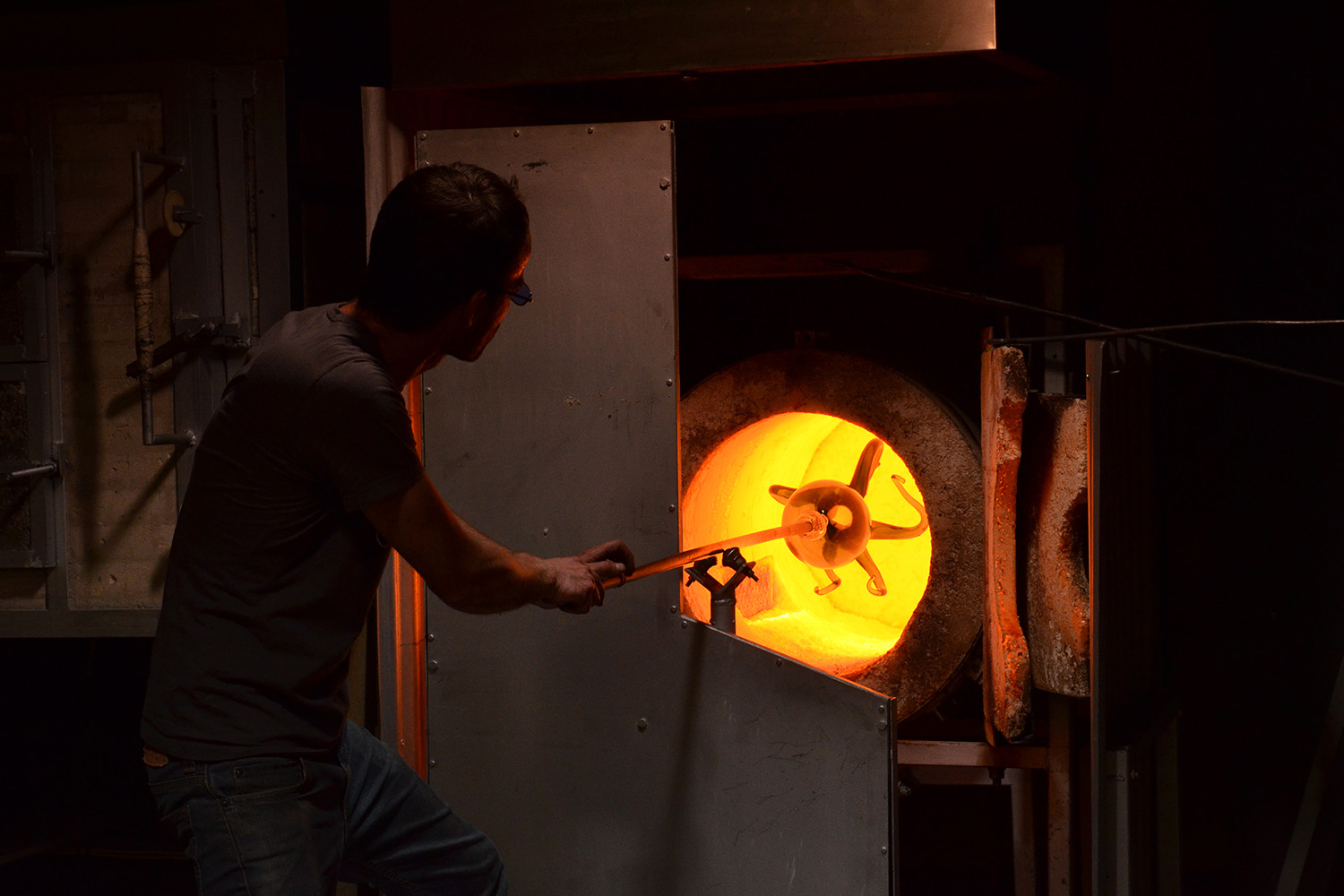
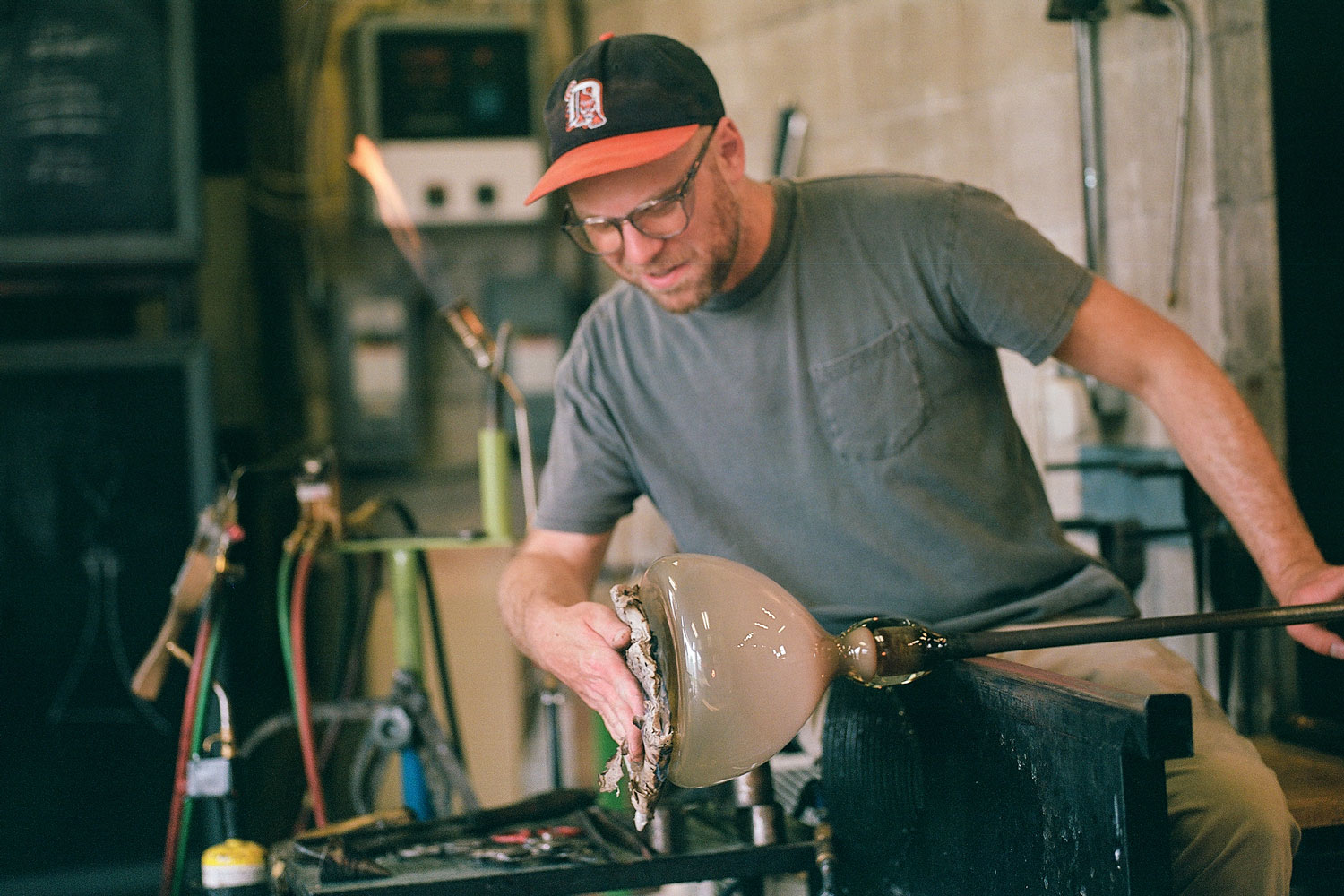
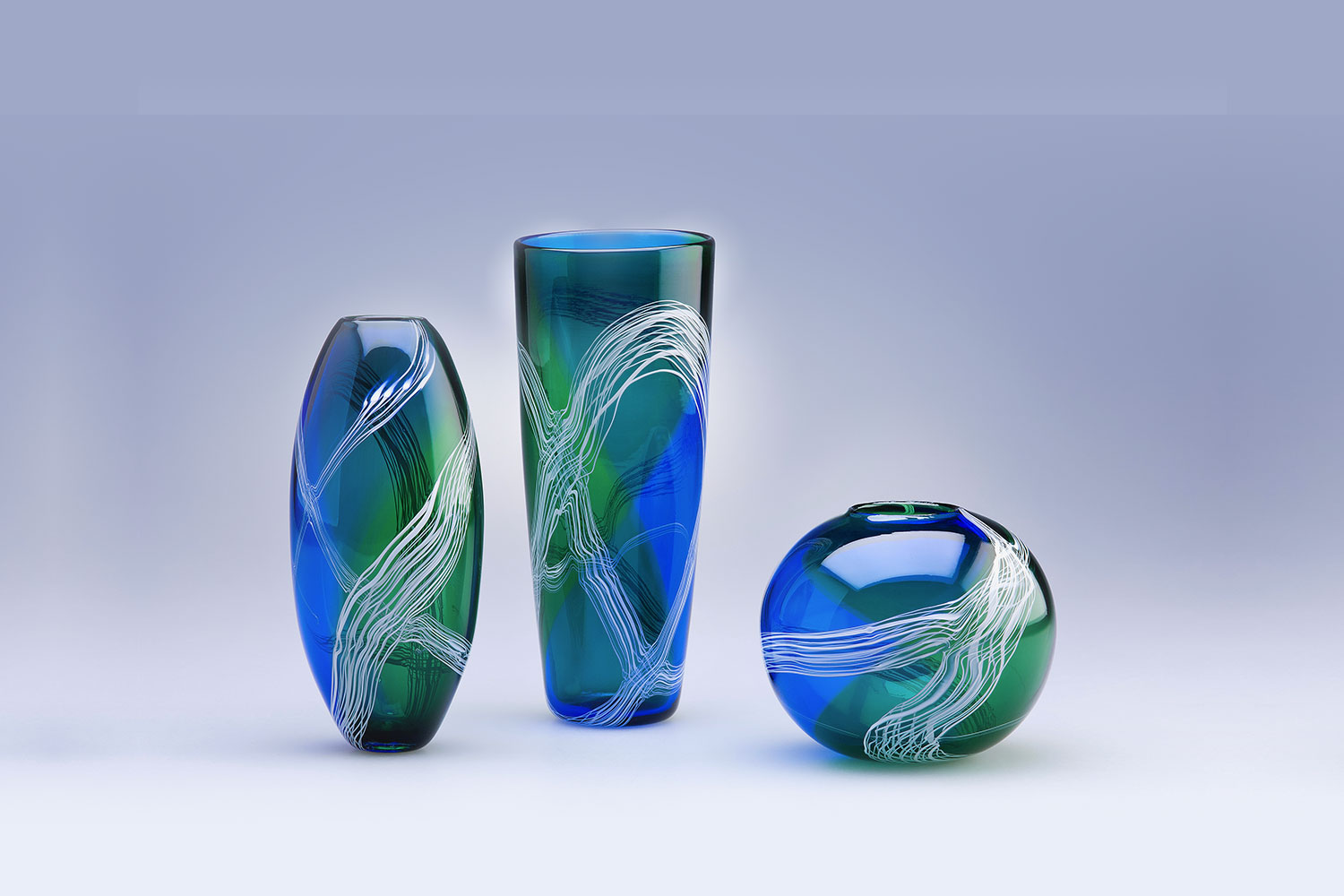
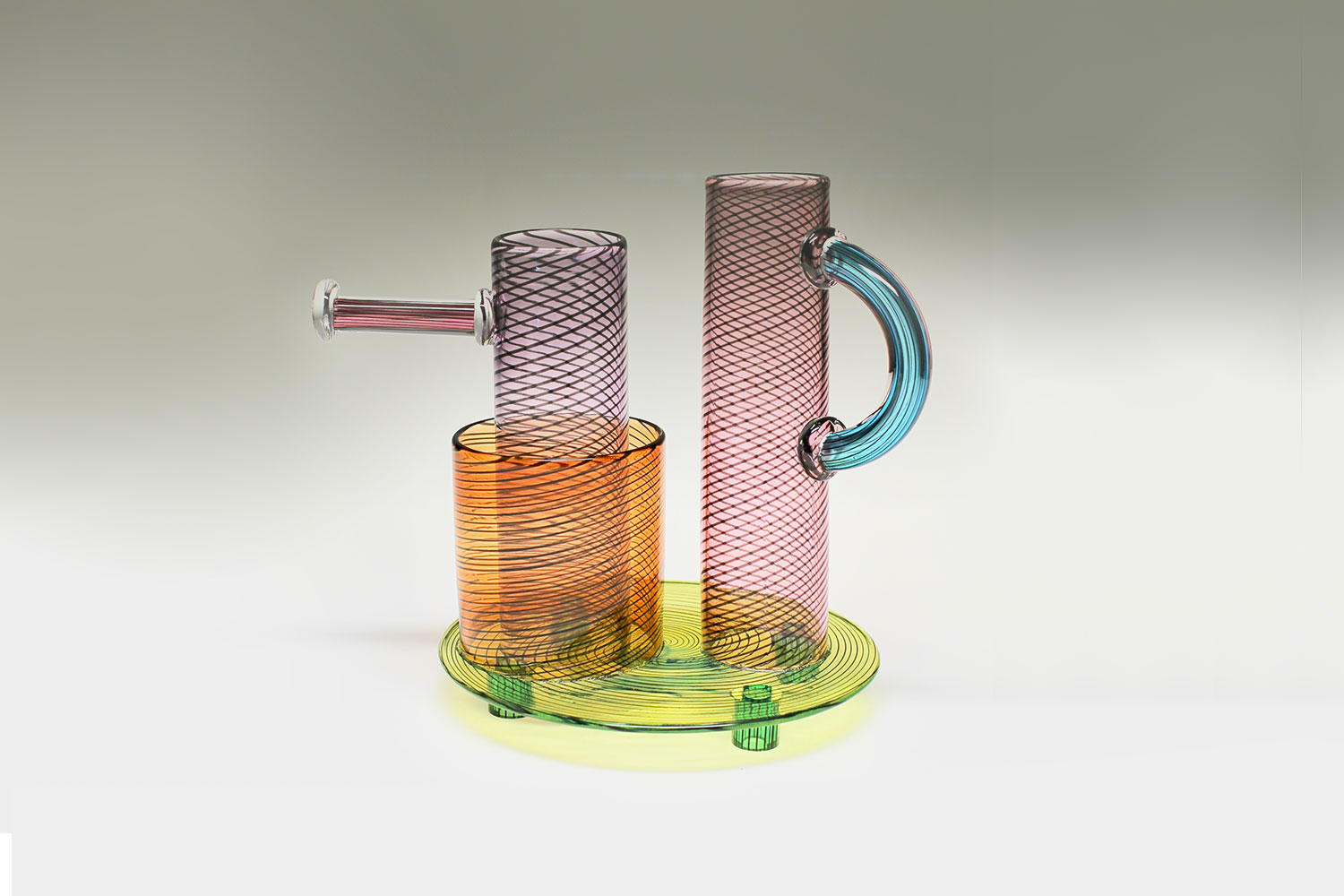
Scott Benefield remembers being struck by the quality of transmitted light through coloured glass as a child. Glassblowing later appealed to Scott as a career because it presented a challenge to different parts of his intelligence and personality. He has a very concrete notion that he exists in a continuum of makers that stretches back to the Renaissance and the beginnings of glass cane techniques. To participate in that tradition, he says, you have to first know and appreciate its history and then somehow find a way to add to the conversation that is taking place.
INTERVIEW
It engaged so many aspects of my curiosity. It also allowed me to indulge in engineering, to learn the rudiments of running a small business, to engage aspects of design and to develop the discipline of a craft that is dependent upon understanding the particular qualities of a specific material.
I love the challenge. It’s difficult in so many ways – it’s a difficult medium to master, it’s difficult to function in the marketplace making work that has high overheads to produce, and it’s difficult to innovate in a medium that has such a long history.
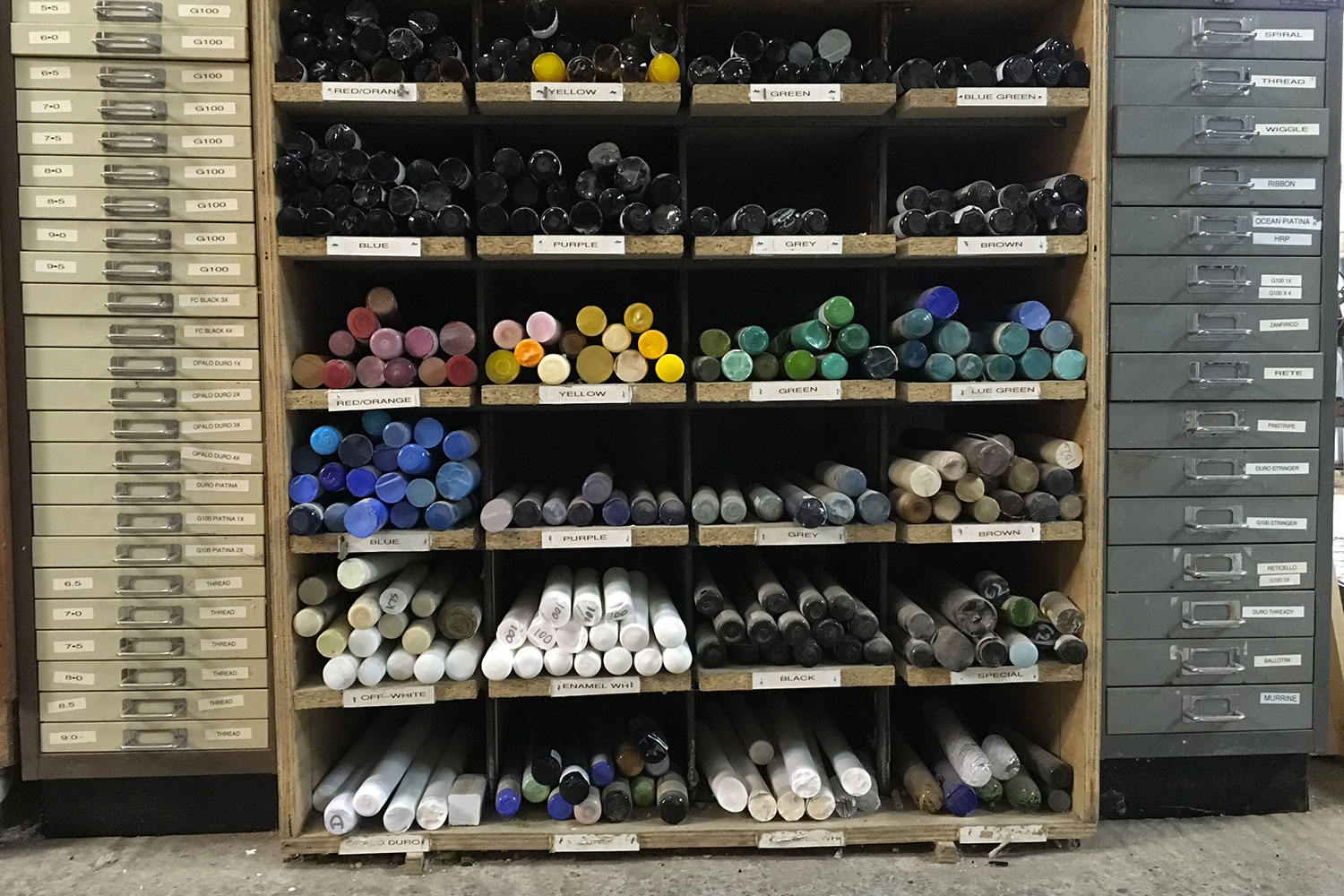
Learn everything. Learn design and technique, but also how to build and maintain equipment. Learn how to formulate glass, how colour is generated, how to bring a product to market. Learn about the history of glass, meet your peers, work with masters. Become obsessed and stay obsessed.
Venetian glassblowers struggle with cheap imports, wider opportunities for young people and environmental concerns. In Ireland, where I live and work, there is no educational infrastructure underpinning any kind of training in my craft. In almost any way you want to look at it, it’s a craft in danger.
Scott Benefield
Glassblower
Ballintoy, United Kingdom
Recommended by Queen Elizabeth Scholarship Trust - QEST
AVAILABILITY
By appointment only
PHONE
+44 7497648213
LANGUAGES
English
Homo Faber Finds is a new service aiming to inspire admirers of craft to connect and collaborate with exceptional artisans.
We invite you to submit an enquiry here.