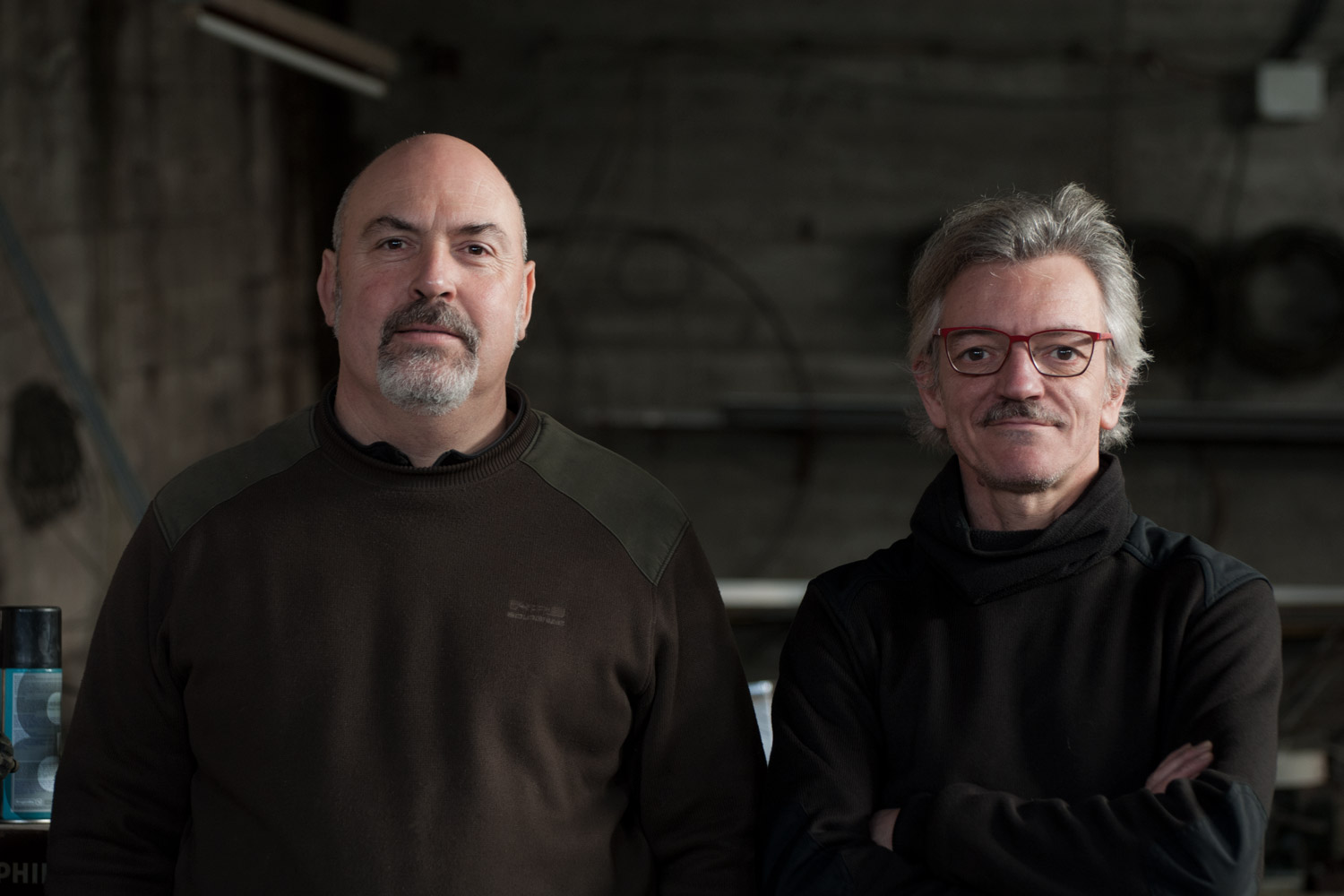
Antonio Monroy & Luis Lago
lago:monroy
Lamp maker
Nigrán, Spain
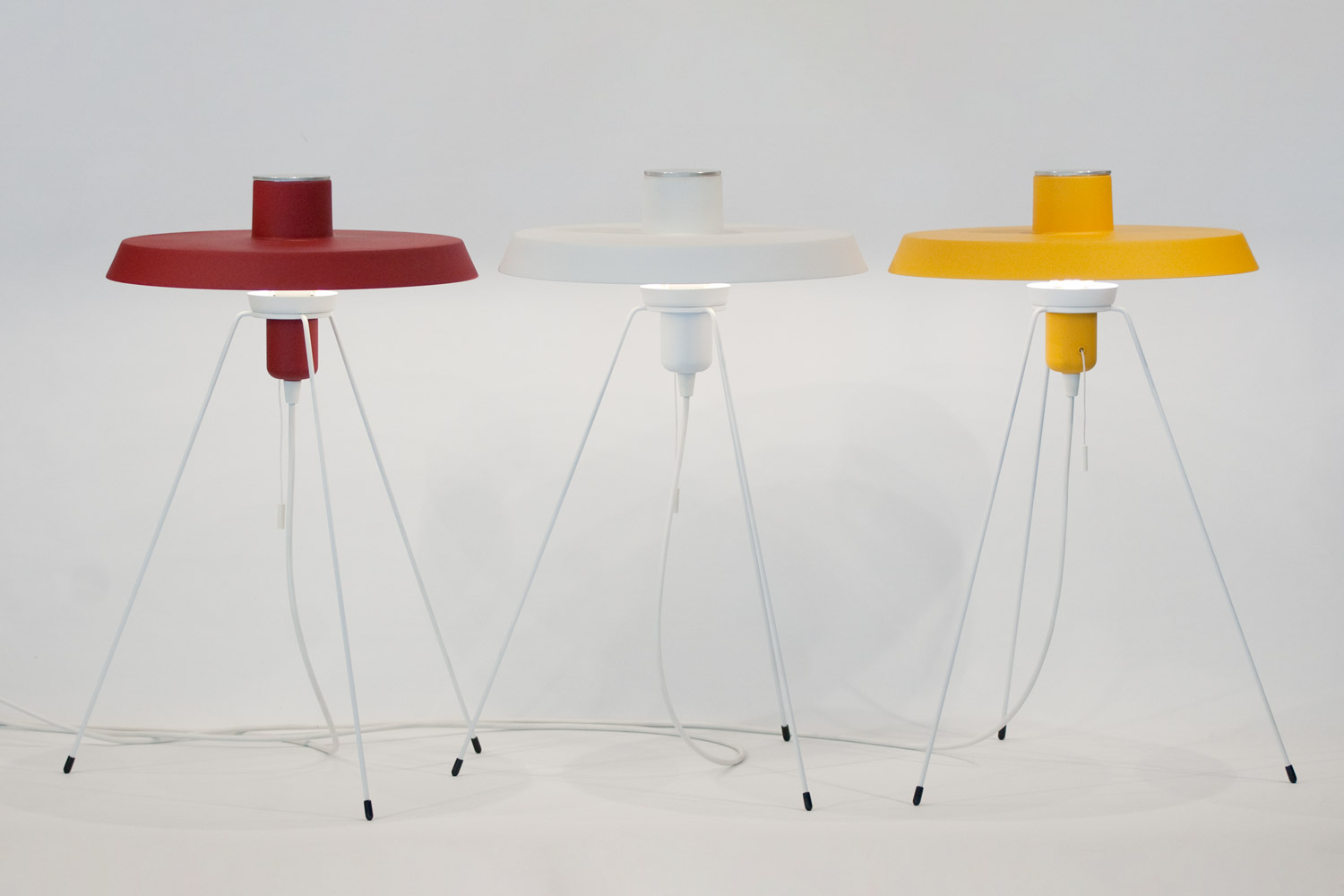
Craftsmanship and design in lighting
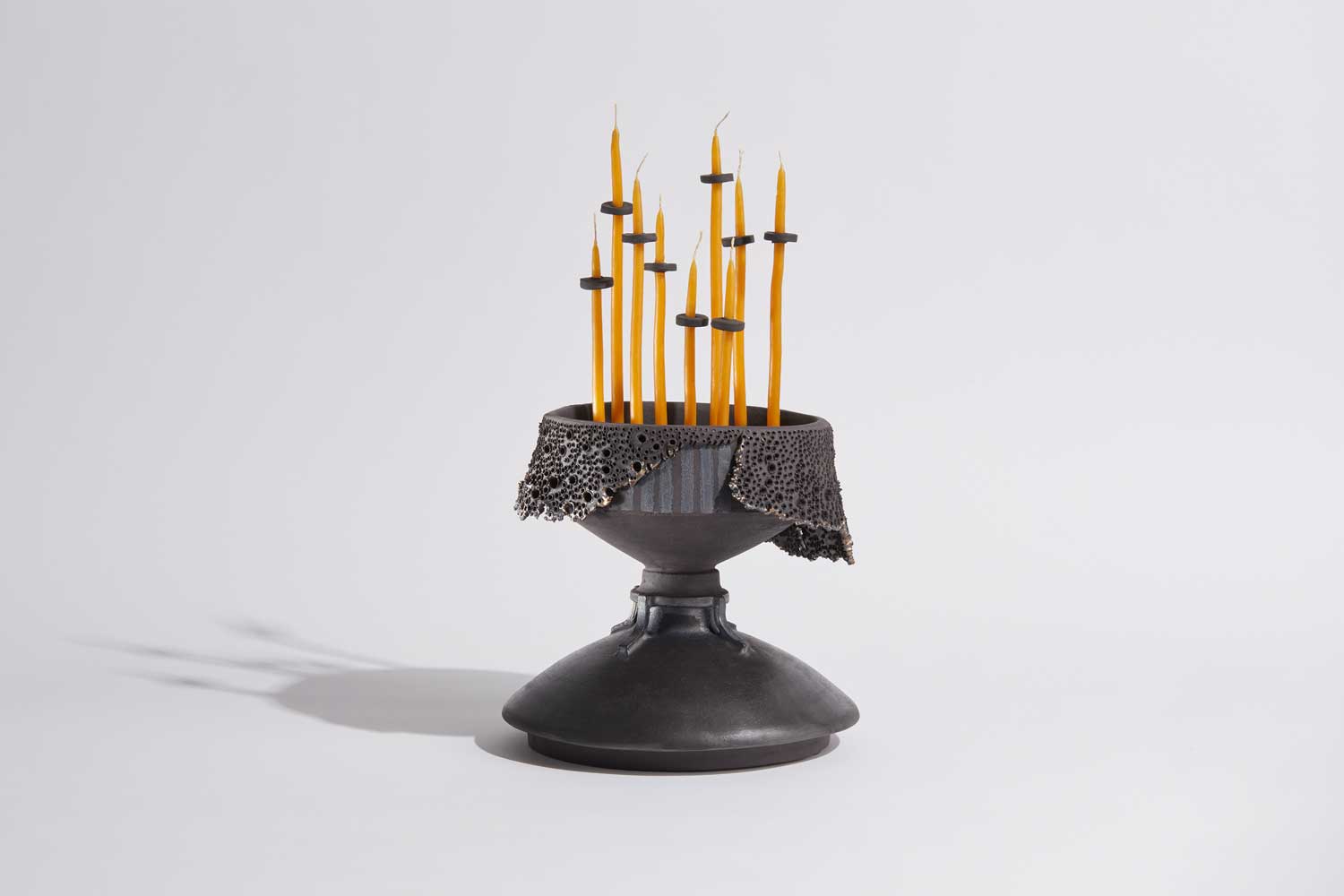
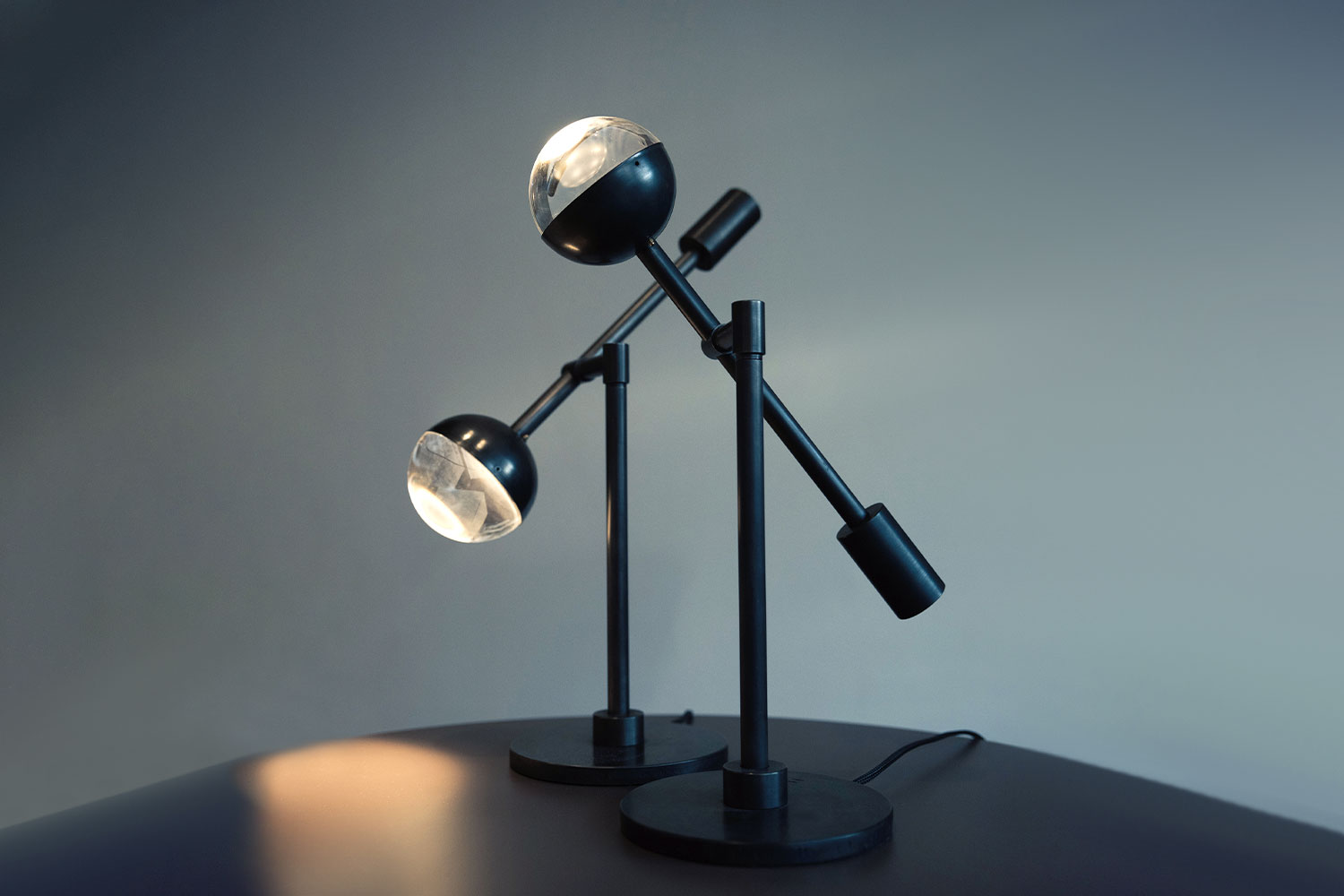
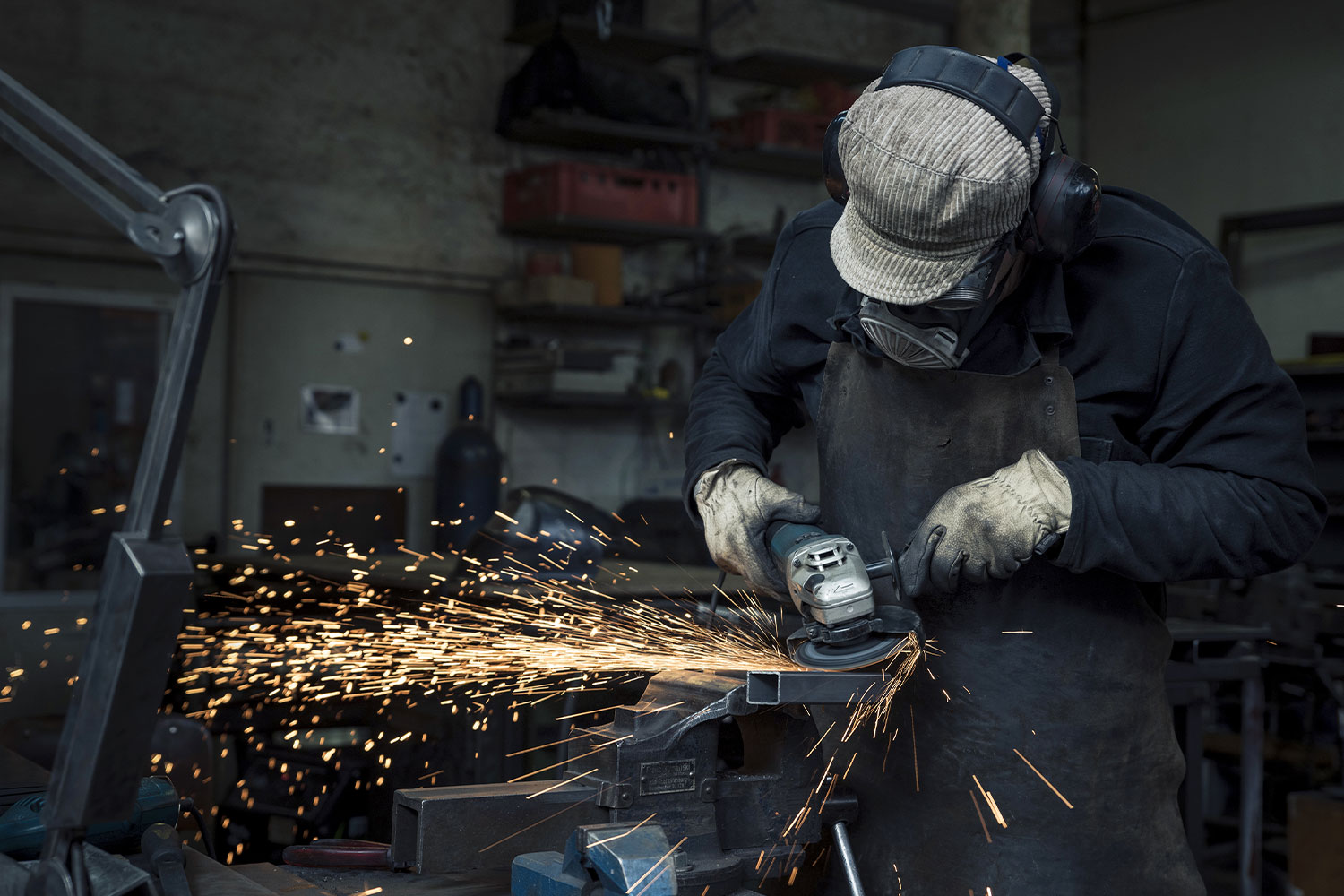
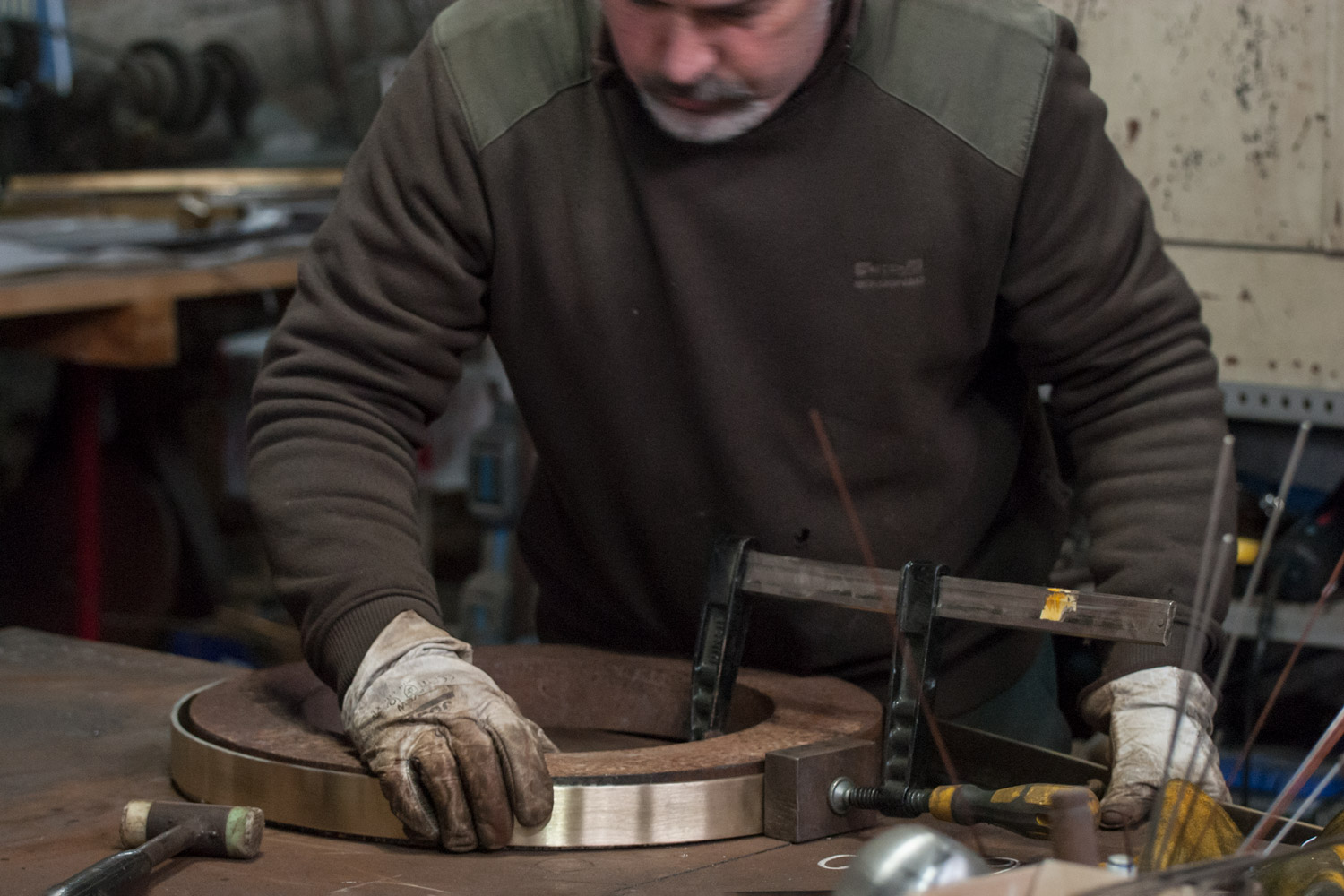
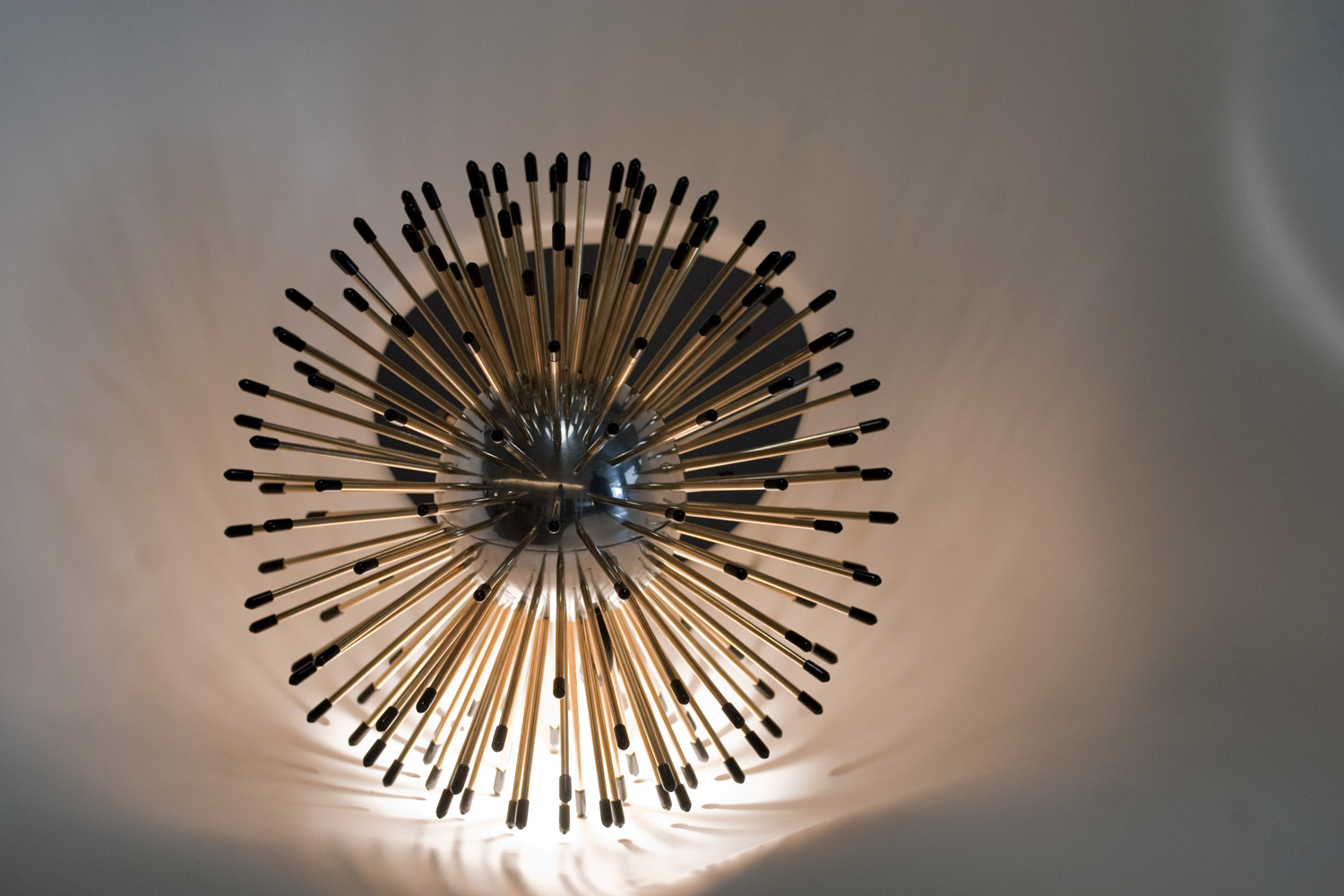
- Antonio and Luis work mainly with brass, but also aluminium, iron and stainless steel
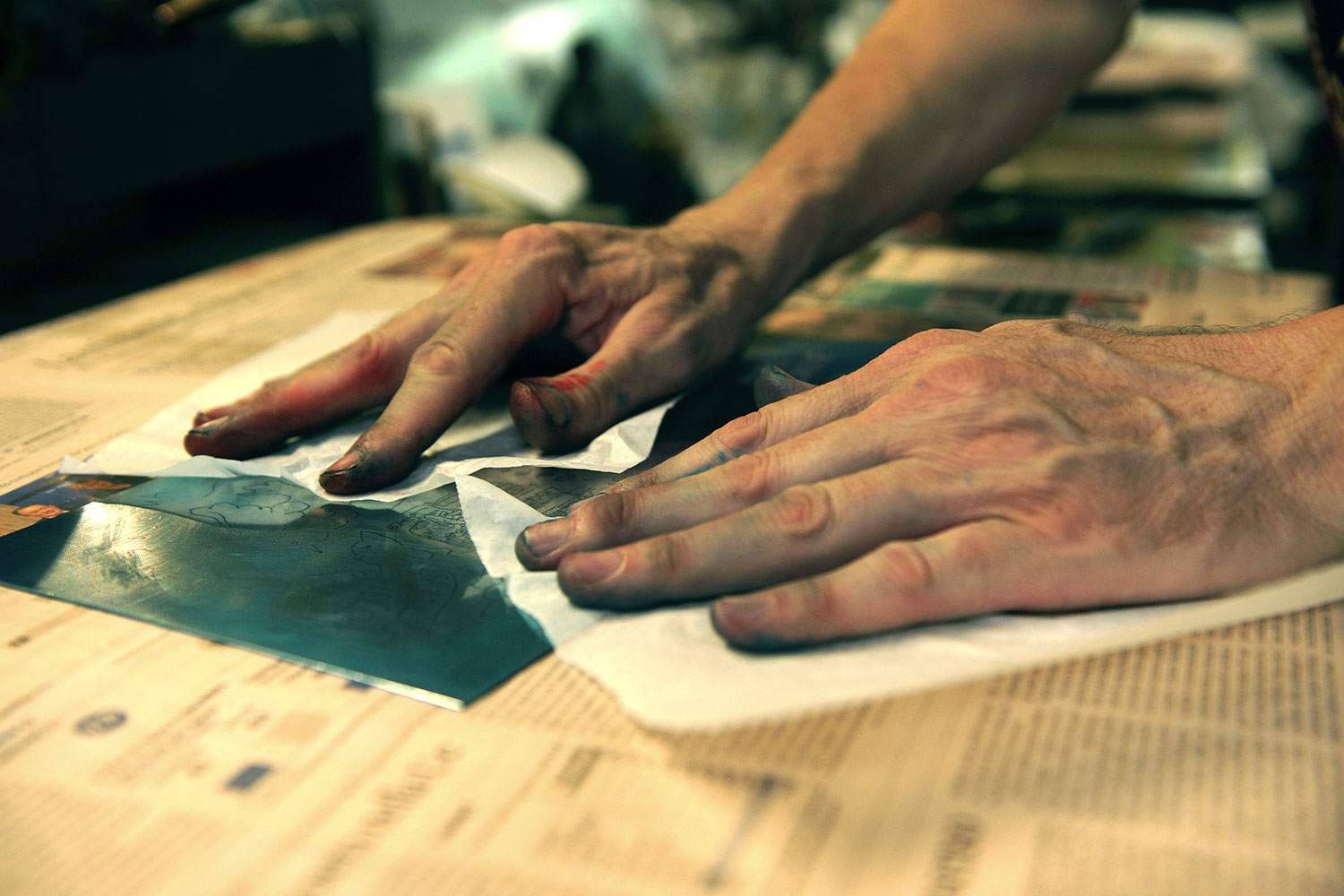
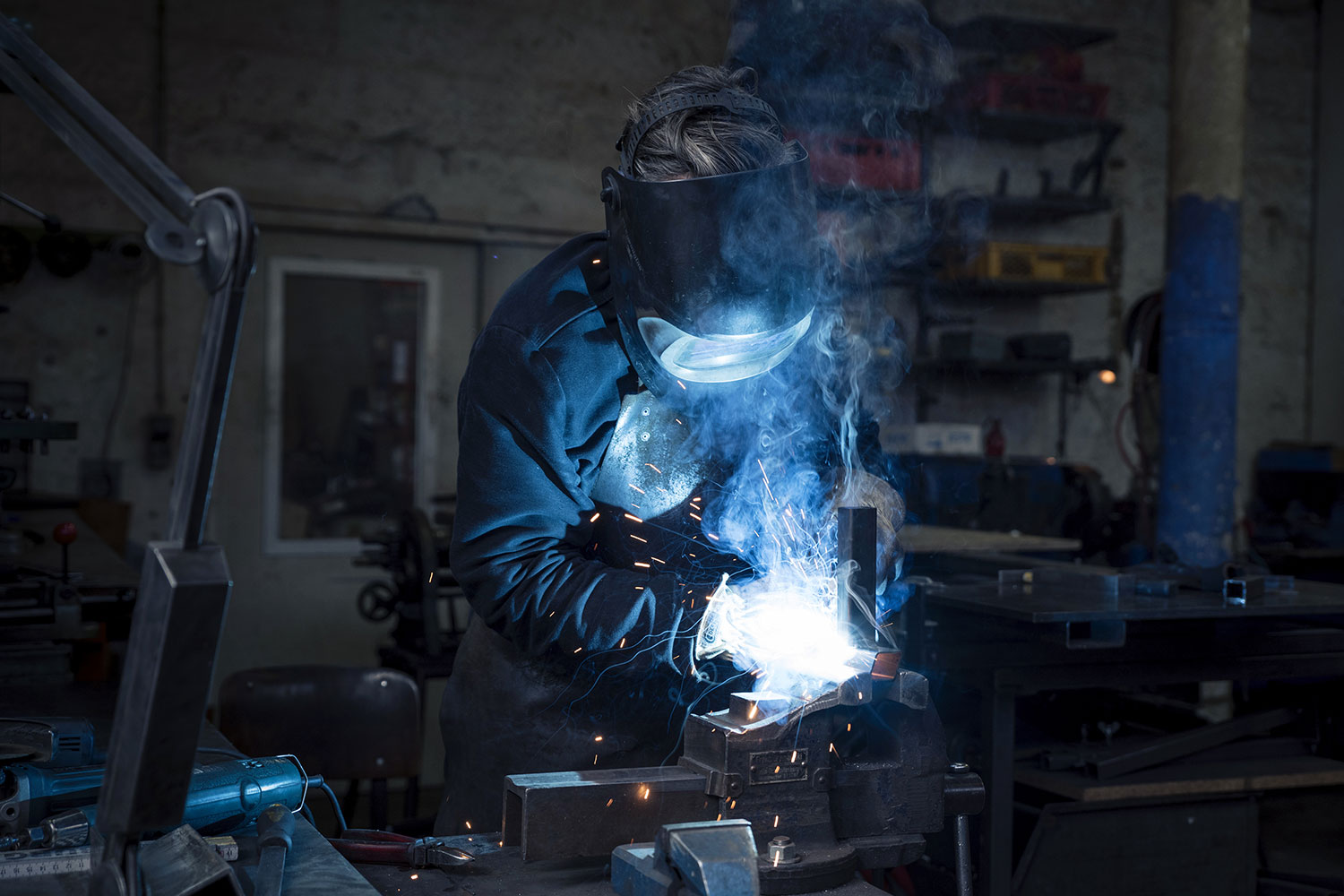
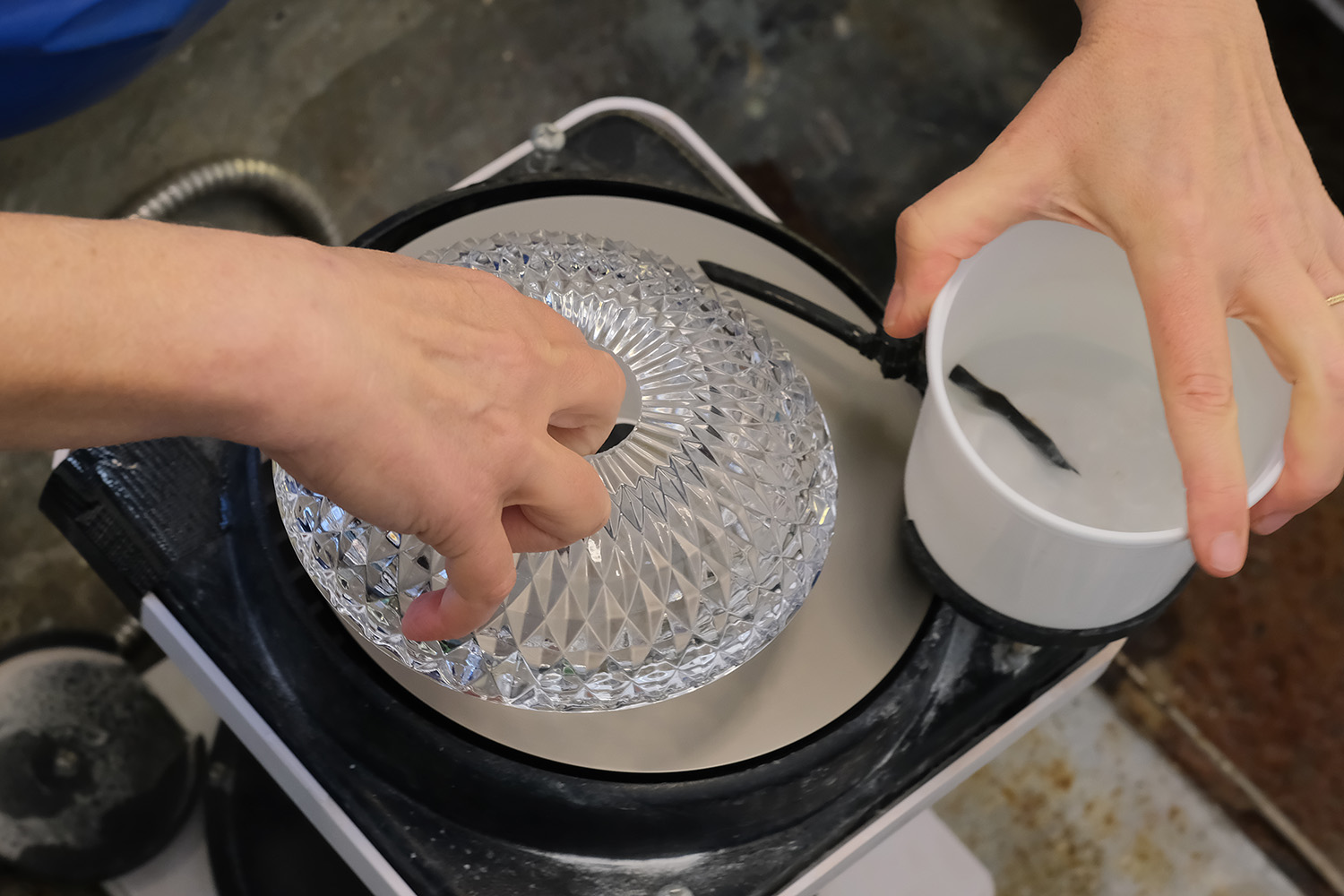
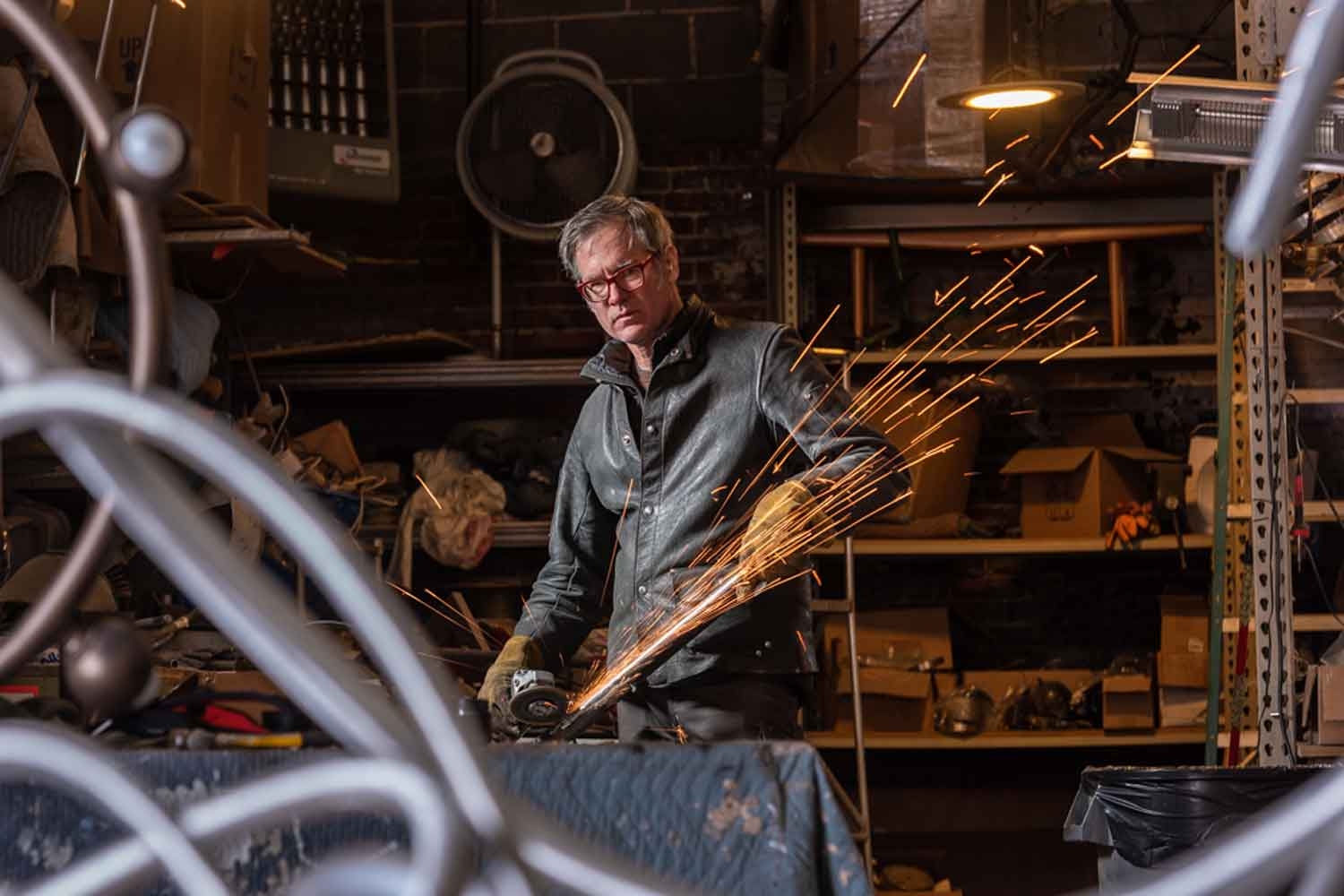
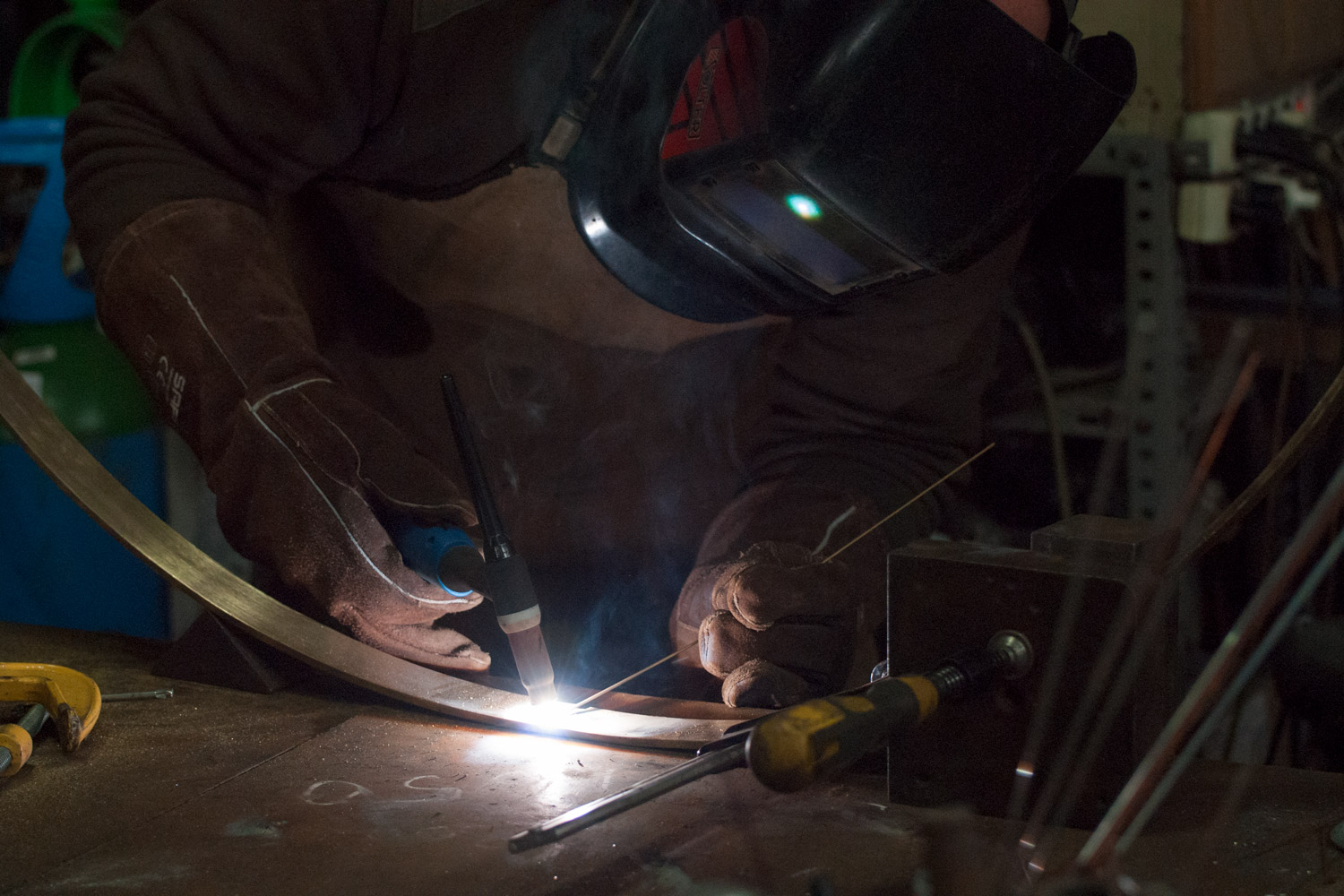
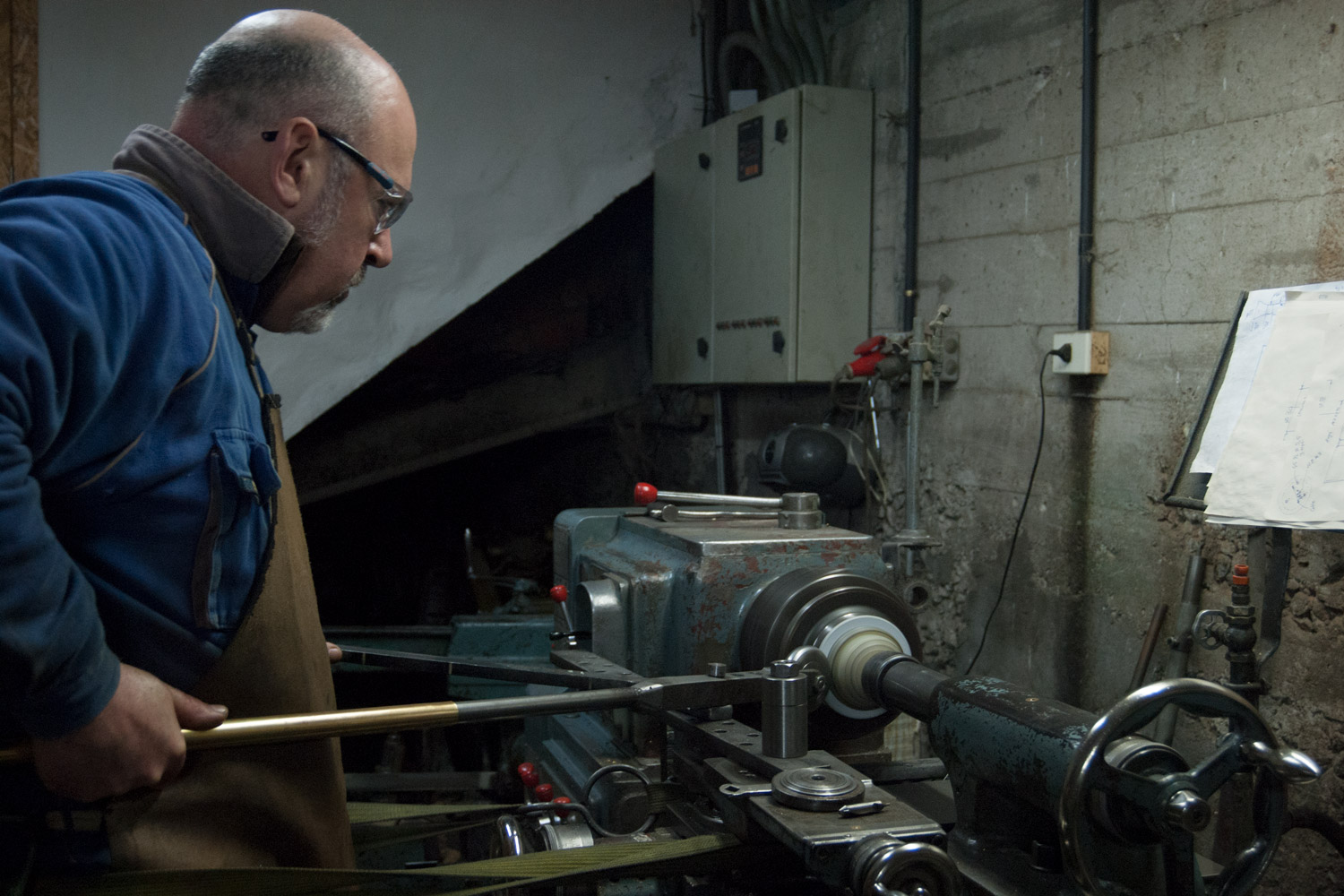
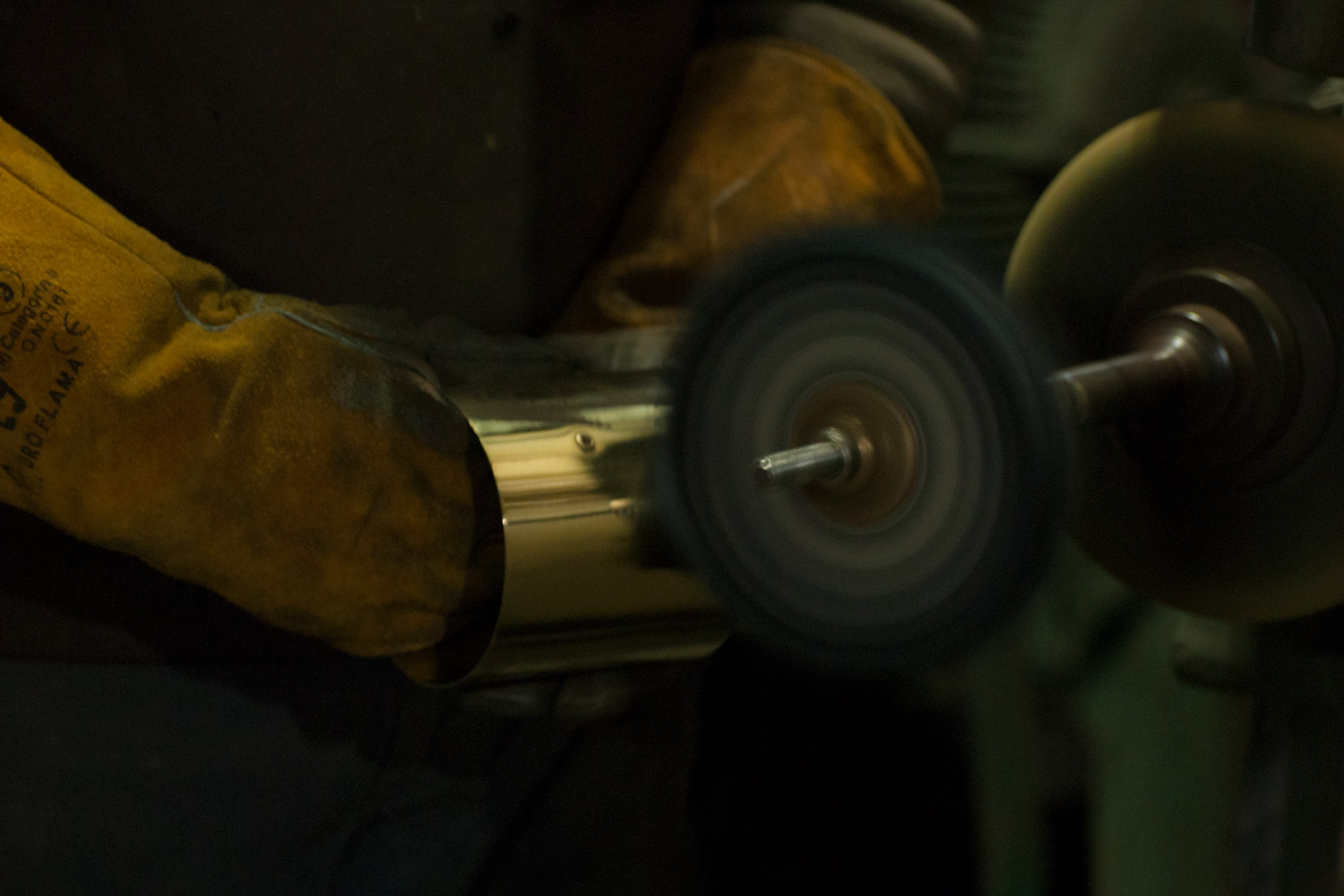
- Modeling, embossing, welding, and lathing are their main techniques
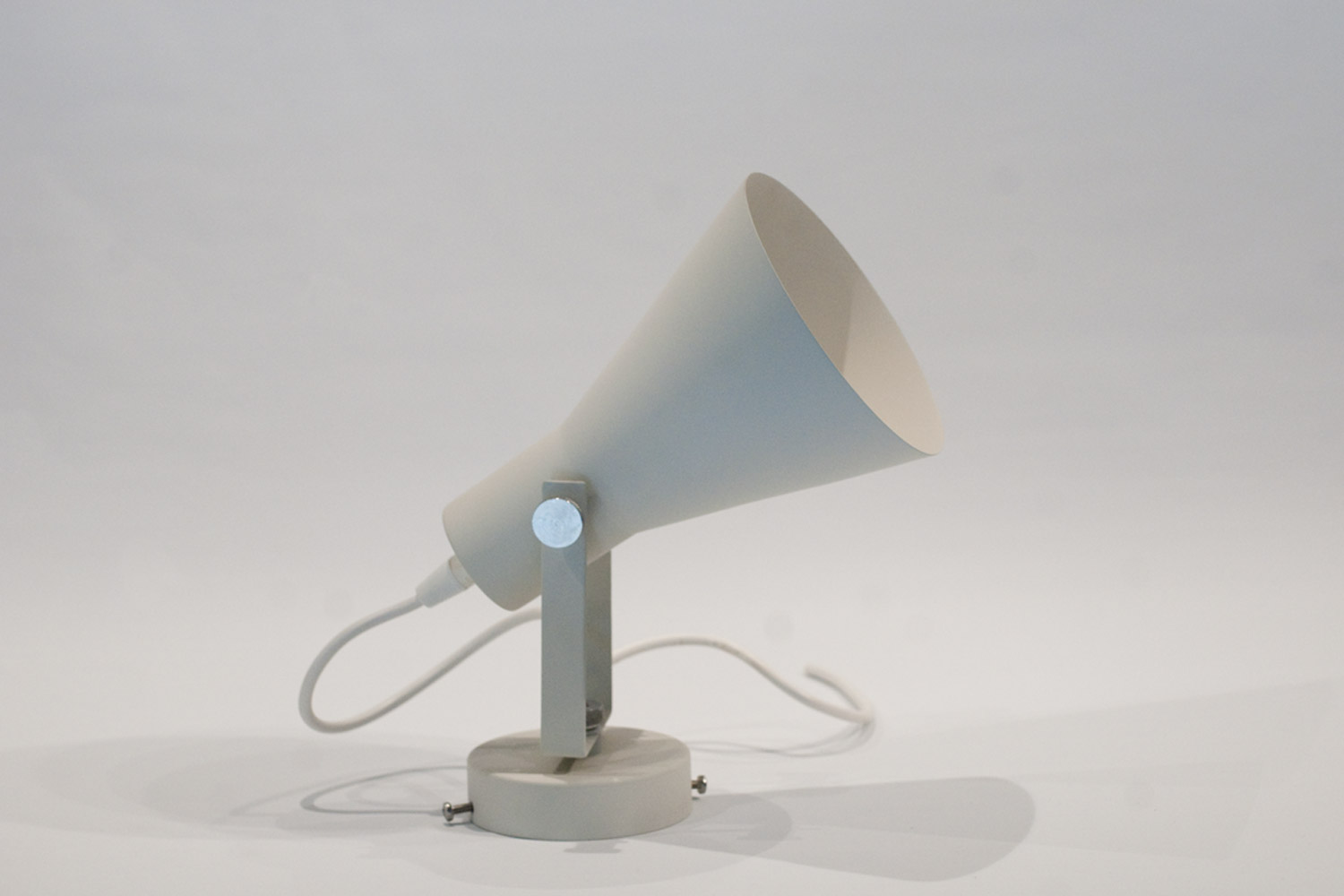
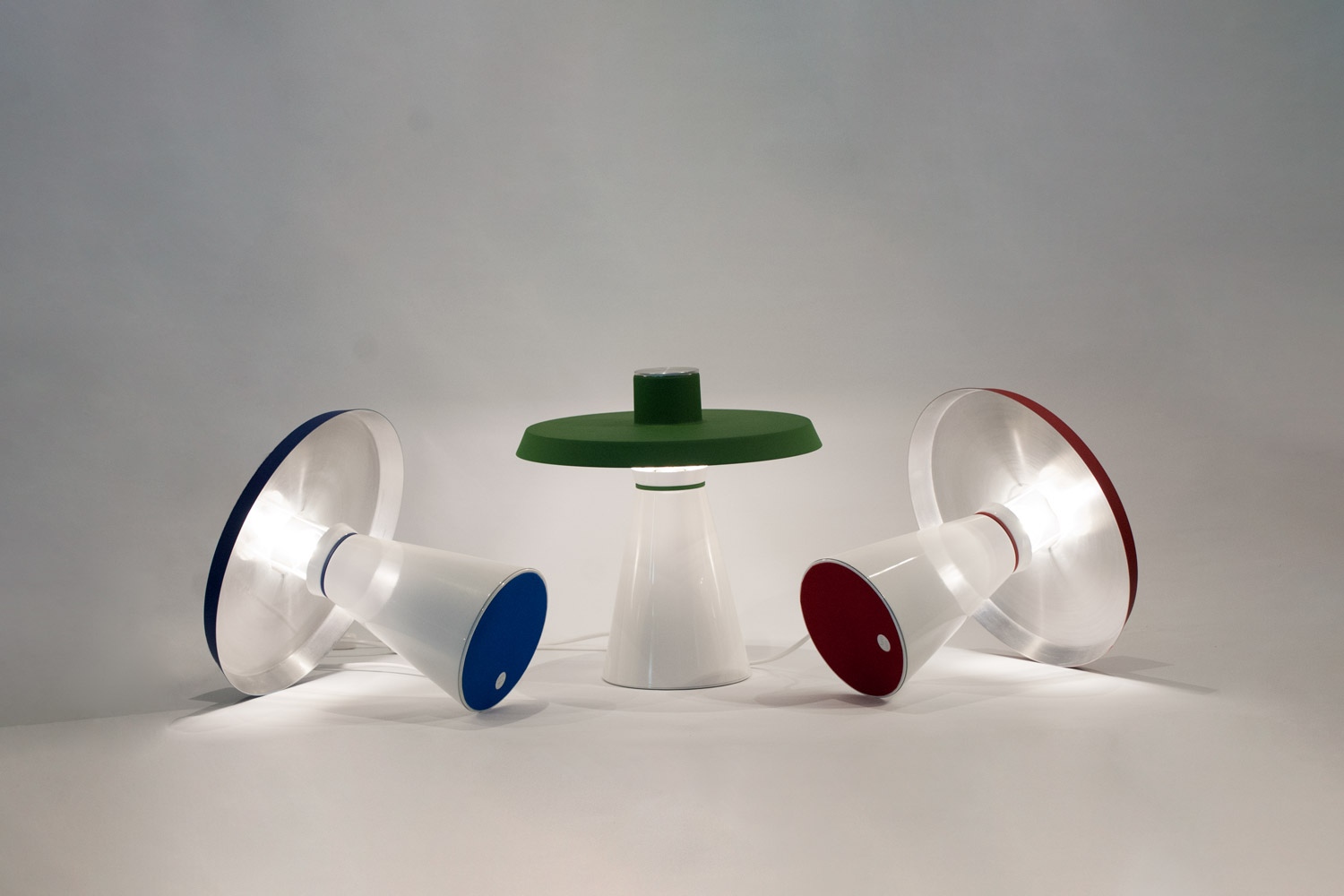
- The work they do today is a benchmark of savoir-faire: technique and design
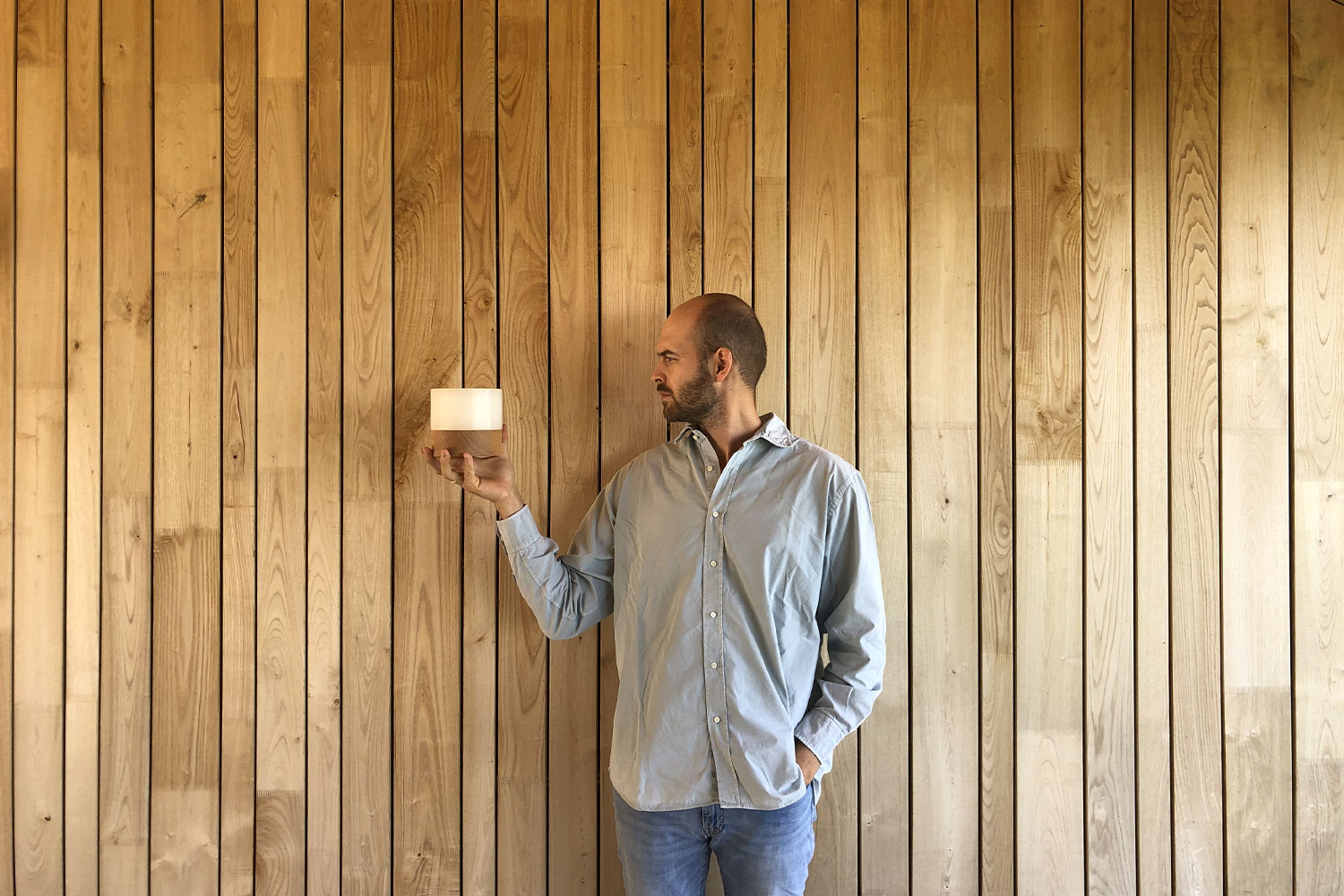
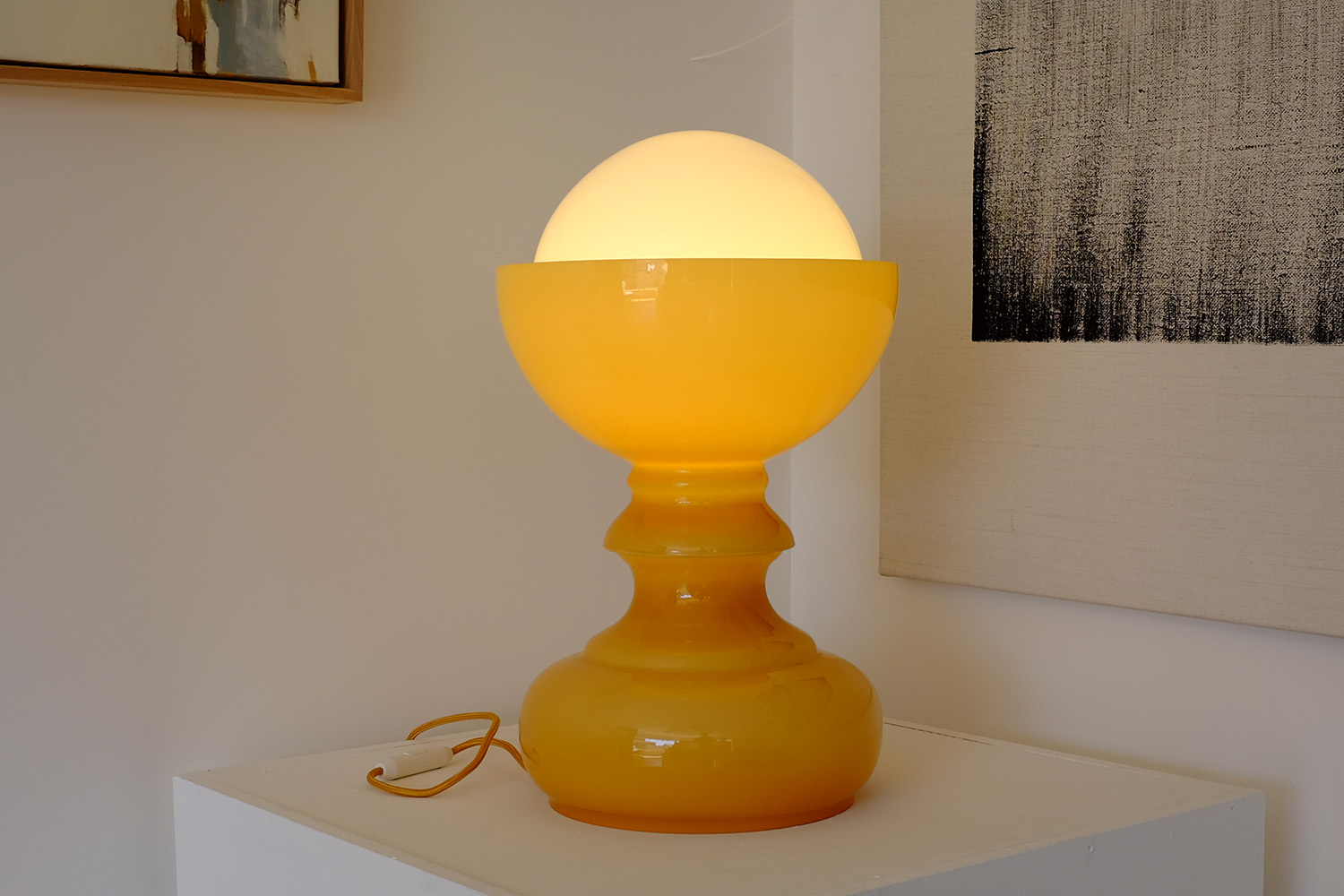
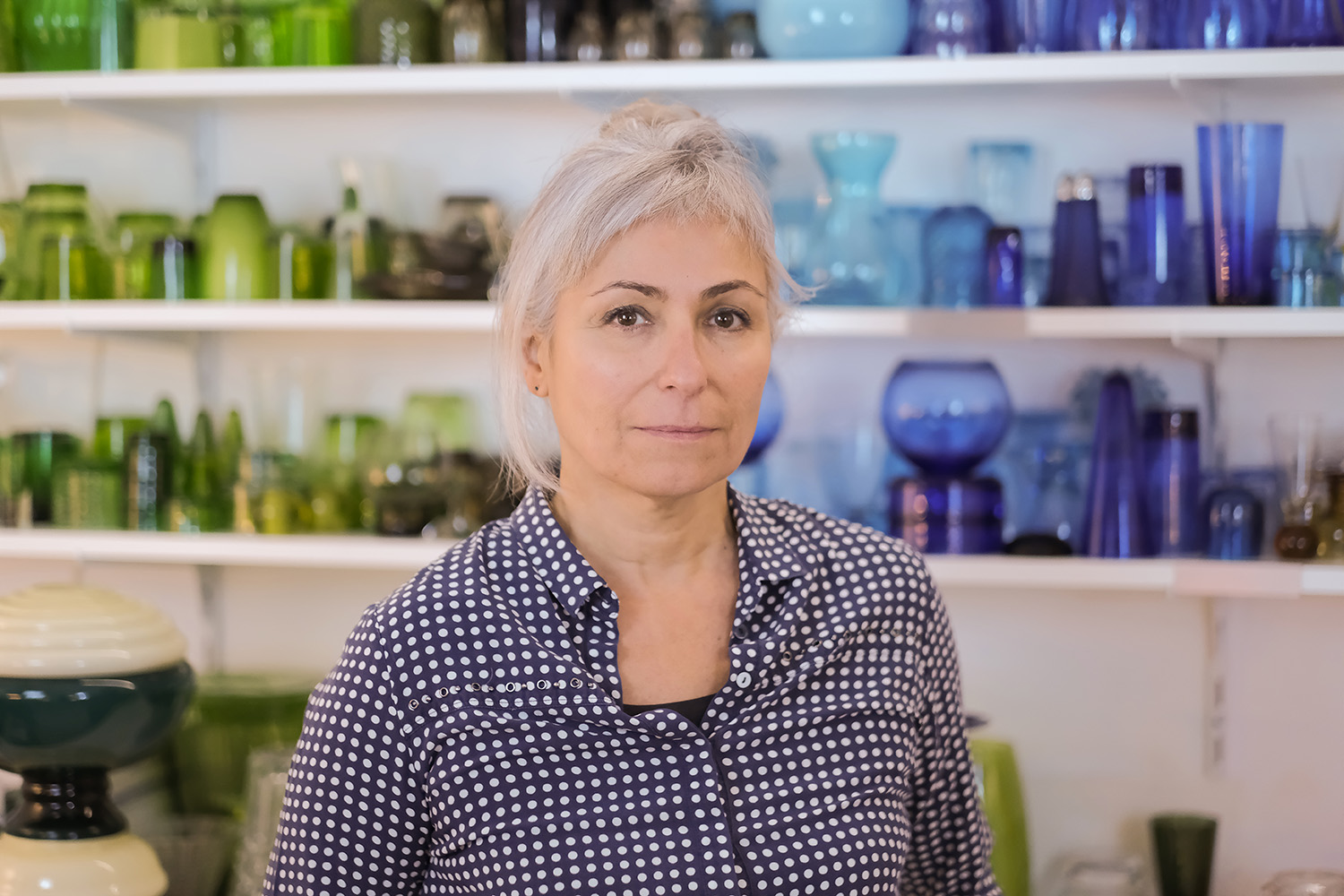
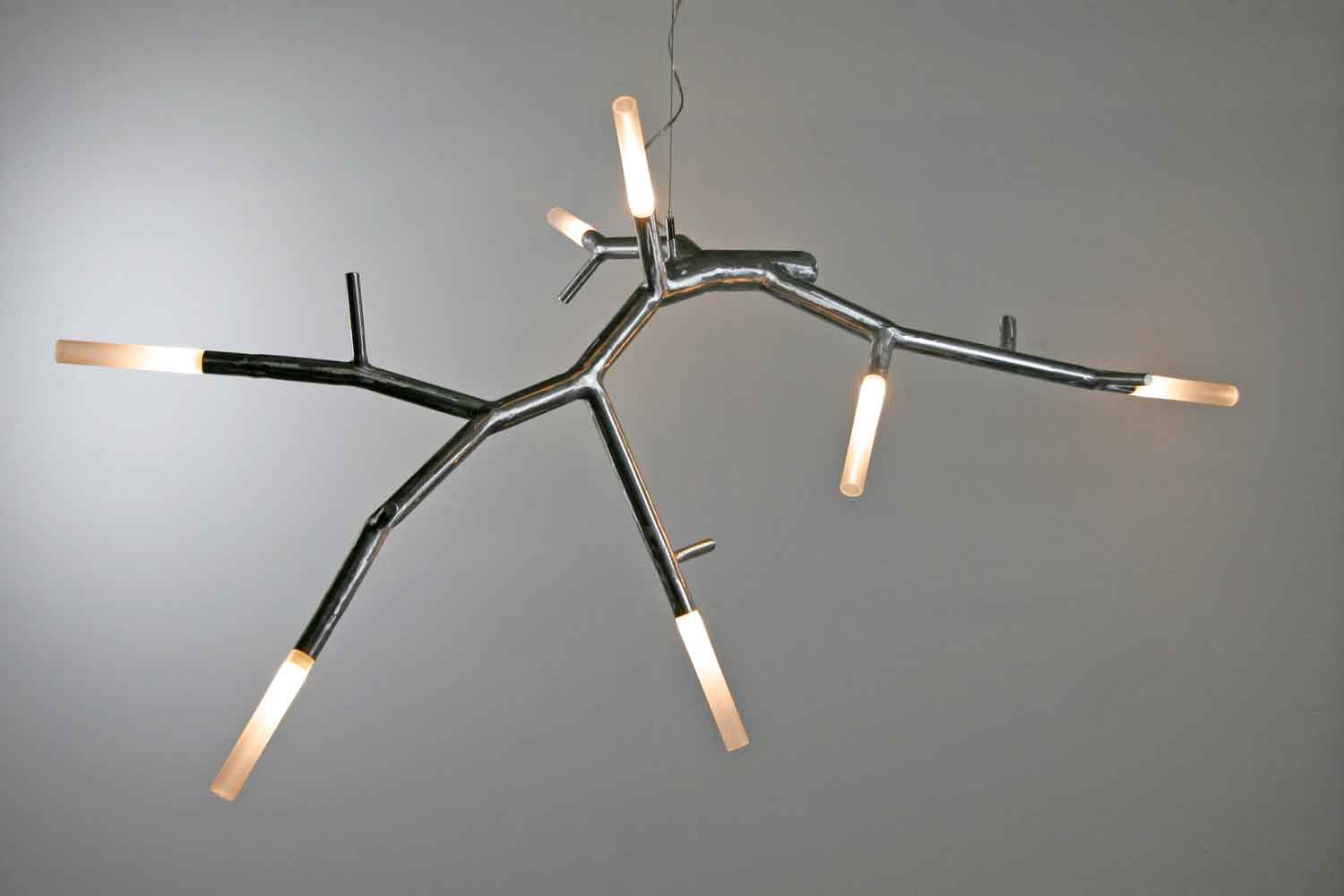
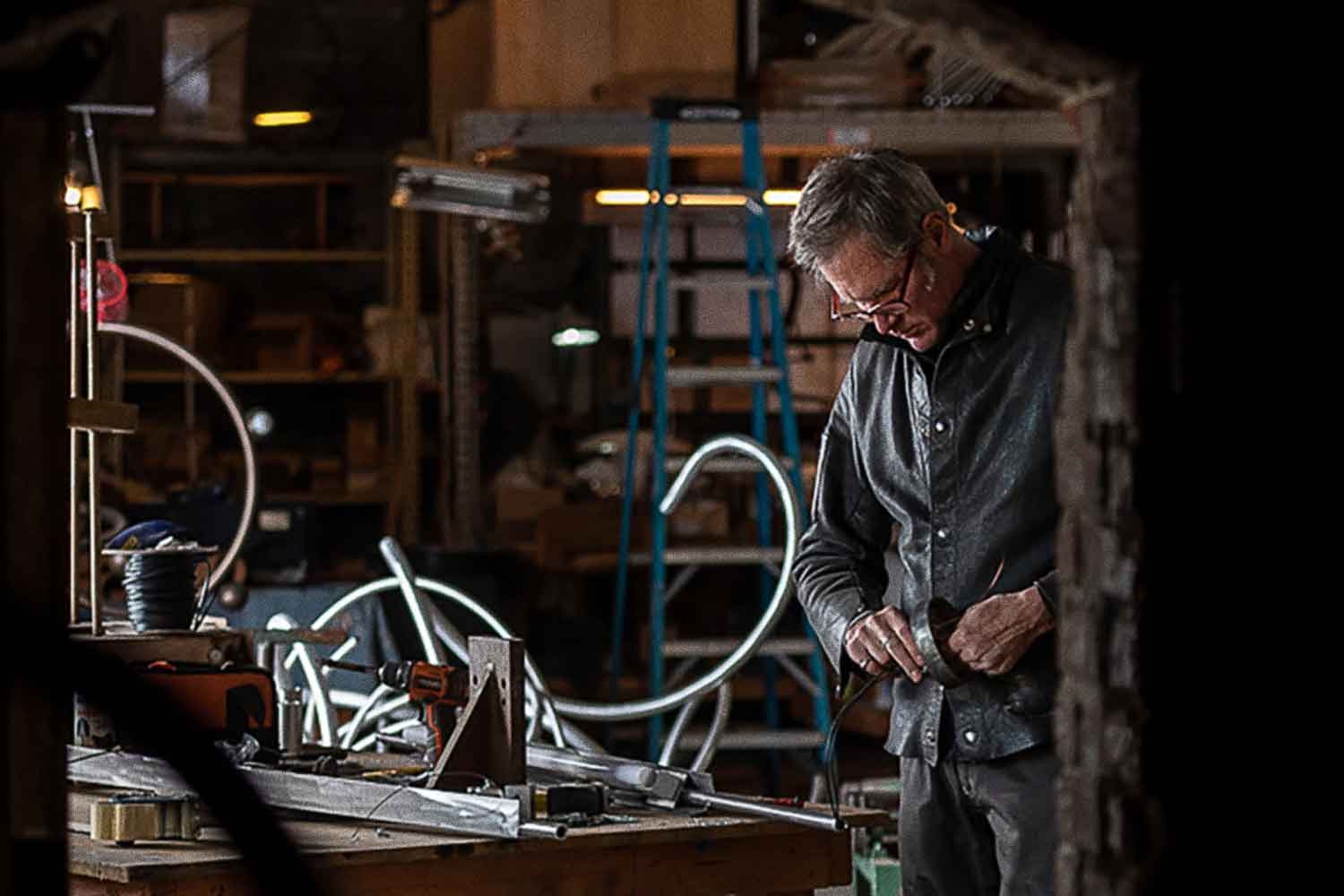
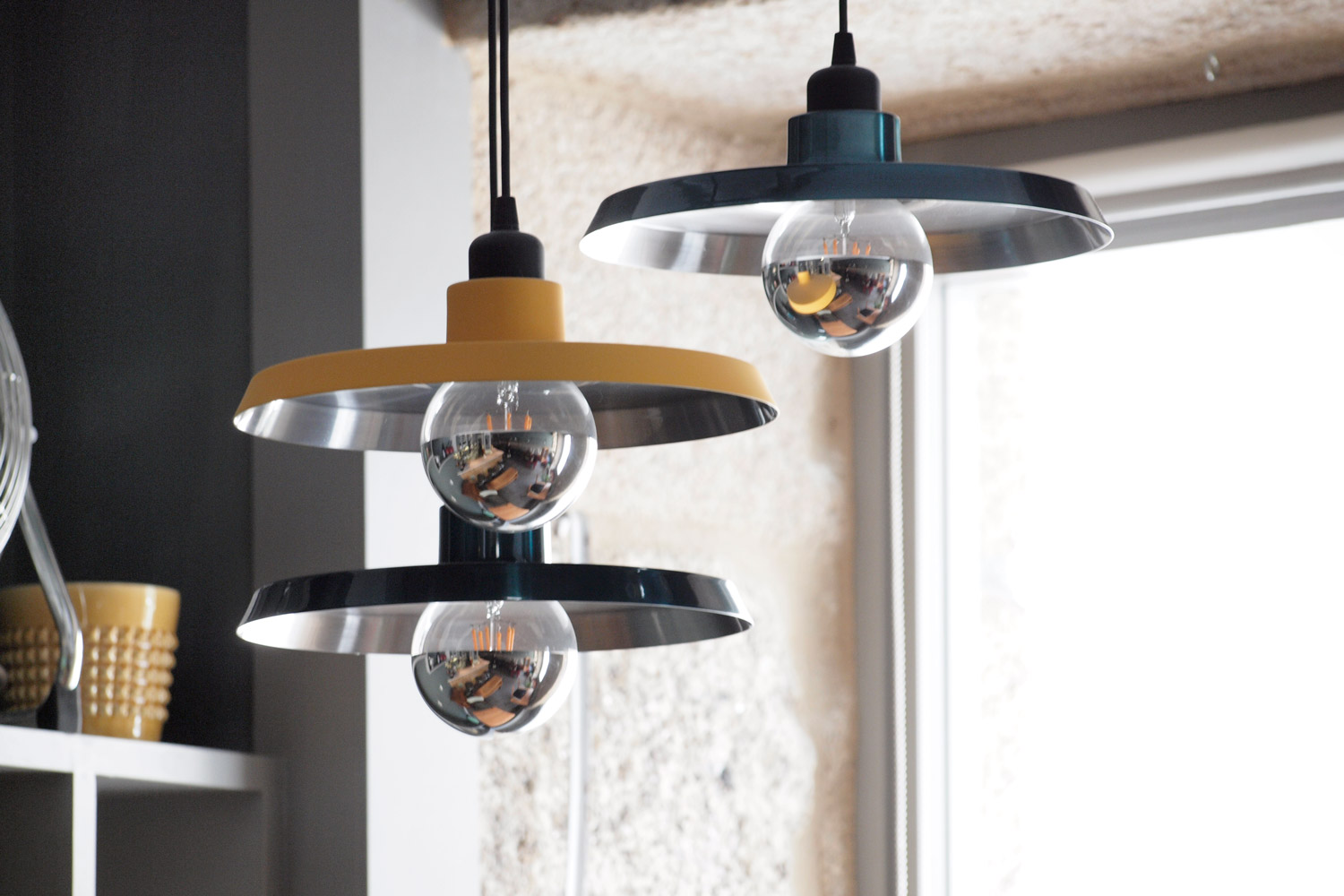
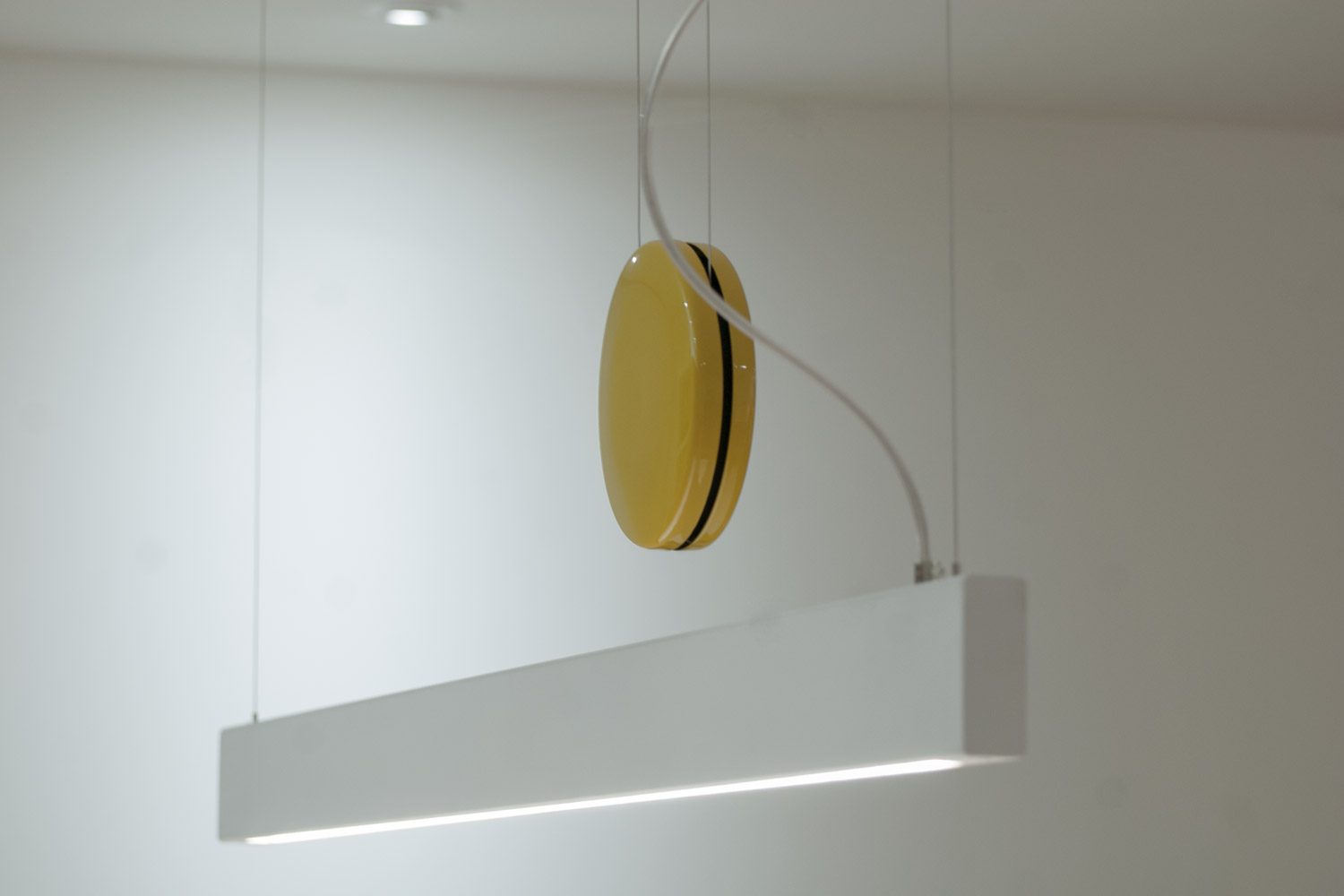
Antonio Monroy and Luis Lago first collaborated in 1998, and haven't stopped! Antonio was trained as machine tool manufacturing technician. After working for nine years in his father’s workshop, he started making and restoring handcrafted lamps. Luis is a self-taught designer with experience in lighting, dance and set construction. In 1998 they created their first lamps for a café and realised how much potential they had working together. They did so for several years, making it official in 2014 when they launched lago:monroy. Since then, they have made a name for themselves with the design, craftsmanship and restoration of tailored lamps and furniture, lighting projects and various collaborations with artists, decorators and designers. The work they do today is defined by their continuous search for the personality of the object in order to create a special communication channel between it, its environment and the person who observes it.
INTERVIEW
Antonio: I started with master metalworker Manuel Araujo. Later, I began exploring different techniques and processes for myself. I always remember from him that an artisan must be generous in passing on his knowledge.
We seek to create objects with essence, soul and personality. They must be long-lasting and not subject to fashion – hopefully in that way they can accompany us for a lifetime and create a bond with us. If that is the case, we will not need to replace them and, therefore, they will be more ecological.
Sometimes tradition is our major inspiration for making an object. Other times, it works as a catalyst. We seek to move forward, both in terms of techniques and materials but, above all, to provide specific solutions to specific needs. We can sense tradition in our pieces through shapes and colours and even in our technical solutions.
Big brands feed a consumption that ends up displacing small workshops. Workshops dedicated – as we are – to creating tailored pieces are apparently unaffordable for a large part of society. However, if our objects last a lifetime, there will be no need to replace them, so they may end up being cheaper – and more sustainable – than industrially produced versions.
Antonio Monroy & Luis Lago
lago:monroy
Lamp maker
Nigrán, Spain
AVAILABILITY
Monday to Sunday 08:30-14:00 / 16:00-19:00
PHONE
+34 986380232
LANGUAGES
Spanish, English
Homo Faber Finds is a new service aiming to inspire admirers of craft to connect and collaborate with exceptional artisans.
We invite you to submit an enquiry here.