

Anton Hasell
Bellfounder
Mia Mia, Australia
Ringing out across the Australian land
- Anton explores contemporary sound through traditional bell making
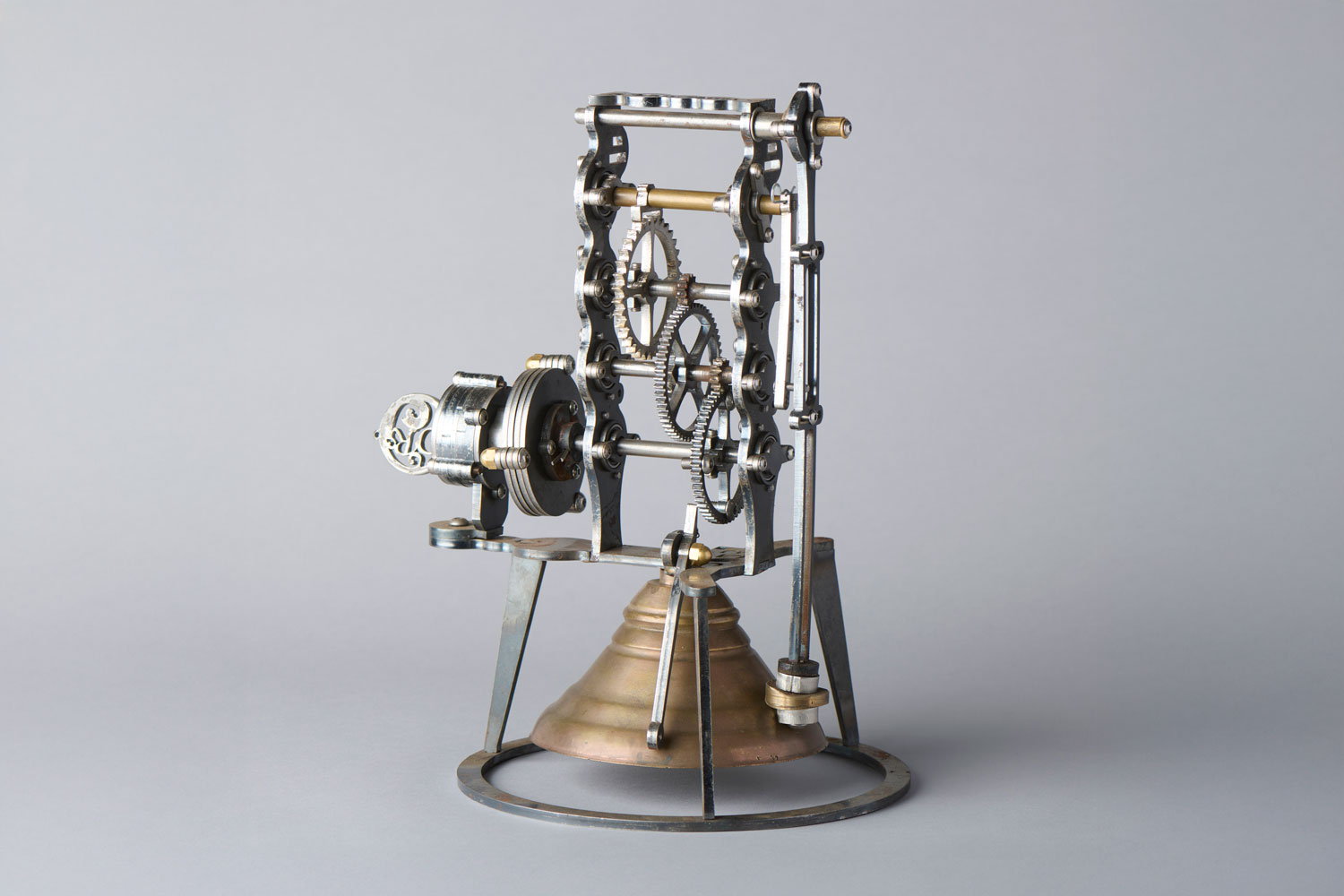
- He designed bells for the 10,000 Year Clock, housed inside a West Texas mountain
- His expertise has led him to university teaching and conference presentations
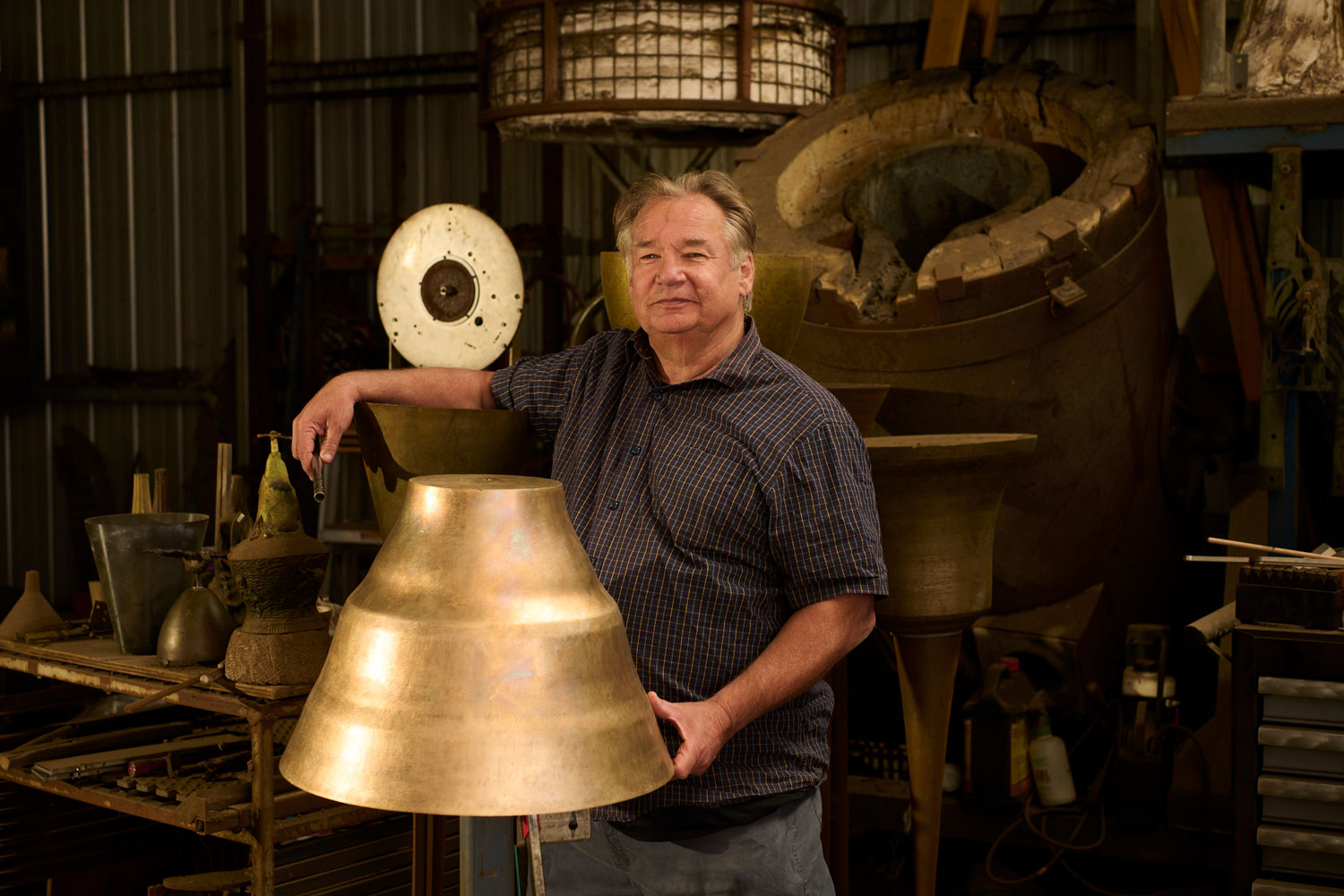
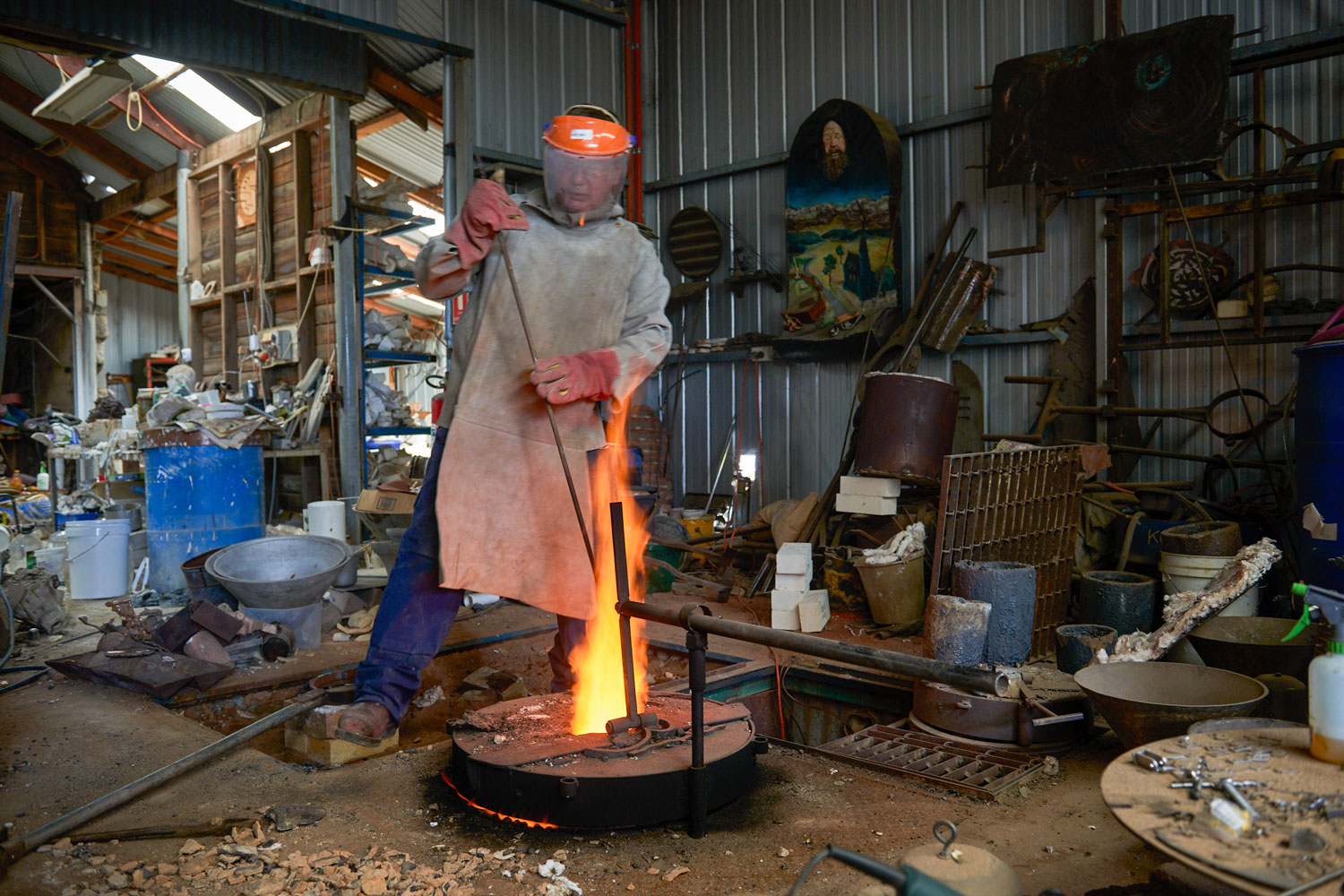
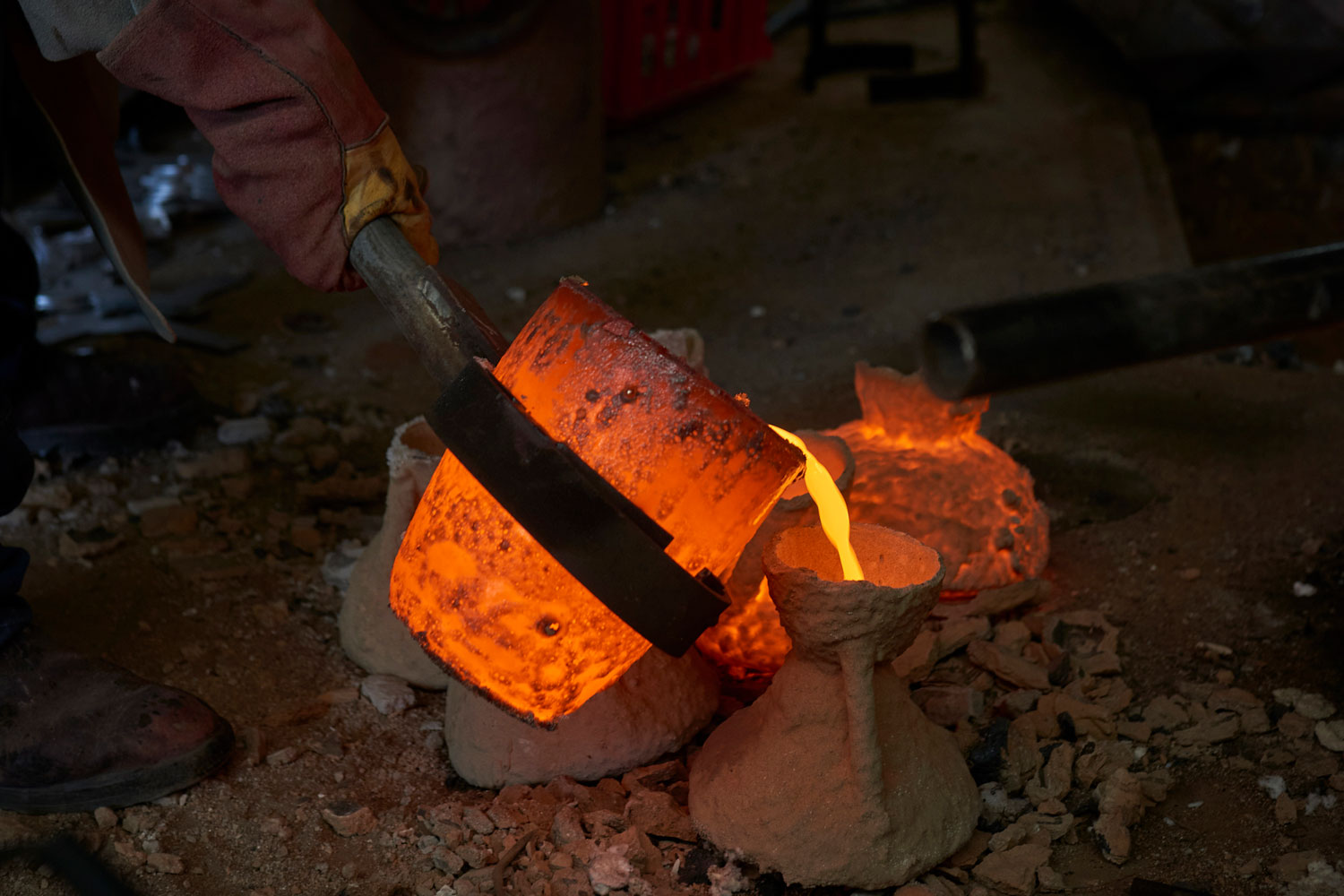
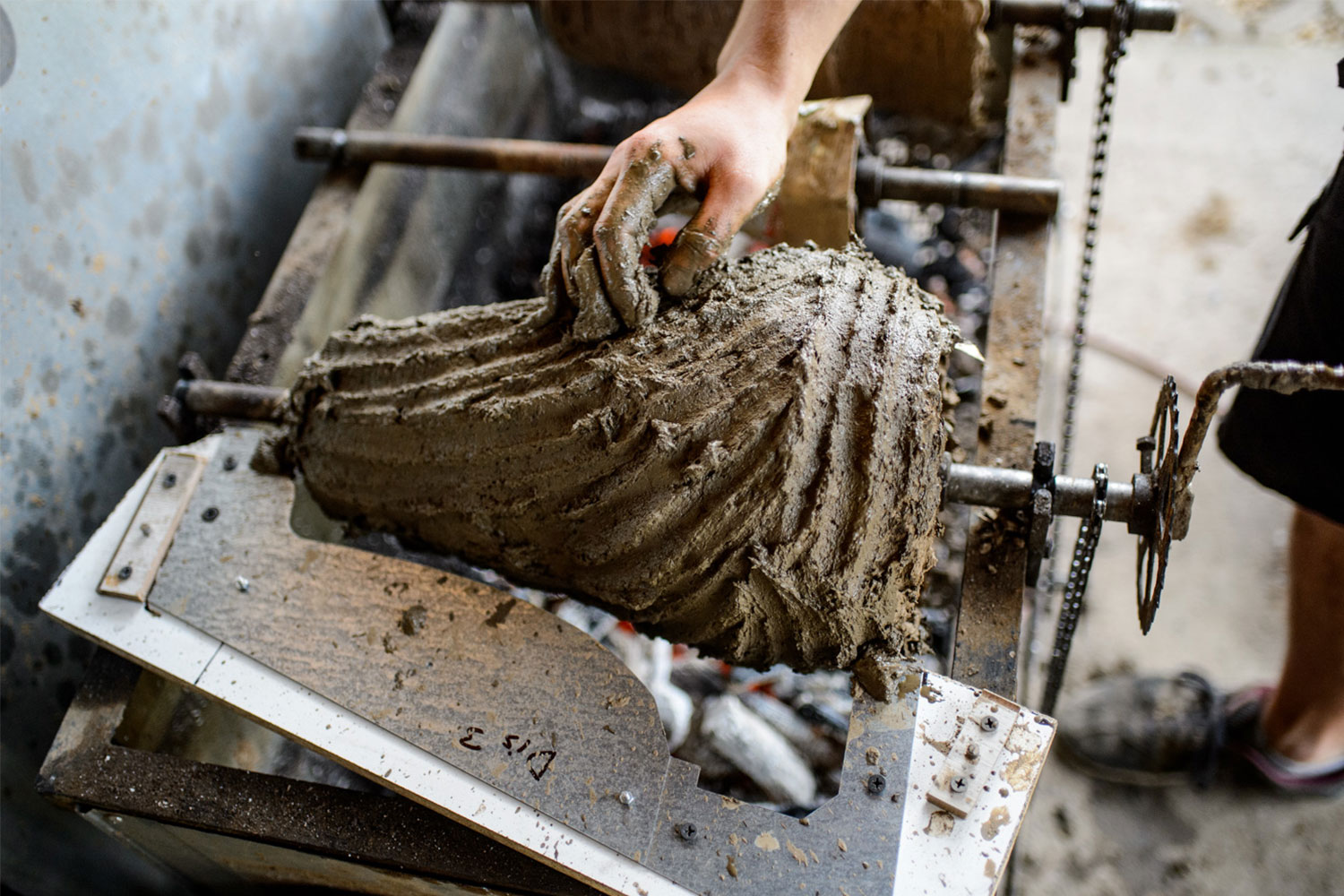
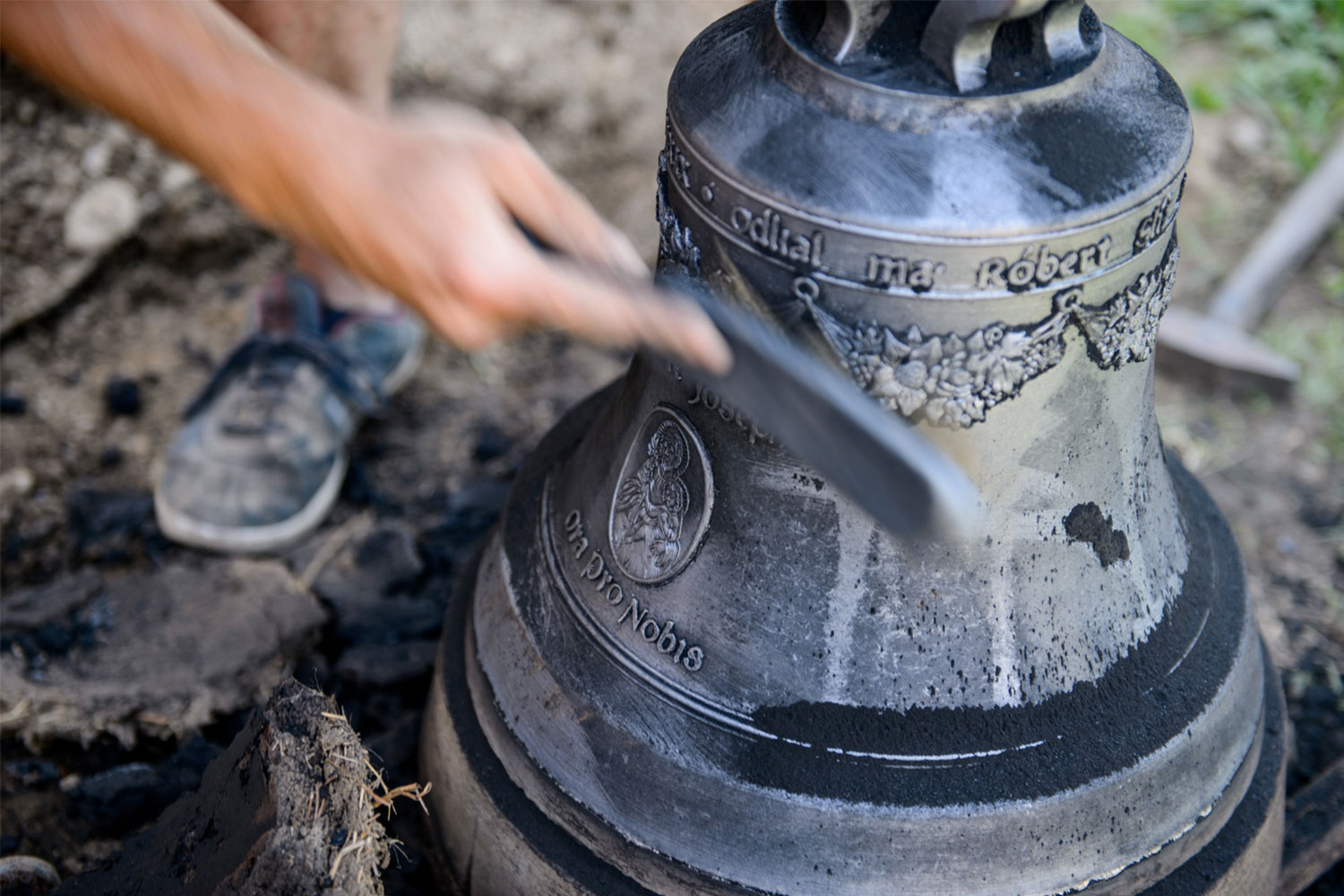
Anton Hasell's practice moves between bell acoustics, digital engineering and traditional casting and tuning. Trained as a sculptor, he spent years working in art foundries and lecturing at the Victorian College of the Arts before turning to bell making in the 1990s, drawn by the discipline's unforgiving precision. "Bells are among the most technically demanding objects to cast," he says. "Shape and scale dictate the sound. I am seeking the form that yields the clearest pitch." He founded Australian Bell in 1998 in Mia Mia, and collaborates with consultants and universities on large-scale and experimental commissions. For Anton, geography matters. "Australia is the perfect place to invent new sounds, unbound by European and Asian traditions. The first song of a newly invented bell is infused with the resonance of its birthplace."

INTERVIEW
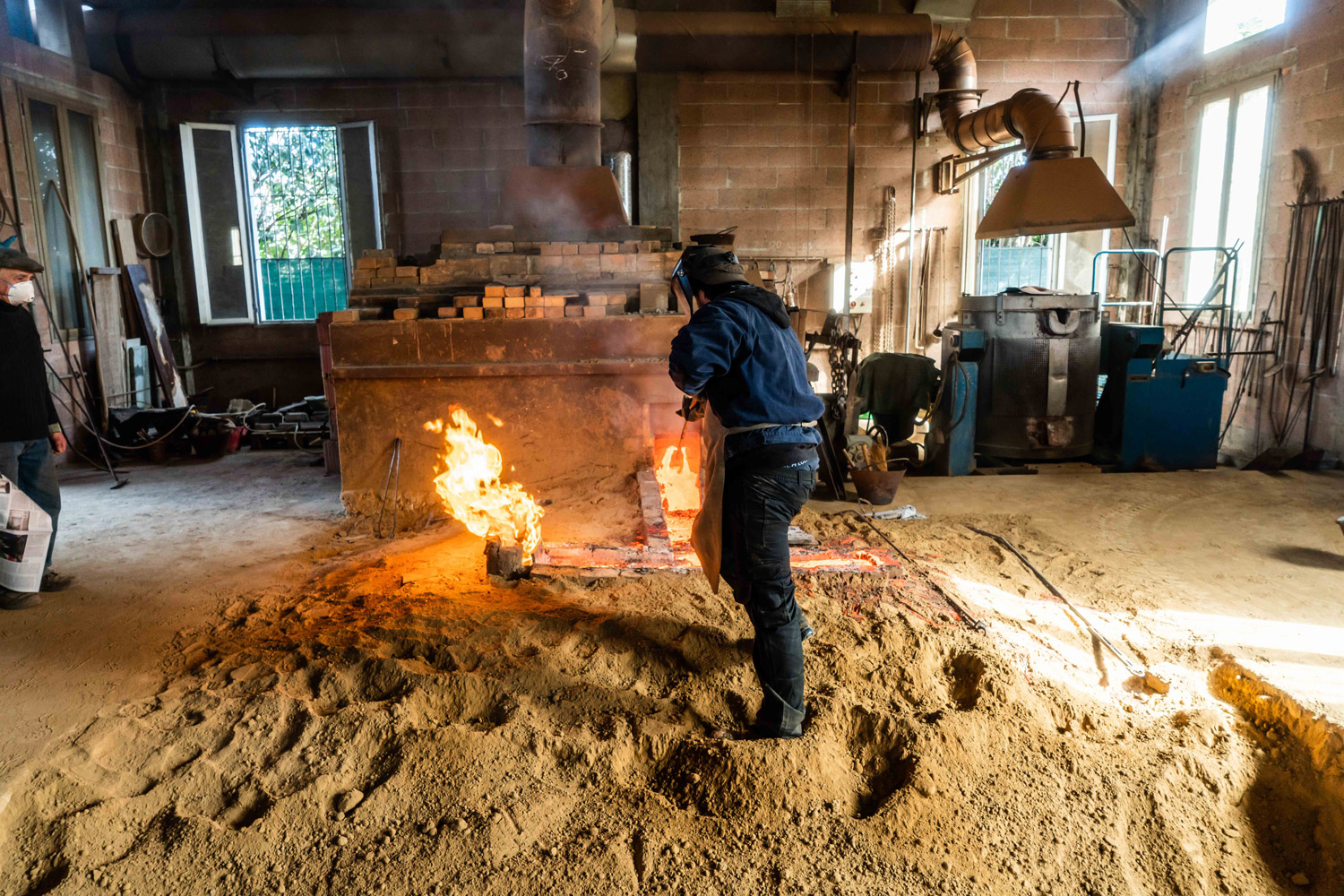
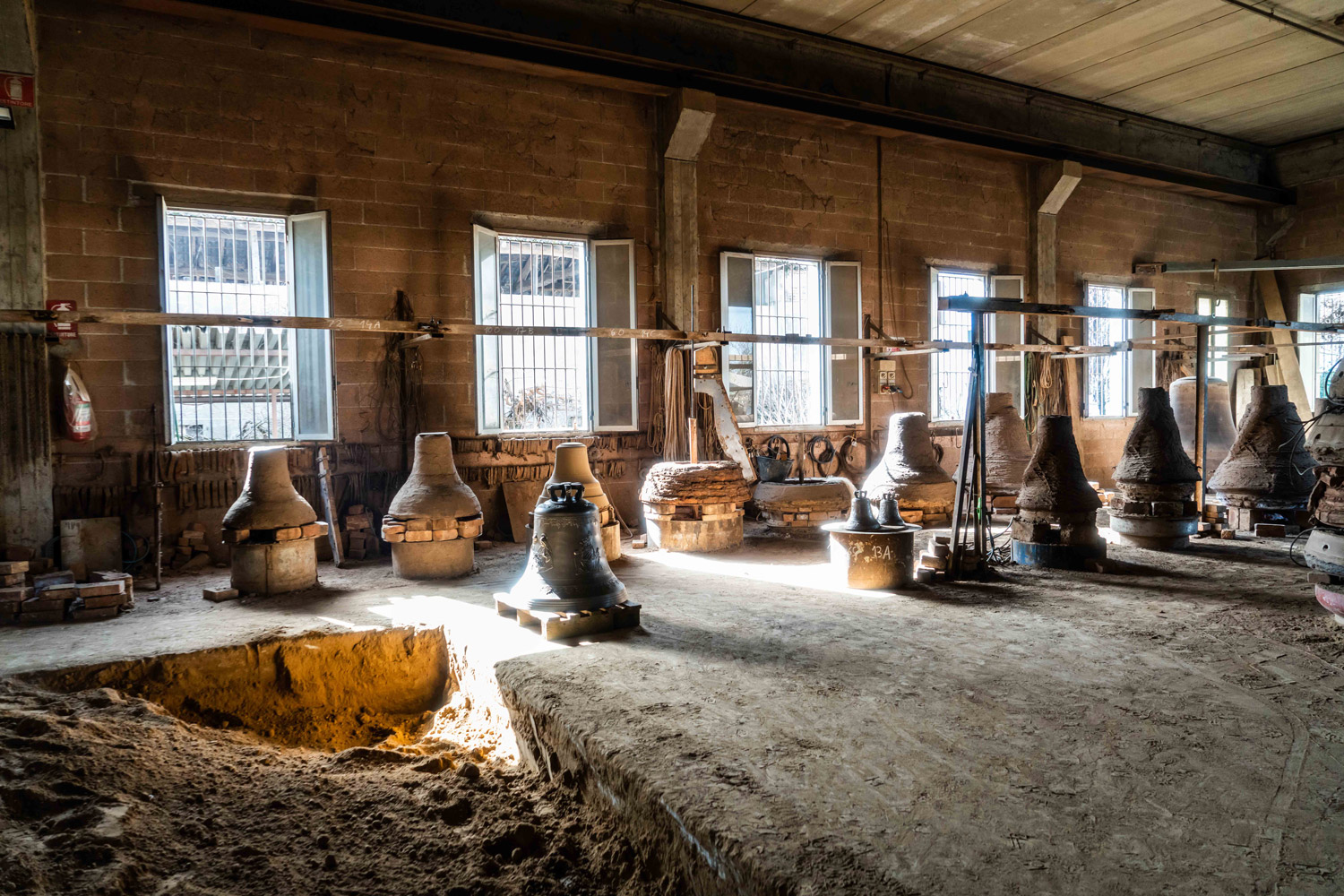
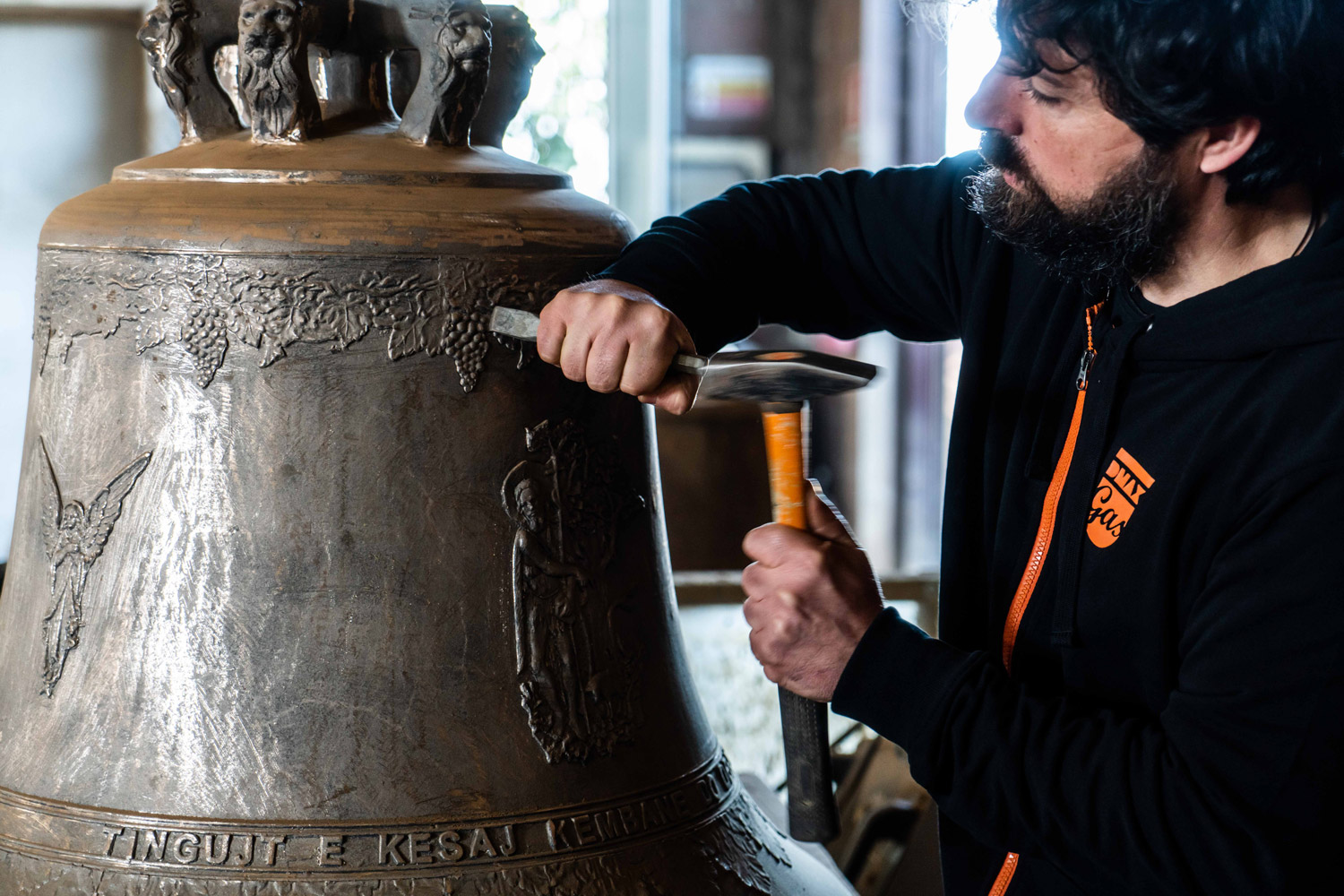
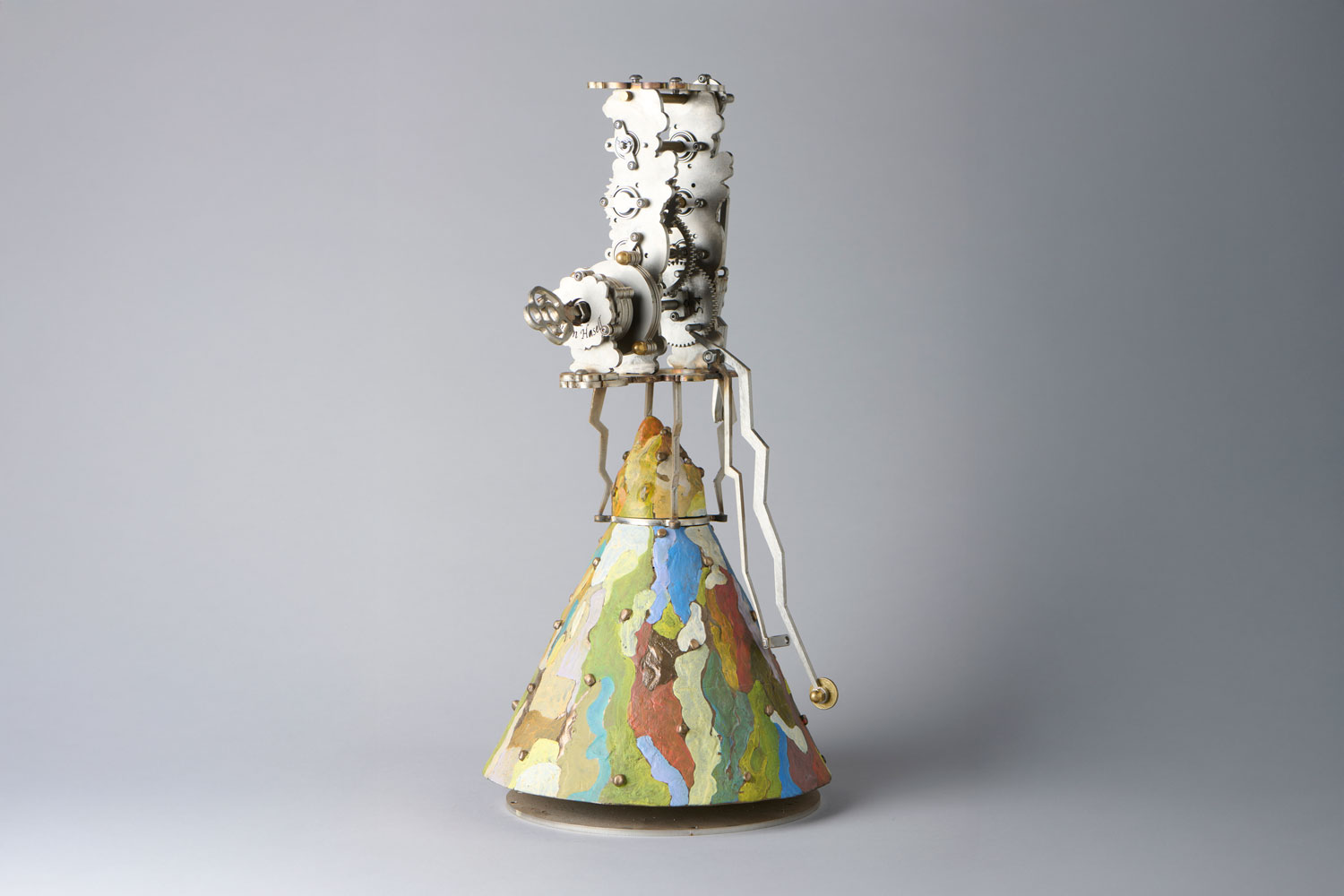
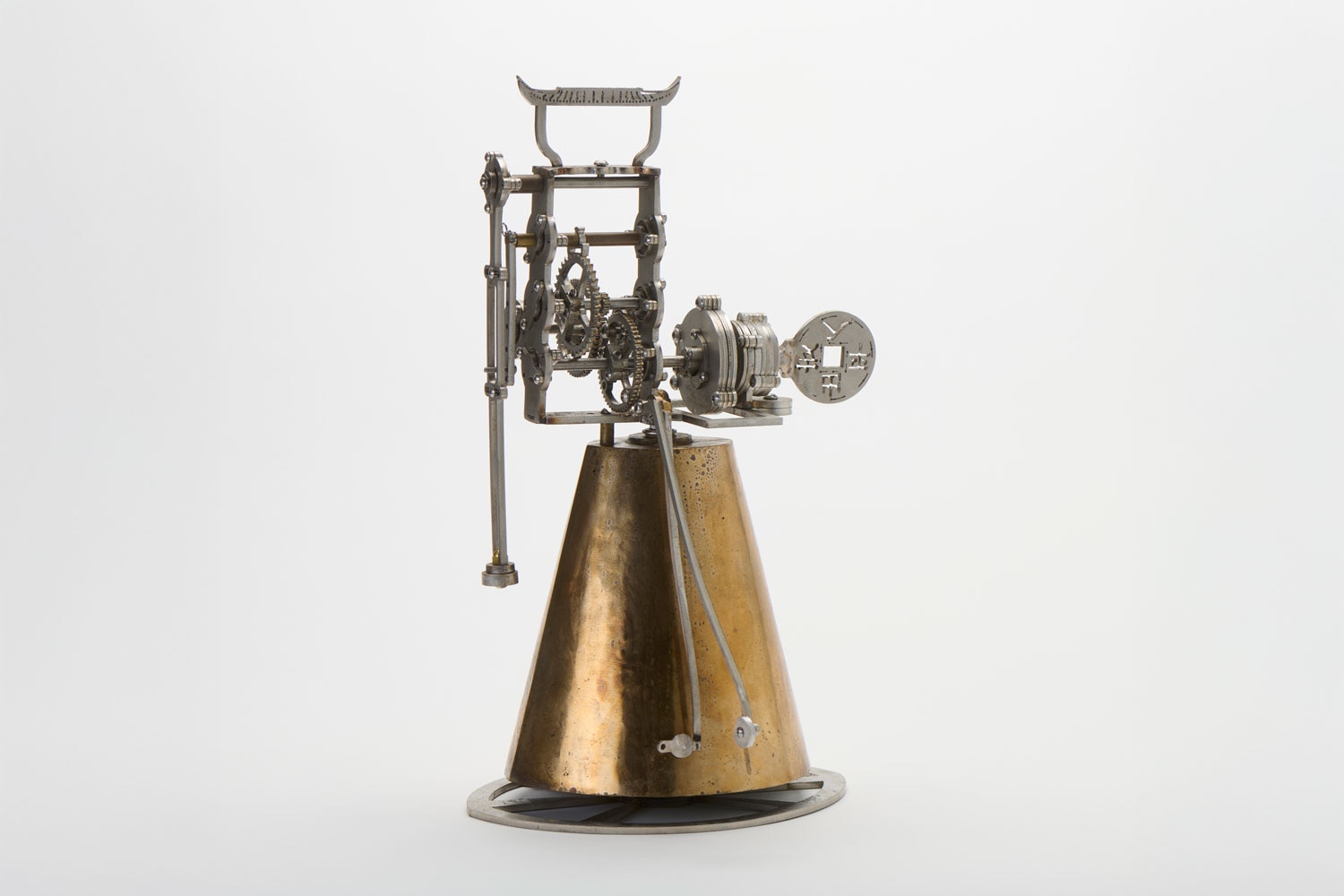
I make many styles: European bells for churches and carillons; Asian-style temple bells for contemplative use; harmonic bells for musicians. I also produce bells for community artworks, private collections, replacement replicas for damaged or stolen bells, and experimental bell designs.
I attended a traditional bell casting in Kyoto, spent time at the Beijing Bell Museum, and explored temple bells in Korea. I also visited major bell foundries in Europe and the UK, and studied carillons in the USA, including climbing the belfries of Rockefeller Memorial Chapel in Chicago and Riverside Church in Manhattan.
Inventing new musical bells for contemporary urban design is challenging as traditional bell use declines. I believe new acoustic overlays, shaped by new designs, materials, and technologies, can become a natural part of future urban environments. This belief guides my research.
For commissioned projects, I work with established foundries, engineers, makers, and installation companies with whom I have long-standing relationships. Much of my research is collaborative, involving university researchers, the CSIRO, and specialist technology companies.
Anton Hasell
Bellfounder
Mia Mia, Australia
ADDRESS
Address upon request, Mia Mia, Australia
AVAILABILITY
By appointment only
PHONE
+61 409235977
LANGUAGES
English
Homo Faber Finds is a new service aiming to inspire admirers of craft to connect and collaborate with exceptional artisans.
We invite you to submit an enquiry here.

Bottle Marsupial 2017 Tom Moore.jpg)
Studio Portrait Tom Moore.jpg)
Blowing Glass 4 Tom Moore.jpg)

Abel-Portilla_A747207.jpg)
Abel-Portilla_A746513.jpg)
Abel-Portilla-4.jpg)