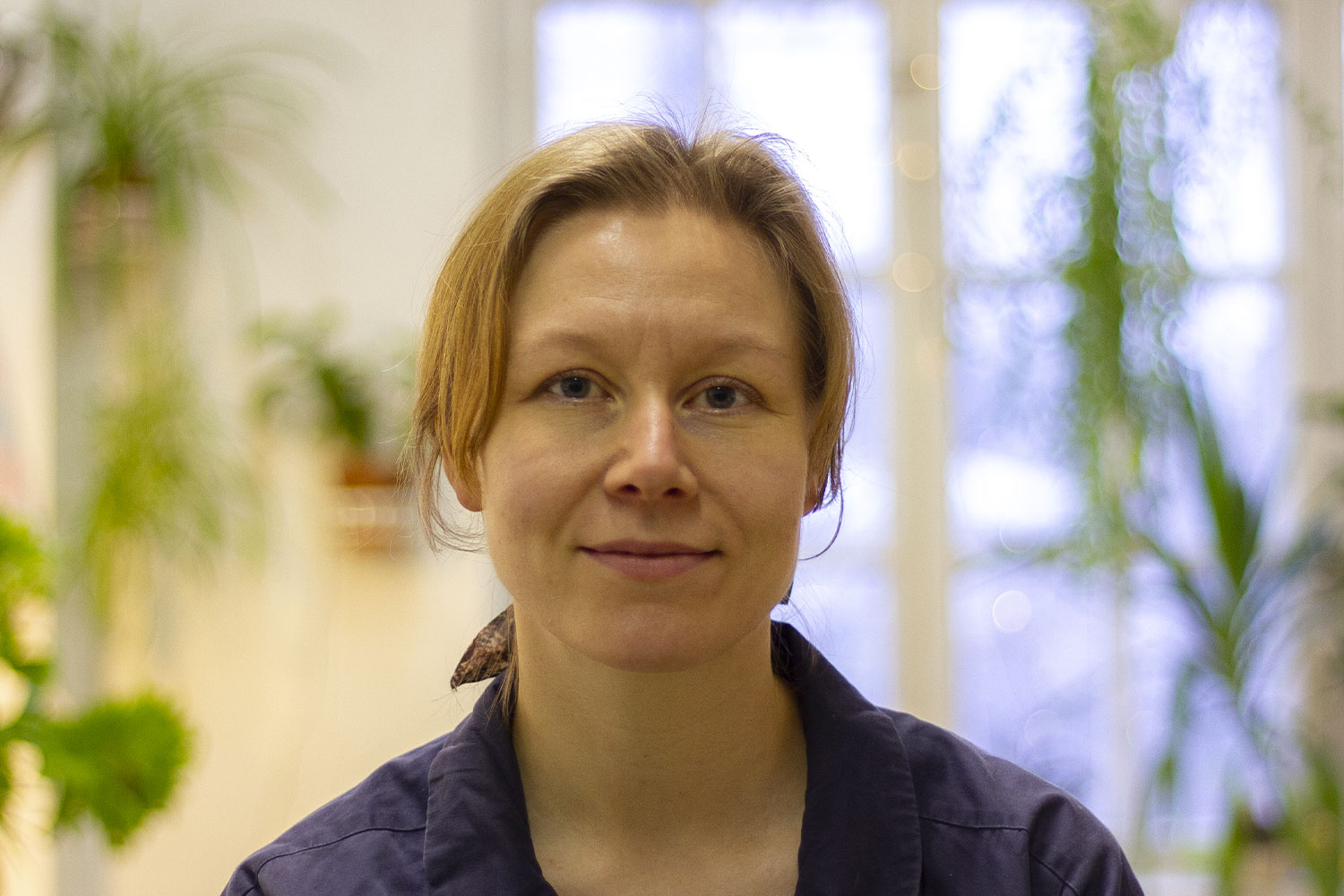
Anna-Kaisa Haanaho
Ceramicist
Hämeenlinna, Finland
Testing the limits of making
- Anna-Kaisa makes functional pieces, installations and sculptures
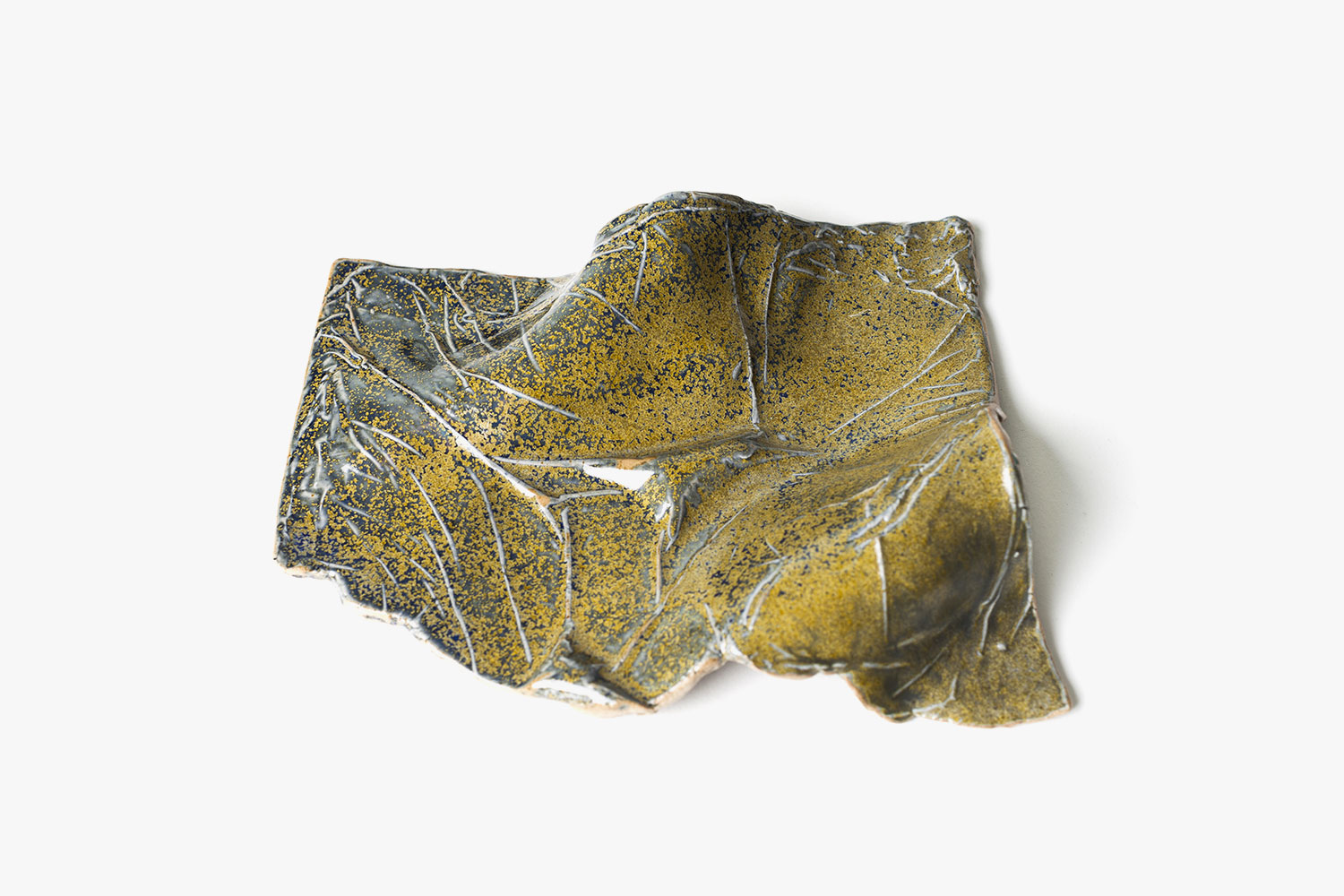
- She is inspired by nature, everyday objects and experimentation
- She has spent time gathering clay in Japan
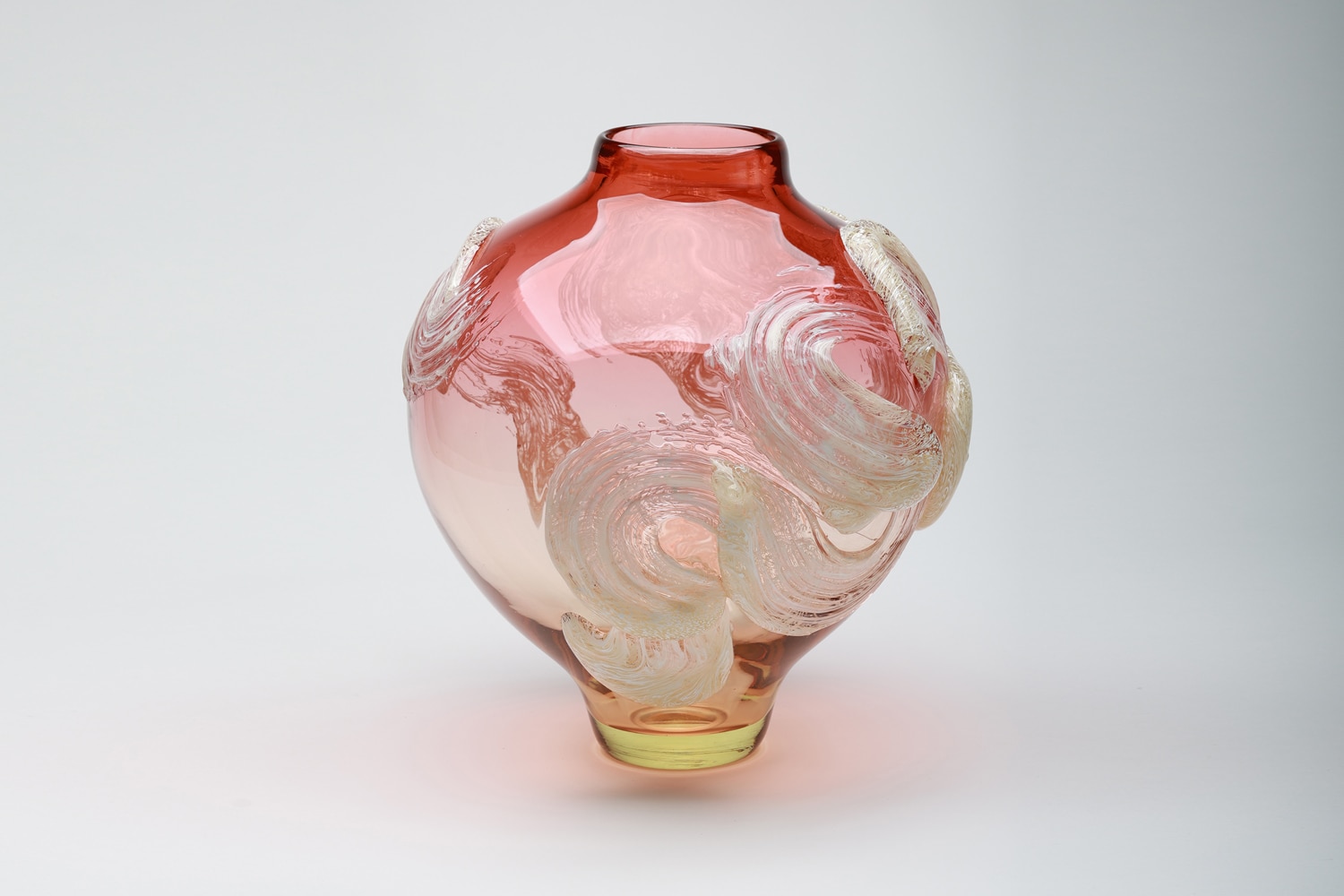
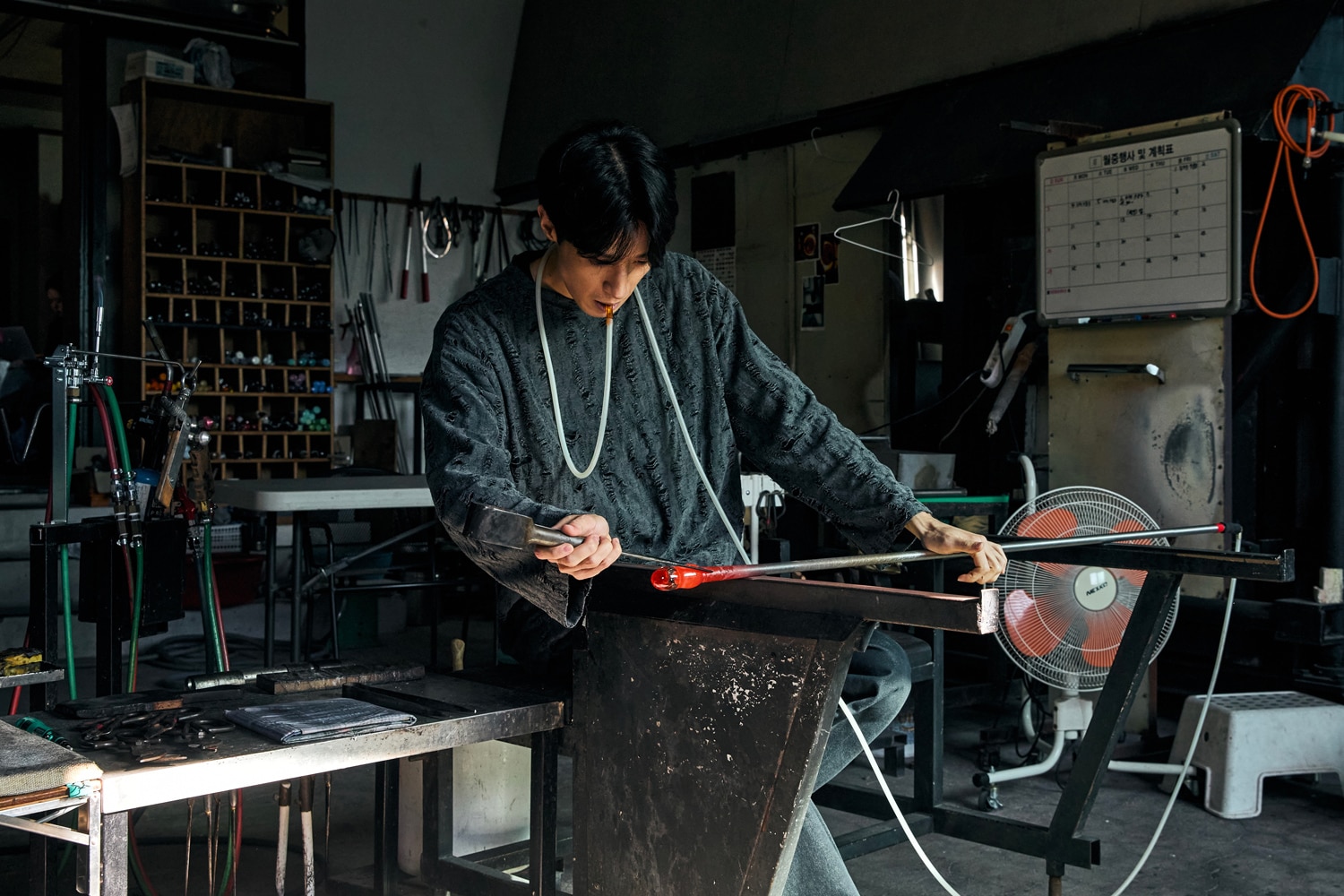
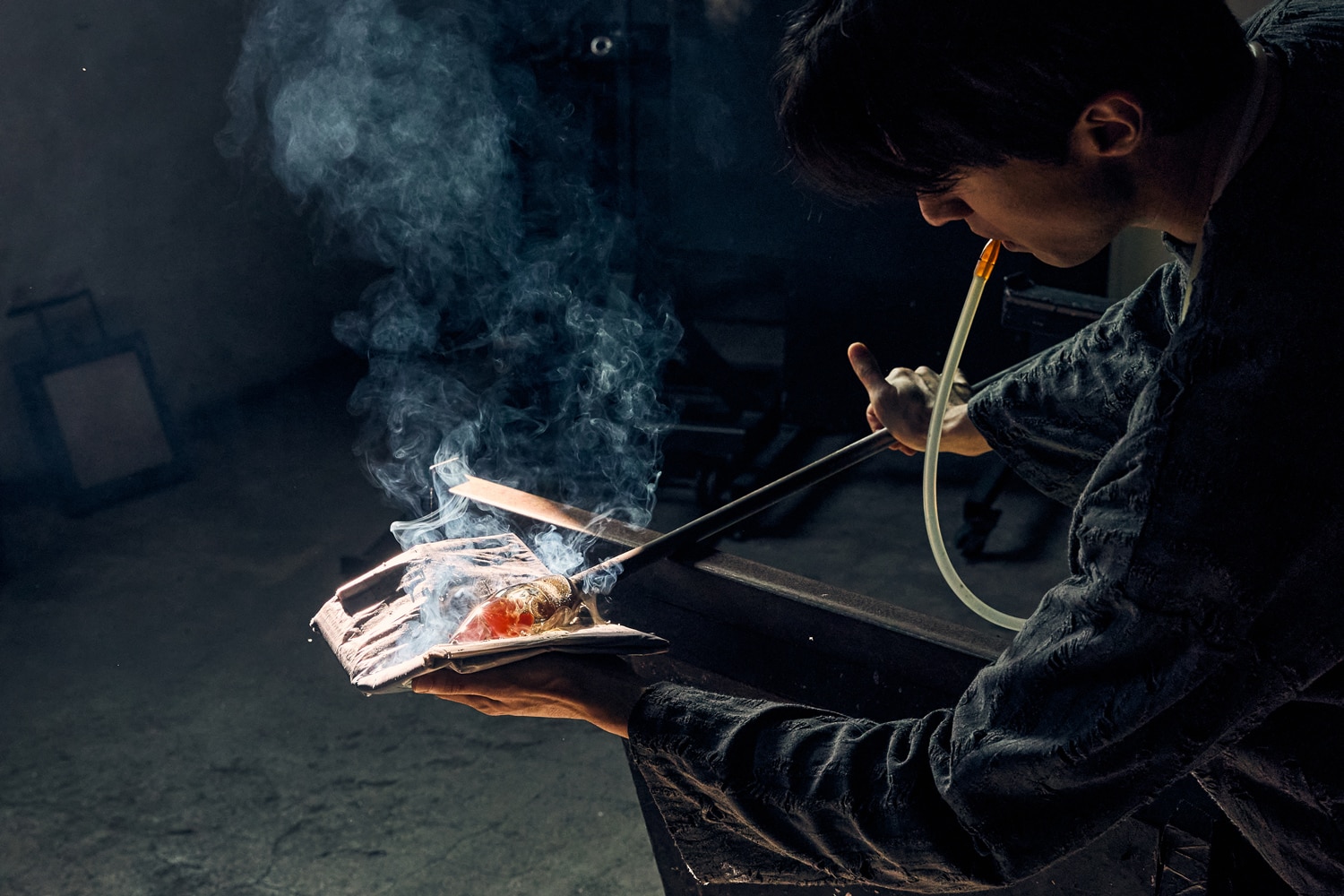
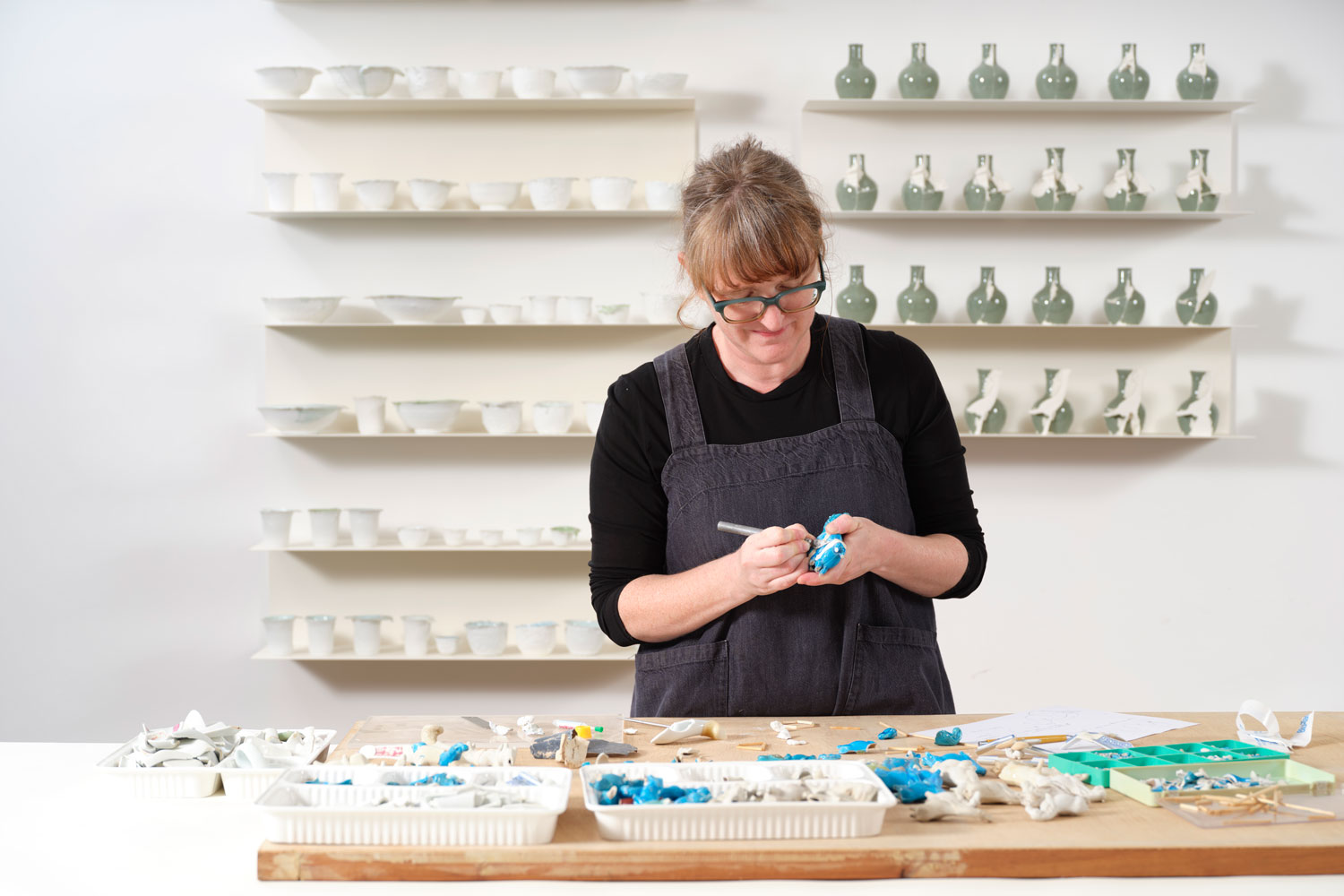
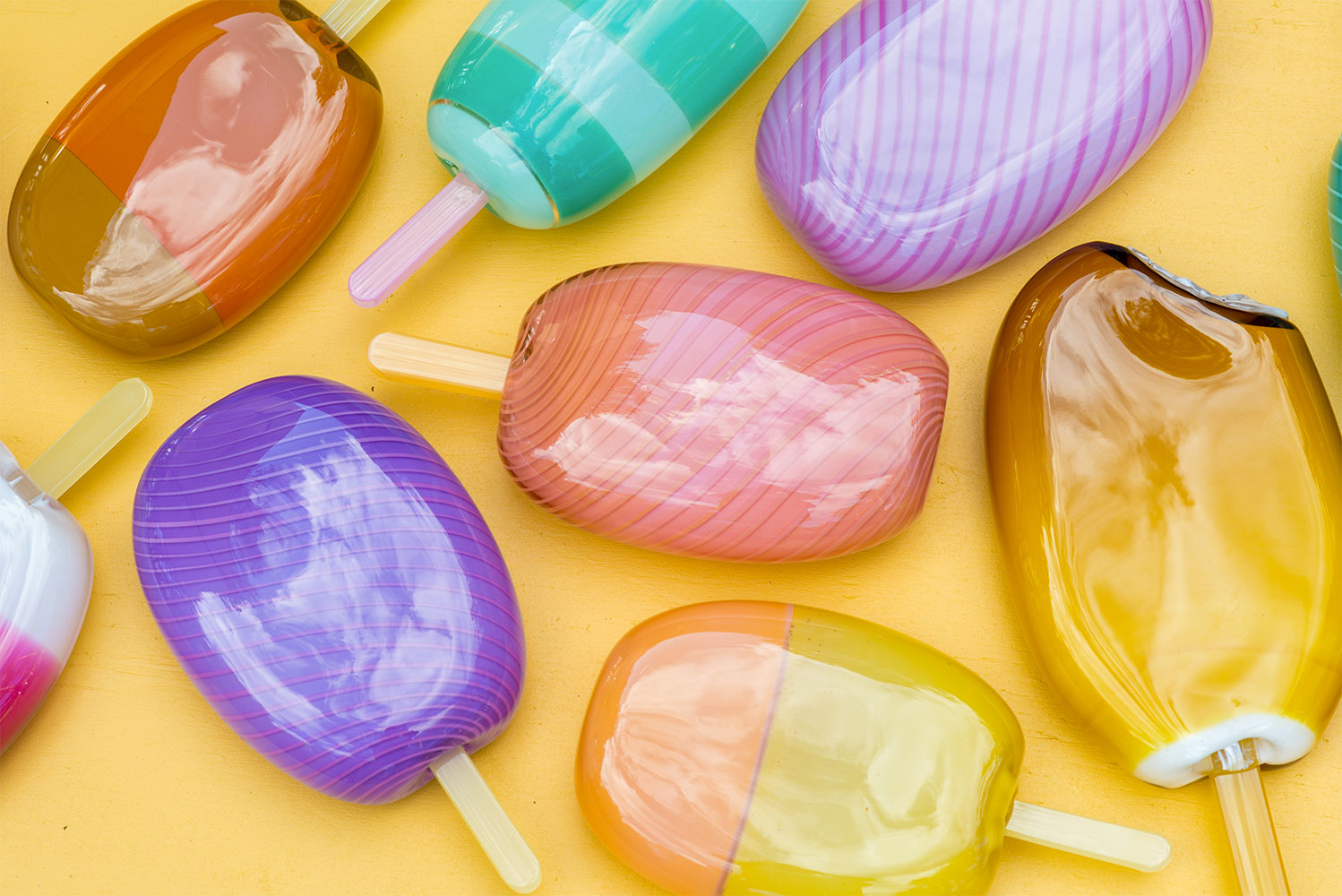
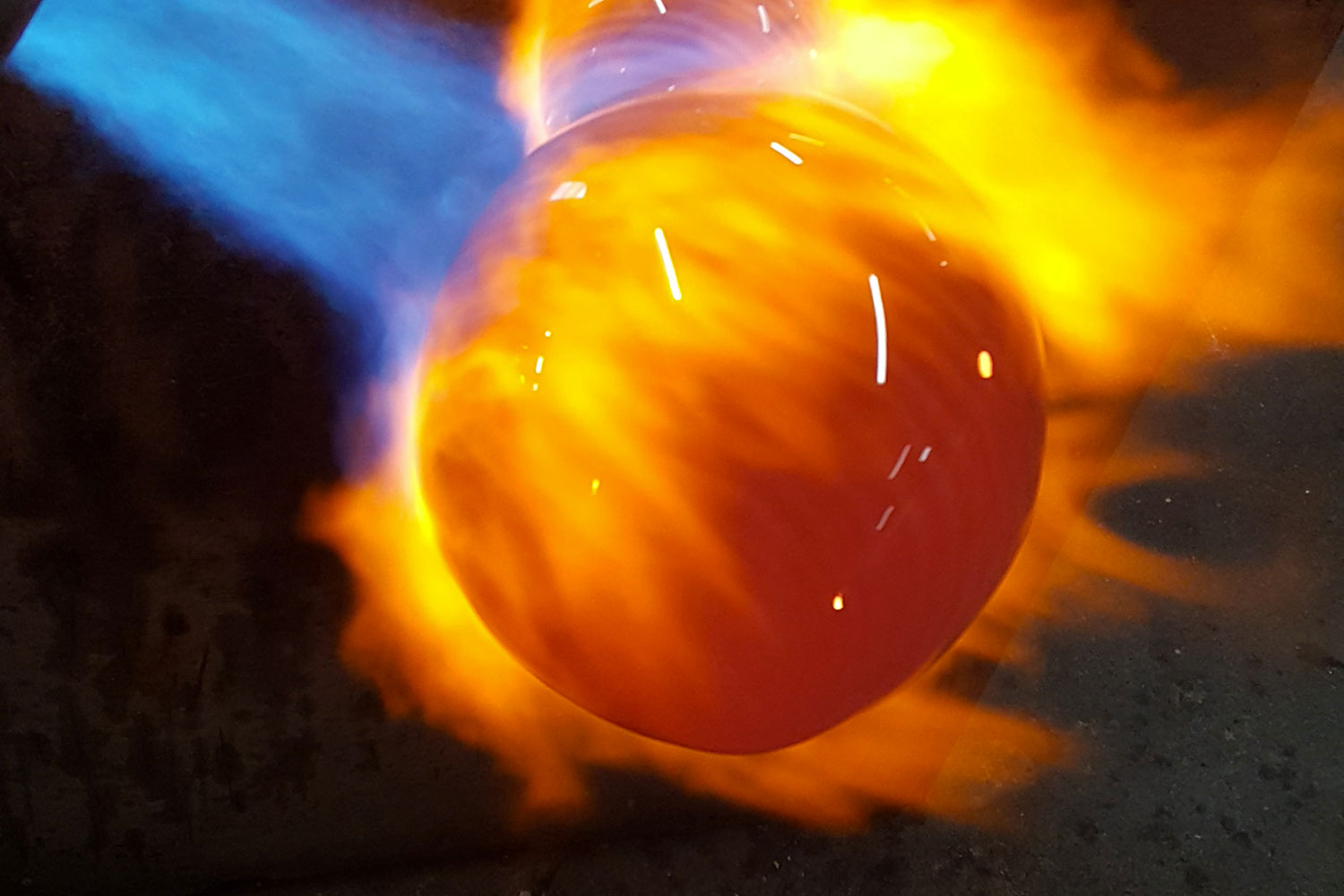
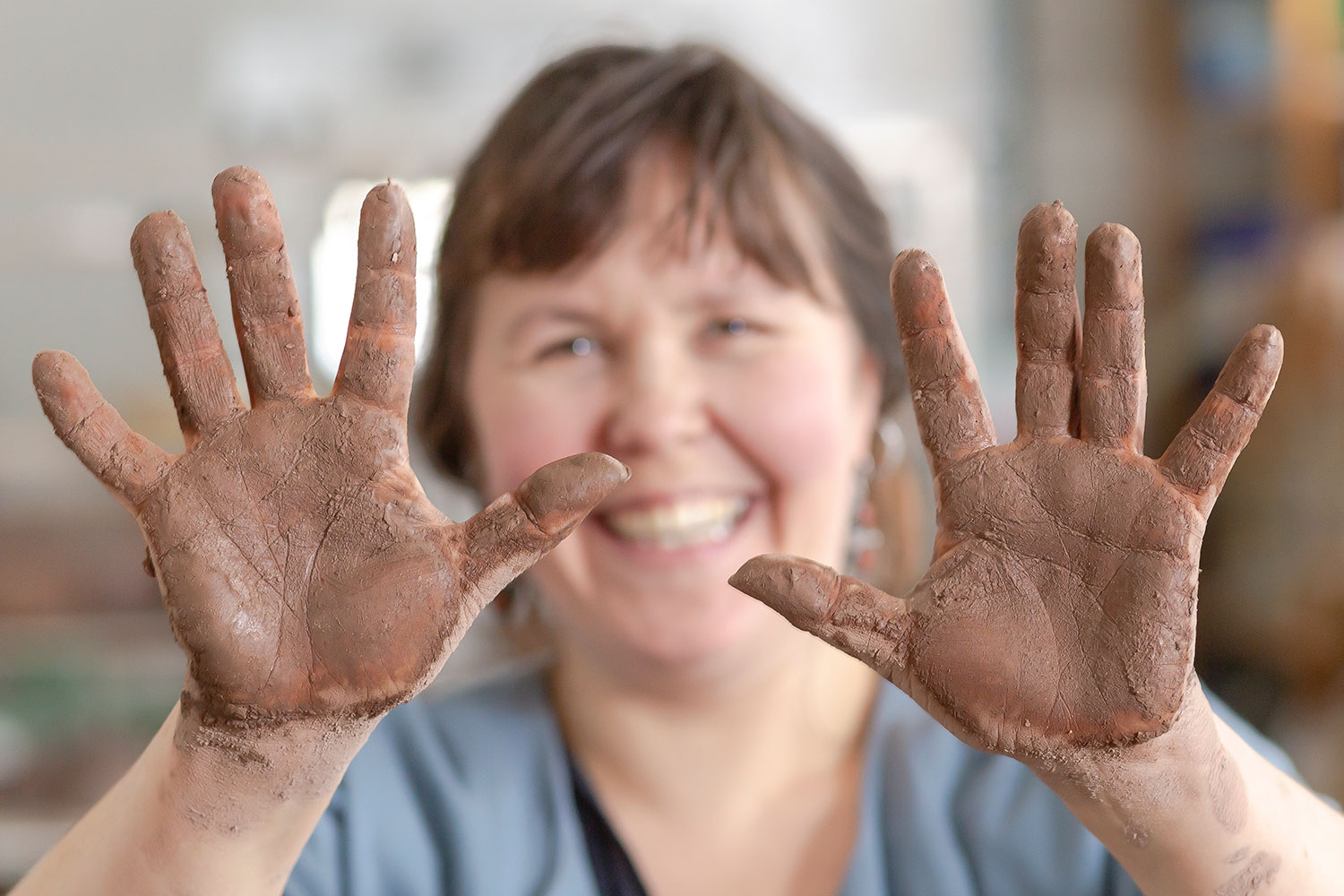
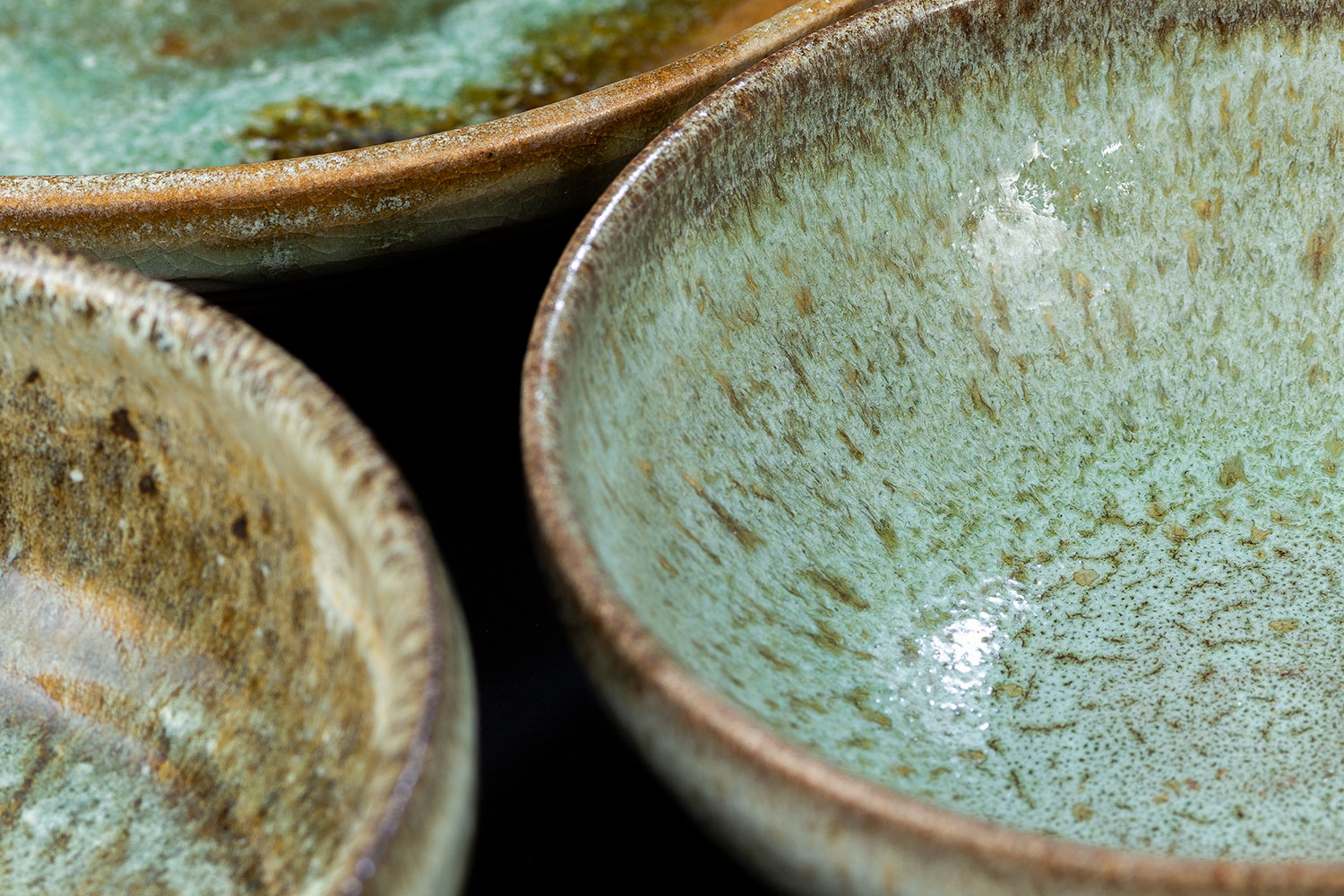
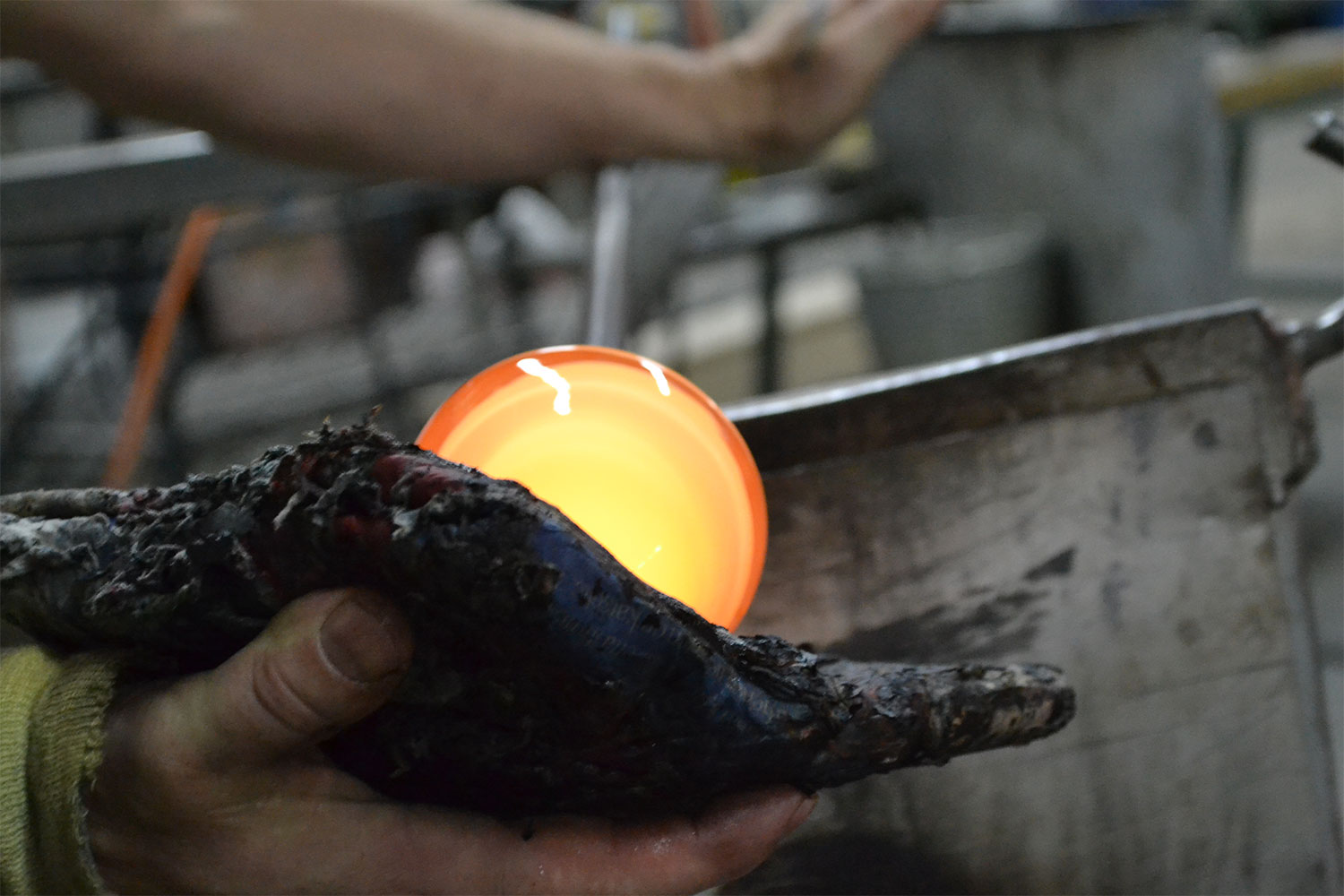
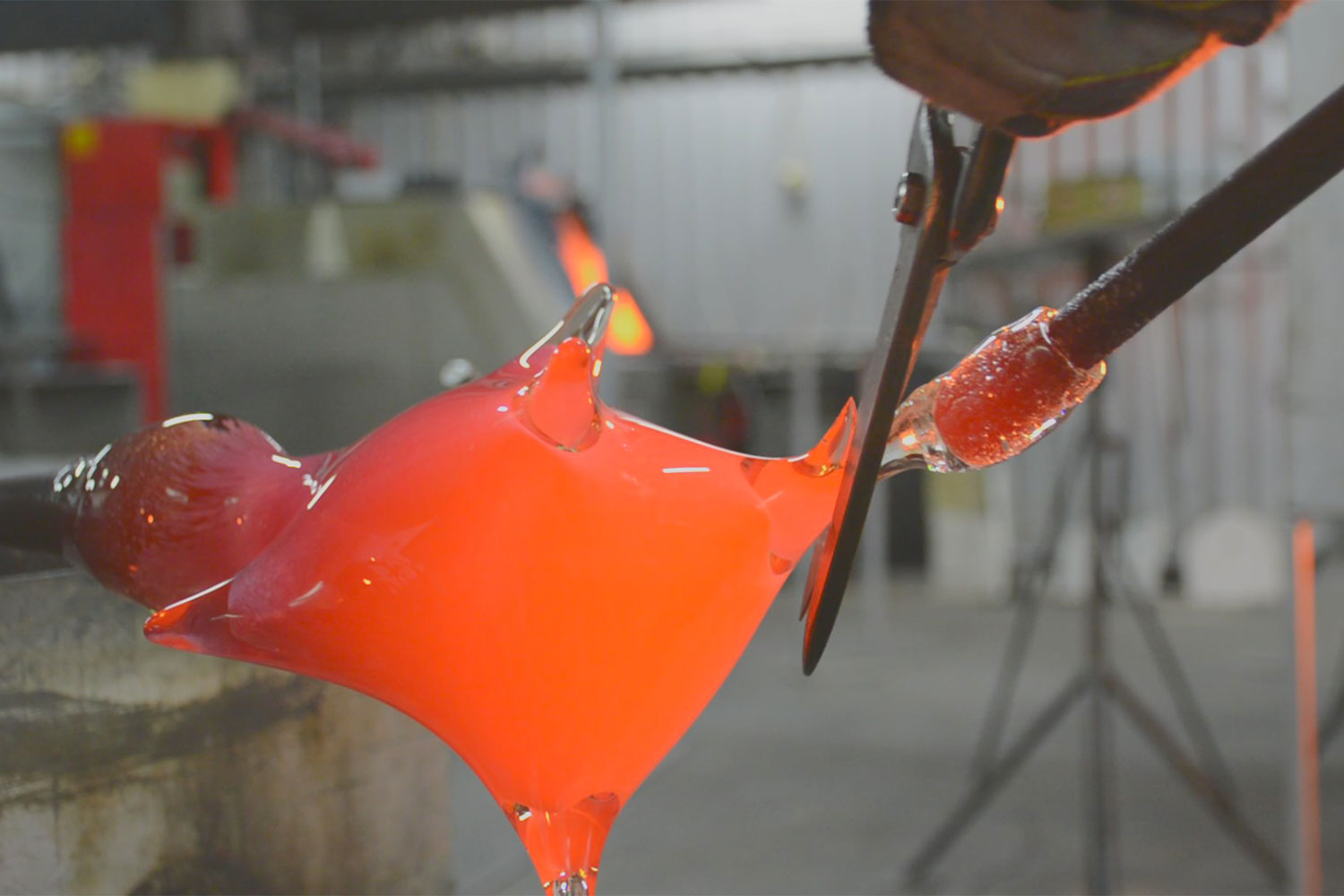
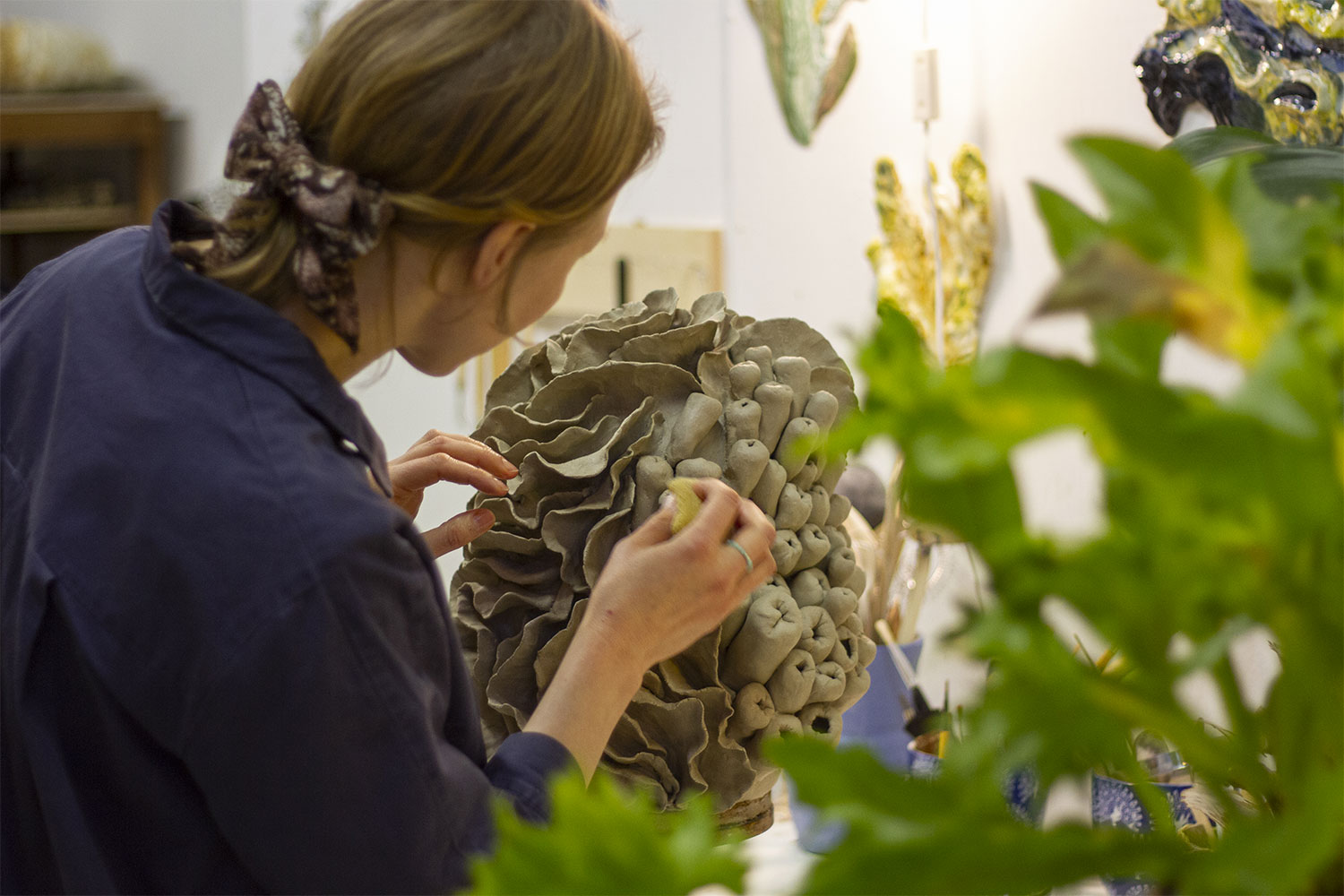
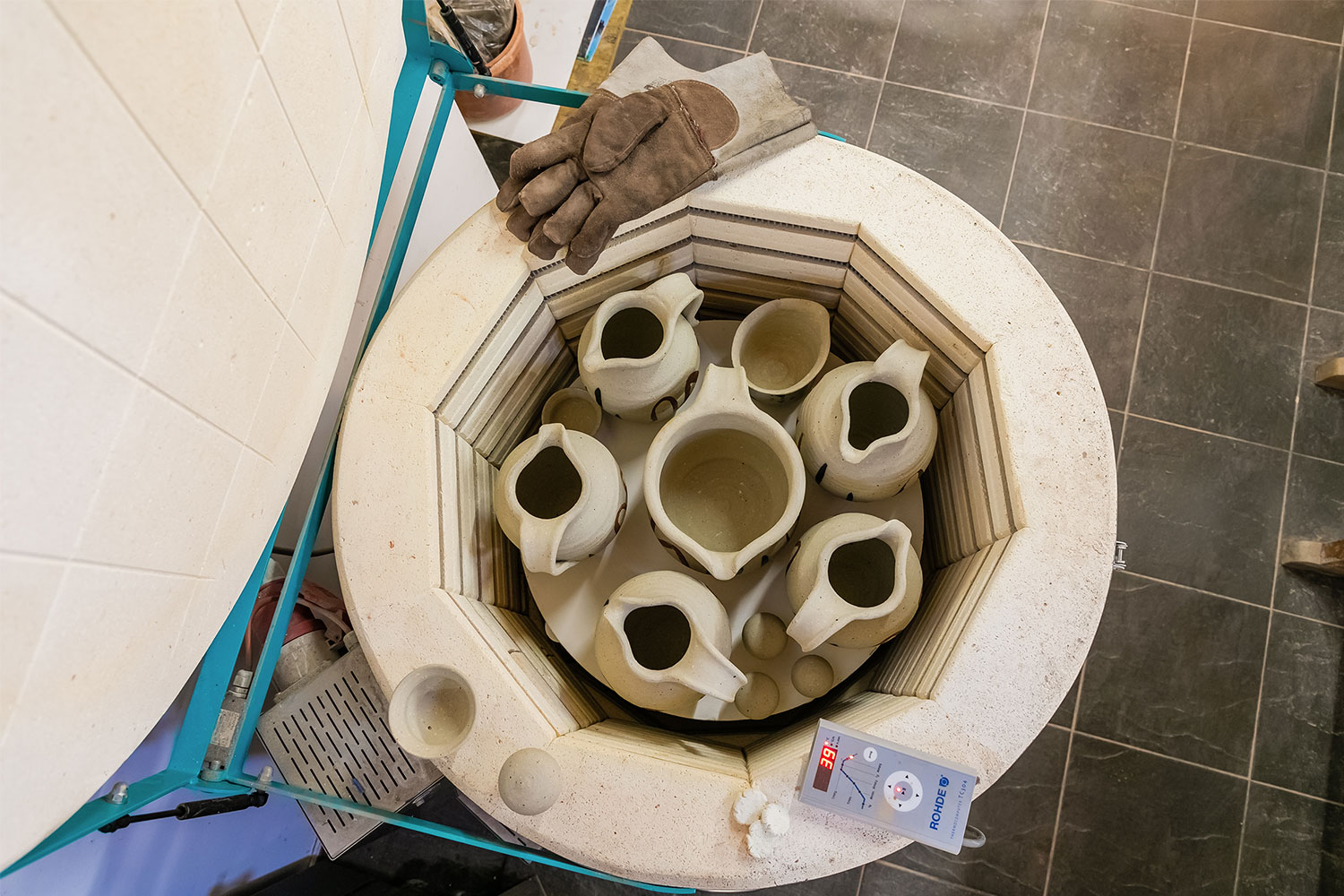
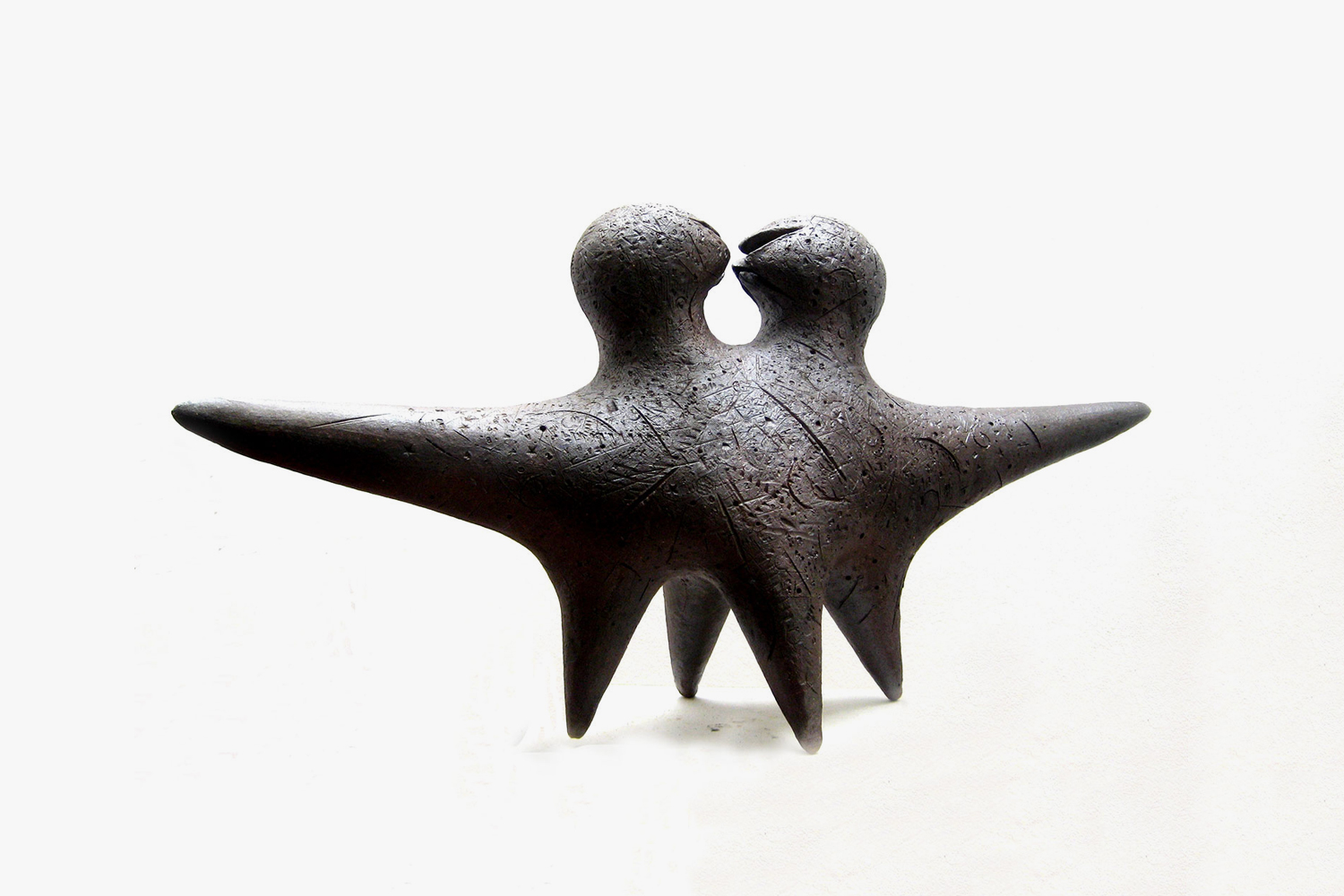
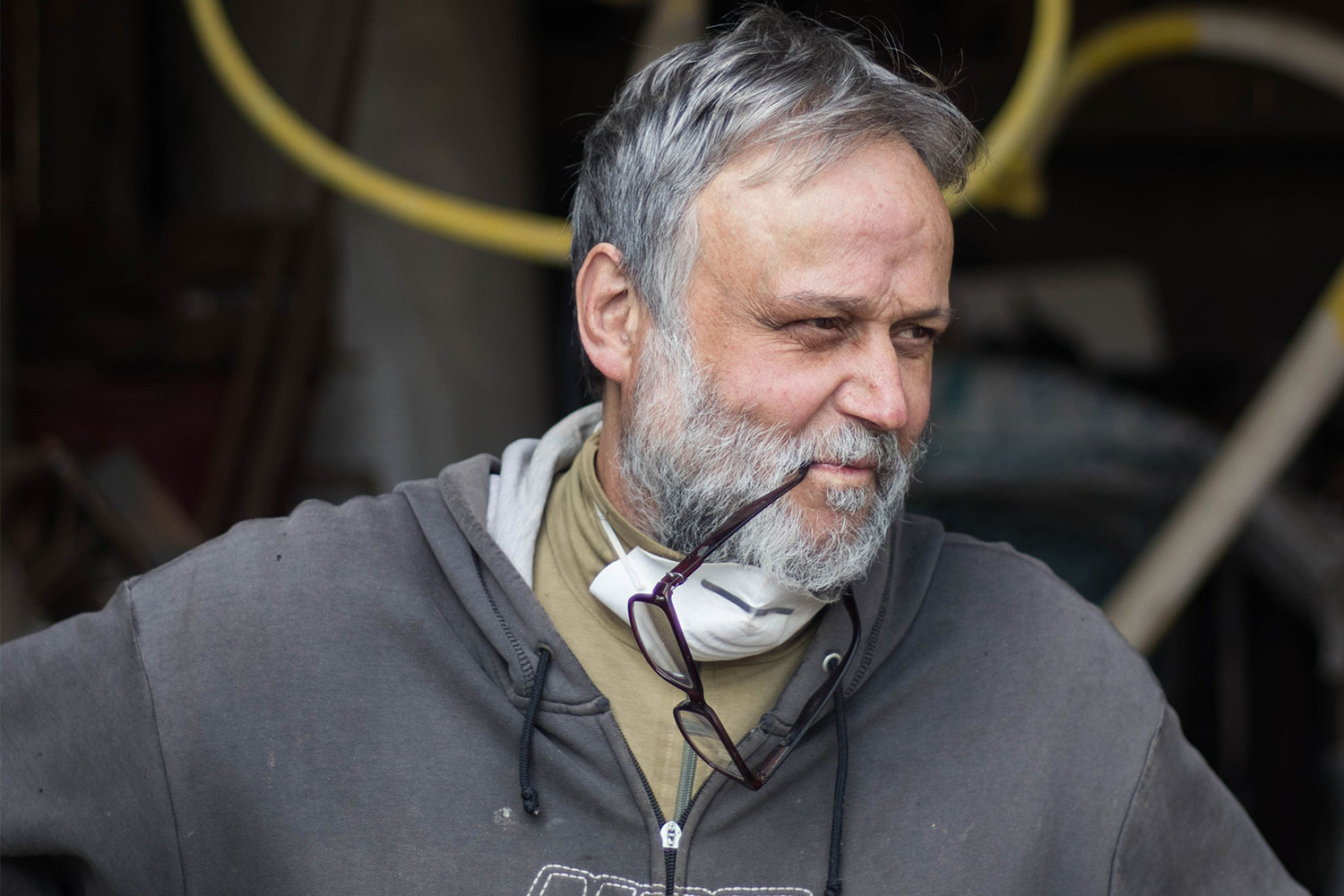
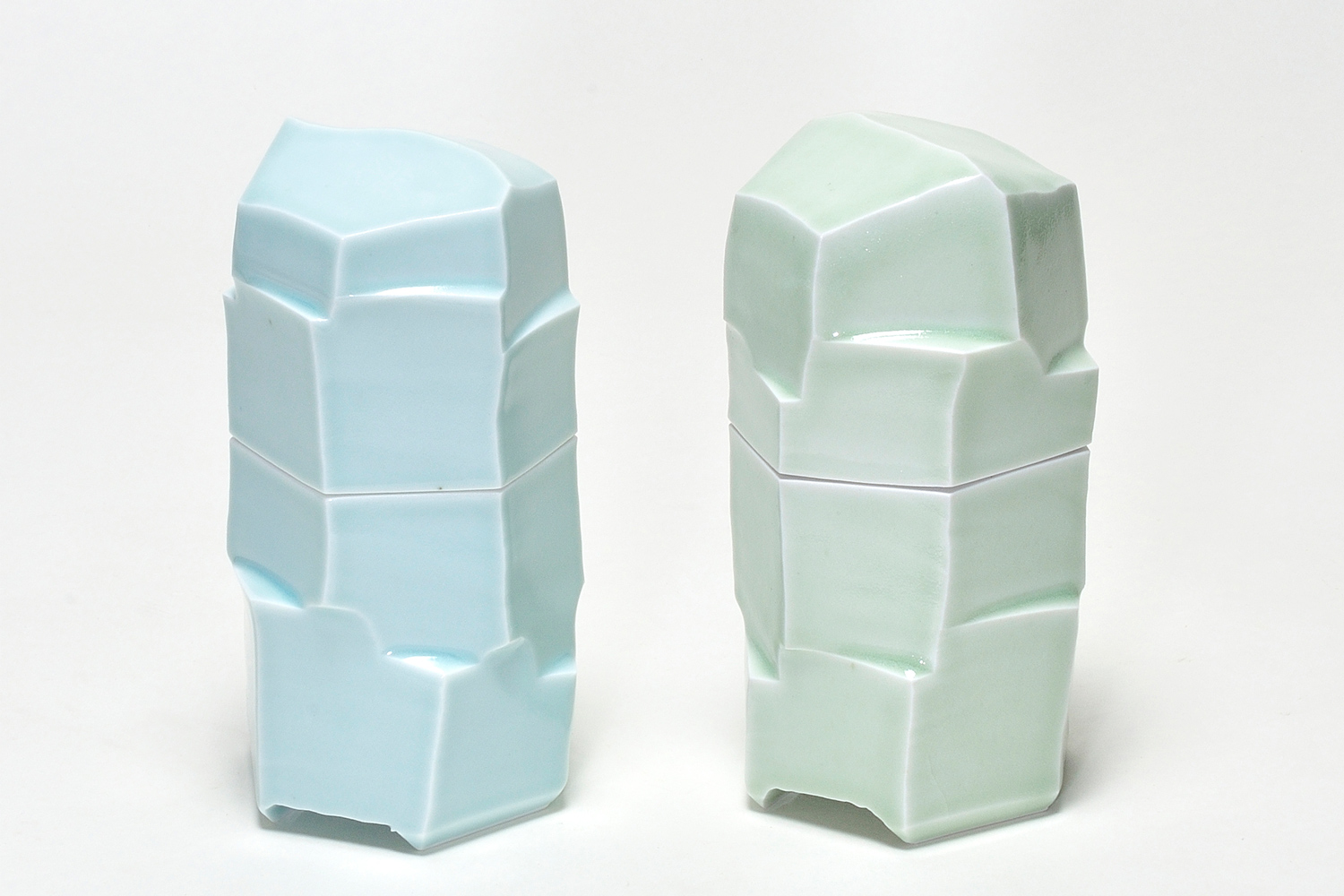
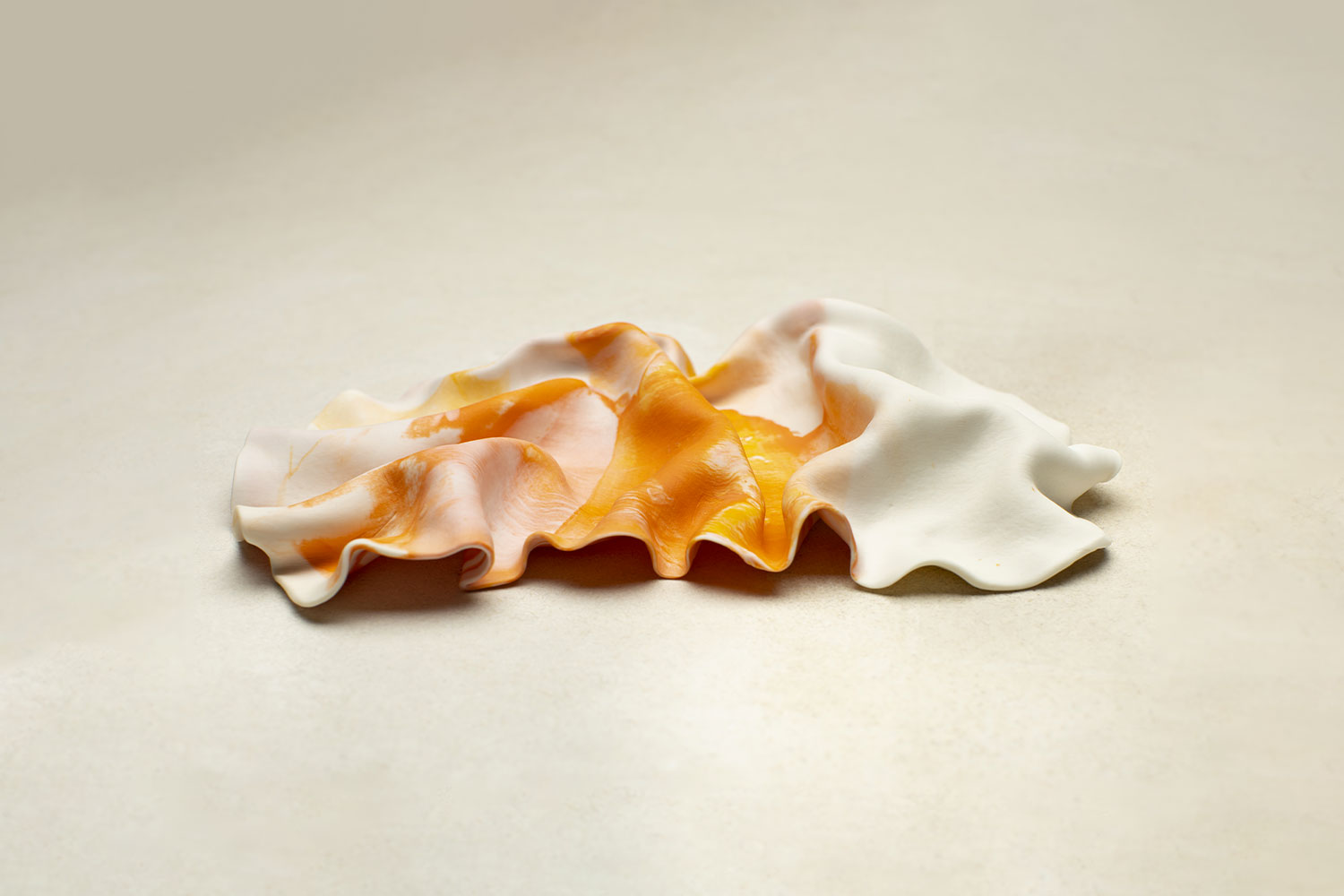
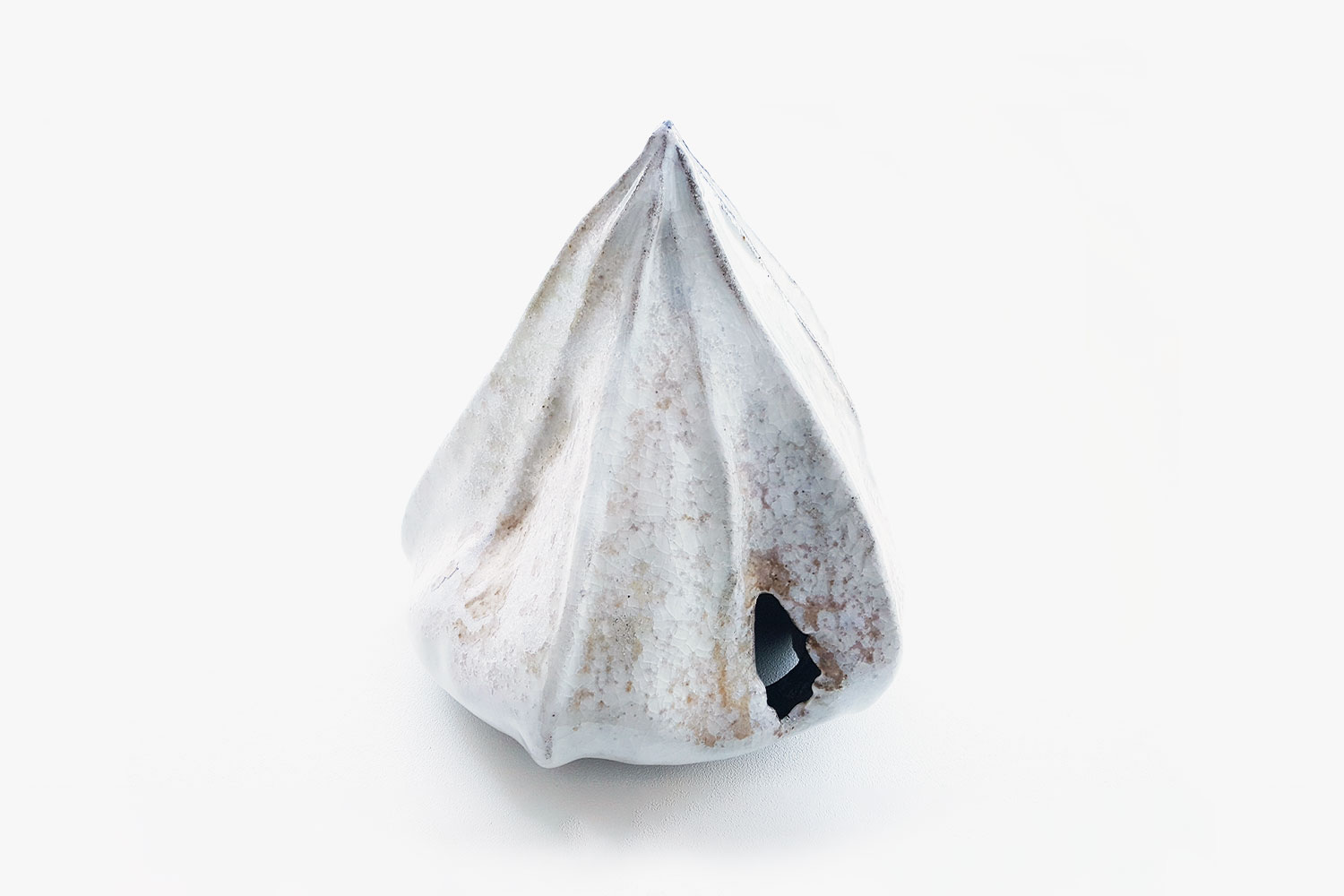
Anna-Kaisa Haanaho trained in glass and ceramics at university in Finland and started her own studio right after graduation in 2016. Her workshop could also be considered a lab, since what she loves to do is to experiment and test the limits of her materials, clay and glass. "Sometimes, this means throwing clay against the wall," shares Anna-Kaisa. "To me, working as a maker is about constant learning and development." In practice, she deploys ancient methods and traditional tools to put clay and glass to the service of creative expression and exploration.

INTERVIEW
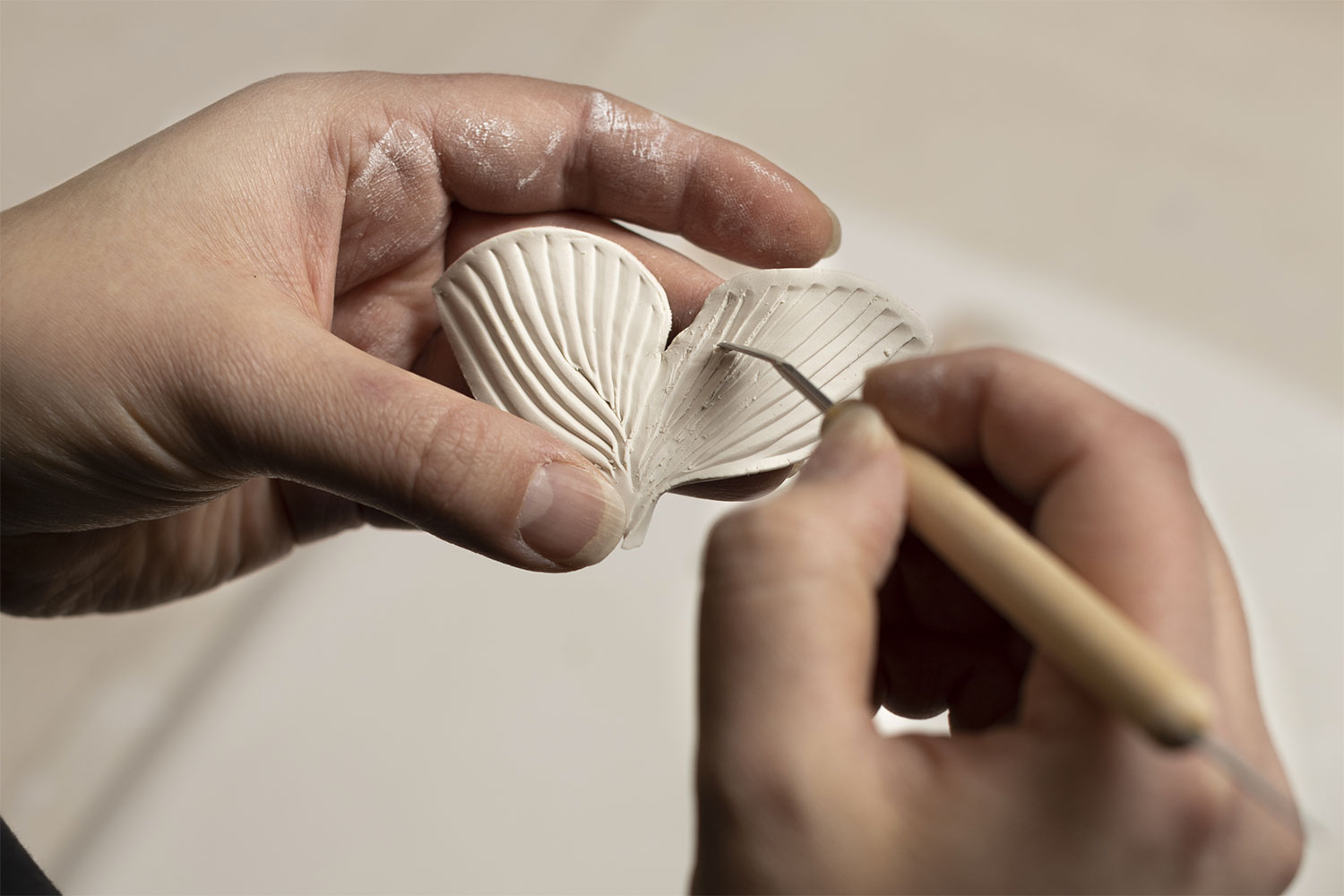
The decorating. I also love the physical side of the process, and the element of surprise that is present within the material when it is tested. It's like searching for and finding a path in life. Sometimes I experiment and create shapes by simply throwing clay at the wall.
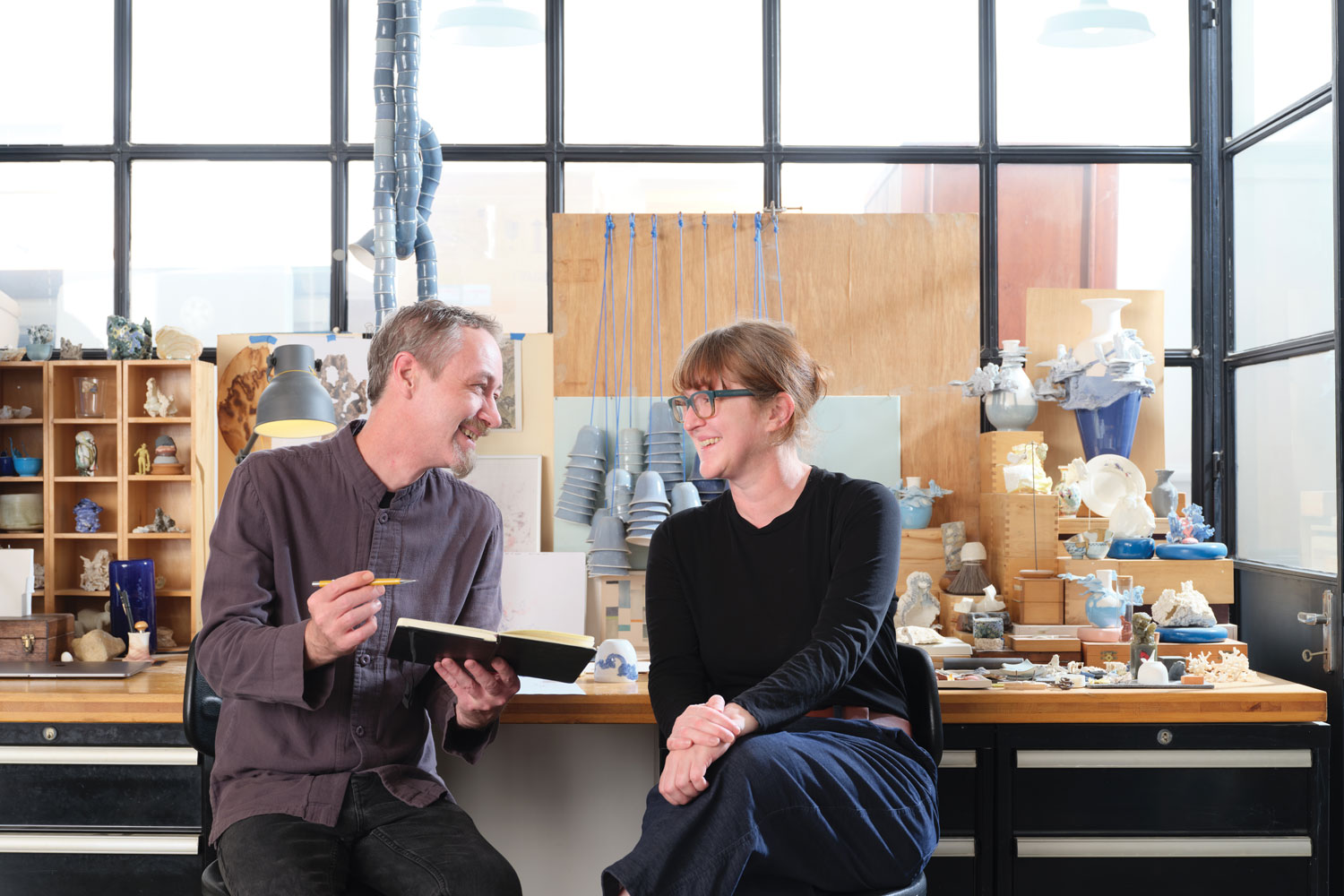
Participating in artist residencies and cooperating with other artists has been really enjoyable. Last year I went to the Shimane region in the Japanese countryside. The mountains were full of clay and I had the chance to collect some of it myself to experiment with.
My first memories of working with clay are from high school. Still searching for my material, I went to study glass and ceramics design at university. Then ceramics chose me, due to the endless possibilities it offers to learn new things and develop myself.
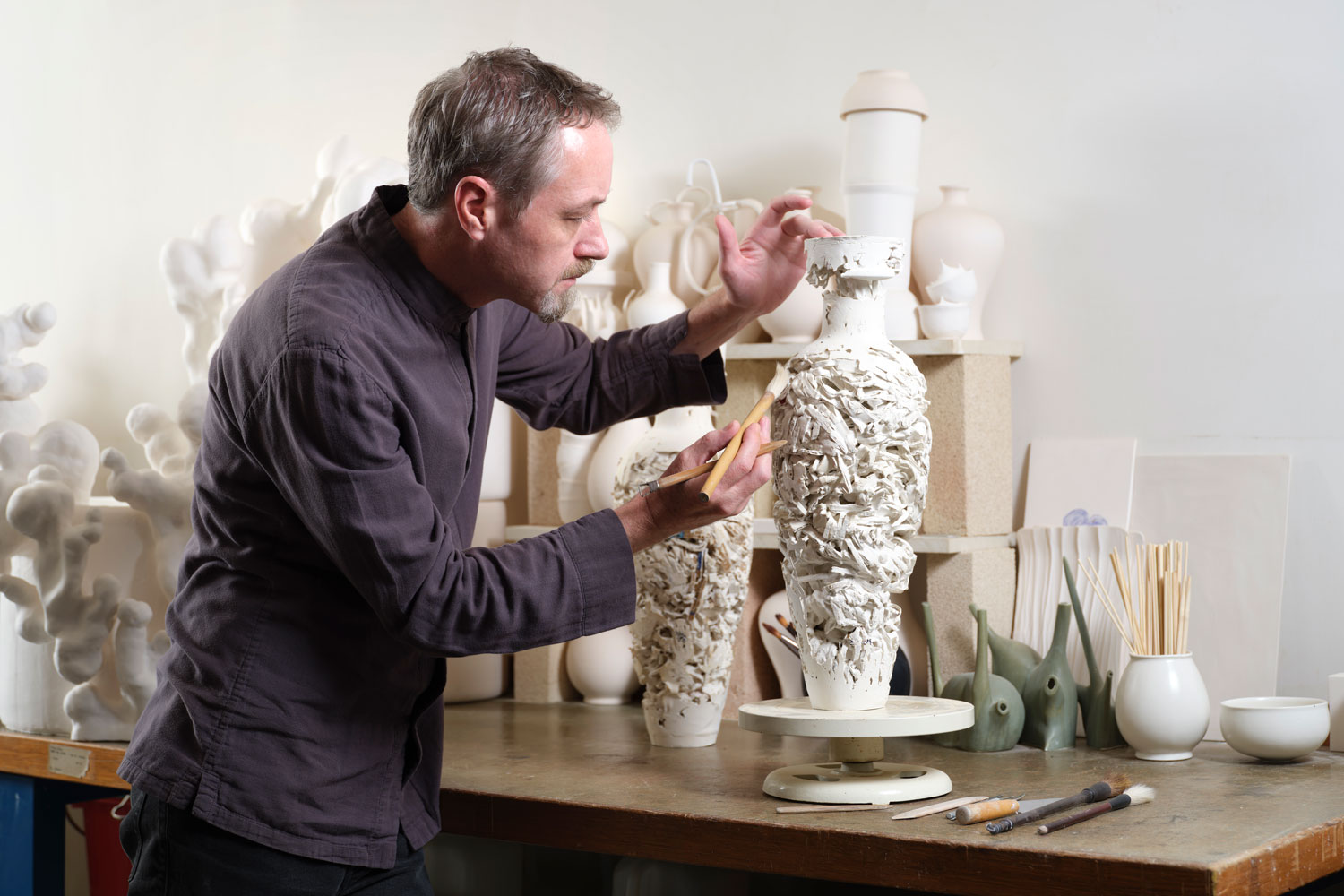
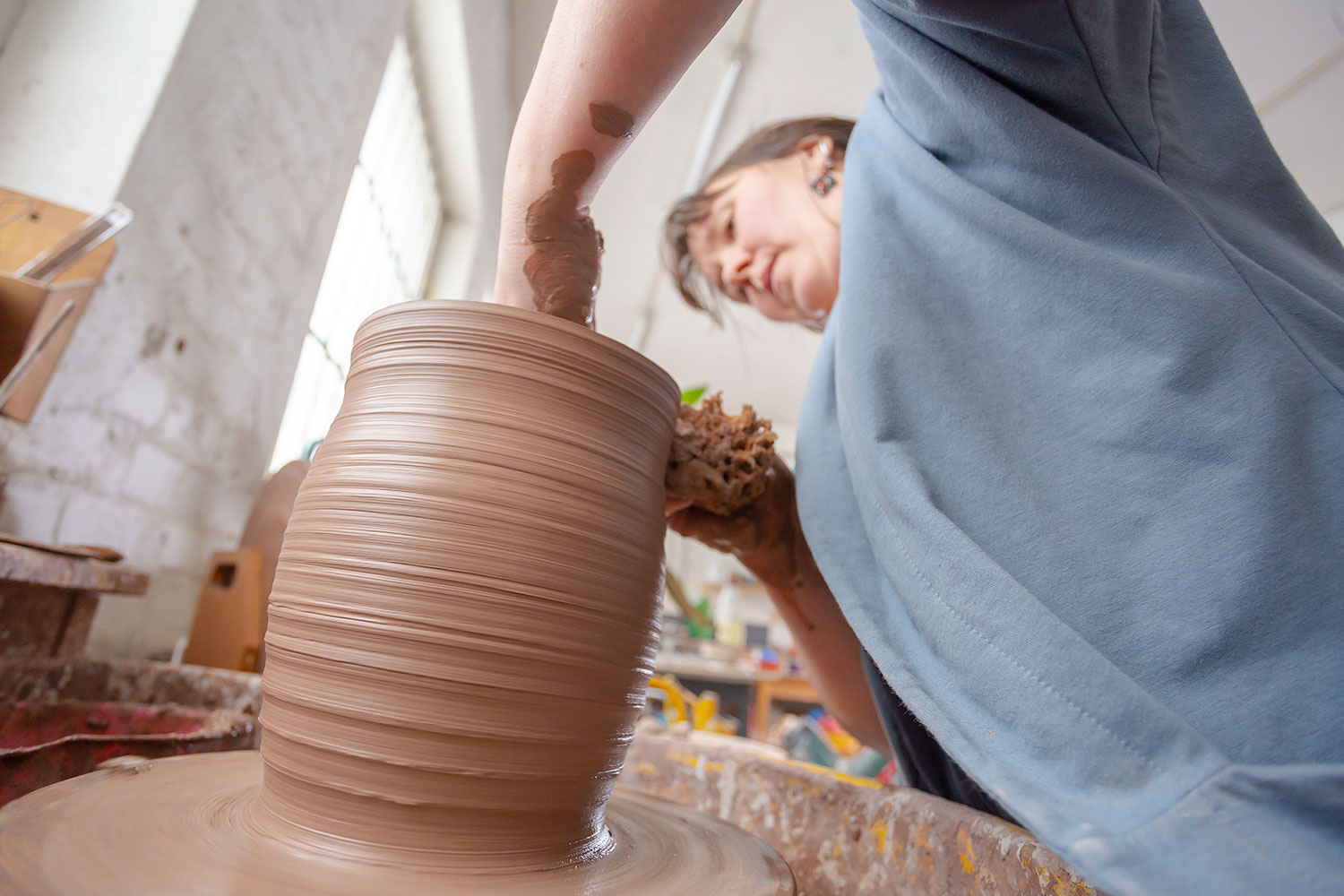
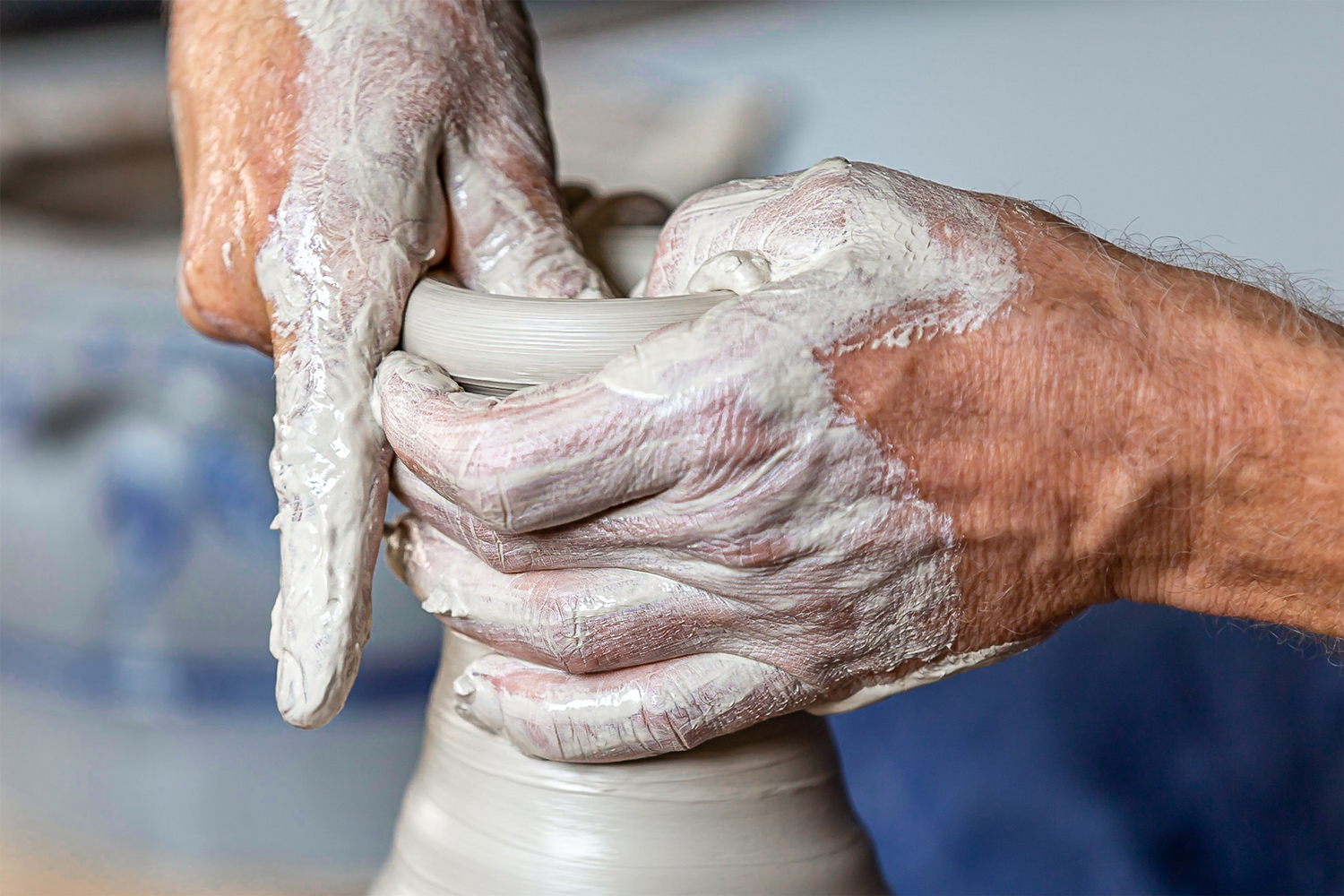
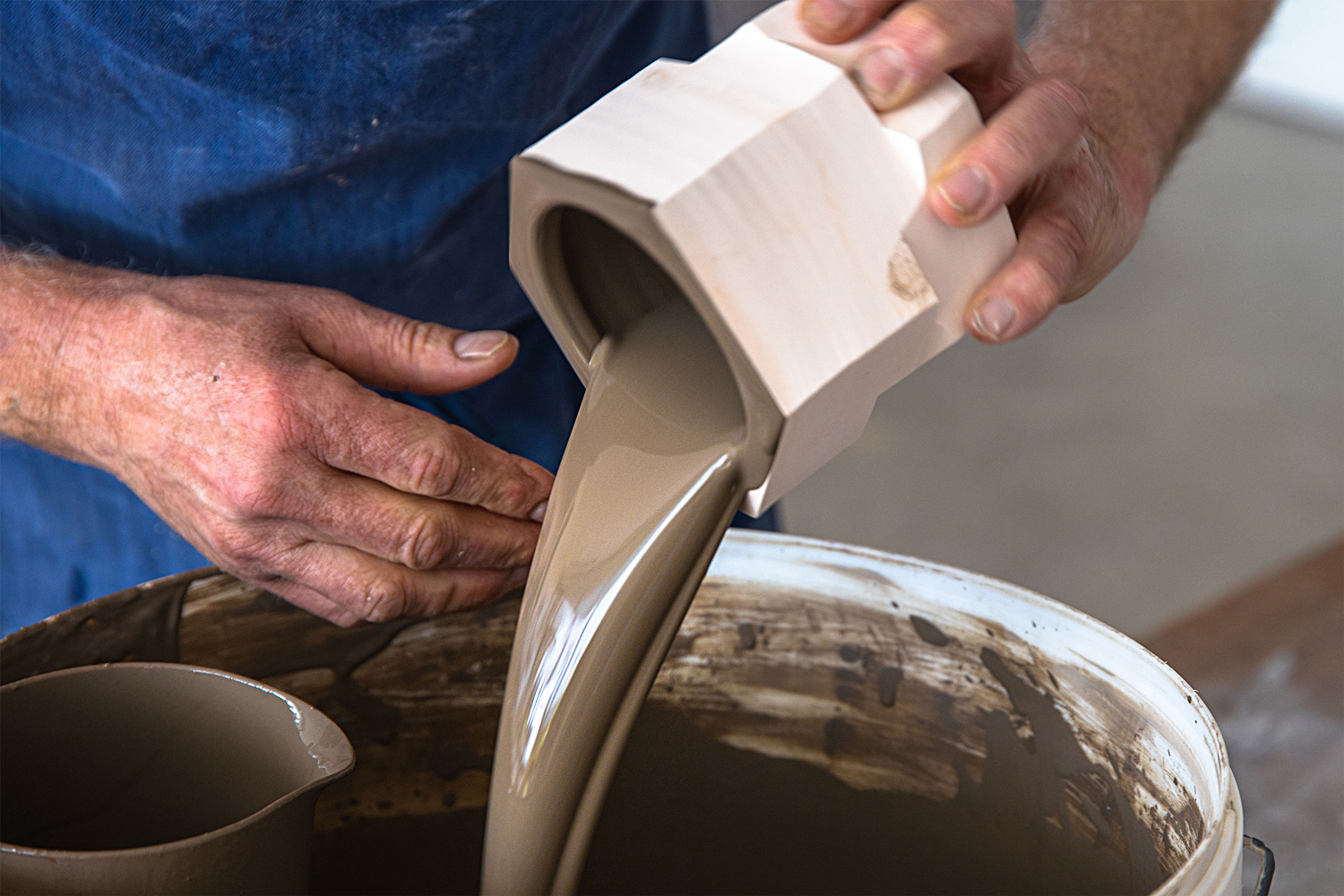
Working with coloured clays, hand building, making plaster moulds and slip casting. I enjoy material testing and often deploy experimental techniques to test the limits of the material. I combine the use of ancient tools and techniques with a modern and experimental touch.
Anna-Kaisa Haanaho
Ceramicist
Hämeenlinna, Finland
AVAILABILITY
By appointment only
PHONE
+358 405956670
LANGUAGES
Finnish, English
Homo Faber Finds is a new service aiming to inspire admirers of craft to connect and collaborate with exceptional artisans.
We invite you to submit an enquiry here.