Angelo Re & Stefania Lorenzini
Stone 985°
Ceramicist
Florence, Italy
Modern reinterpretations of vases and plates
- Angelo and Stefania’s works are inspired by Florence, floral motifs and geometric patterns
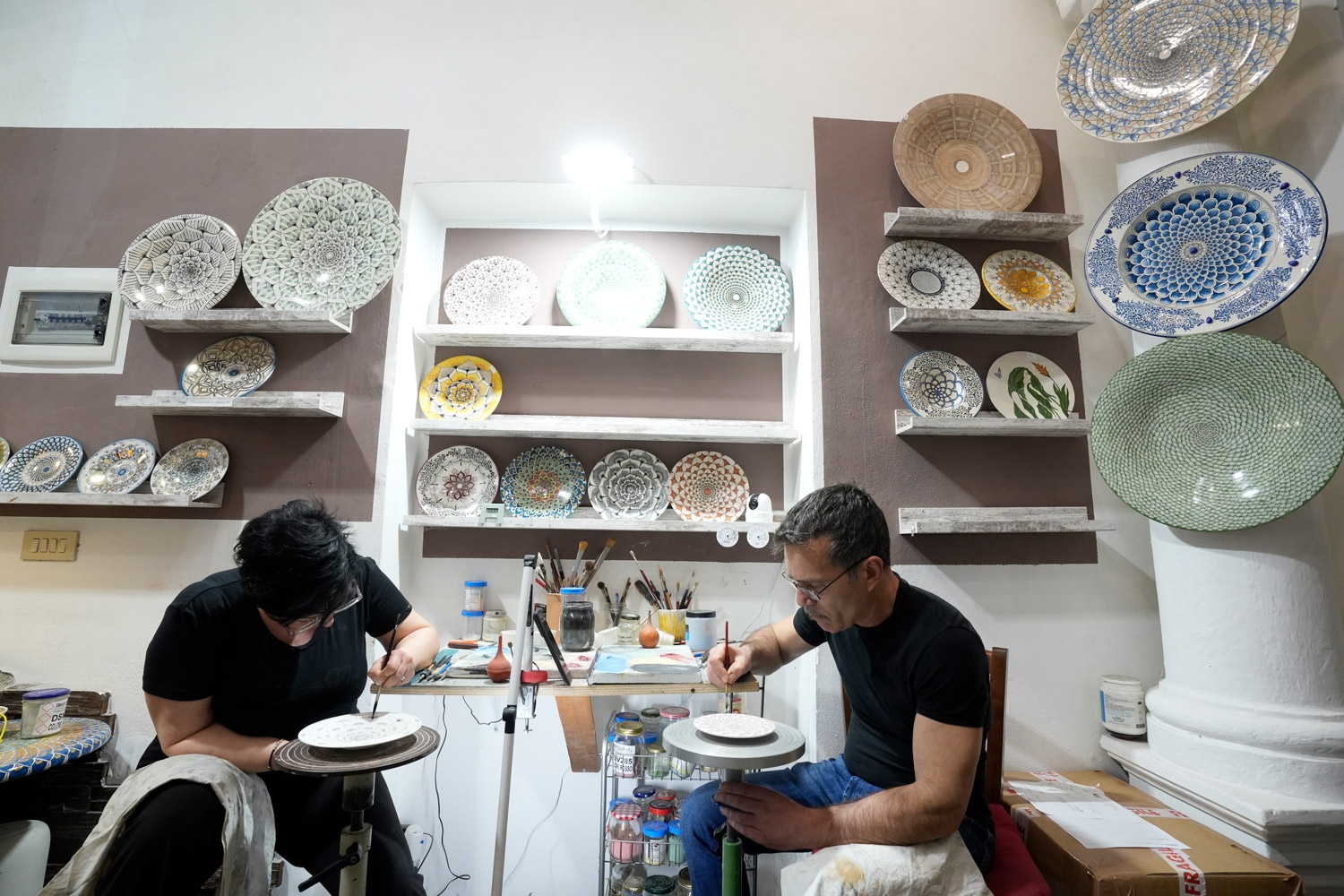
- People can watch the duo craft through their workshop's windows
- Their atelier was part of the 2024 list of Florentine excellence in craftsmanship
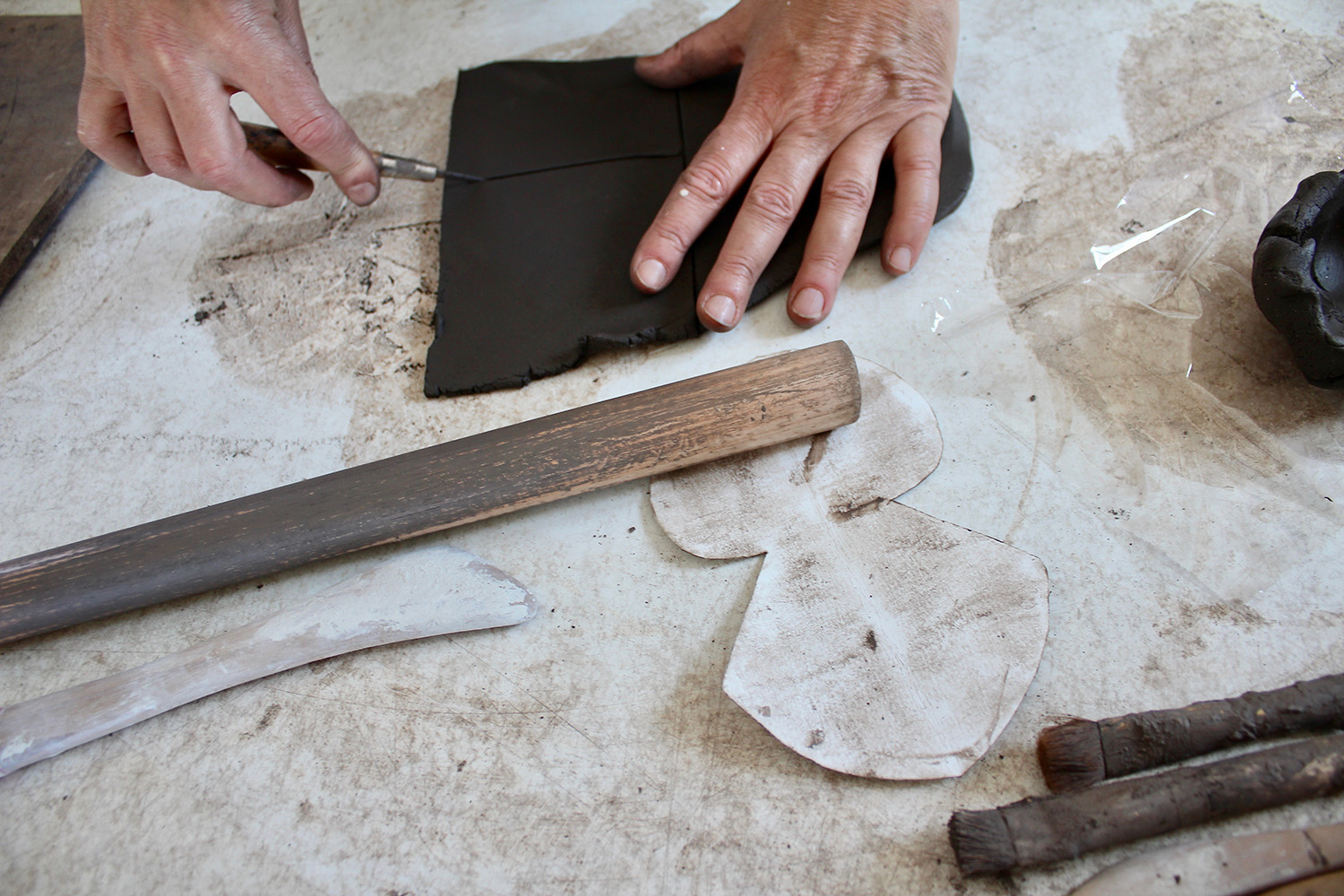
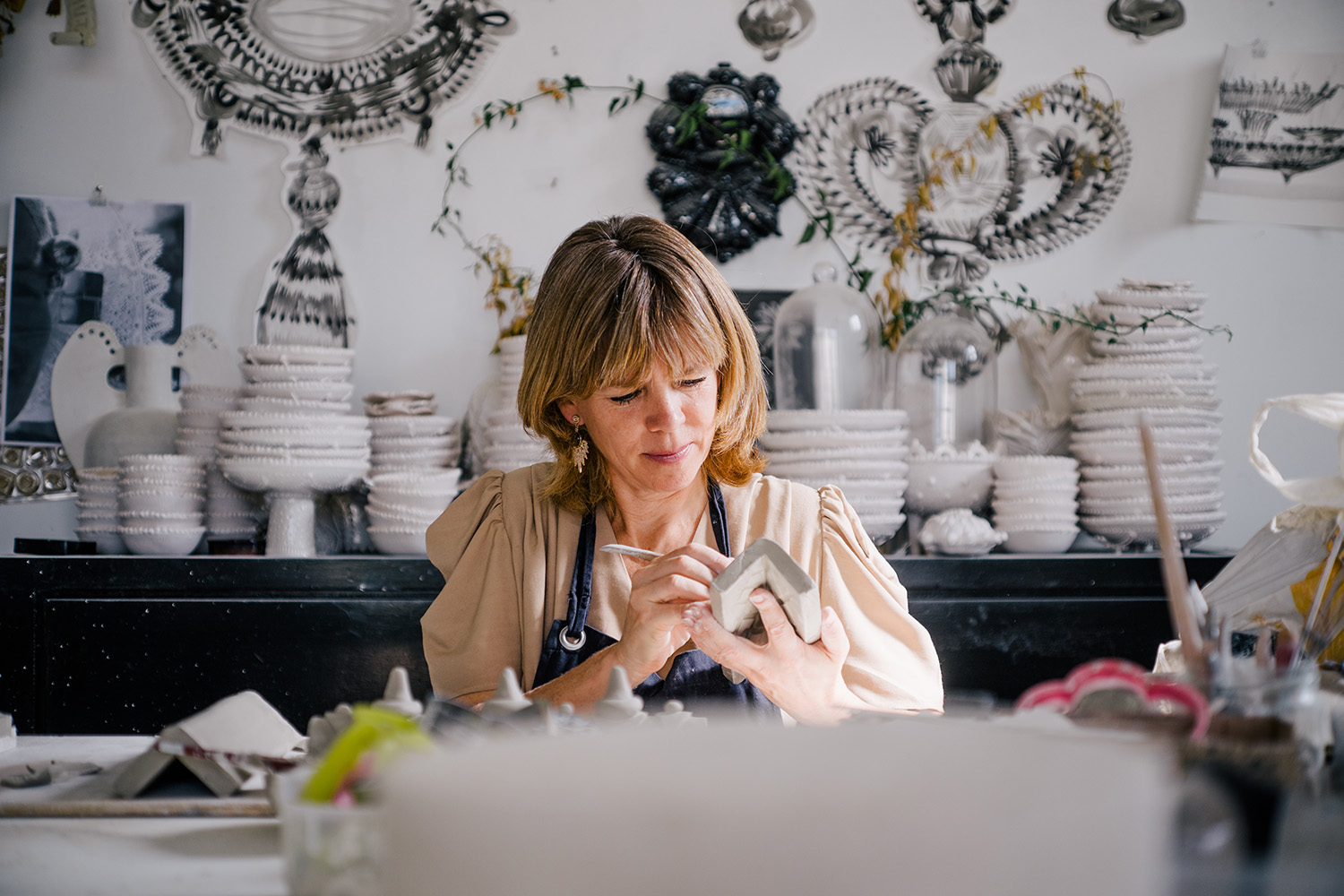
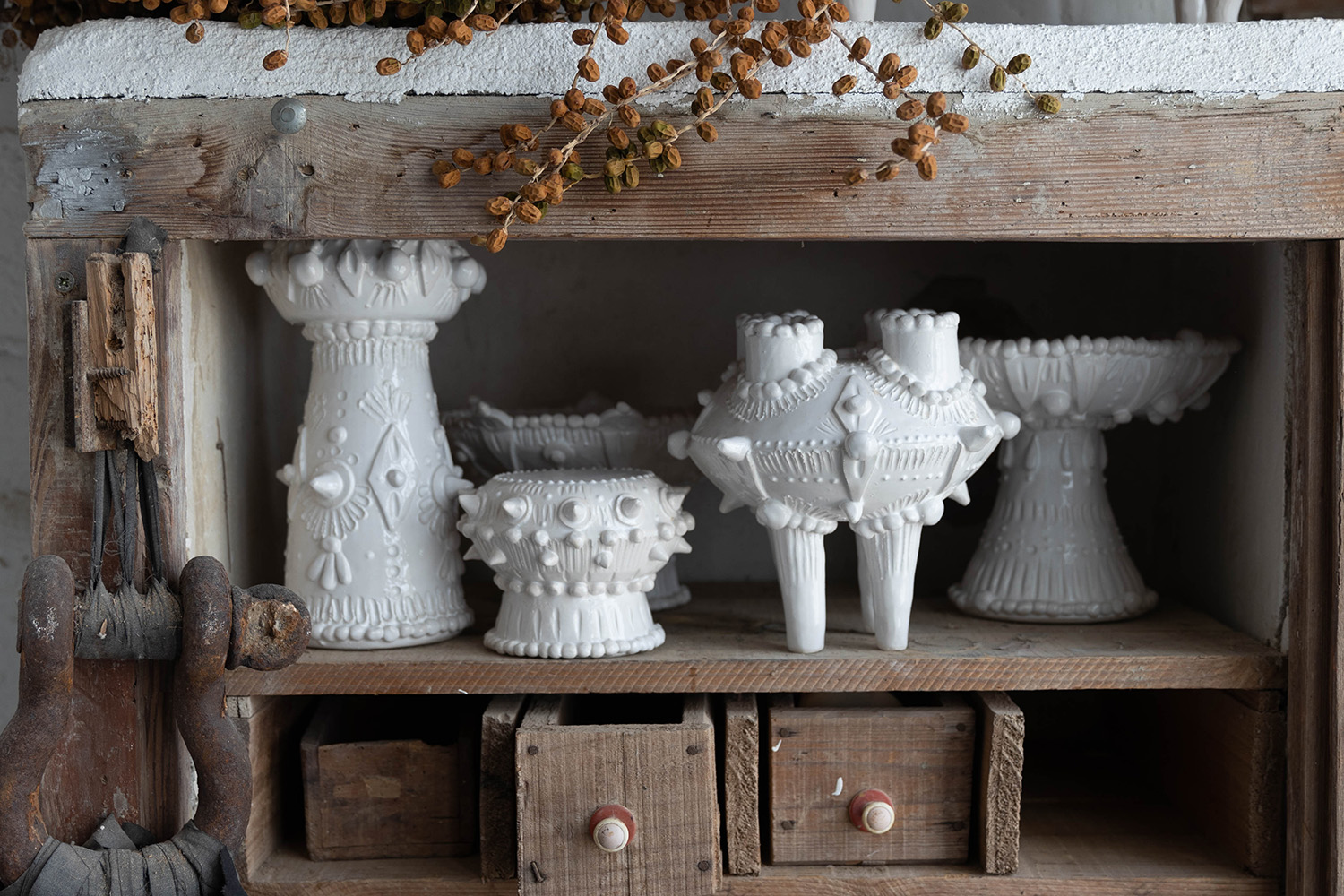
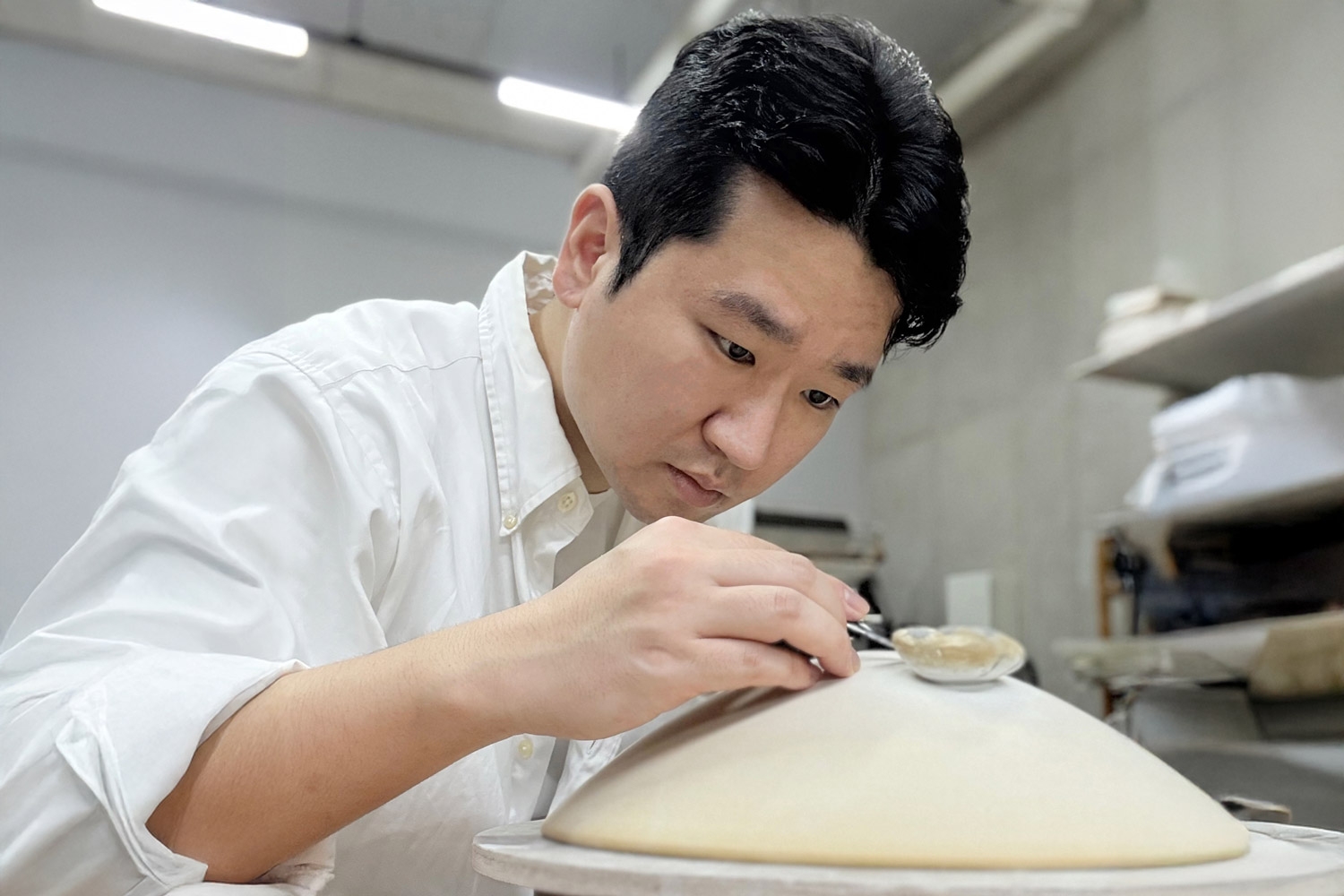
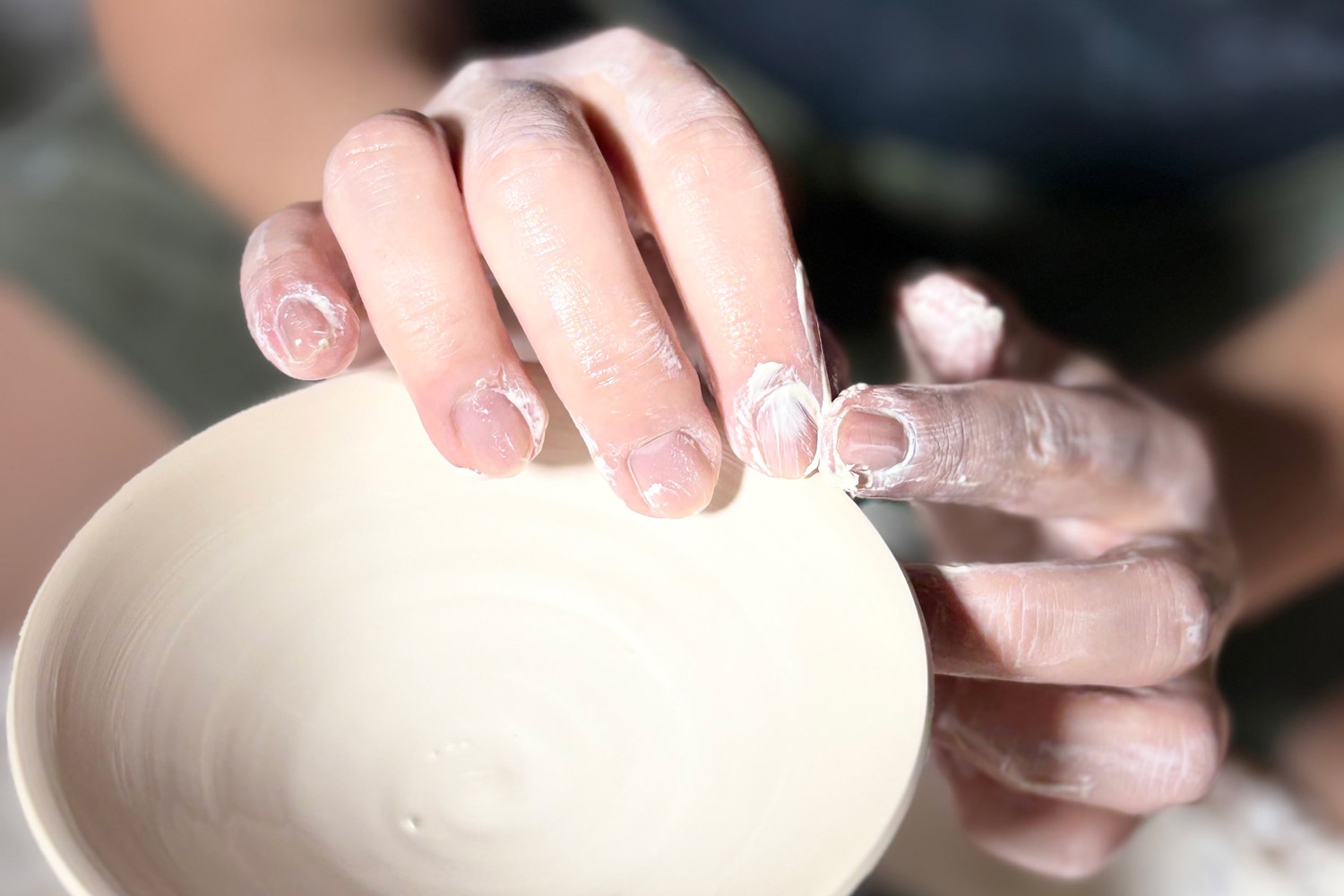
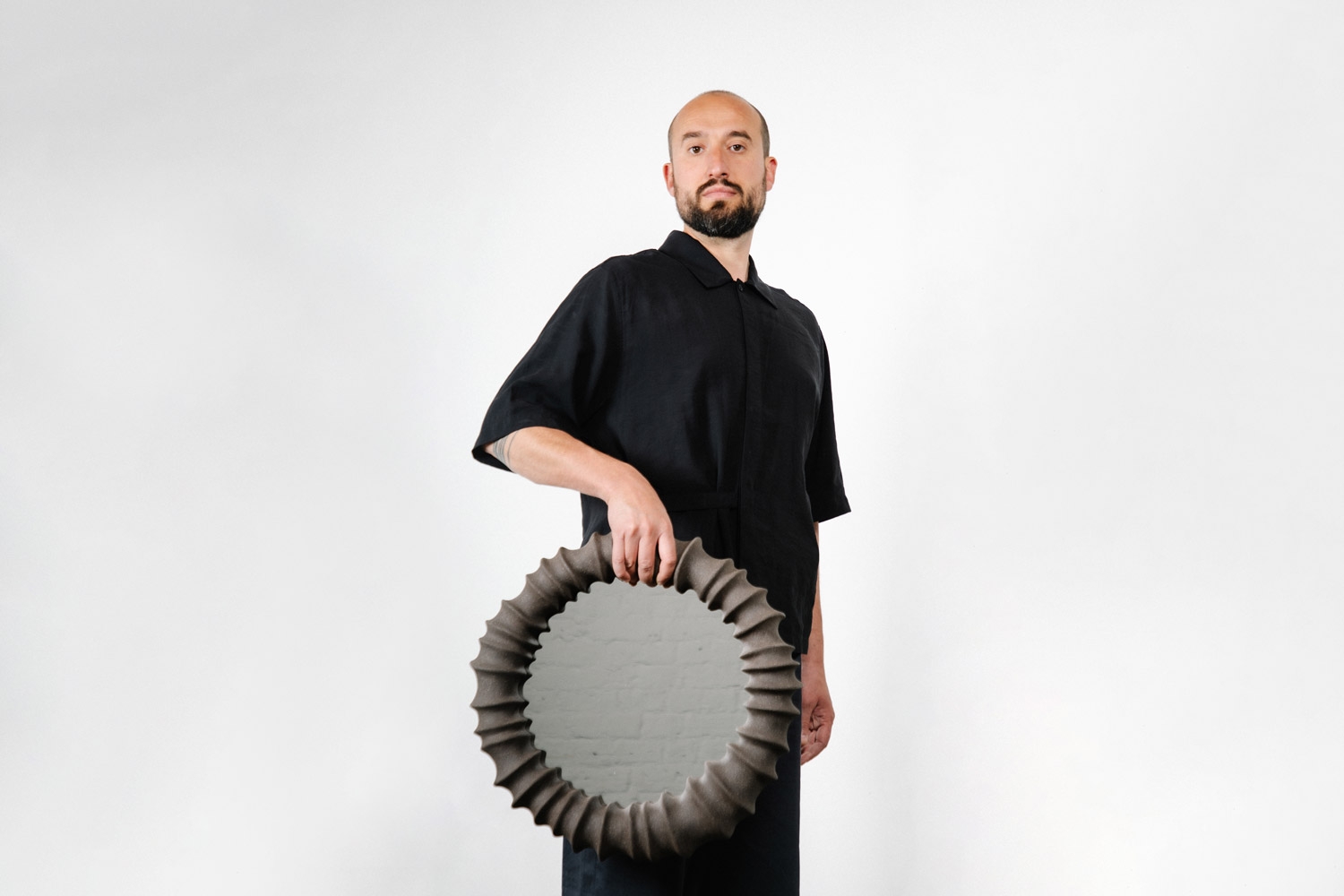
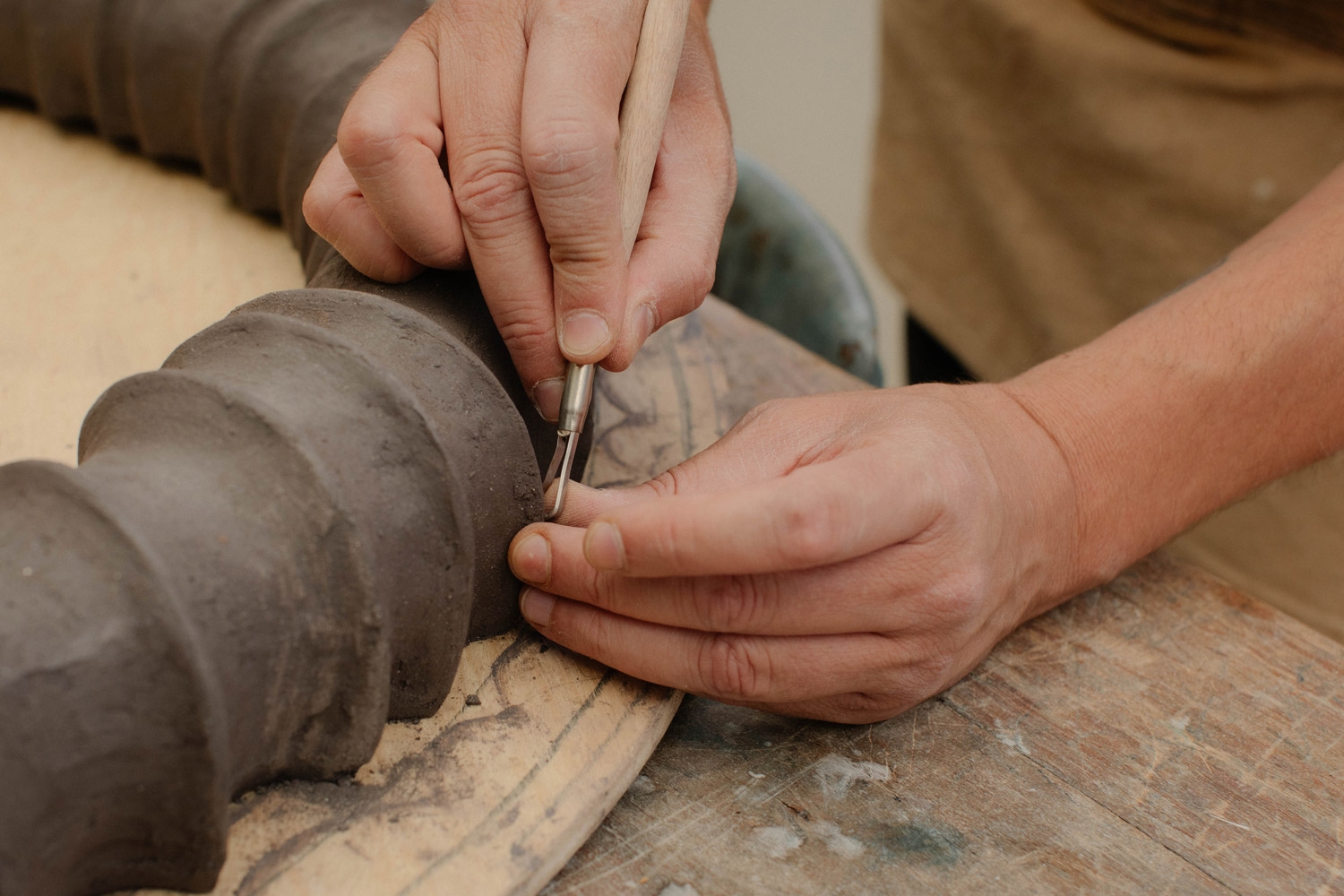
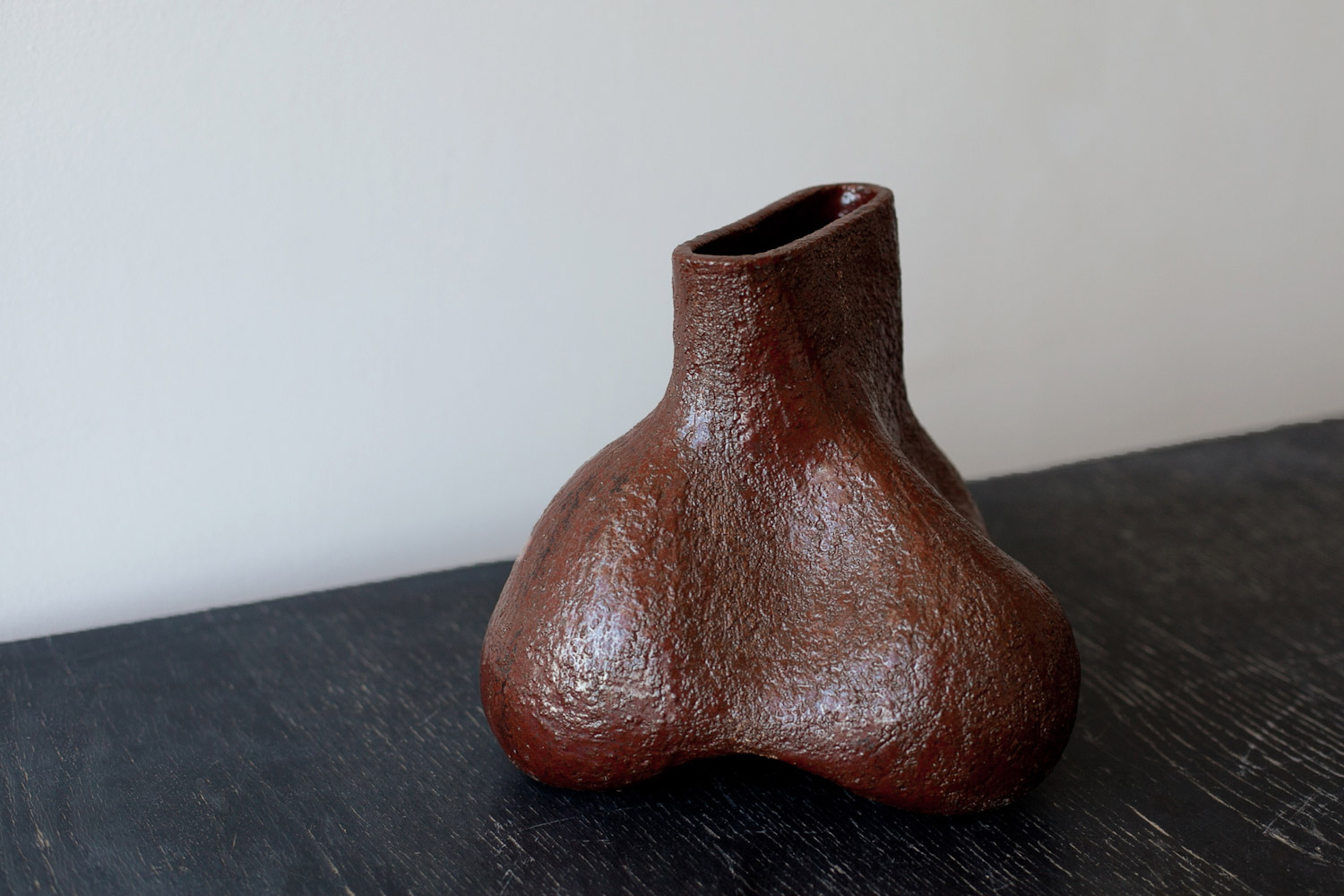
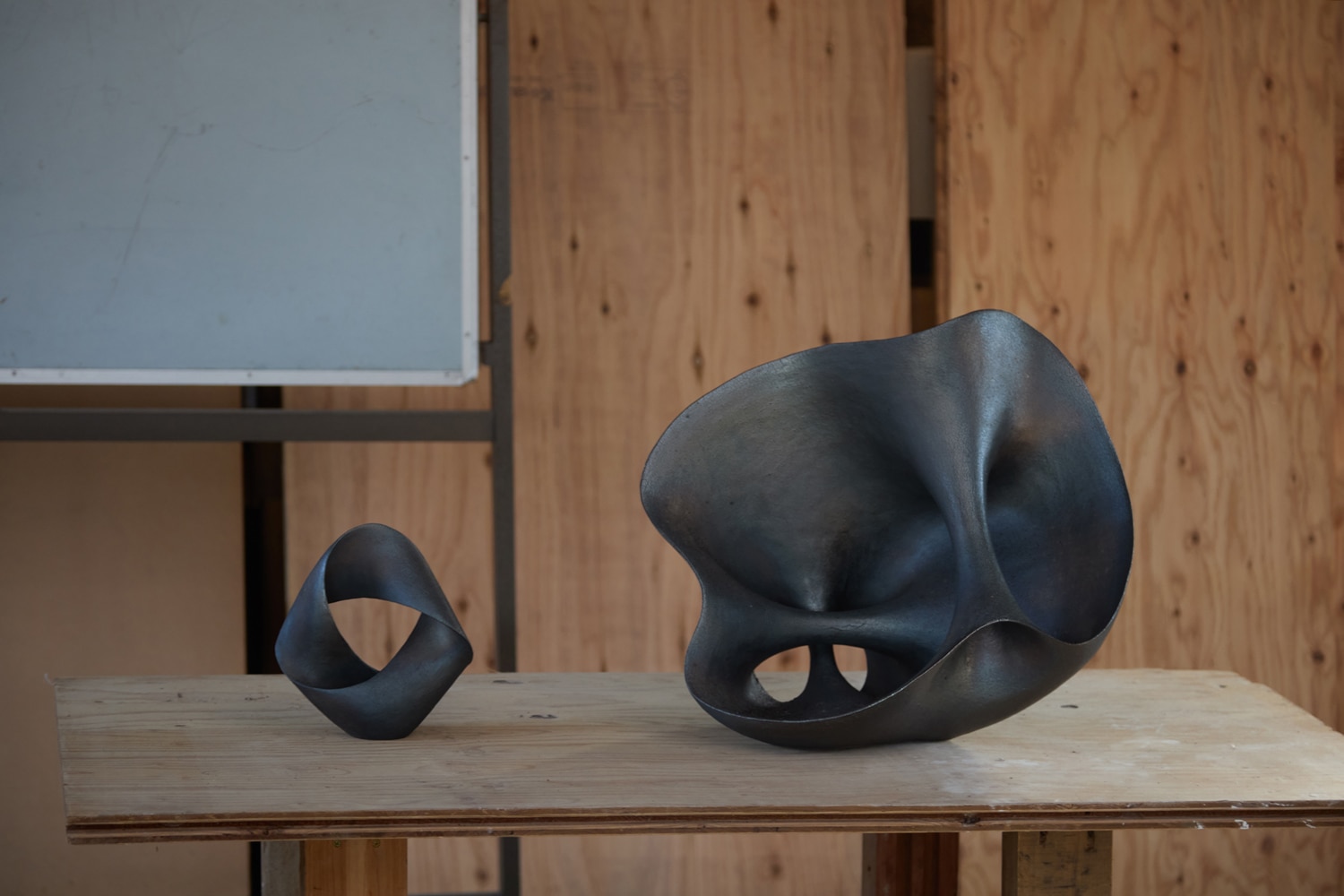
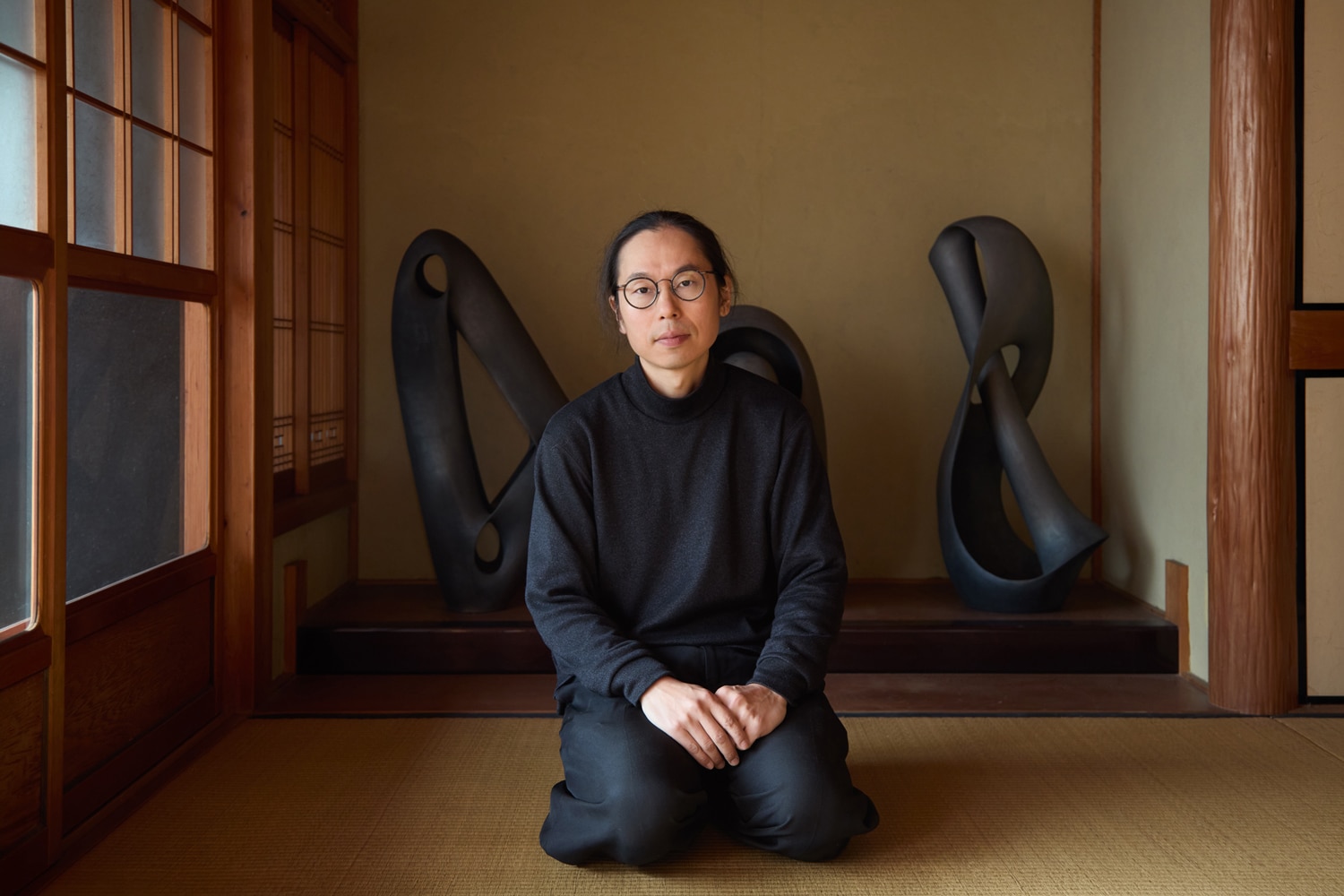
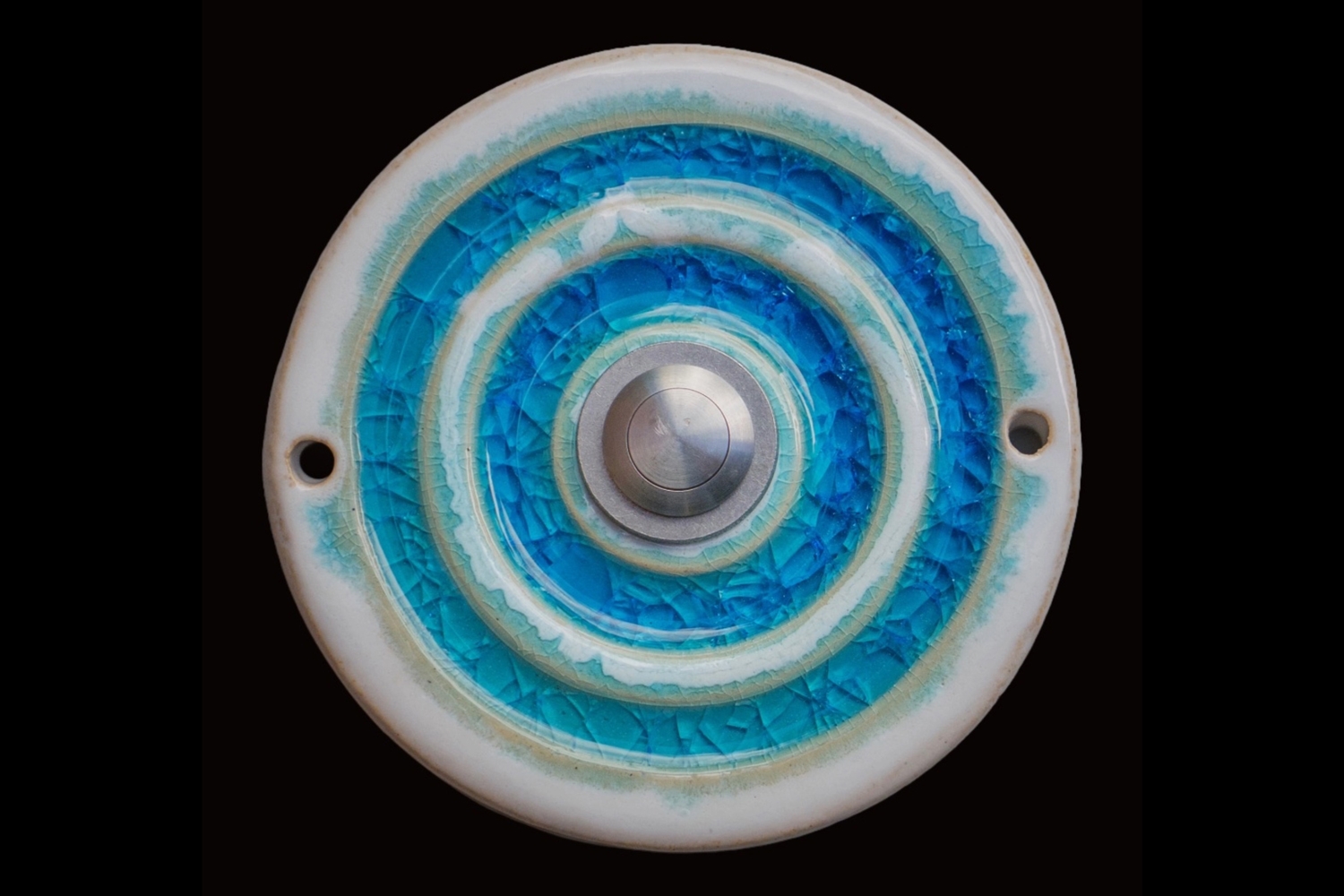
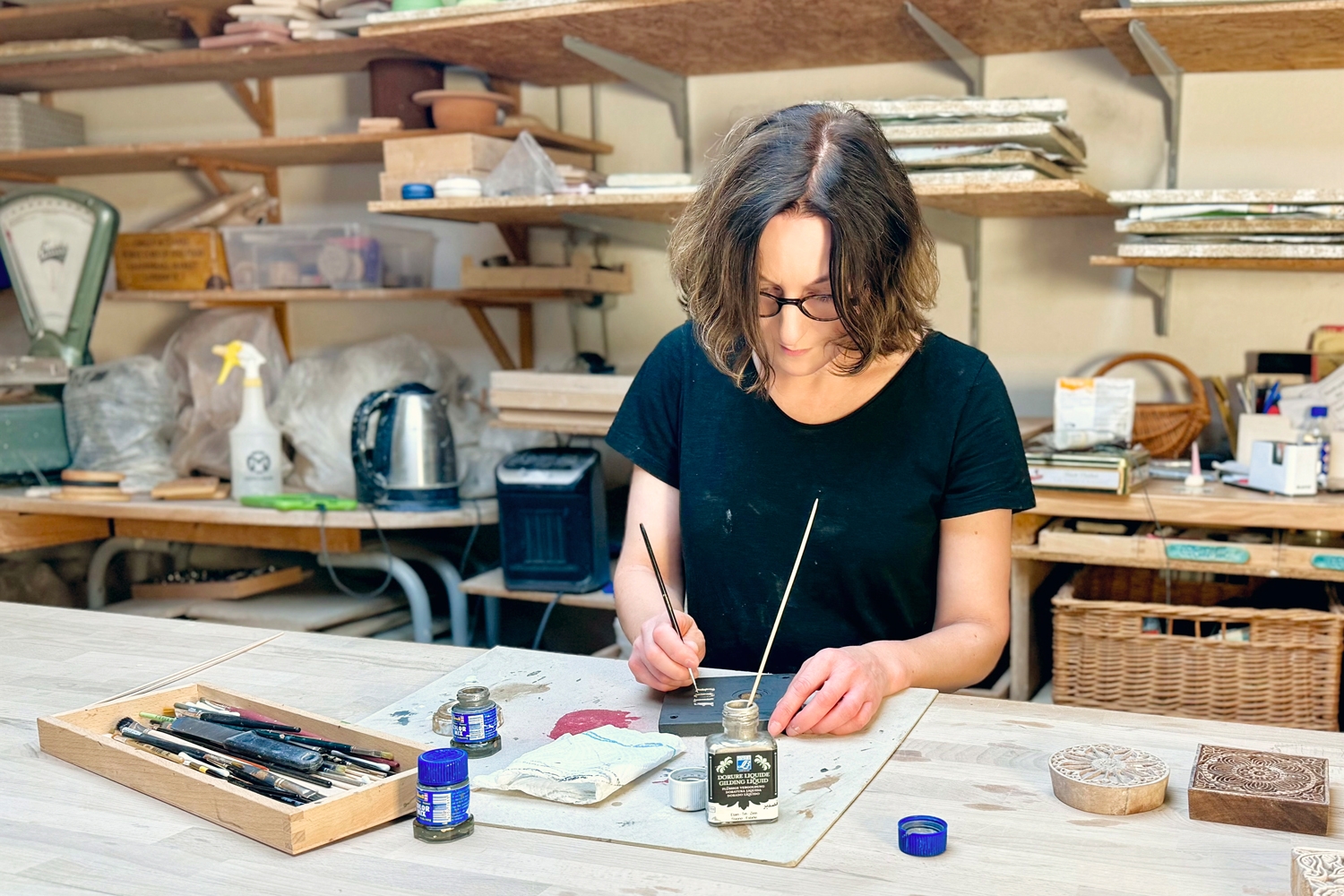
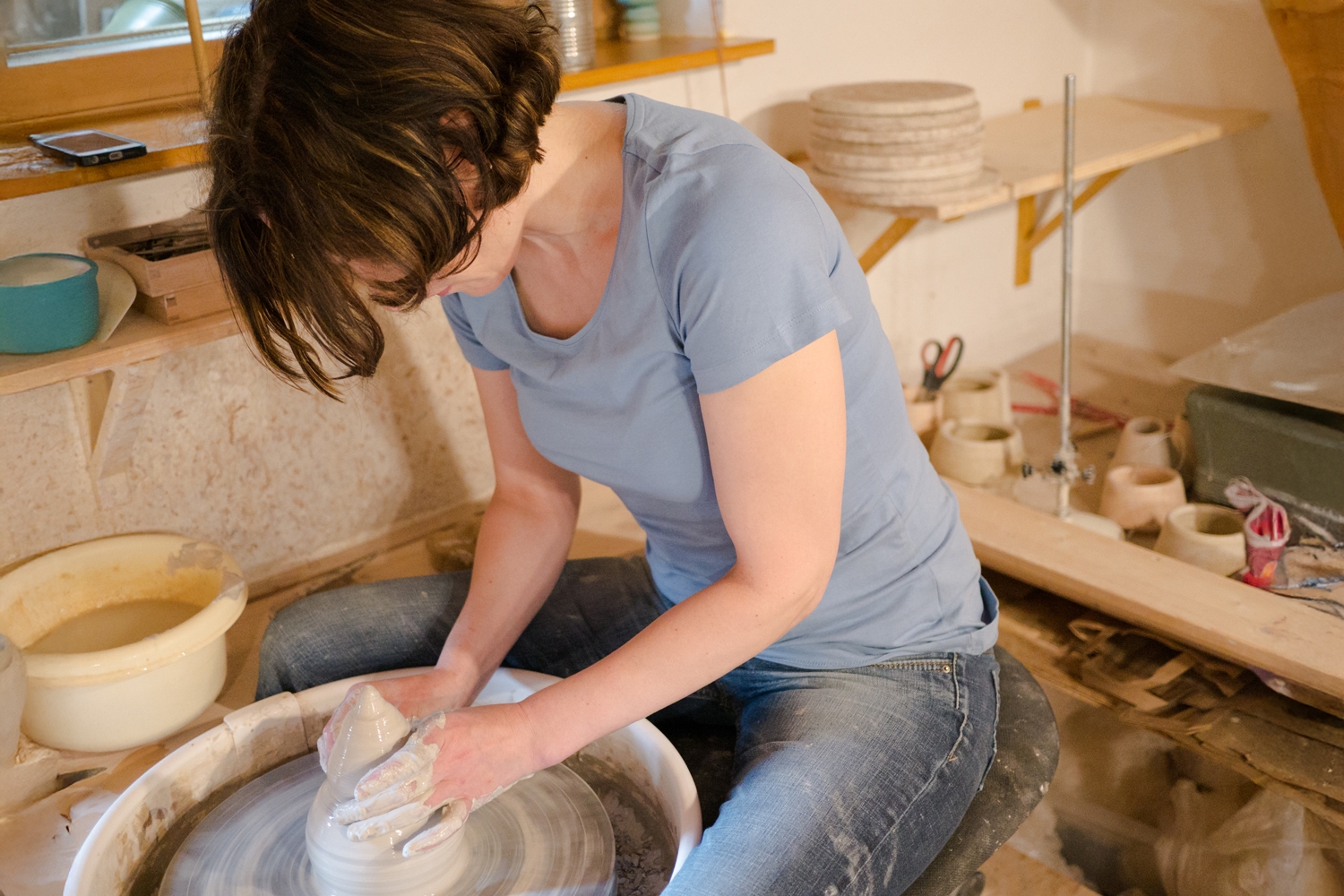
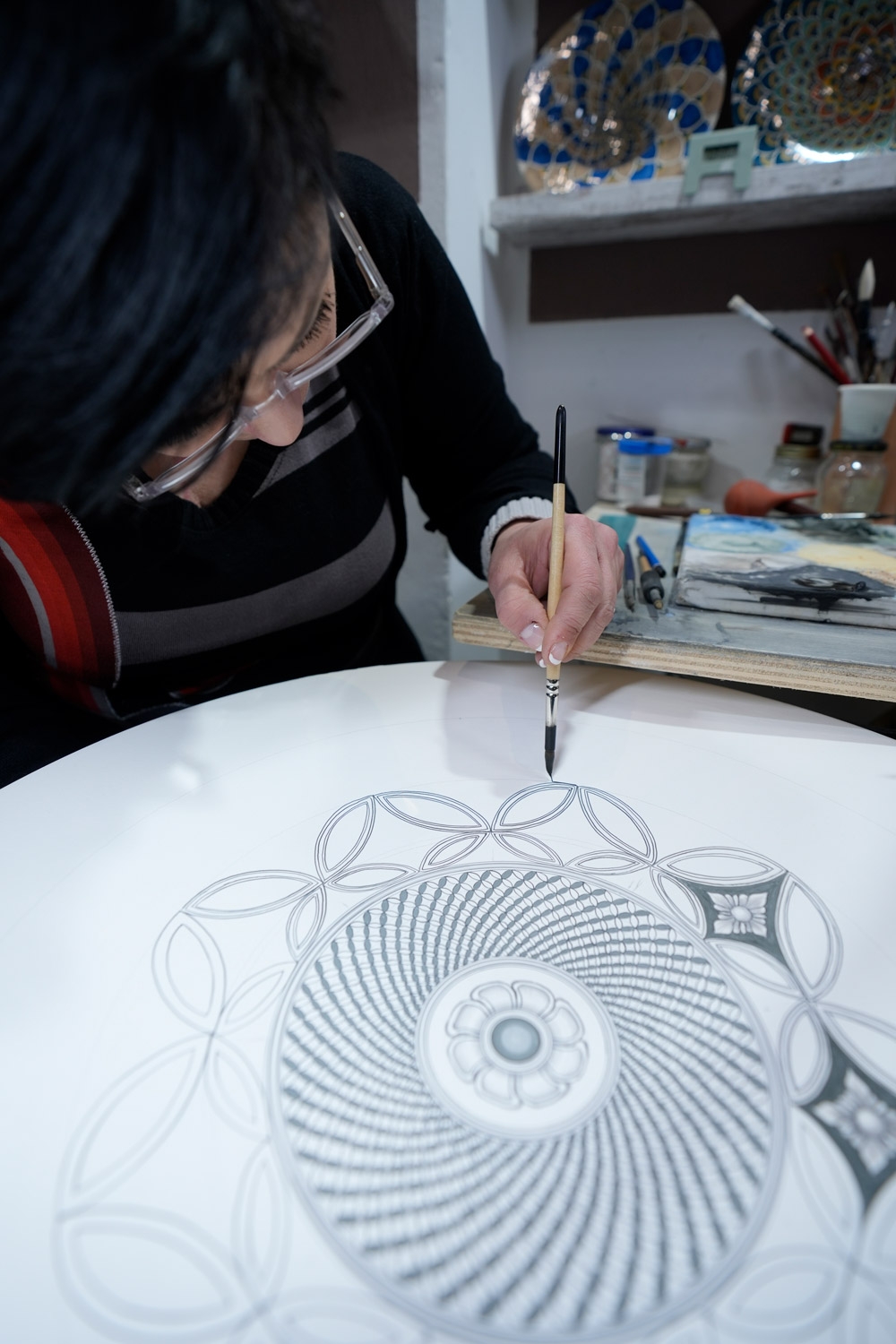
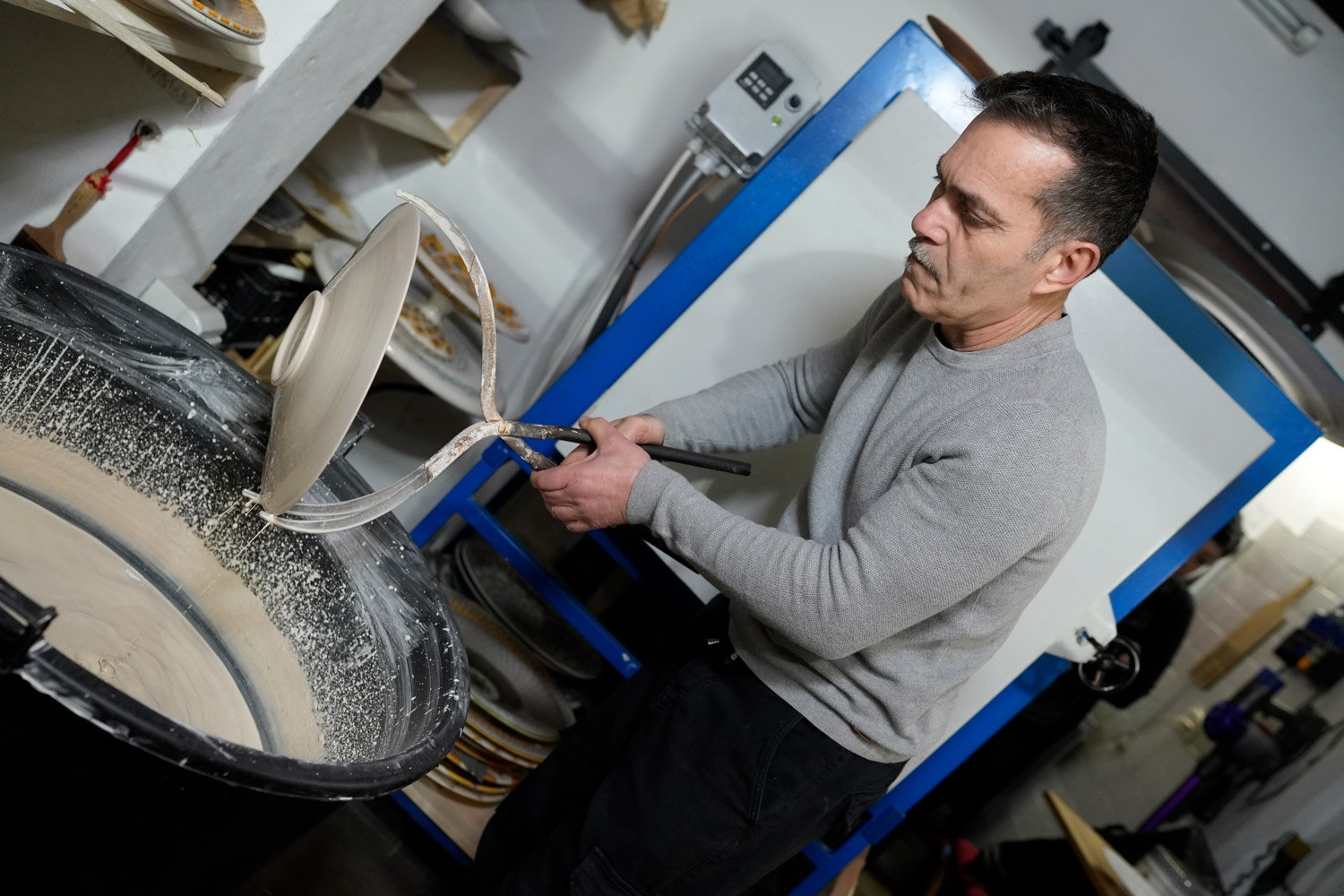
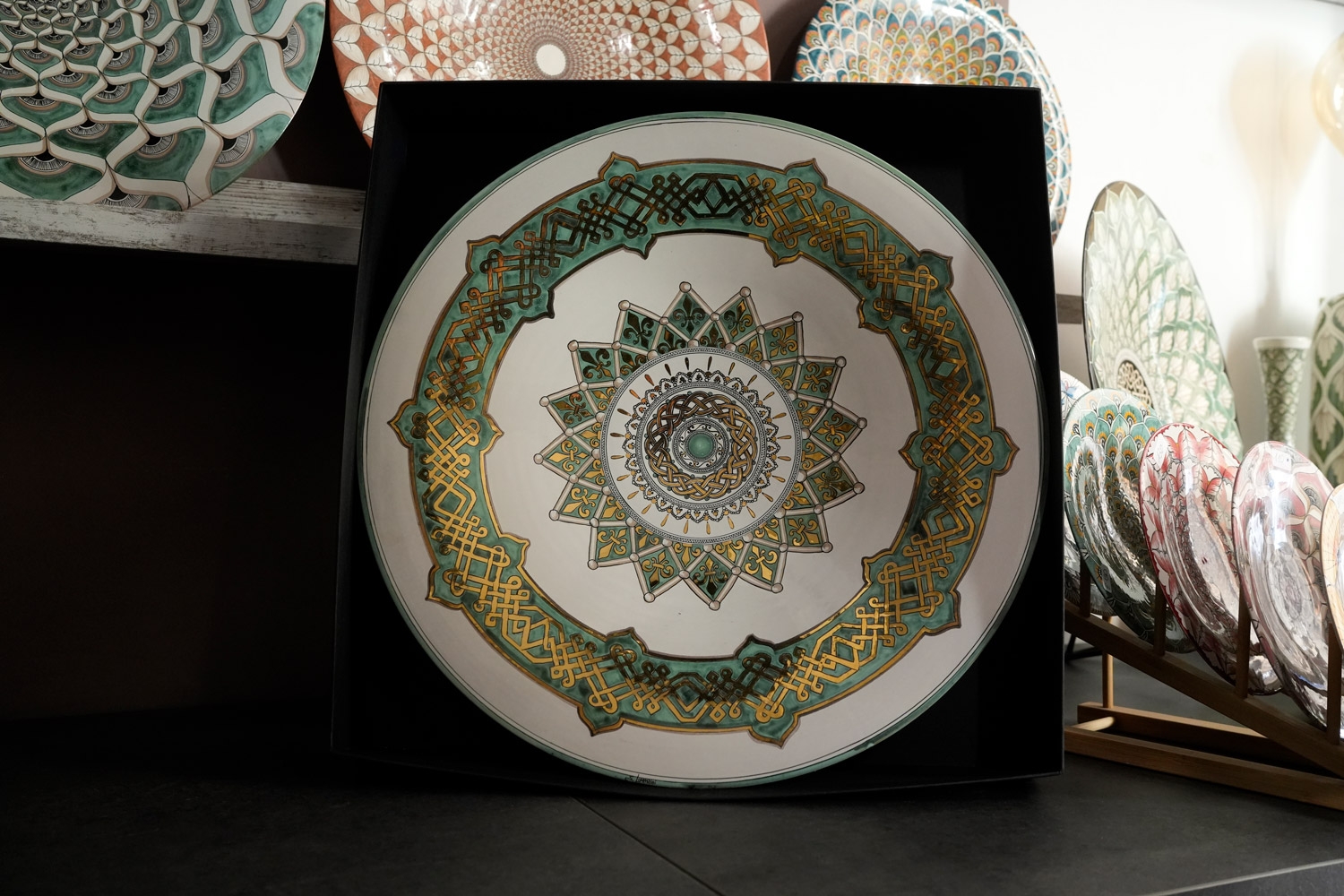
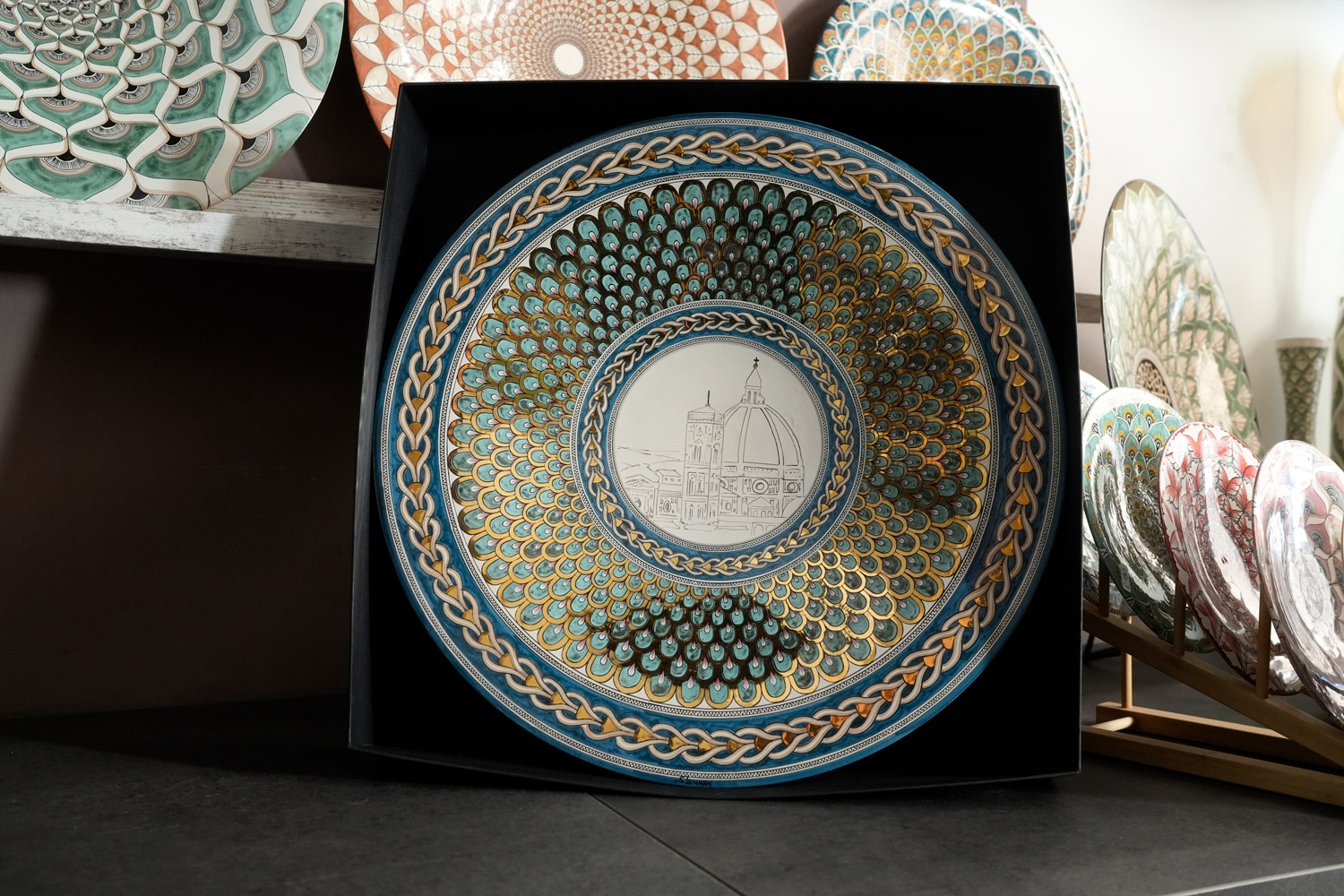
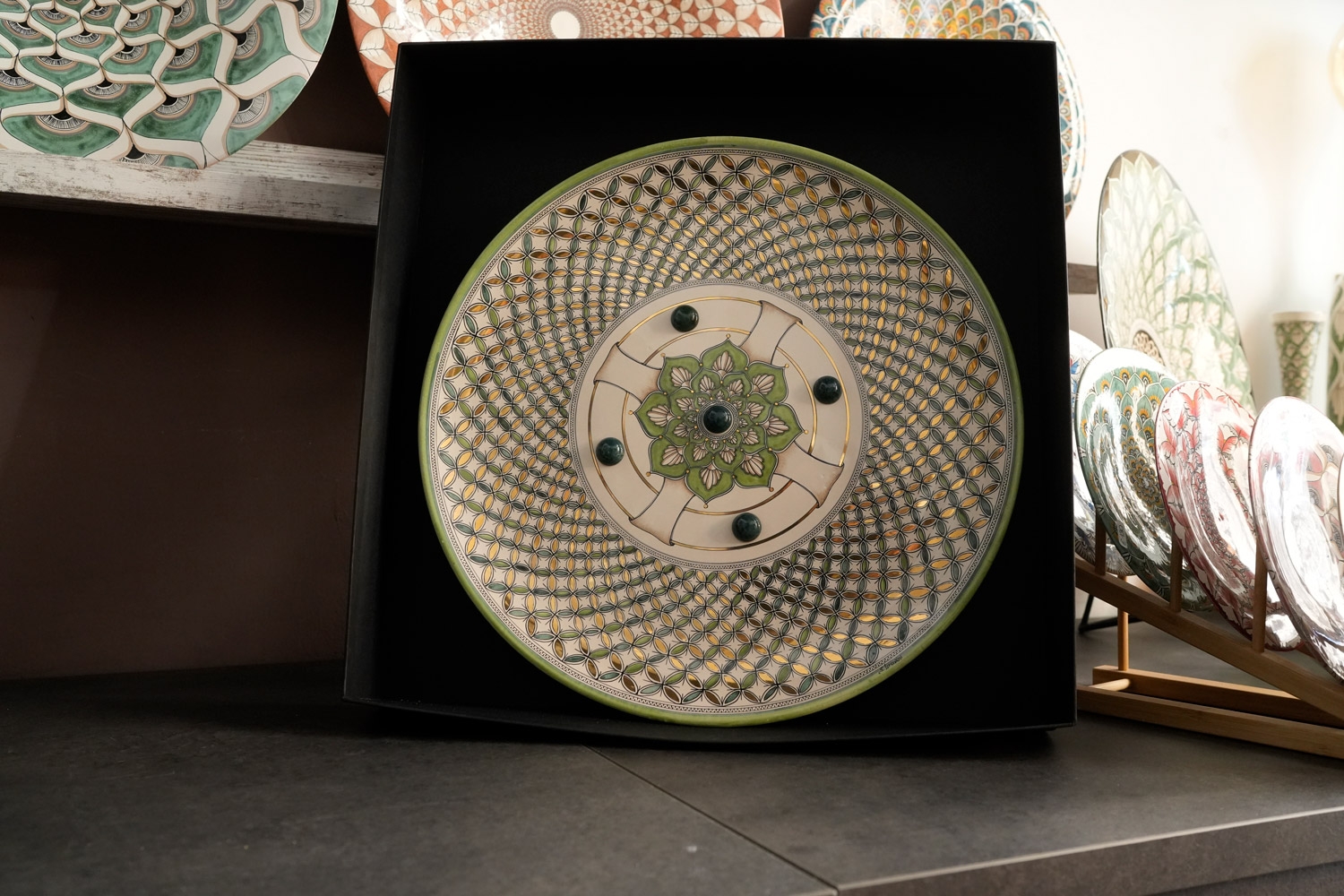
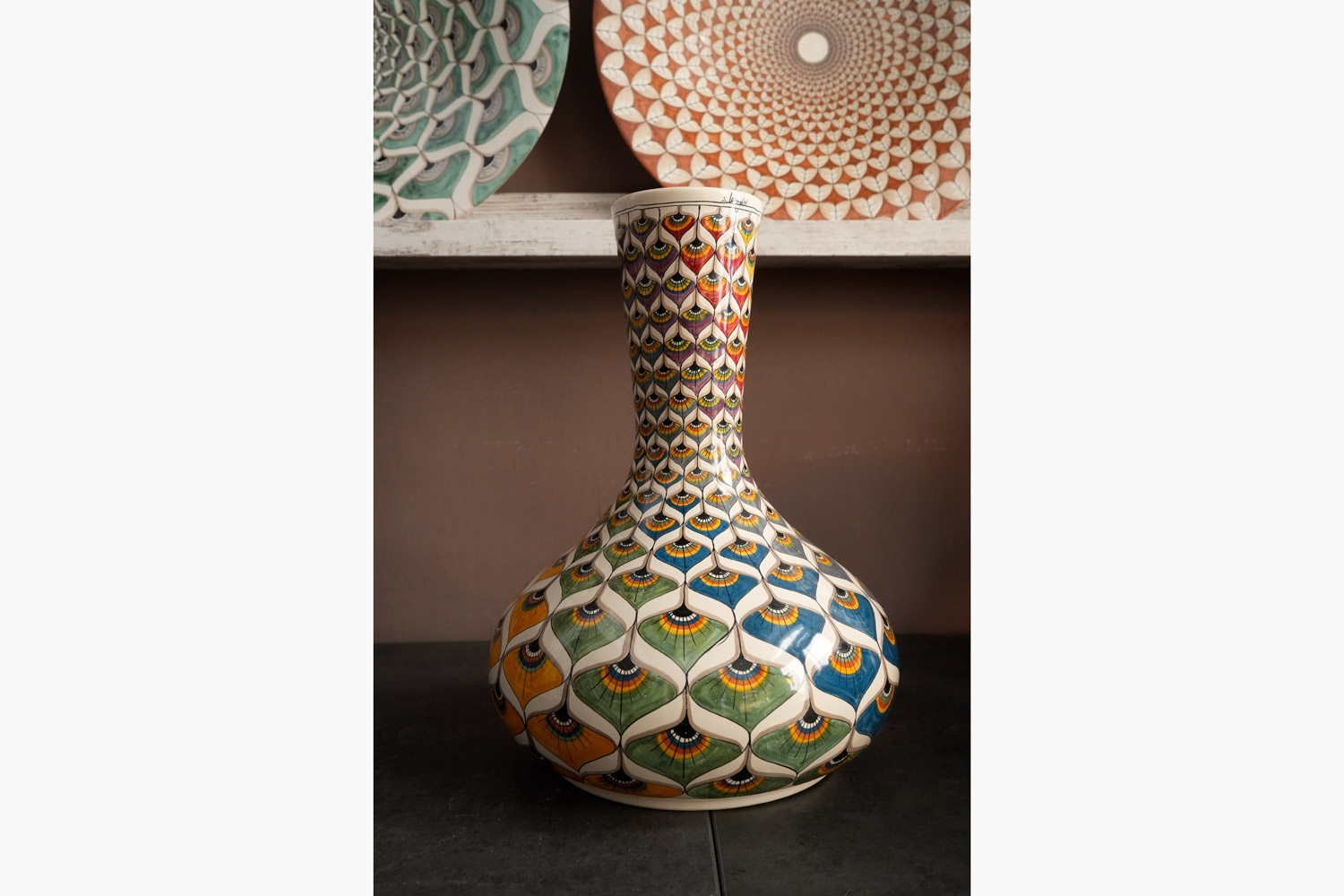
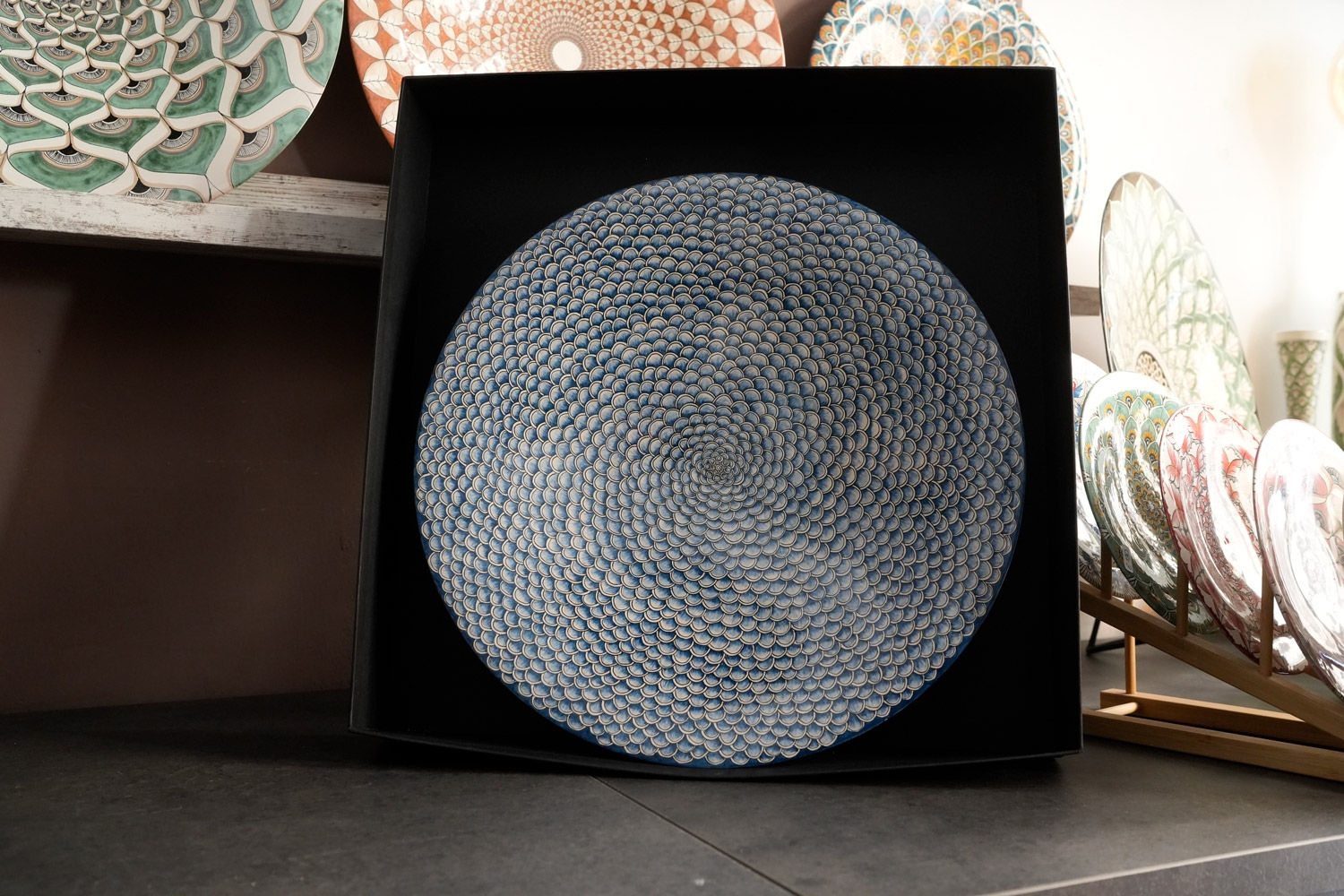
Angelo Re and Stefania Lorenzini work together on one-of-a kind ceramic designs, decorated with vivid colours. Their creative partnership stems from his ingenuity and her classical studies. With Florence and its cultural history as their backdrop, Angelo and Stefania created their joint workshop, Stone 985°. "We acknowledge the influence of tradition, and we strive to preserve it through our work. We combine heritage with a contemporary reinterpretation of geometric patterns and floral motifs," Angelo and Stefania say. Their vases and plates are customisable, based on an existing catalogue of design proposals. Stone 985° is situated across the Museo Nazionale del Bargello, and through the windows of their workshop, the pair can be seen at work. "This creates a bond with customers, tourists and passers-by," they say.

INTERVIEW
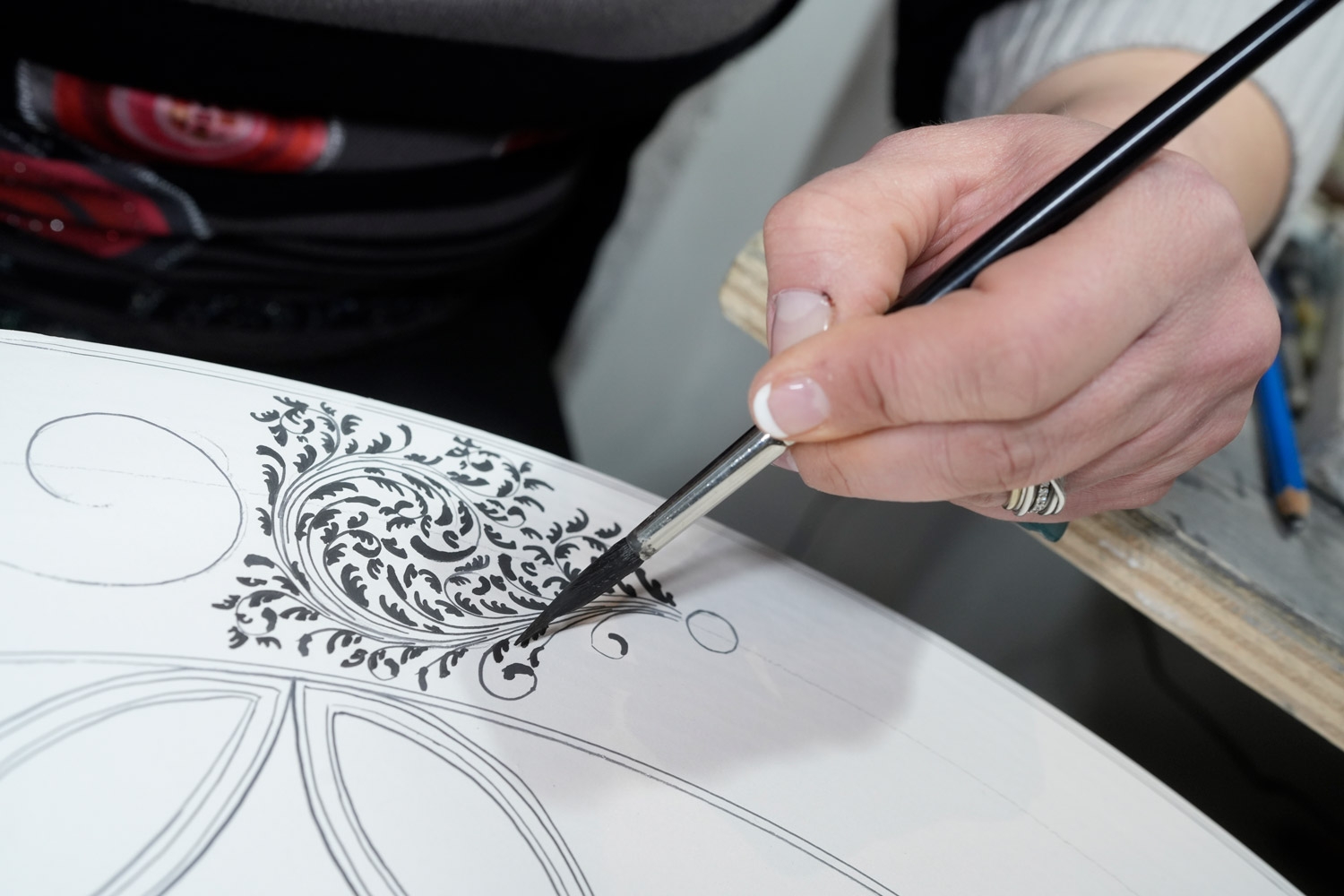
Stefania: I graduated as an archaeologist and have always had a penchant for decorating ceramic. I have been working hard for three decades to turn it into my profession. In 2024, the mayor of Florence included our workshop on the list of Florentine excellence in craftsmanship, which is a wonderful achievement.
Stefania: Florence is an open-air museum, so I would say that I am inspired by my background and what surrounds me. I am also influenced by floral motifs, geometric and abstract patterns, and Celtic knots.
Angelo: I worked for several years in the leather industry, developing manual skills and paying attention to colours and motifs. Then, I met Stefania, who became my master. She taught me how to become a ceramicist, and most importantly, how to paint and decorate ceramics with ancient techniques.
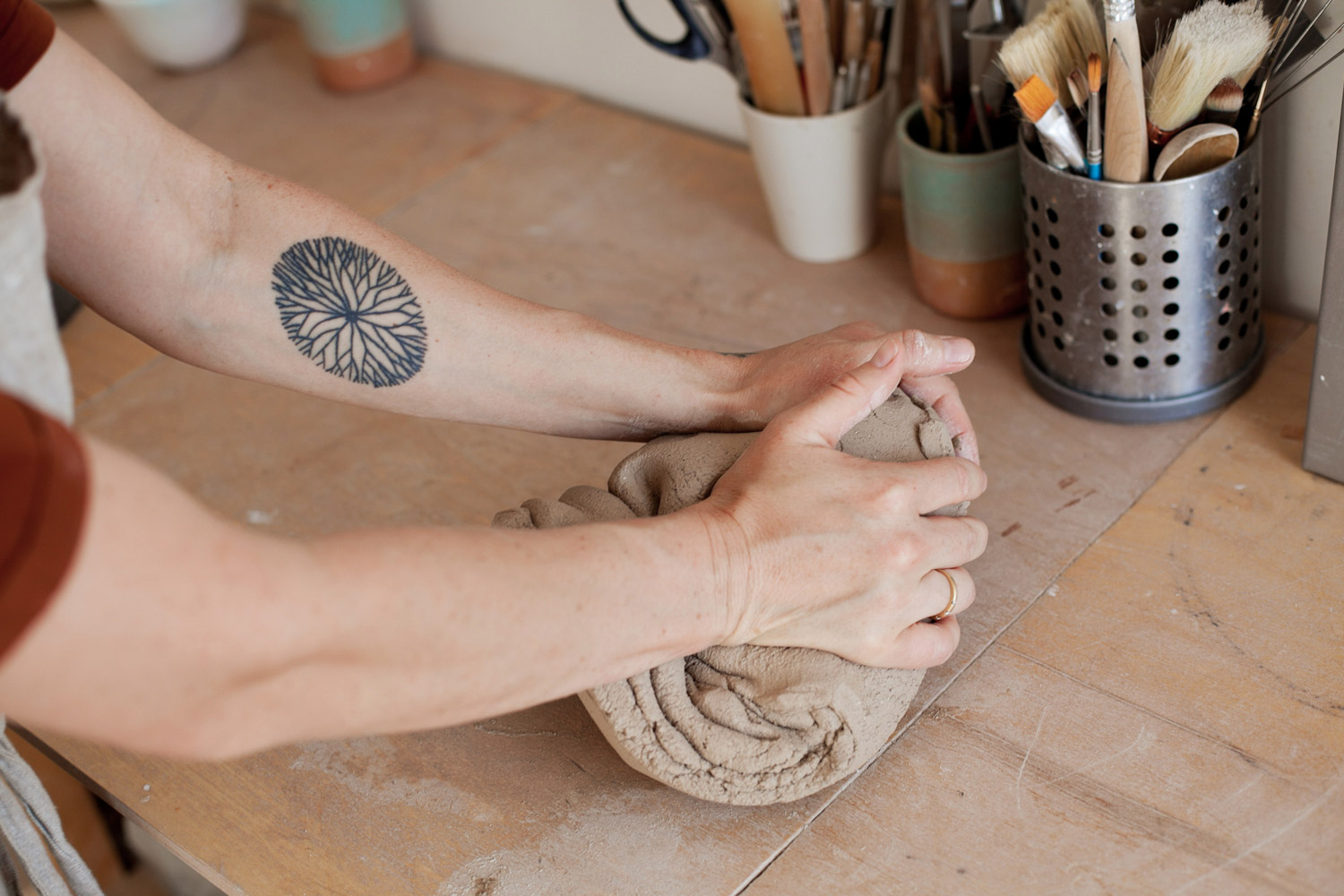
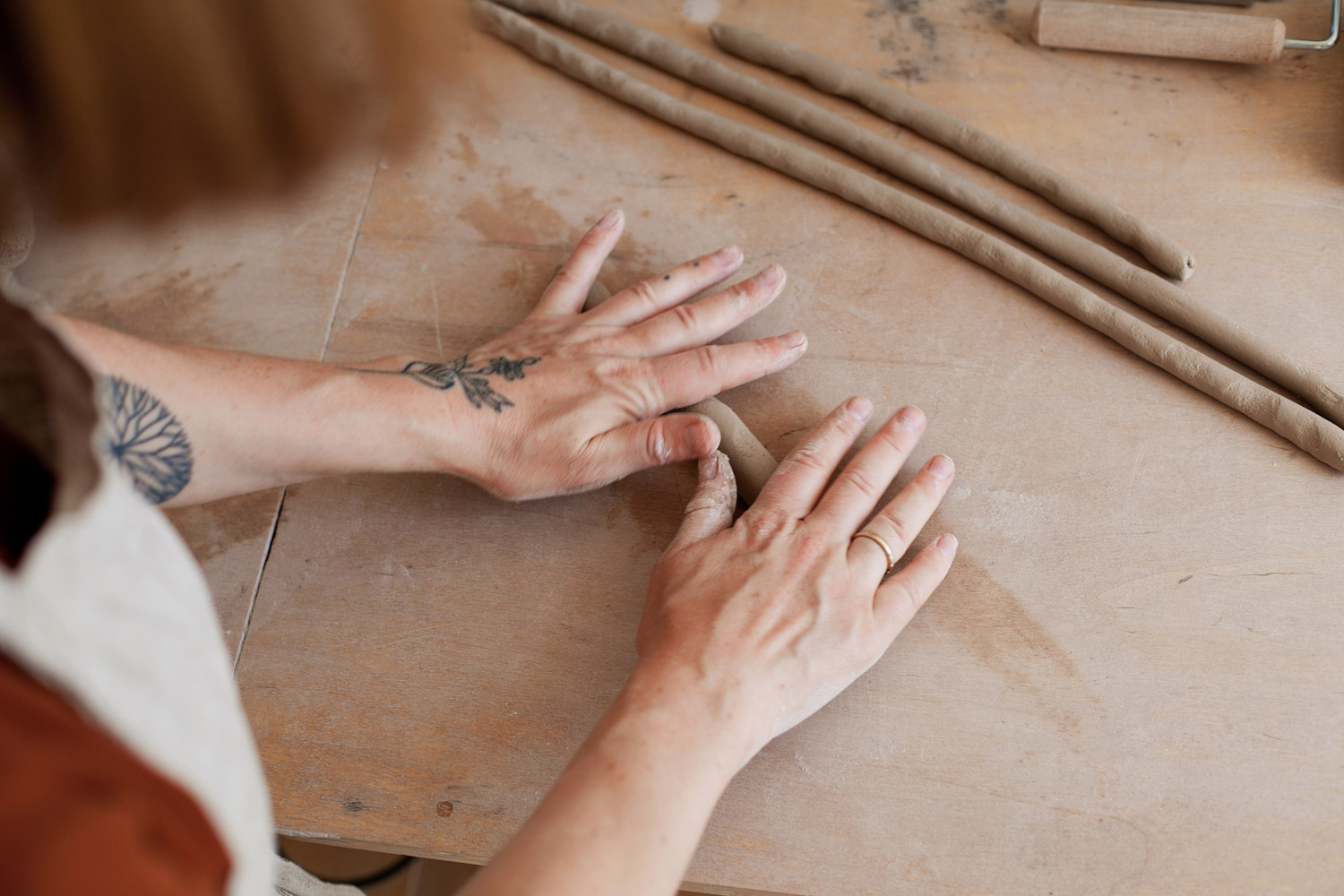
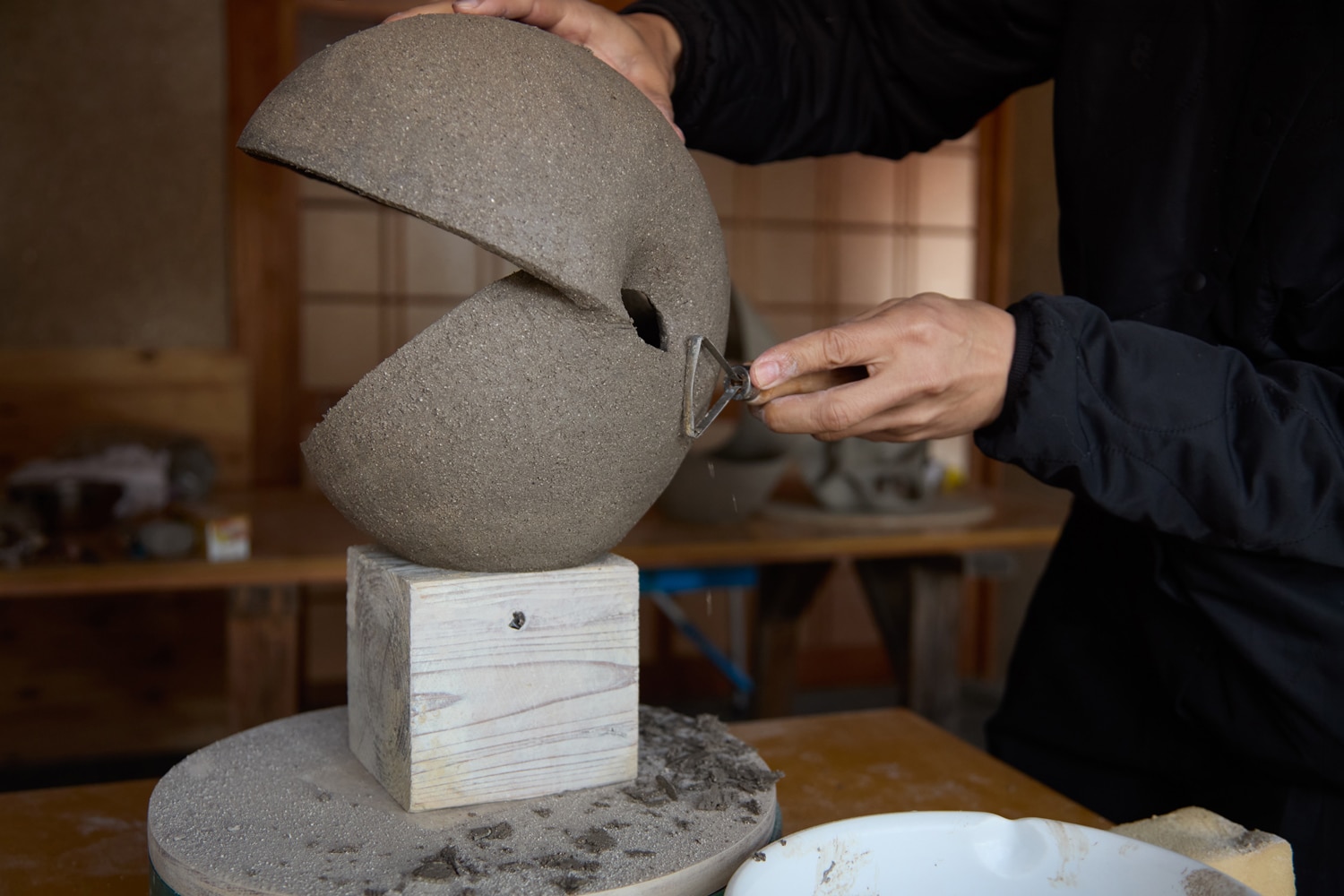
Angelo: Our practice is defined by discipline and patience, and requires a great deal of observation and attention to detail. Craftsmanship creates a sort of addiction. Sometimes, it is hard to leave the workshop without having finished a piece, even if it is late at night.
Angelo Re & Stefania Lorenzini
Stone 985°
Ceramicist
Florence, Italy
AVAILABILITY
Monday to Sunday 10:00-19:00
PHONE
+39 3386519297
LANGUAGES
Italian, English
Homo Faber Finds is a new service aiming to inspire admirers of craft to connect and collaborate with exceptional artisans.
We invite you to submit an enquiry here.