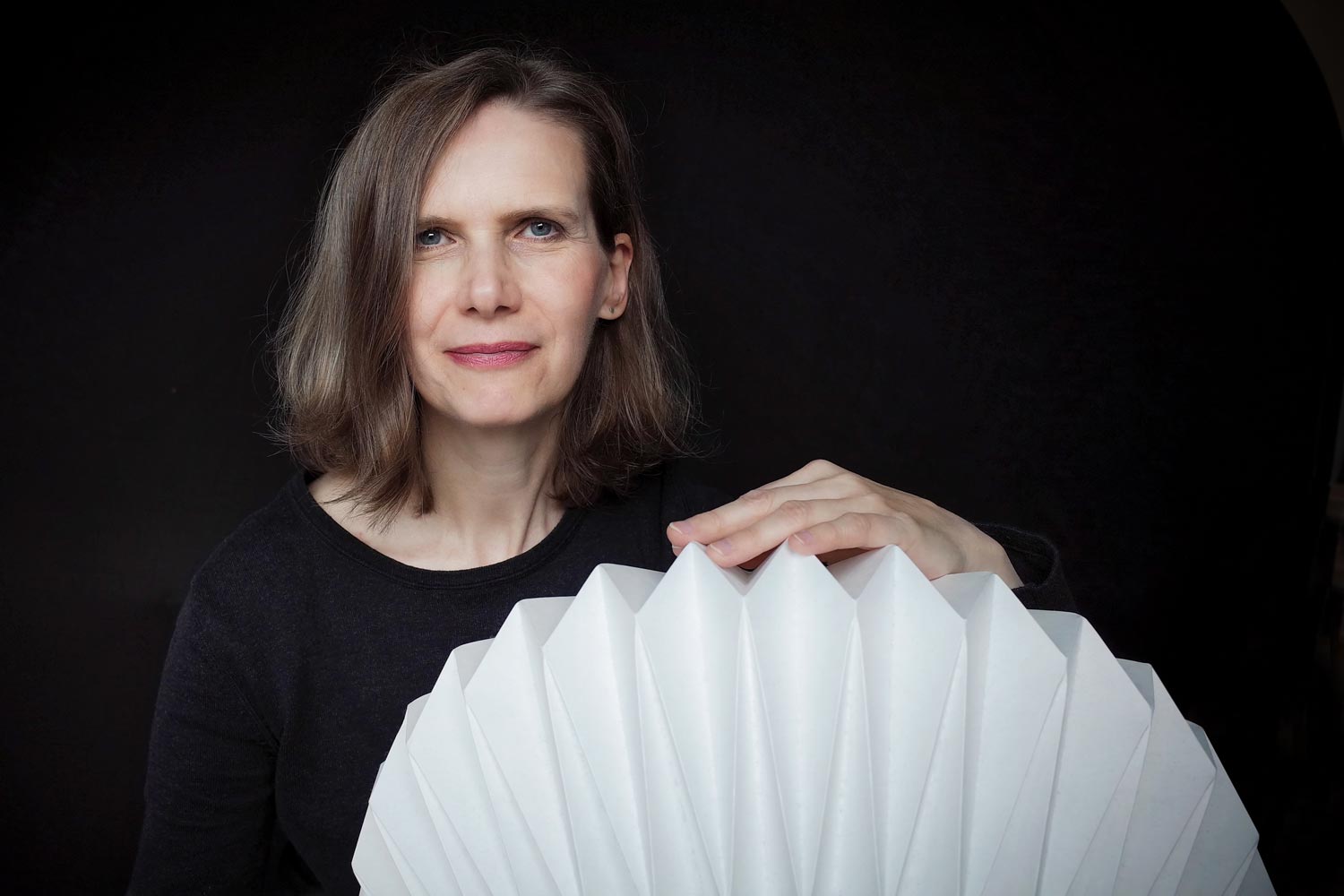
Ahryun Lee
Ceramicist
Essenbach, Germany
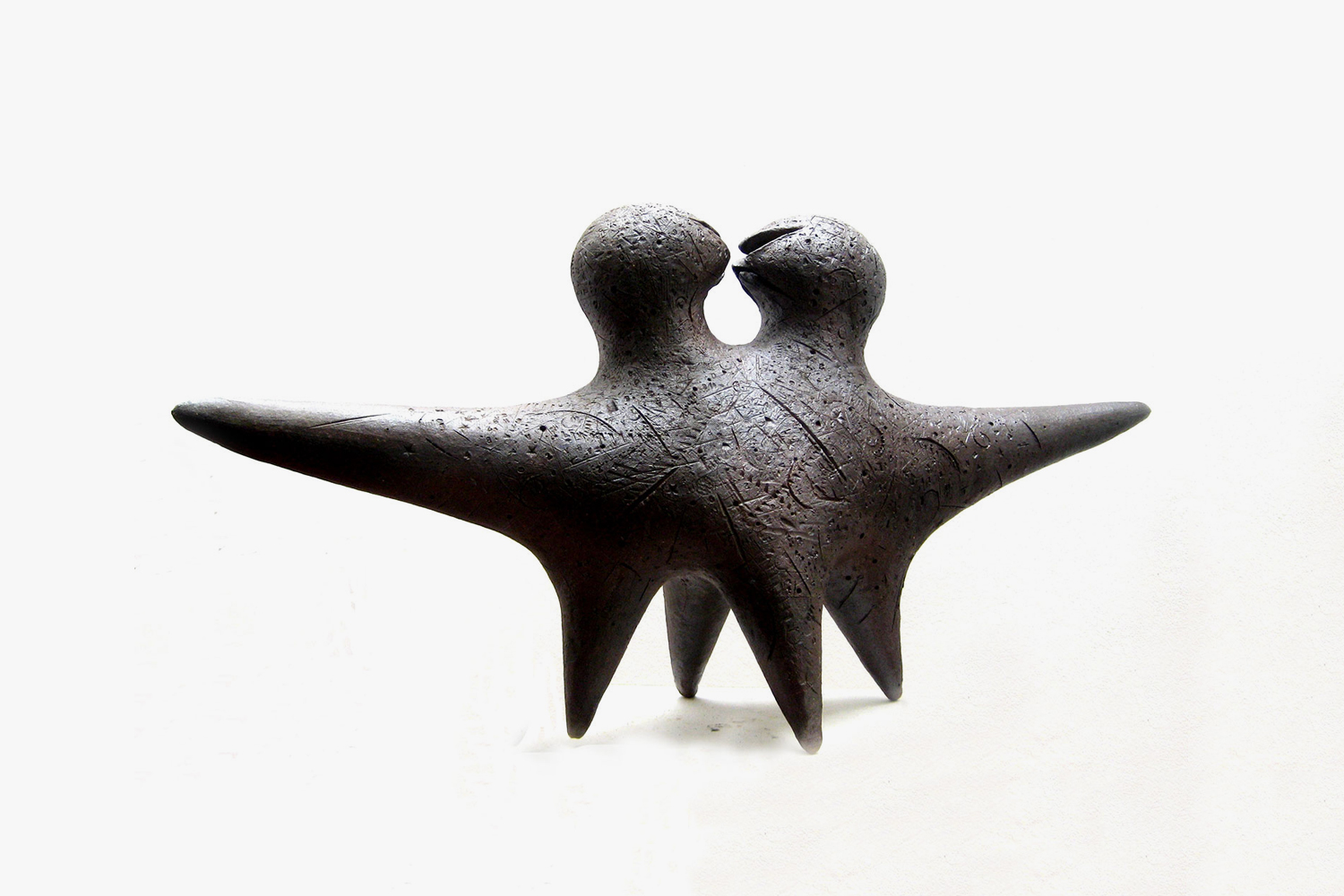
The creatures that sing about nostalgia
- Ahryun's aesthetic became playful during her studies in London
- Her earlier works in Korea were minimalist and functional
- She strives to initiate a dialogue about childhood through her artworks
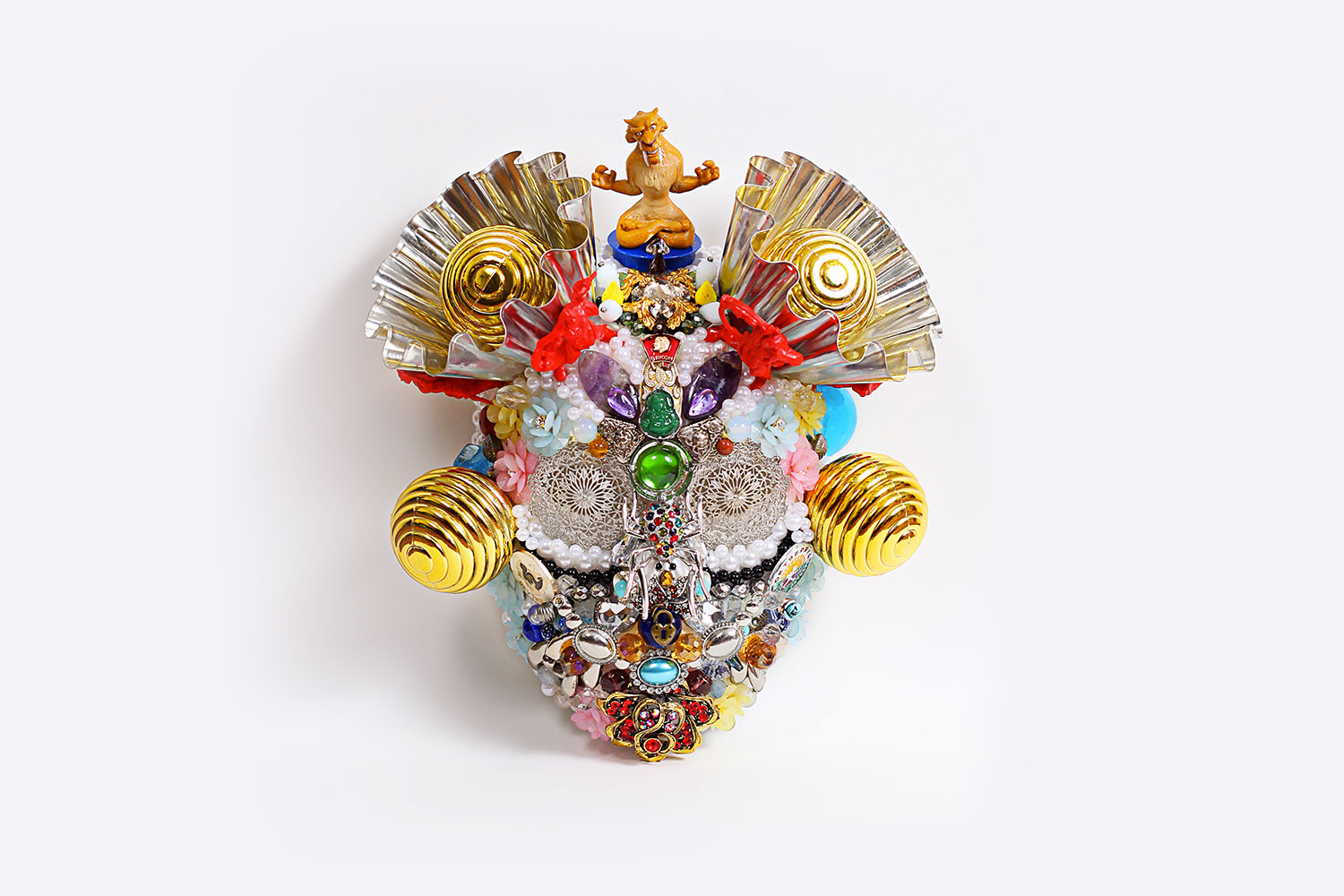
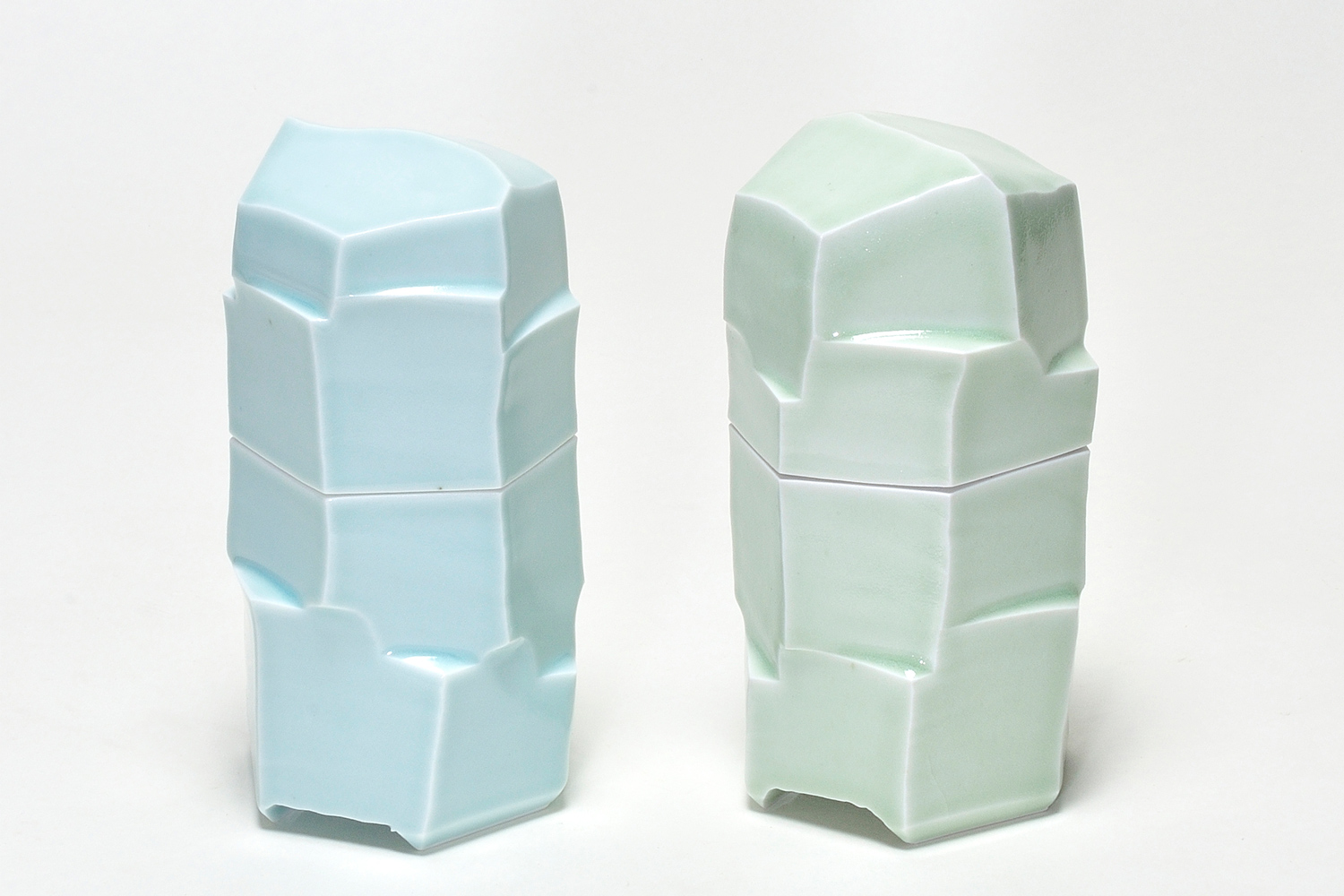
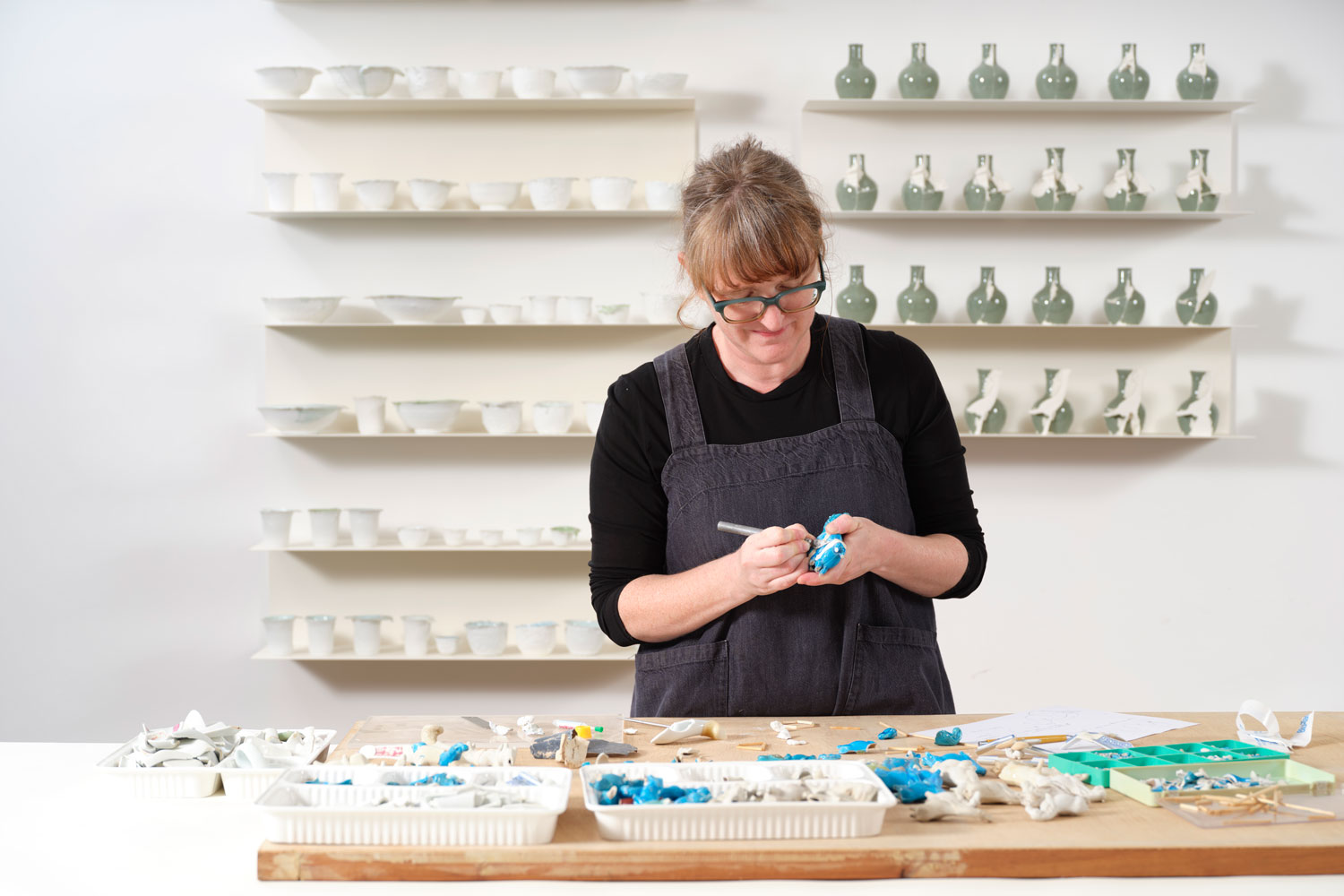
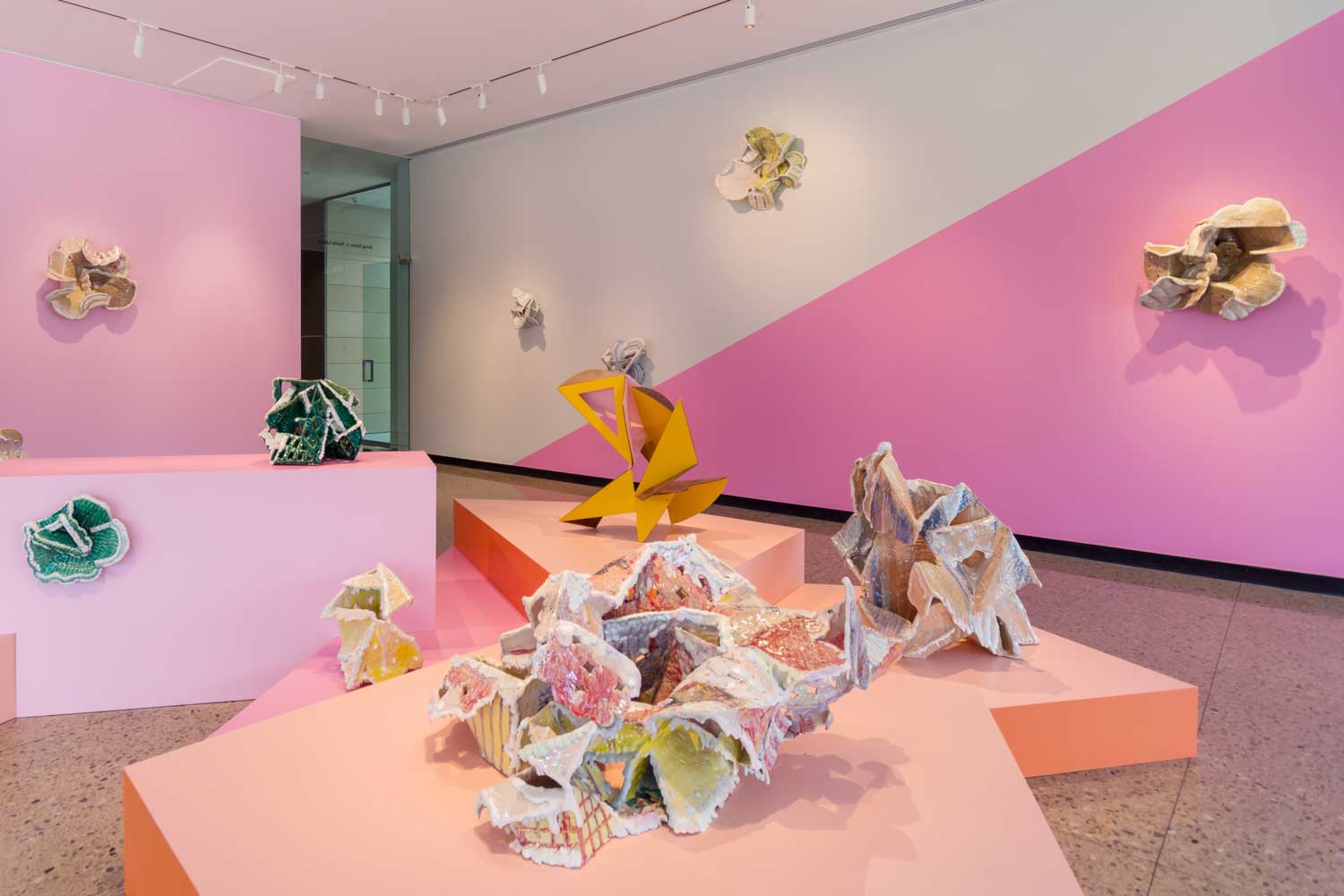
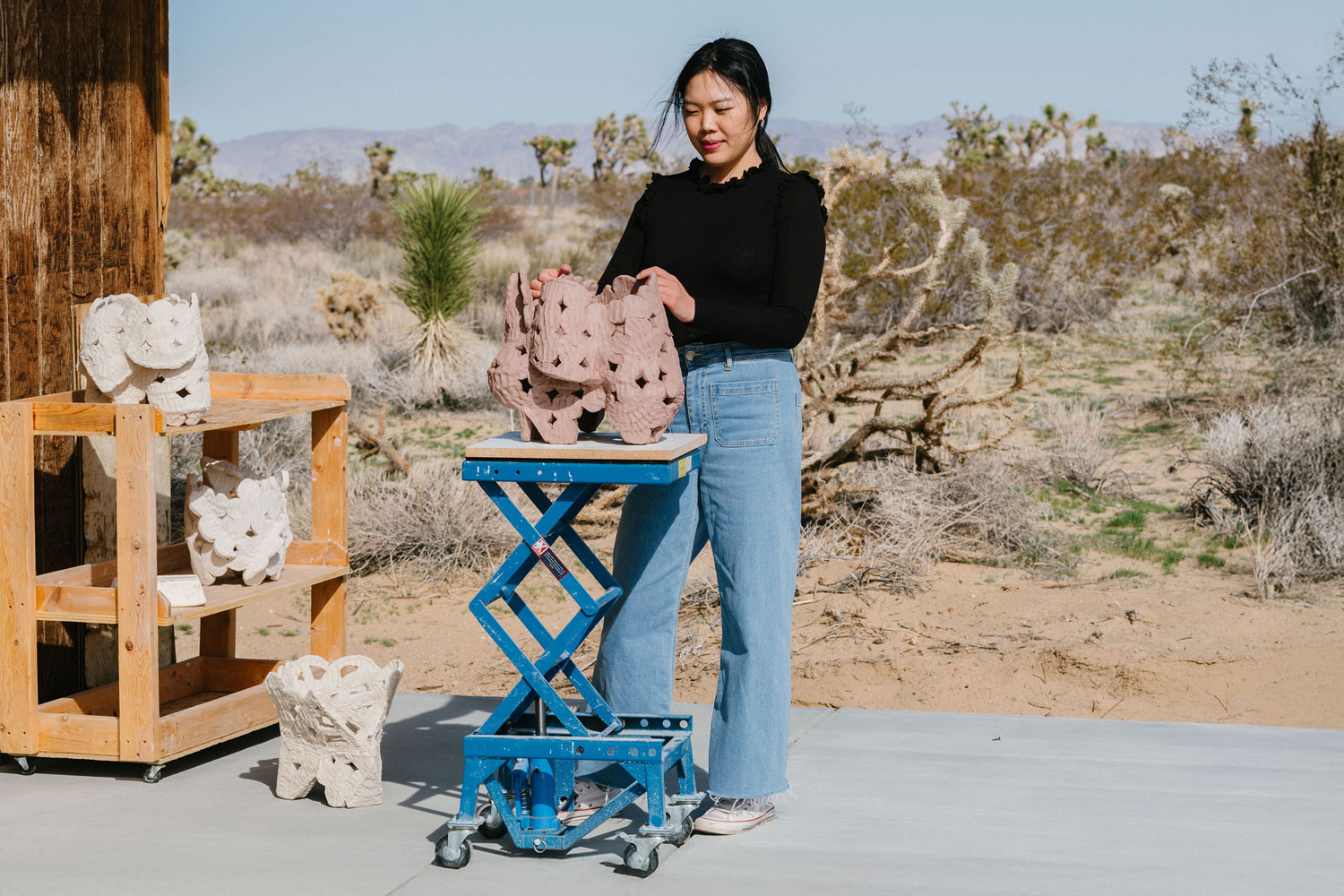
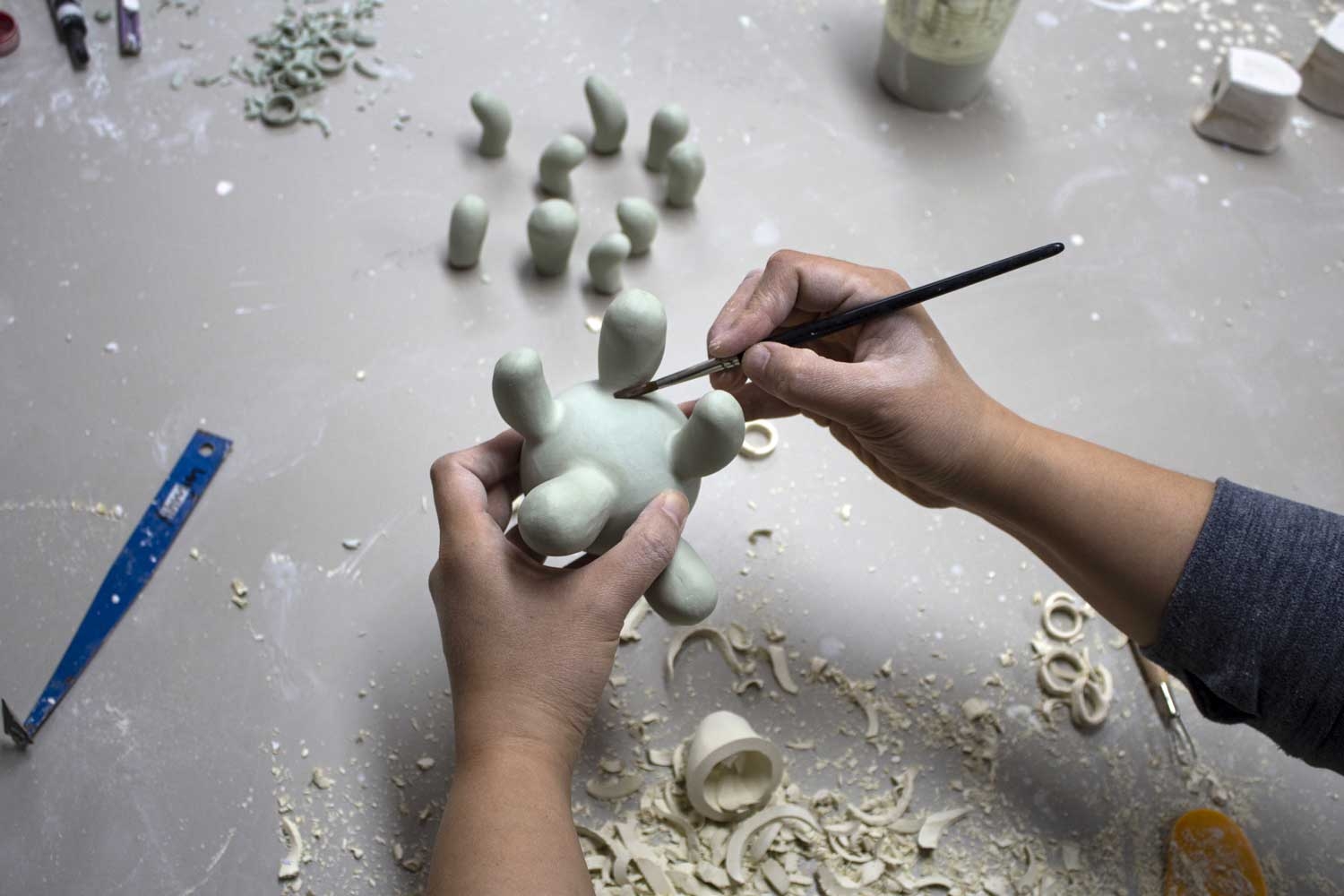
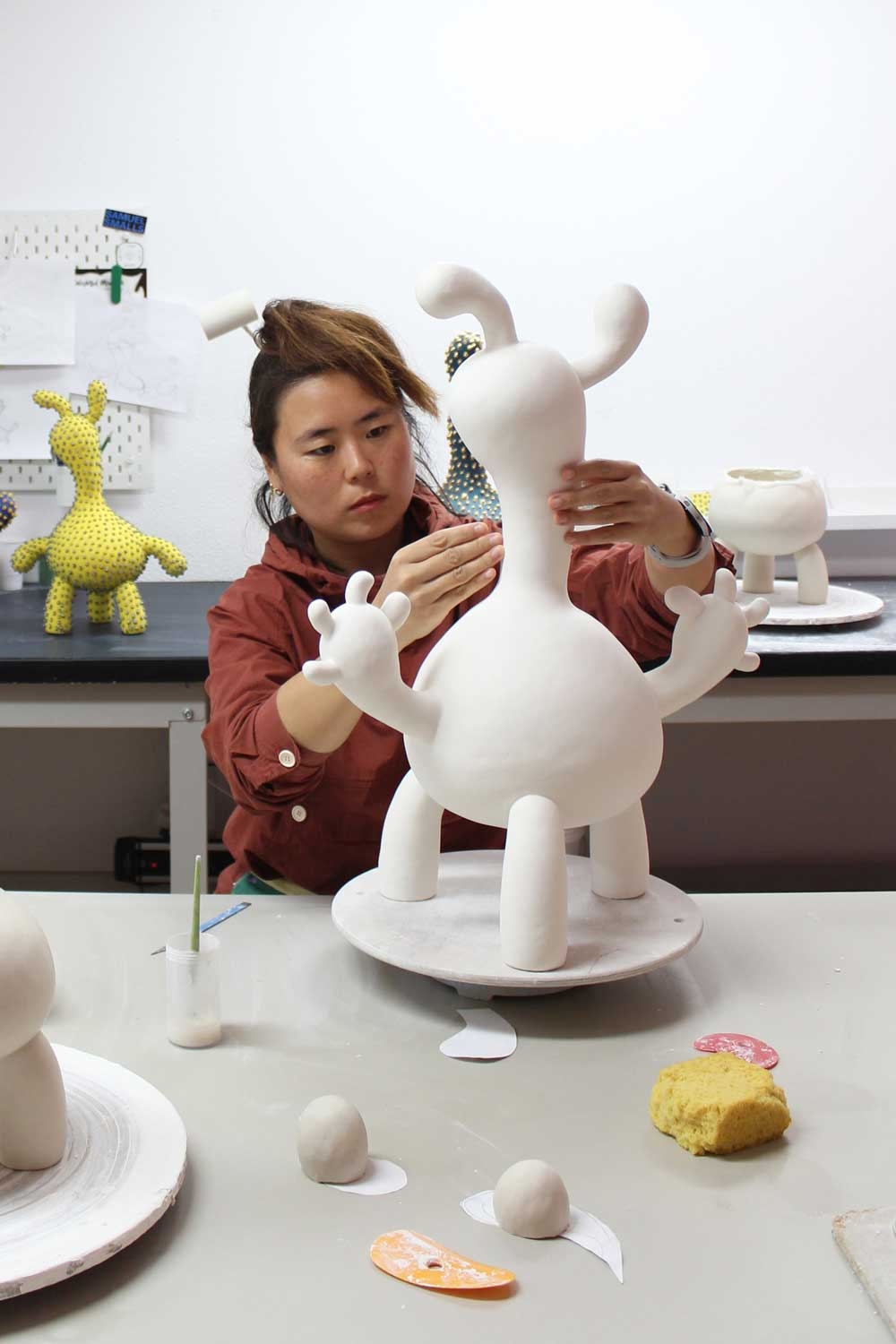
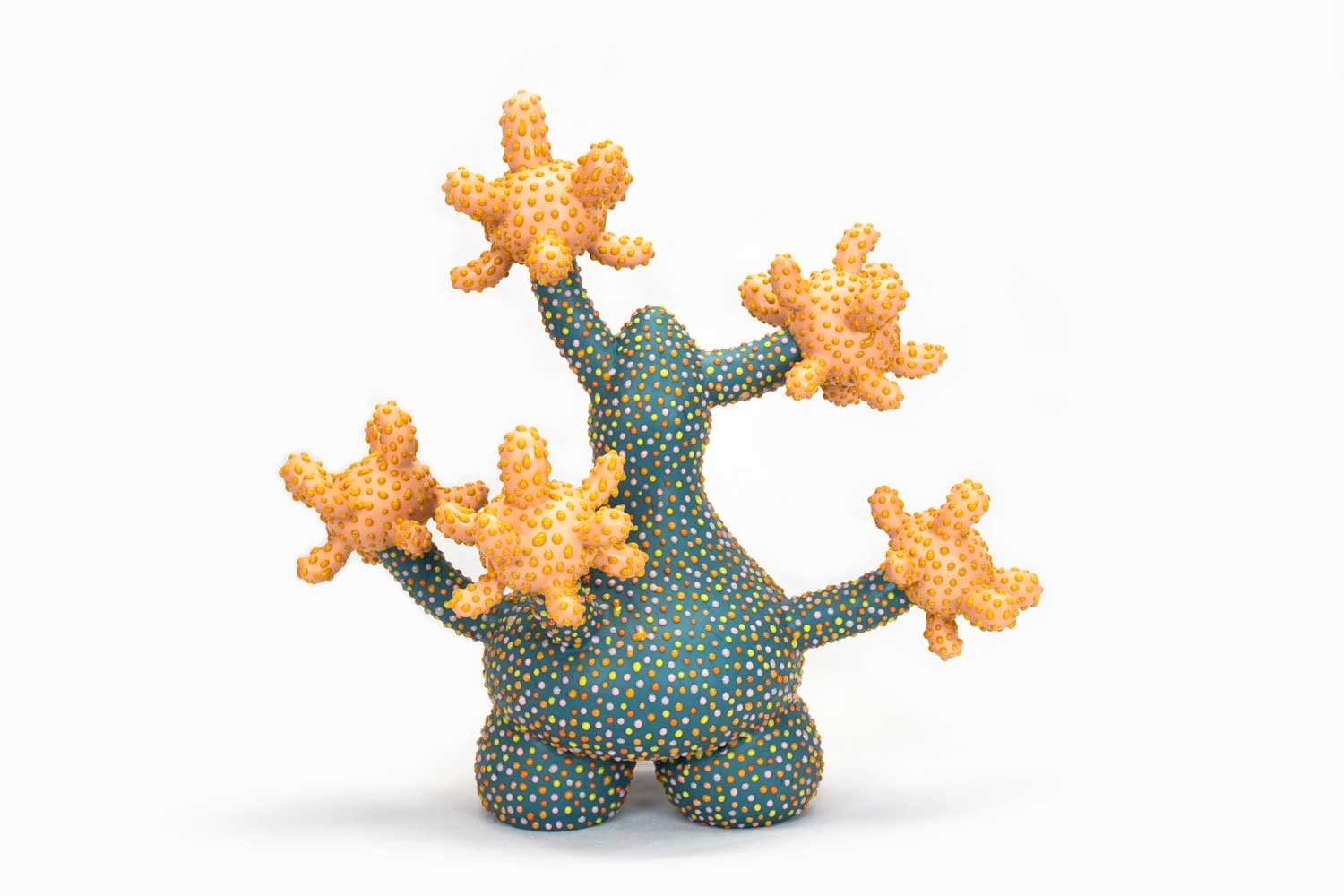
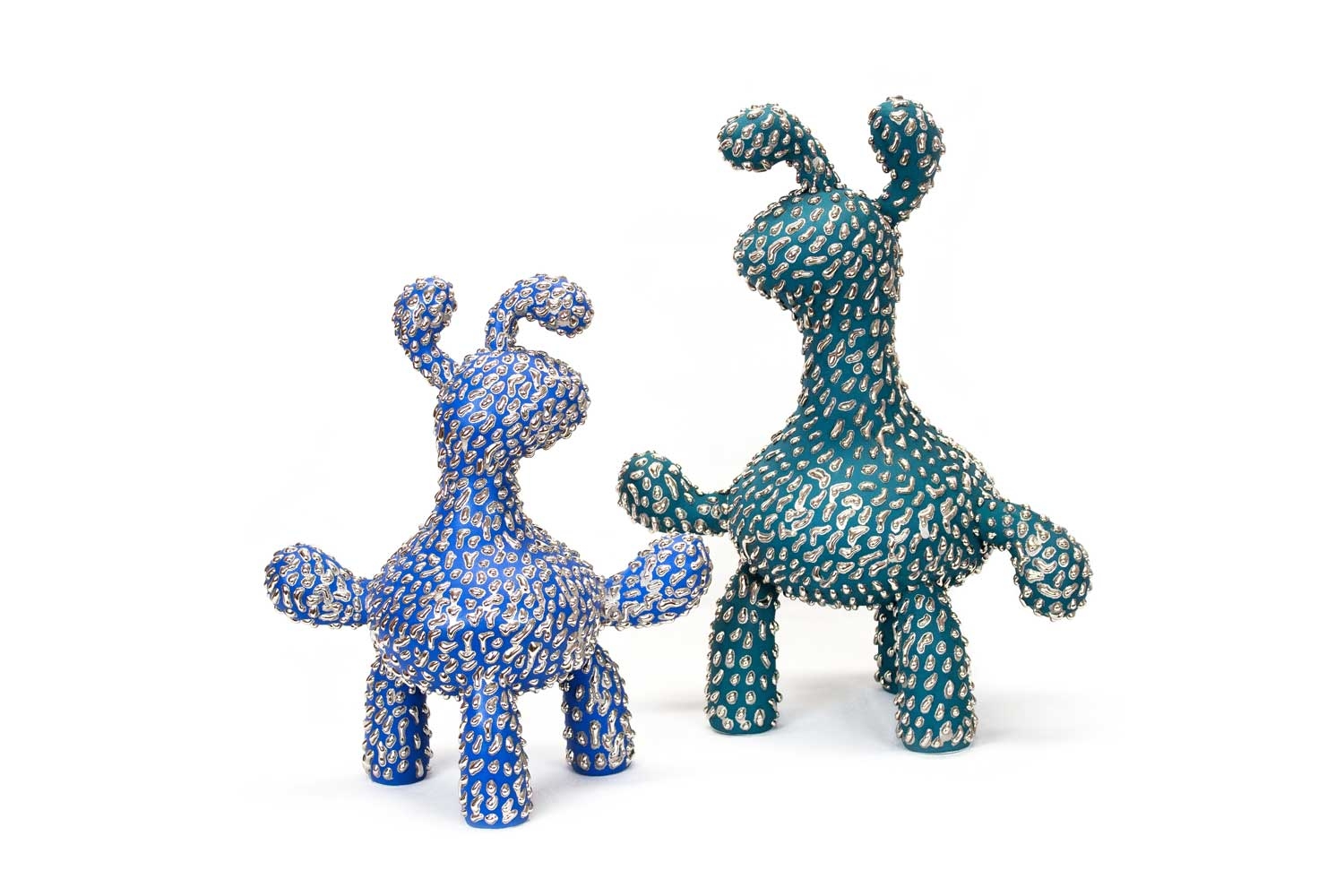
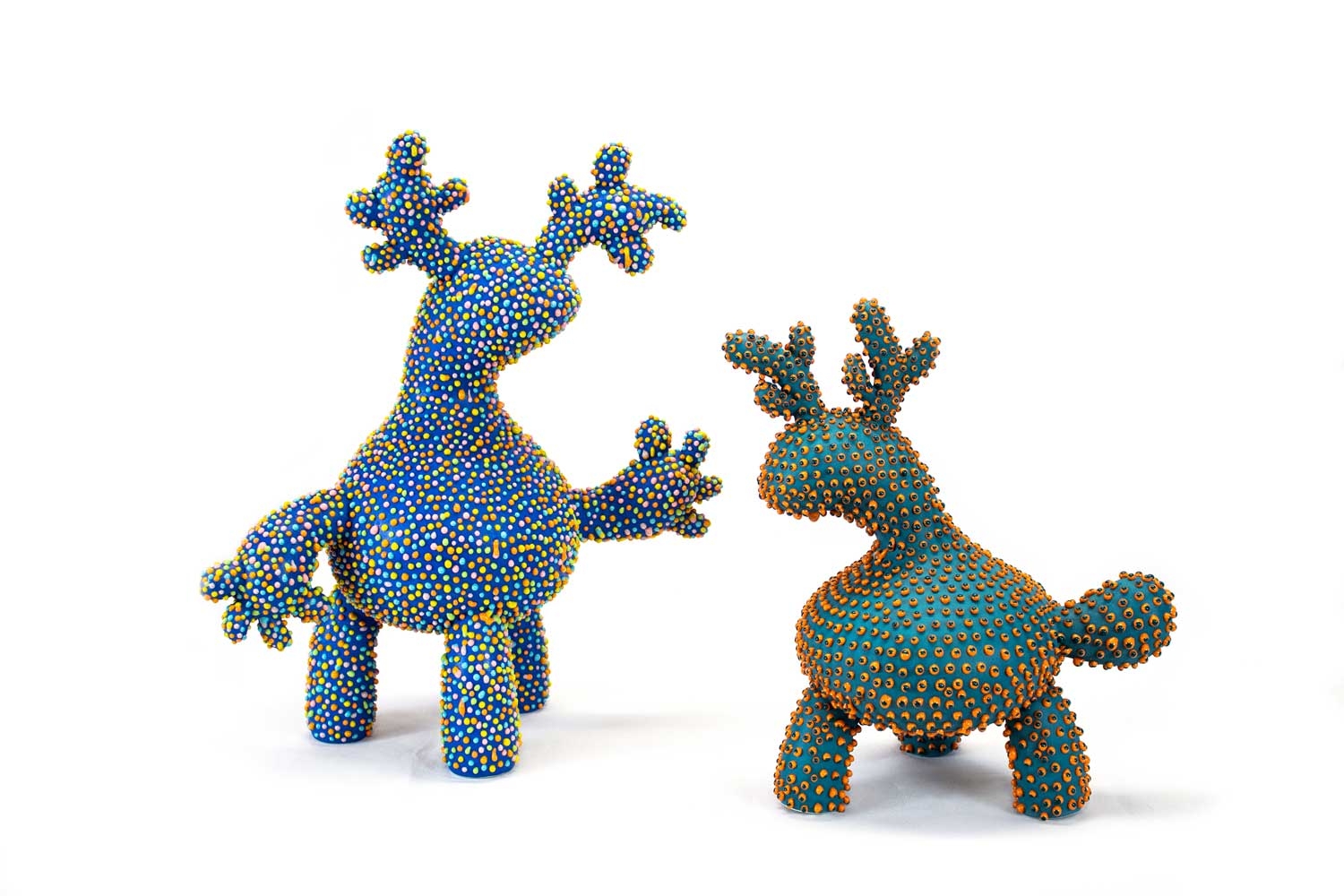
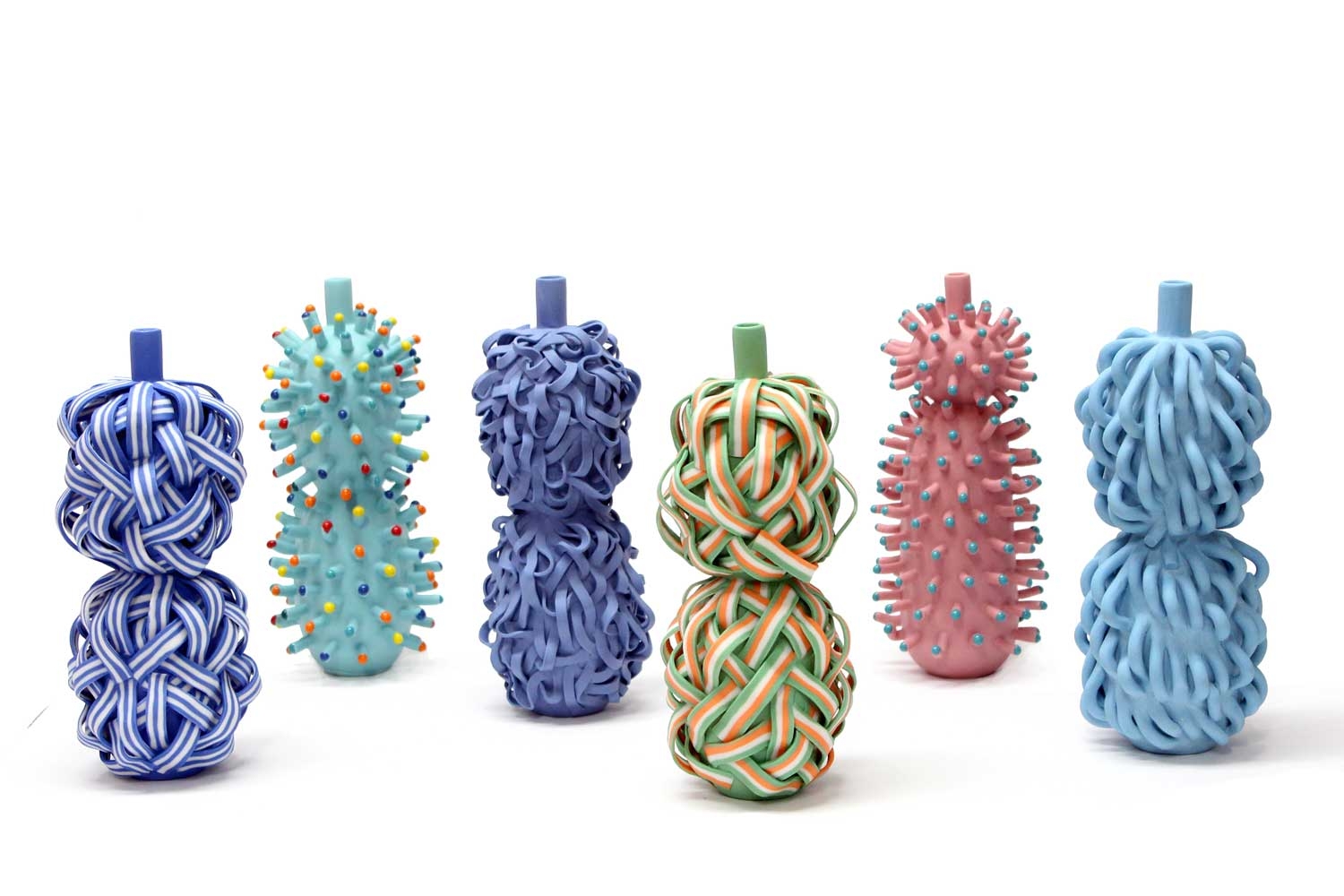
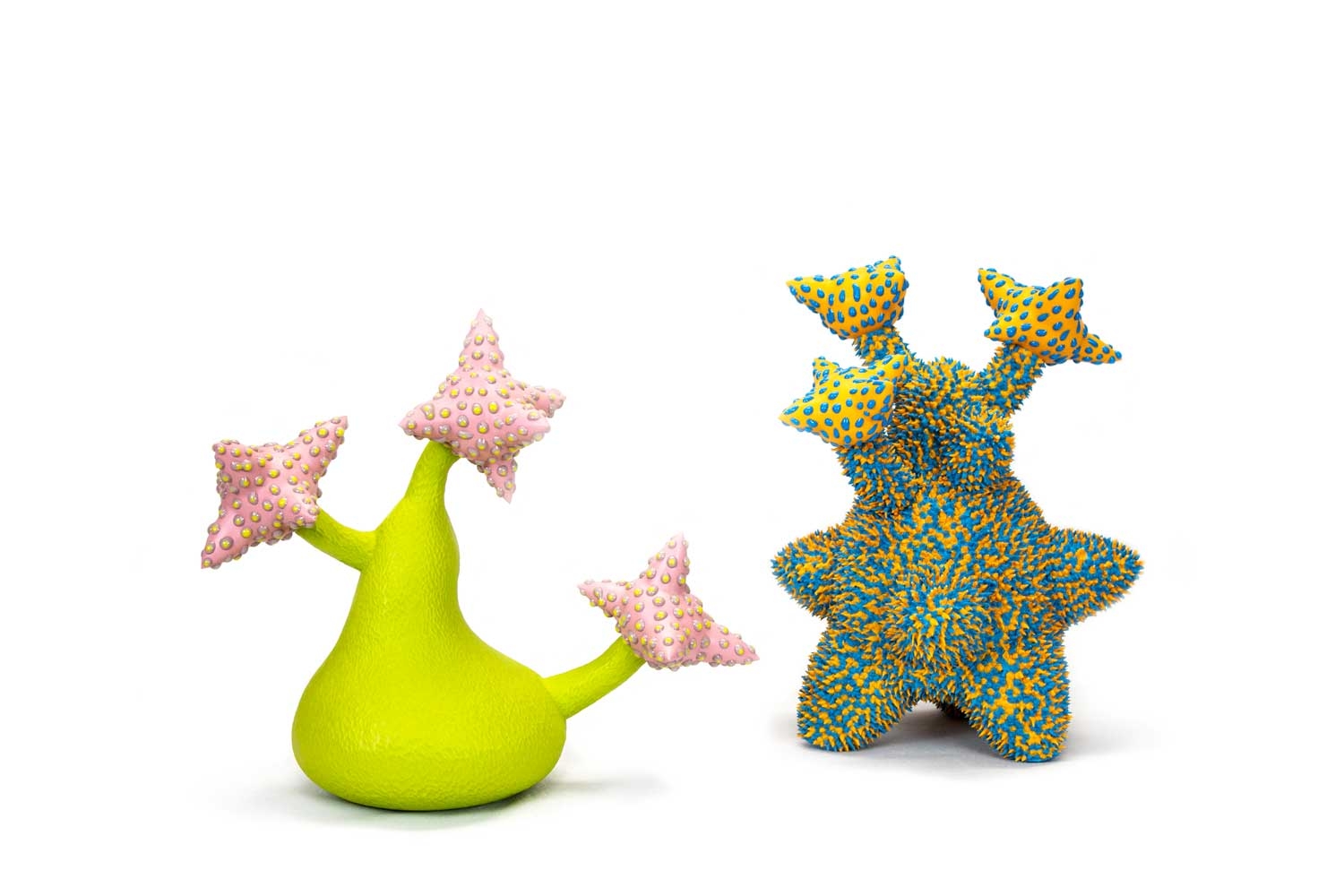
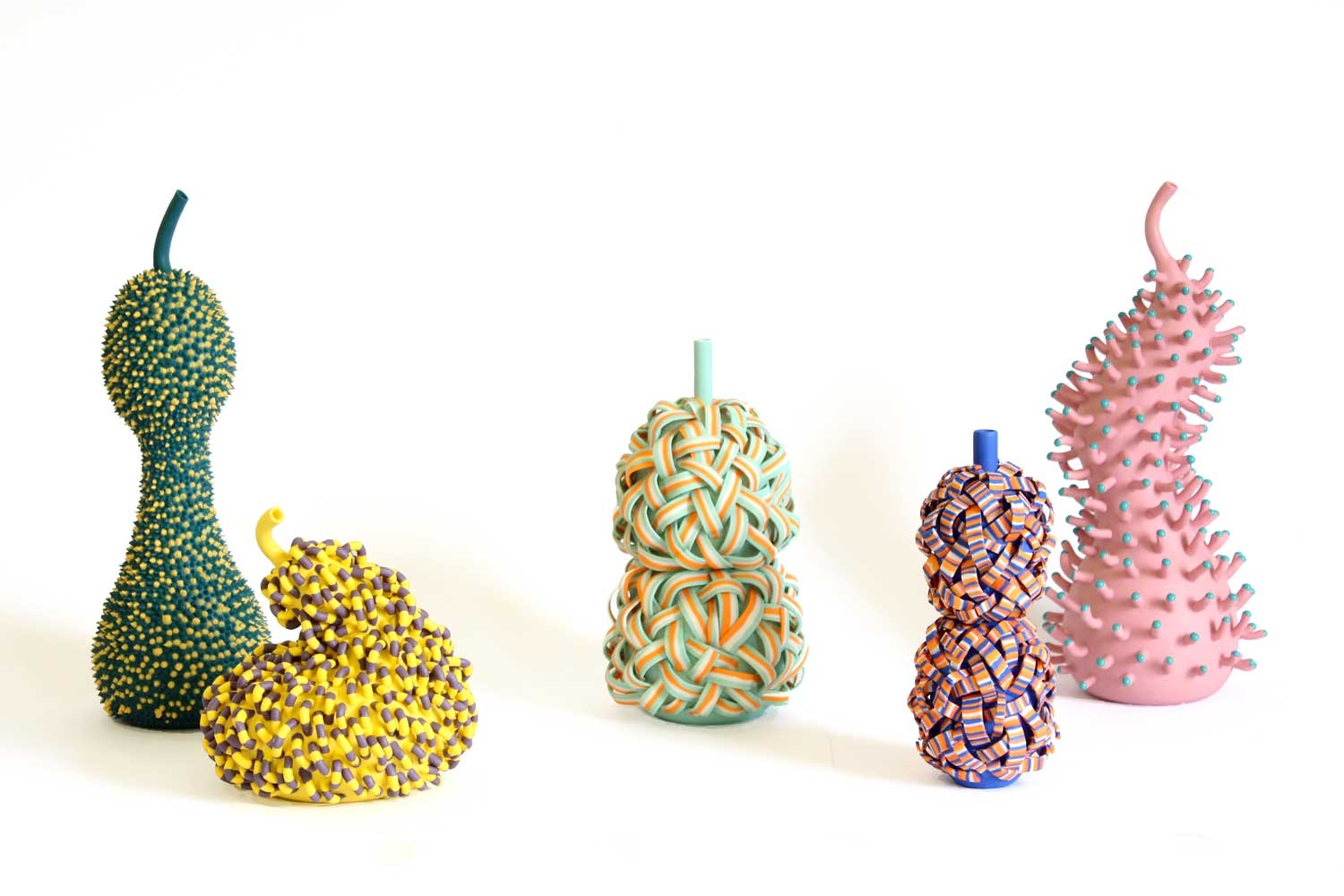
These days, Ahryun Lee calls Munich home, but her artistic journey began in Seoul, where she was immersed in creative exploration from a young age. "I believe Korea does something very right by encouraging children to dream about their future professions," she reflects. Under the tutelage of an instructor trained in Germany, Ahryun's ceramic studies at Seoul National University culminated in her graduation with honours, underscoring her profound connection to craftsmanship. After her studies in Korea, Ahryun pursued her Master's degree at the Royal College of Art, a pivotal chapter that transformed her artistic perspective. While her early works in Korea exuded minimalism and functionality, her time in London ignited a shift. The vibrant ambiance of the Royal College of Art fueled a newfound expressiveness in her art, reflected in her playful forms, vibrant colours, and tactile surfaces that at once evoke joyfulness and nostalgia.
Discover her work
INTERVIEW
I strive to initiate a dialogue through my artworks, engaging viewers in a sensory exploration of their own emotions and memories. Every aspect of my work—from the vibrant colours to the tactile textures—has the potential to evoke profound feelings and connections.
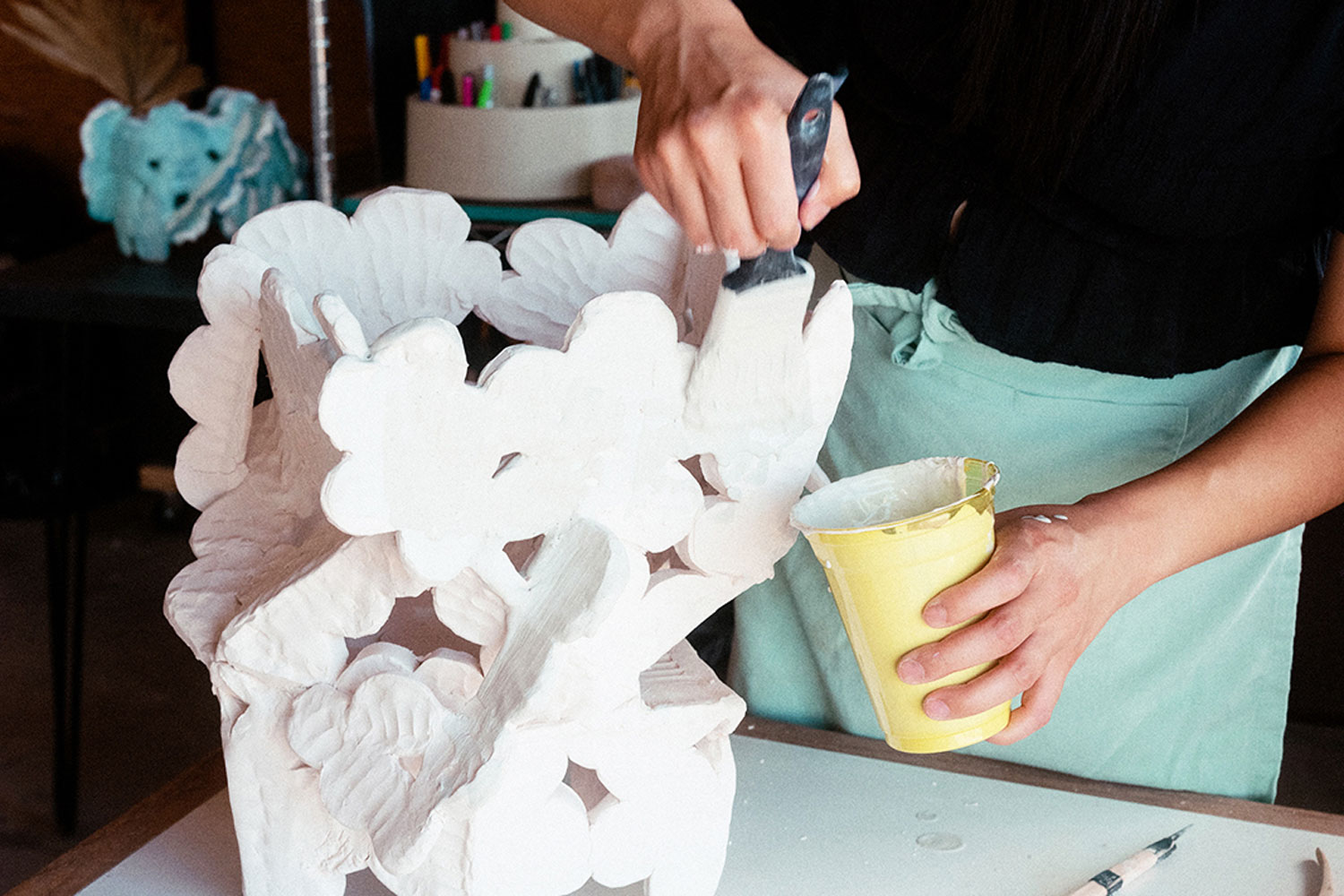
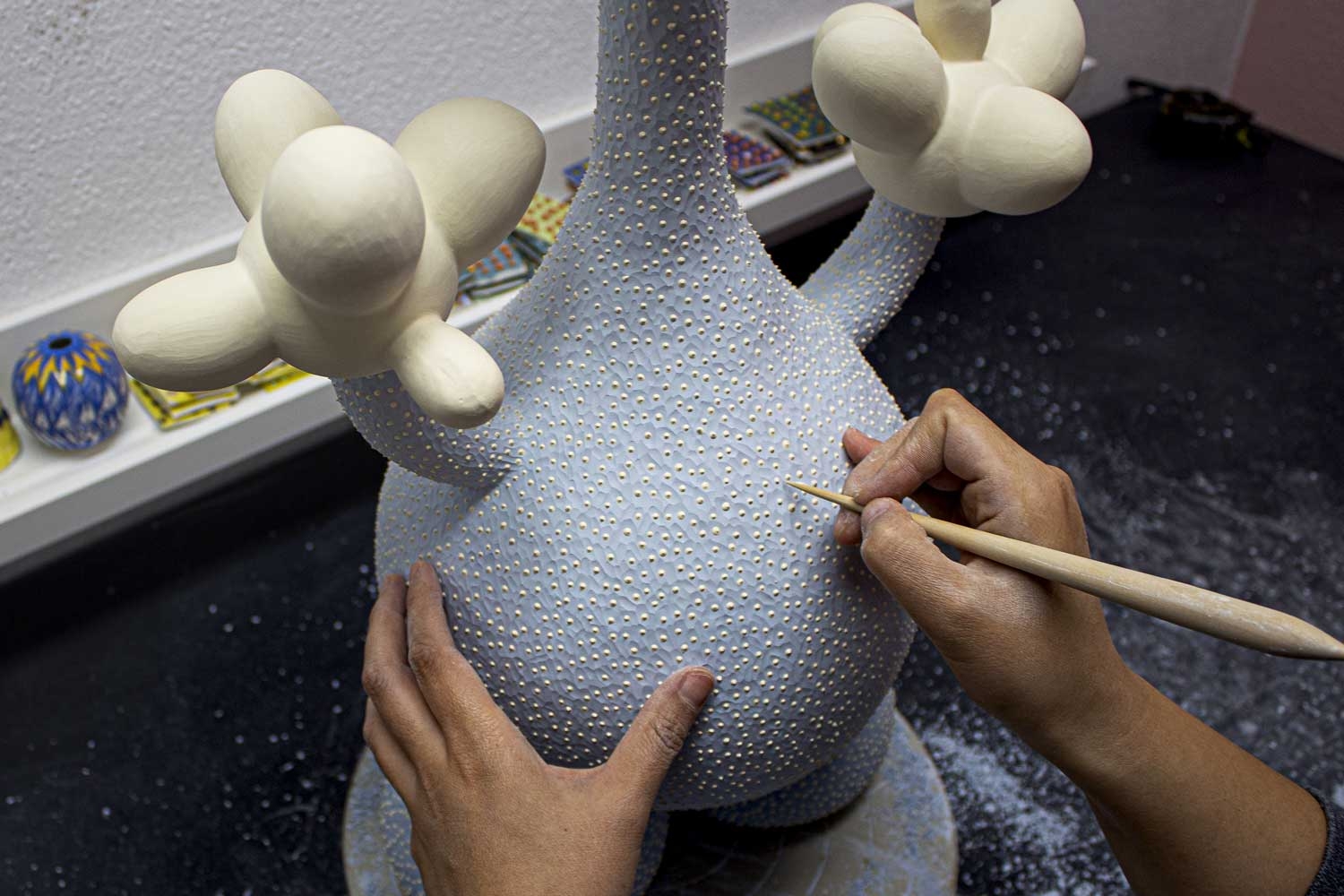
Glaze serves as a decorative element in my work, but I never use it to entirely seal the surface of my pieces. Instead, I often employ a technique where I delicately apply glaze to create textured surfaces that invite touch and interaction.
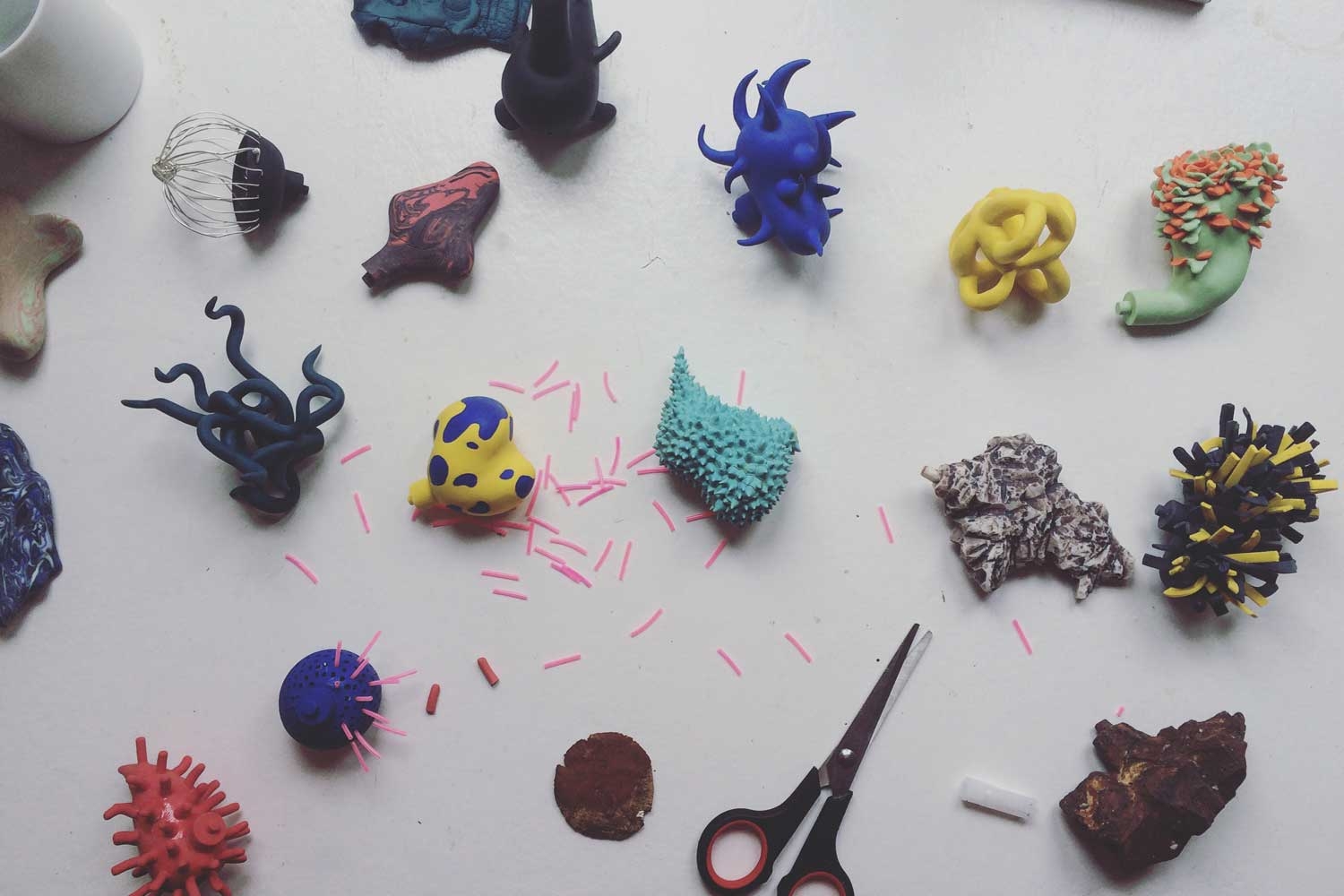
I use a disposable syringe to precisely apply glaze onto the surface of my ceramics. This allows me to achieve intricate patterns and textures with precision. If a particular application does not turn out as intended, I can easily wipe it away and start afresh.
I have noticed that universities are now prioritising interdisciplinary collaborations over traditional craftsmanship in ceramics education. Many students find learning the craft too time-consuming. With advancements like 3D printing and gypsum processes further influencing this shift, I foresee a future where fewer university graduates will have mastered traditional techniques.
Ahryun Lee
Ceramicist
Essenbach, Germany
ADDRESS
Address upon request, Essenbach, Germany
AVAILABILITY
By appointment only
LANGUAGES
Korean, English
Homo Faber Finds is a new service aiming to inspire admirers of craft to connect and collaborate with exceptional artisans.
We invite you to submit an enquiry here.