Ahrong Kim
Ceramicist
Marlboro, NJ, USA
Sculpting dark into light
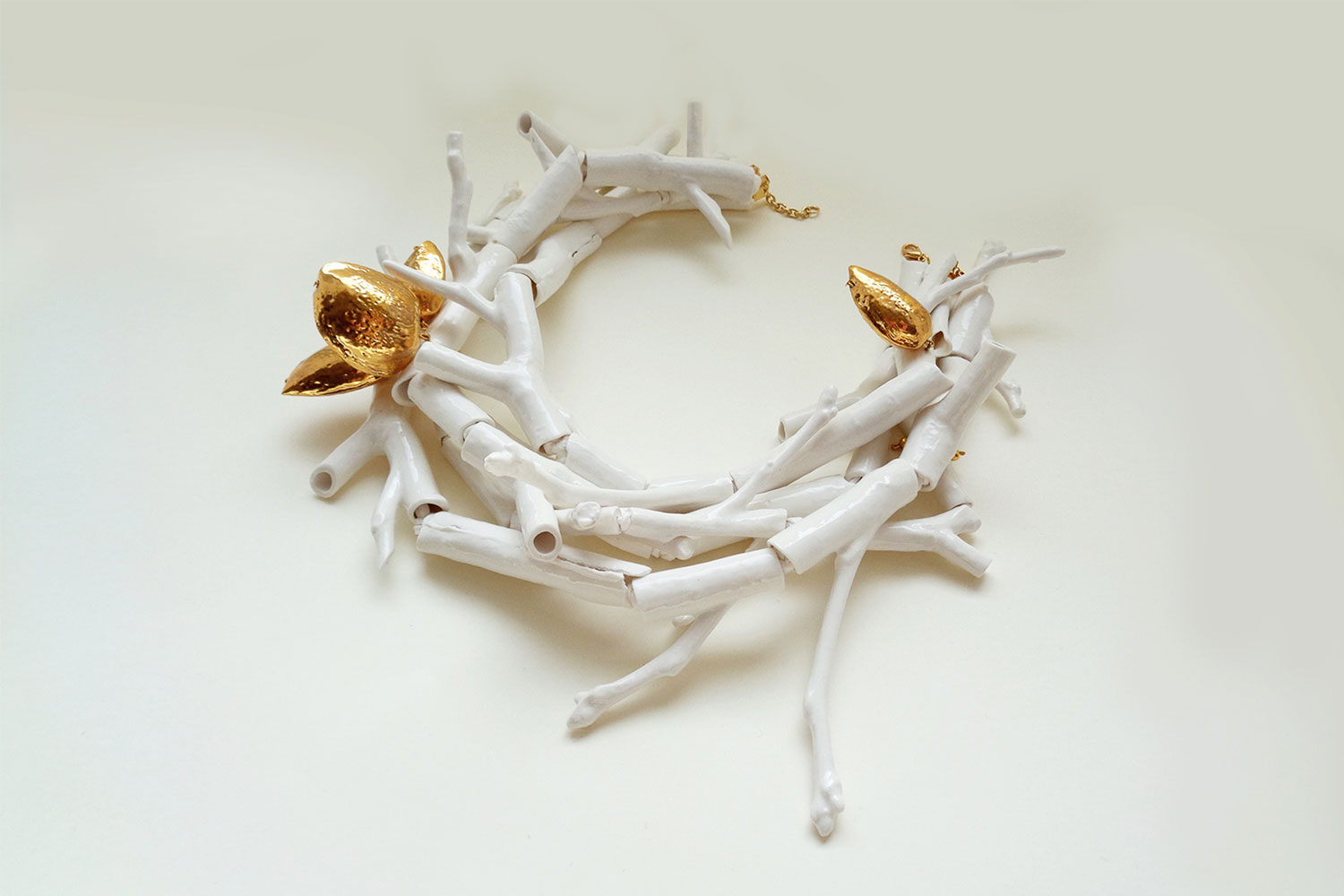
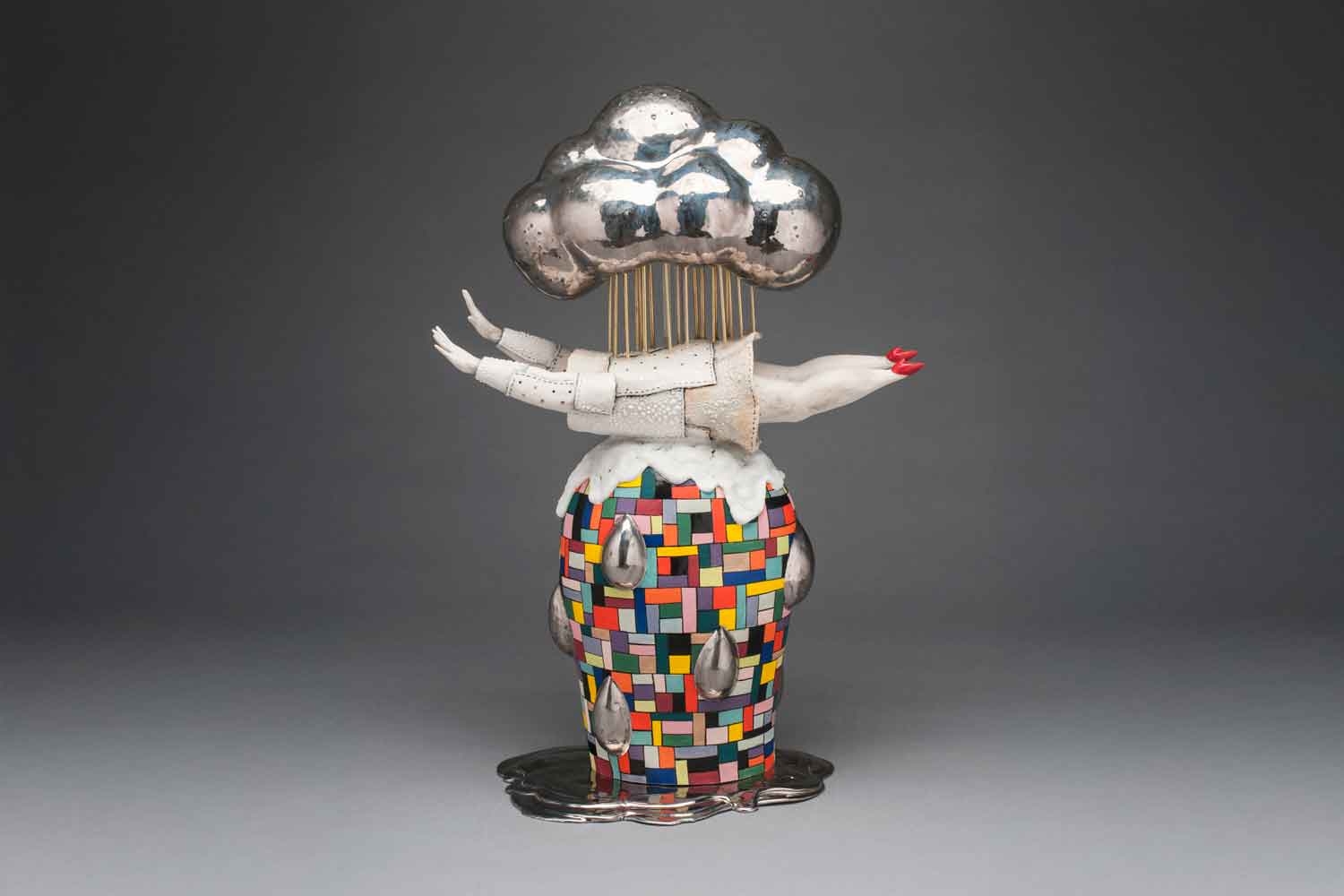
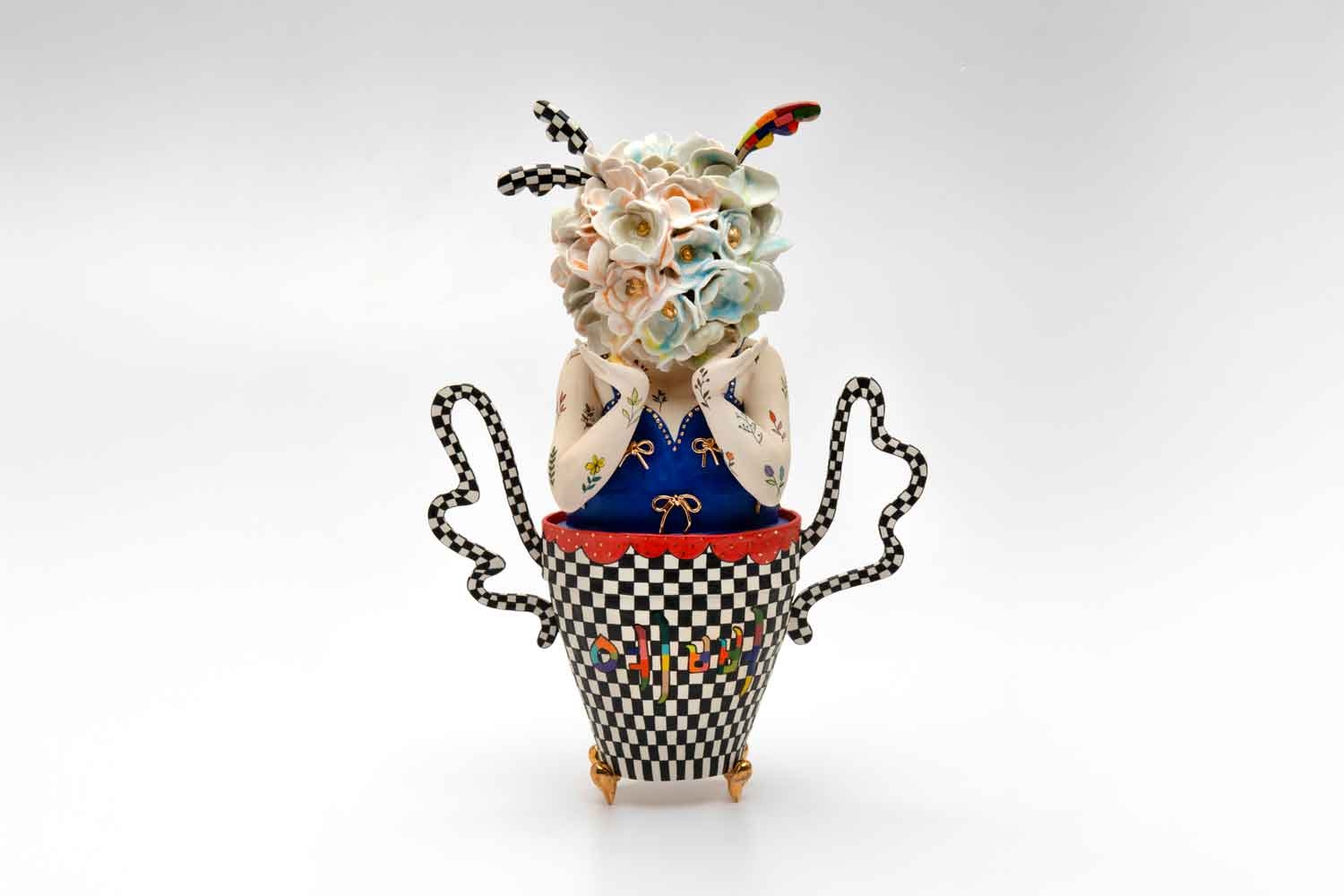
- Ahrong makes figurative and creative ceramic sculptures
- She expresses deep emotions through her playful pieces
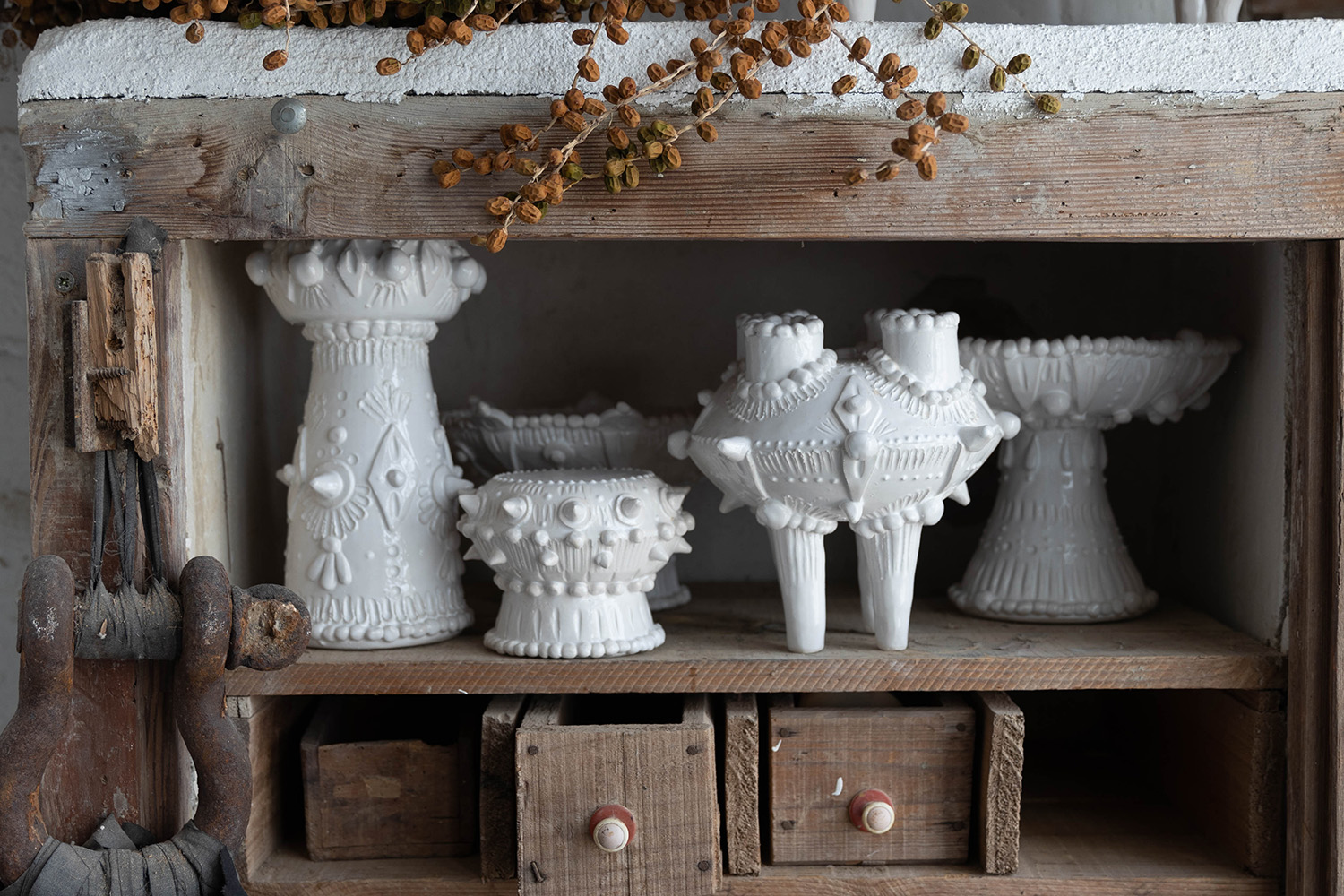
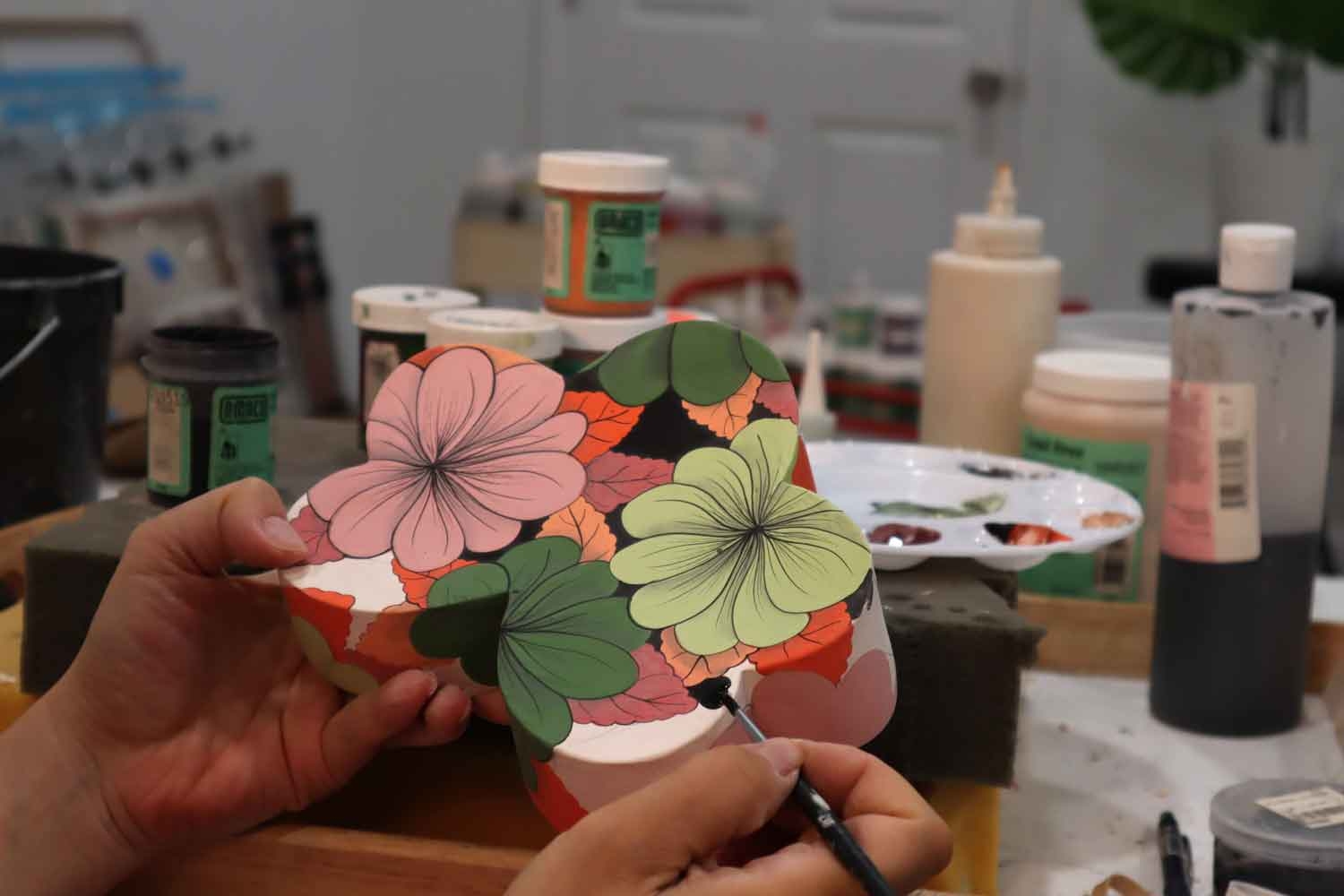
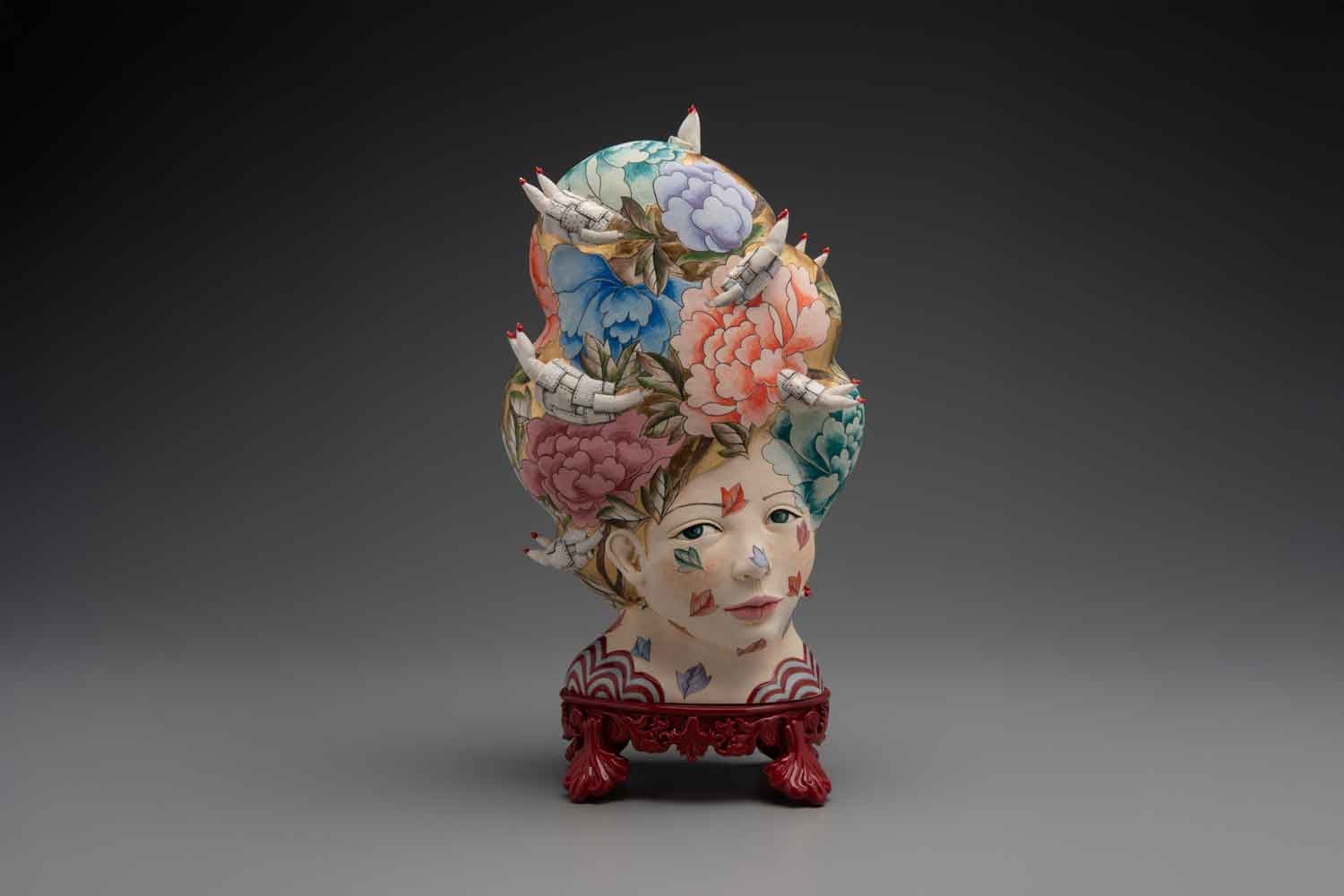
- Her flowers, geometric shapes and abstract patterns draw on Korean motifs
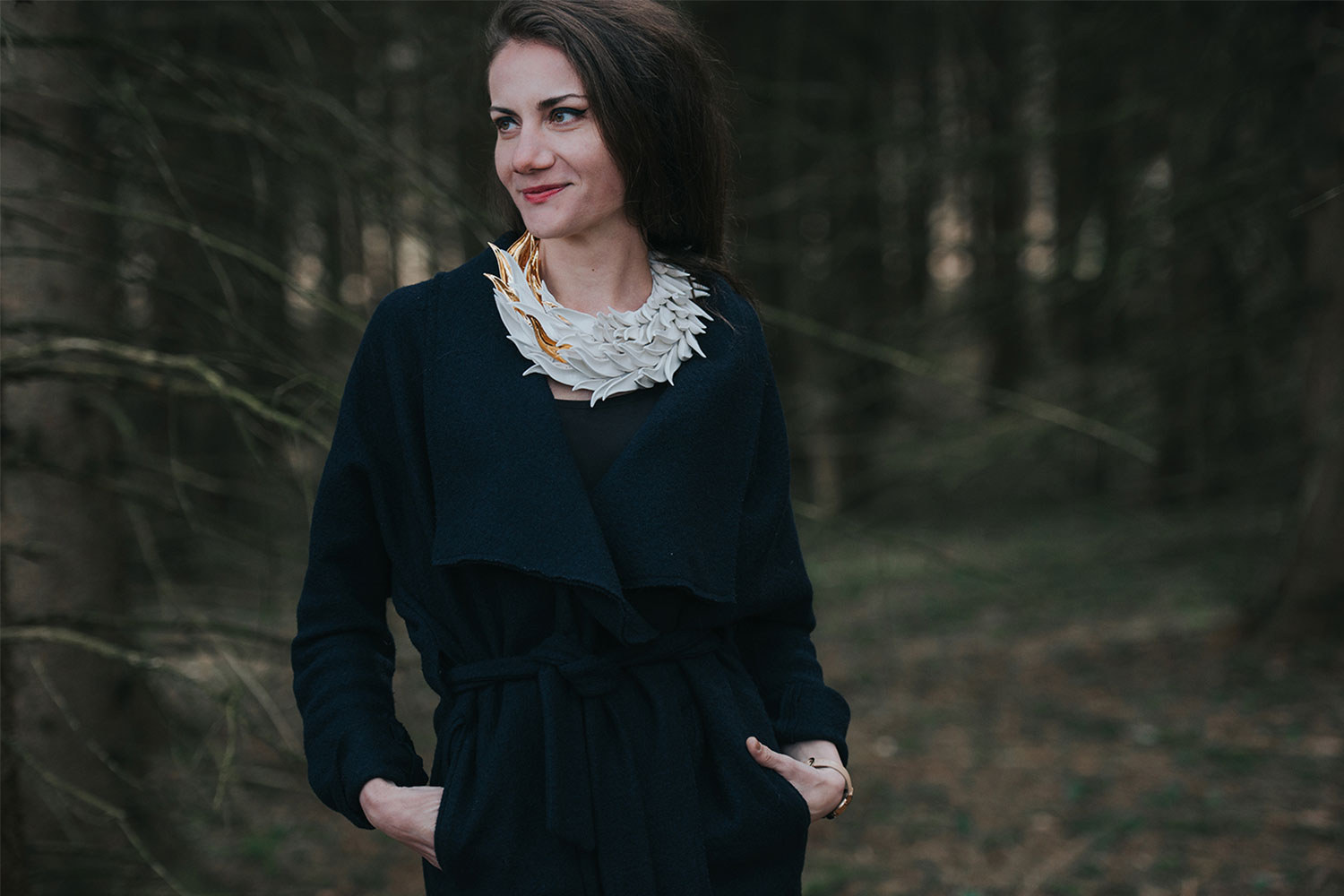
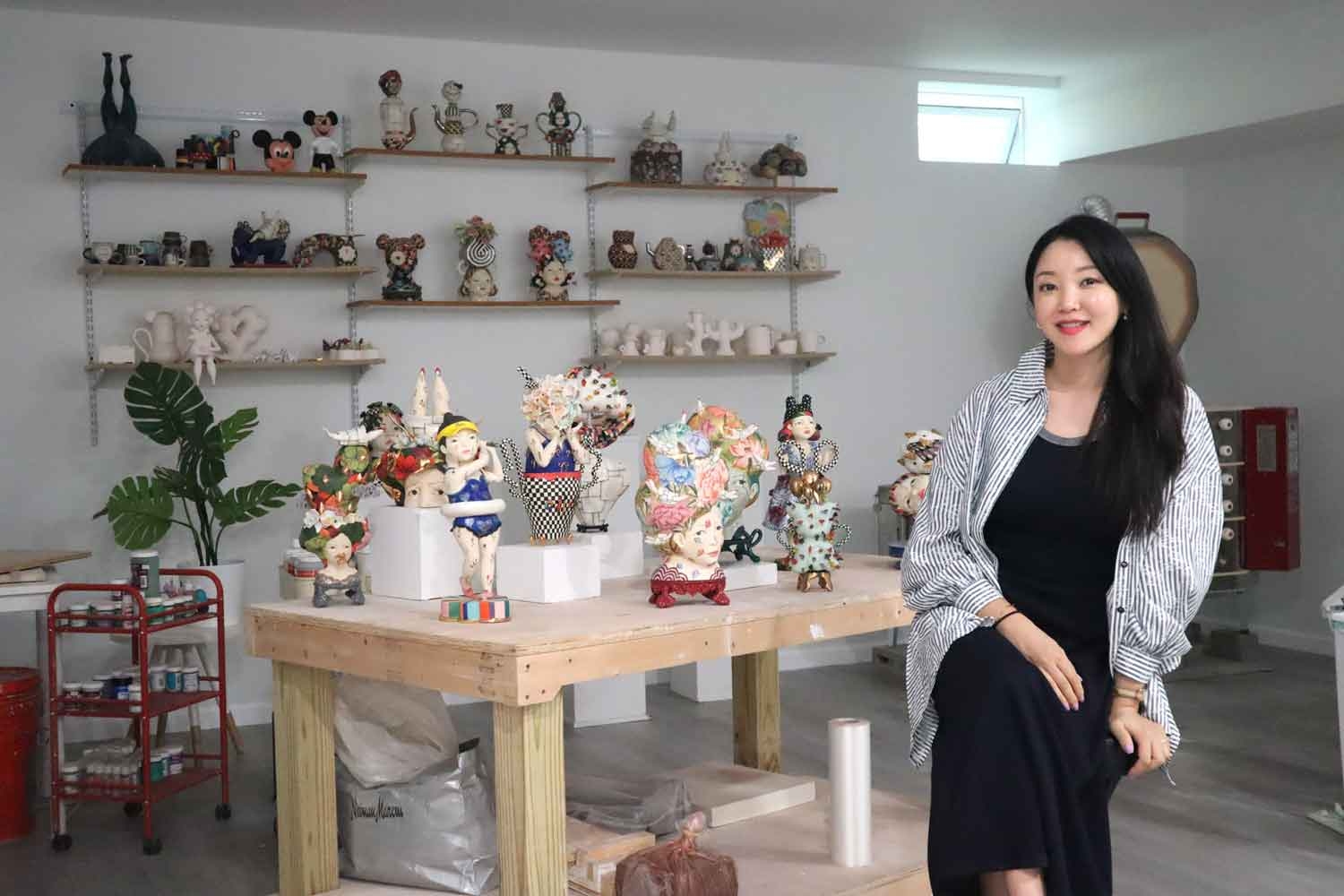
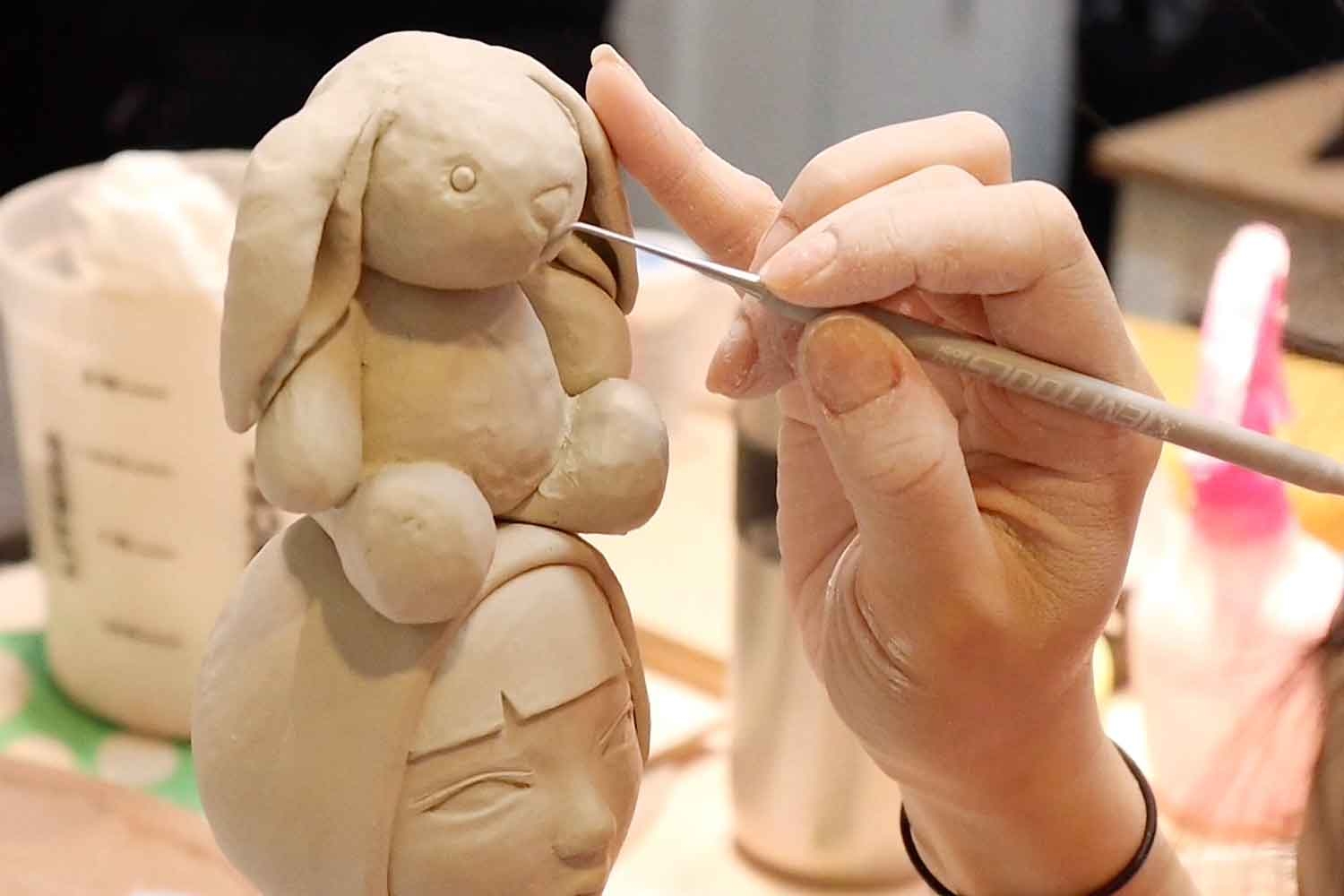
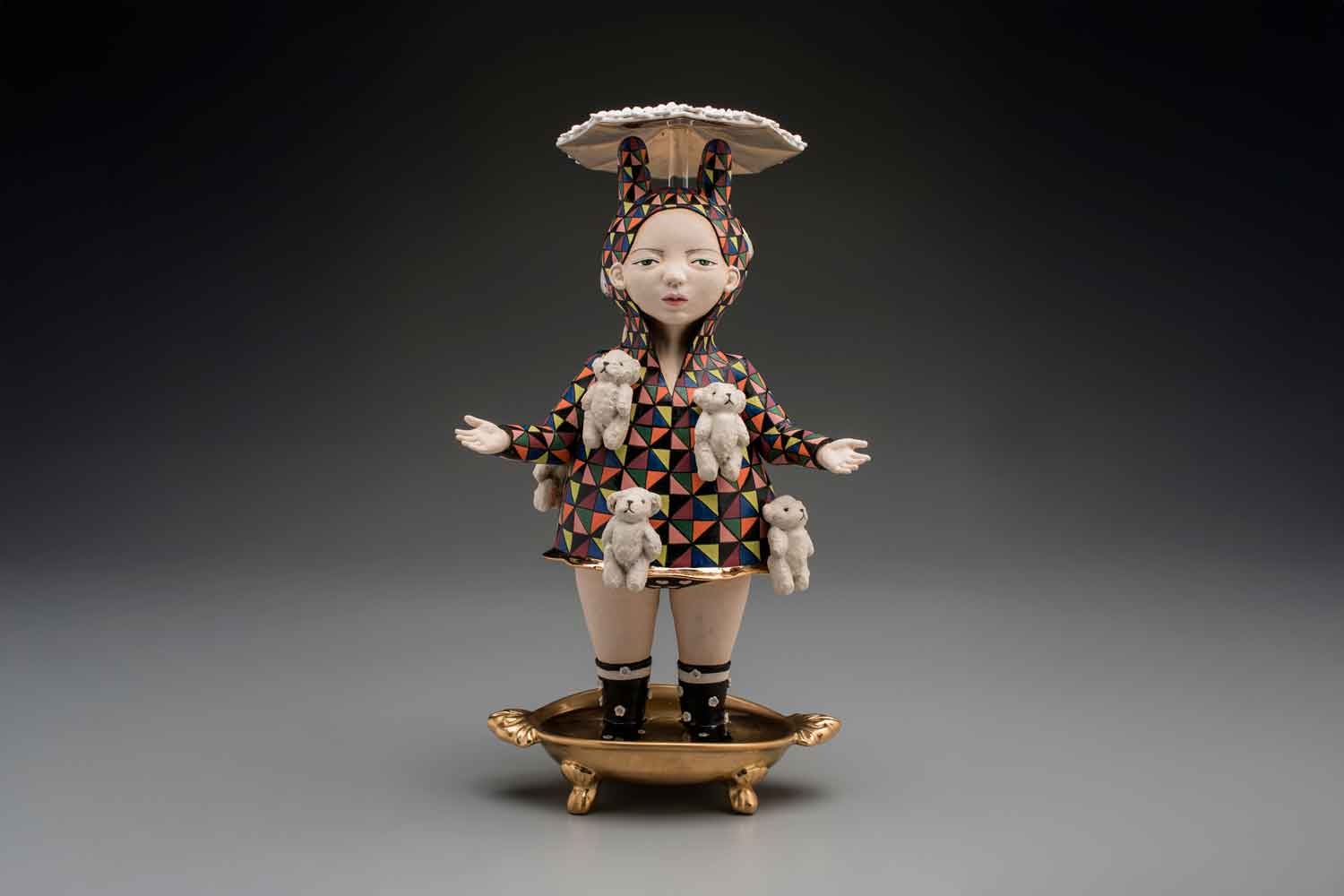
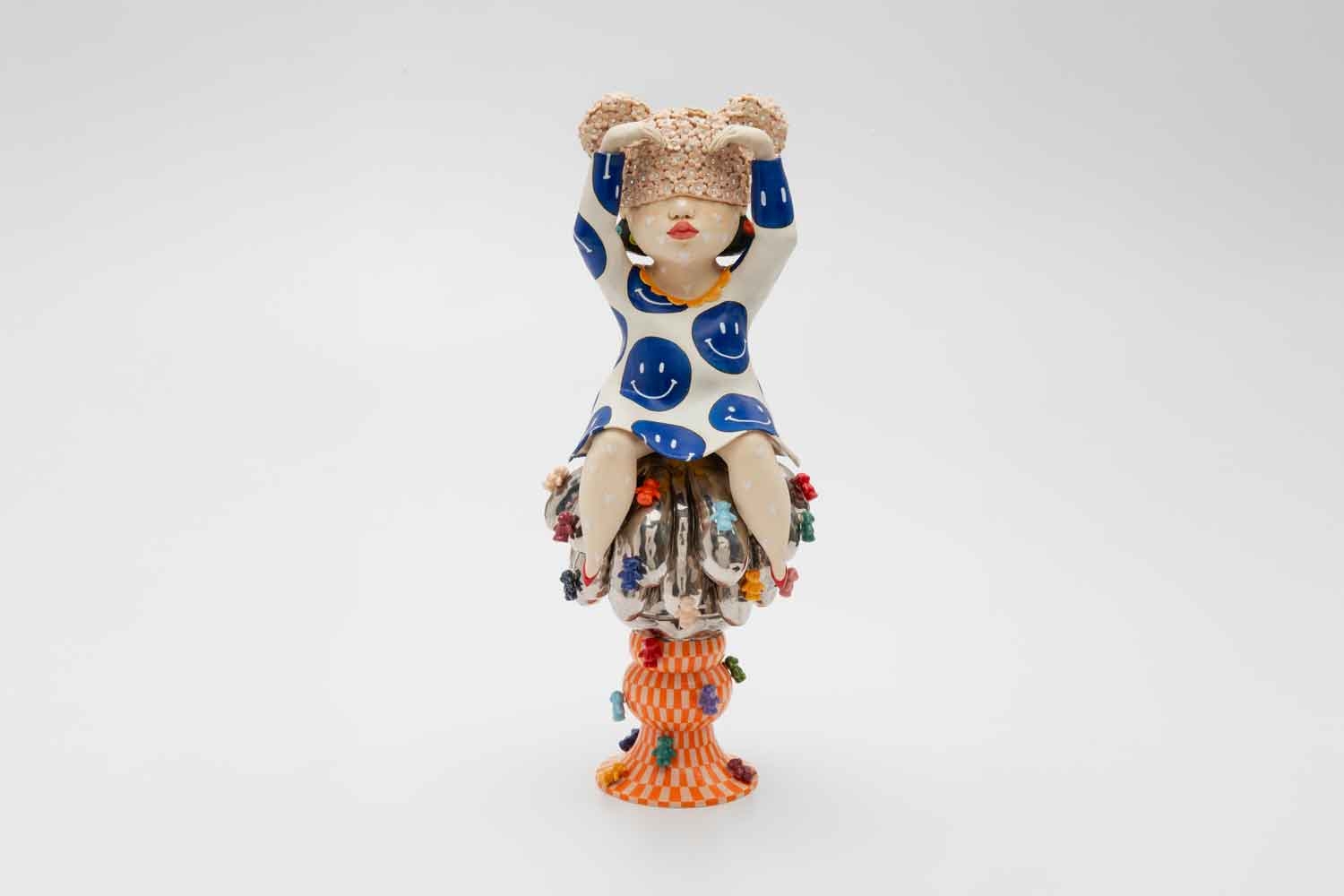
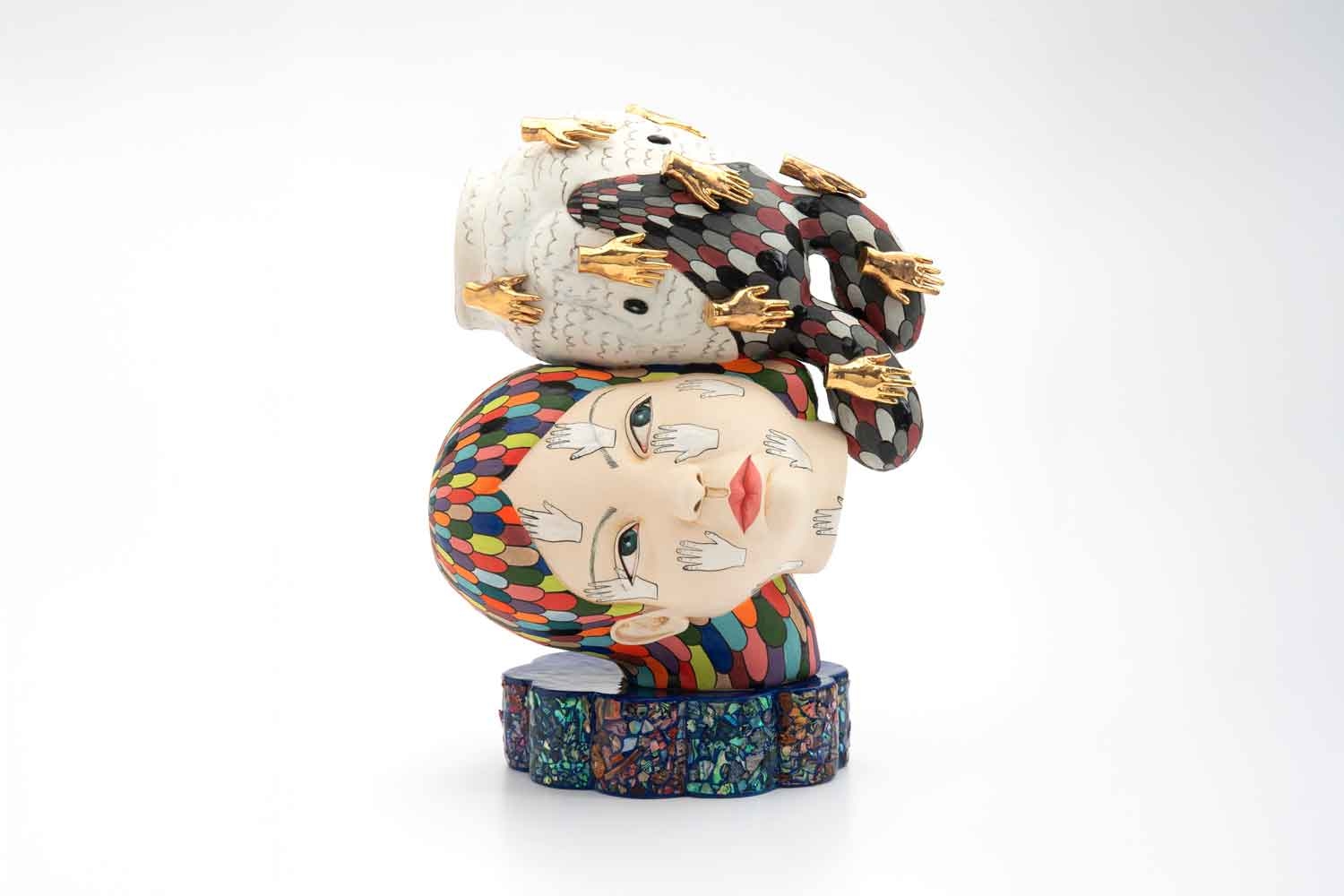
Growing up in South Korea, Ahrong Kim watched her grandmother, who used to be the personal seamstress to a South Korean prime minister, transform fabric into intricate creations. Early in her undergraduate studies in Korea, Ahrong fell in love with clay, finding that the medium allowed her to express her emotions. She moved to the USA in 2011 and enrolled in an MFA at the Rhode Island School of Design. “I could not express myself as easily in English and I felt relieved to be understood through my work,” she says. Now based in New Jersey, Ahrong crafts figurative ceramic sculptures that include Korean themes and a dark mischievous playfulness. Her pieces feature in Rhode Island’s RISD Museum, Massachusetts’ Fuller Craft Museum and New York’s Everson Museum of Art.
INTERVIEW
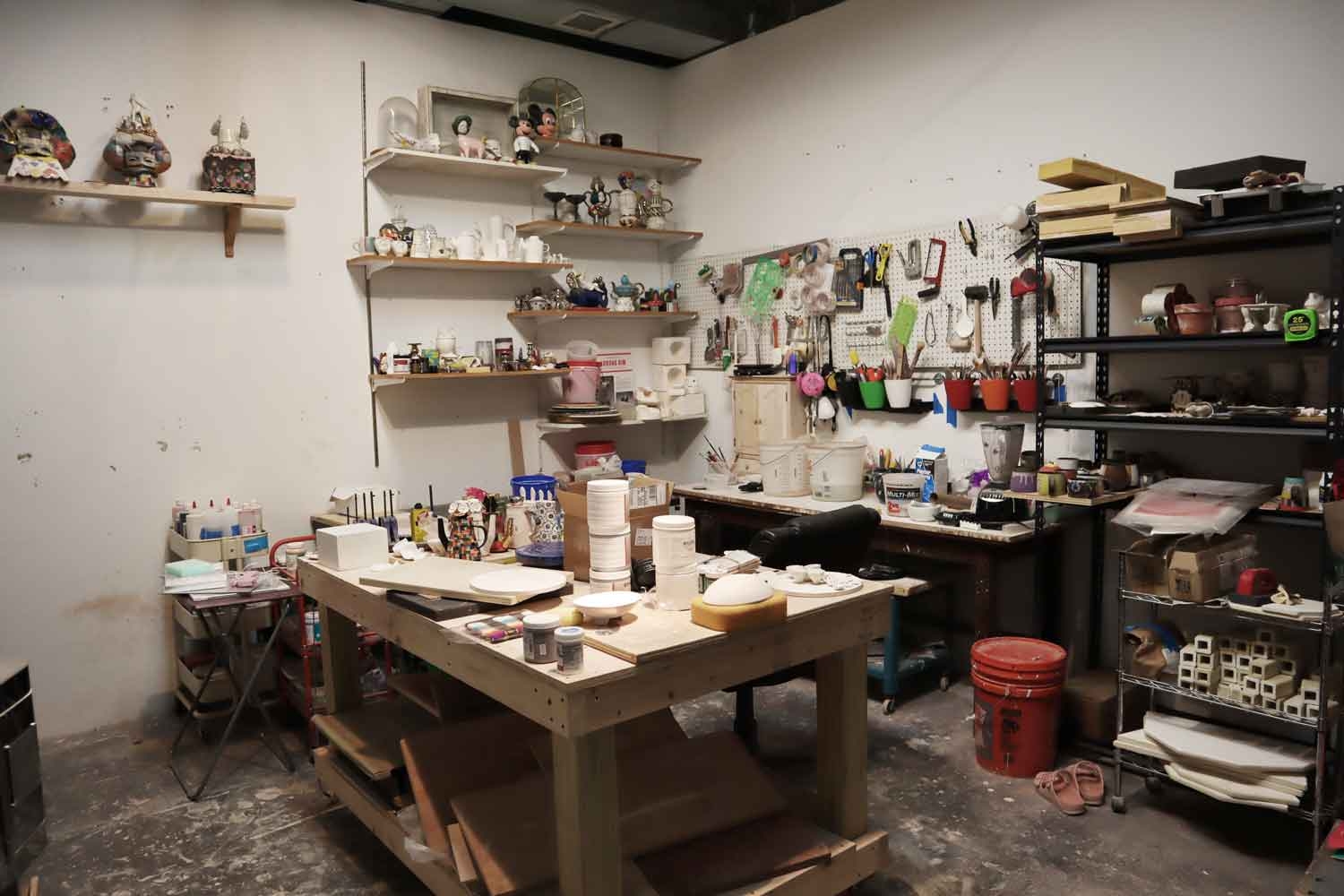
When I entered RISD, I was making life size figures to show off the skills and techniques I had learned in Korea. I made huge pieces with really thin walls. But when I discovered the work of visiting artists who inspired me, I started thinking differently. From that point forward, I decided to scale down and focus on the details.
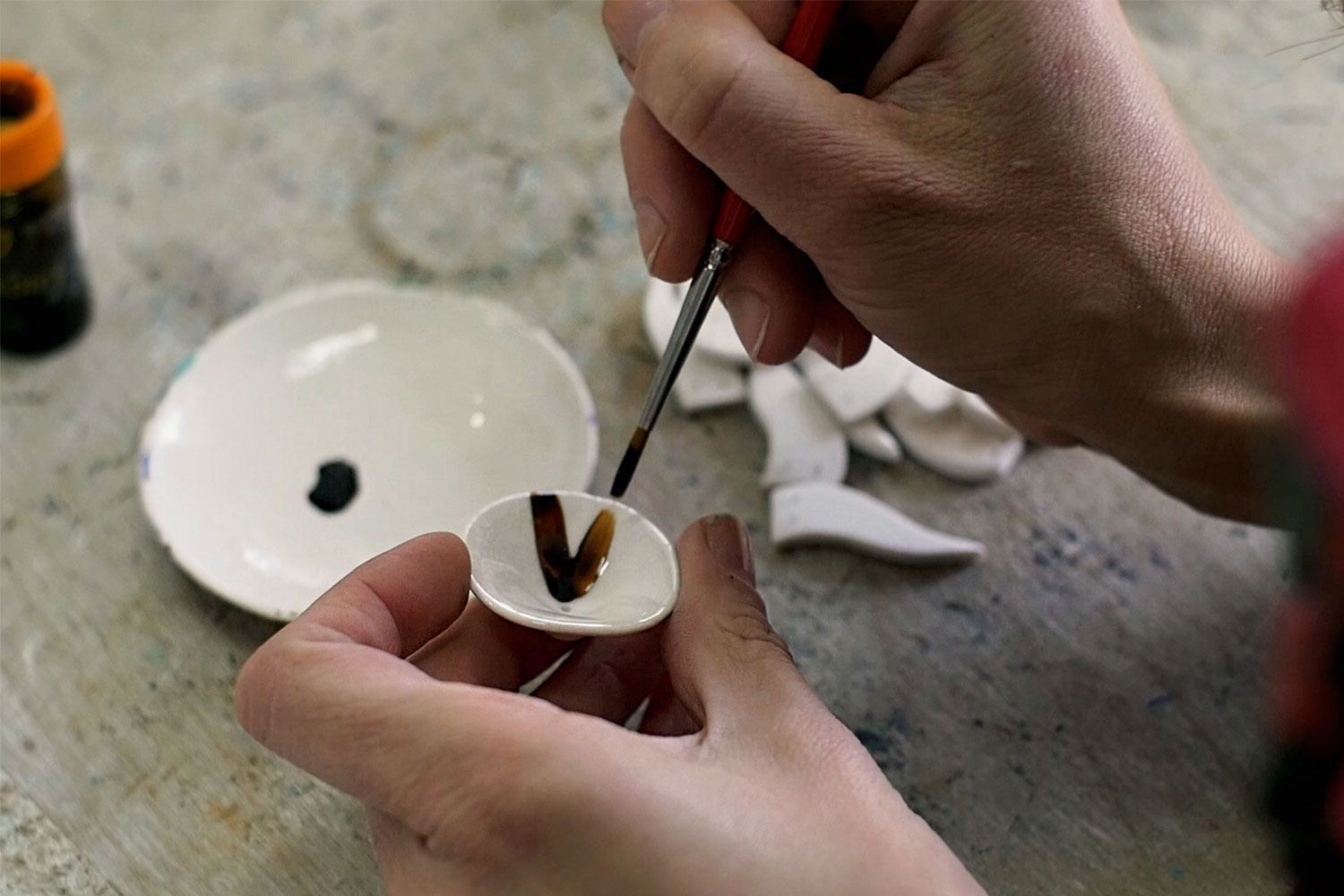
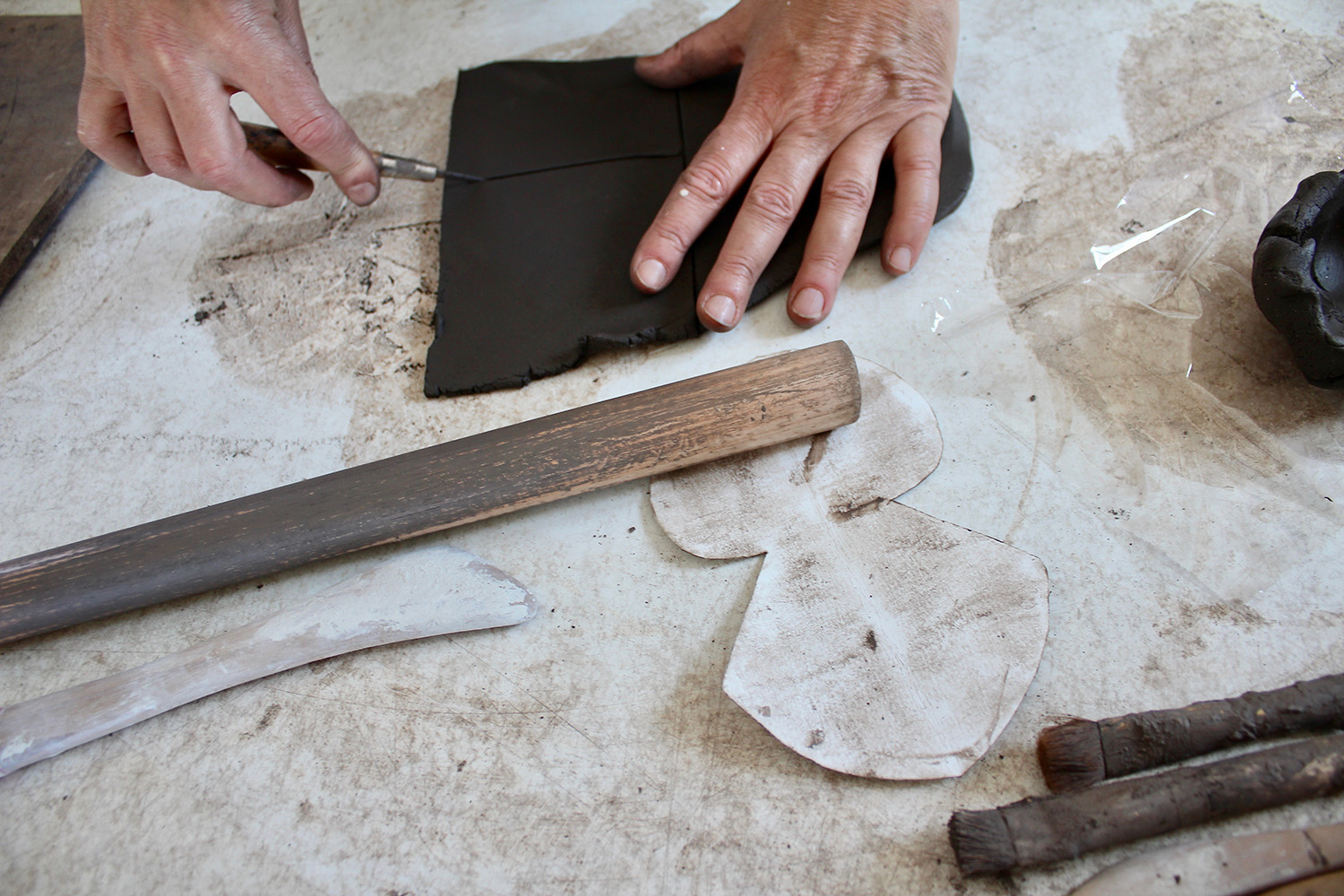
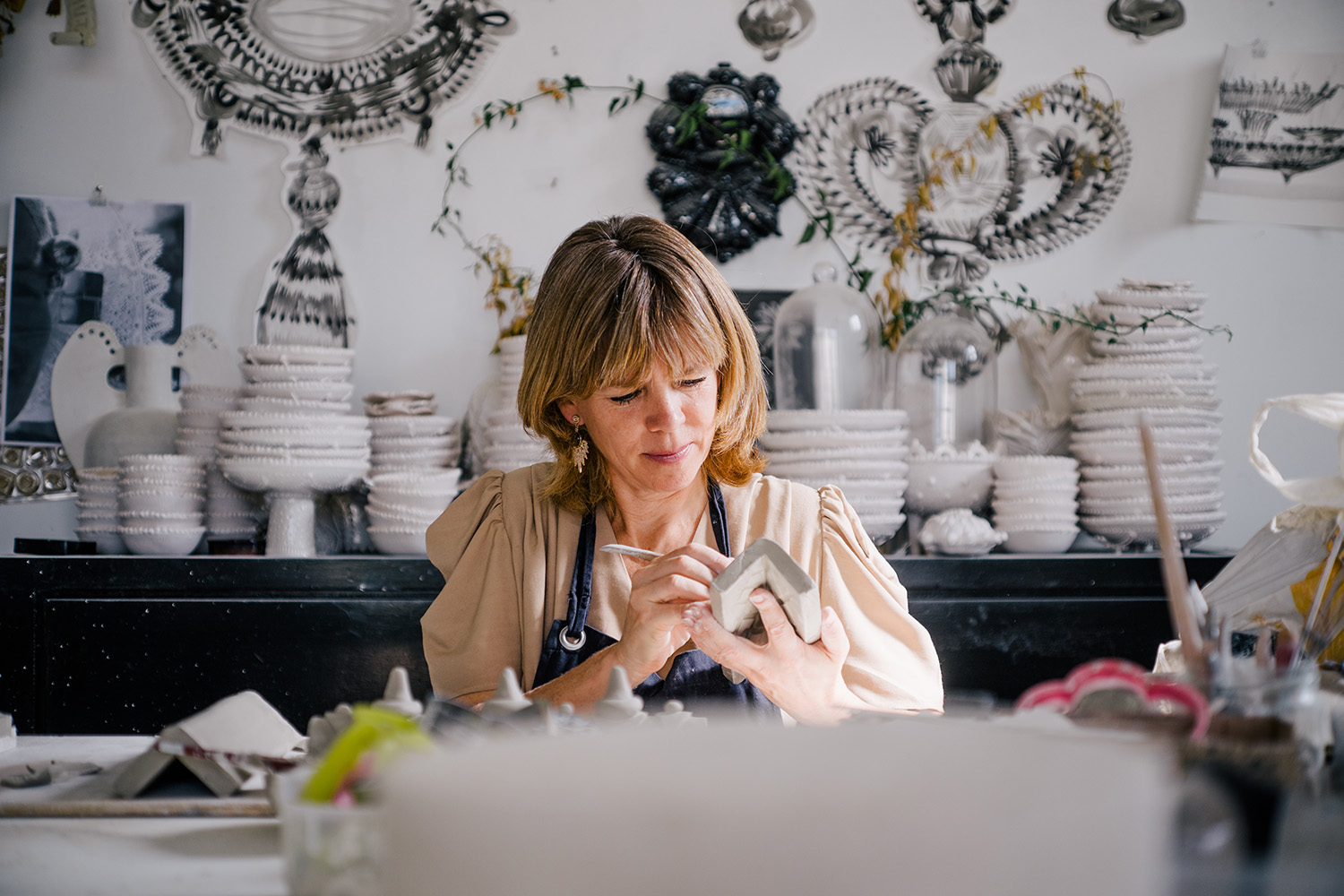
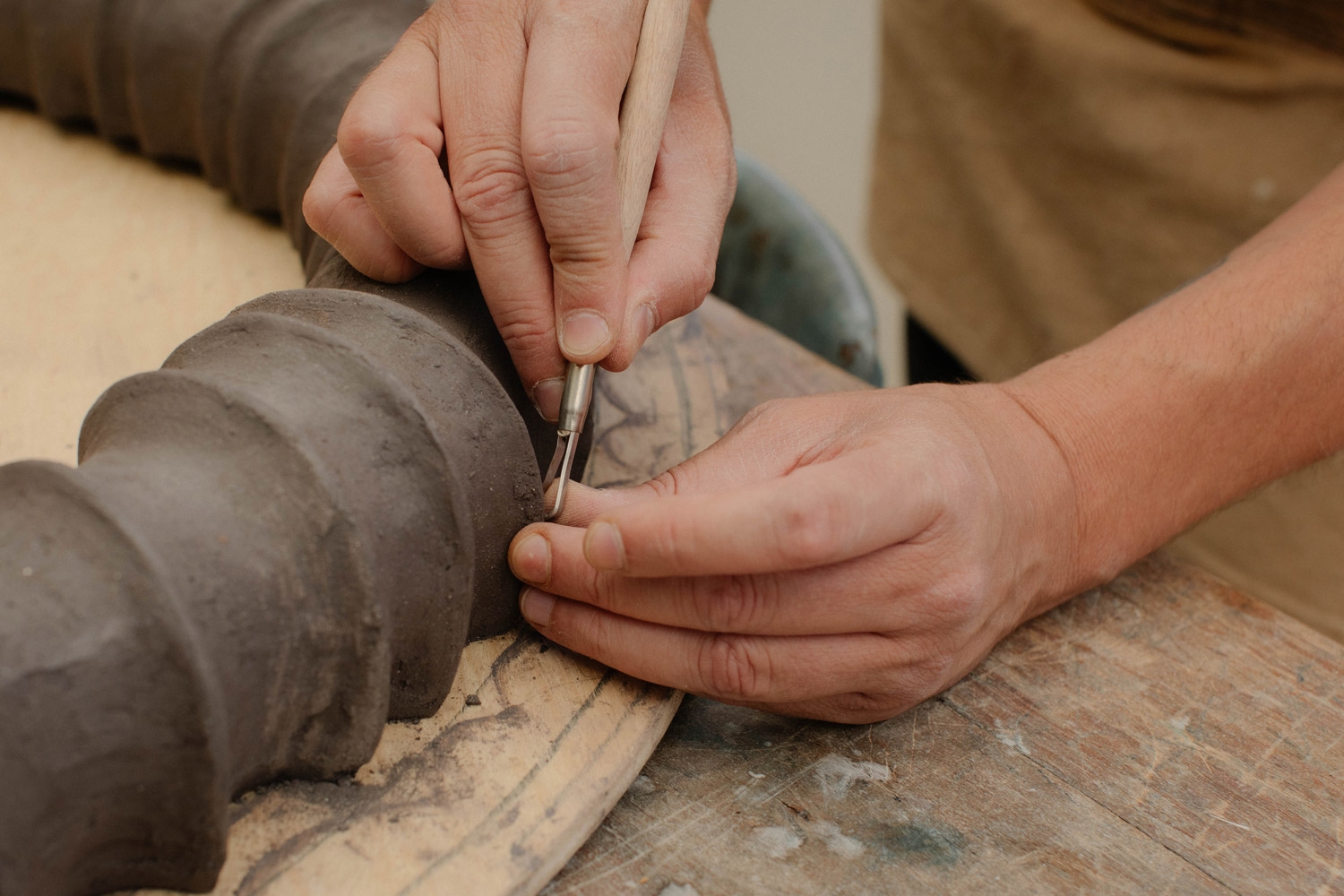
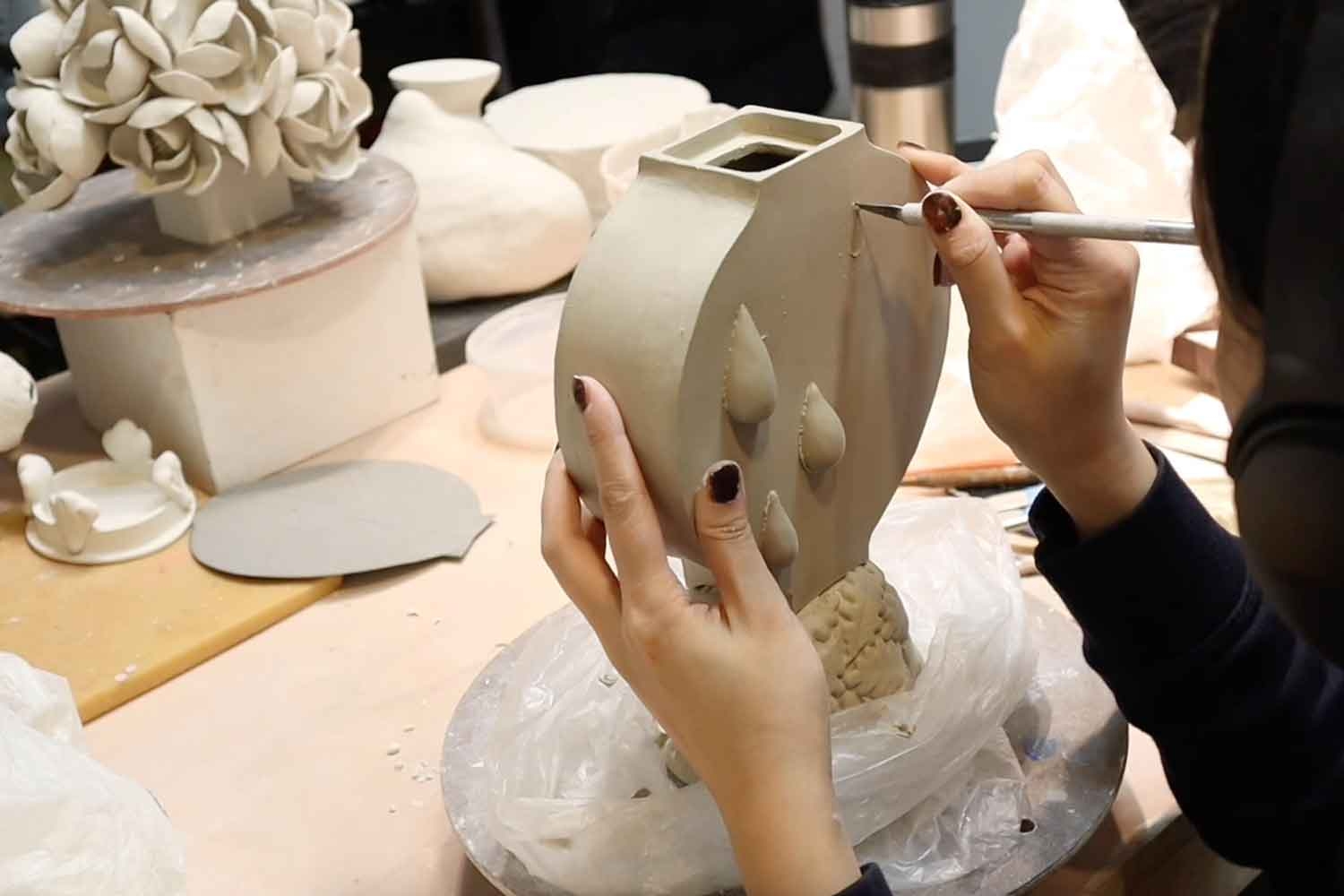
Strong emotions are the starting point, then I do some basic drawings and think about the colours and elements I want to include. I only ever work on one piece at a time. The clay work takes about 20-25 hours. After the bisque firing, I paint with underglazes and glazes, which adds another 25-30 hours. Finally, I fire the piece at least four times.
In Korea, a lot of emphasis is on technique, whereas in the USA, I found there to be greater concern for the conceptual side of things. In the USA, I saw students exploring their ideas and expressing themselves without thinking about technique. That really shocked me at first.
When I teach figure sculpting to university-level students, I try to underscore the importance of both technique and the concepts driving their work. I ask my students a lot of questions about the ideas they are exploring, but I also value the craftsmanship.
Ahrong Kim
Ceramicist
Marlboro, NJ, USA
ADDRESS
Address upon request, Marlboro, NJ, USA
AVAILABILITY
By appointment only
LANGUAGES
English, Korean
Homo Faber Finds is a new service aiming to inspire admirers of craft to connect and collaborate with exceptional artisans.
We invite you to submit an enquiry here.