©All rights reserved
©All rights reserved
©All rights reserved
©All rights reserved
©All rights reserved
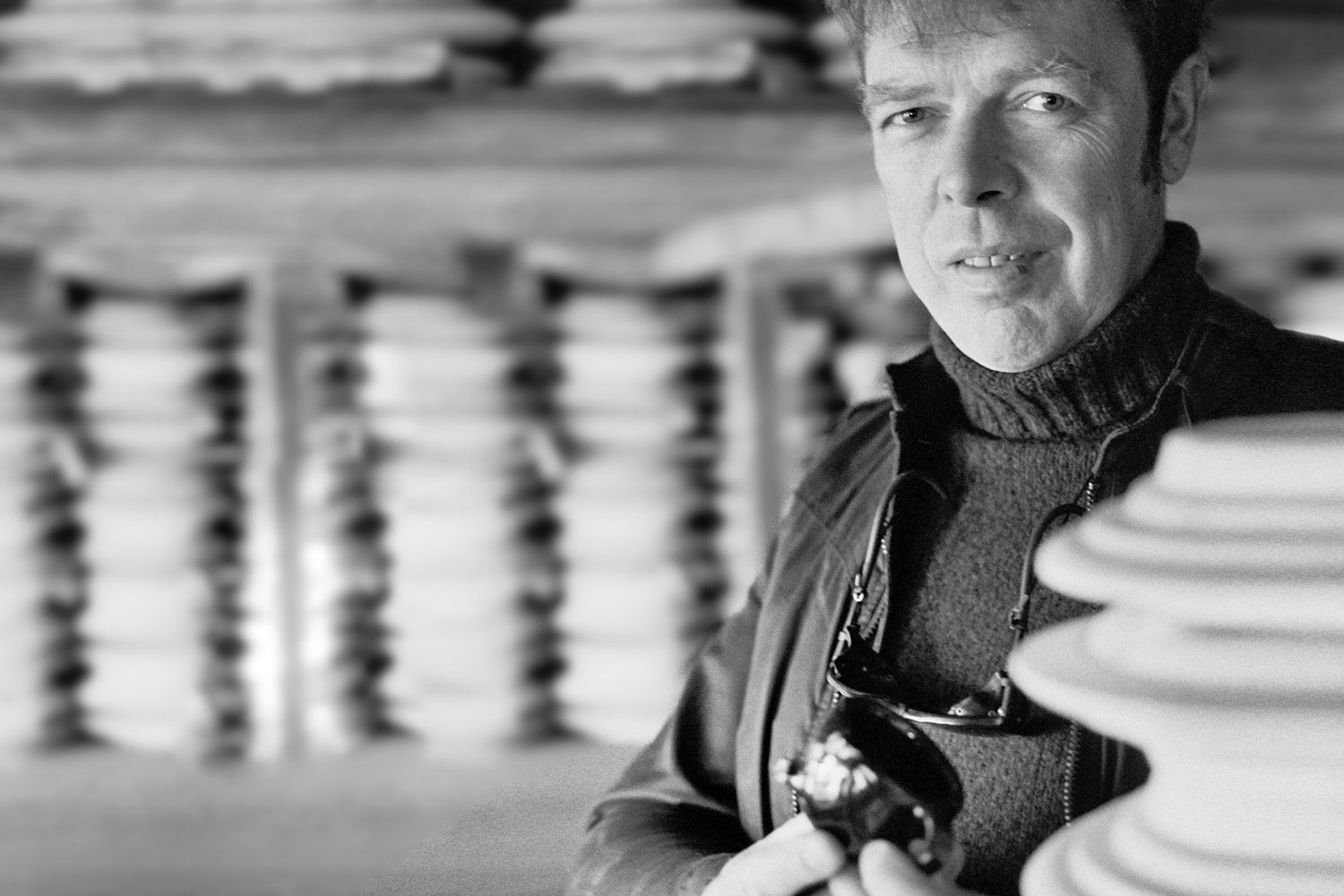
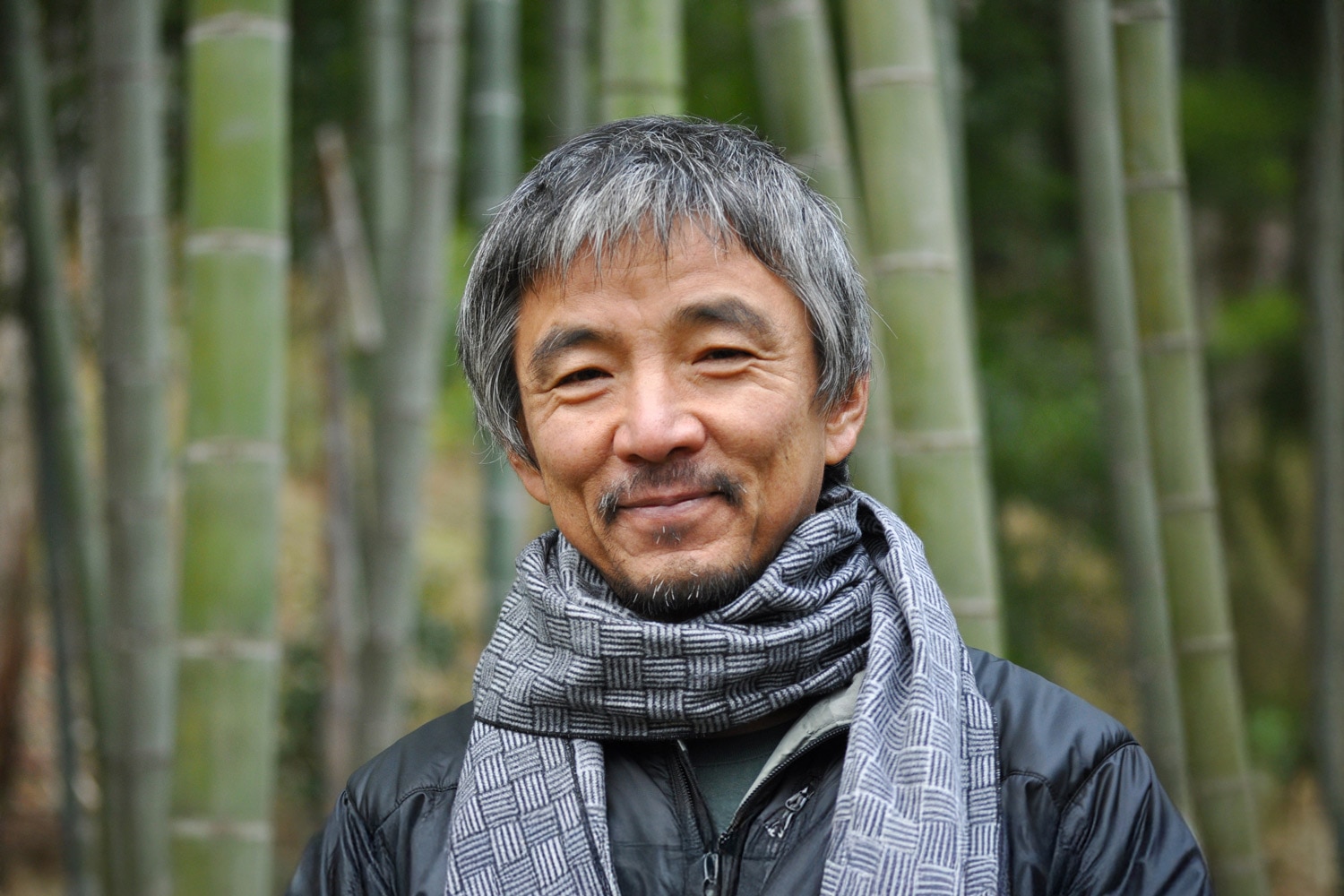
Jin Morigami
Bamboo artist
Beppu city, Japan
©All rights reserved
©All rights reserved
©All rights reserved
©All rights reserved
©All rights reserved
©All rights reserved
©All rights reserved
©All rights reserved
©All rights reserved
©All rights reserved
A bamboo legacy, woven and warped
- A 3rd-generation bamboo artist, Jin followed in the footsteps of his parents and grandparents
- His works are held in public and private museum collections across the USA, Japan and France
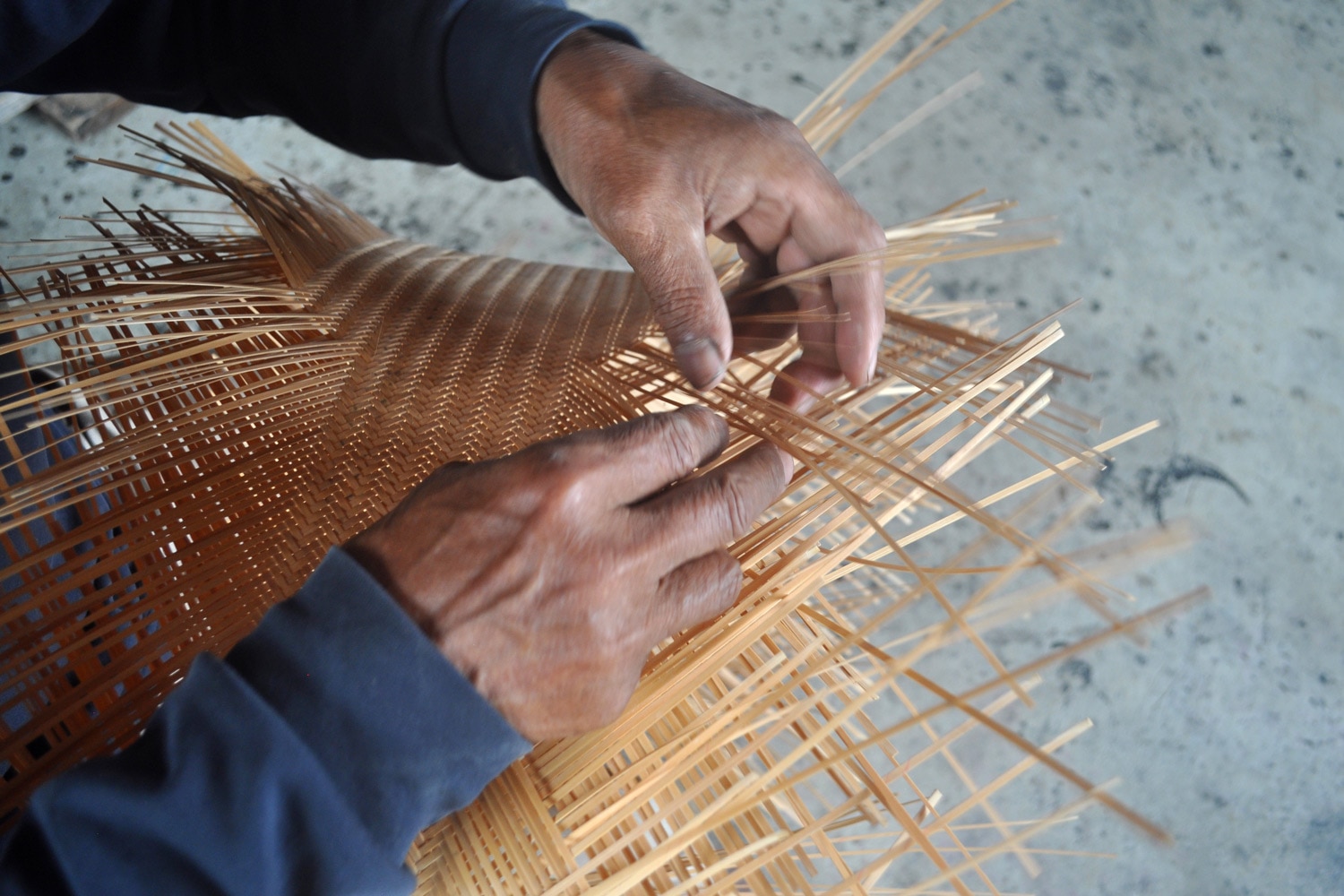
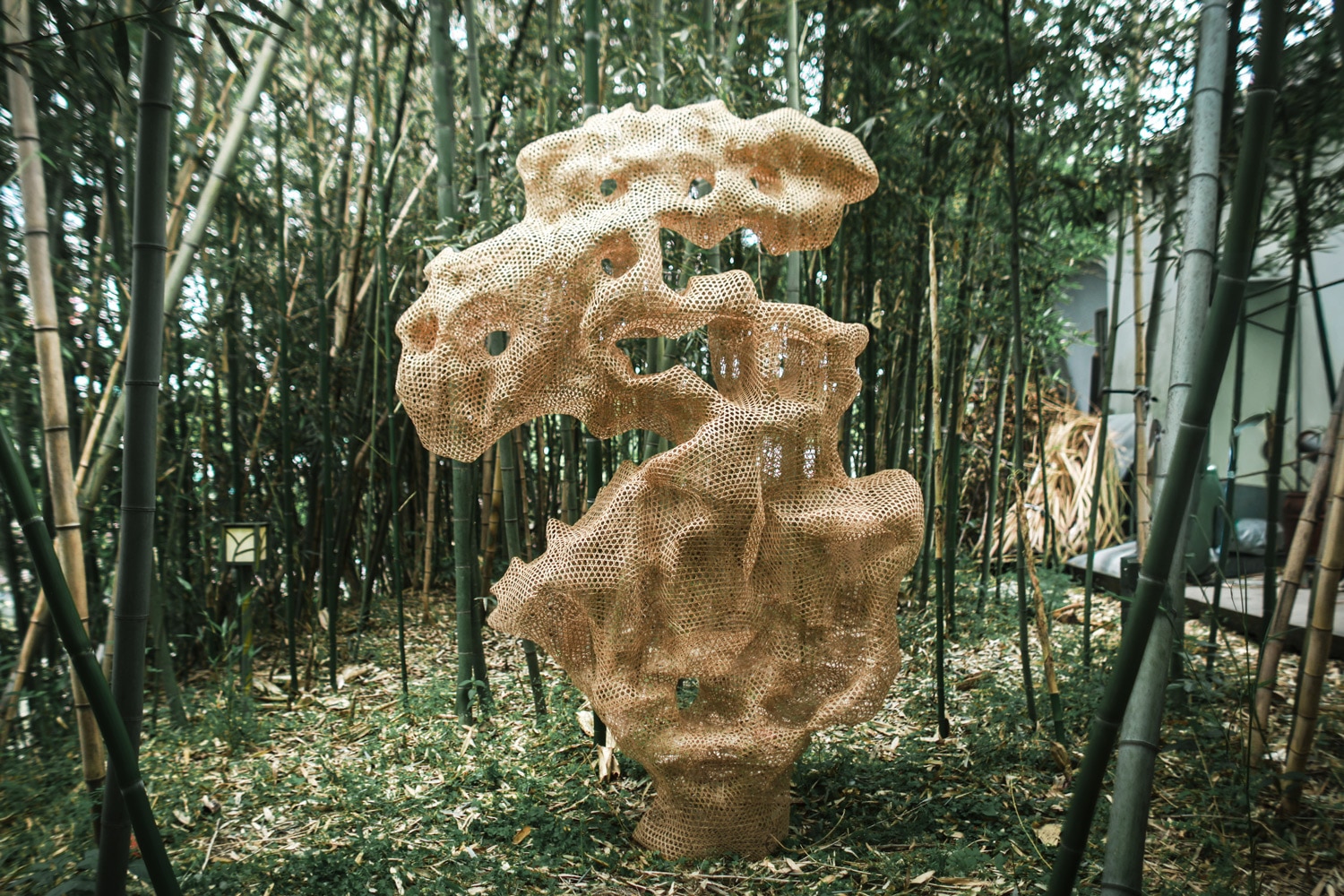
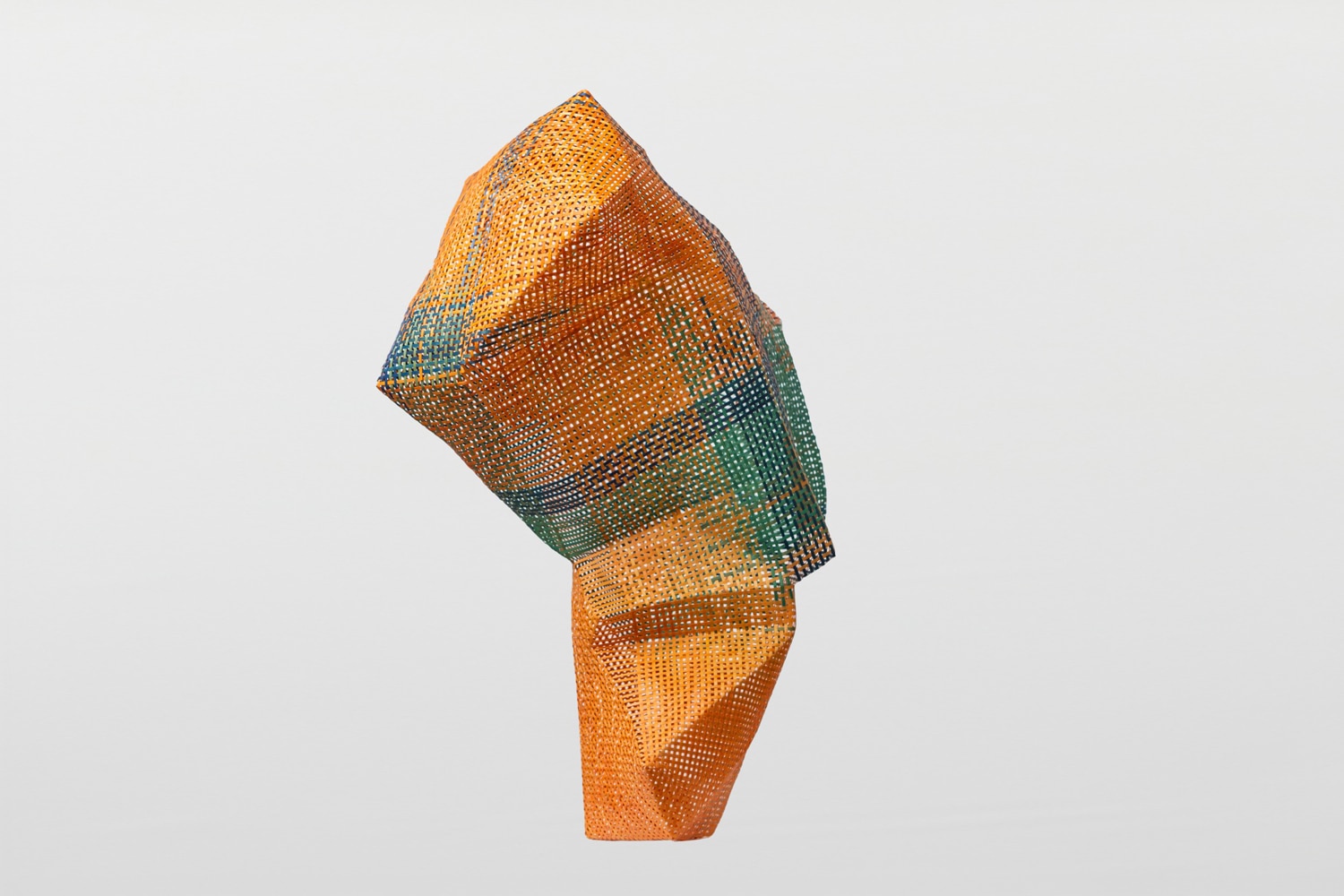
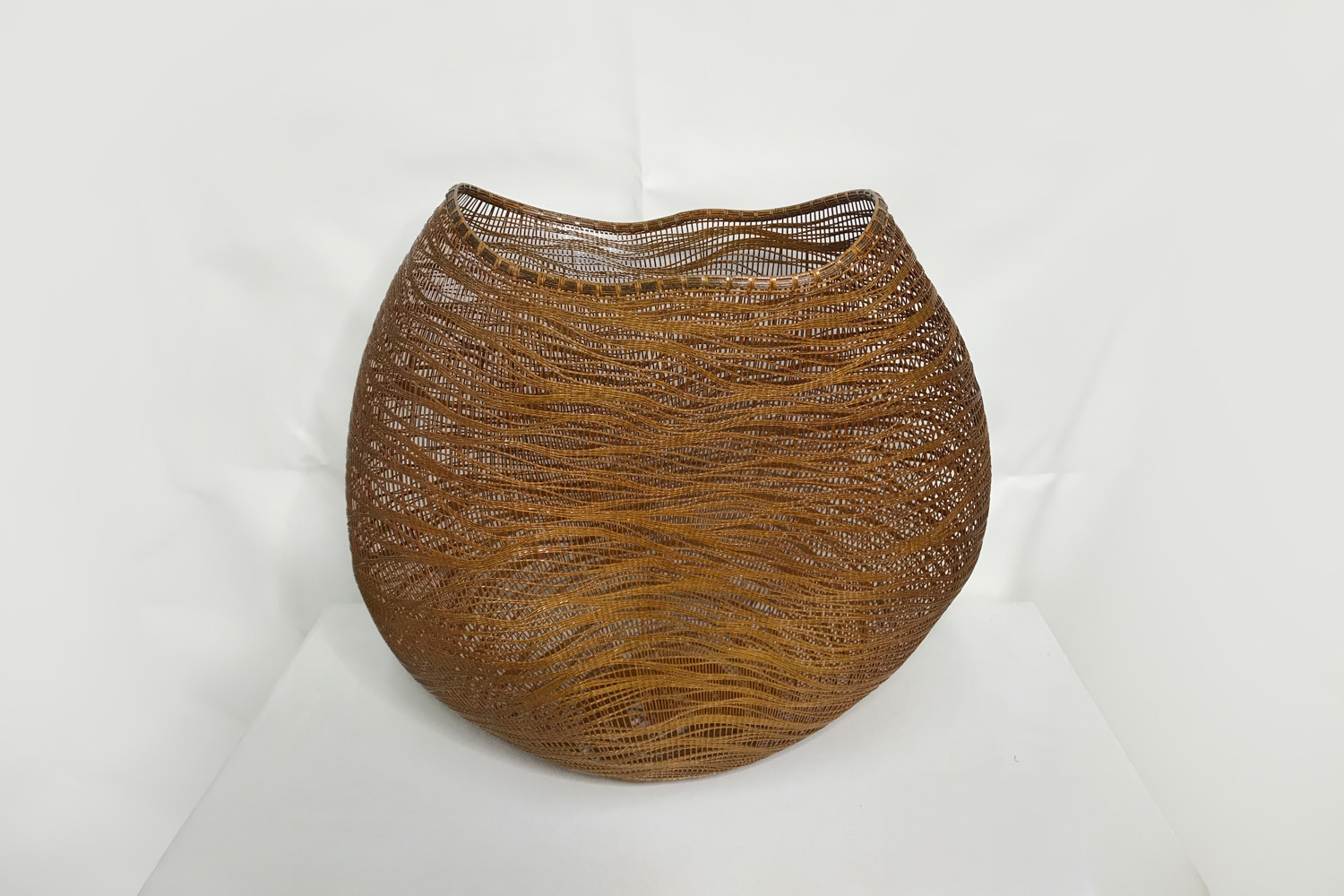
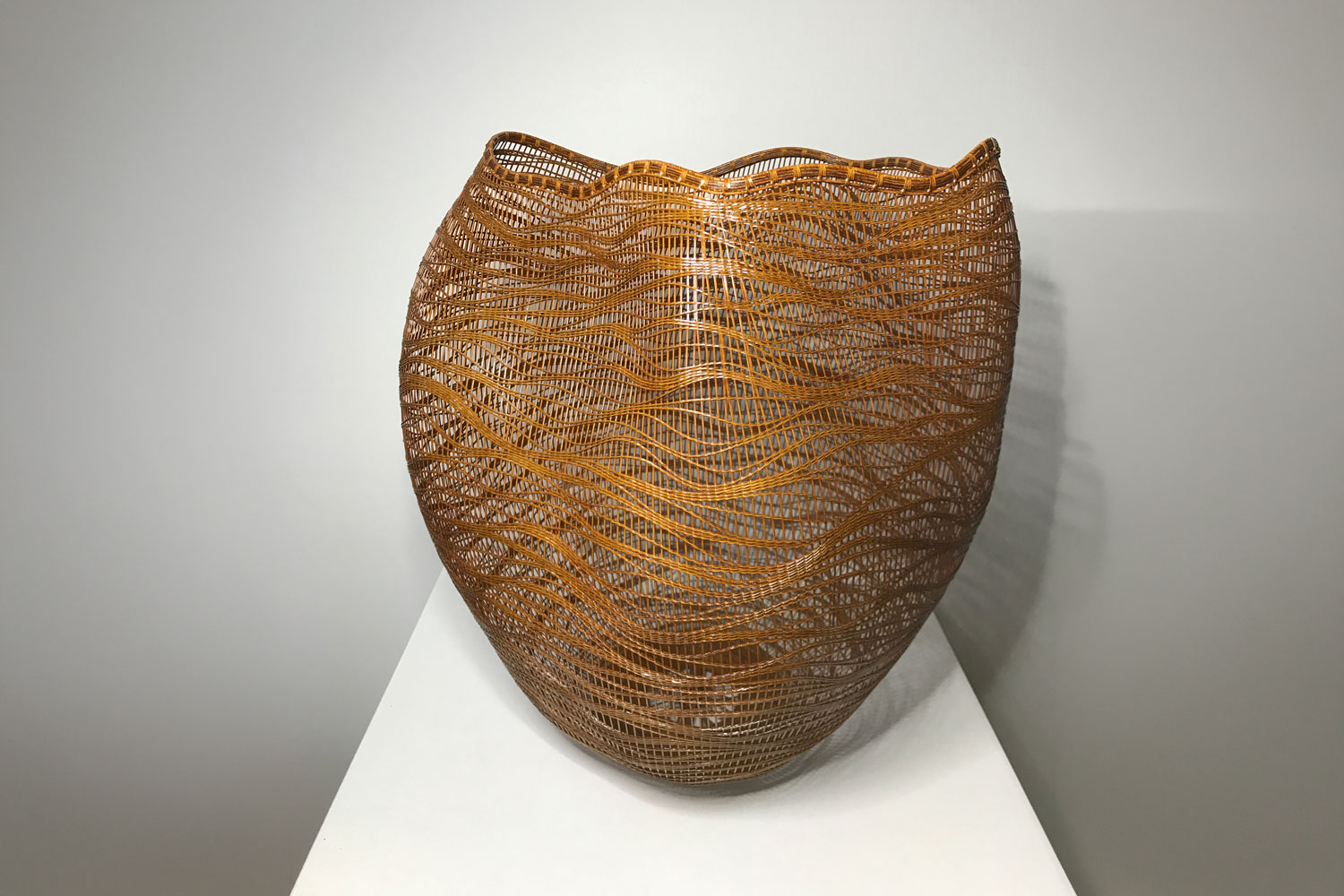
- He creates sculptural bamboo pieces that feature a traditional rope-stitch weave
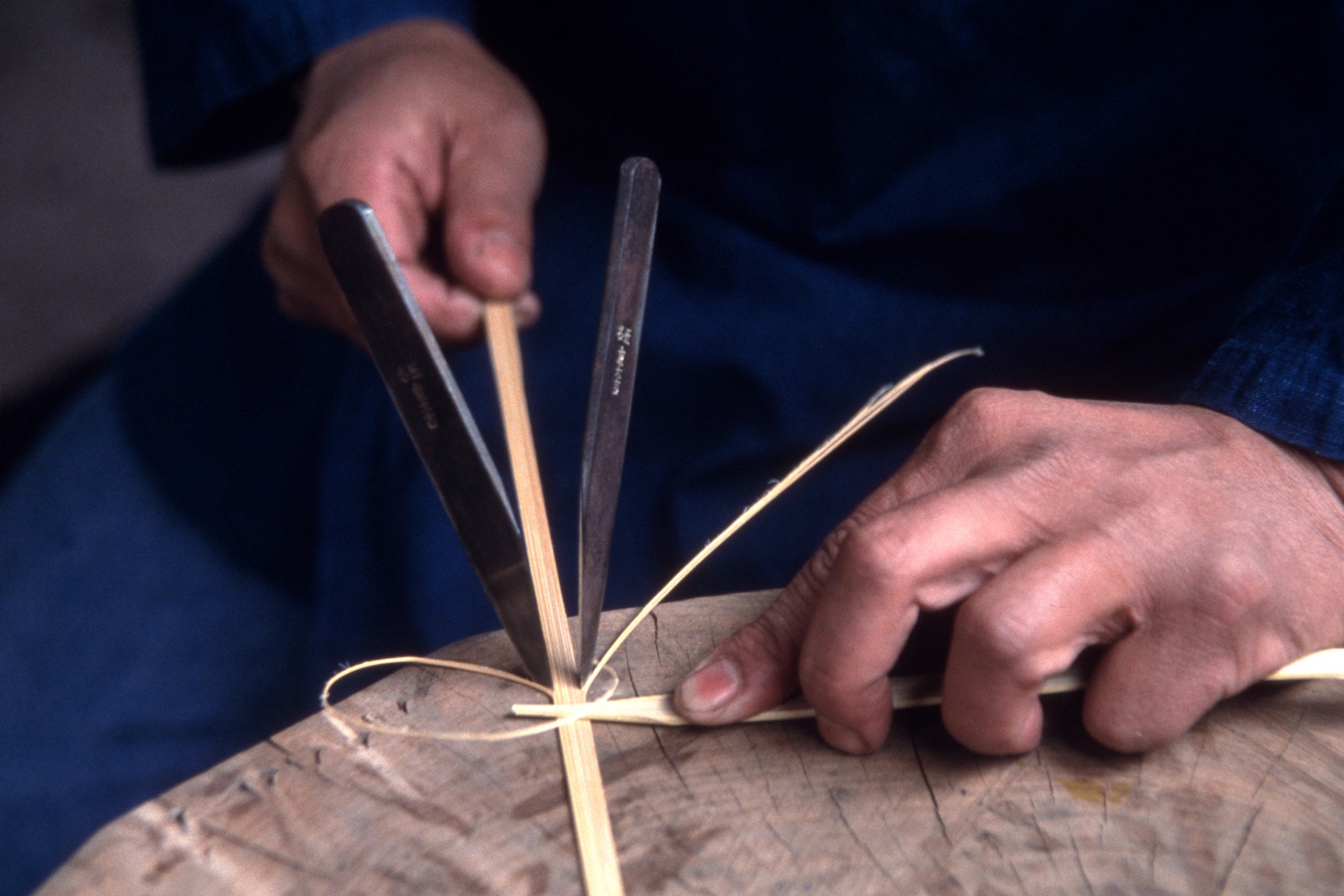
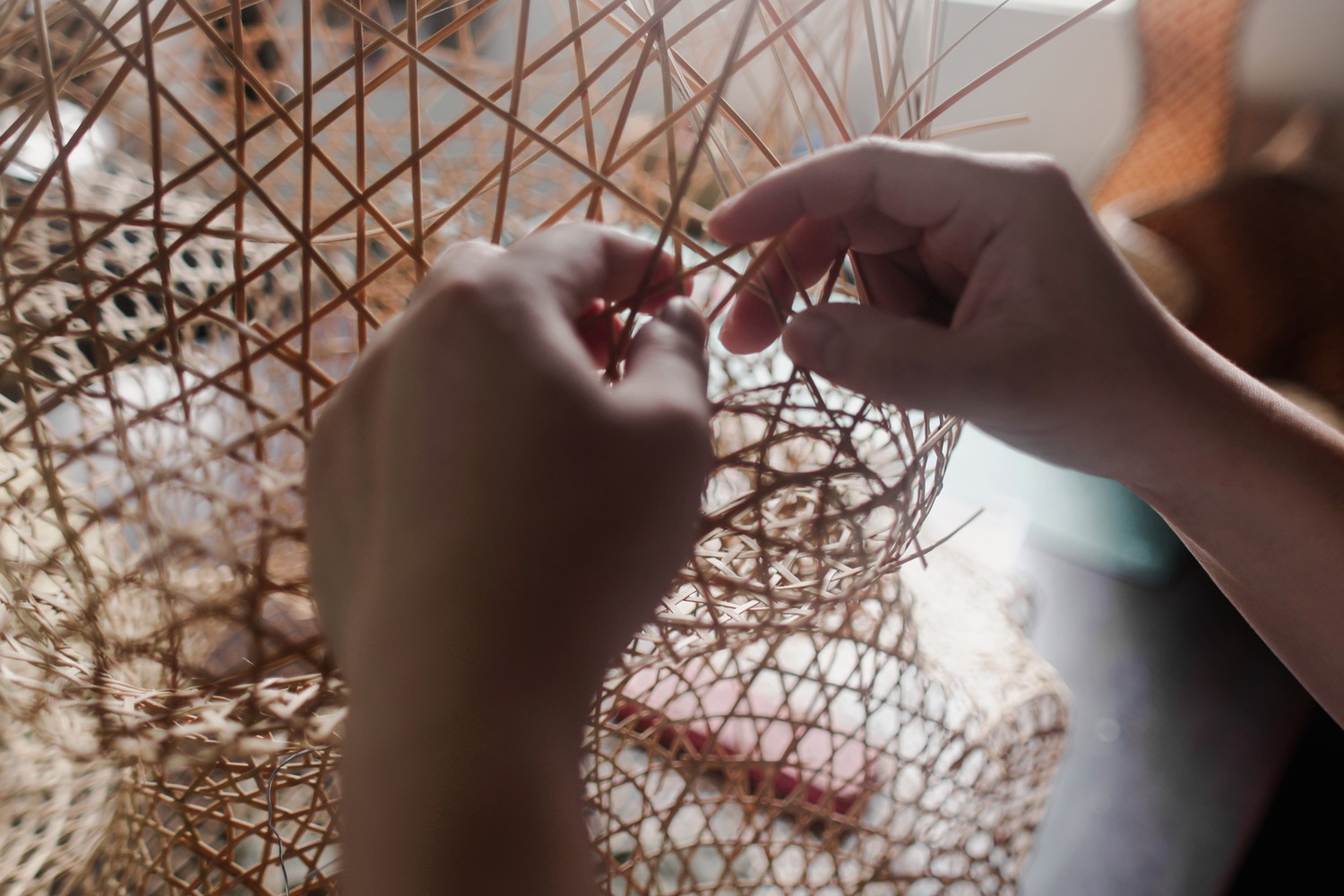
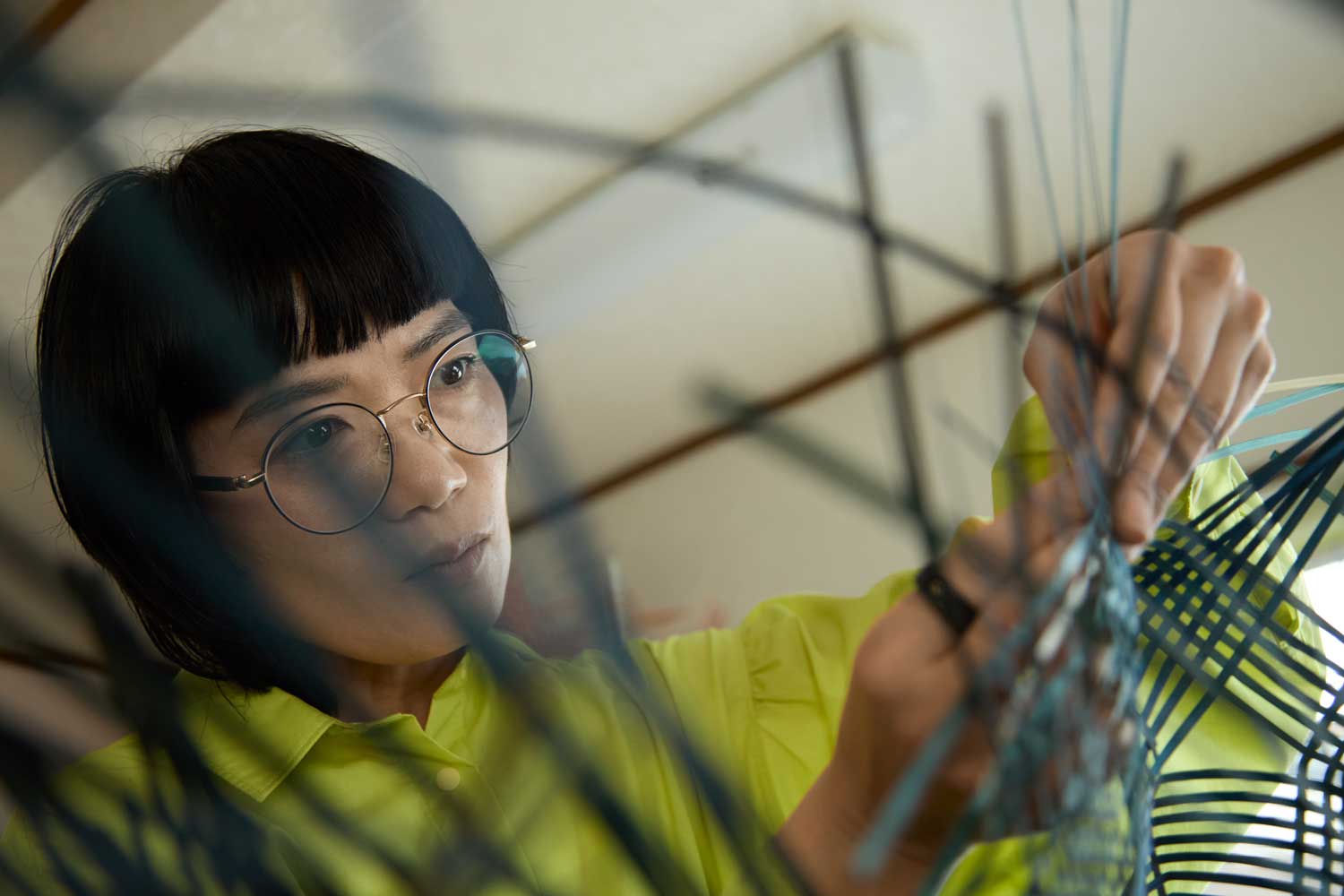
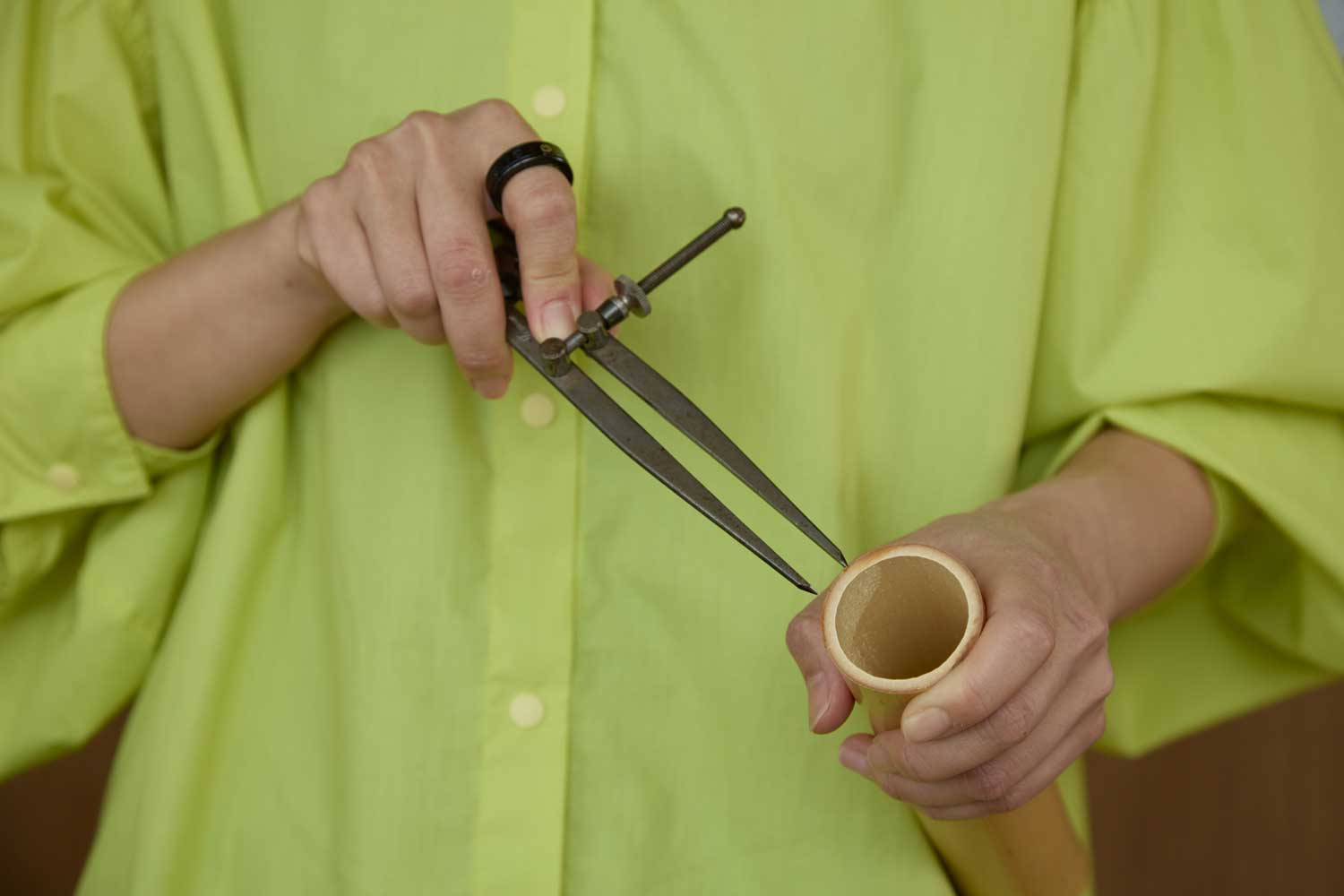
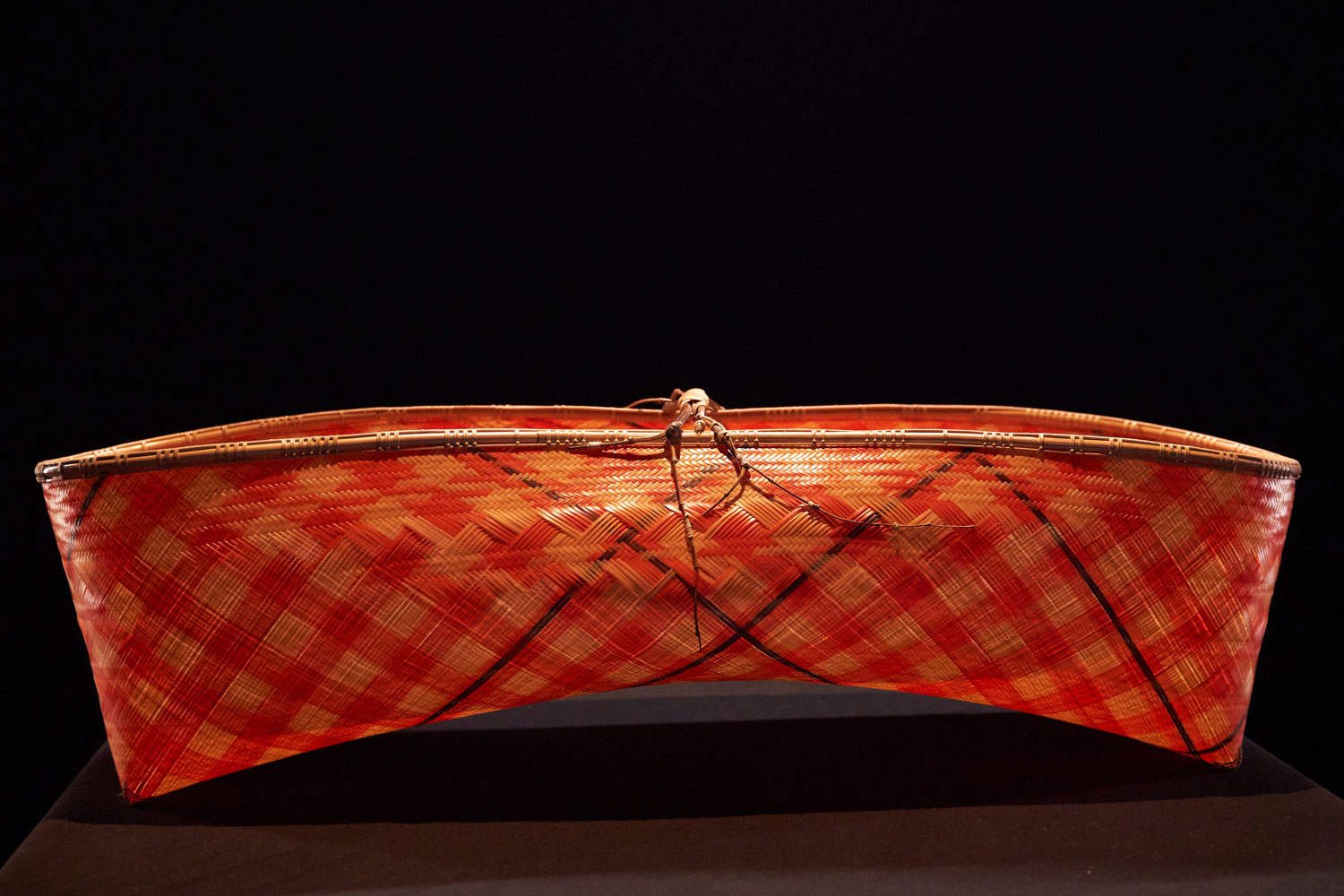
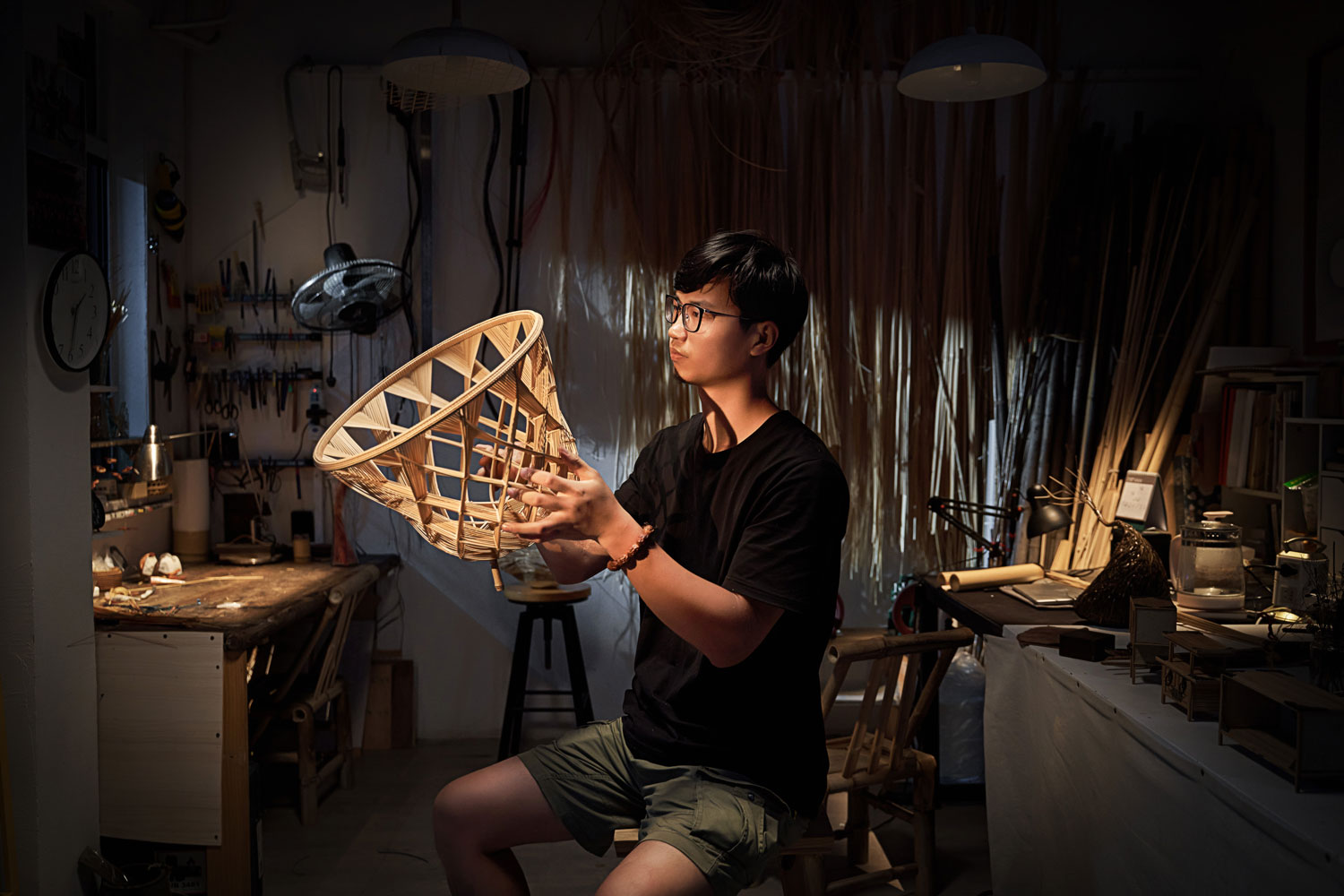
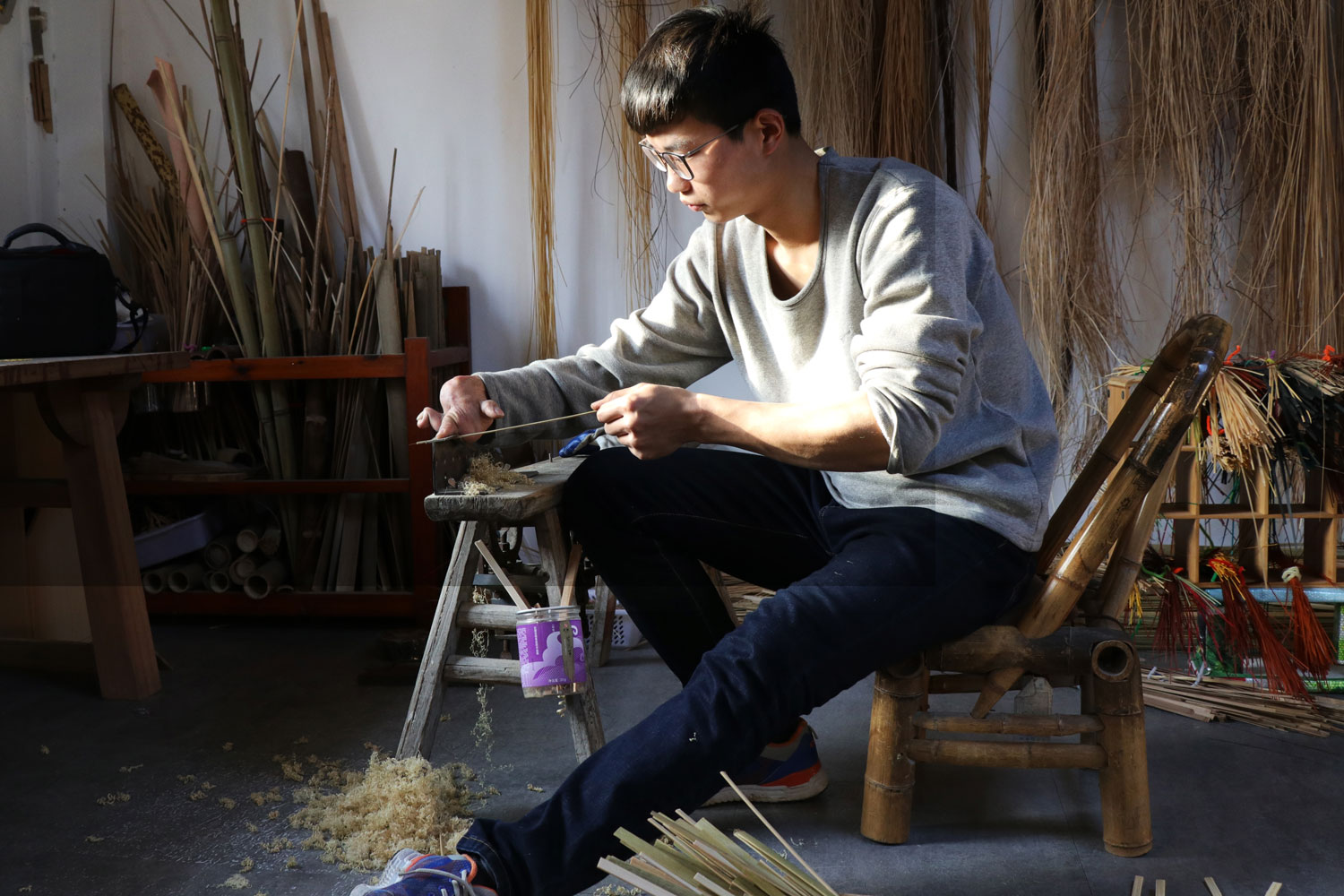
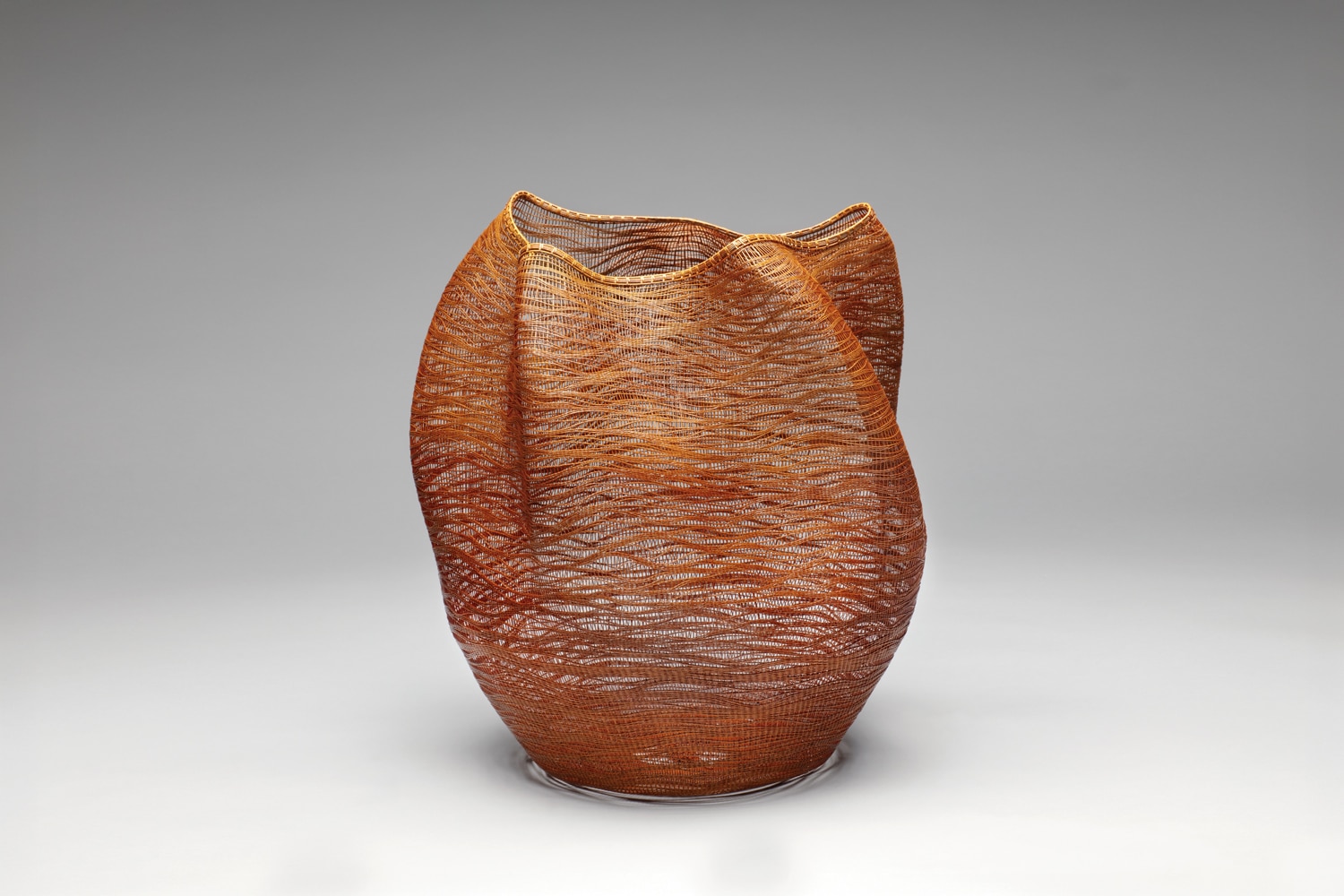
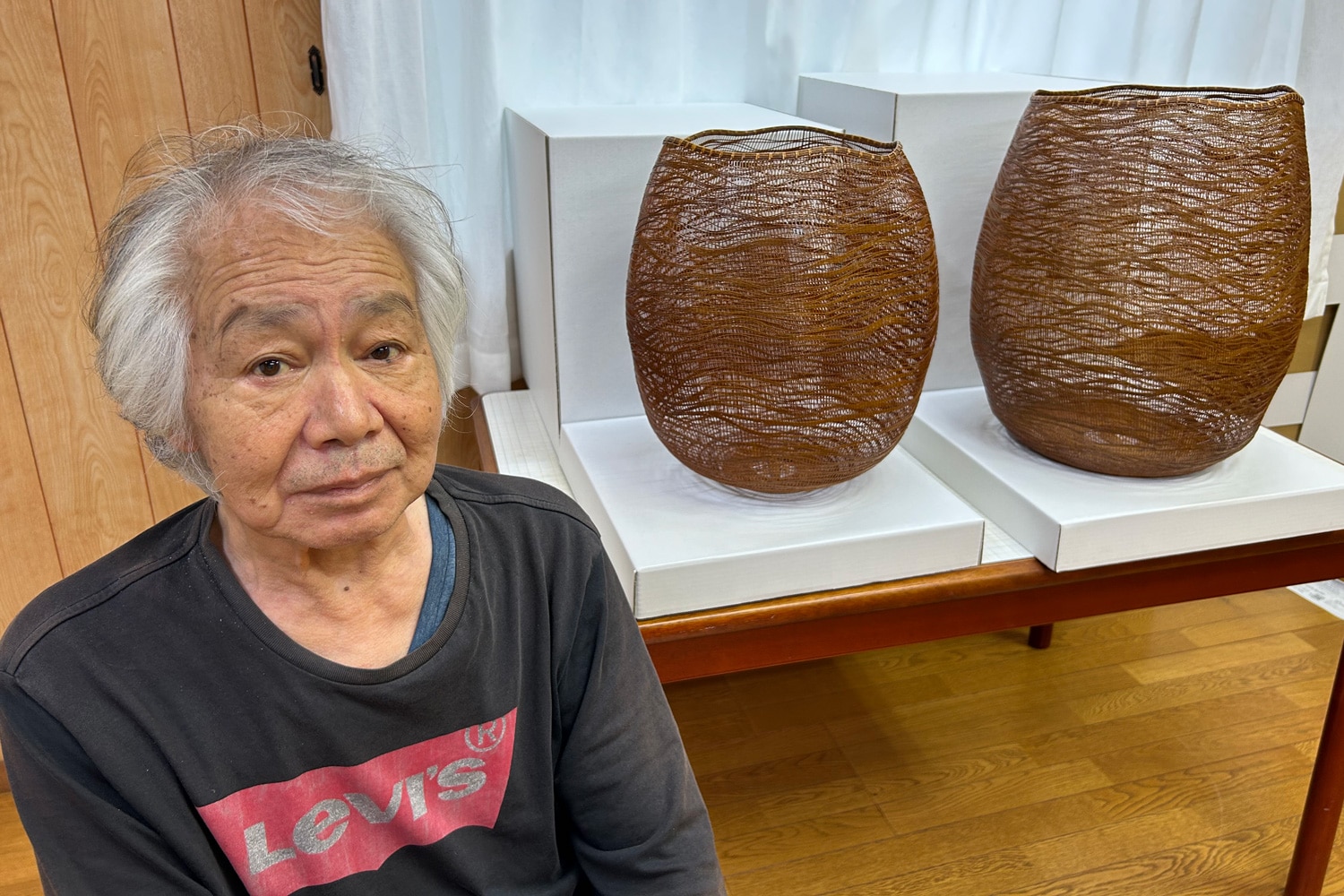
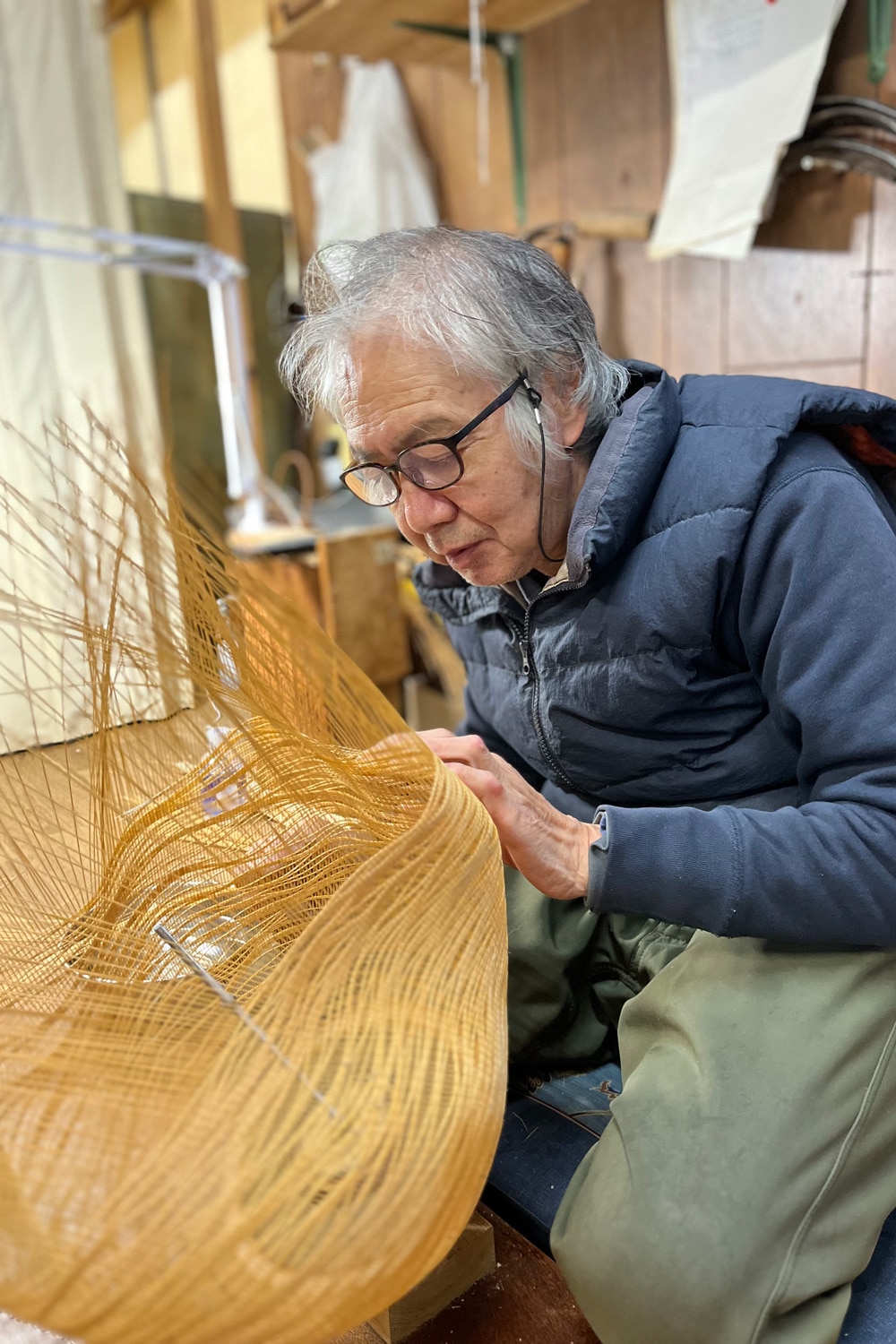
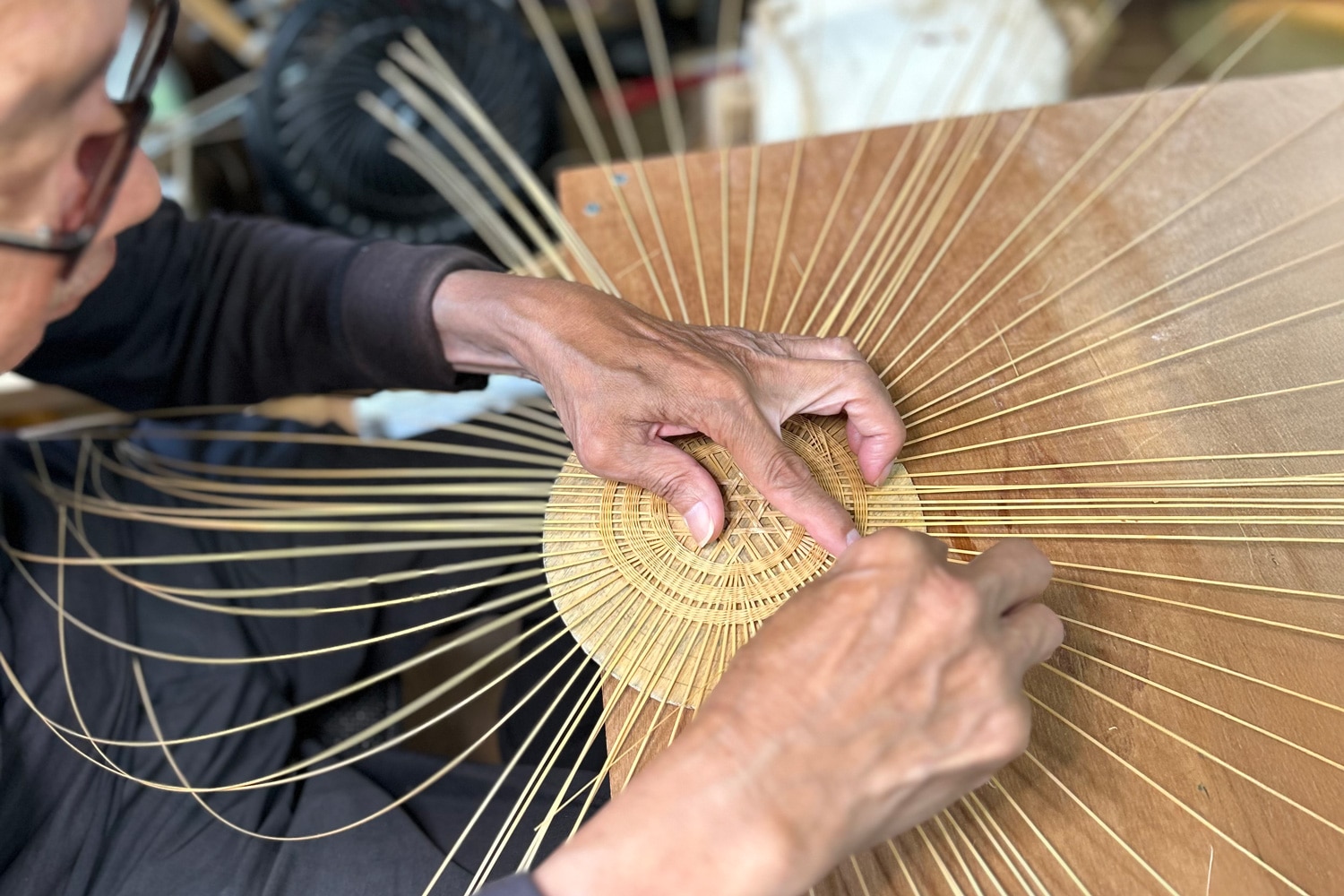
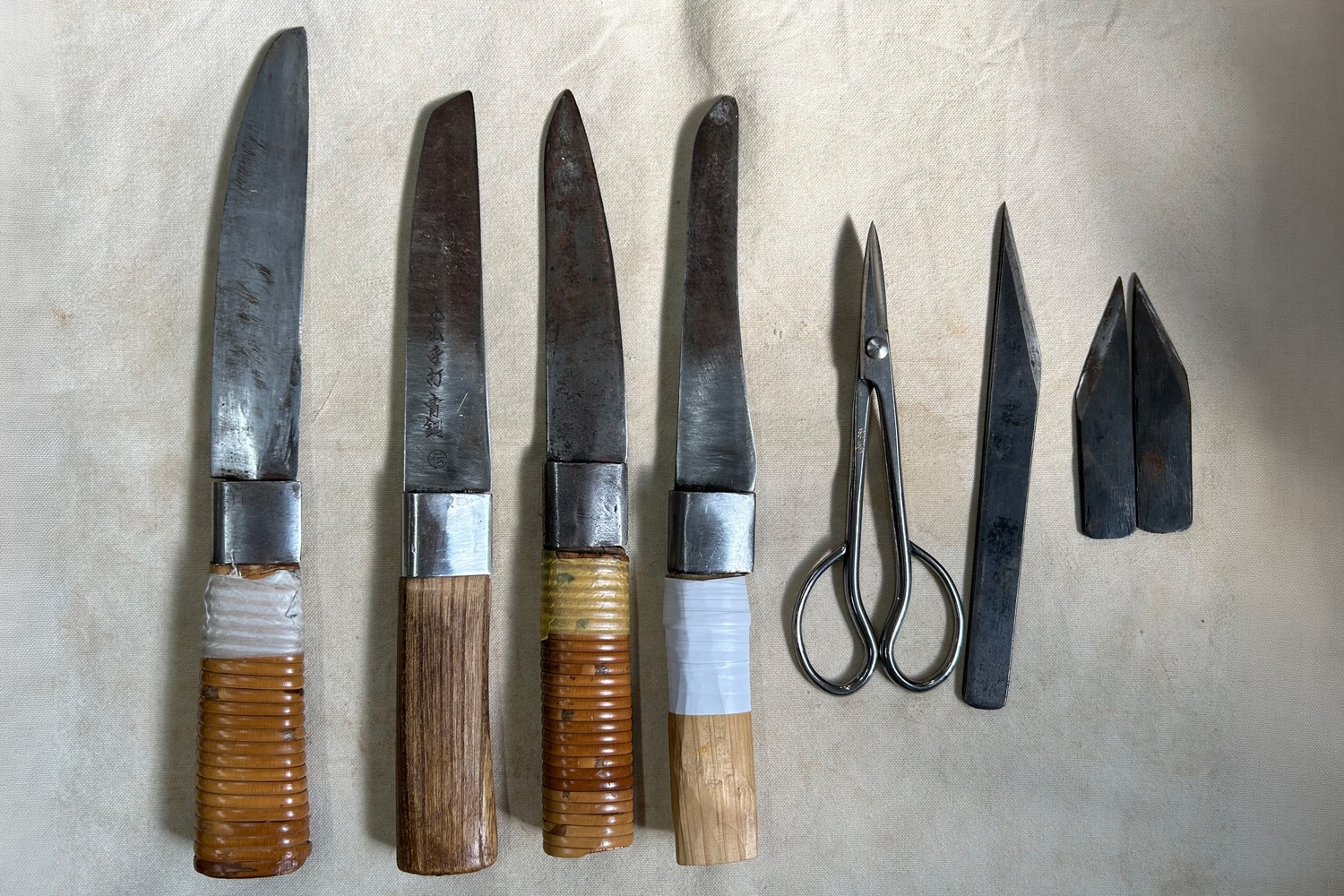
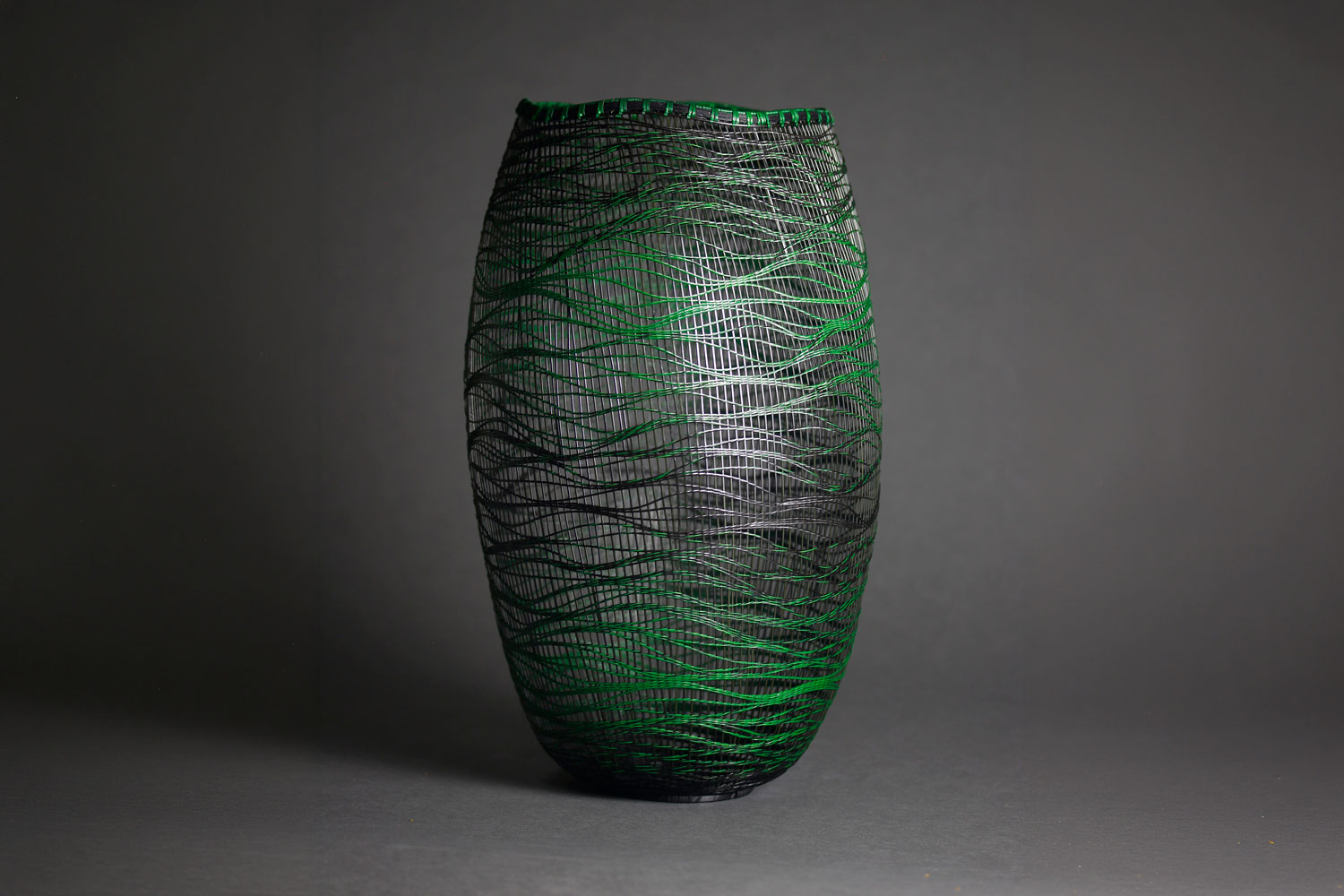
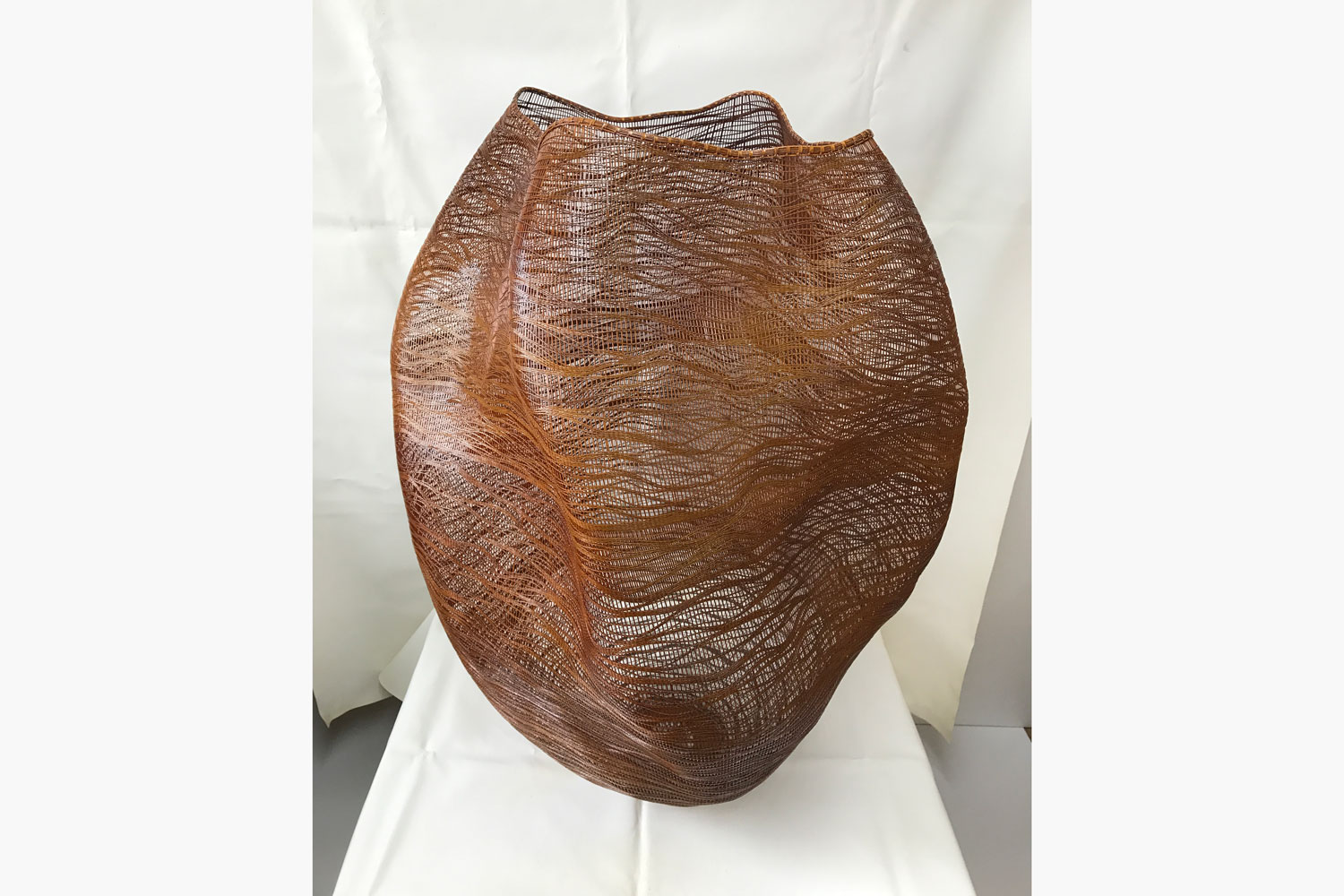
Jin Morigami was born in Beppu, the heart of Japanese bamboo basketry located in Oita Prefecture on Kyushu, Japan’s southern island. Raised in his family's bamboo workshop, he entered the Oita Prefectural Bamboo Crafts Training Center at age 19 to sharpen his craft and expand his knowledge. When Jin was an emerging artist, his work was accepted into the Nitten, the Japan Fine Arts Exhibition, bypassing the usual preliminary stages. Today, he is recognised for his mastery of nawame-ami, known as rope-stitch weaving, one of eight traditional weaving techniques officially designated for Beppu bamboo craft. Distinct from the flatter, grid-like look of other methods, the technique involves interlacing bamboo strips to resemble twisted rope or braided cord, creating a cohesive visual rhythm. "Through rope-stitch weaving, I have the ability to work free-form, which gives my pieces their distinct quality," he says.
Jin Morigami is a master artisan: he began his career in 1974 and he started teaching in 1999.
INTERVIEW
I was born into a family of bamboo artisans, but I learned the craft at the Industrial Arts Institute. While growing up around the craft inspired me to start, I forged my own path entirely independent of their influence.
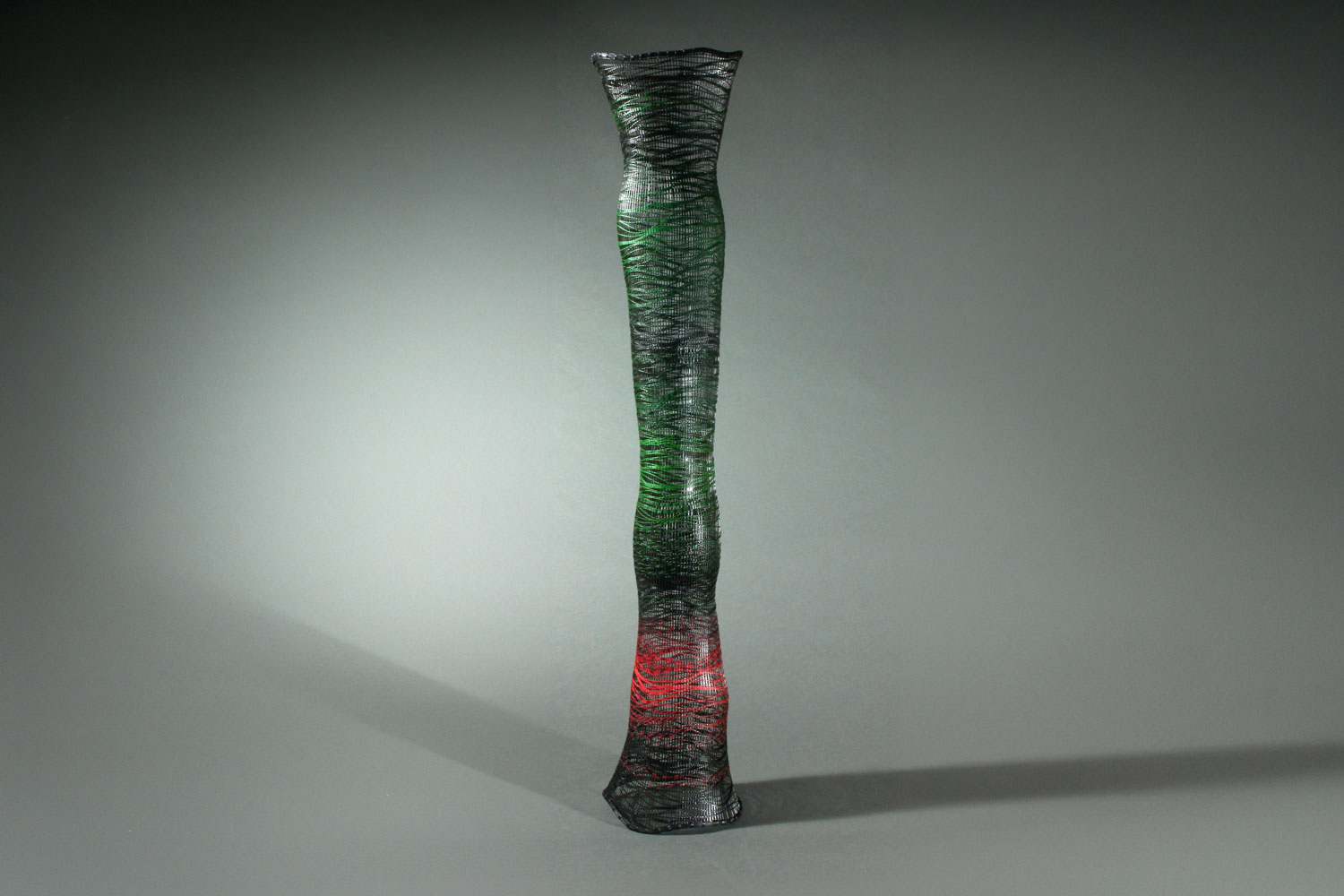
Rope-stitch weaving allows for free-form shaping. As very few artisans weave with this technique, every piece I create is truly one-of-a-kind work. No two finished pieces are ever alike.
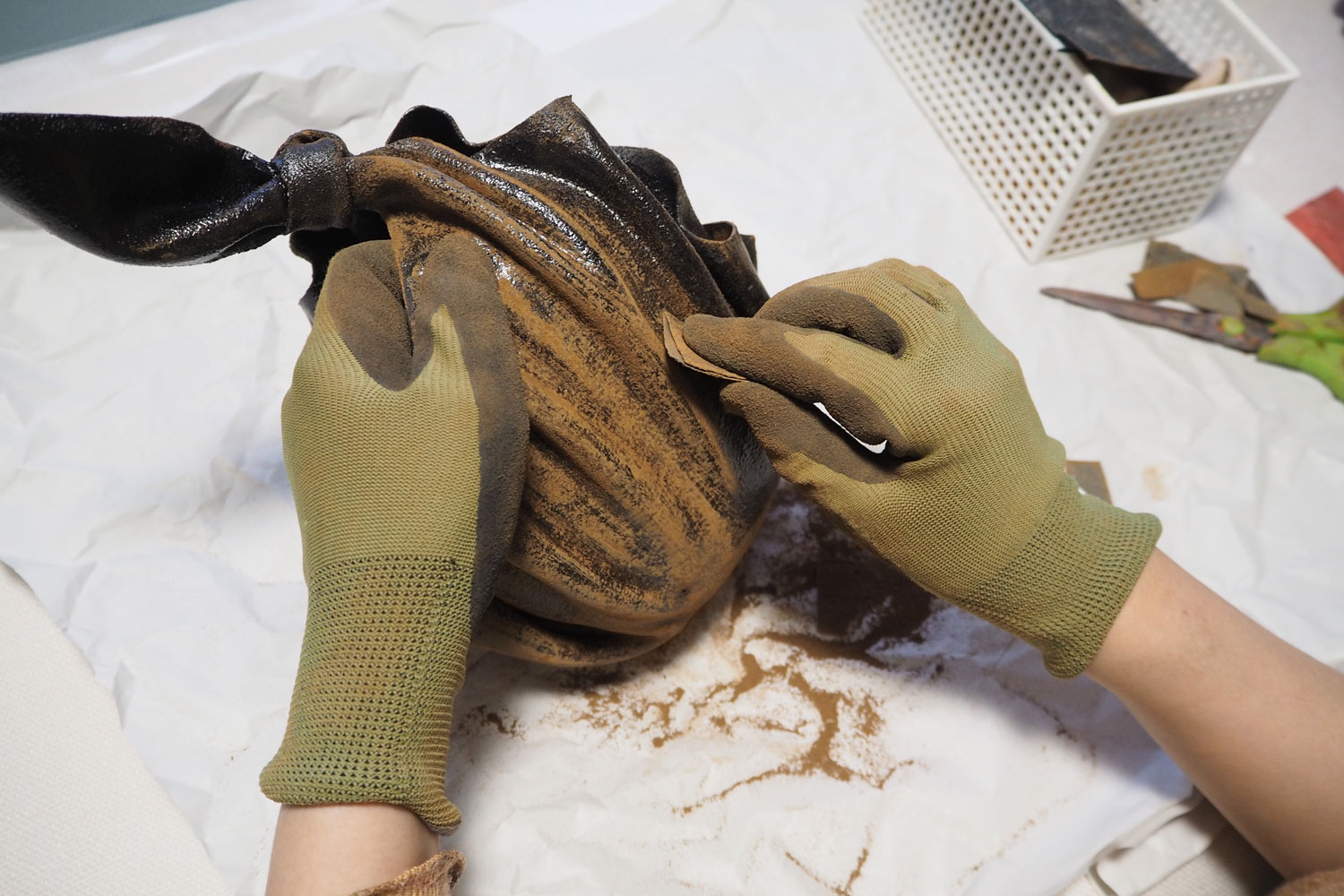
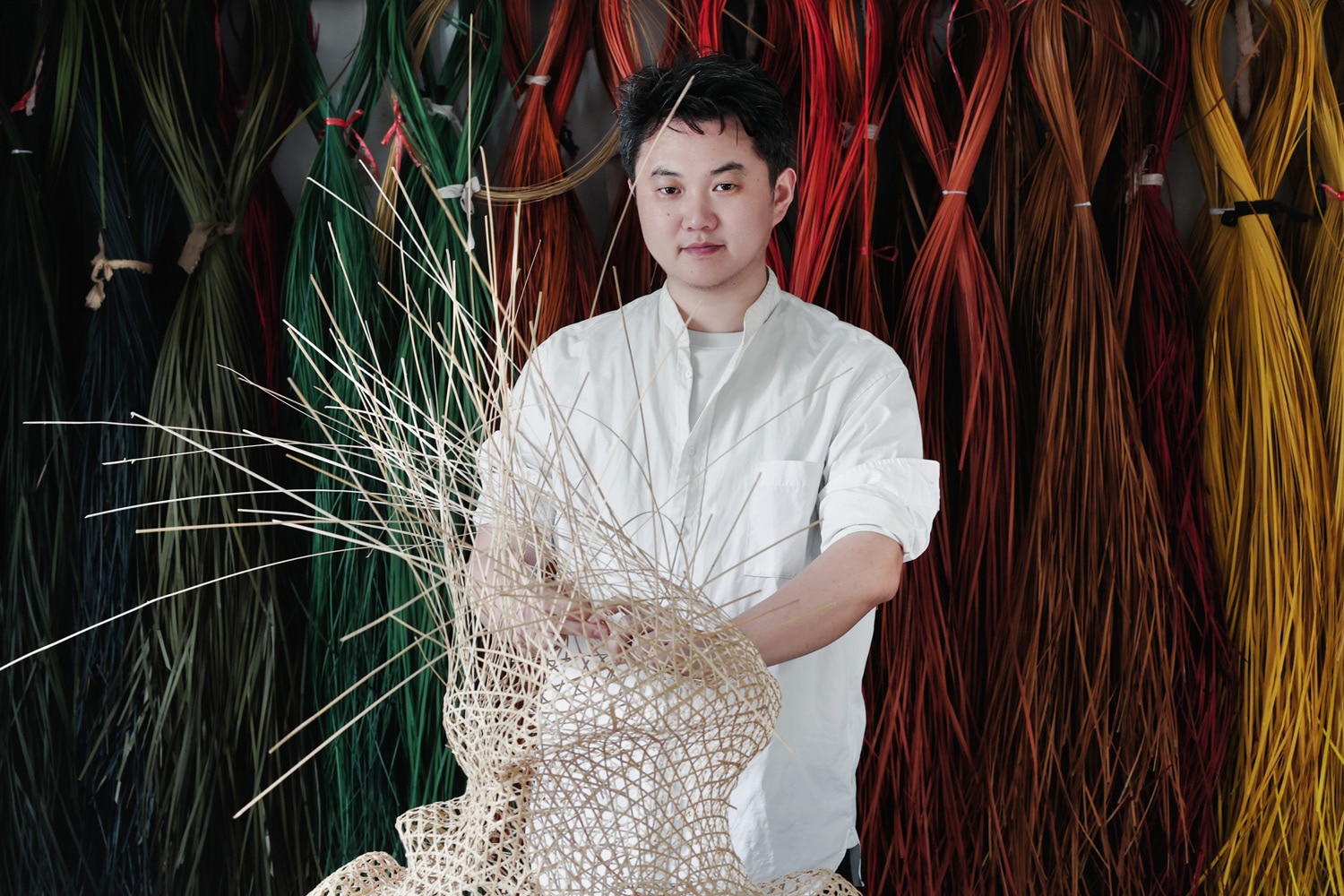
I dye my pieces using hot chemical dye baths and finish them based on colour: urethane for dyed works, lacquer for undyed and brown surfaces. My approach to colour is spontaneous rather than fixed. I might combine red and black to see what happens, or introduce a splash of green to transform the piece.
When I learned there were overseas collectors for my bamboo pieces, I felt the value of my work was recognised, which allowed me to create more freely. It gave me the motivation to make even better pieces, and my skills improved as a result.
Jin Morigami
Bamboo artist
Beppu city, Japan
ADDRESS
Address upon request, Beppu city, Japan
AVAILABILITY
By appointment only
LANGUAGES
Japanese
HOMO FABER FINDS
Homo Faber Finds is a new service aiming to inspire admirers of craft to connect and collaborate with exceptional artisans.
We invite you to submit an enquiry here.