Layers of innovation, varnish and sound
- Luis started out as a self-taught luthier
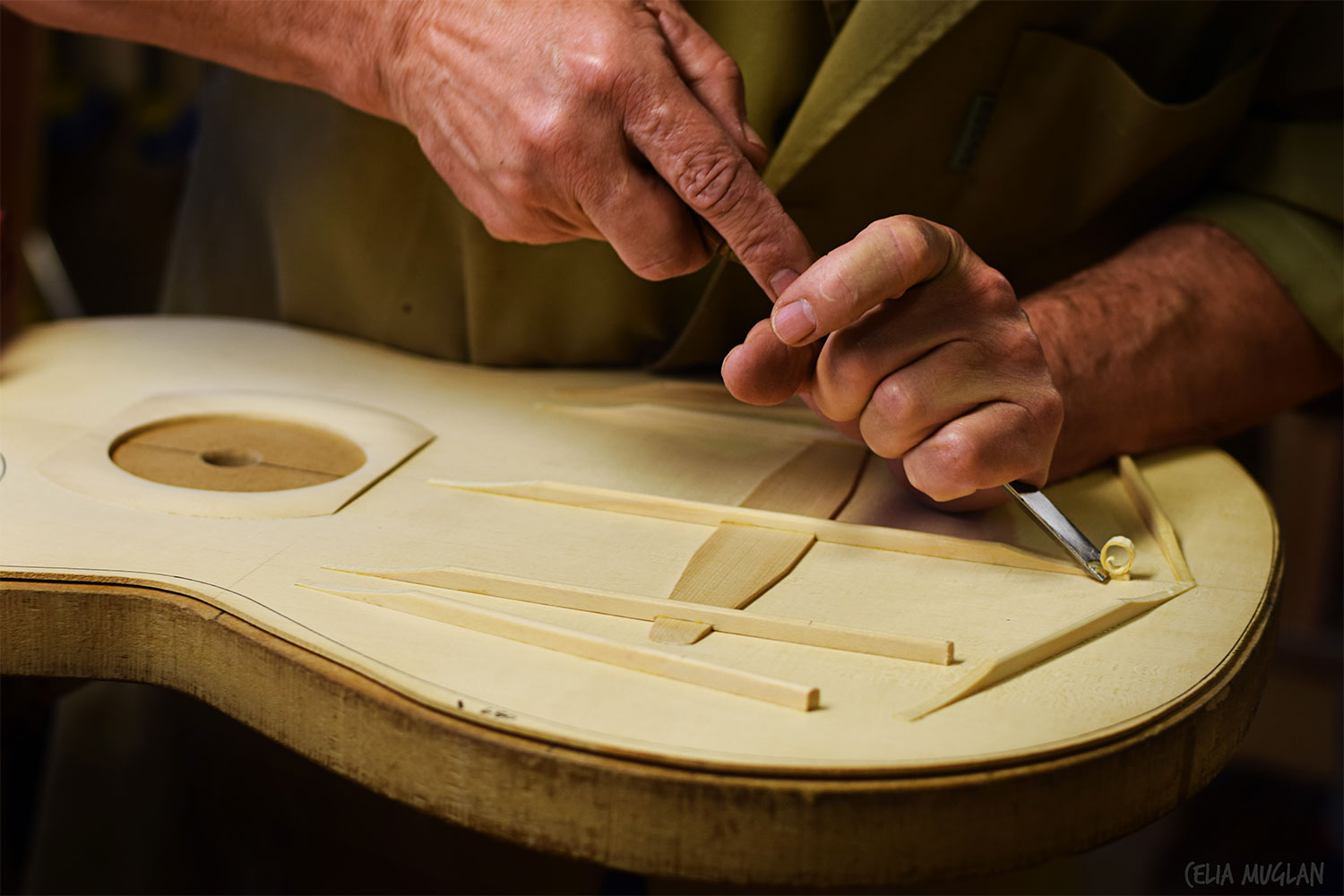
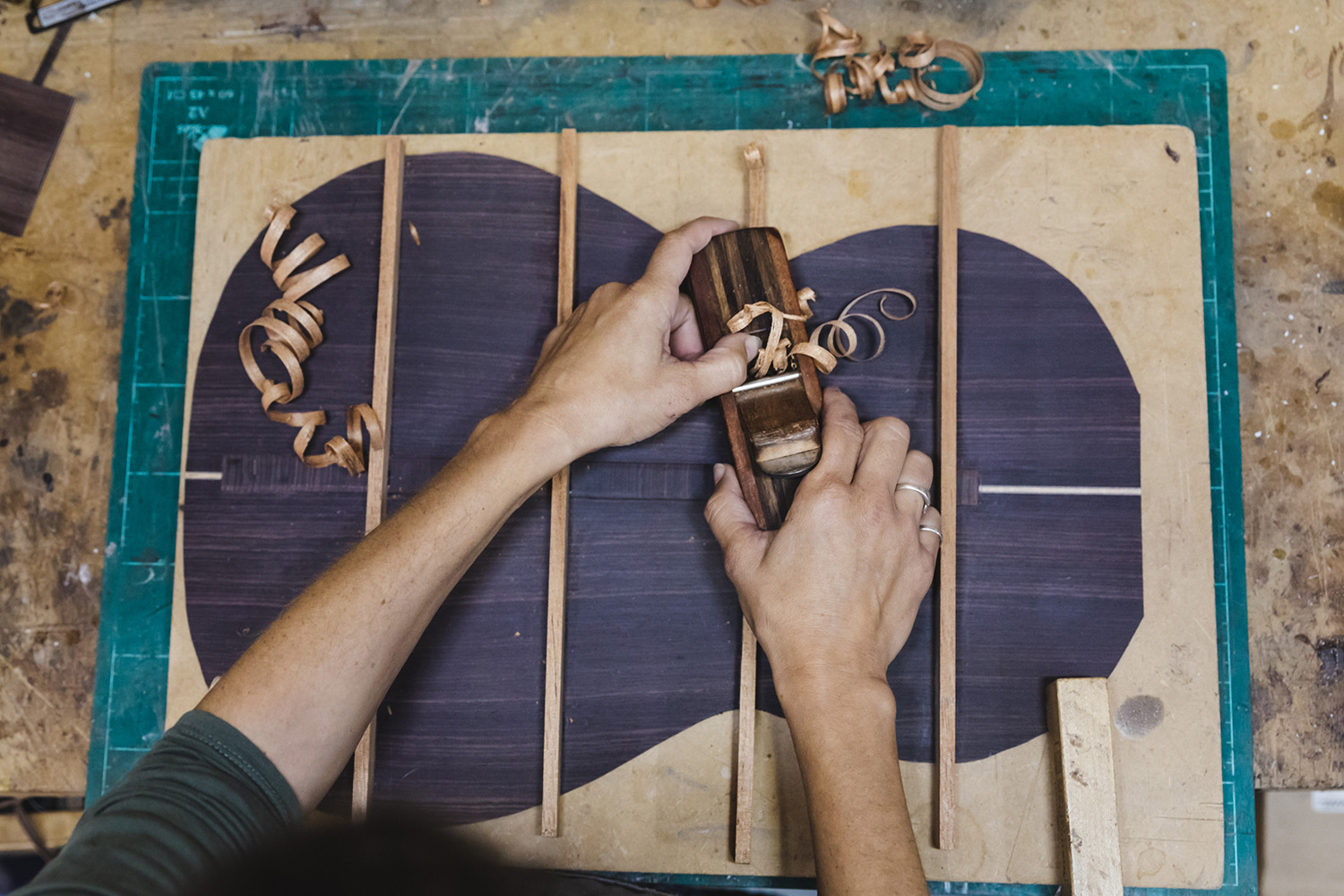
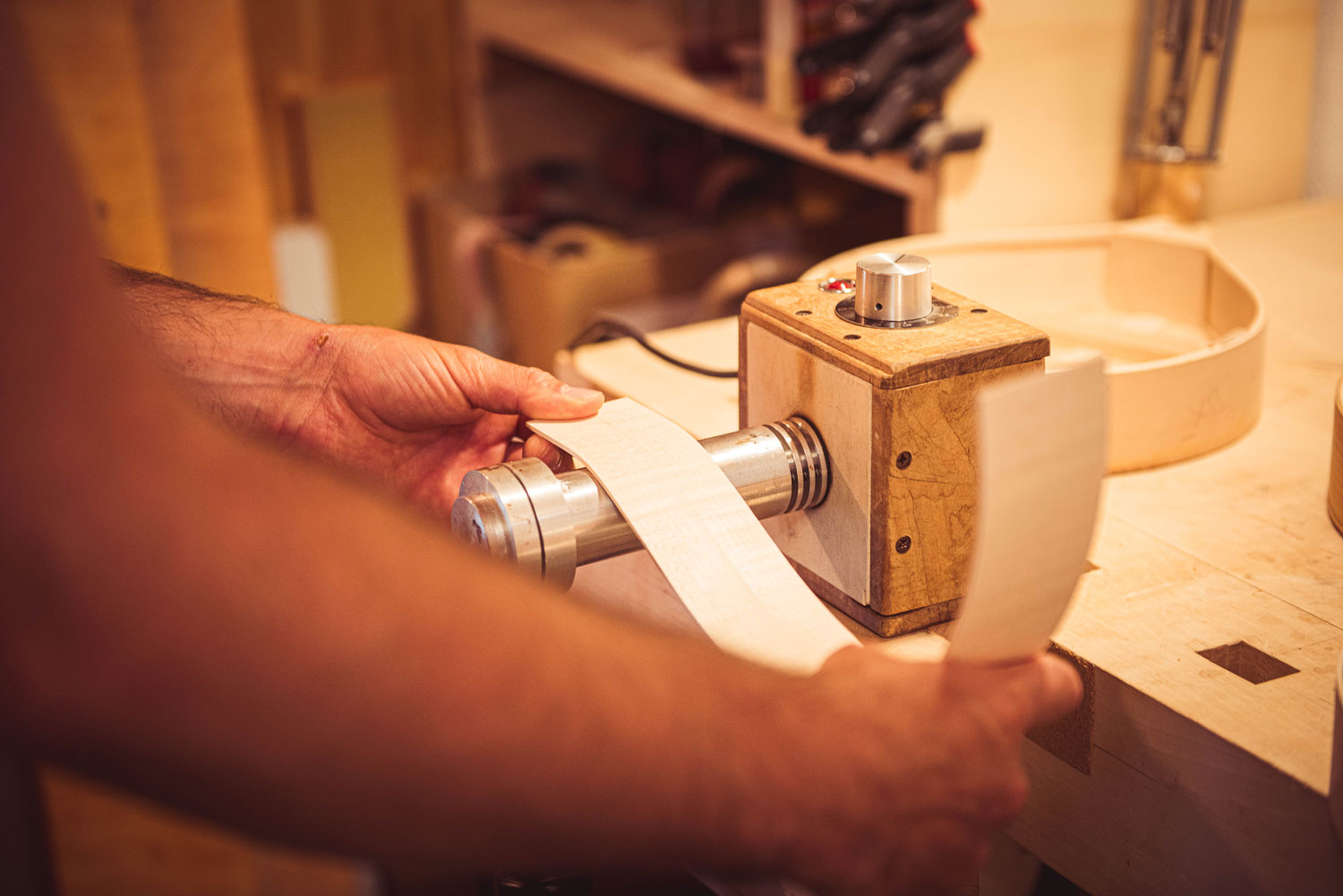
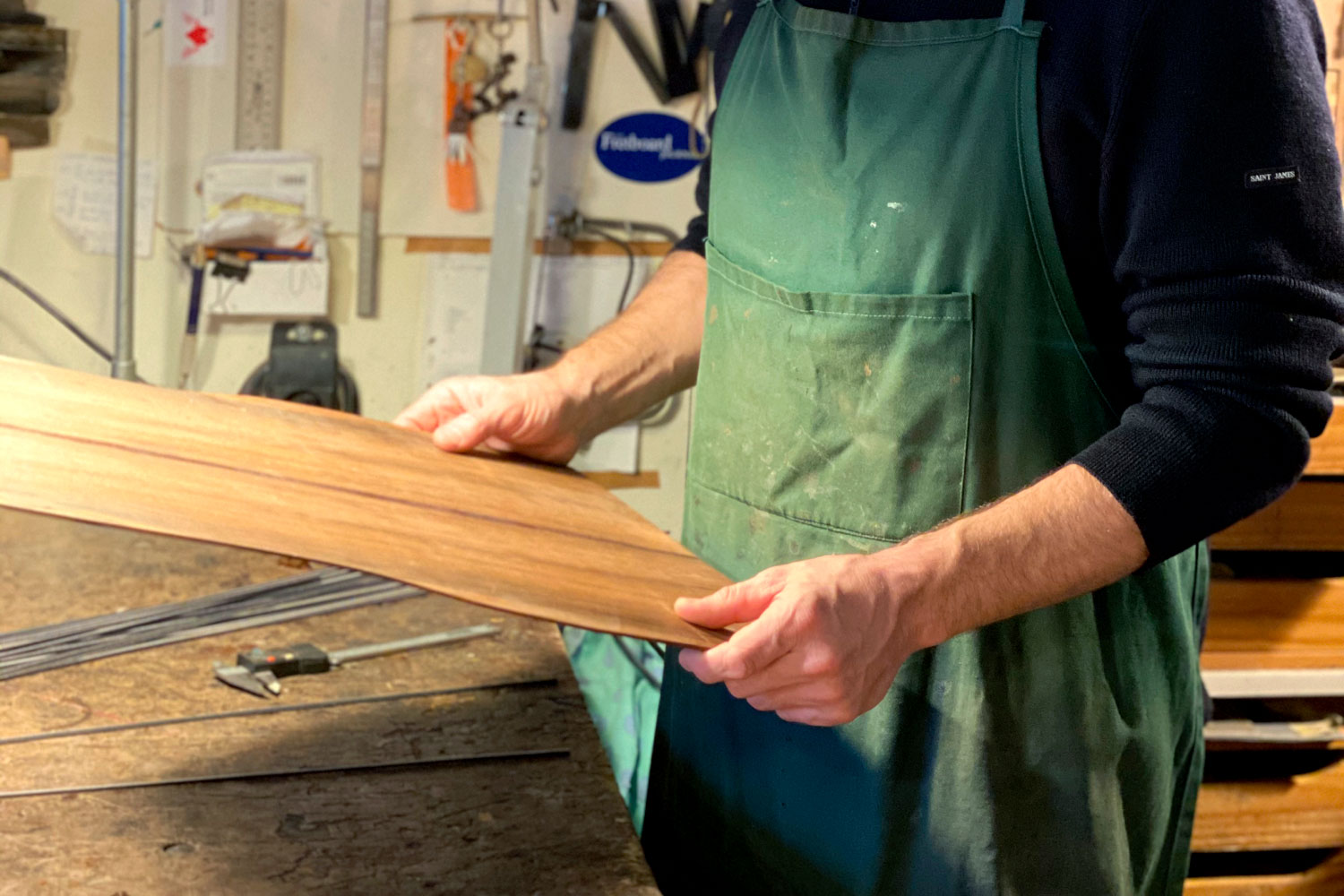
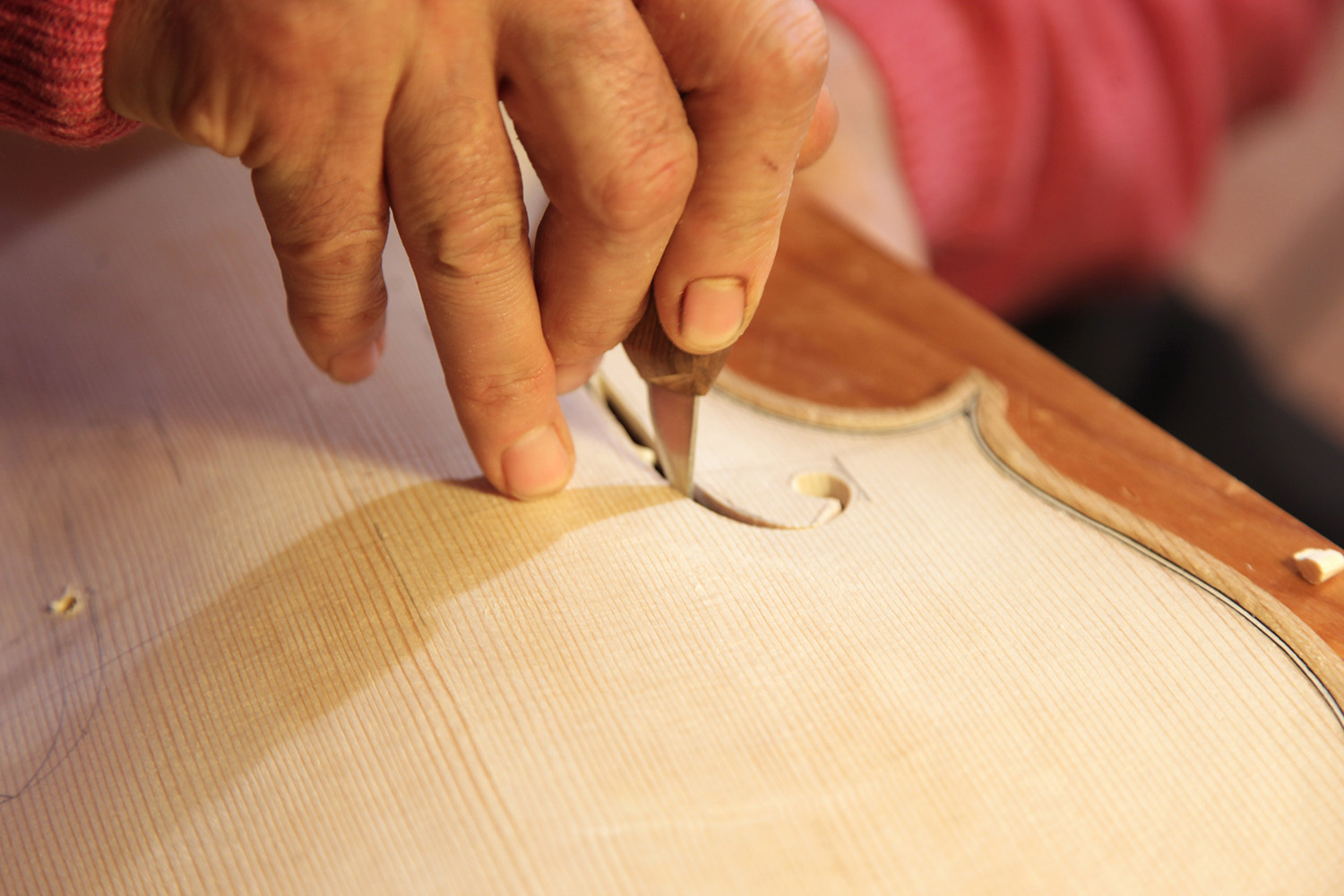
- He works with manual tools only
- He later trained in the Stradivari school in Cremona
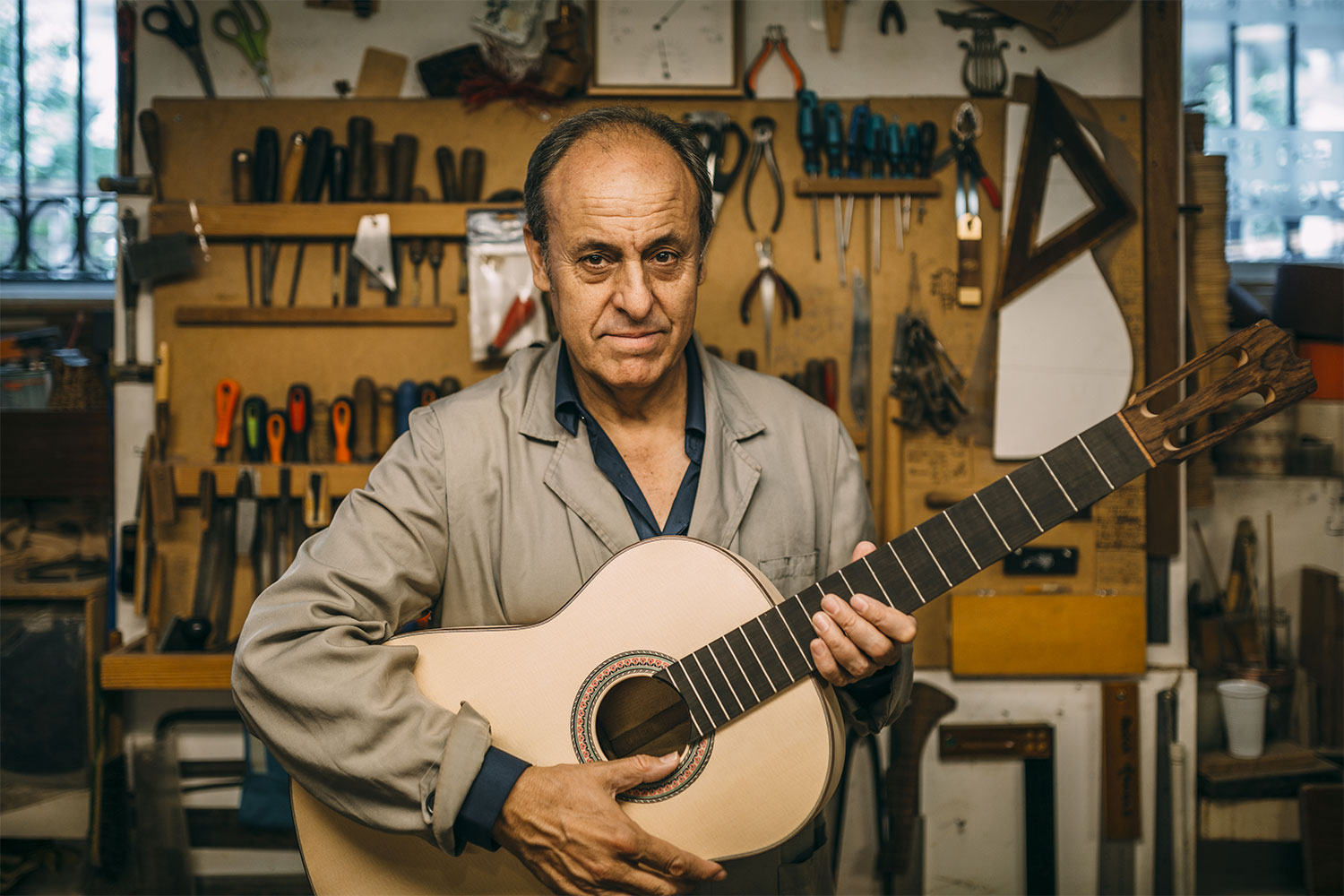
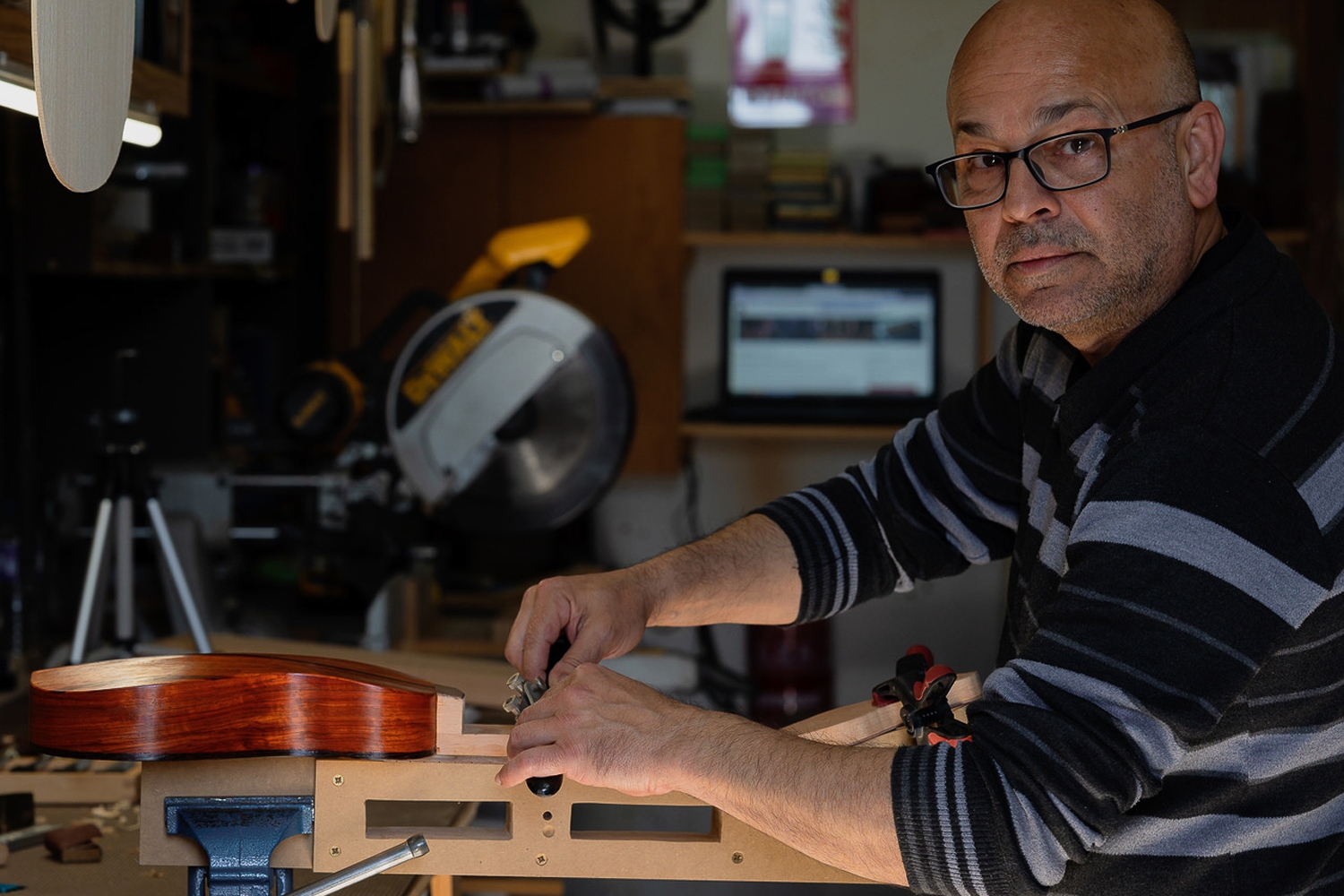
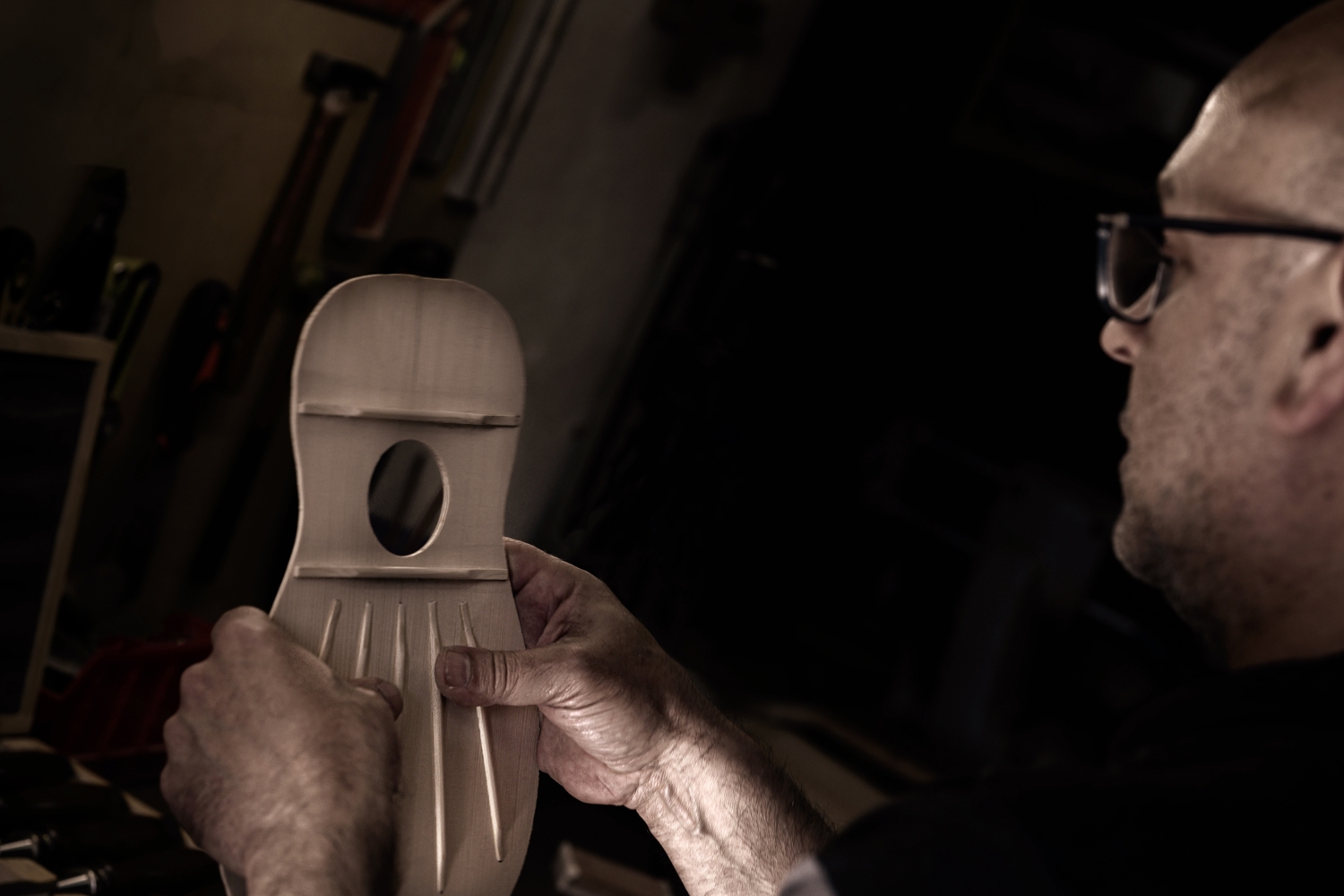
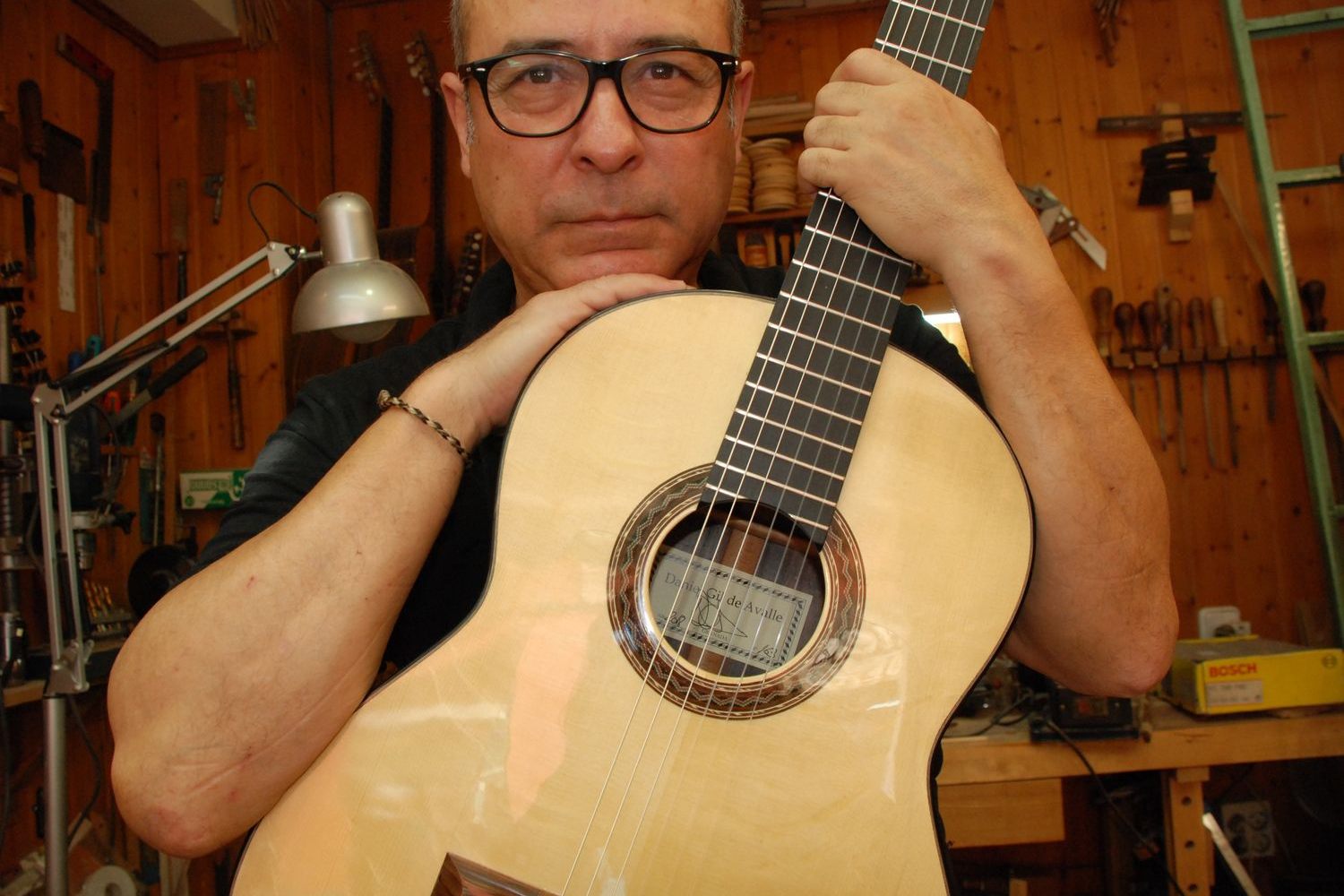
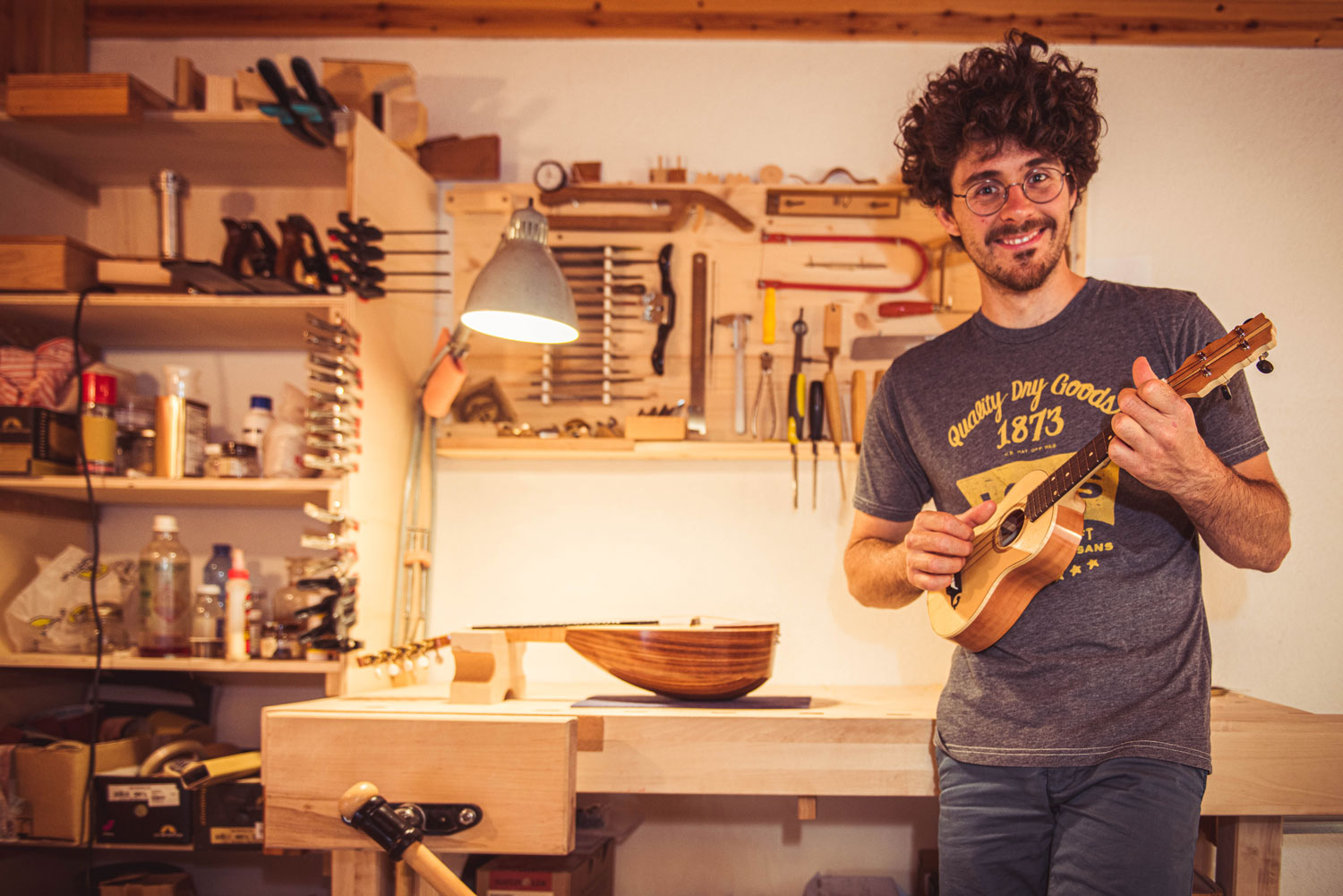
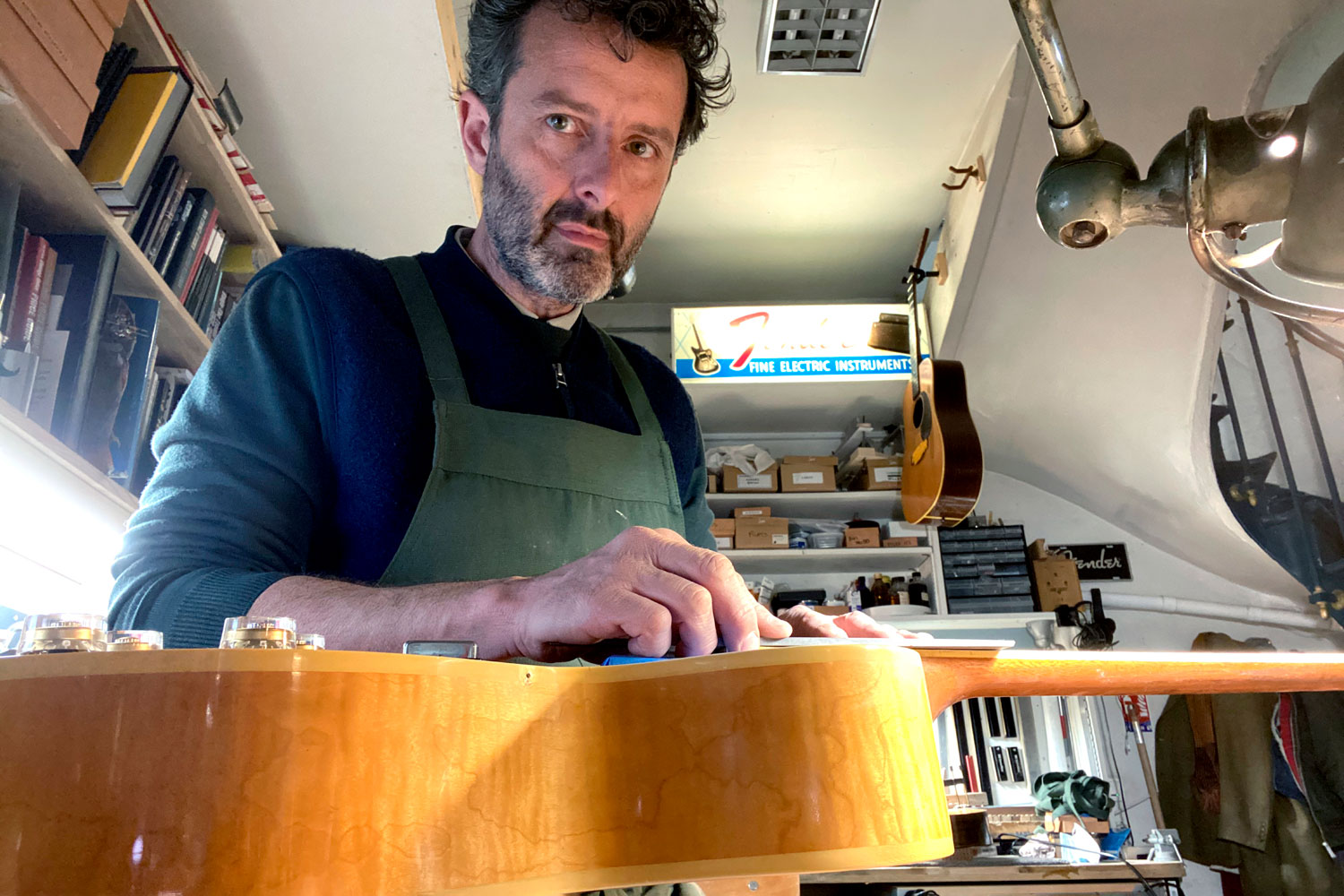
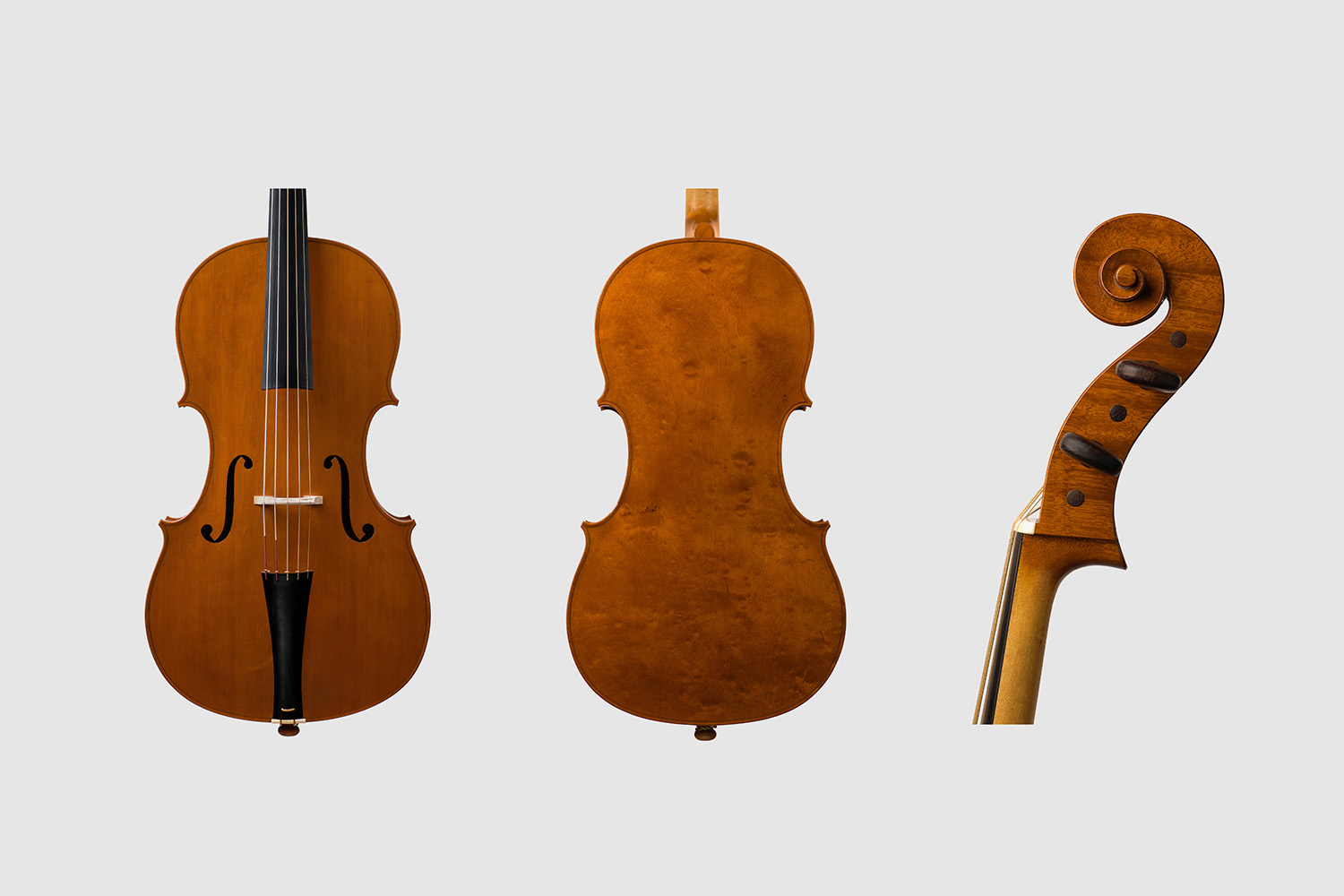
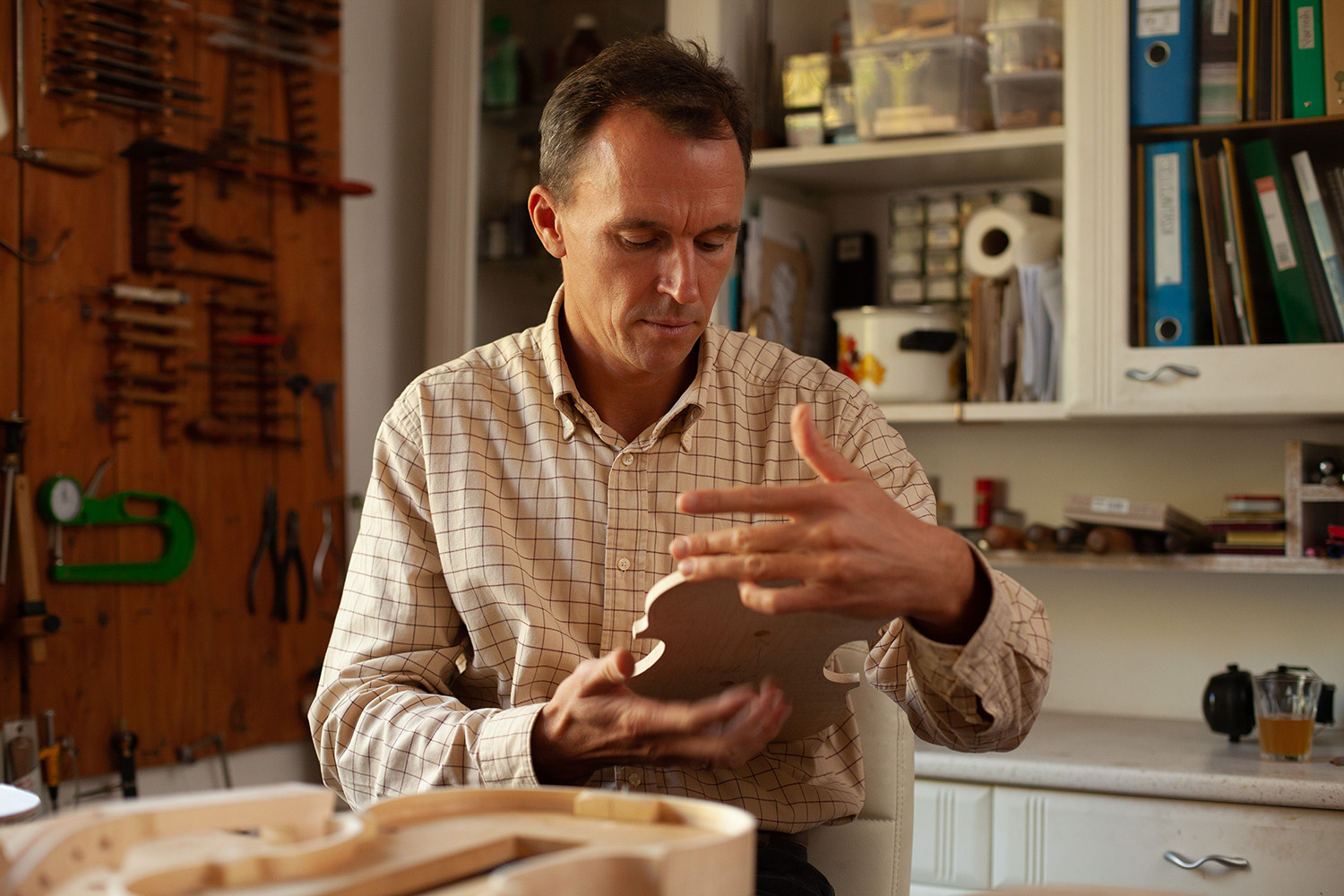
Luis Fernández started his career as an artisan working with metal and wood. Self-taught, he constructed his first violin in 1988, and a more professional training came soon after. With four years of studies in Cremona under his belt, he followed in the footsteps of one of the greatest masters in the craft of lutherie. In his work Luis strives for perfection and works exclusively with manual tools like the Italian masters of the 18th century. When asked how he would define his work, he does not hesitate to answer that his instruments are “a good working tool for very demanding musicians.” Luis constantly pays homage to tradition, inspired by the aesthetic of the classic luthiers and his teacher Vincenzo Bissolotti. Despite this, in his words, “what defines a good artisan is the ability to innovate.”


INTERVIEW
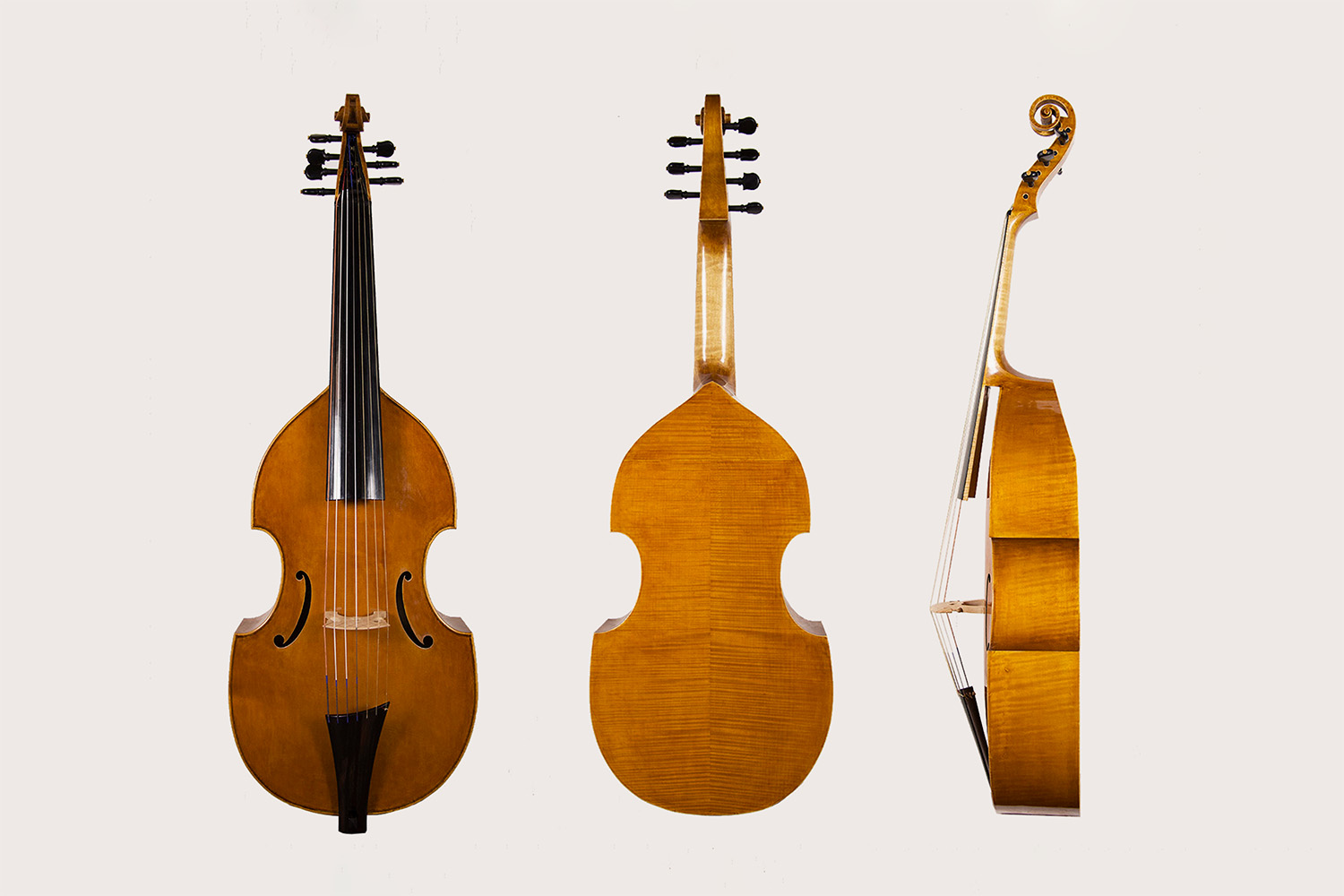
Innovation is mandatory for a contemporary luthier. Today’s instruments are played in larger rooms and are subject to a greater string tension. In order to build an instrument with a powerful, yet qualitative sound, tradition needs to be paired with the search for new balances.
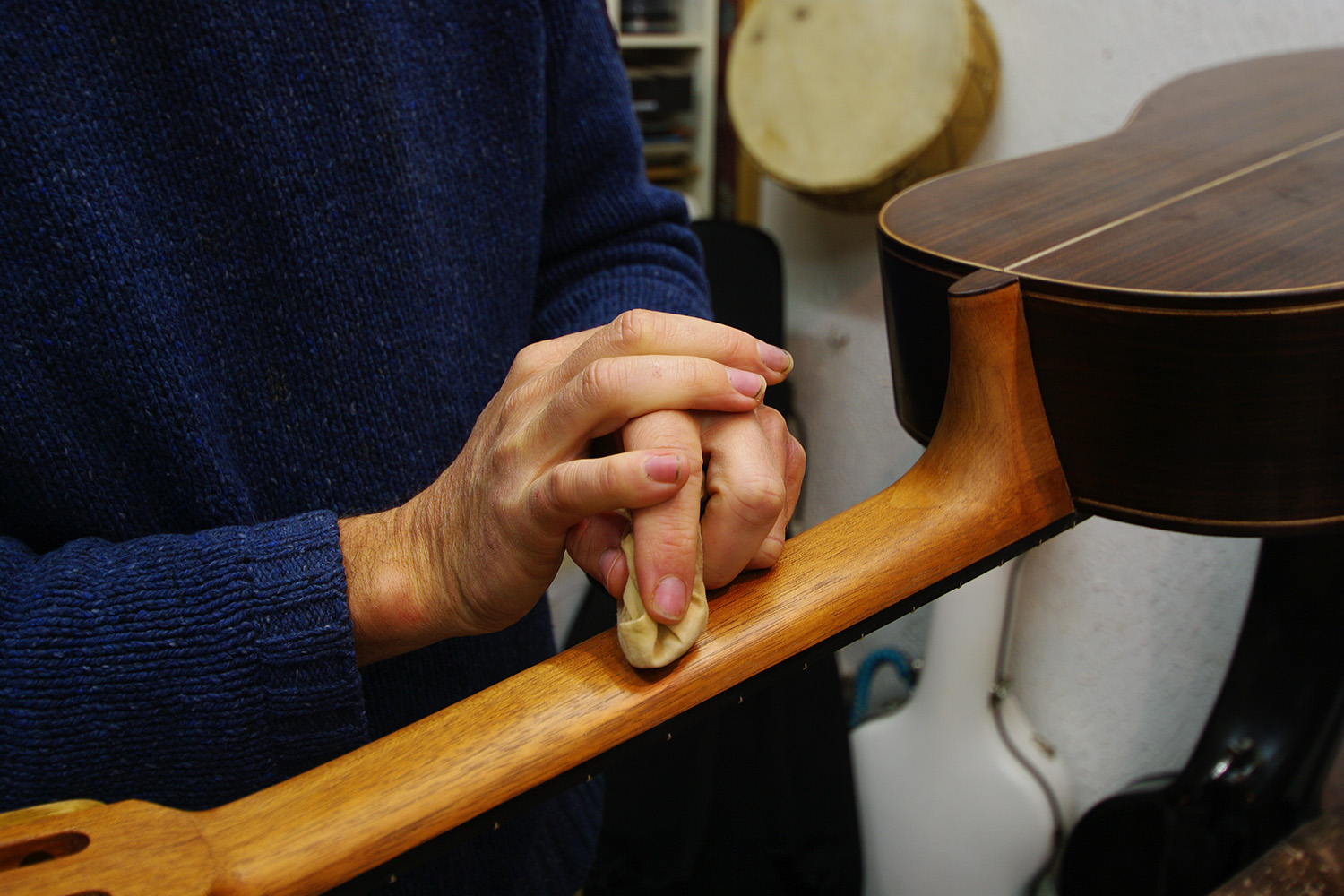
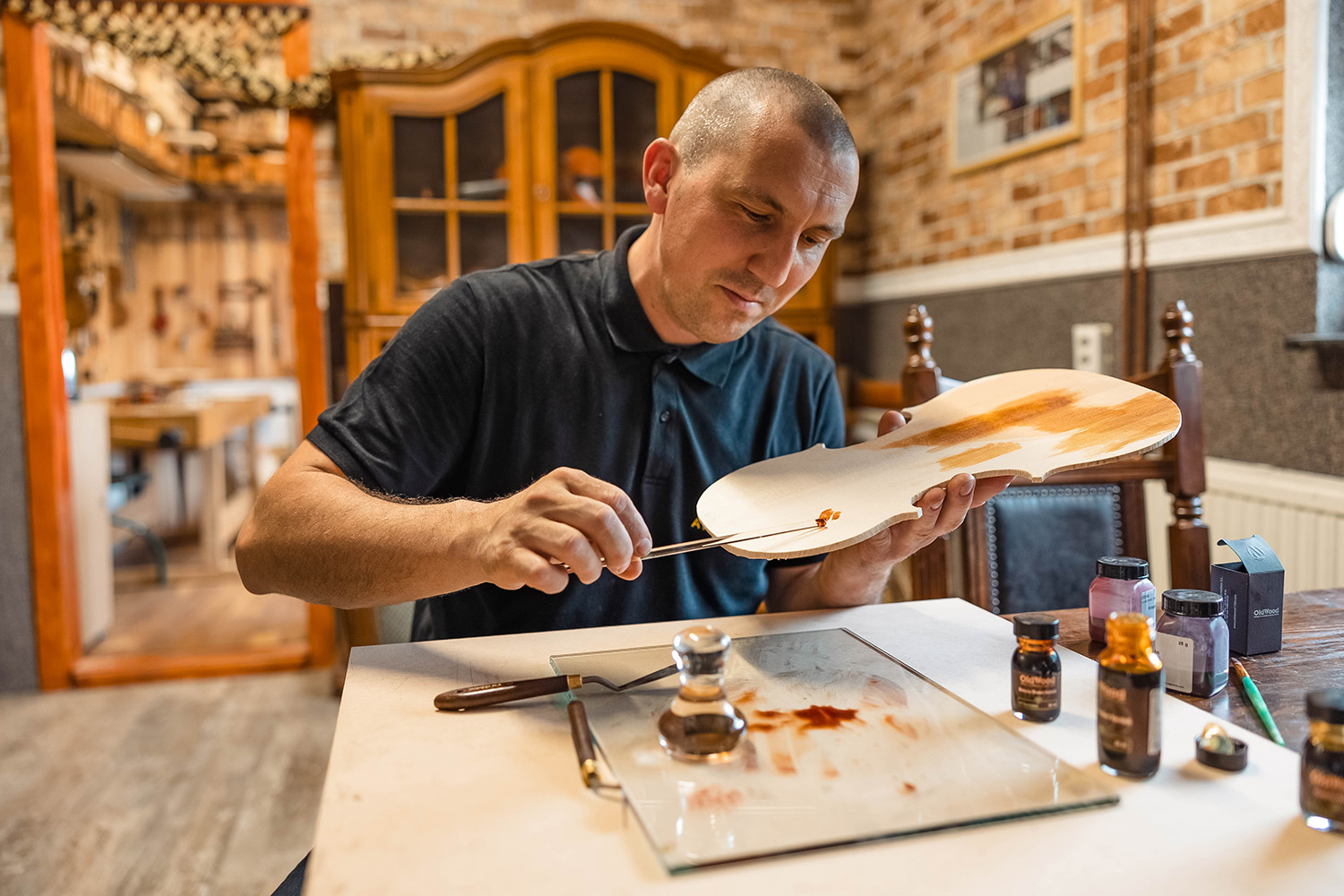
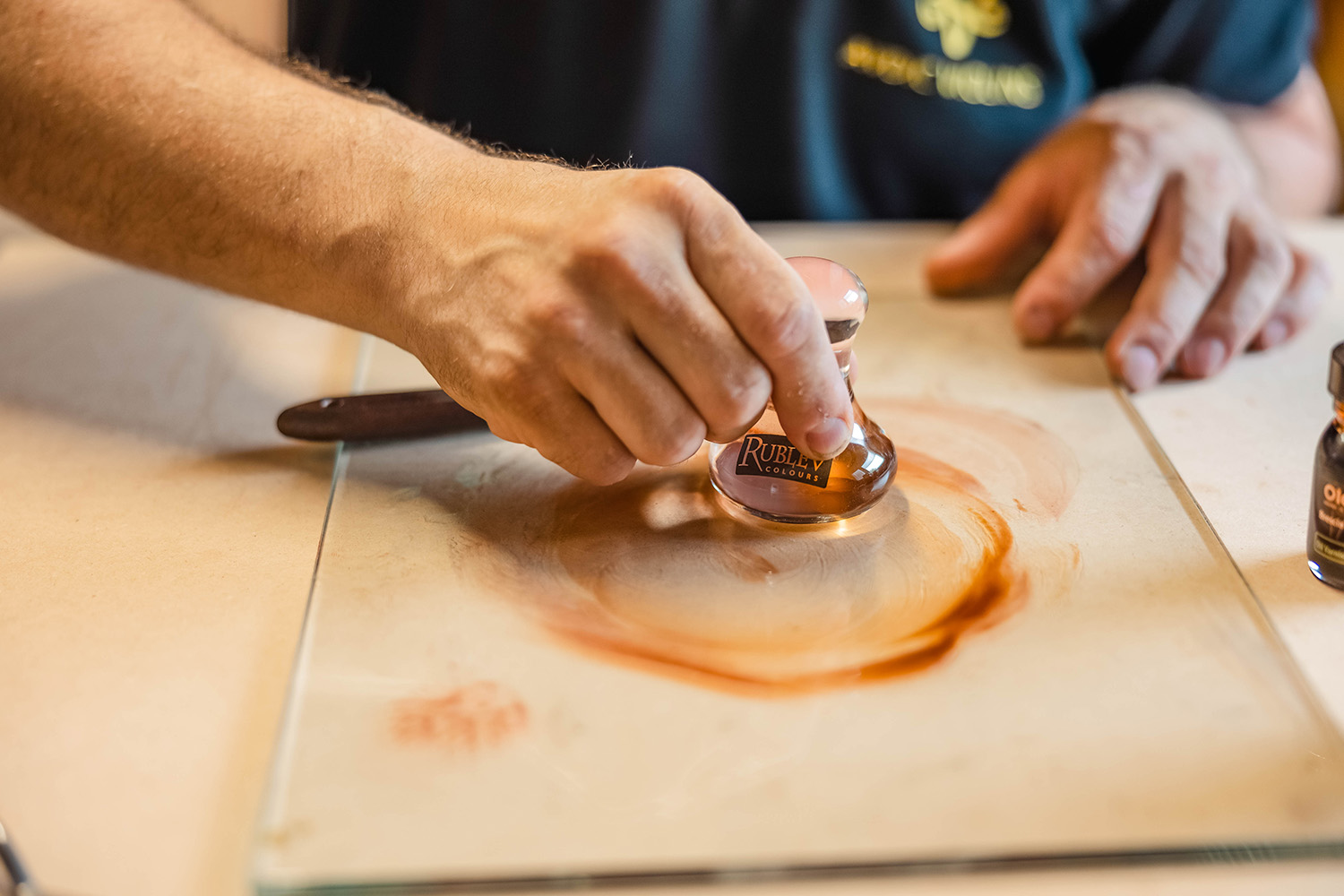
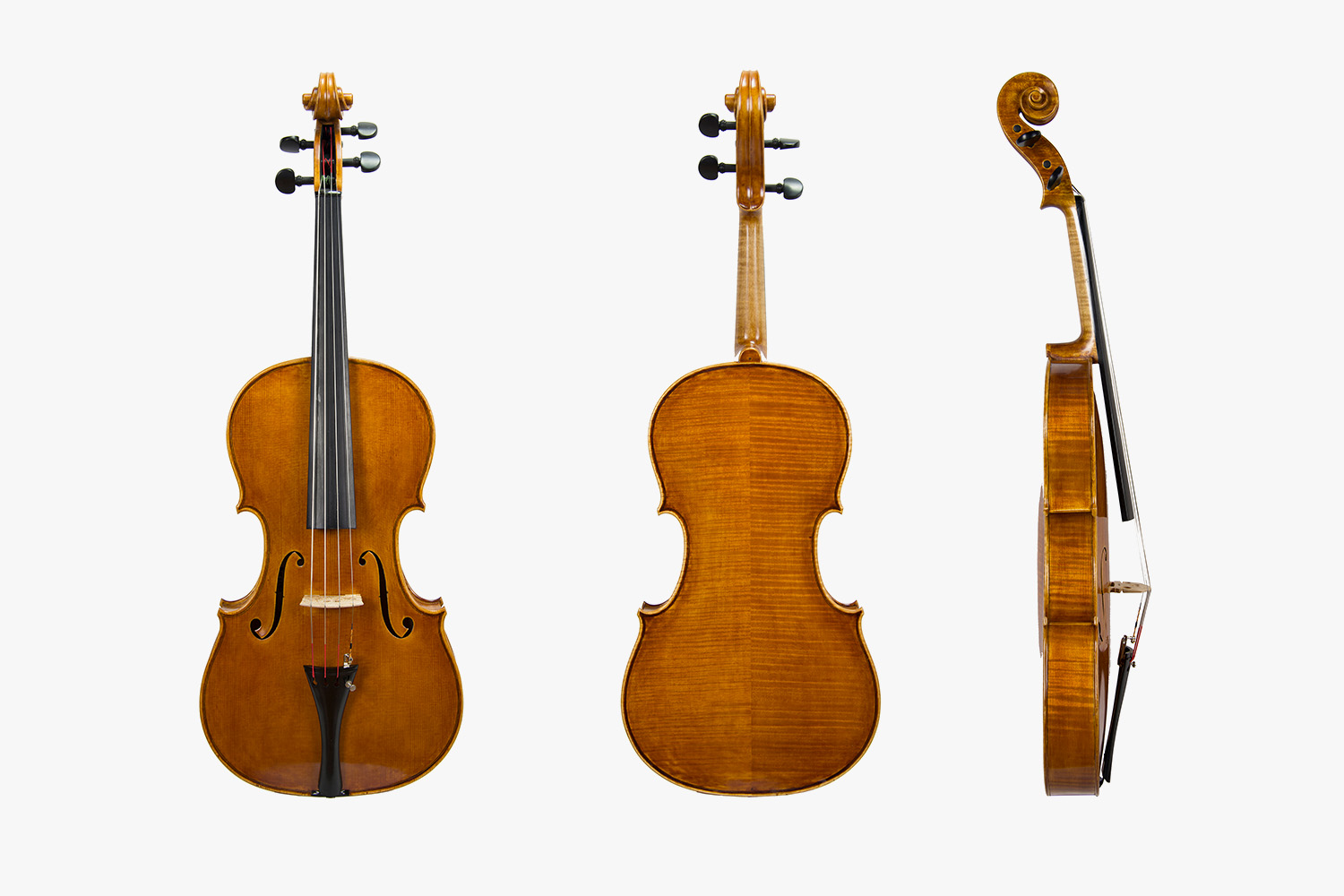
In 1993, a master cabinetmaker taught me the technique of varnishing. It is a technique that requires a lot of skills, dexterity and many hours of application. It has taken me years to perfect it, but it has definitely added extra value to my work.
It is a huge challenge as I always push myself. Being a perfectionist, and thanks to my observation skills and commitment, I am generally pleased with the outcome. Besides the formal qualities of the instrument, my goal is to achieve powerful and balanced sound, very rich in harmonics and comfortable to play.
There is no magic here, it is all about mechanics. To make a good instrument that has perfect acoustics, you need to balance the tension that strings generate. And the solution always lies within, and it is the instrument itself that guides you to find it.