The sound of glass
- Celia specialises in glass powders and pâte de verre
- She is interested in sound and some of her works have a soundtrack
- She is inspired by our relationship with the countryside
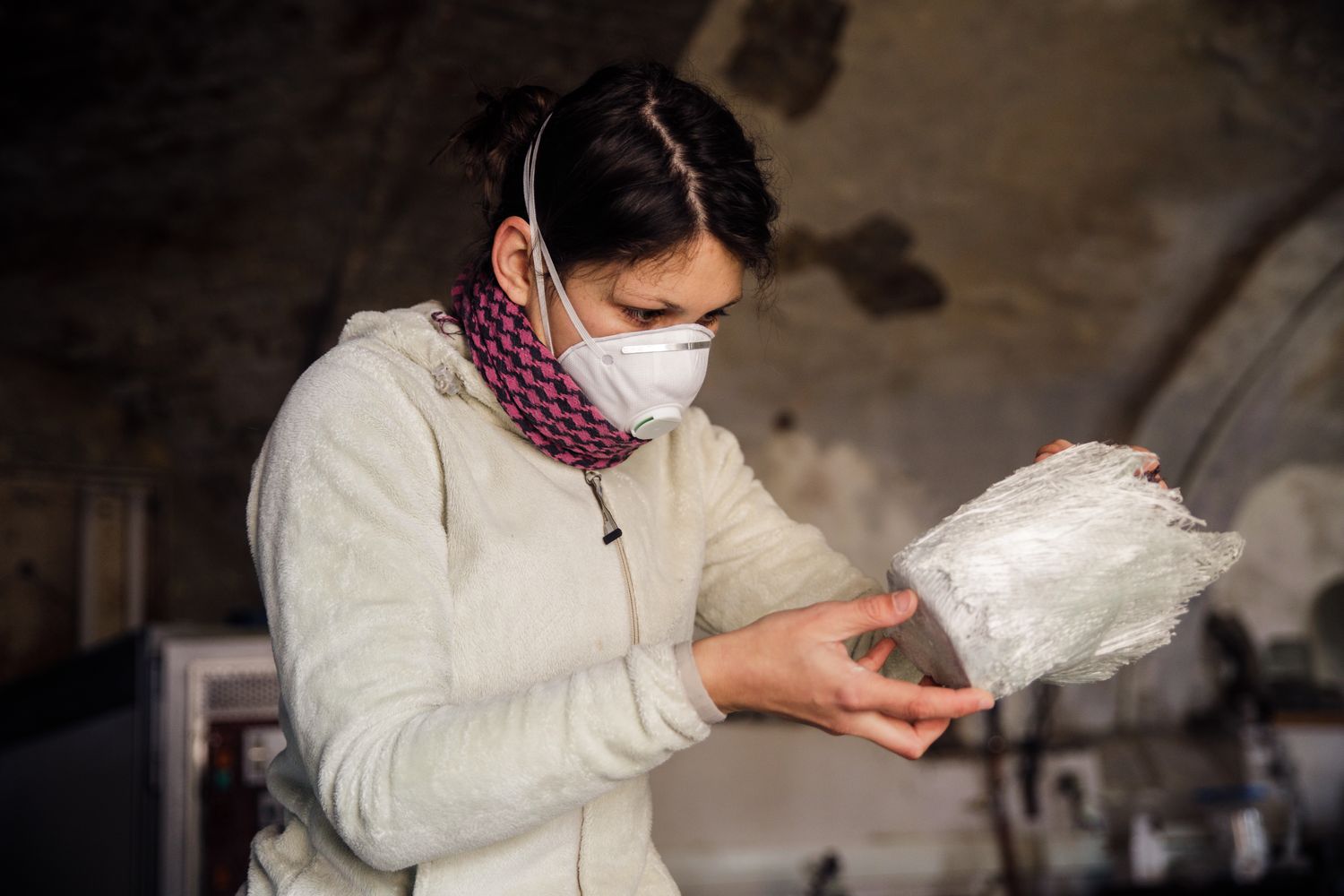
Though Celia Pascaud first became interested in craftsmanship when visiting artisan workshops at a young age, she initially became a cultural journalist. However, after several years, she felt the need to create using her hands and not only via intellectual thought, so she decided to take a course in stained glass production. After taking a workshop that covered various glassworking techniques, she decided to leave her journalism job to pursue a full-time course at the glass arts school in Lorraine, France. Her work, often inspired by topographic representations of nature, reflects her earlier passion for stained glass and her later specialisation in glass casting.
INTERVIEW
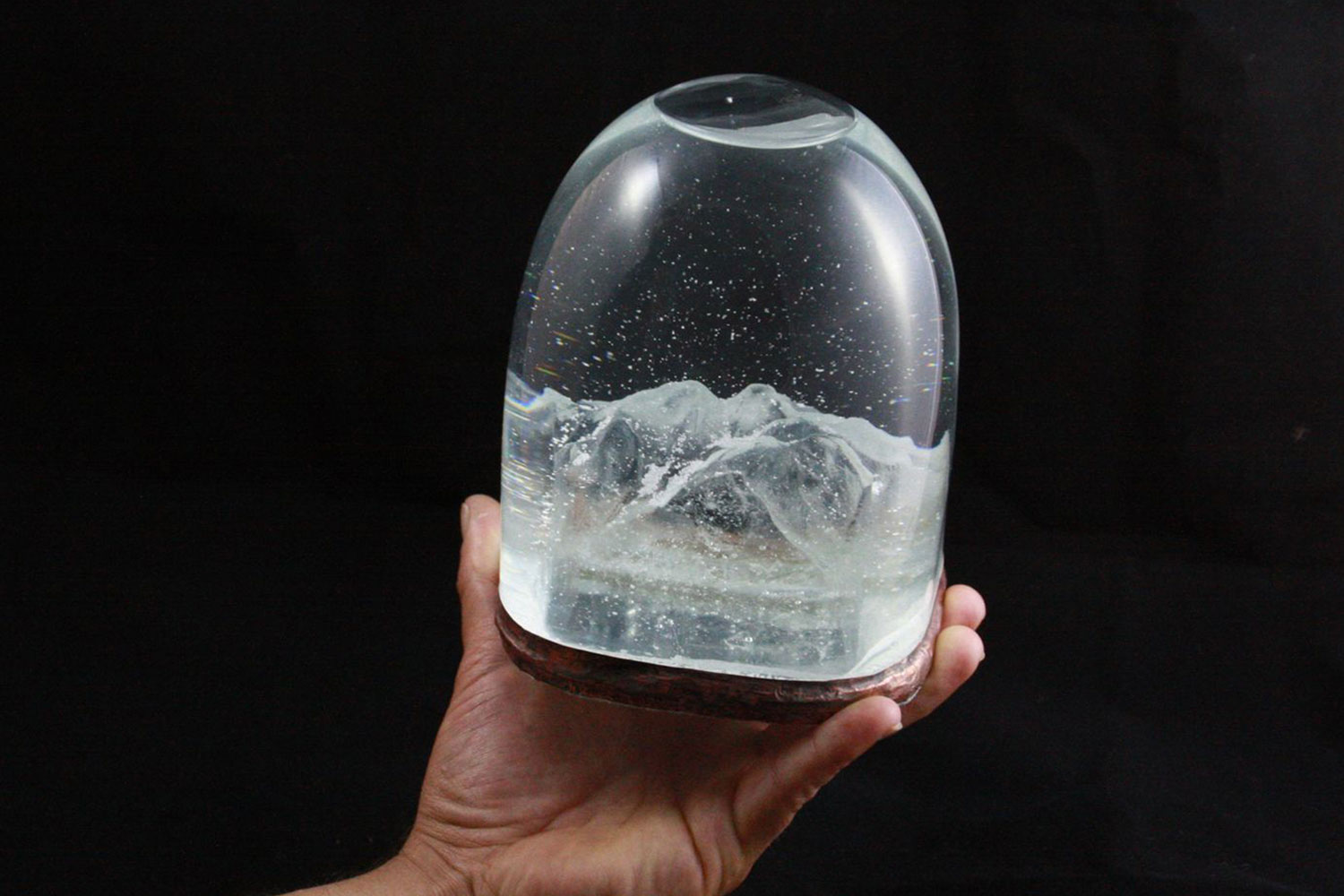
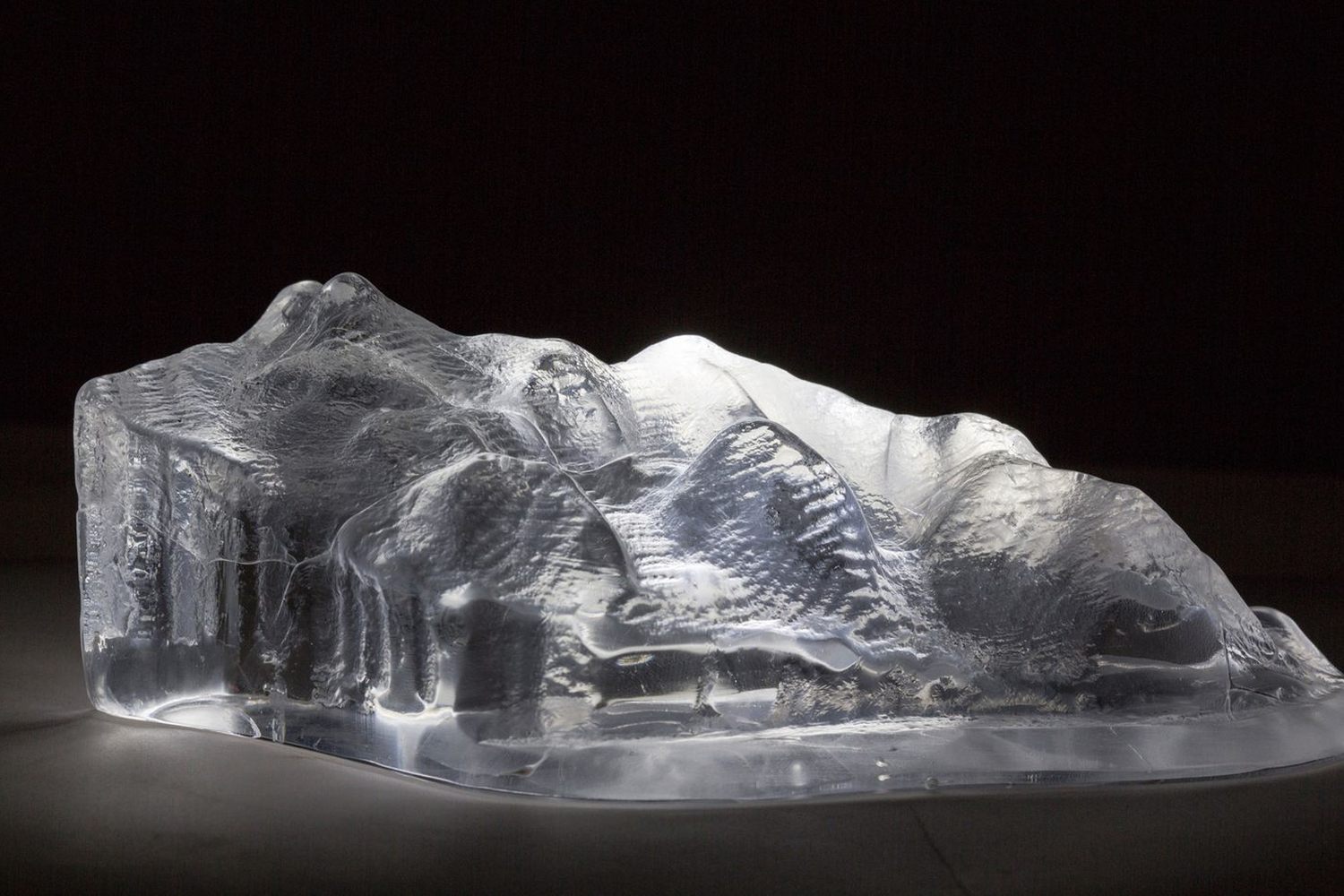
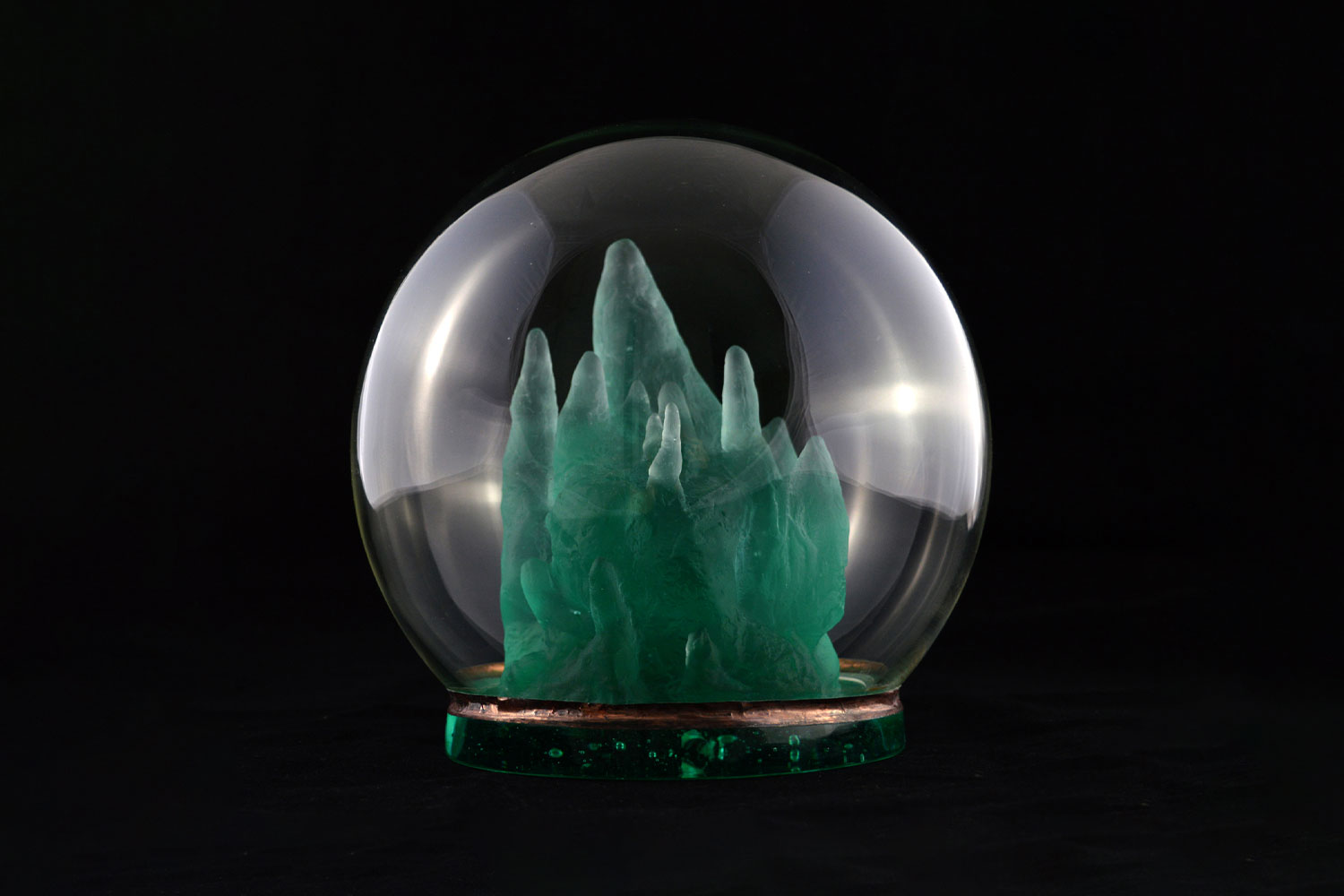
One of the first things I made was a kind of installation comprised of different cast glass elements. It was a sort of mountain with an archipelago or icebergs. The idea was to combine pâte de verre, which is an ancient glass casting technique, with present-day technologies.
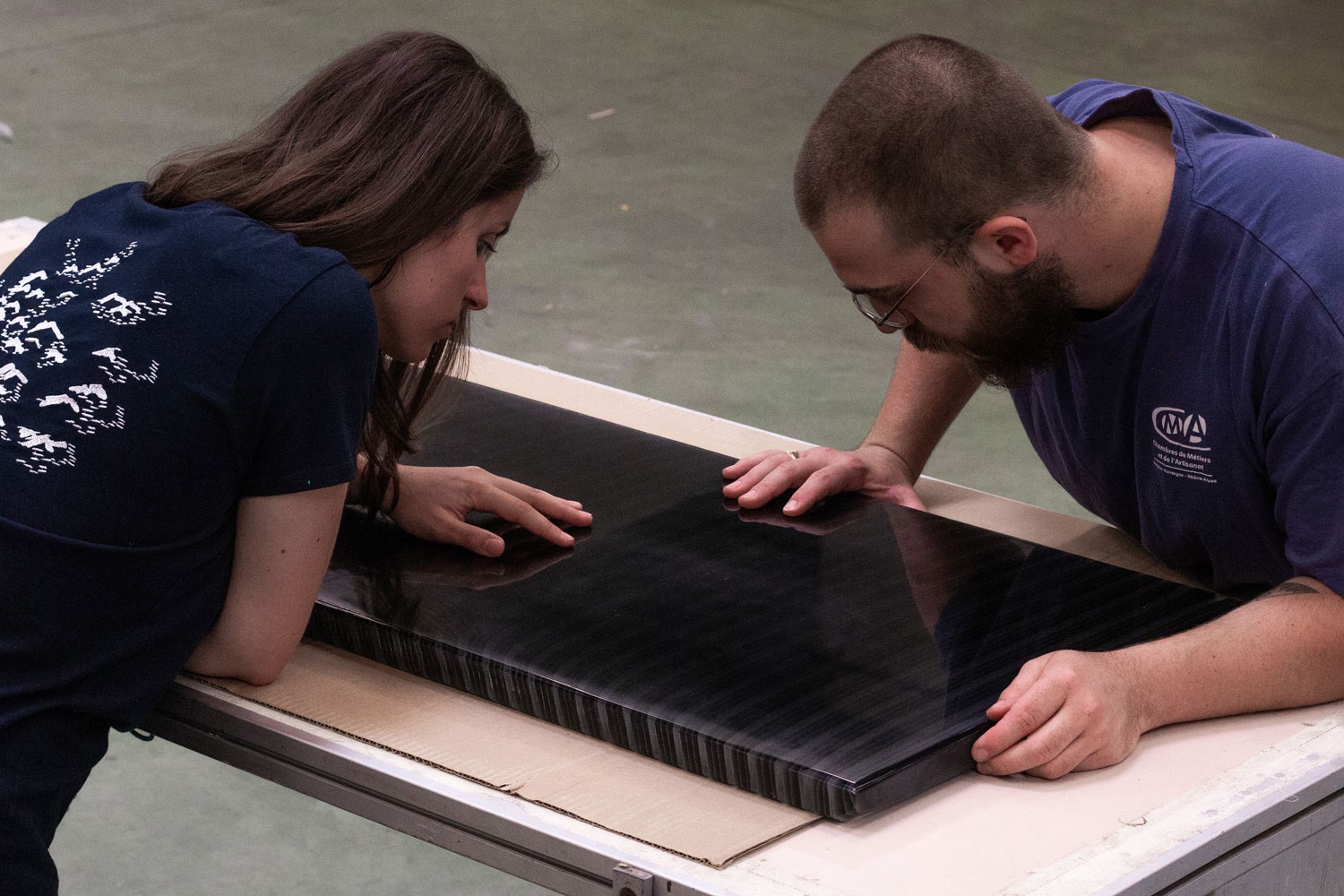
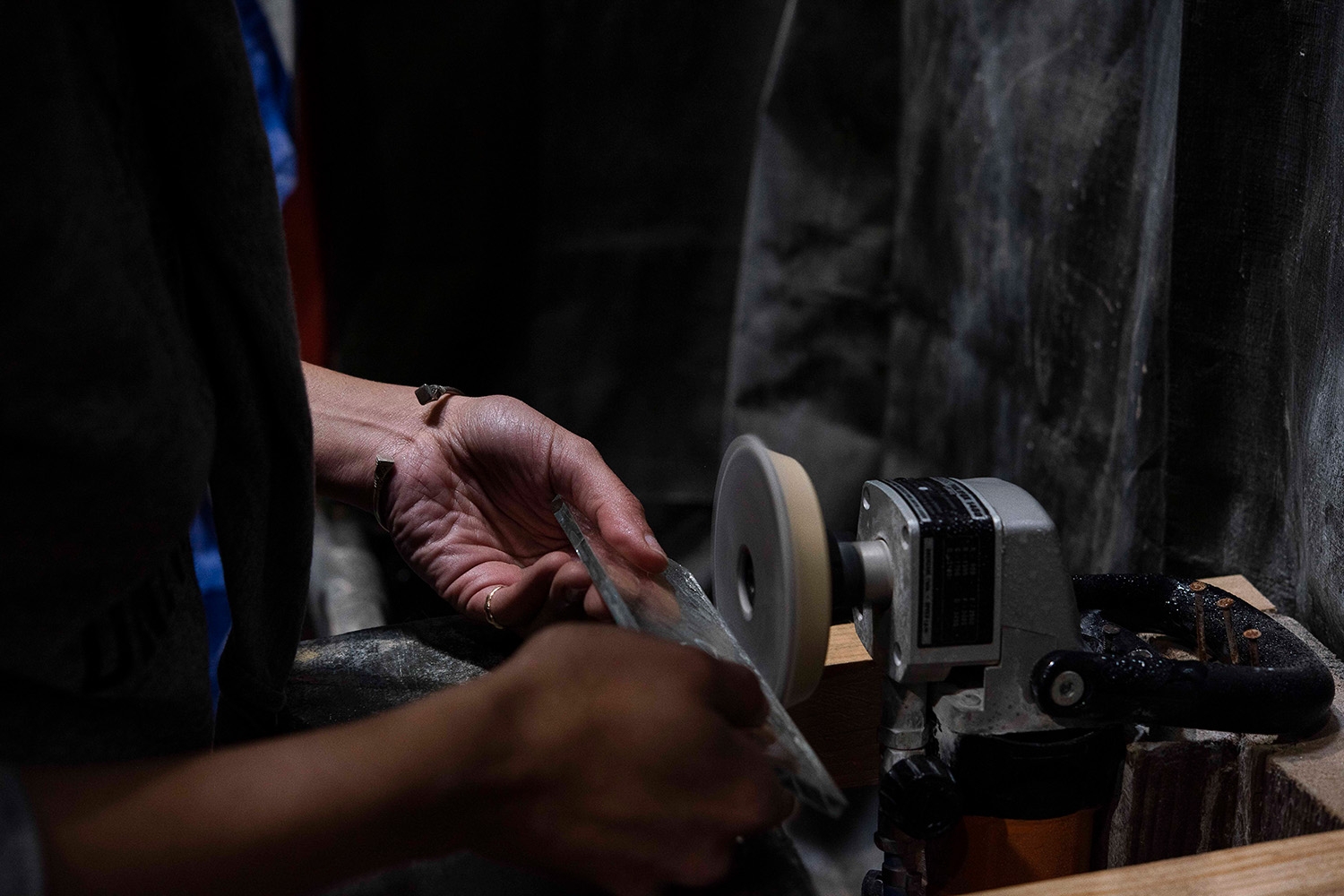
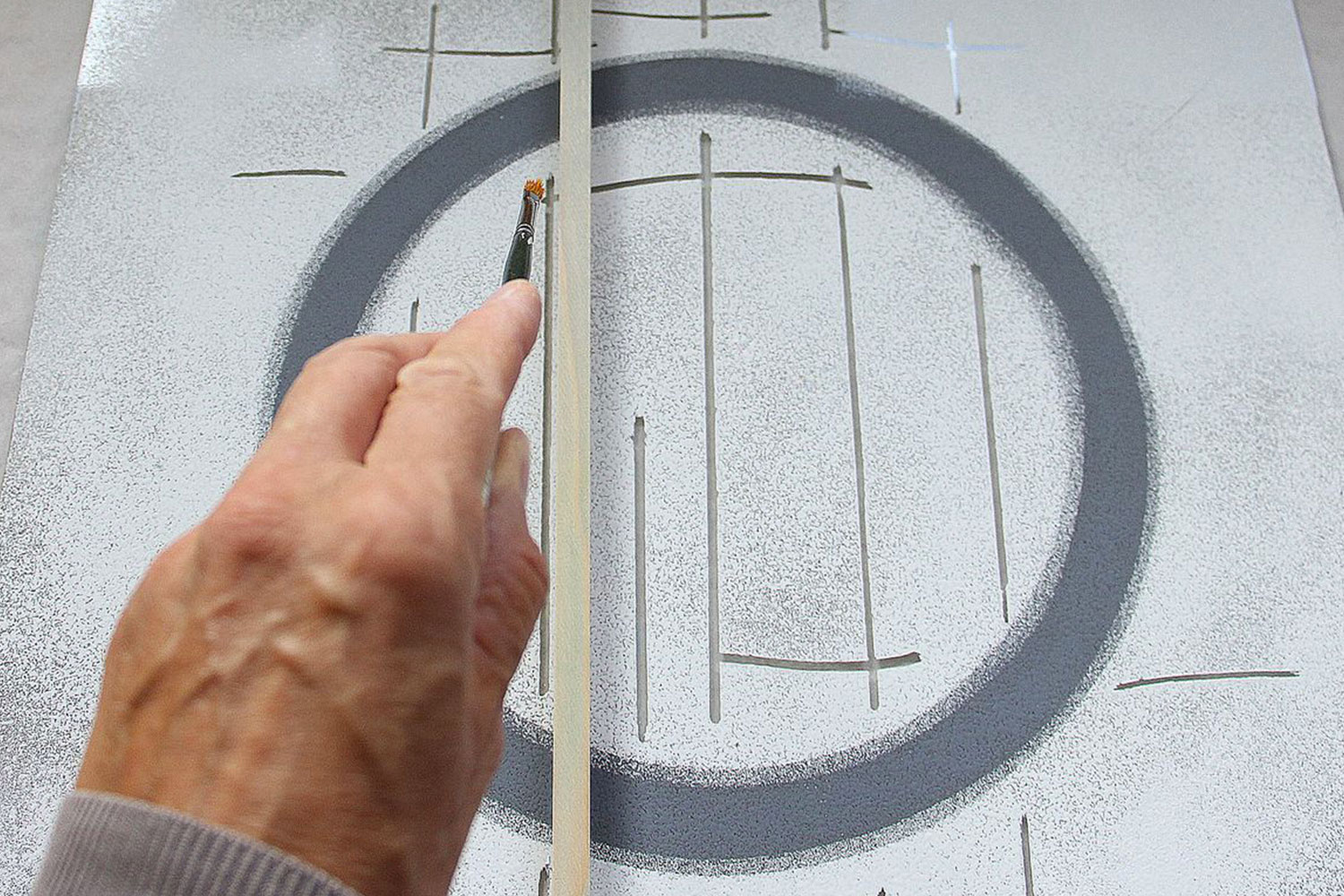
I use contemporary technologies such as laser cutting and laser engraving using a milling machine. It allows you to do things that you can’t really do by hand. My works show how you can combine traditional artisanal techniques with modern tools, from which new ideas emerge.
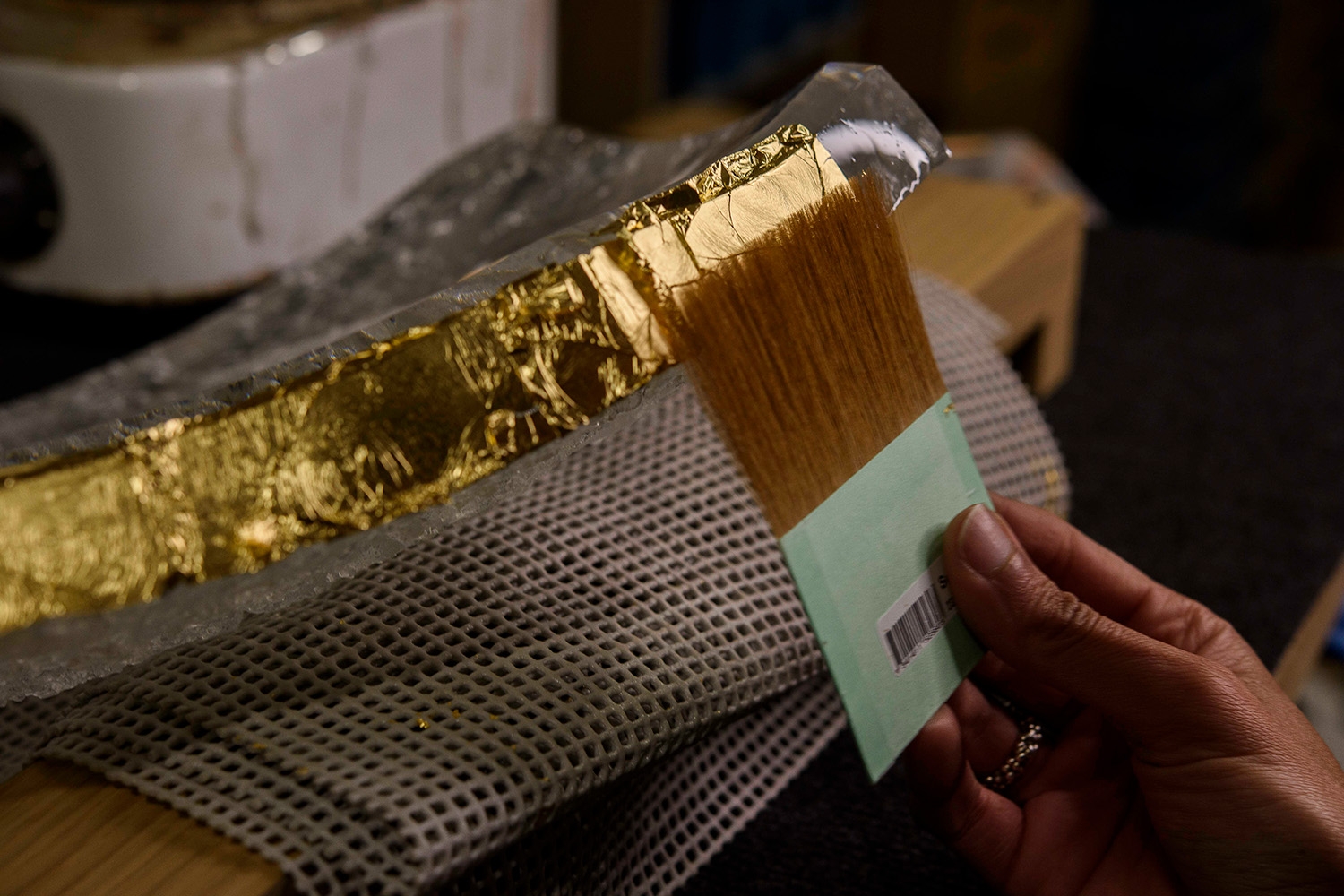
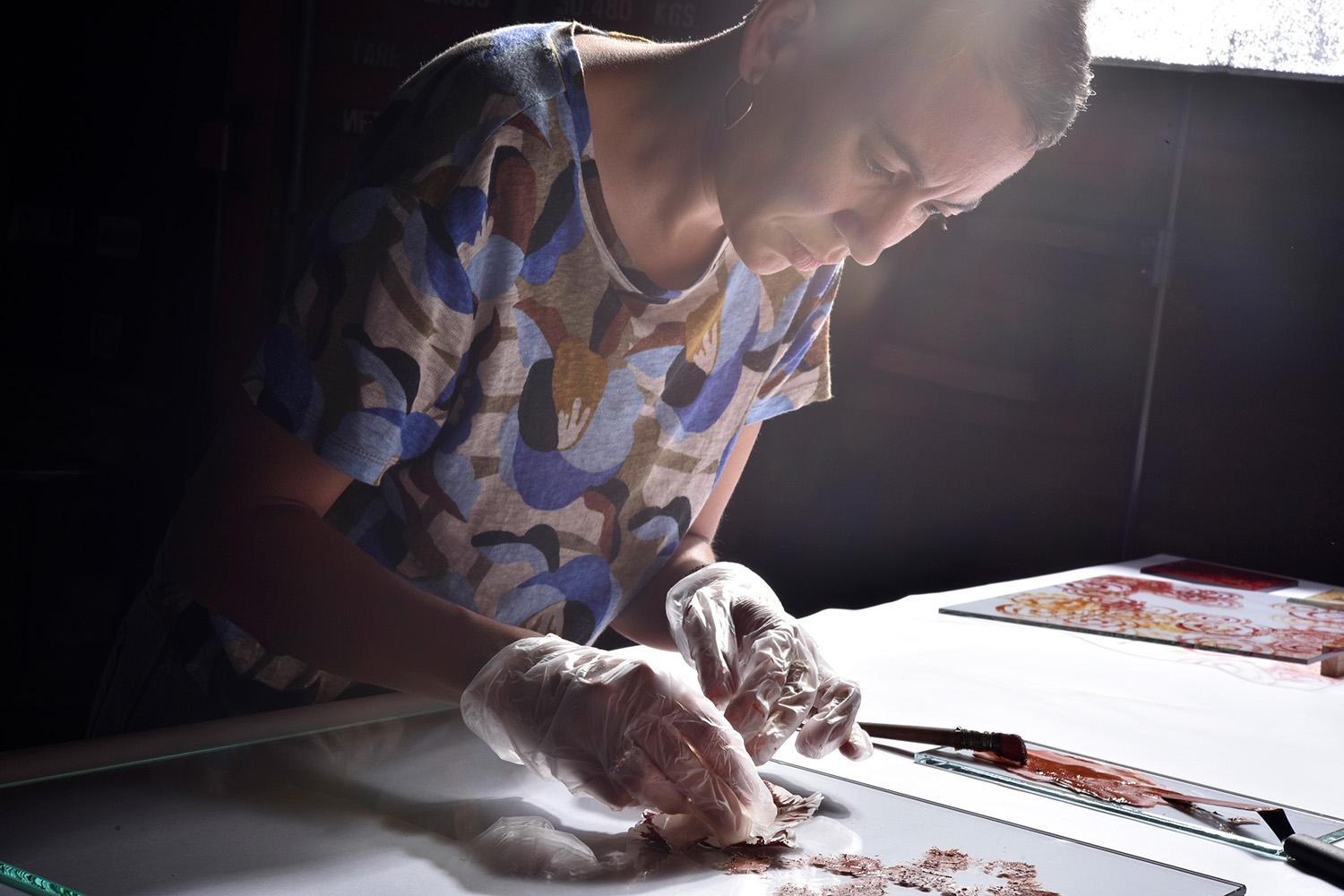
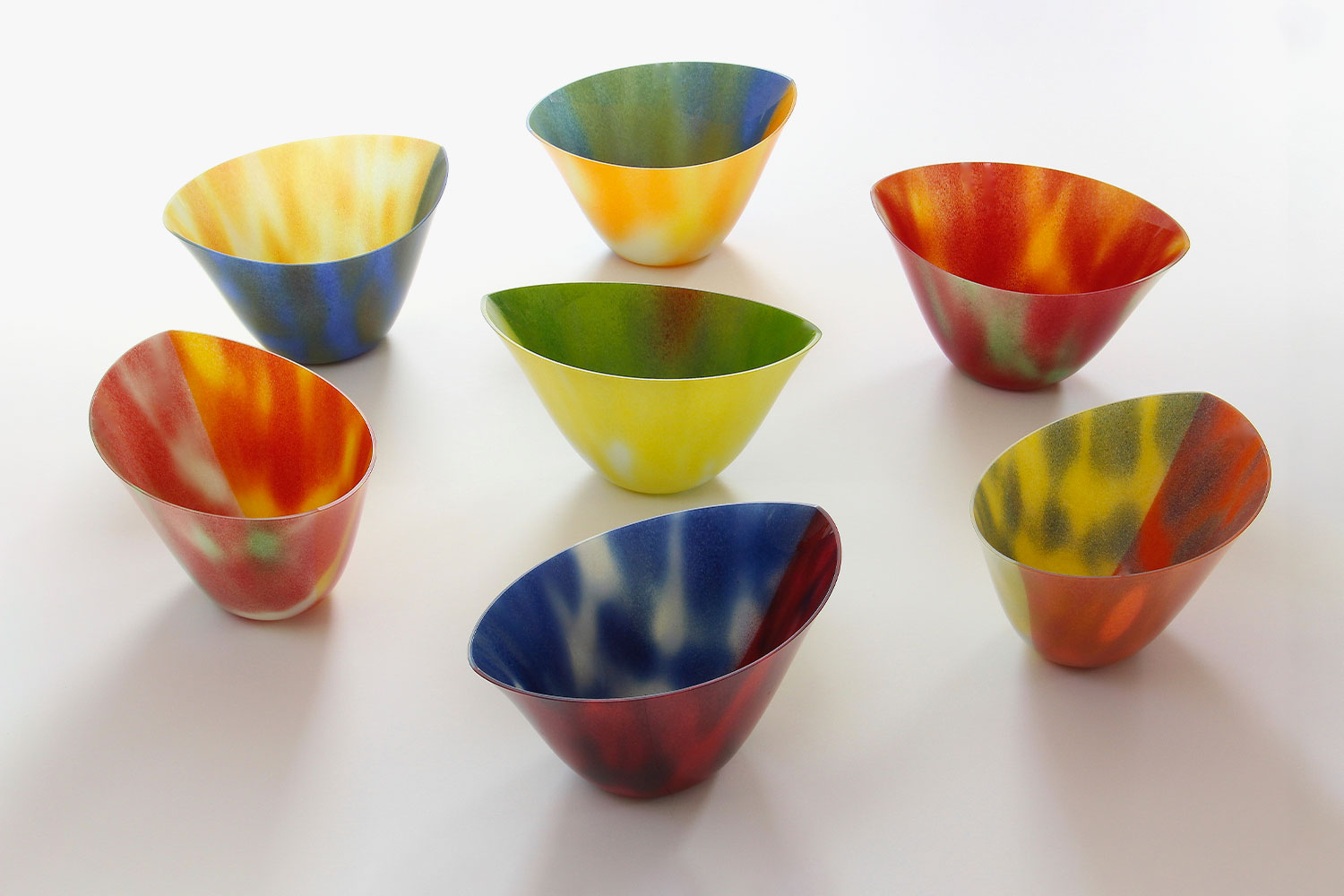
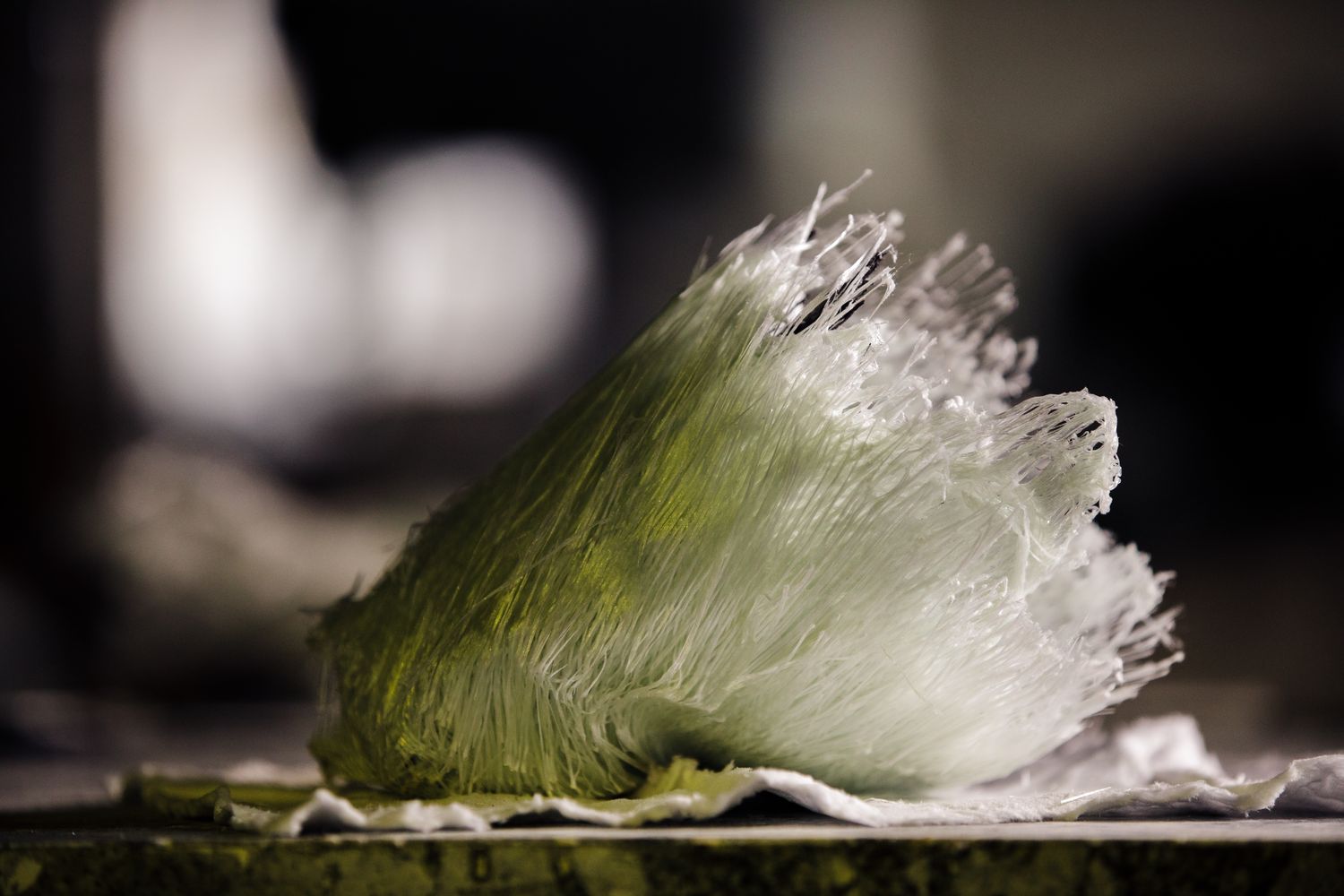
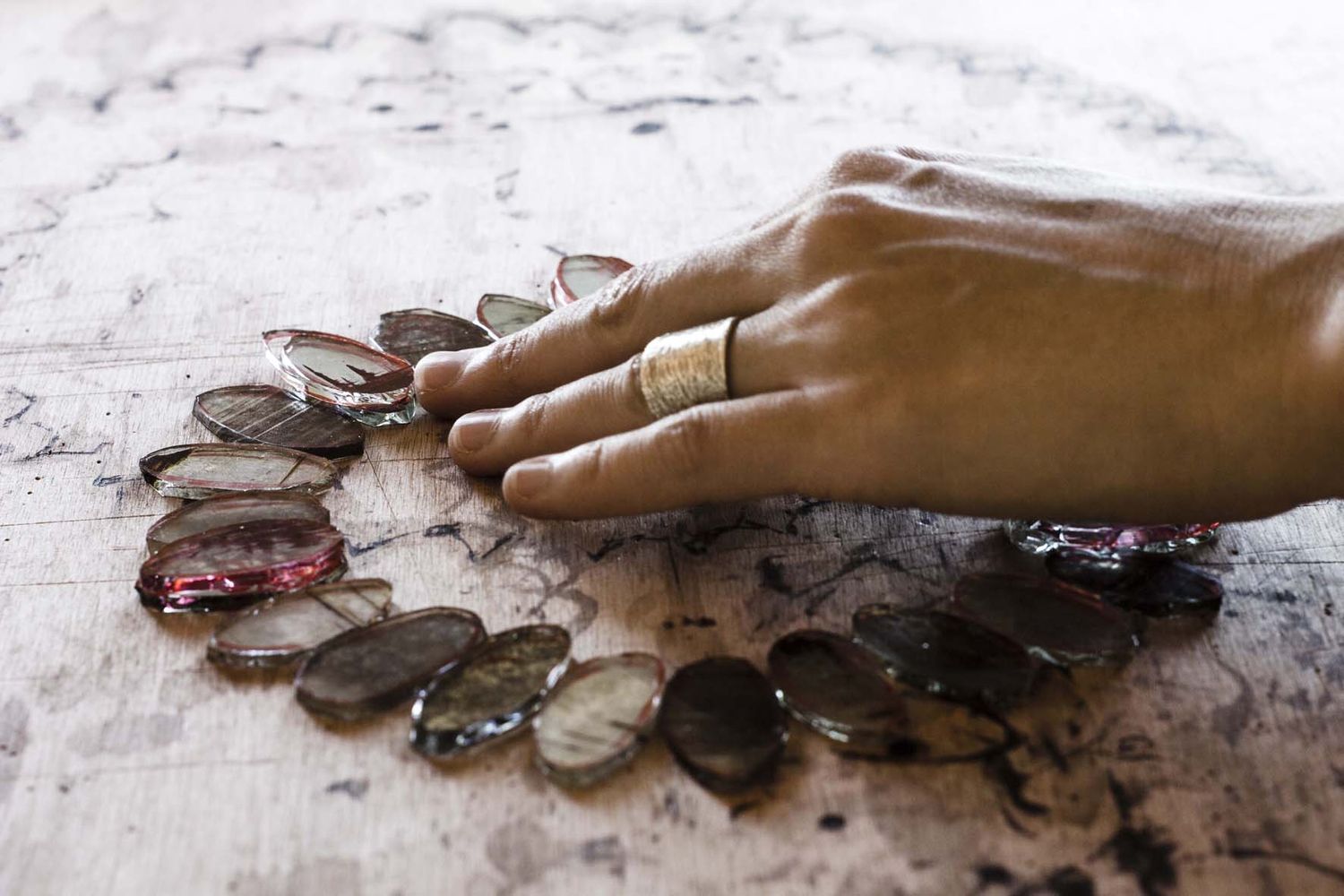
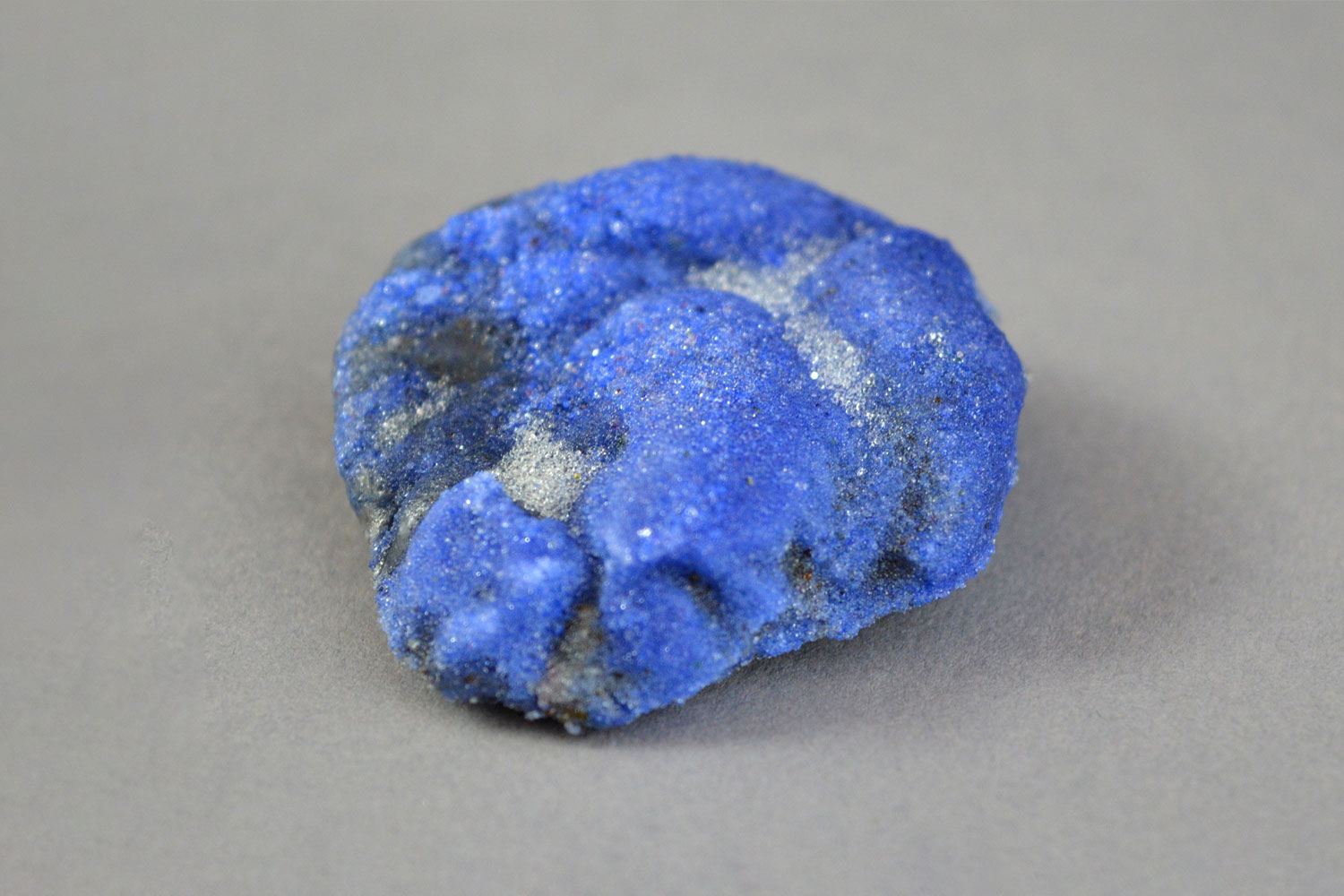
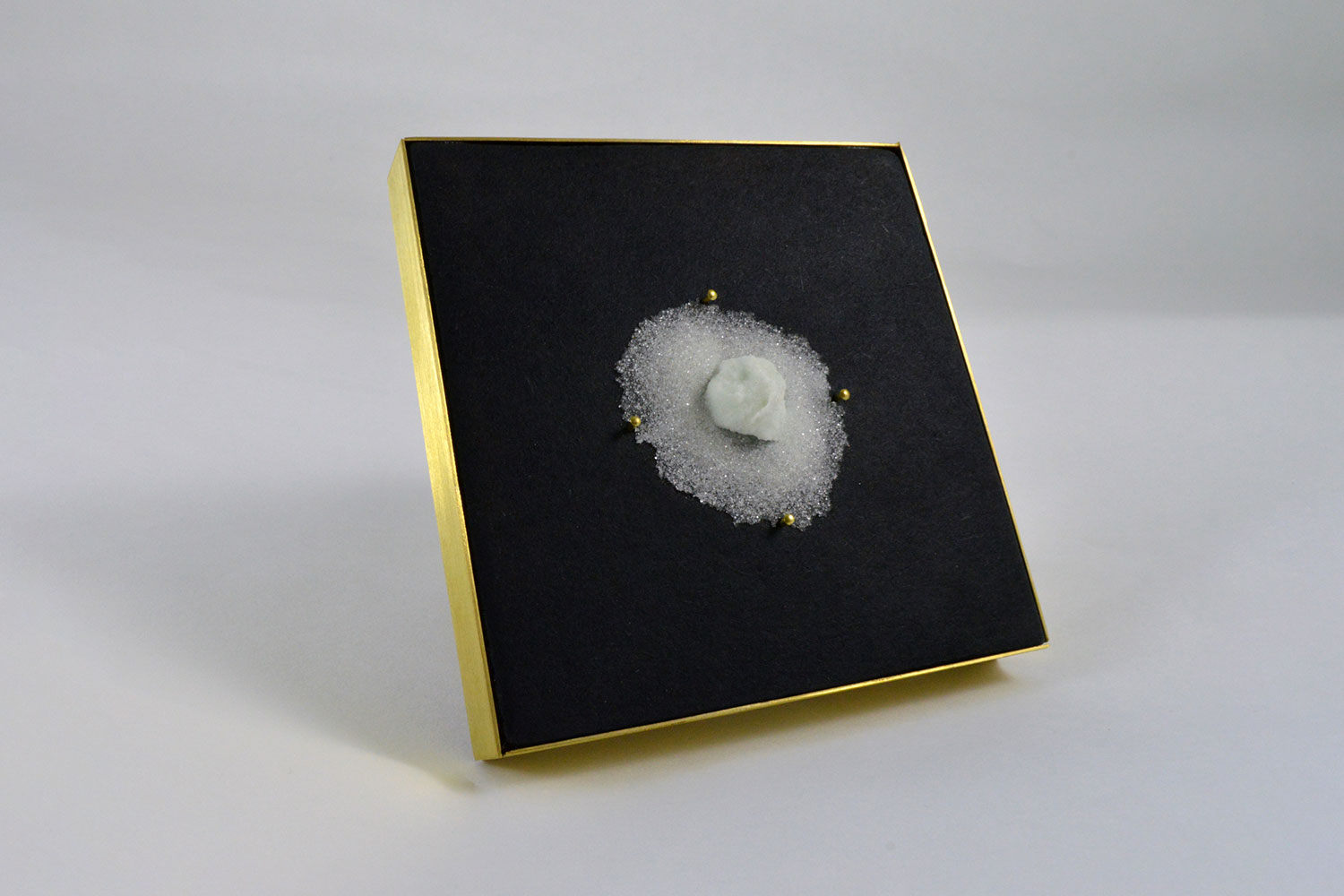
I use both pâte de verre and the fusion of glass powder as well as the techniques of Tiffany copper stained glass. What interests me about working with powders is to be able to play with aspects of glass that are less known, to show it off in different ways.
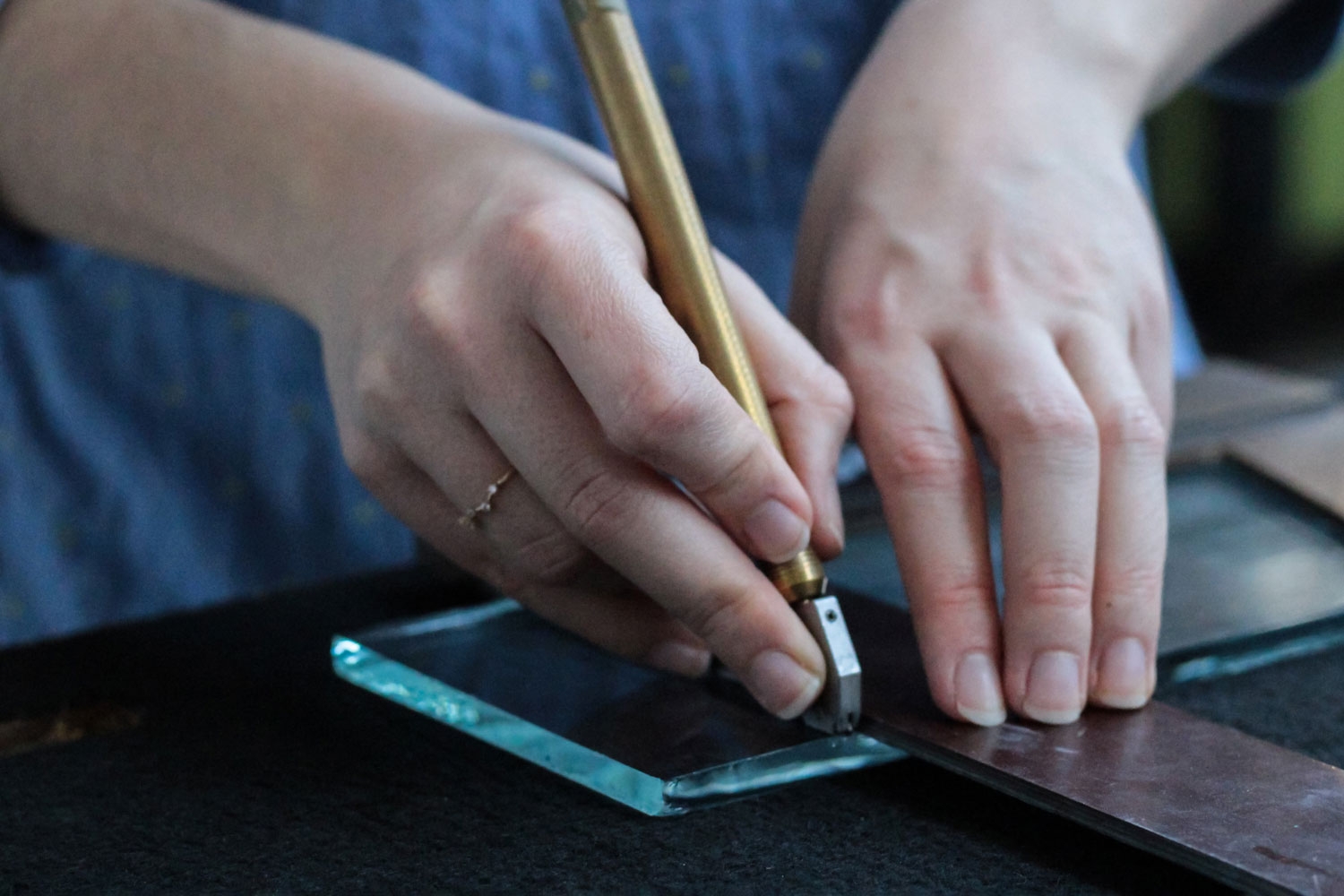
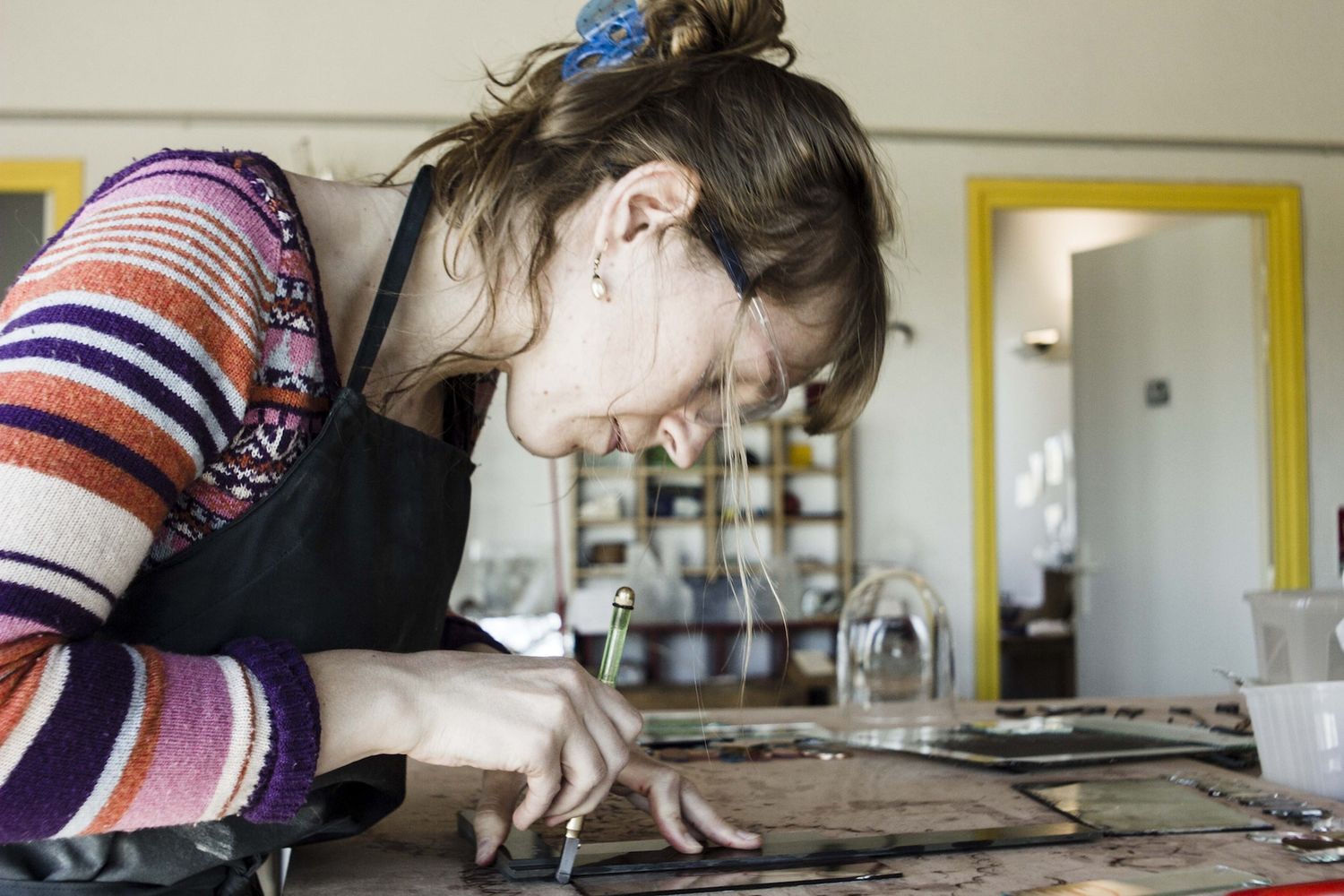
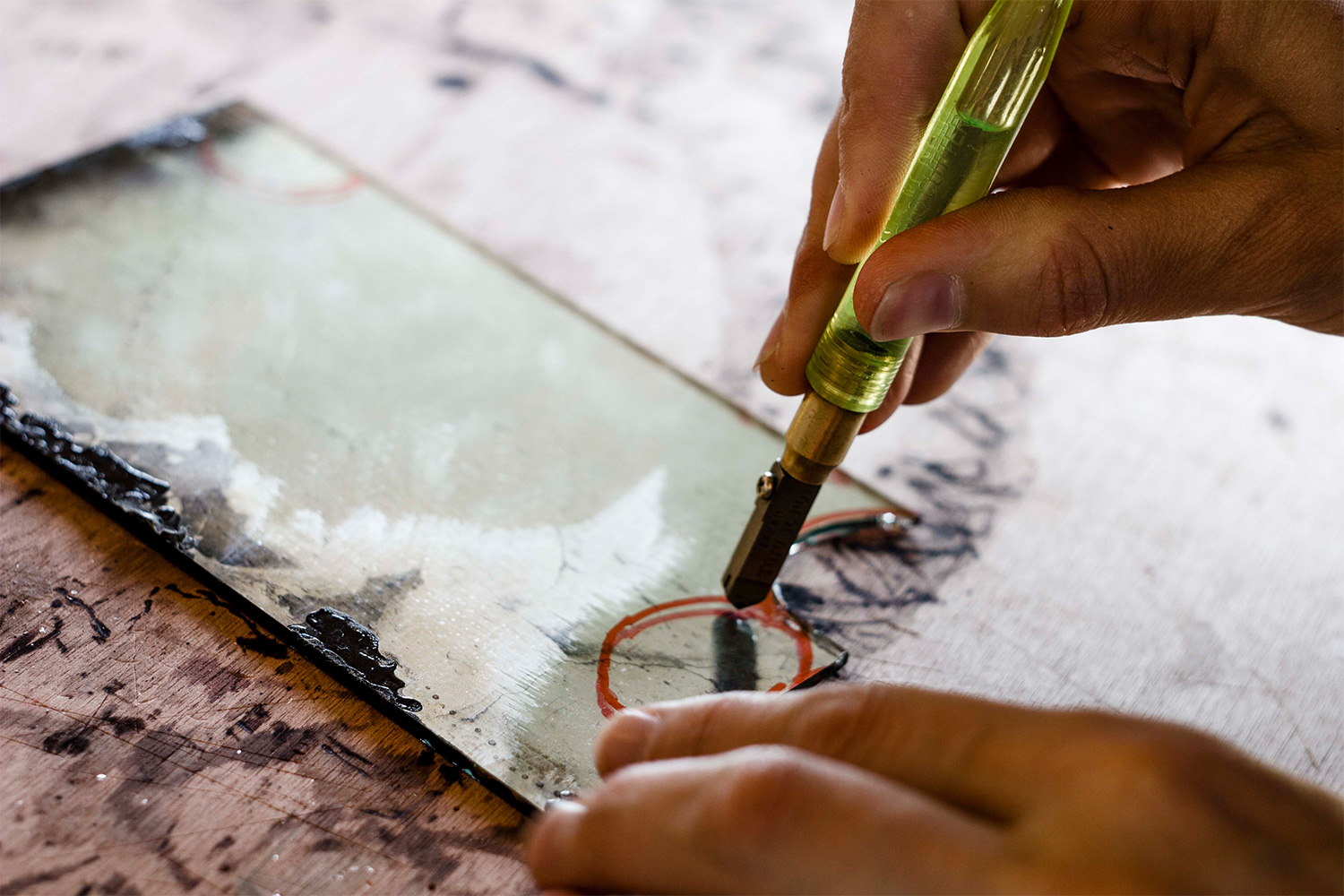
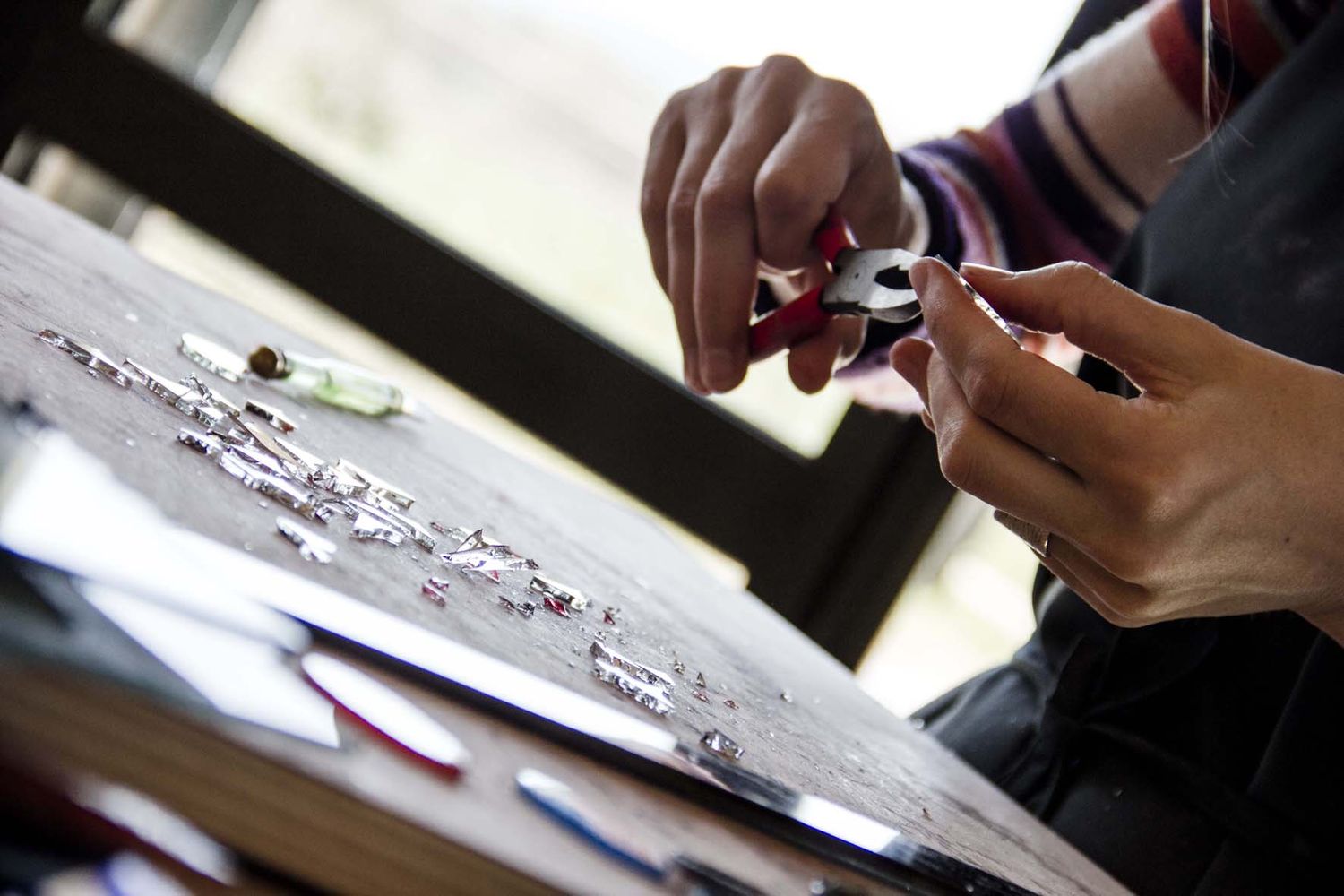
People do not always know that glass sings, that when you cut glass it emits a particular sound that could be called the glass’s song. When you cut a lot of glass, you pay a lot of attention to the sound it makes. It is important, as it will tell you whether the cut is good or not.