Francisco Rodríguez
Luthier
Los Llanos, Spain
Master of the Canarian timple
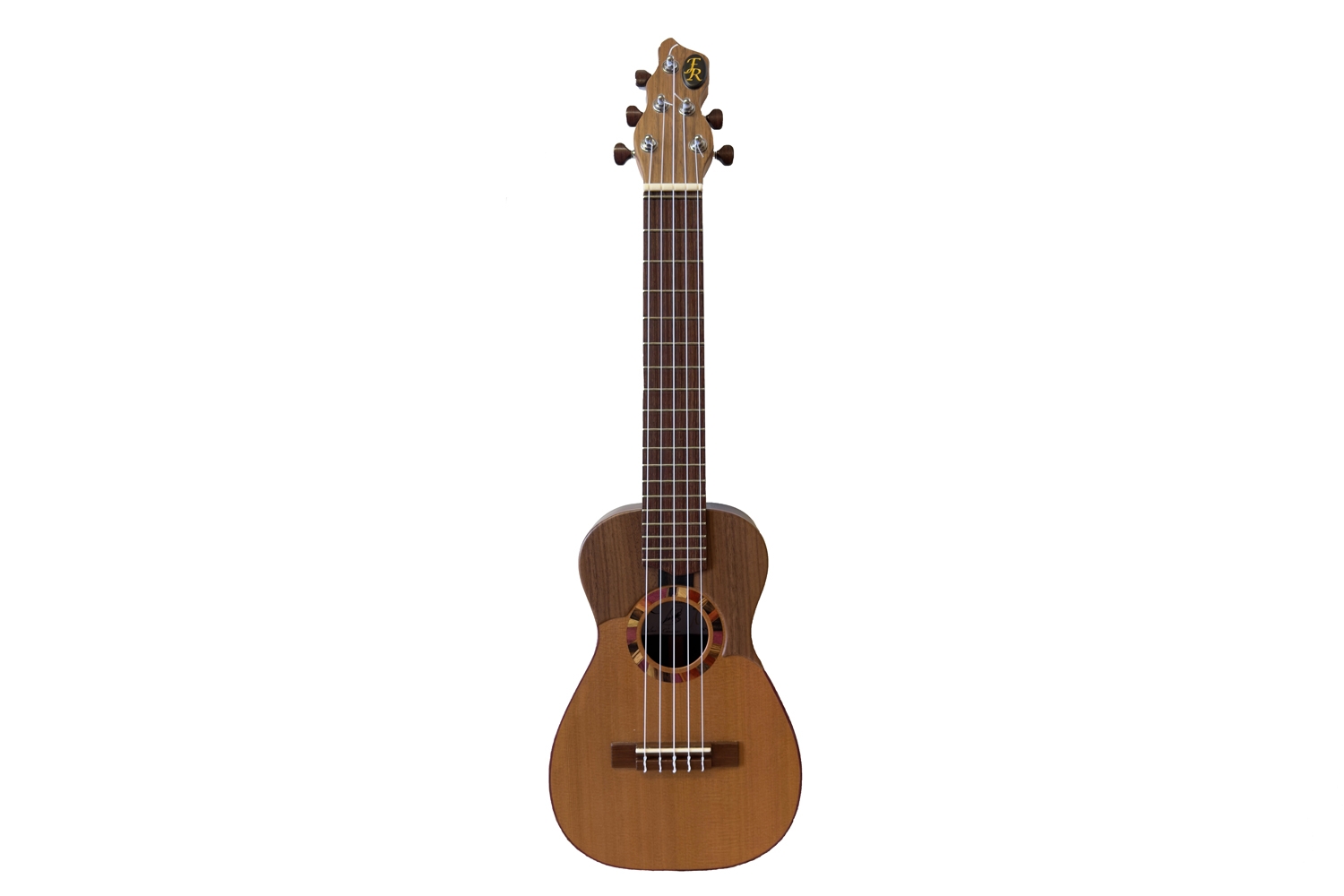
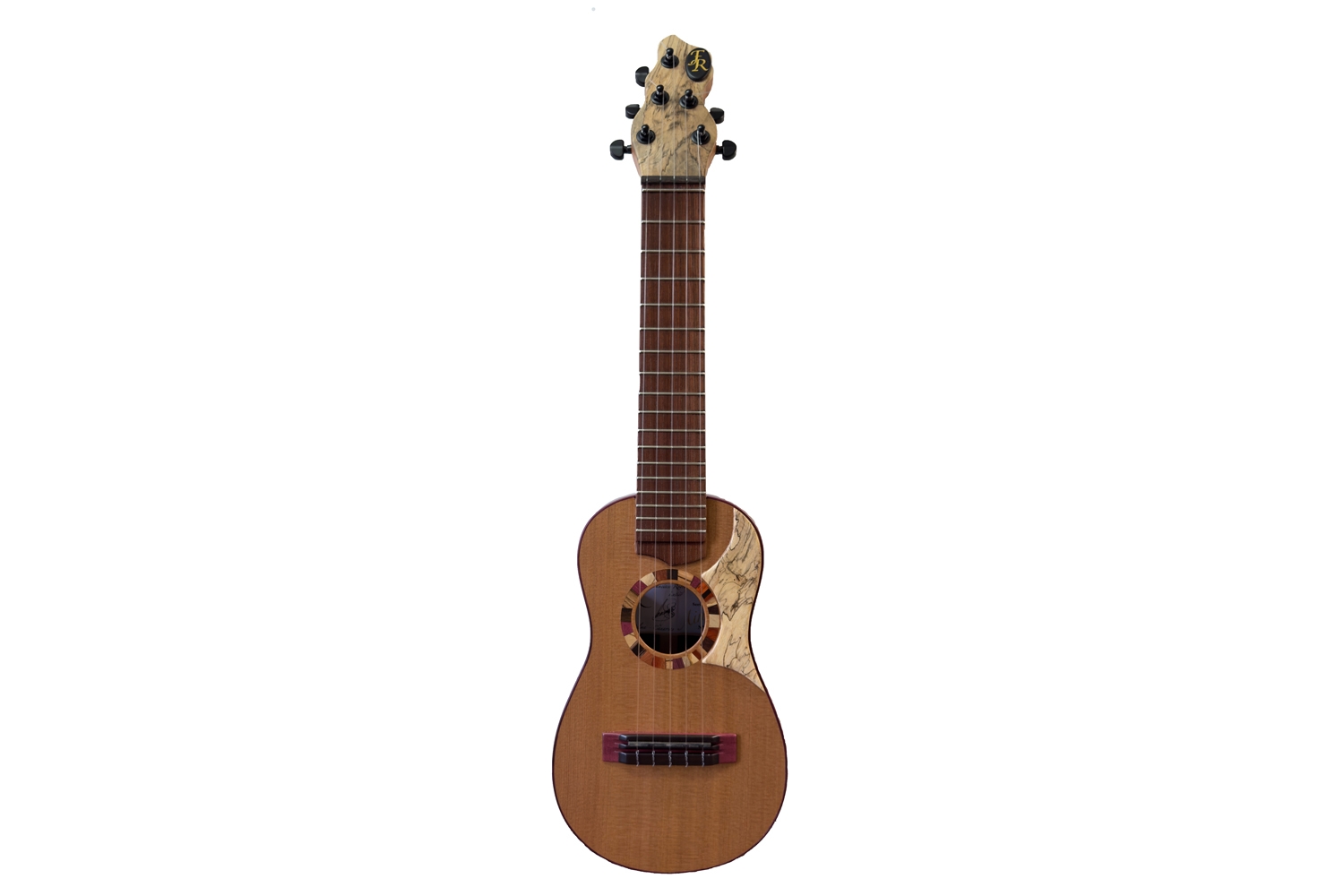
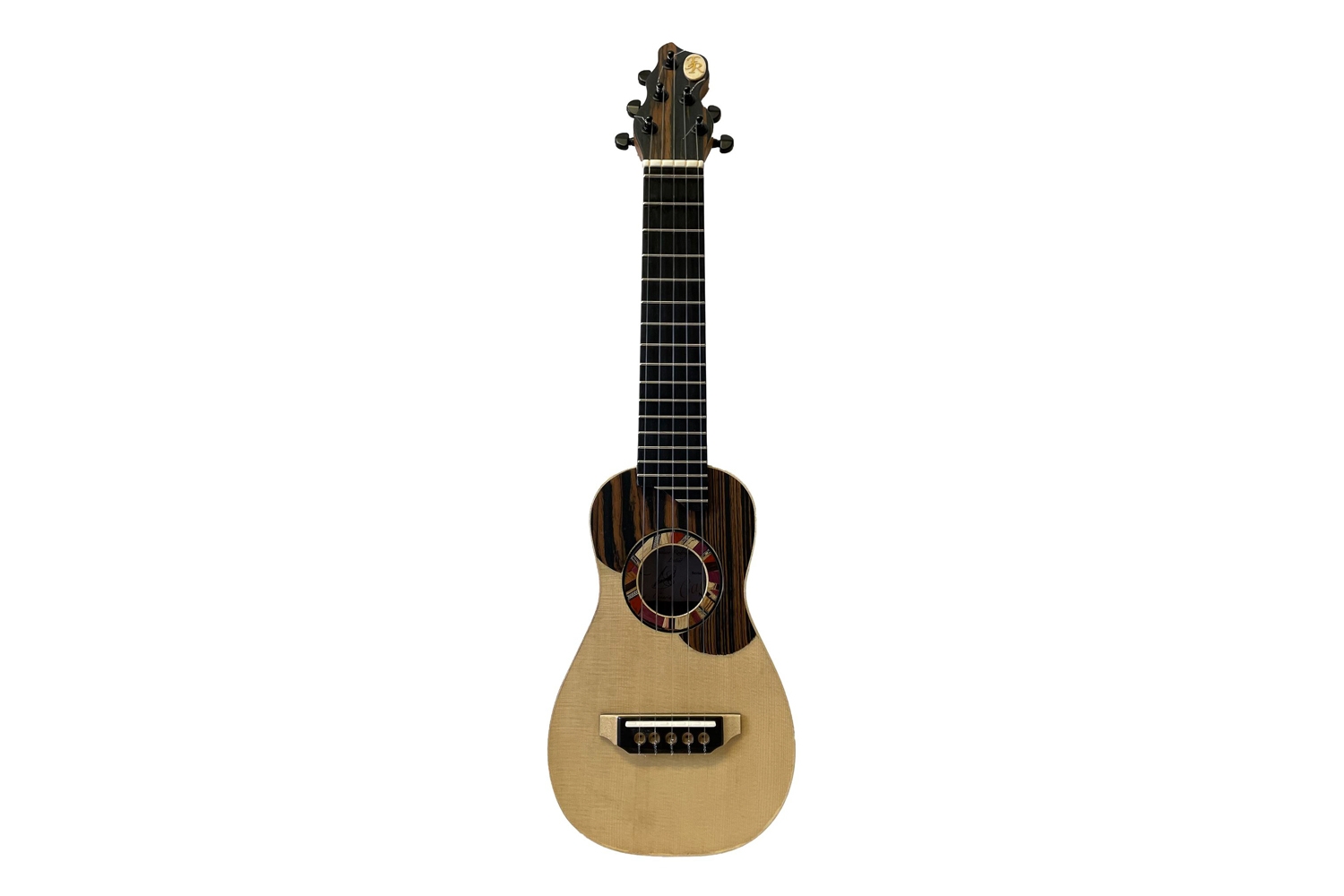
- Francisco makes the traditional five-string timple alongside other stringed instruments
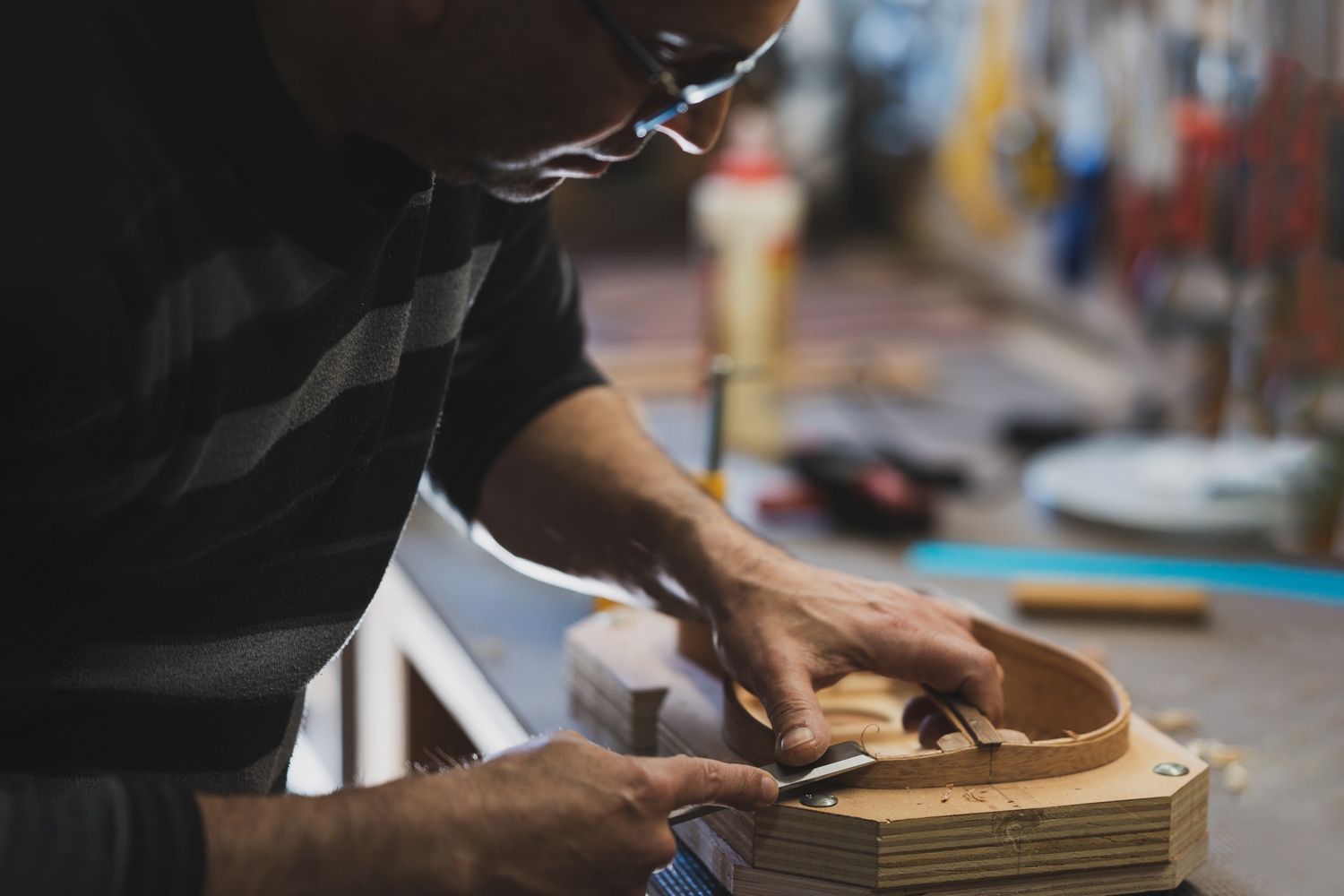
- His background as a woodworker allows him to deepen the instruments’ resonance
- He works with locally sourced materials, reinforcing the authenticity of the instruments
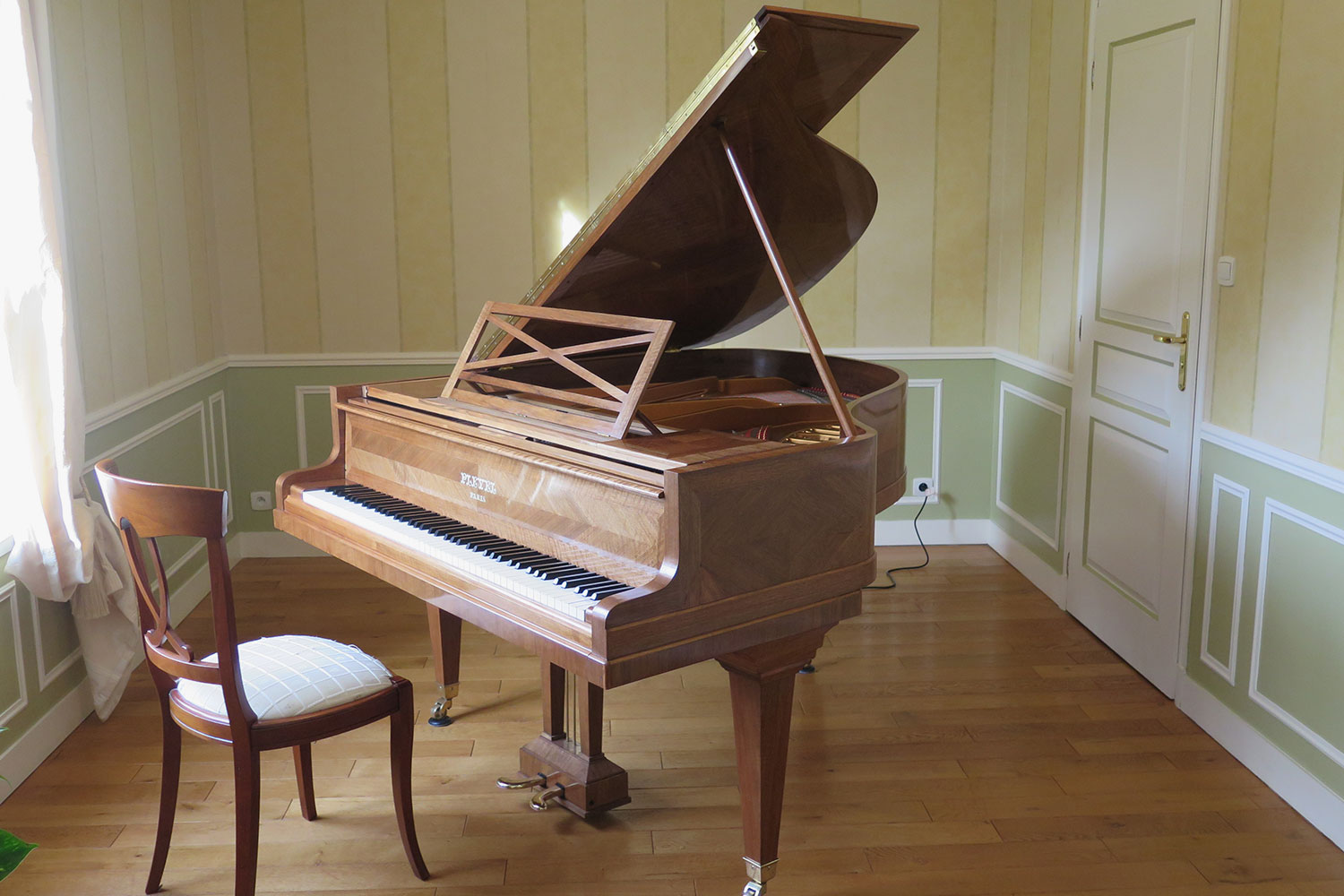
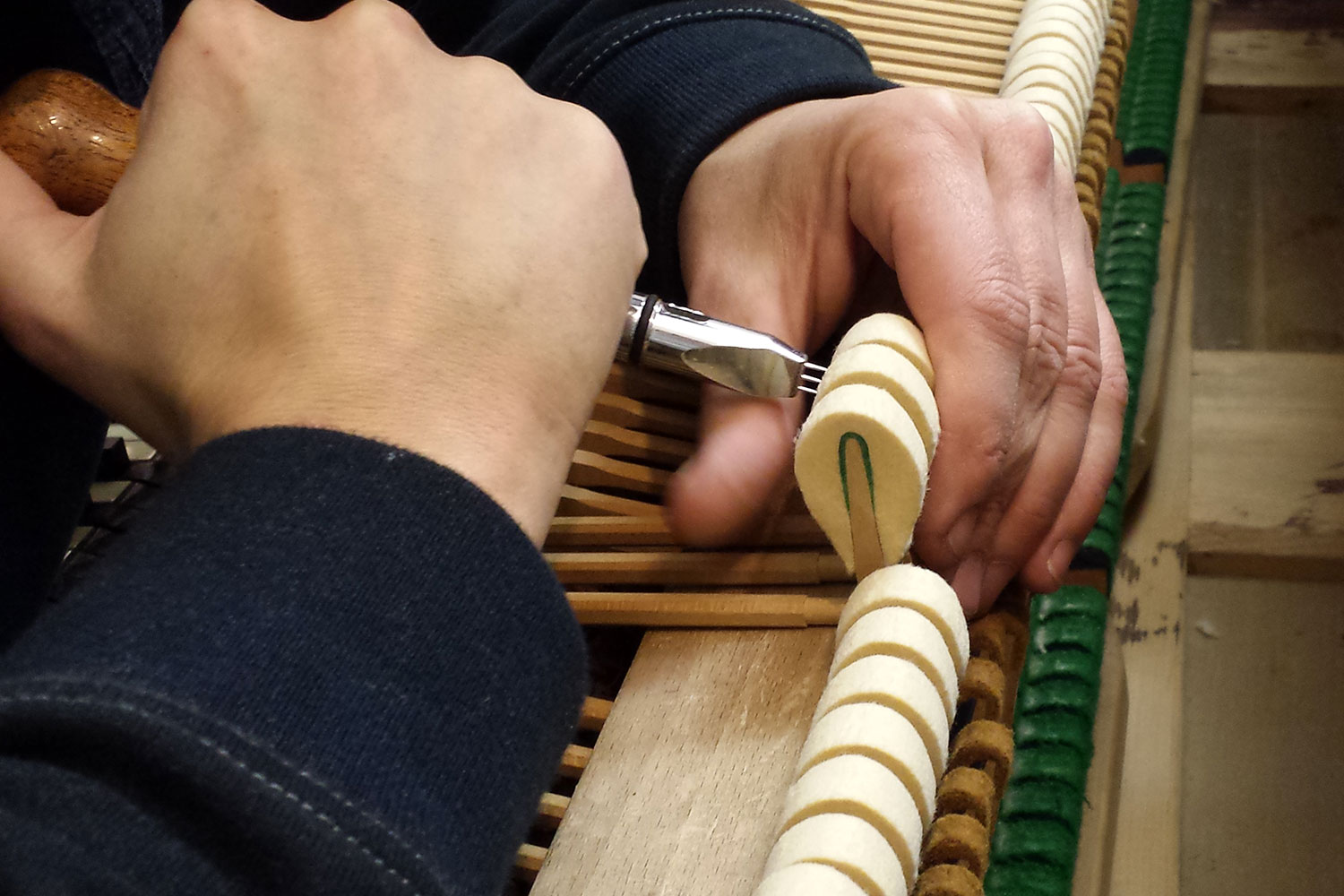
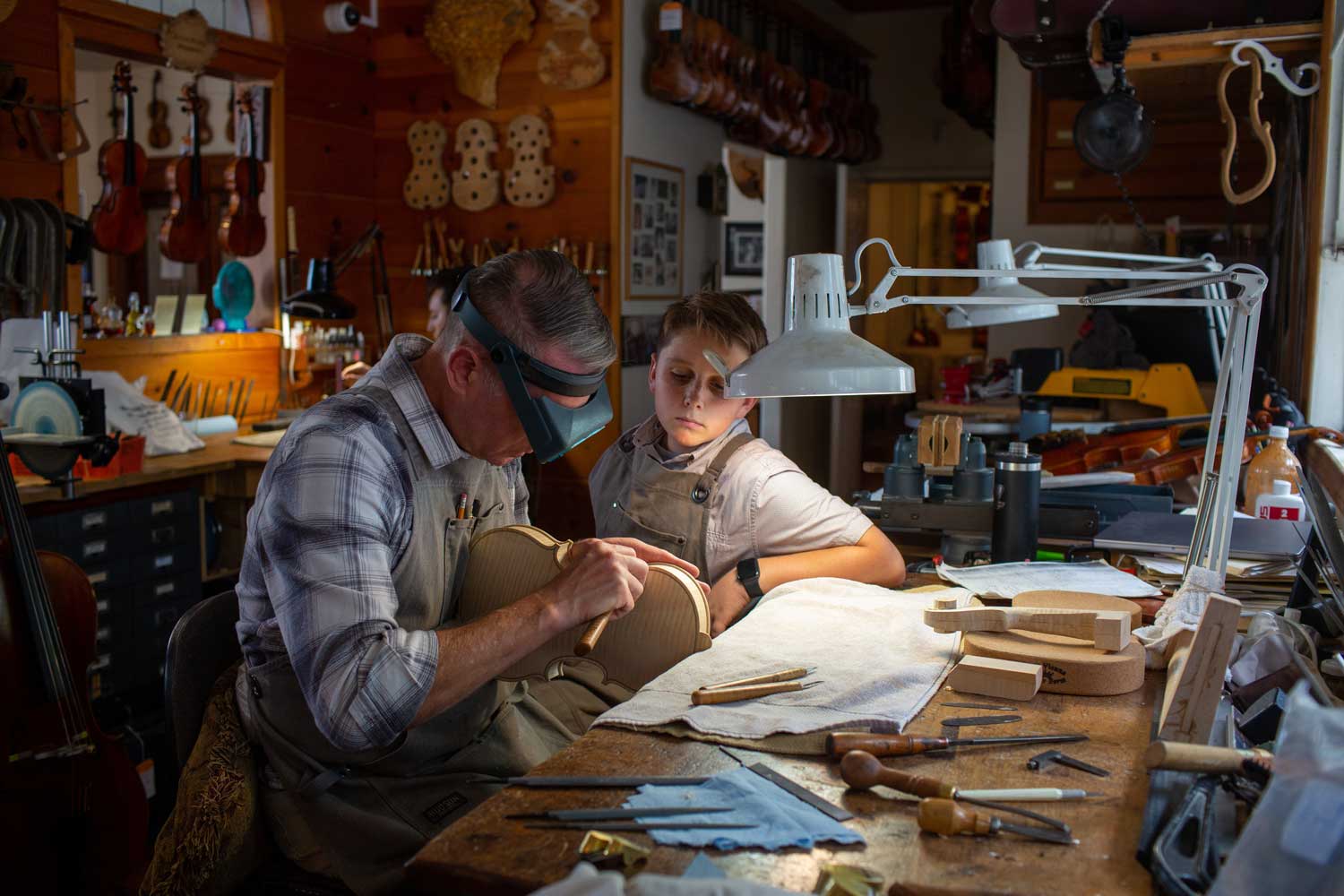
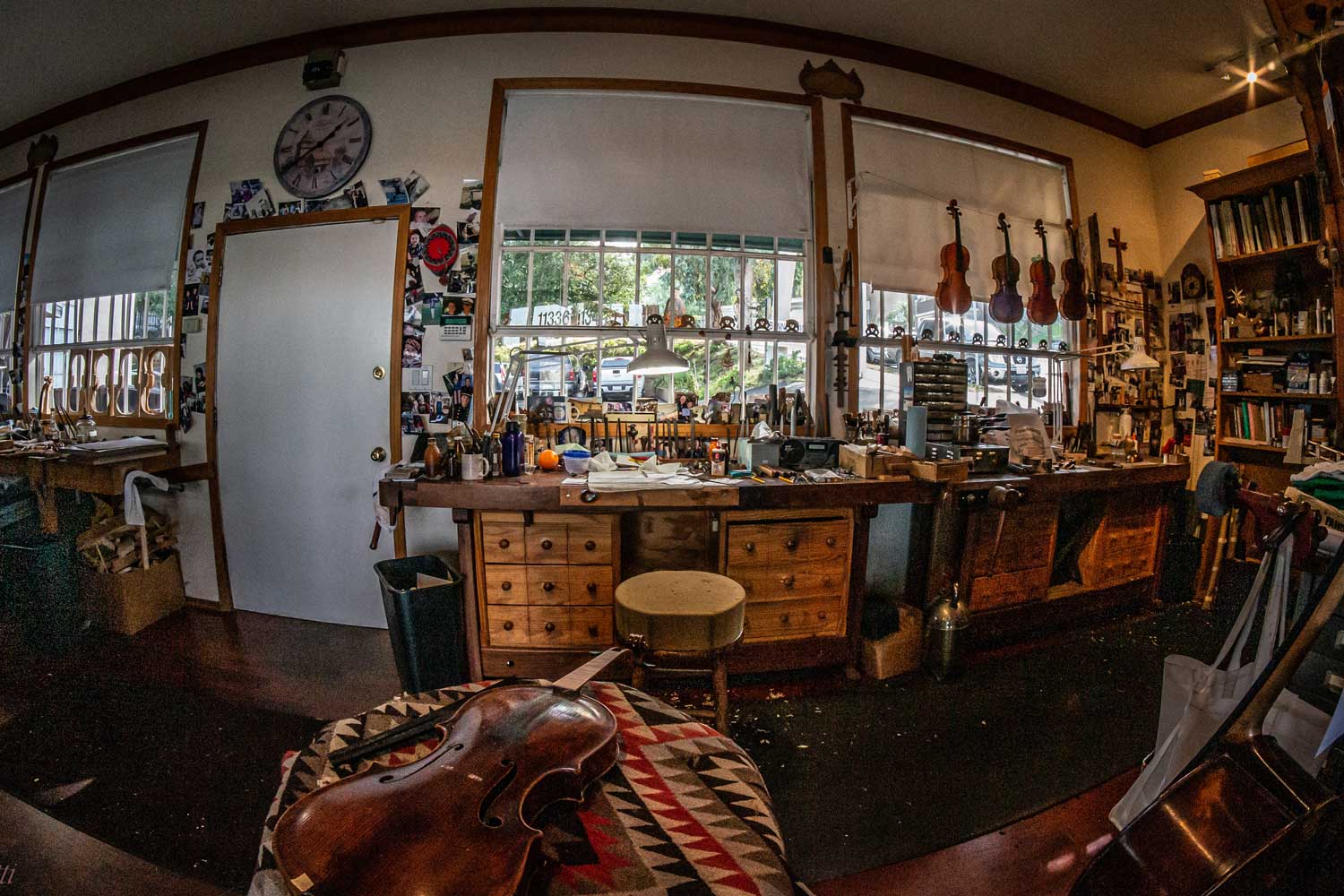
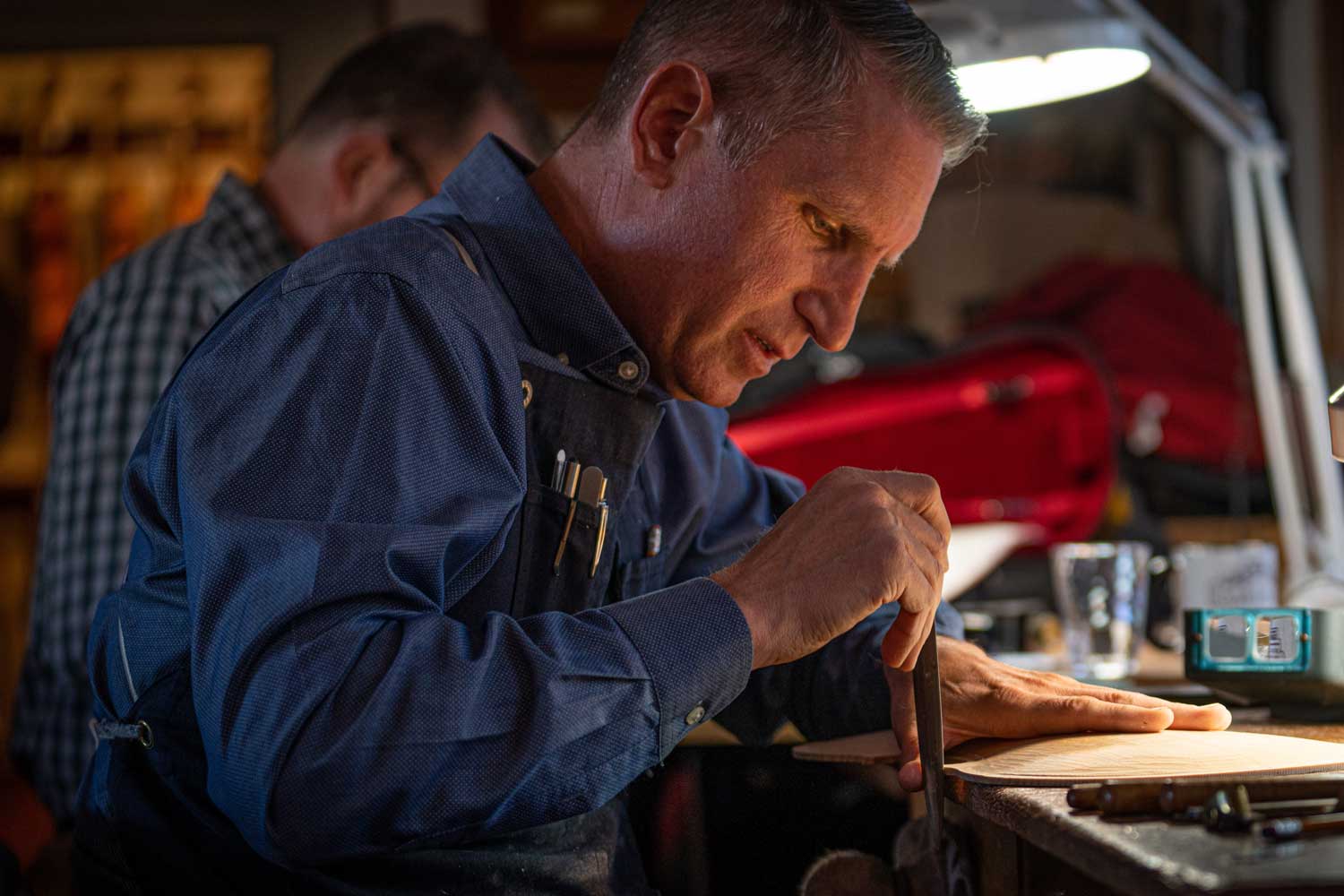
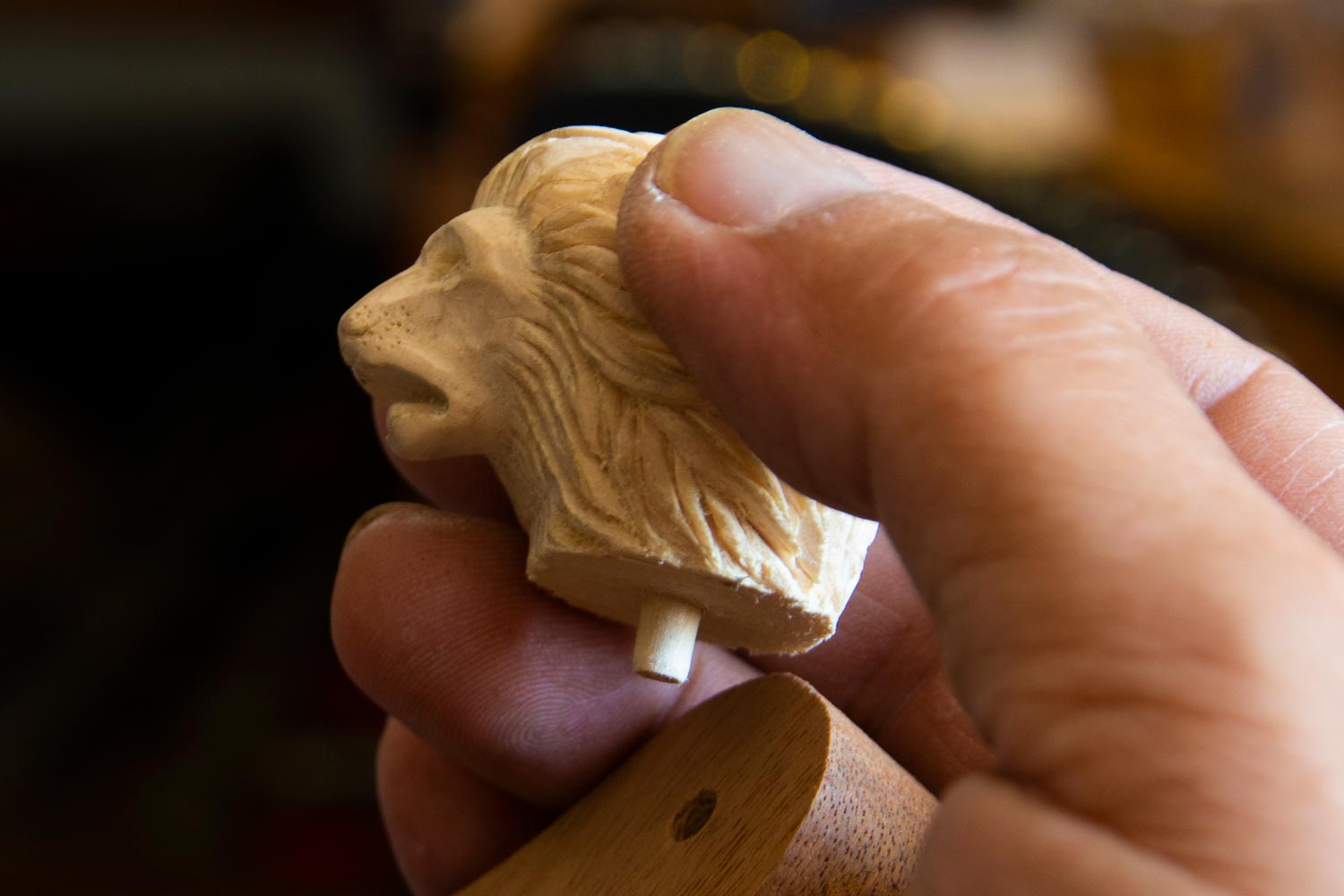
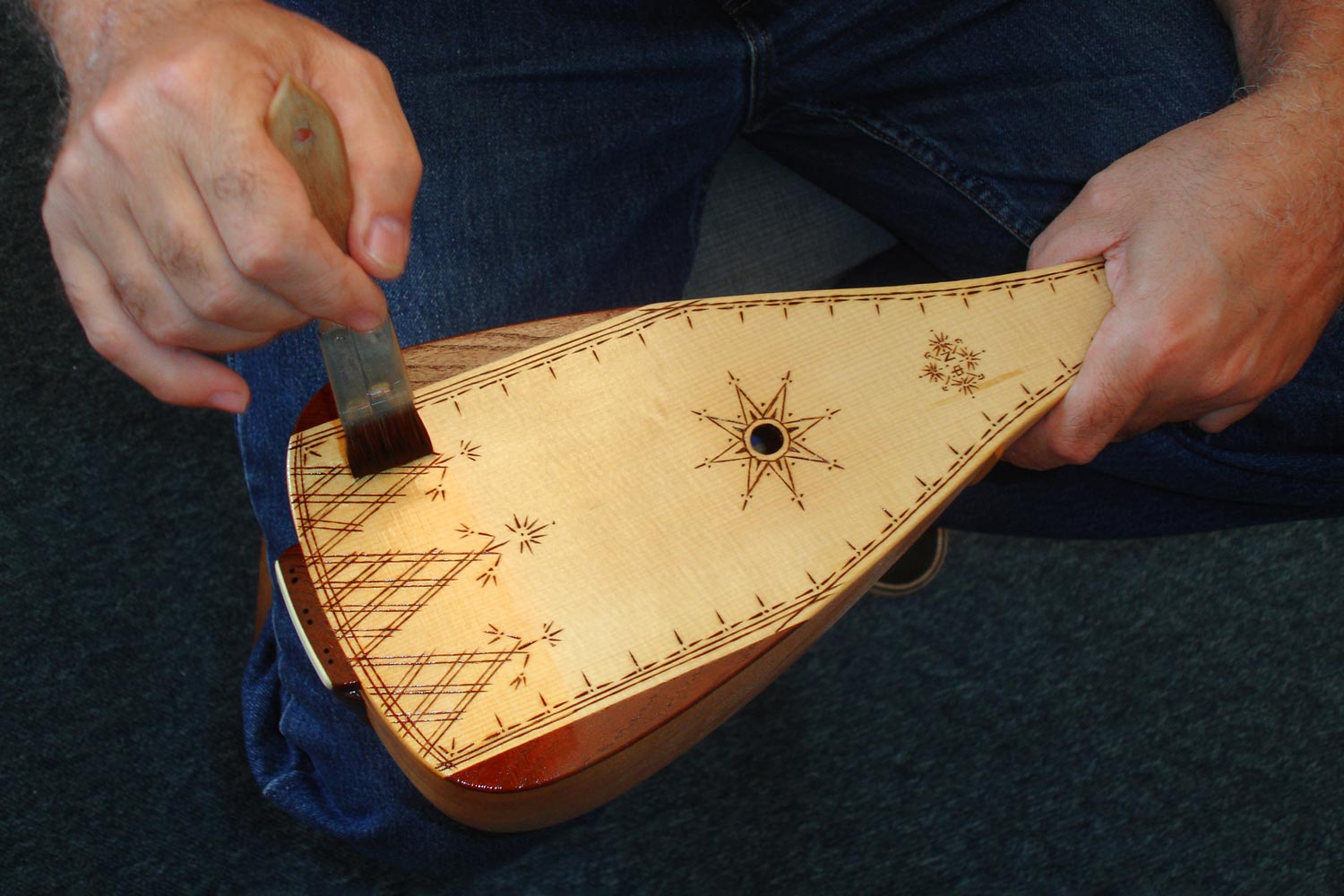
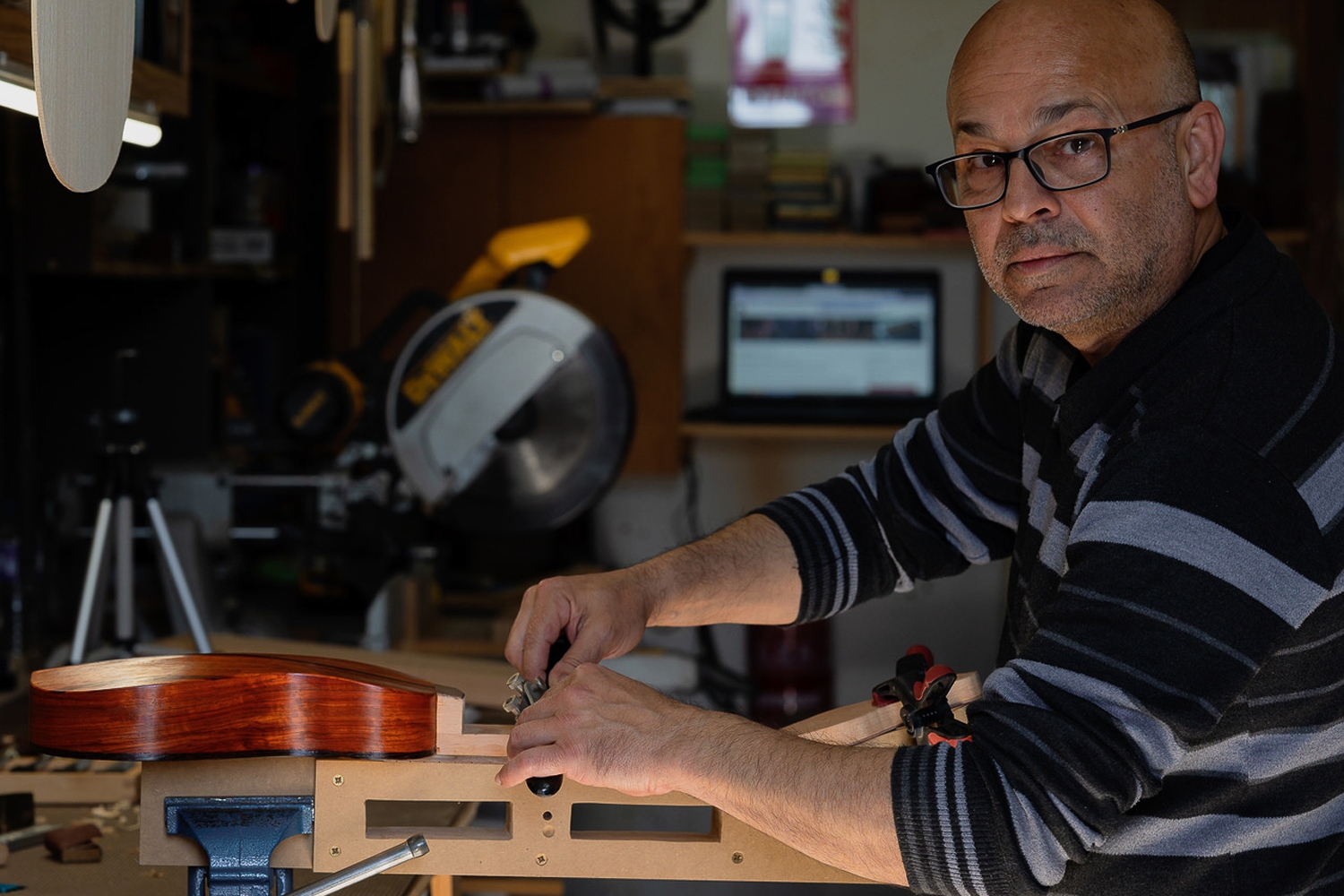
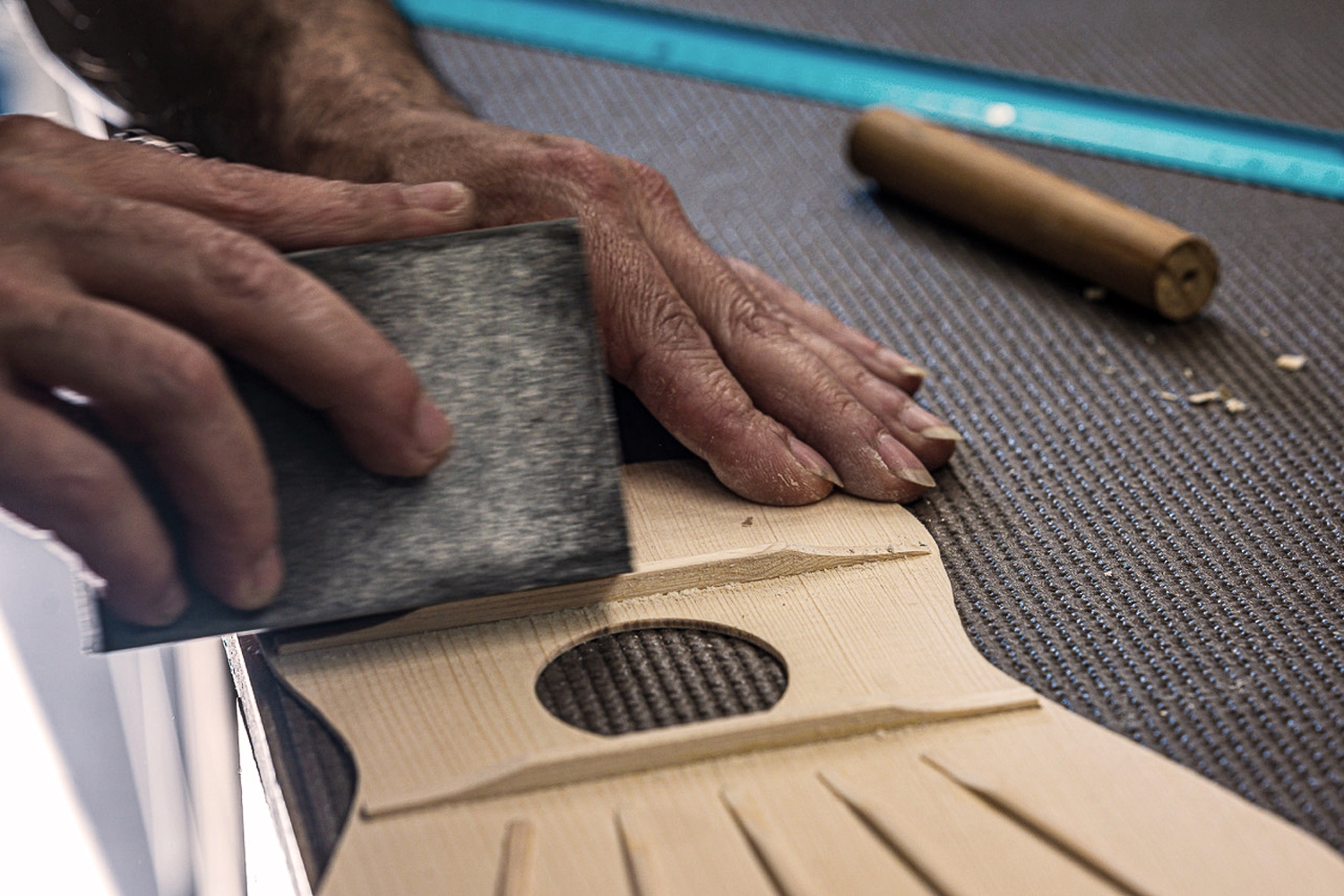
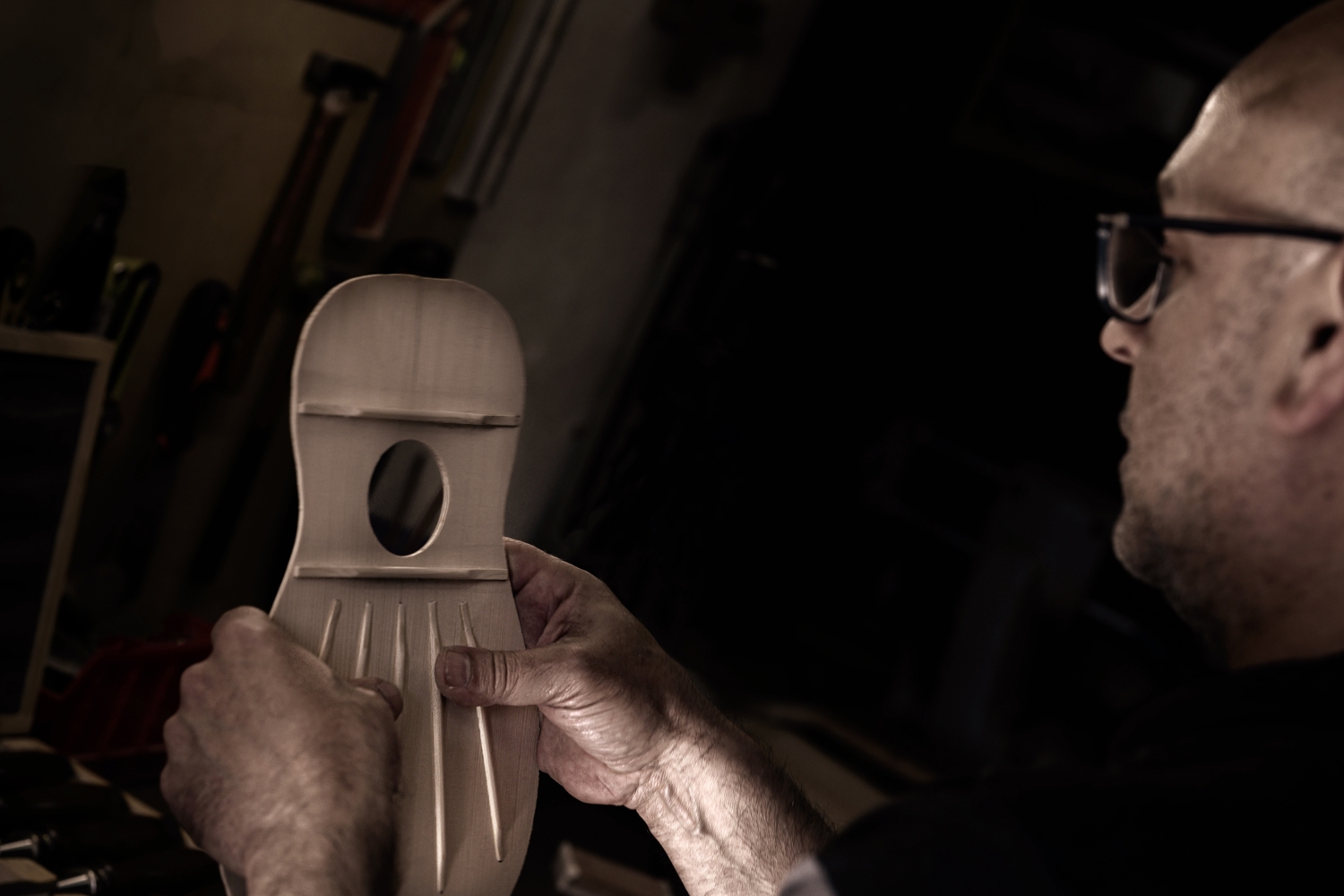
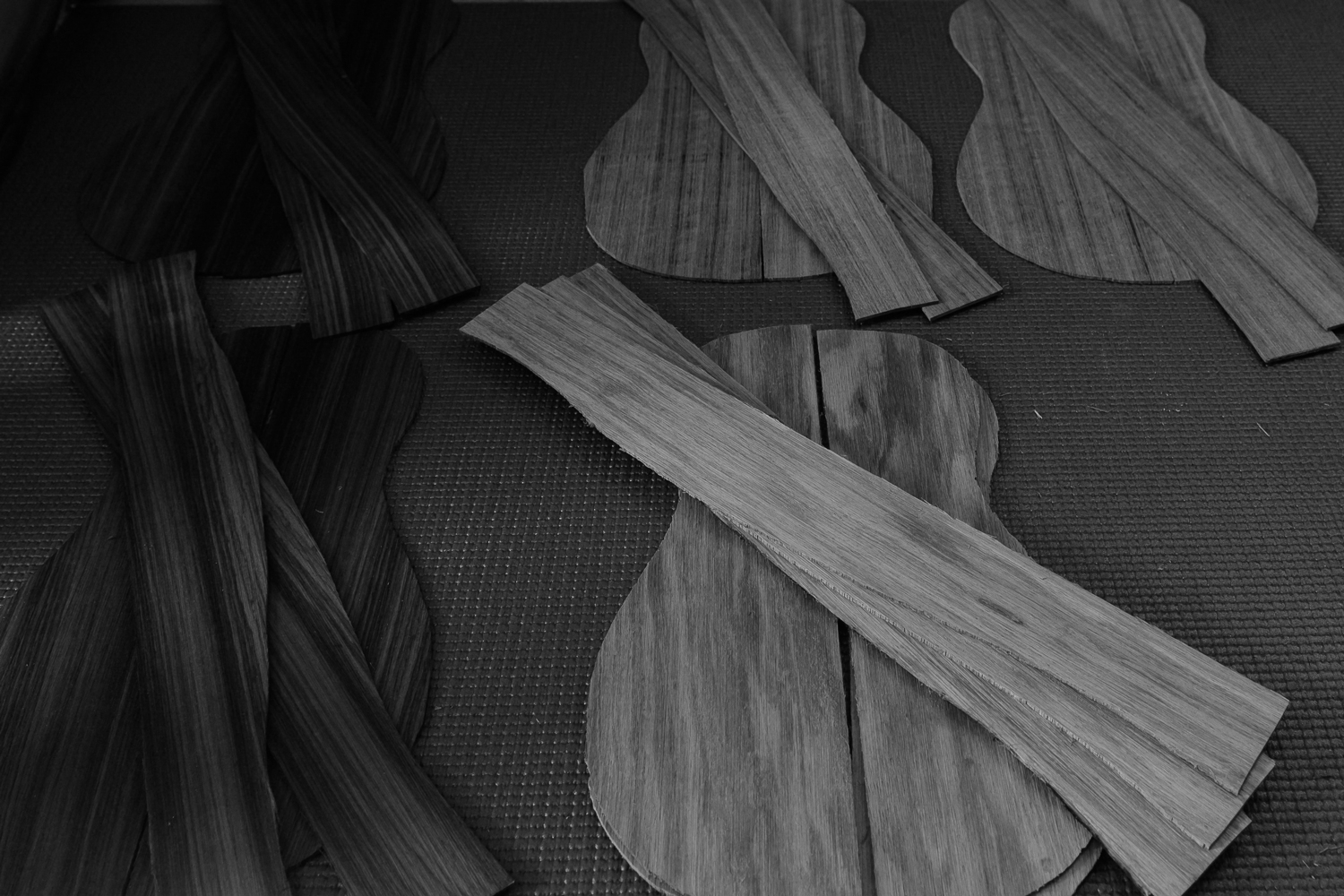
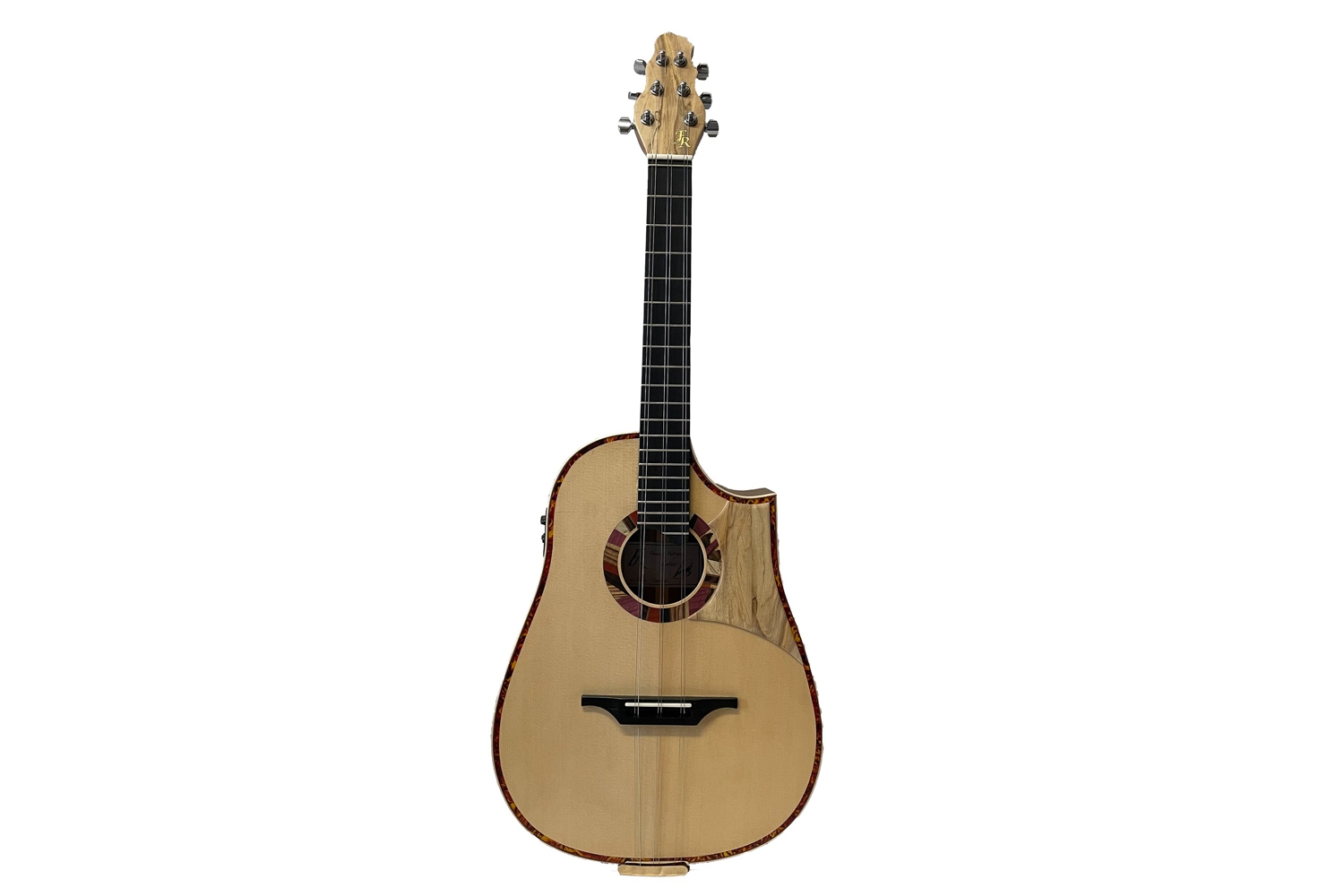
Francisco Rodríguez is one of few artisans dedicated to crafting the timple, a small five-stringed instrument central to traditional music in the Canary Islands. A self-taught woodworker from a family of carpenters, he also crafts and restores other stringed instruments, including the Cuban tres and the Venezuelan cuatro. After closing his carpentry workshop during the 2008 financial crisis, Francisco discovered lutherie and embraced it as his true vocation, founding his own atelier. "My instruments are the outcome of continual research and adaptation to meet the needs and technical requirements of today’s outstanding timple players," says Francisco. Today, inspired by La Palma’s mountains, seas, and volcanic landscapes, he combines traditional and contemporary construction methods with carefully selected tonewoods to produce instruments highly regarded by the folk musicians of the Canary Islands and beyond.
INTERVIEW
After countless hours of effort and hard work, it is priceless to see one of my instruments in the hands of a master musician on stage, providing the audience with unforgettable musical moments.
Combining tradition and innovation is a considerable challenge. I aim to keep the instrument building process as artisanal as possible, while recognising that technology is here to stay. My instruments are the outcome of continual adaptation, evolving the traditional form to meet the requirements of today’s timple masters.
I am on a constant quest to make the perfect instrument. This forces me to continually update and innovate my making processes. It drives me to continue and to wonder if perhaps the next one will be the one, or if perhaps it is unattainable.
The survival of Canarian timple making is at risk, although lutherie in general does not seem to be. Artisans dedicated to crafting the timple are located almost entirely in the Canary Islands. The number of artisans engaged in this work are in decline, and most have no apprentices.
Francisco Rodríguez
Luthier
Los Llanos, Spain
ADDRESS
Address upon request, Los Llanos, Spain
AVAILABILITY
By appointment only
LANGUAGES
Spanish
Homo Faber Finds is a new service aiming to inspire admirers of craft to connect and collaborate with exceptional artisans.
We invite you to submit an enquiry here.