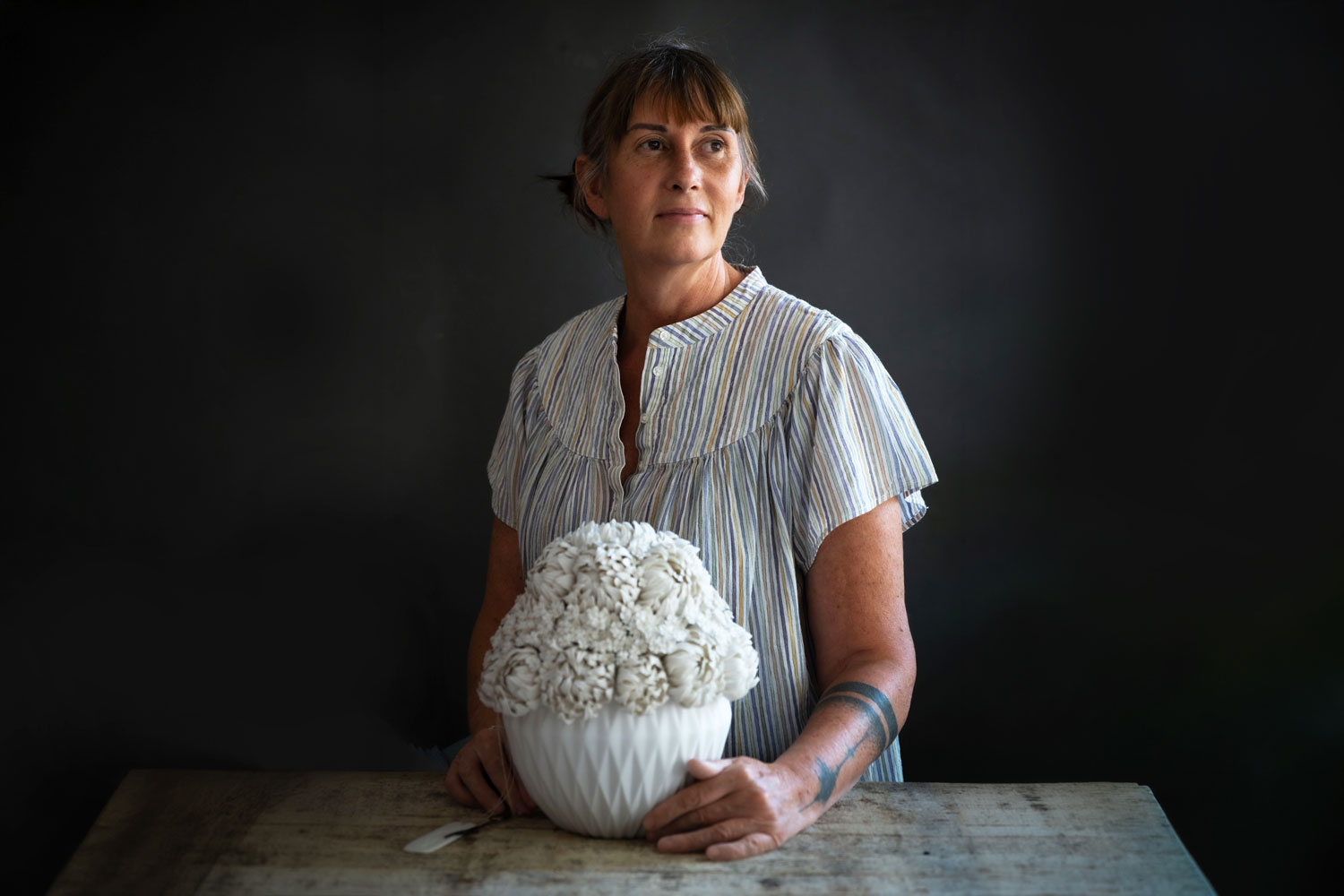
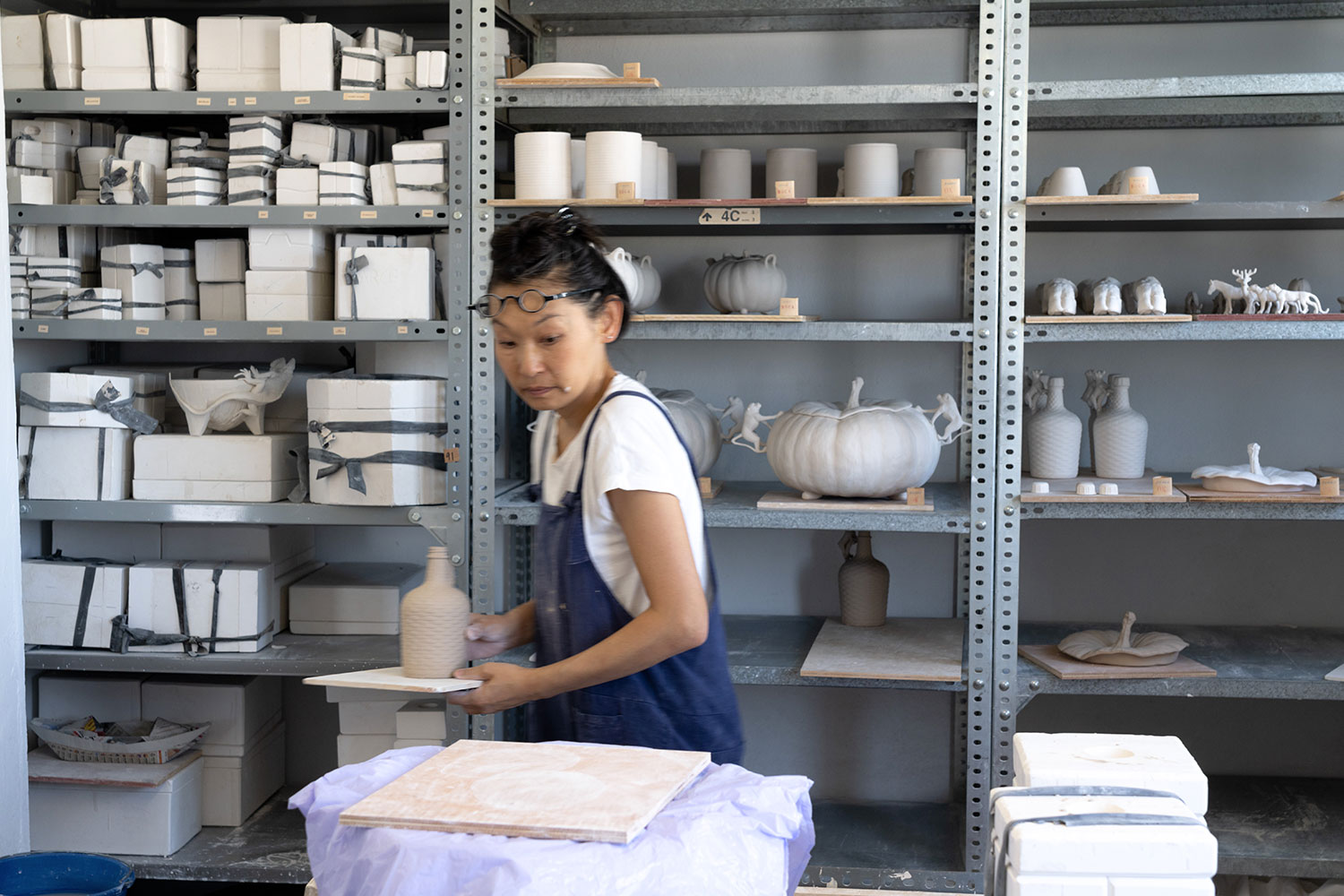
Yukiko Kitahara
Porcelain maker
Gelves, Spain
Recommended by Ana Maria Abascal & Patricia Medina
Made in Spain, rooted in Japan
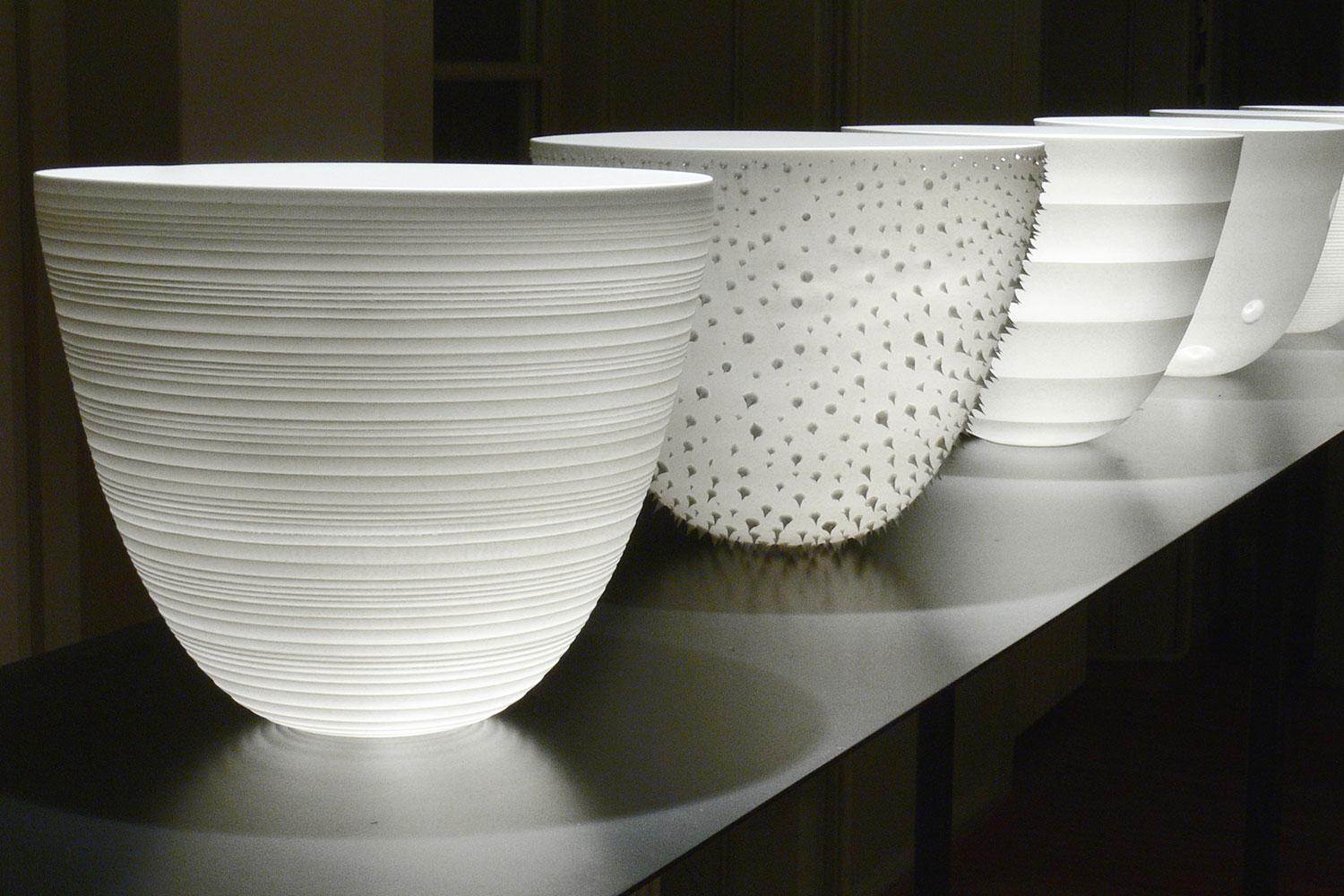
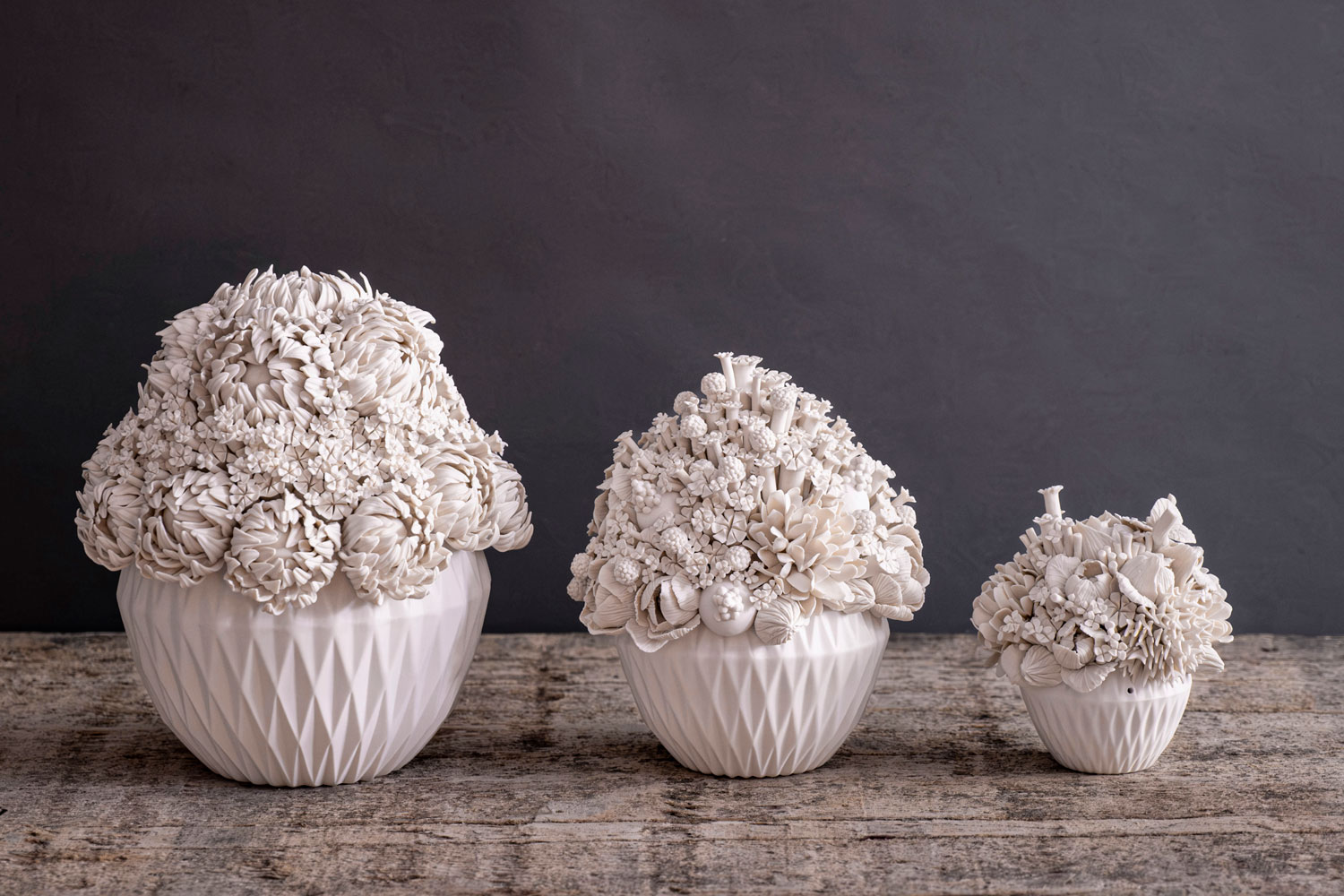
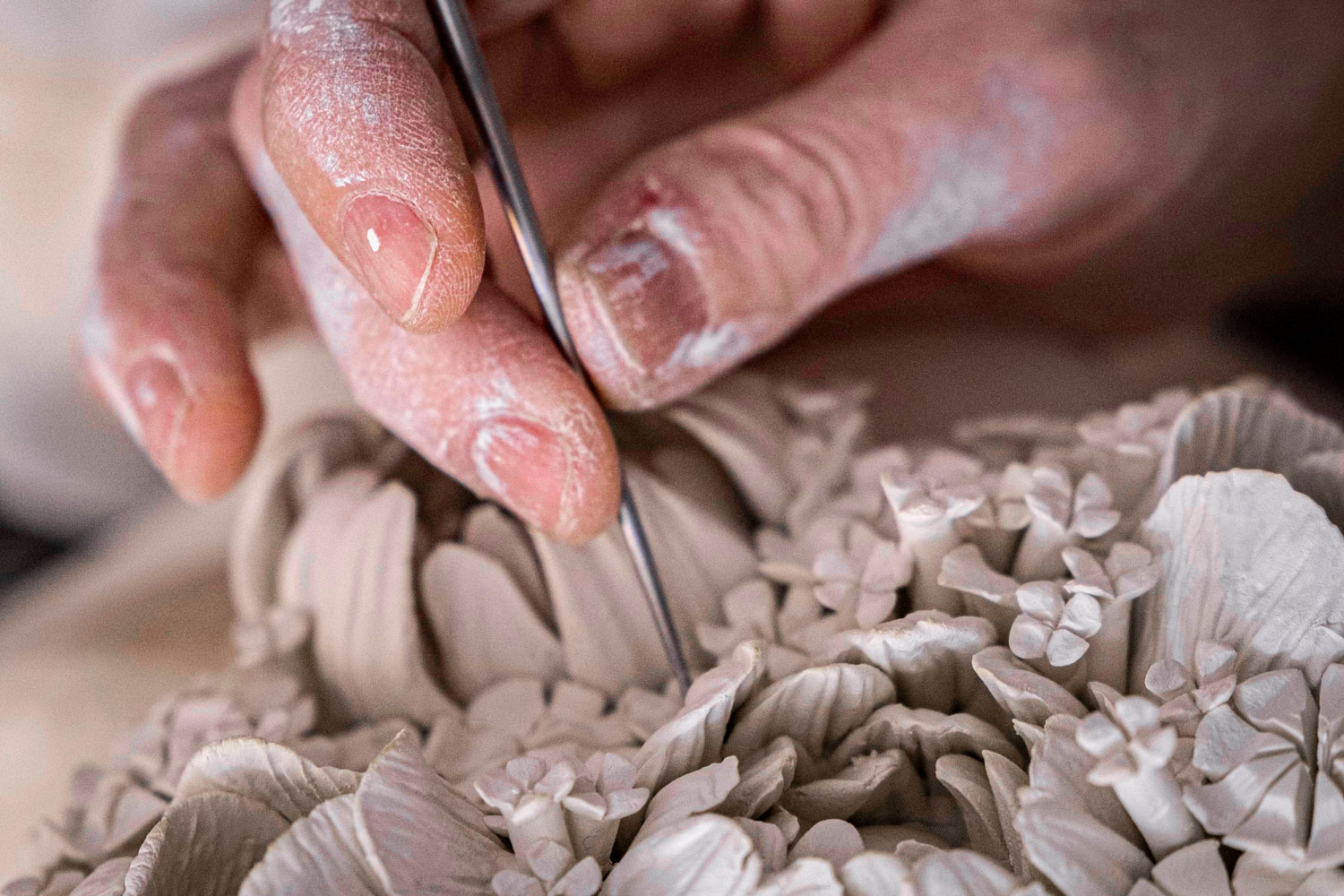
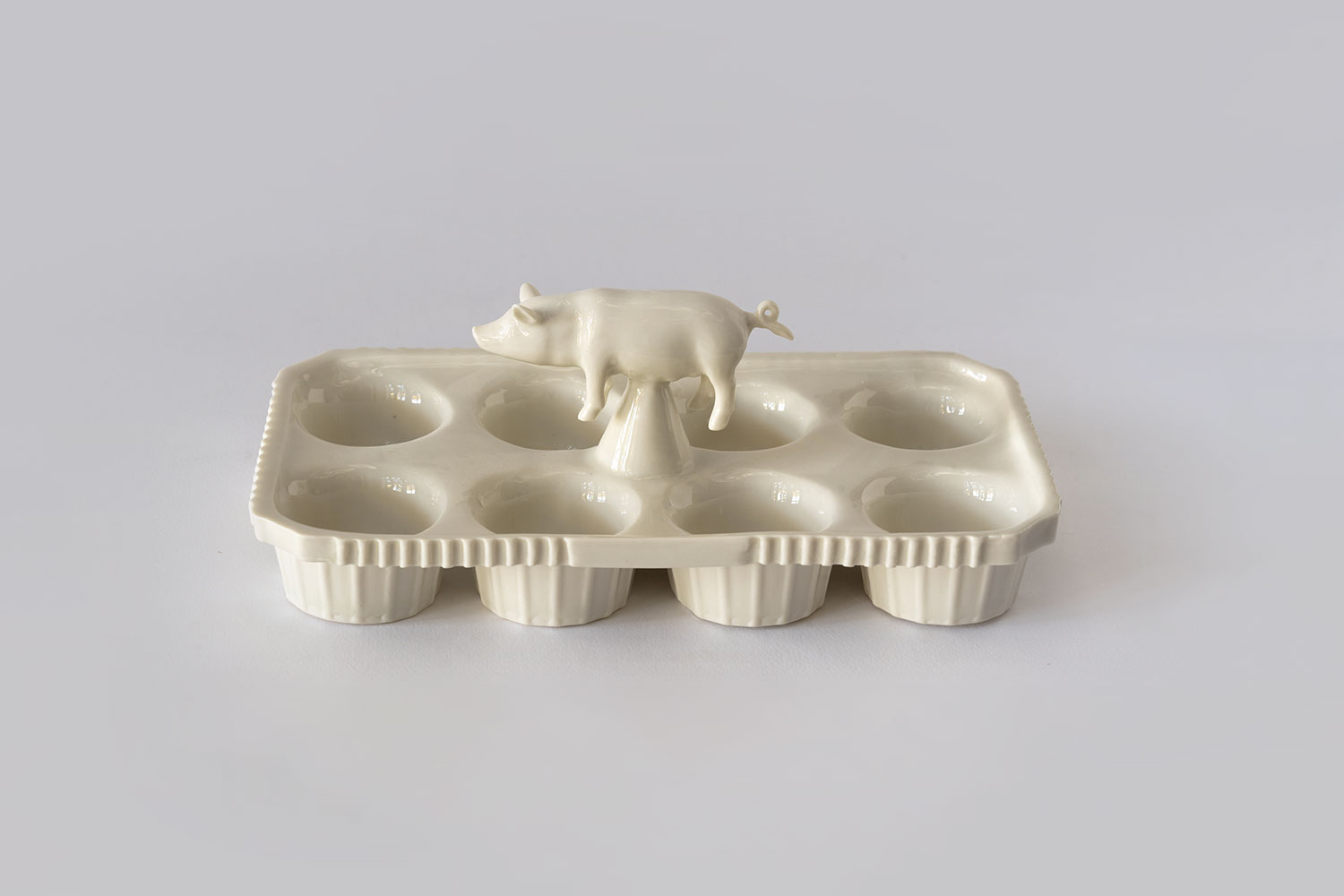
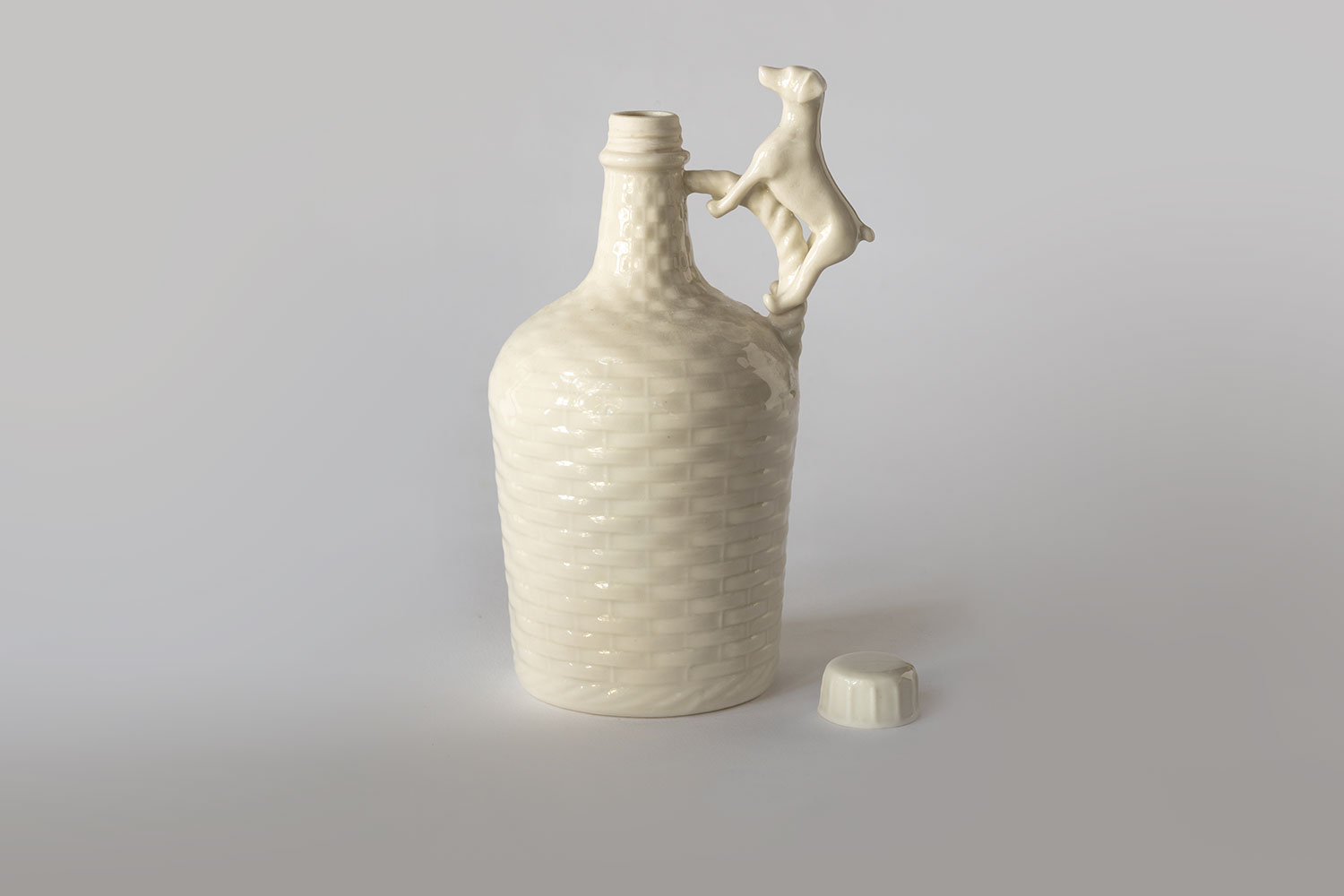
- Yukiko works with porcelain, a seemingly fragile yet resistant material
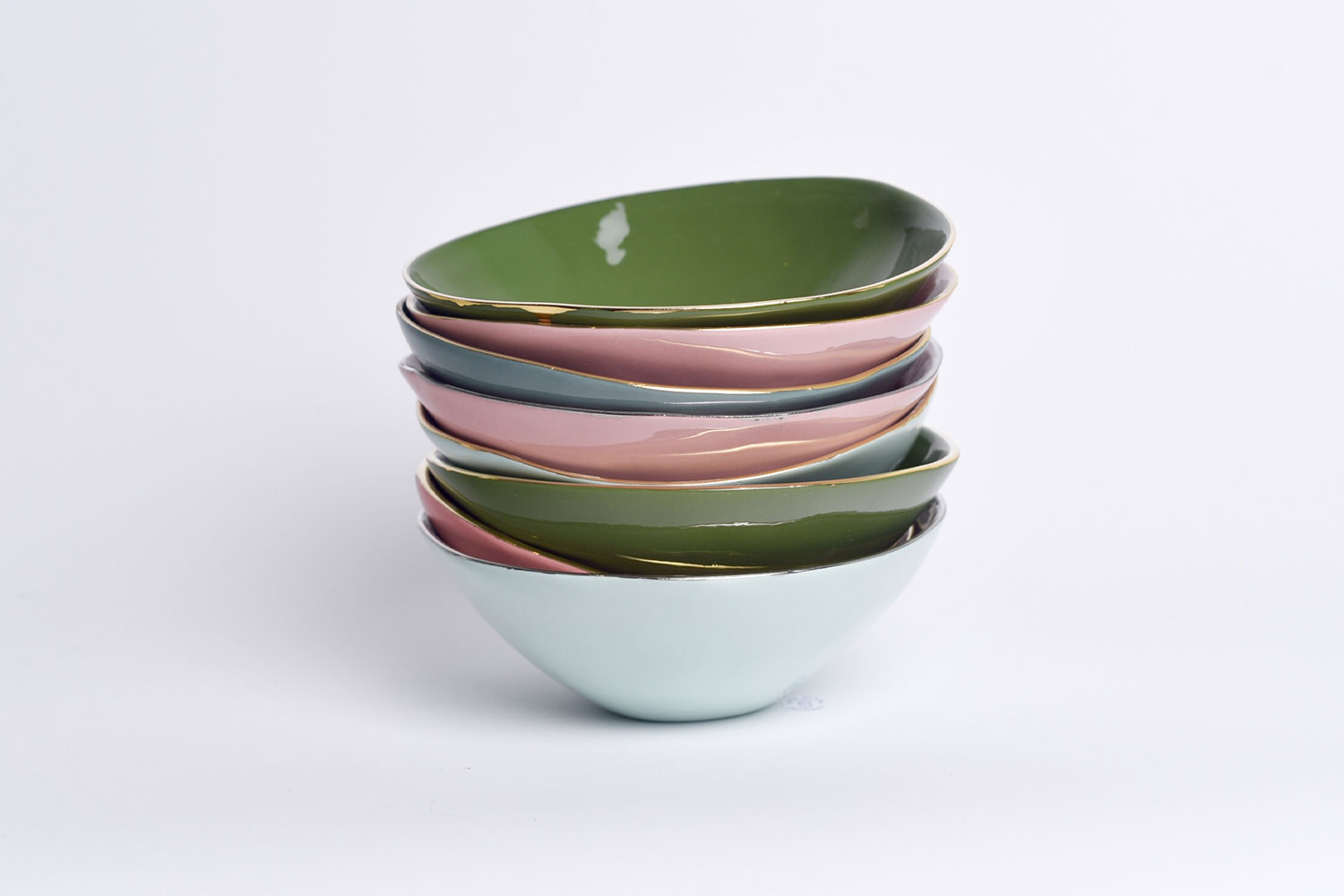
- She creates essential items in pure white
- Her aim is to create objects that will endure over time
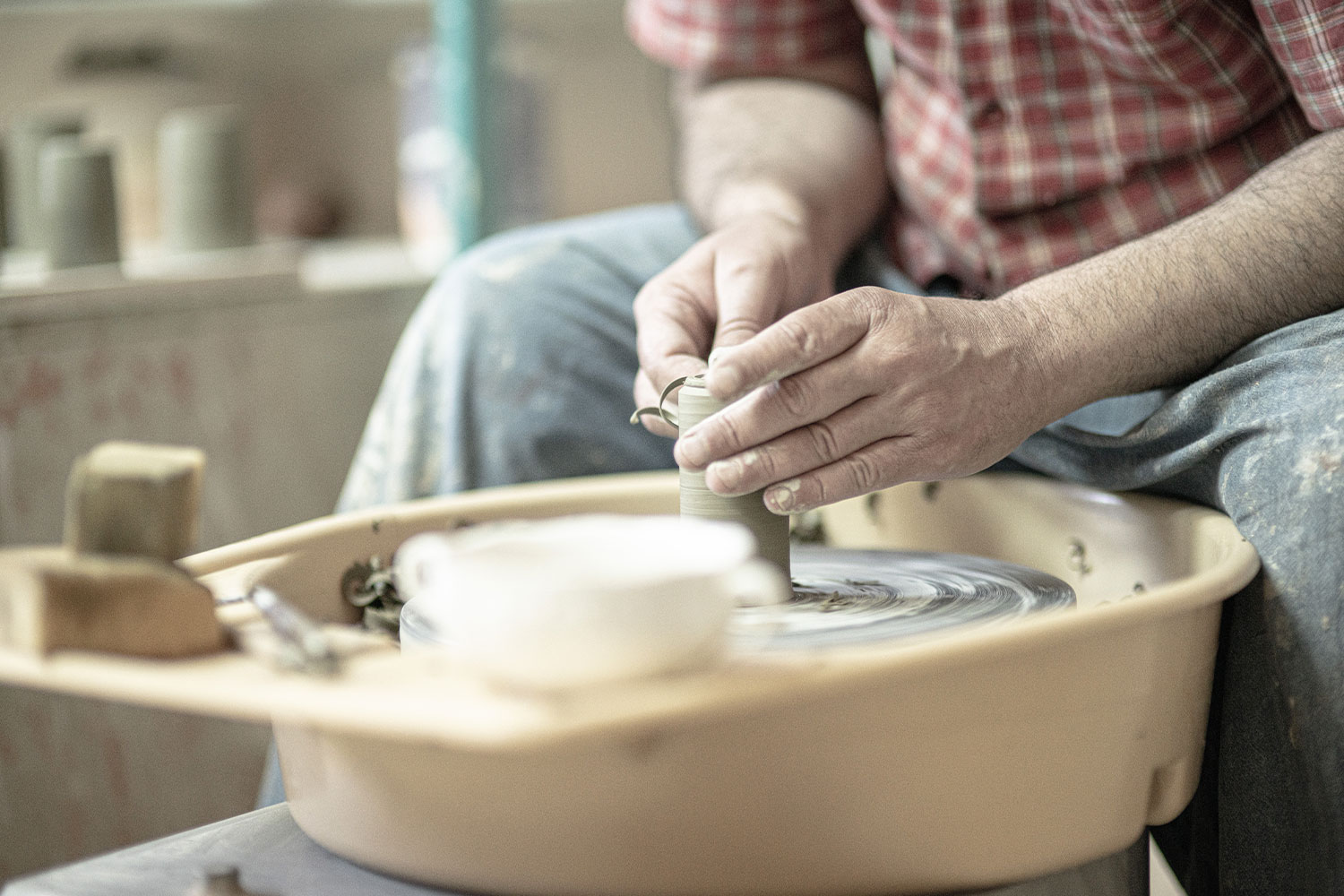
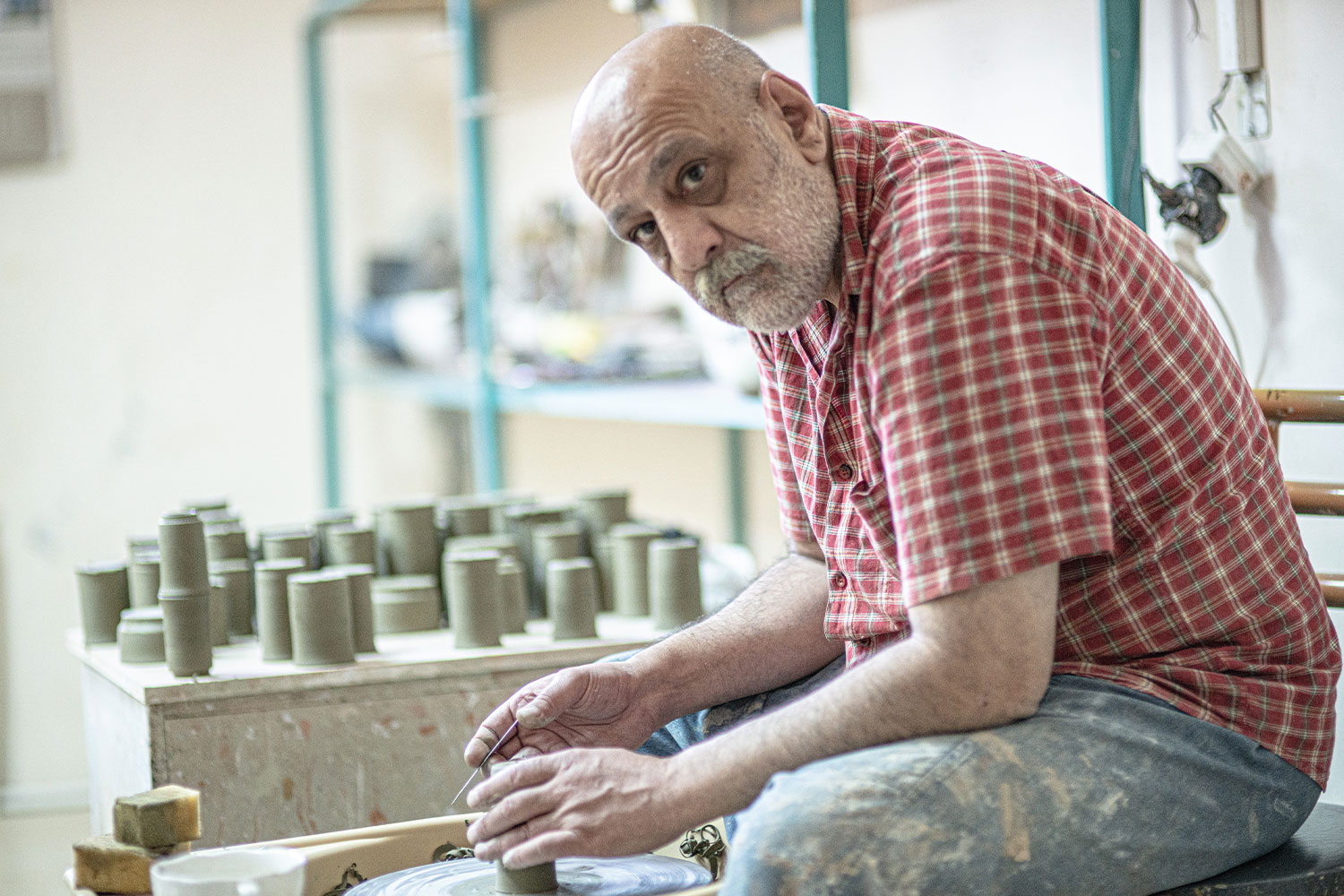
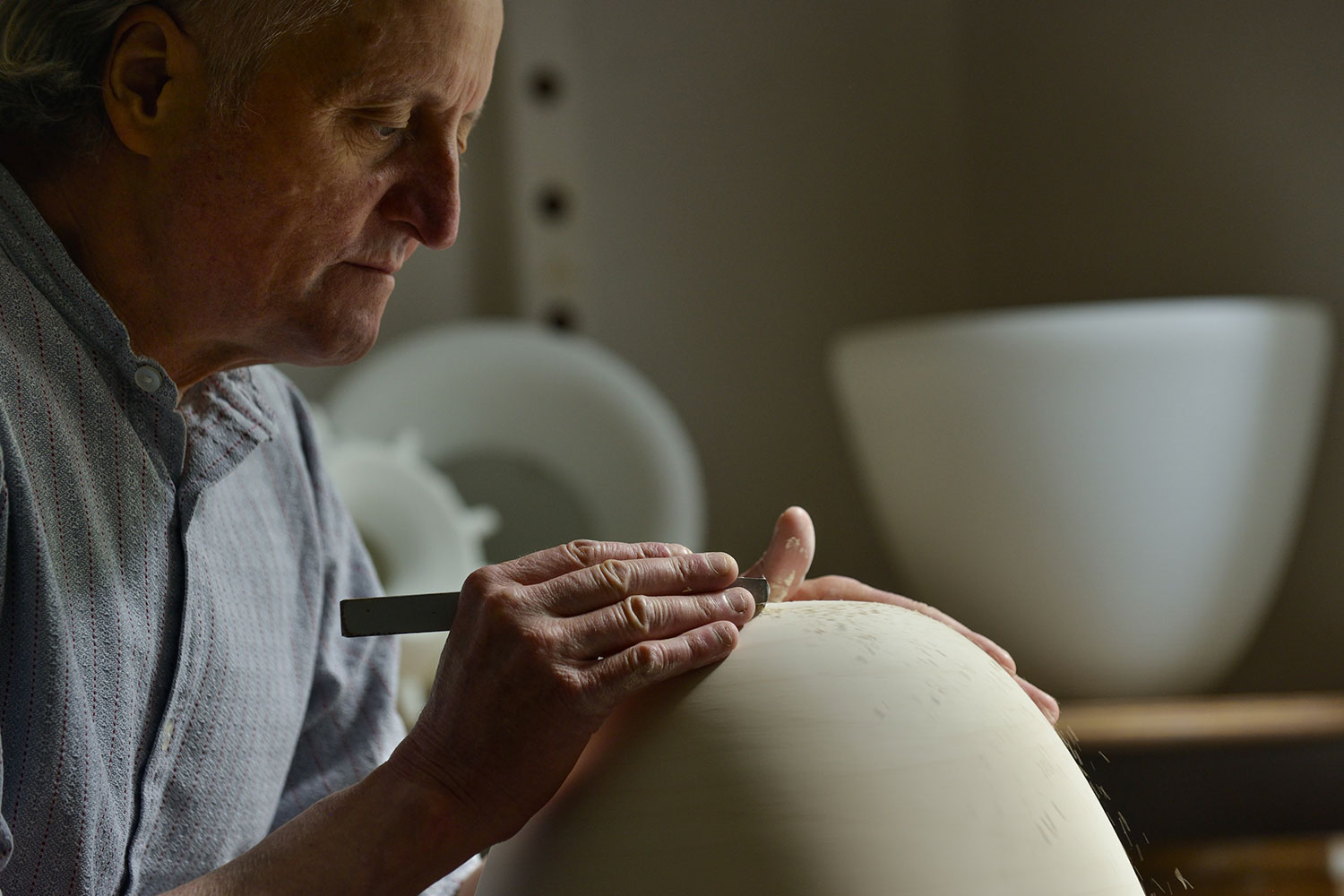
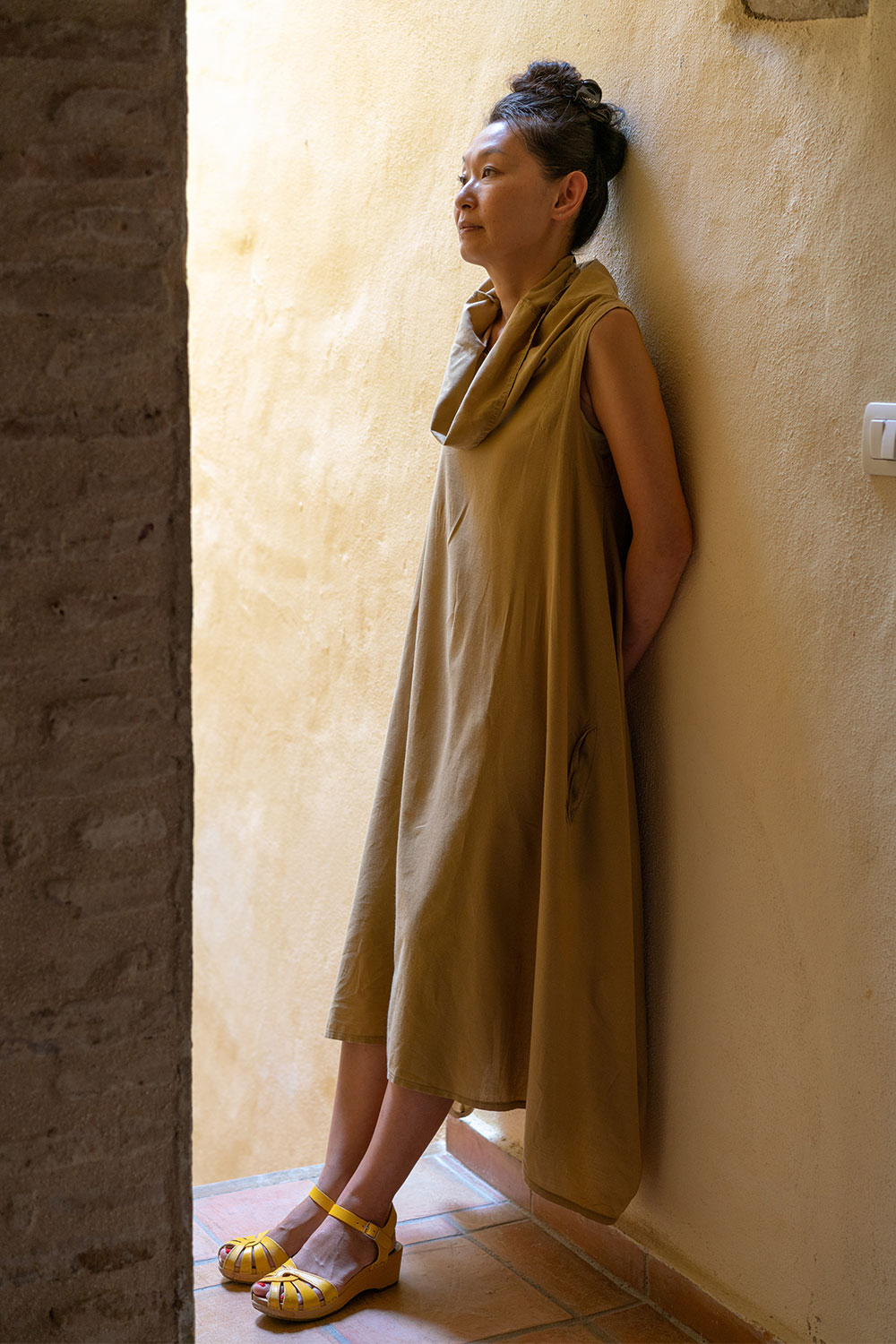
Yukiko Kitahara was born and raised in Japan but has been living in Andalucía half her life. Born to a family of sushi chefs, since her childhood she has been learning about the art of cooking and the importance of highlighting food against tableware. This influenced her use of the colour white in her porcelain, allowing the object's contents to play the main role, in harmony with shape. Her workshop, Taller Kúu, is where Yukiko’s vision comes to life. Her creations are inspired both by nature and the environment we live in with its contradictions and faults. Her world is a delicate one, a symbiosis between Japanese and Andalucían cultures, and it is a world that has garnered her international attention.
Discover her work
INTERVIEW
Kúu combines the Japanese terms Ki (energy) and Kúuki (air); Kúu is an empty space, full of energy, where creativity has no limits. Anything can happen in the 'taller', which is the Spanish word for workshop. Taller Kúu is my two halves, where I come from and where I live and make my pieces.
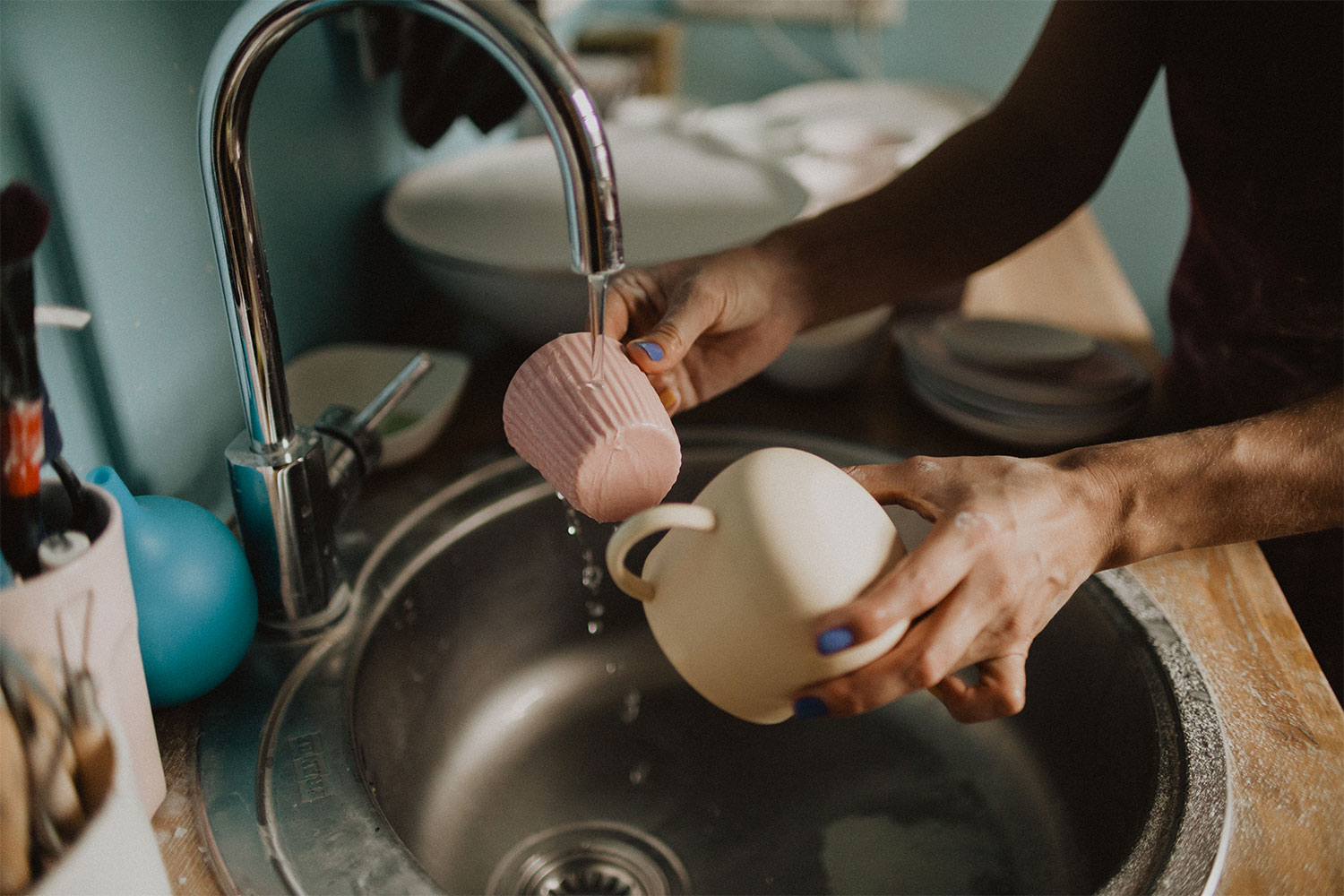
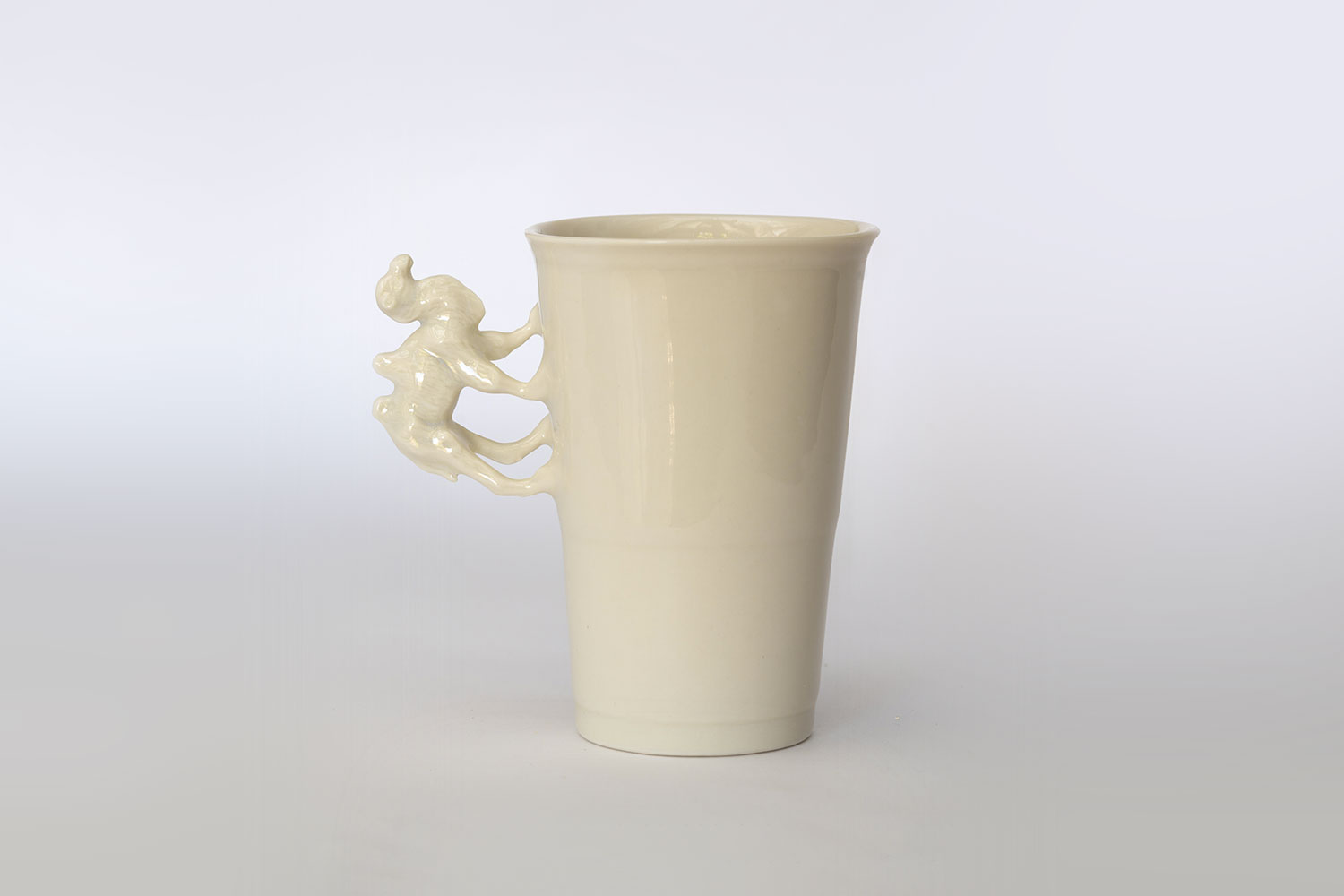
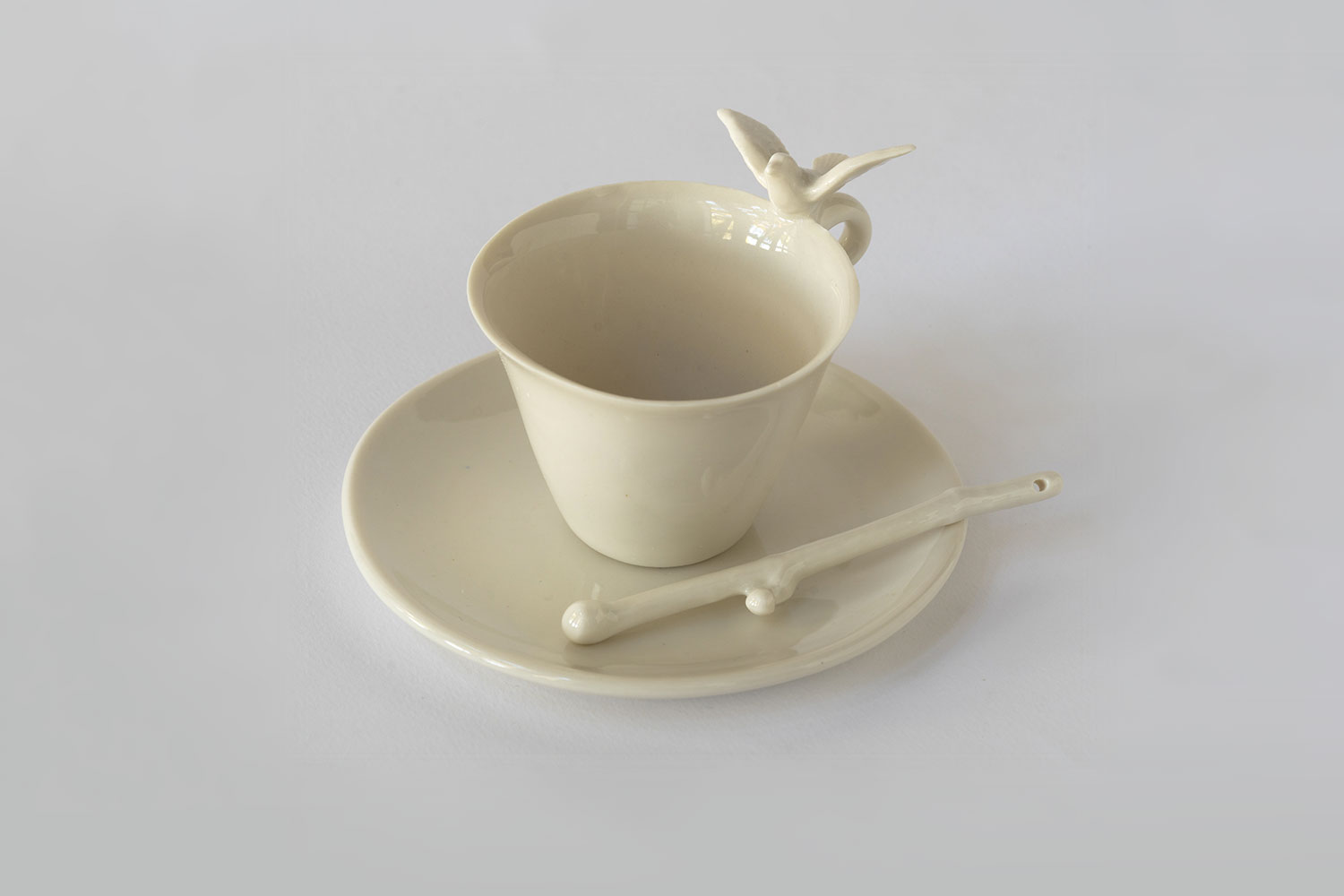
I used to live in the mountains where there were problems with waste. I developed the concept of 'usar y no tirar' (use, don't throw away) to make pieces which would be used more than once. My inspiration came from disposable items like bottles and coffee cups, turned into something that would last.
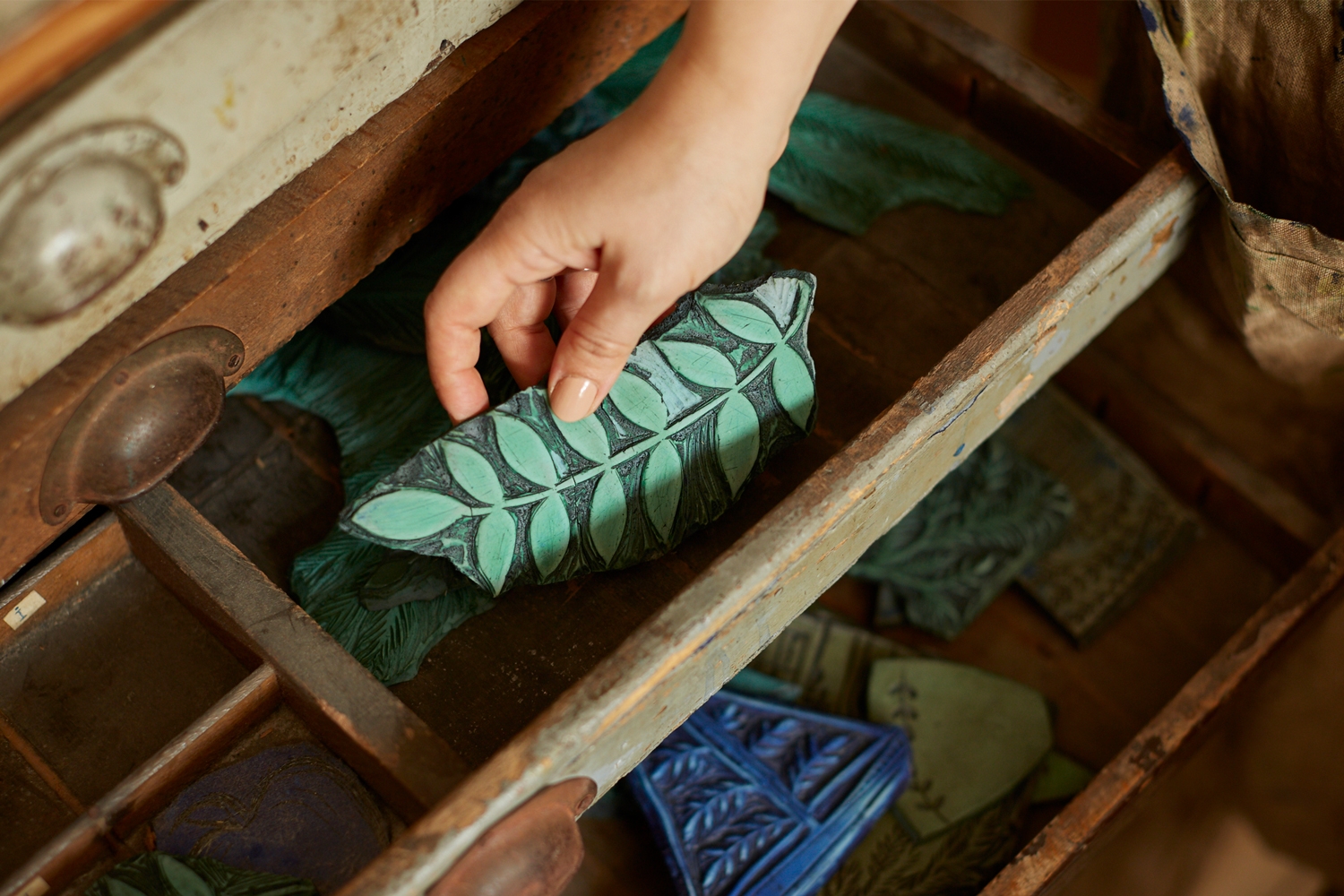
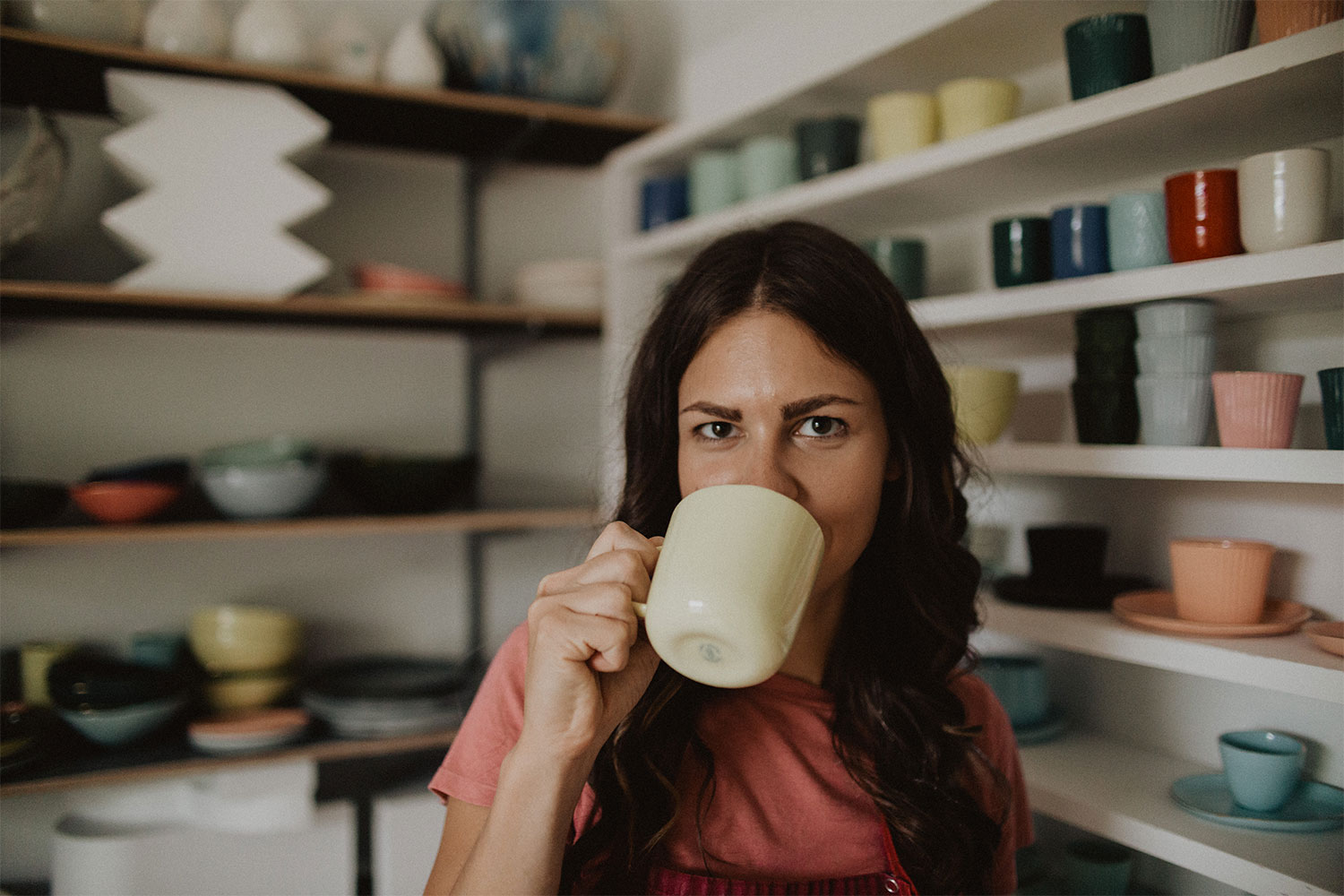
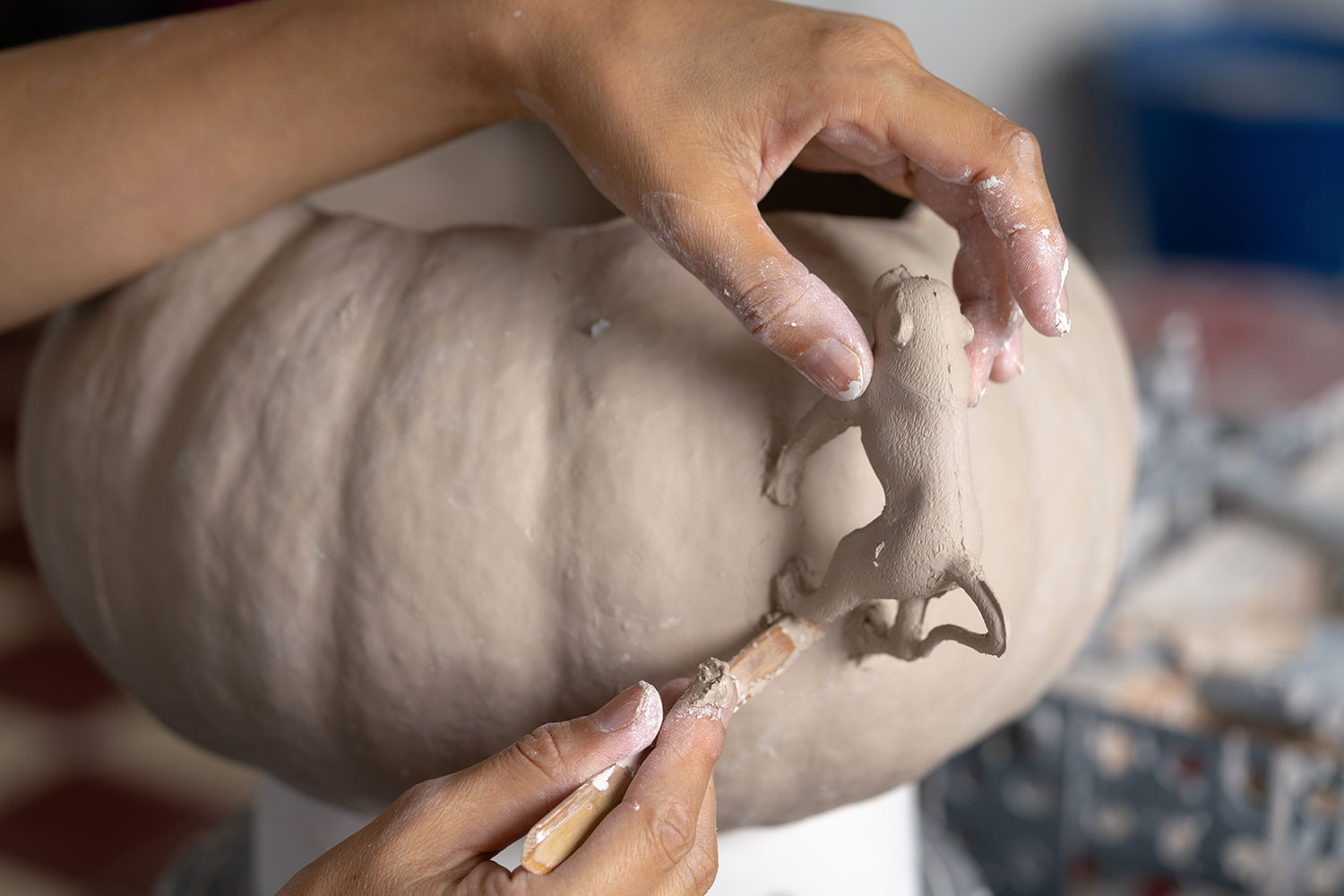
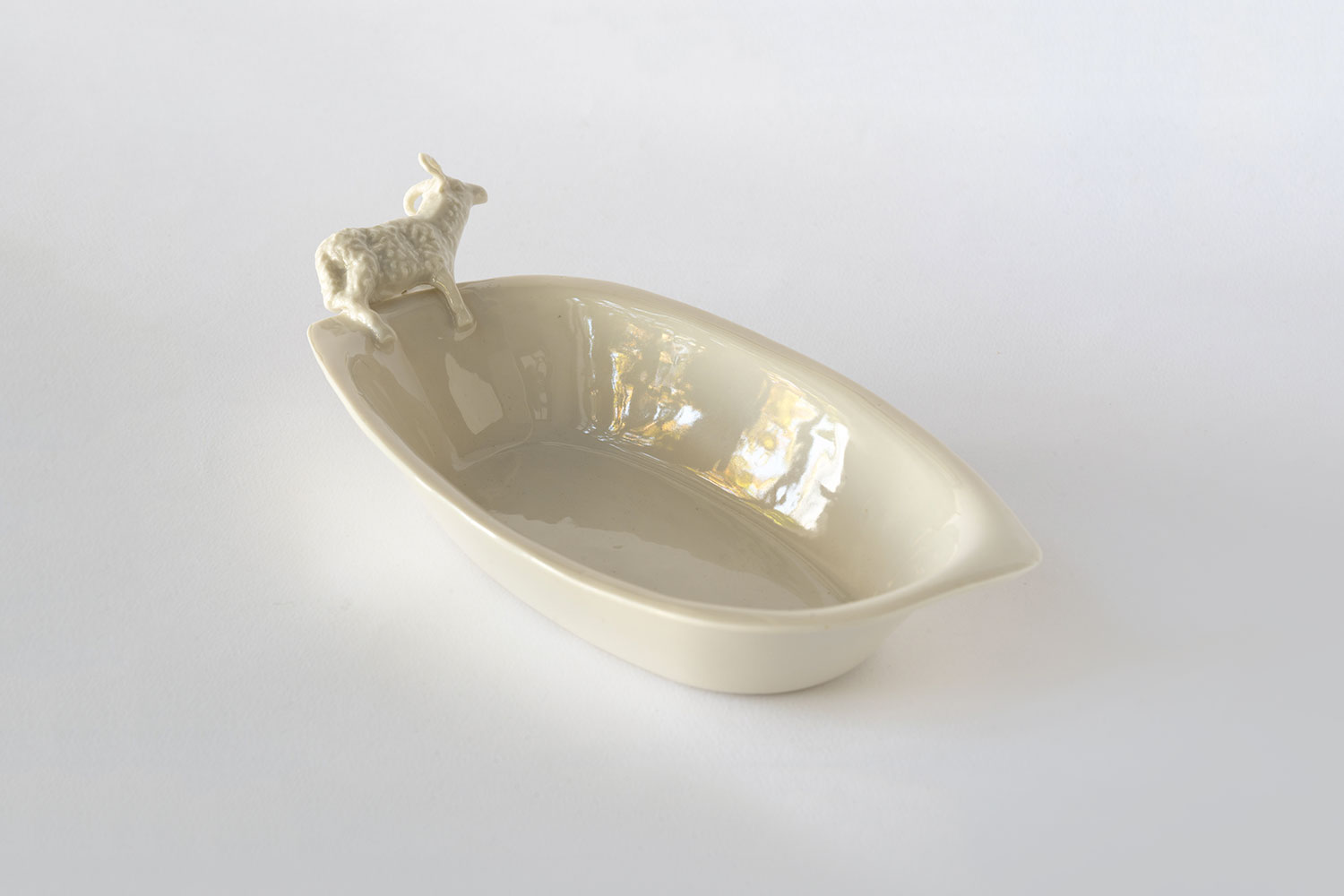
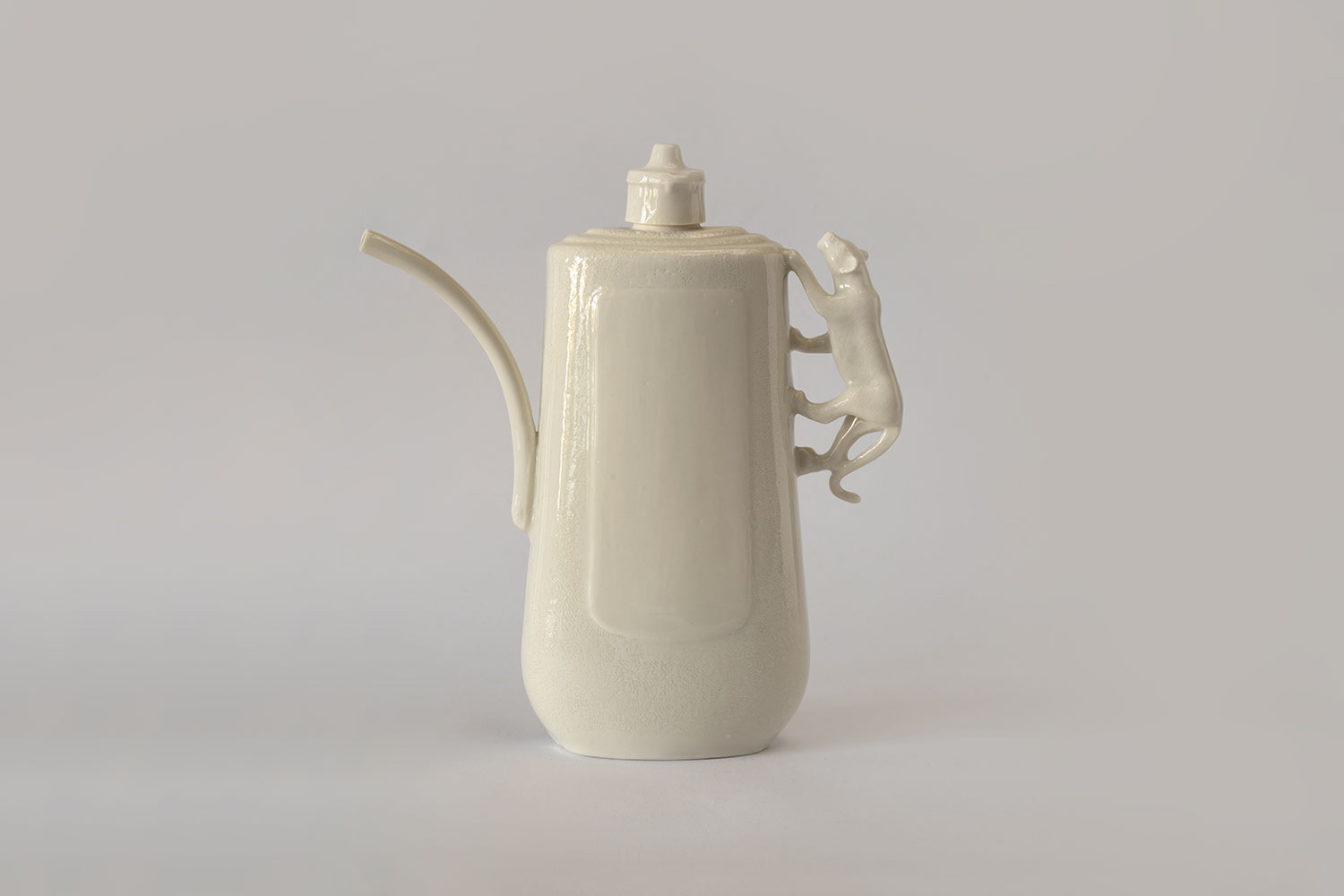
This is my tribute to nature, animals and other elements of the natural world. My cups have handles shaped like animals, and I picture them as leaning on nature, relying on it. It's a further reflection on how we impact on the environment and why it means so much to me to make pieces that will last.
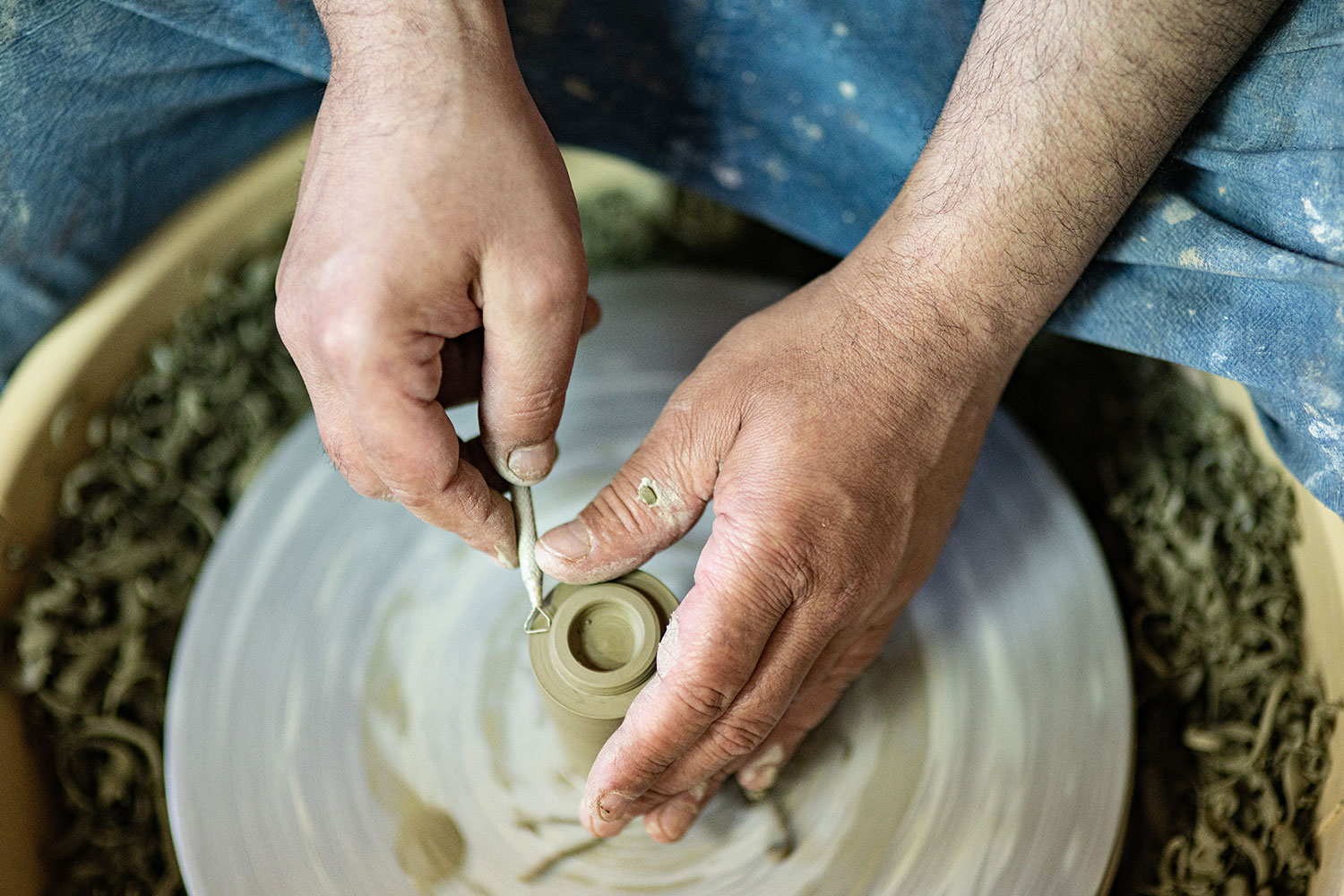
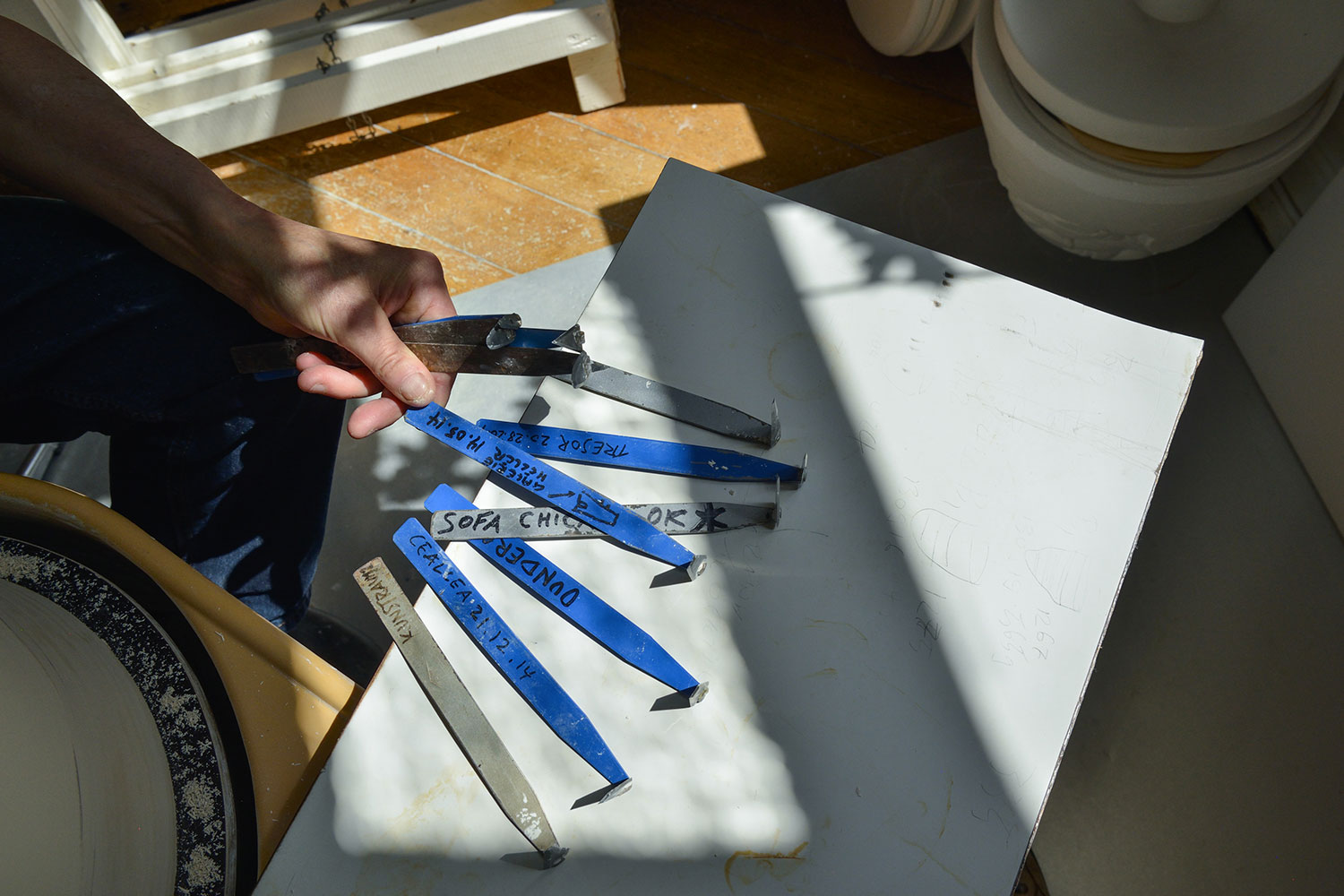
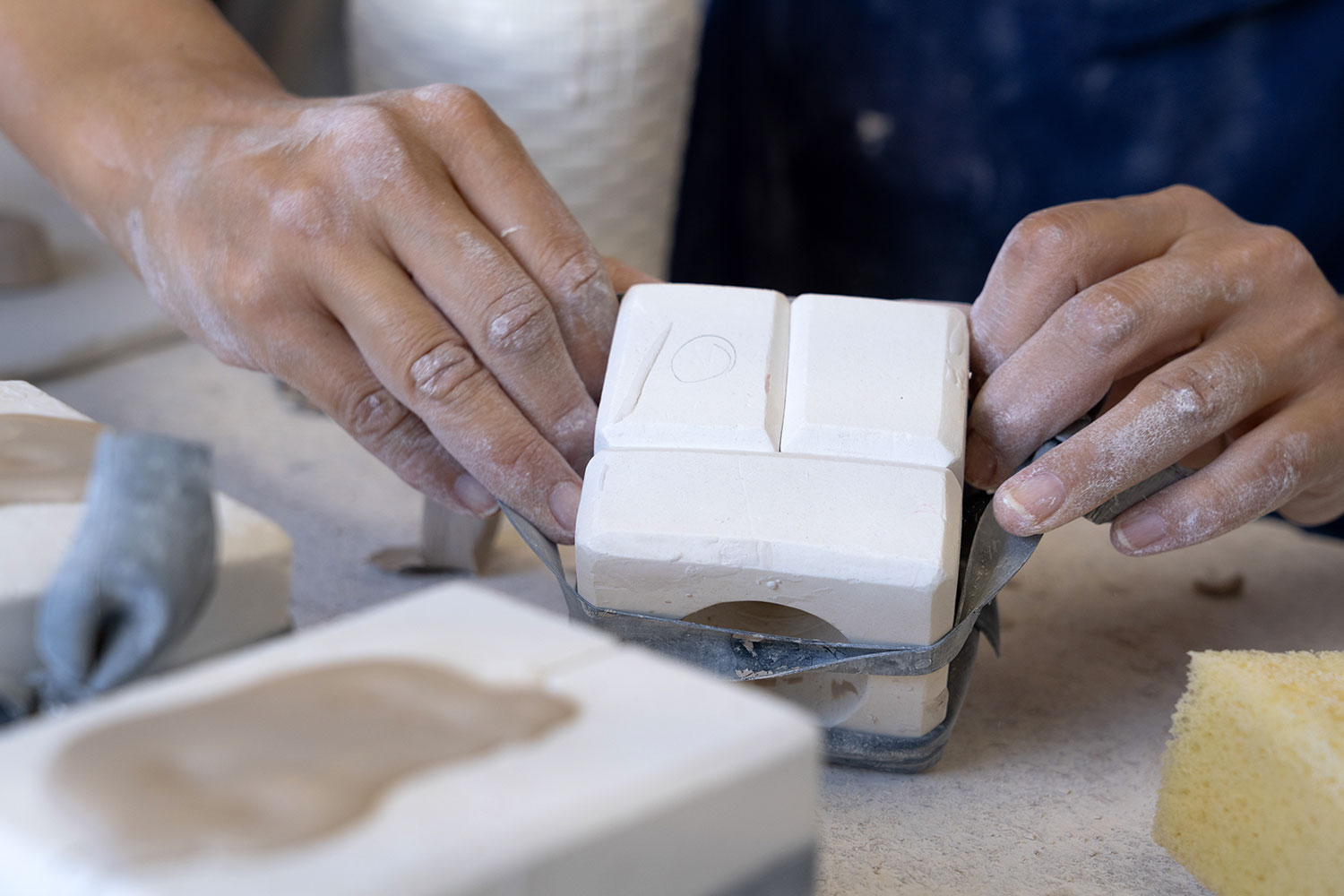
In 1991 I left the corporate world to pursue a career as a ceramicist. Studying in Japan, with local masters, was seminal for me. Any time I go to Japan I research local tools, made of bamboo, which I feel are essential in the painstaking process of making porcelain pieces.
Yukiko Kitahara
Porcelain maker
Gelves, Spain
Recommended by Ana Maria Abascal & Patricia Medina
AVAILABILITY
By appointment only
PHONE
+34 696994030
LANGUAGES
Spanish, Japanese
Homo Faber Finds is a new service aiming to inspire admirers of craft to connect and collaborate with exceptional artisans.
We invite you to submit an enquiry here.