Vendulka Prchalová
Glass sculptor
Telč, Czech Republic
The dynamic illusion of glass
- Vendulka’s glass journey began at age 15
- She mostly uses glass in its crystal hue
- Along her journey she learned her craft with international masters
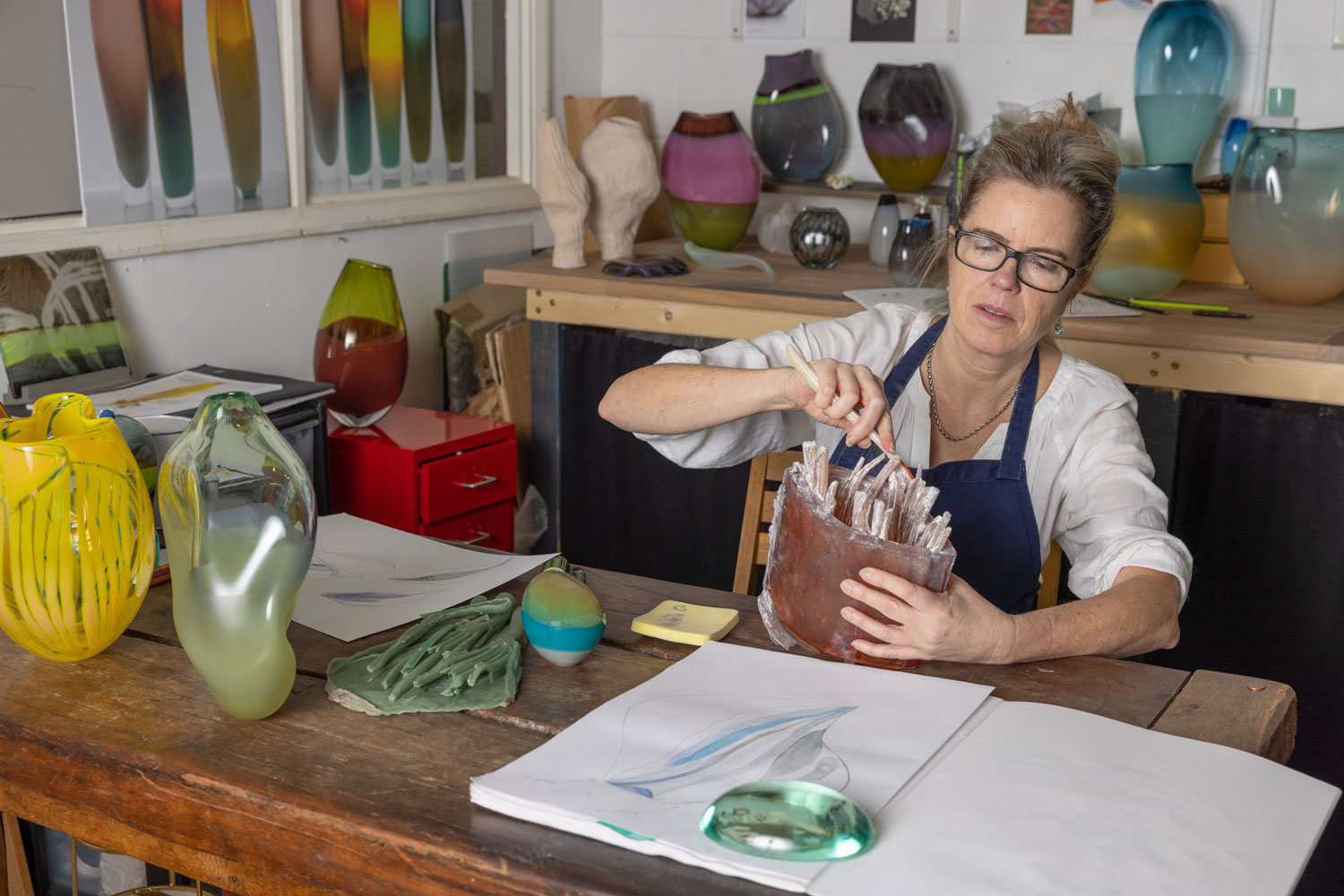
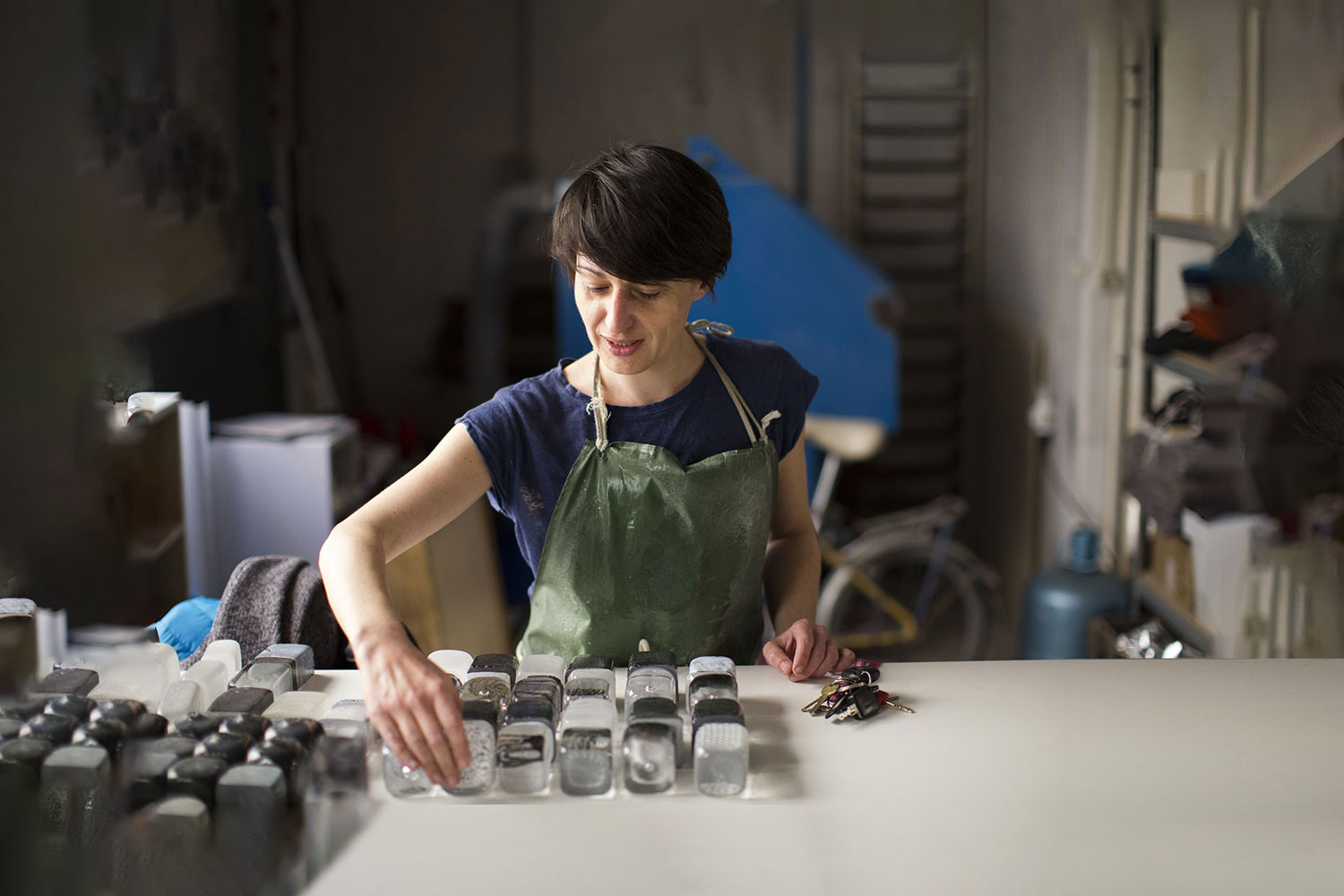
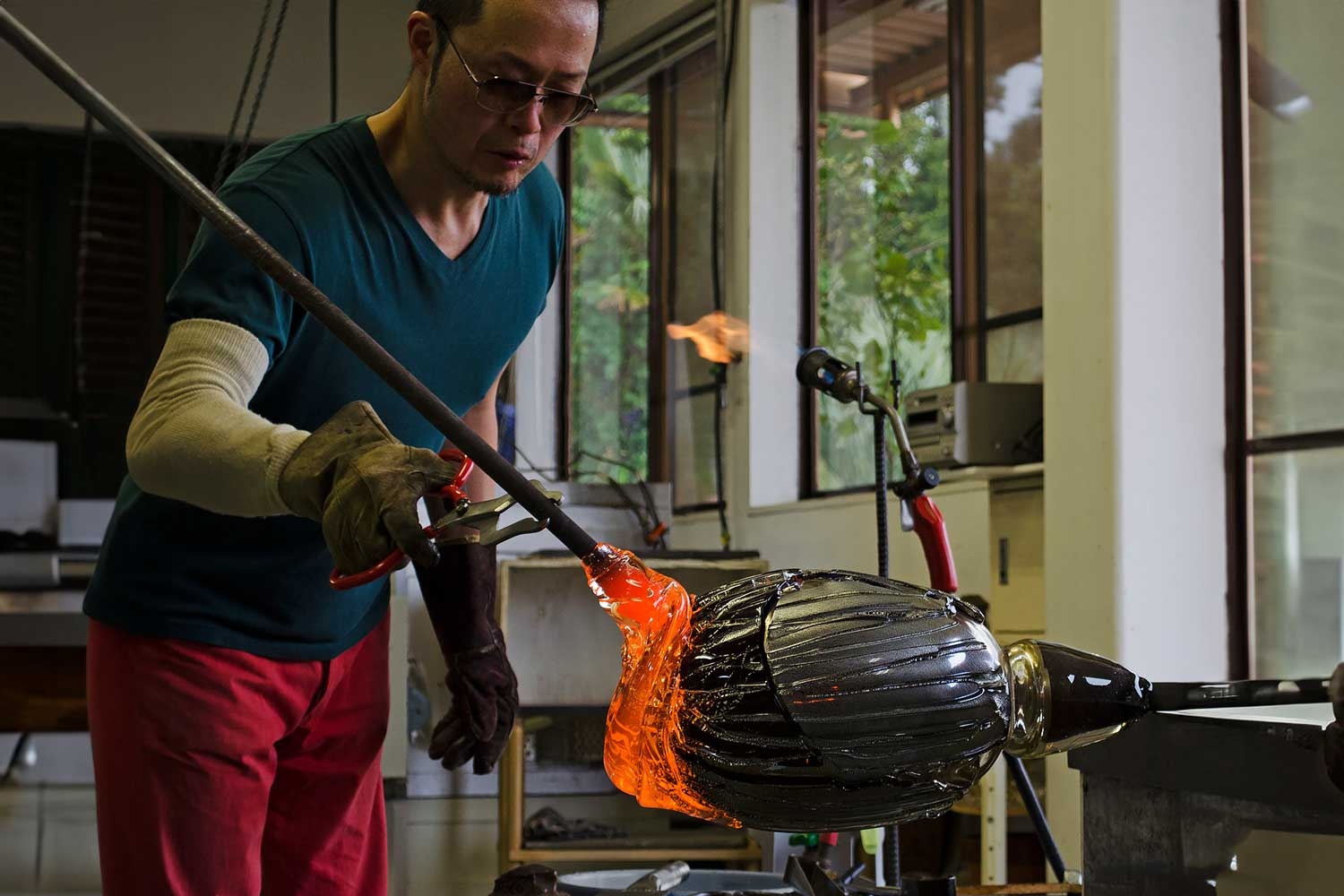
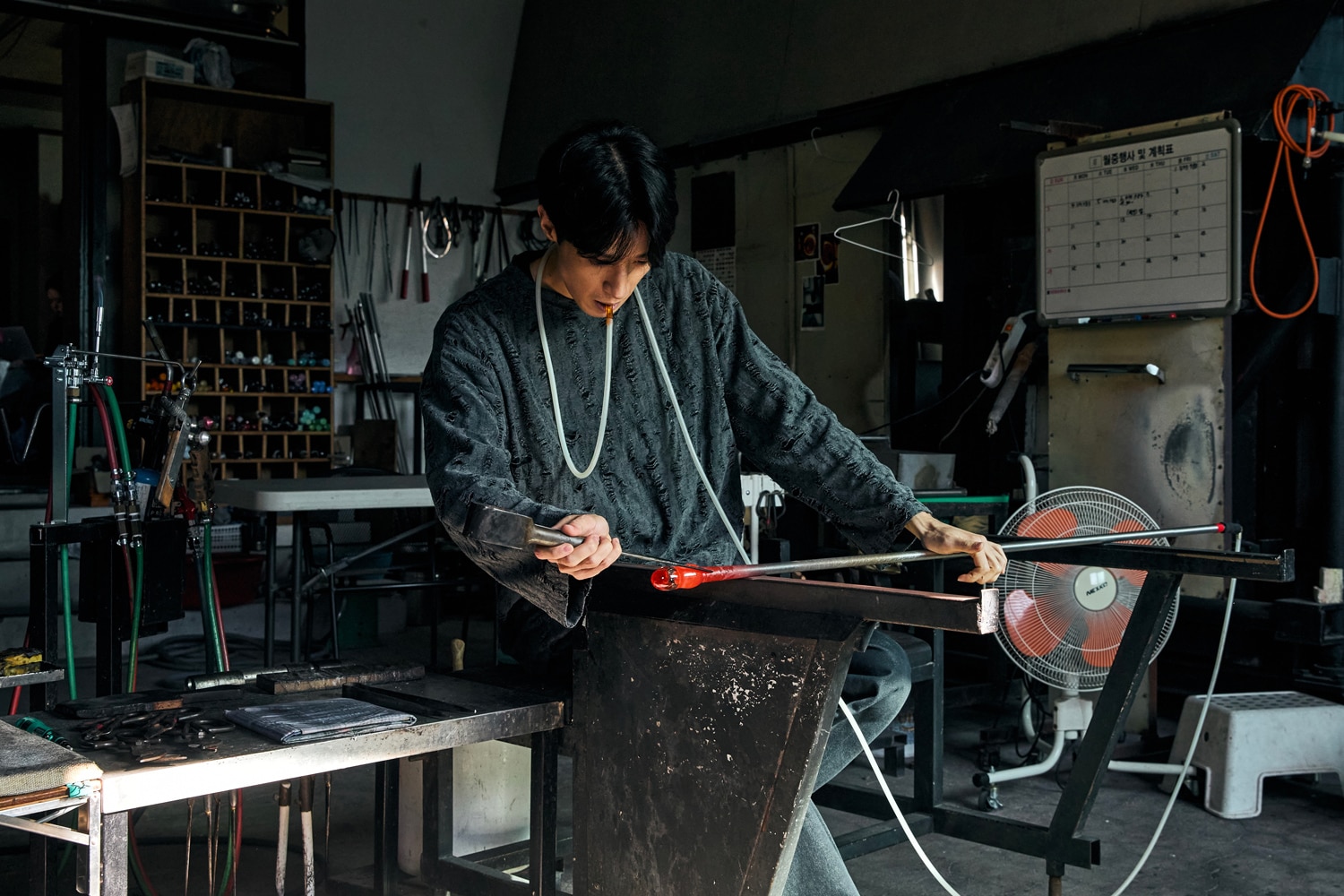
“There is a phenomenon known among glass artists whereby once you work with glass, it is hard to give it up,” shares Vendulka Prchalová, who began her glass journey at the High School of Applied Arts of Glassmaking in Železný Brod in Czechia. A testament to this, she briefly parted with glass to study architecture but returned to it by pursuing a bachelor degree in studio glass at the Jan Evangelista Purkyně University, followed by a master’s, and doctoral degree at the Academy of Art, Architecture, and Design in Prague. Vendulka considers her dialogues with professors Ilji Bílka and Rony Plesl to have had a significant influence on her practice, particularly in how she approaches her materials. “I start with an idea, then use my material to articulate it. There must be a story or soul behind the object, otherwise it is just empty shaping,” says Vendulka.
INTERVIEW
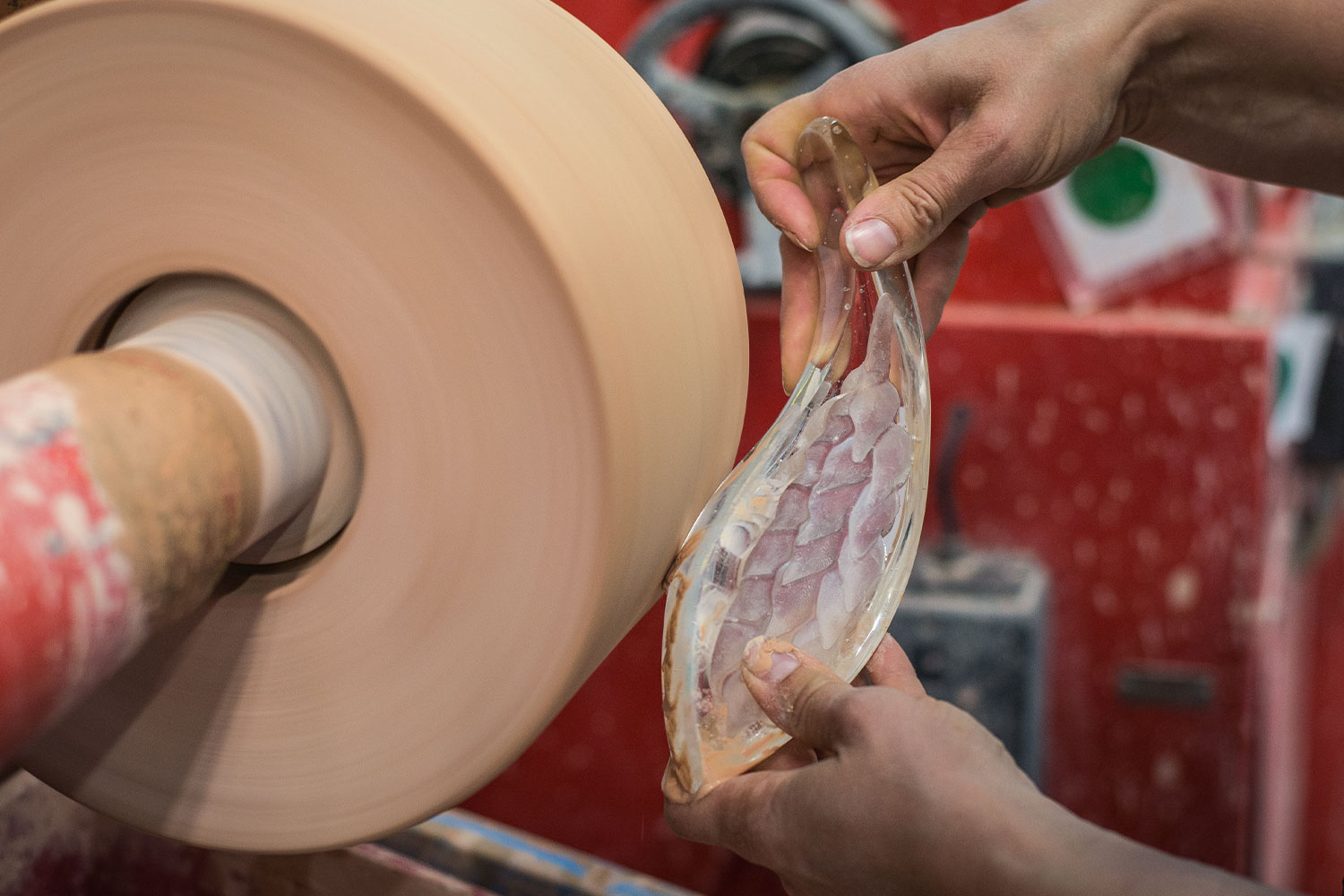
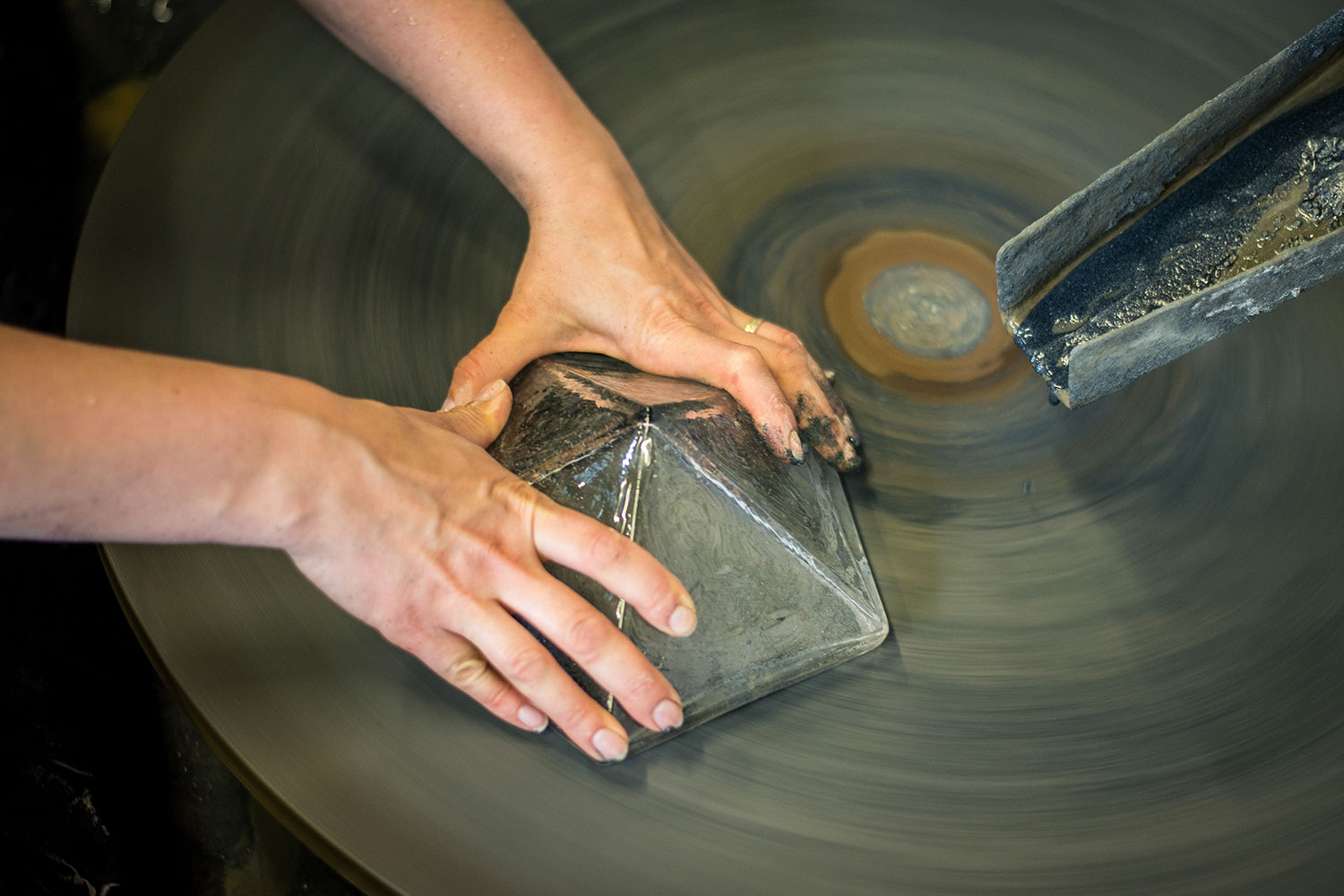
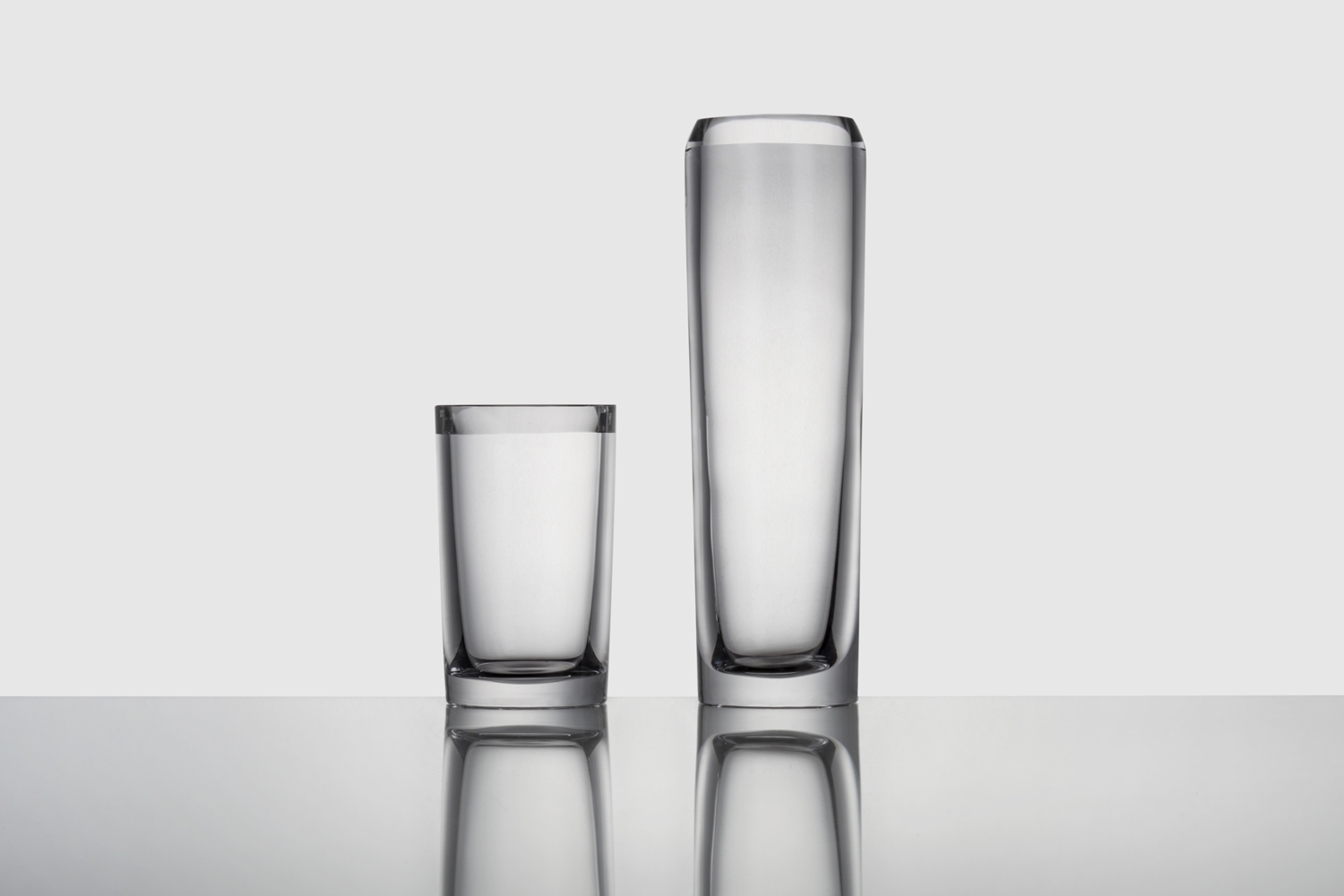
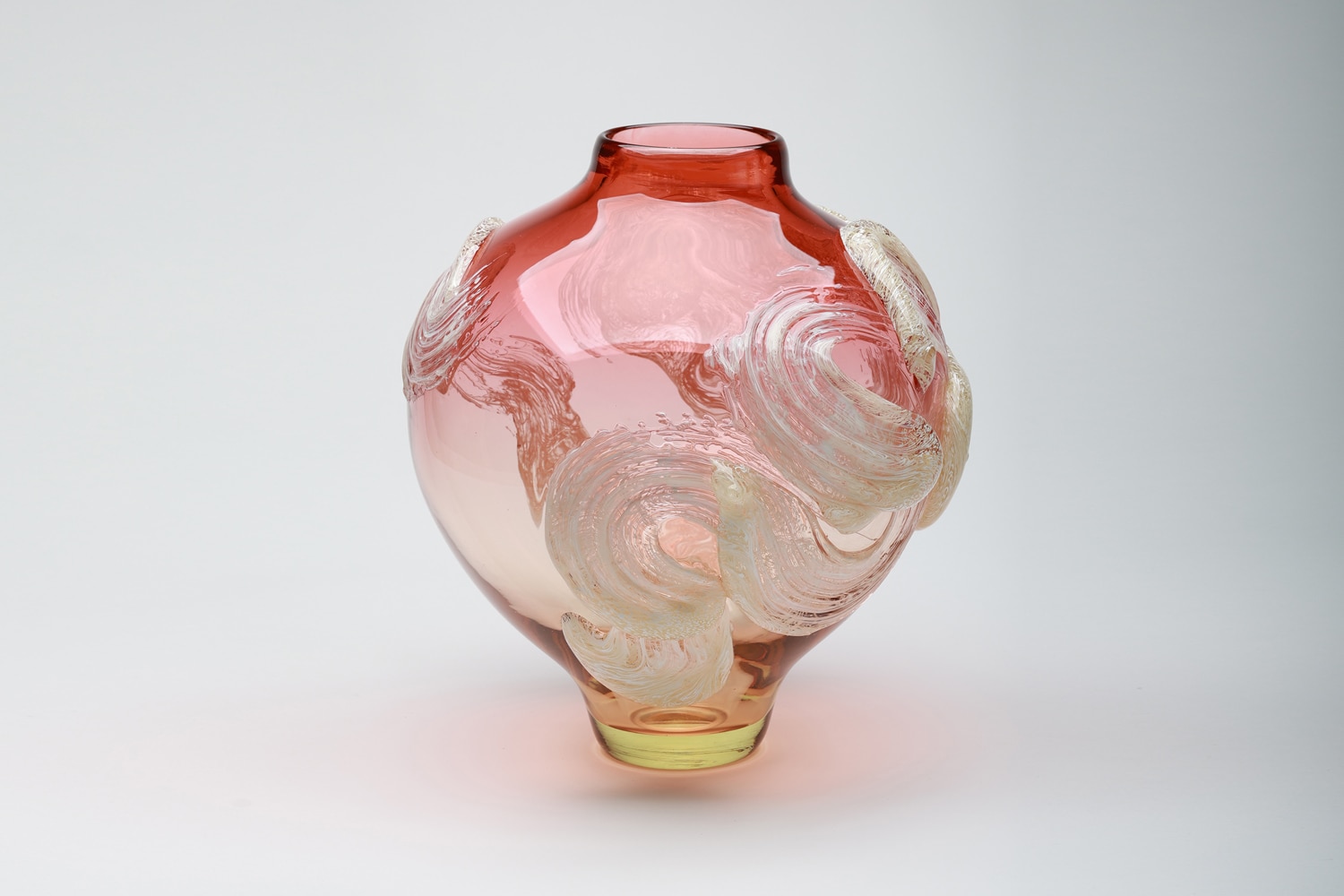
It is ancient, yet there is still much room for research, making it an adventure to work with. The challenge is, how do you transform a beautiful material into fine art? My works are not conventionally beautiful. I use minimal post production to retain the glass’ natural features, giving the piece a sense that it is dynamic rather than static.
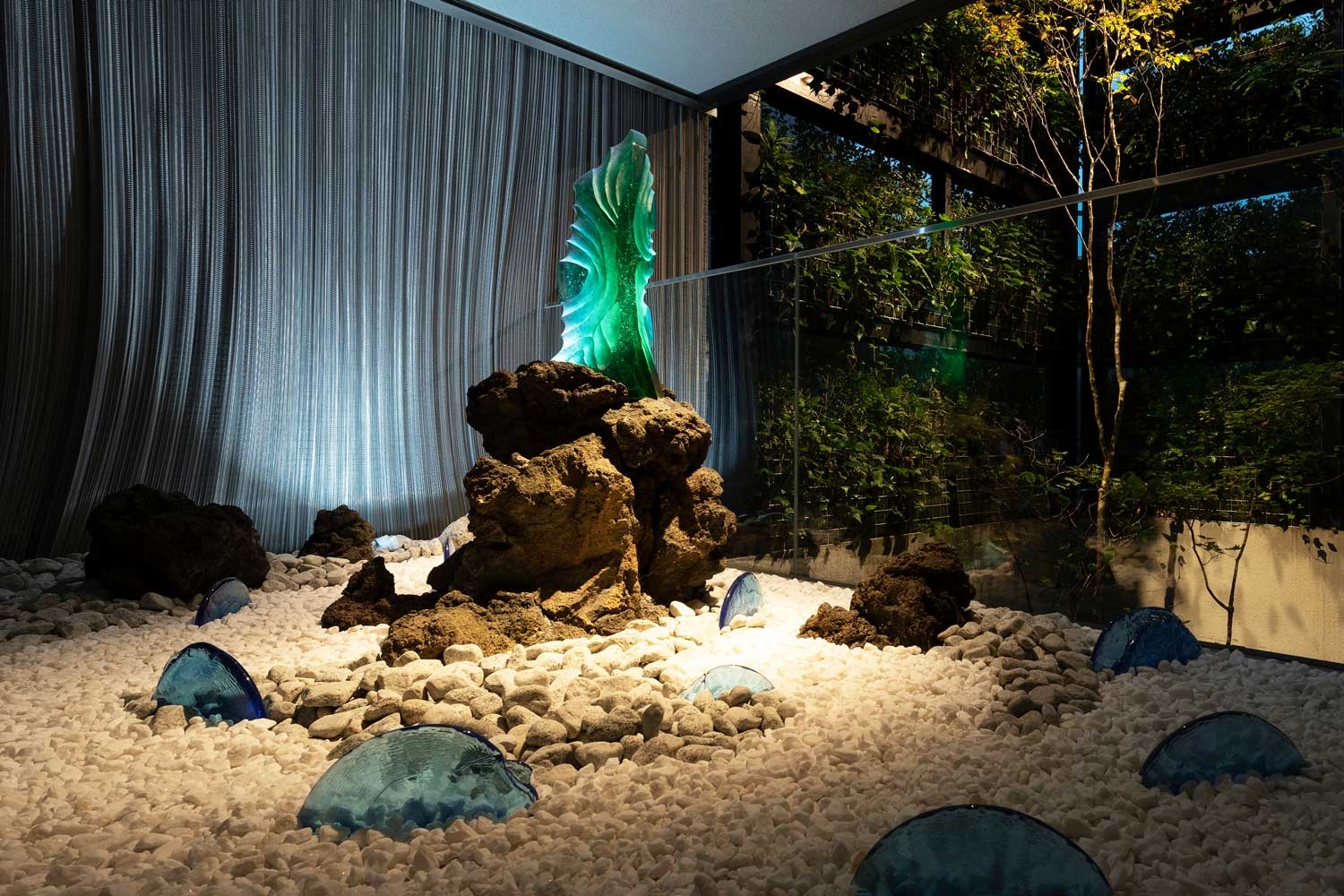
I draw inspiration from experiences. During a residency in Japan, my works focused on understanding cultural differences to overcome one’s tendency to compare and judge. I am also conceiving a project about the unique complexities of my experience as a step-parent — a common yet unspoken topic in our society.
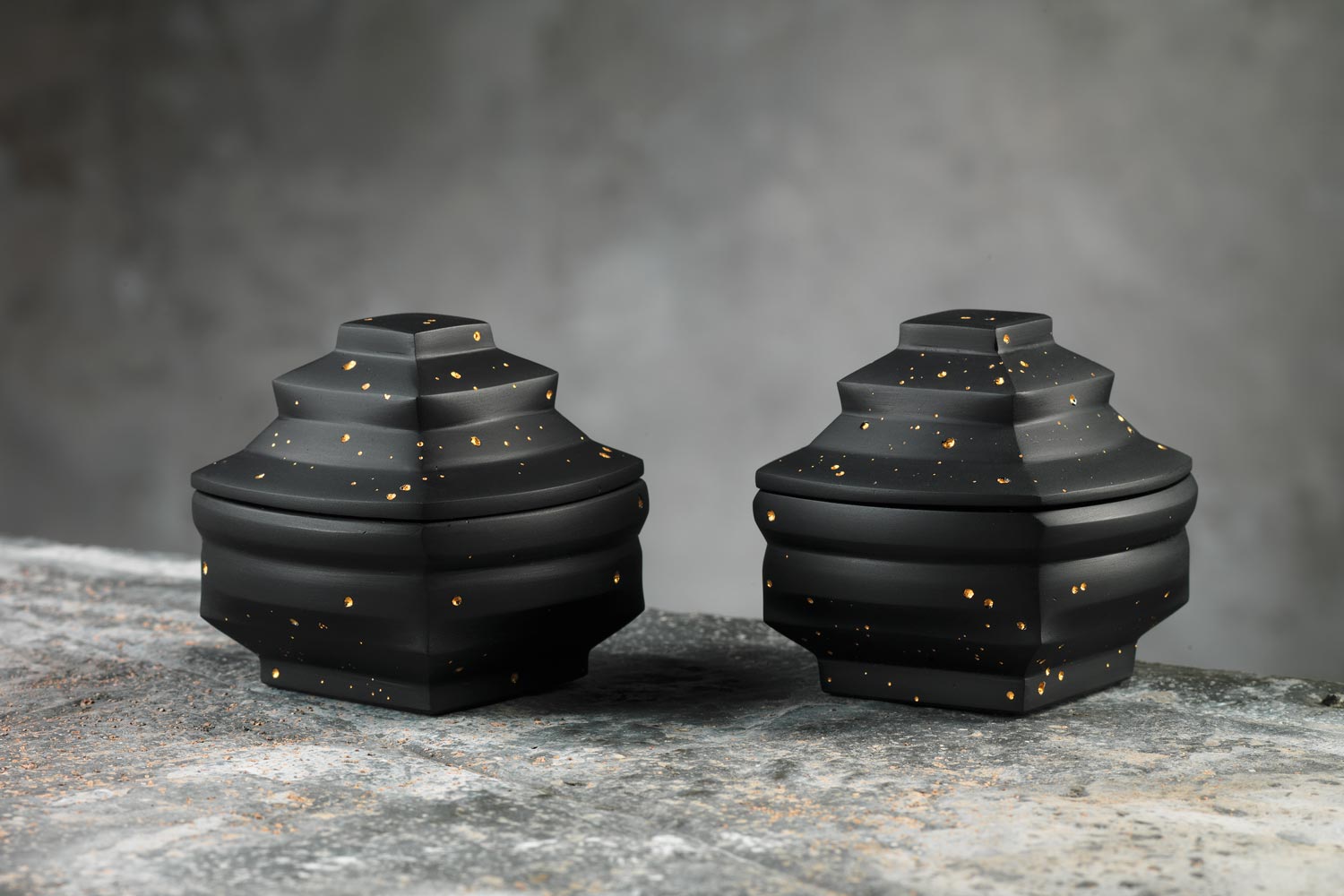
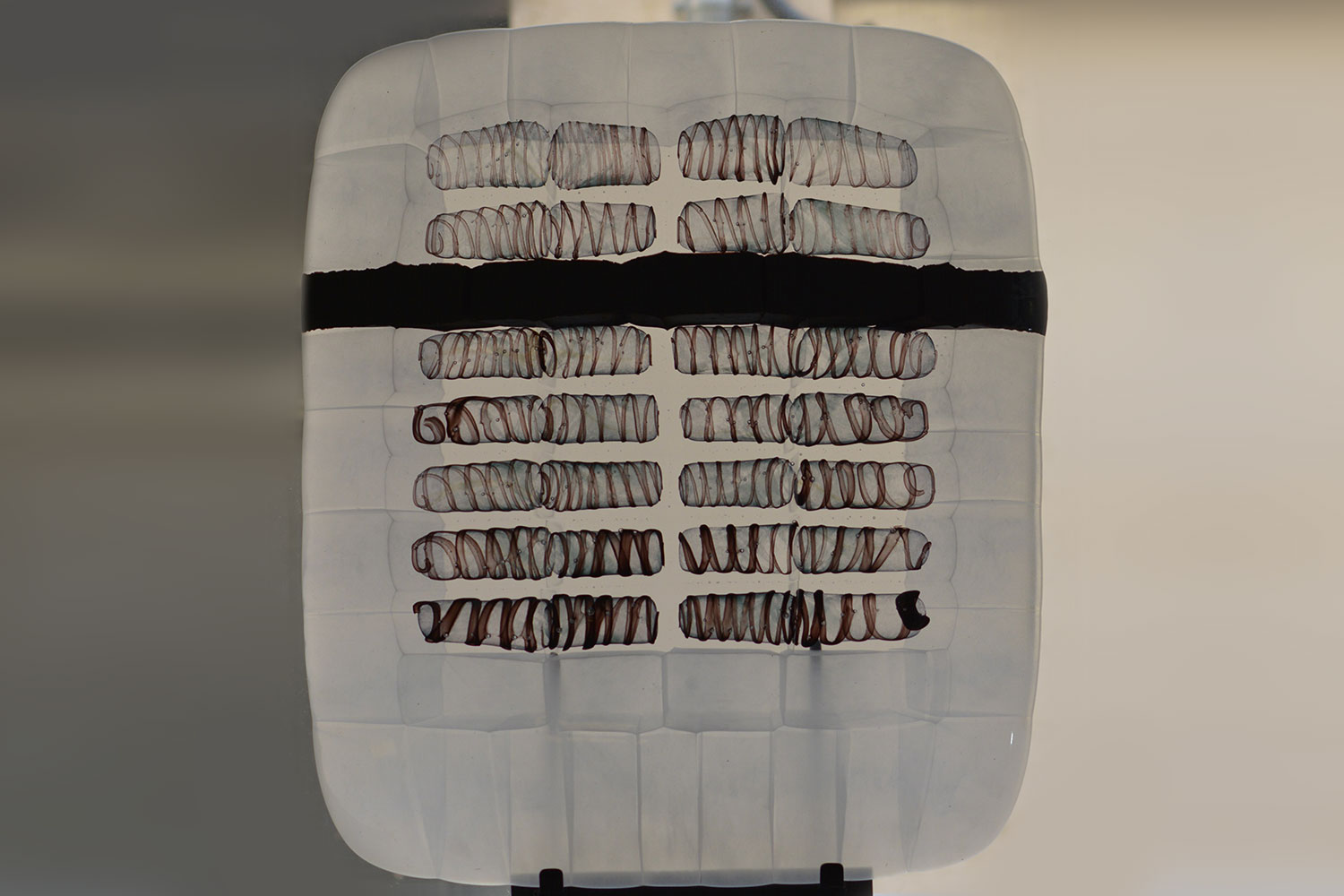
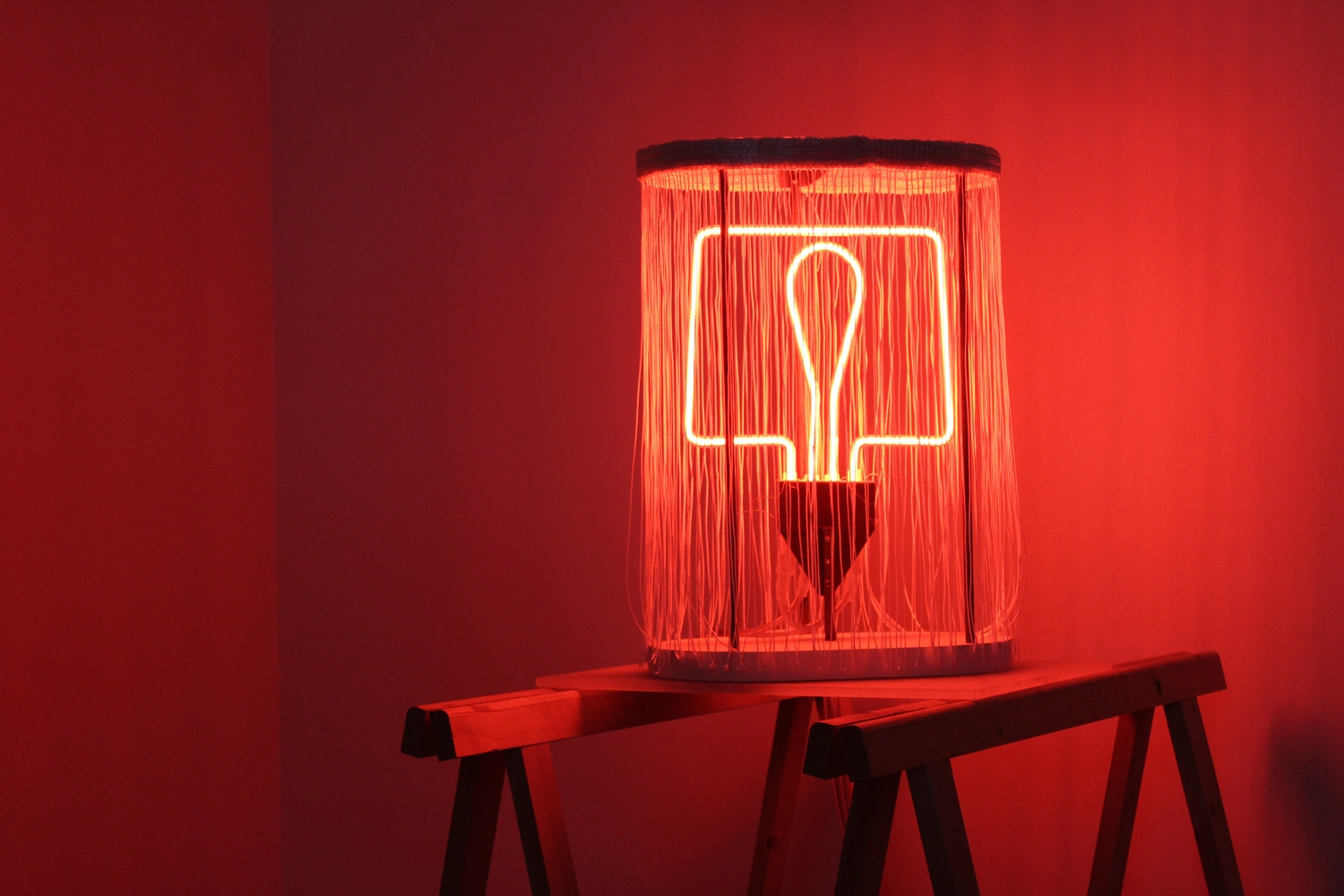
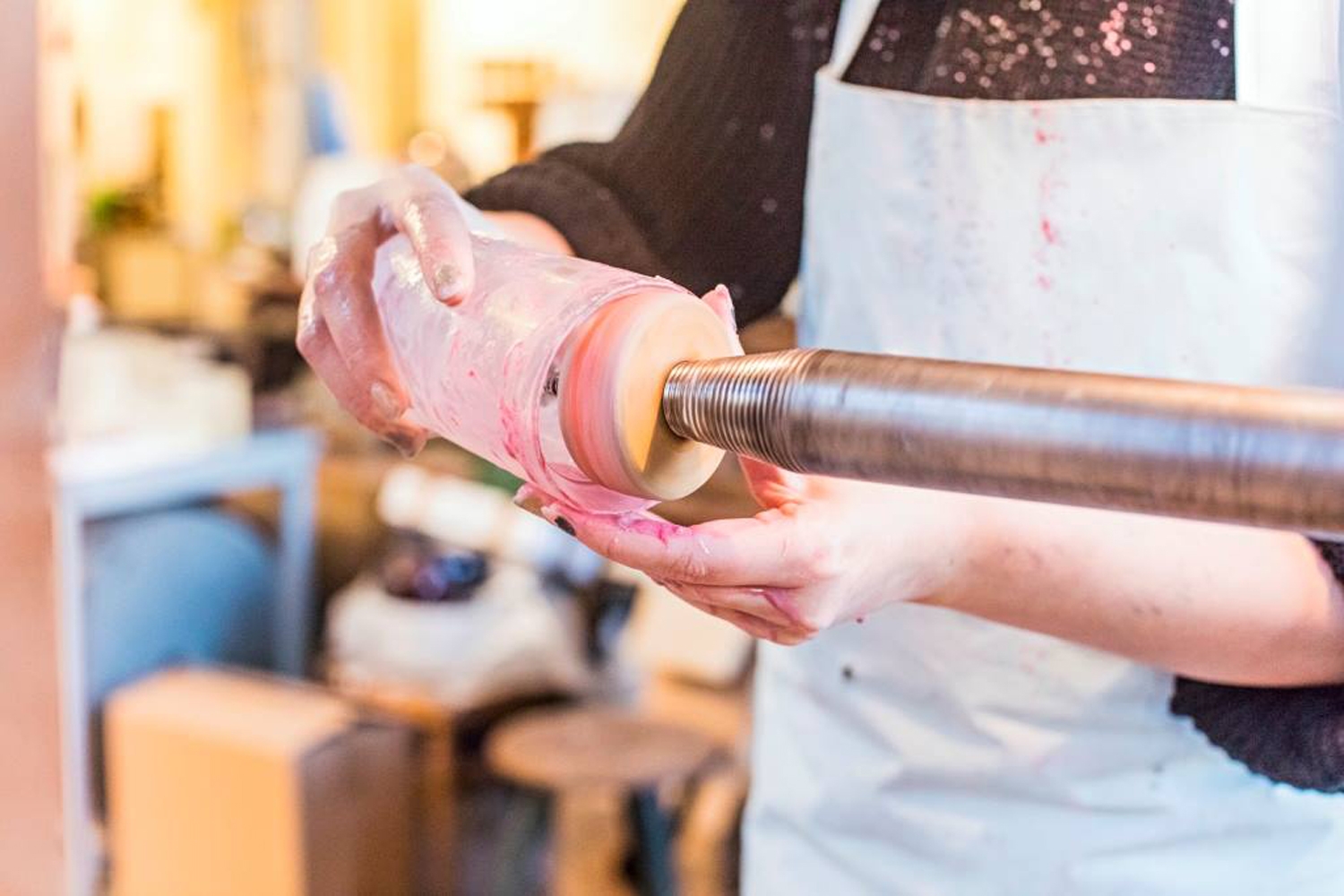
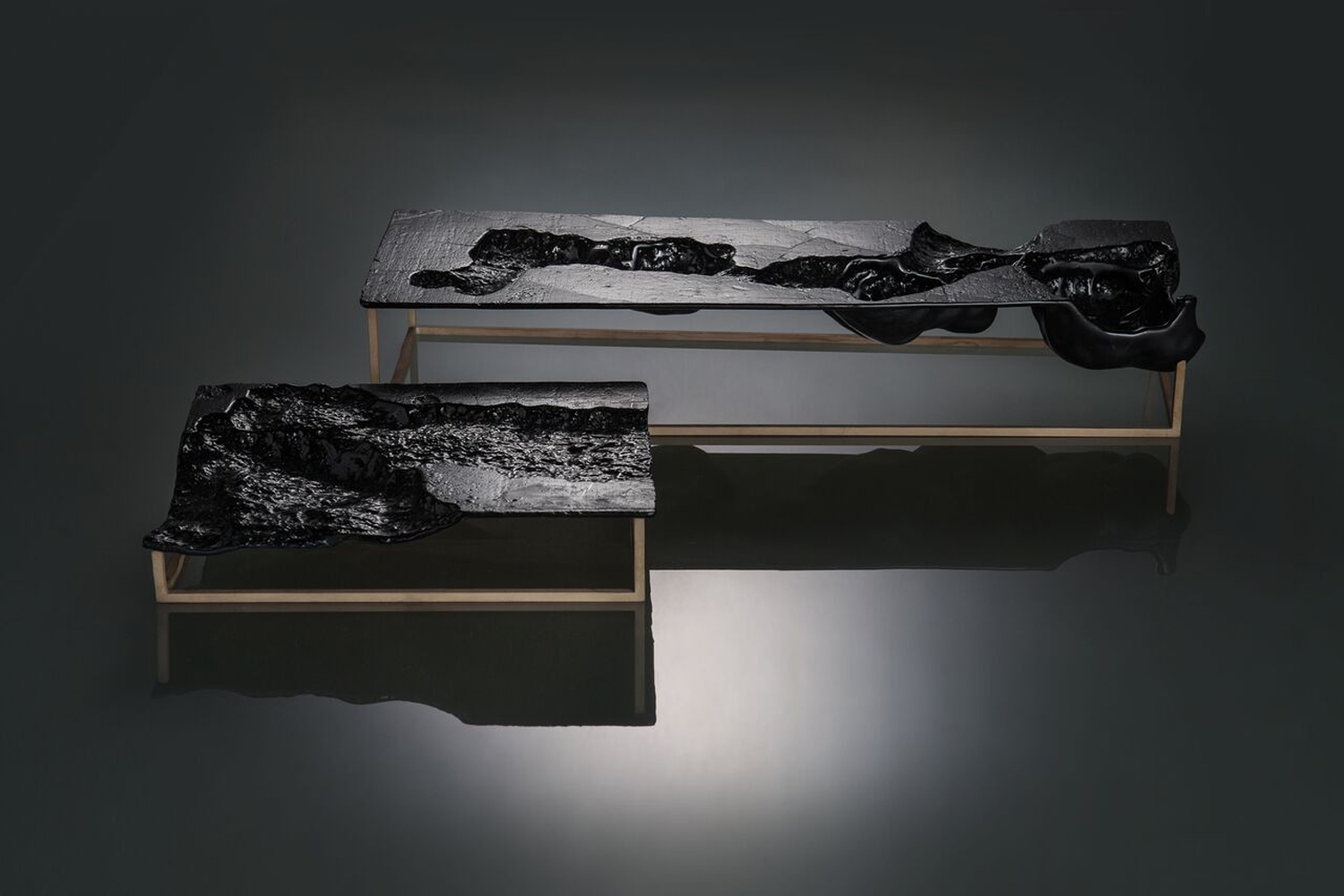
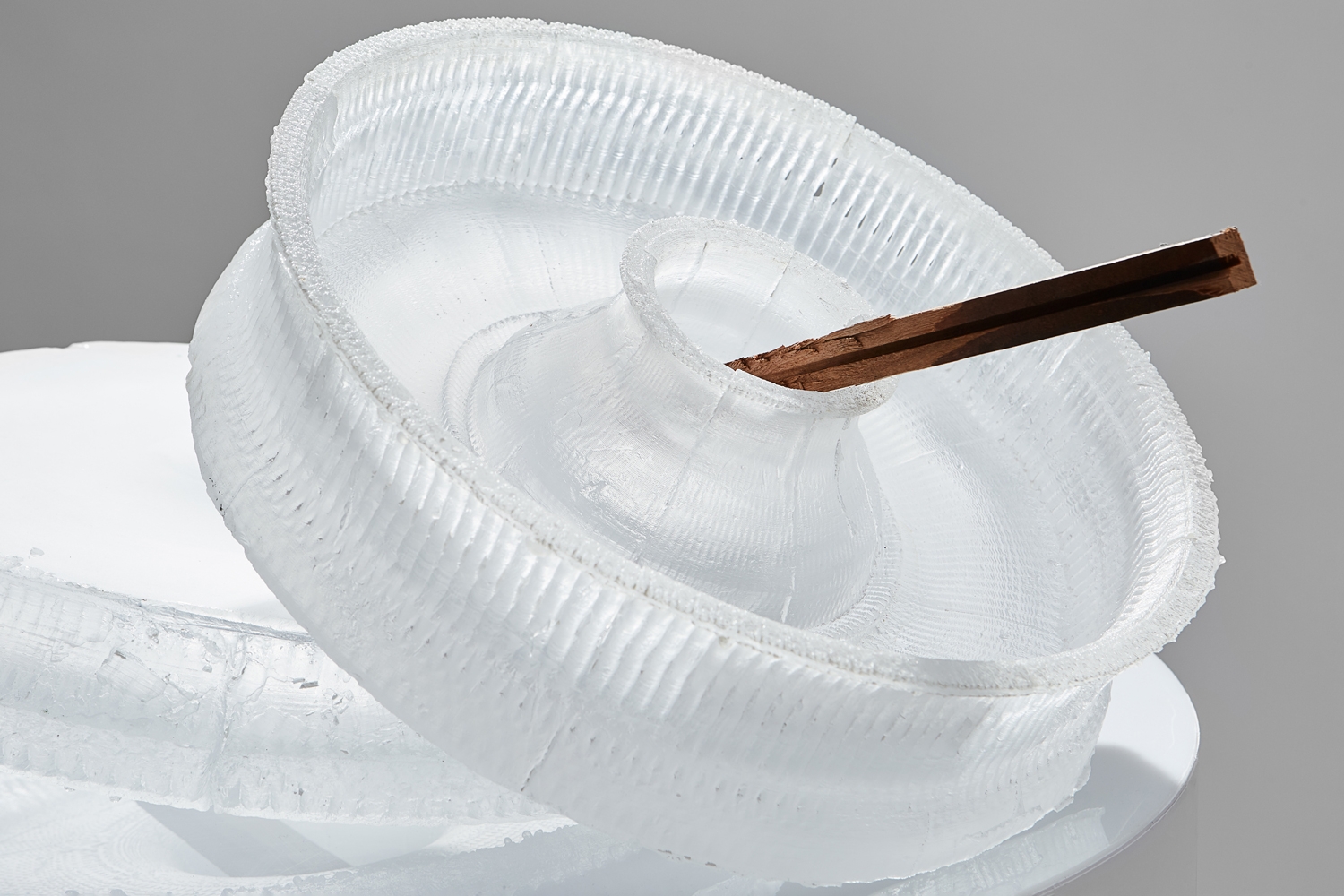
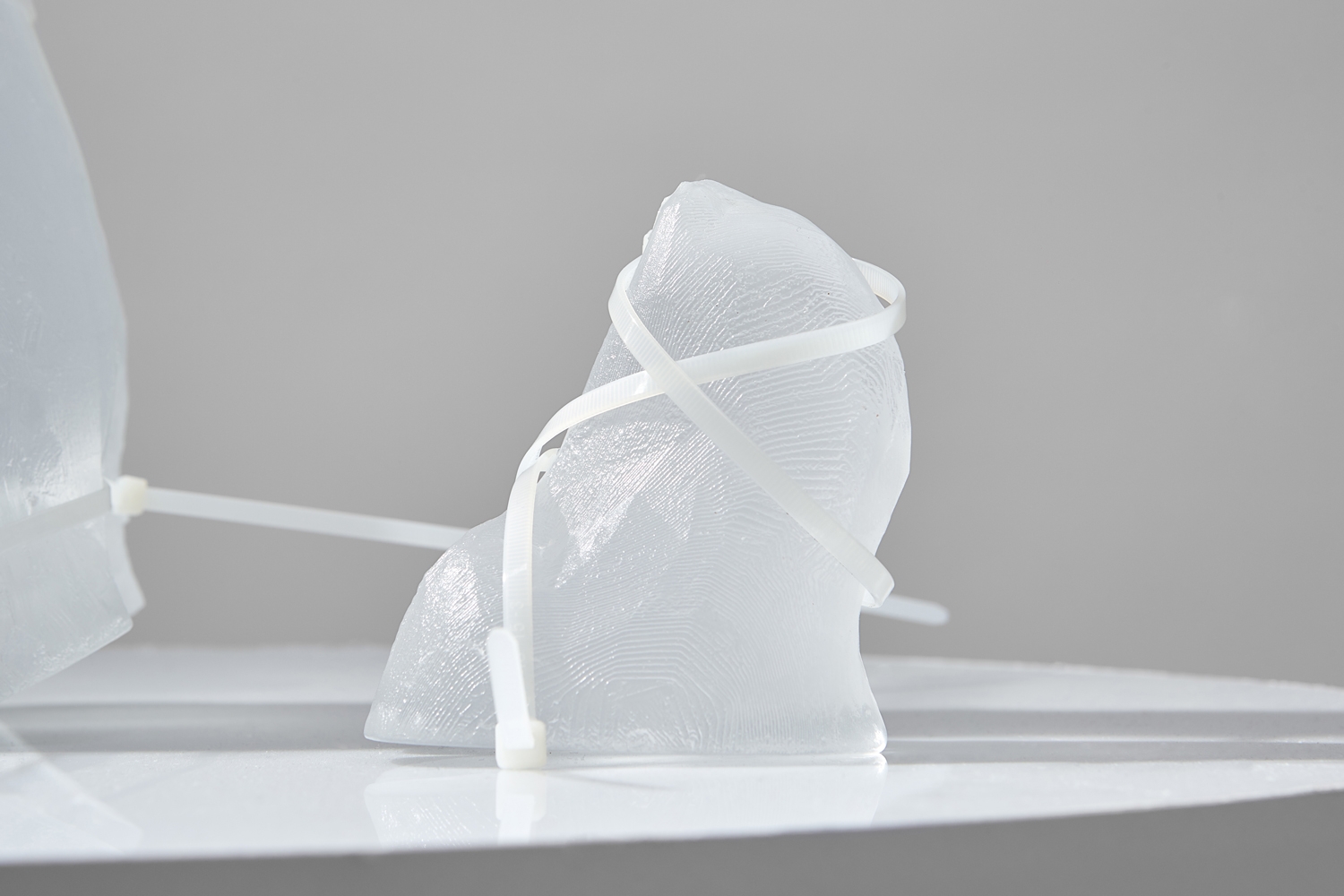
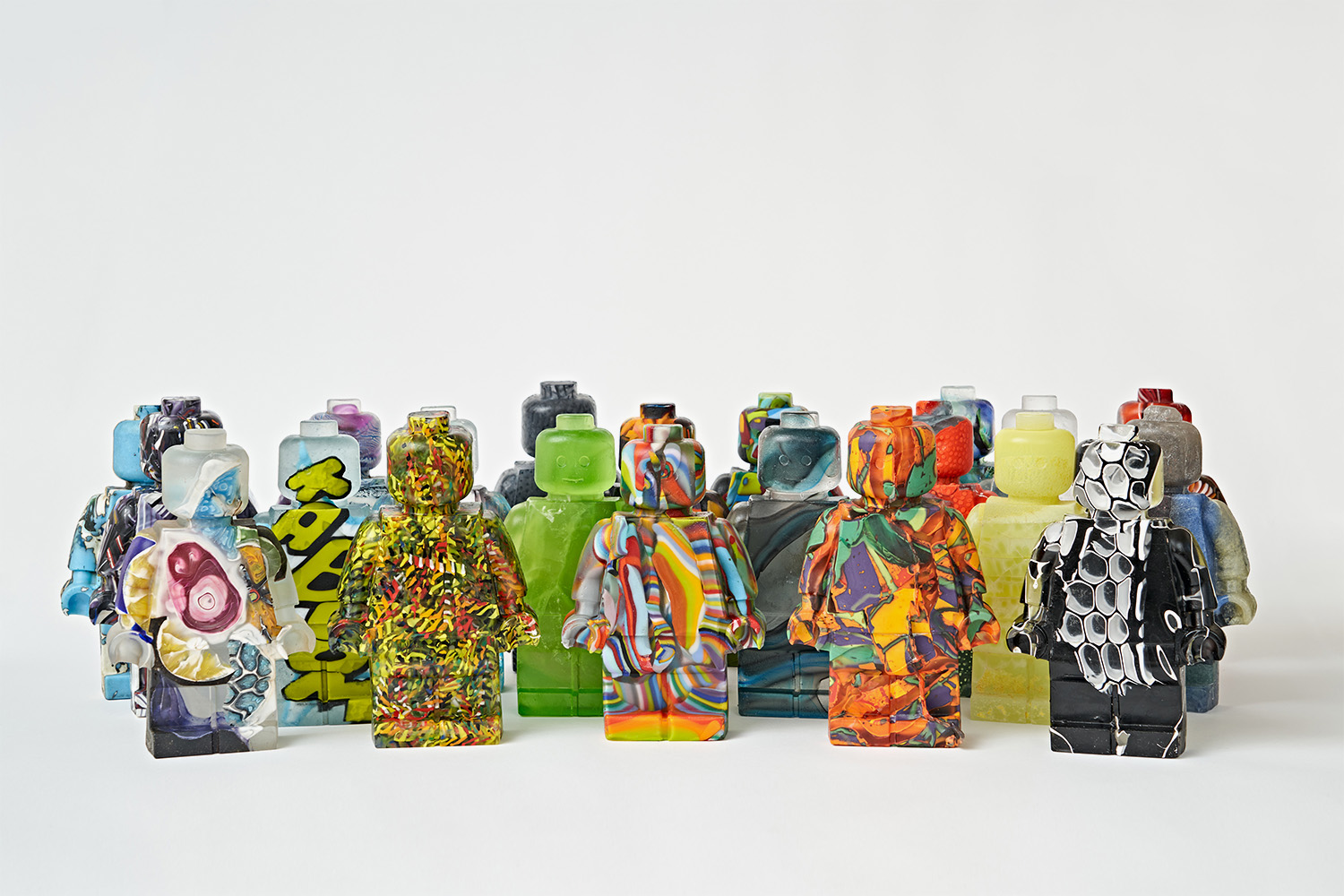
Směsi/Mixtures was my first large body of work and it shaped my approach to future projects. It is a conflation of personal experiences, artistic and technological research, and melding of the Czech kiln casting technique with 3D printing technology. When working with glass, understanding the technology you employ is essential.
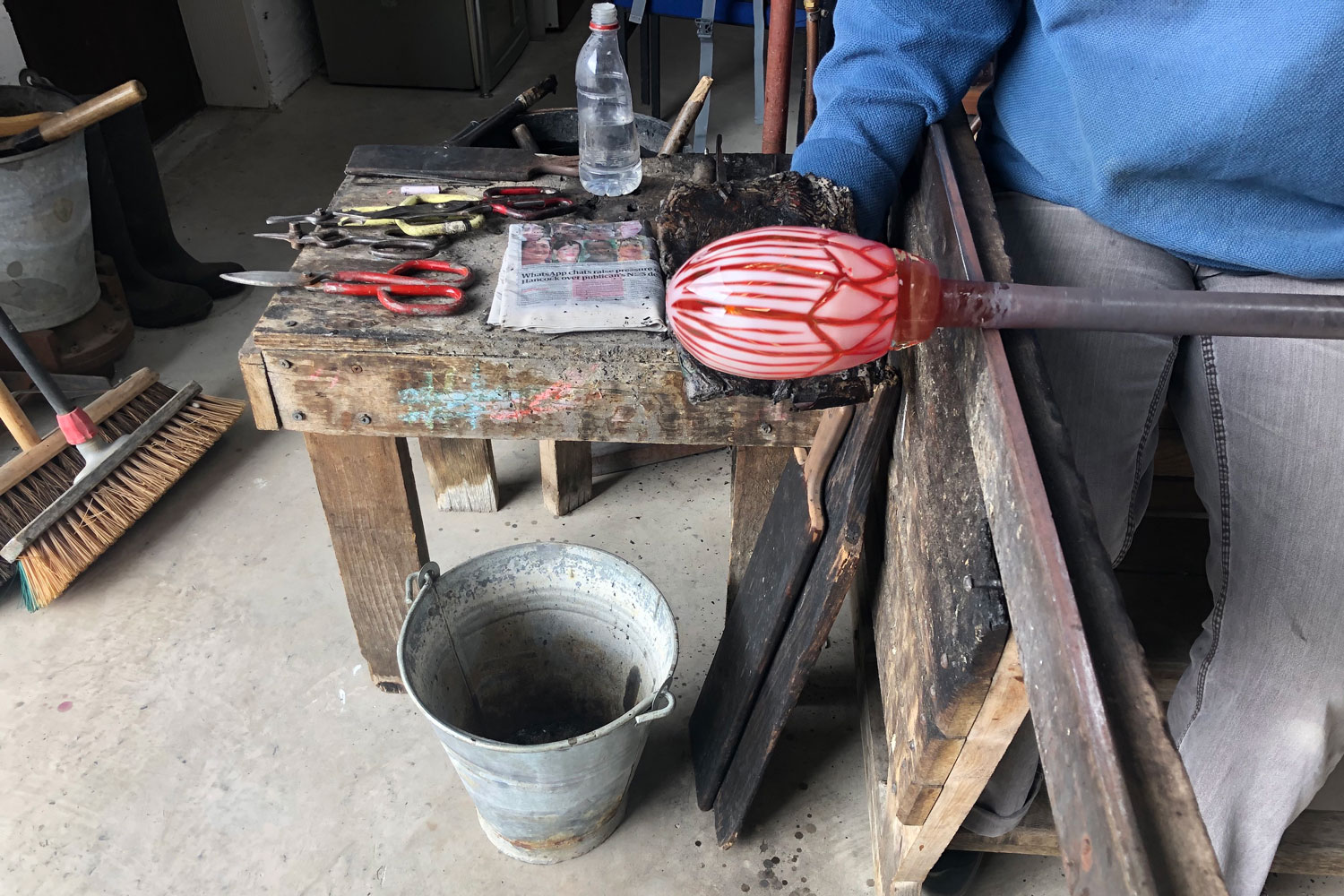
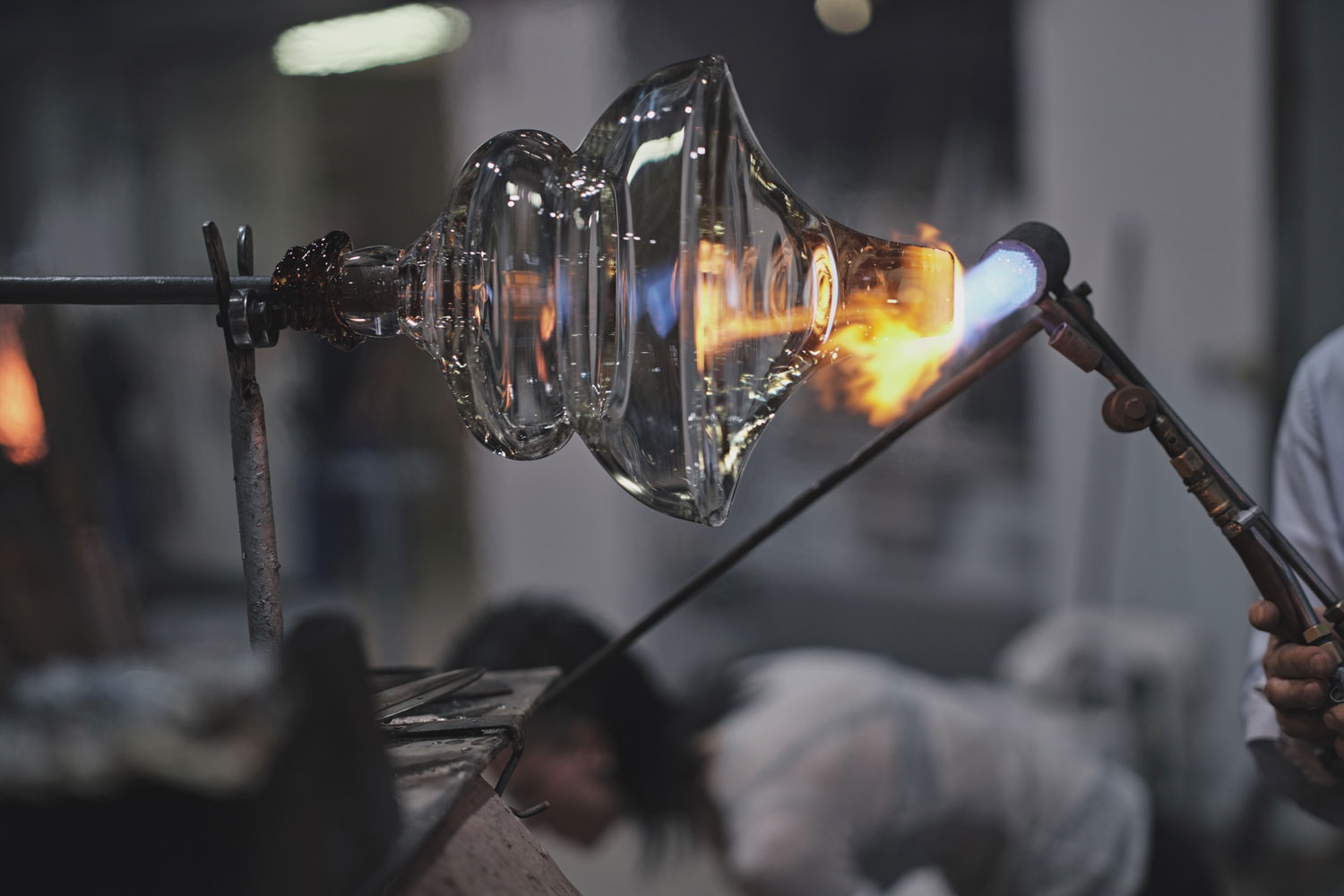
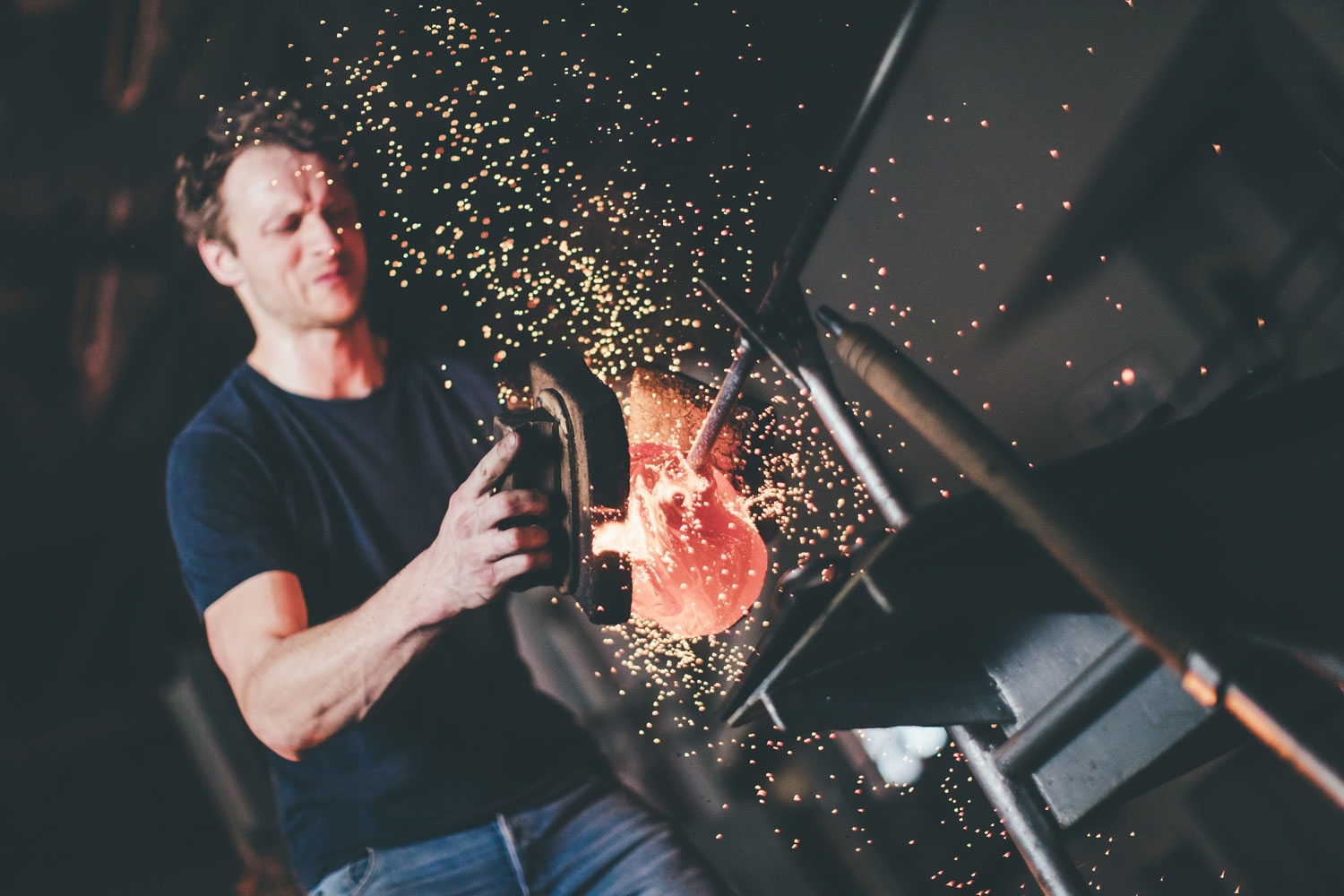
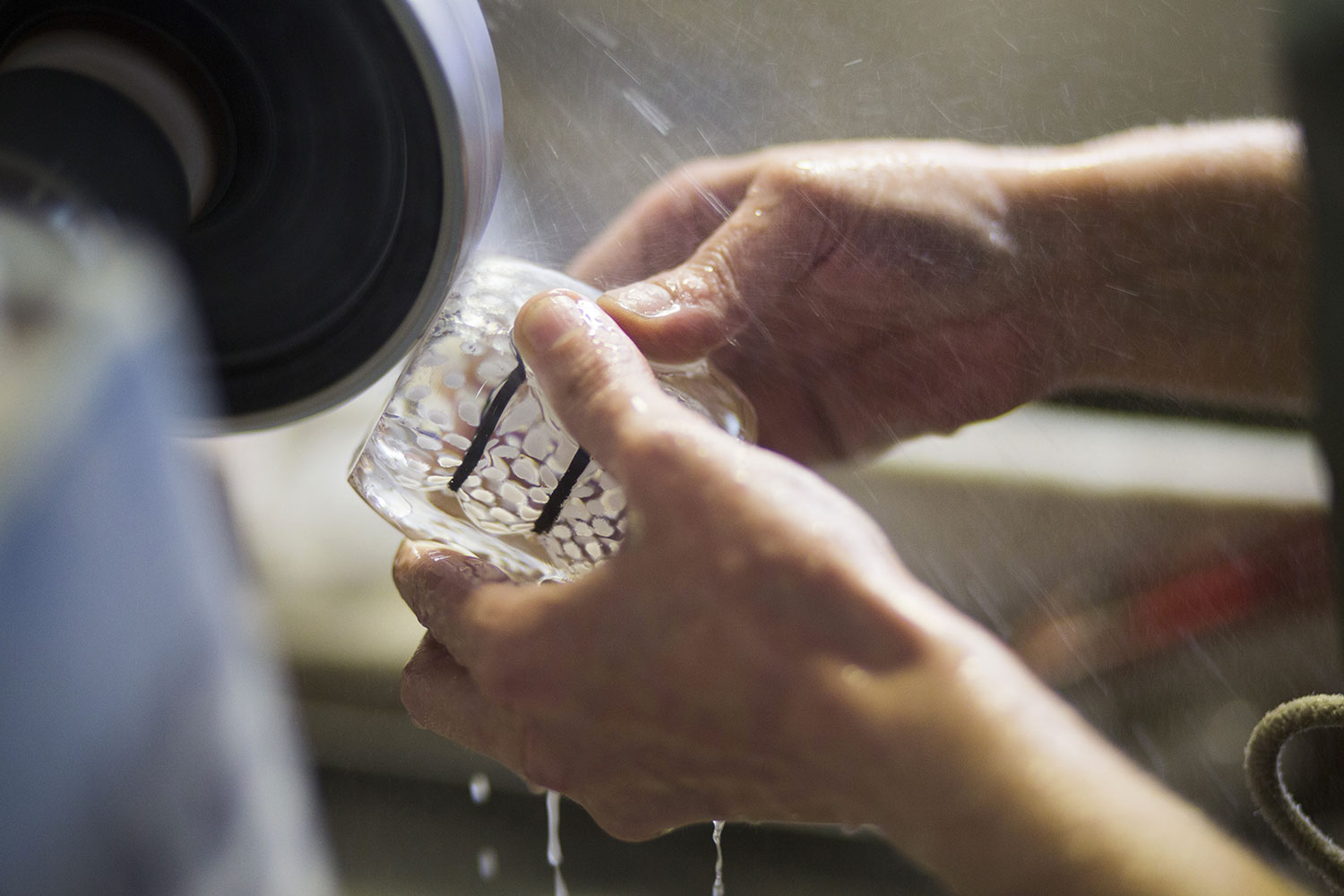
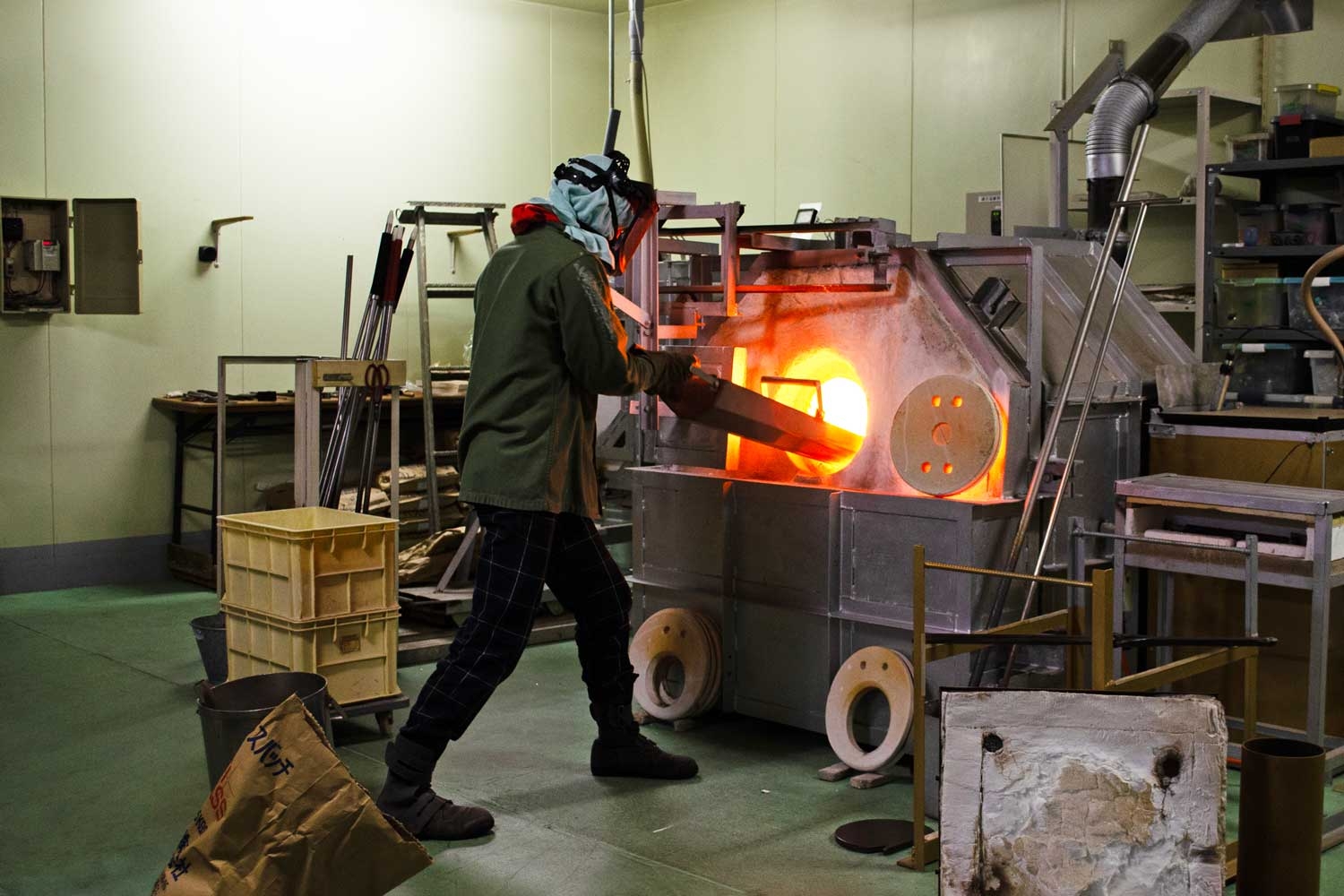
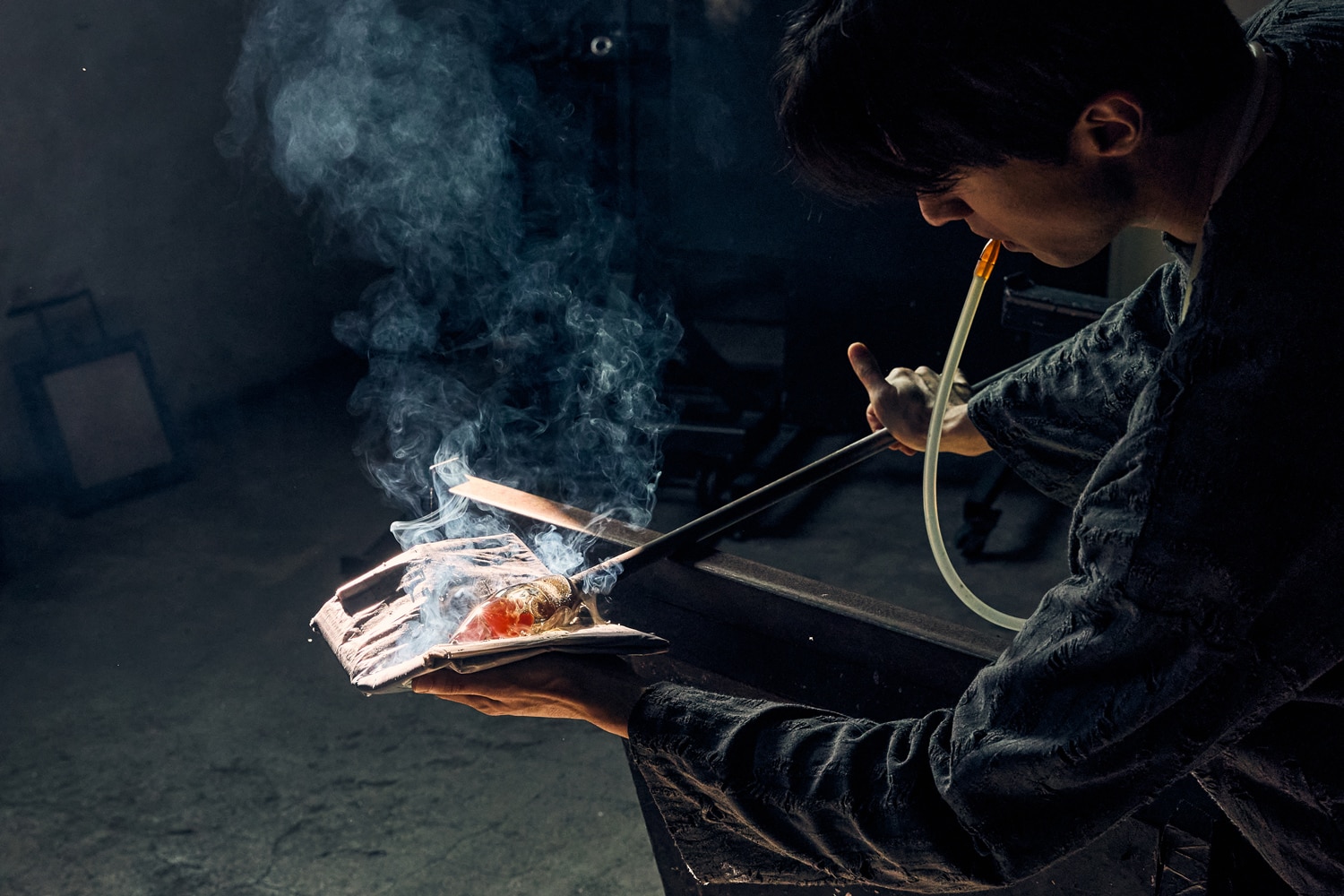
I take pride in the Czech kiln casting technique, an innovation that shifted glass from a purely applied art material to an artistic medium in the 1950s. It enabled the creation of large mass glass forms with high optical quality that earlier methods could not achieve. Kiln casting is my forte and I incorporate it into all my works.
Vendulka Prchalová
Glass sculptor
Telč, Czech Republic
AVAILABILITY
By appointment only
PHONE
+420 731665318
LANGUAGES
Czech, English
Homo Faber Finds is a new service aiming to inspire admirers of craft to connect and collaborate with exceptional artisans.
We invite you to submit an enquiry here.
Juliette Leperlier_Naïade XXI_(c)Arthur Monfrais.jpg)
Juliette Leperlier_Portrait 1_(c)Arthur Monfrais.jpg)
Juliette Leperlier_Studio 1_(c)Arthur Monfrais.jpg)