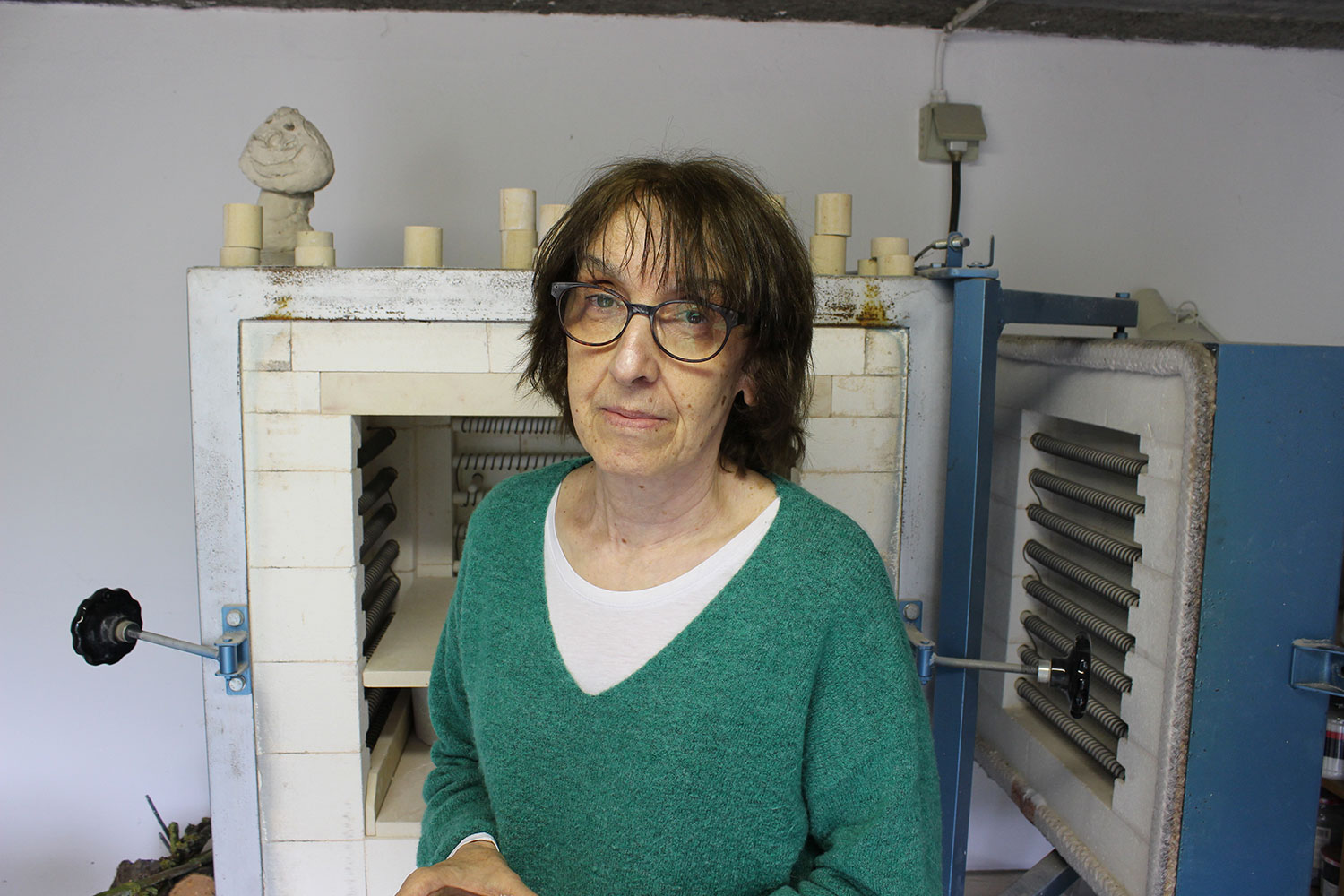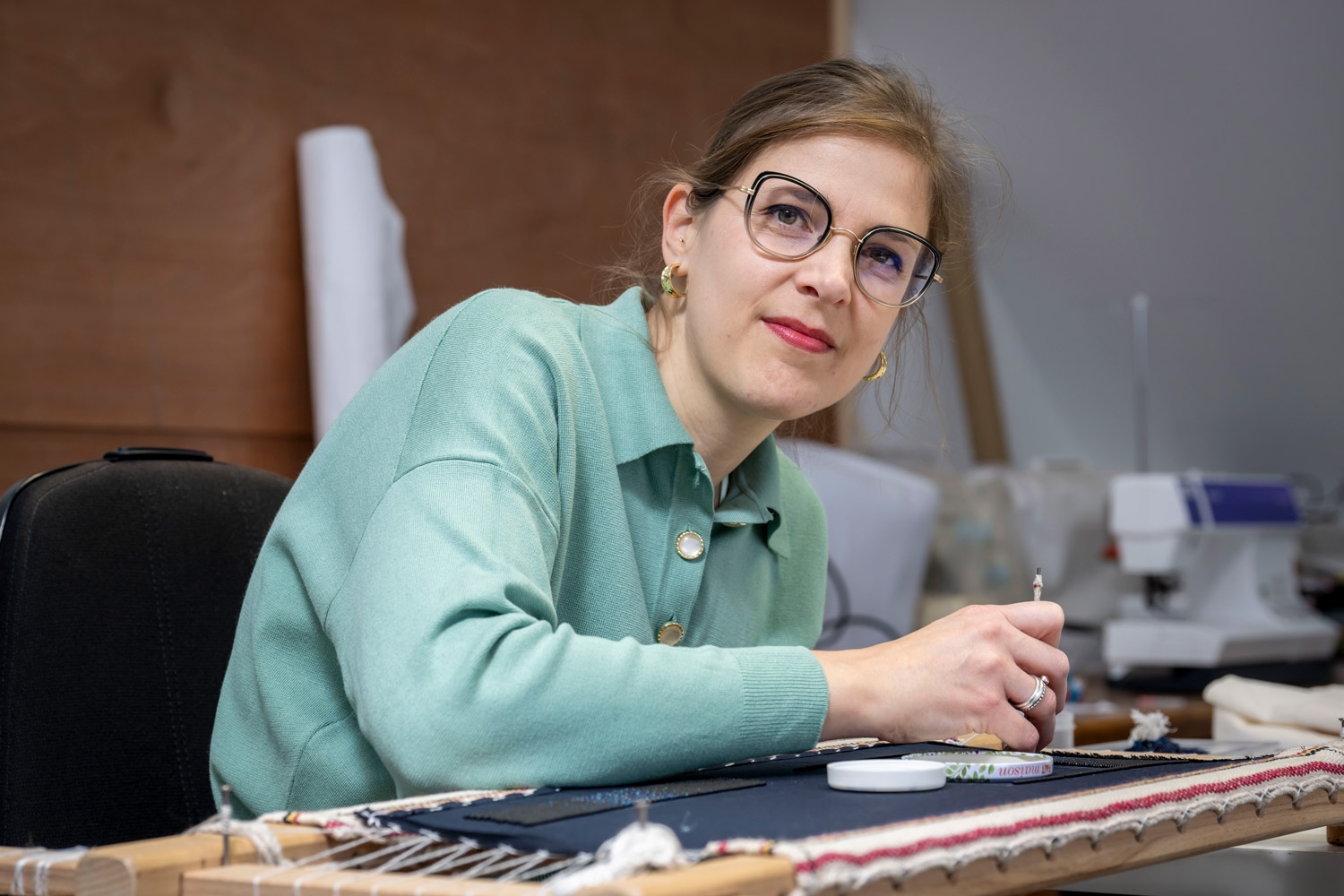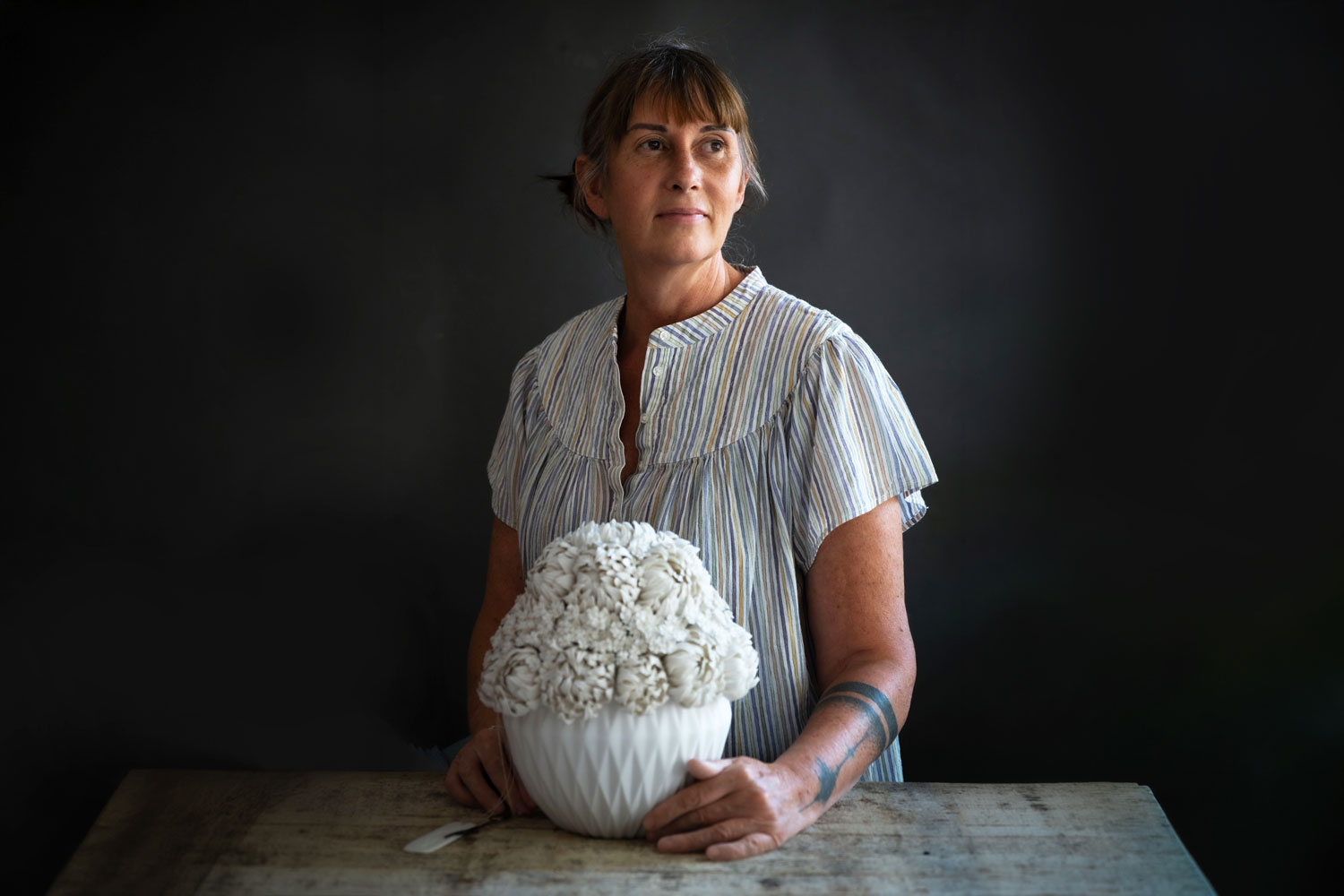
Thérèse Lebrun
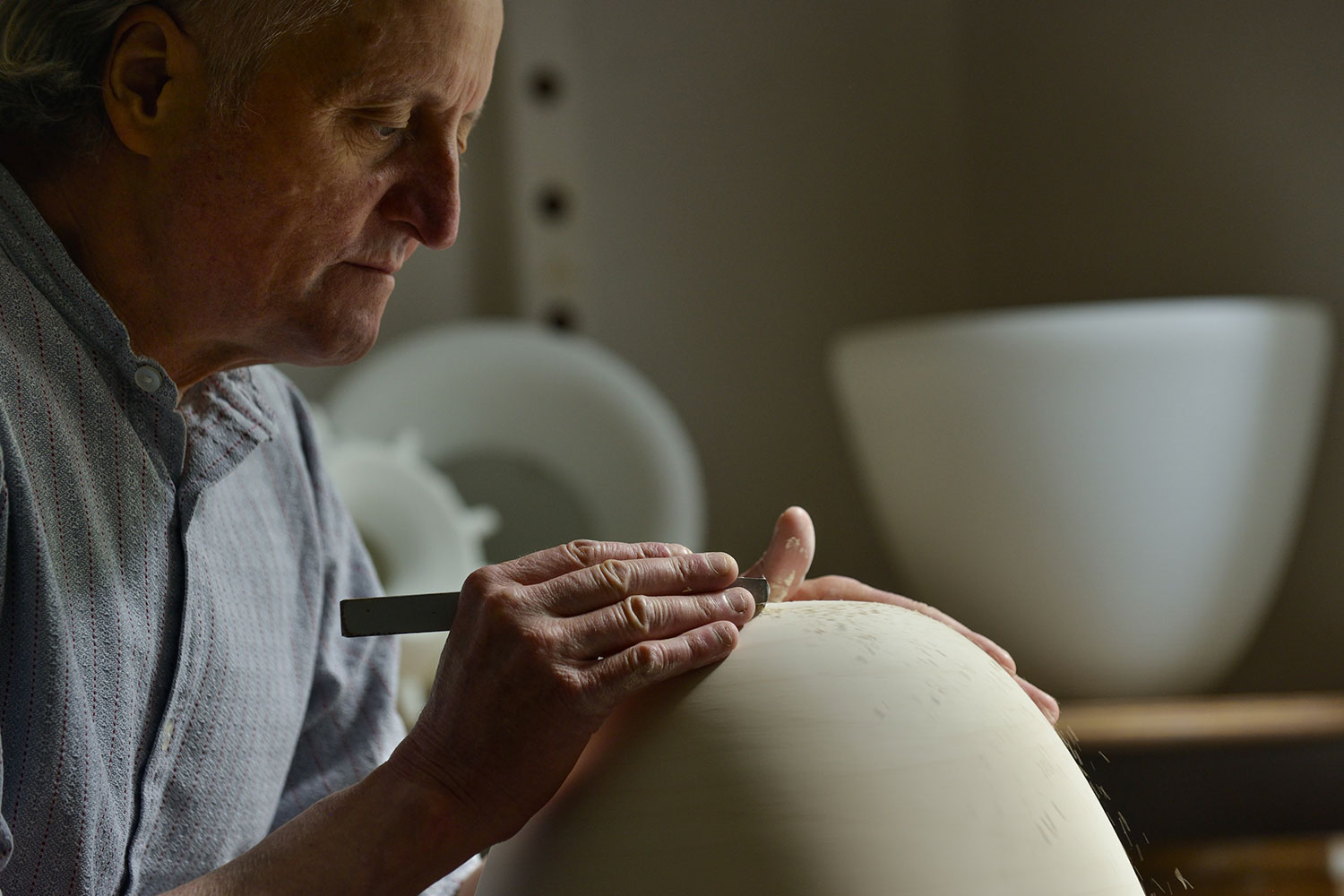
Porcelain maker
Archennes, Belgium
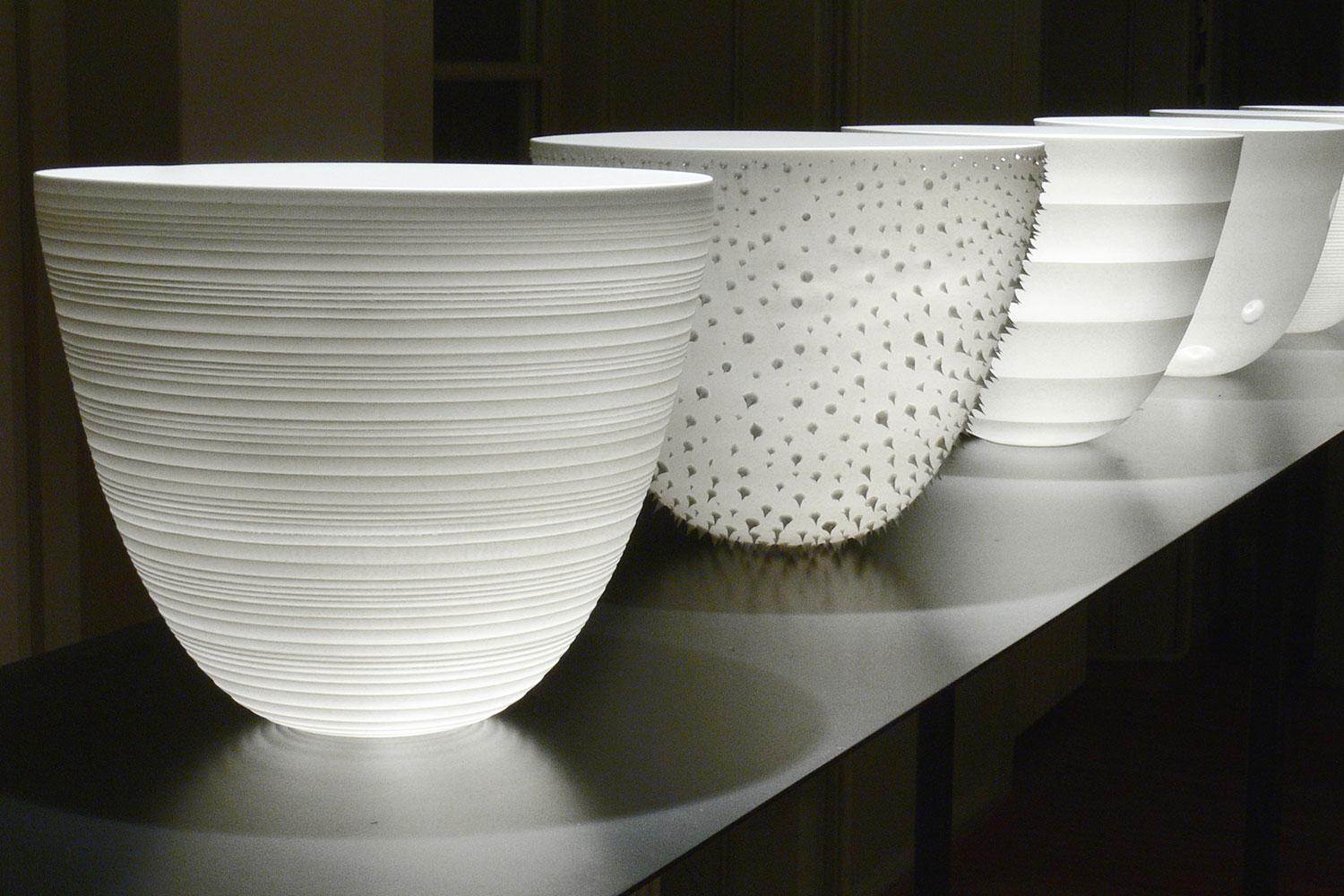
A mysterious world of organic forms
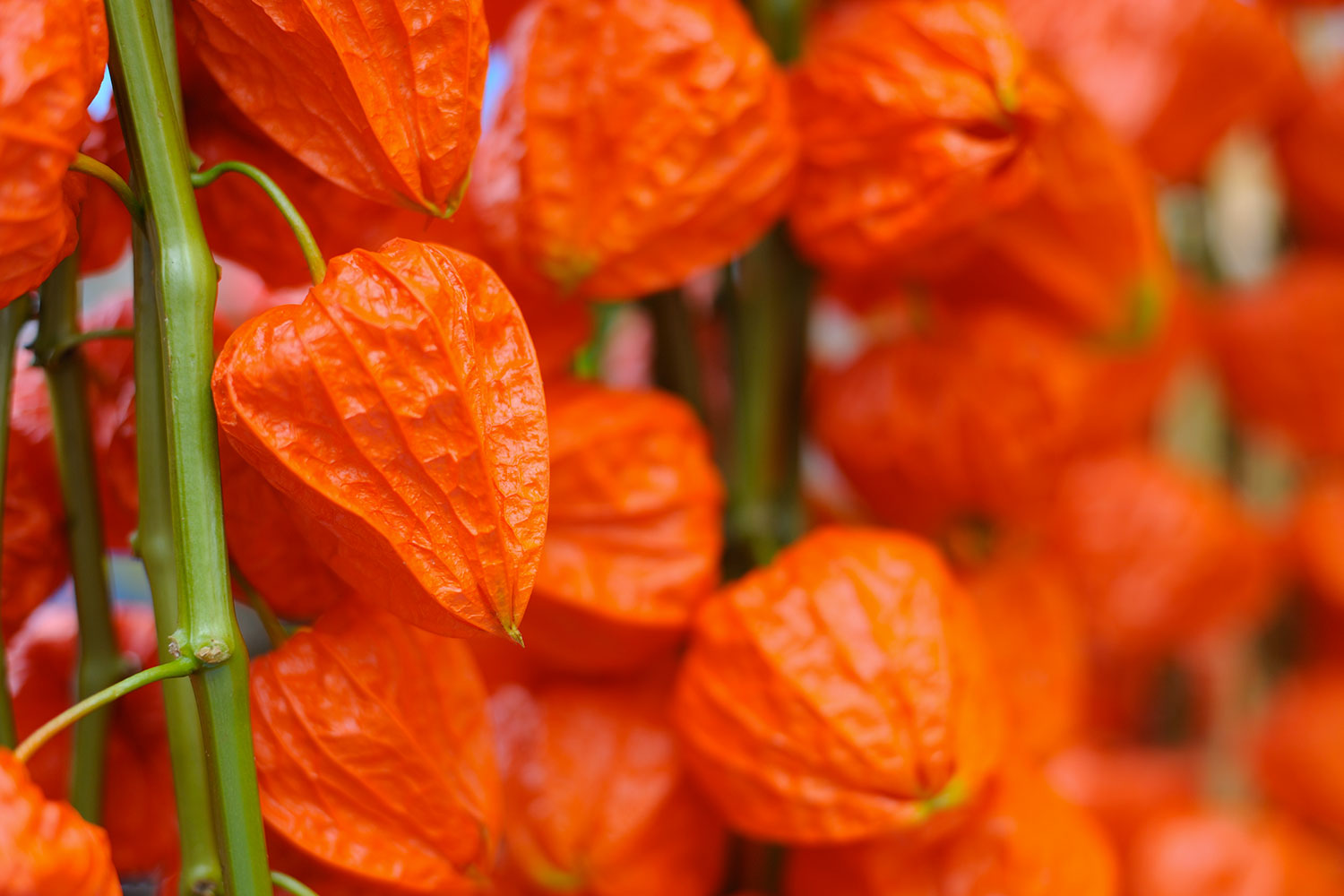
- Thérèse works with wild plants from the local countryside
- She is fascinated by porcelain’s translucency and limitations
- Her inspiration comes from natural structures
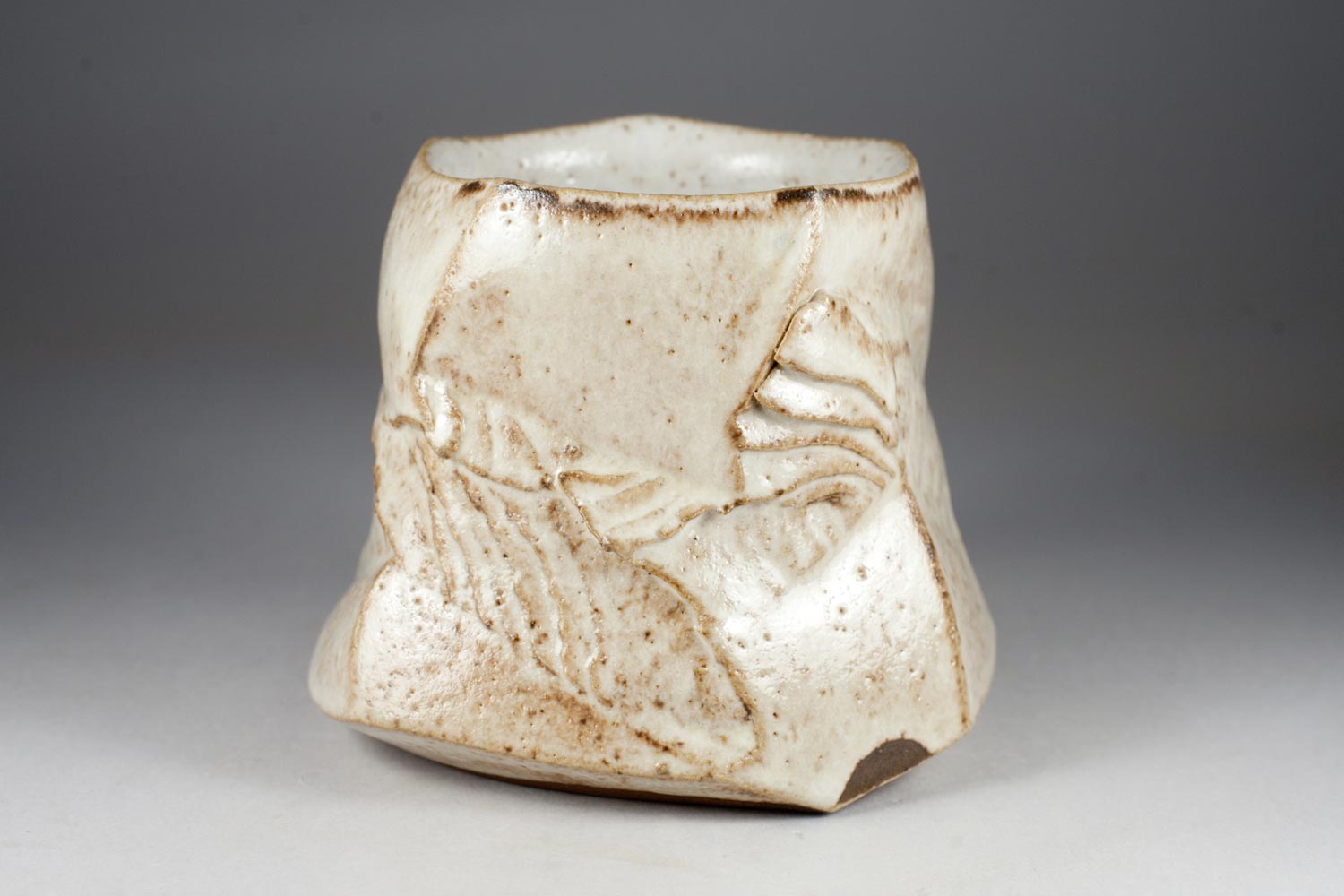
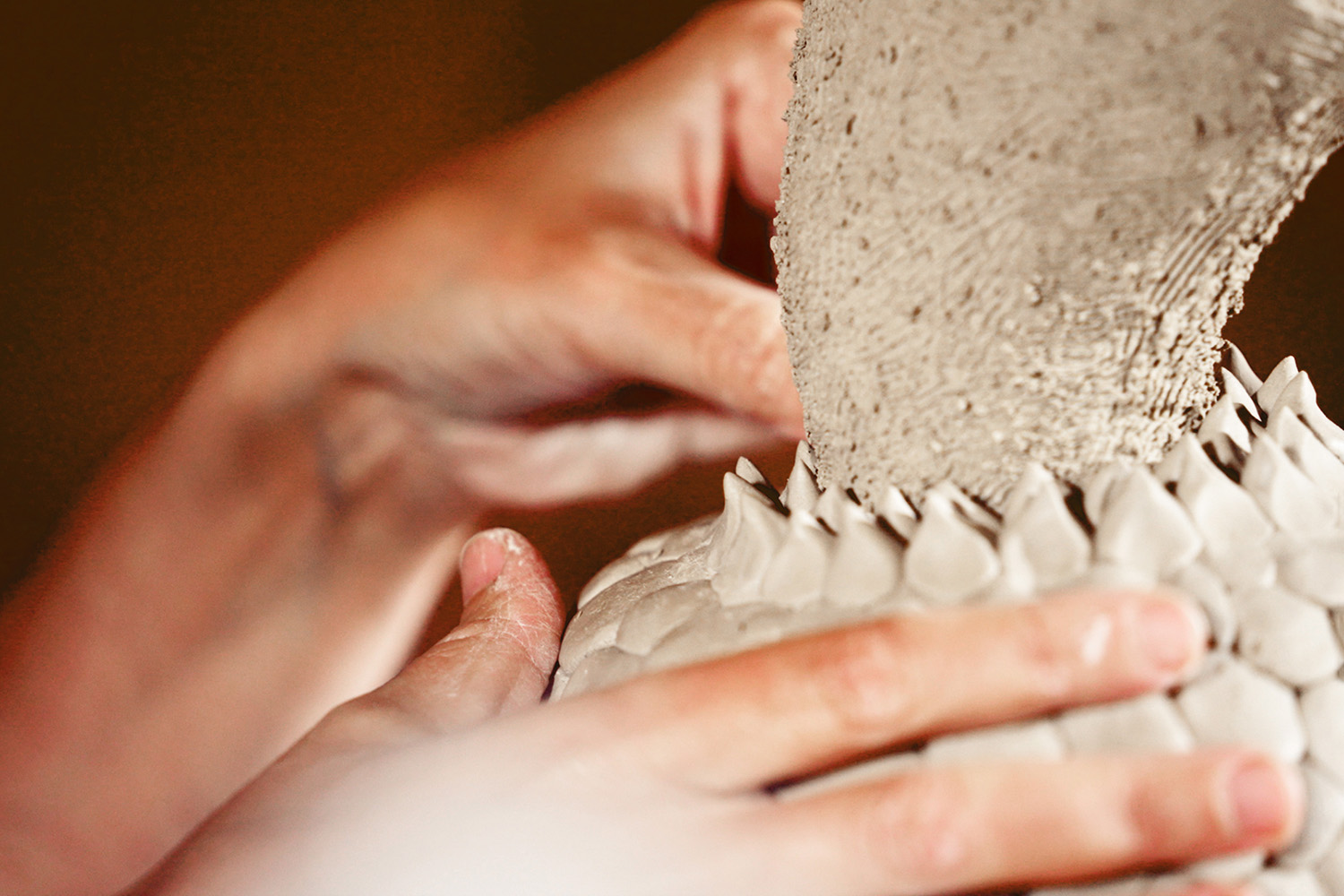
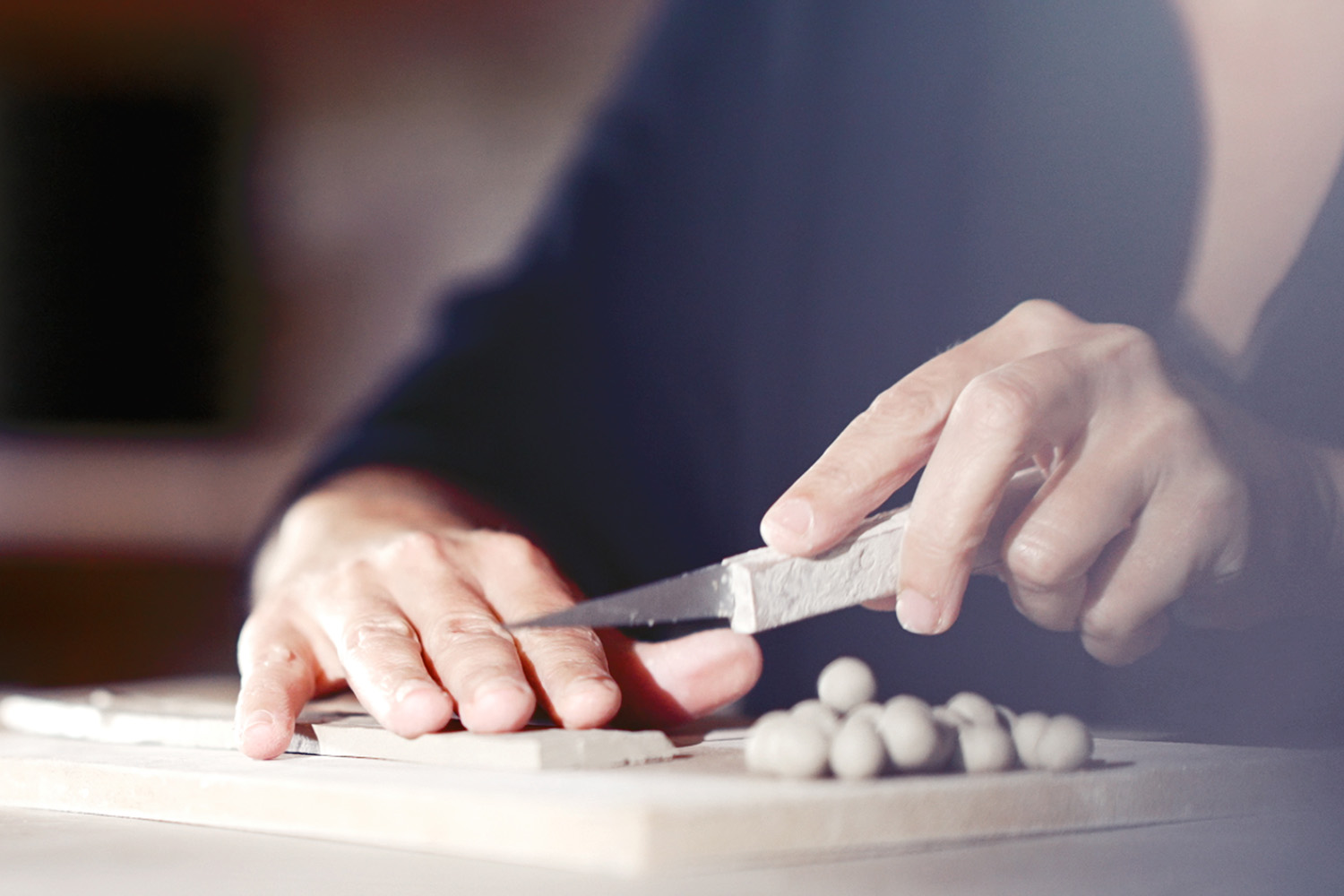
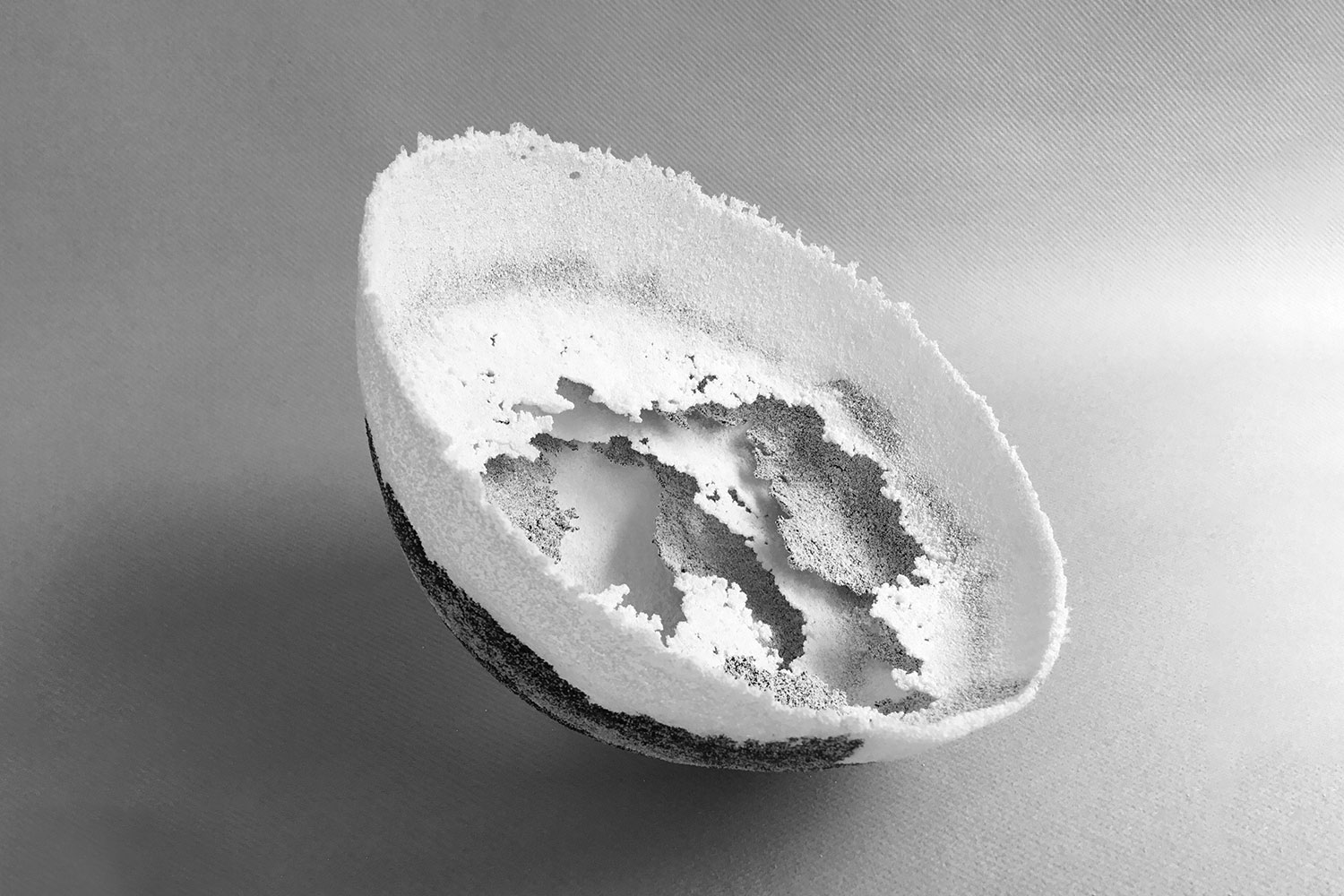
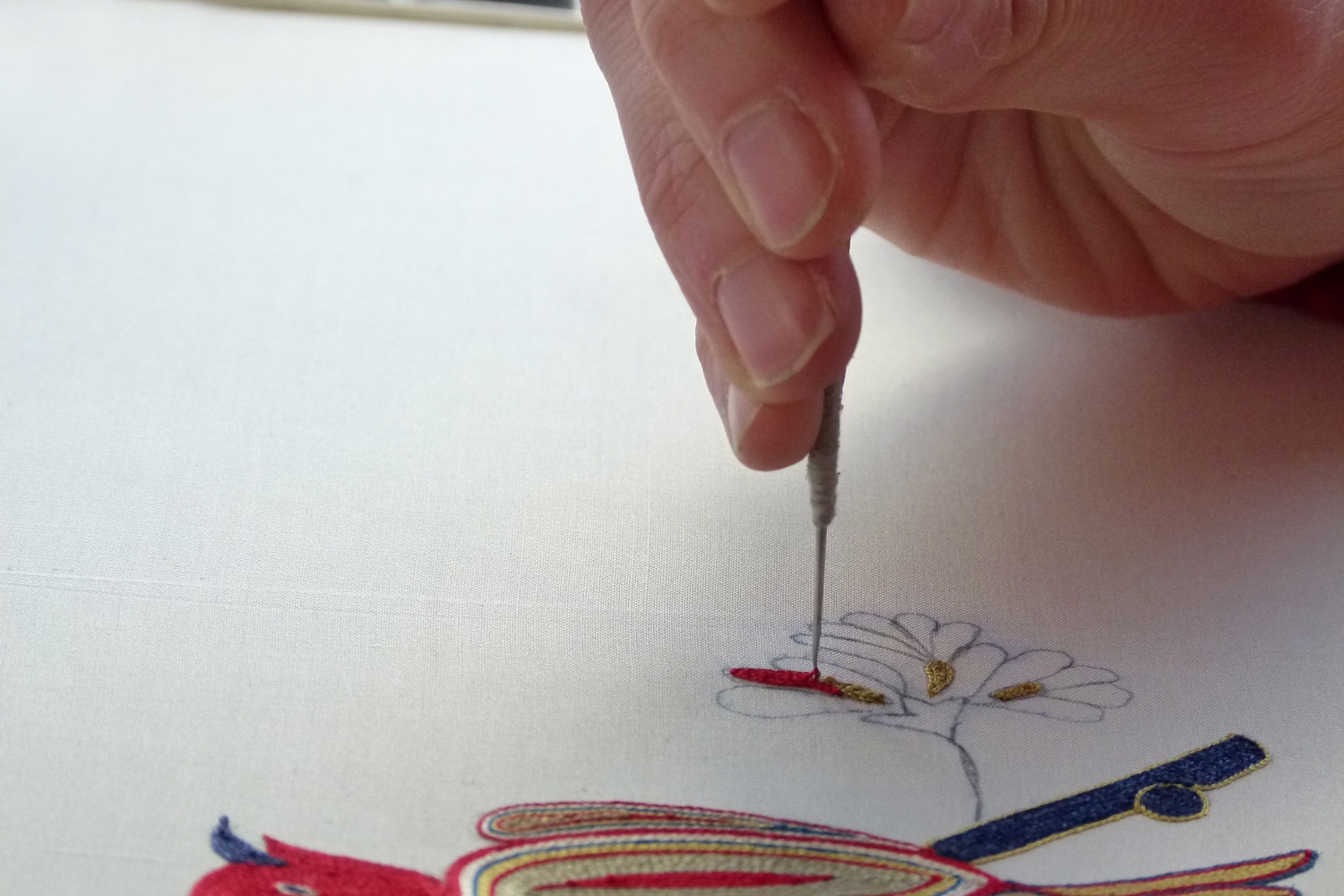
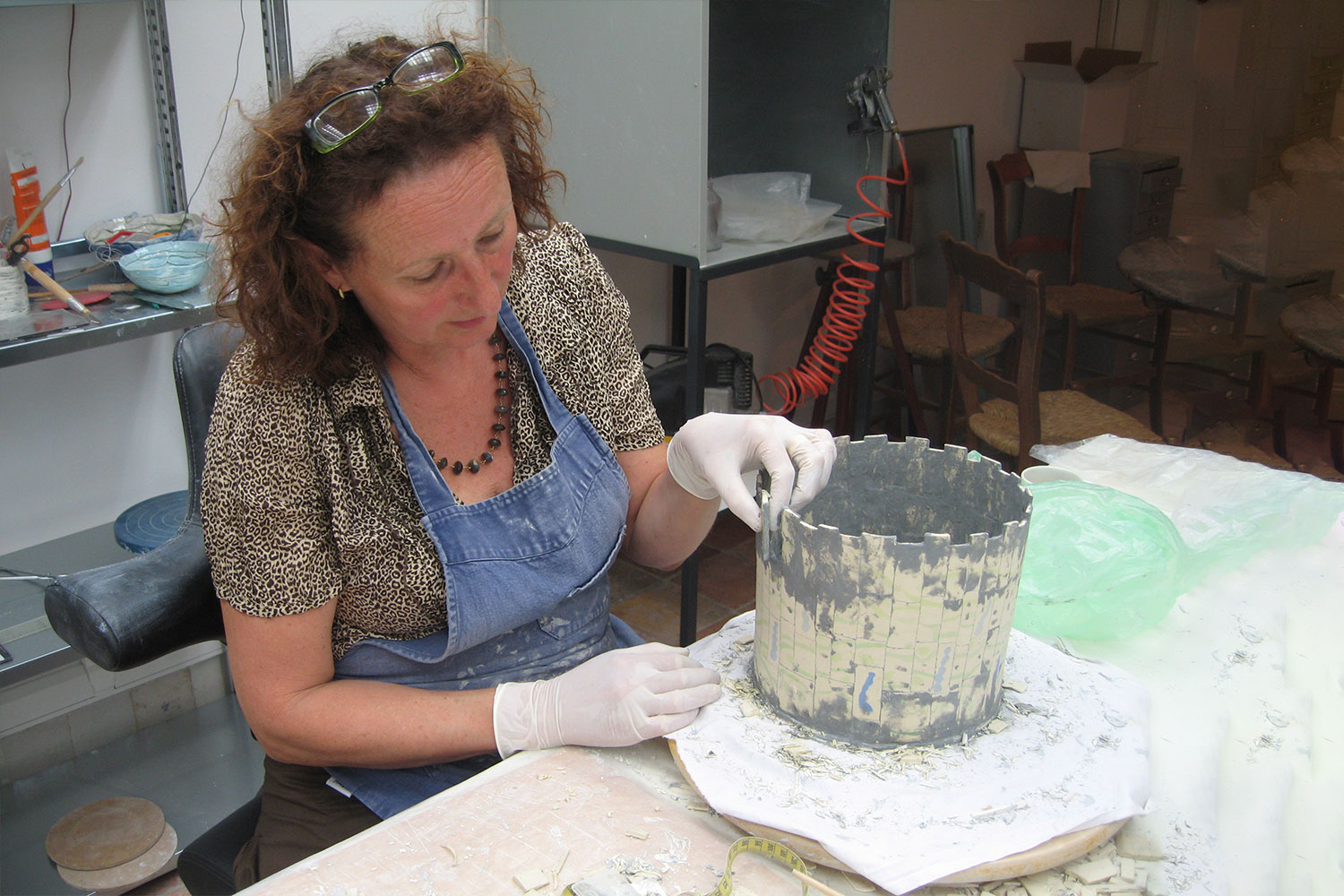
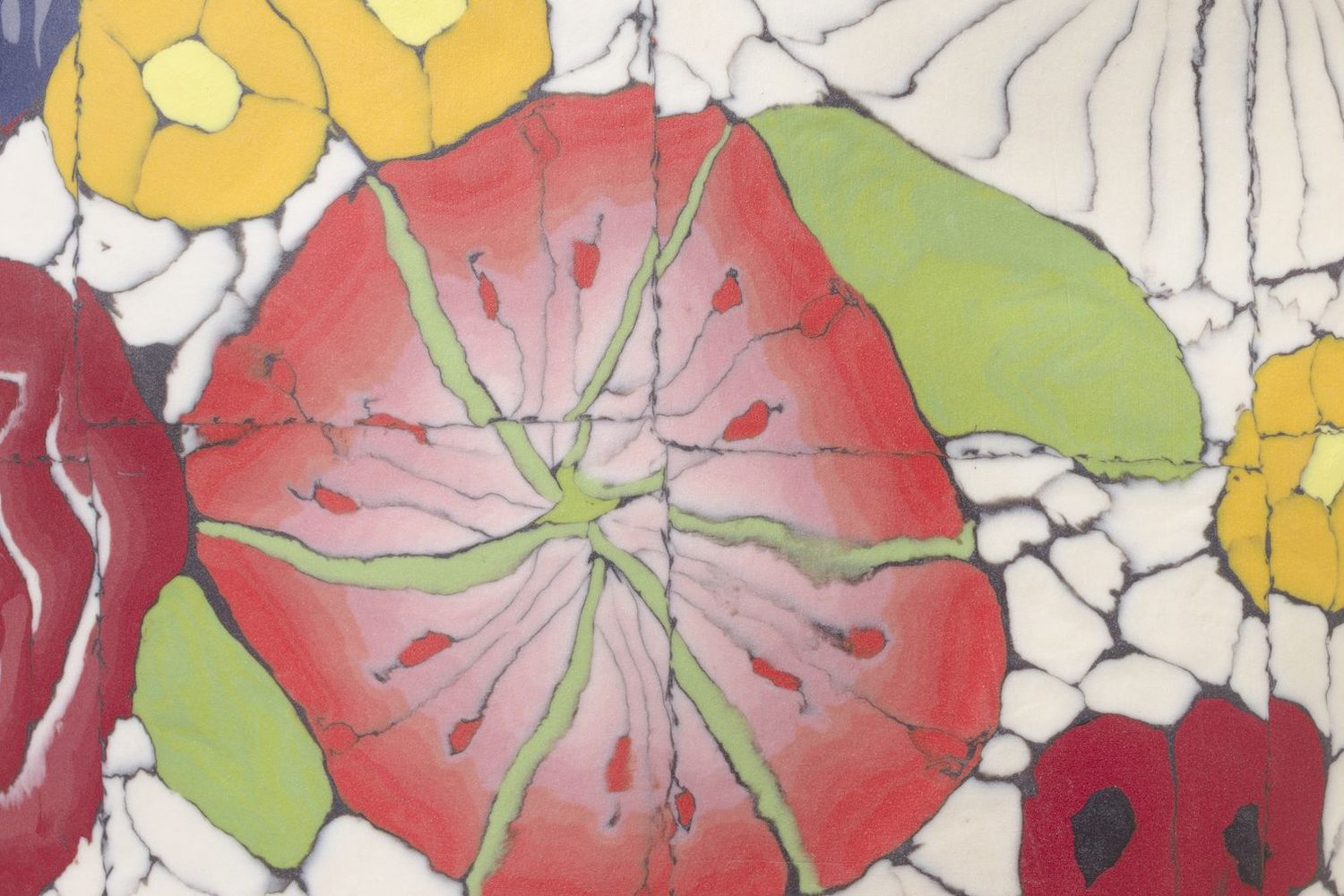
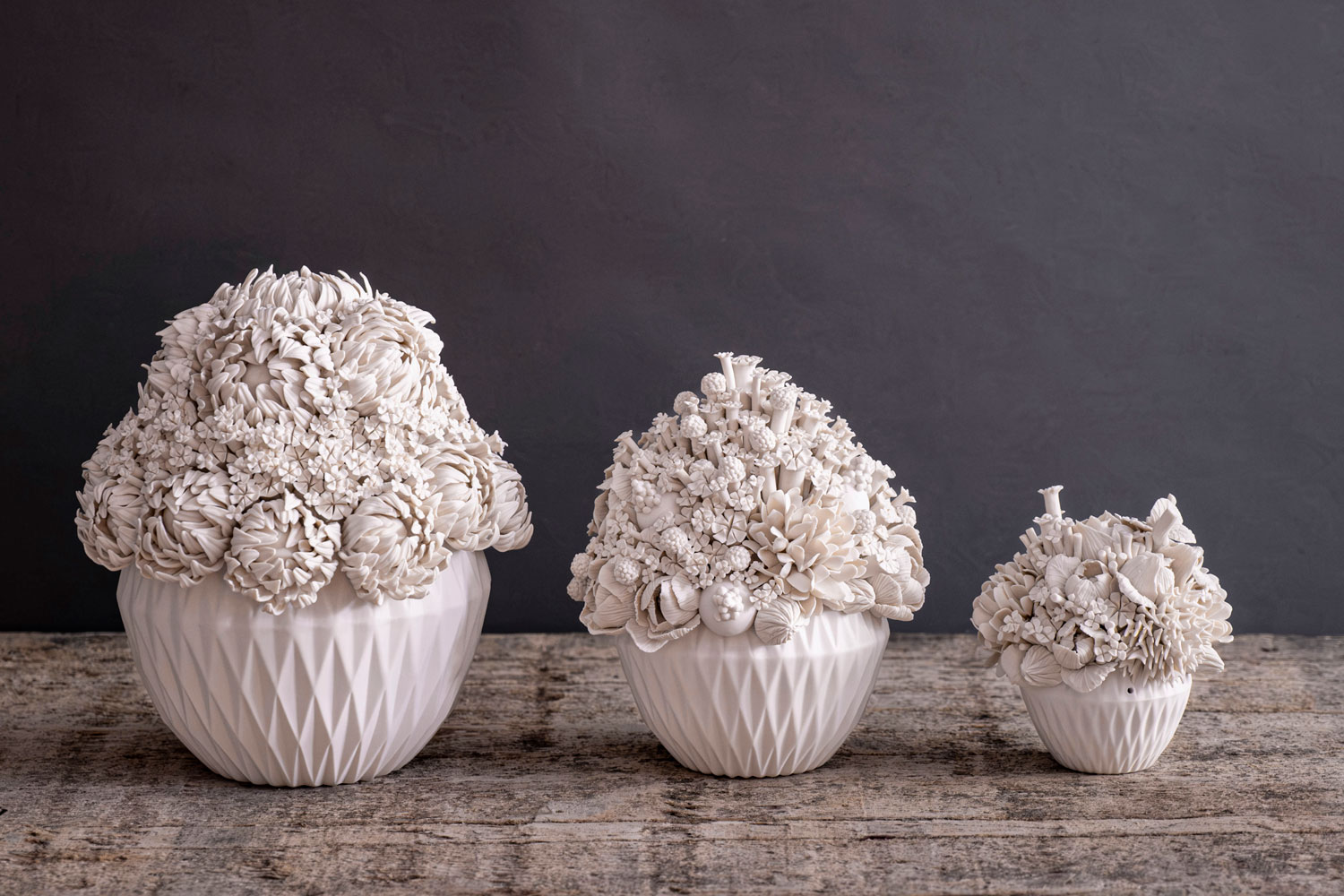
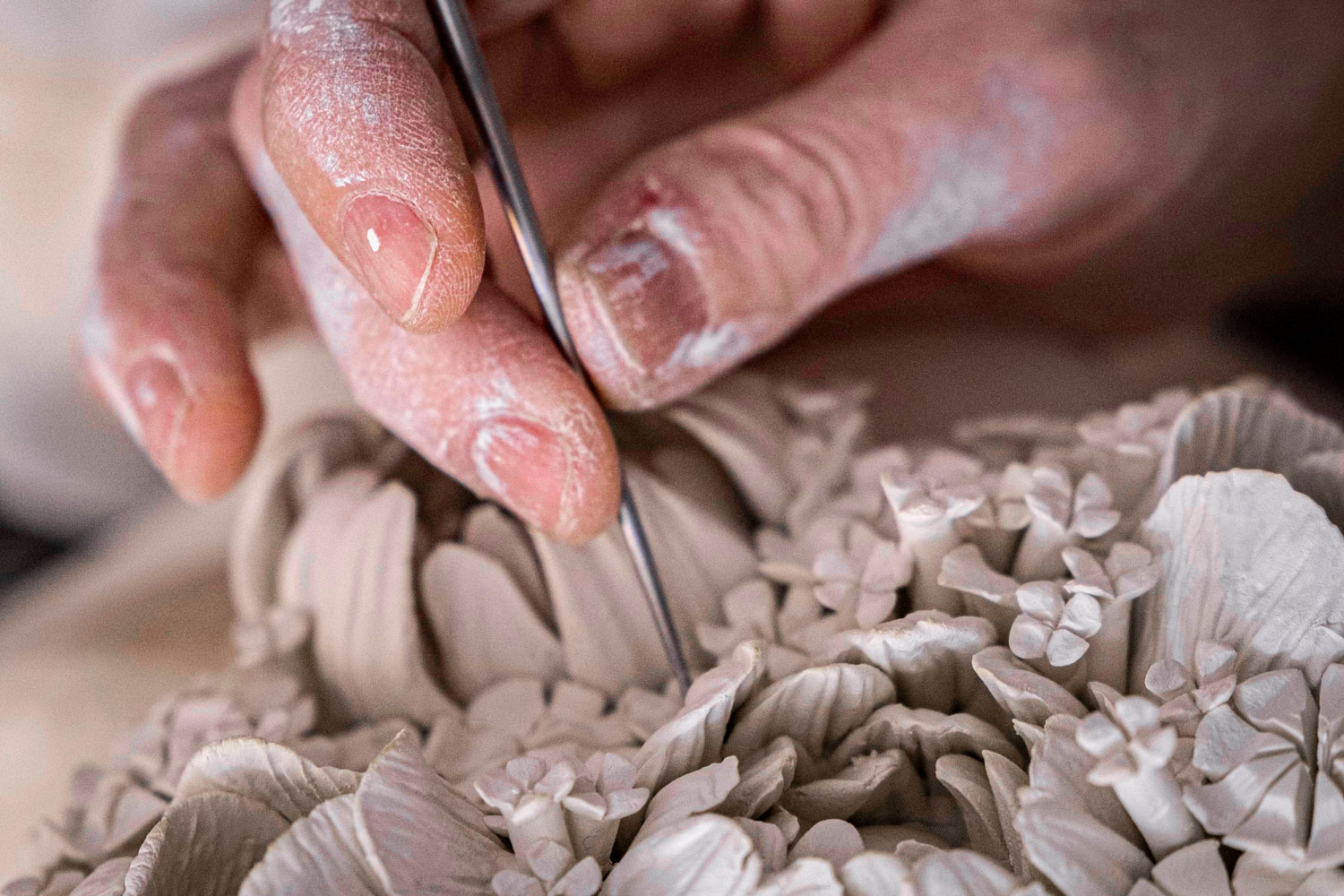
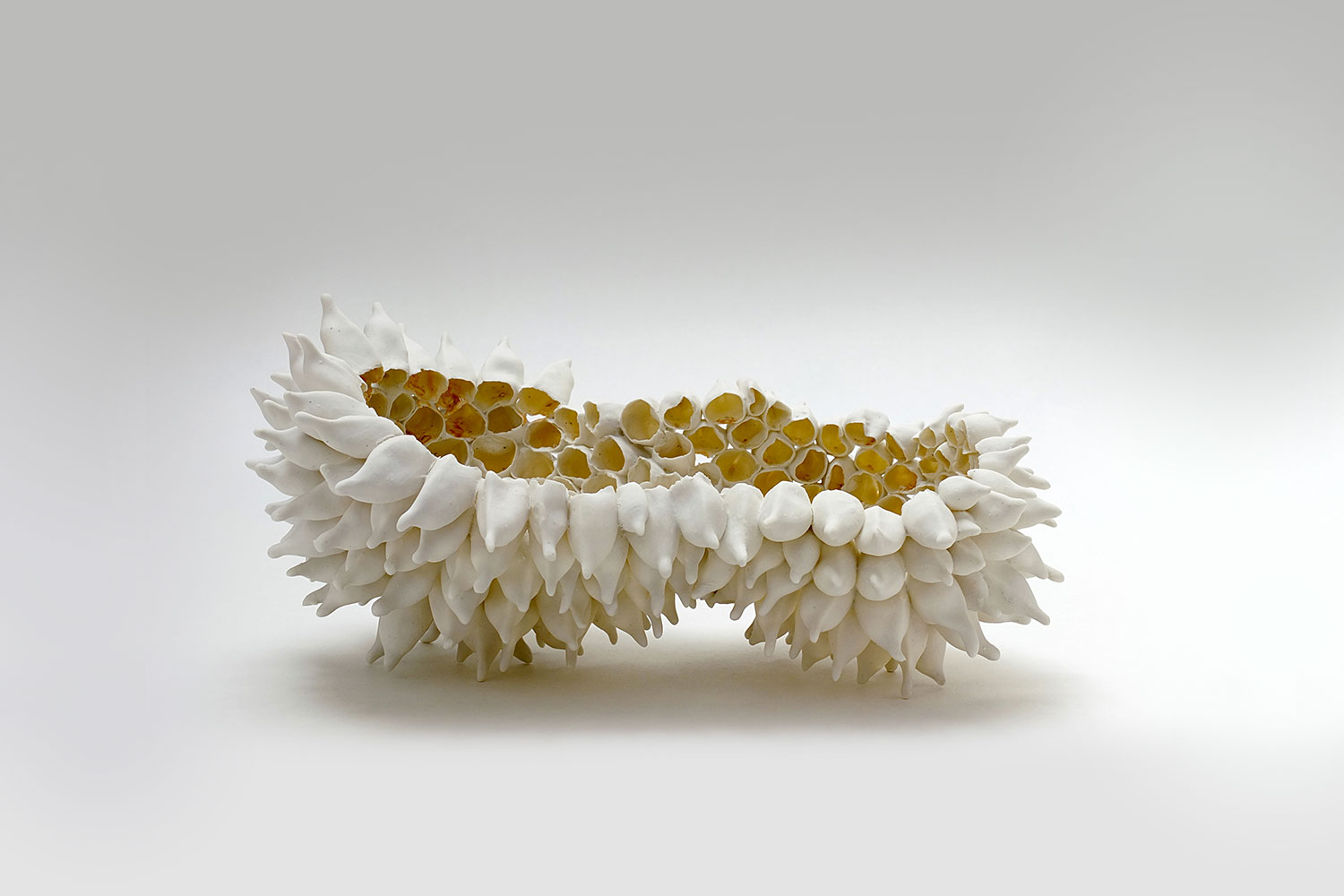
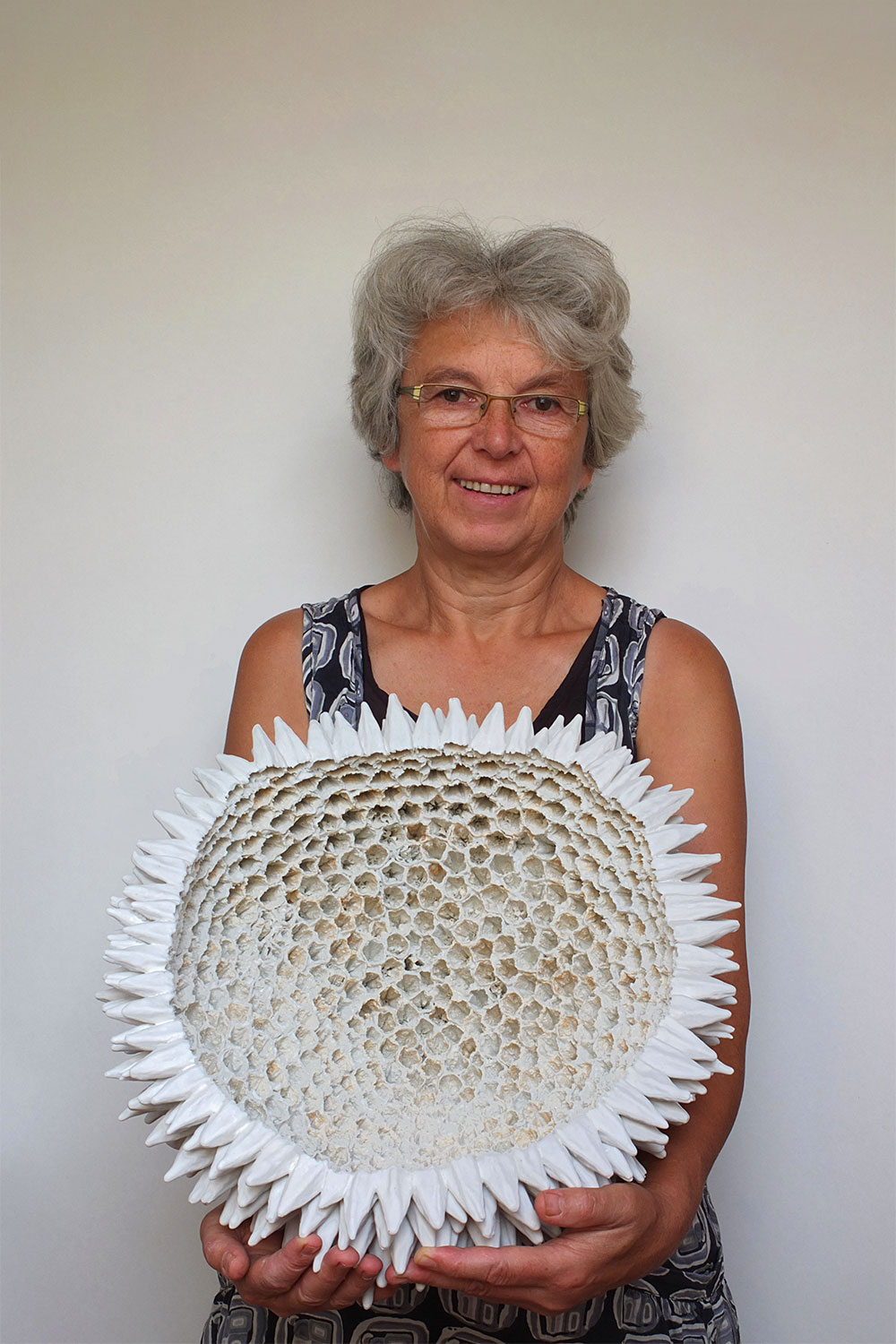
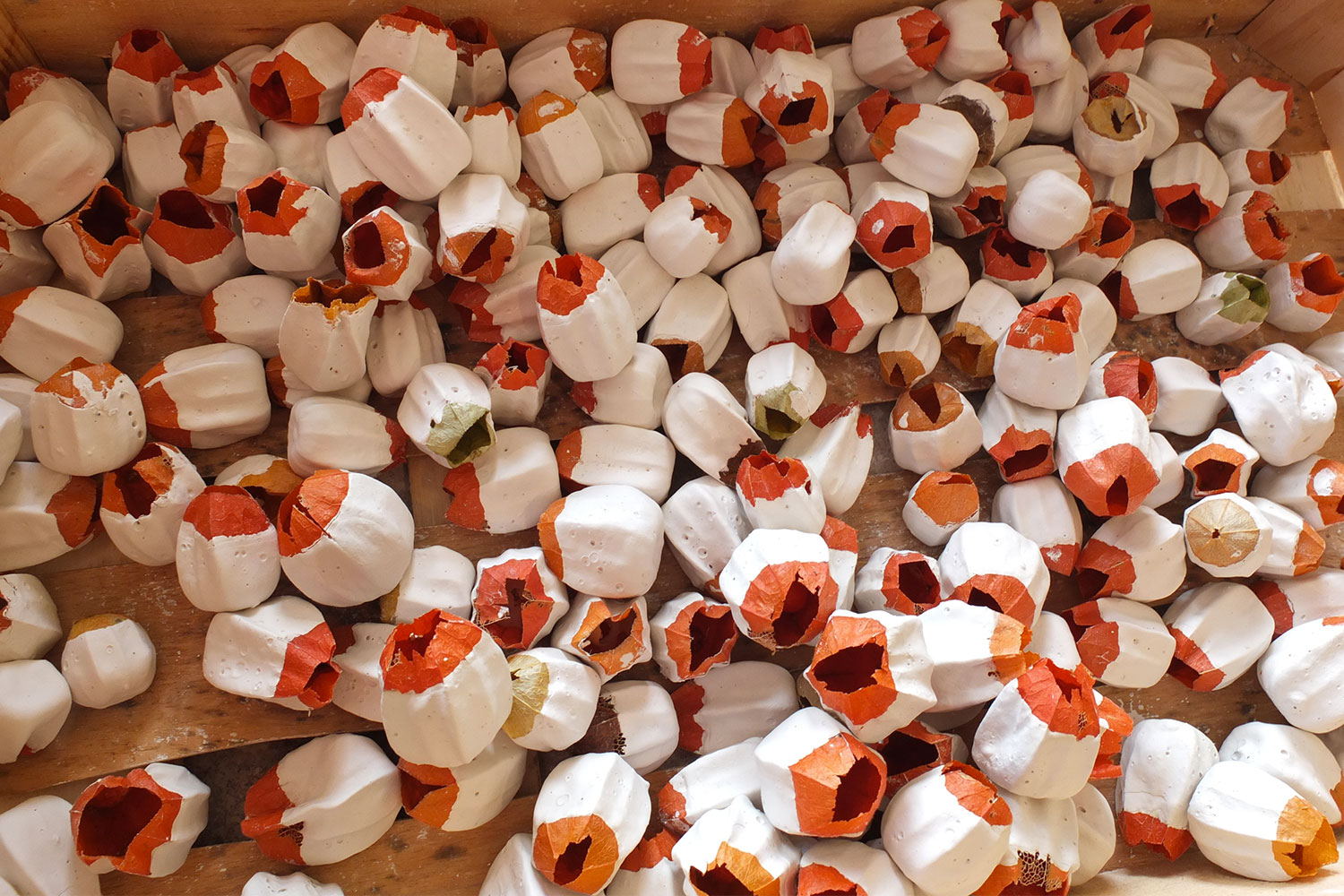
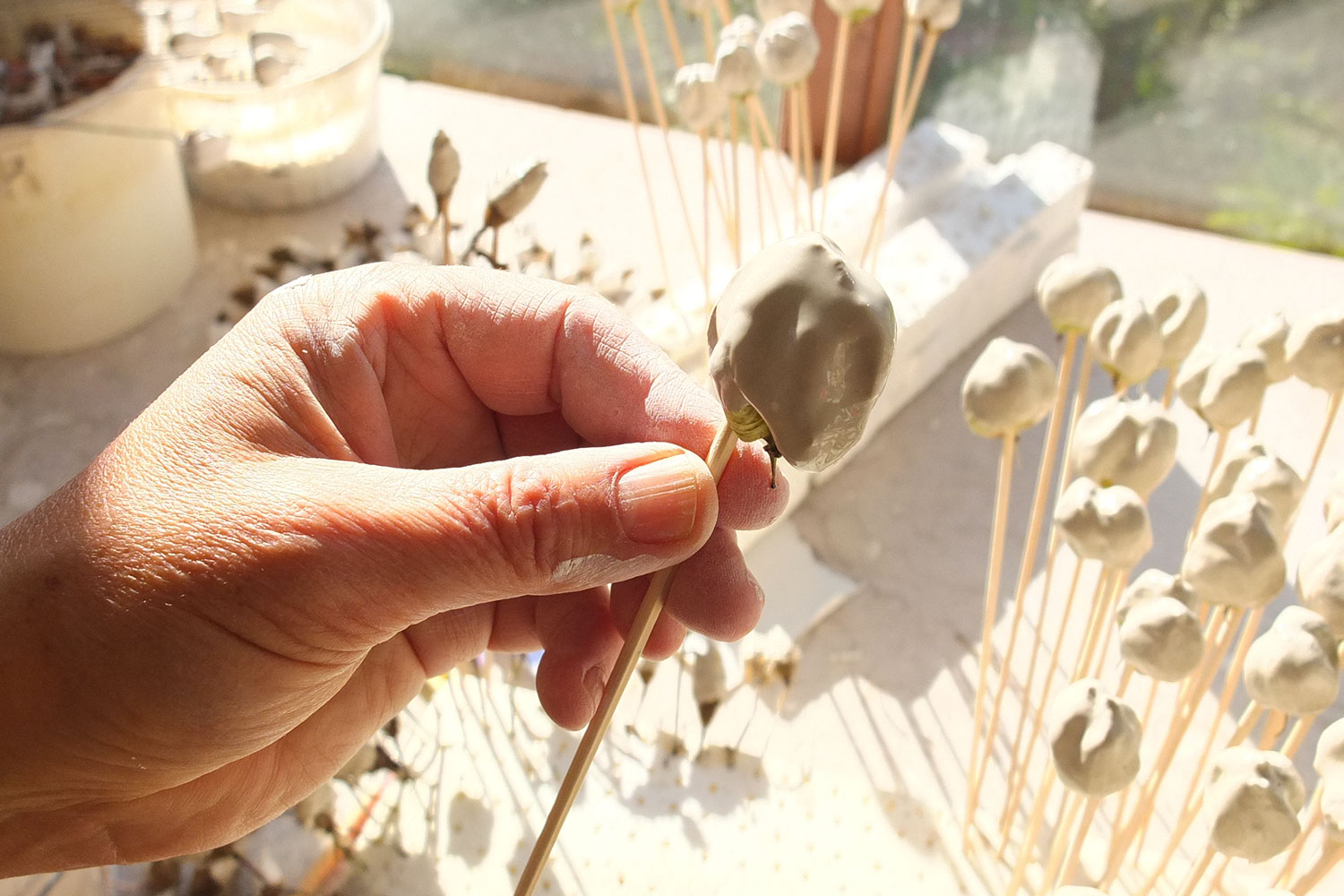
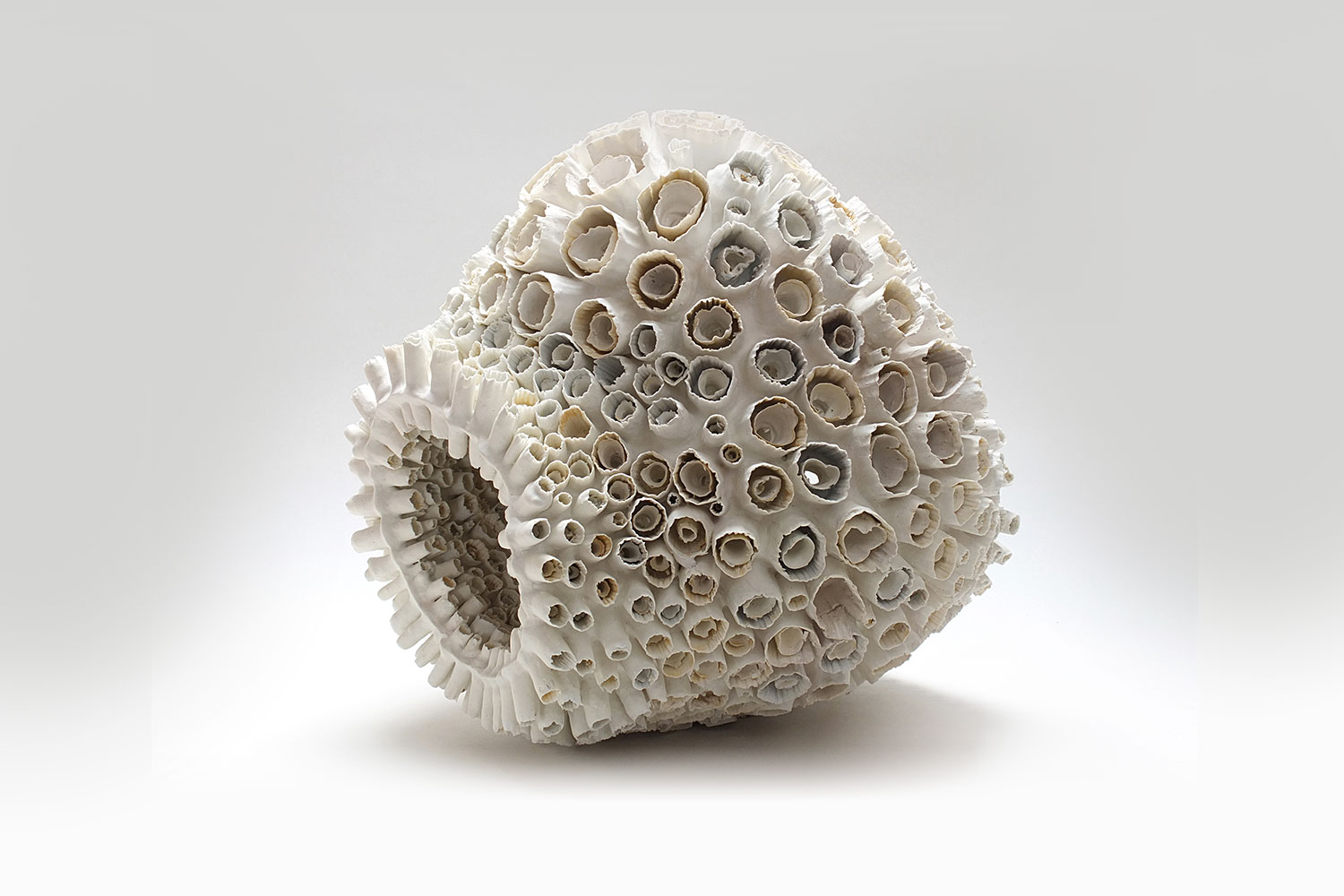
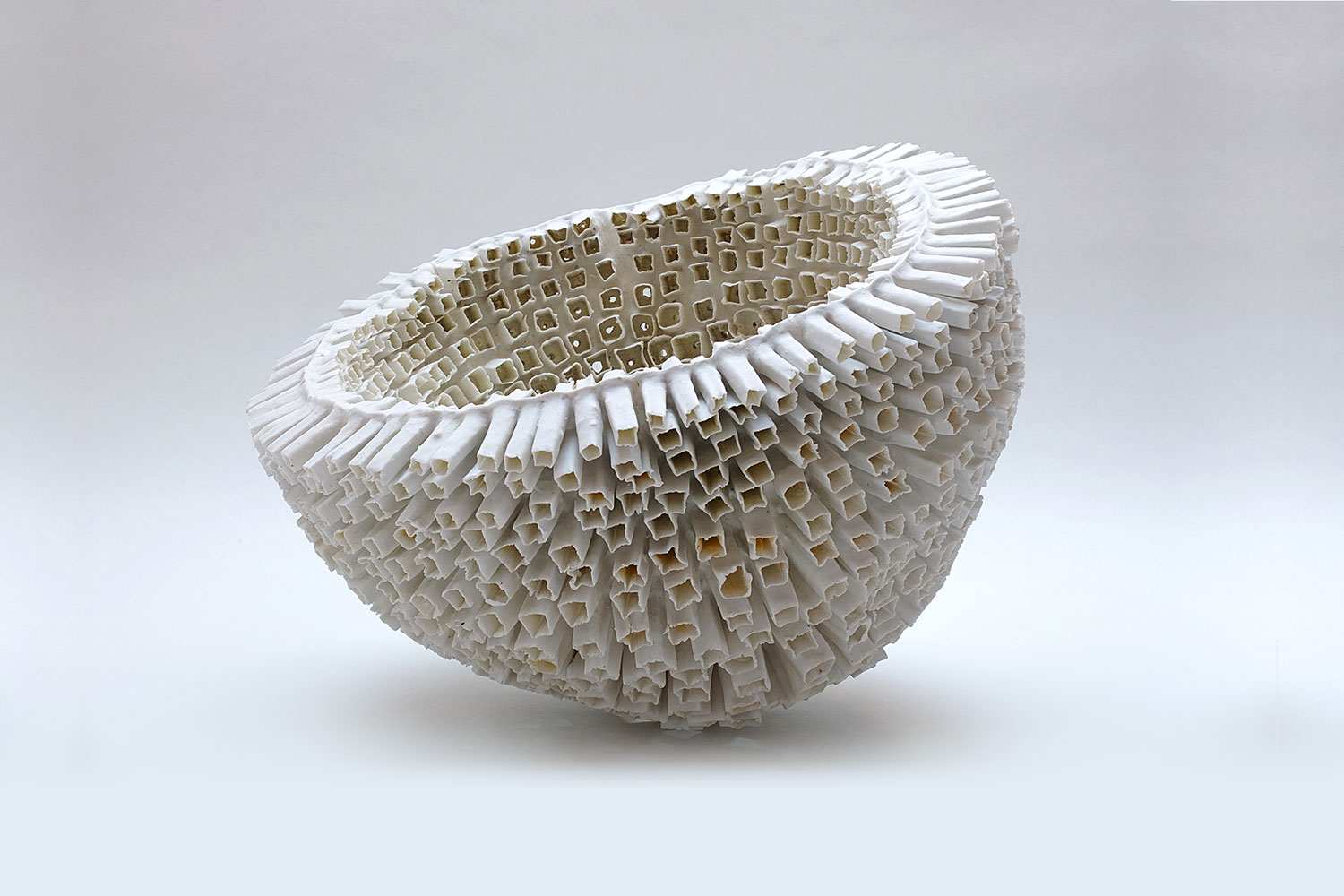
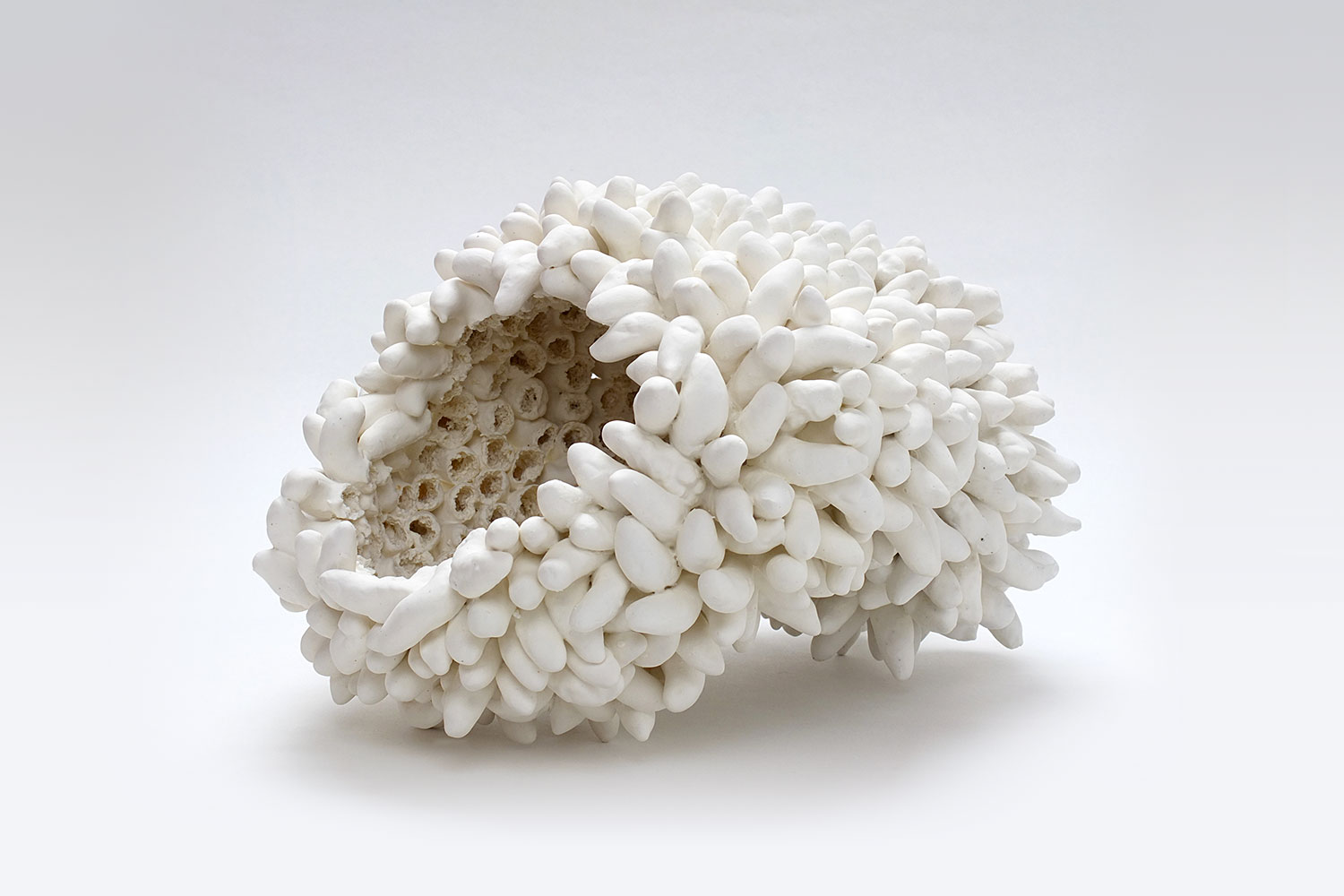
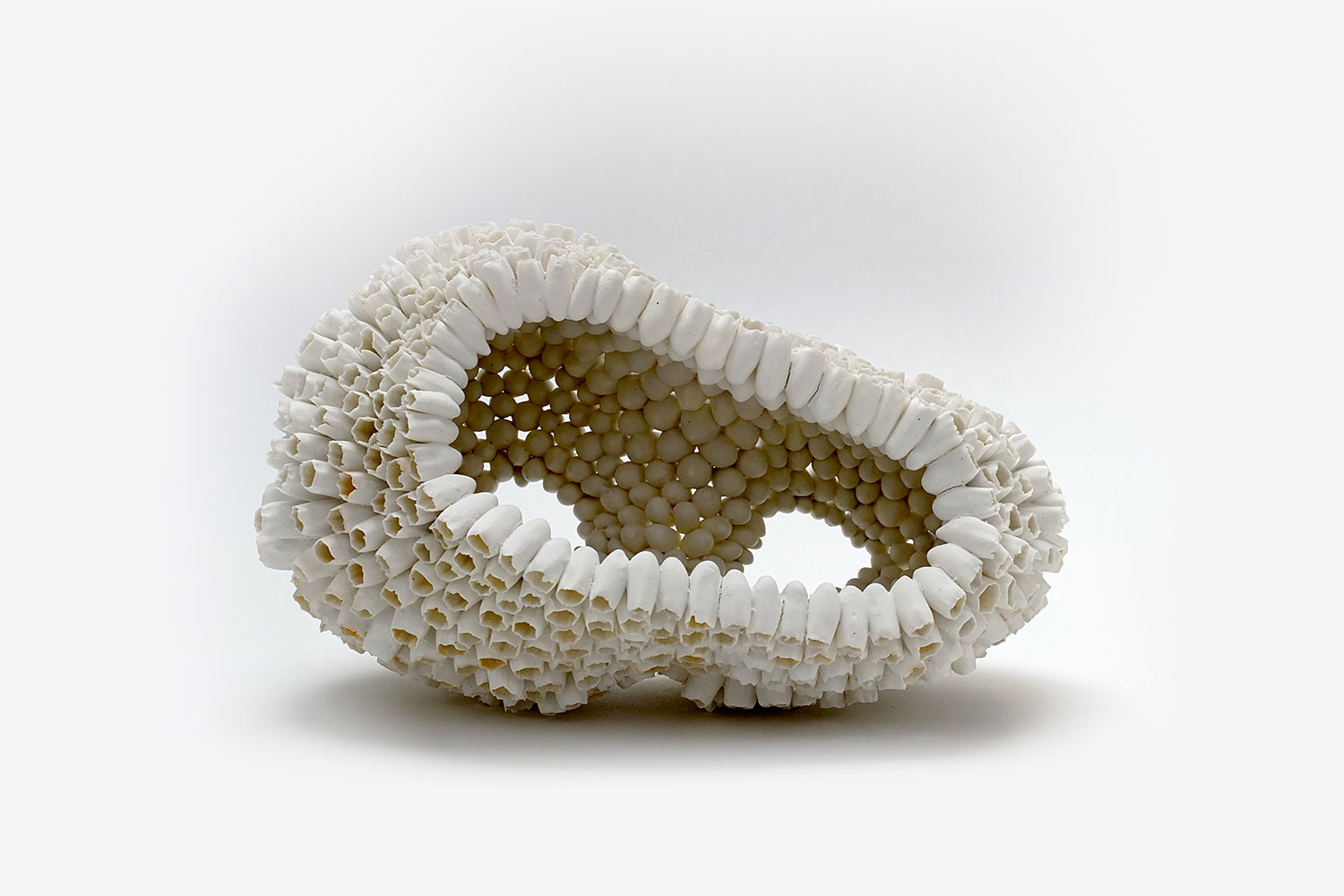
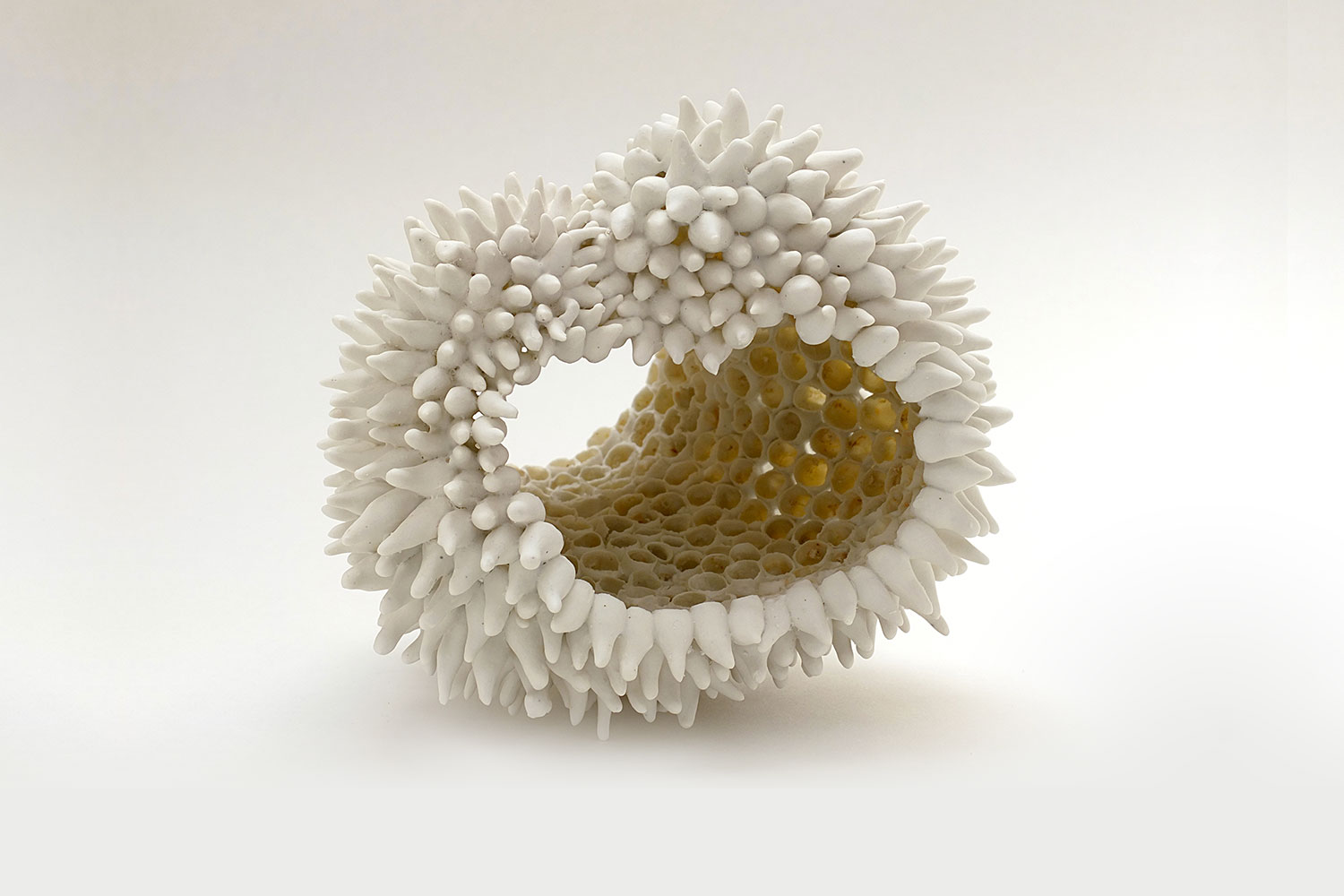
Thérèse Lebrun collects seeds, twigs and dry fruits, and combines them with porcelain paper, a white material that becomes translucent when fired. She composes her work step by step, like an embroidery. In her studio, she creates a world of organic shapes evoking childhood souvenirs – fossils, beach treasures – or slow-developing limestone formations. “I recreate these forms in my own way, using basic elements such as water, earth, fire, air, vegetal matter,” she says. “All of this leads me towards the creation of membranes, skin, fossils, corals, phryganea, cocoons... mysterious refuges for the worlds of our imagination.”
INTERVIEW
After high school, I wanted to follow a manual and artistic training. I found an apprenticeship in a semi-industrial ceramics workshop, which gave me my first taste of clay. Then I went to the Academy of Arts and Crafts in Etterbeek, Brussels, from where I graduated in 1980.
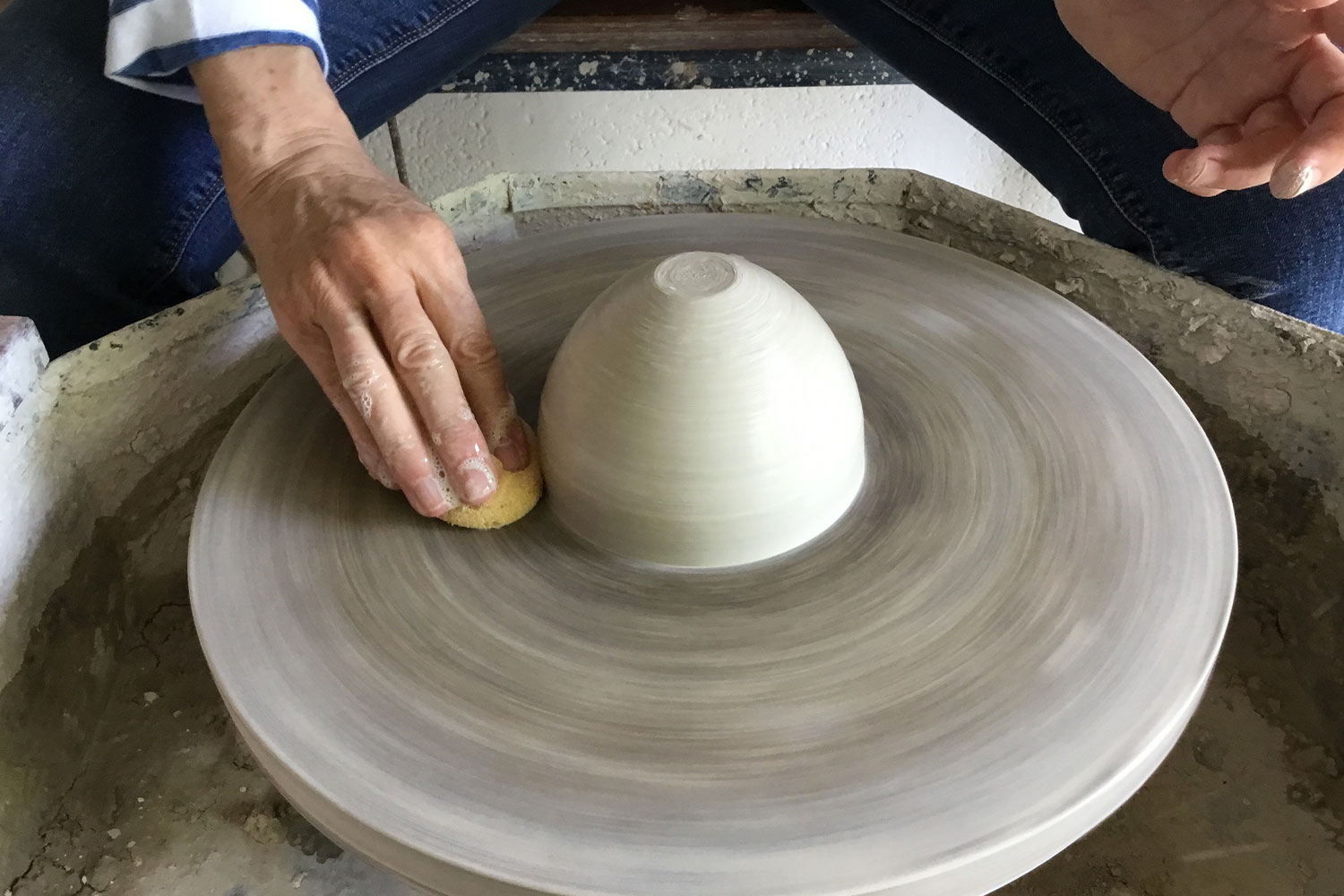
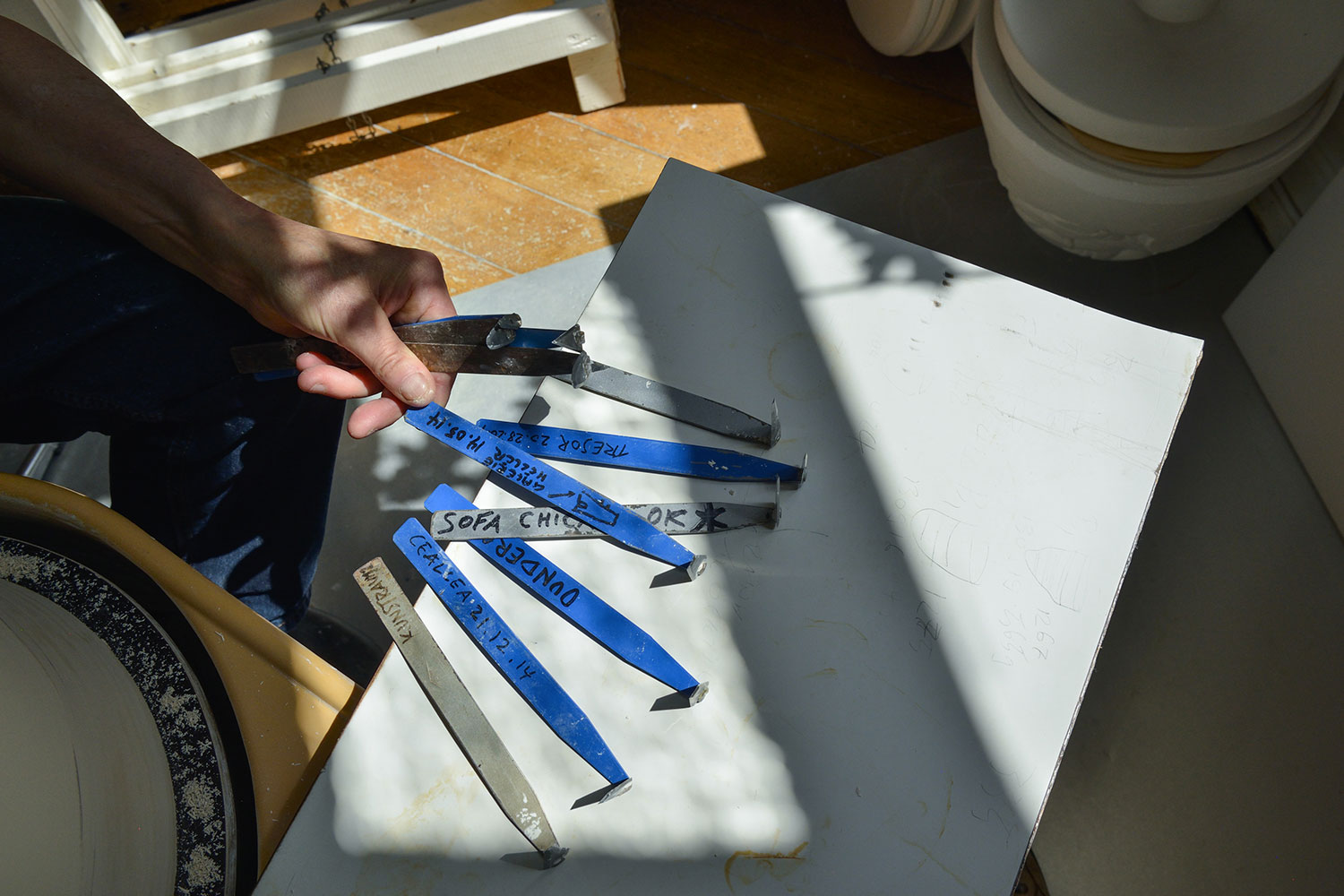
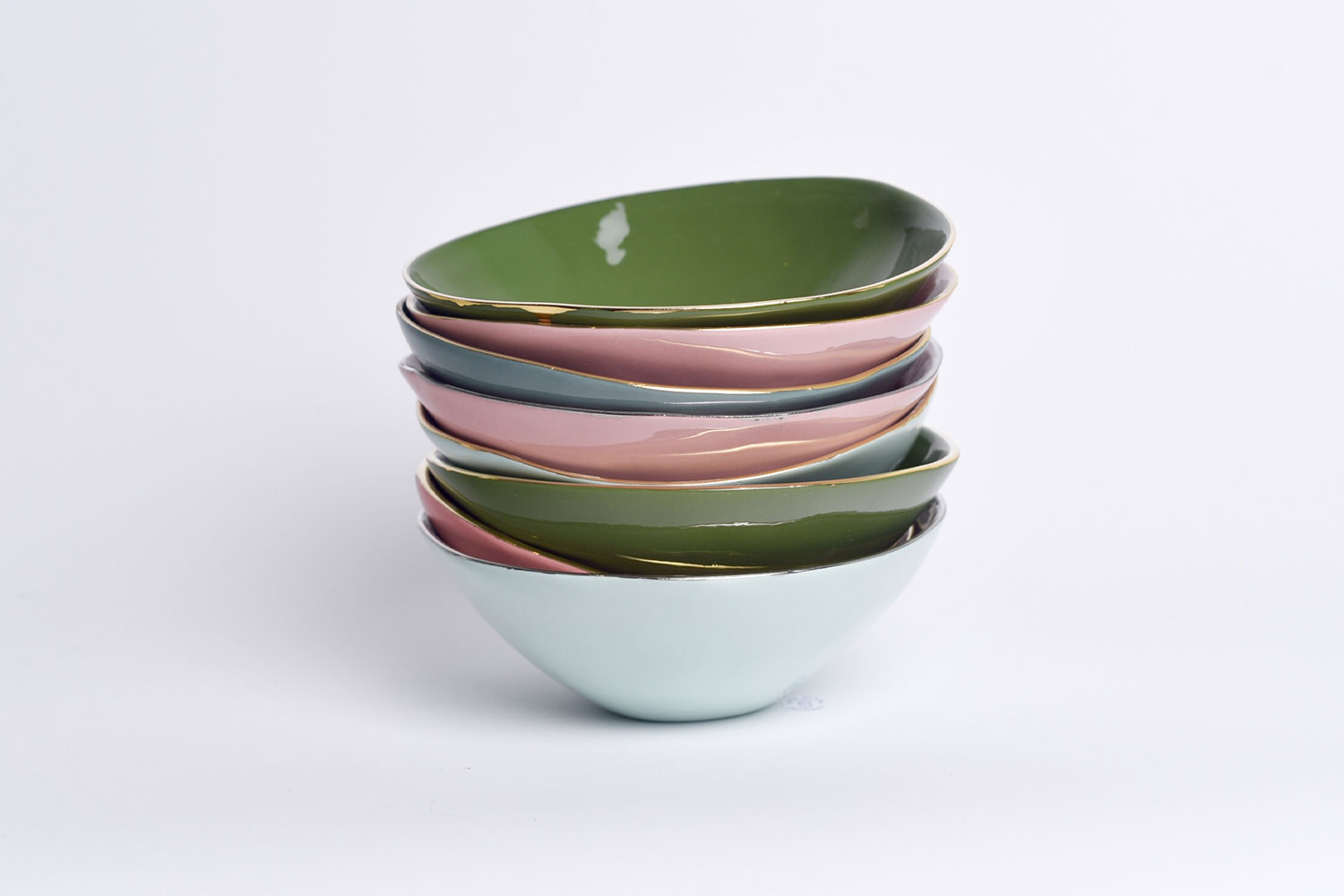
Having been an academy teacher for 23 years, I master a number of different techniques. In the past I have used throwing, high temperature glazes and gas reduction cooking. In 2004 I started to work with porcelain paper. I developed a technique for dipping plants in paper clay and assembling them before firing.
It is the process of making my pieces that guides my thoughts about them, leading me along my path as a ceramicist towards the conception of new projects. My way of creating begins with doing, rather than thinking.
Vegetal structures, the submarine world, the transformation of natural materials by the elements: wind, rain, water, frost, heat, time... but also more metaphysical issues such as ageing, disappearance, remains, traces, fragility, the disorder that emerges from within apparent order.
Thérèse Lebrun
Porcelain maker
Archennes, Belgium
AVAILABILITY
By appointment only
PHONE
+32 10841784
LANGUAGES
French
Homo Faber Finds is a new service aiming to inspire admirers of craft to connect and collaborate with exceptional artisans.
We invite you to submit an enquiry here.