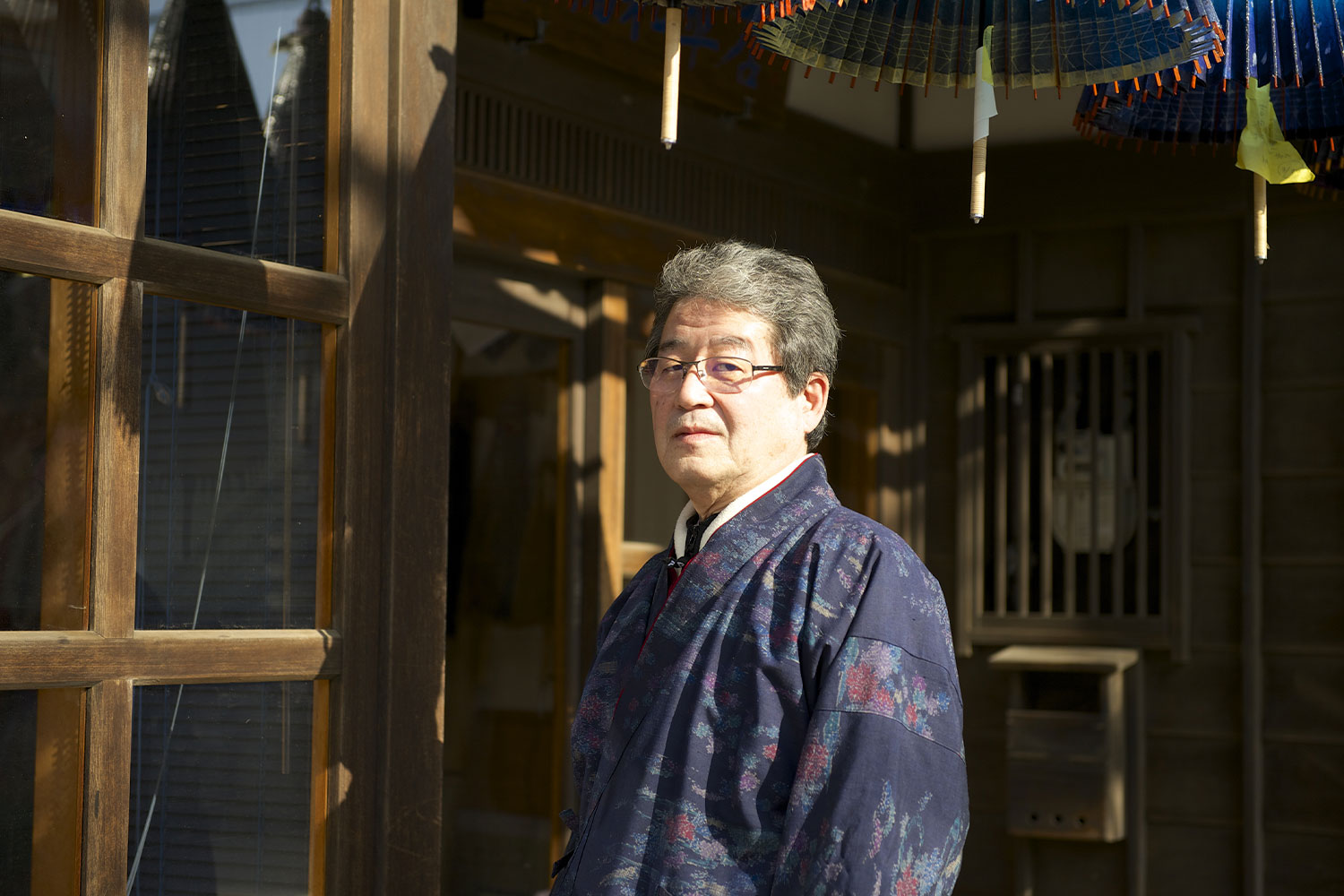
Shigeki Matsuda
Matsuda Wagasa
Umbrella maker
Kanazawa, Japan
Umbrellas to last a lifetime
- Shigeki's umbrellas can be used for over half a century
- He is part of a very small community of Japanese umbrella makers in Kanazawa
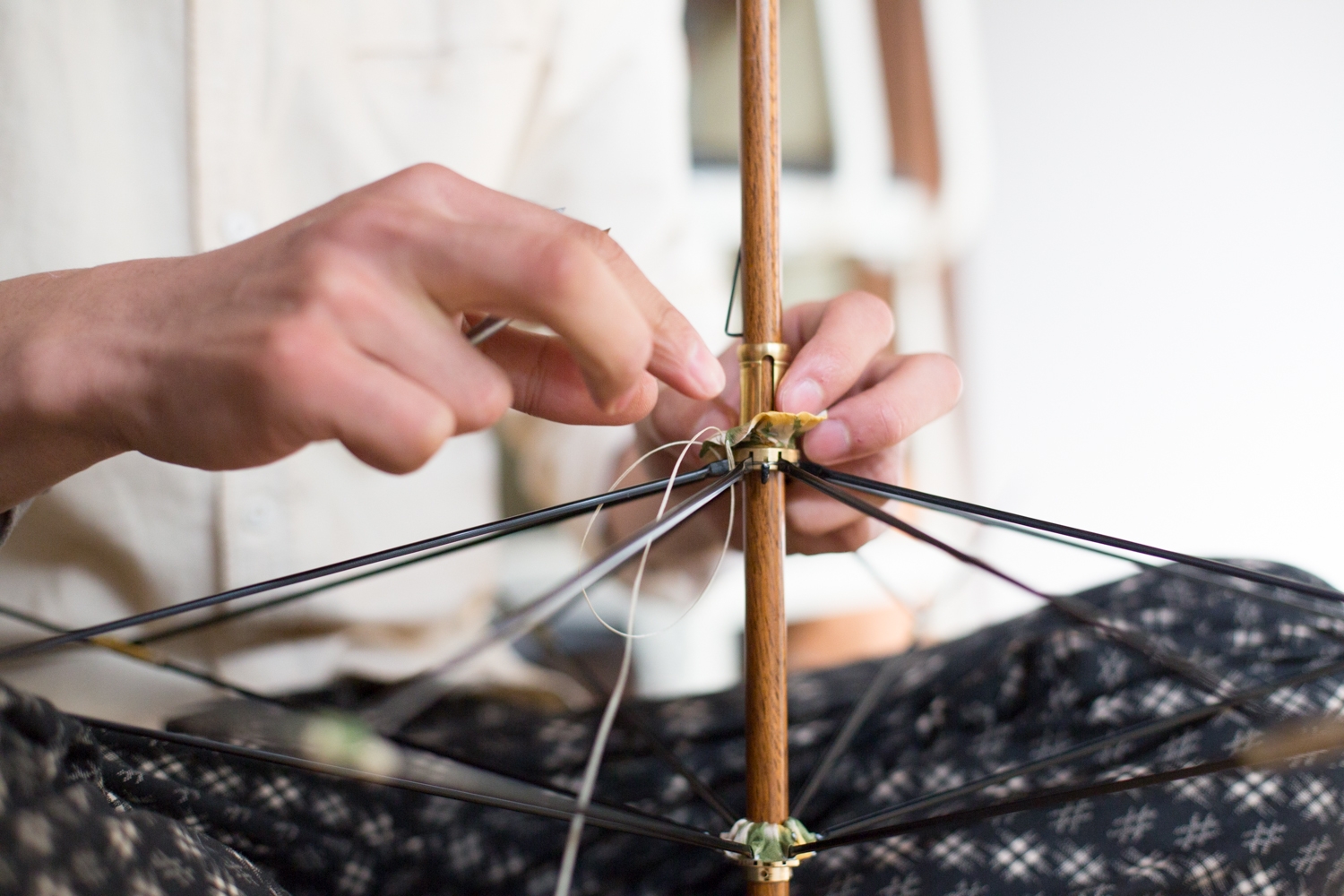
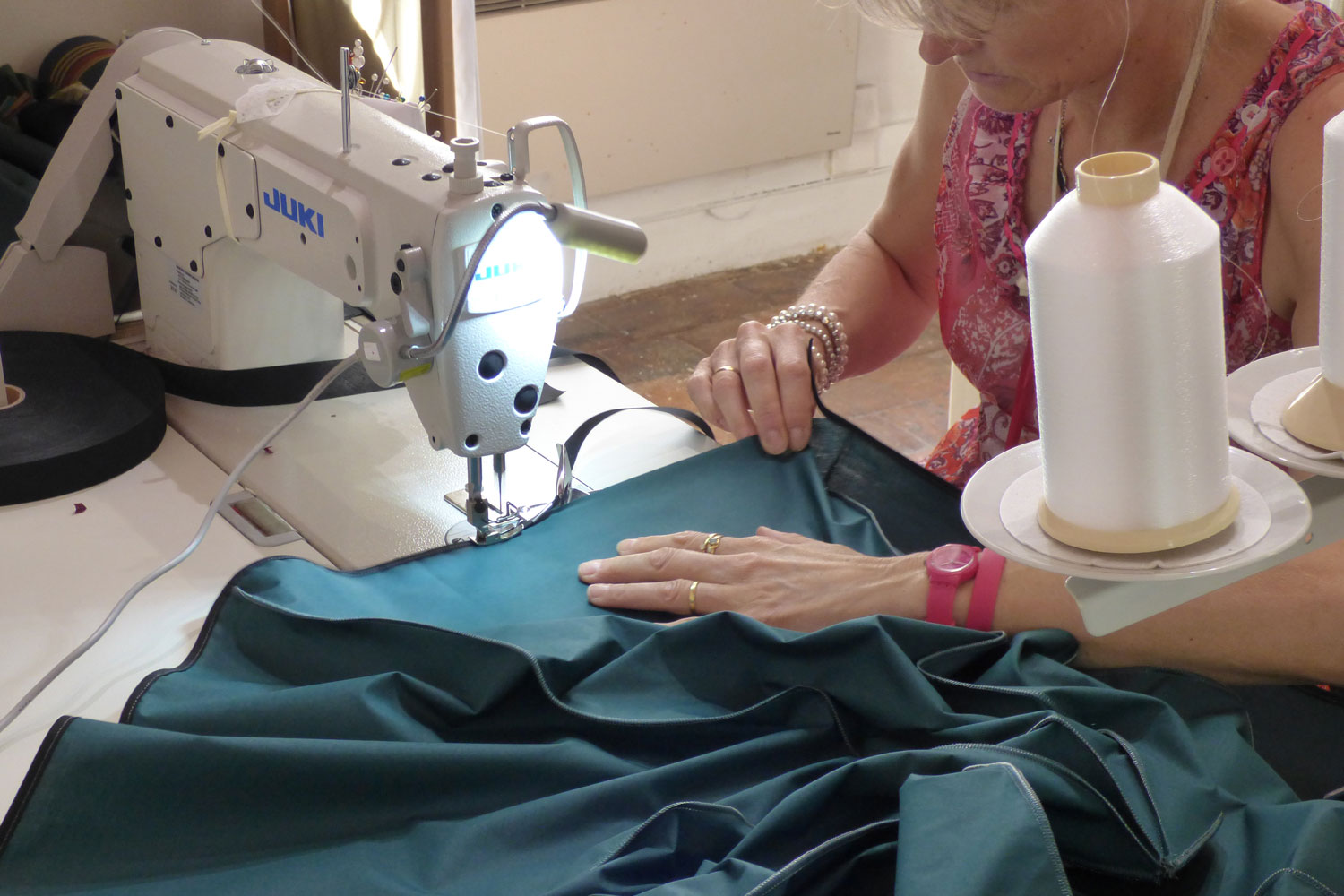
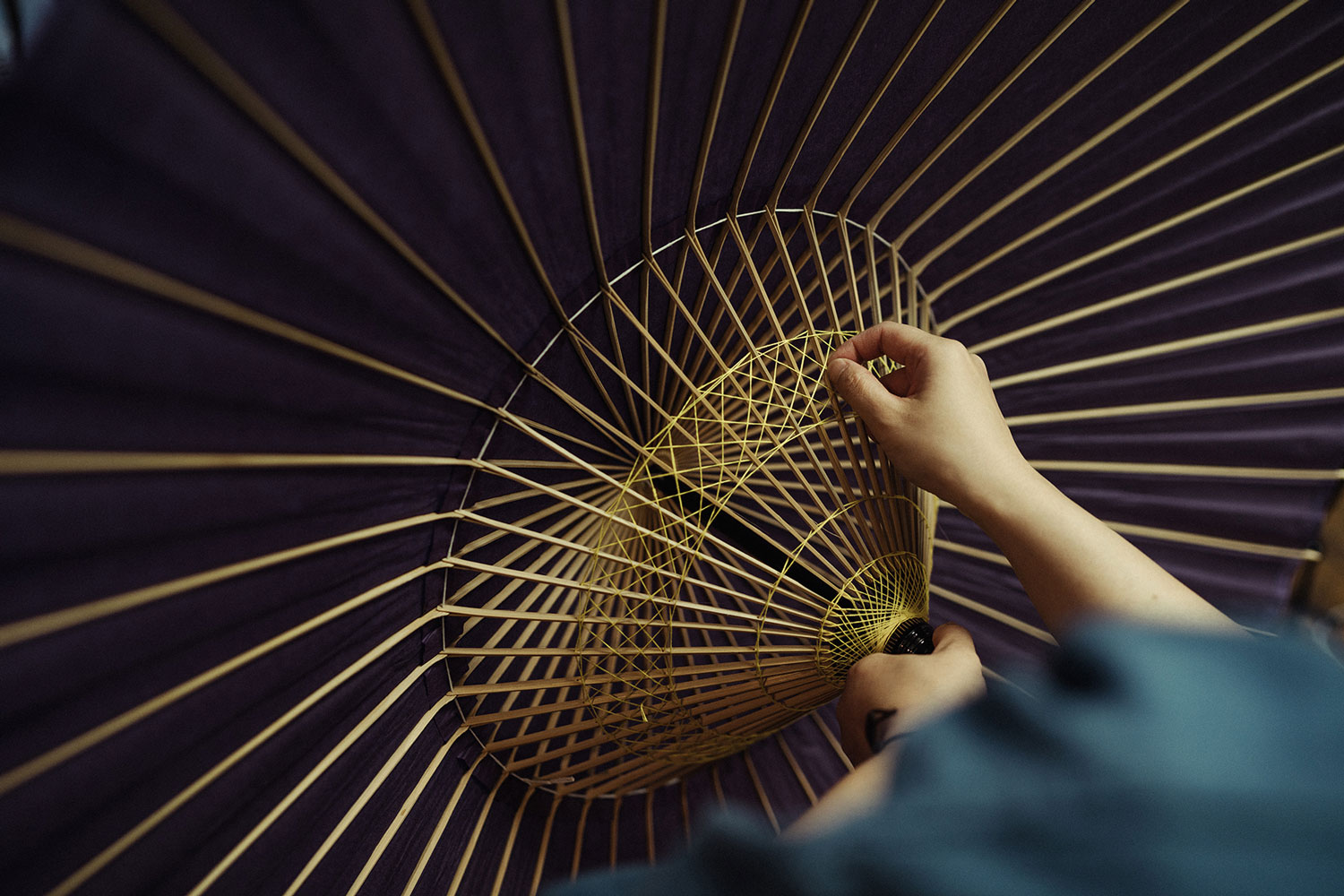
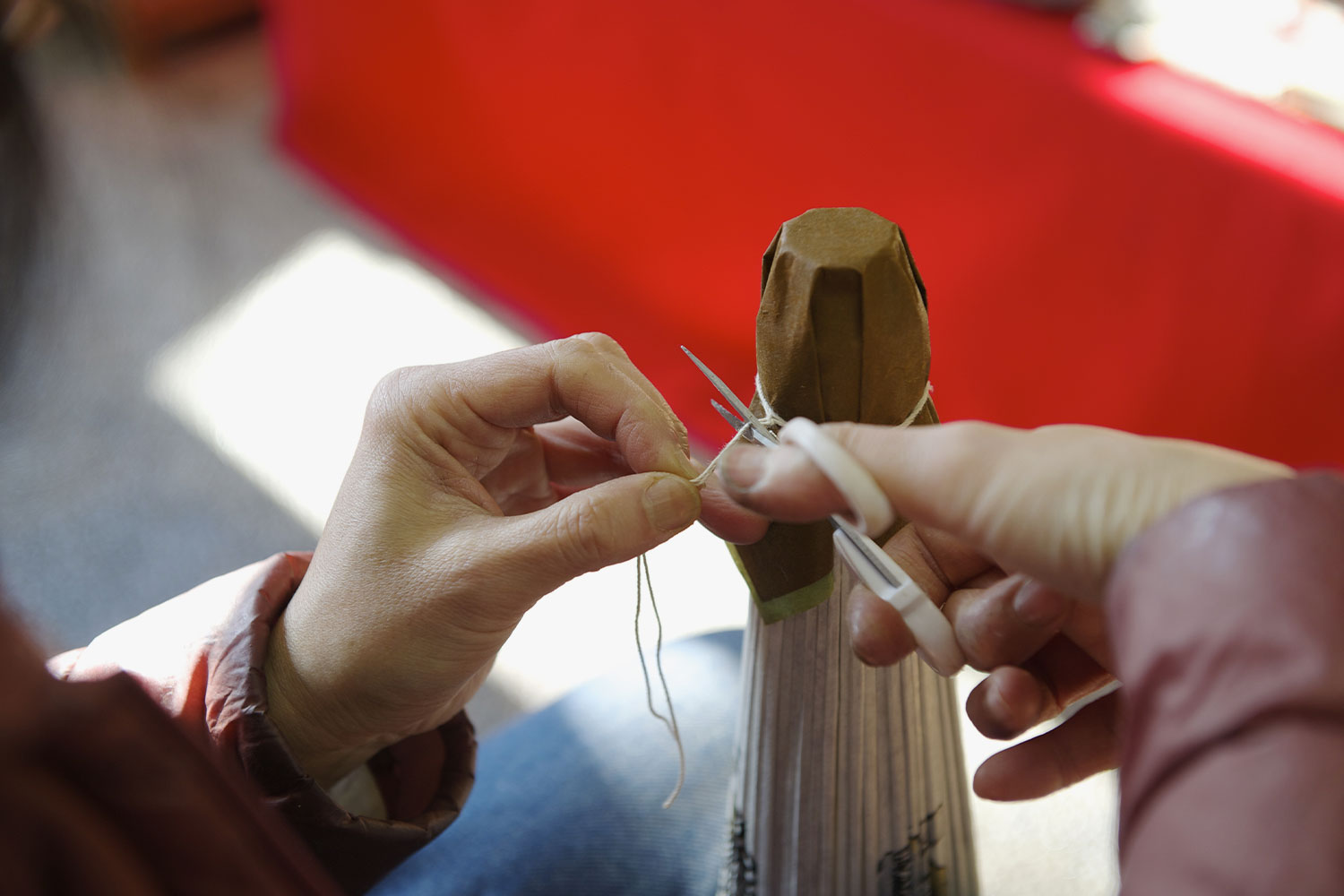
- He carries out over 40 steps to create a single umbrella
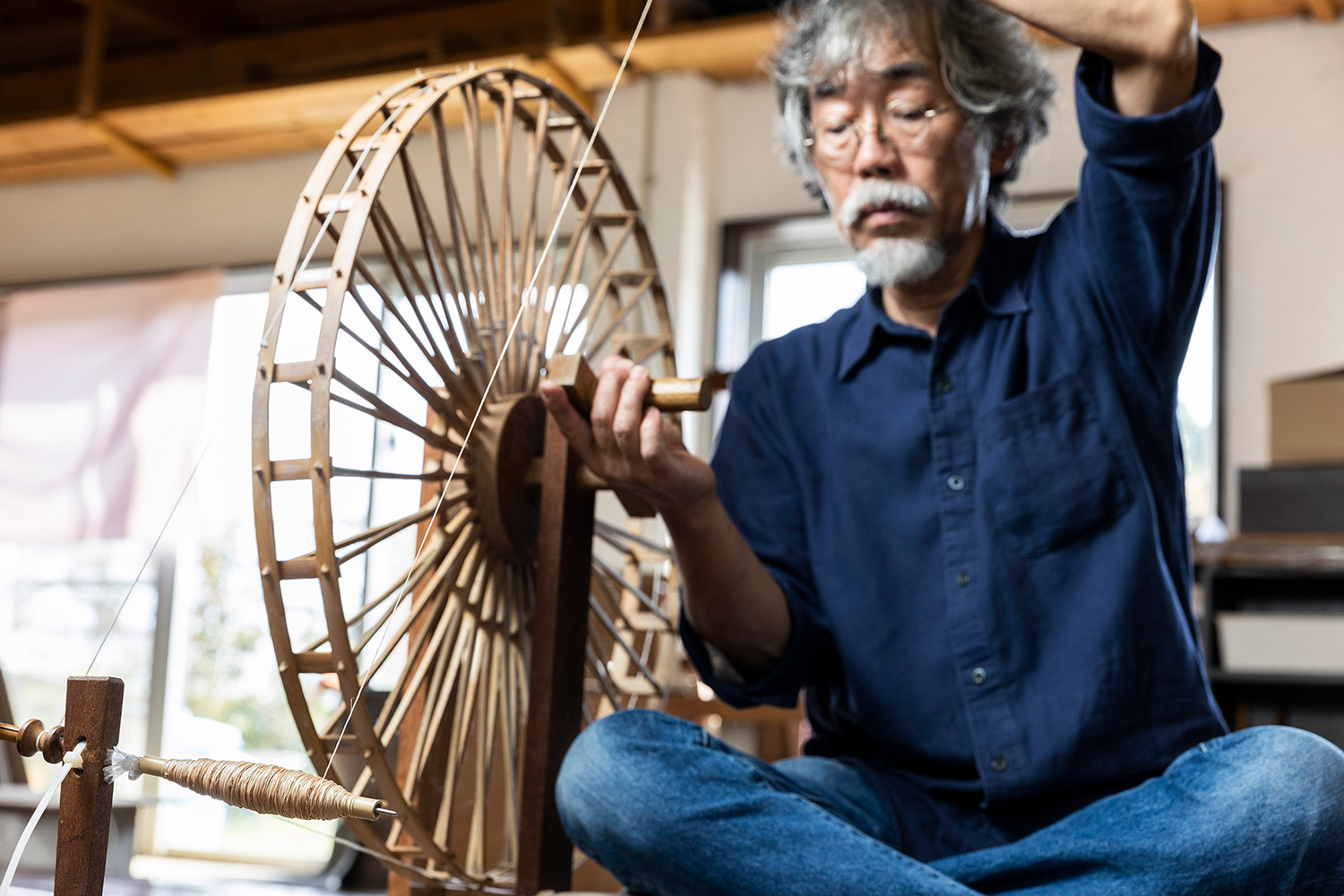
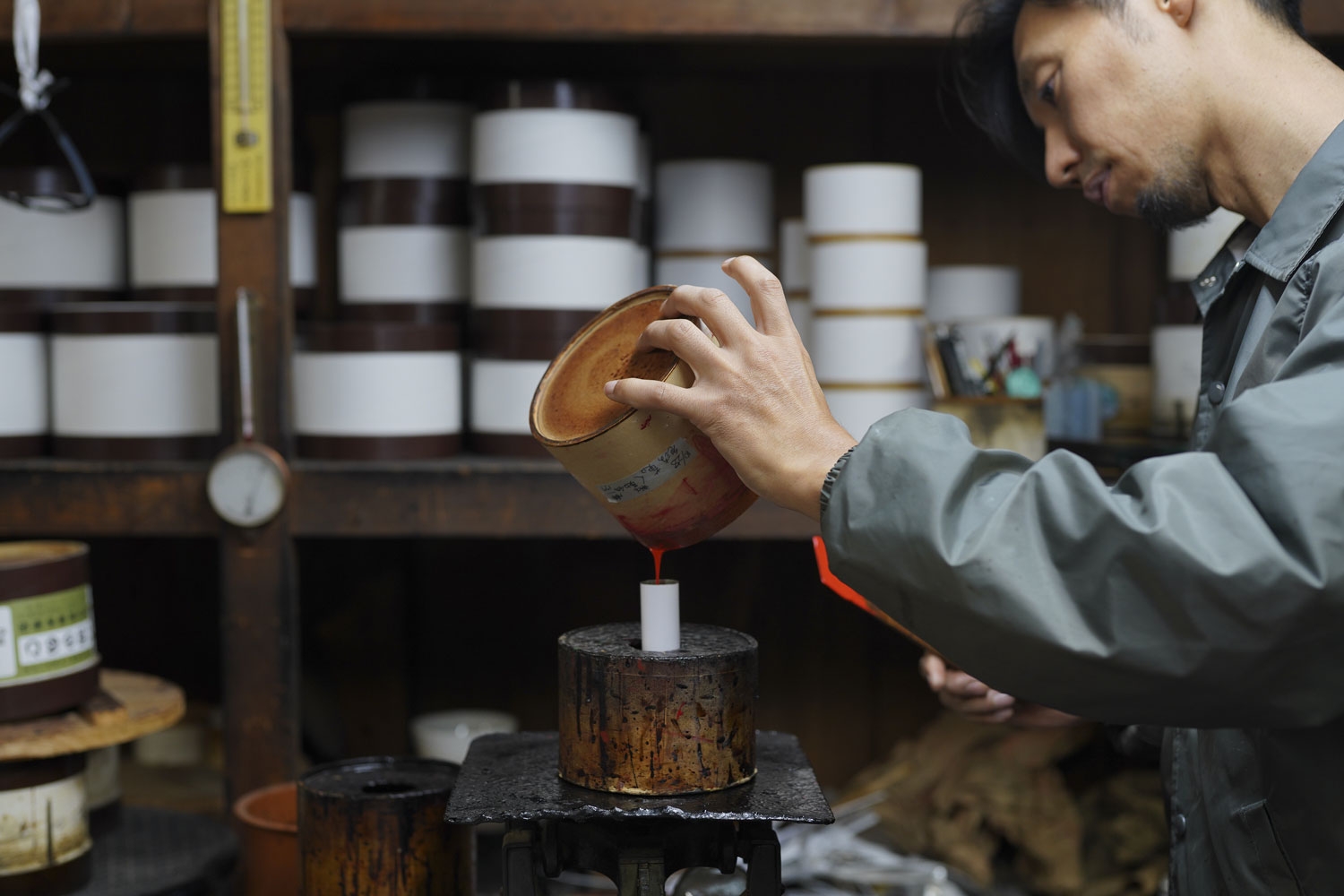
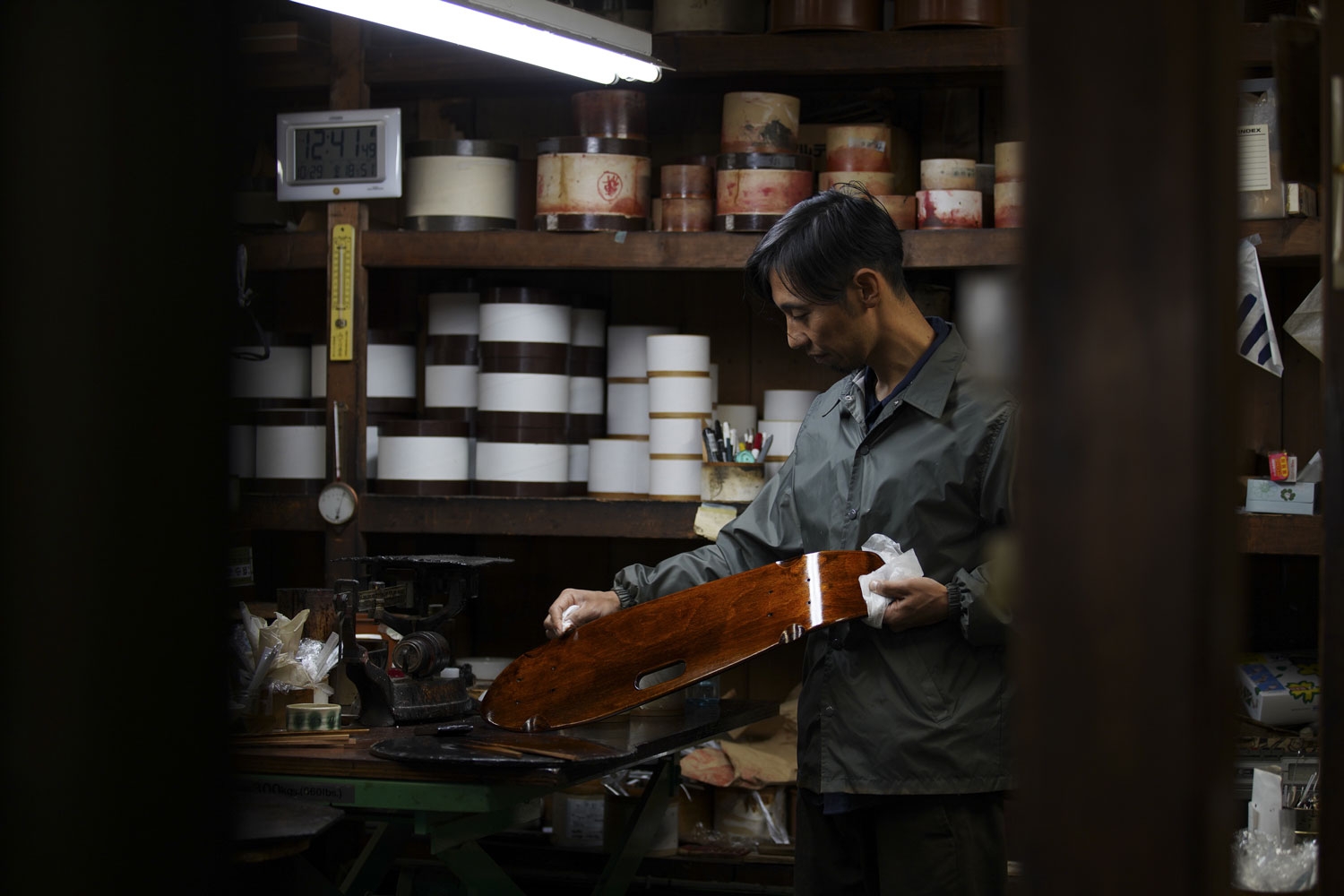
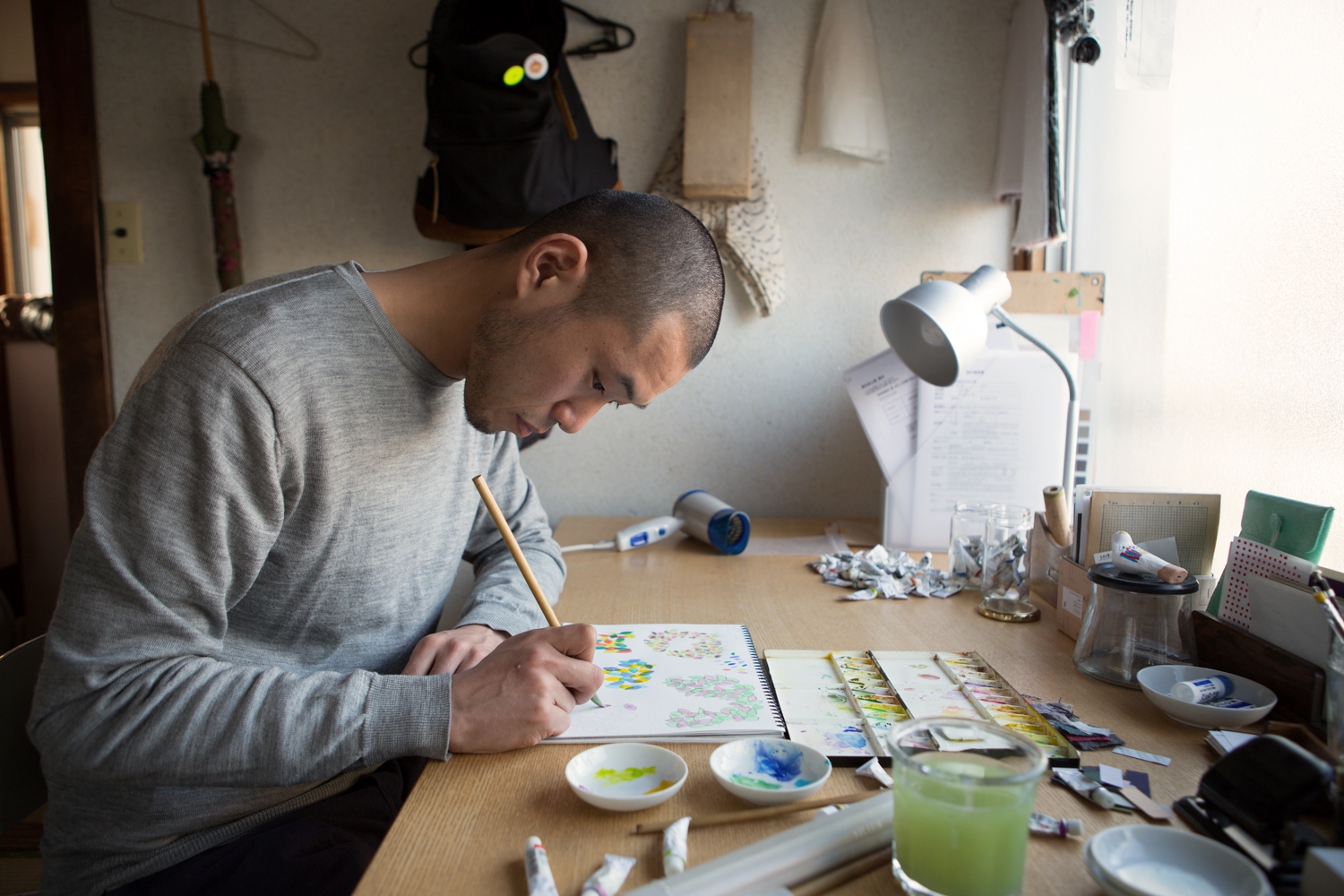
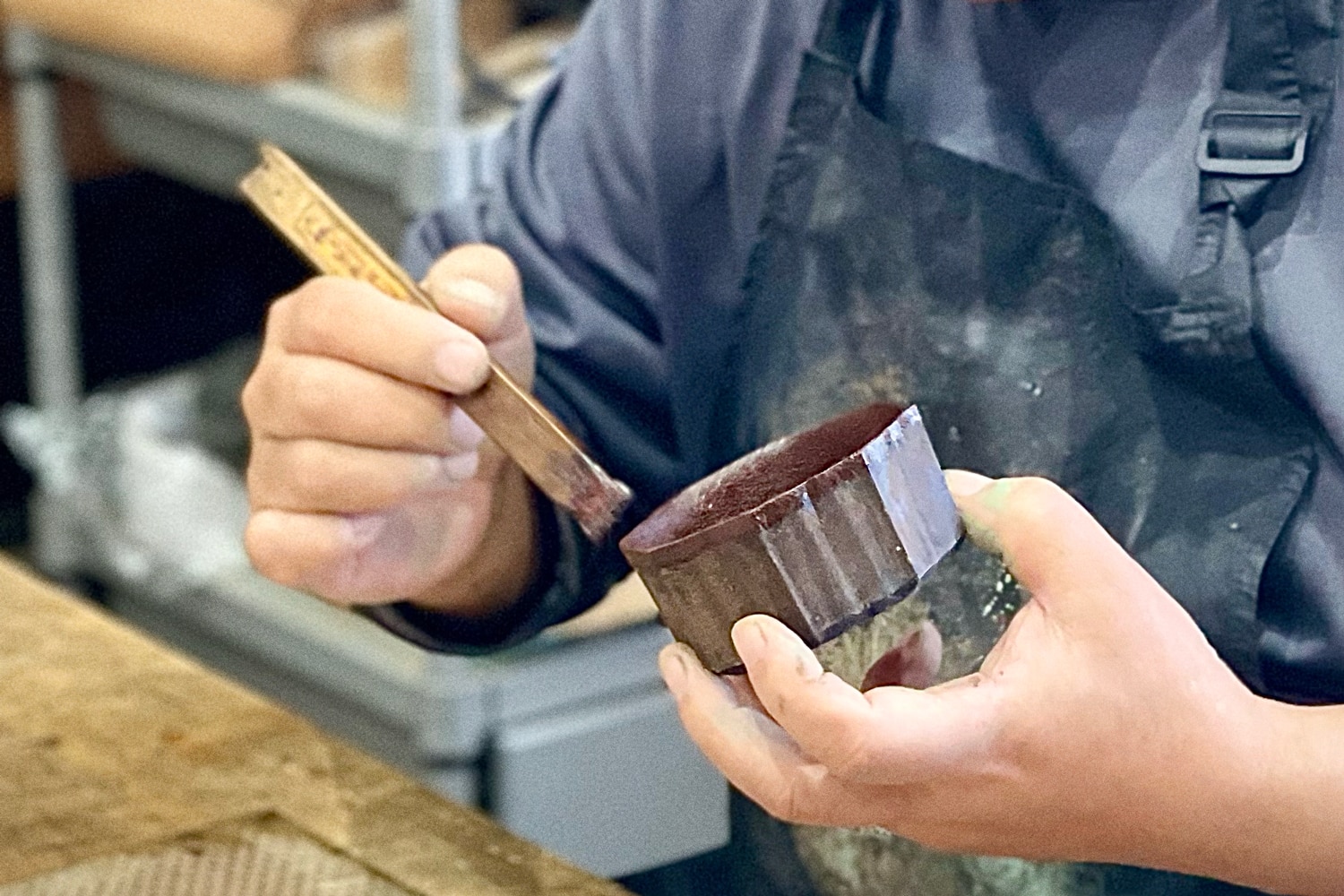
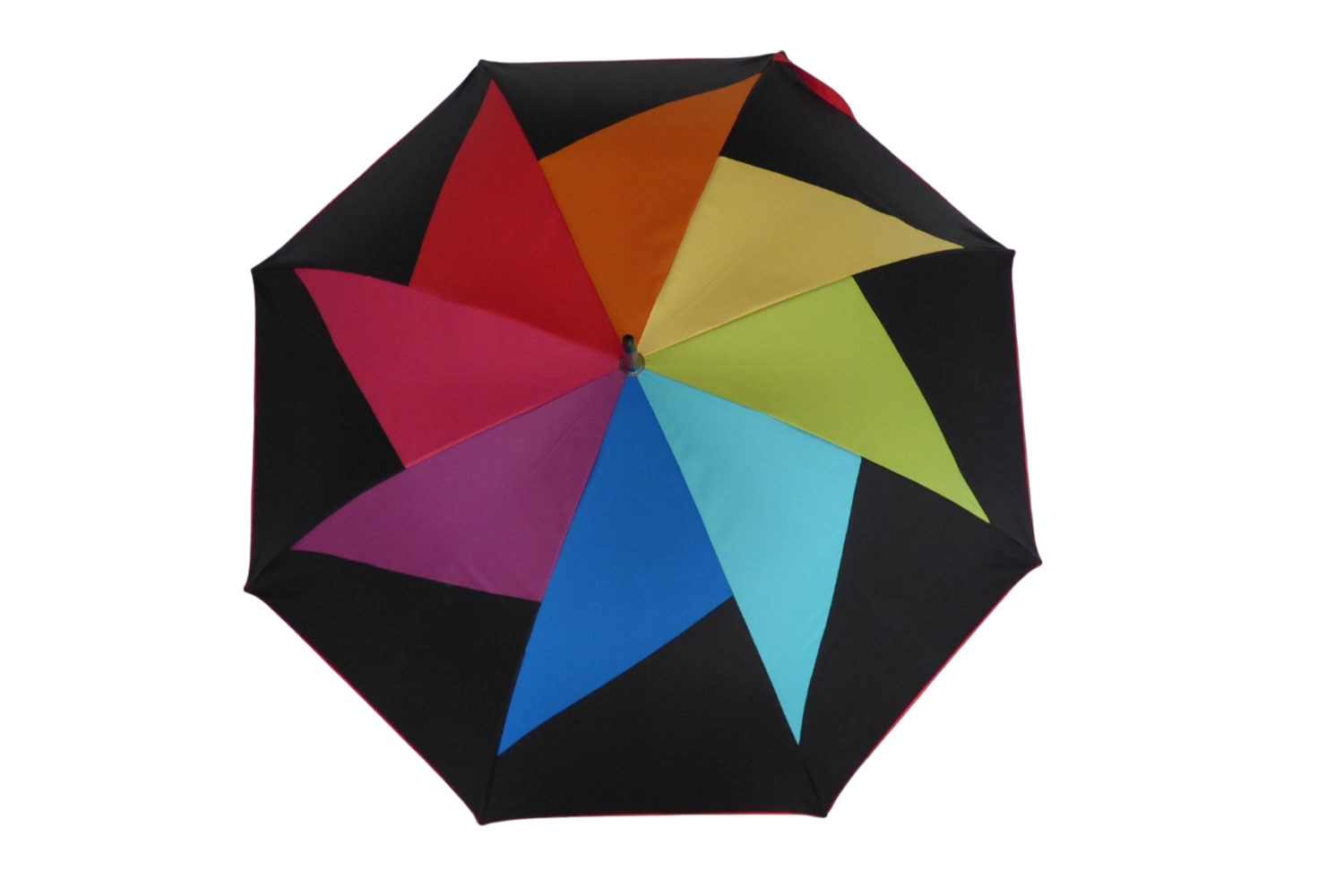
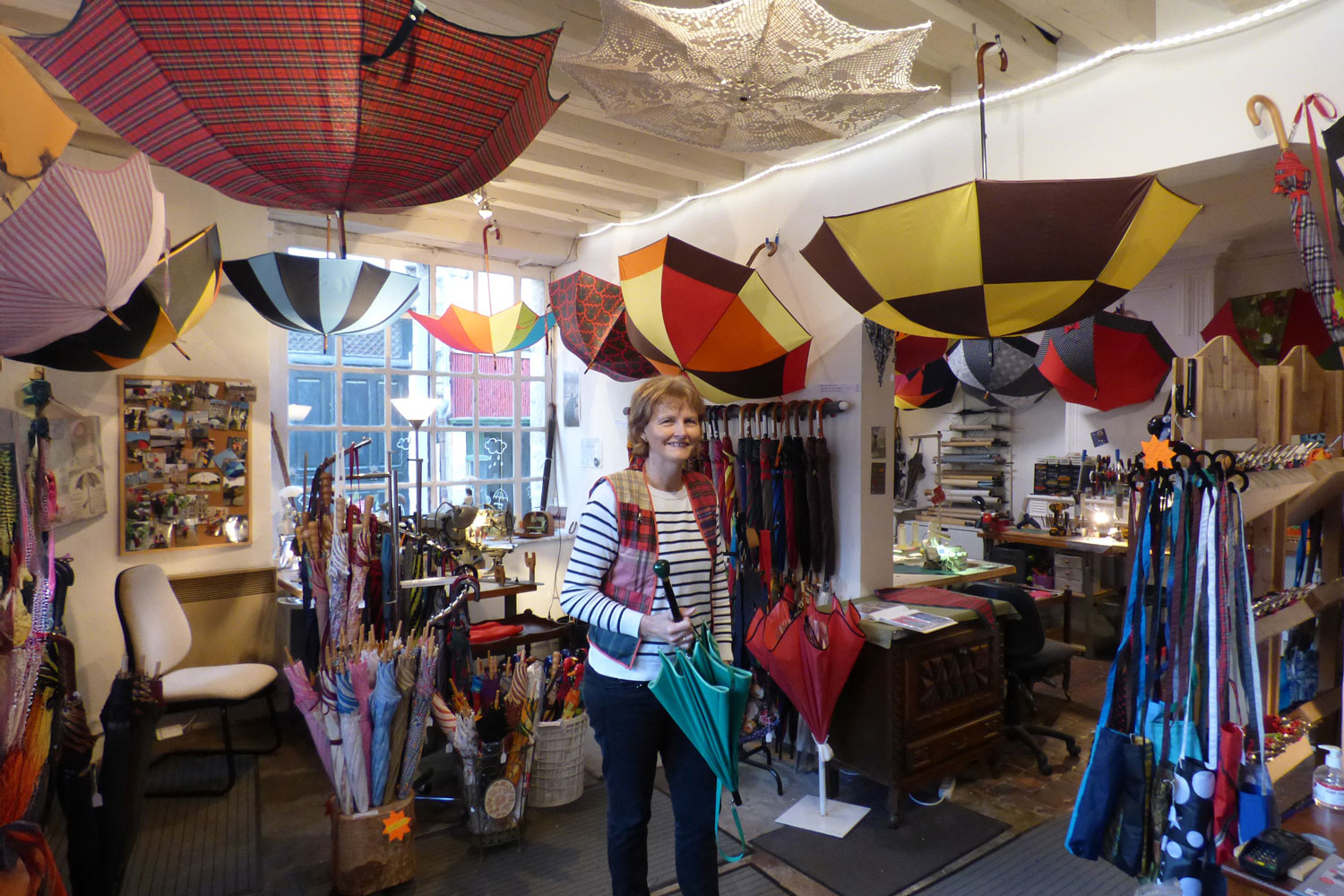
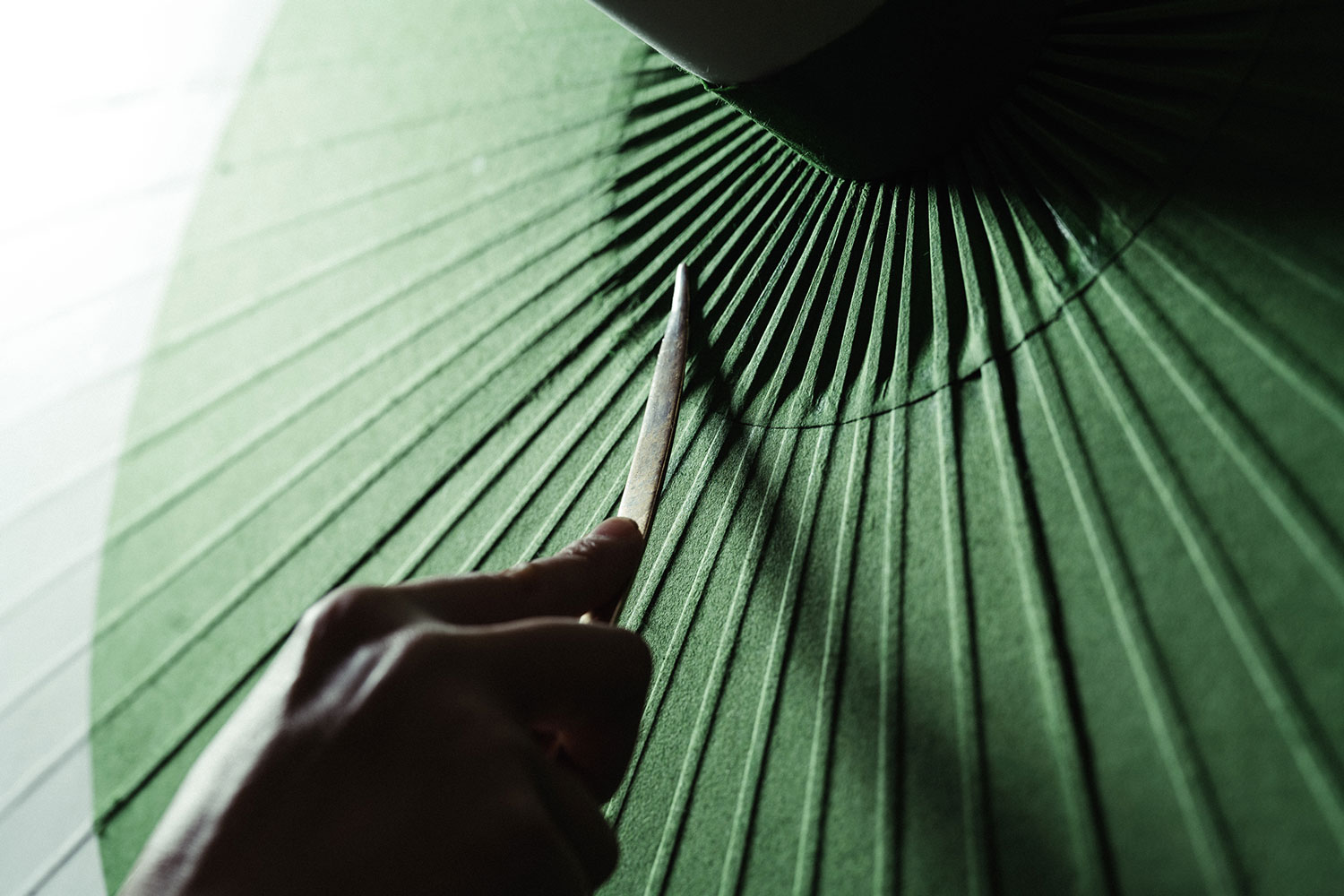
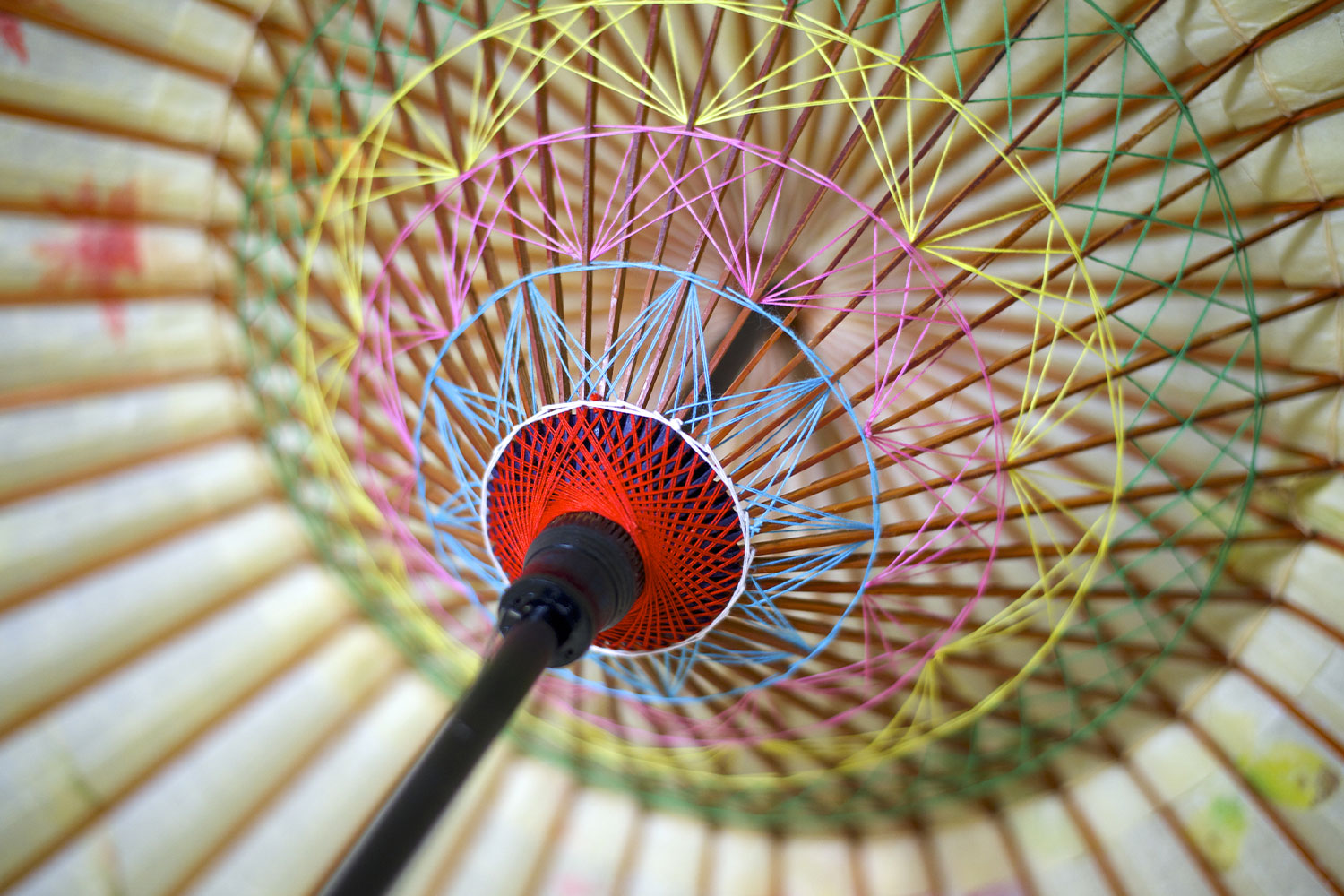
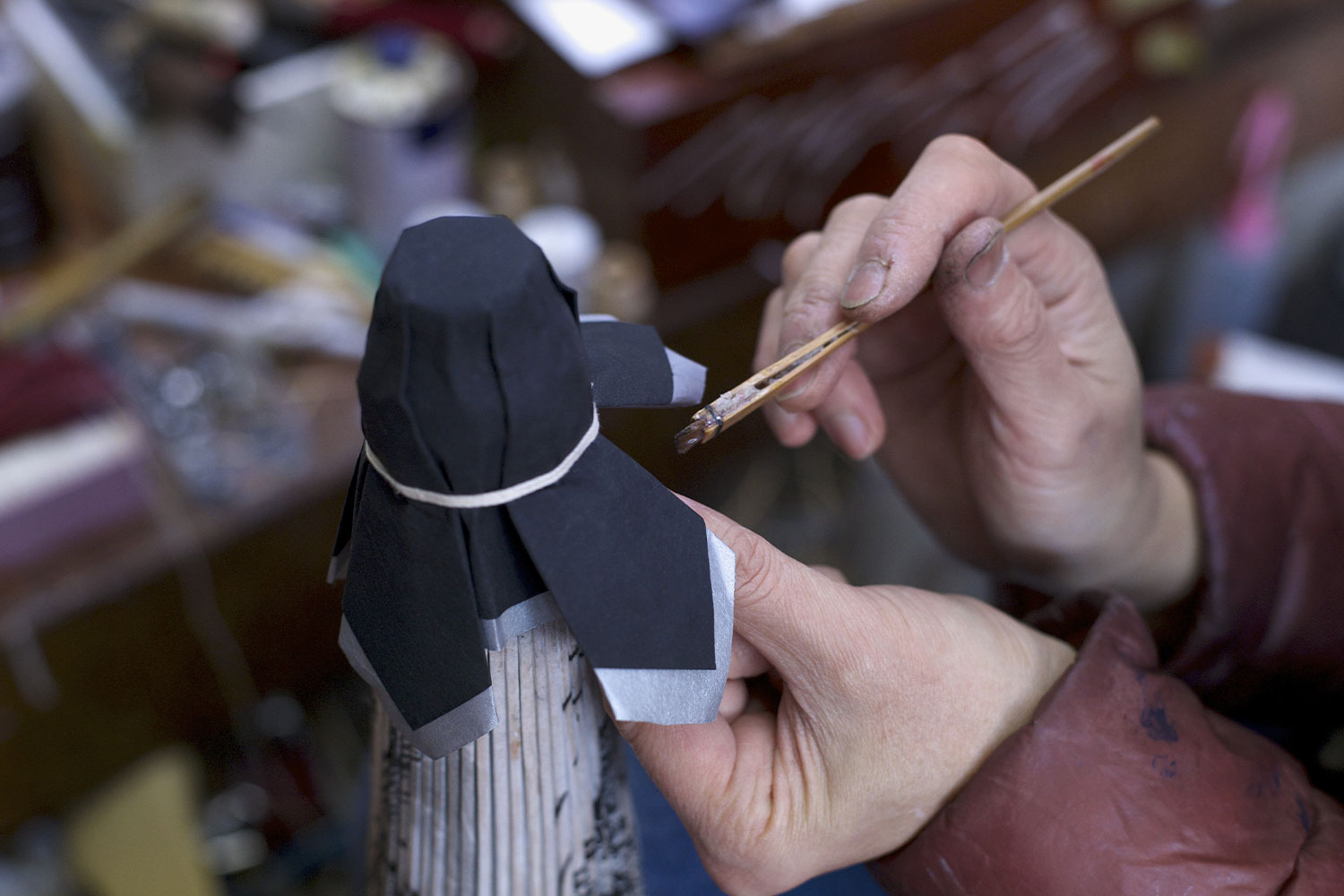
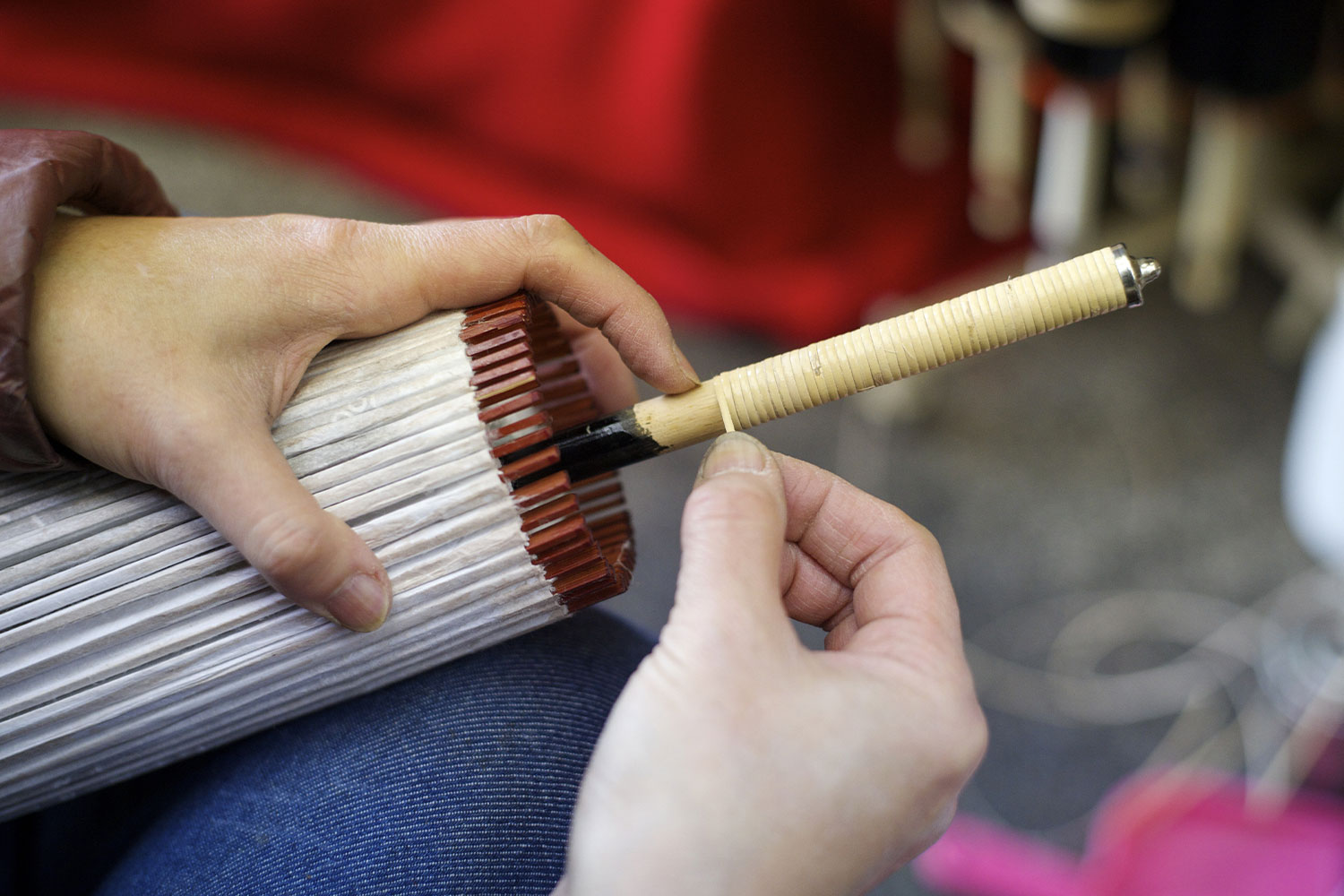
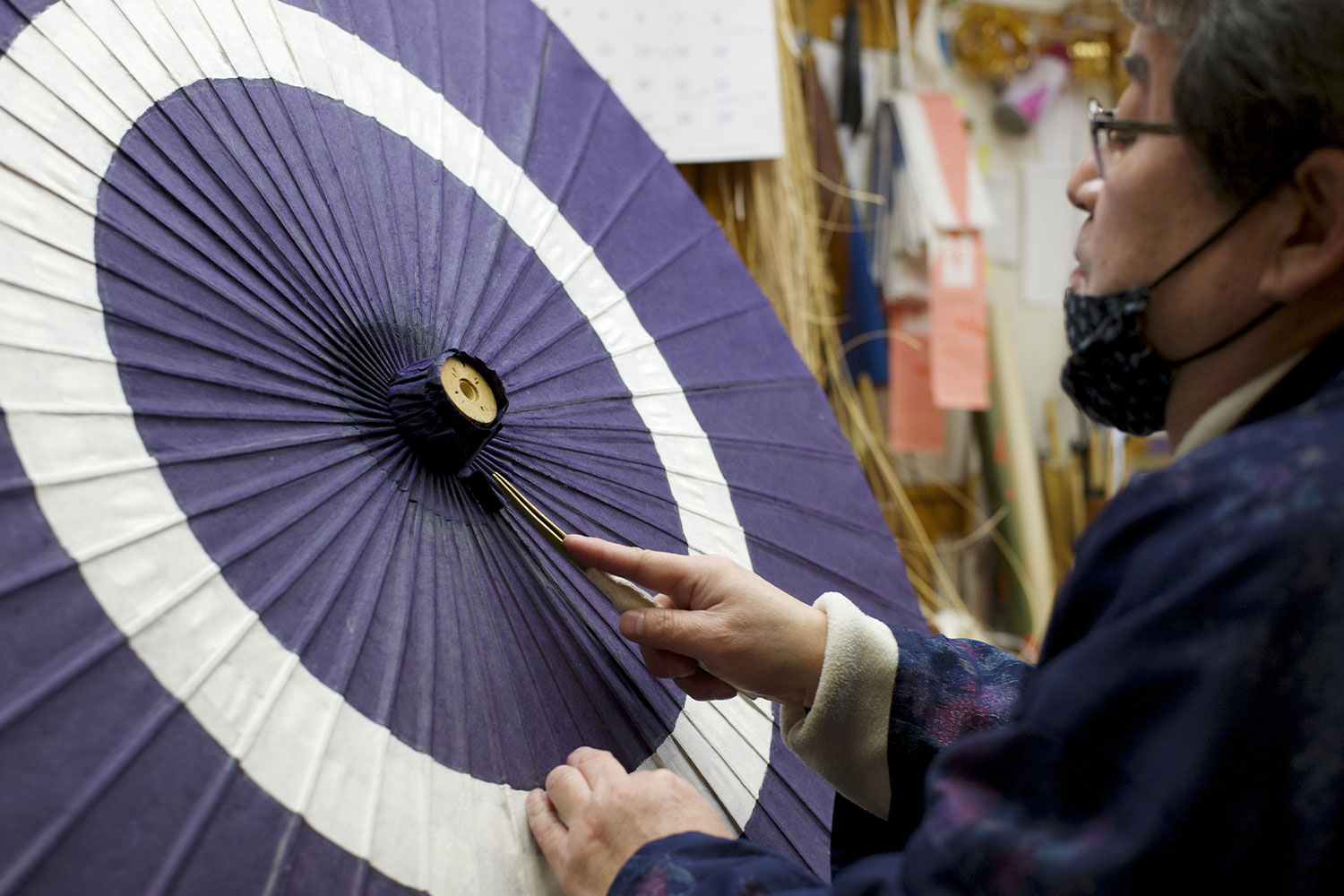
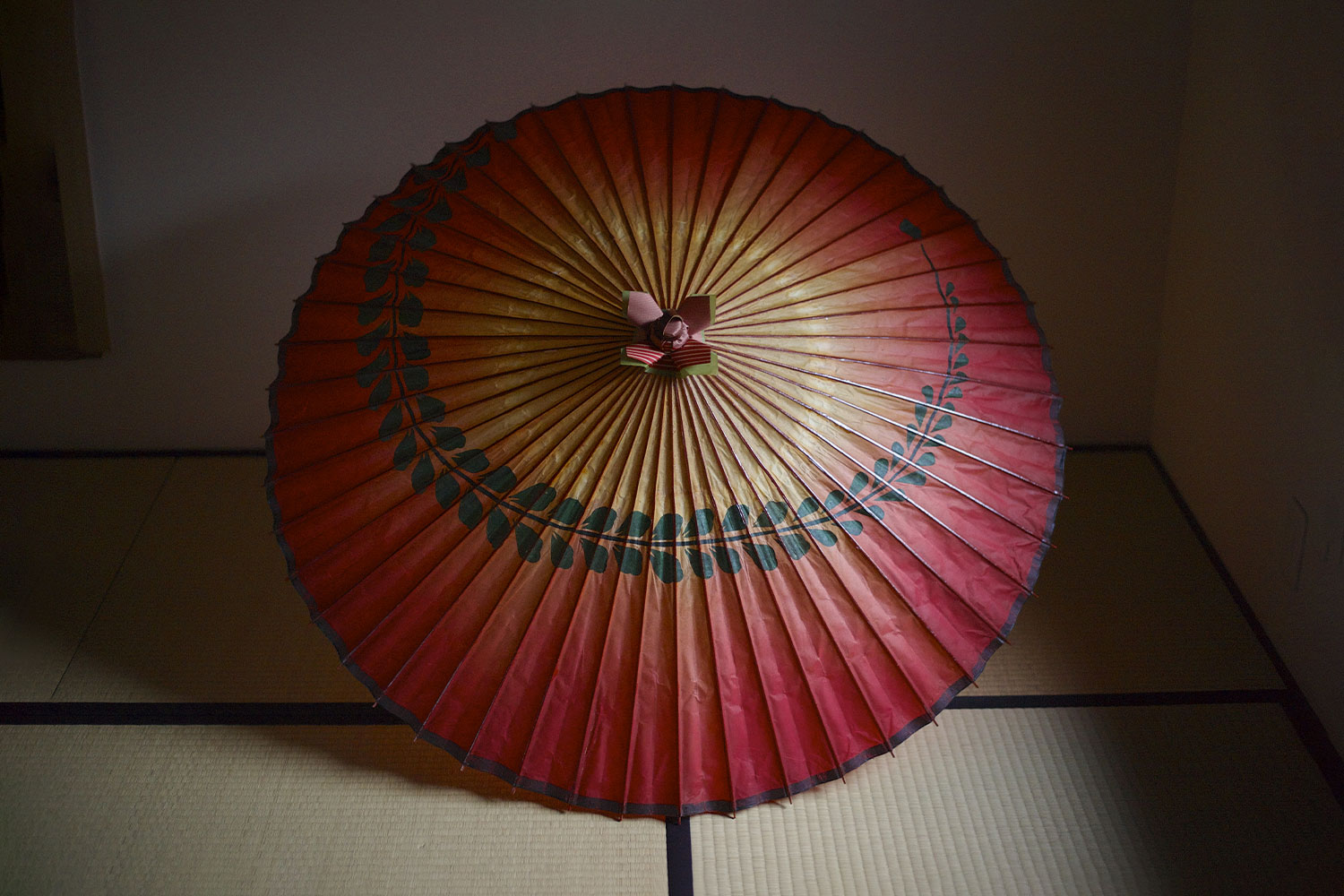
The rare and extraordinary art form of umbrella making is being continued by Shigeki Matsuda, who collaborates with local artisans such as the National Living Treasure, Minori Yoshida. He brings a modern touch to this traditional art. Established in 1896, Matsuda Wagasa is the last standing Japanese umbrella atelier and shop in Kanazawa, a city in the northwest region facing the sea of Japan. Japanese umbrella making flourished in Kanazawa where unpredictable rain and snowfalls are common. However, the craft all but disappeared along with the popularity of commercial western umbrellas in the early 19th century. This traditional method of umbrella making involves complex assembly procedures, each umbrella has a striking form even when closed. Once opened, they blossom into a world of magnificent colours and remarkable patterns.
Discover his work
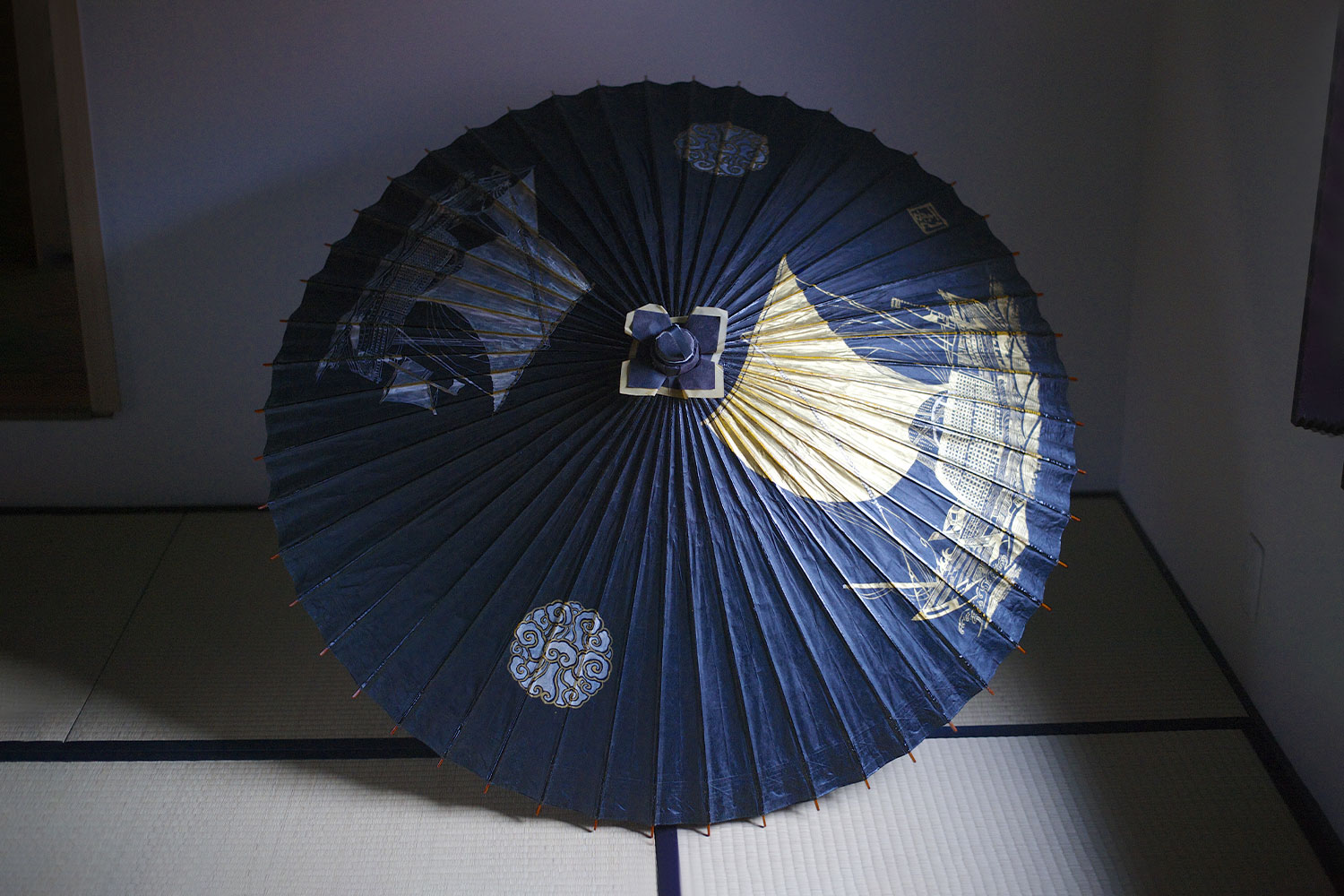
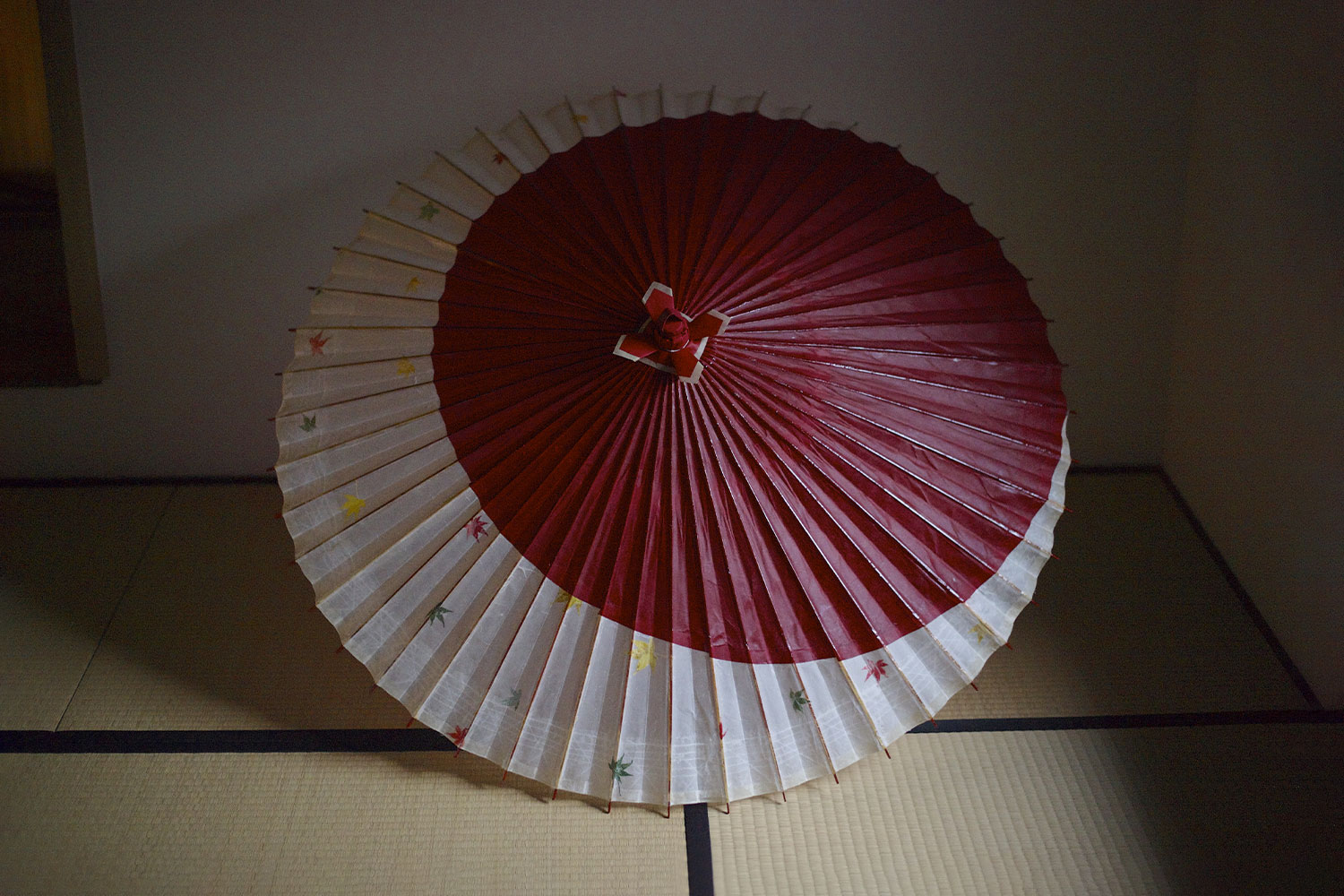
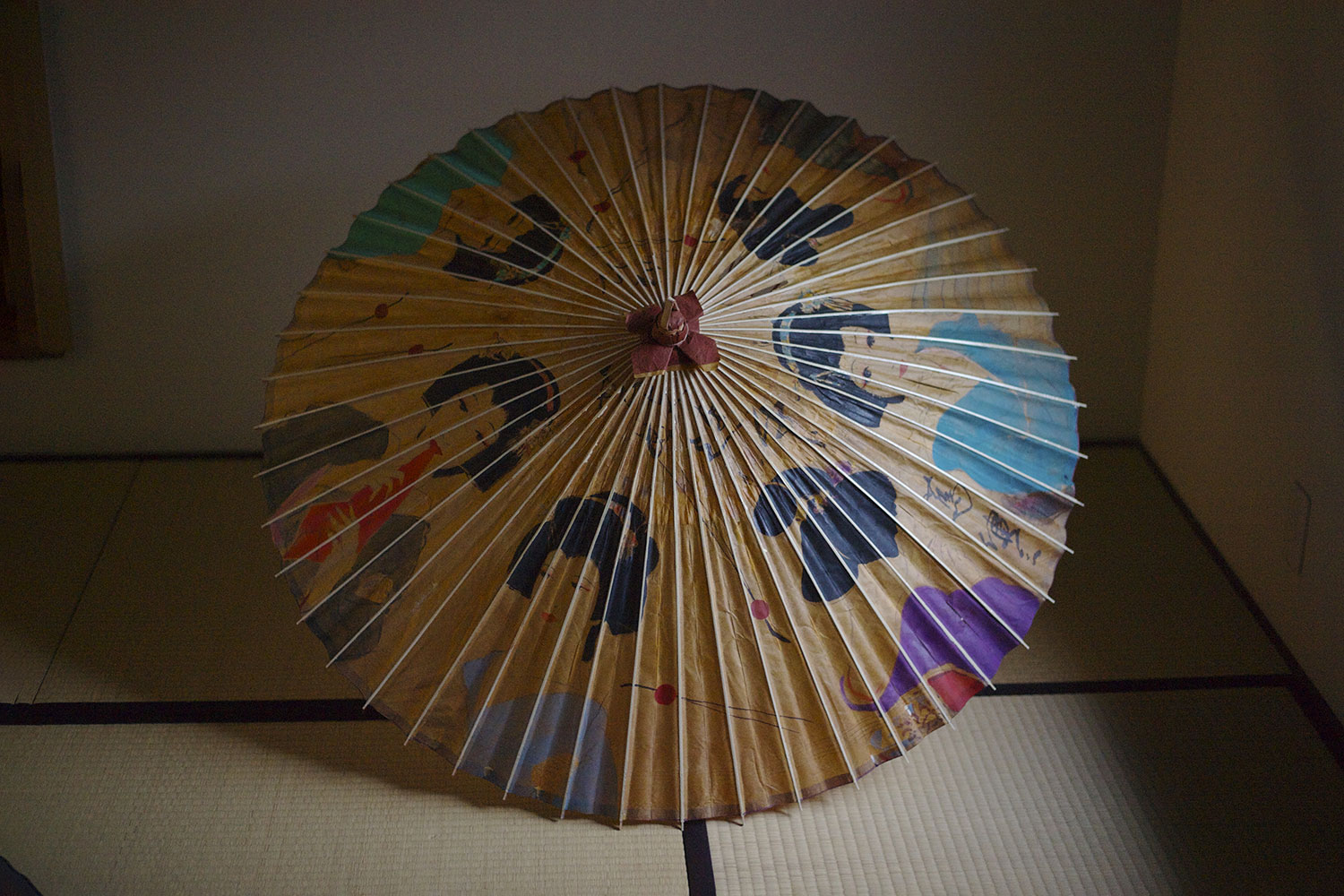
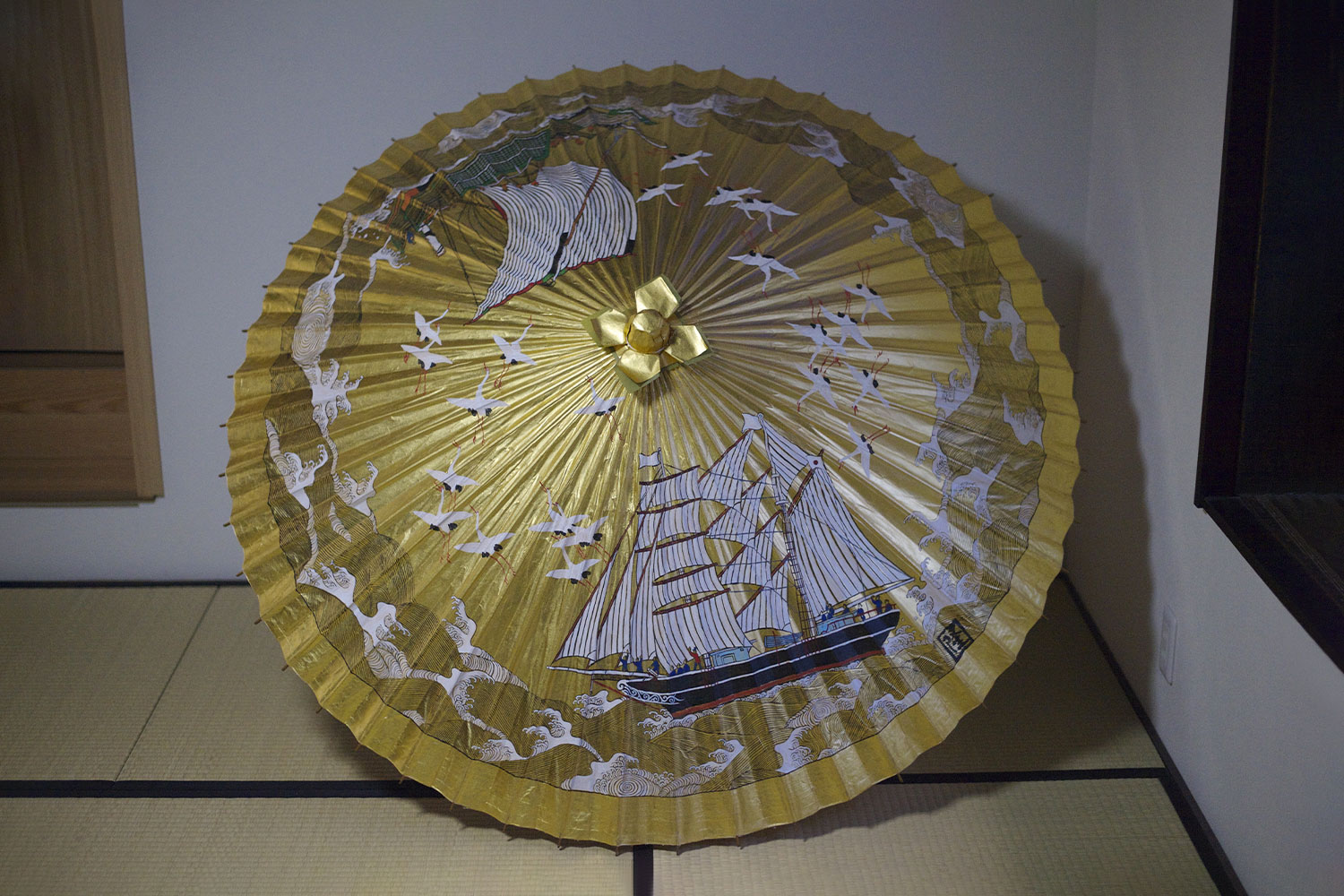
INTERVIEW
Kanazawa Japanese umbrellas are characterised by the four-layered pasting of the tip, the loose pasting of the thick mulberry bark paper and the small threading technique on the outer perimeter. Robust, graceful, and magnificent, they are made strong to endure the wet and heavy snow of the north-western region.
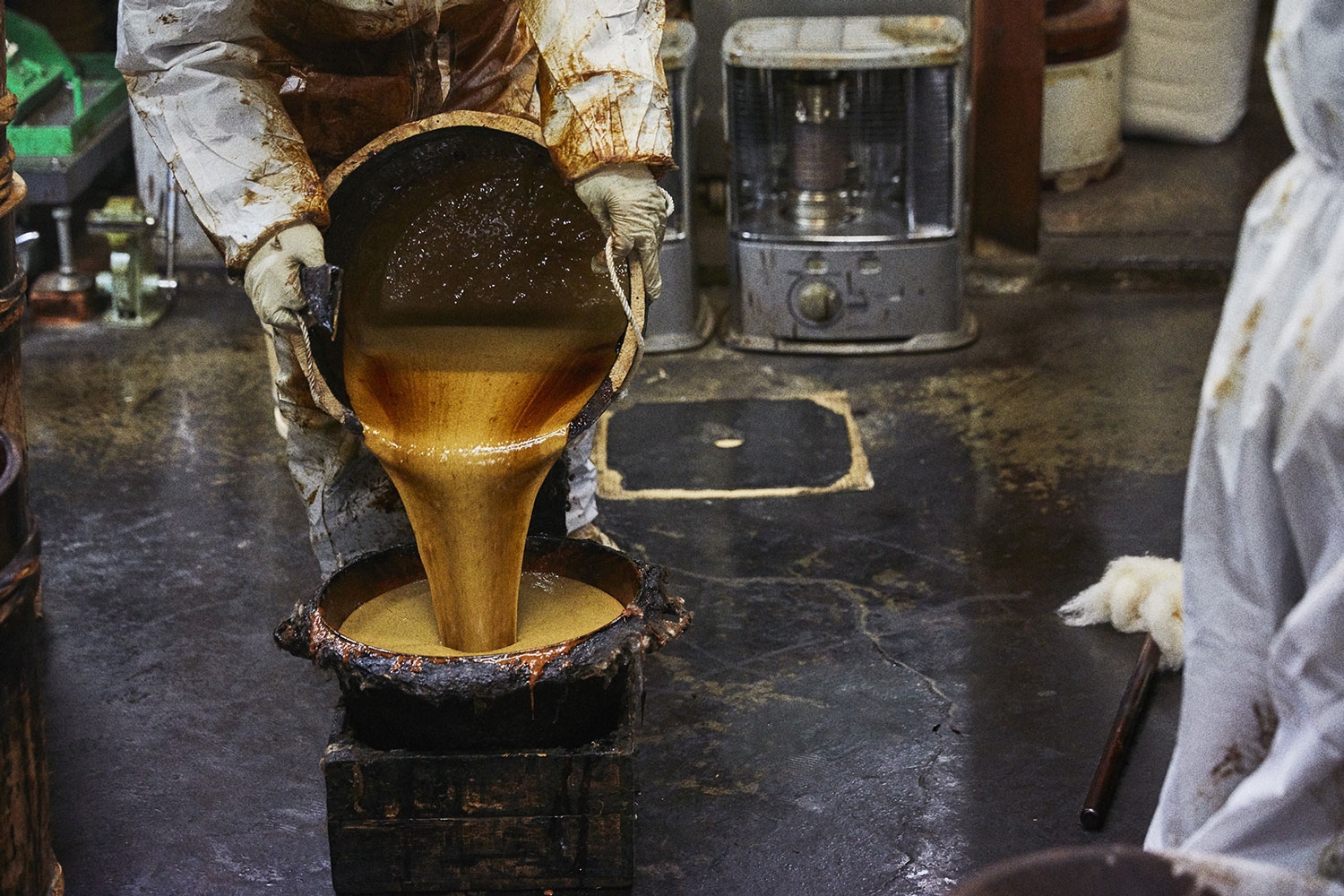
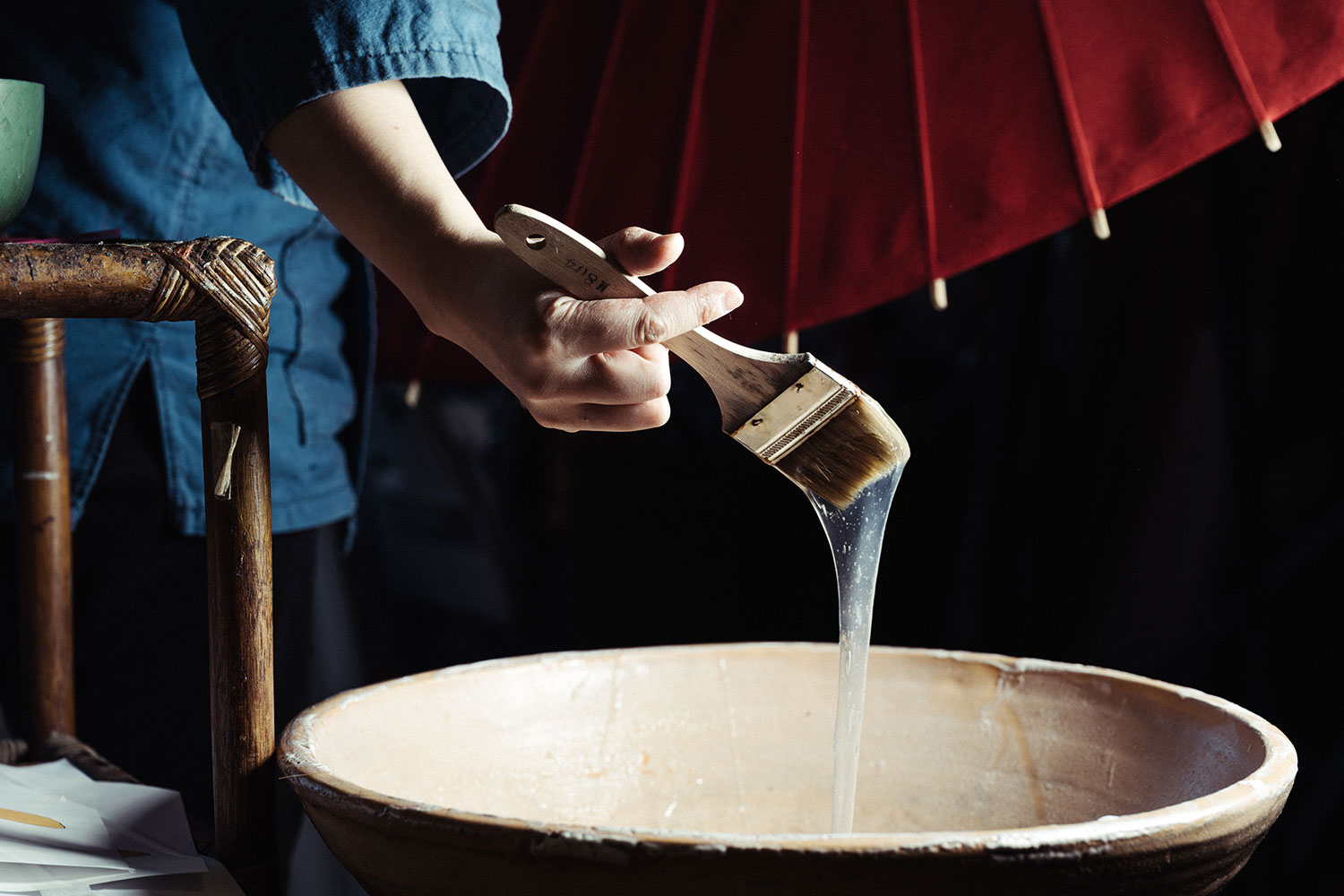
I use natural materials such as bamboo and "washi" (Japanese paper), a thick paper made of 100 percent mulberry bark that is difficult to produce but strong enough to withstand the climate of Kanazawa. The oil blend used to waterproof the umbrellas is a secret that my father passed on to me when I took over the atelier.
At first, I didn't believe my father's words, "This umbrella will last half a century if it is well taken care of." It was only when I saw how many customers brought in 50 to 60-year-old umbrellas to the shop for care that I realised he was right. An umbrella should be strong and beautiful.
Yes. Currently, only two facilities in Japan make parts for Japanese umbrellas. Continuing the humble job of an artisan requires much patience. Although the number of craftsmen is decreasing, you only need to see my satisfied customers who continue to seek my work to understand the value of my craft.
Shigeki Matsuda
Matsuda Wagasa
Umbrella maker
Kanazawa, Japan
AVAILABILITY
Monday to Friday 09:00-17:00
PHONE
+81 762412853
LANGUAGES
Japanese
Homo Faber Finds is a new service aiming to inspire admirers of craft to connect and collaborate with exceptional artisans.
We invite you to submit an enquiry here.