Sebastian Schildt
Silversmith
Stockholm, Sweden
Where craft and art meet
- Sebastian Schildt runs his own studio, gallery and shop in Stockholm
- He recently opened a restaurant as a platform for contemporary craft
- He explores the line between art and craft
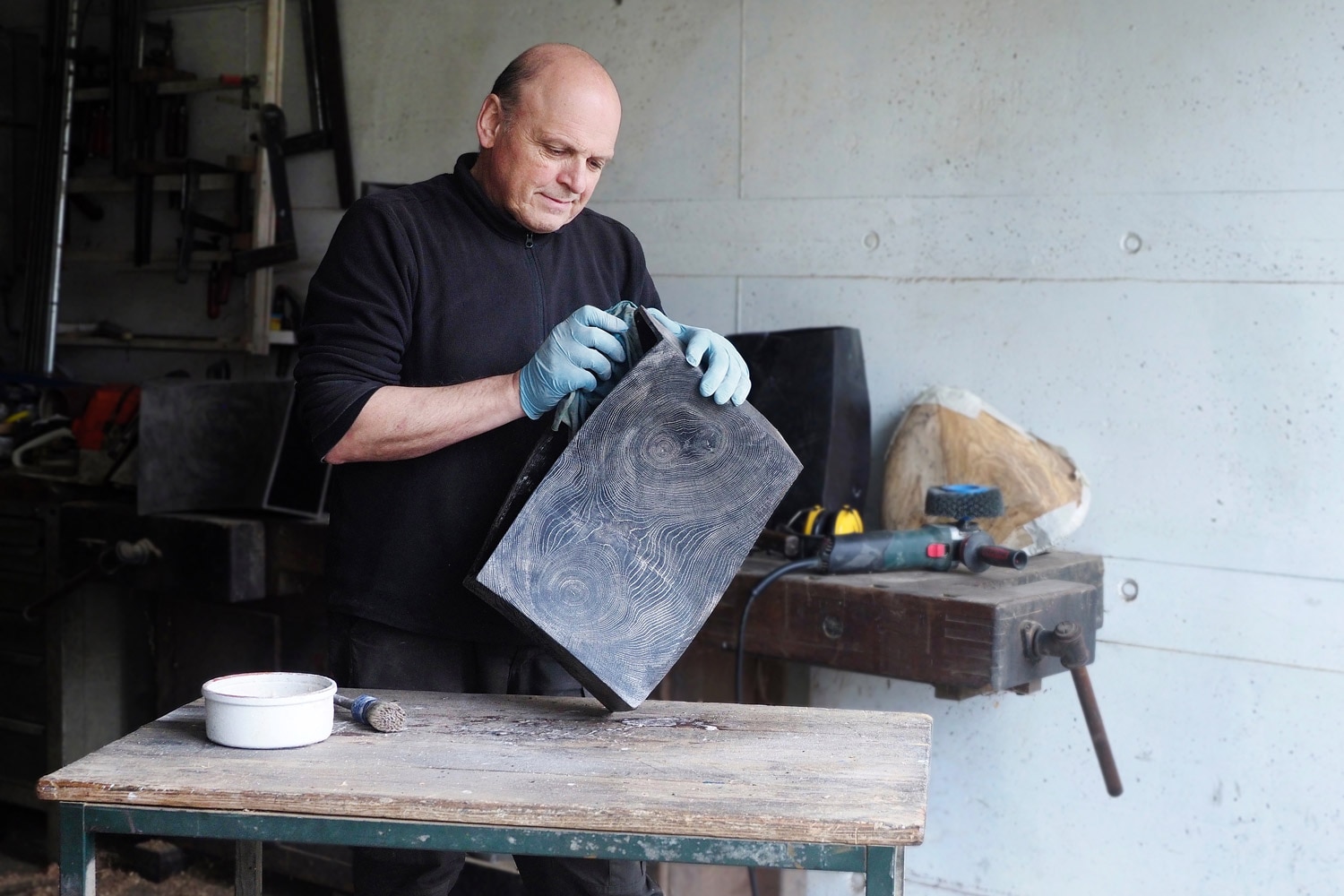
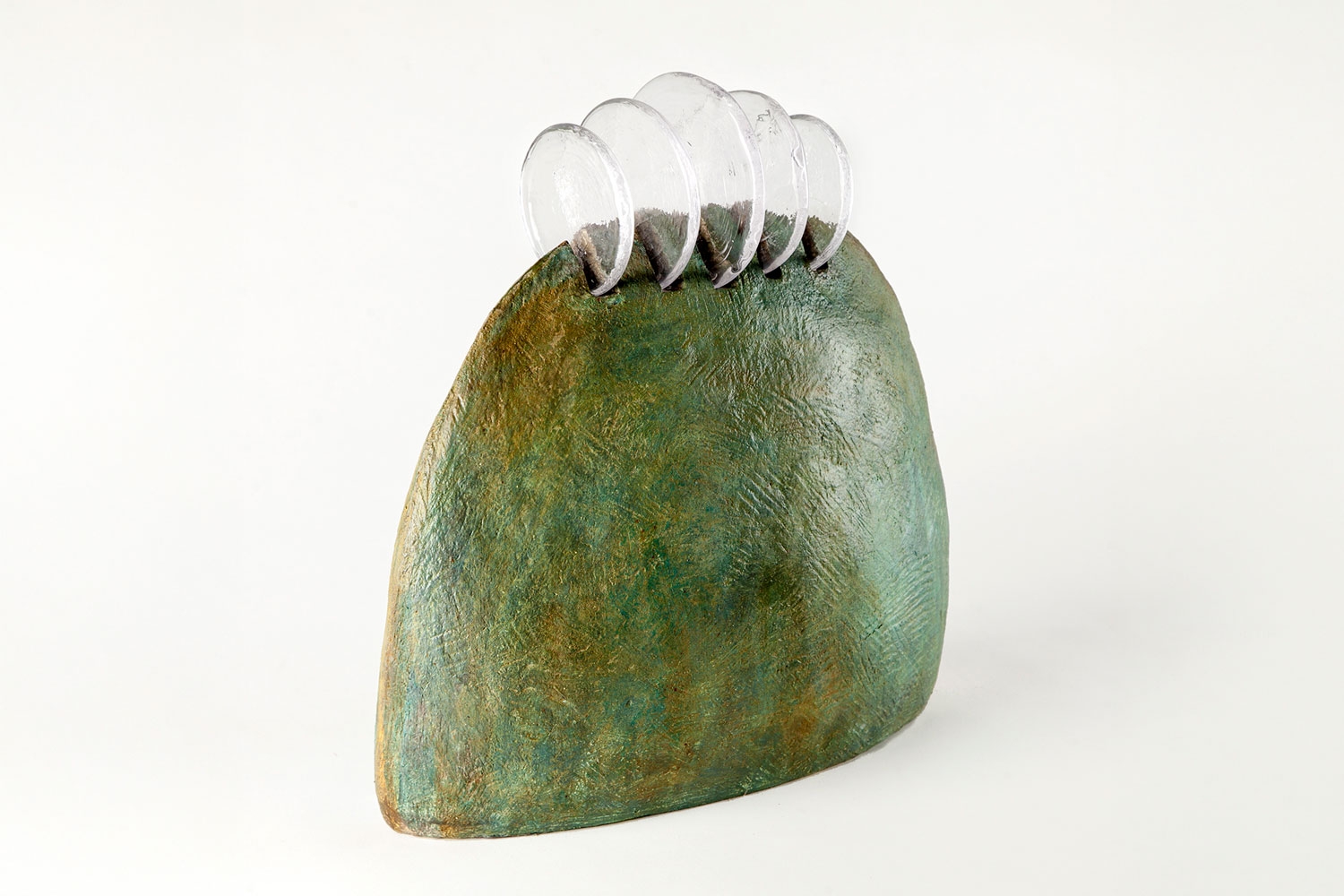
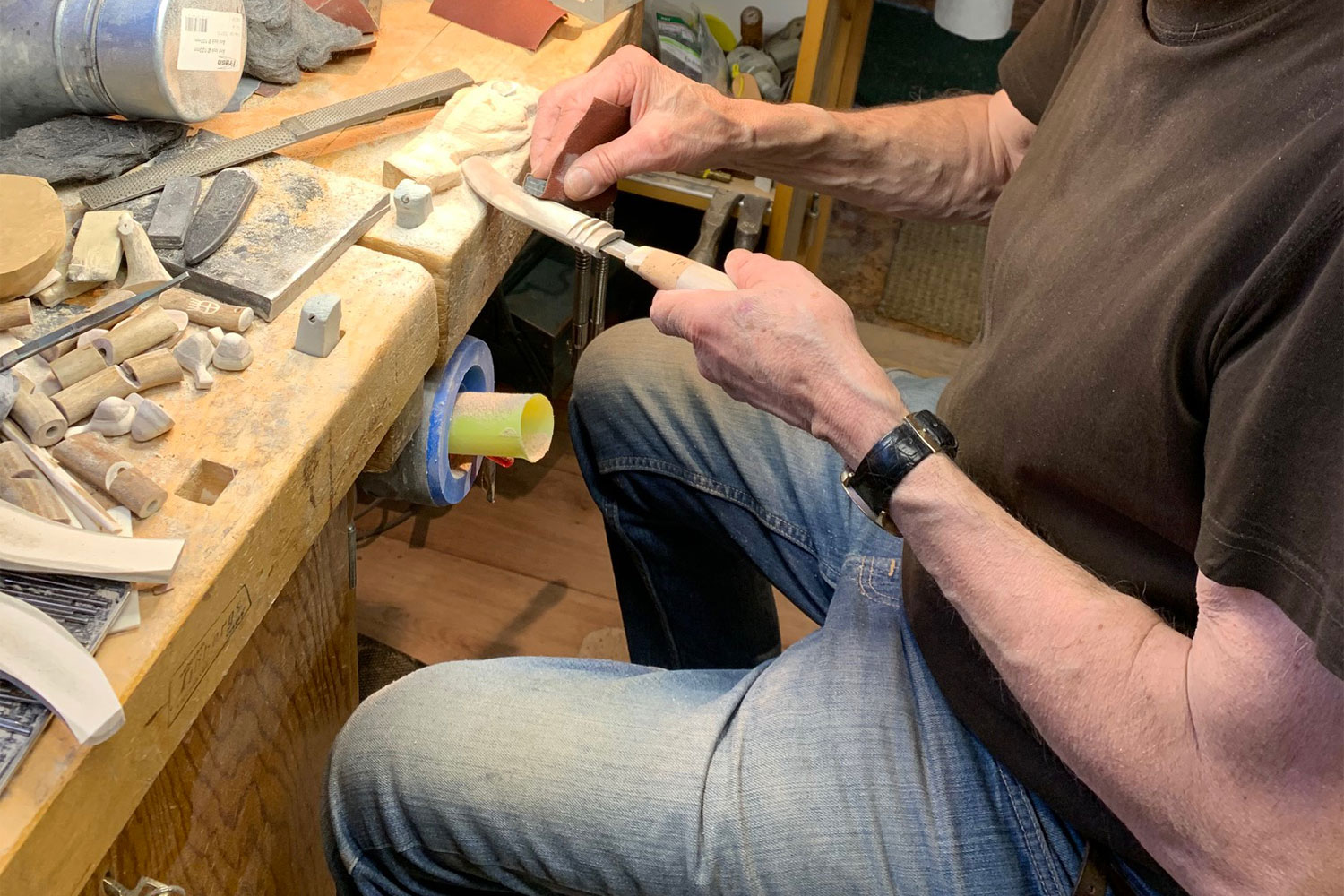
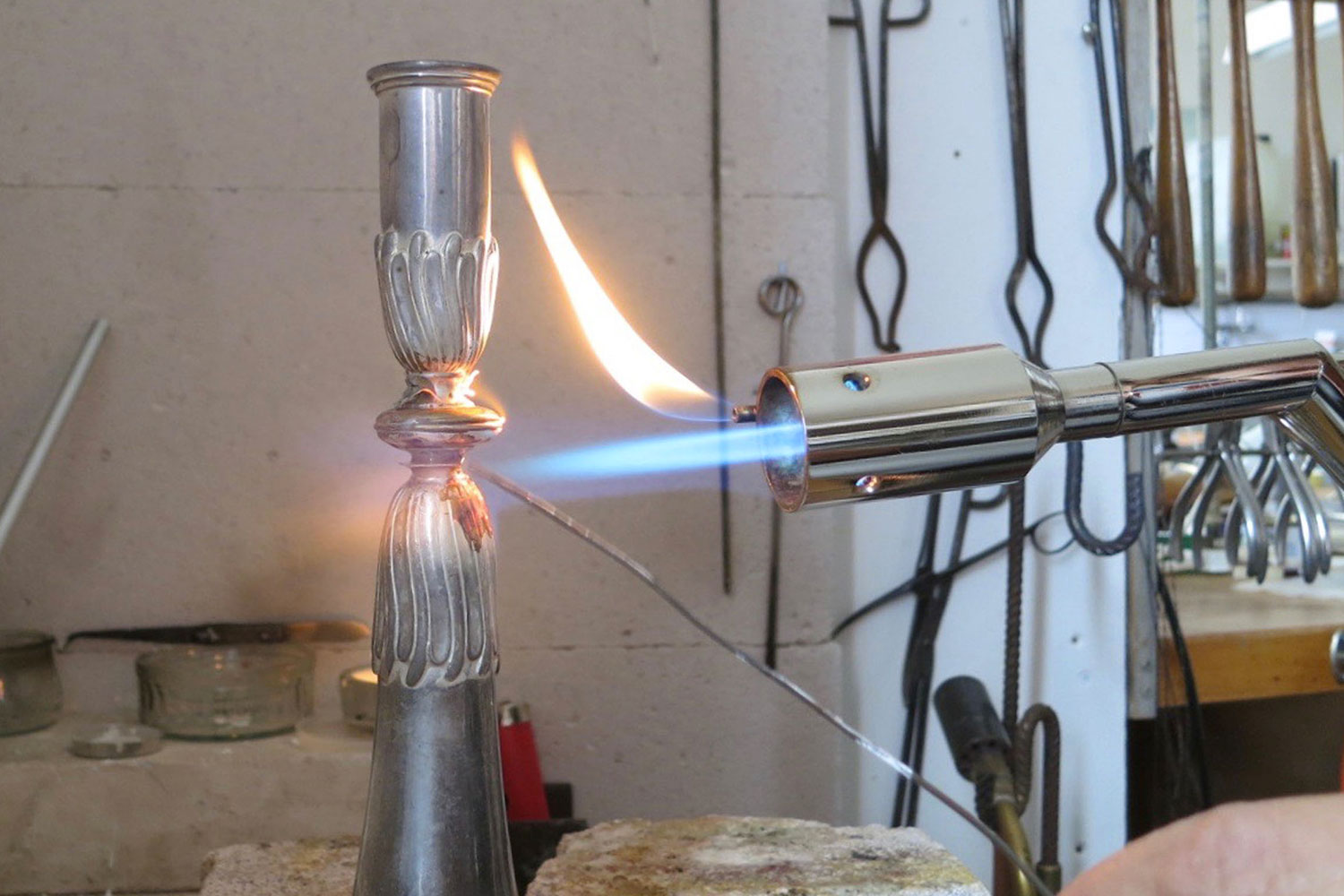
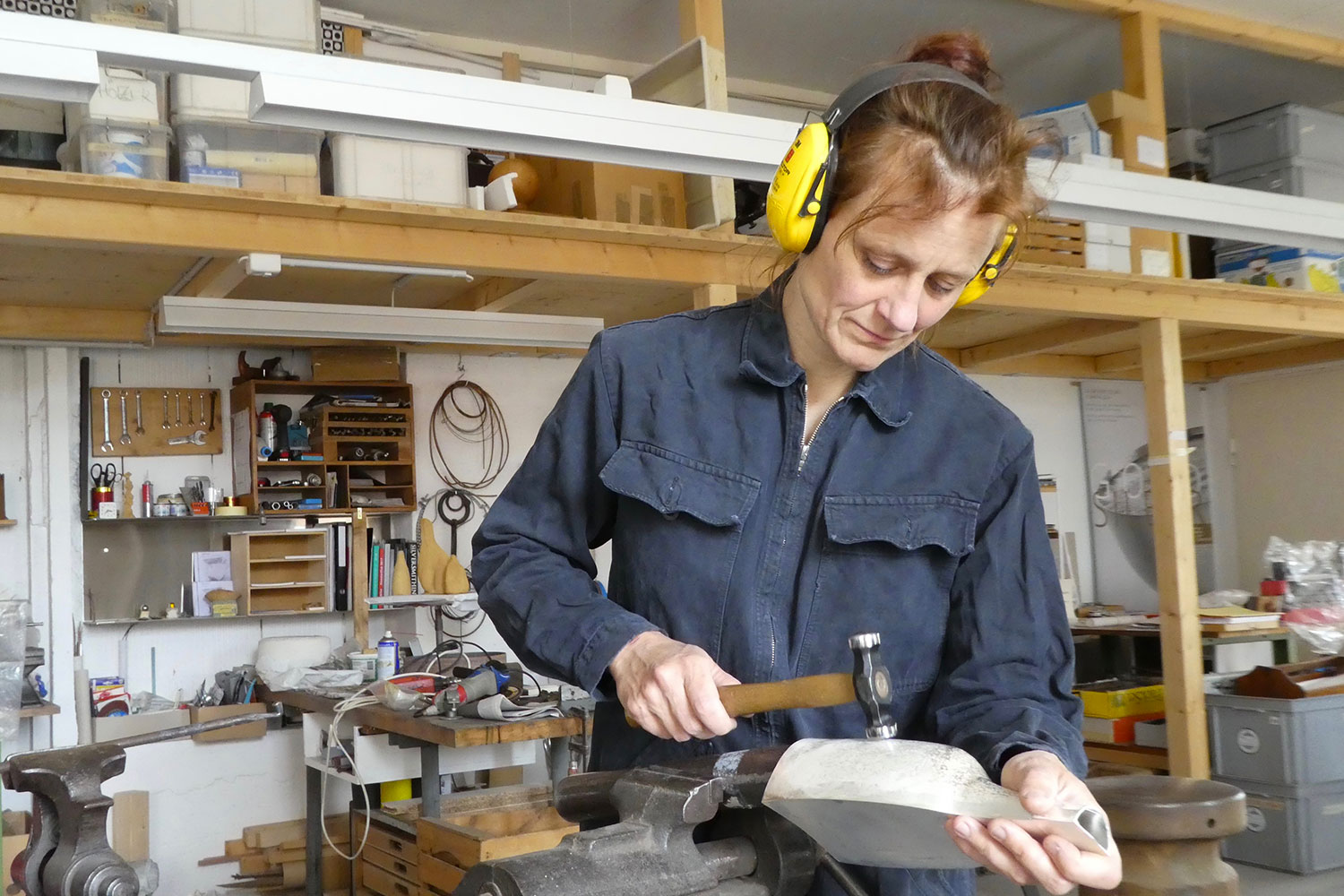
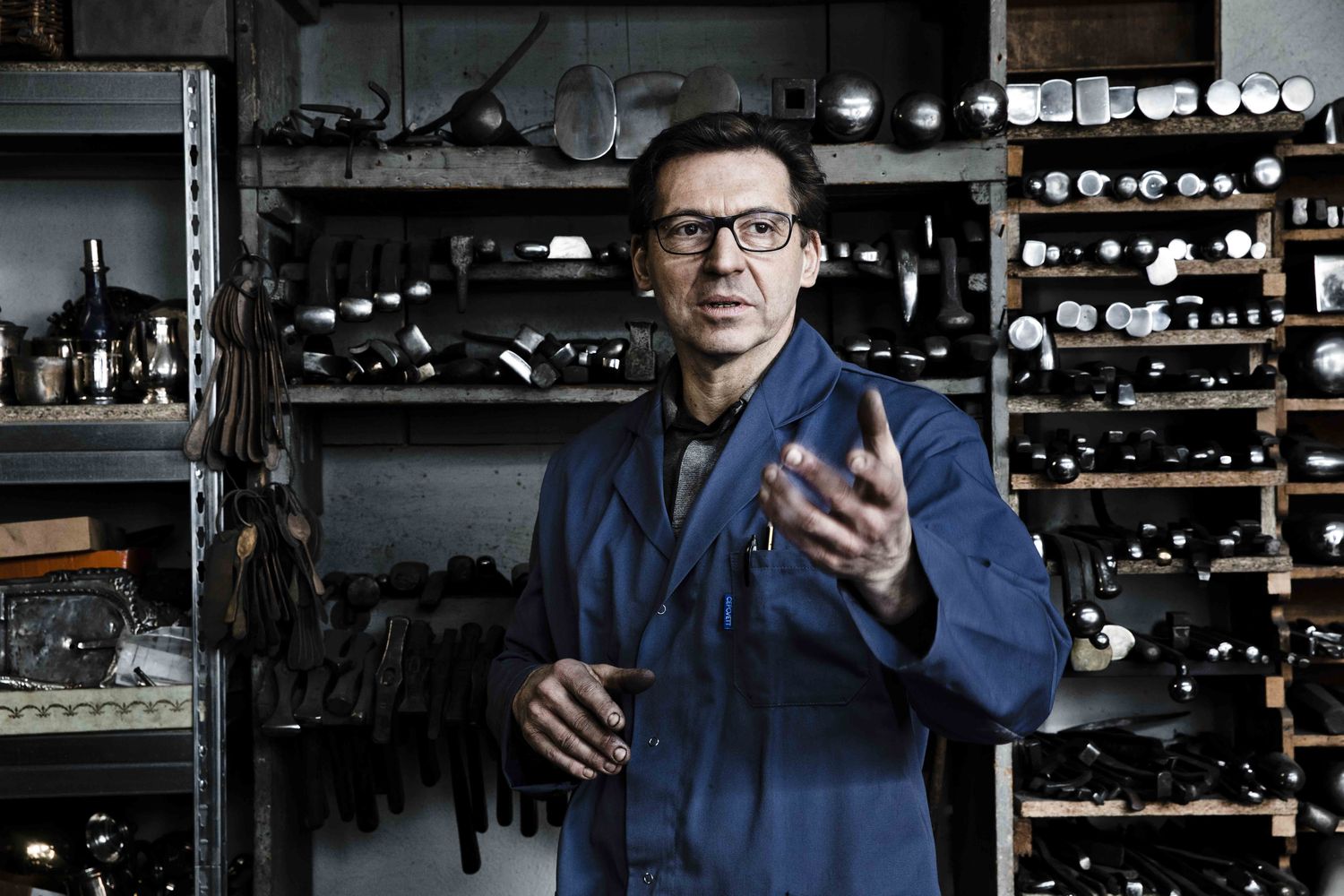
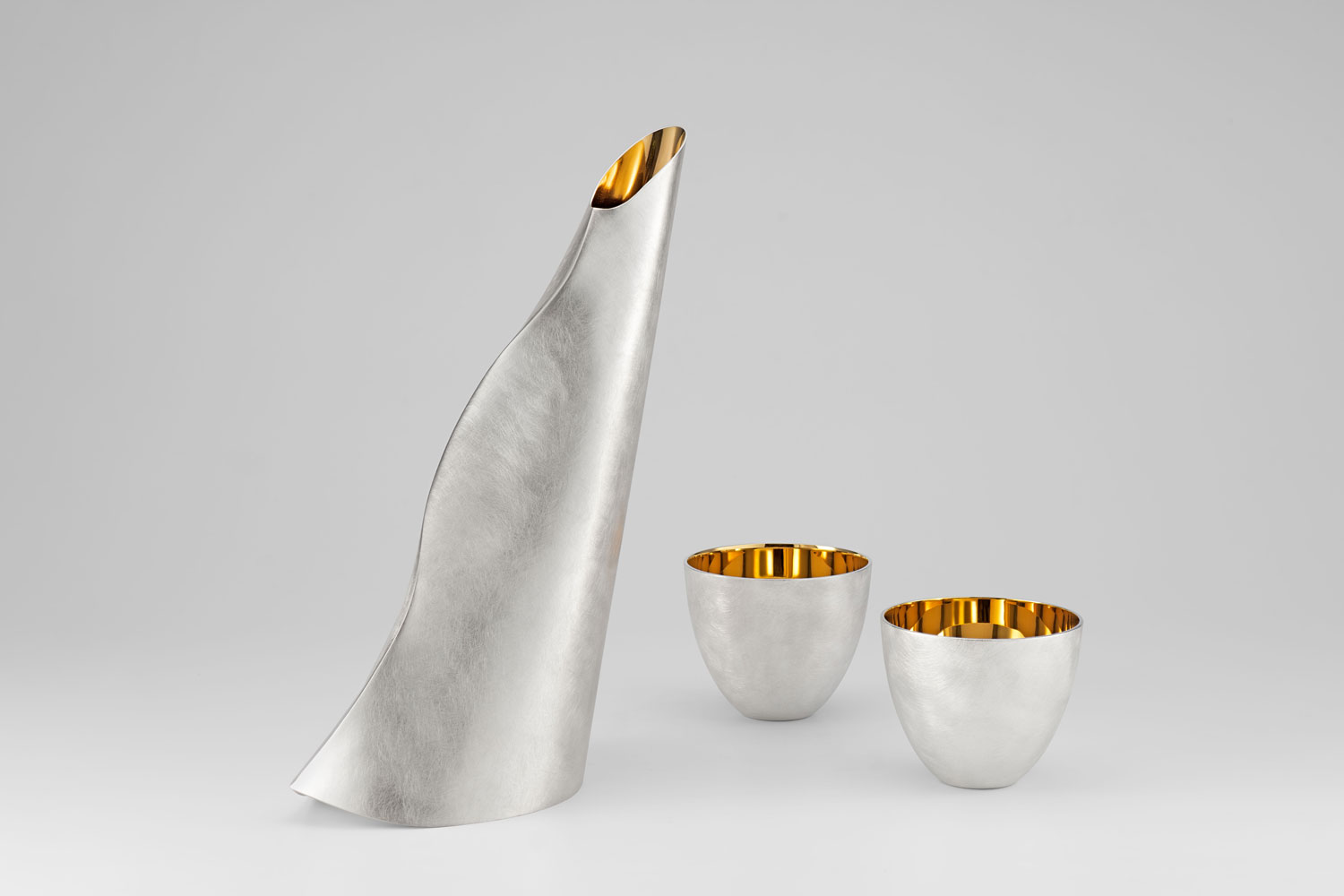
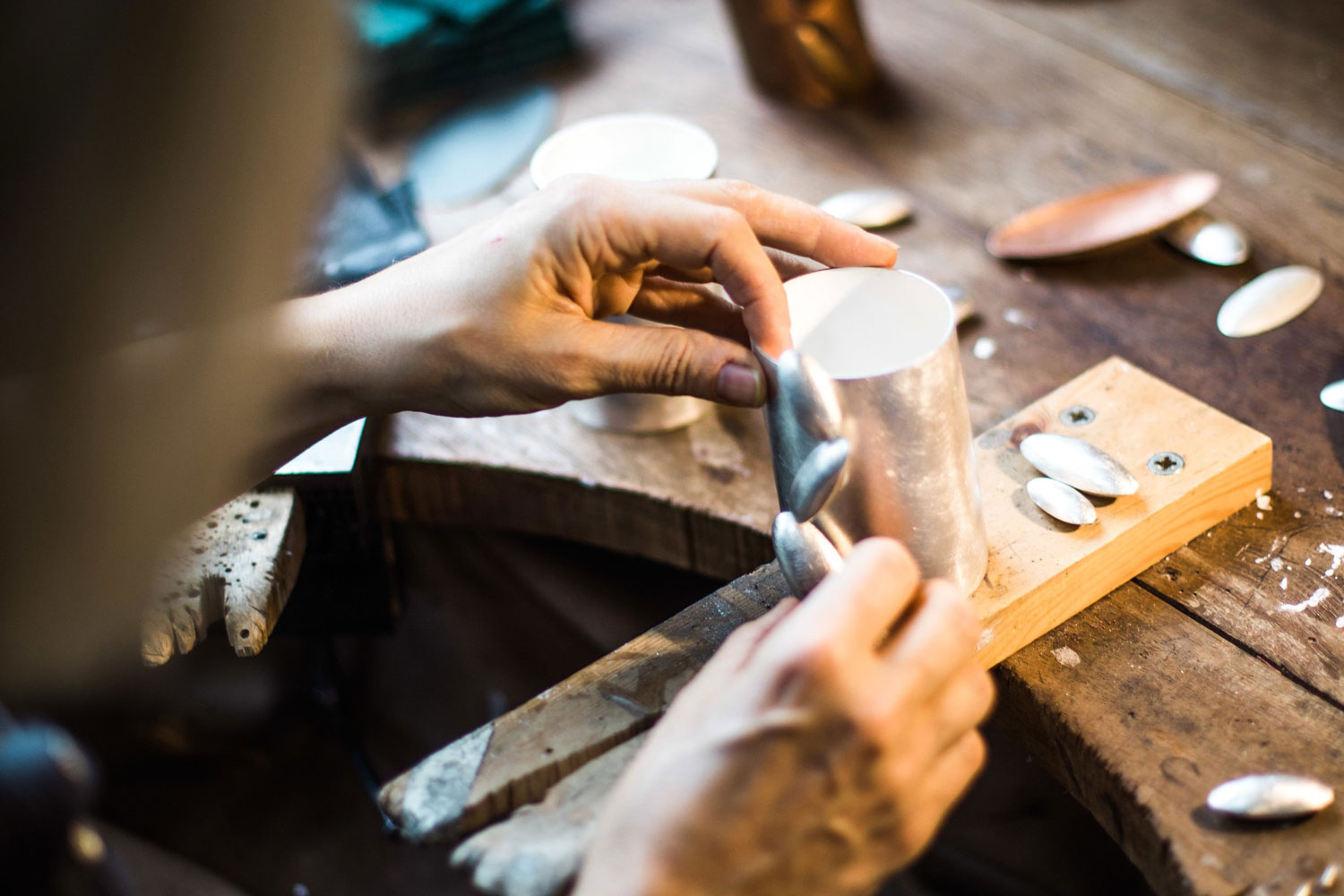
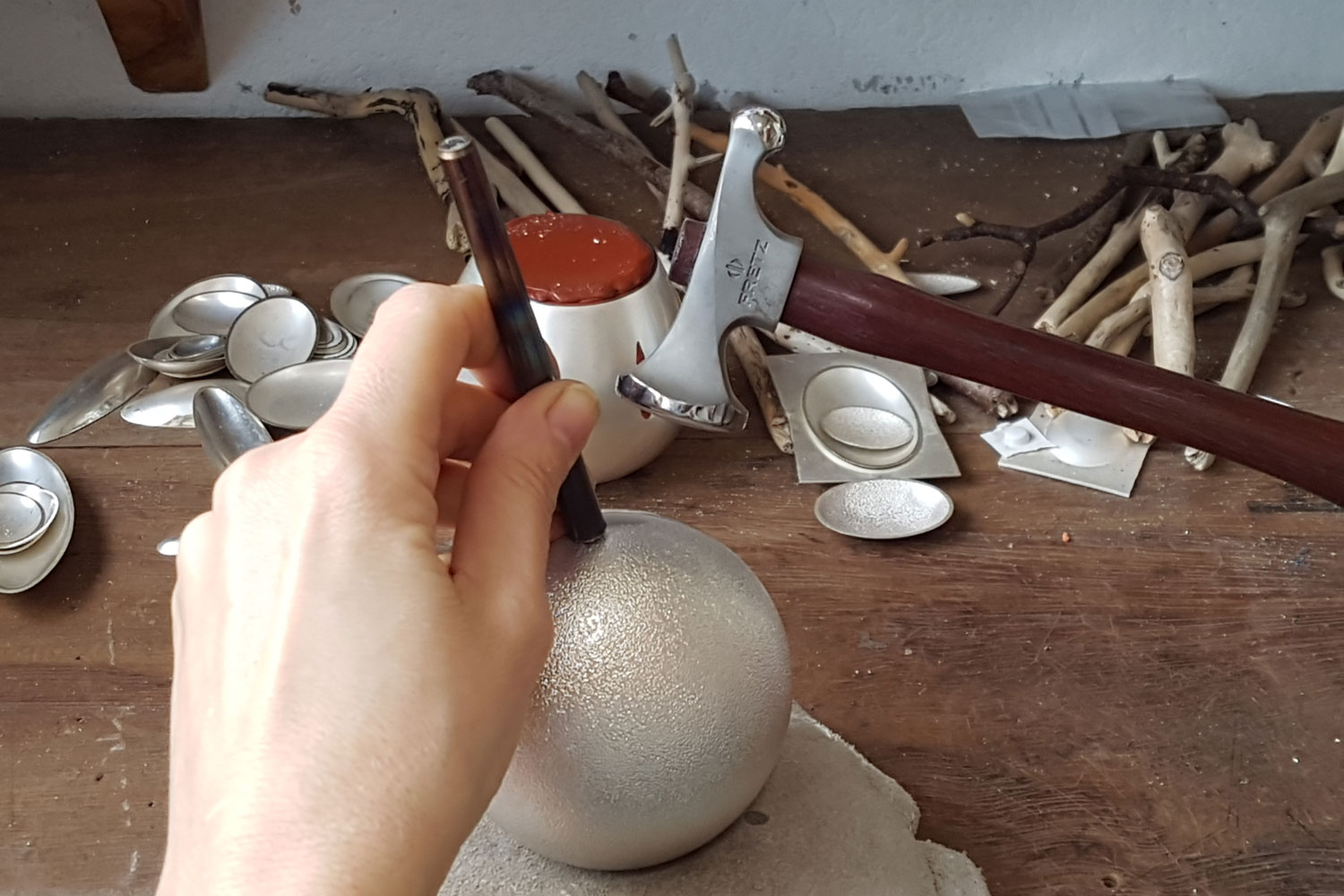
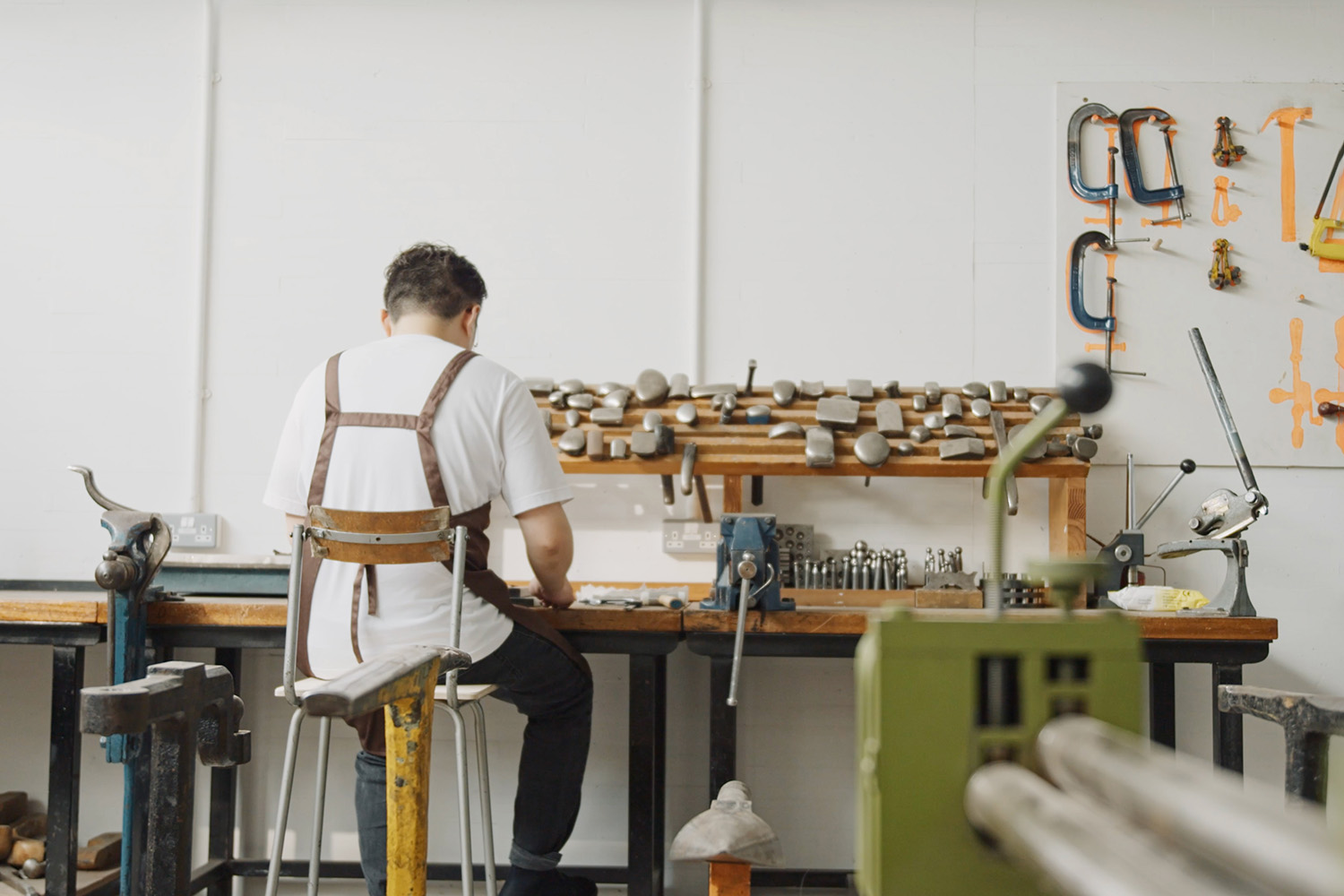
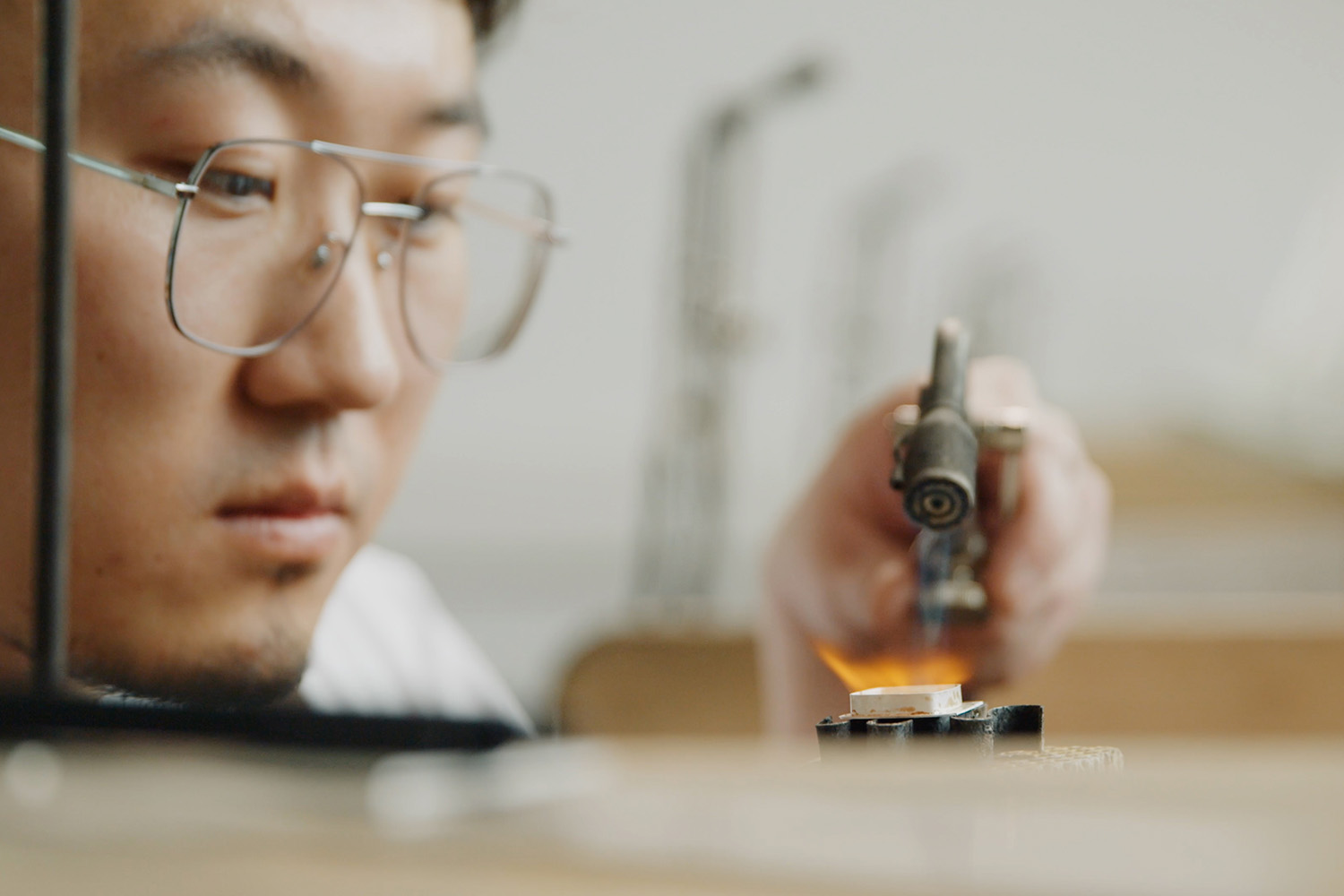
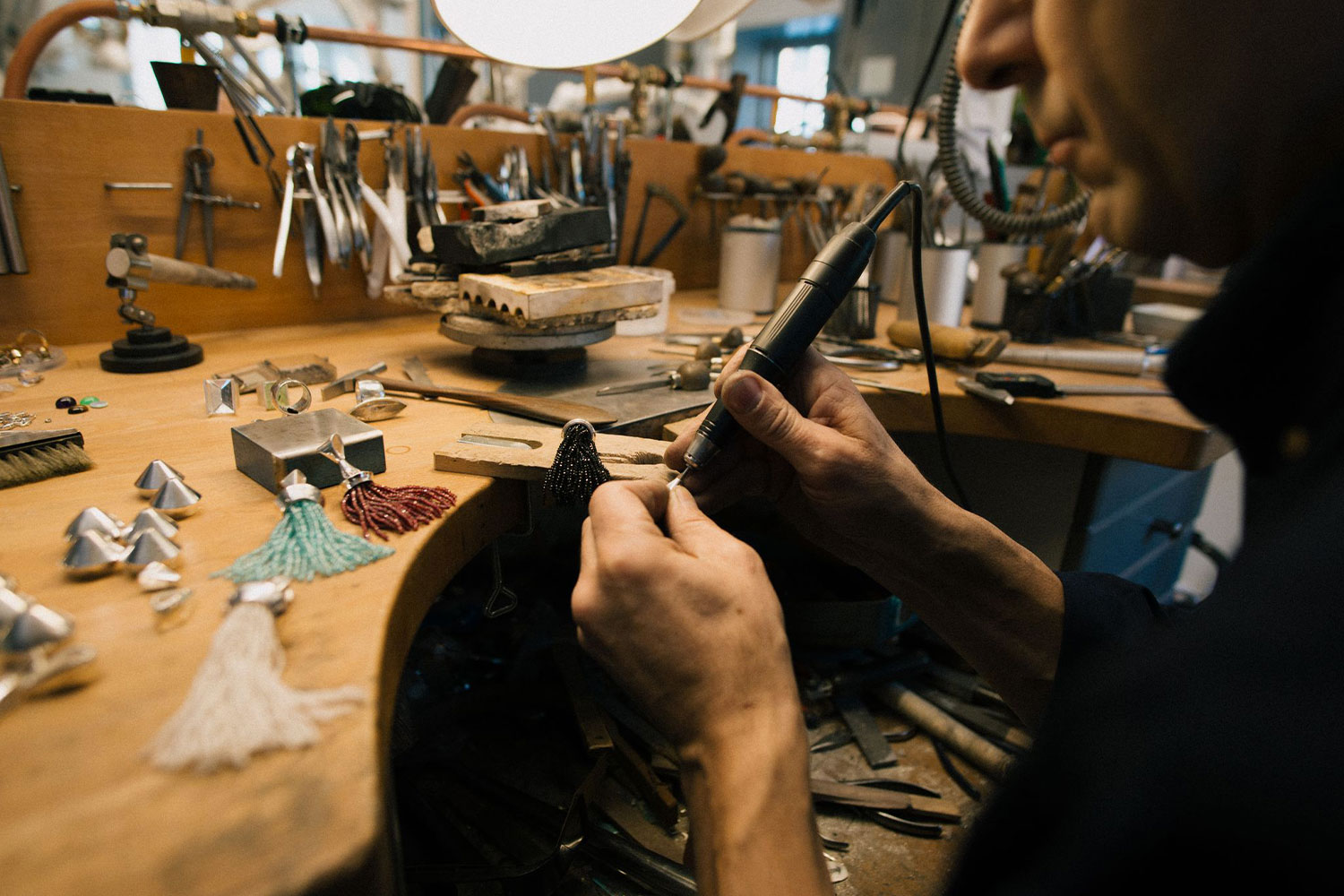
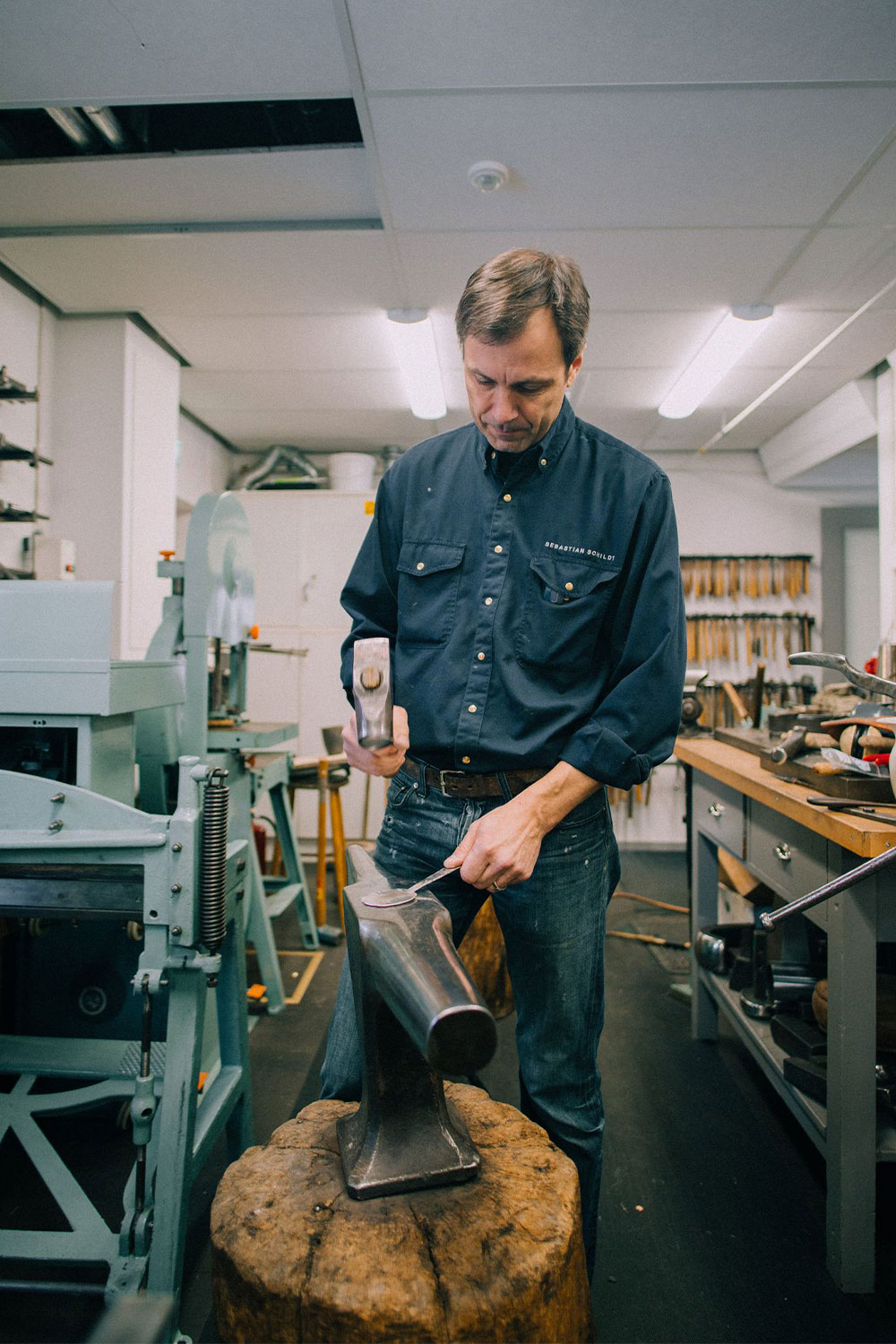
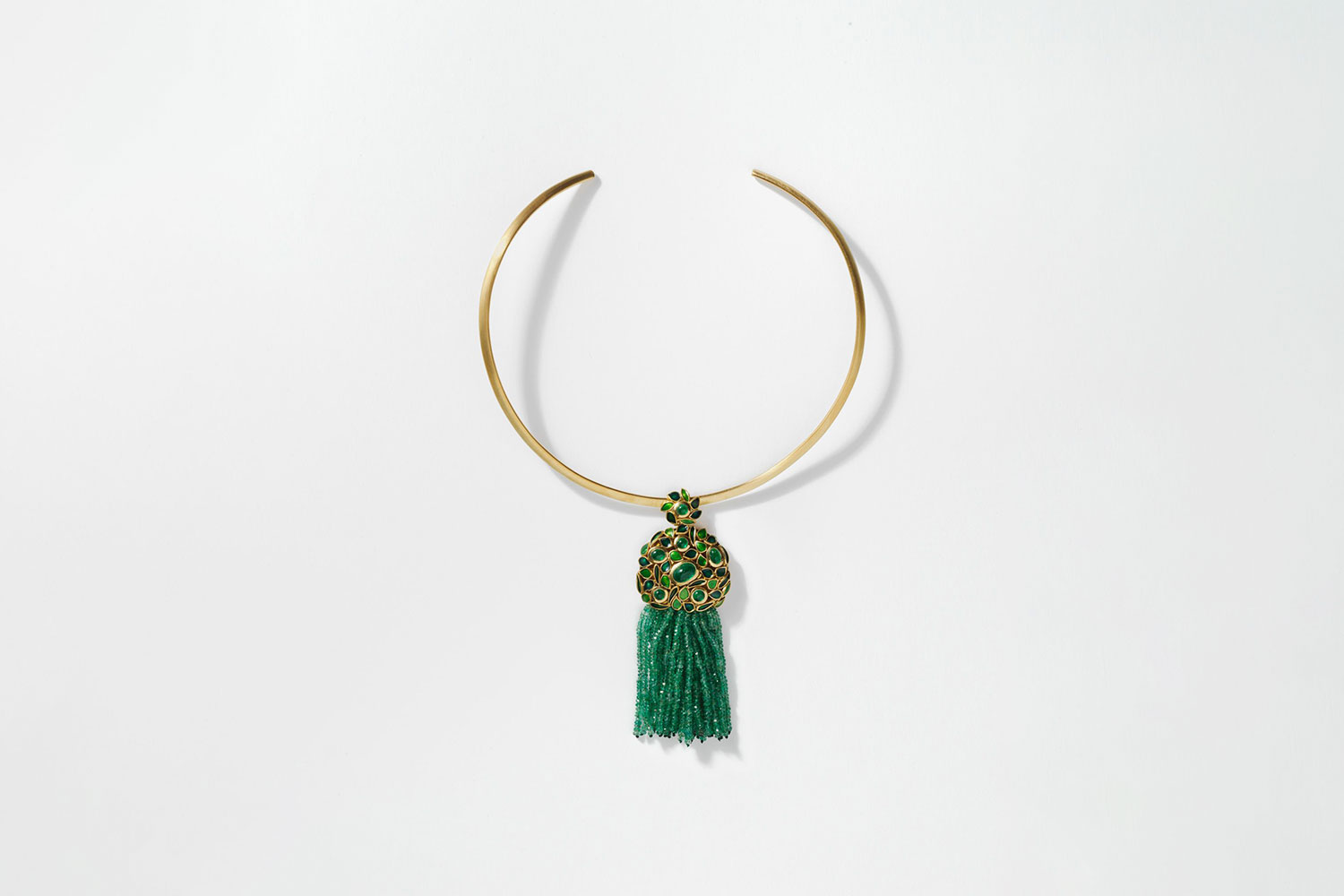
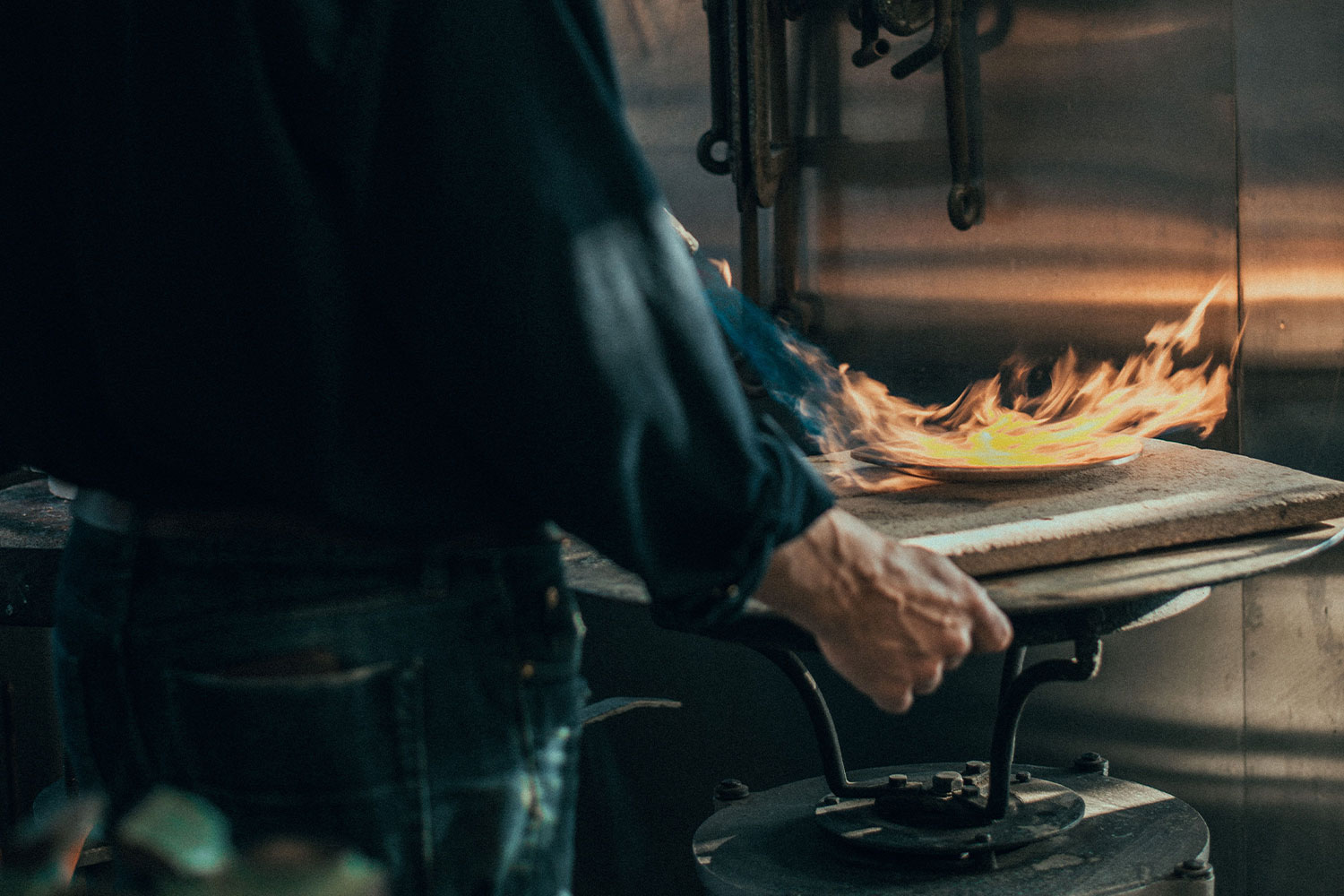
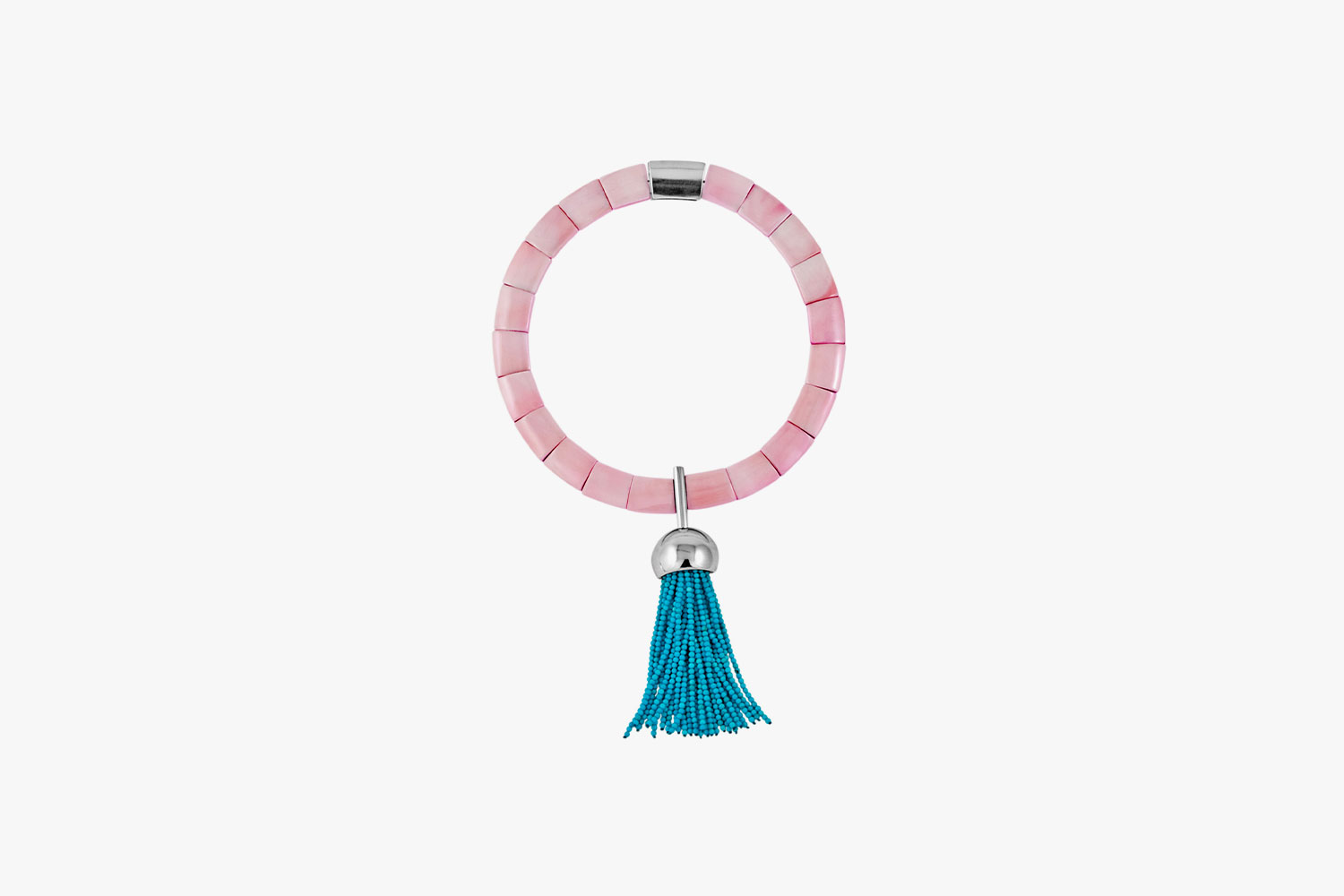
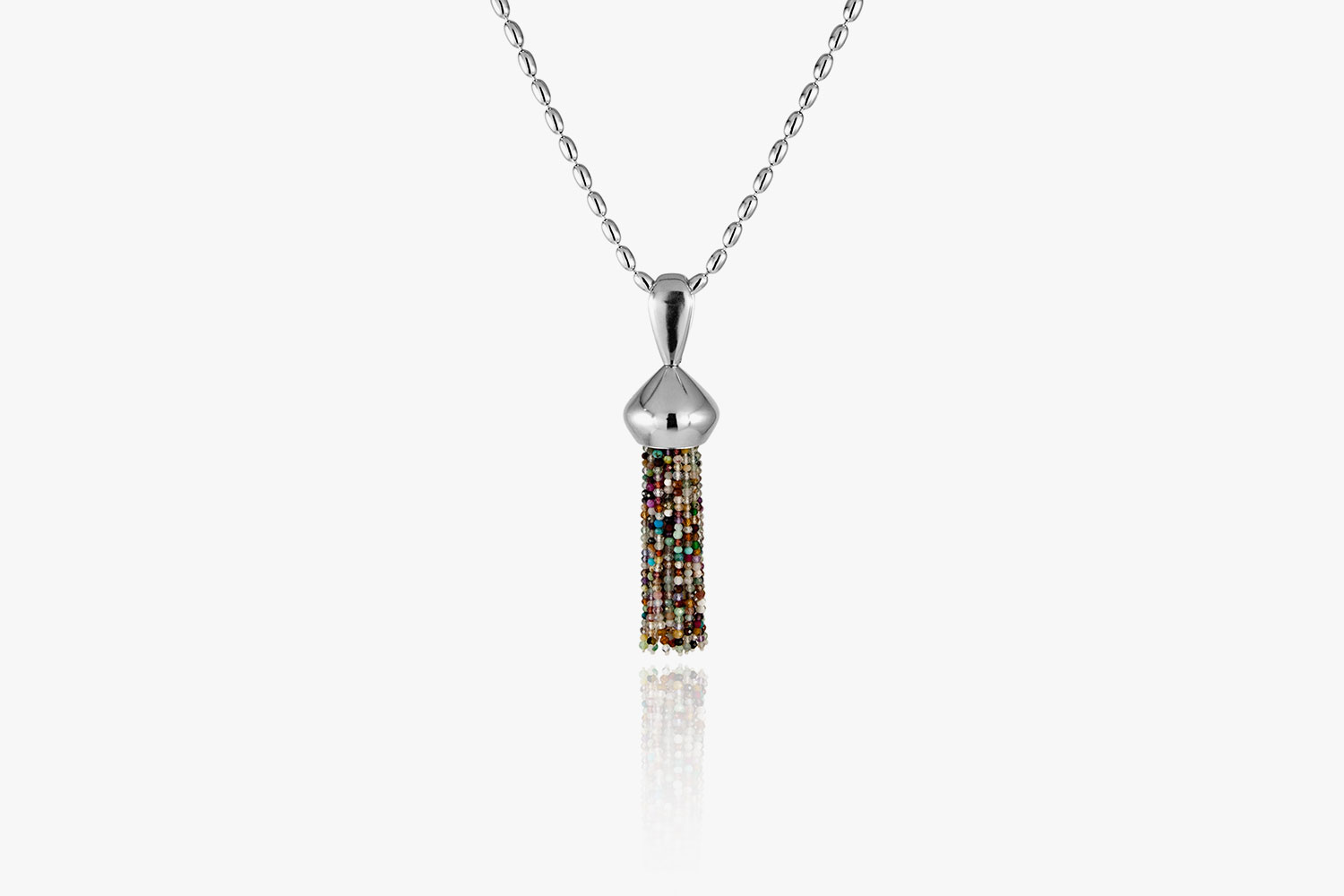
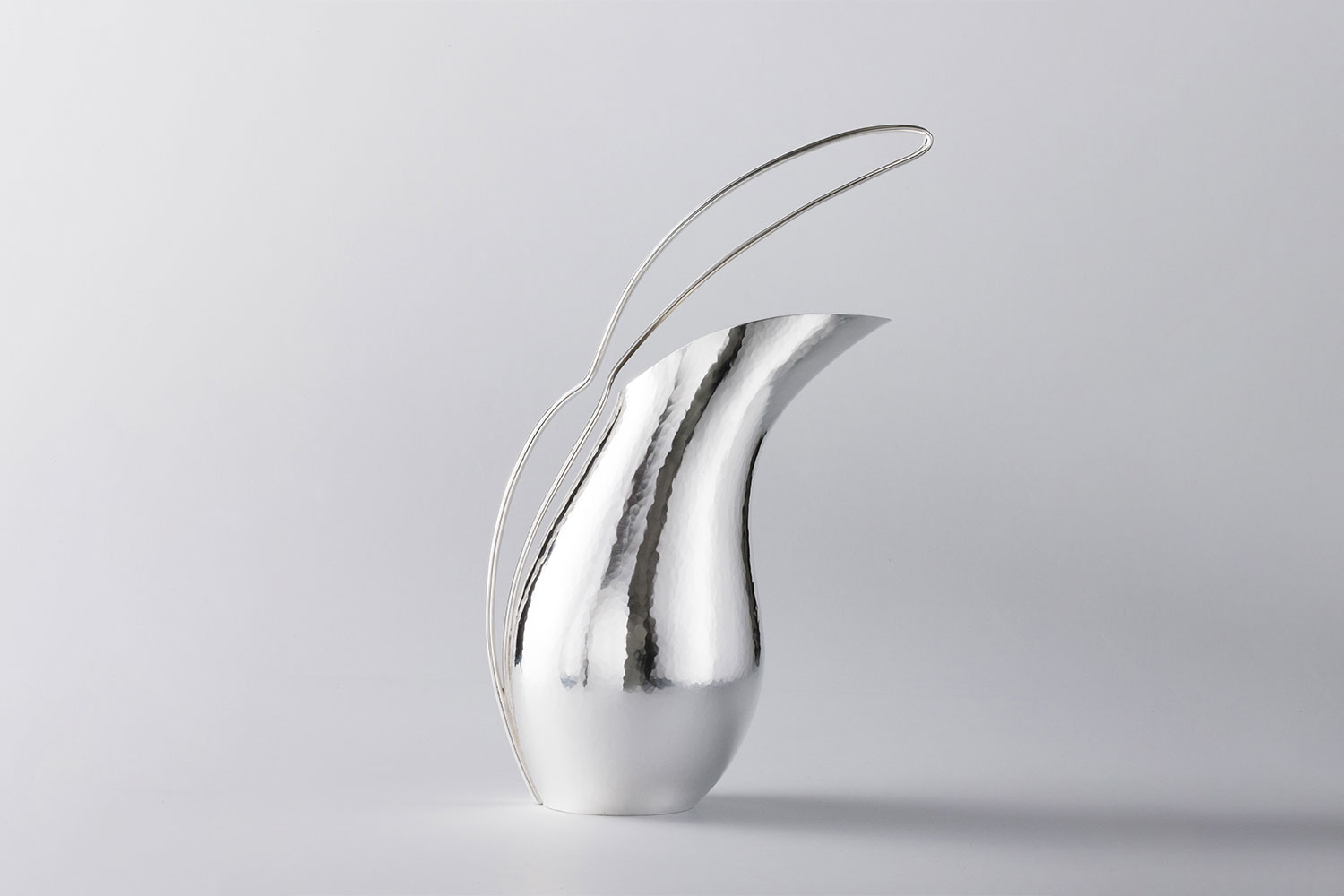
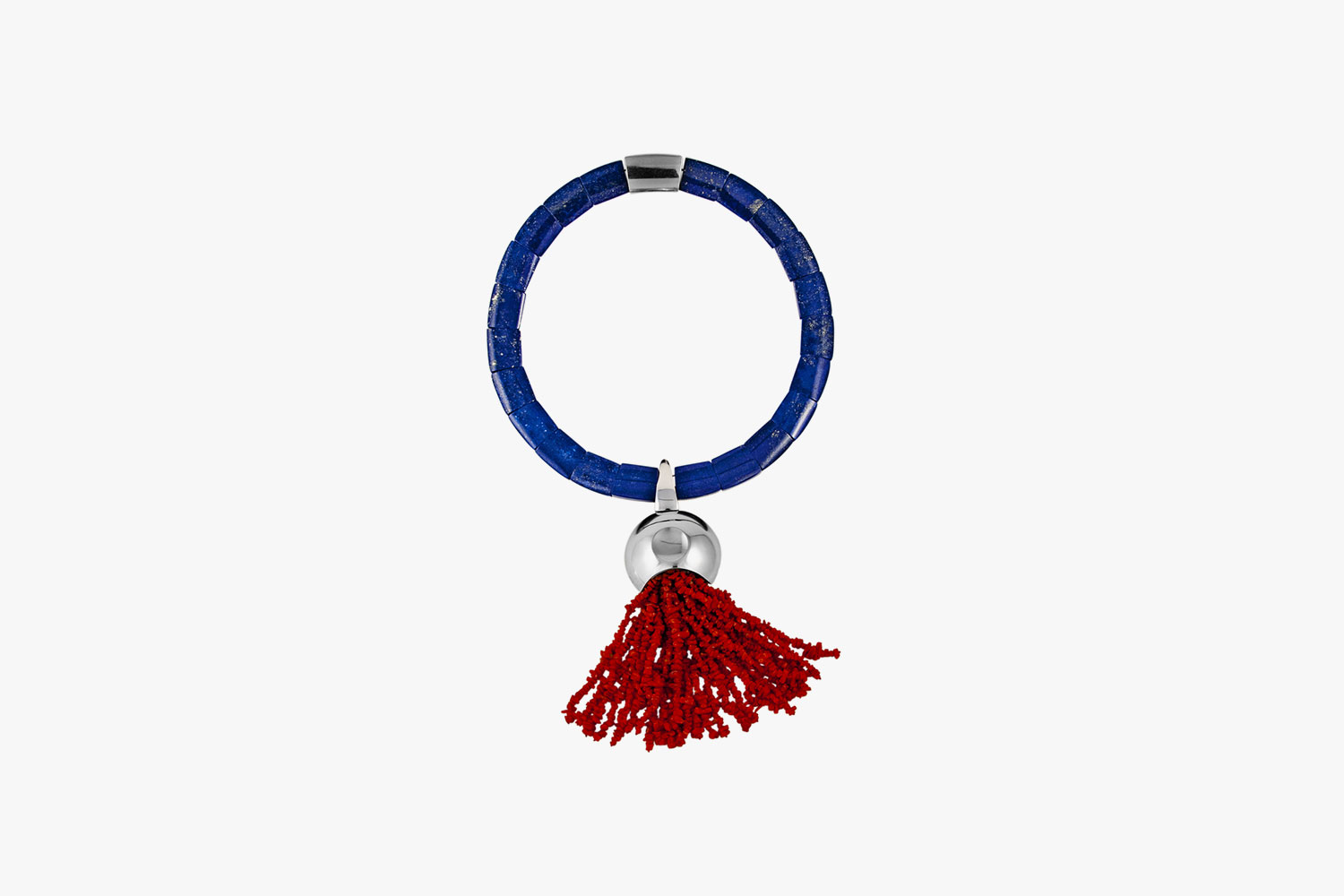
As a child, silversmith Sebastian Schildt attended a Waldorf school in Stockholm where he was encouraged to explore many different types of craft, including forging. After graduating, he approached the acclaimed Swedish silversmith Jan Brunk and became his apprentice. Today, he’s running one of the most productive silver and gold studios in Sweden, as well as a gallery and shop in central Stockholm, where he exhibits his own craft and jewellery as well as the work of others. The silver jugs with their dynamic, sometimes dramatic, shapes have become his signature. Sebastian is interested in exploring the line between art and craft and asks why the former is often given a higher status.

INTERVIEW
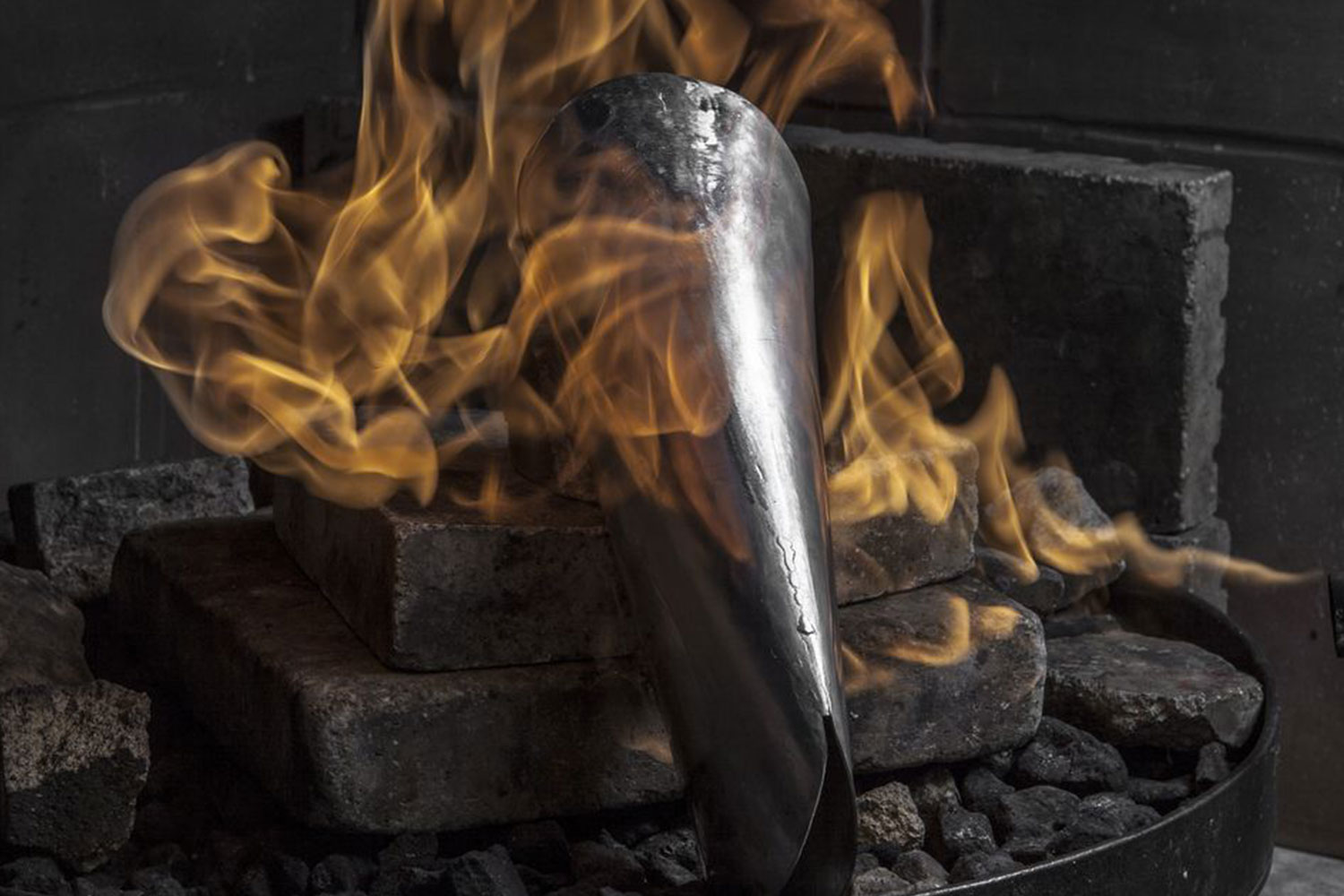
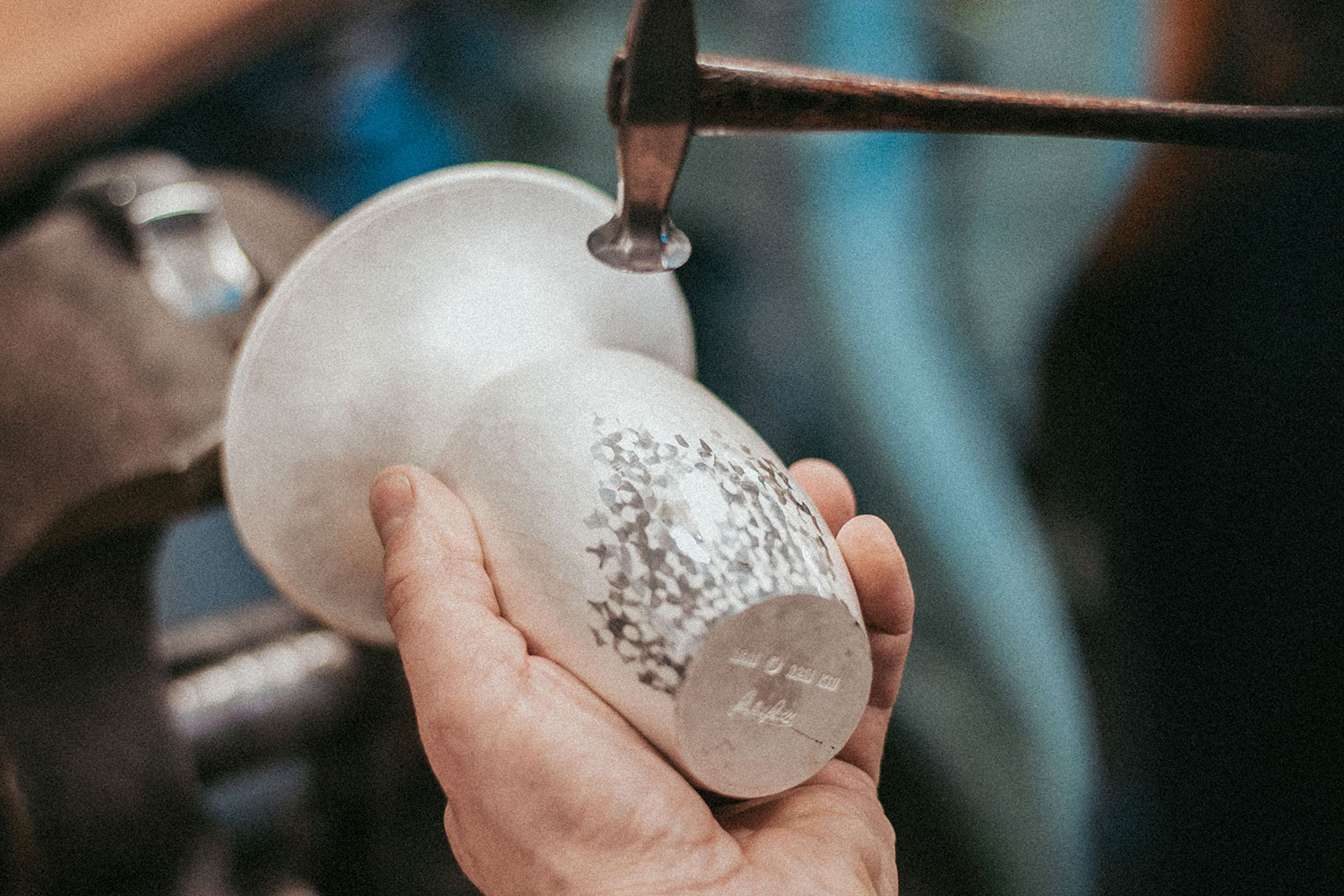
As a silversmith, you’re expected to create a coffeepot as a kind of master test. But nobody uses a coffeepot today and I’m not that interested in creating objects that are merely decorative. Therefore, I took an interest in jugs and became fascinated by a sense of movement in the object.
It was a way to explore the difference between art and craft. Only the tax authorities know where to draw the line. One of my silver jugs would be considered craft, until I shoot a hole in it and make it unusable, then it’s suddenly art. What if I fill it with concrete, would that make it a sculpture?
Artists usually sell their work via galleries, which means they have a gallerist who can promote the work and motivate the price. In craft, almost all outlets are cooperatives and it’s often up to the craftsperson to sell their work. I wanted to do something to change that.
My new restaurant Oxenstiernan is, I guess, an entrepreneurial attempt to provide a platform to show contemporary craft. A gallery is quite a traditional place to look at and to buy art and I asked myself if it could be done in a new way where I could communicate with the audience on several levels.
Sebastian Schildt
Silversmith
Stockholm, Sweden
AVAILABILITY
Monday to Friday 12:00-18:00; Saturday 12:00-16:00
PHONE
+46 706263836
LANGUAGES
Swedish, English
Homo Faber Finds is a new service aiming to inspire admirers of craft to connect and collaborate with exceptional artisans.
We invite you to submit an enquiry here.