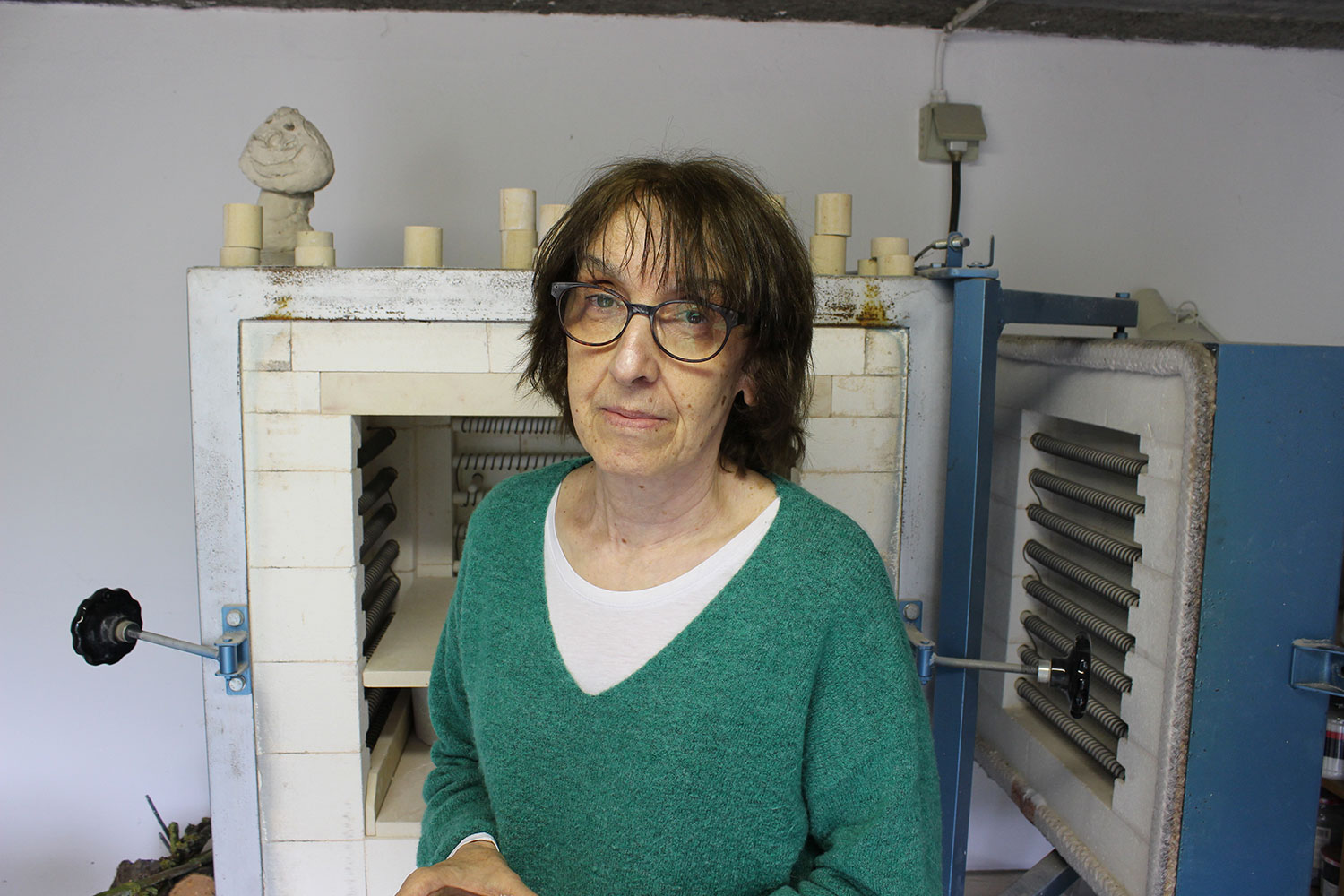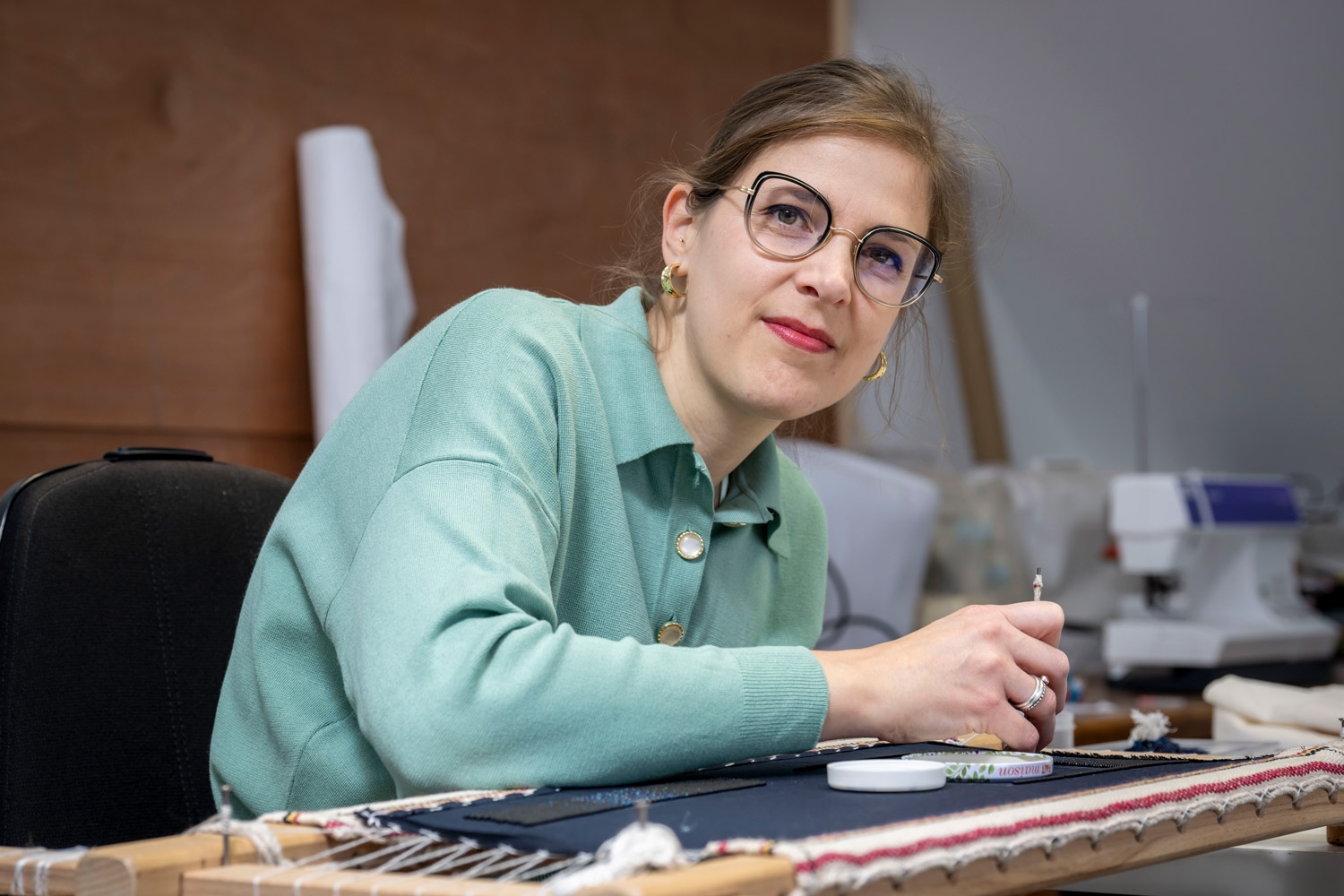
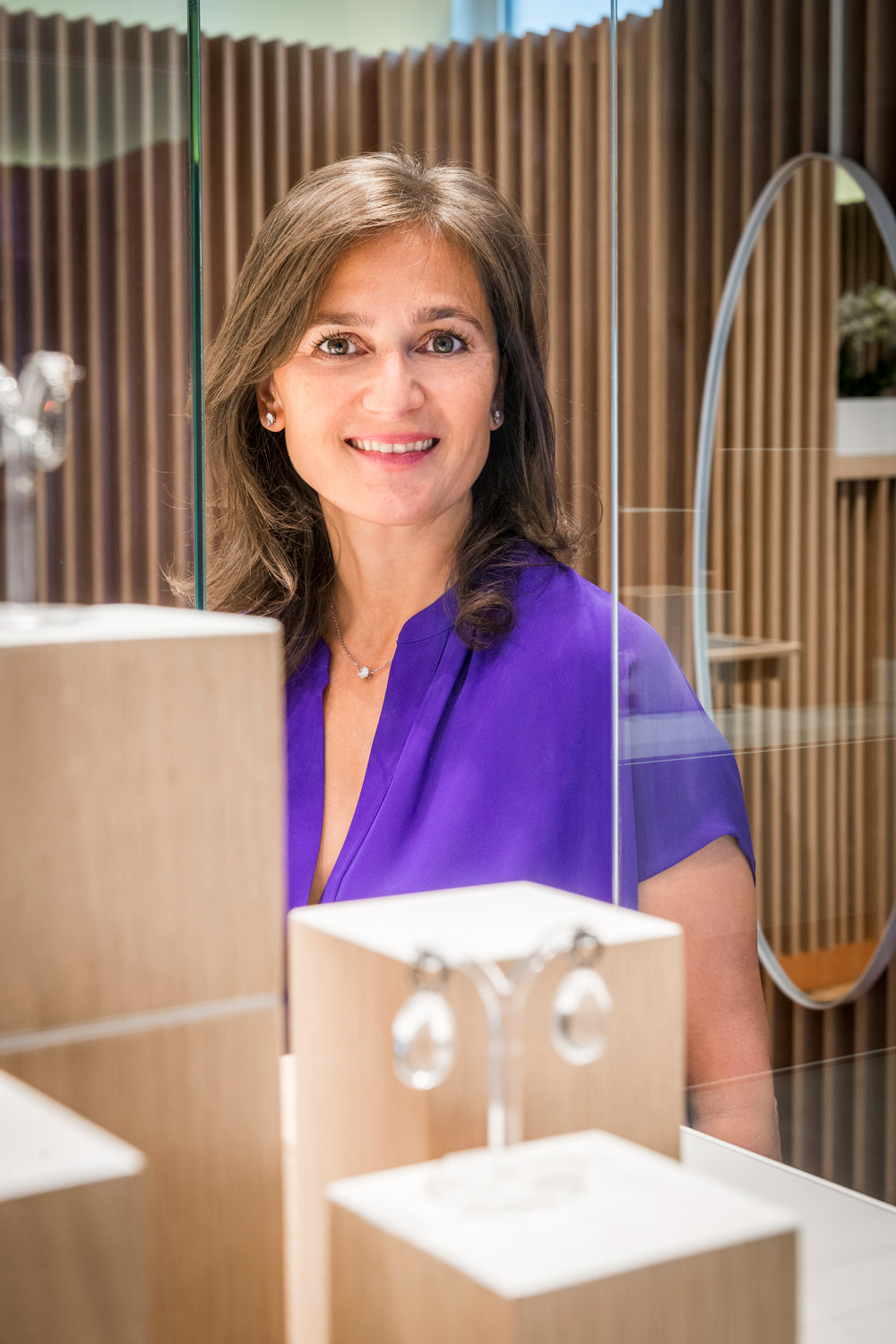
Salima Thakker
Jewellery maker
Wuustwezel, Belgium
Recommended by Flanders District of Creativity
Translating human connections
- Salima sees technique as an alphabet
- She refuses to set herself any form of boundary
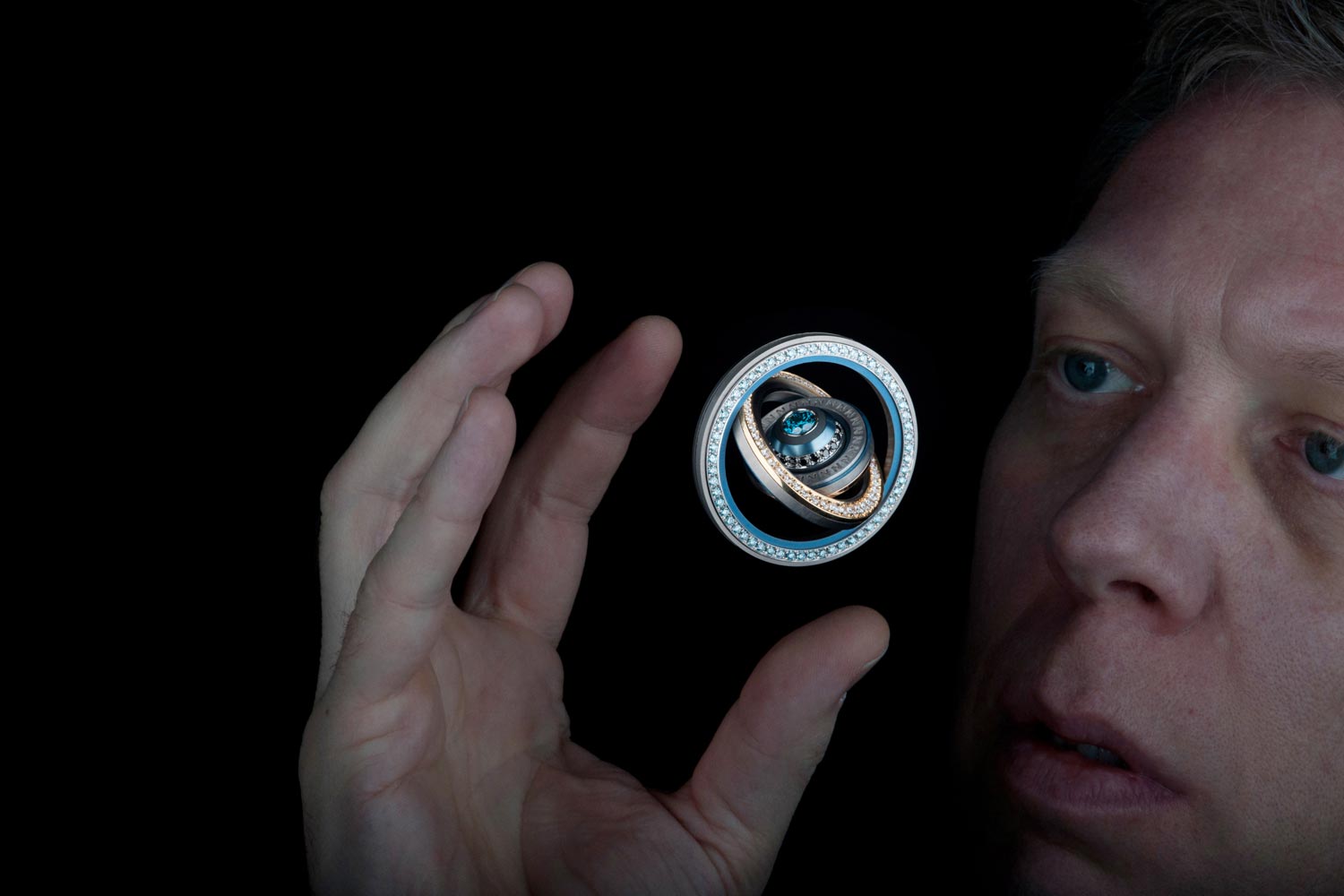
- Her creations seek to amaze and surprise
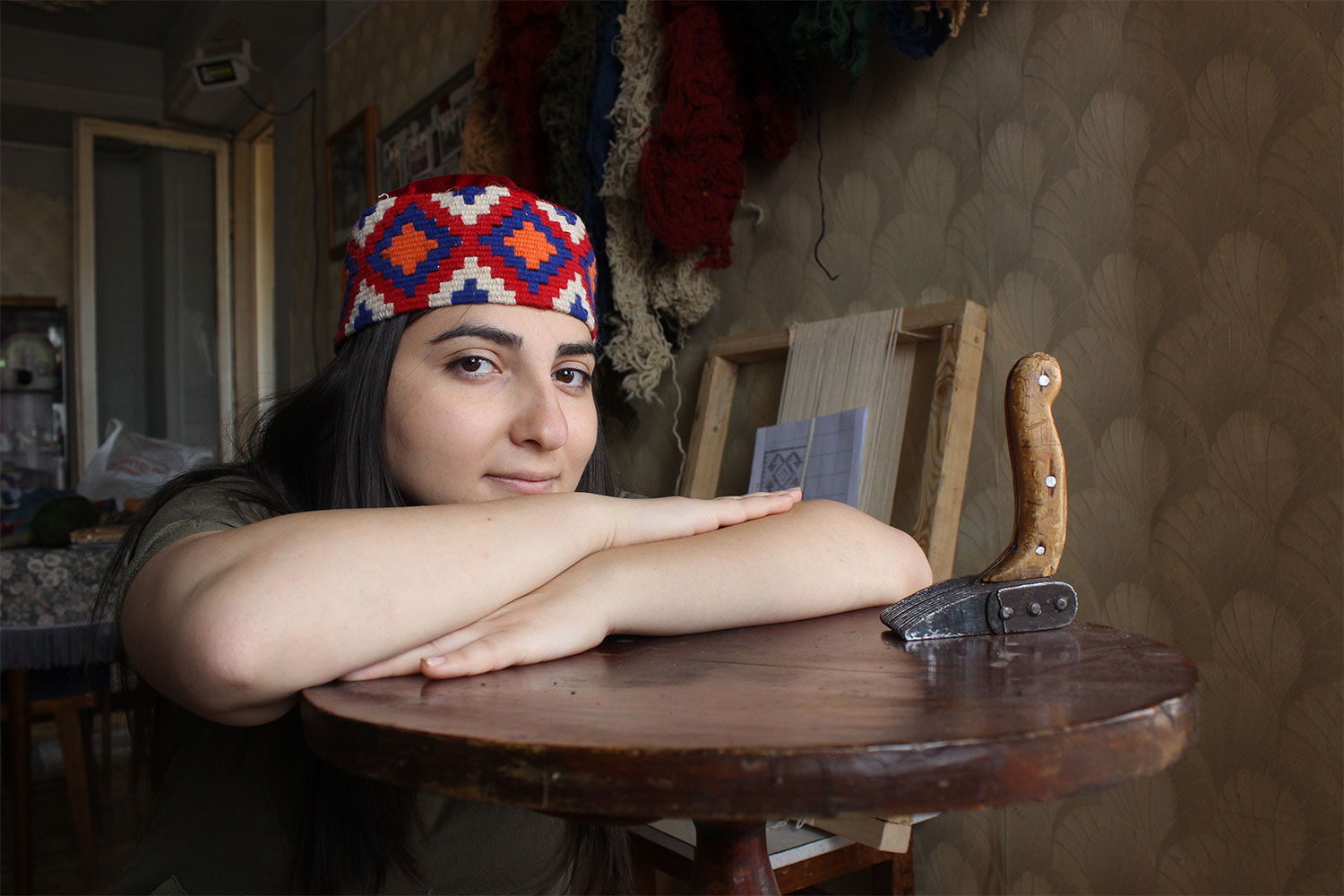
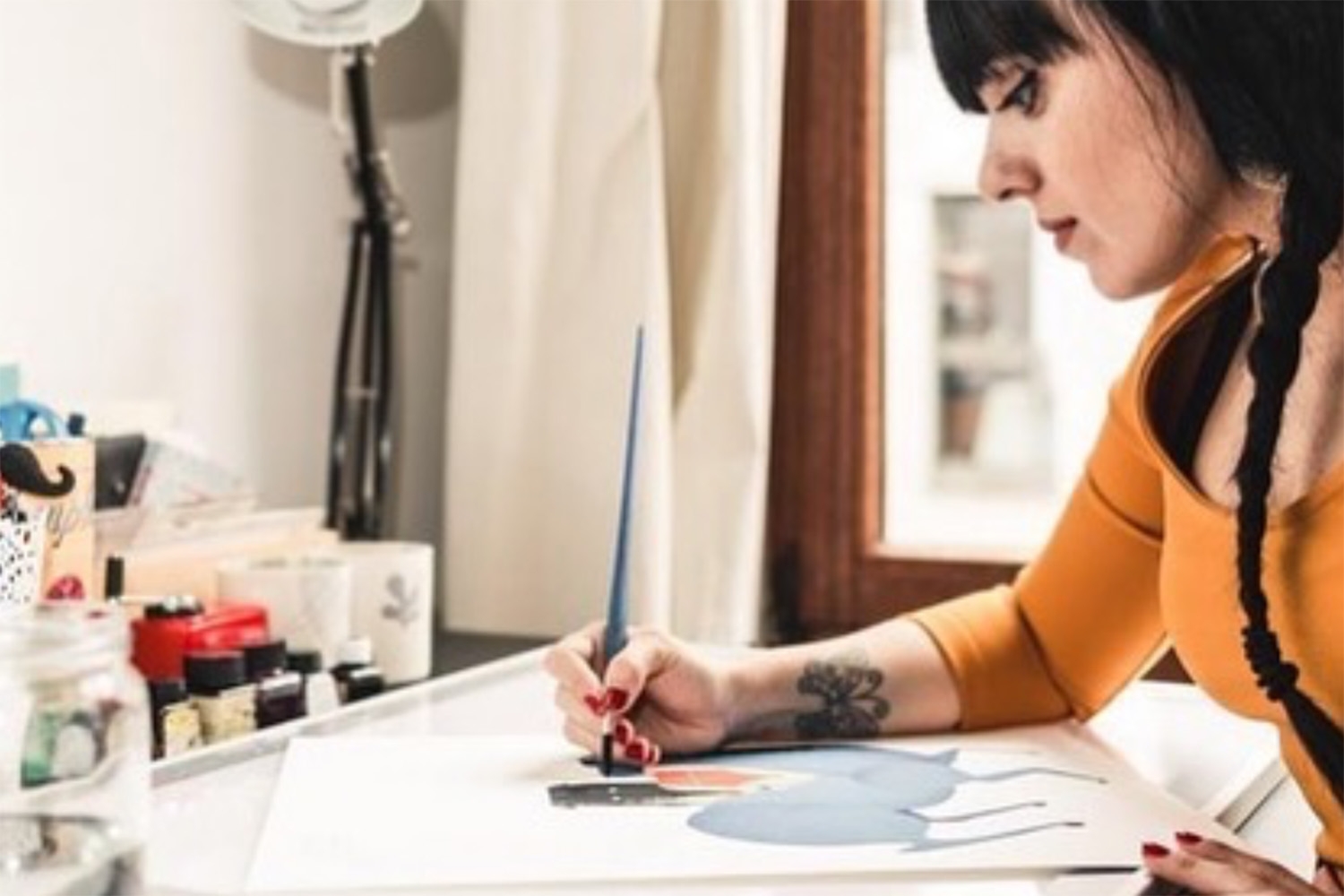
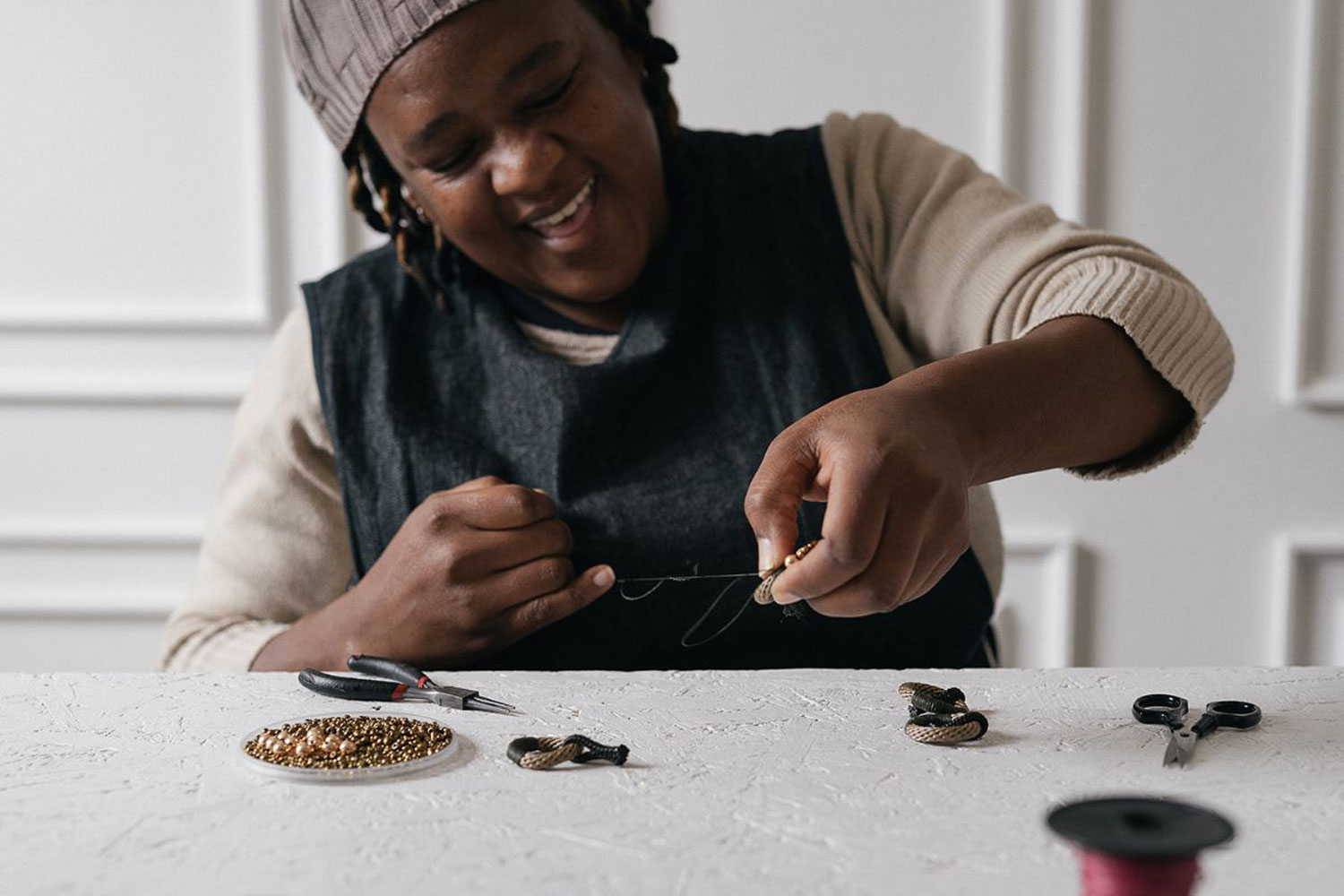
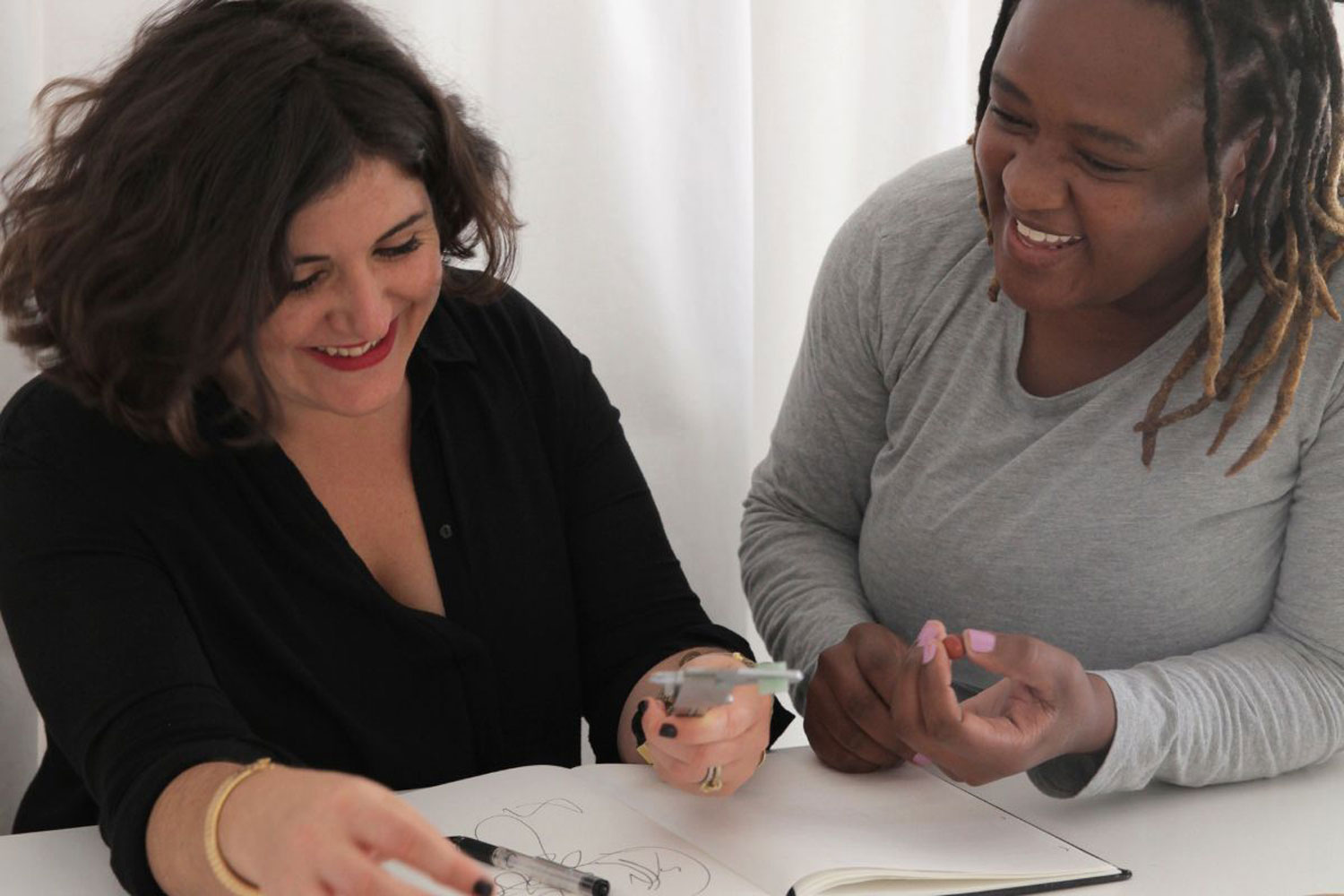
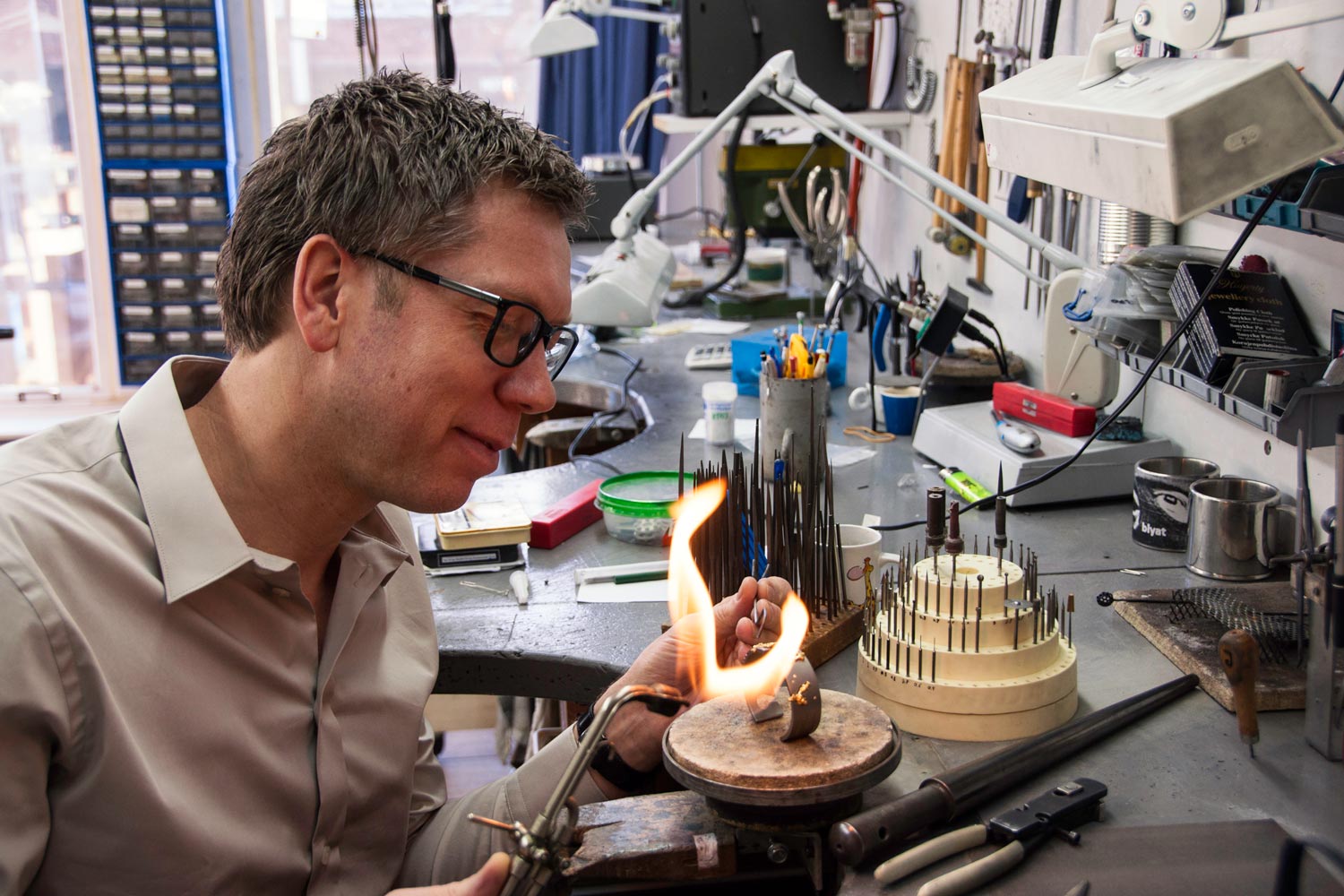
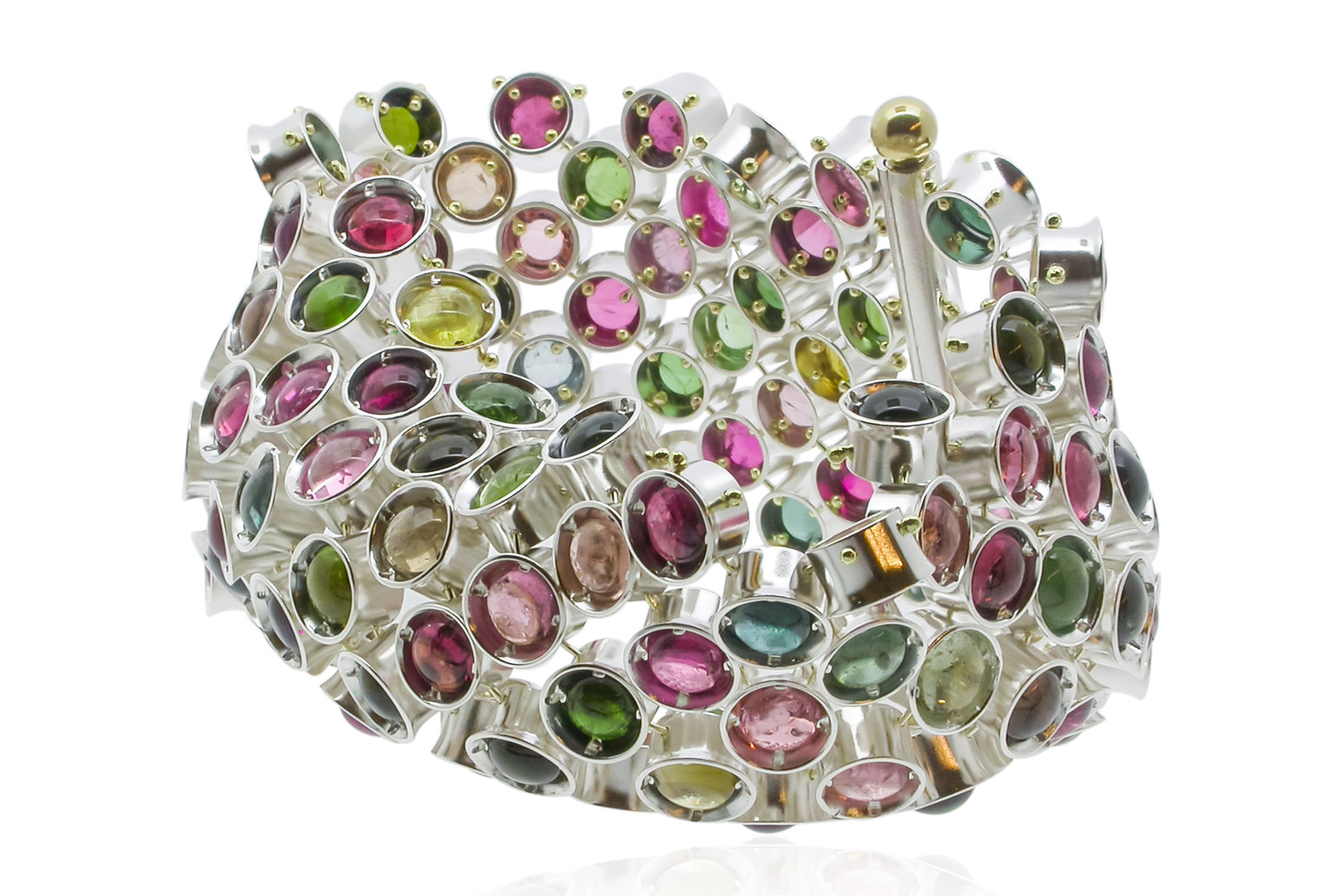
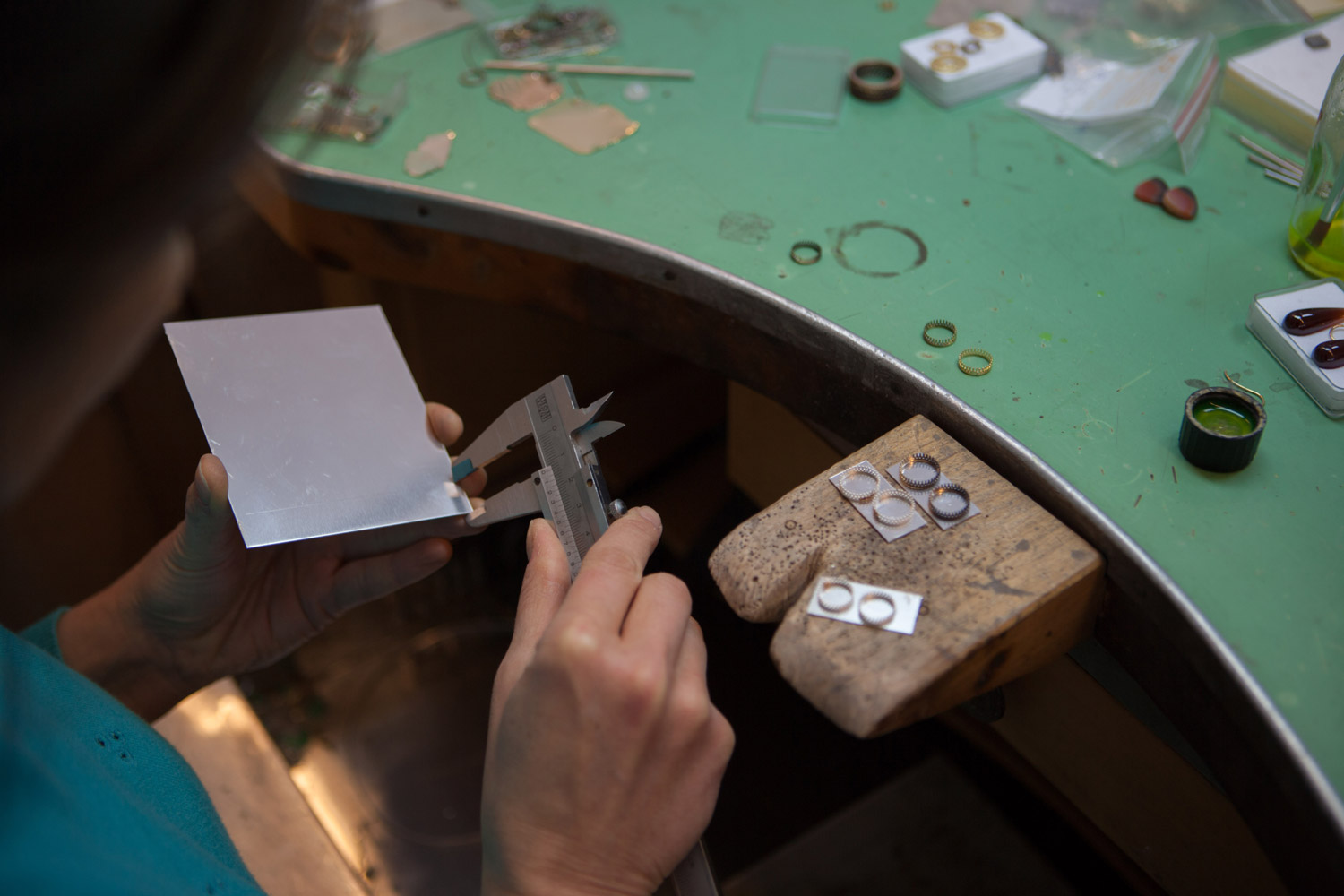
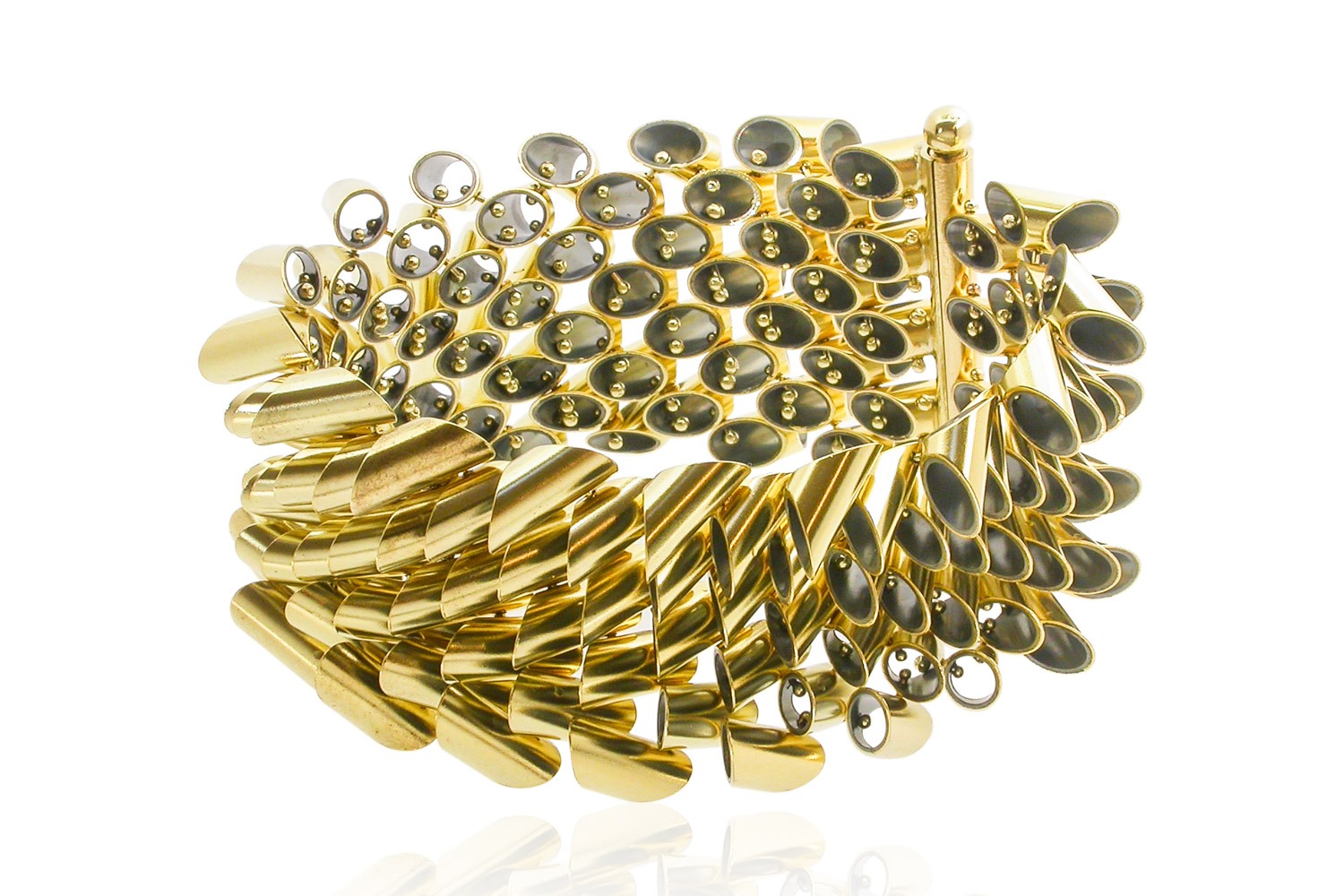
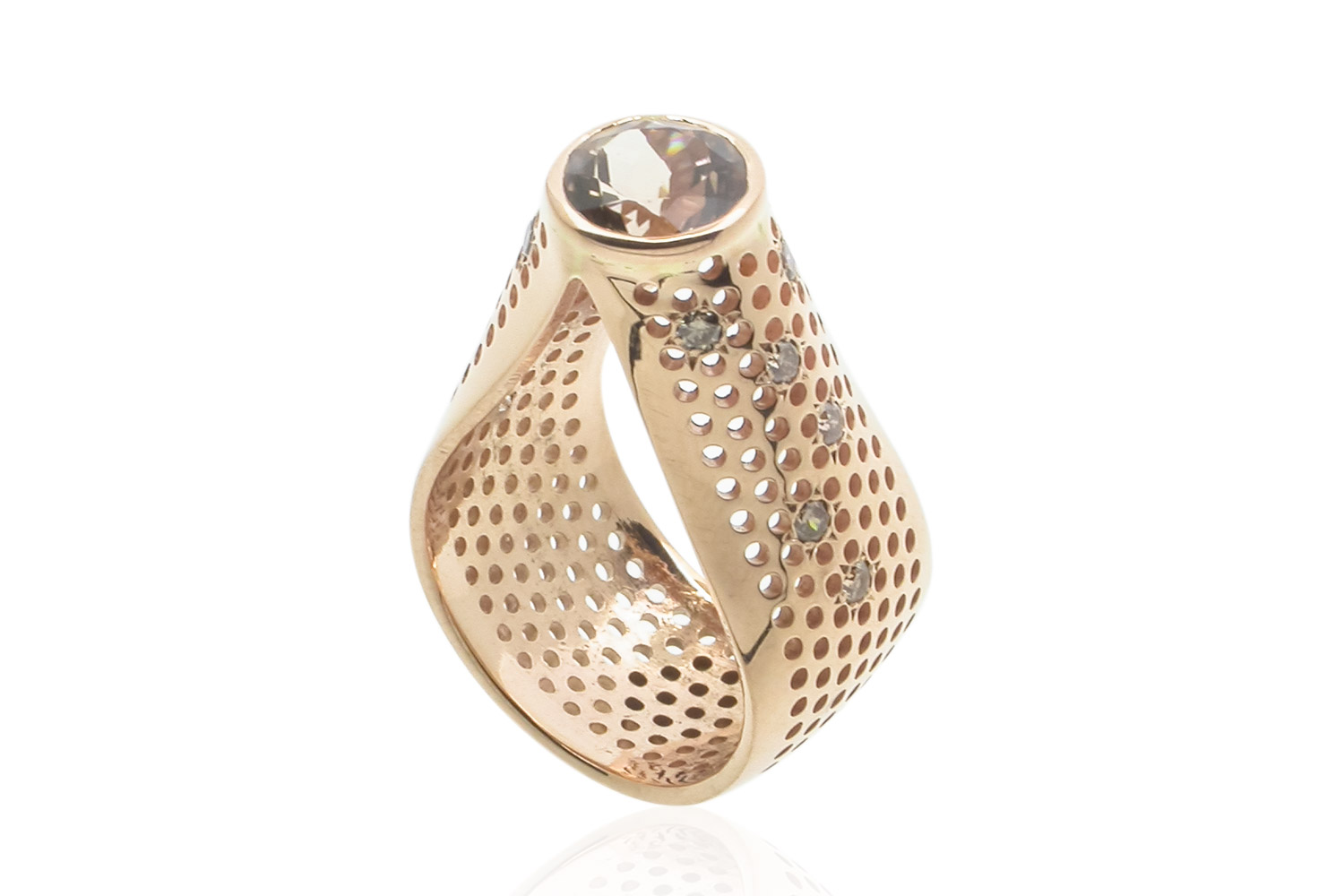
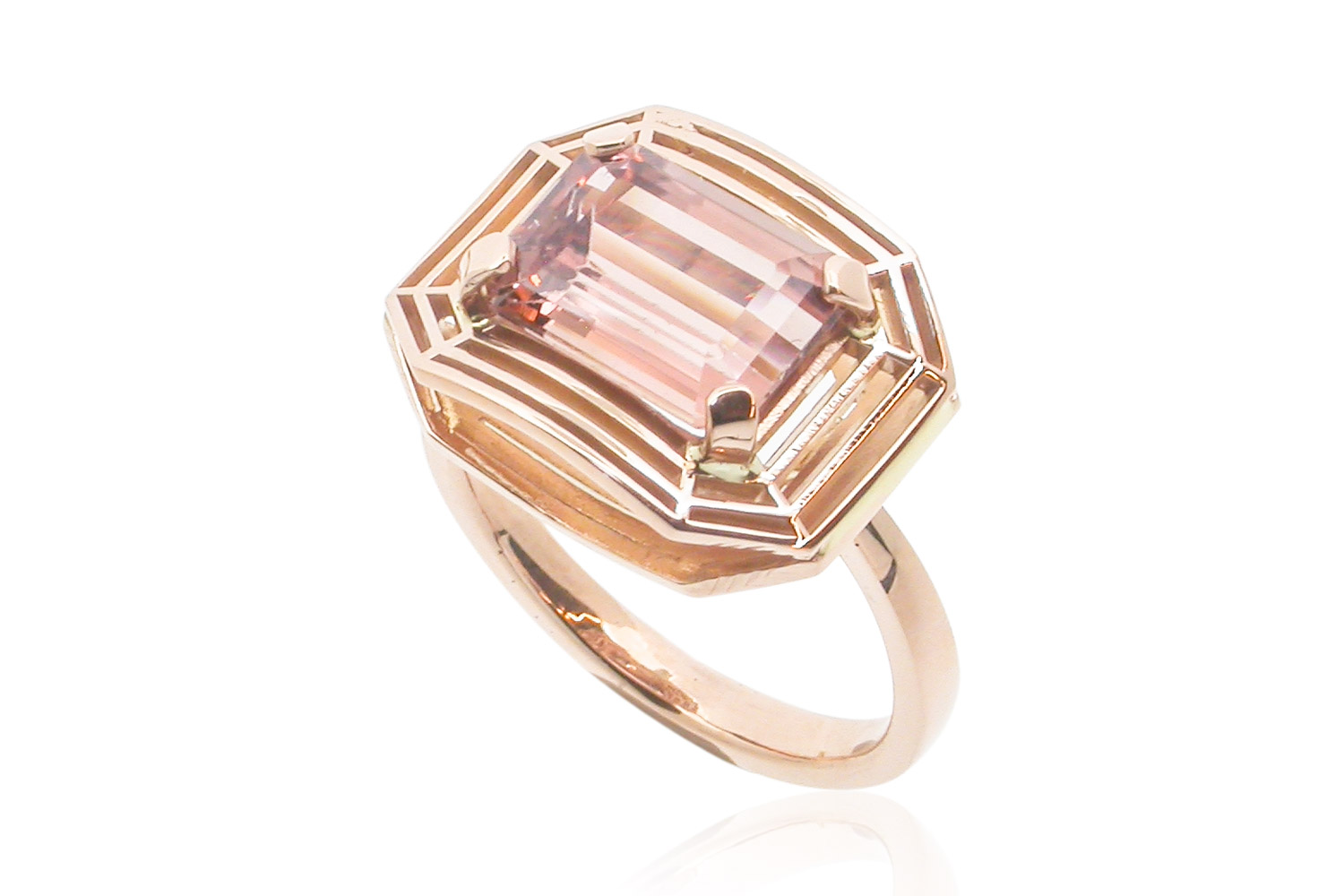
Coming from a background that is half Indian, Salima Thakker was introduced to the adornment from a very early age. Attending art school at the weekends aged 16, she soon understood that she wanted to do something where she could not only design but also create and craft her own ideas. While a student at the Royal Academy of Antwerp, she met her teacher Sofie Lachaert. “While I was working at her gallery, I encountered various jewellery artists, which motivated me to open my own shop in 2001. But first I continued my training at the Royal College of Art in London and I did an apprenticeship in the Italian city Padua, where I had the honour to learn from the Italian masters Graziano Visintin and Francesco Pavan.”
INTERVIEW
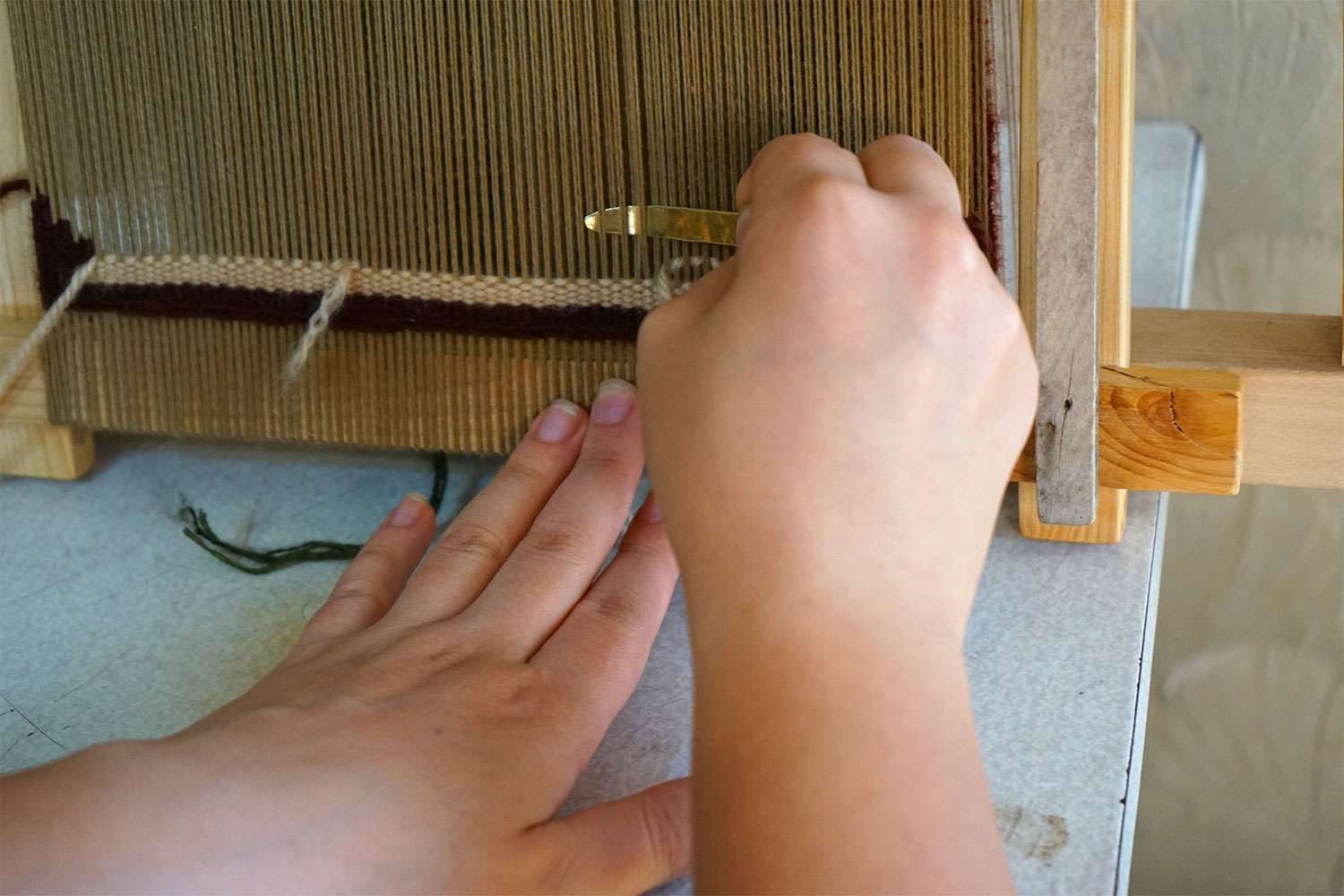
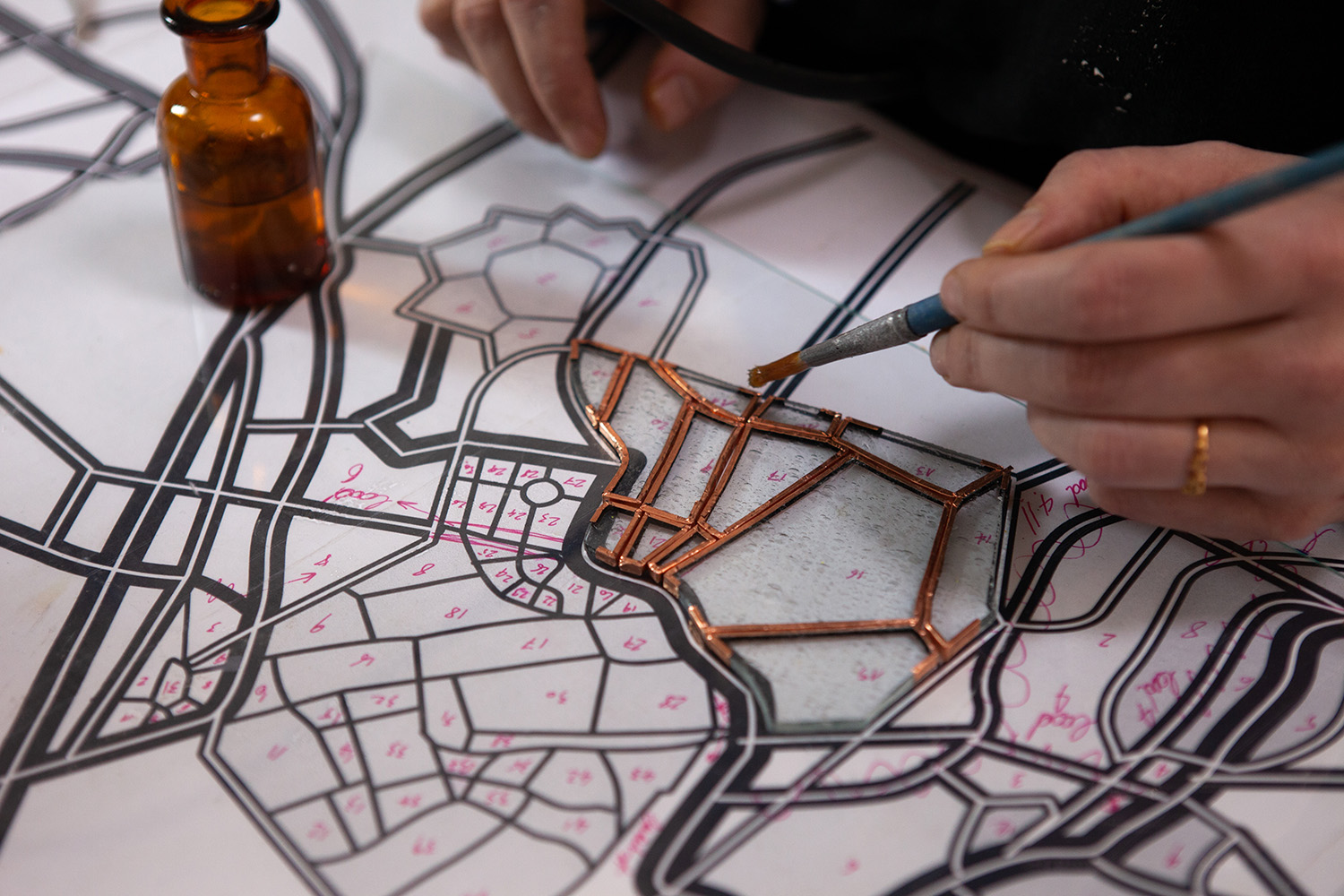
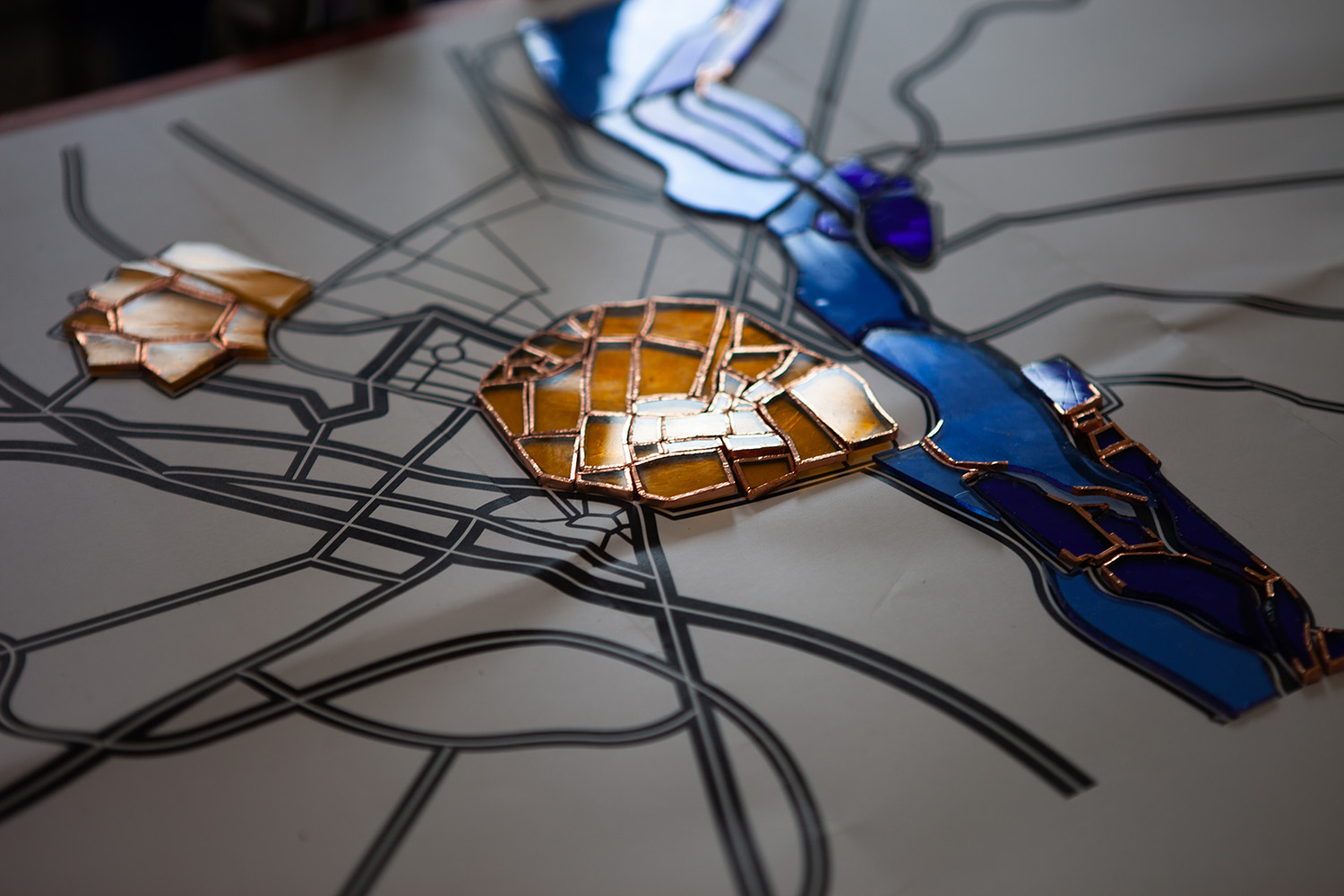
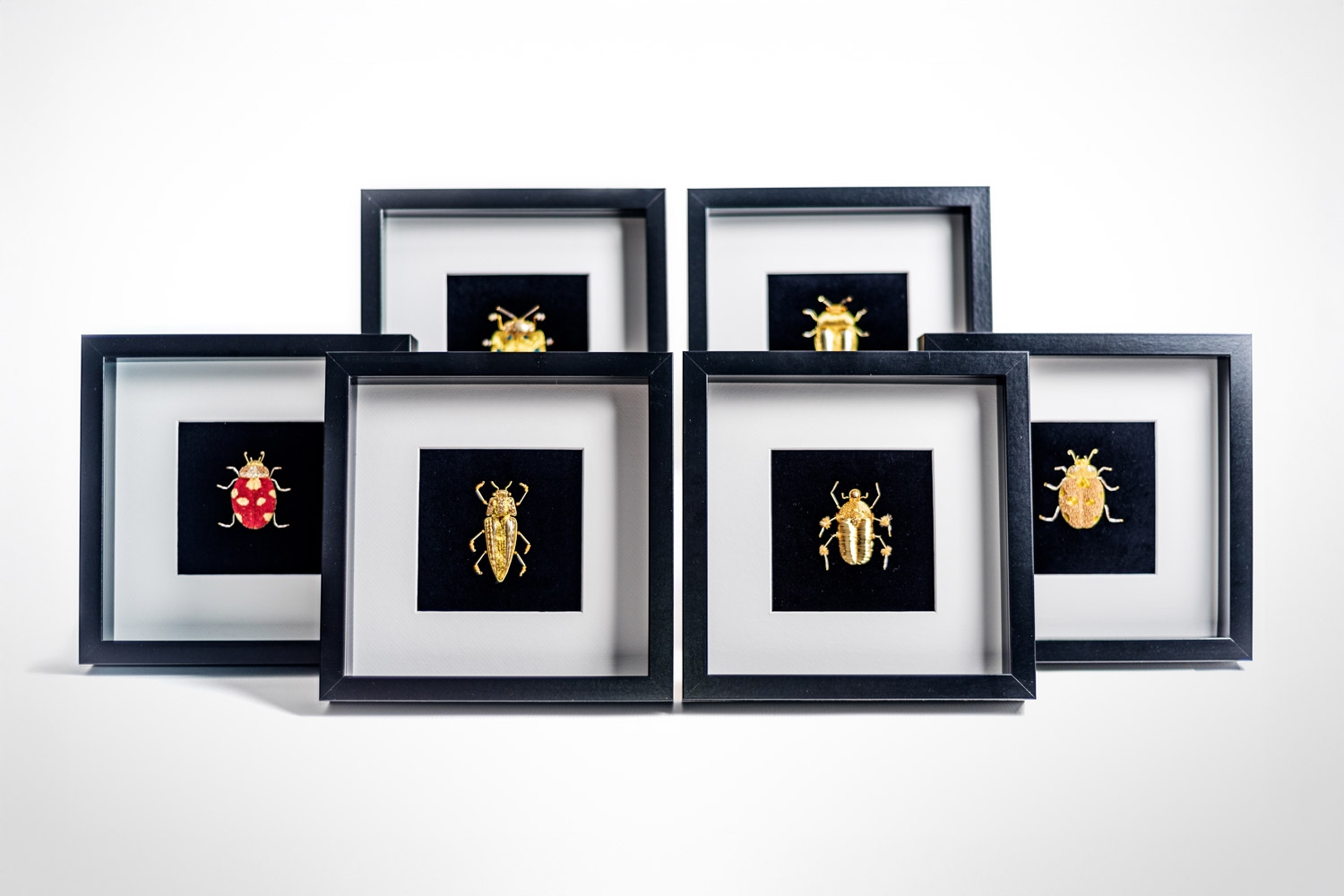
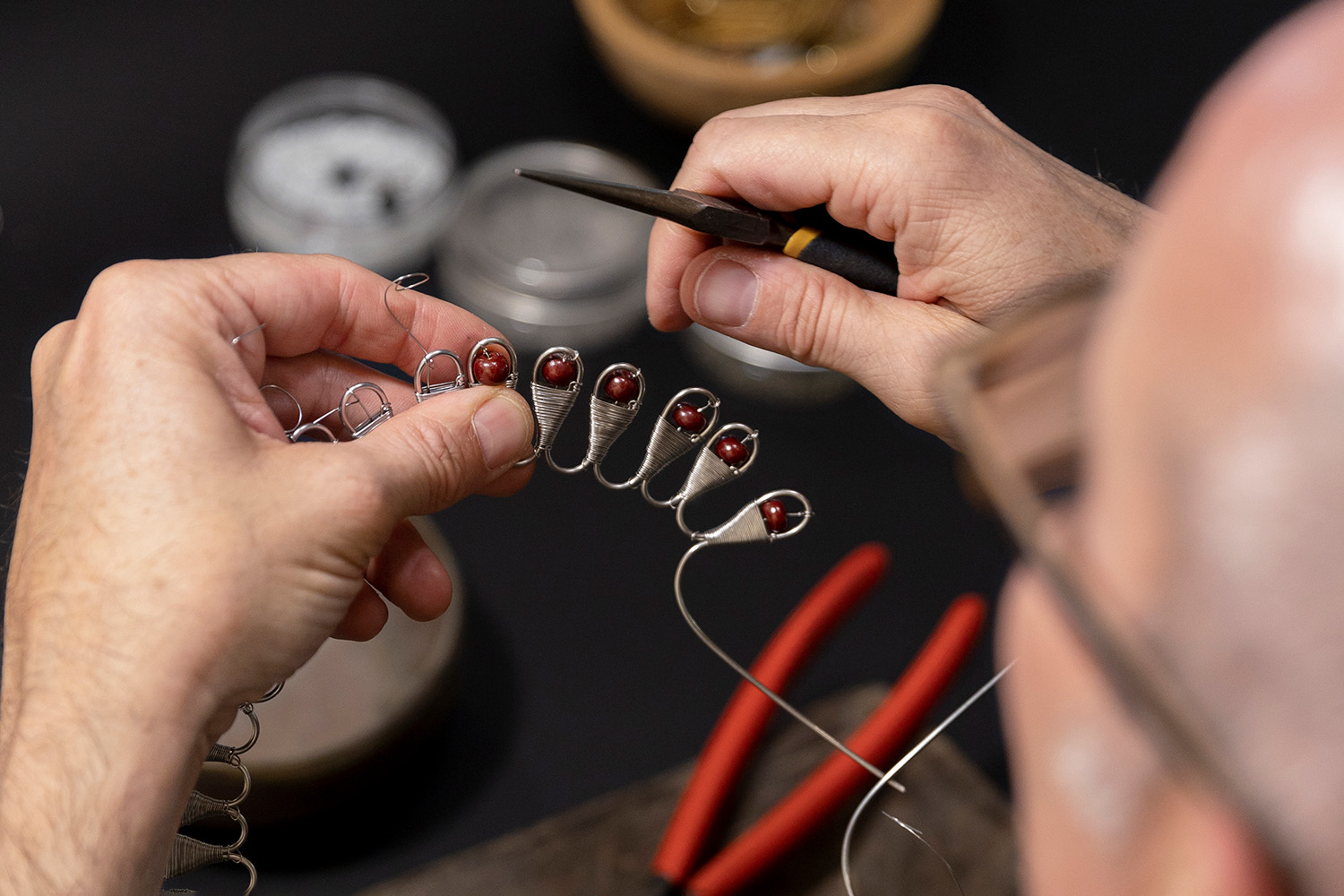
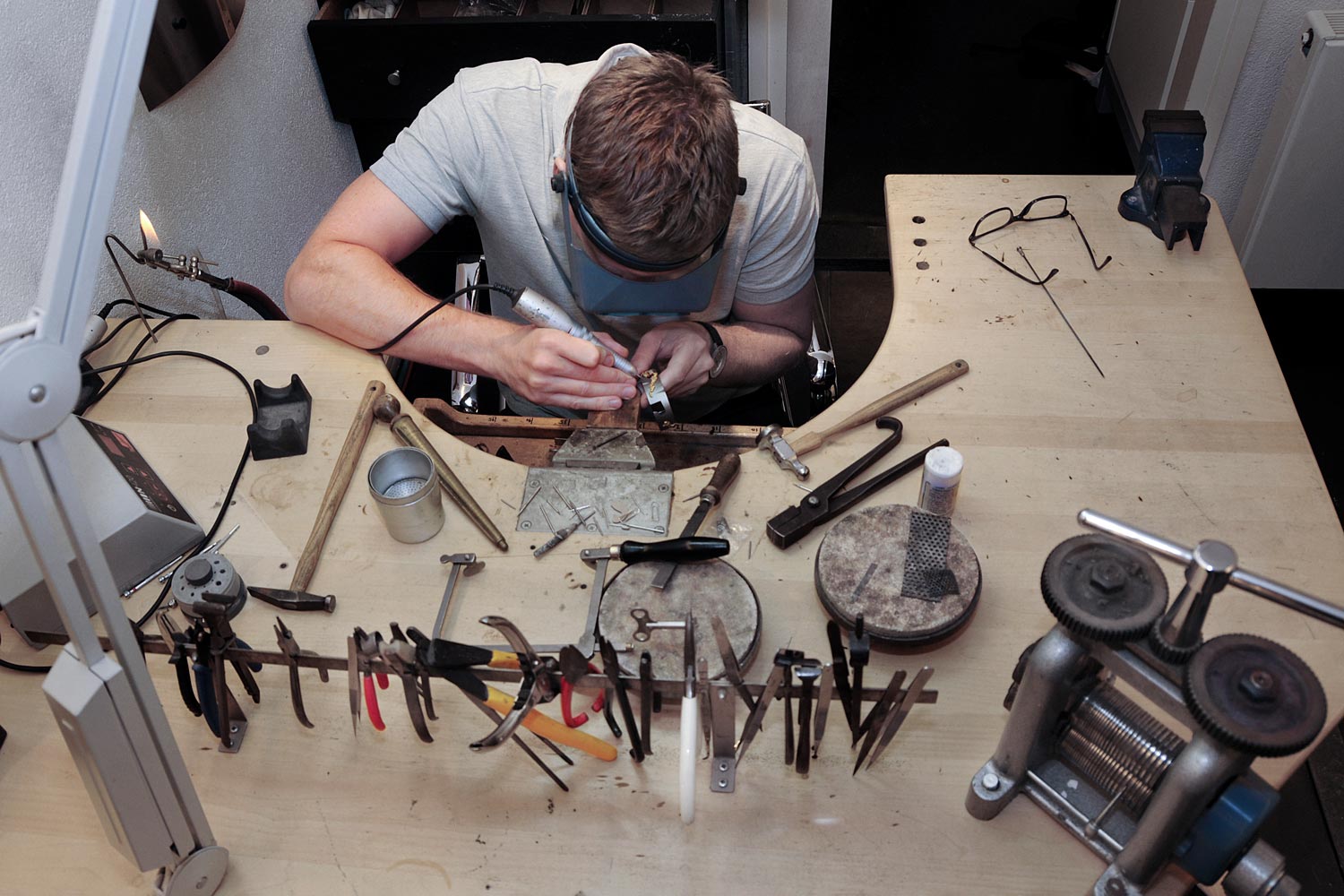
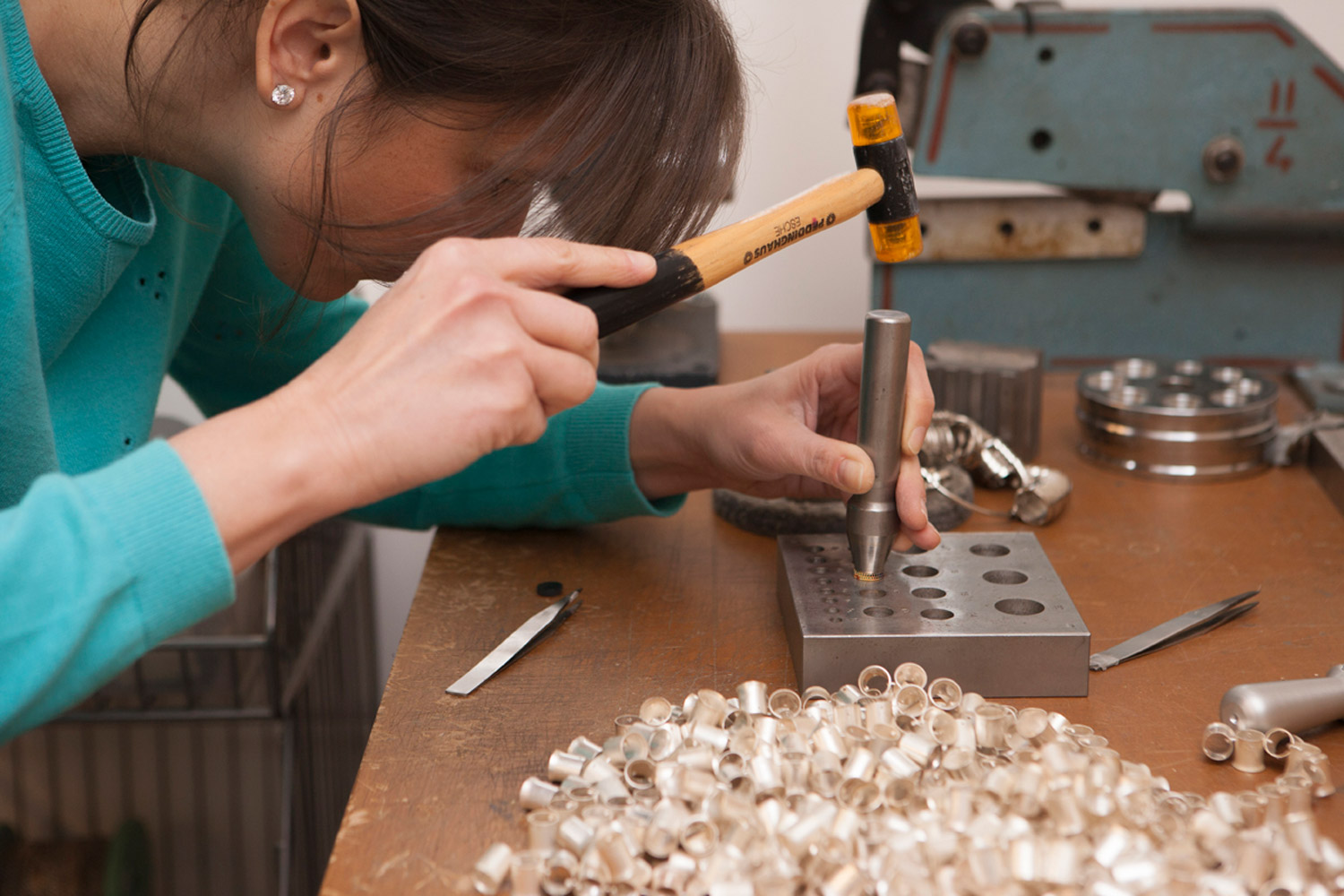
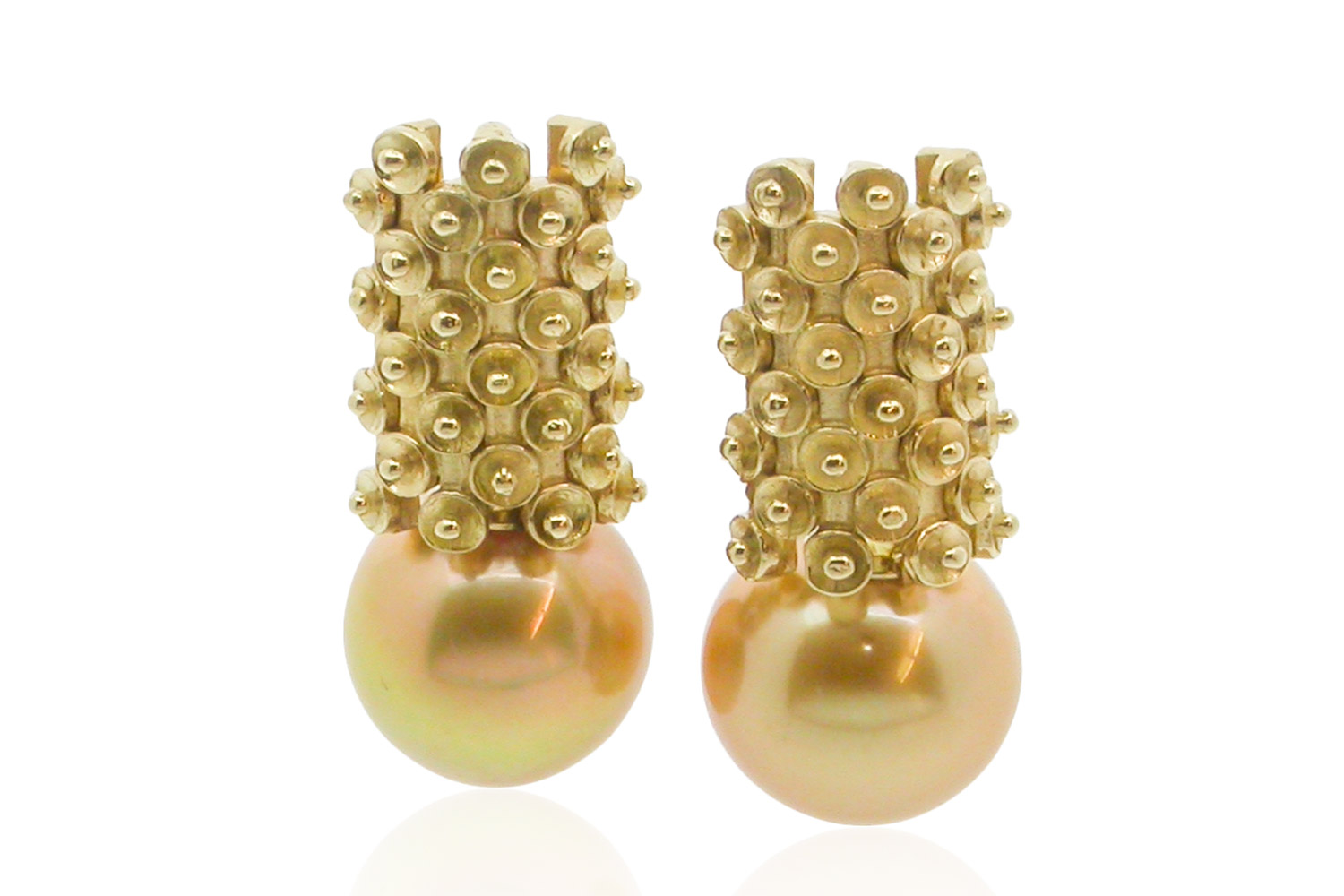
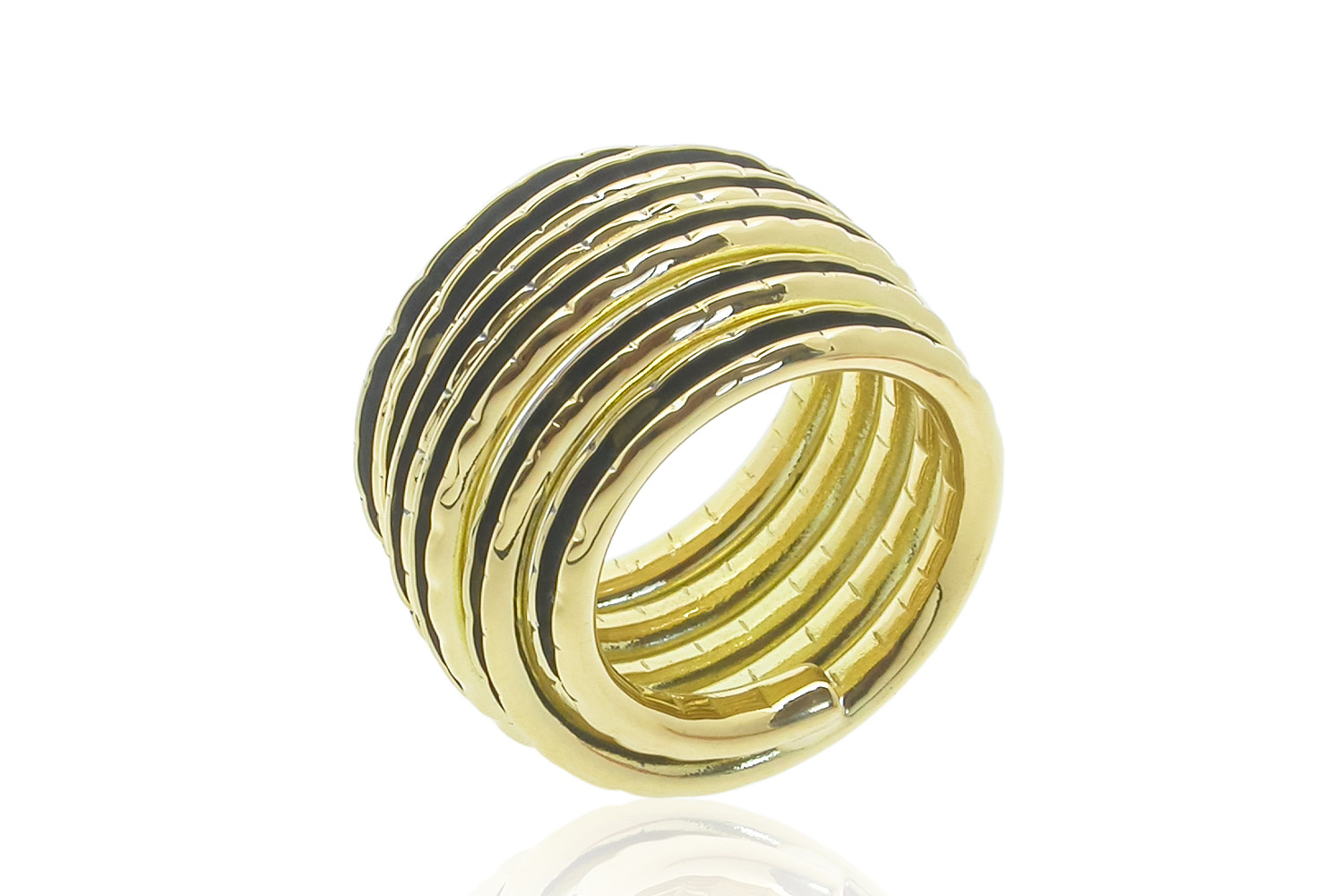
Tradition is expressed by using techniques that belong to the craft, such as inlay work and all kinds of connections. Innovation comes naturally by interpreting this tradition in my own free yet determined way. The technique is like an alphabet that enables me to write my own language.
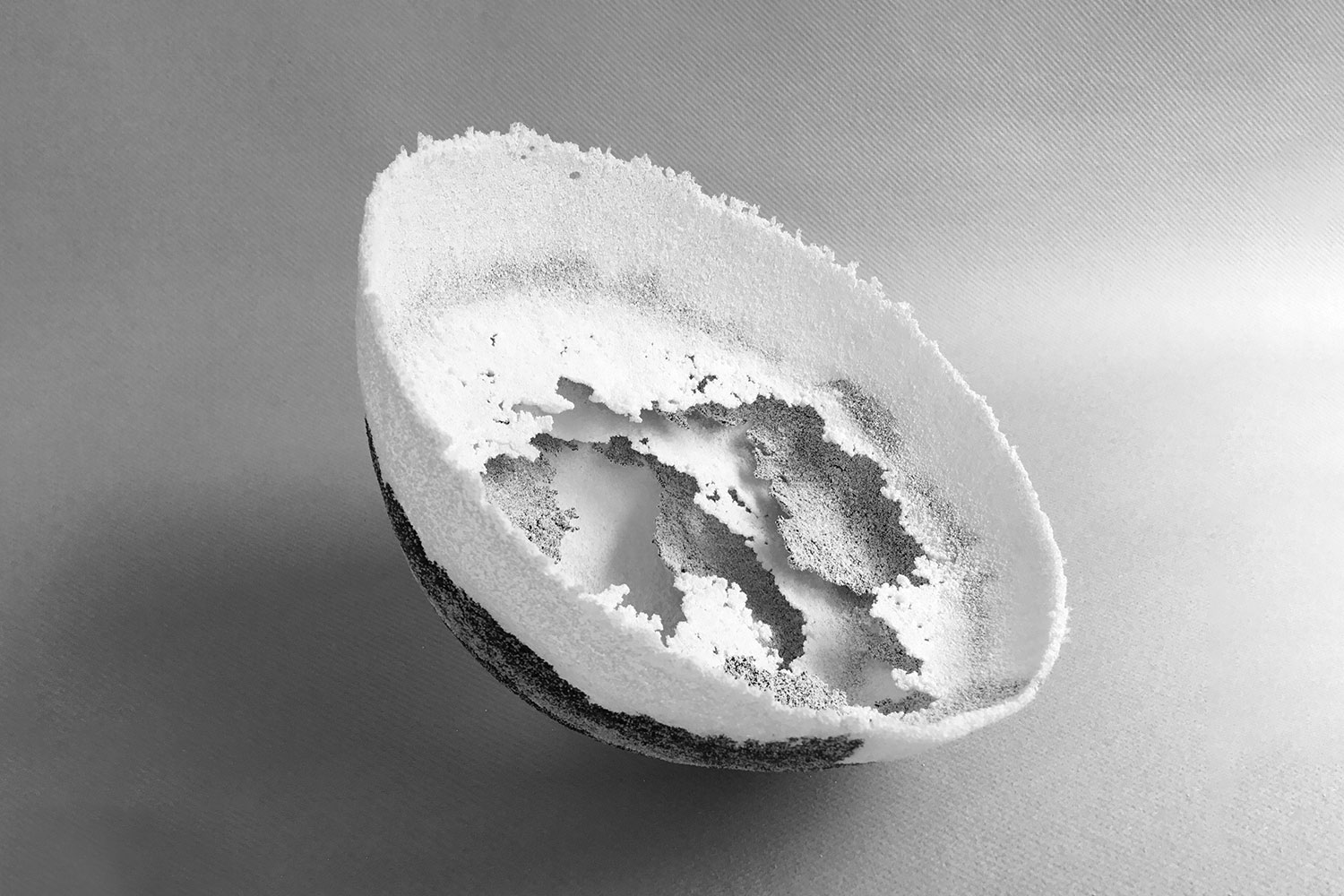
I refuse to set myself any form of boundary. This enables me to come across unexpected results, and to remain excited and surprised. This has led to a varied body of work which surprises people.
It’s all about the human connections, which are built on a social and sentimental level, and their translation into a wearable piece. A beautiful example is the story of a mother who came to collect her bespoke piece, which her three children ordered.
Yes, although I do believe our craft will undergo many transformations over time. As long as it continues to be used in an honest way to visualise a person’s idea or emotion, it will never be in danger.
Salima Thakker
Jewellery maker
Wuustwezel, Belgium
Recommended by Flanders District of Creativity
AVAILABILITY
By appointment only
PHONE
+32 476423995
LANGUAGES
Dutch, French, English
Homo Faber Finds is a new service aiming to inspire admirers of craft to connect and collaborate with exceptional artisans.
We invite you to submit an enquiry here.