Moses Kalembela
Engraver
Victoria Falls, Zimbabwe
Scrimshaw and more to celebrate Zimbabwe
- Moses is a multi-disciplinary artisan
- His father is a renowned master woodcarver
- He hosts workshops and lectures to share his craft
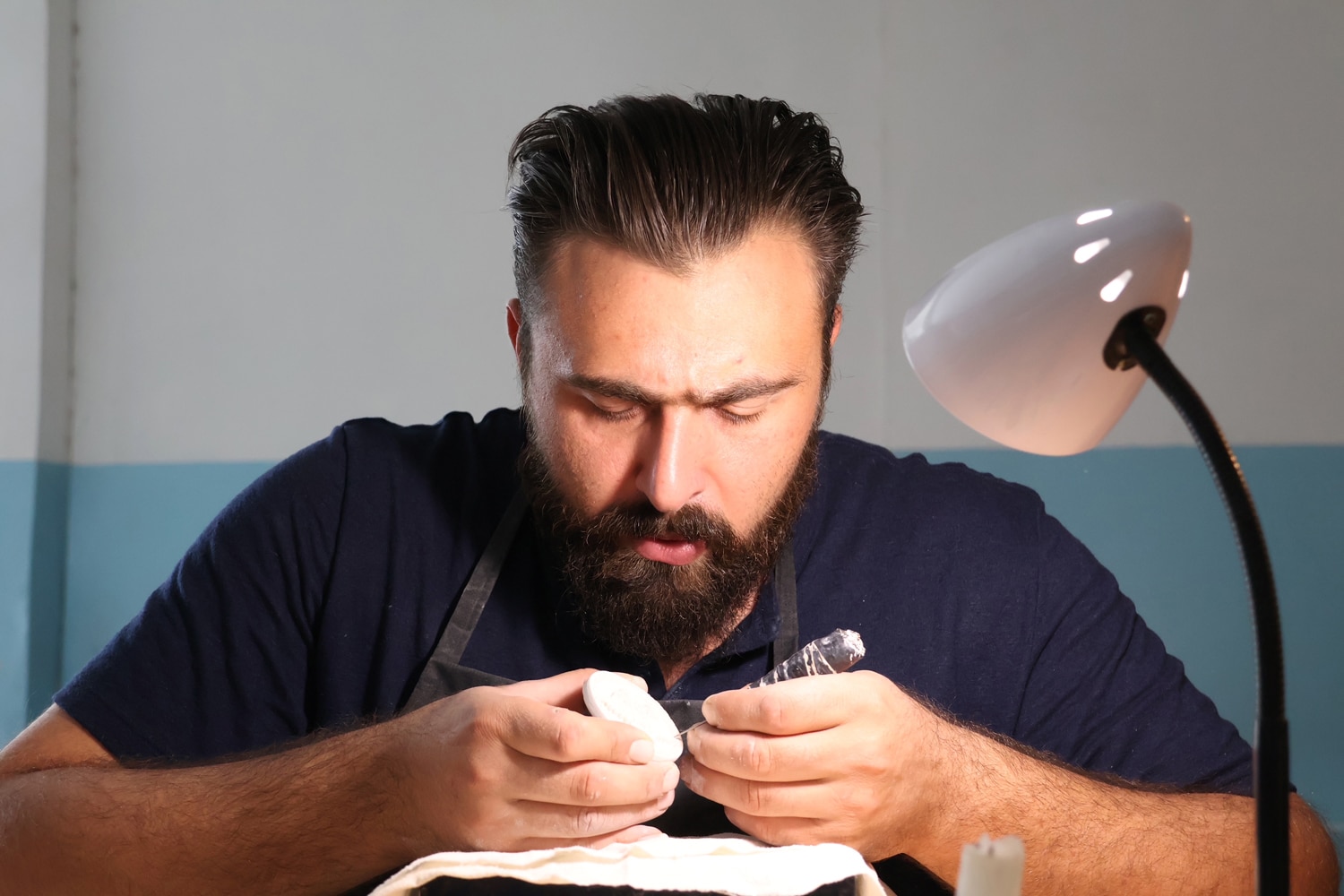
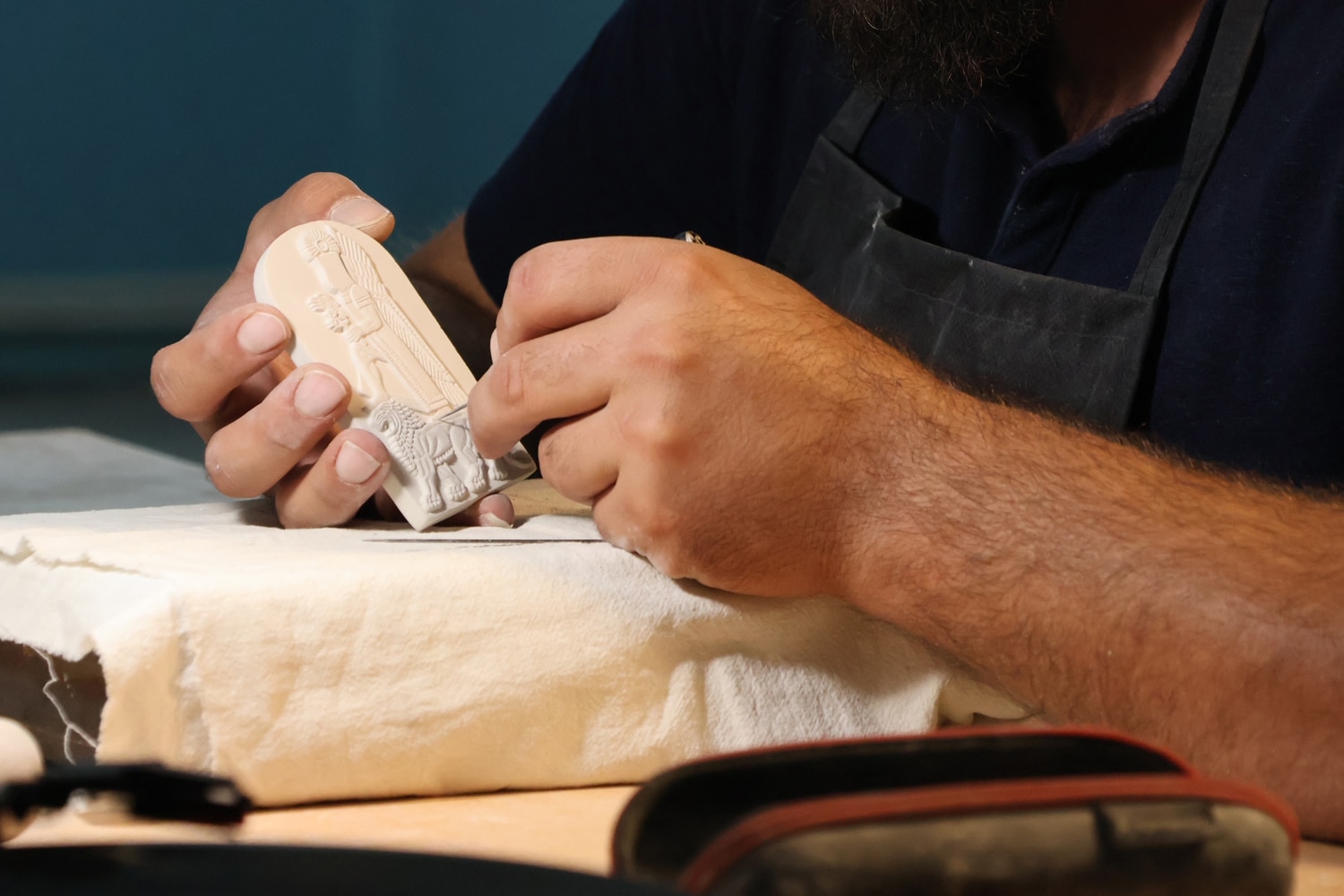
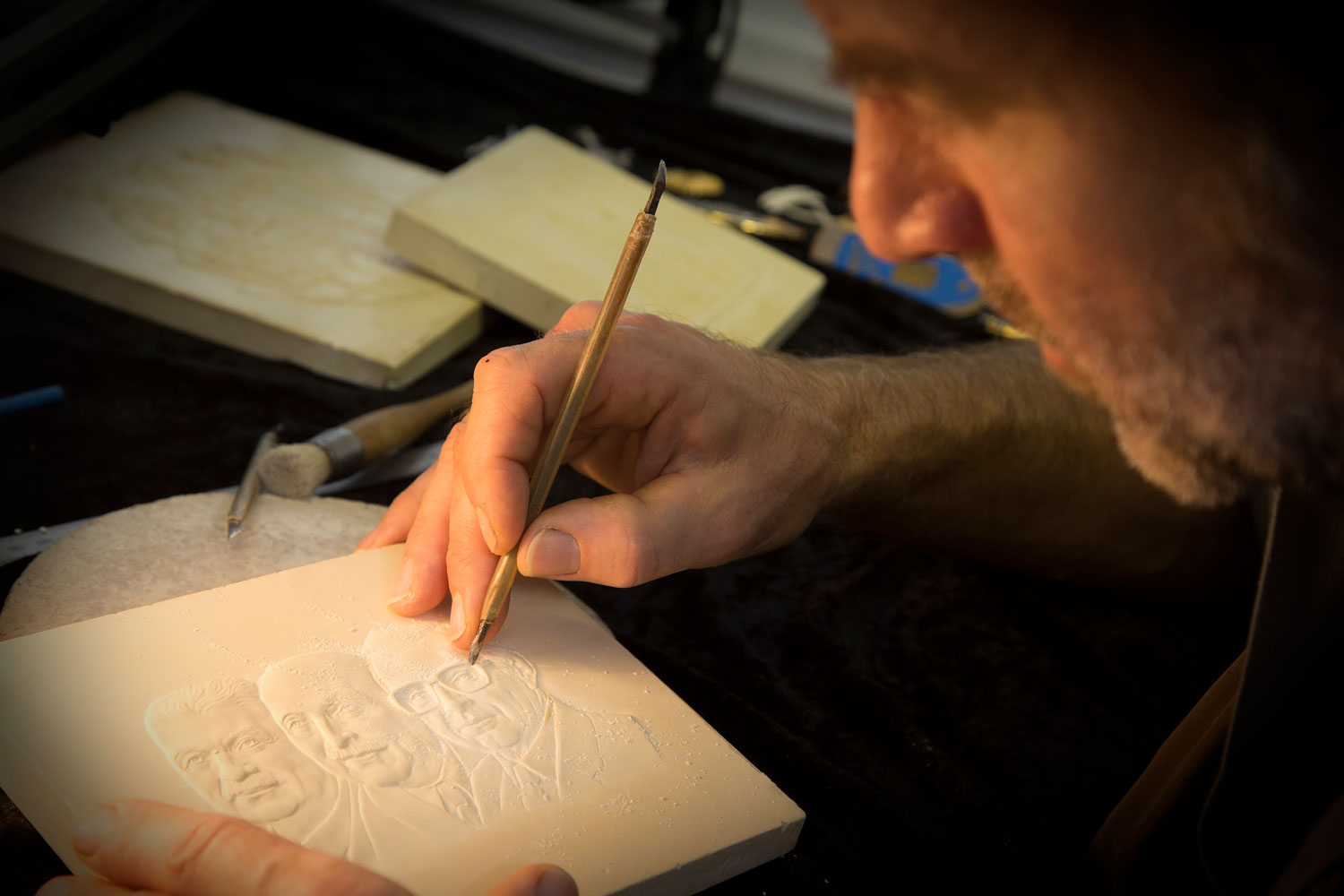
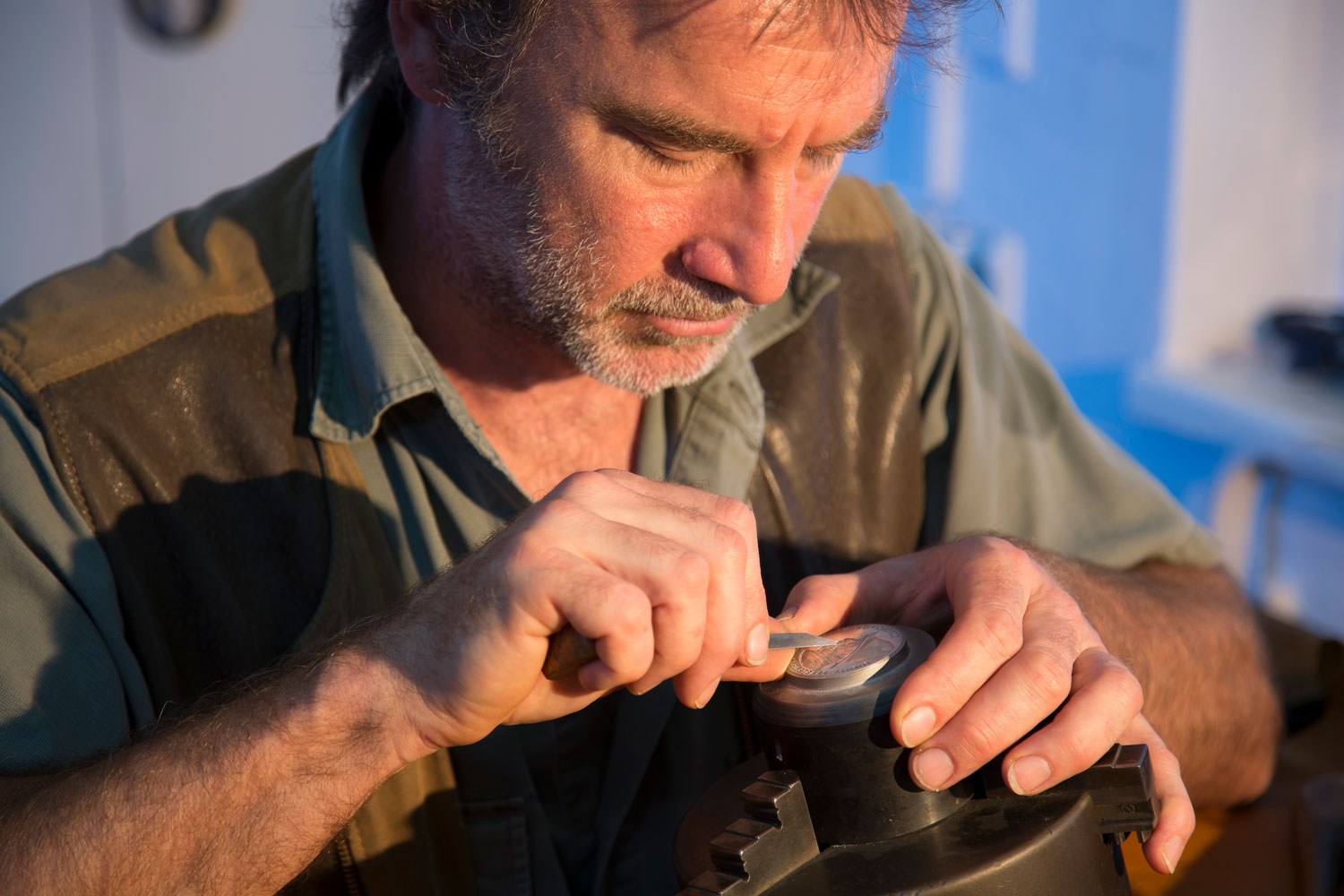
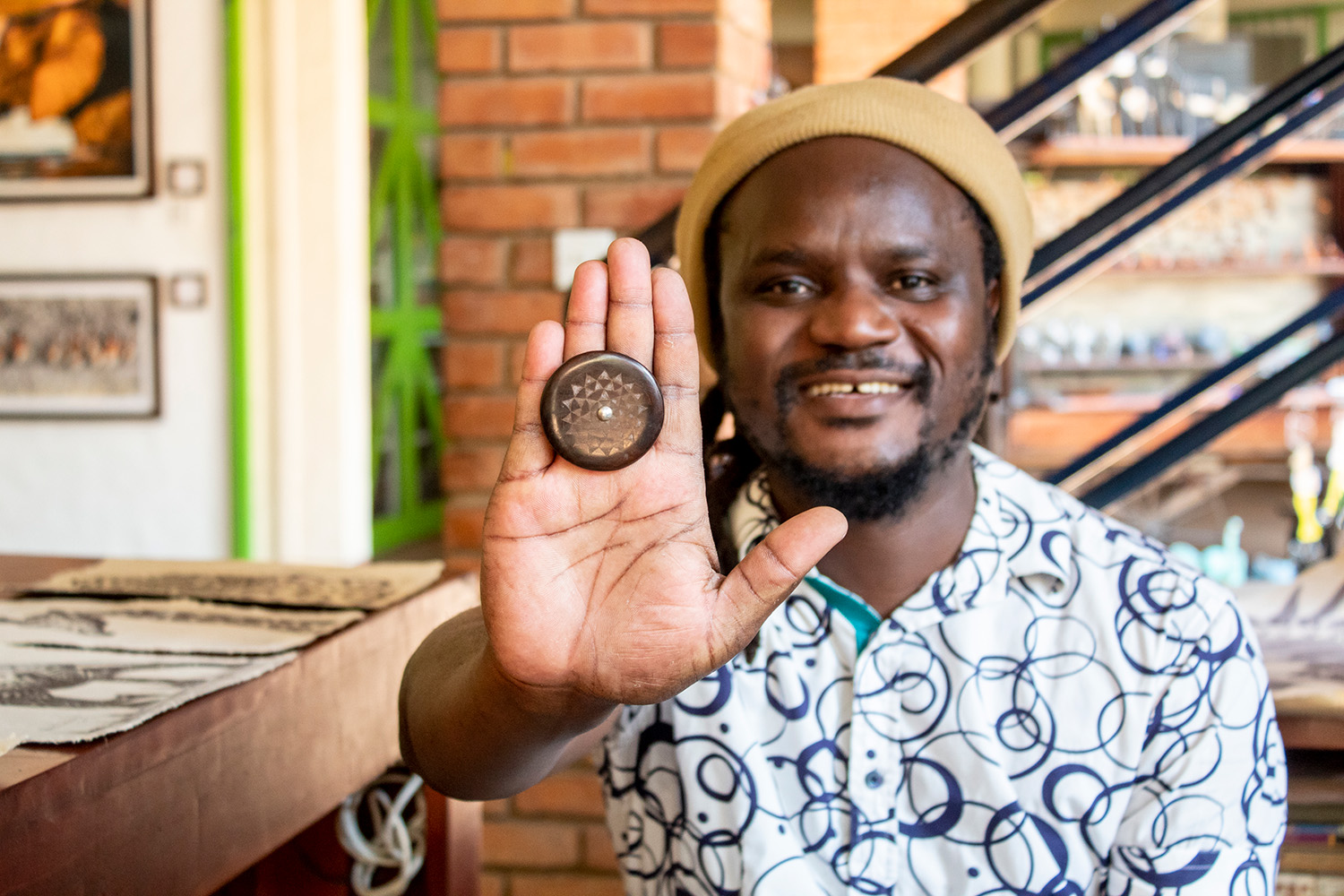
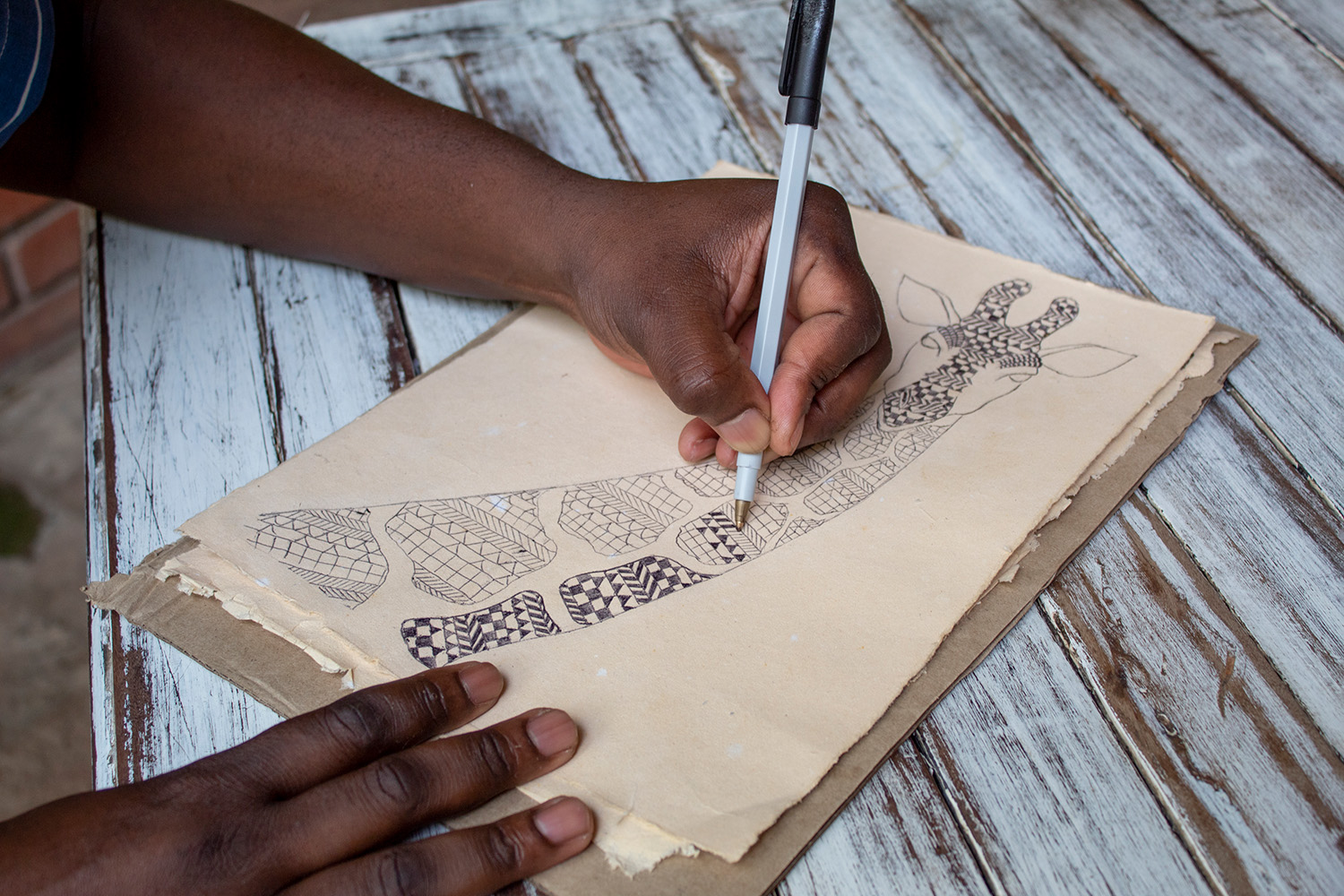
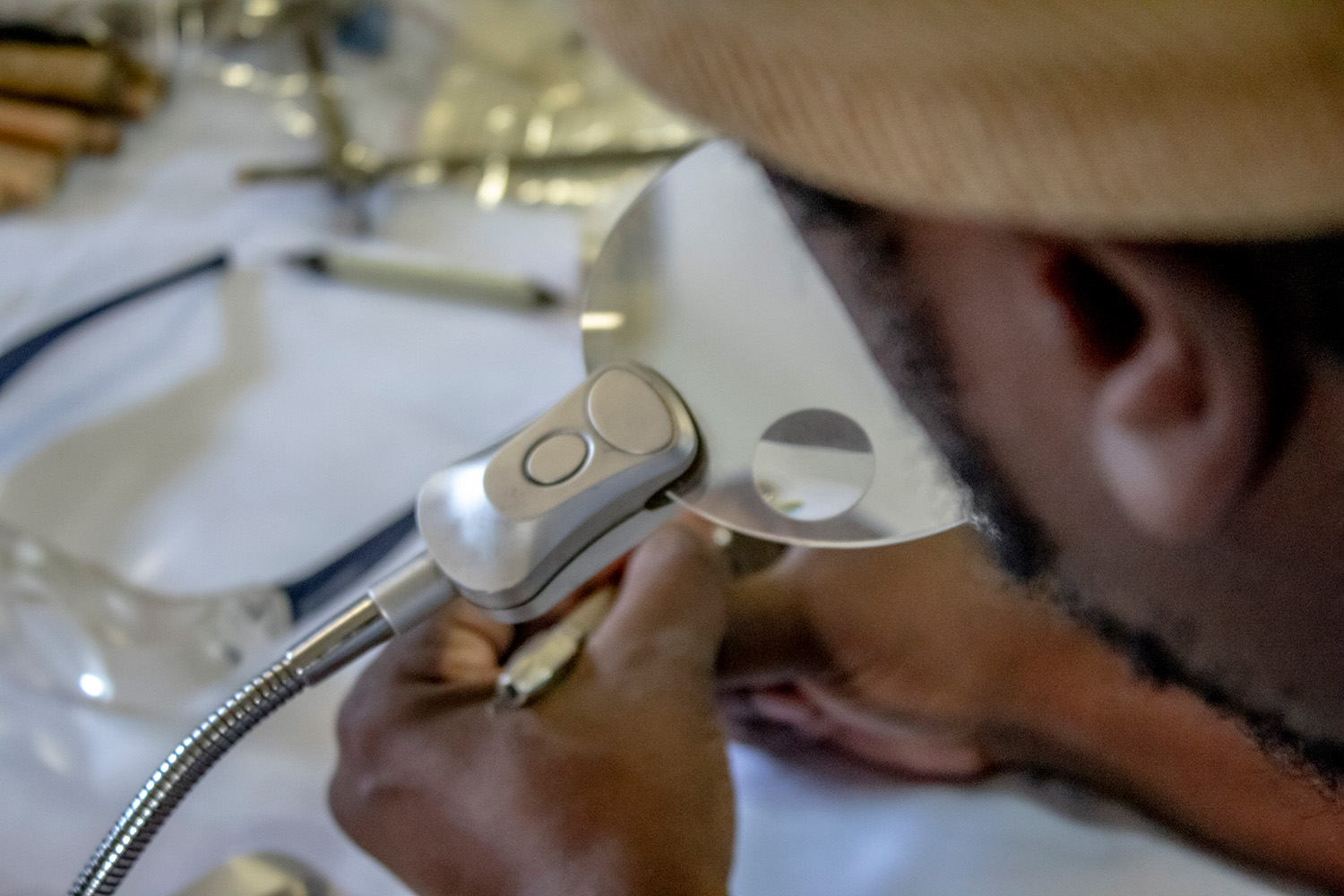
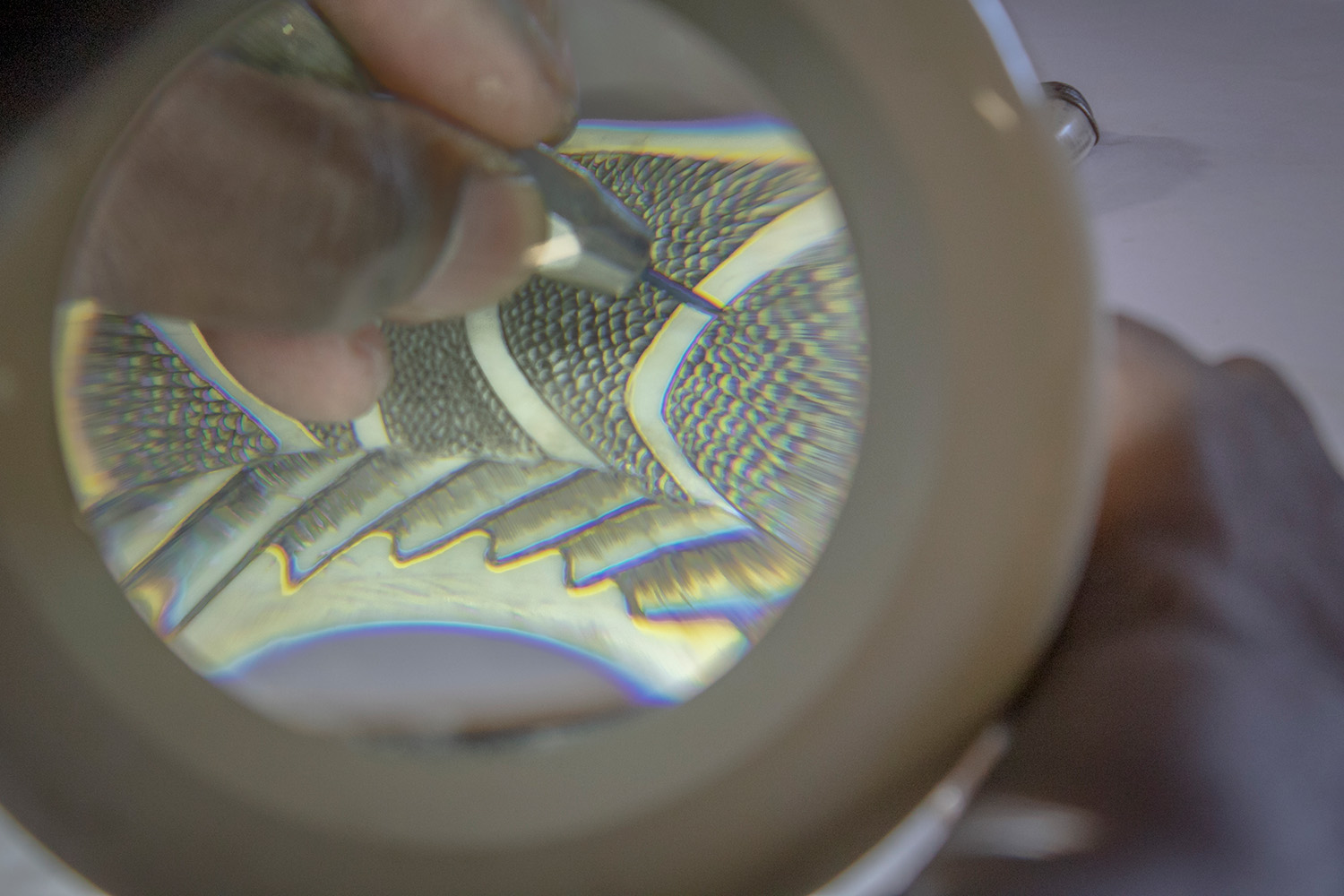
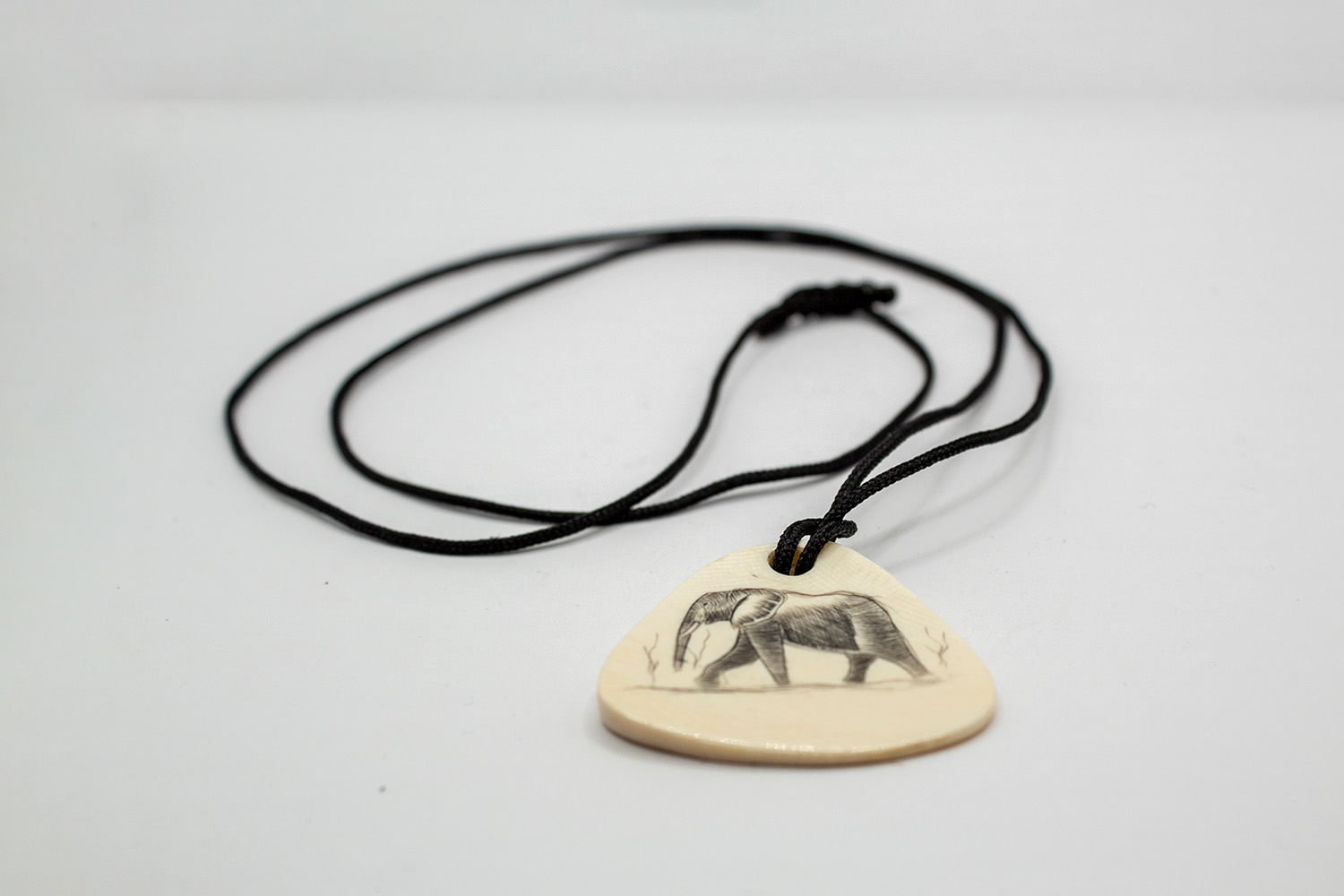
Moses Kalembela was born into a creative family. As a child, he would help his father with his work, learning the basics of carving and drawing. When he finished high school there was no question of “not following a craft-based career because I could not see myself doing anything else… it has been organic in a way.” Moses is largely self-taught, expanding his horizons by working with other artists, learning new skills, and being inspired by them. Drawing on his heritage, the first object Moses created was a scrimshaw design on an ostrich egg. Scrimshaw is not his only practice, he is skilled in a variety of other mediums including illustration. Moses set up his studio in 2006 and seeks to help put his country on the map of artistic craftsmanship.
INTERVIEW
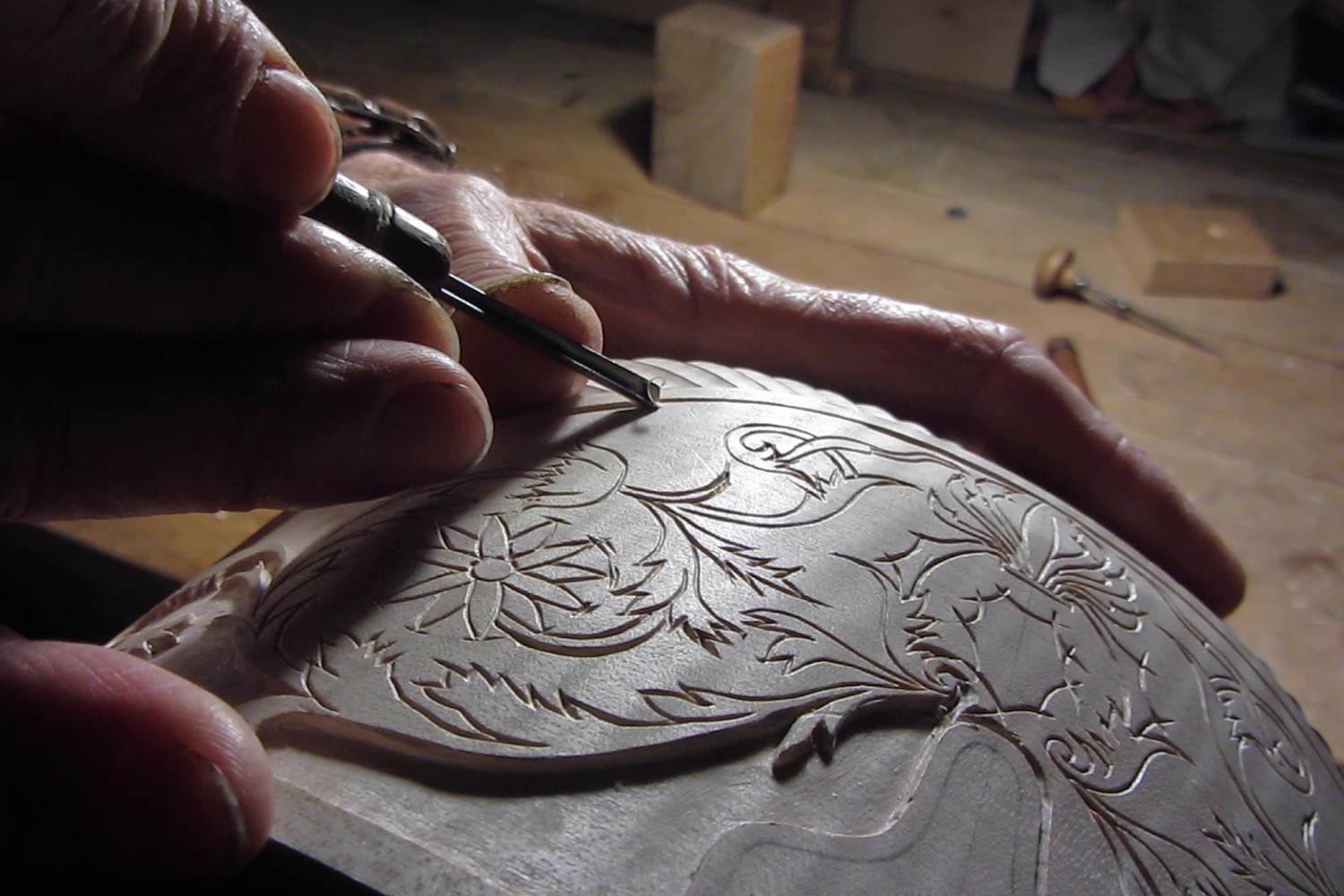
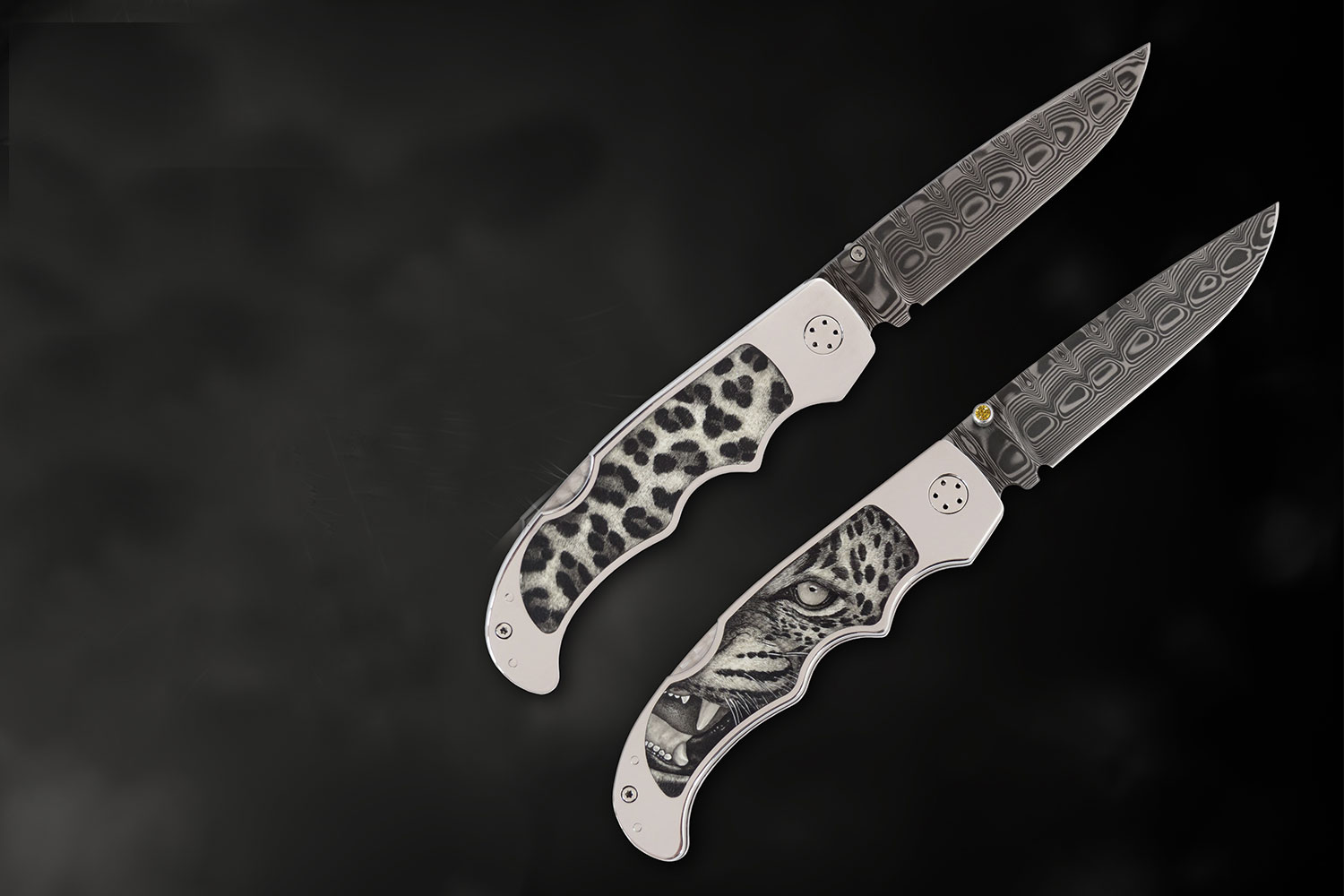
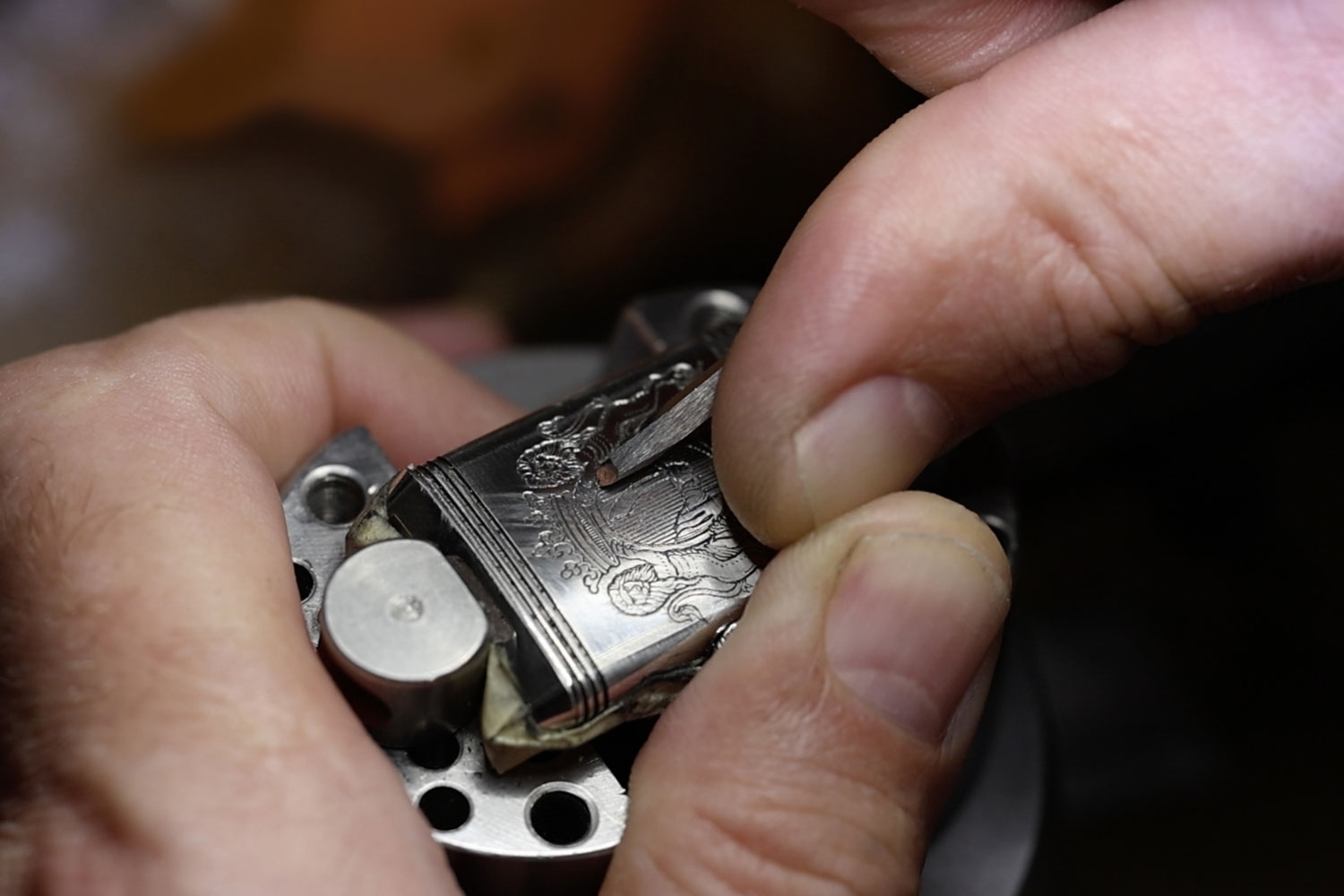
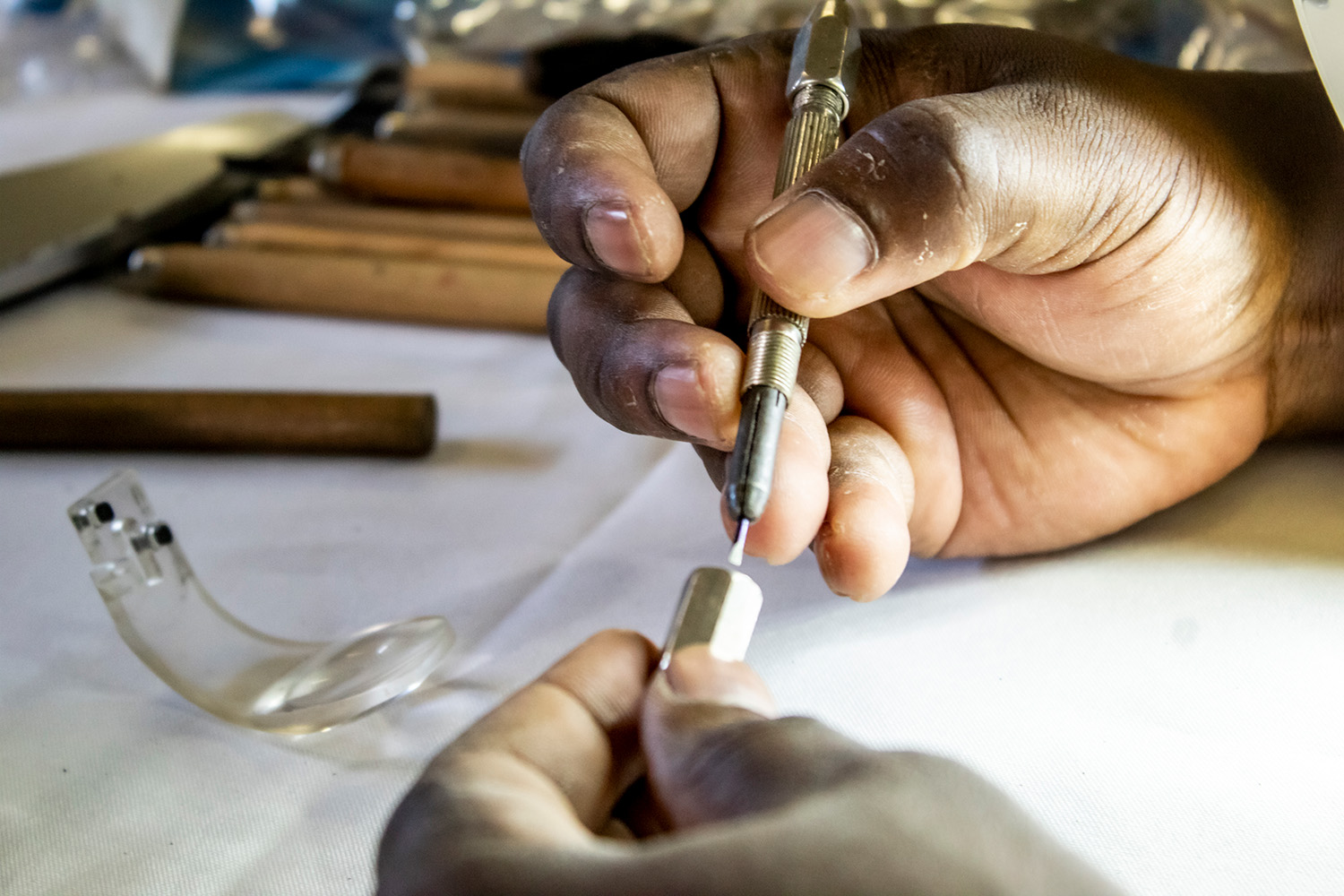
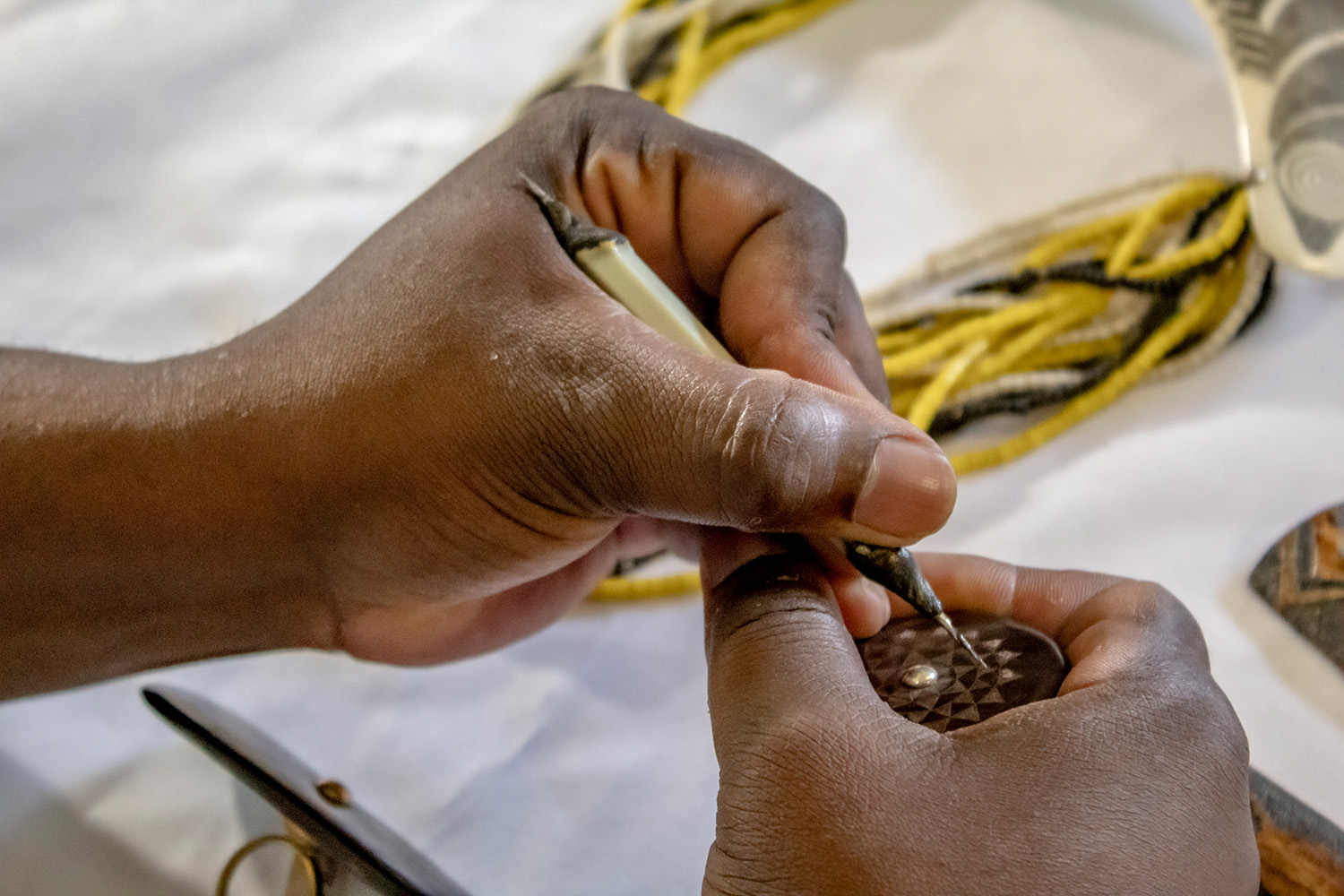
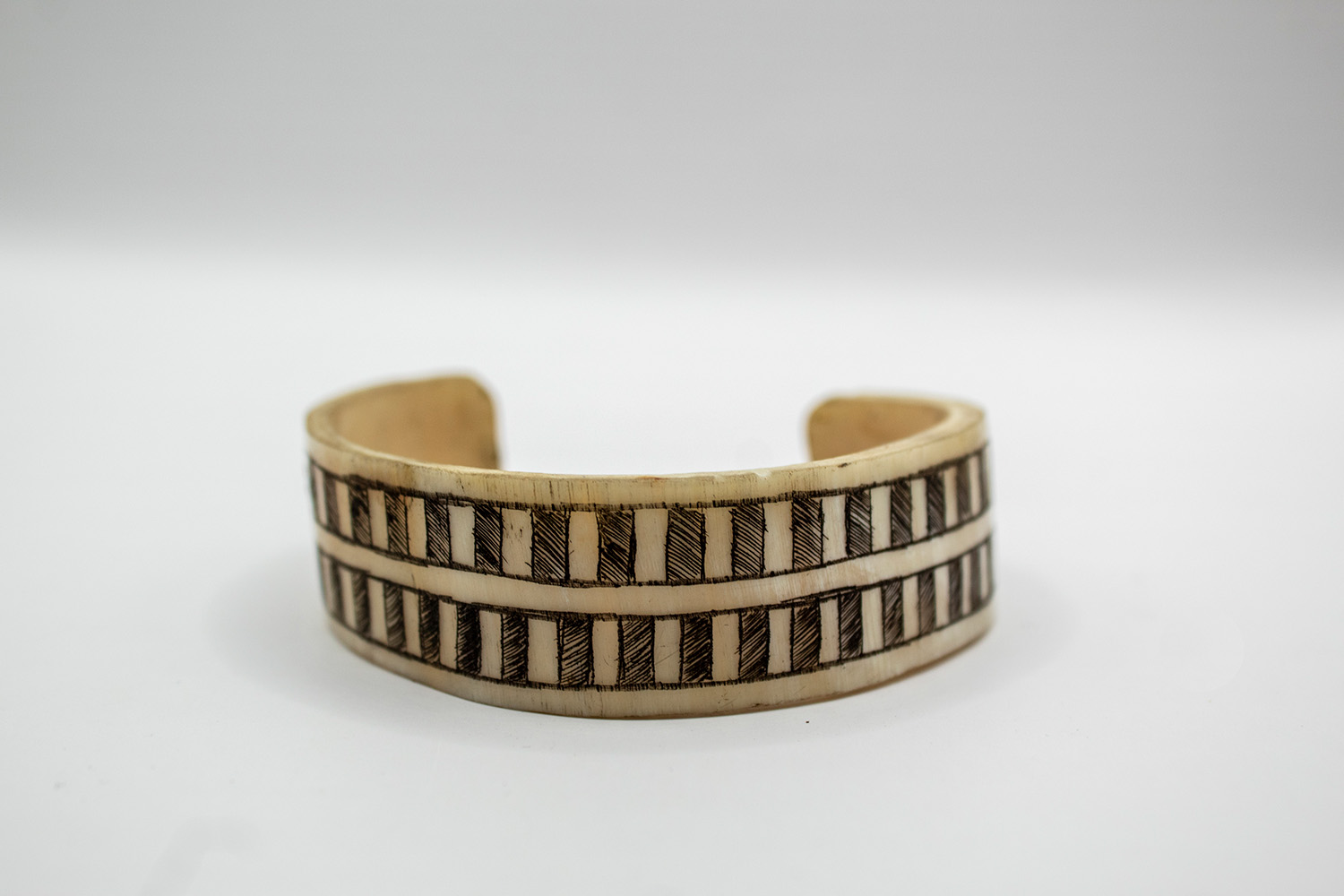
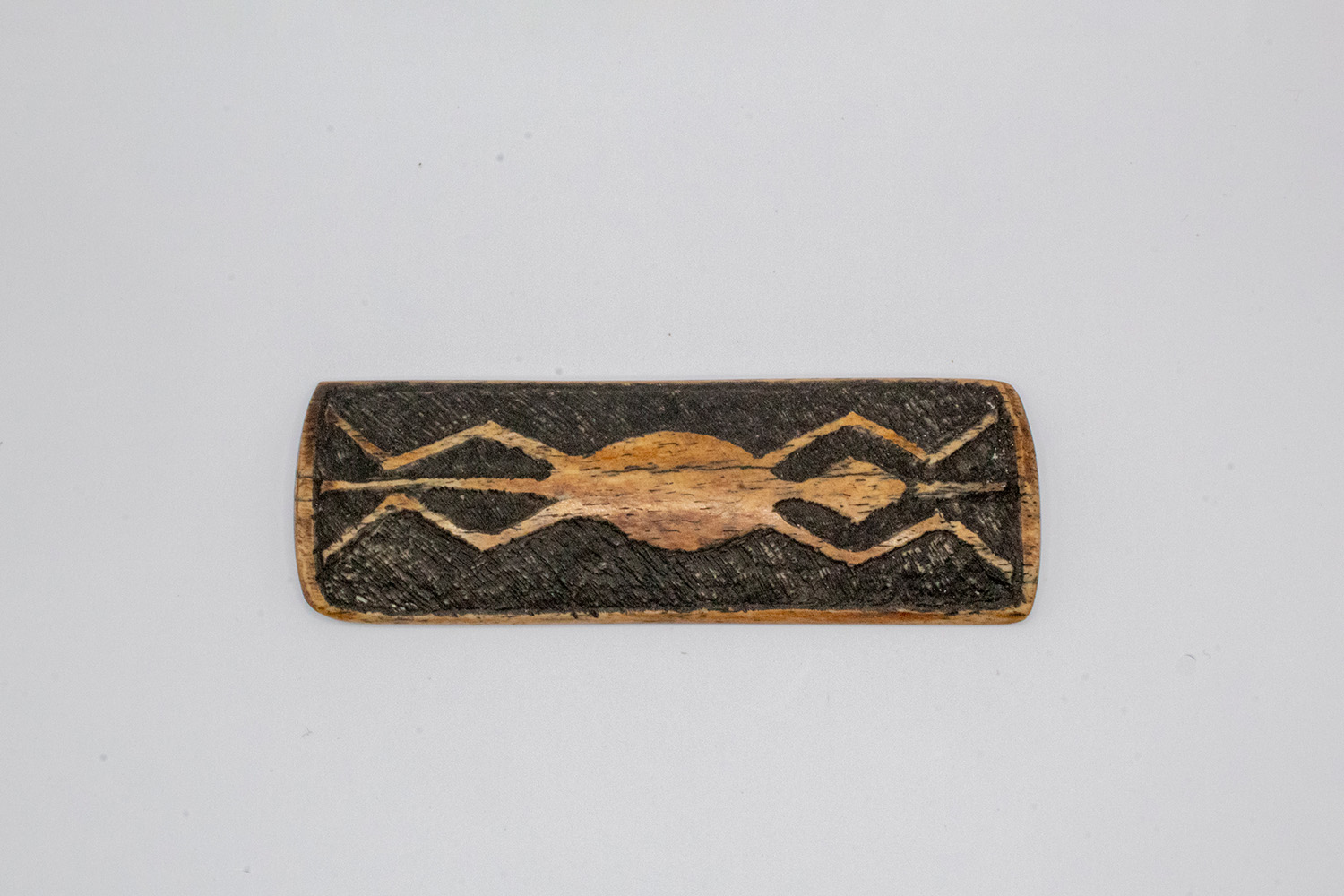
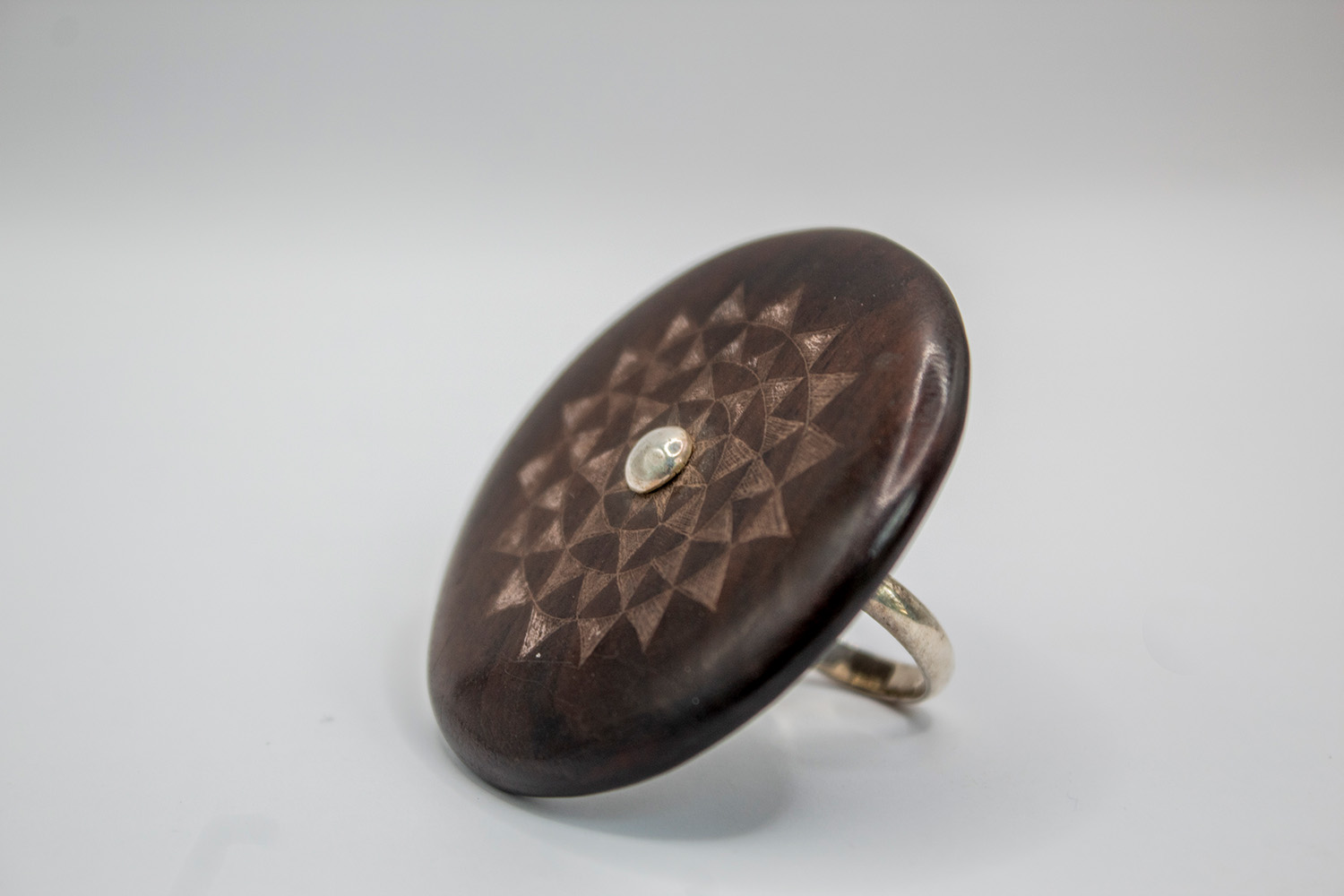
I combine old techniques and the traditional patterns of my heritage with contemporary forms. Also, scrimshaw was traditionally done on whale bone and ivory, materials that have since been banned. I use sustainably sourced materials like horn, cow bone, wood, and even stone.
Although scrimshaw was a technique introduced by 18th-19th-century explorers, local people already had and were using a similar technique to carve surfaces like ostrich eggs. My work combines both the introduced and local techniques with the traditional applications of my heritage.
Collaborating with internationally renowned fashion designer John Ablaza put my artwork on the global stage and showed that there is a lot of talent in Zimbabwe. The experience taught me to appreciate my heritage and where I come from, and I hope we keep getting such platforms to show the world what we are capable of.
I am always willing to share my skill and knowledge with others. It is important to me because the way I share with other people is how I got to learn and know my craft. So, I feel that if I am sharing with others, I am building something.
Moses Kalembela
Engraver
Victoria Falls, Zimbabwe
ADDRESS
Elephants Walk Artists and Shopping Village, 273 Adam Stander Drive, , Victoria Falls, Zimbabwe
View on MapsAVAILABILITY
Monday to Friday 08:00-17:00
LANGUAGES
Shona
Homo Faber Finds is a new service aiming to inspire admirers of craft to connect and collaborate with exceptional artisans.
We invite you to submit an enquiry here.