Álvaro & Xosé Manuel Seivane
Instrument maker
Cambre, Spain
Recommended by EOI - Fundesarte
Making a little piece of Galicia
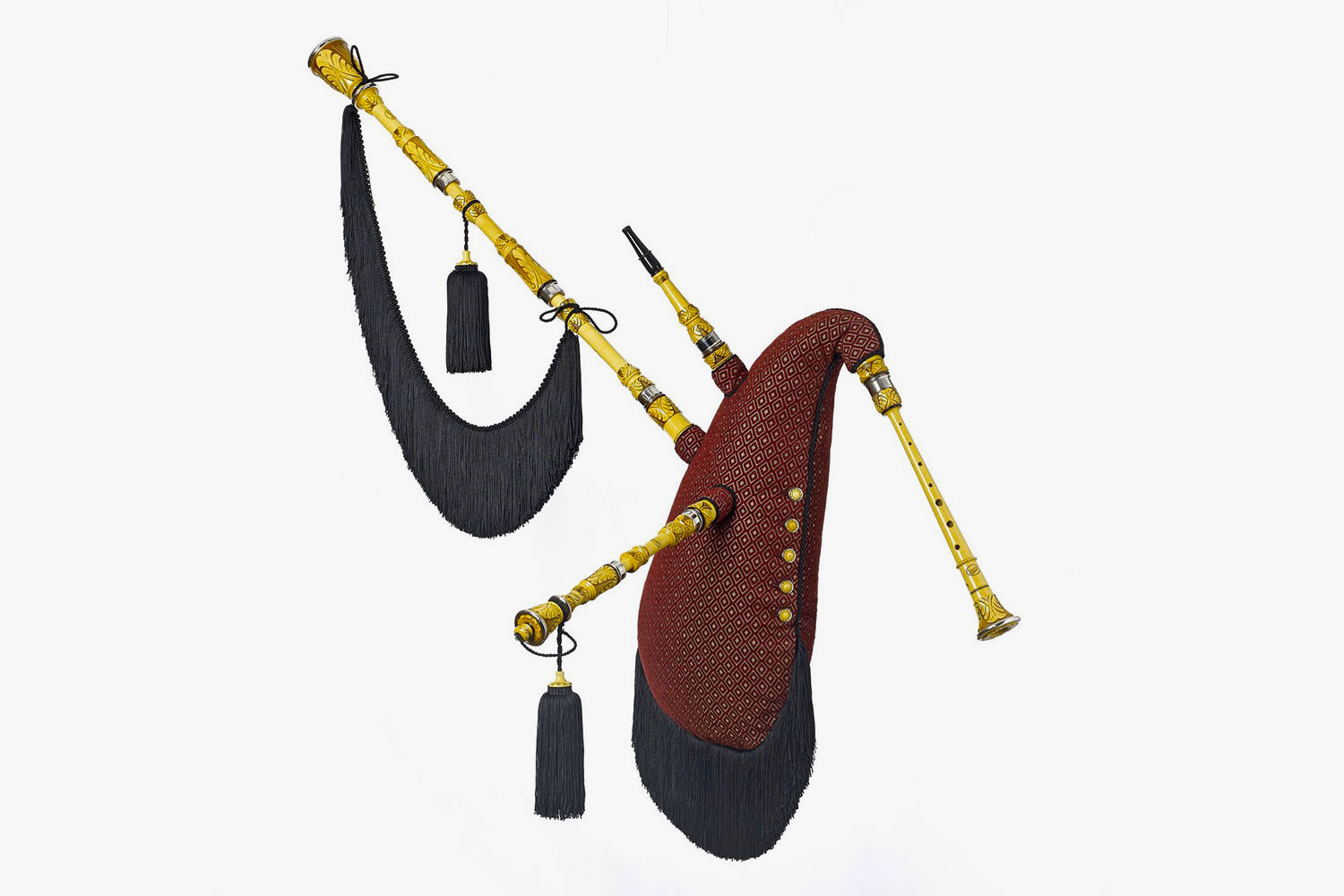
- The brothers run a workshop, a shop and a museum of Iberian bagpipes
- They make Galician gaitas as well as Iberian and Welsh bagpipes
- They were awarded a national craftsmanship prize in 2013
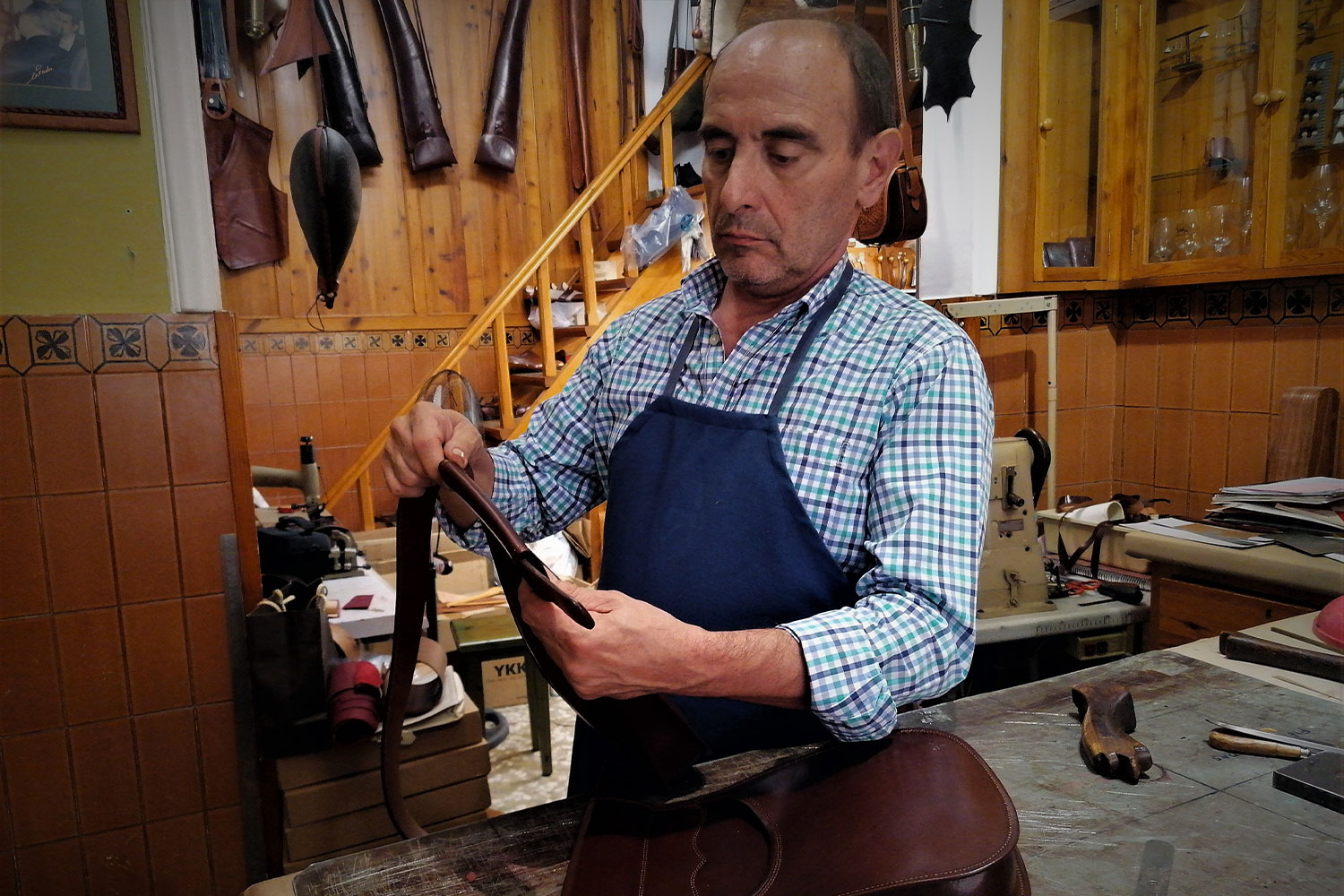
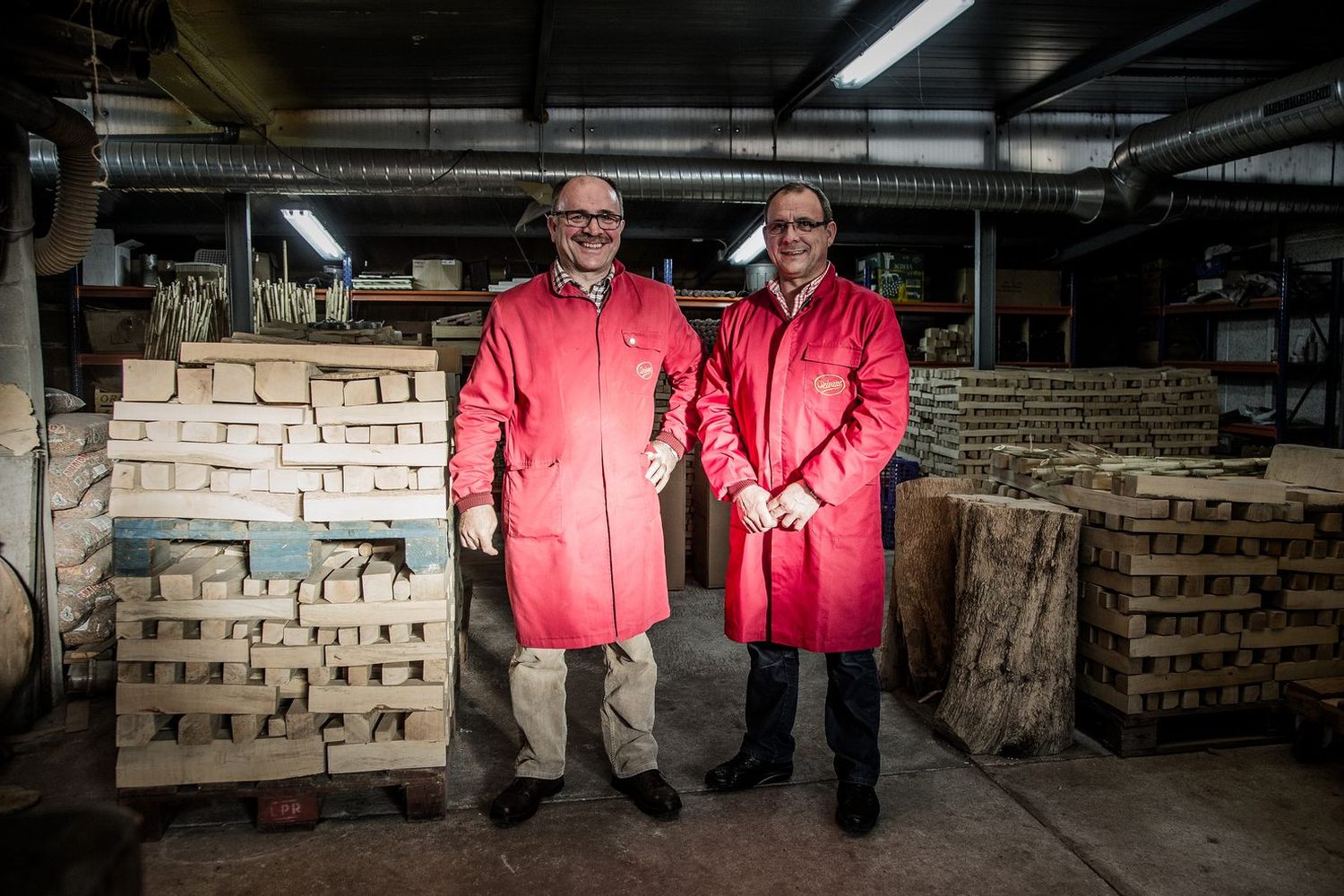
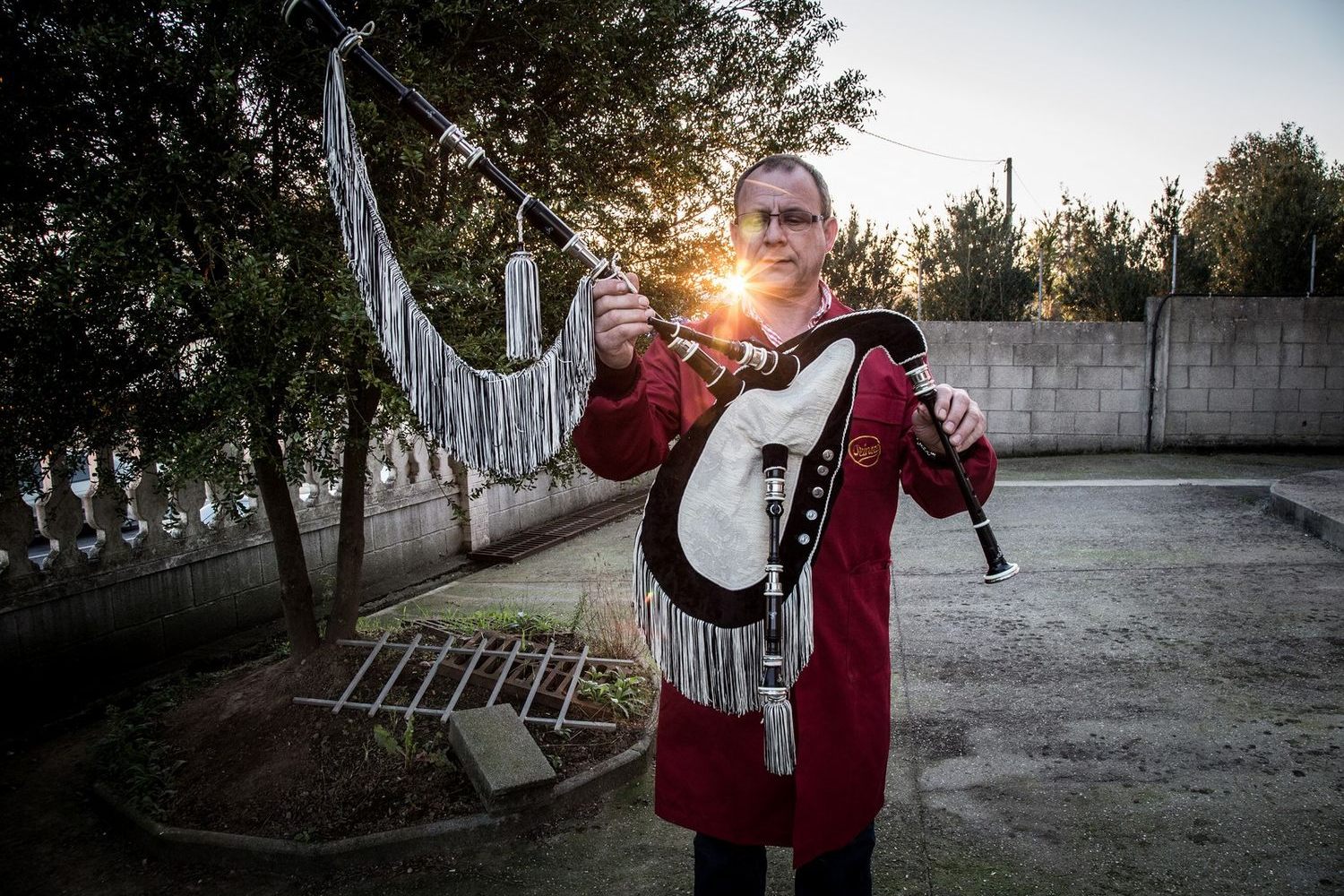
Xosé Manuel senior built his first set of bagpipes, Galician gaitas, in 1939, sparking a rich tradition of research and innovation in bagpipe making, which is continued today in the workshop run by his two sons Álvaro and Xosé Manuel Seivane. Their father passed on his love of bagpipes to his children when they were young. Xosé Manuel first studied agriculture but worked alongside his father in the workshop from the age of 16. Although Álvaro went to Barcelona to study, he took his passion for bagpipes with him and opened a bagpipe workshop over there. Álvaro eventually returned home to Galicia and the two brothers continued to work on the preservation, restoration and creation of bagpipes together.
Discover their work
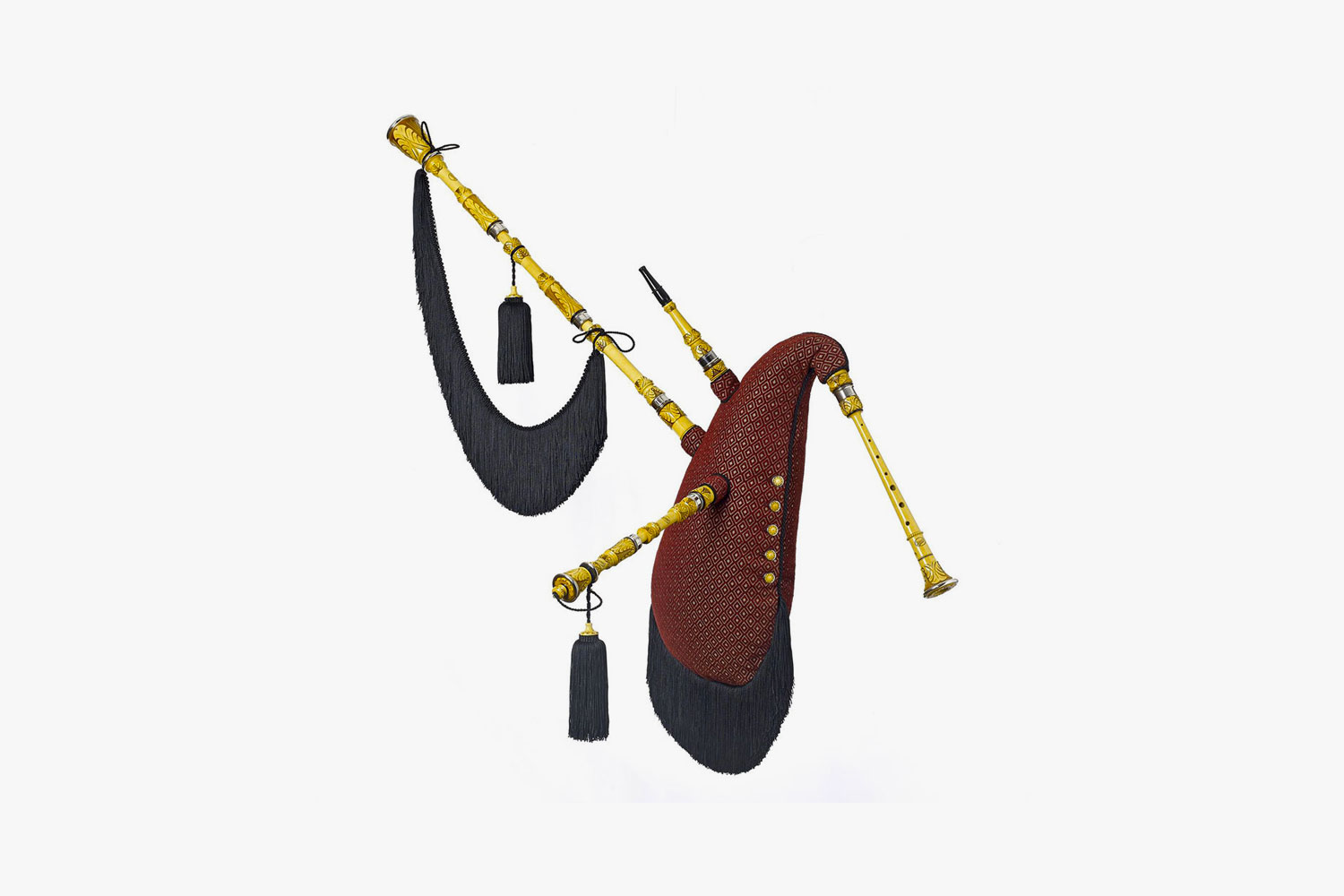
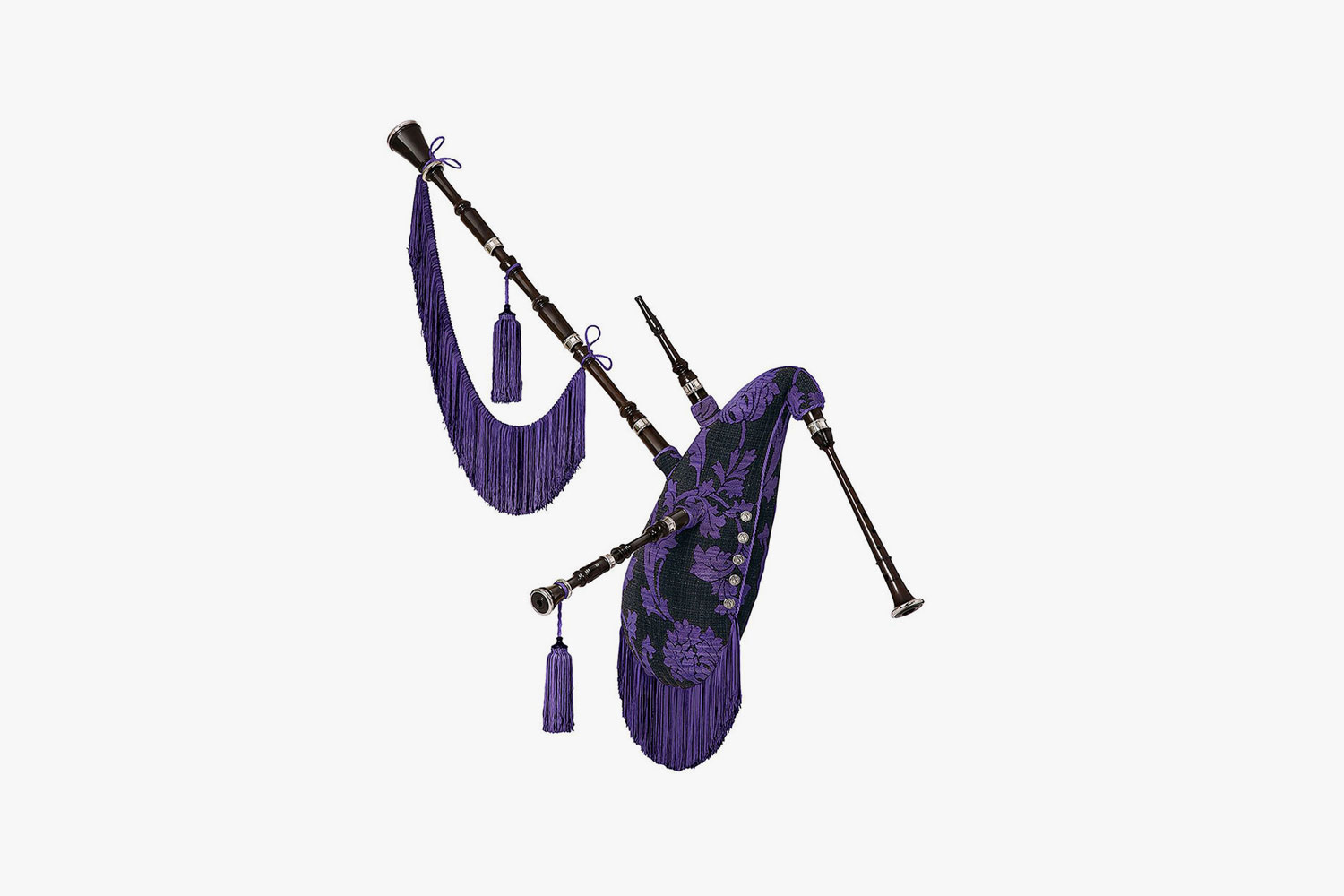
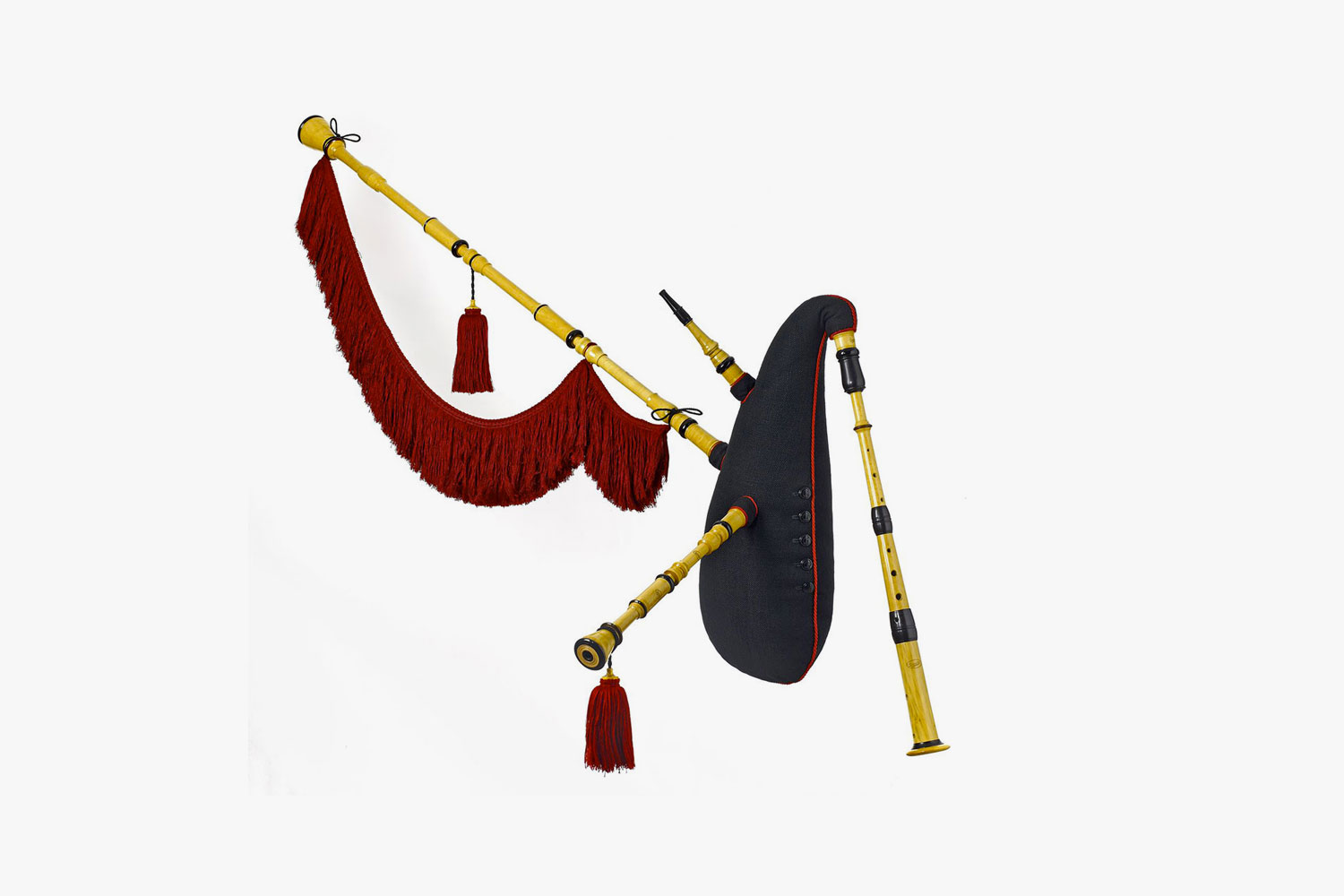
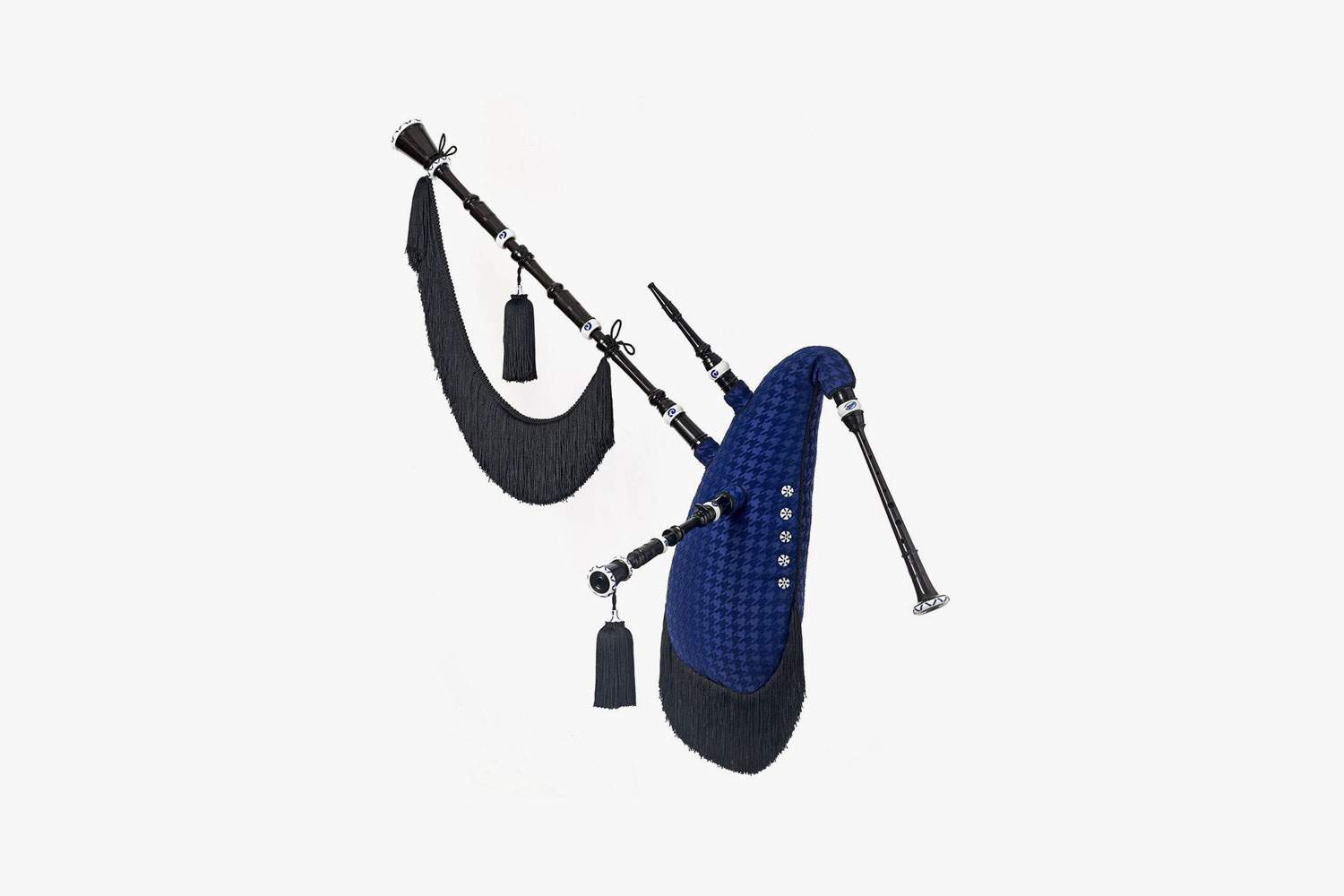
INTERVIEW
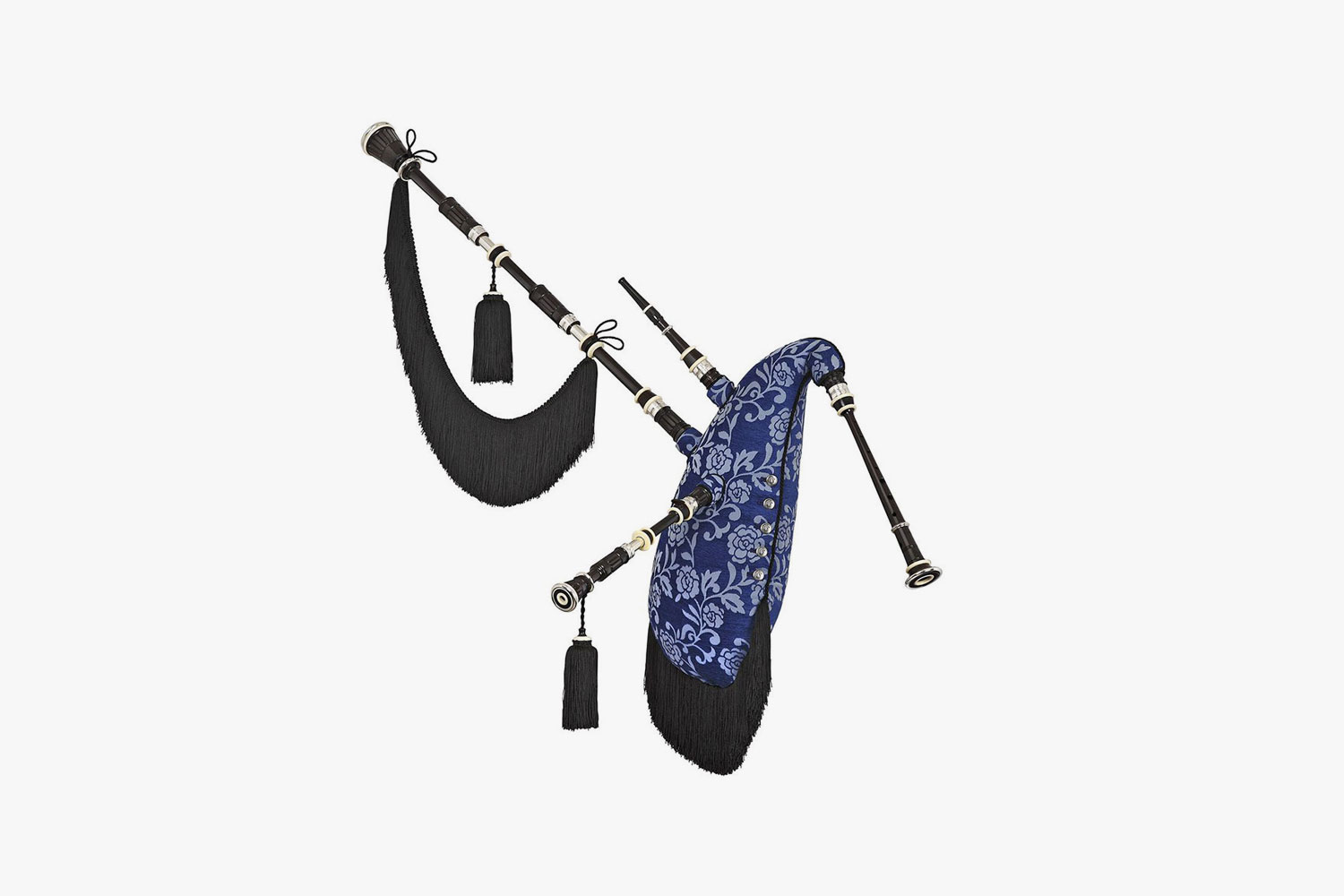
The gaita is the musical symbol of Galicia. Therefore, to make a bagpipe is to make a piece of Galicia, and to export a bagpipe is to export a piece of Galicia around the world. We work for music and for our country, Galicia.
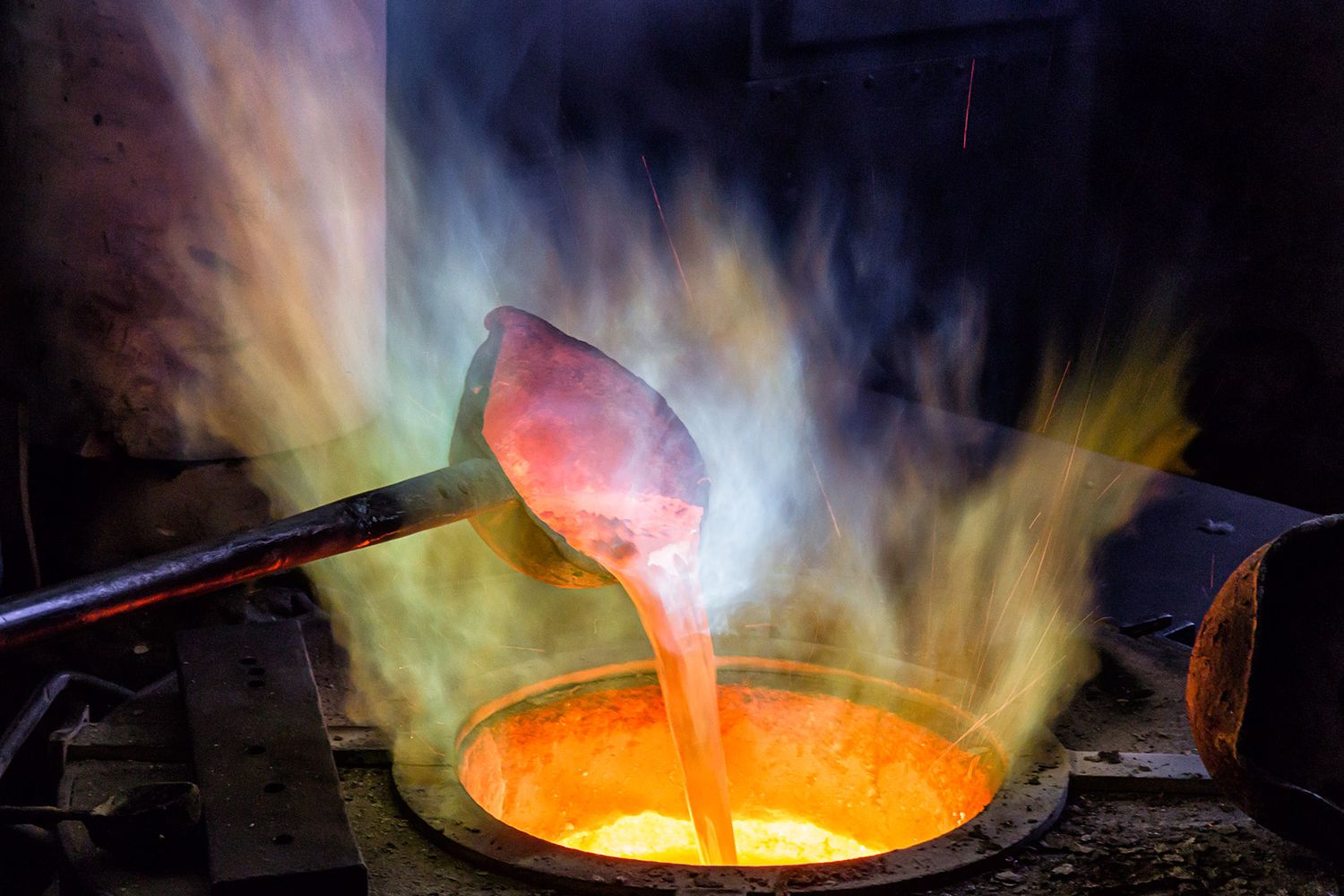
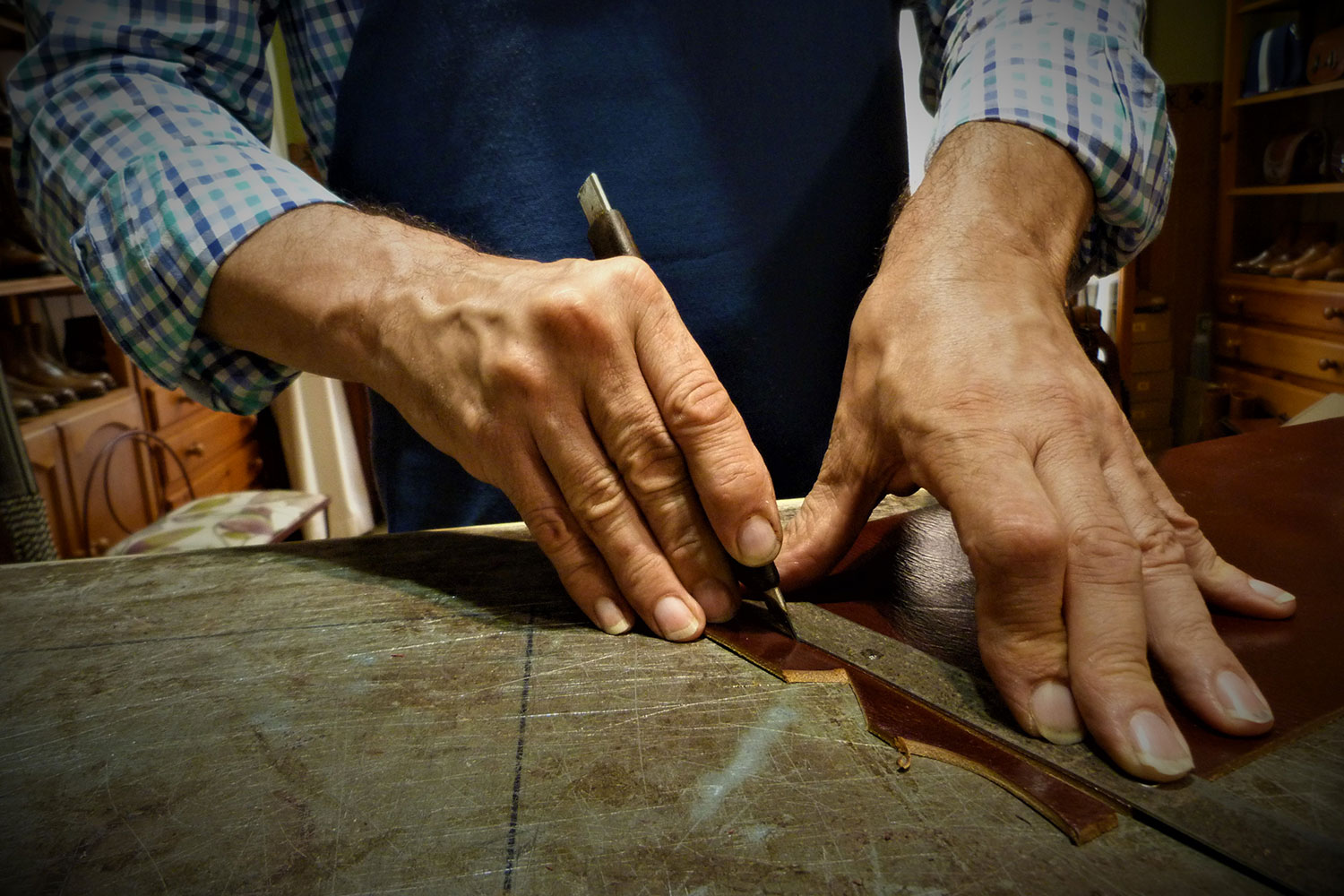
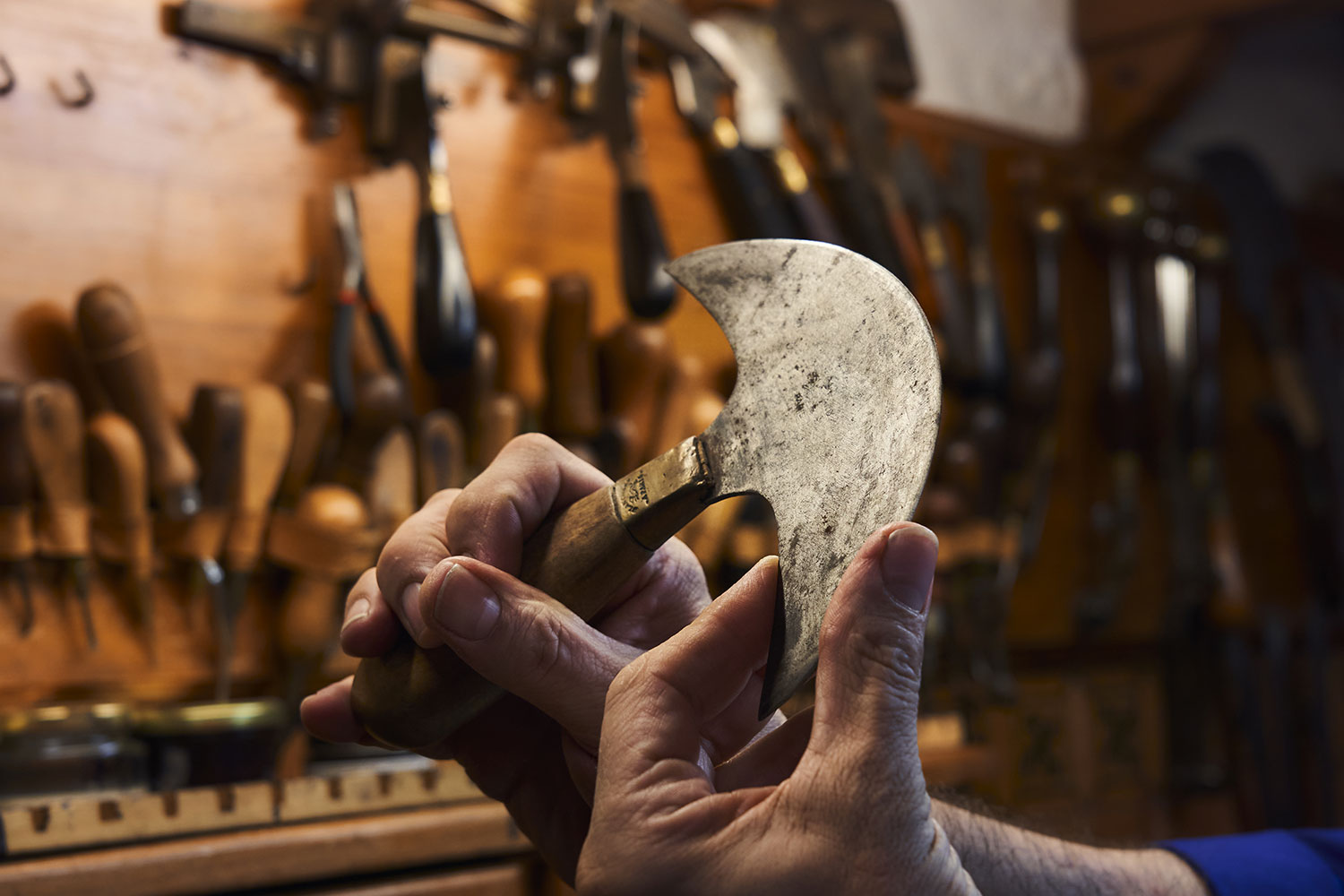
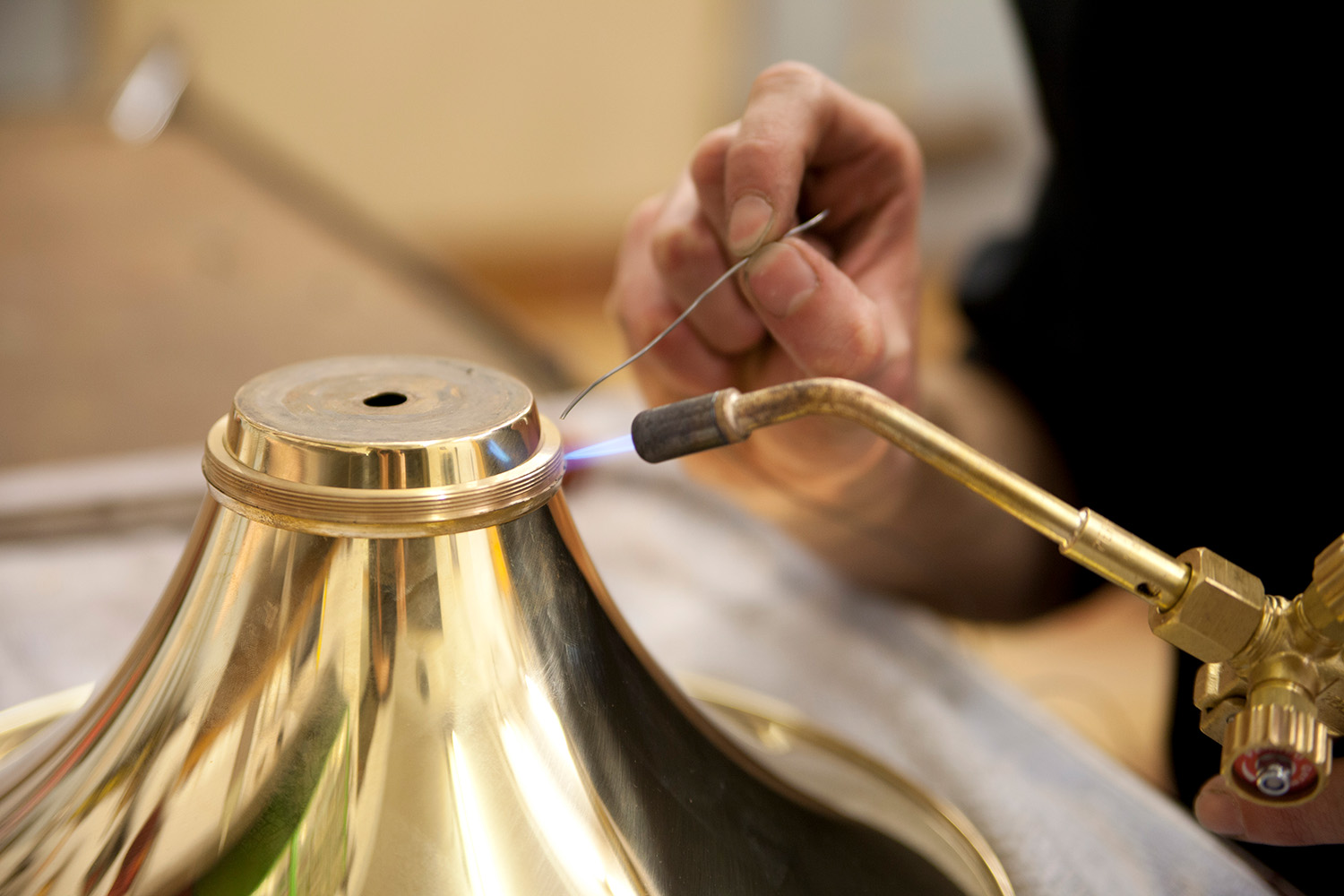
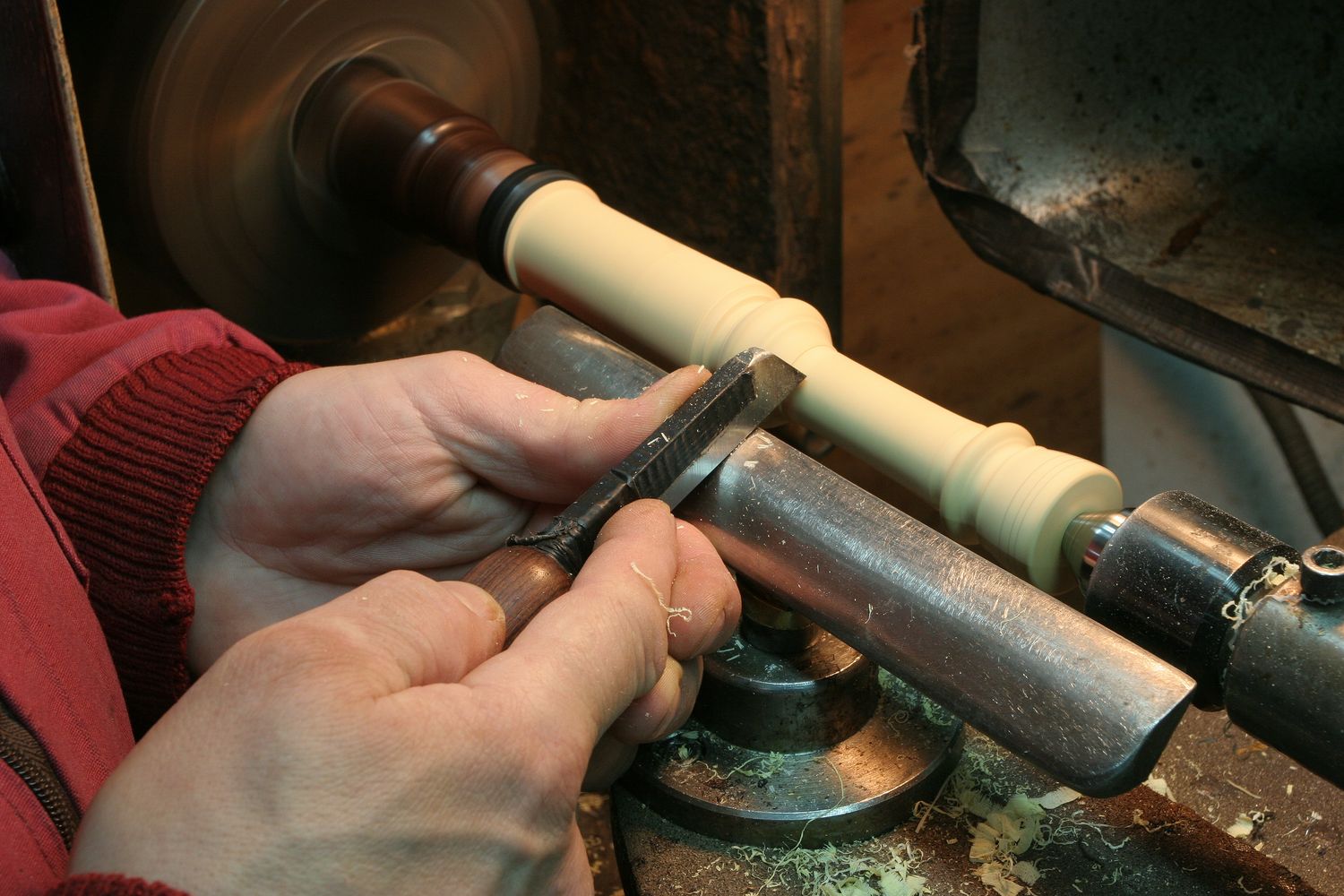
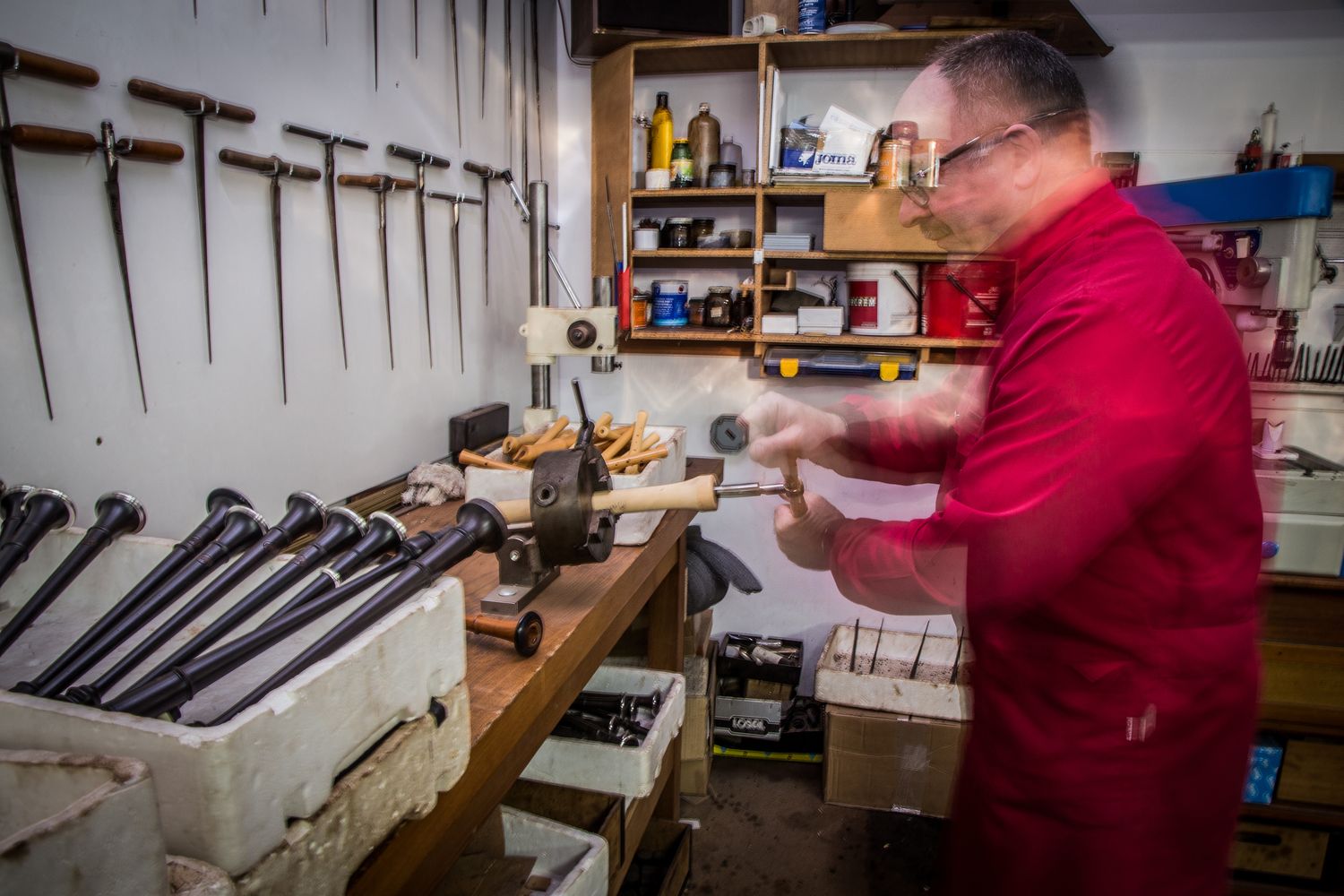
You go through different stages and you need to master several craft techniques: not only woodworking but also metalworking, corking and sewing. In the past they were made with goatskin, so the craftsman had to know everything related to working with this leather.
We want to update the contemporary bagpipe but we always pay homage to the past. We want to recreate bagpipes that are no longer made, and we do this by referring to old photos or illustrations.
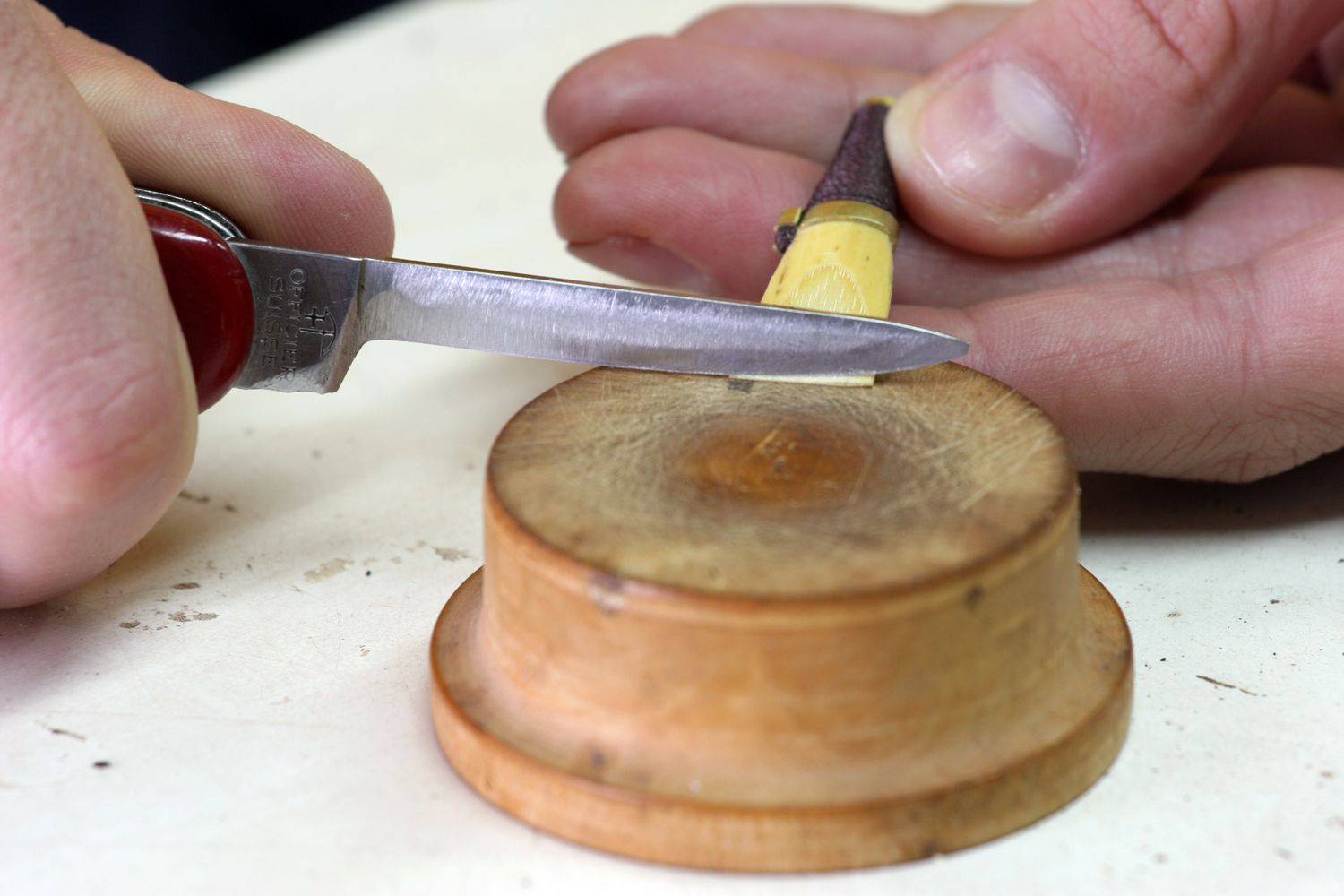
We always want to improve the instrument, a process that involves continuous communication between piper and craftsman. For example, one part of a bagpipe is usually made of cane, but it suffers in the humidity, so we patented a synthetic material that produces the same sound but is more reliable.
Álvaro & Xosé Manuel Seivane
Instrument maker
Cambre, Spain
Recommended by EOI - Fundesarte
AVAILABILITY
Monday to Friday 09:00-13:30 / 15:30-19:00
PHONE
+34 981676656
LANGUAGES
Galego, French, English, Spanish
Homo Faber Finds is a new service aiming to inspire admirers of craft to connect and collaborate with exceptional artisans.
We invite you to submit an enquiry here.