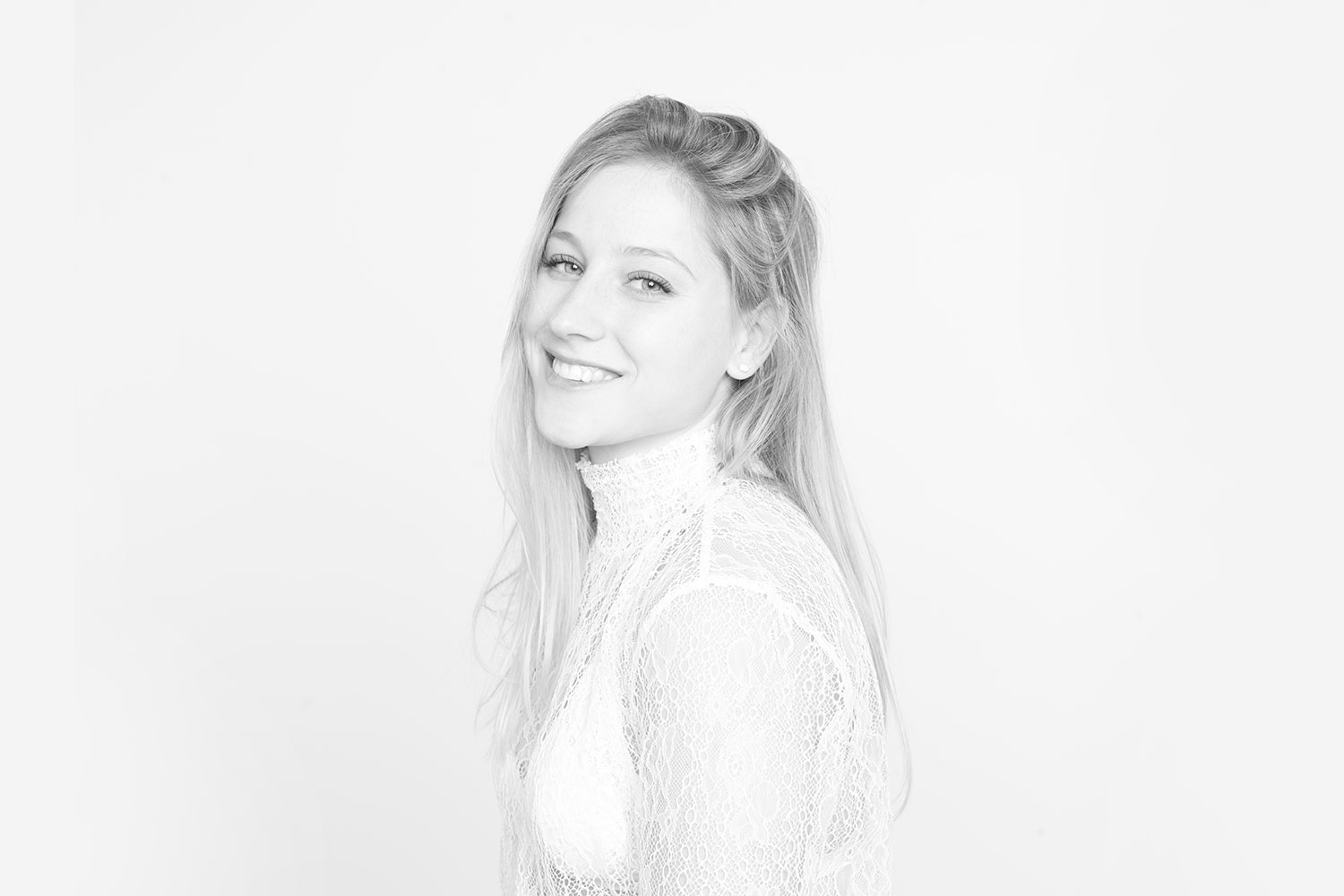
EYE_GESTURE6_Lisa-Cahill-Photo-Peter-Nilsson.jpg)
HAND_GESTURE9_Lisa_Cahill_(C)_Evan_-Papageorgio.jpg)
OBJECT15_Birches_LISA-CAHILL_(C)_Brenton_McGeachie2025.jpg)
WORKSHOP2_Lisa-Cahill-Glass-stacks-image-Louis-Grant.jpg)
Lisa Cahill
Atelier 818
Glass sculptor
Fyshwick, Australia
Fragile forms and folds
- Lisa folds, paints and engraves her glass pieces
- She celebrates ephemeral forms and landscapes in her sculptures
- Her works are featured in hotels, boutiques and museums across the world
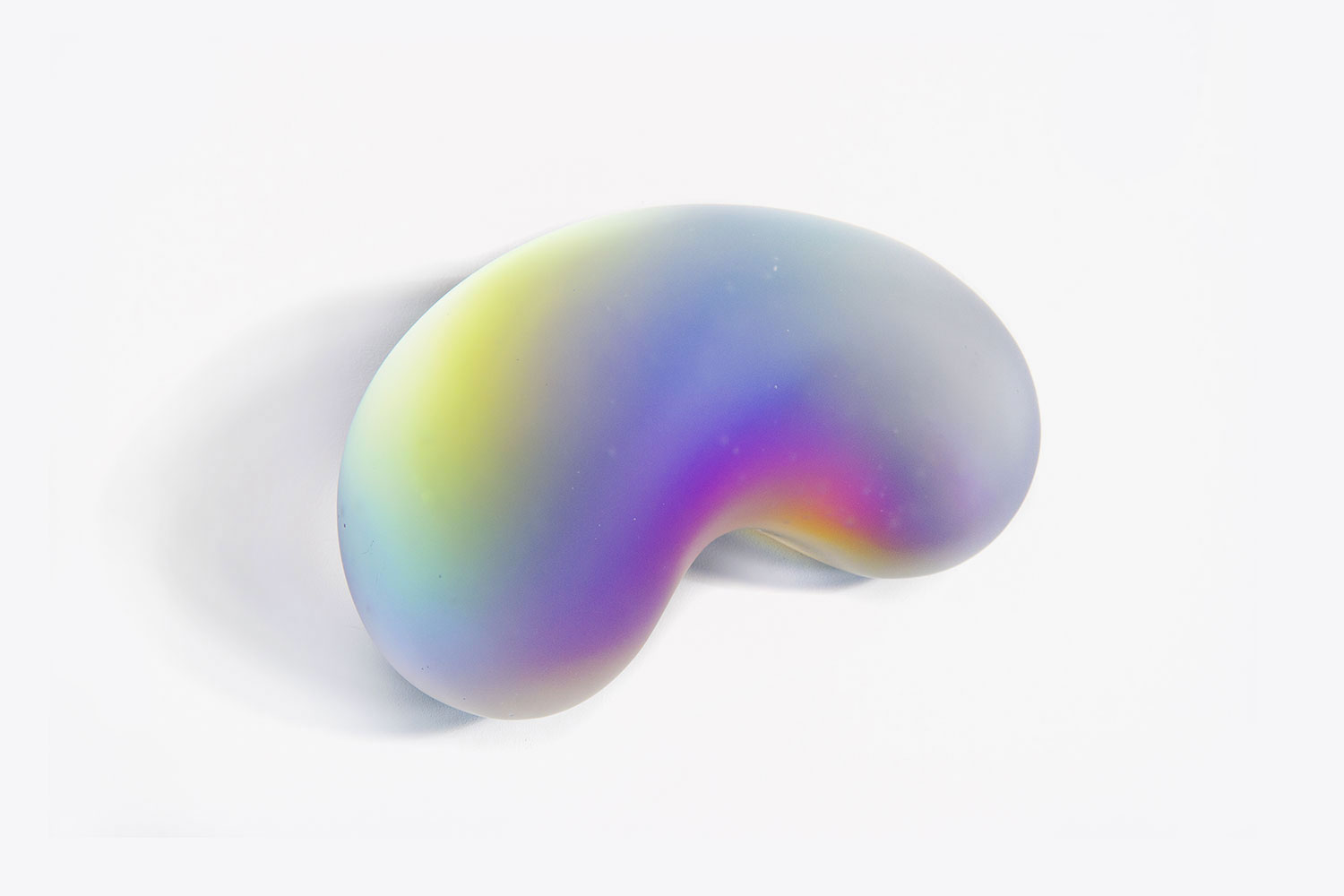
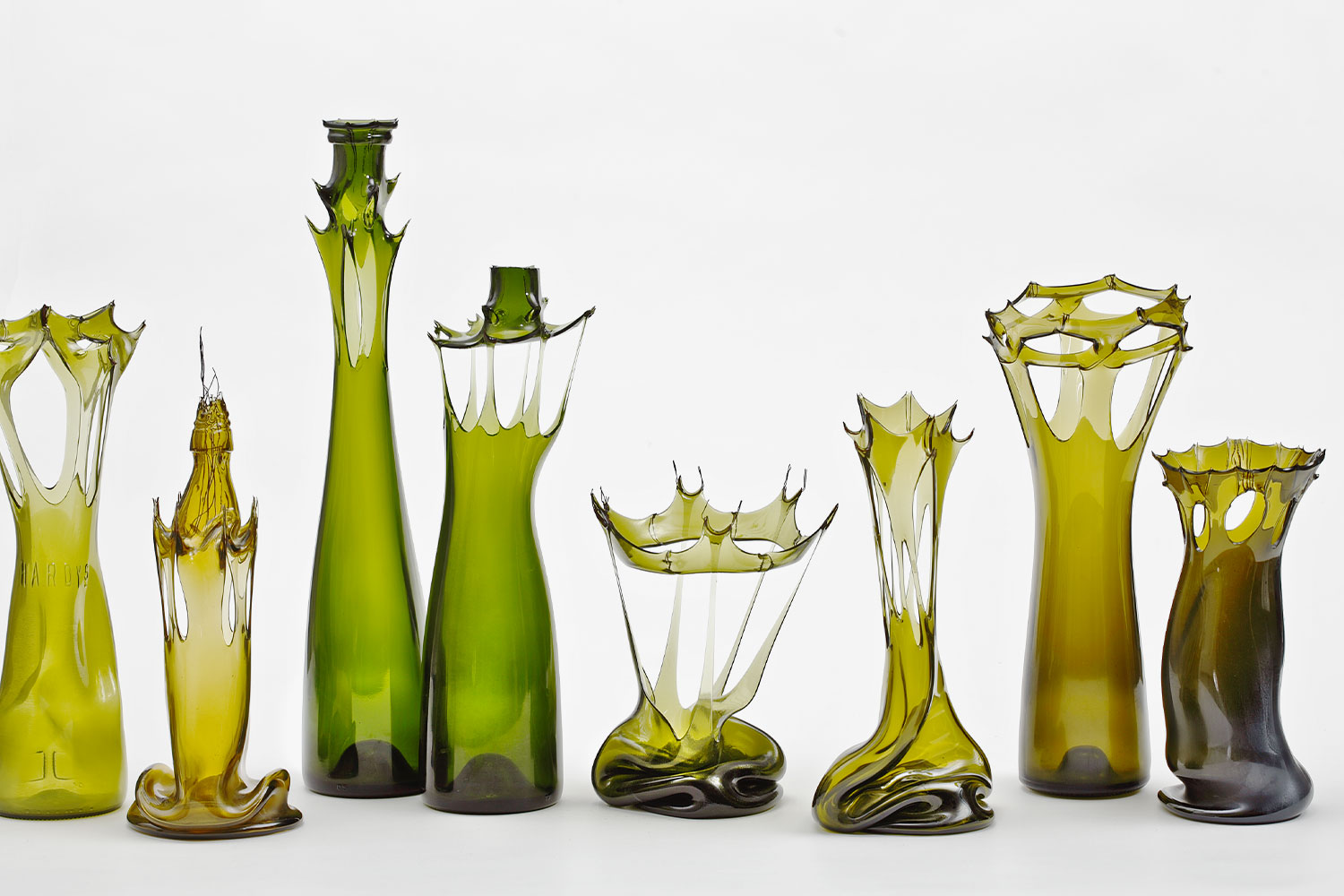
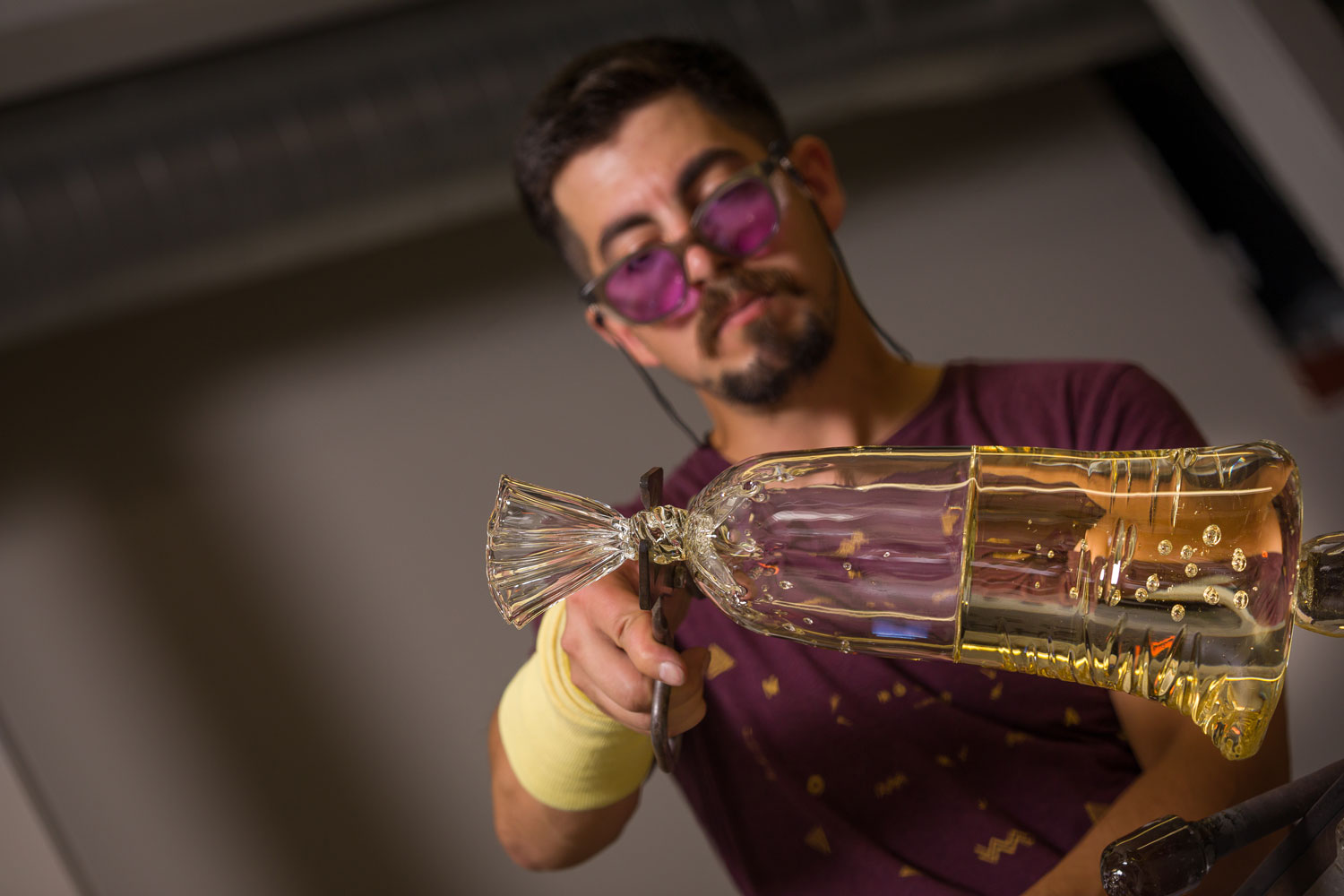
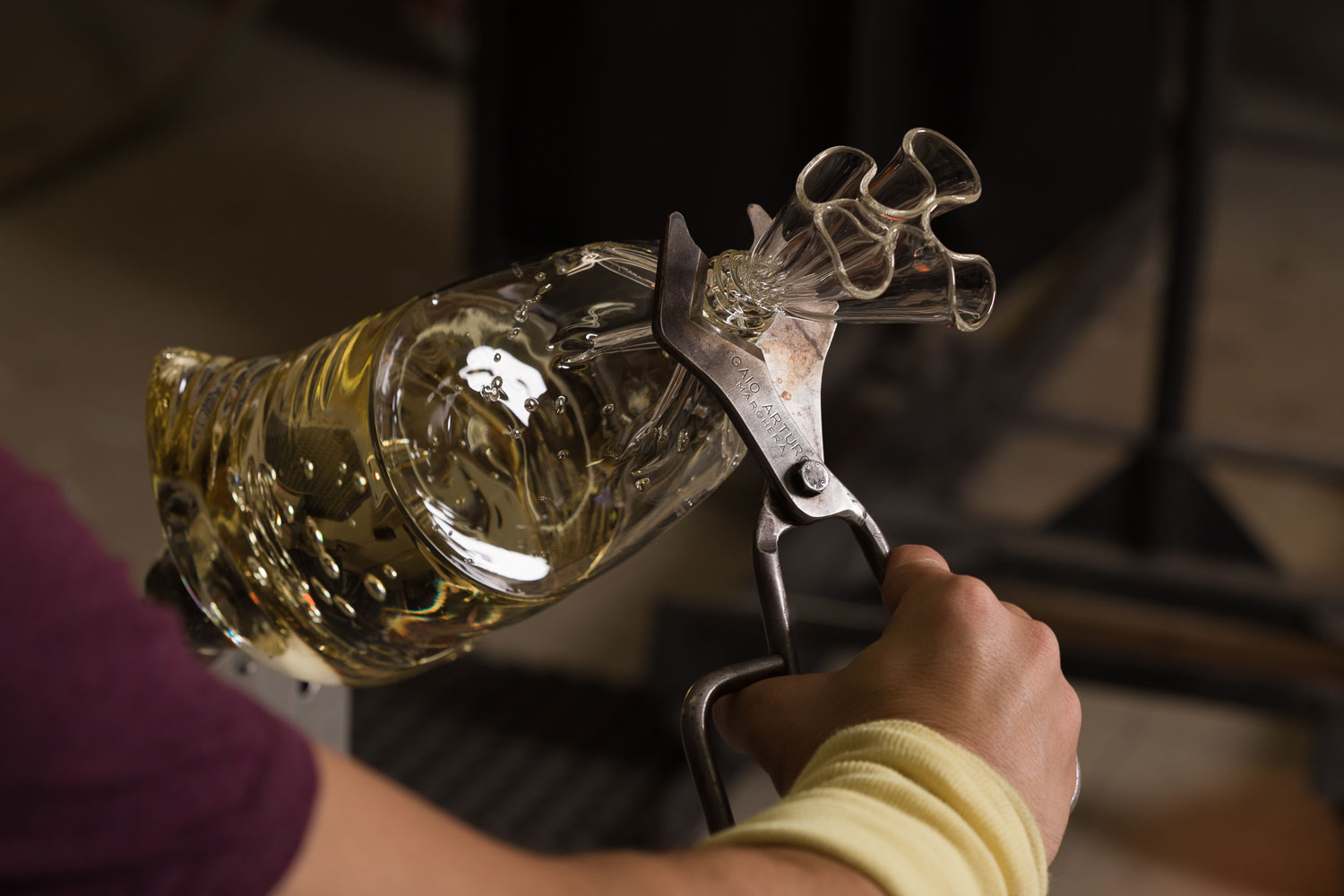
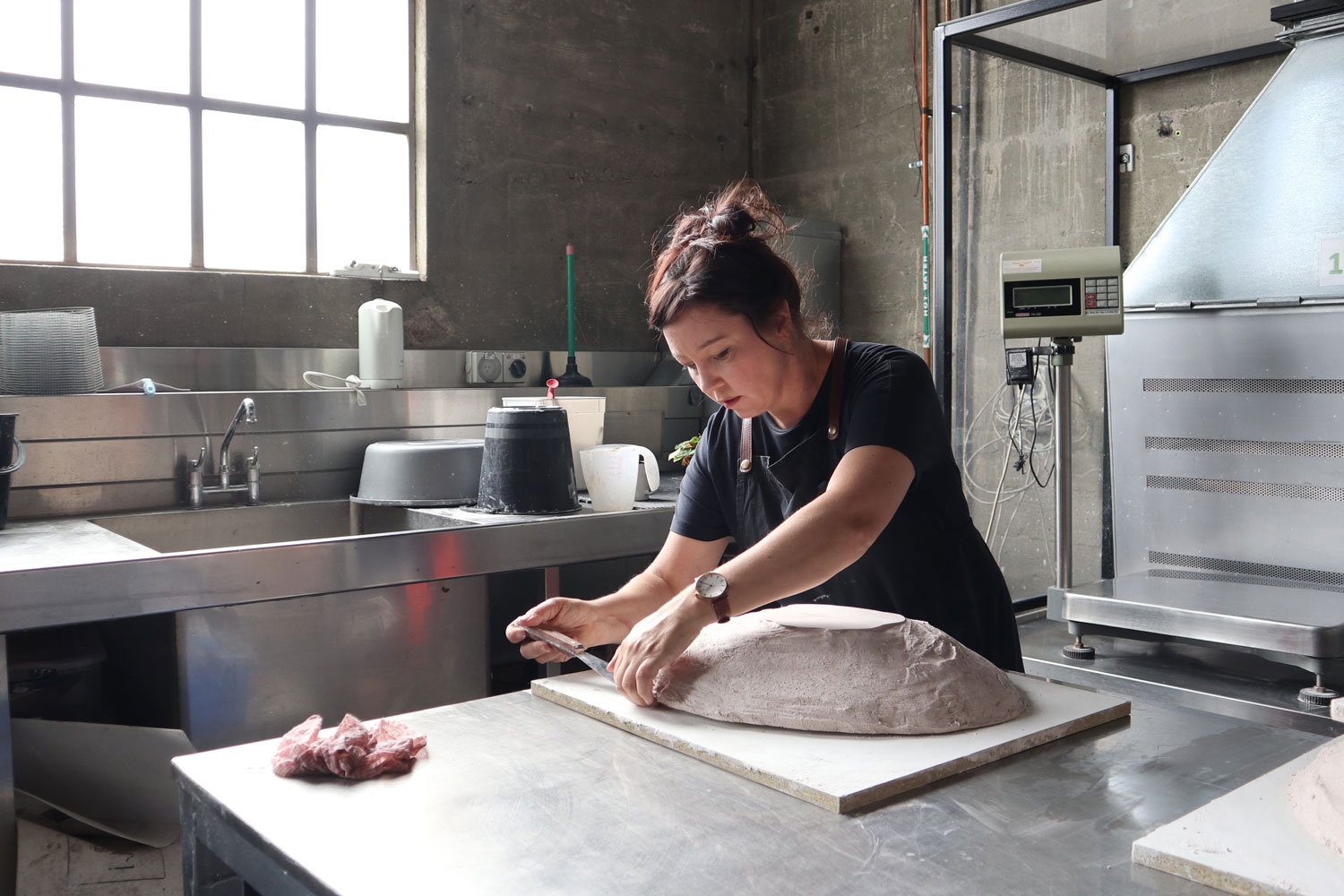
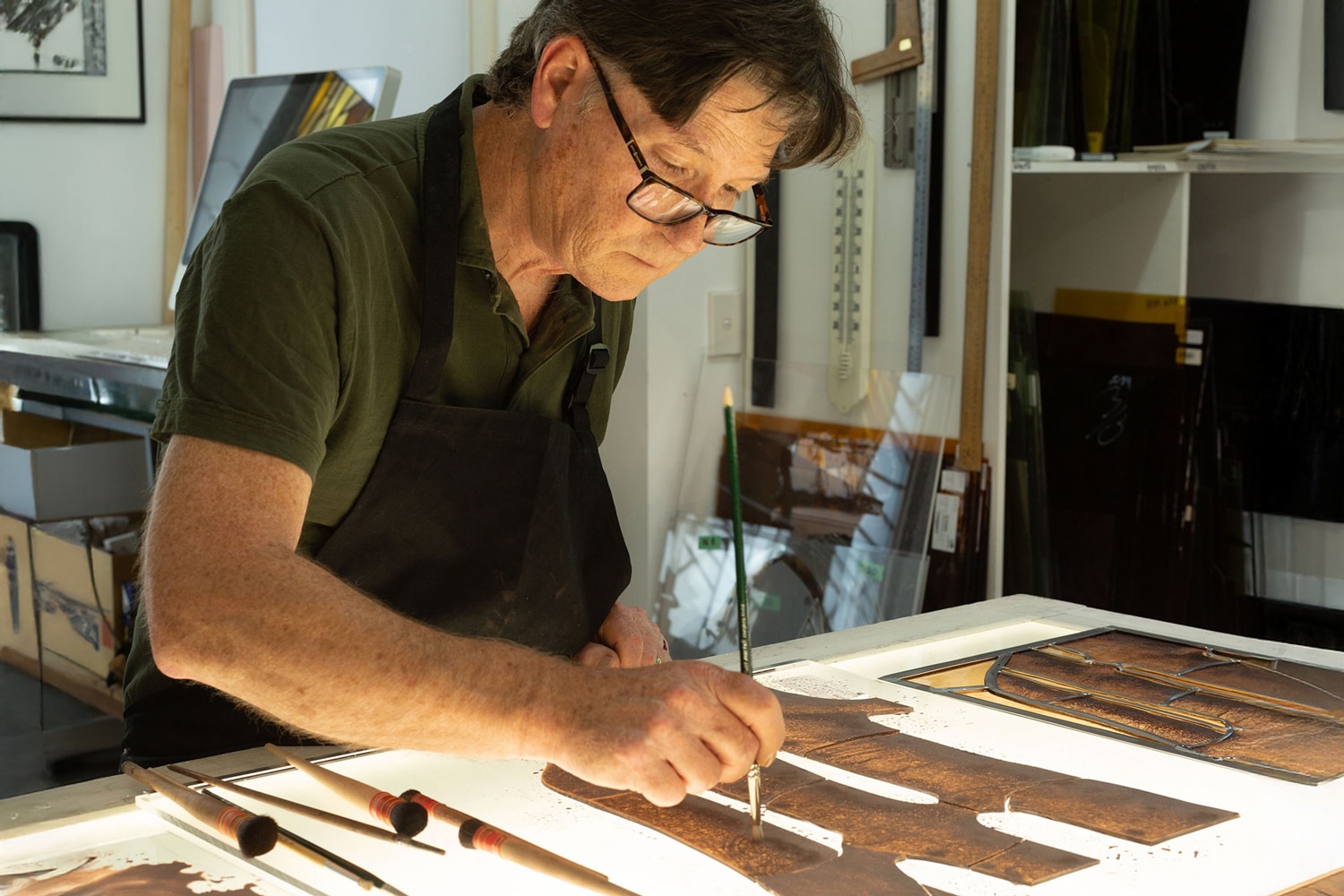
Lisa Cahill shapes fleeting moments into glass in her Canberra workshop, located on the industrial edge of Fyshwick. "I am inspired by natural beauty, sunsets illuminating mountains, rain freckling pavements and even the soft valleys of a crumpled page. I translate these influences into delicate glass sculptures, which I then engrave, paint or fold before and after fire transforms them in my kilns," explains Lisa. Her sculptural works grace the walls of Tiffany & Co. boutiques across Australia and China, the Nobu Hotel in Atlanta and a memorial in Somme in France, which honours Australian servicemen who lost their lives to war. "Each of my sculptures displays their fragility like armours," Lisa says.
Lisa-Cahill-OBJECT11.jpg)
OBJECT1_Valley-II_Kiln-formed-and-enamelled-glass_LISA-CAHILL_photo-Greg-Piper.jpg)
OBJECT4_Cascade3_LISA-CAHILL-Photo-Greg-Piper.jpg)
OBJECT8_Shadow-Anatomy_LISA-CAHILL_2024_Photo-Greg-Piper.jpg)
OBJECT9_Swell-LISA-CAHILL_photo-Brenton-McGeachie.jpg)
INTERVIEW
The beauty of making glass is that it is not an easy process. It takes years to understand how glass moves and how to control it to get the effects desired. Its temperature is hard to grasp as it keeps changing, which makes it difficult to know exactly how a piece will turn out.
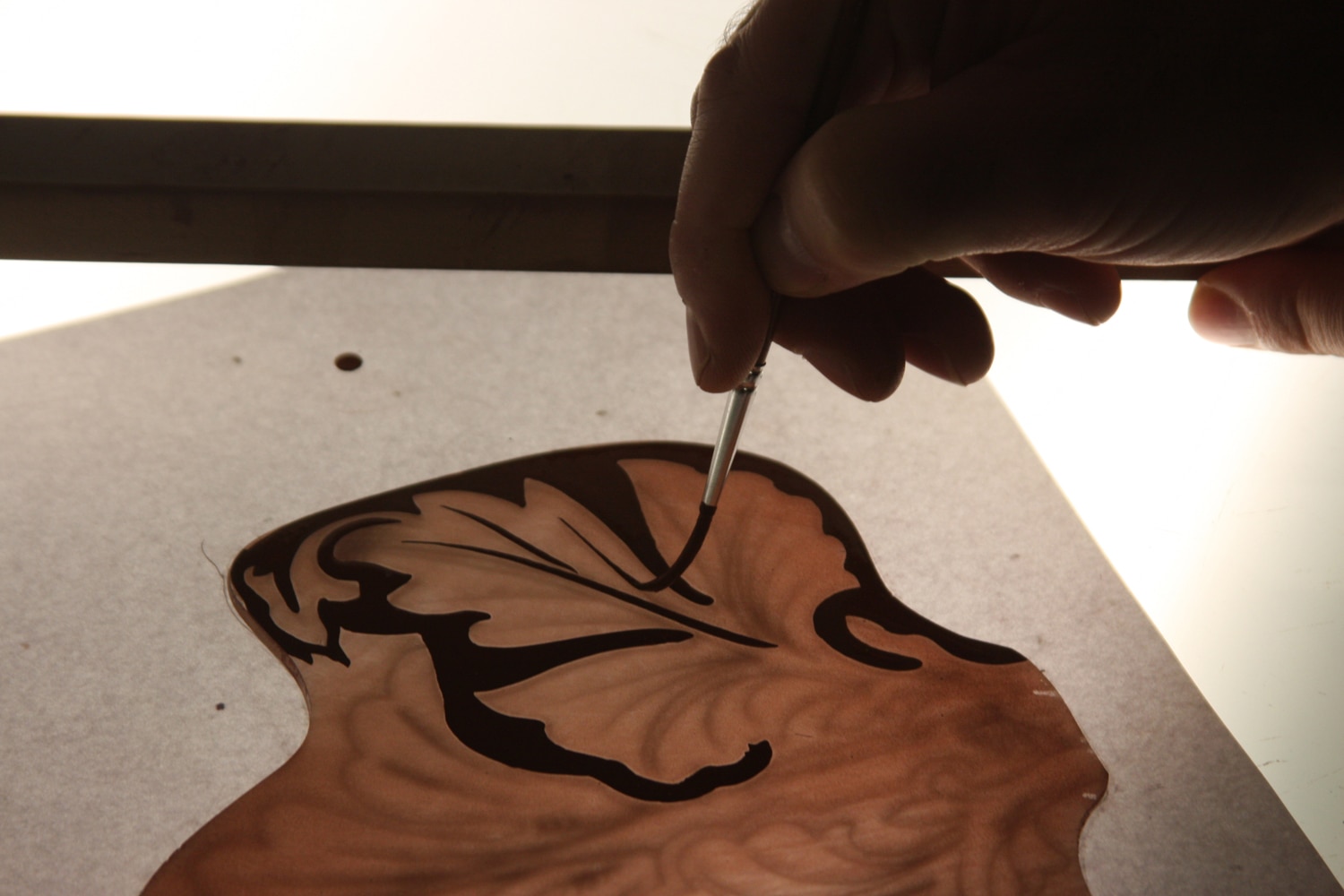
I have worked with folded glass for a long time to echo the look of a crumpled page – a reflection of human fragility. Many glass artists focus solely on sculpture, but I always come back to painting. I love how paint moves on glass, it feels completely different from painting on canvas.
I see landscapes in pavement cracks, rain making patterns on the ground and fissures on old, weathered tiles. I am inspired by mist and fog too – anything ephemeral grabs my attention.
You just have to start creating. You do not have a practice unless you make. Every time something comes out of the kiln, you learn – often more from mistakes than from getting things right.
Lisa Cahill
Atelier 818
Glass sculptor
Fyshwick, Australia
ADDRESS
Address upon request, Fyshwick, Australia
AVAILABILITY
By appointment only
PHONE
+61
LANGUAGES
English, Danish
Homo Faber Finds is a new service aiming to inspire admirers of craft to connect and collaborate with exceptional artisans.
We invite you to submit an enquiry here.
Bottle Marsupial 2017 Tom Moore.jpg)
Studio Portrait Tom Moore.jpg)
Blowing Glass 4 Tom Moore.jpg)