IMG_0535-copy_©Jennifer-Shellard.jpg)
IMG_1678-copy_©Jennifer-Shellard.jpg)
IMG_1648-copy_©Jennifer-Shellard.jpg)
IMG_1684-copy_©Jennifer-Shellard.jpg)
Bamboozle-Silk-and-Bamboo_©Jennifer-Shellard.jpg)
IMG_1632-copy_©Jennifer-Shellard.jpg)
Jennifer Shellard
Weaver
London, United Kingdom
Vibrancy of the natural world in textile
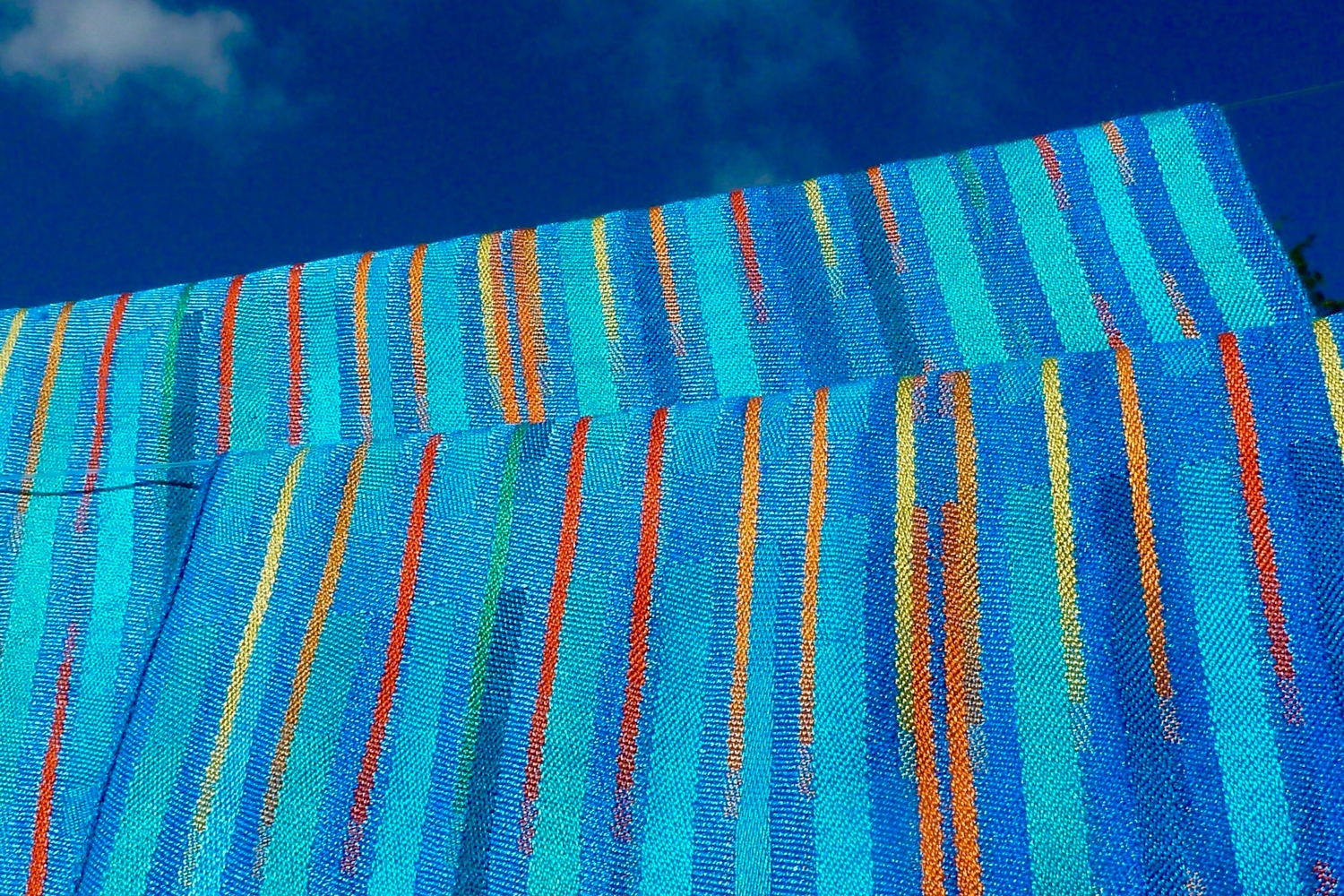
- Jennifer specialises in weaving vibrant scarves in silk
- She focuses on double cloth weaving and a range of contrasting colour and pattern effects
- She has been teaching textiles at UAL and UCA Farnham since the early 2000s
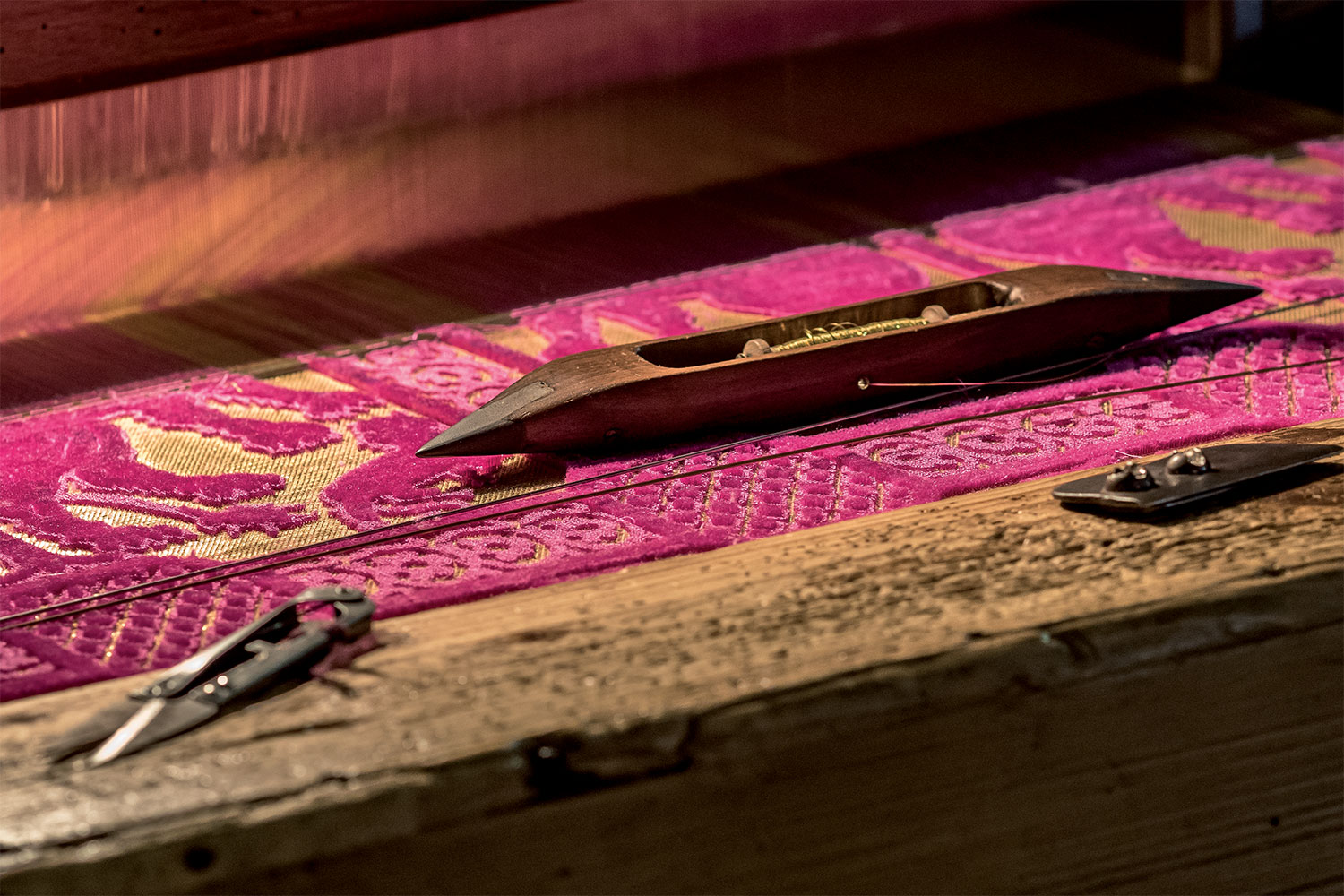
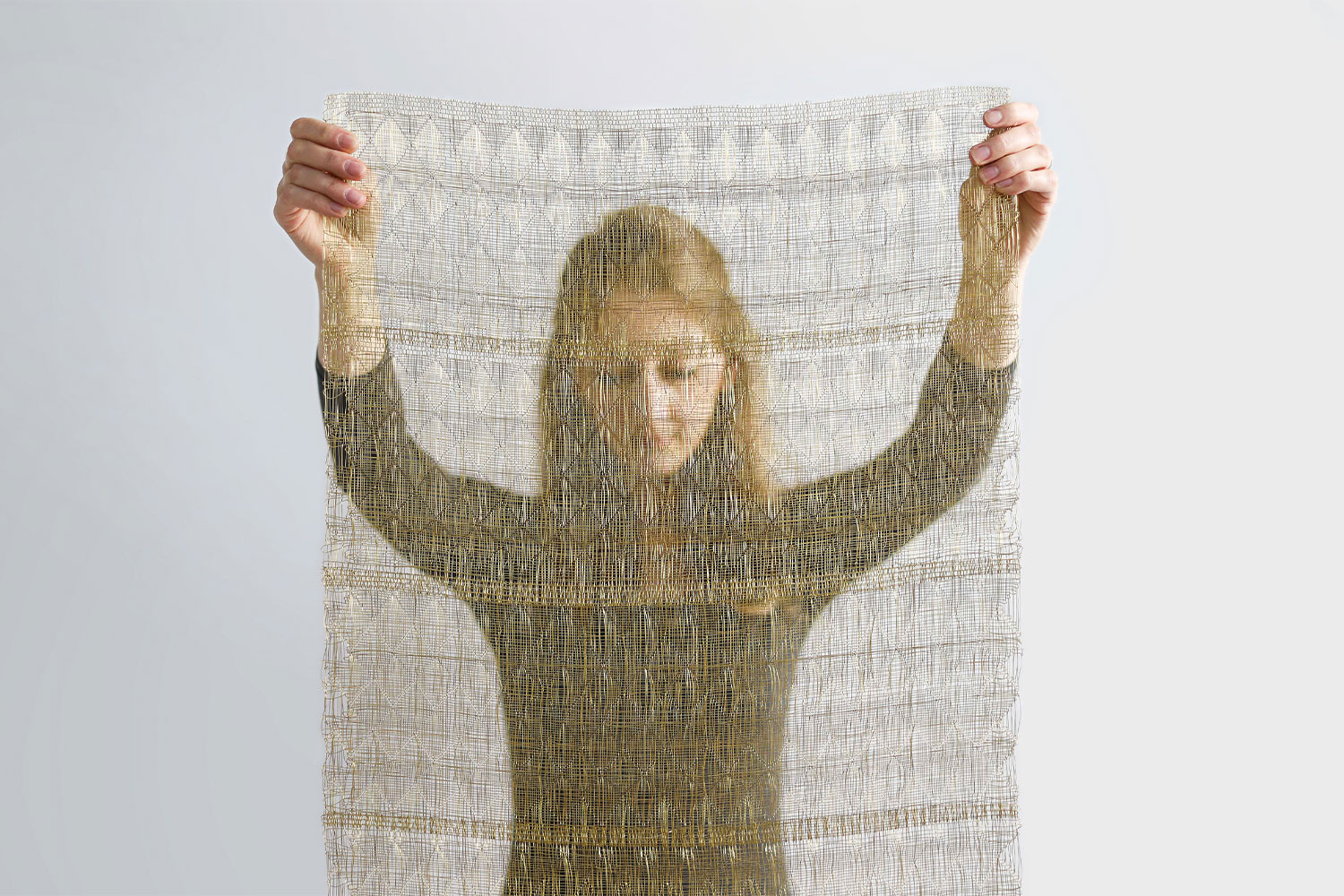
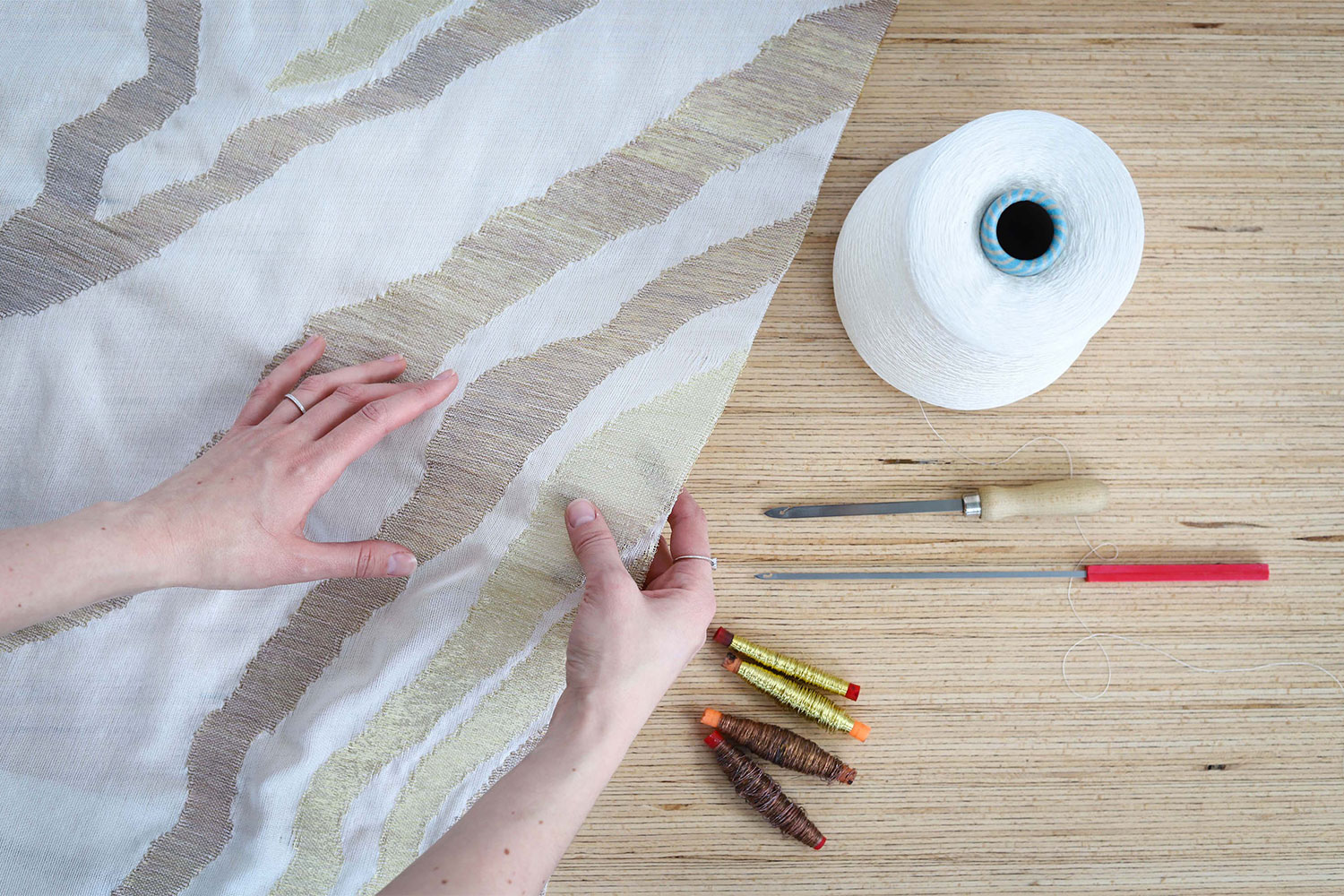
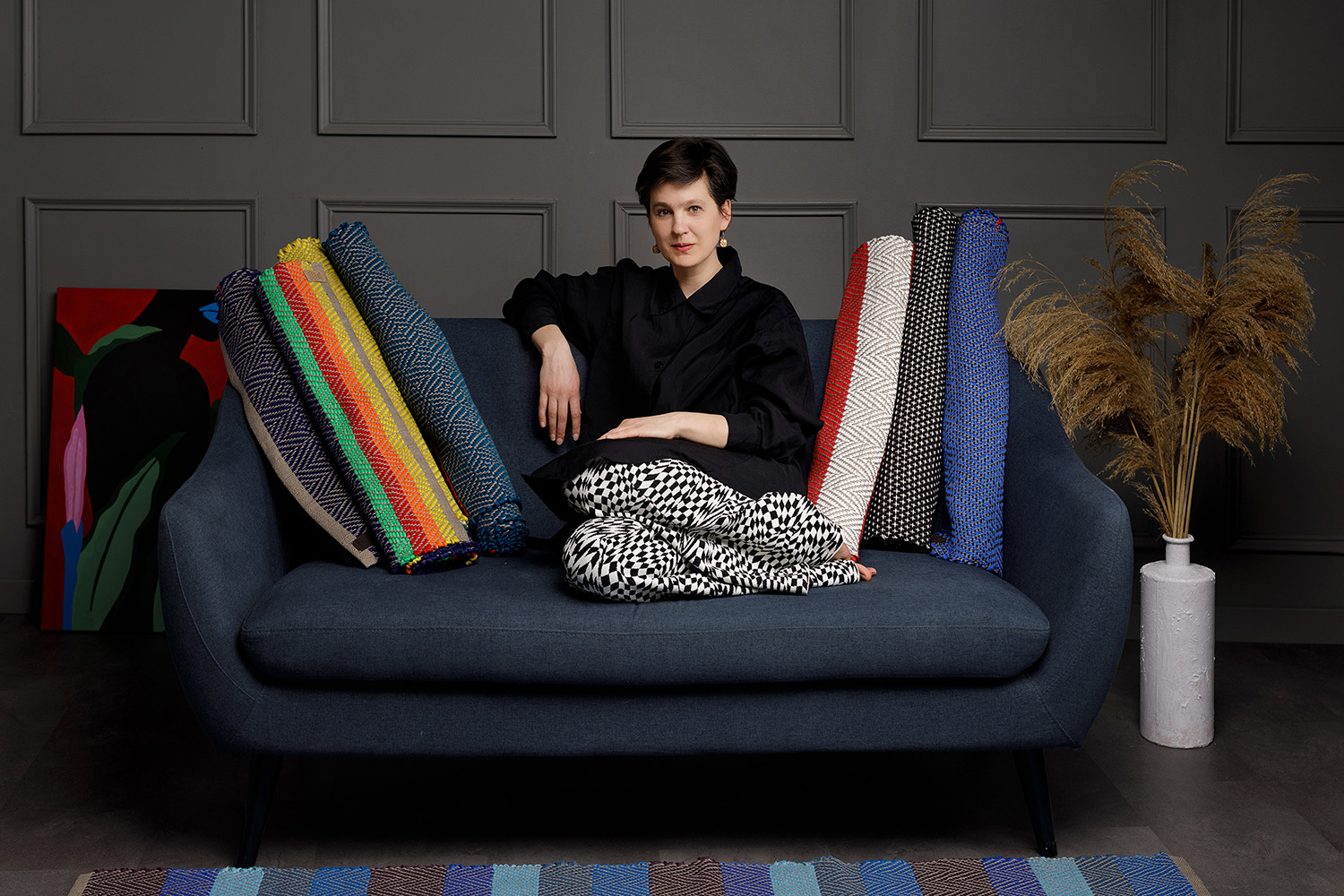
Inspired by her childhood in Brazil, Jennifer Shellard creates colourful scarves in silk. The vibrancy of the Brazilian culture also holds a special place in her life as she was born in Curitiba and spent several years in Rio de Janeiro. "I have been drawn to making things from an early age and have always had a passion for colours and the effects of light," she says. A graduate of the Royal College of Art in London, Jennifer uses her experience travelling across South America and exploring indigenous textiles and hand-painted designs as inspiration for her textile objects. One of her signature designs is the prevalence of non-repeating patterns, akin to paper collage, which she often uses to develop design ideas. Since the early 2000s, Jennifer has been teaching textiles at UAL and UCA Farnham.
Icon-Blues-silk-scarf_©Jennifer-Shellard.jpg)
Inca-Silk-Scarf_©Jennifer-Shellard.jpg)
Steps-Silk-Scarf_©Jennifer-Shellard.jpg)
Multi-coloured-silk-scarf_©Jennifer-Shellard.jpg)
INTERVIEW
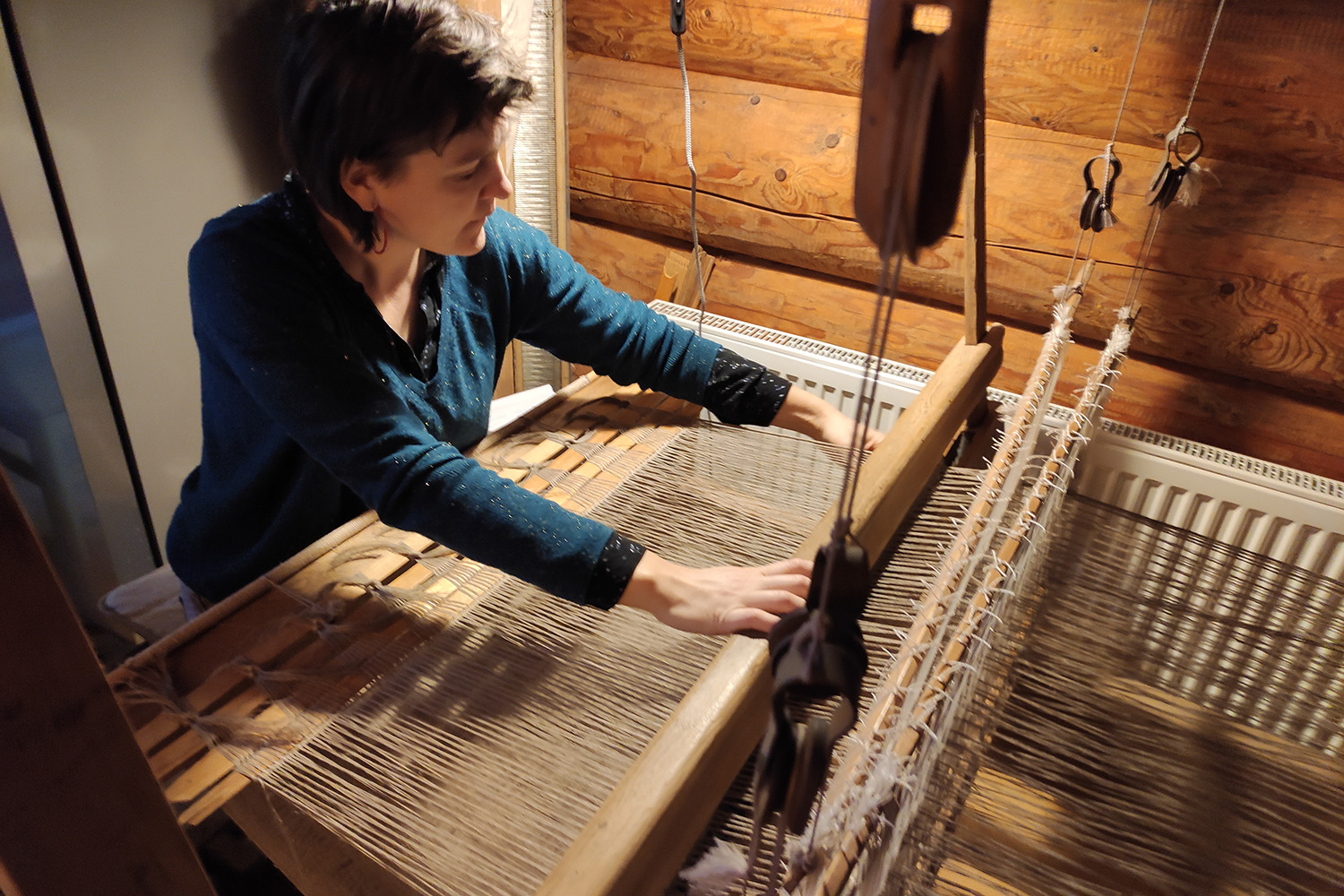
My first experience was when I started studying at the Royal College of Art. I remember laboriously setting up my first warp on a simple table loom, getting used to the rhythm of weaving and seeing my own woven cloth appear. It was a very special, magical moment.
For some years now, I have focused on double cloth weaving since it enables me to interchange top and bottom cloths. This allows for a range of contrasting colour and pattern effects which have become a recent passion of mine.
A well made object should have some level of perfection, though not so as to mimic something that is machine-made. For me, this demands ideas and designs that would be unfeasible on a power loom. Consistency, structural integrity, finesse and functionality can all be relevant
There are many, but an appreciative audience is always affirming. The year I graduated from the Royal College of Art and was invited to a show called Wearable Art at London’s Contemporary Applied Arts gallery was a potential-affirming, key moment for me.
Jennifer Shellard
Weaver
London, United Kingdom
ADDRESS
Address upon request, London, United Kingdom
AVAILABILITY
By appointment only
LANGUAGES
English
Homo Faber Finds is a new service aiming to inspire admirers of craft to connect and collaborate with exceptional artisans.
We invite you to submit an enquiry here.


Founders_Storm_V1.jpg)
Materials_Landscape_V1.jpg)
6Metalworker_V1.jpg)