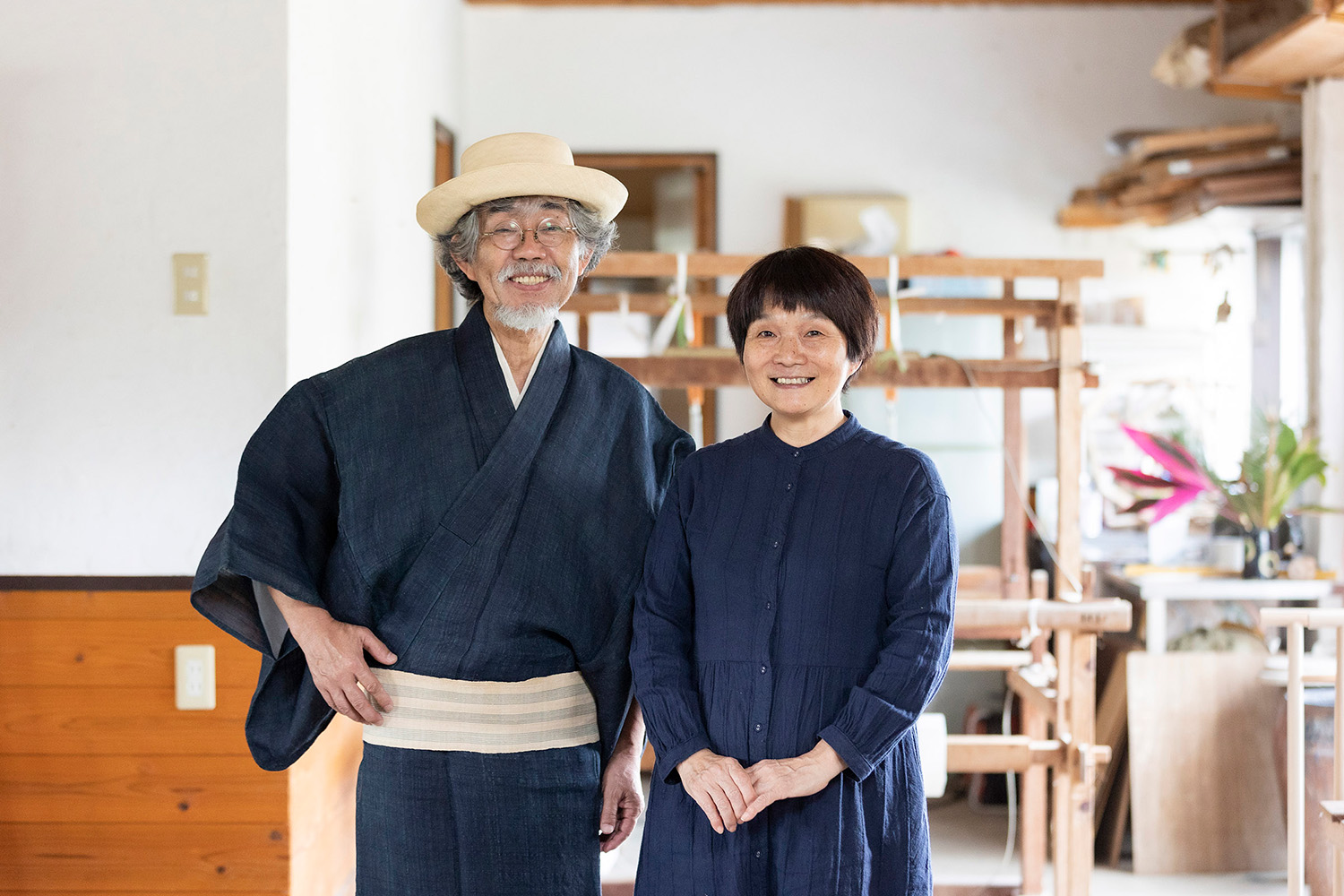

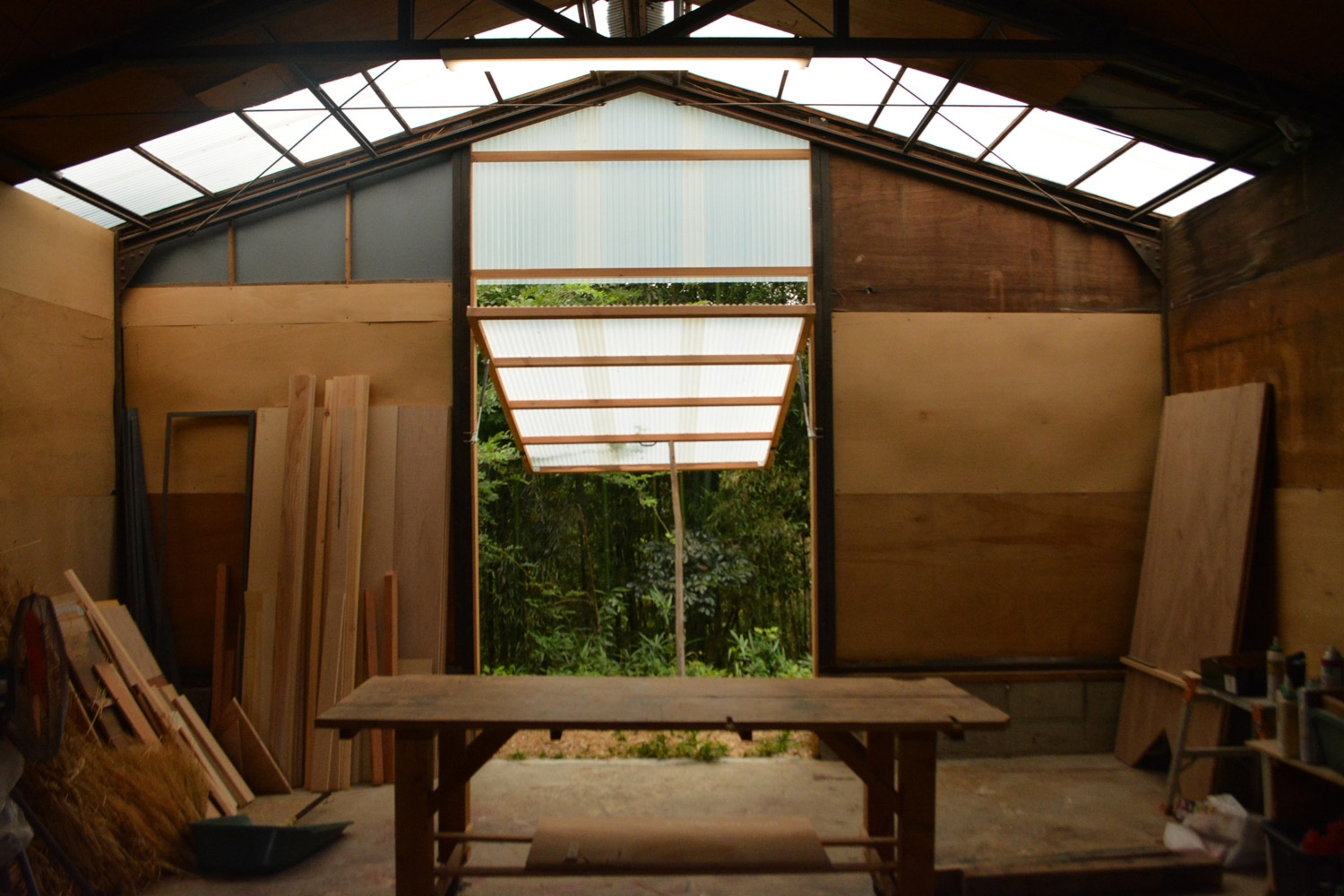
Ikuya Sagara
Kusakanmuri
Straw worker
Kobe, Japan
Cycles of life in straw
- Ikuya uses thatching techniques to make decorative pieces
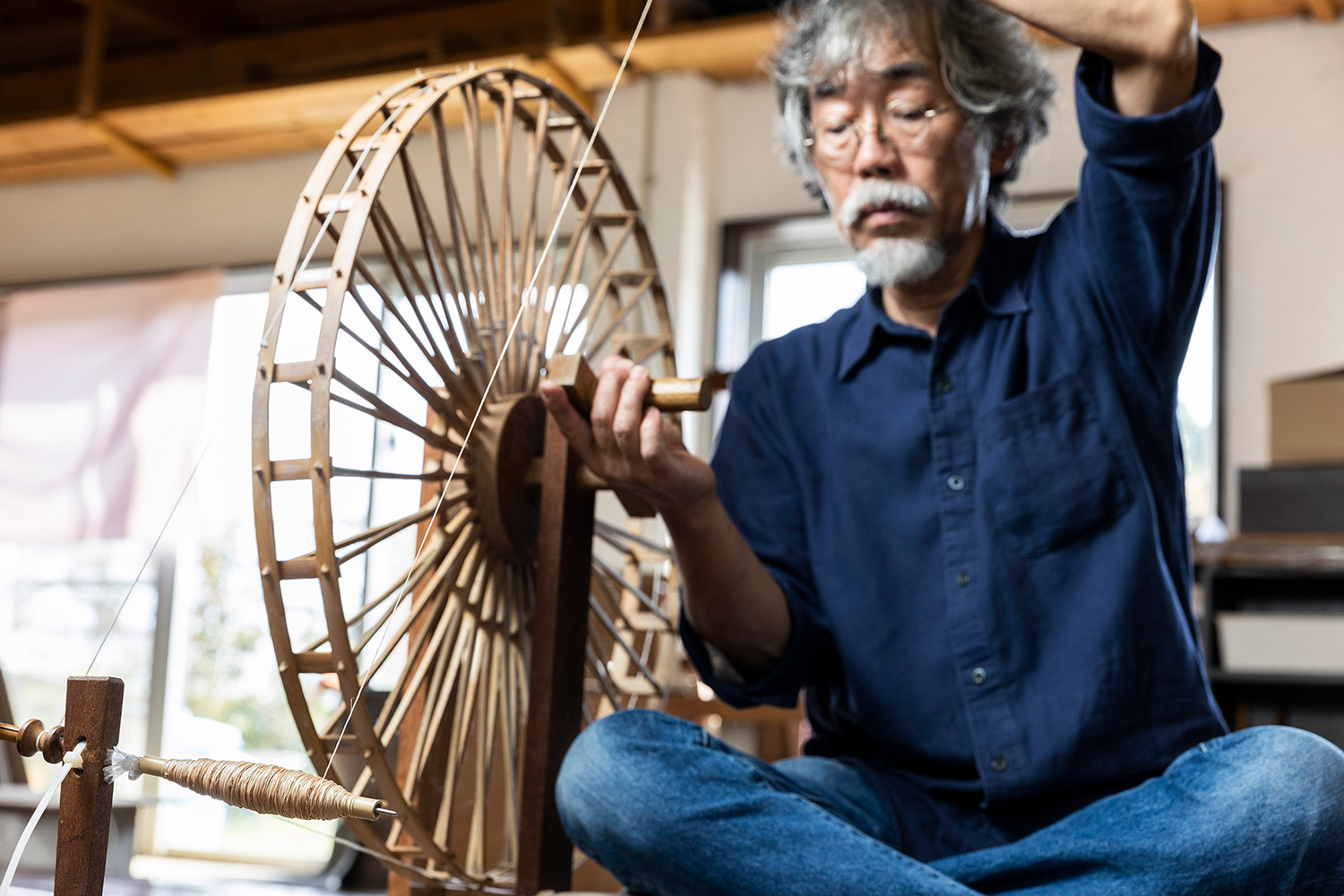
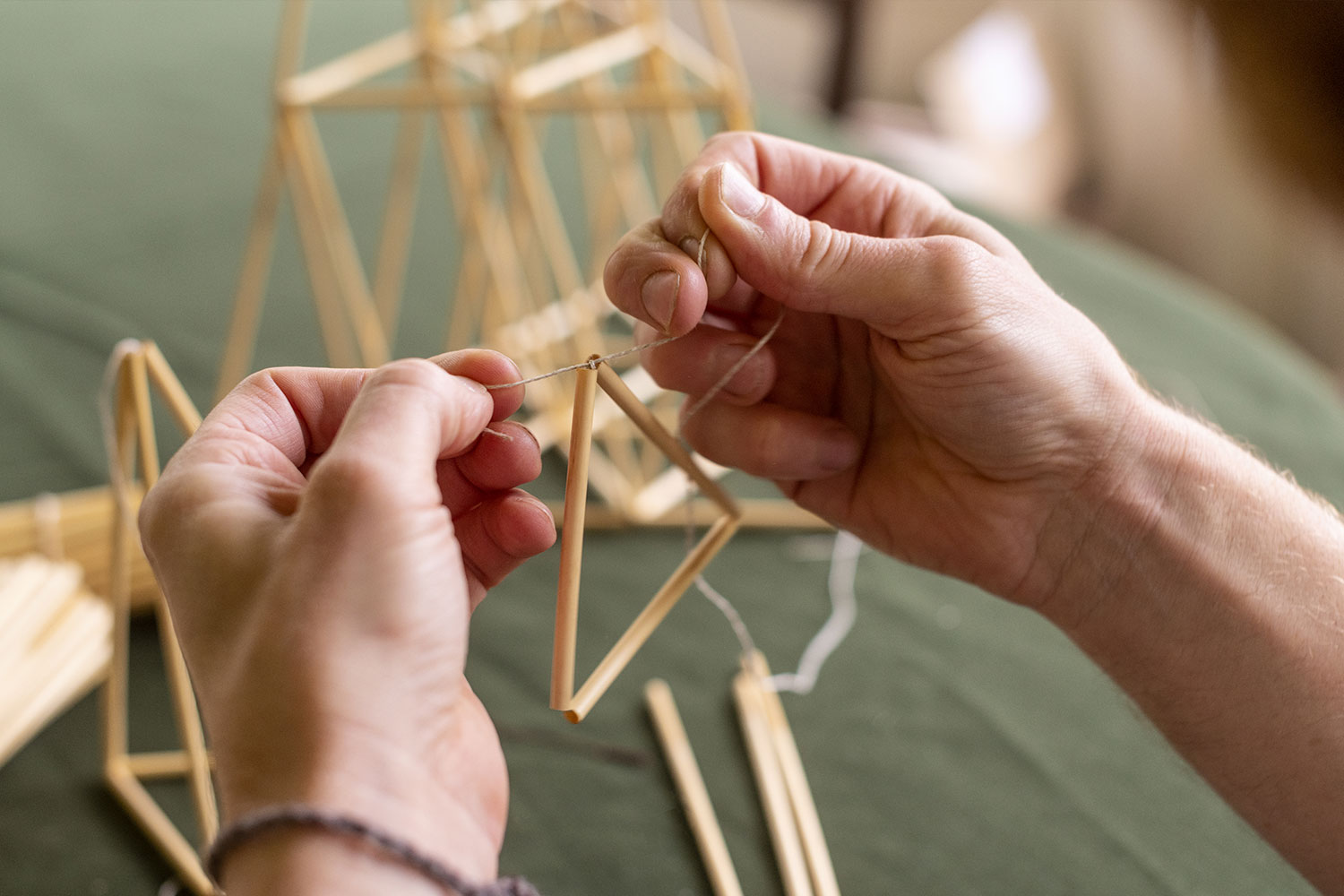
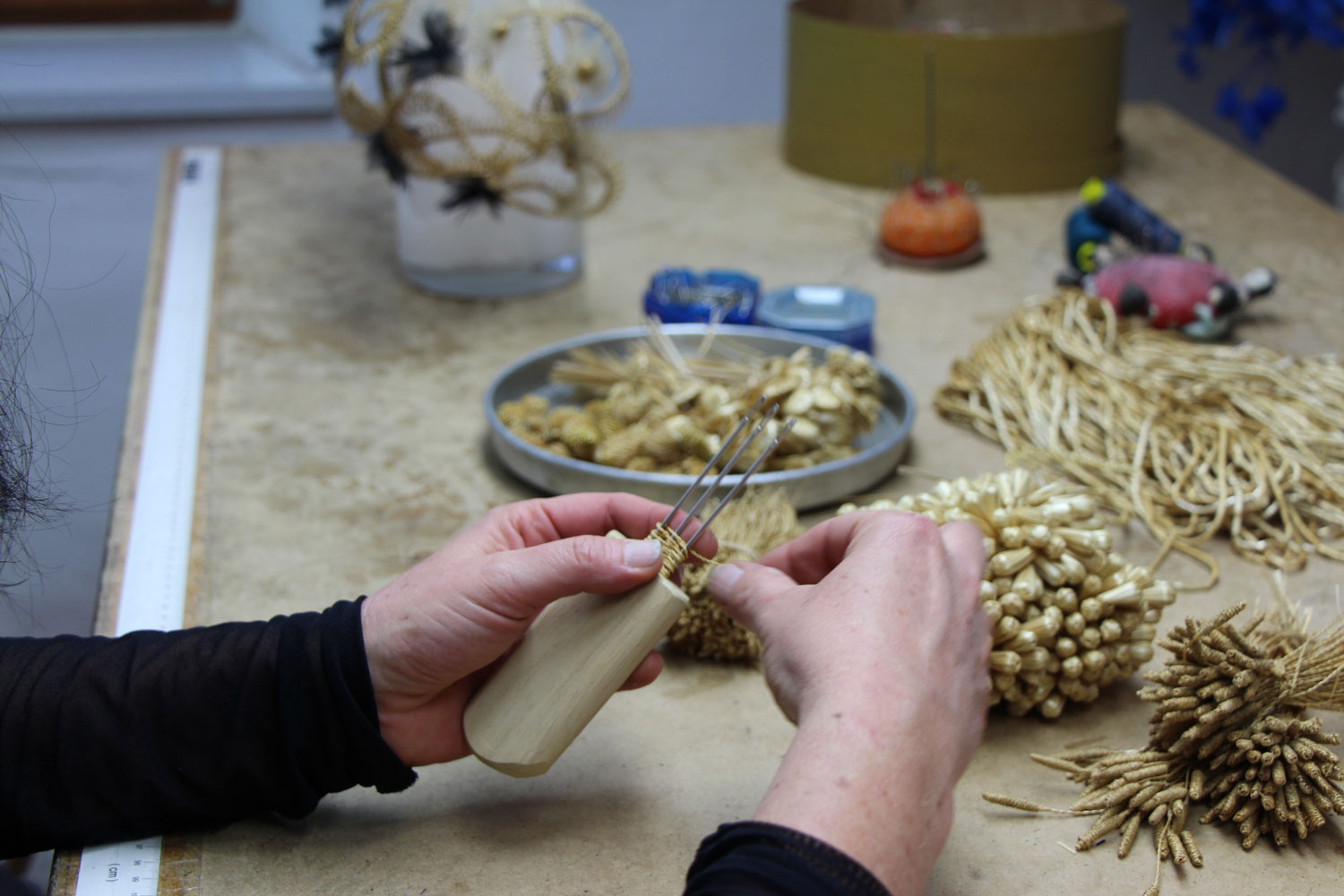
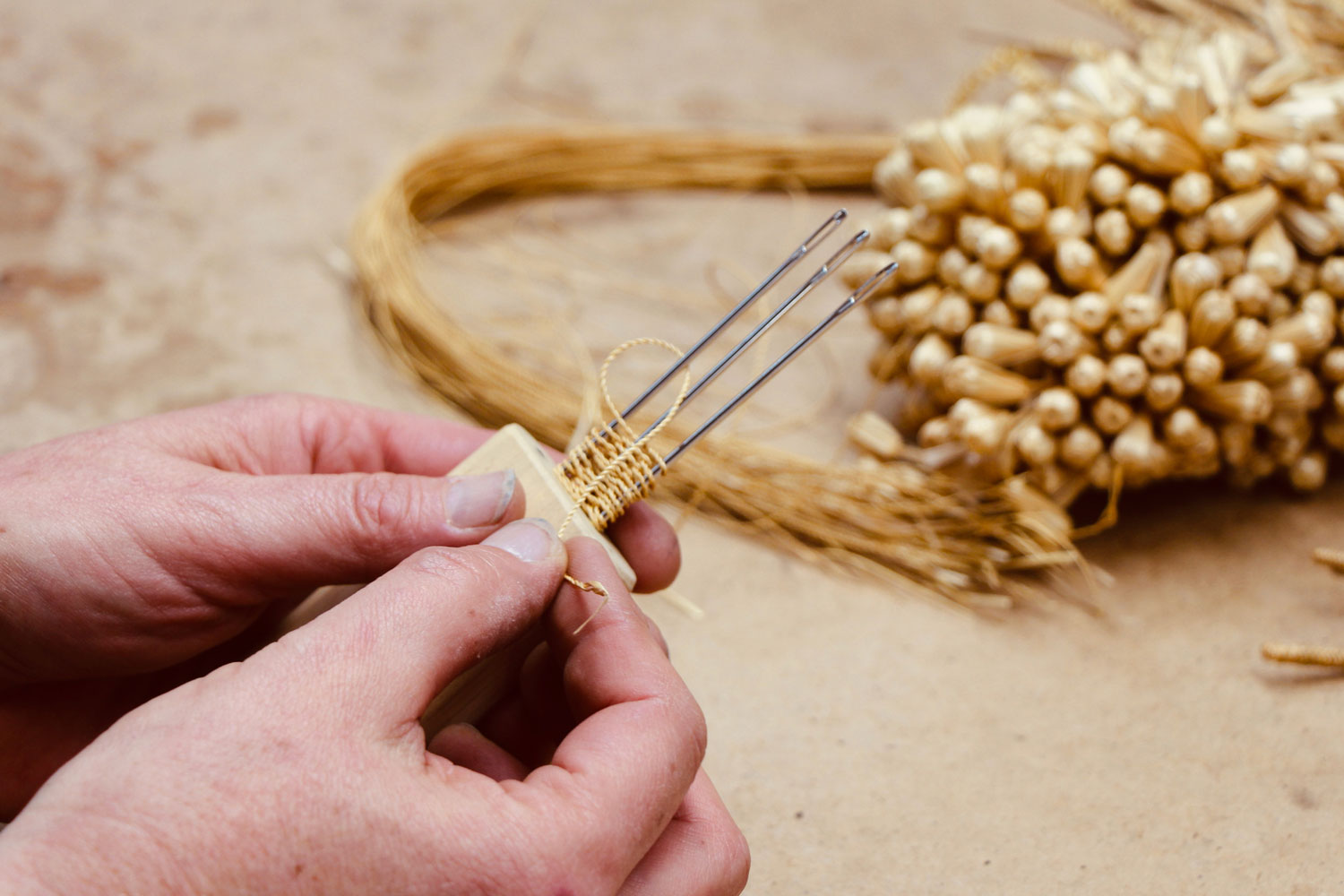
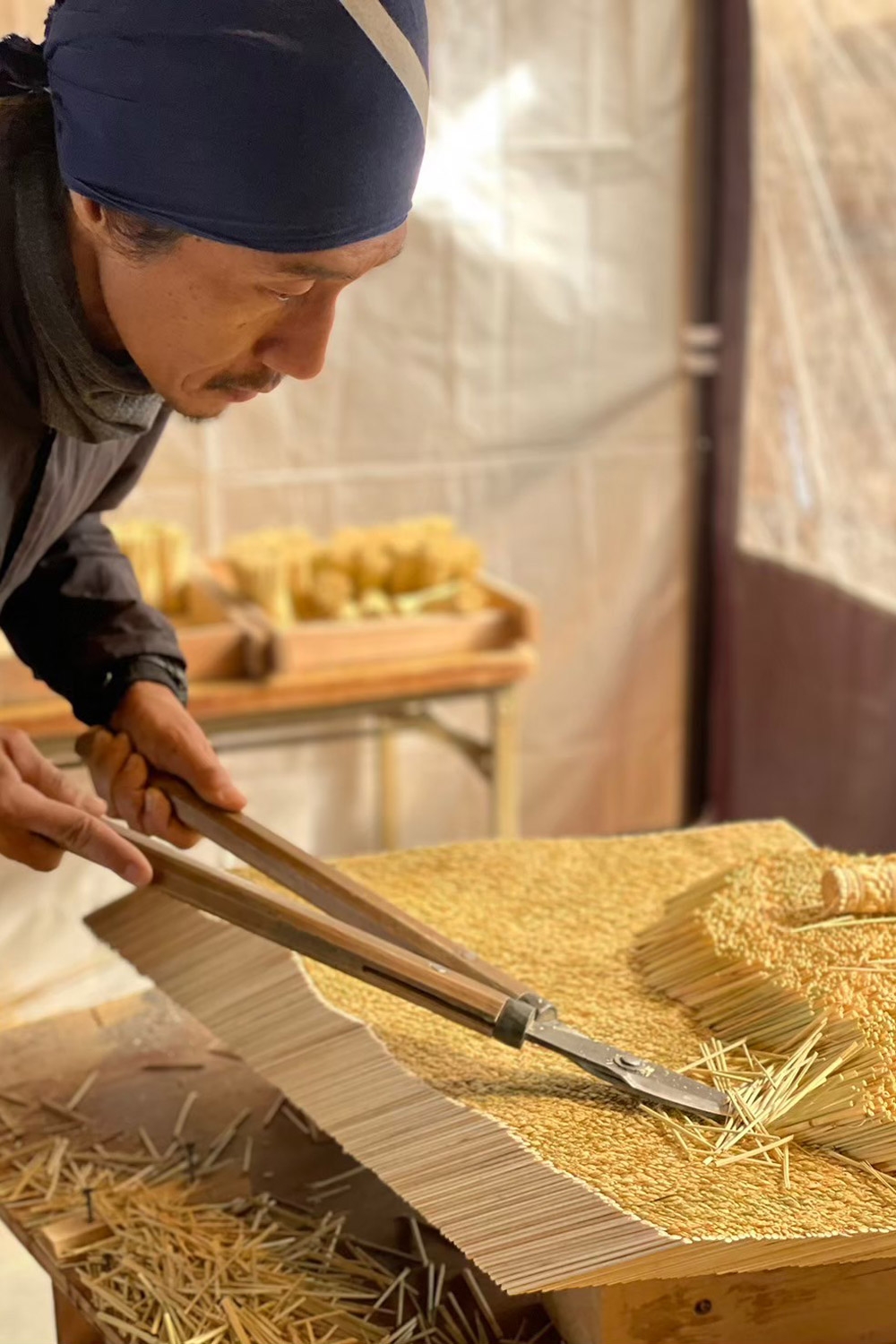
- He created his own tools for his small-scale creations
- He seeks to pass down the beauty and essence of his craft
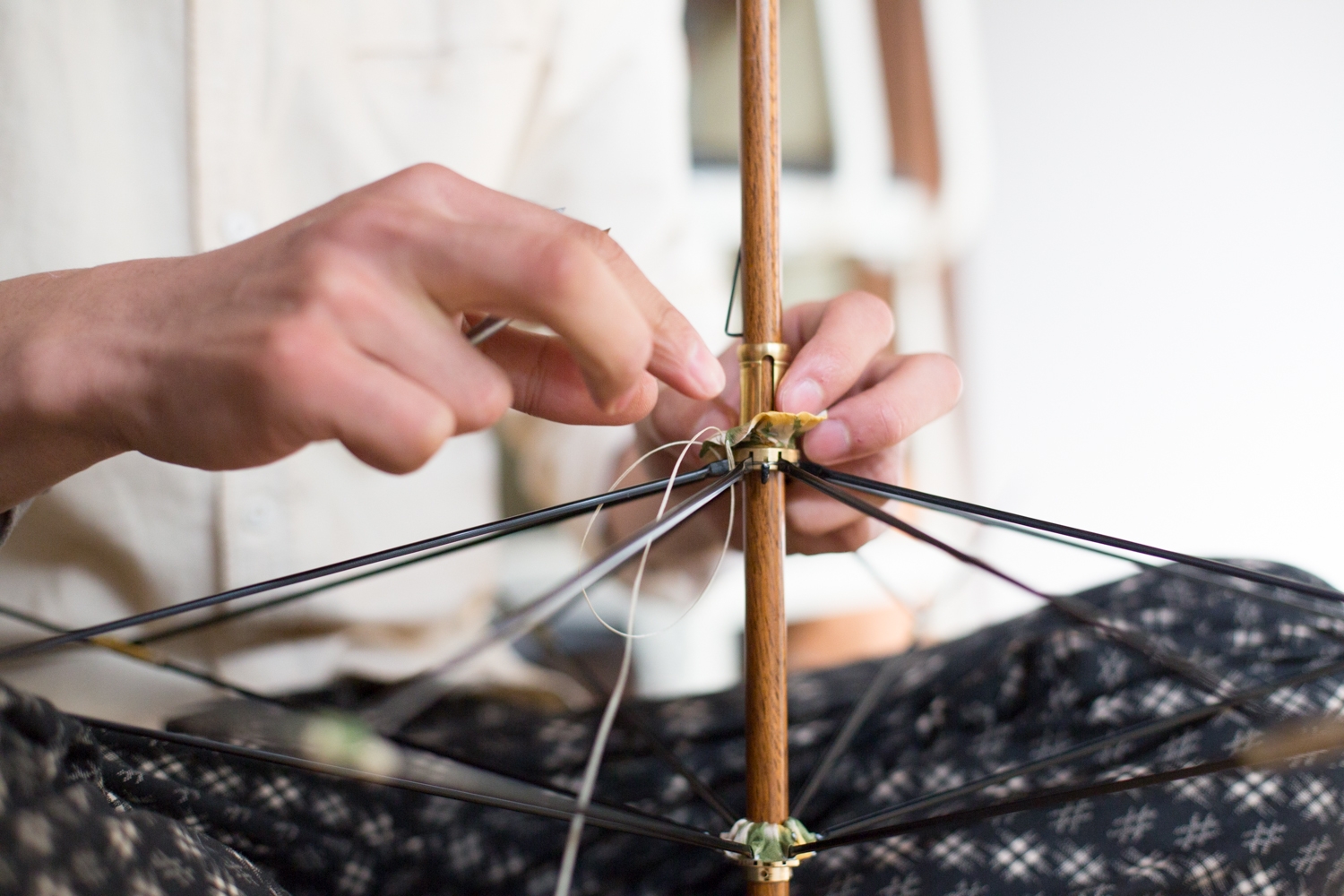
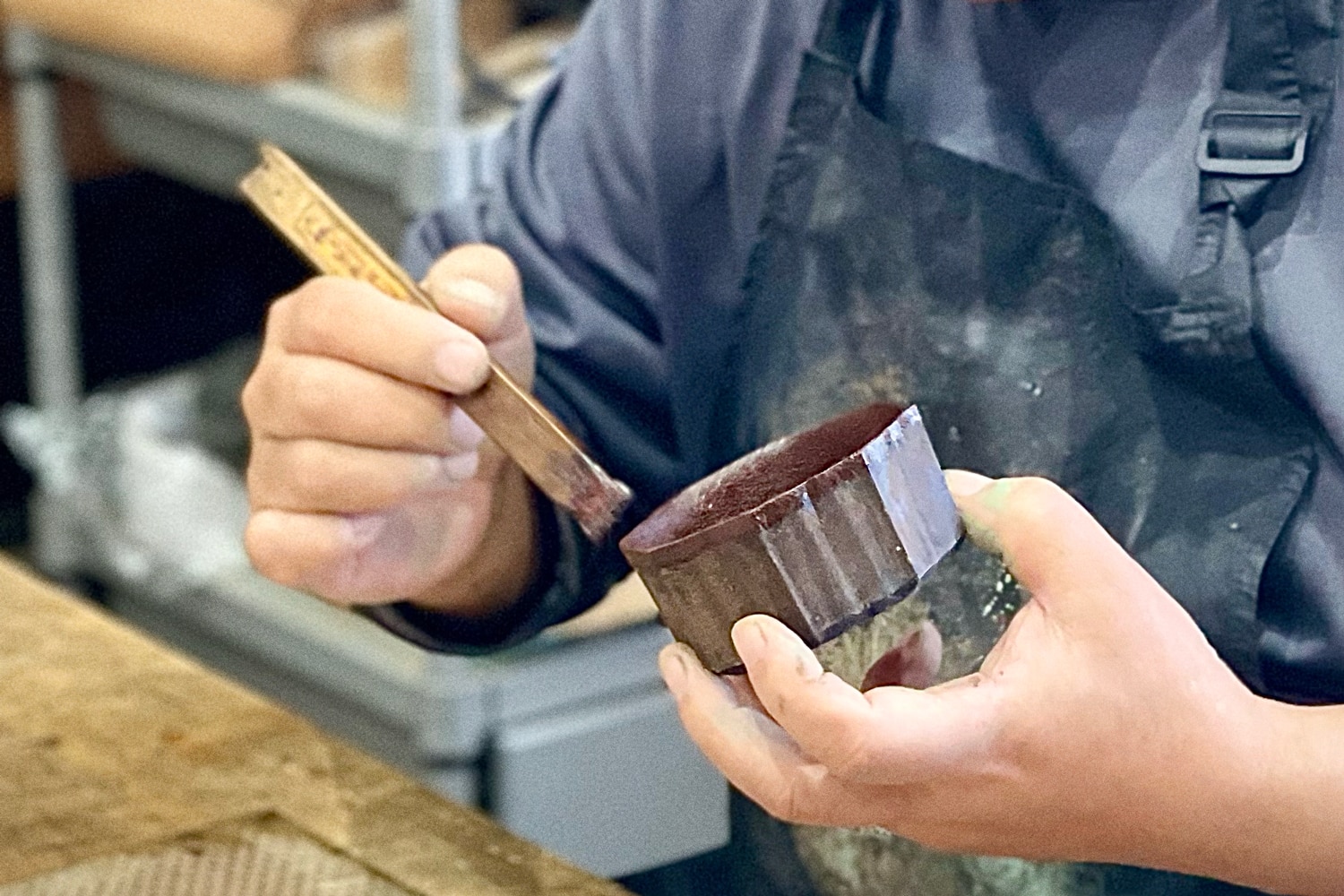
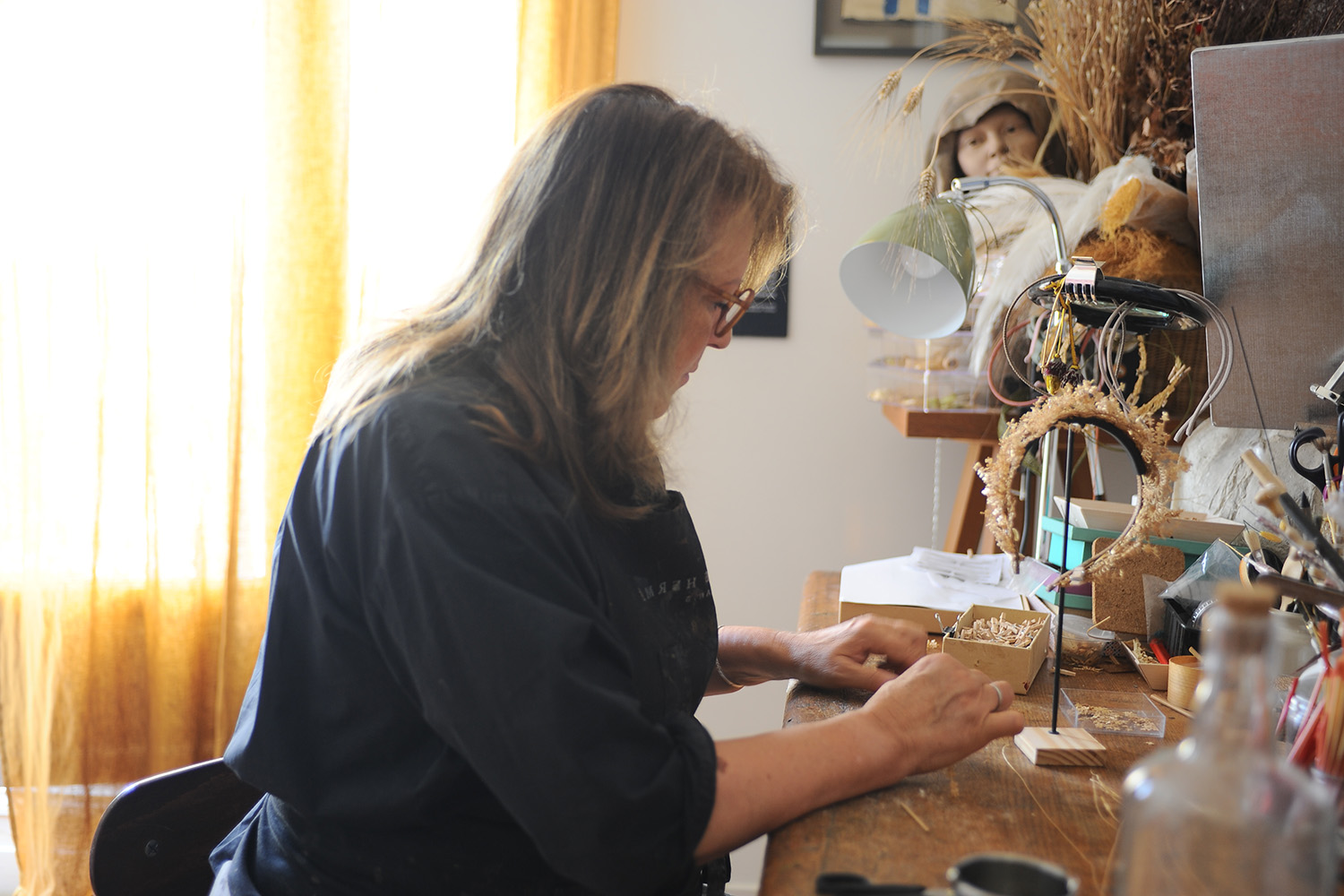
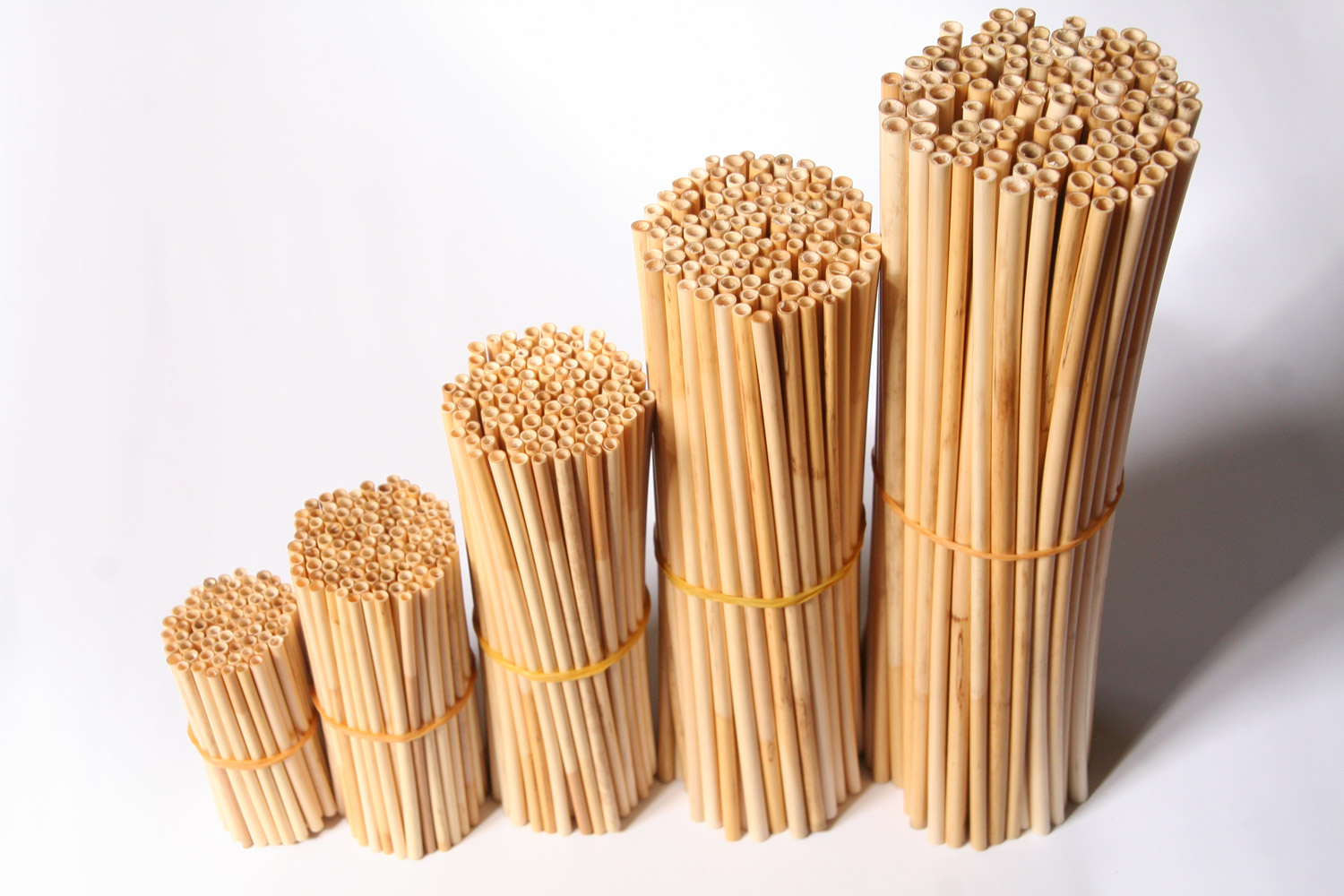
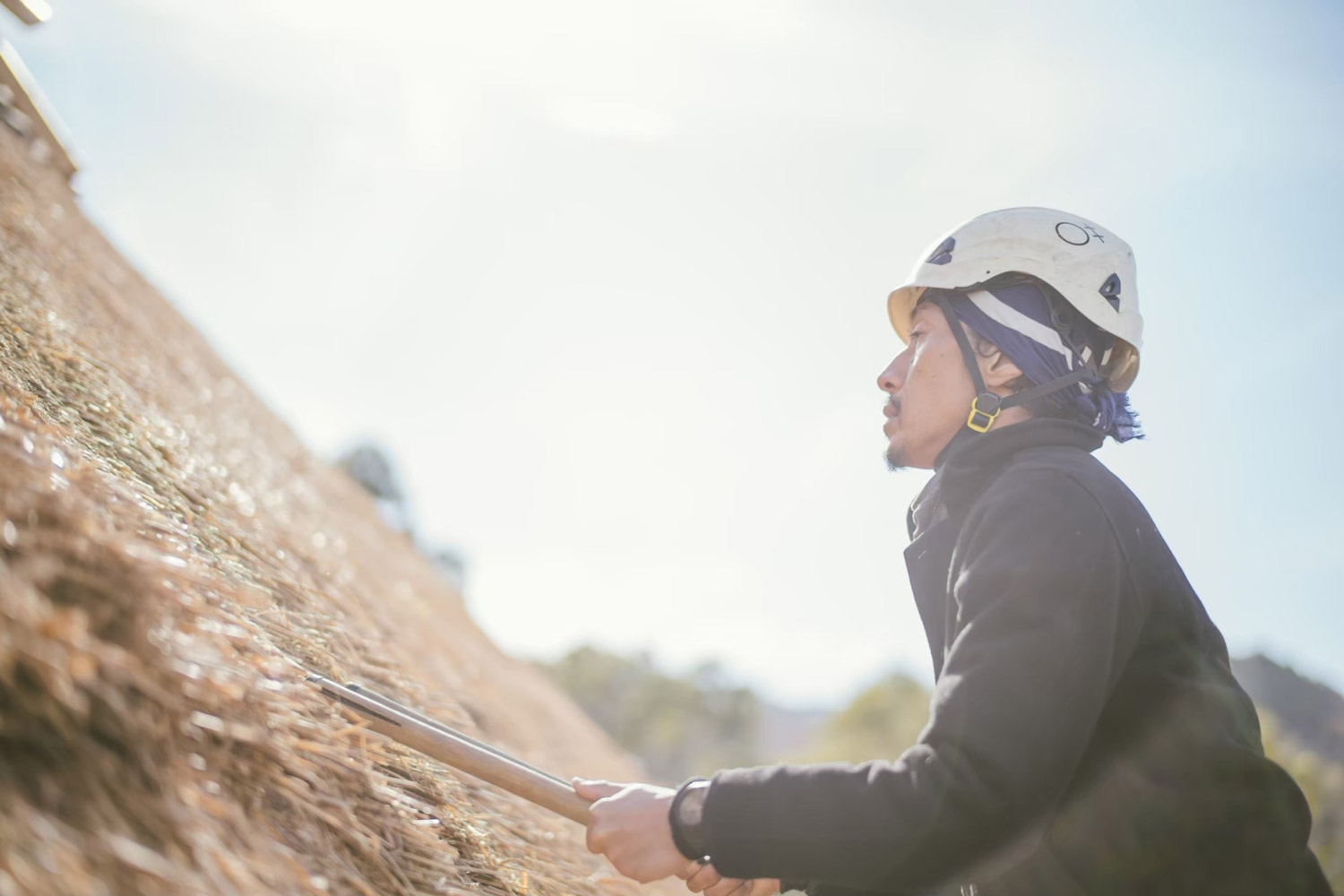
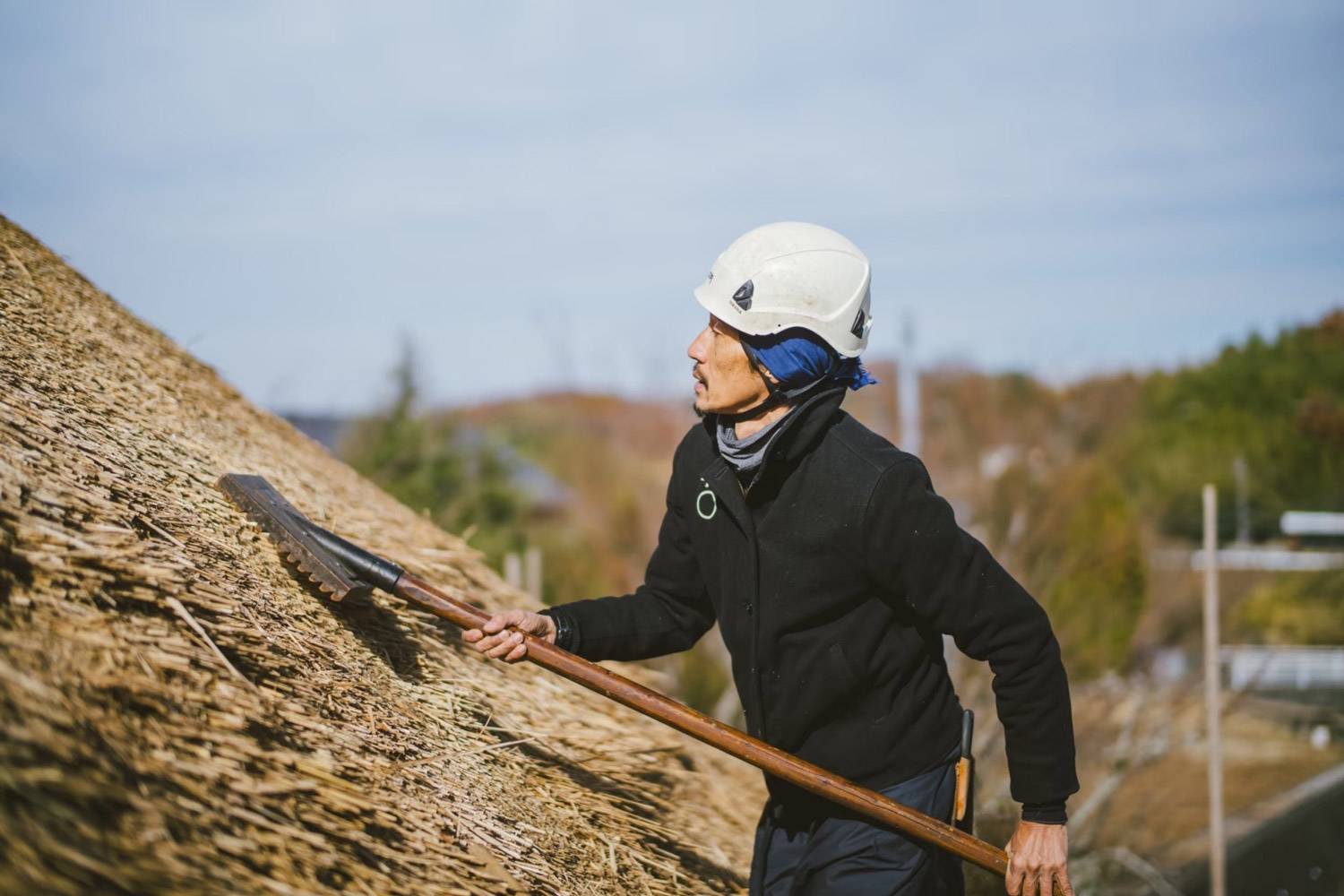
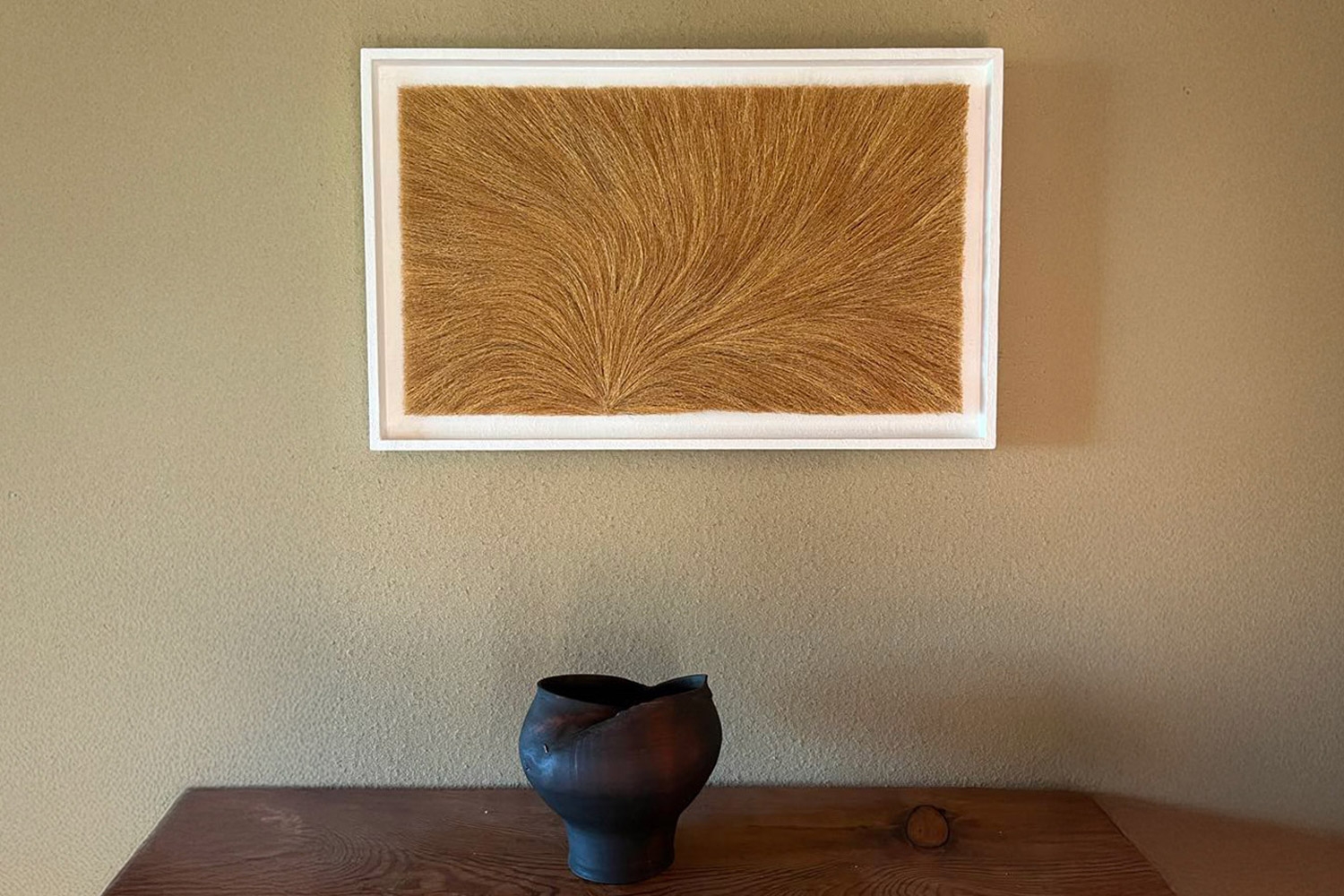
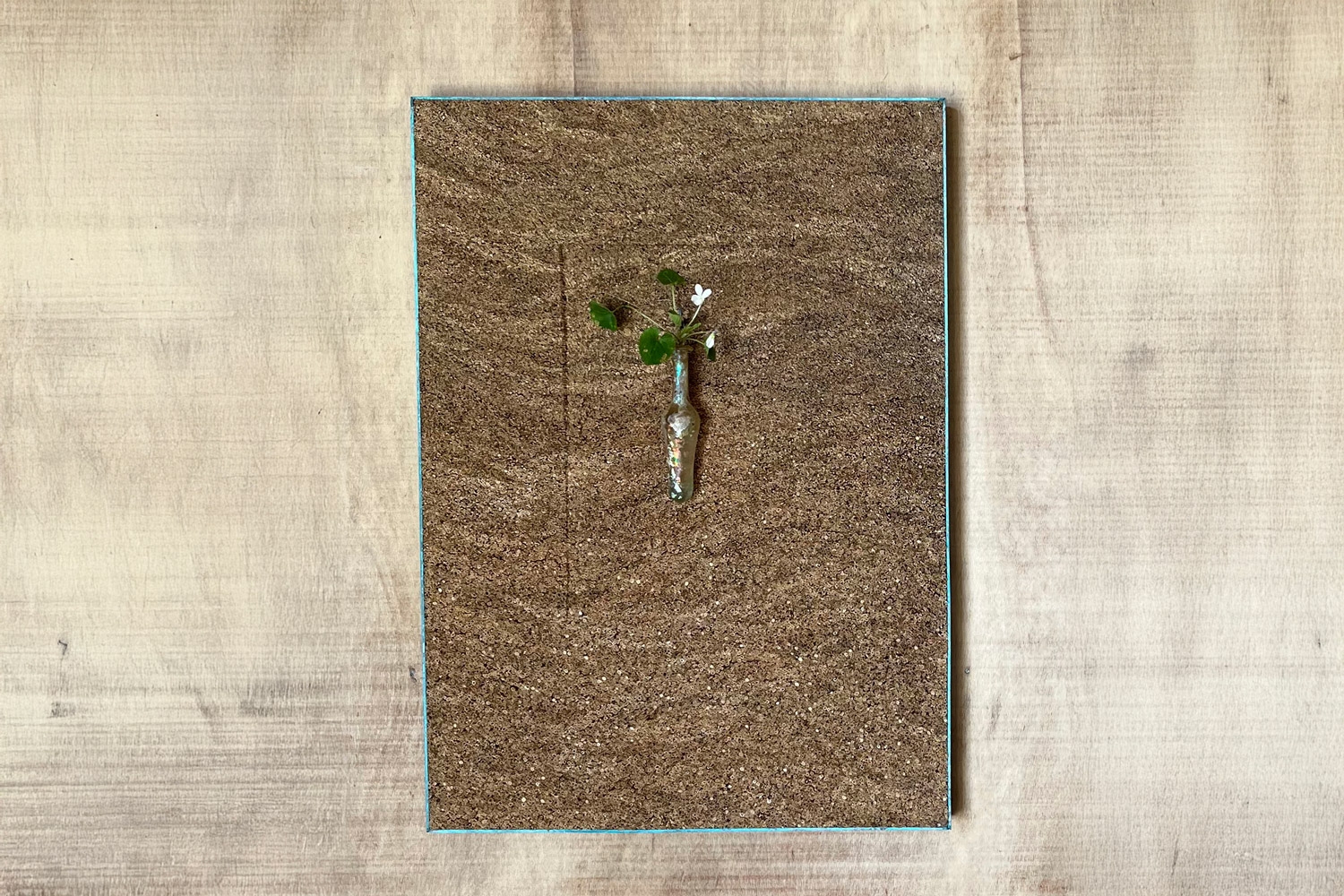
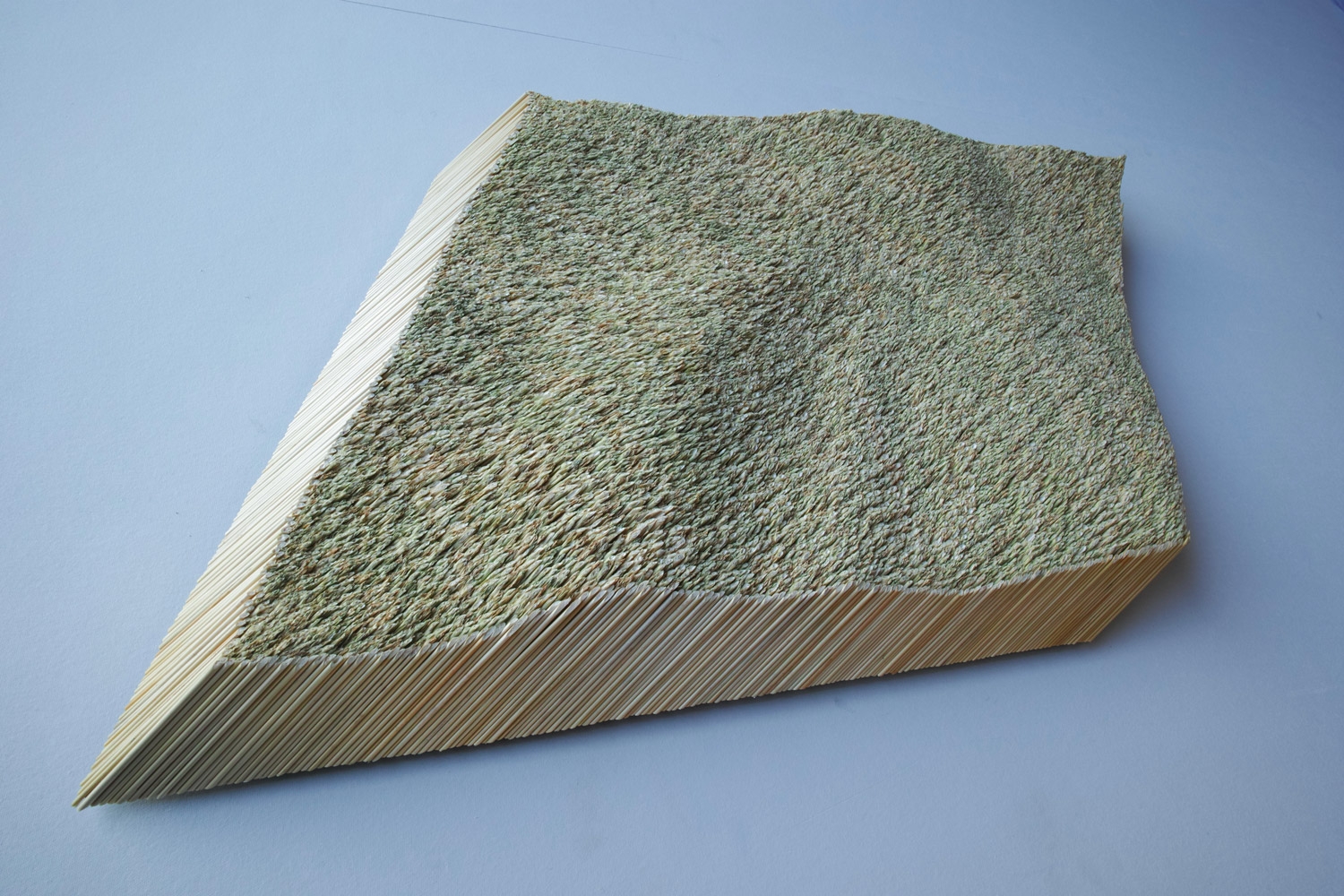
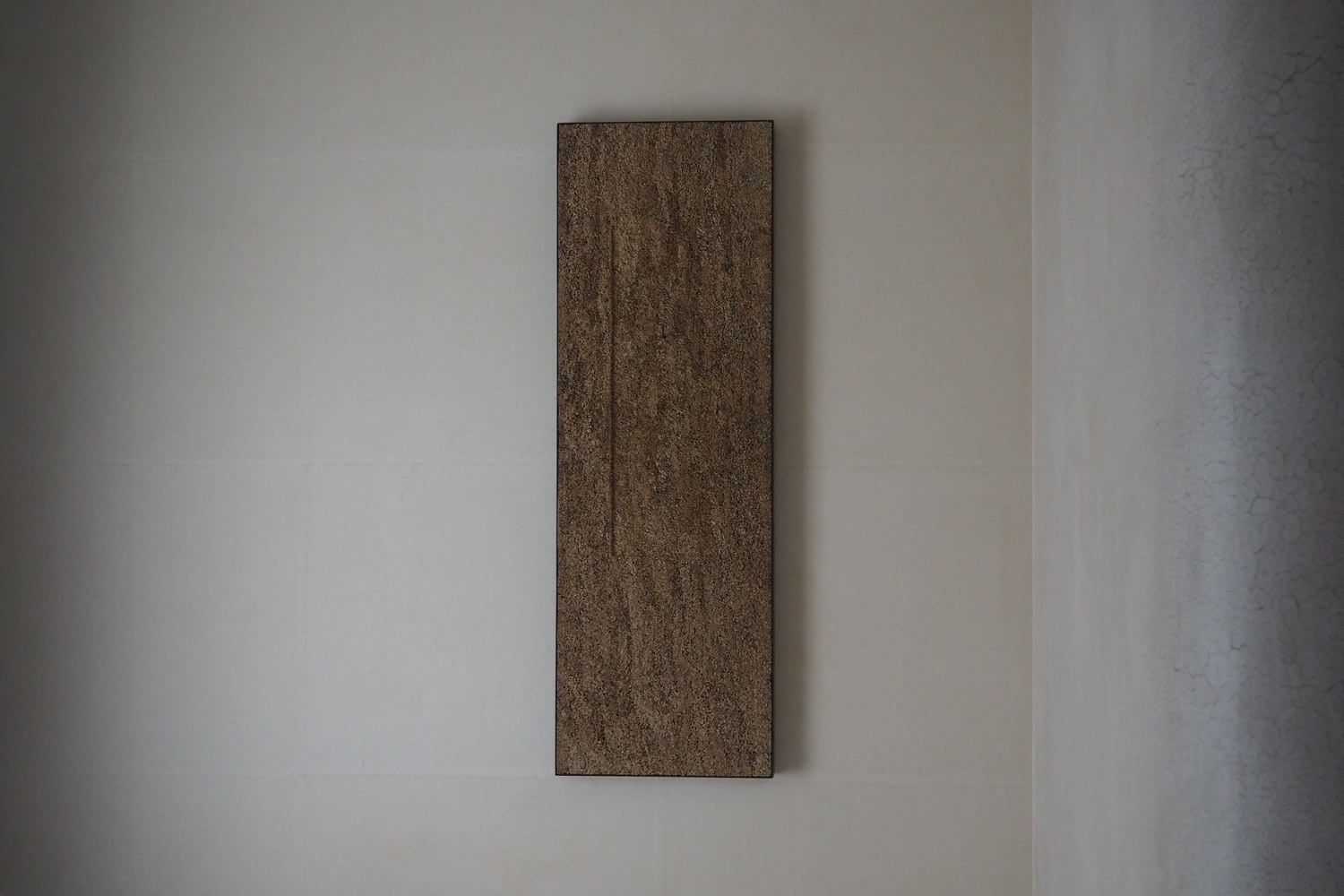
Ikuya Sagara describes thatching as a uniquely holistic craft that encompasses growing crops, building structures and eventually, returning weathered straw to the earth as fertiliser. “In the past, everyone helped thatch their own roof,” he says. Japan’s humidity limits the lifespan of thatched roofs to around 25 years, which naturally and interestingly ensured the transmission of skills from one generation to the next. Today, as global interest in ecological practices rises, thatching is gaining renewed attention. Through workshops, Ikuya offers hands-on encounters with the craft. He creates artworks, sections of thatched roofing reimagined as wall pieces, to bring thatching closer to people's homes. “I live surrounded by nature. I feel at peace when I stand in the wind, and I often pick flowers to enjoy at home. I make pieces that invite those sentiments into our lives,” Ikuya says.
INTERVIEW
I am a thatcher. The craft used to be a communal effort only half a century ago, when villages would gather to rethatch roofs in winter. Recently, it has become a specialised, full-time profession.
Having experienced the Great Hanshin Earthquake, I felt a deep need to acquire grounded, life-sustaining skills. I wanted to become a hyakushō, a person of a hundred essential skills. My master told me, 'Thatching will give you ten of those'. His words set me on the path I follow today.
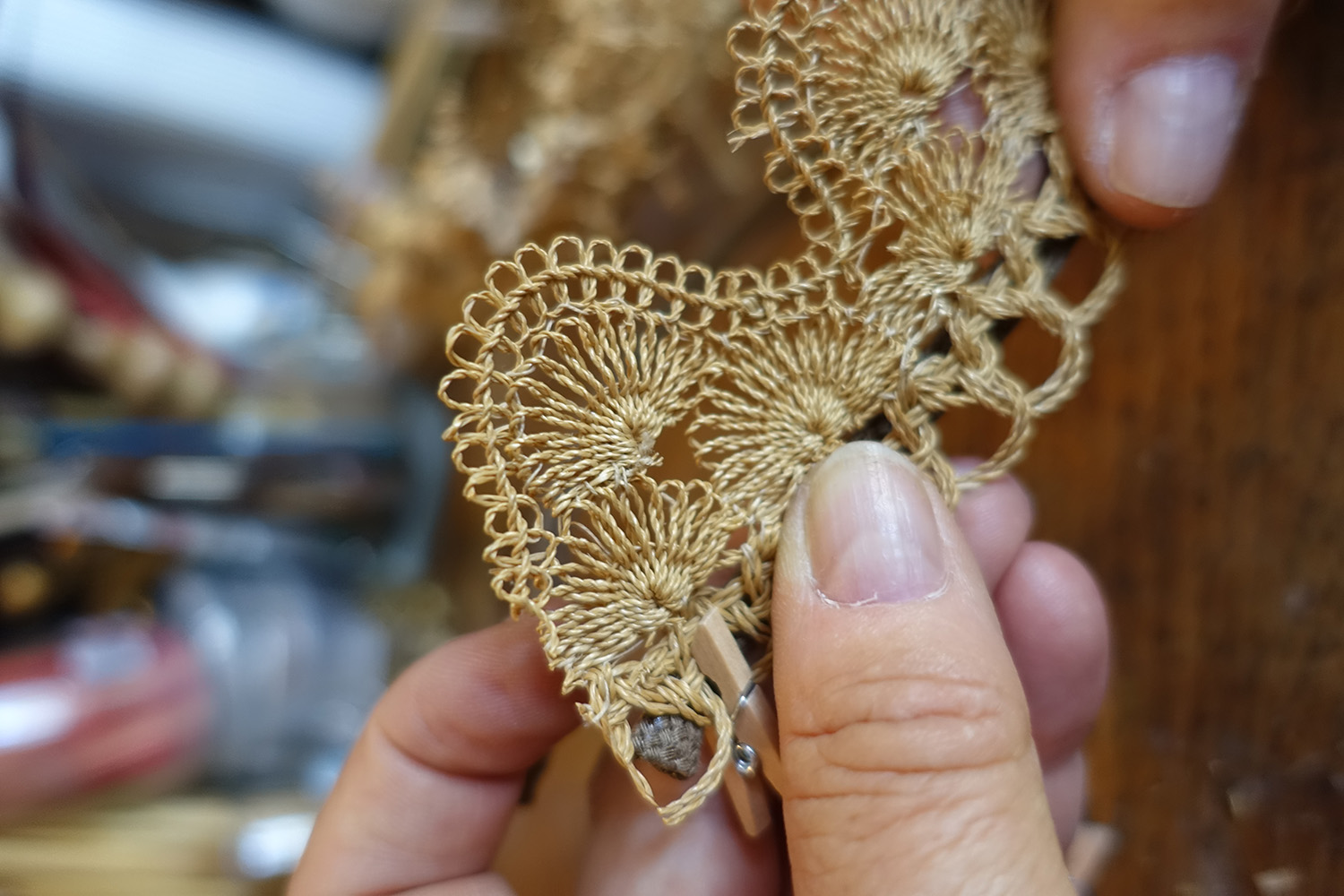
They may look like small sections of a thatched roof, but they are not simple cut-outs. At a small scale, every detail is exposed, so the quality must be exceptionally high. A single piece can demand as much energy and focus as completing an entire roof.
Today, there are cheaper and more durable ways to build roofs. Even though thatched roofs are on the verge of disappearing, their beauty is irreplaceable. They have the ability to uniquely shape landscapes, and they provide homes with a lot of coolness and quiet. I want to communicate these virtues so the craft can live on in the future.
Ikuya Sagara
Kusakanmuri
Straw worker
Kobe, Japan
AVAILABILITY
By appointment only
LANGUAGES
Japanese, English
Homo Faber Finds is a new service aiming to inspire admirers of craft to connect and collaborate with exceptional artisans.
We invite you to submit an enquiry here.