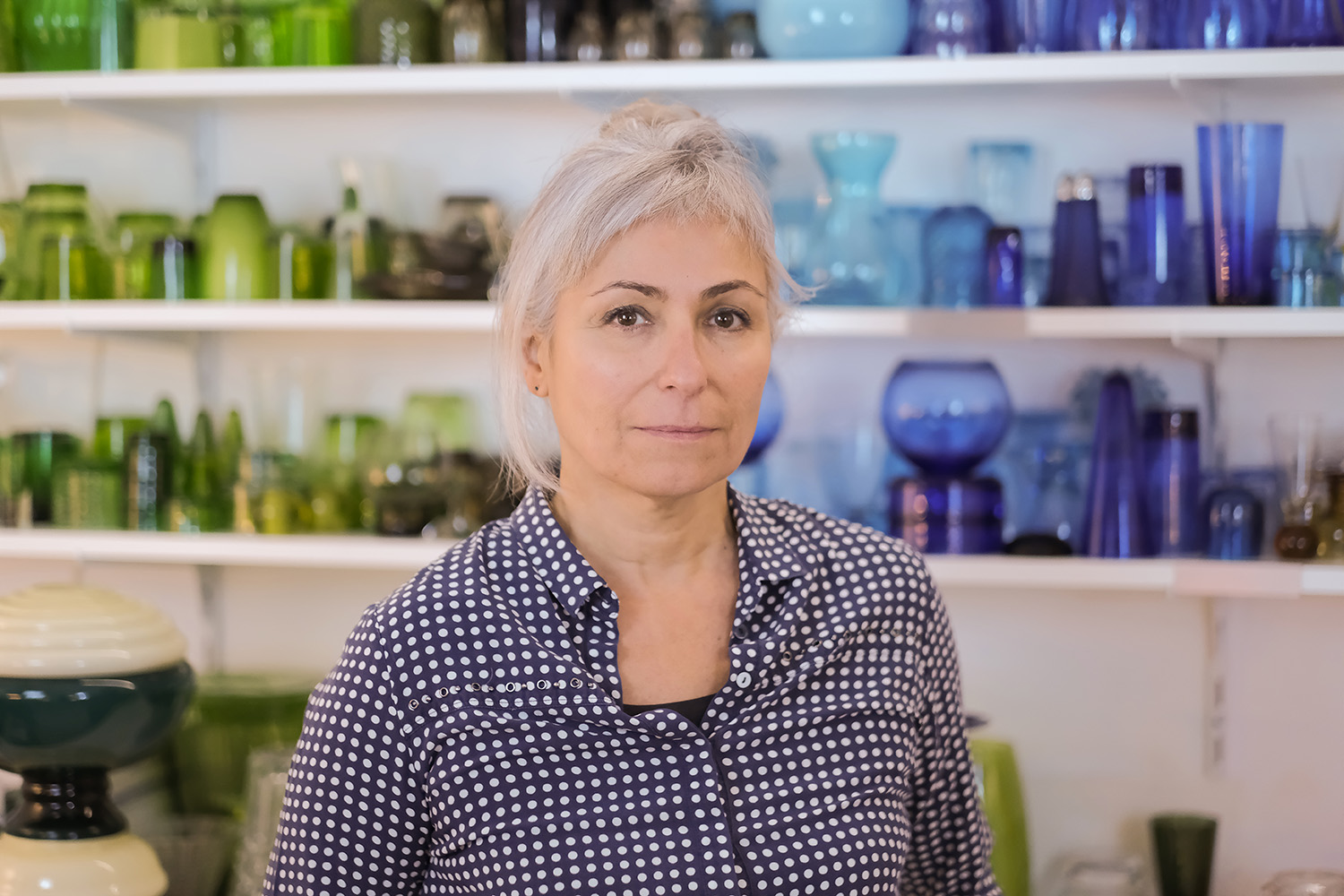
Gaëlle Monsacré
Lamp maker
Baraize, France
Sculptor of light
- Gaëlle creates artistic lamps from a non-edible fruit
- She cultivates her own calabashes in her garden
- Her work explores the harmonious link between the material and light
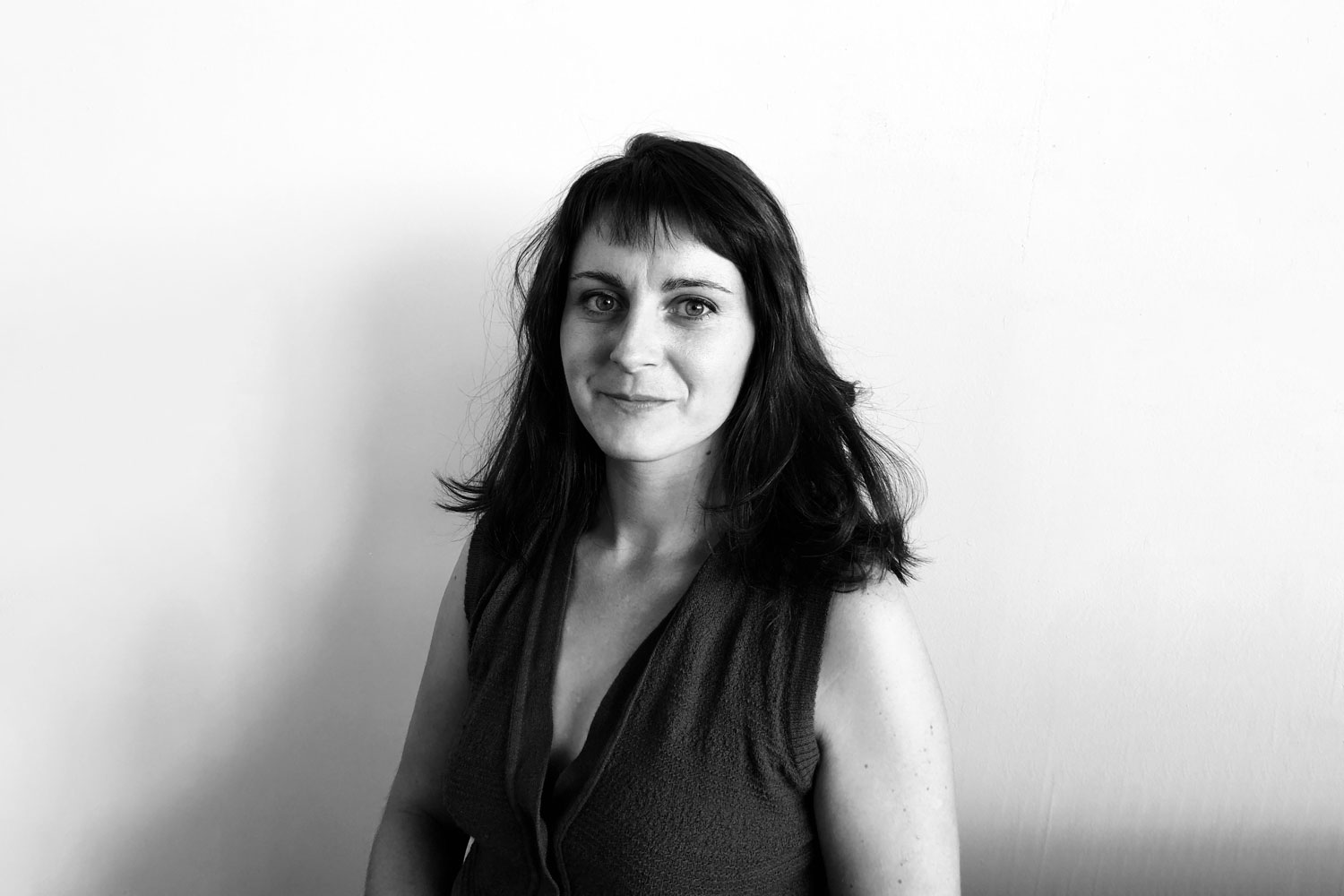
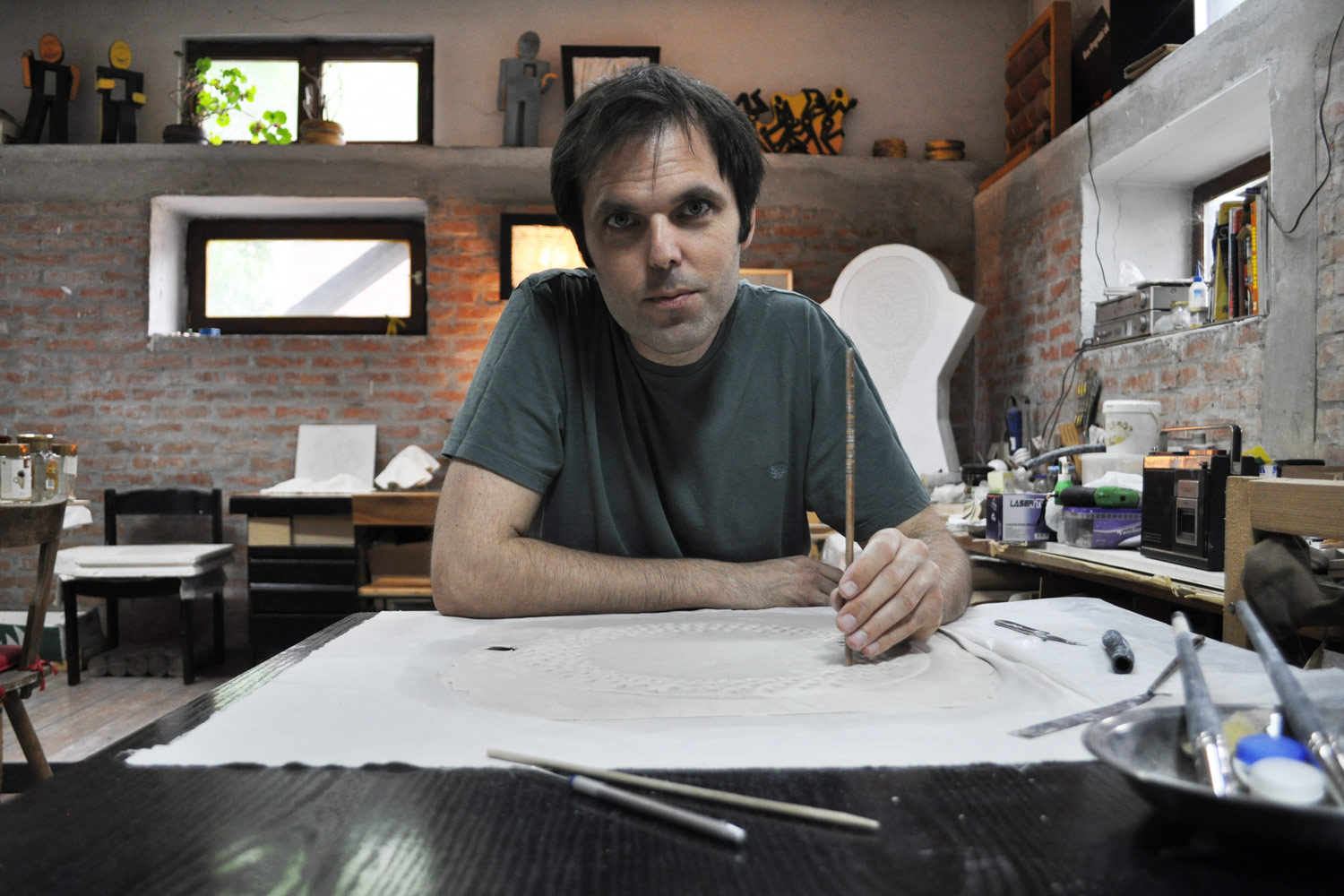
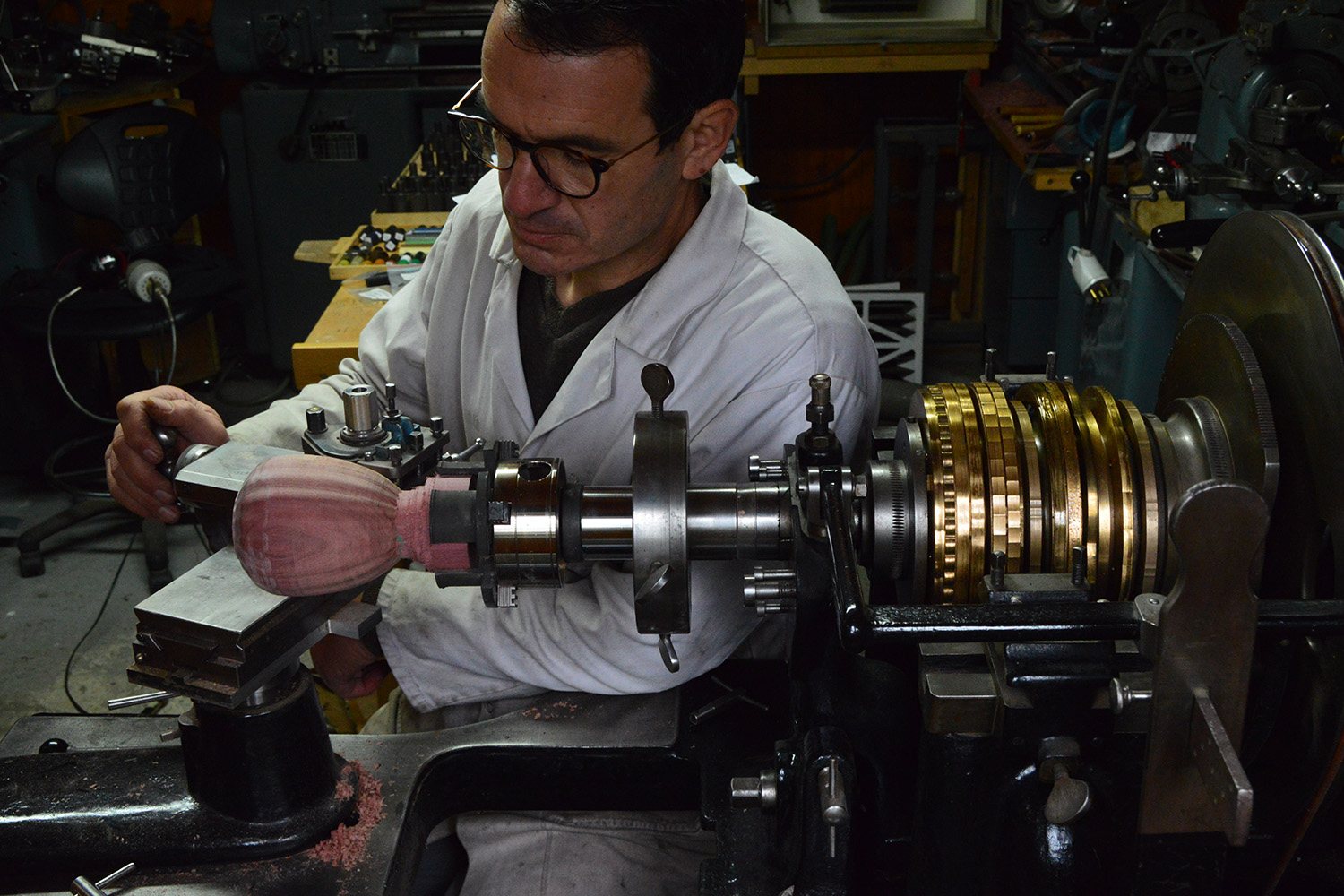
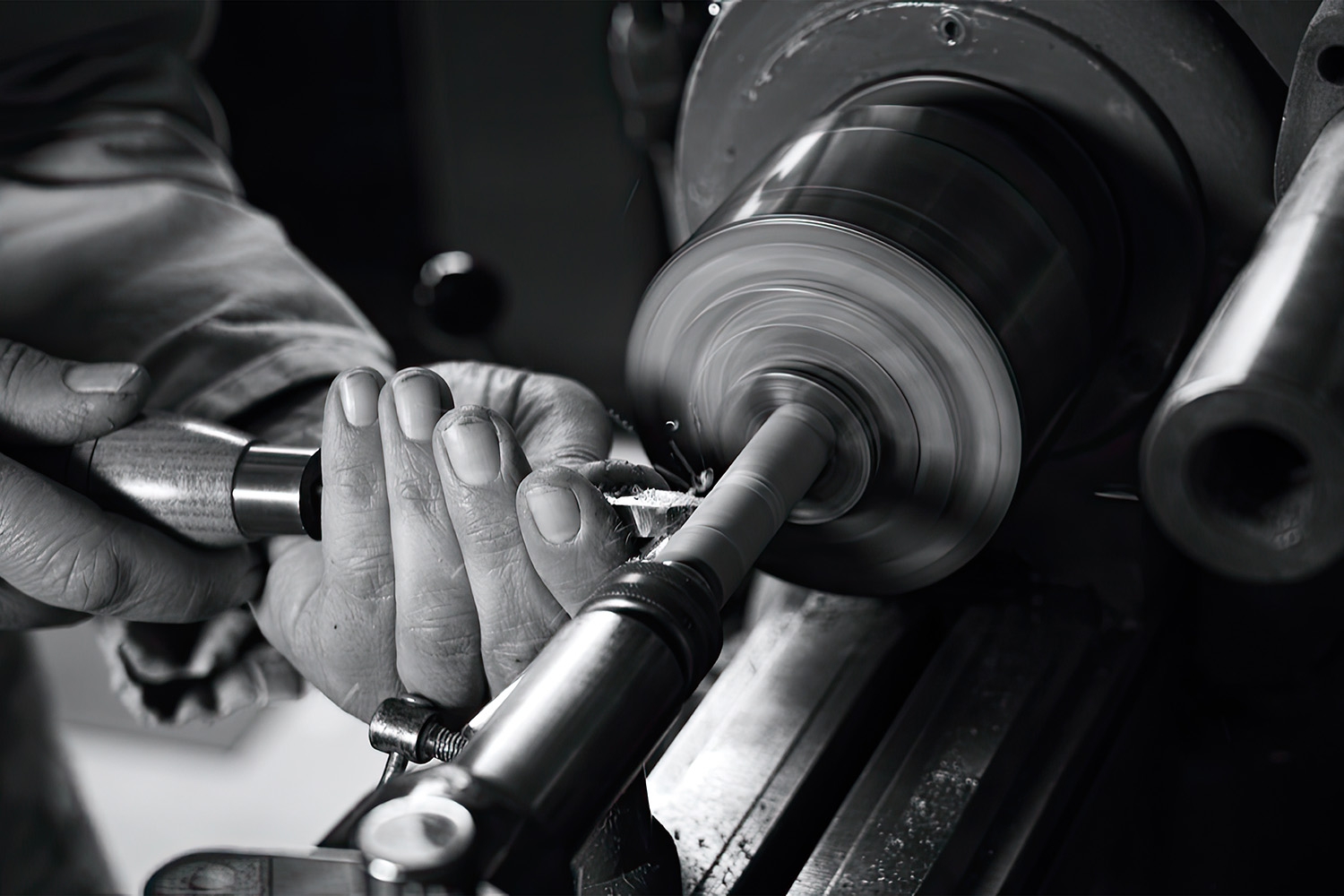
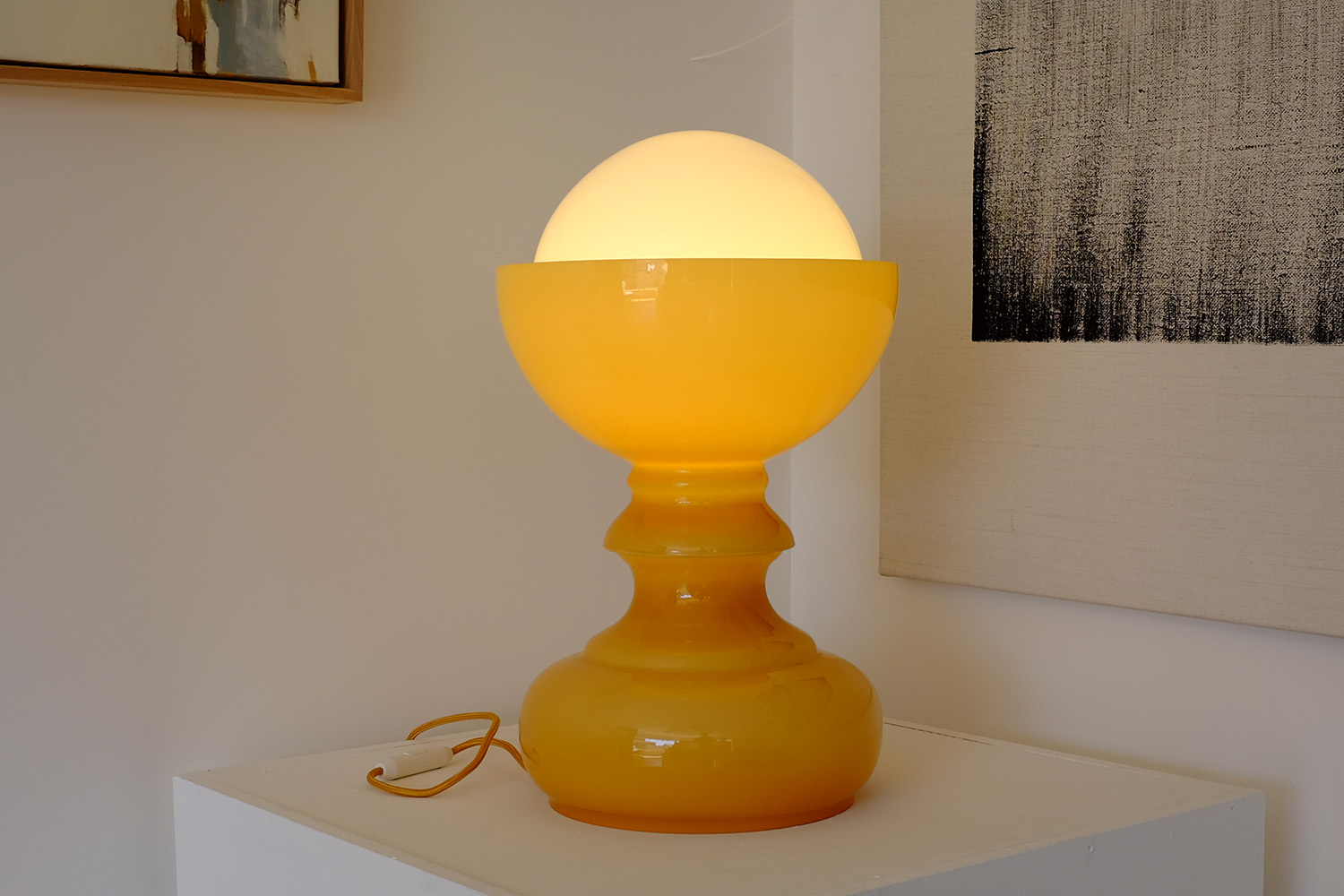
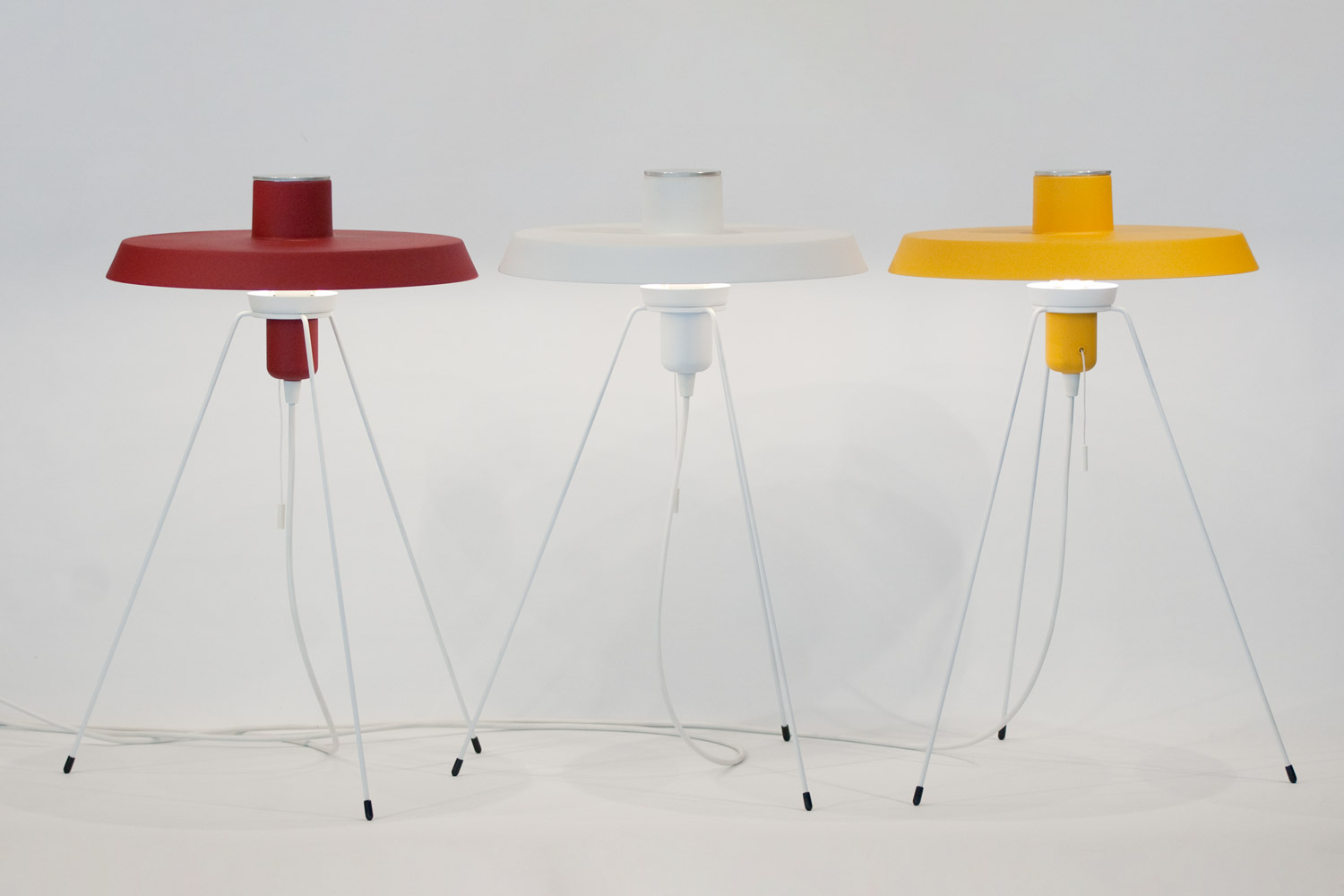
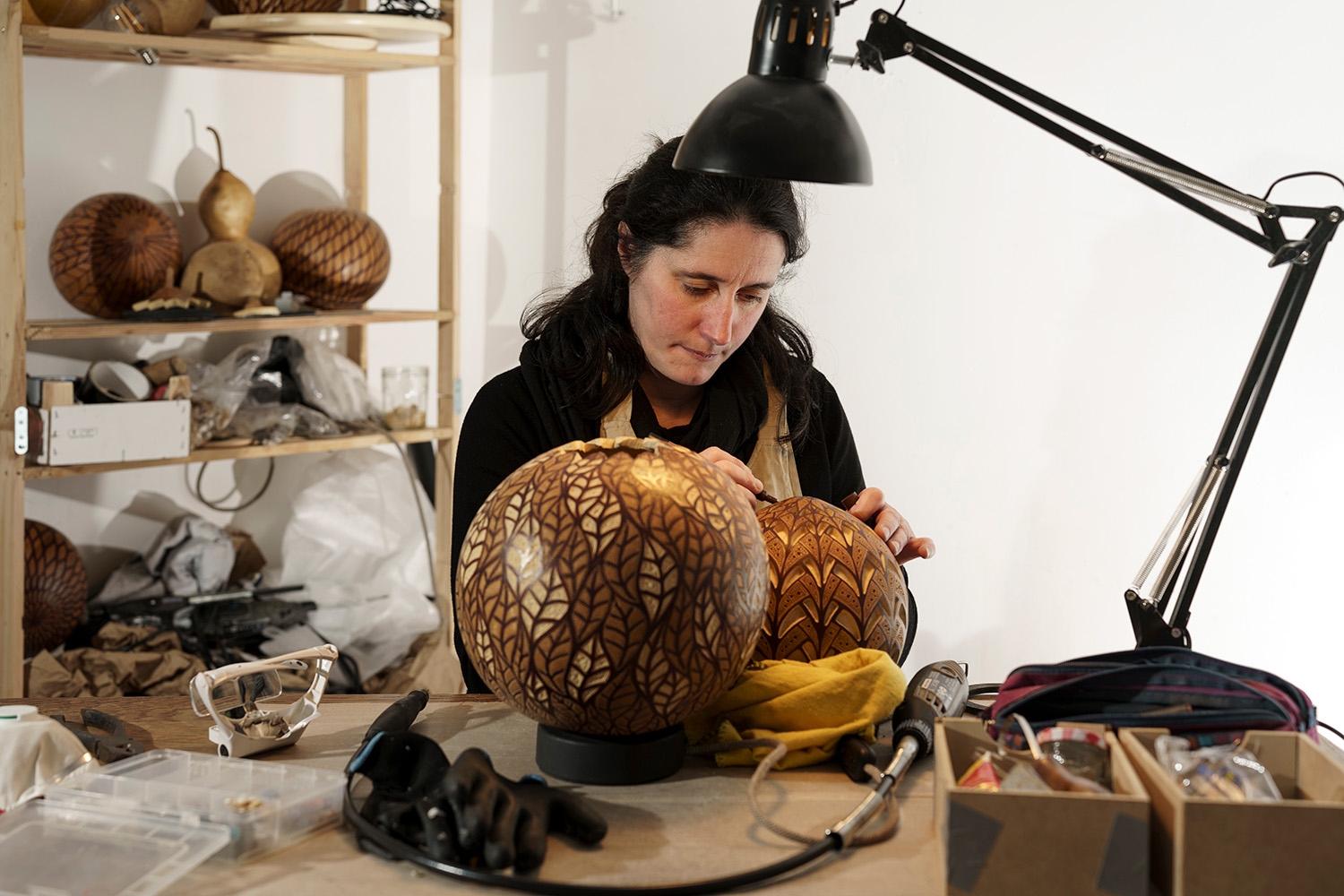
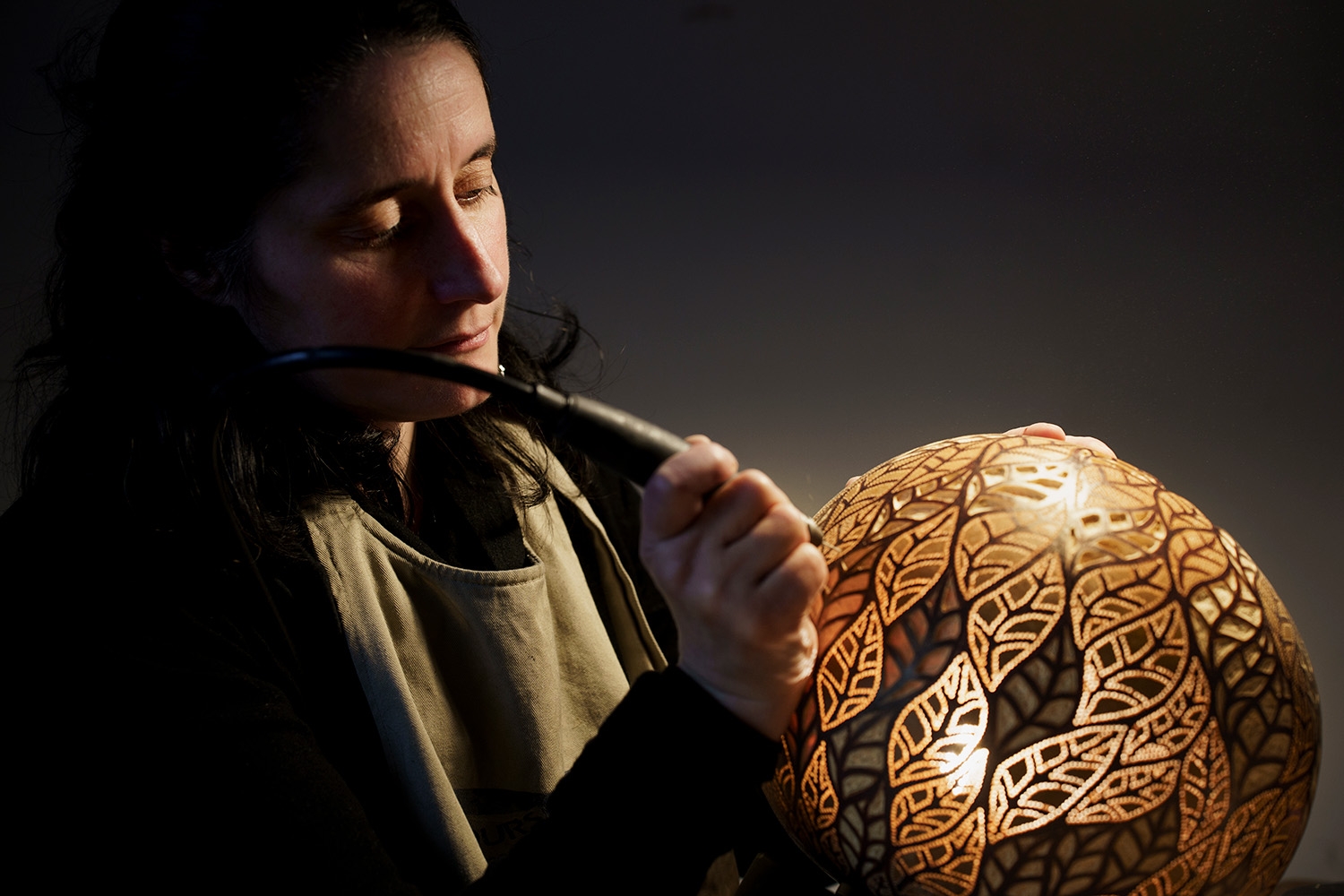
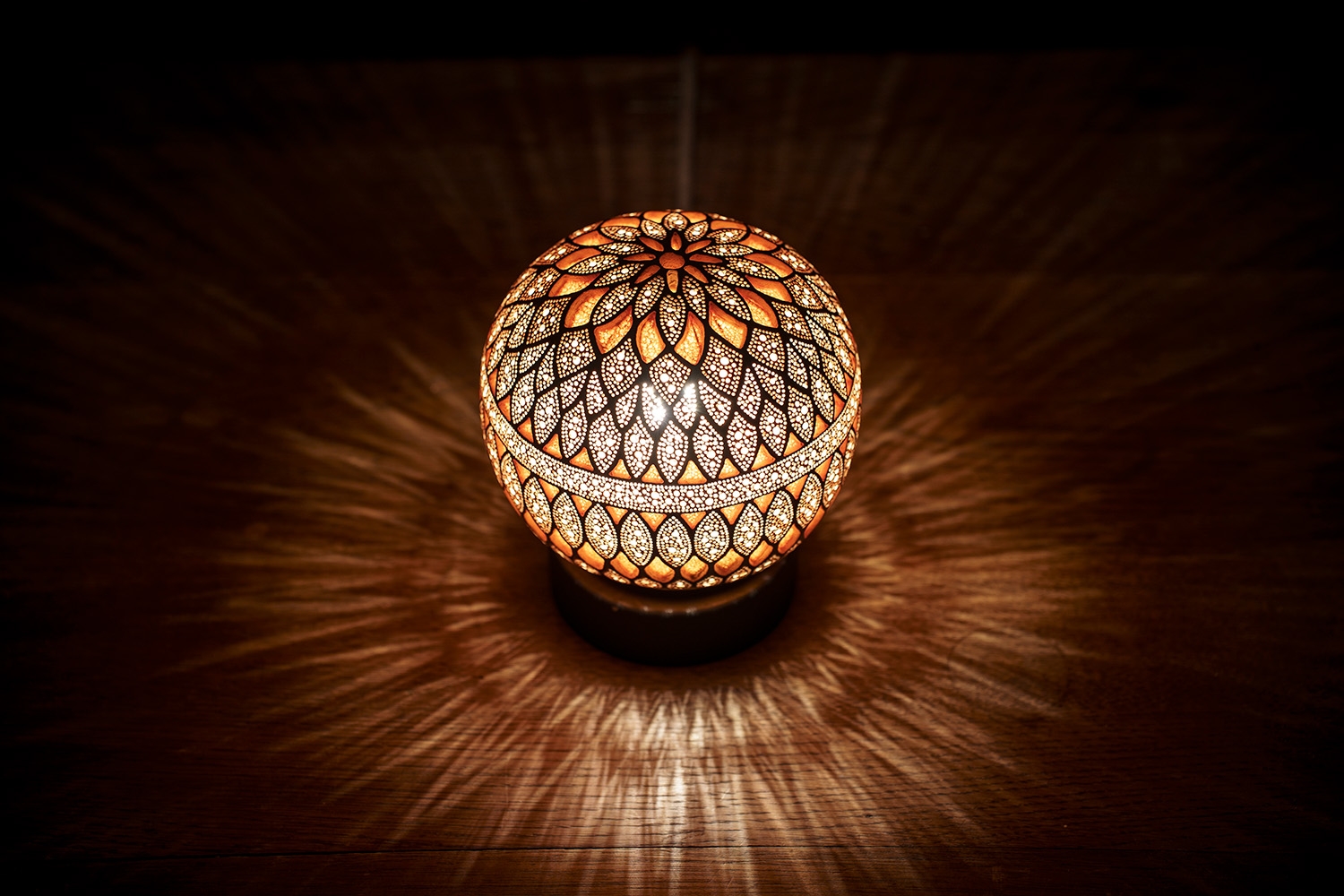
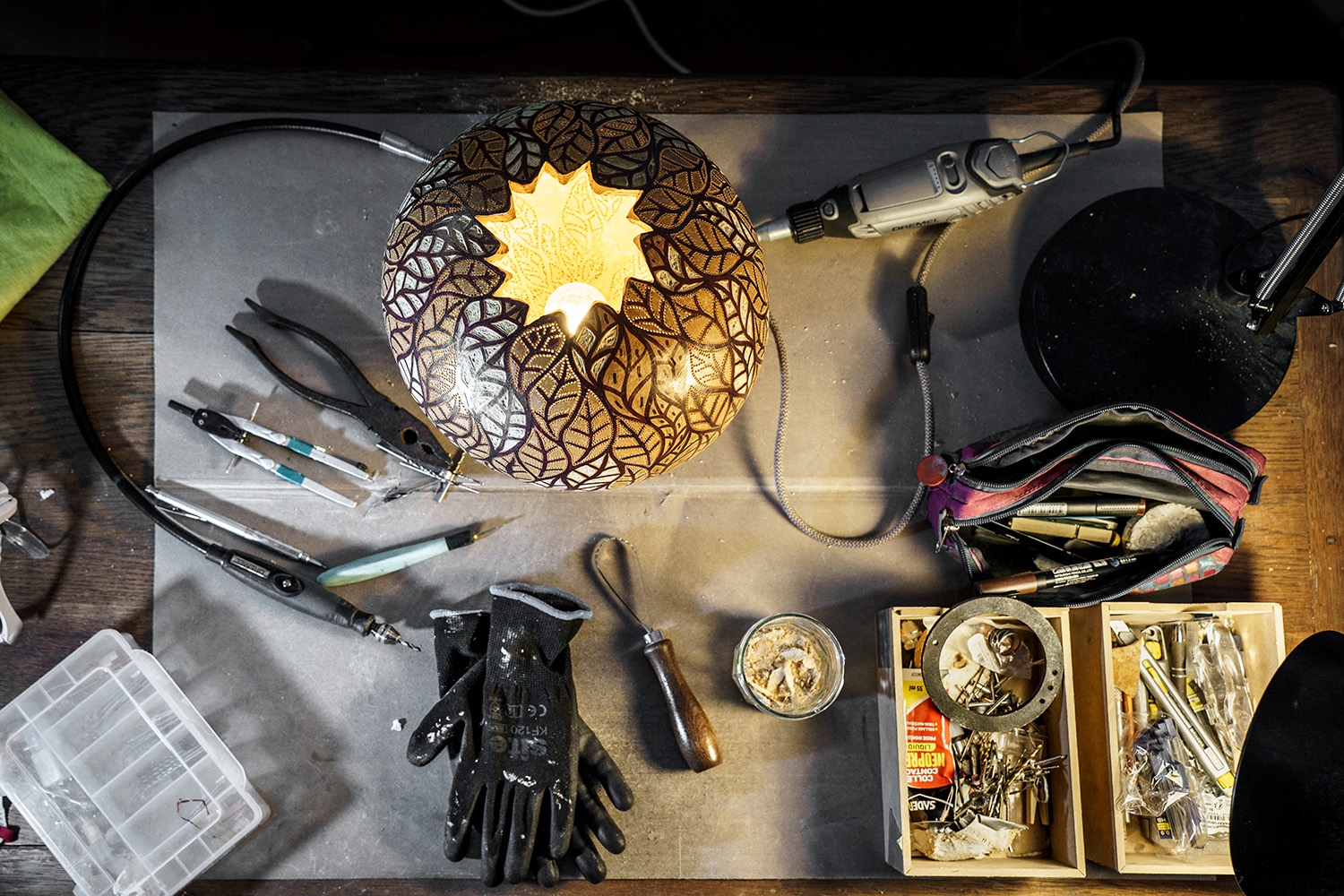
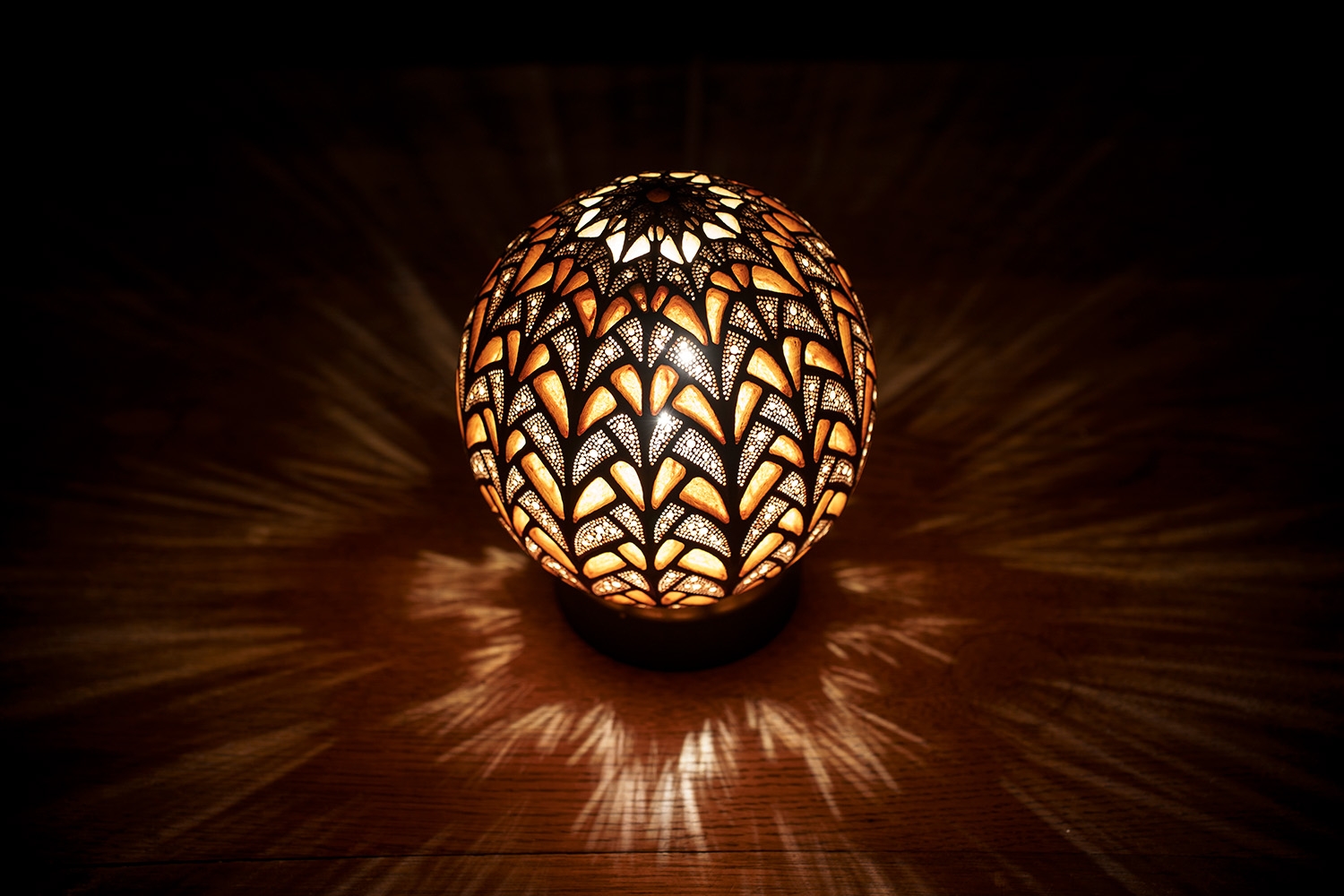
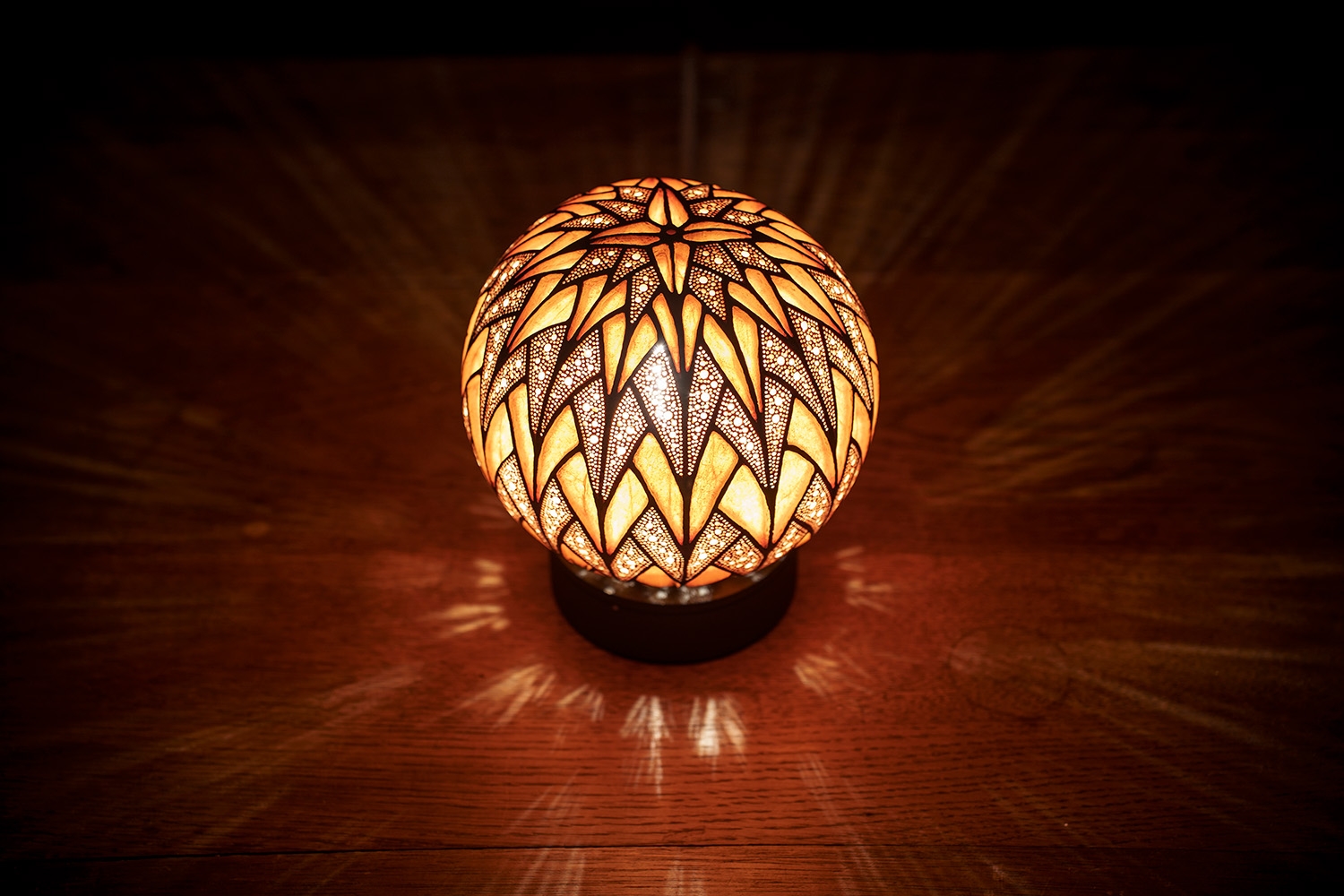
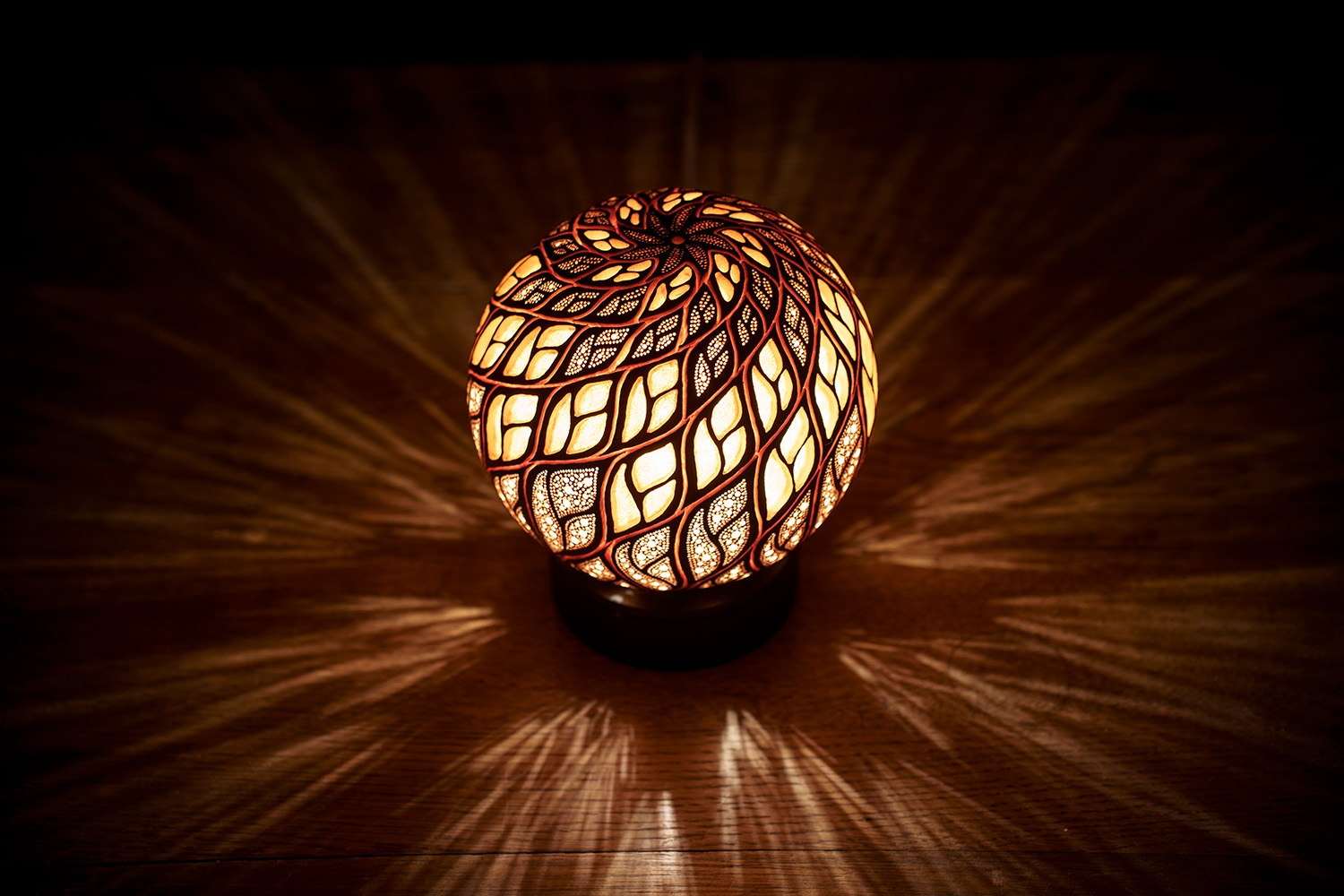
“My work draws on nature's simplest resources, while at the same time offering the promise of warm, unique light in the home,” explains Gaëlle Monsacré. Original and surprising, Gaëlle's luminaires are made of the calabash, a non-edible fruit, that she delicately carves, engraves and perforates to create a lamp with beautiful play of light. Having grown up in a farming family, manual work and close contact with nature are essential needs that Gaëlle wanted to reconnect with after a 15-year long career in a different sector. She first decided to train as a luthier – with the idea of using calabashes as resonators – but then realised that light attracted her more than sound. Thus, through her self-taught practice, Gaëlle has developed a unique know-how in calabash carving and engraving.
INTERVIEW
I discovered this fruit through African music, where they are often used as resonators. I tried to grow the fruit myself in my garden. My research then led me to discover lighting fixtures made from calabashes. This technique was a revelation to me: the gourd was no longer a fruit, but a virgin playground to be explored.
My fascination with this material. It is not widely known, yet it has been used since the dawn of time on every continent. In Europe we have forgotten how to use it. In my practice, I feel the material with my hands, to see its transformation as the work evolves. The calabash is an extraordinary medium to play with.
I specialise in transforming calabashes into artistic lamps. I have a perfect knowledge of the material: its origins around the world, its cultivation methods, the different varieties and its uses over the centuries. Knowing as much as possible about it enables me to know how I can work with the fruit technically.
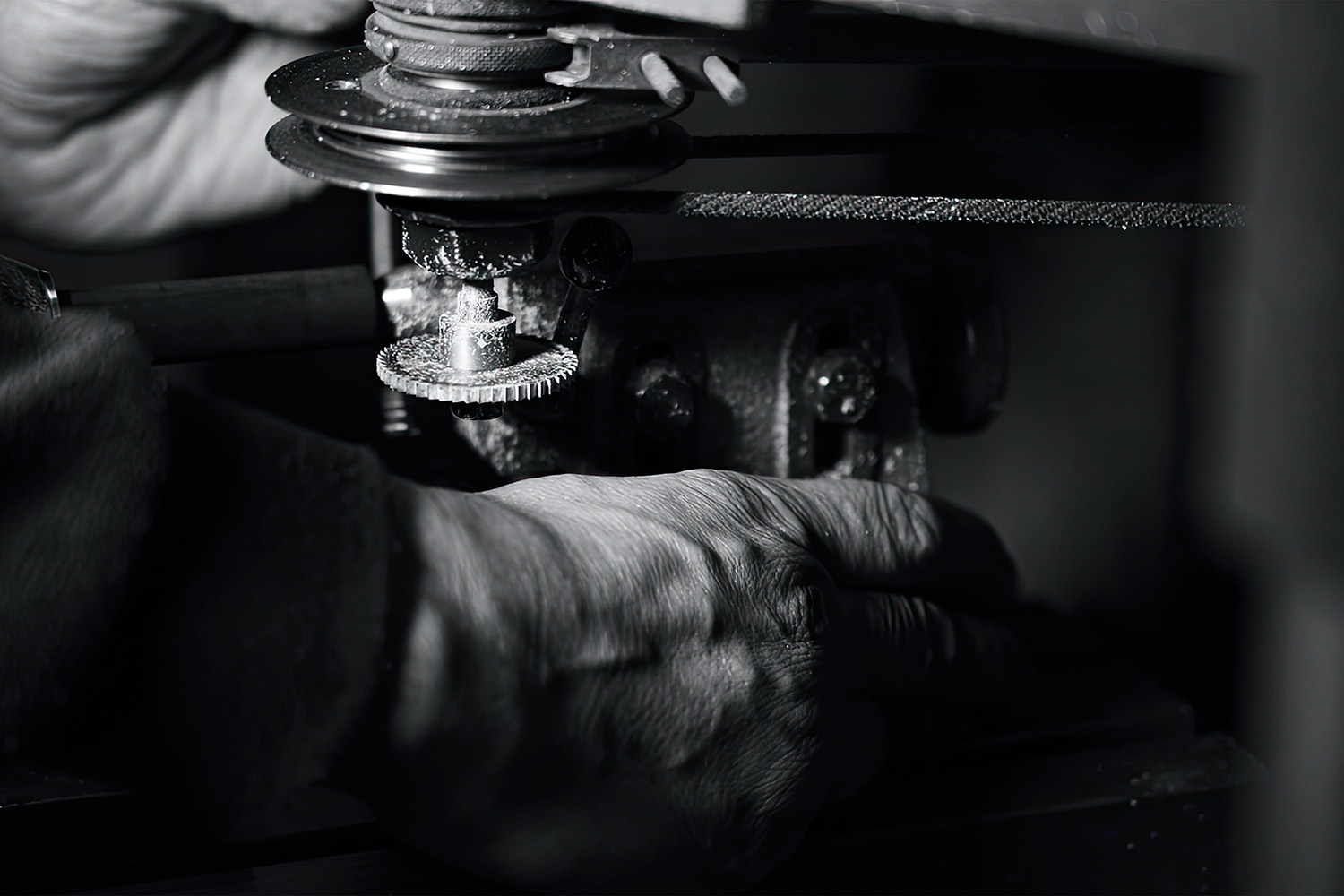
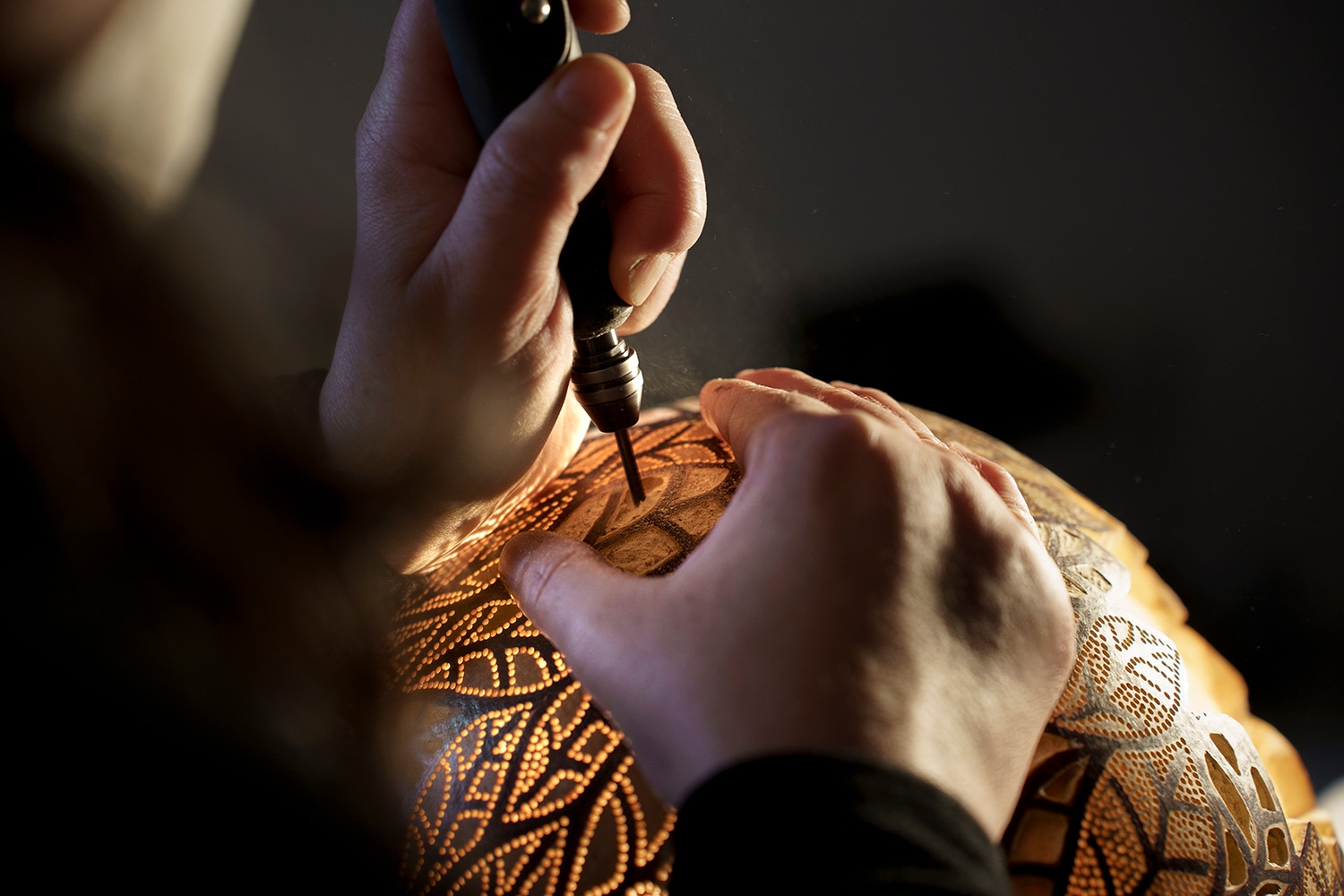
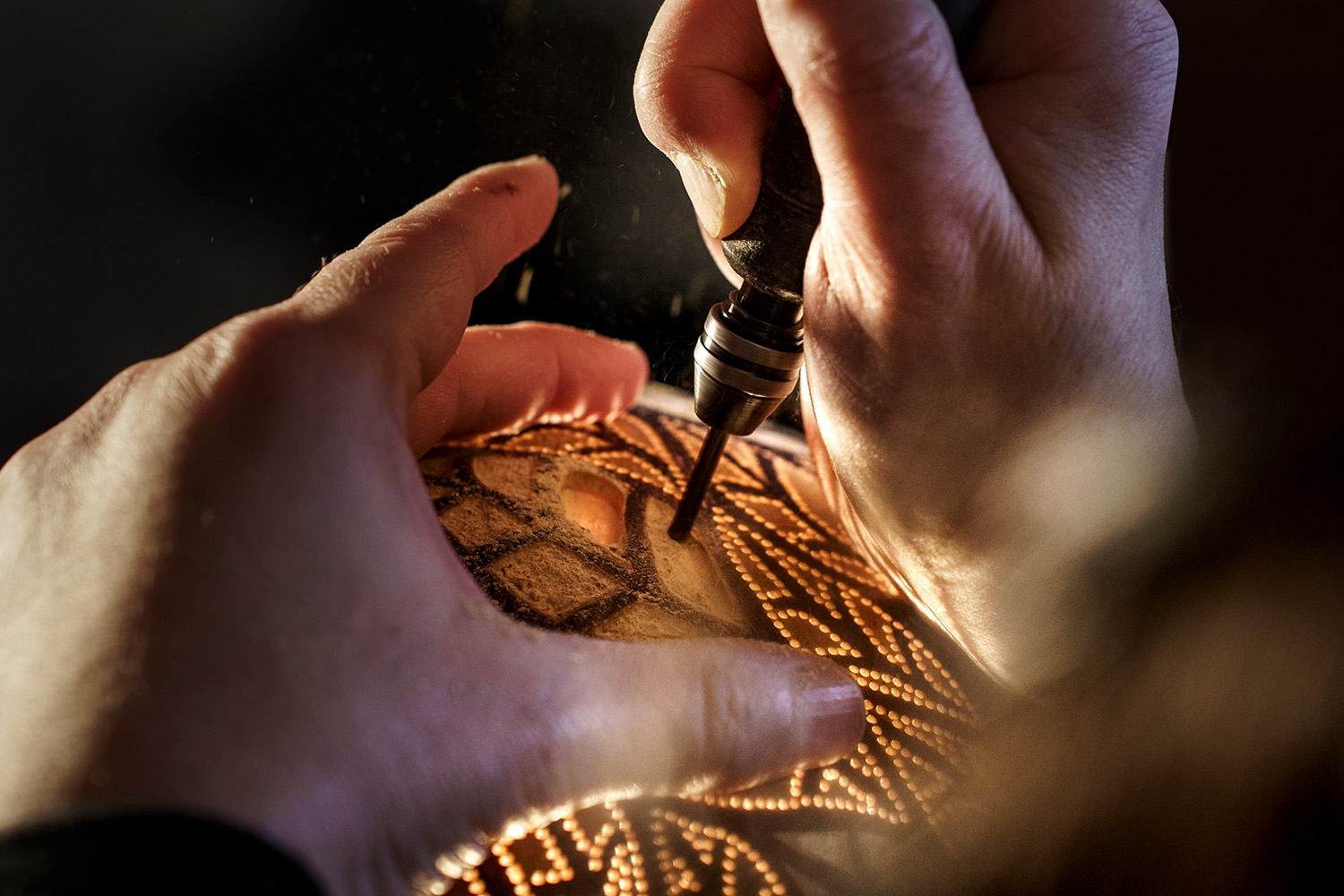
I work in the dark. To achieve transparency in sculpting the material, I have to carve into the surface of the calabash very gently with a precision tool, until a thin white film appears. Working in the dark is essential in order to control the diffusion of light and avoid piercing the film.
Gaëlle Monsacré
Lamp maker
Baraize, France
ADDRESS
Address upon request, Baraize, France
AVAILABILITY
By appointment only
PHONE
+33 630372597
LANGUAGES
French
Homo Faber Finds is a new service aiming to inspire admirers of craft to connect and collaborate with exceptional artisans.
We invite you to submit an enquiry here.