Frédéric Hamel
Woodturner
La Chapelle-Montligeon, France
Recommended by L’ÉCOLE, School of Jewelry Arts
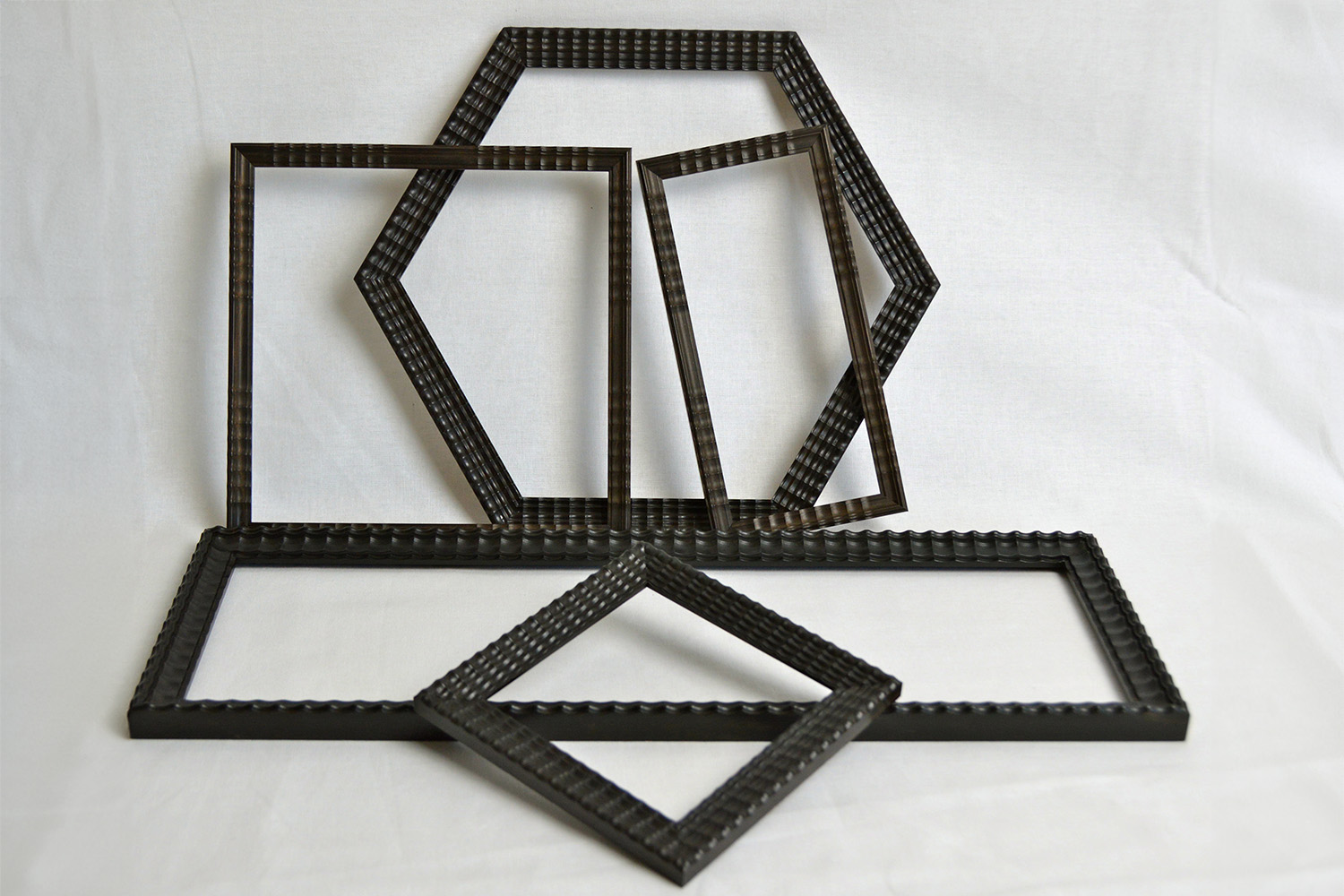
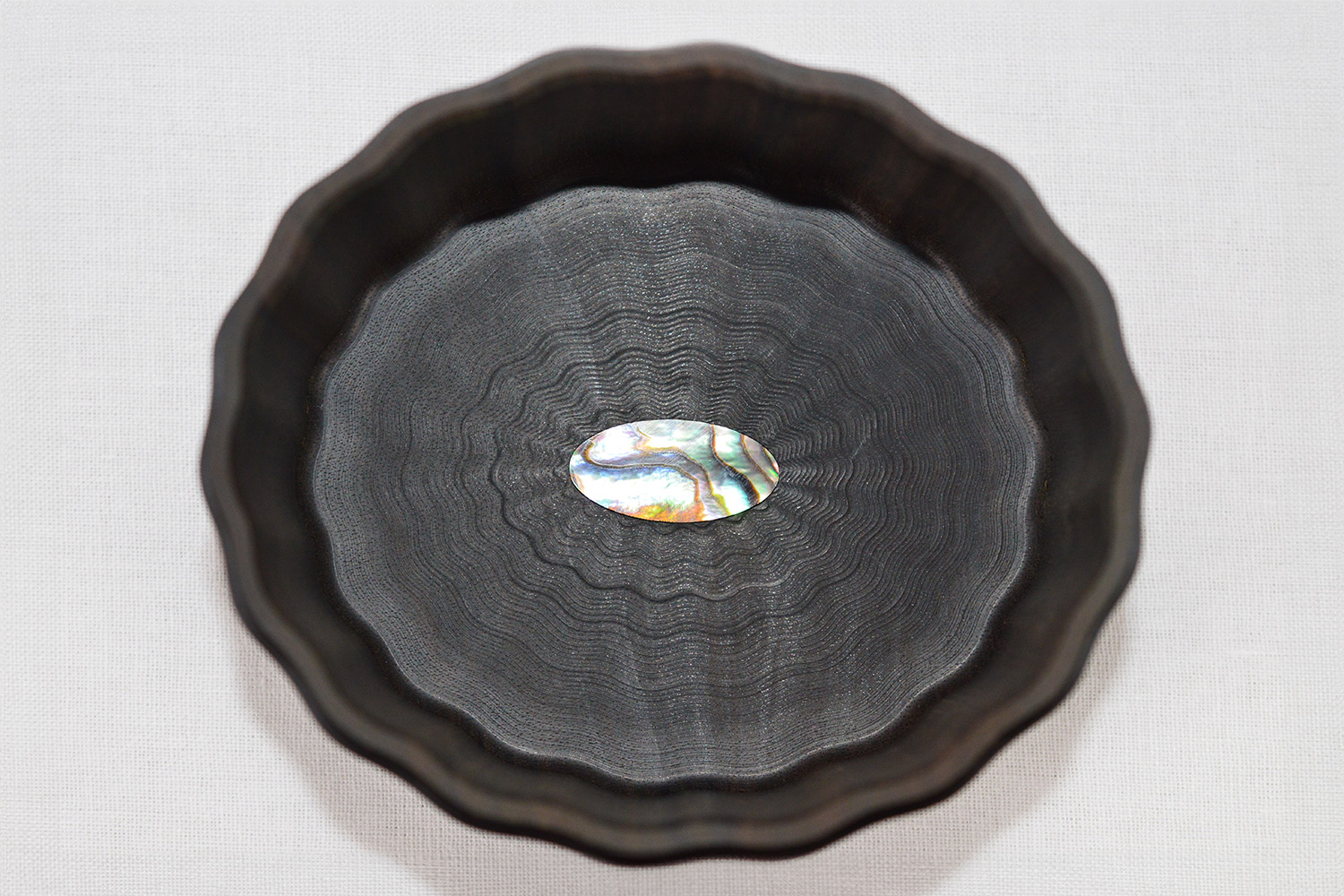
Guilloché elegance on timber
- Frédéric opened his workshop in 2001
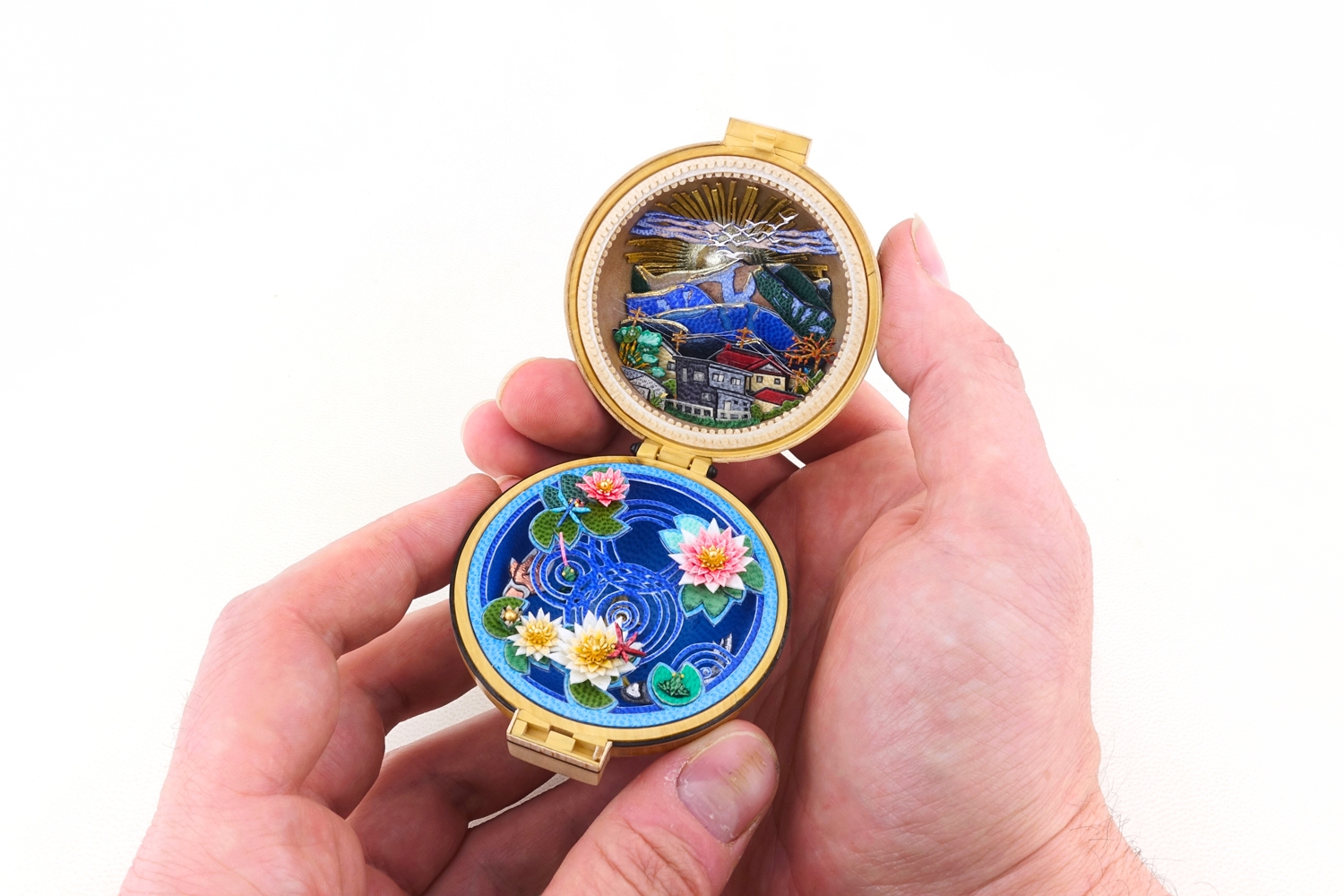
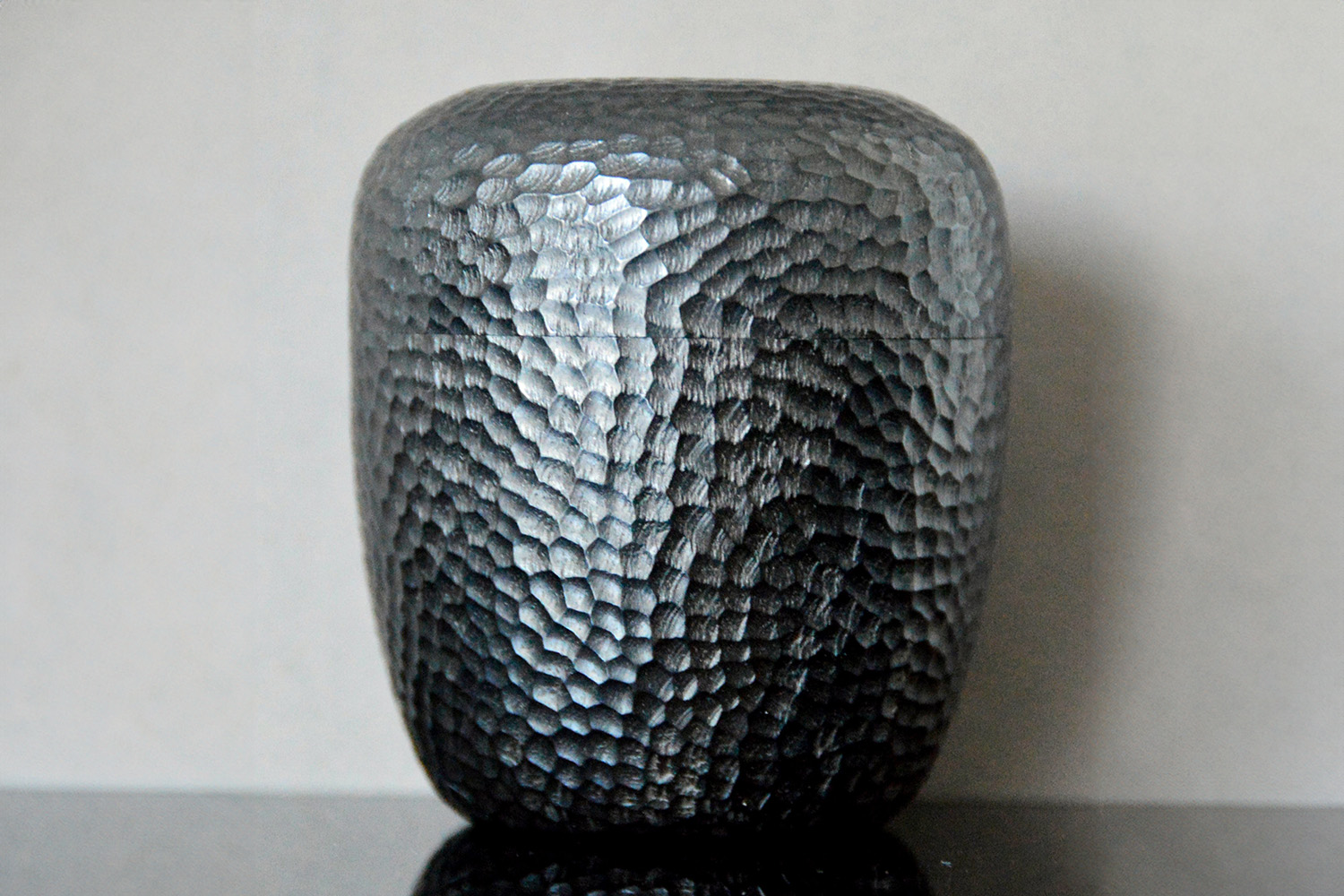
- He specialises in applying high jewellery techniques to woodwork
- He draws inspiration from ancient Japanese artisanal traditions
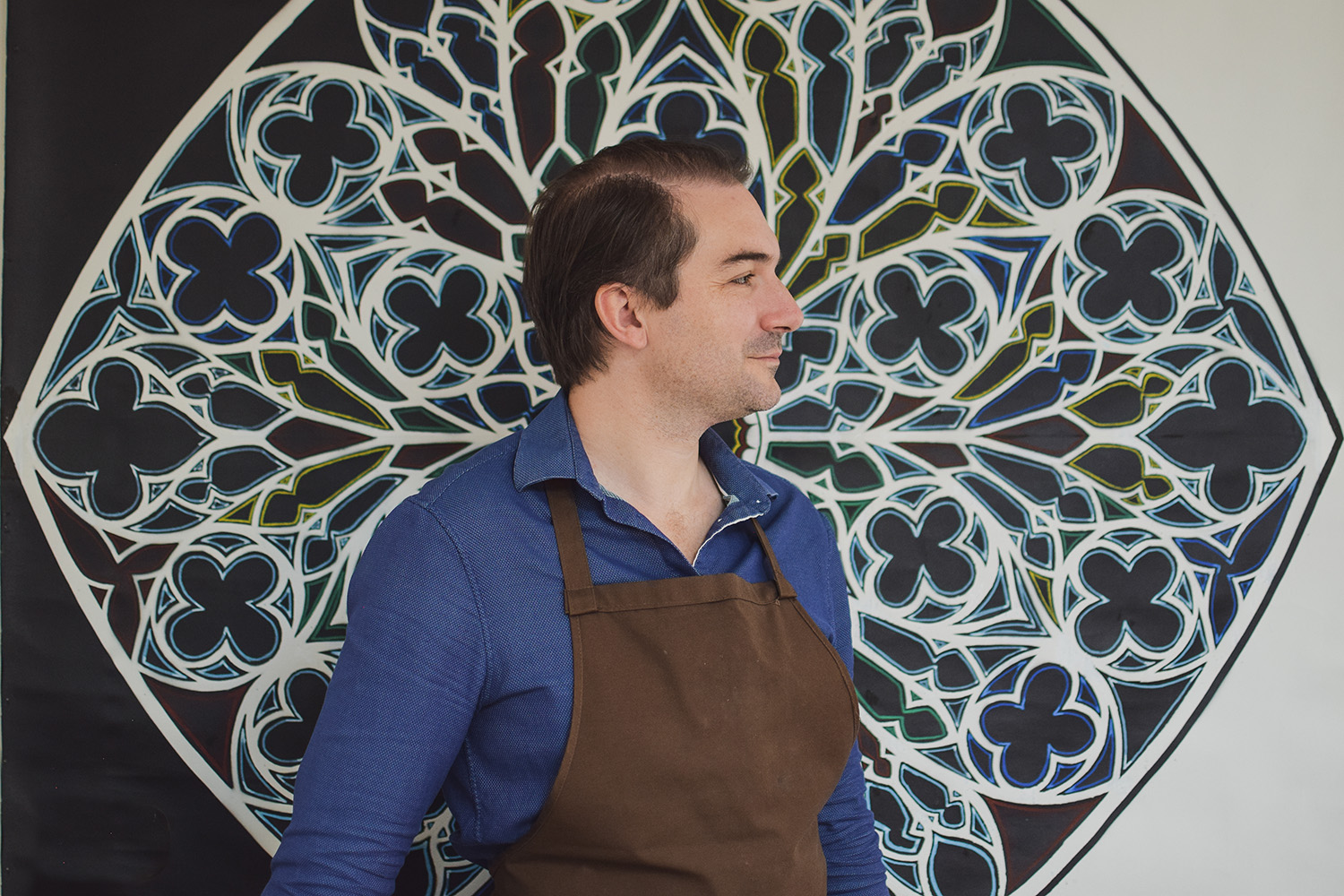
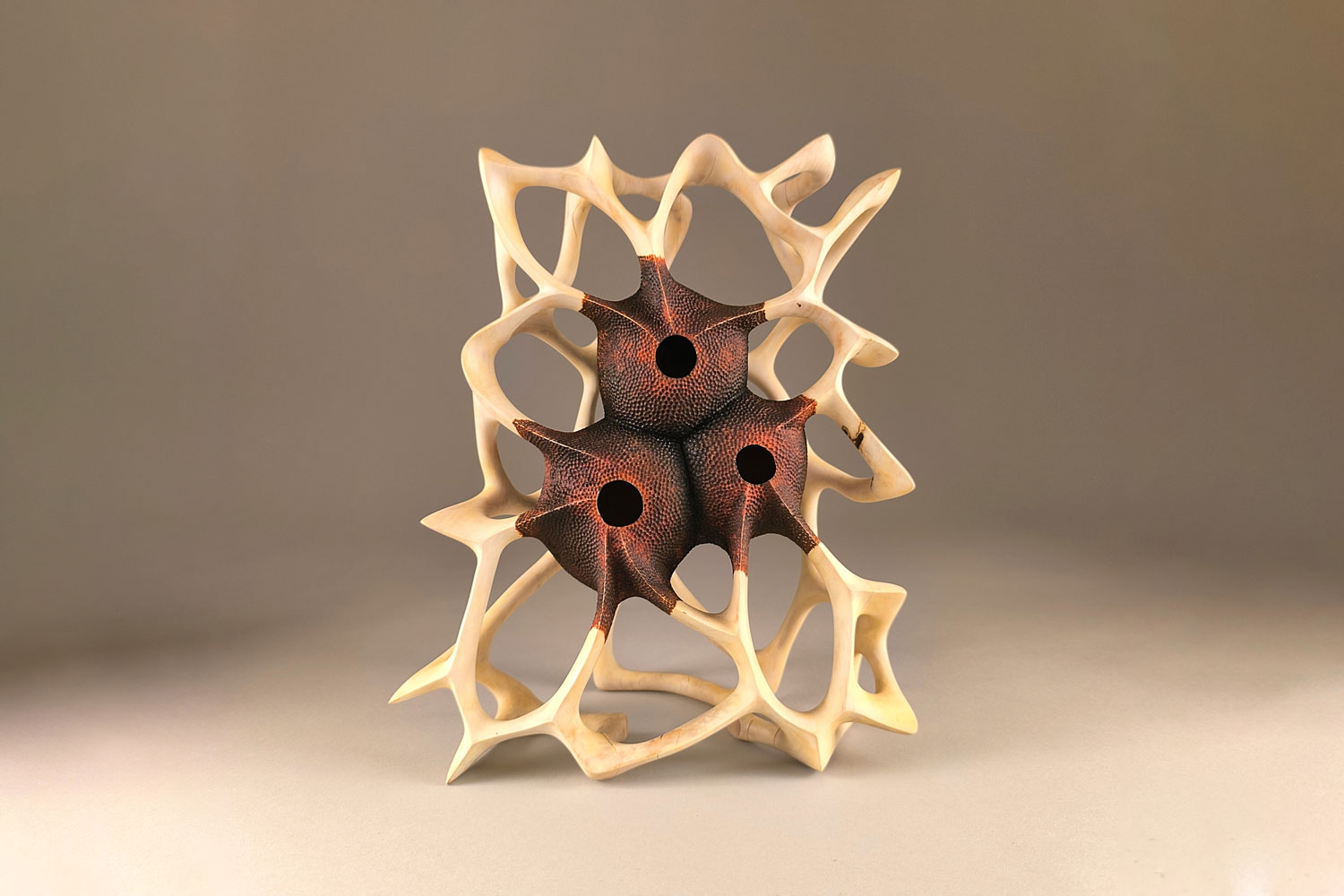
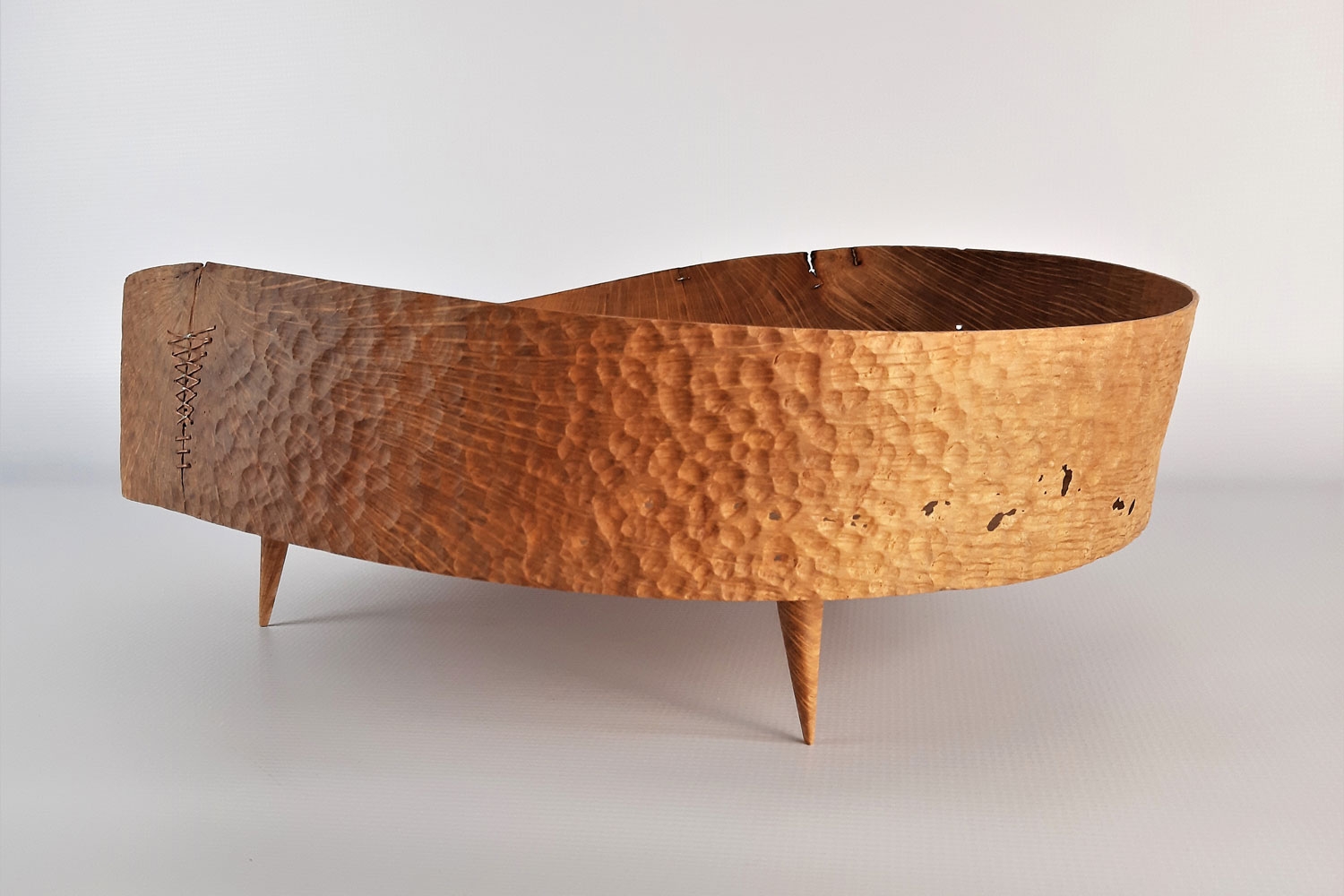
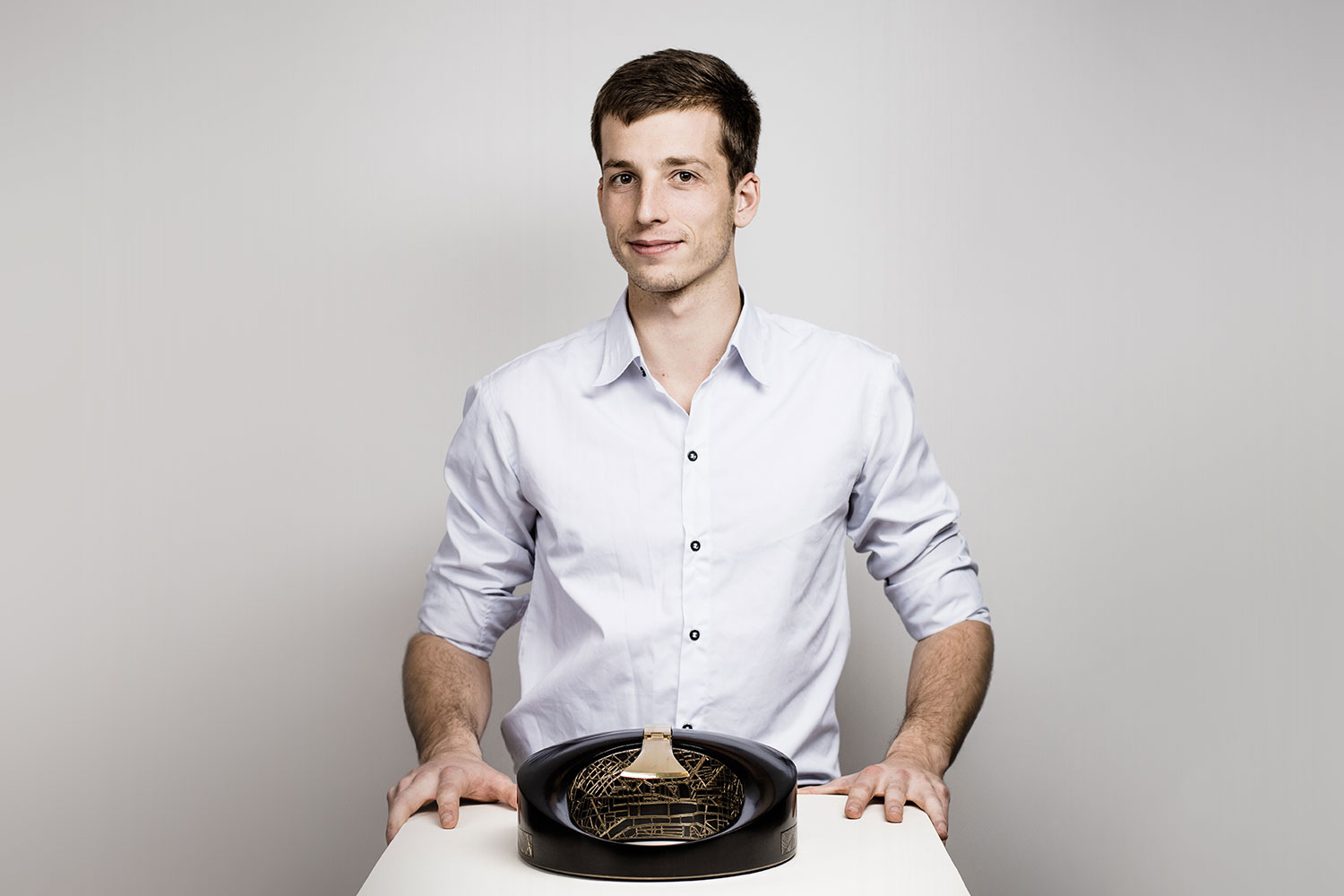
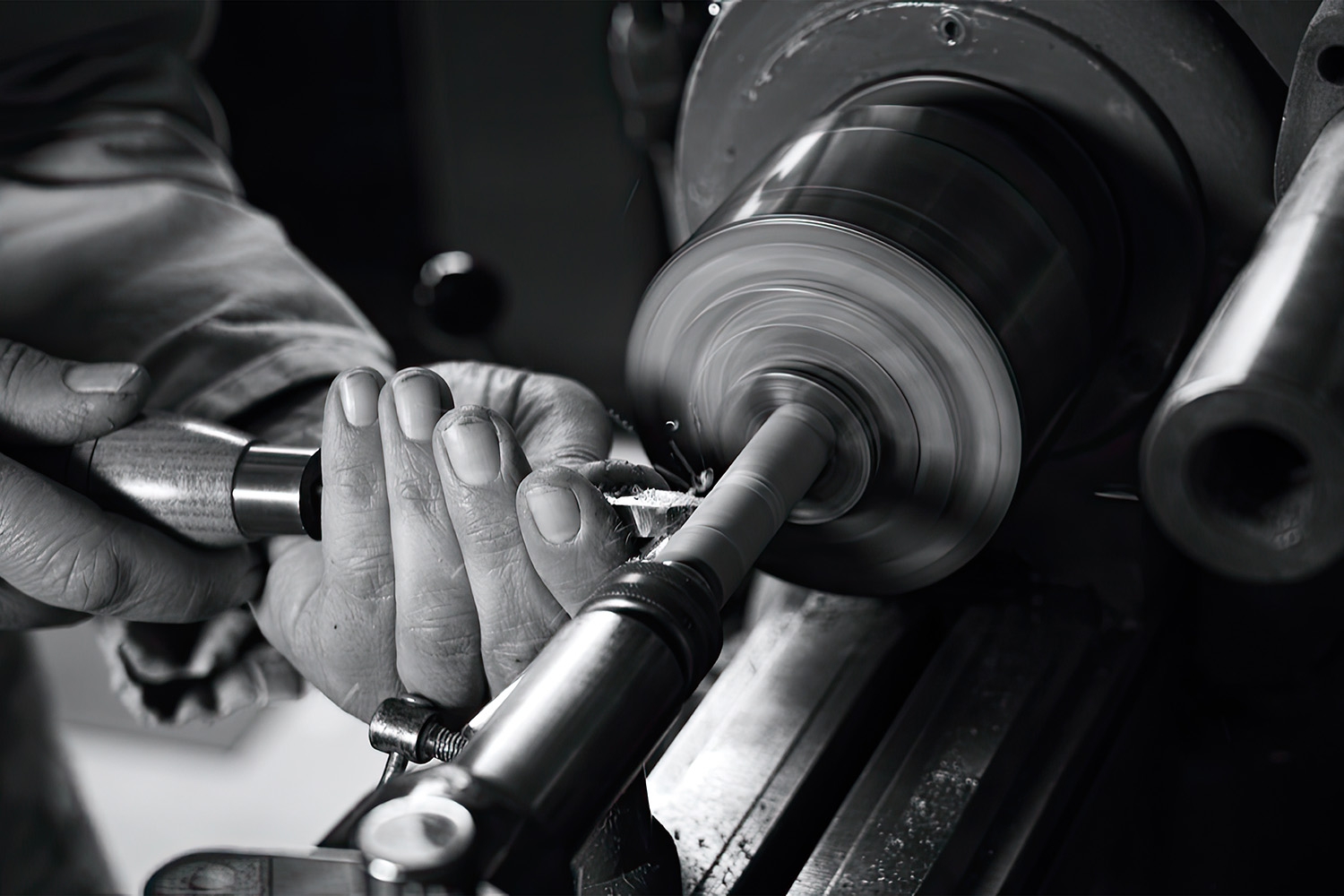
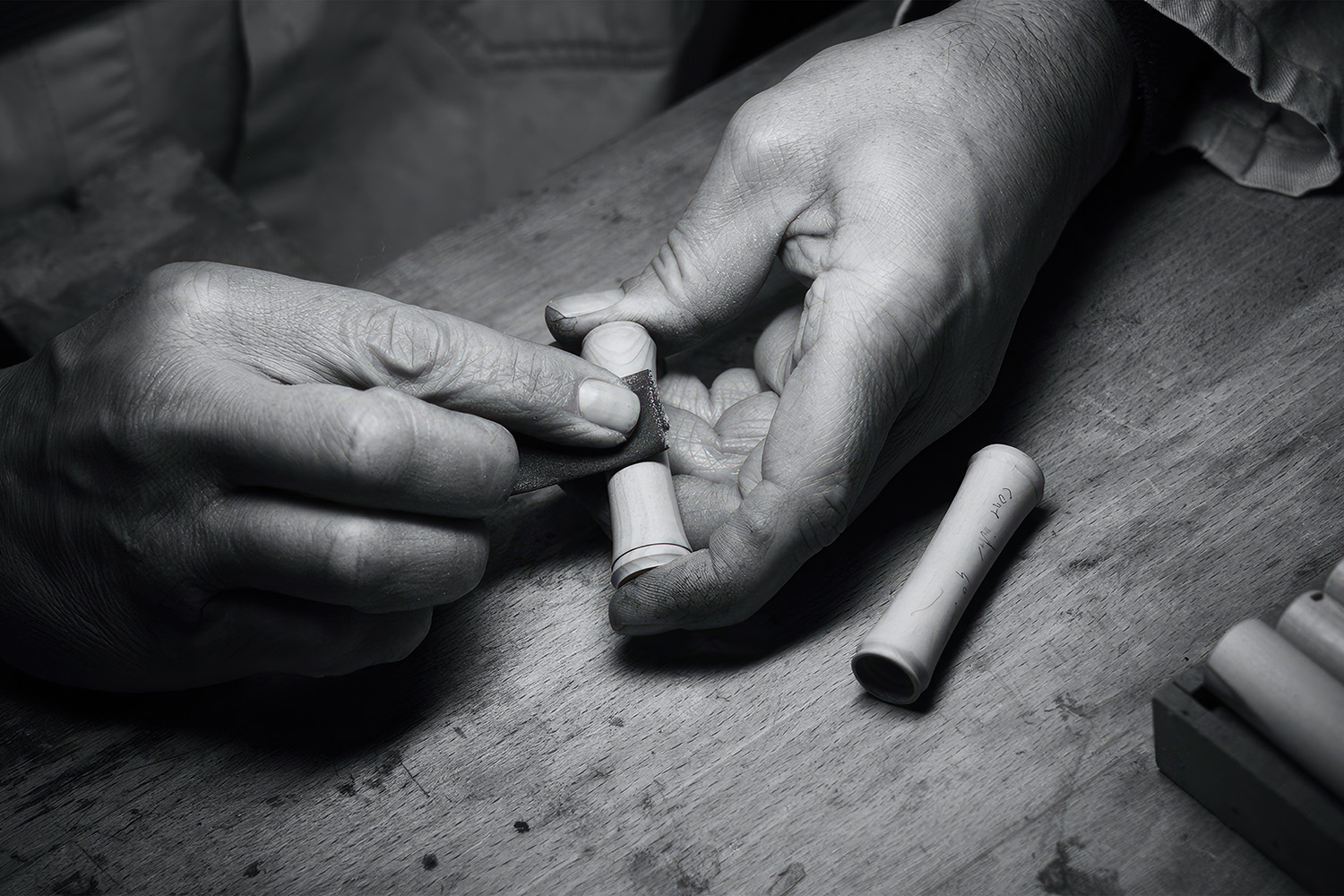
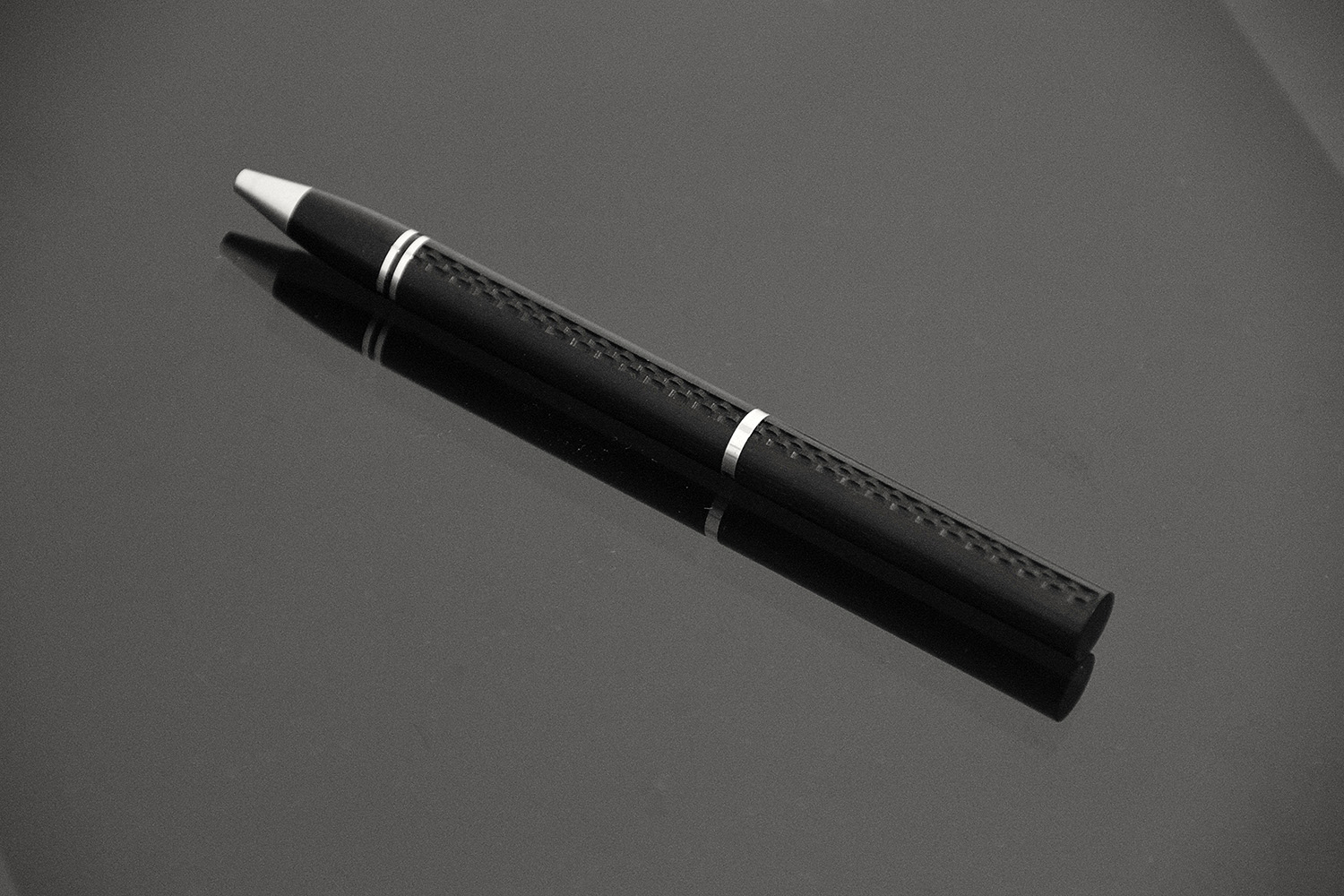
Frédéric Hamel comes from a family of craftsmen. After graduating from the prestigious Ecole Boulle, he became a cabinetmaker and marquetry maker. Trained by Master of Art Pierre Meyer in figurative turning on ivory, he took over the workshop under his own name in 2001 to create Ateliers Hamel, and subsequently obtained the Entreprise du Patrimoine Vivant recognition label for practising this endangered technique. Sought after by connoisseurs, antique dealers, and luxury houses, today Frédéric crafts unique pieces from precious materials, notably a luxury writing instruments collection and shagreen creations. Environmental consciousness drives him to prioritise non-toxic and recycled materials. His creations, blending tradition and modernism, showcase exceptional precision in craftsmanship, emphasizing natural materials with minimalist and sustainable finishes.
INTERVIEW
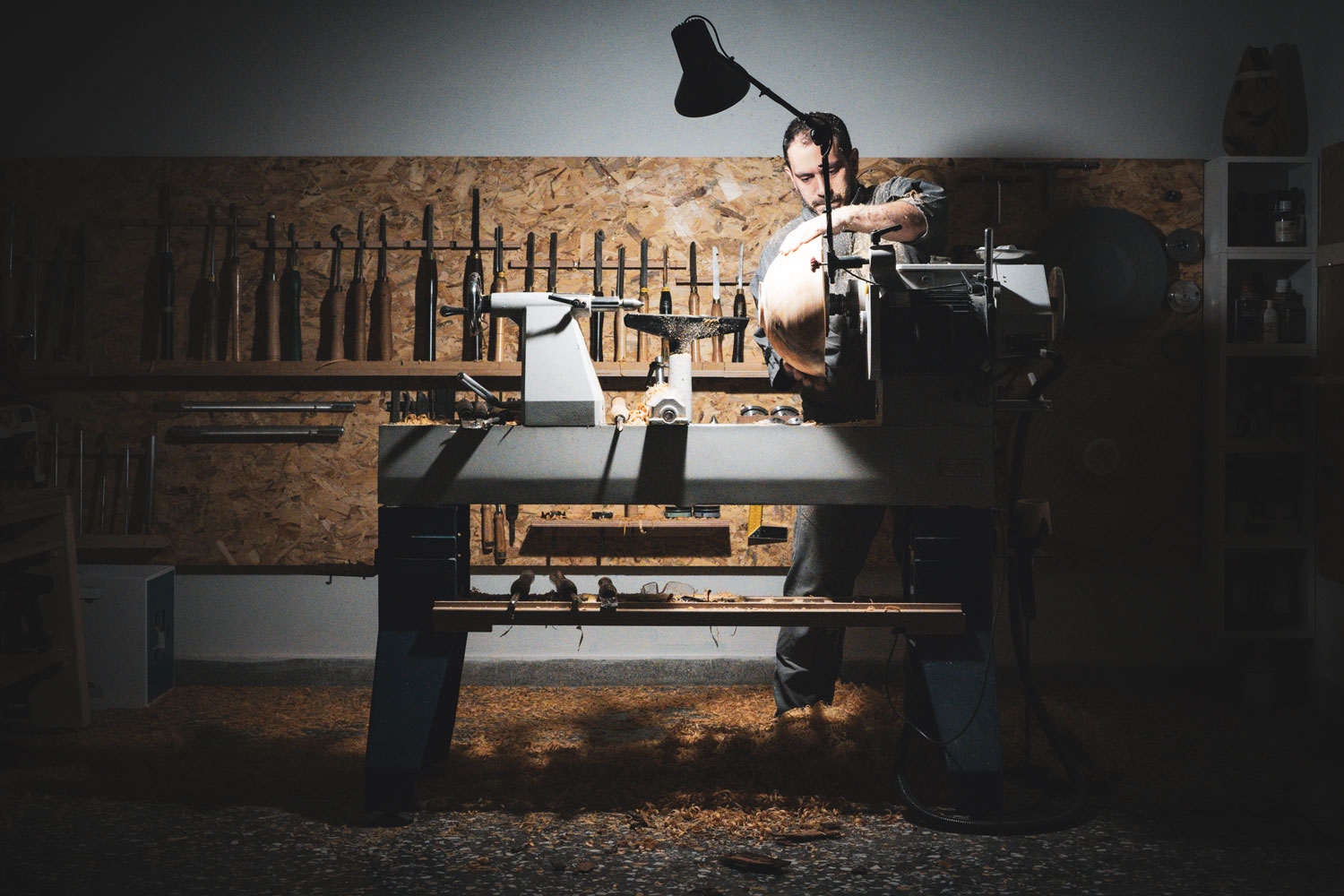
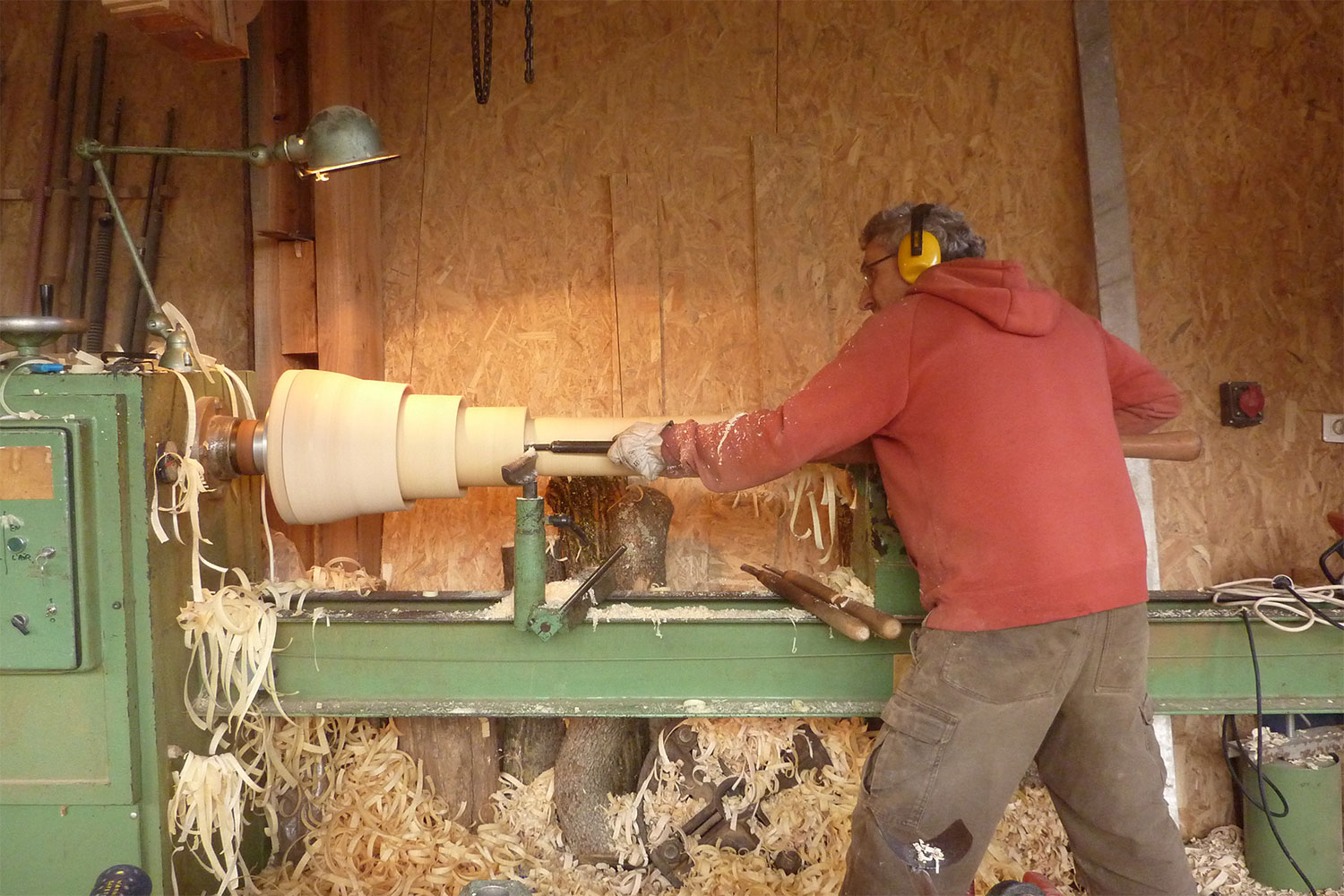
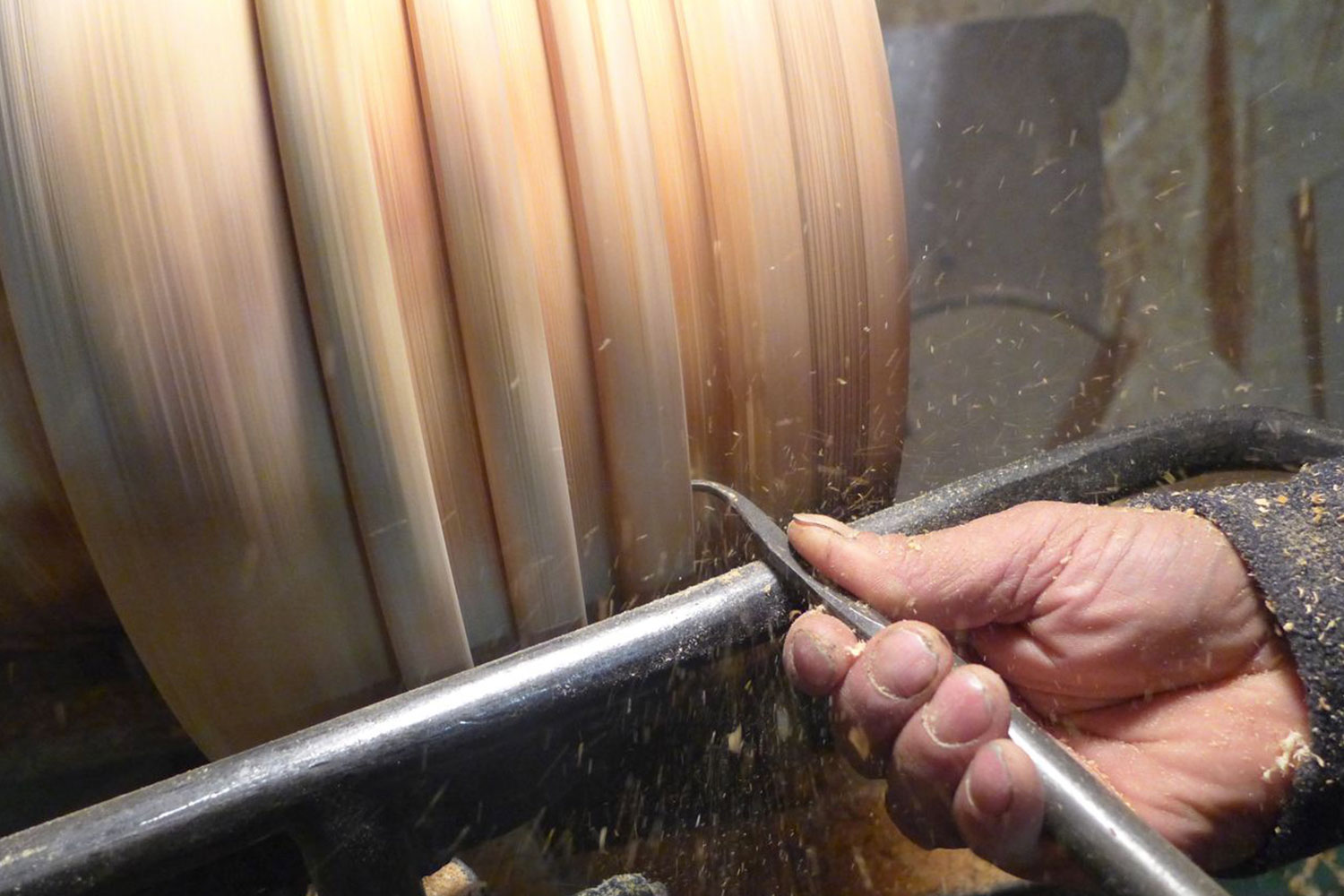
I always wanted to work with wood, to be in direct contact with the material. As early as 9-10 years old, I already had this desire. My parents gave me a workbench and tools at that time. I still have a hammer from my childhood that is always in the workshop. It was only natural for me to choose wood as my path.
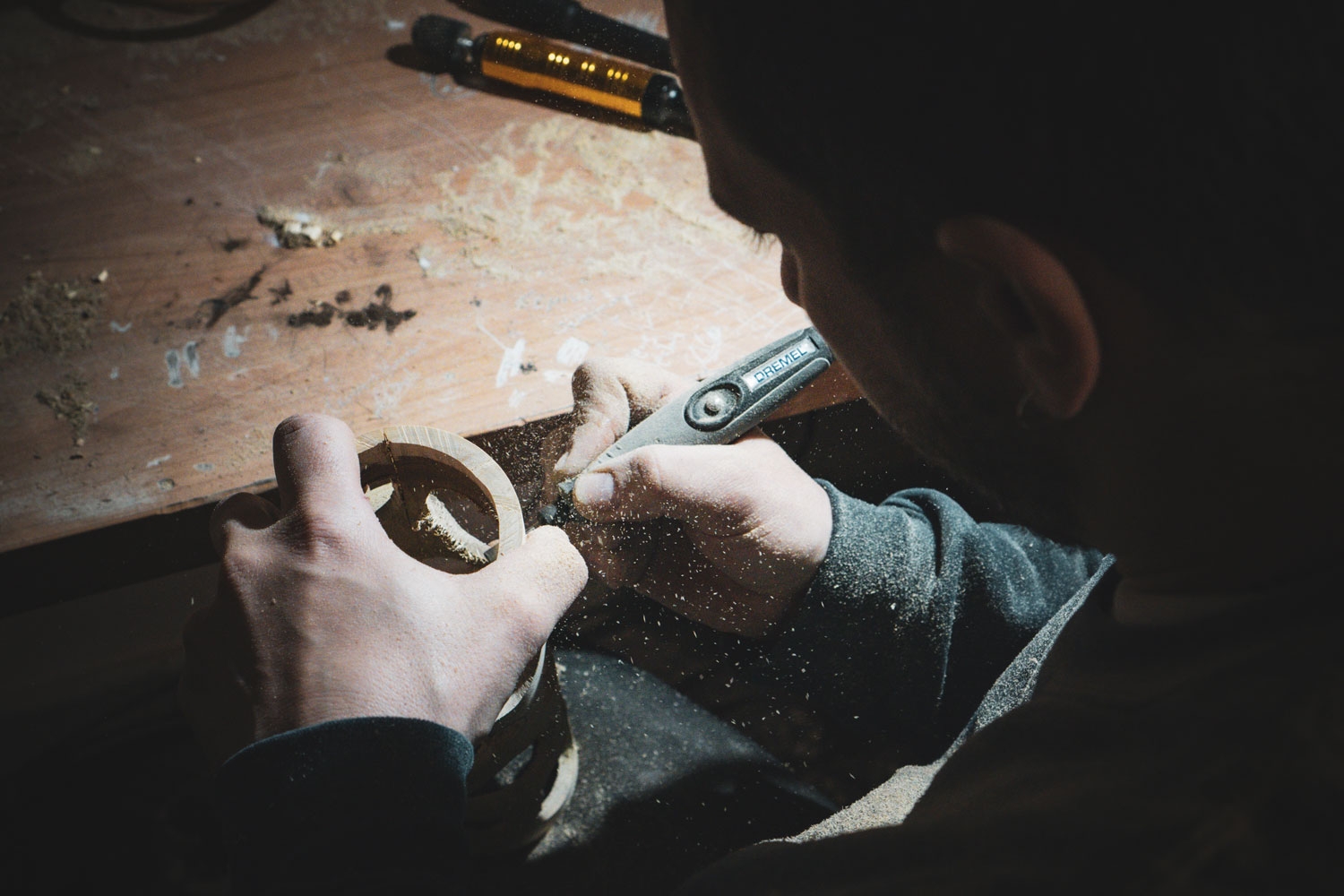
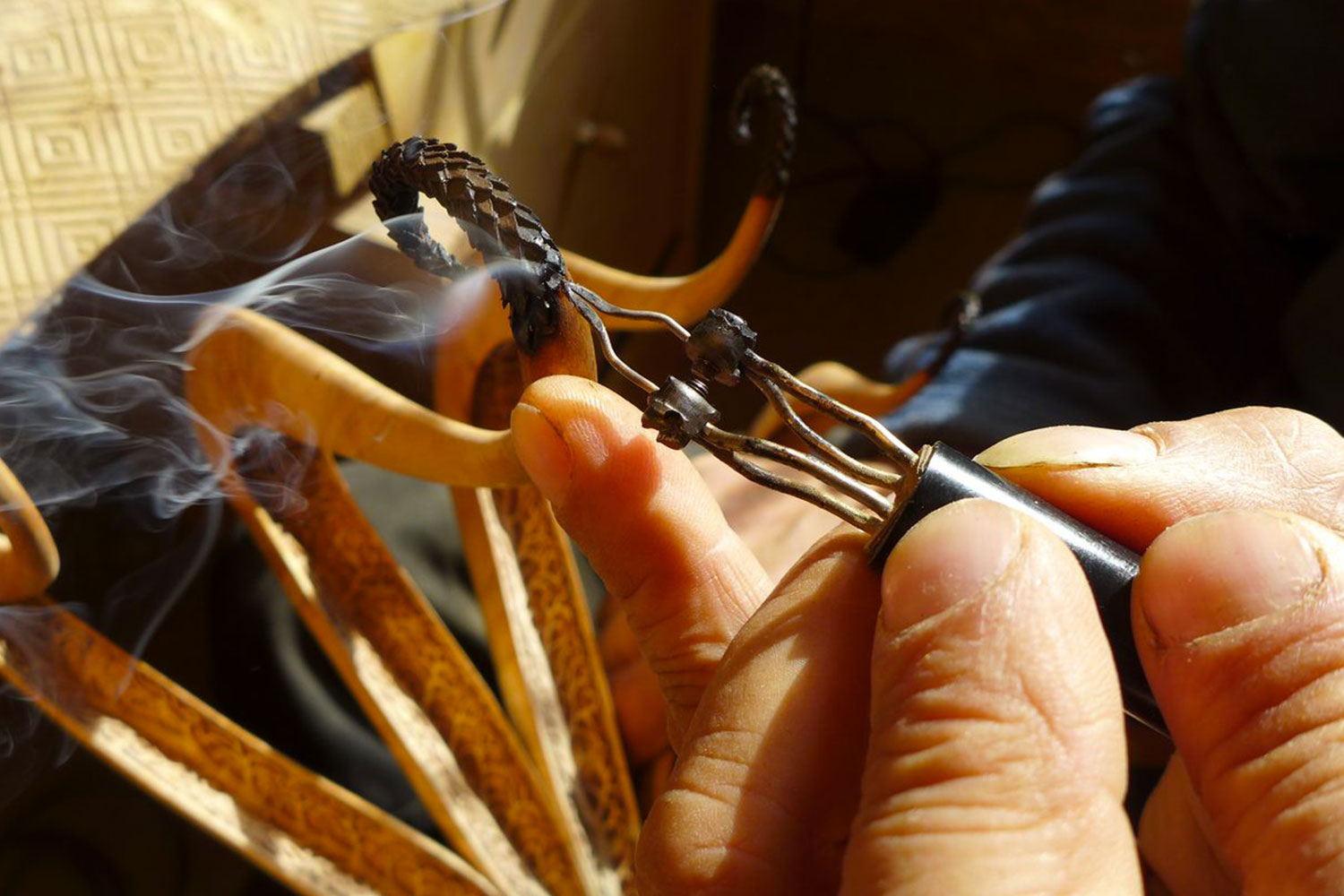
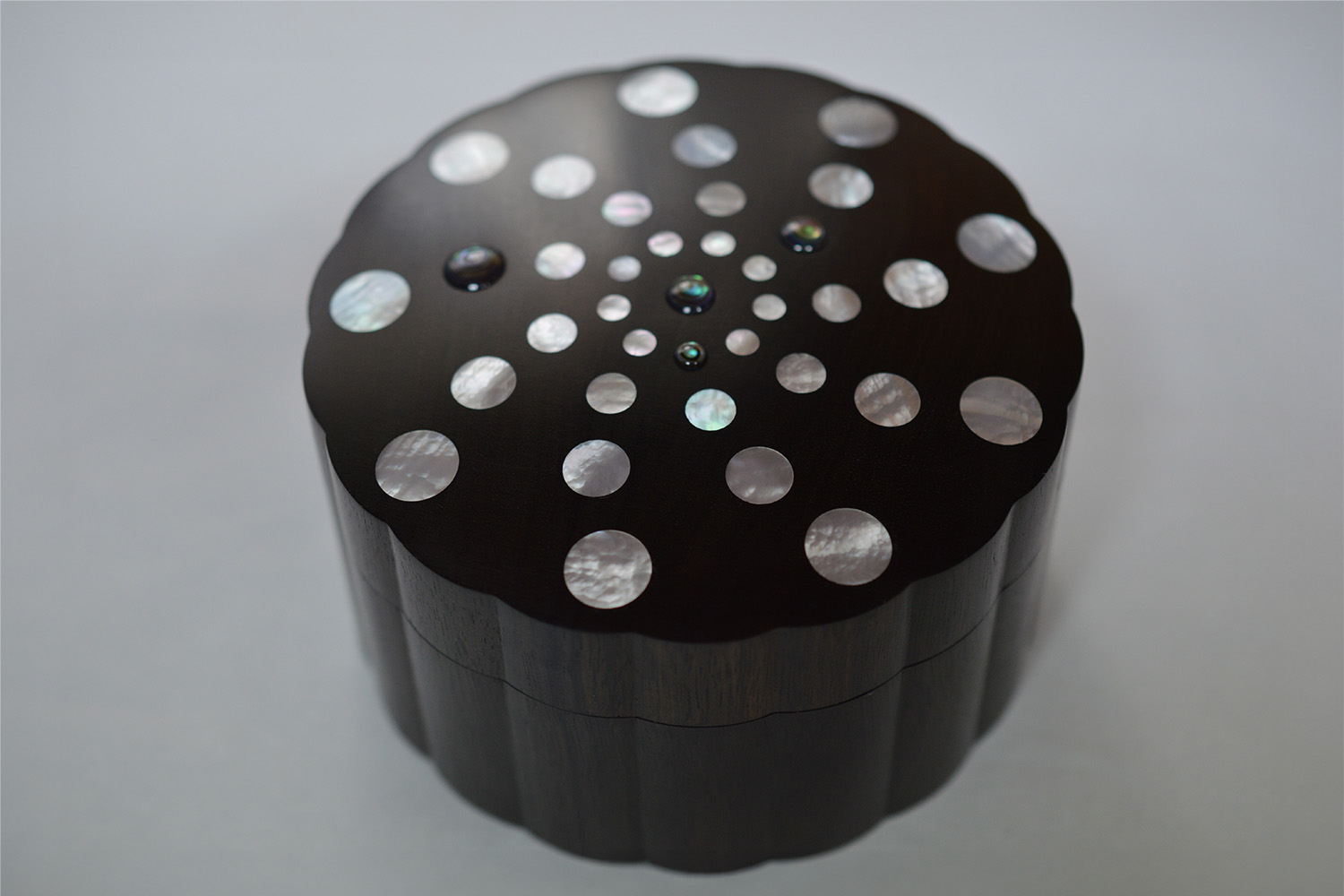
My style involves high-precision mechanical work, like high jewellery adapted to wood. I enjoy working with various materials such as precious wood, mother-of-pearl, bone, shagreen, and straw.
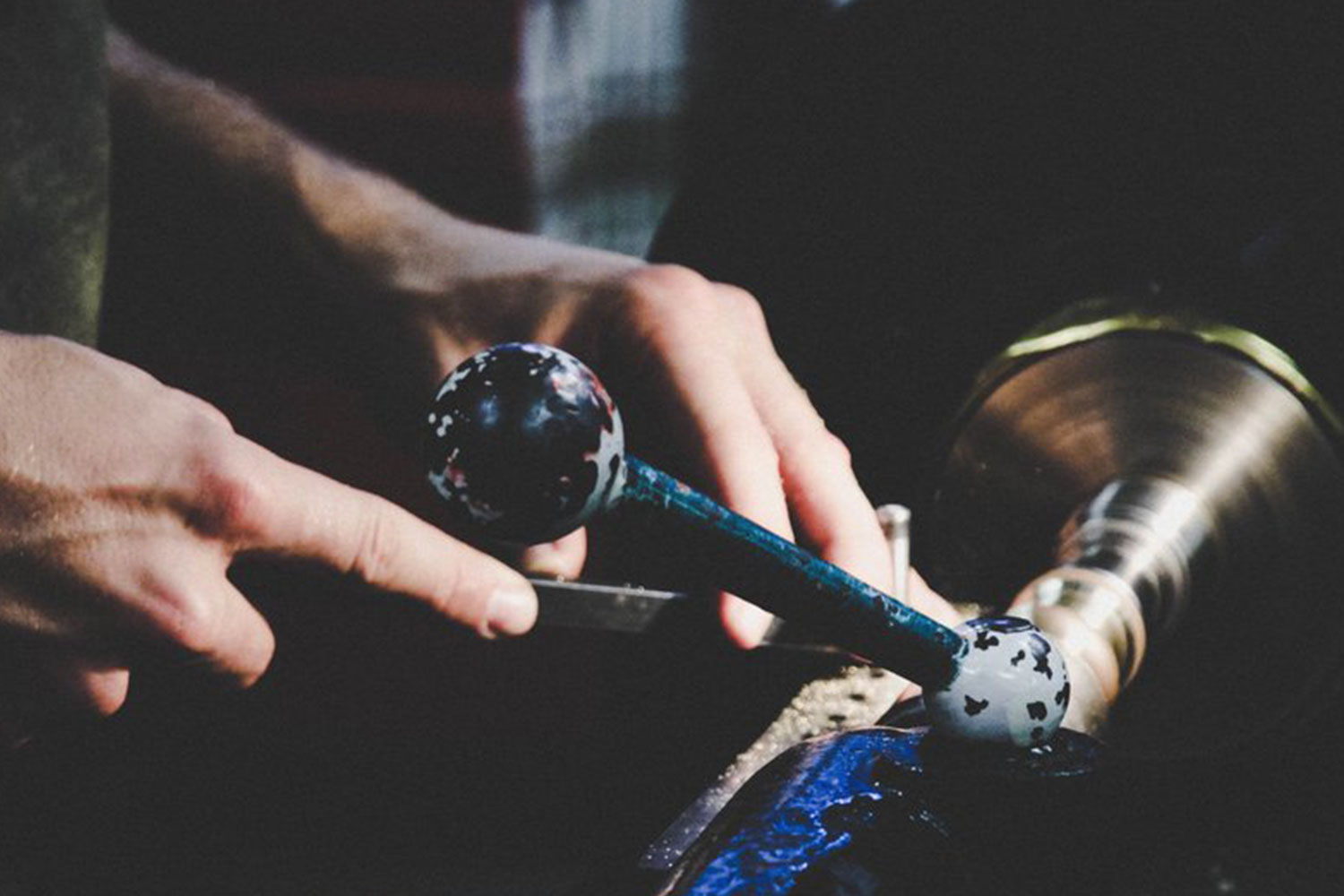
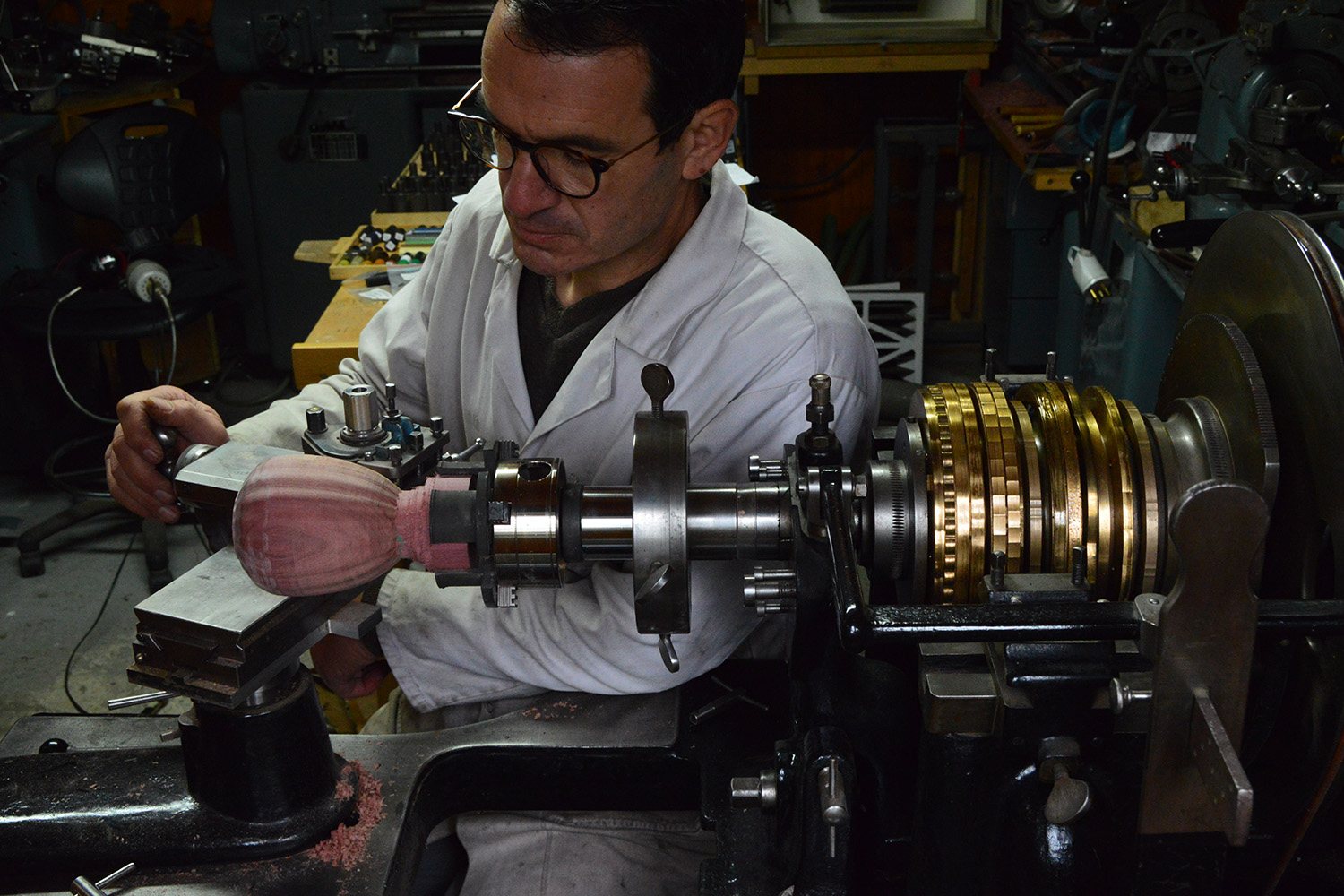
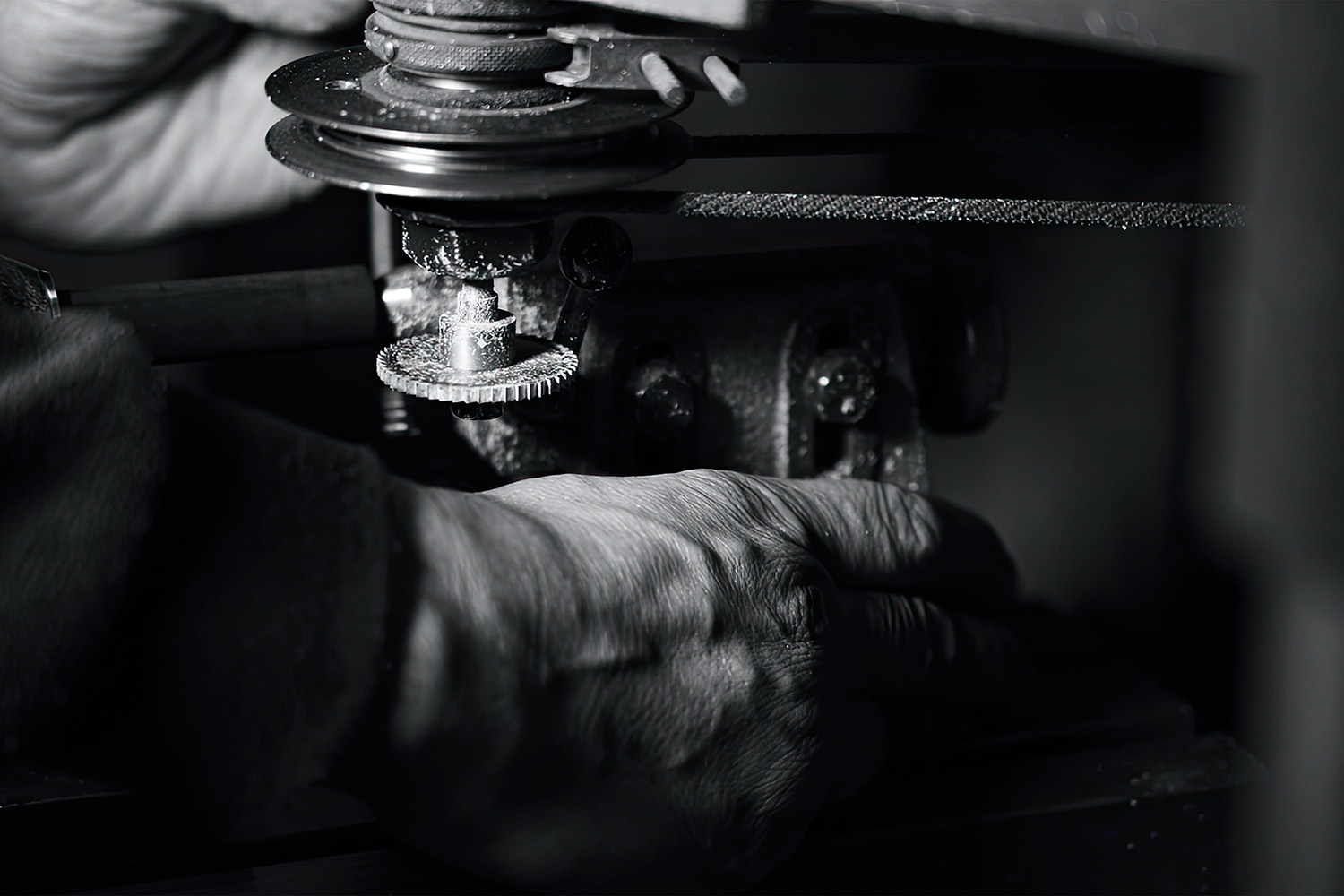
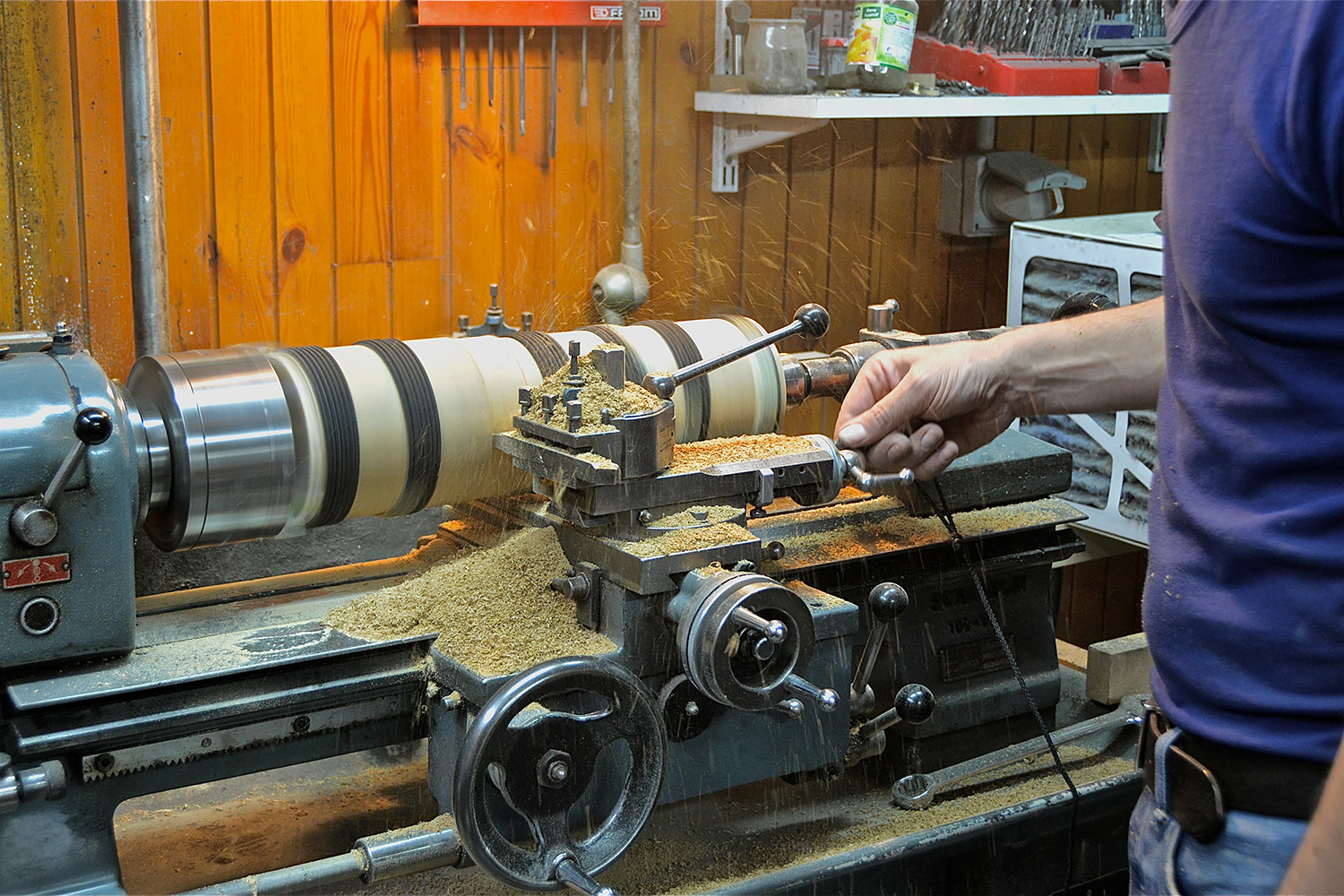
I use a guilloché lathe, an ancient tool employed during the Louis XVI era, originally for watch dial ornamentation. I initially learned to do this on ivory, but shifted to ebony due to material restrictions, later incorporating other noble materials like mother-of-pearl and shagreen.
It is already in jeopardy as there are hardly any turners and guillocheurs. Additionally, material restrictions could eventually lead to its disappearance.
Frédéric Hamel
Woodturner
La Chapelle-Montligeon, France
Recommended by L’ÉCOLE, School of Jewelry Arts
AVAILABILITY
Monday to Friday 08:00-12:00 / 14:00-17:00
PHONE
+33 665968474
LANGUAGES
French
Homo Faber Finds is a new service aiming to inspire admirers of craft to connect and collaborate with exceptional artisans.
We invite you to submit an enquiry here.