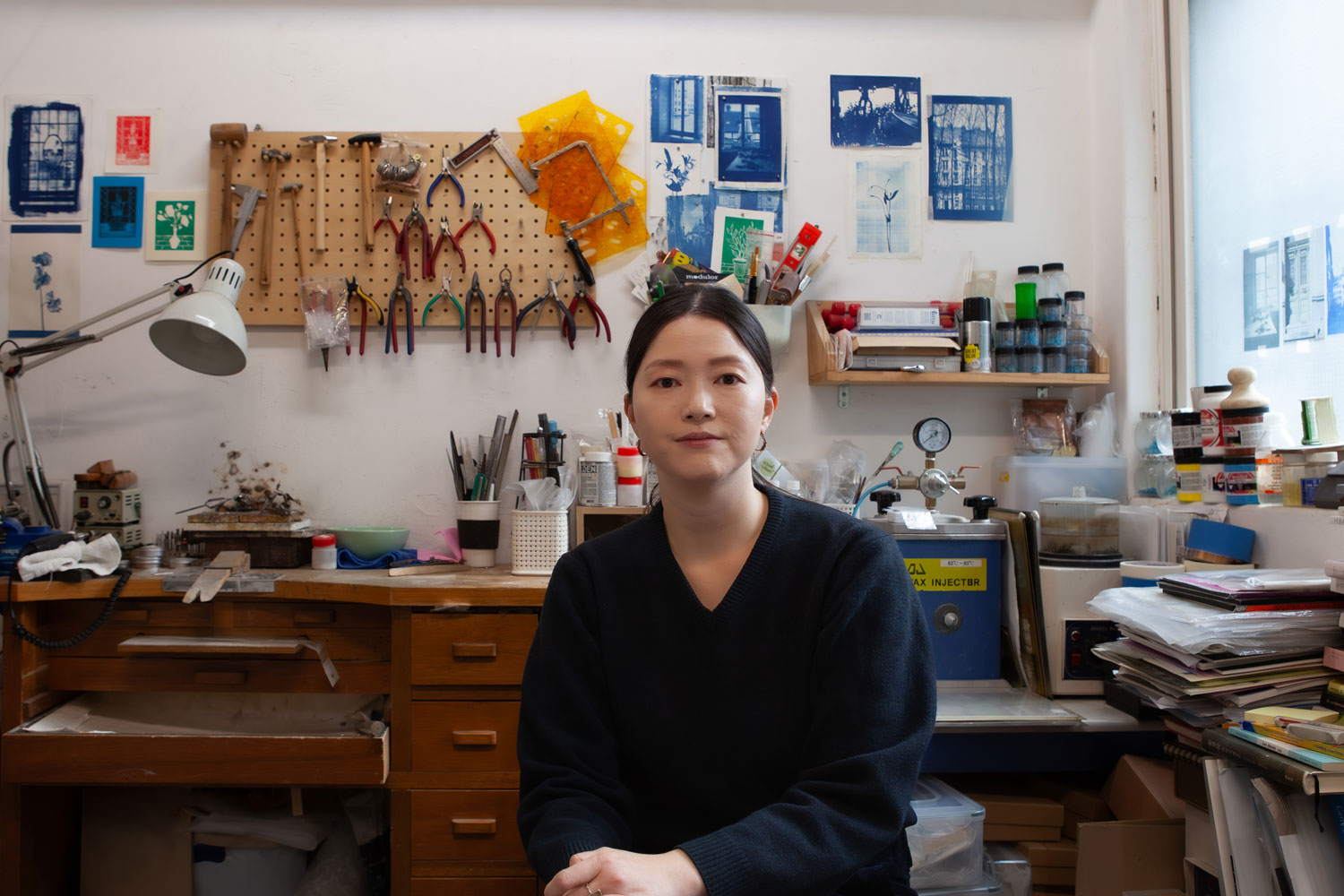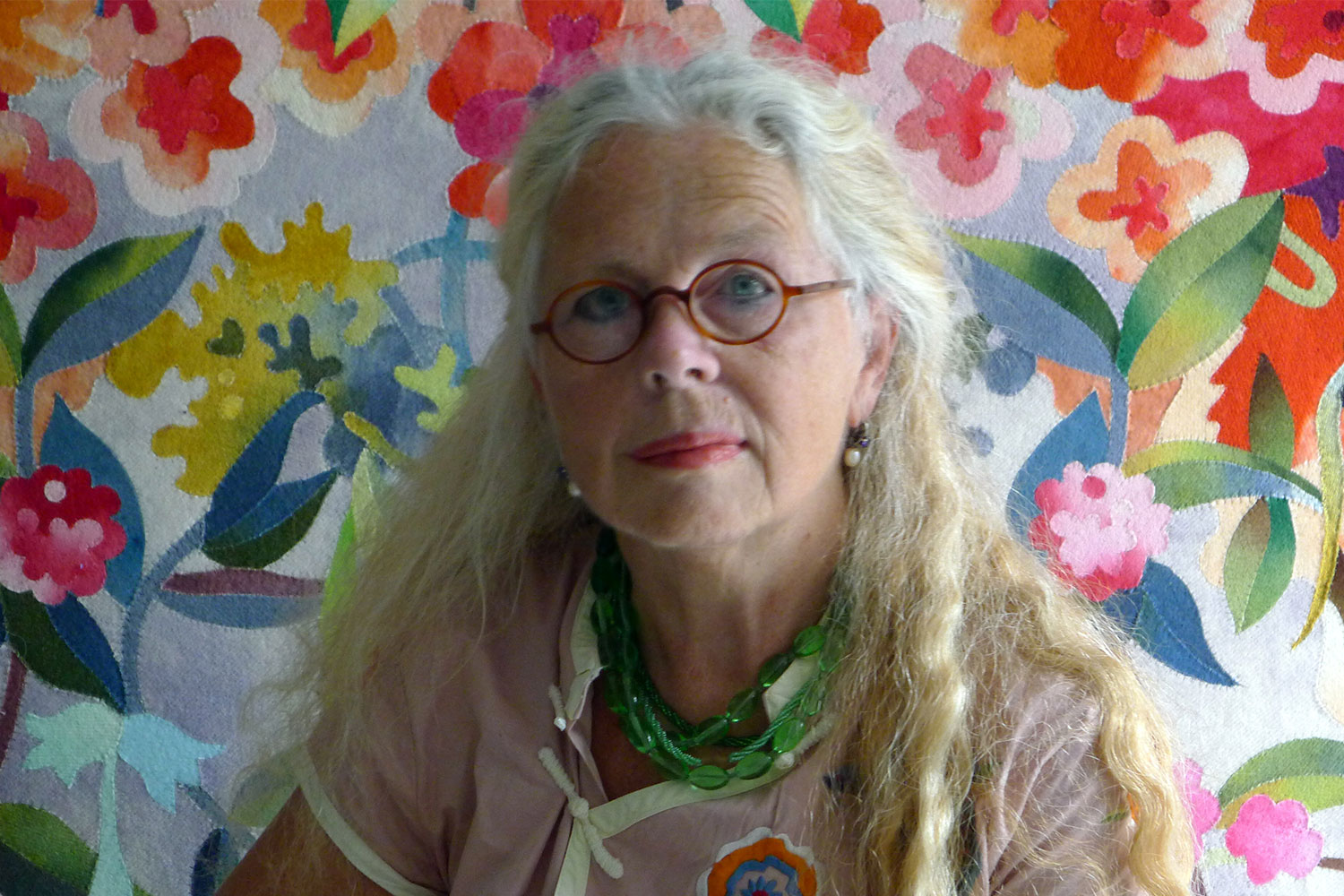
Dukjoo Choi
Patchworker
Seoul, South Korea
Recommended by Korea Craft & Design Foundation
Handwoven landscapes
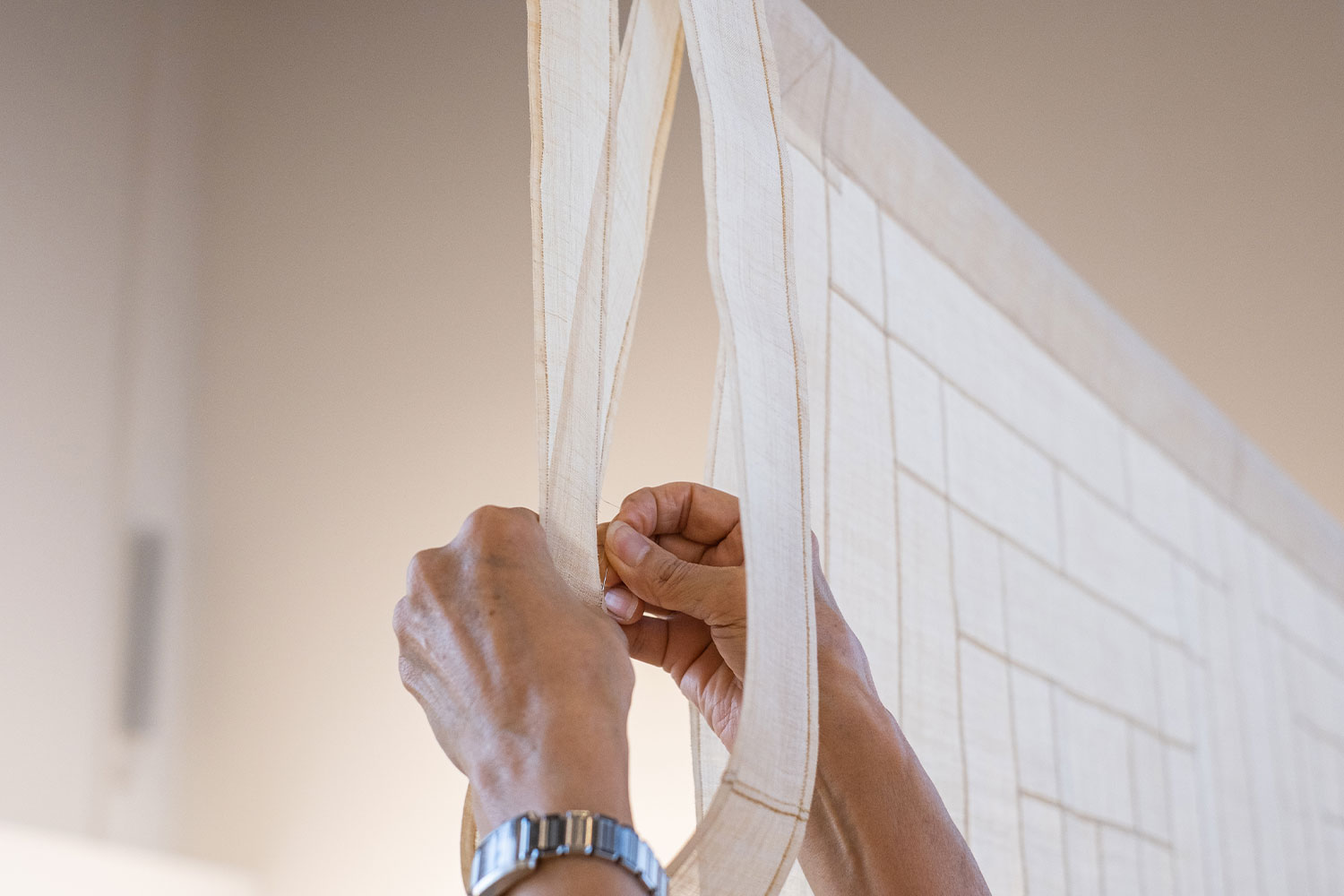
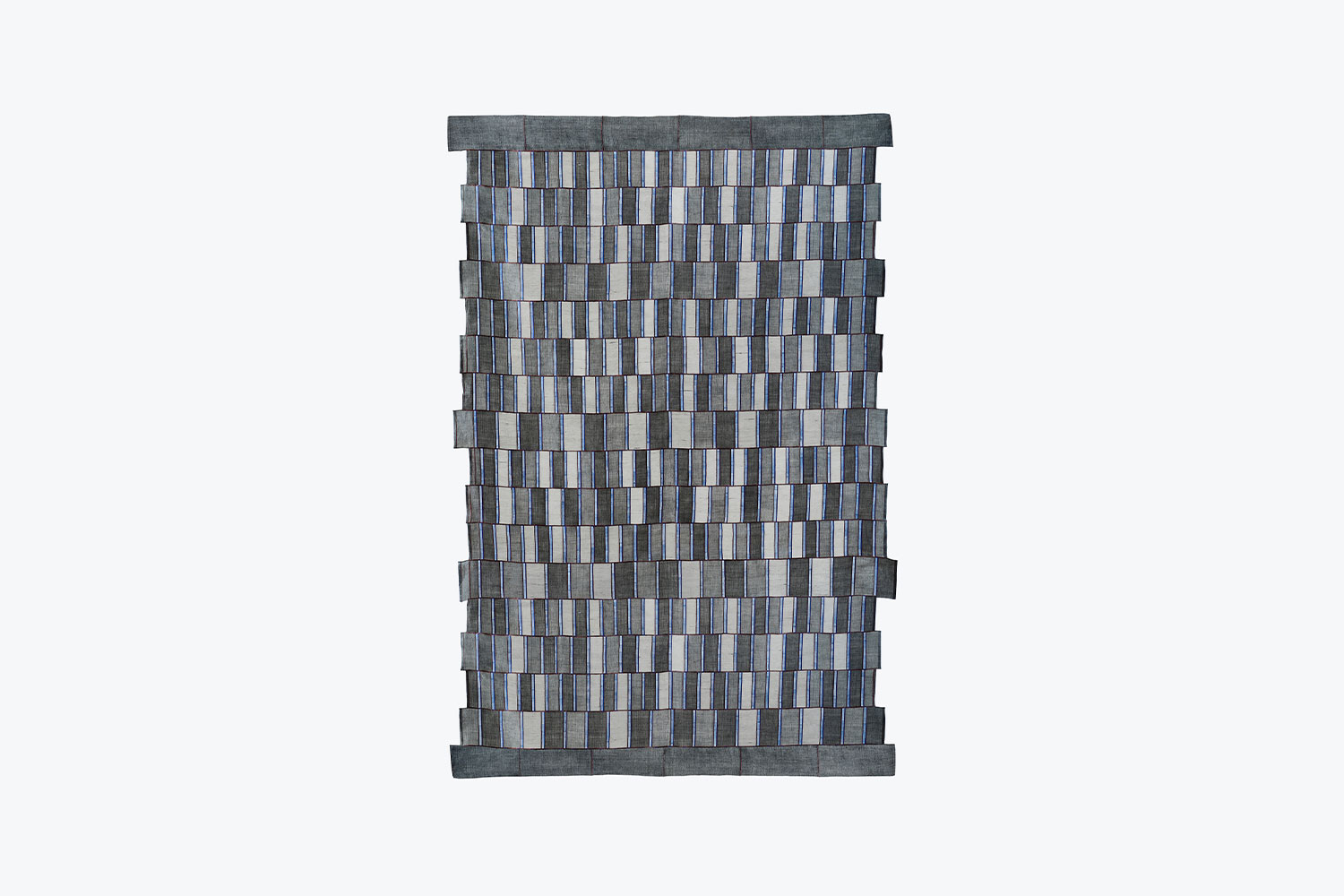
- Geometry is at the heart of all of Dukjoo's work
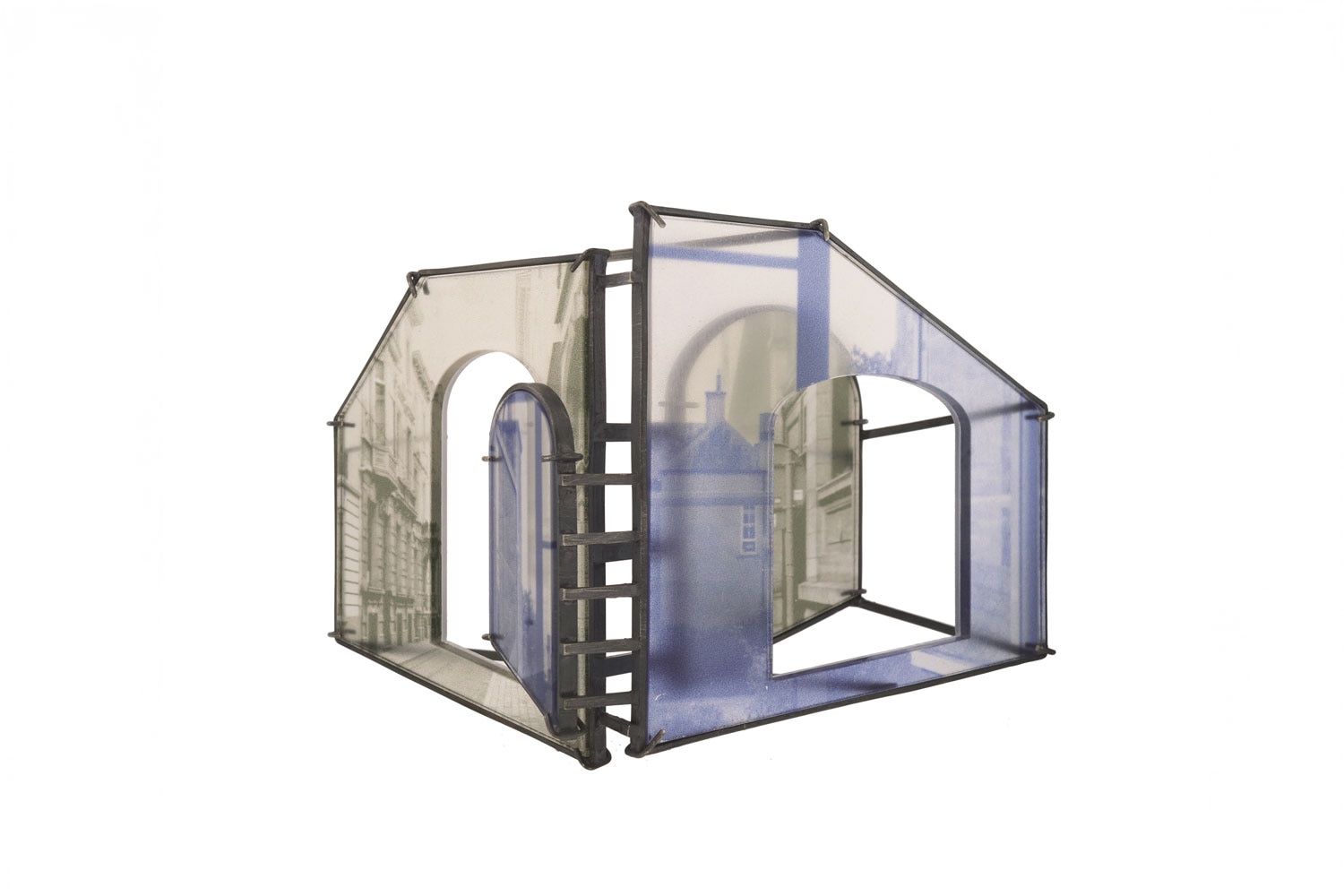
- She is interested in the intersection of architecture and crafts
- Her work is a process of perfection
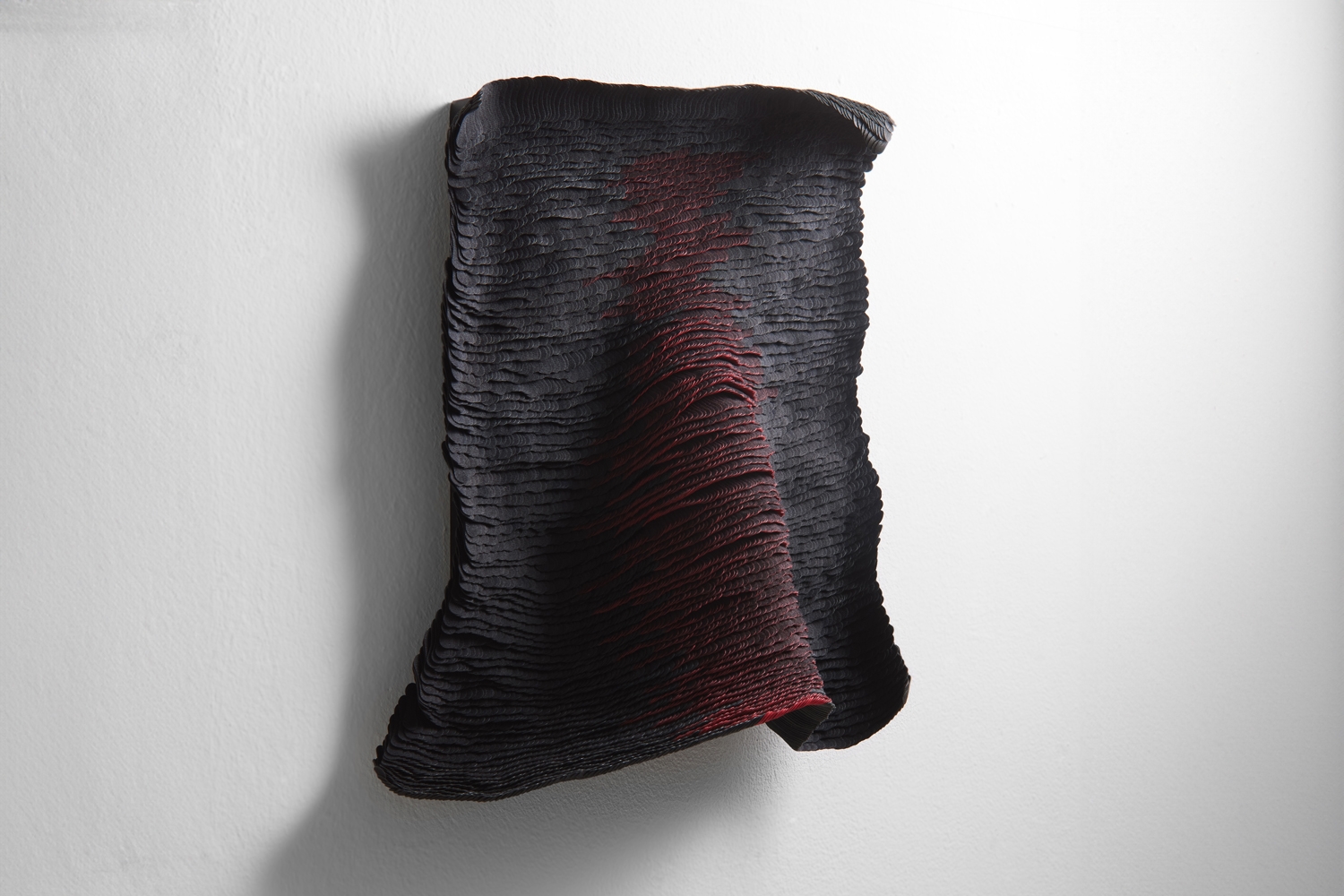
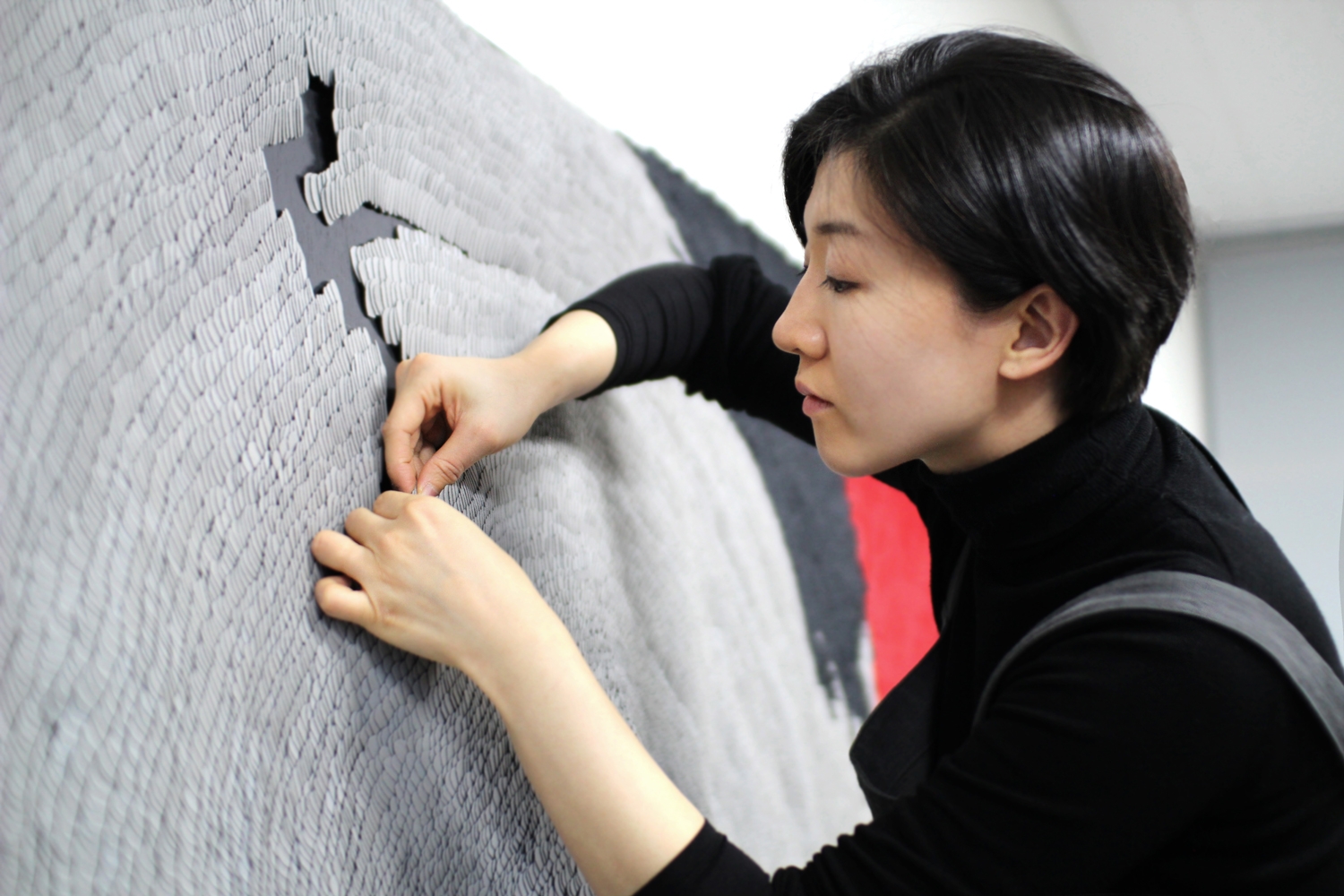
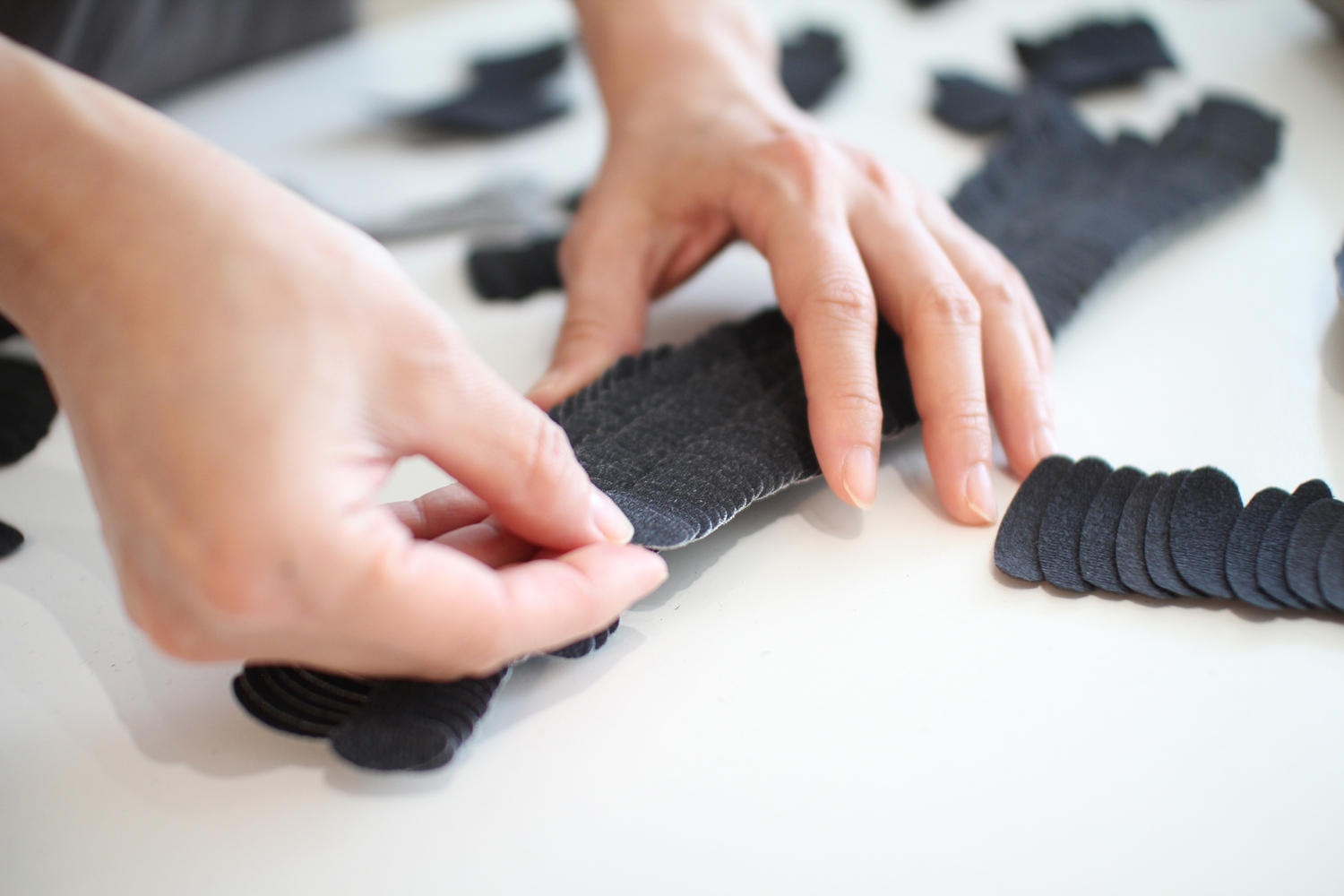
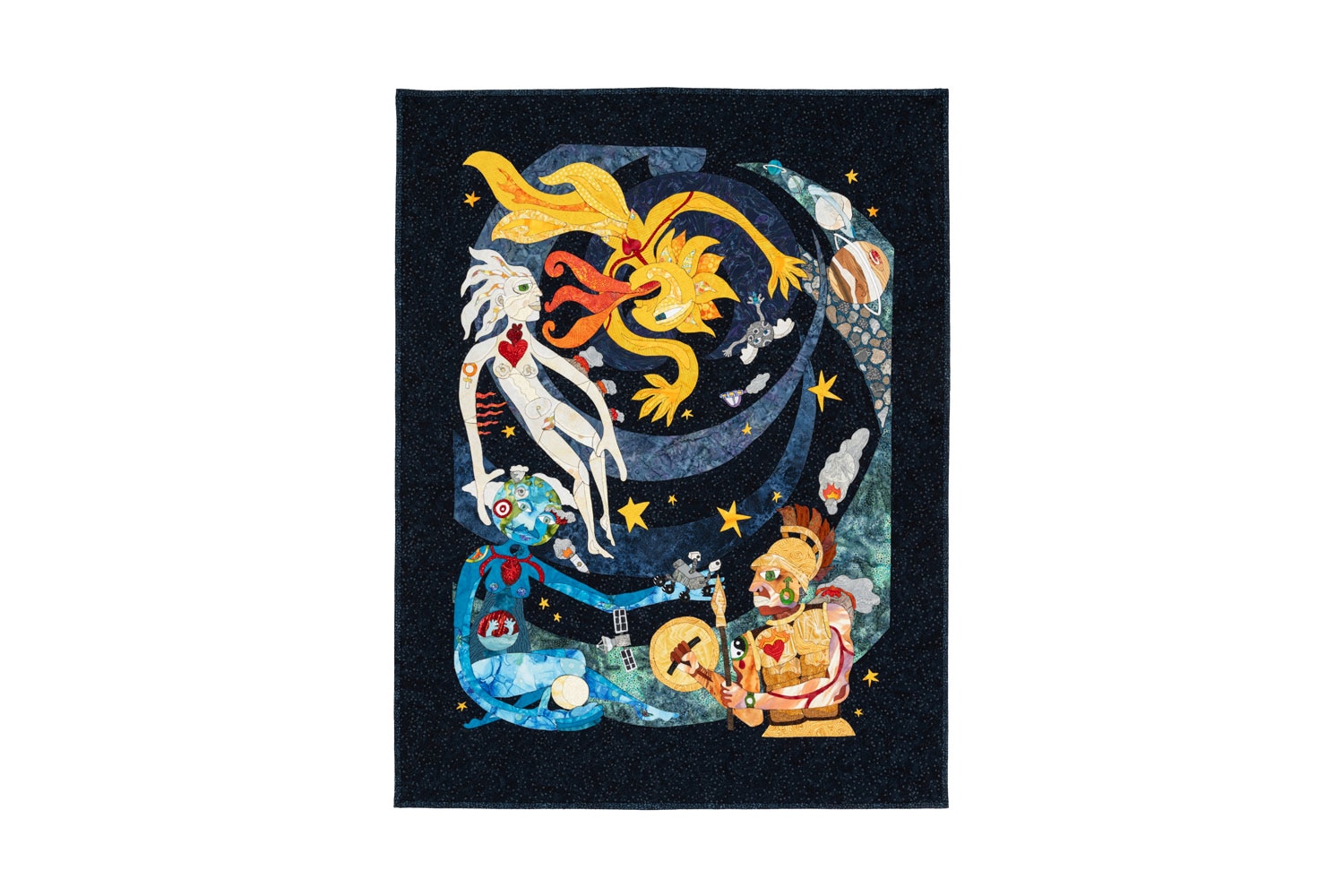
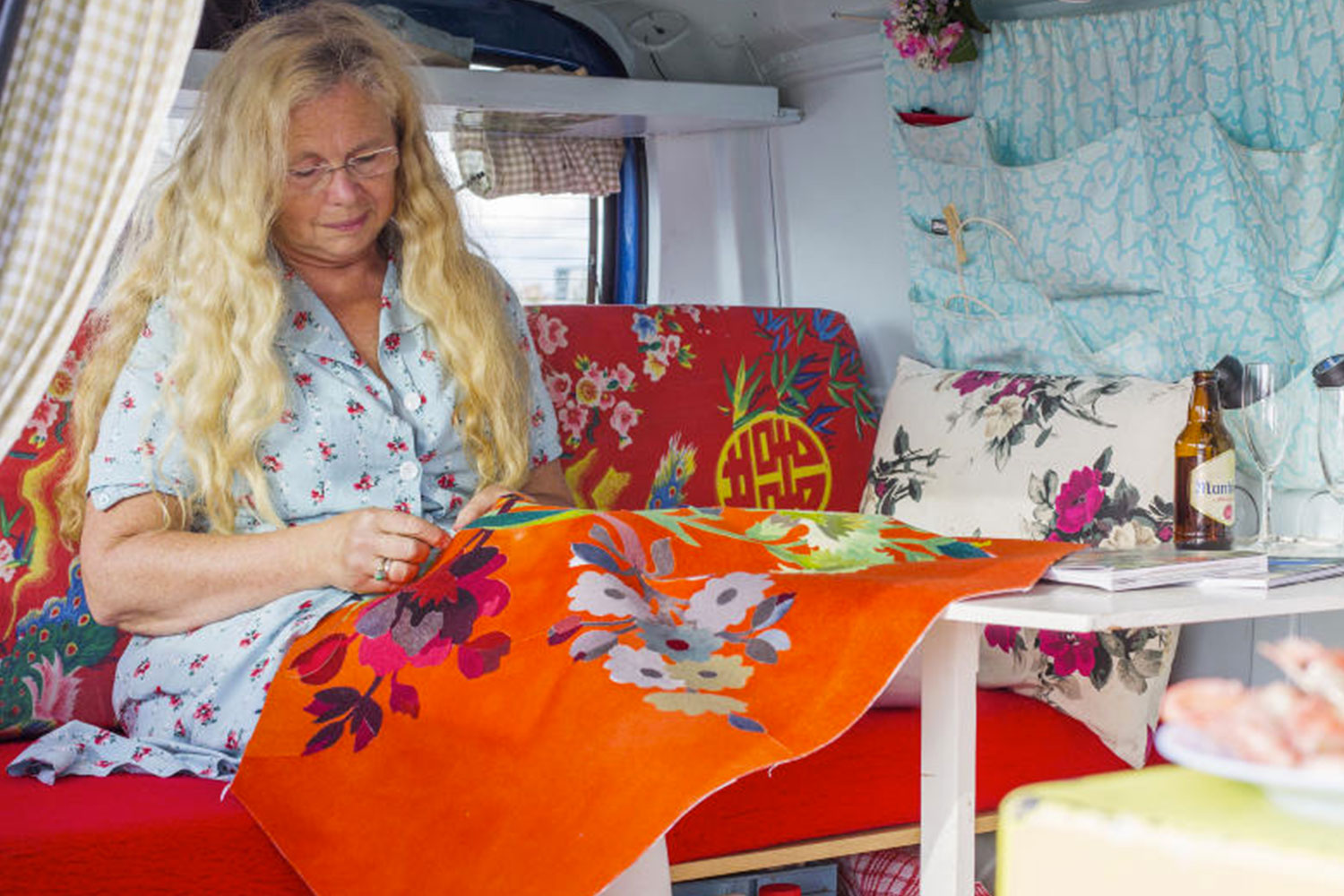
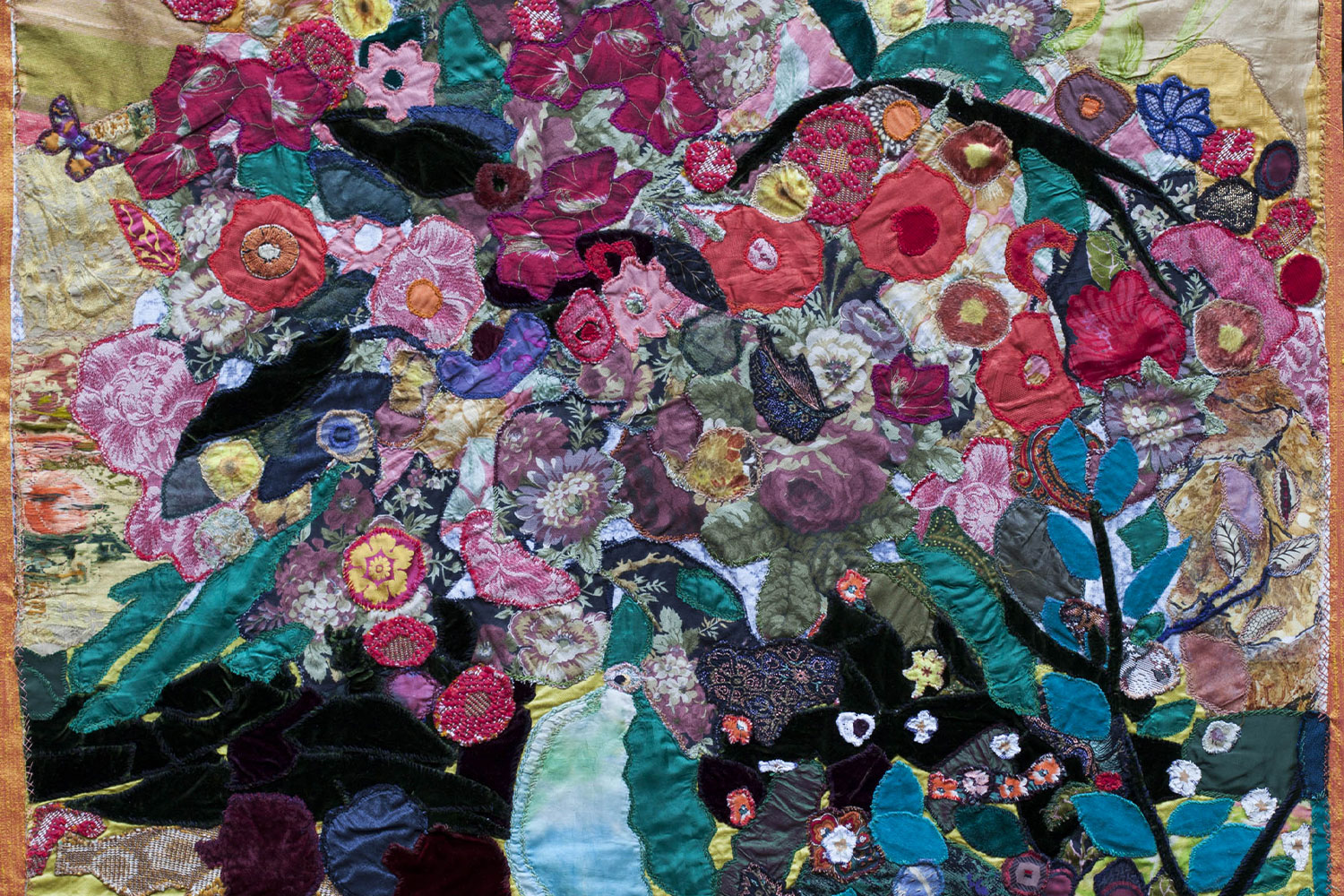
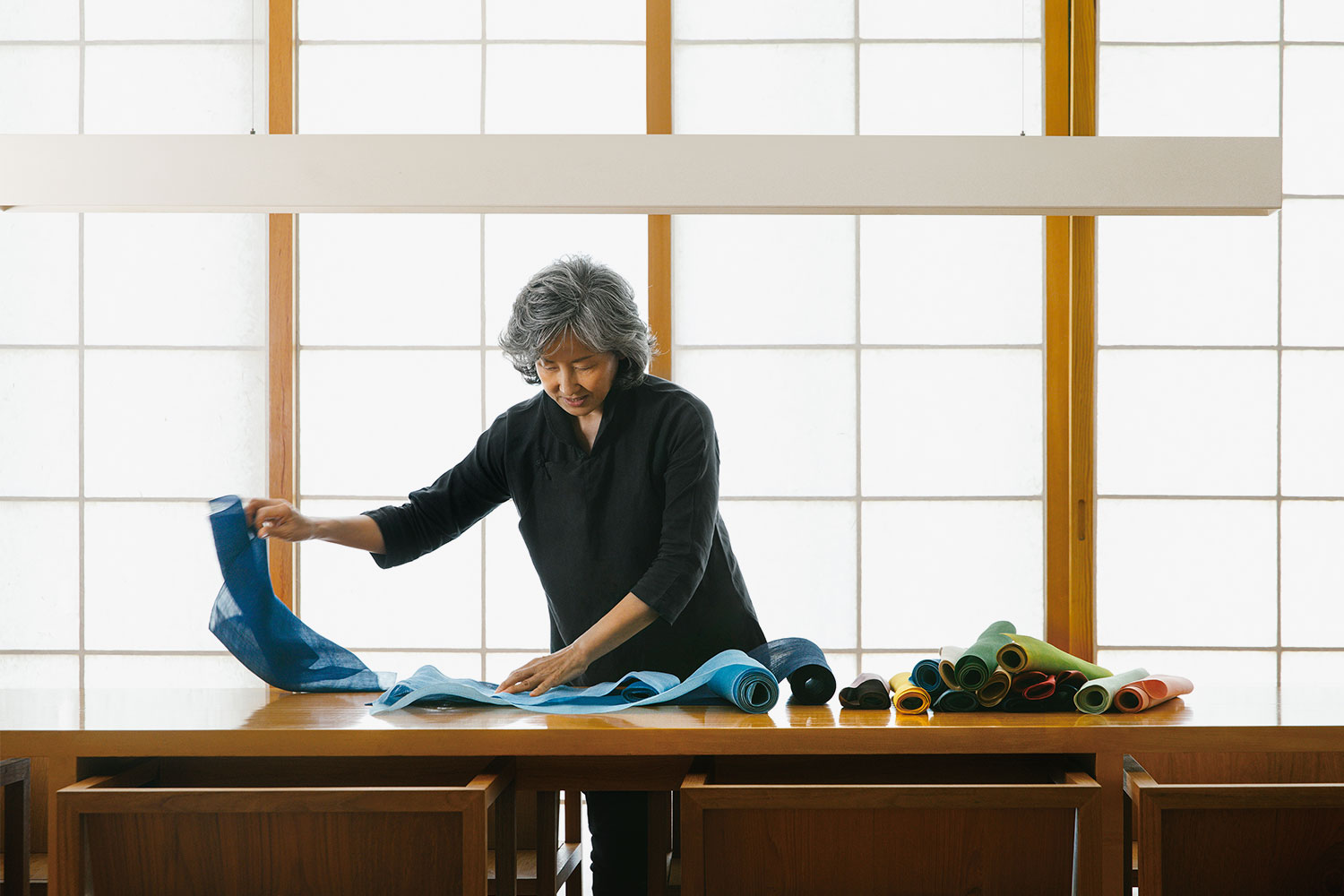
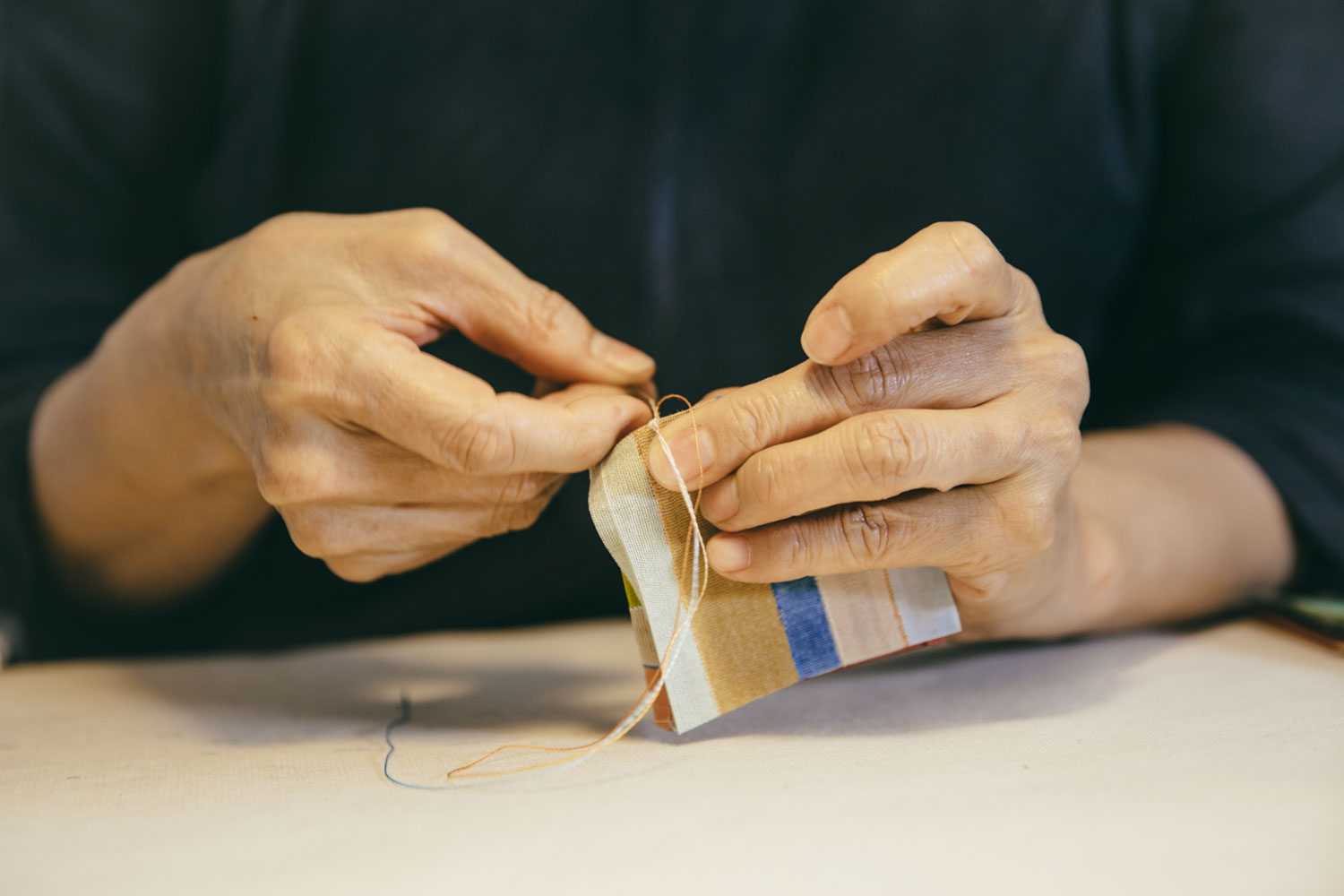
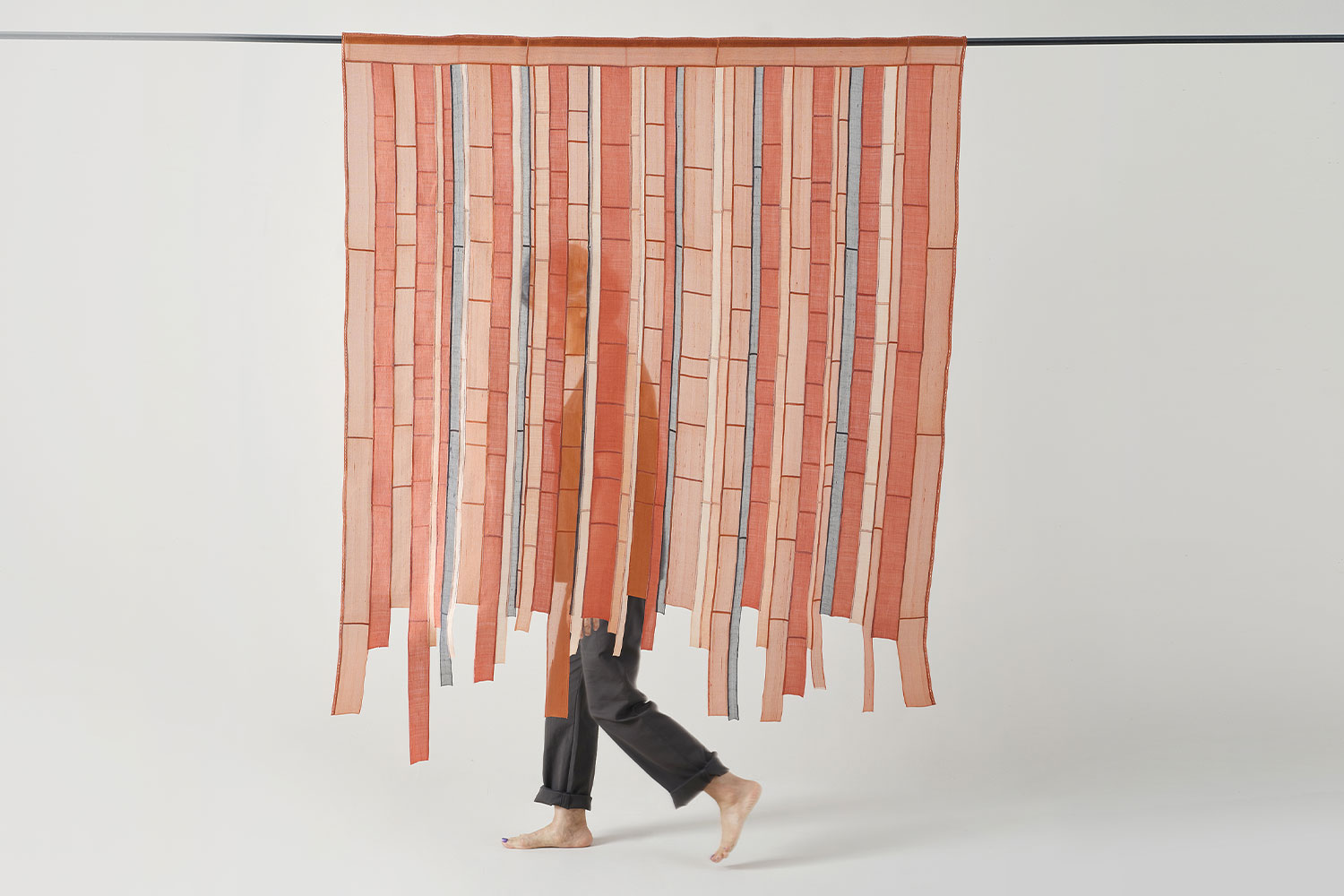
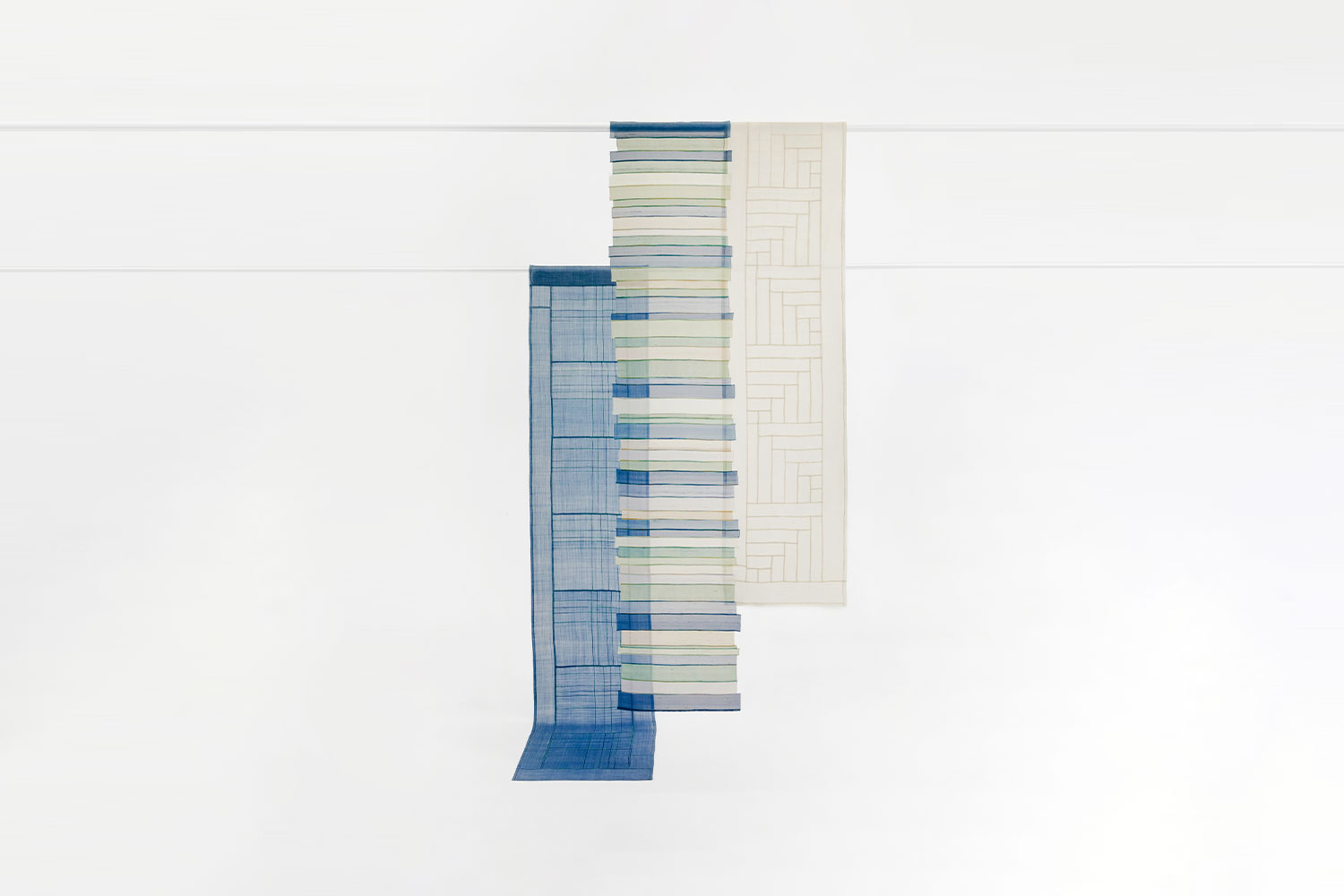
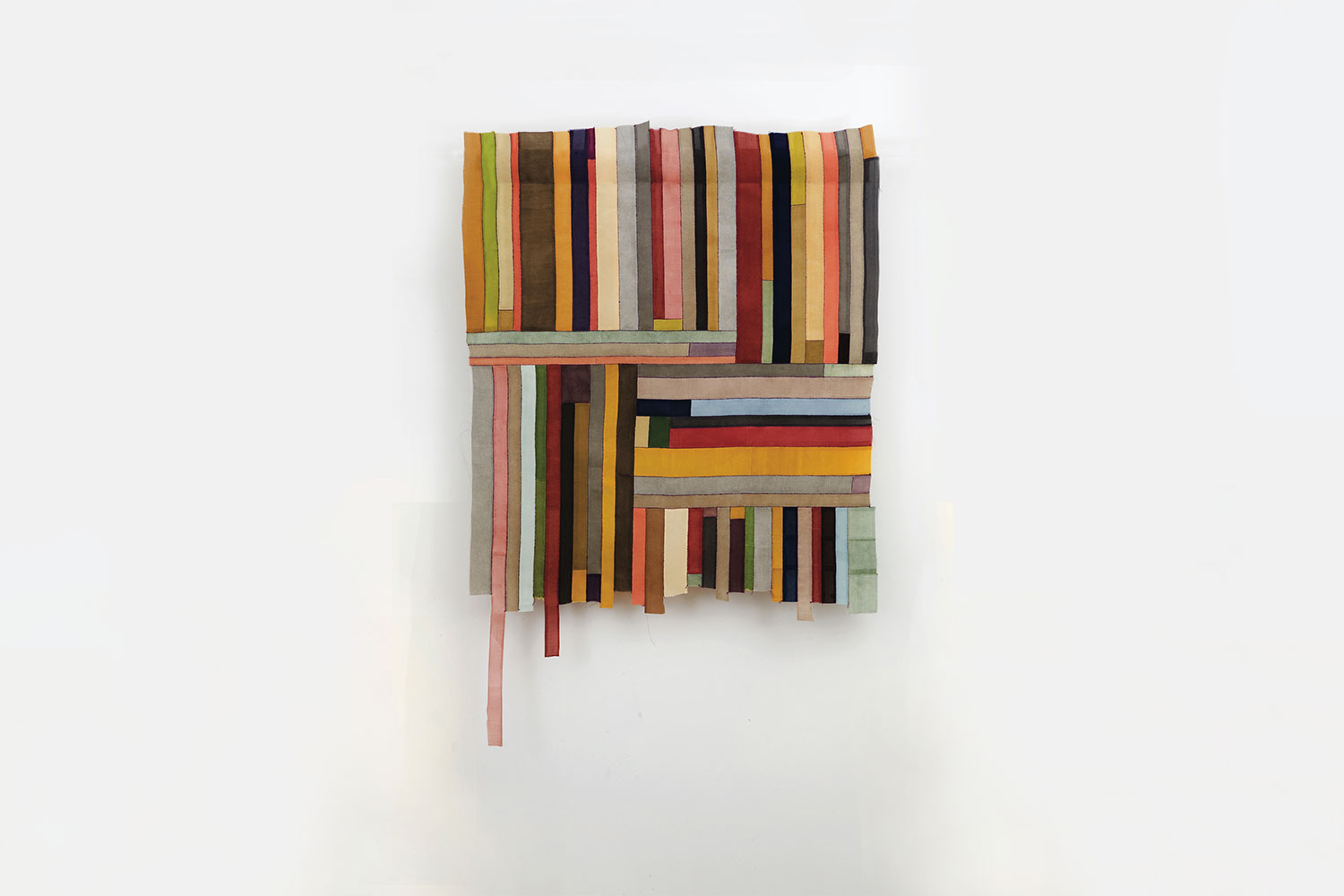
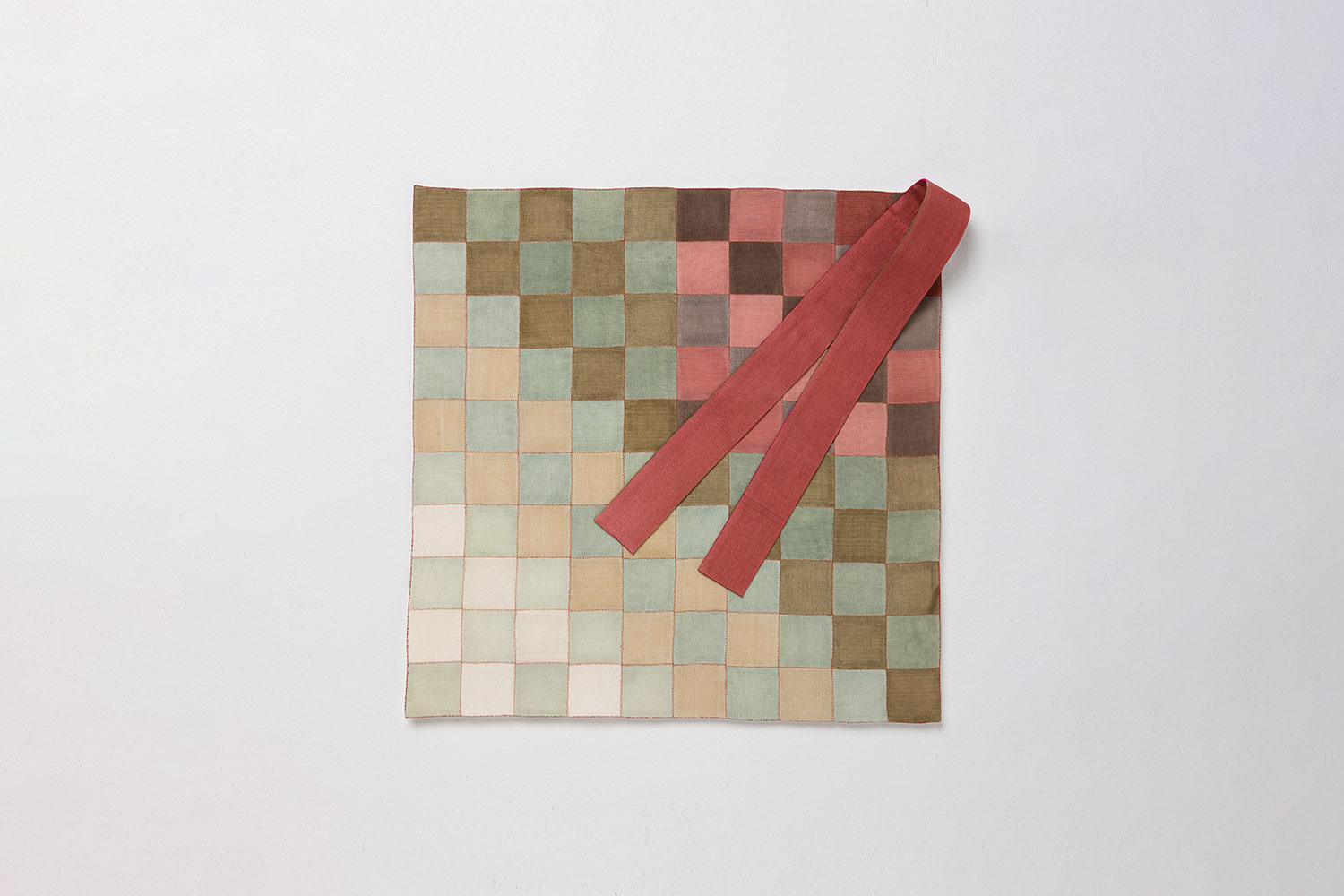
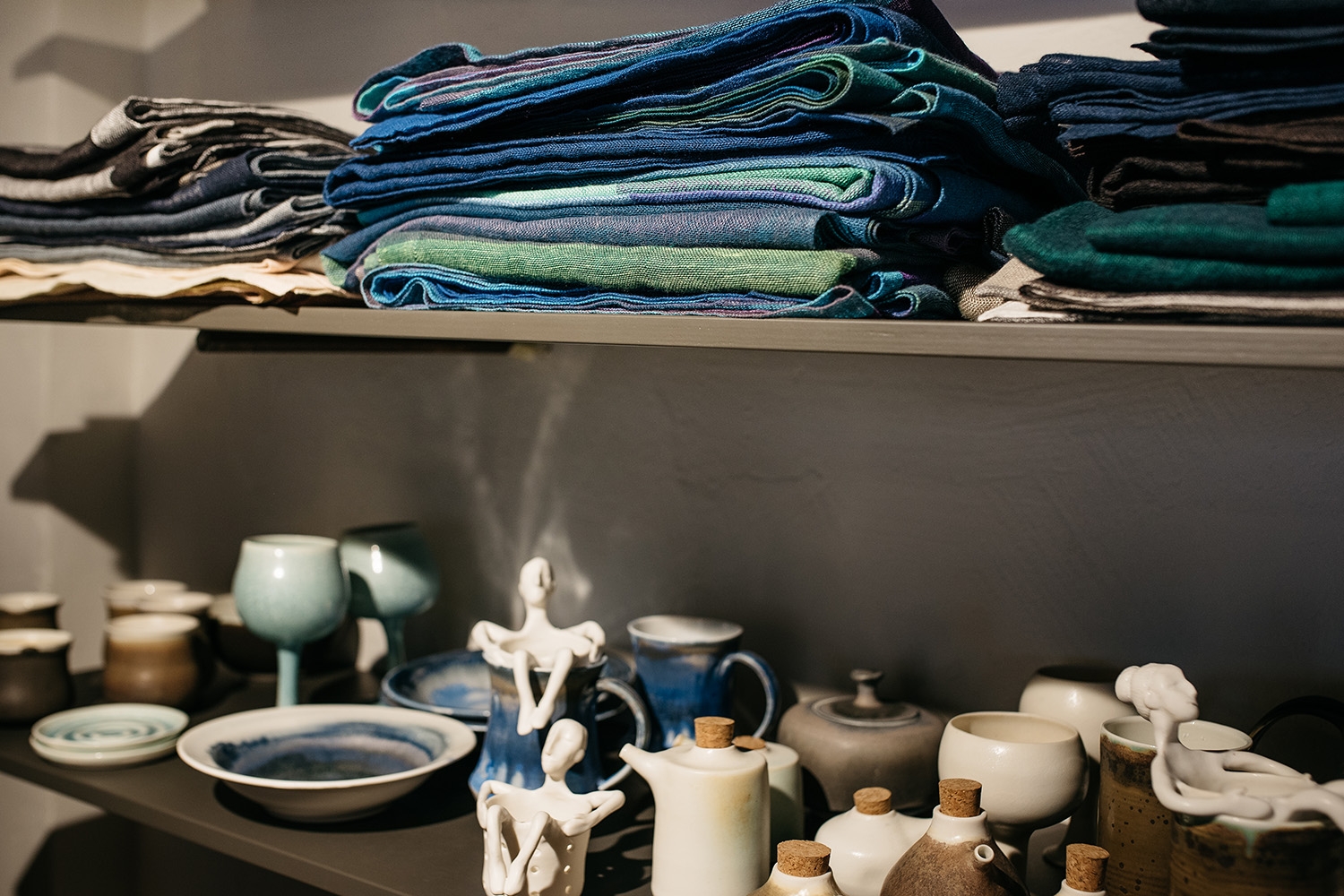
Dukjoo Choi studied art at Sookmyung Women’s University, and learned Jogakbo work from Hyunhee Kim. In her practice, she builds on traditional Korean craftsmanship, by producing formative beauty through rich colours, natural dyeing and geometrical composition. In order to preserve the emotion and style that is quintessentially Korean, she consciously distanced herself from materials formed in the industrialised world and today dedicates substantial proportions of her time and energy to developing natural fabrics and dyes. Dukjoo has participated in various group exhibitions and has held solo exhibitions in Vienna, Budapest, Zlin, Madrid, Brussels and Seoul. Her works are collected by many institutions and individuals around the world.
Discover her work
INTERVIEW
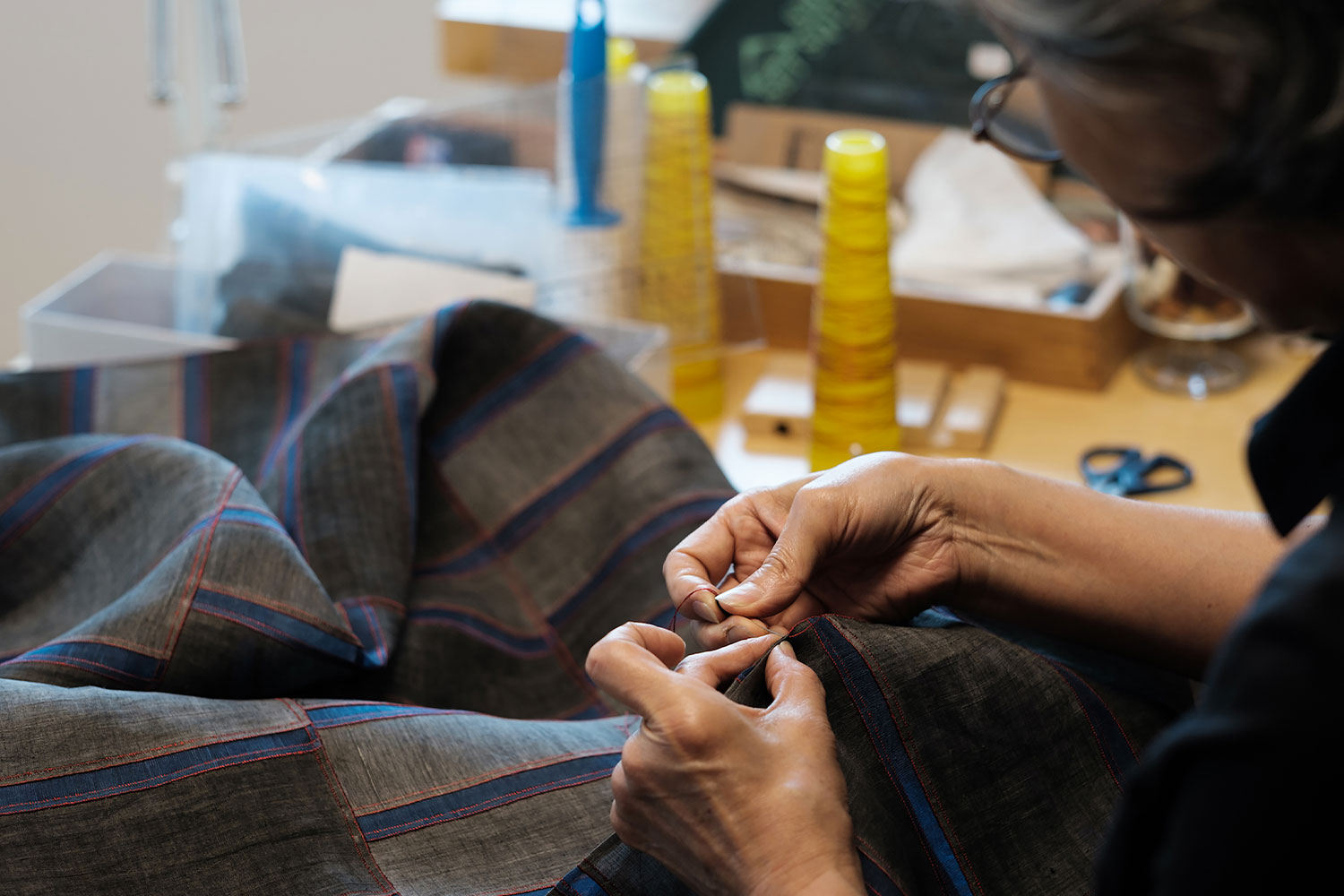
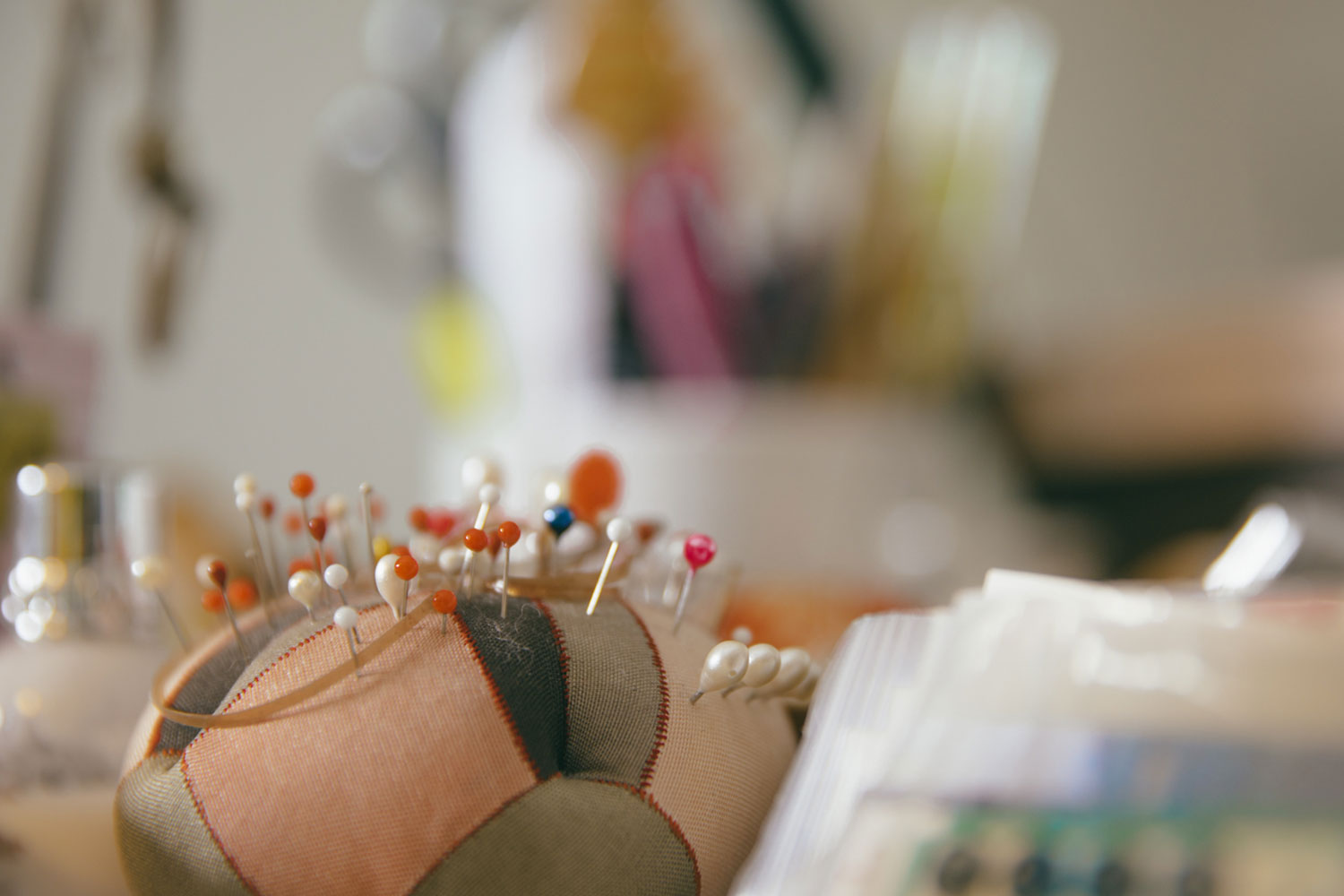
I grew up watching my grandmother sew and make clothes. The way she sewed and the work she completed was amazing. It was a pleasure to observe her sewing tools, embroideries and clothes. I started sewing in my mid-40s when my children had grown up.
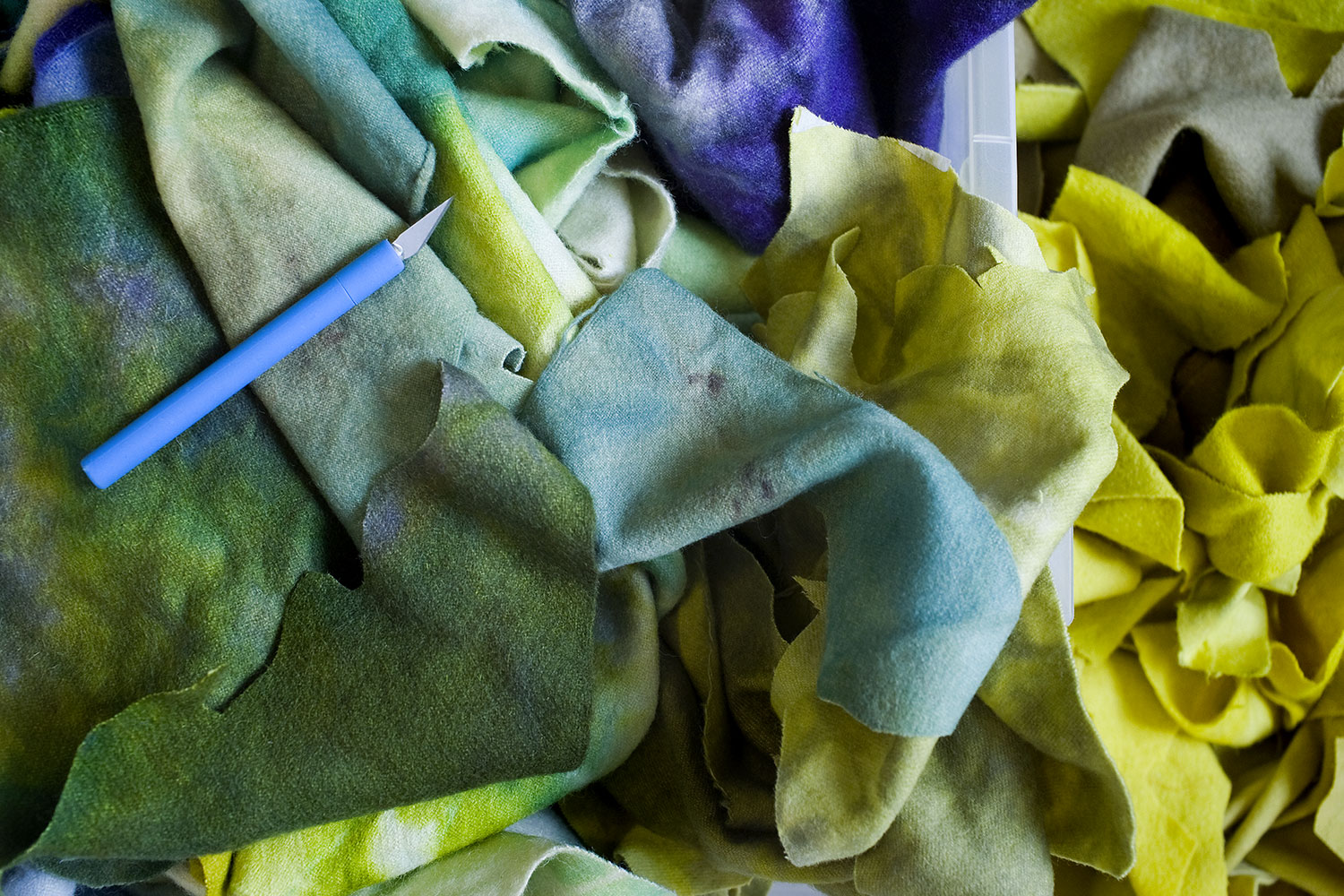
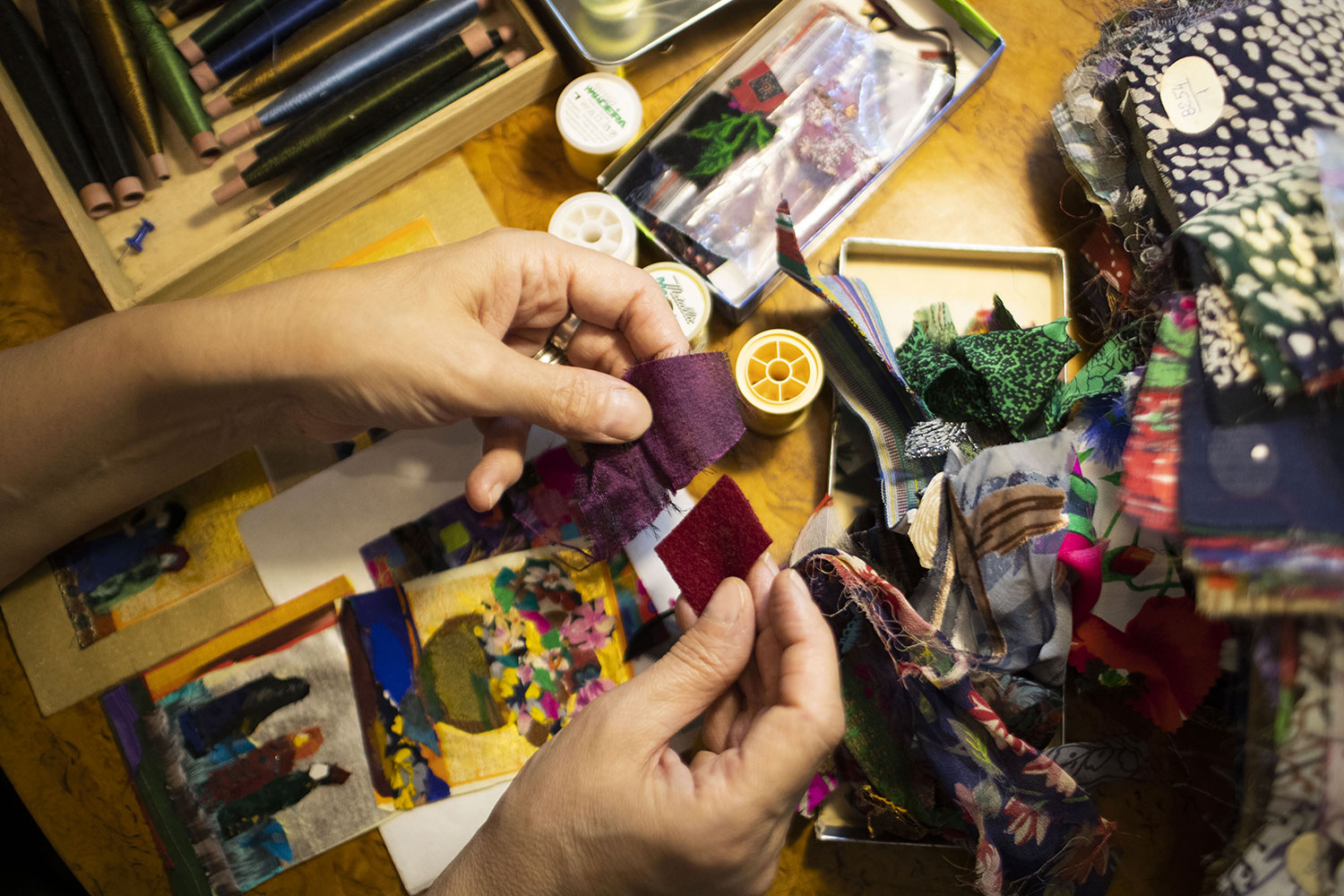
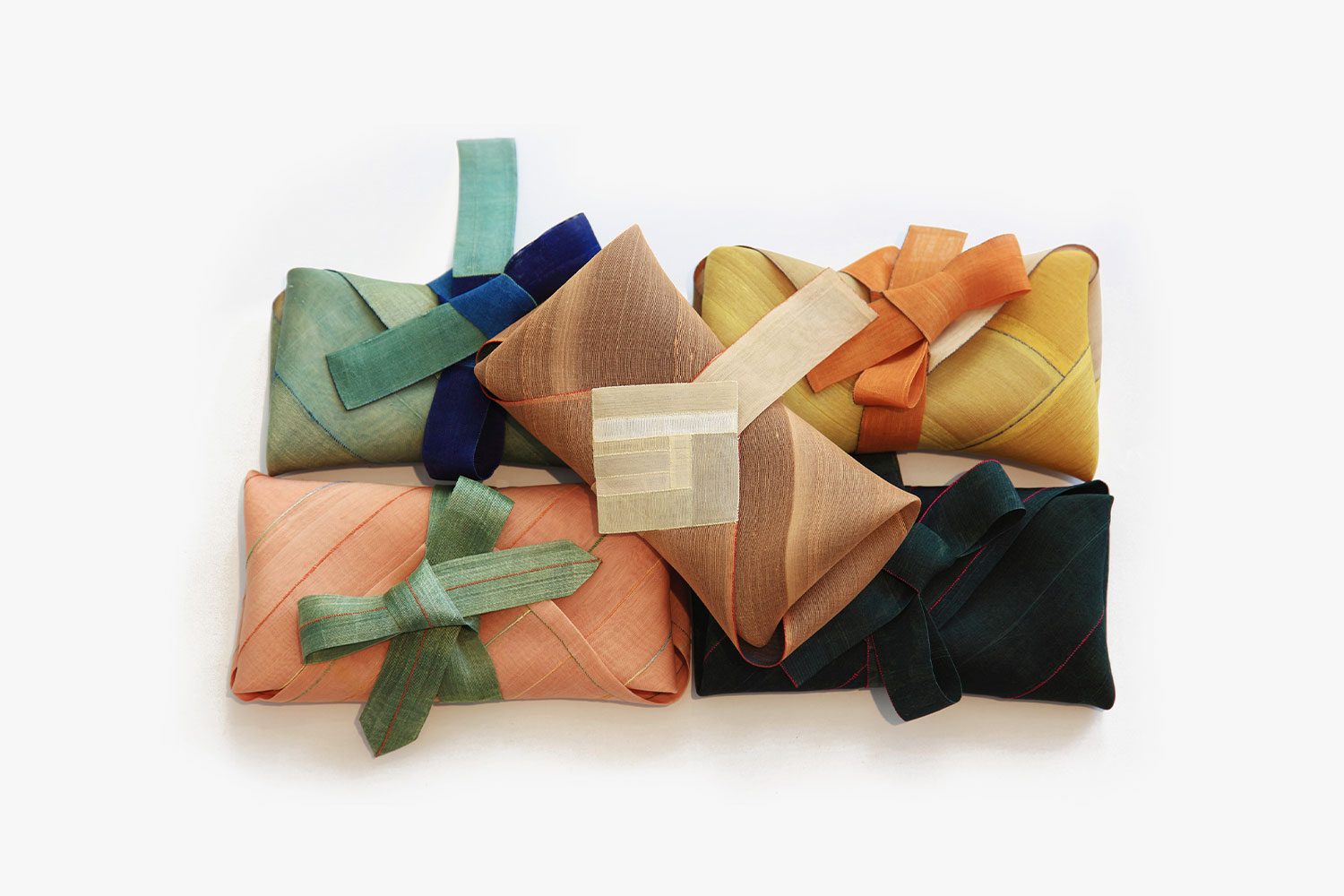
The work is not easy. To create colours, I have to dye in alignment with the season and sketch as I am inspired. Unexpectedly, natural dyeing creates mysterious colour that is stunning. No matter how small it is, it gives the sense of the universe and the world.
Jogakbo is a Korean traditional boudoir handicraft where lives of olden women are written. I want my Jogakbo to represent distinctive traditional aesthetic value transformed into modern design. The slow process is the endless self-pruning process.
I want my works to look frugal but not shabby, fancy but not overly extravagant. This aesthetic philosophy of Korea is represented in Samguk sagi – the history of the three kingdoms – which I always try to follow. It provides a peace which I hope people find in my works.
Dukjoo Choi
Patchworker
Seoul, South Korea
Recommended by Korea Craft & Design Foundation
AVAILABILITY
By appointment only
PHONE
+82 1092850212
LANGUAGES
Korean, English
Homo Faber Finds is a new service aiming to inspire admirers of craft to connect and collaborate with exceptional artisans.
We invite you to submit an enquiry here.