Bernard Gonnet
Enameller
Lescheroux, France
The many strings of enamelling
- Bernard has over 50 years’ experience in enamelling
- He seeks to express a poetic truth through his pieces
- He is particularly captivated by transparent enamel
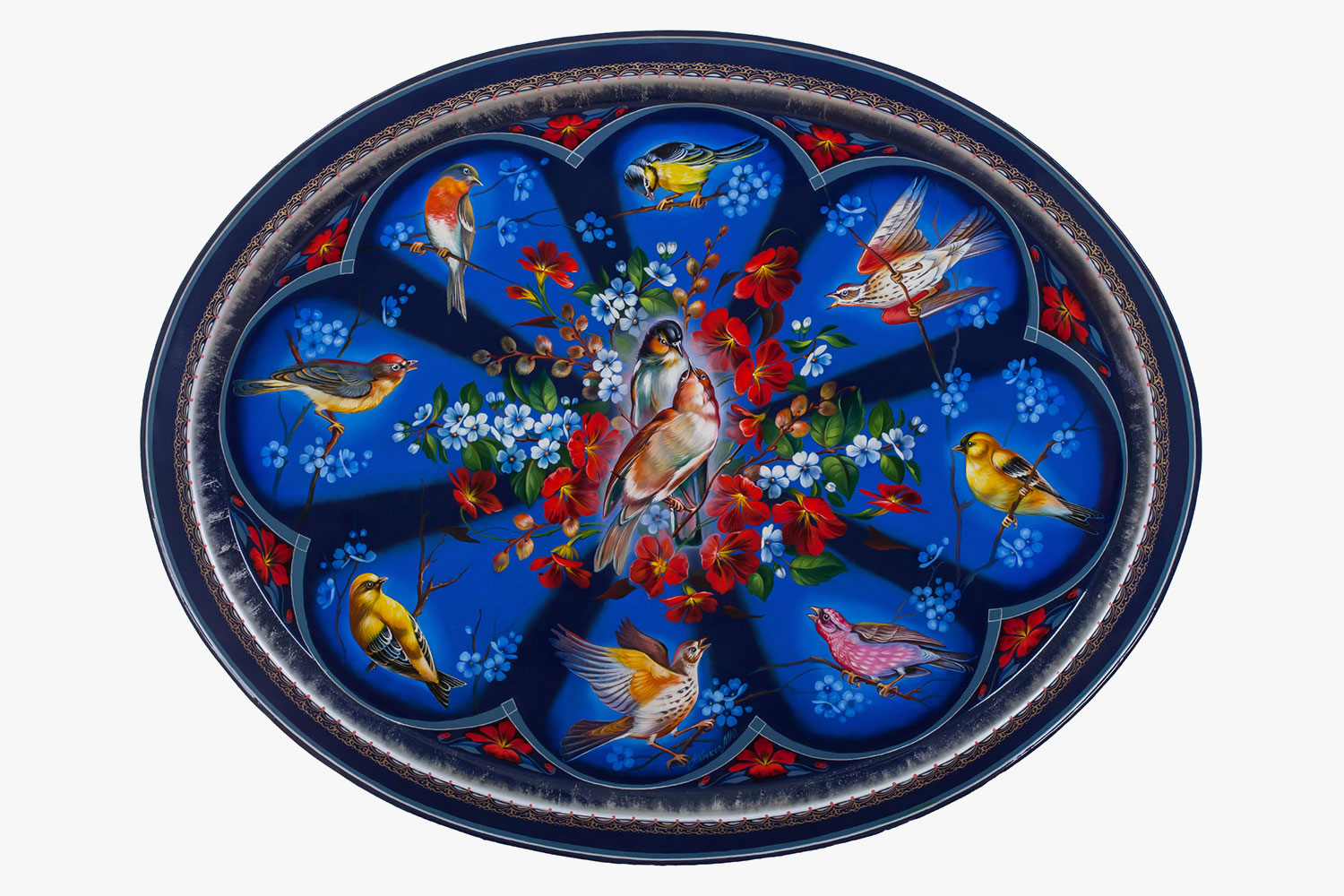
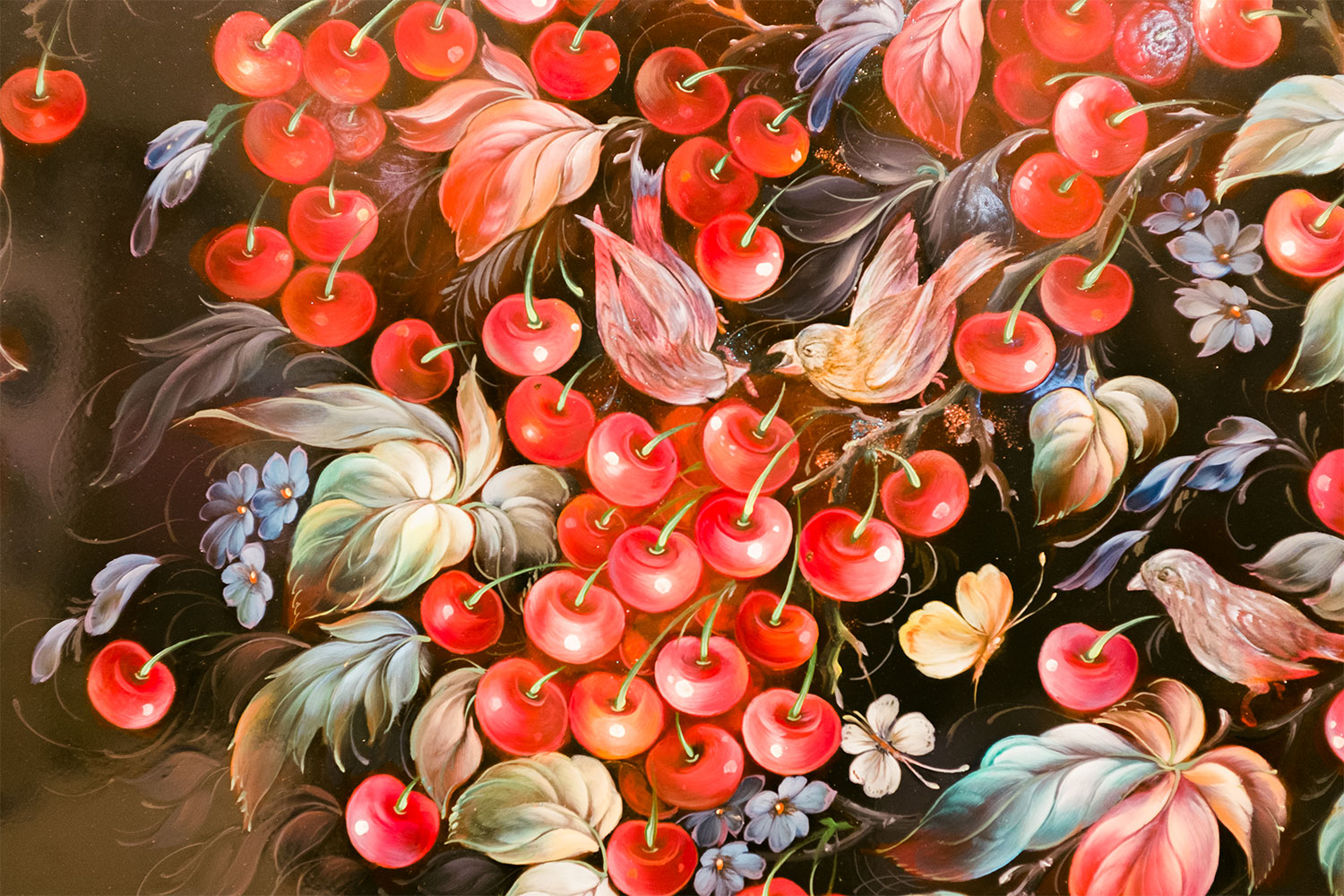
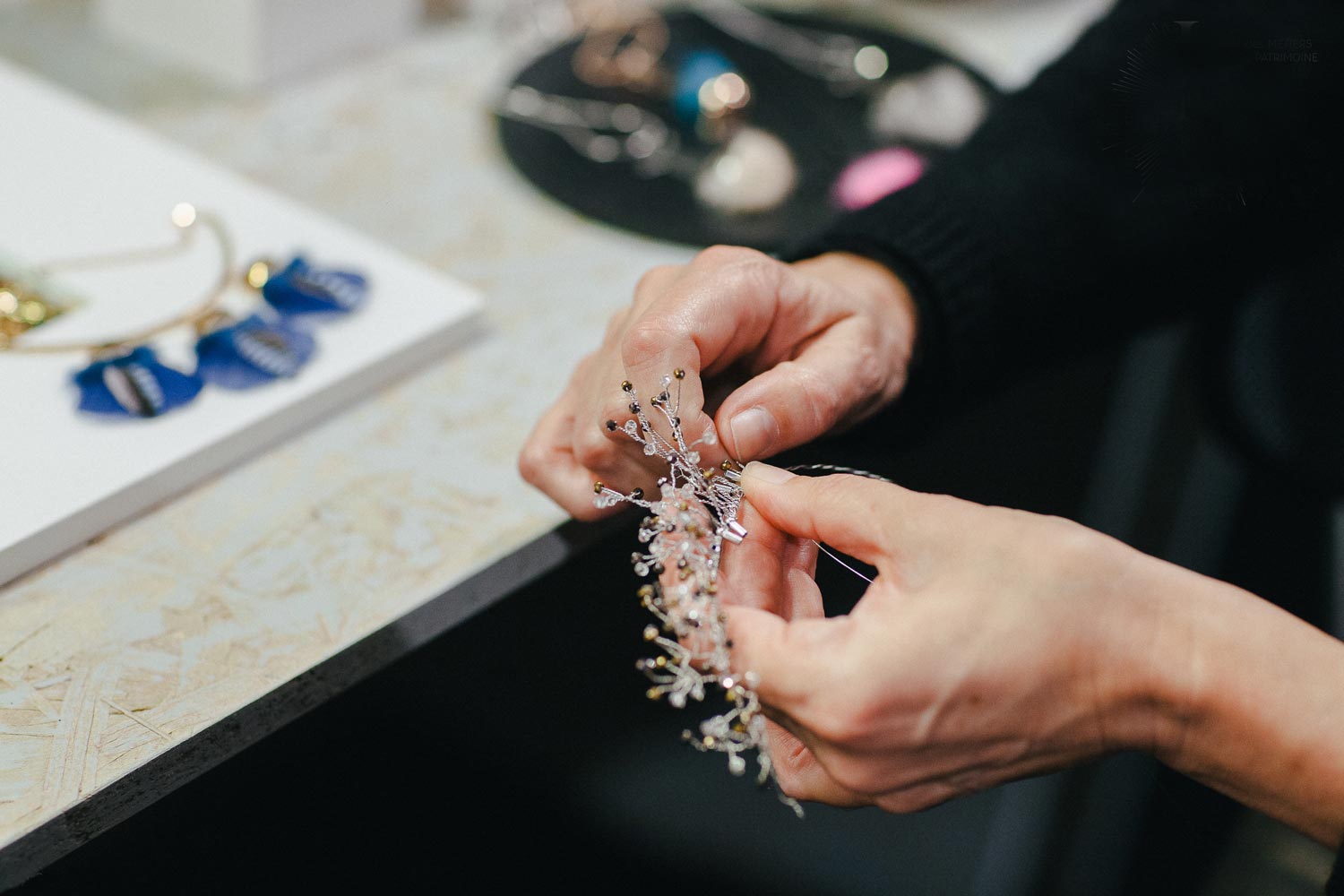
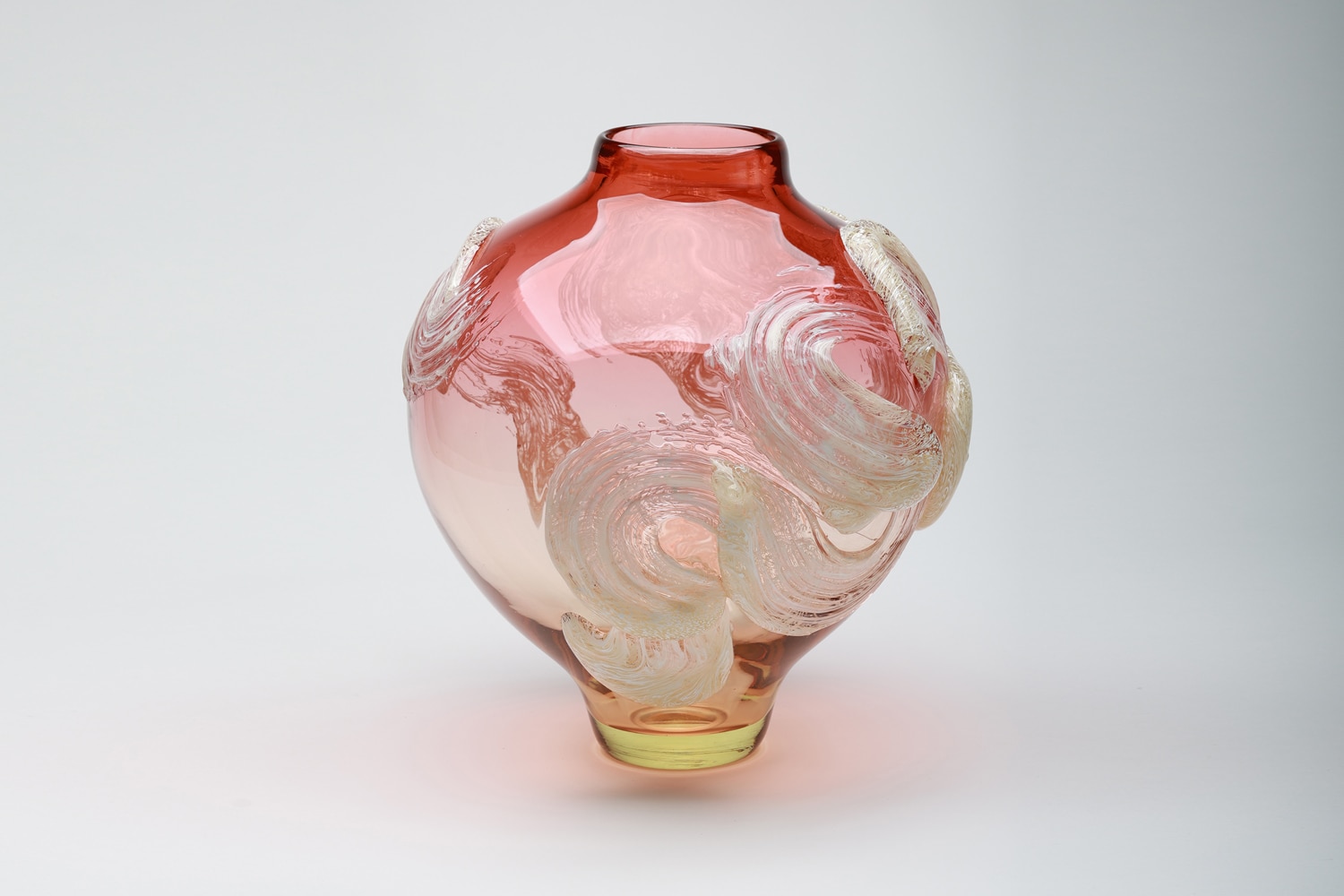
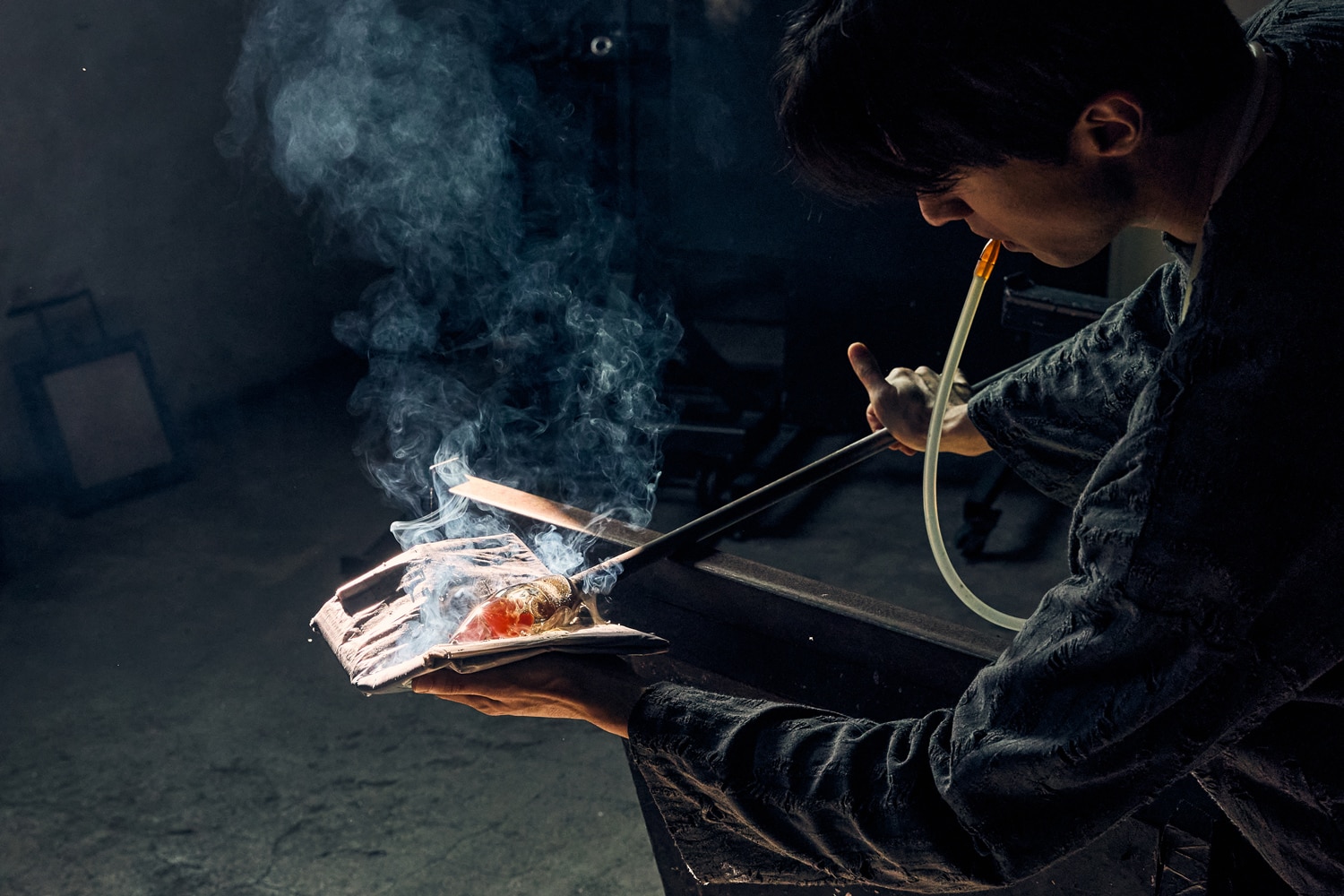
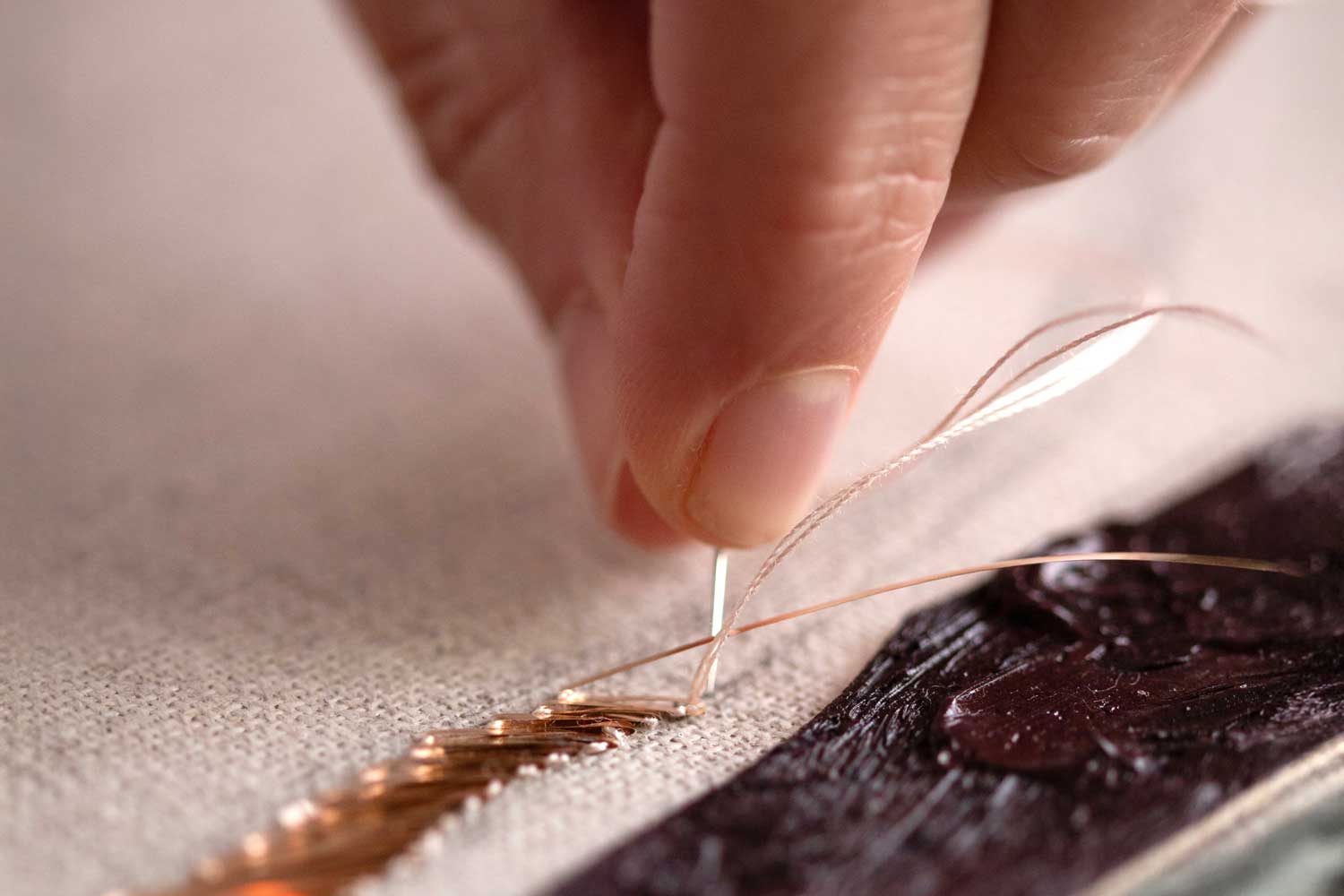
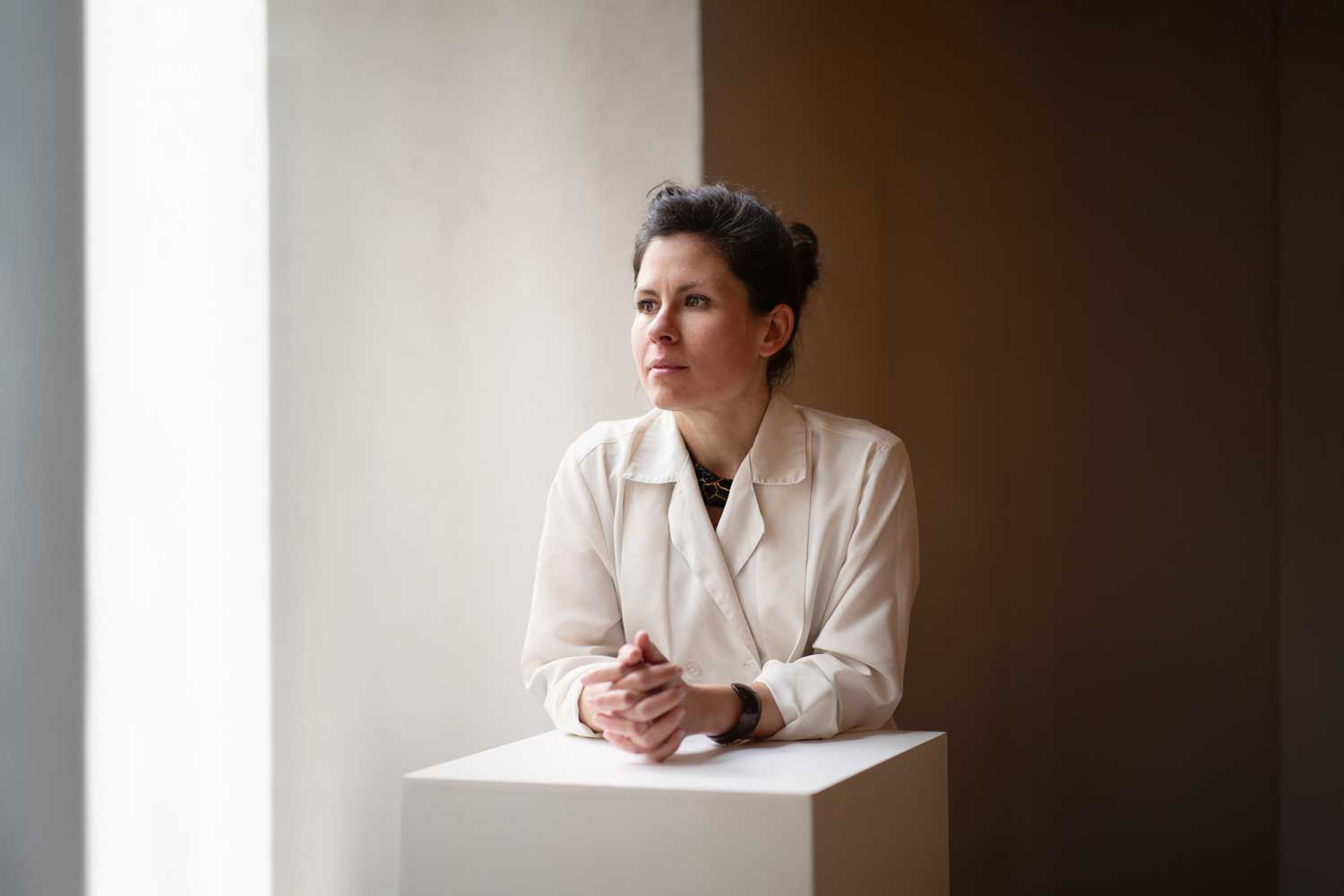
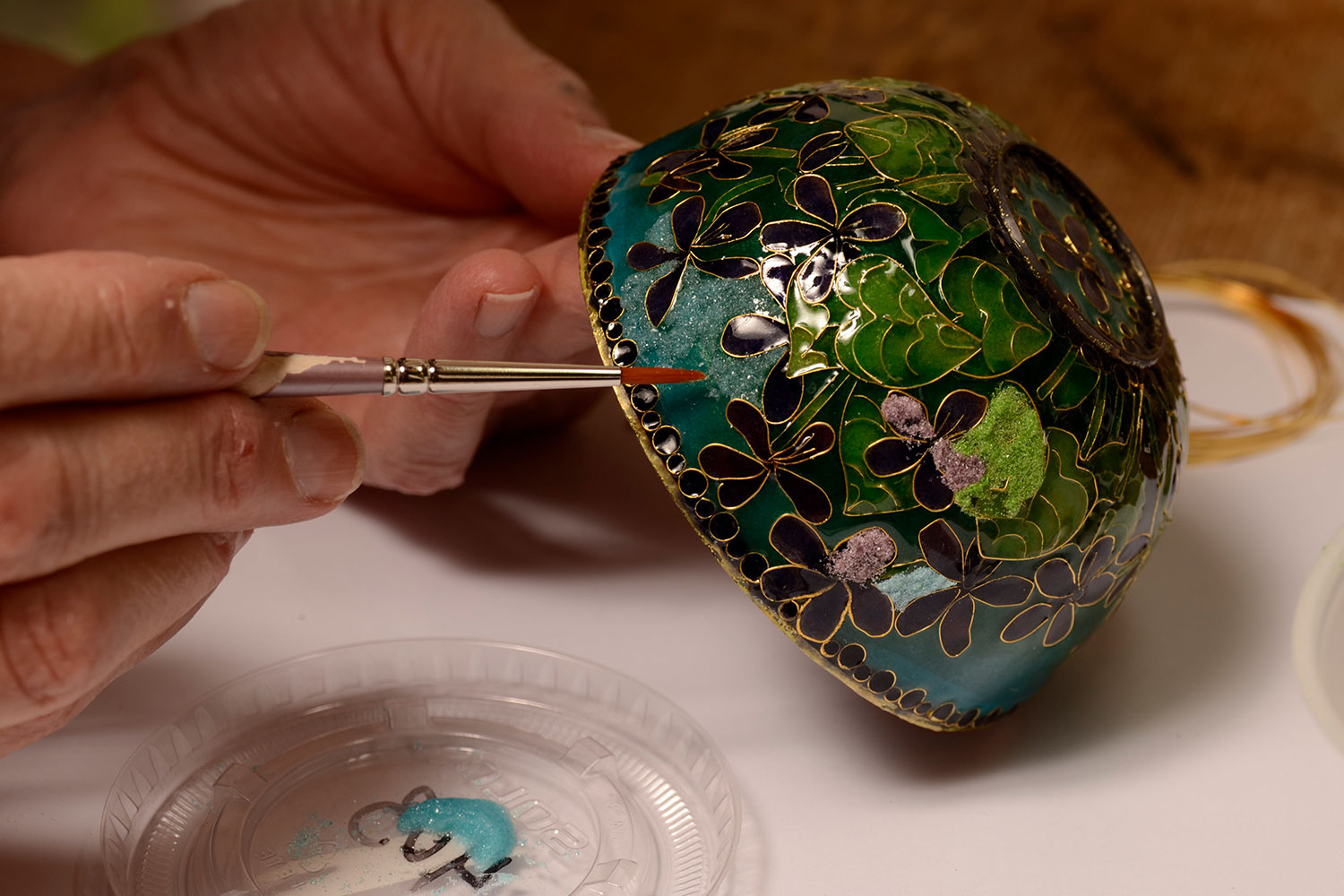
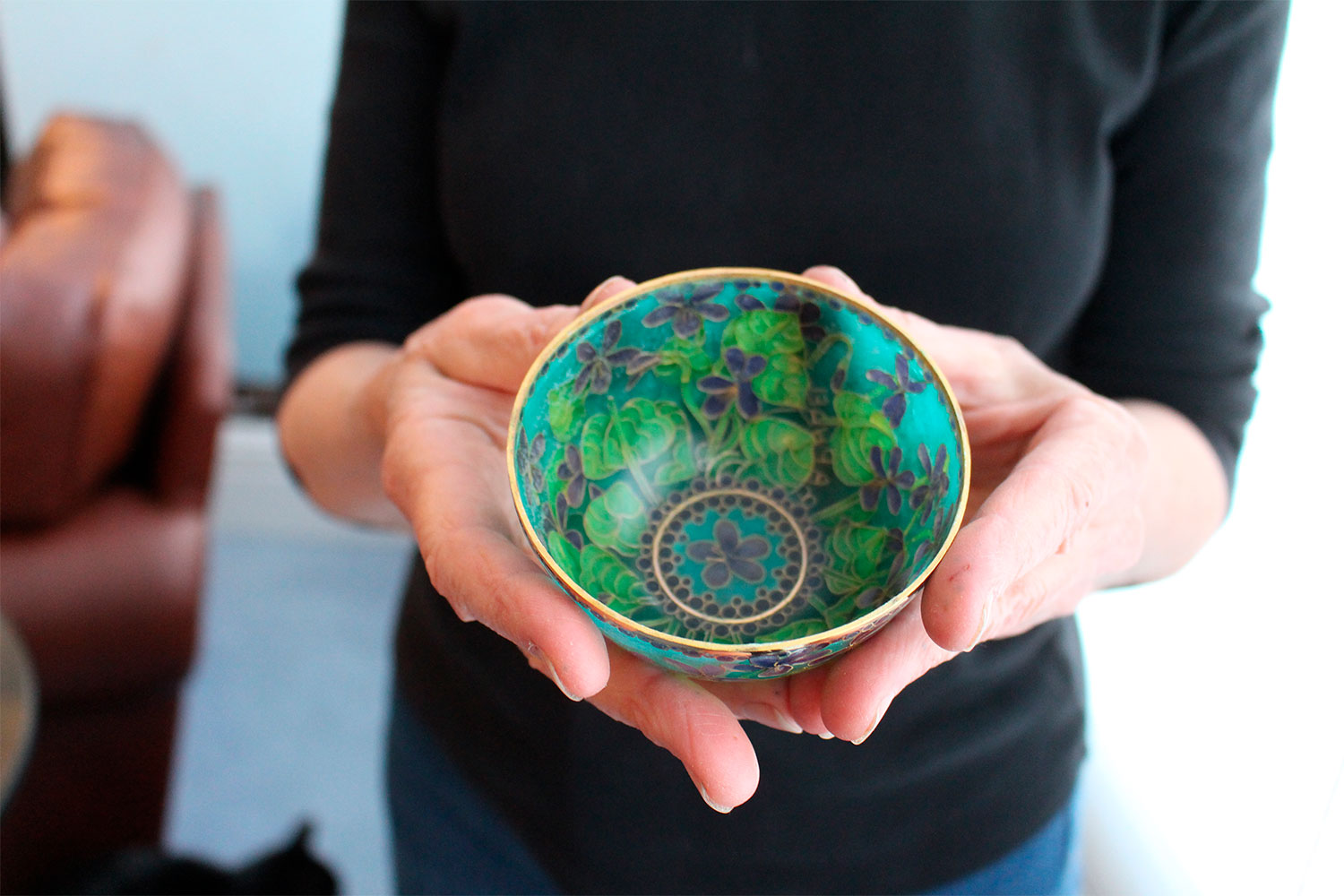
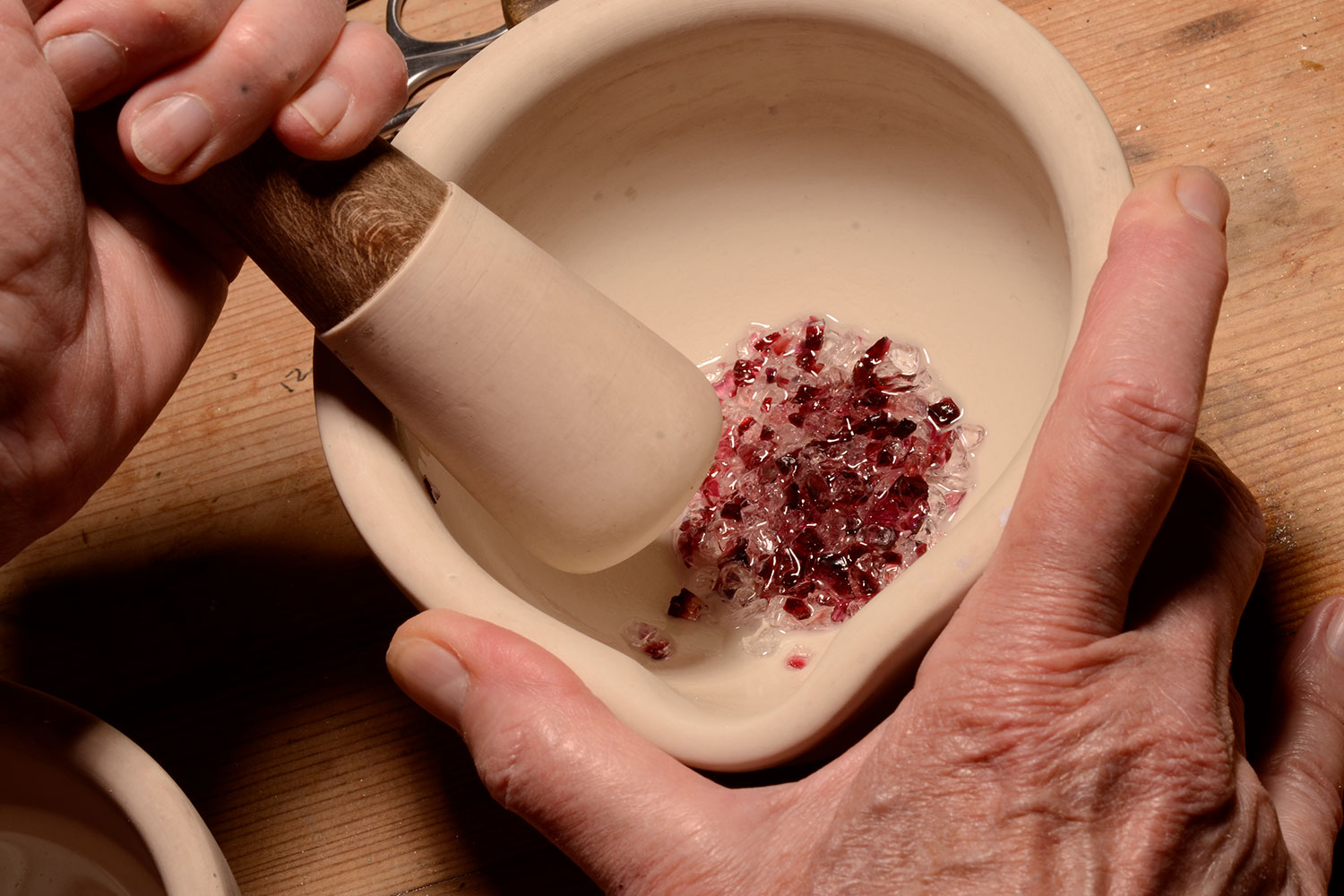
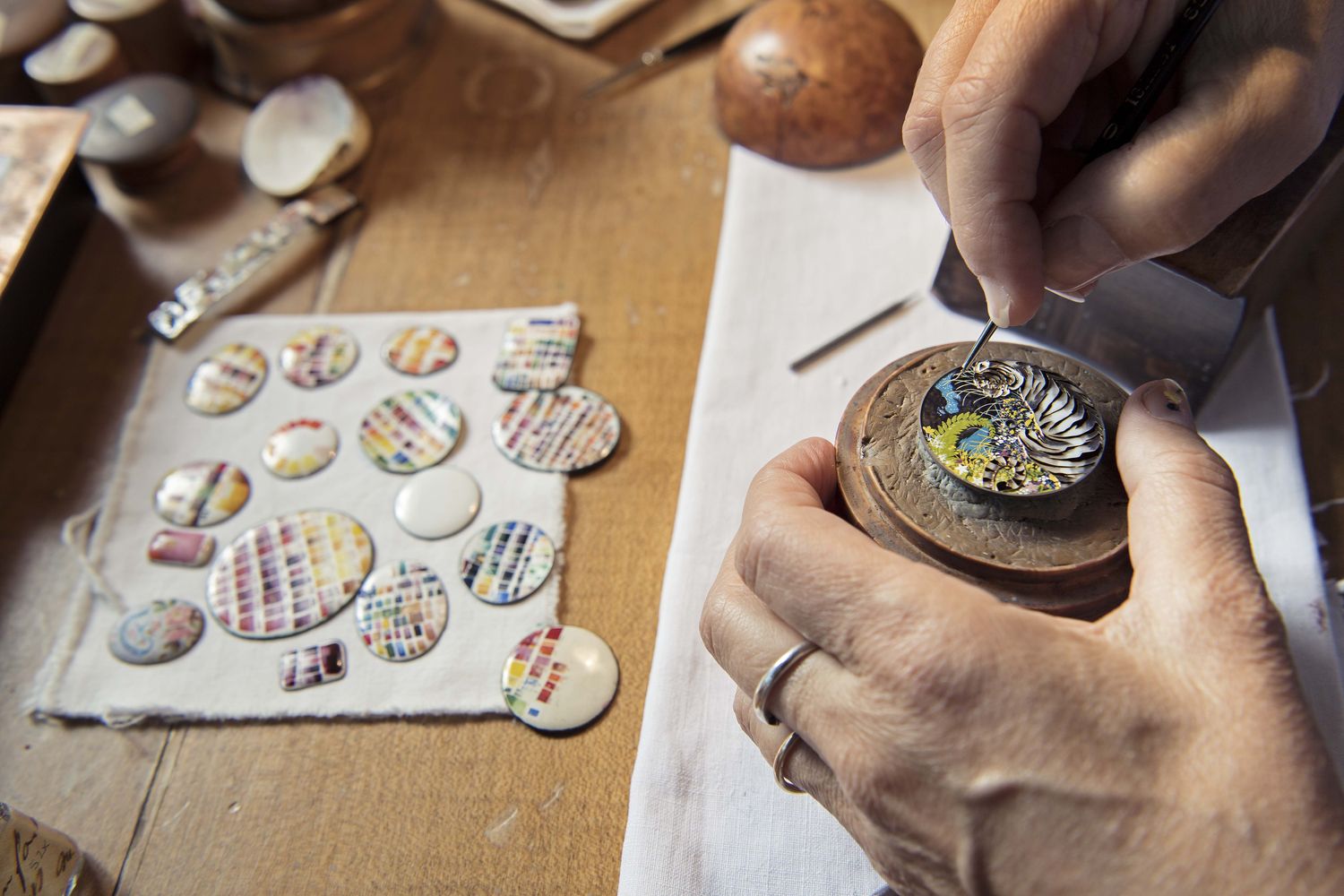
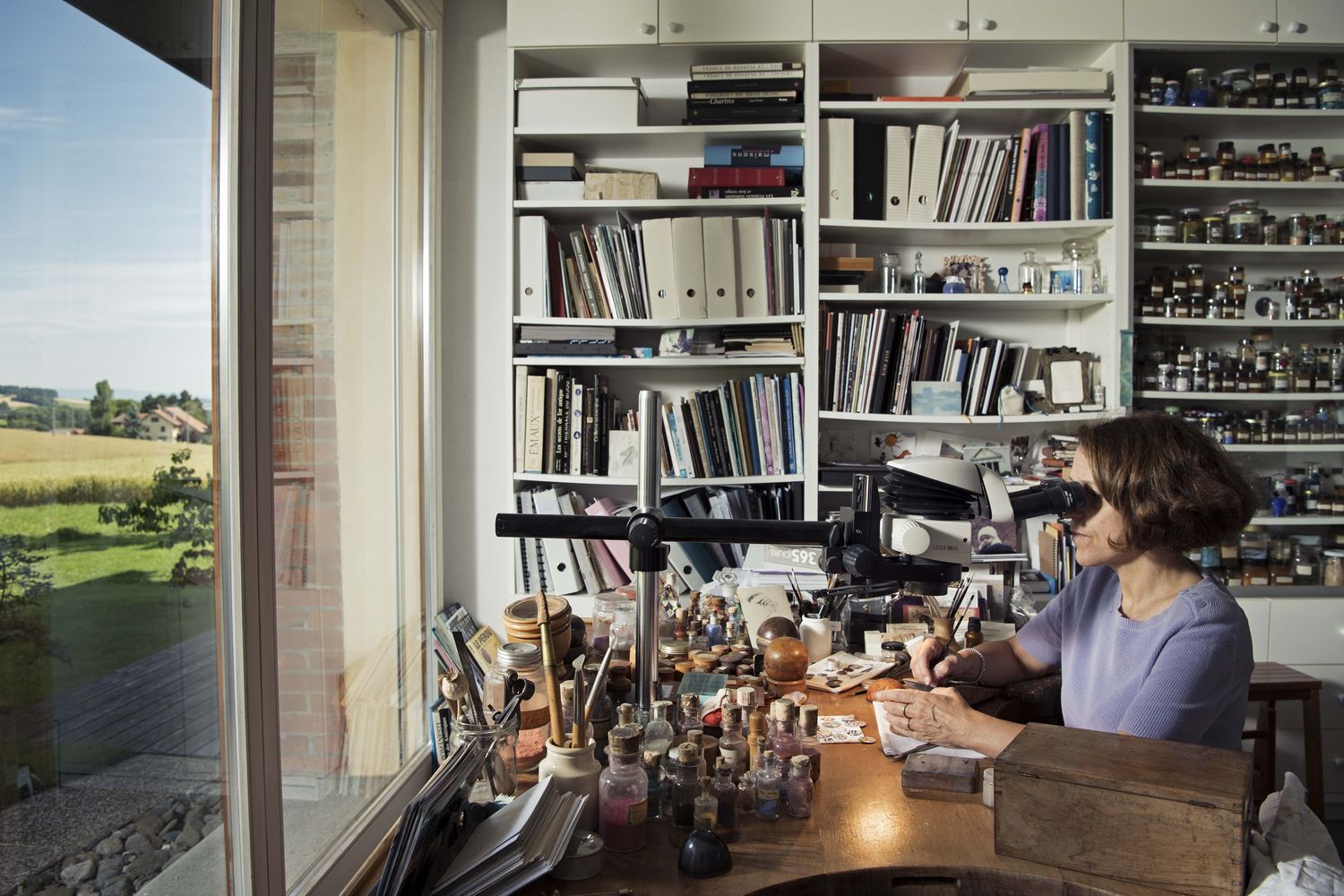
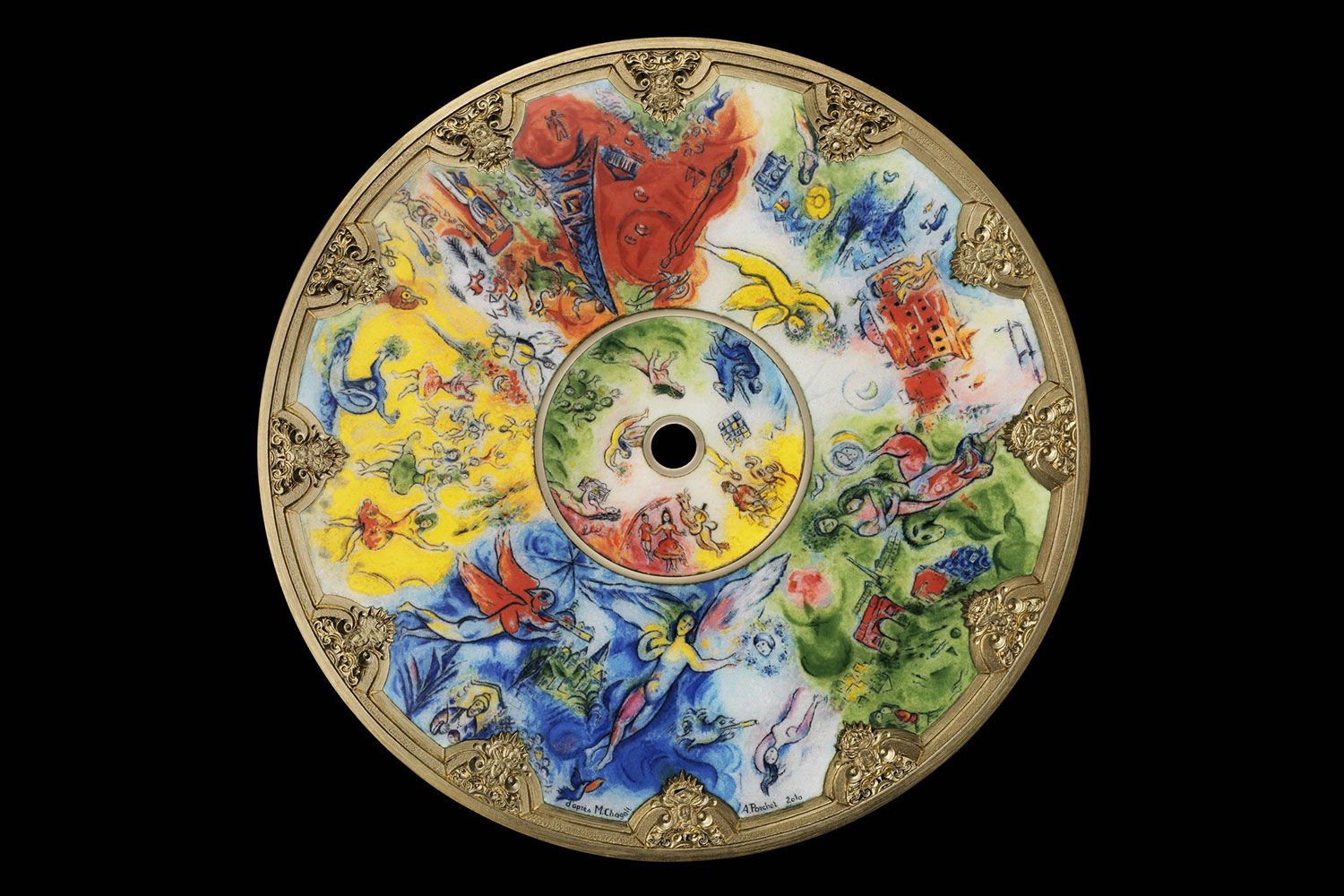
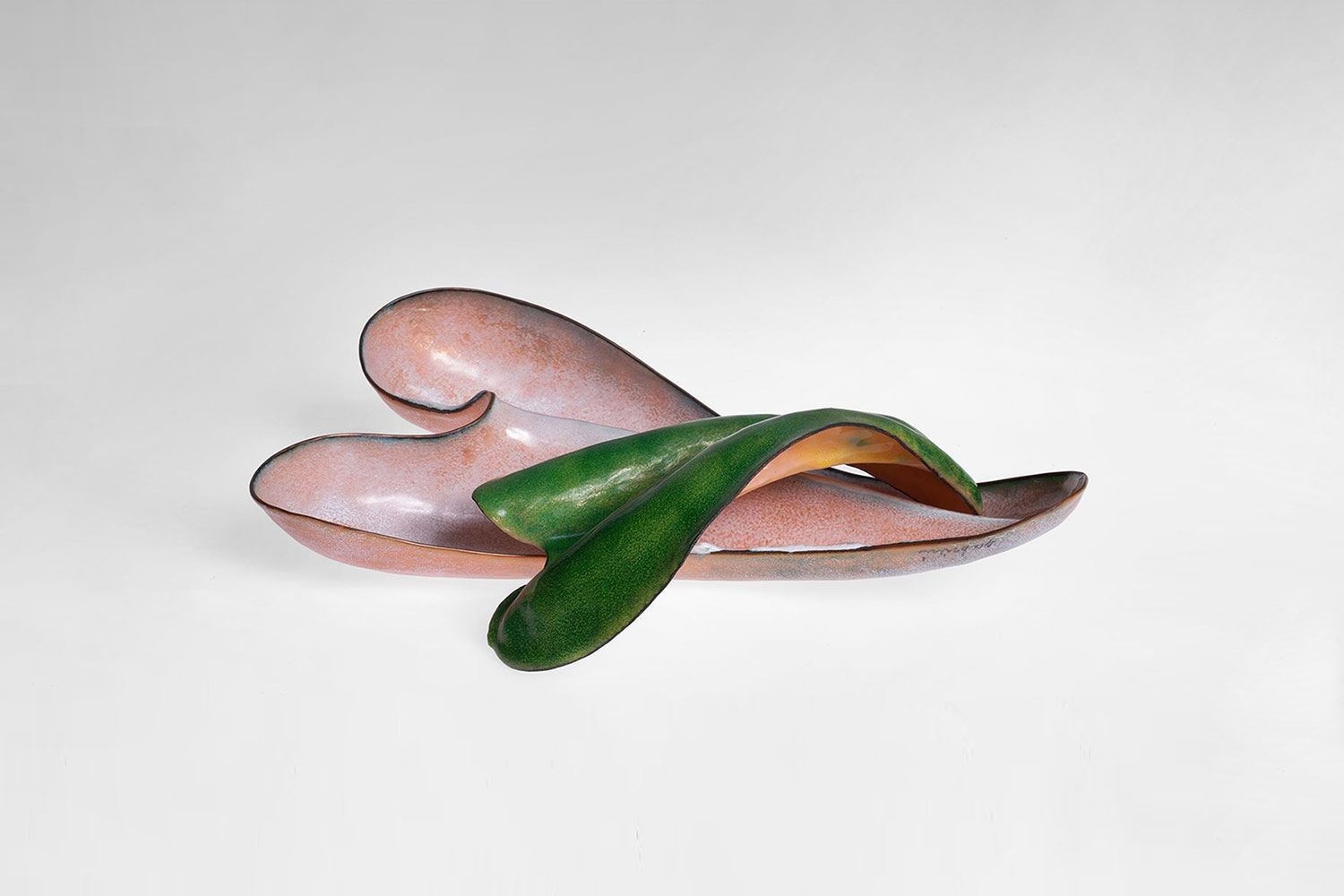
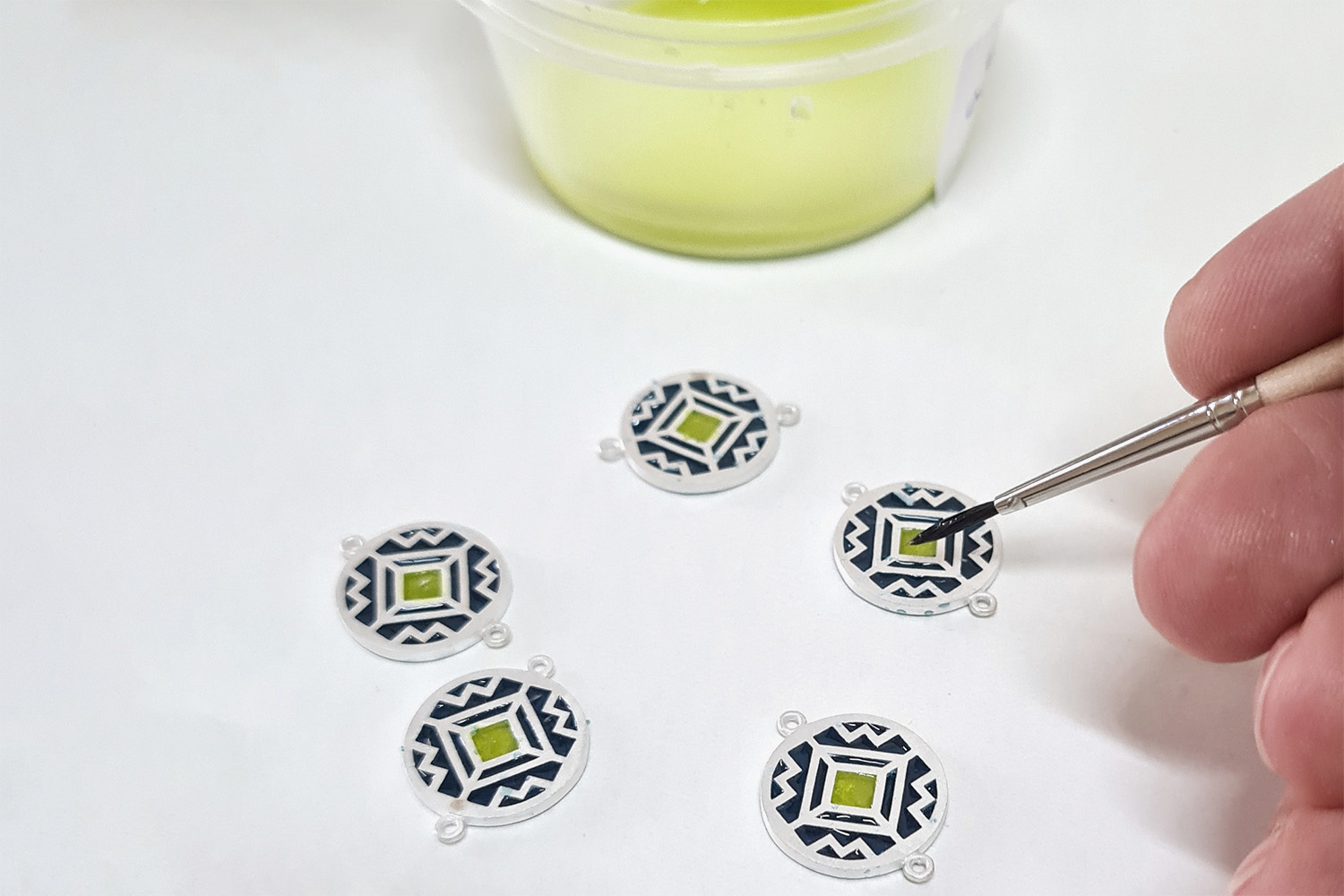
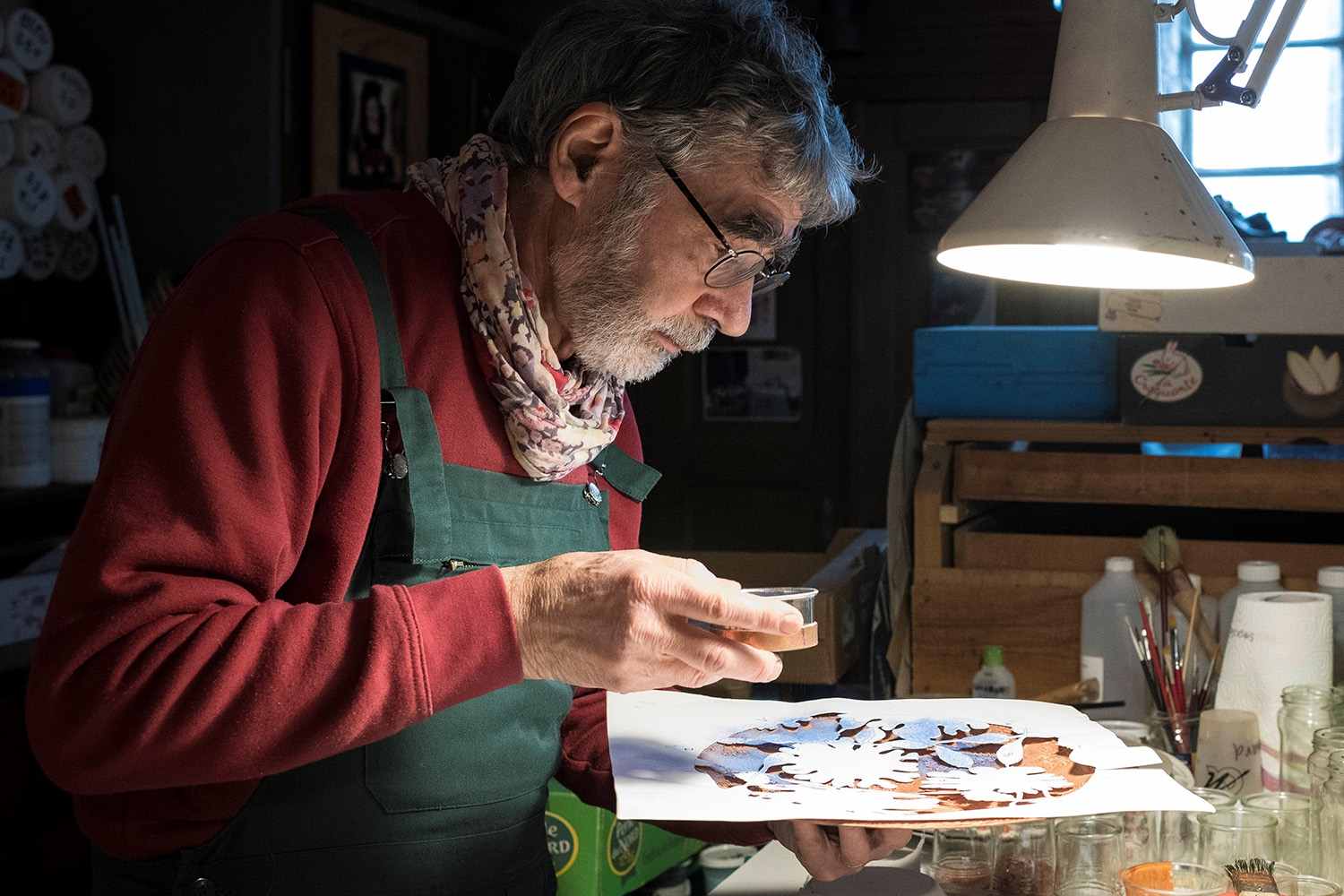
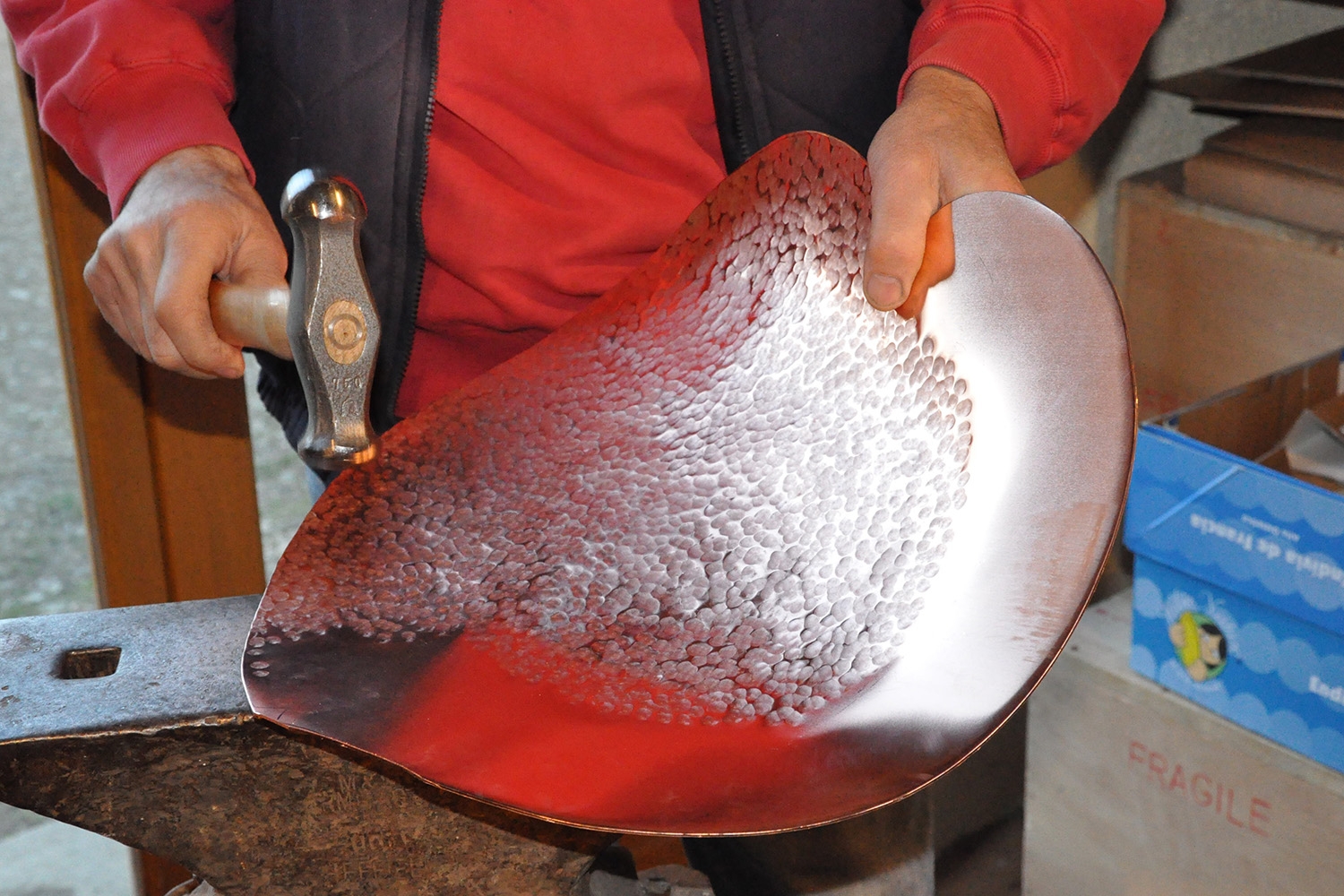
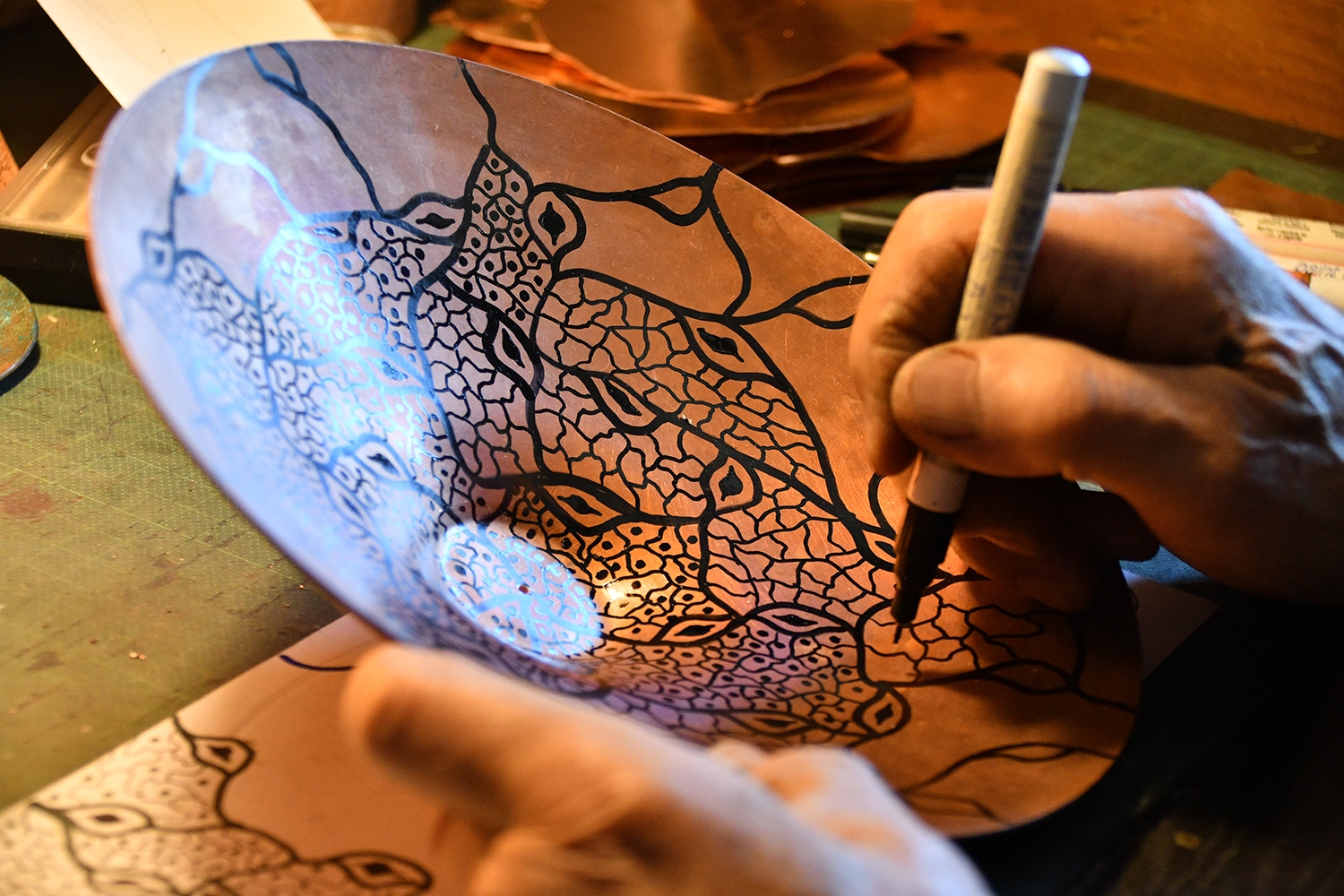
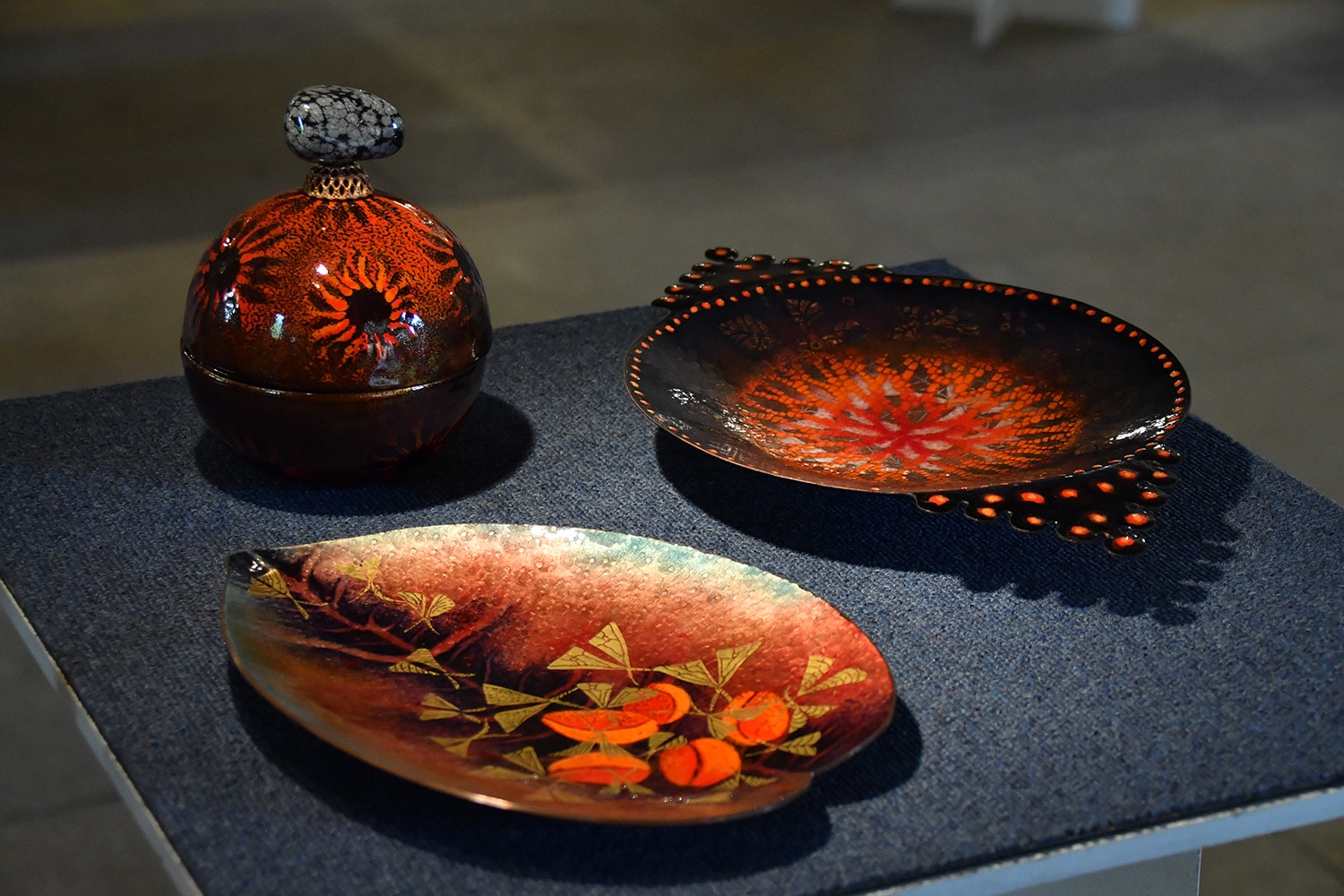
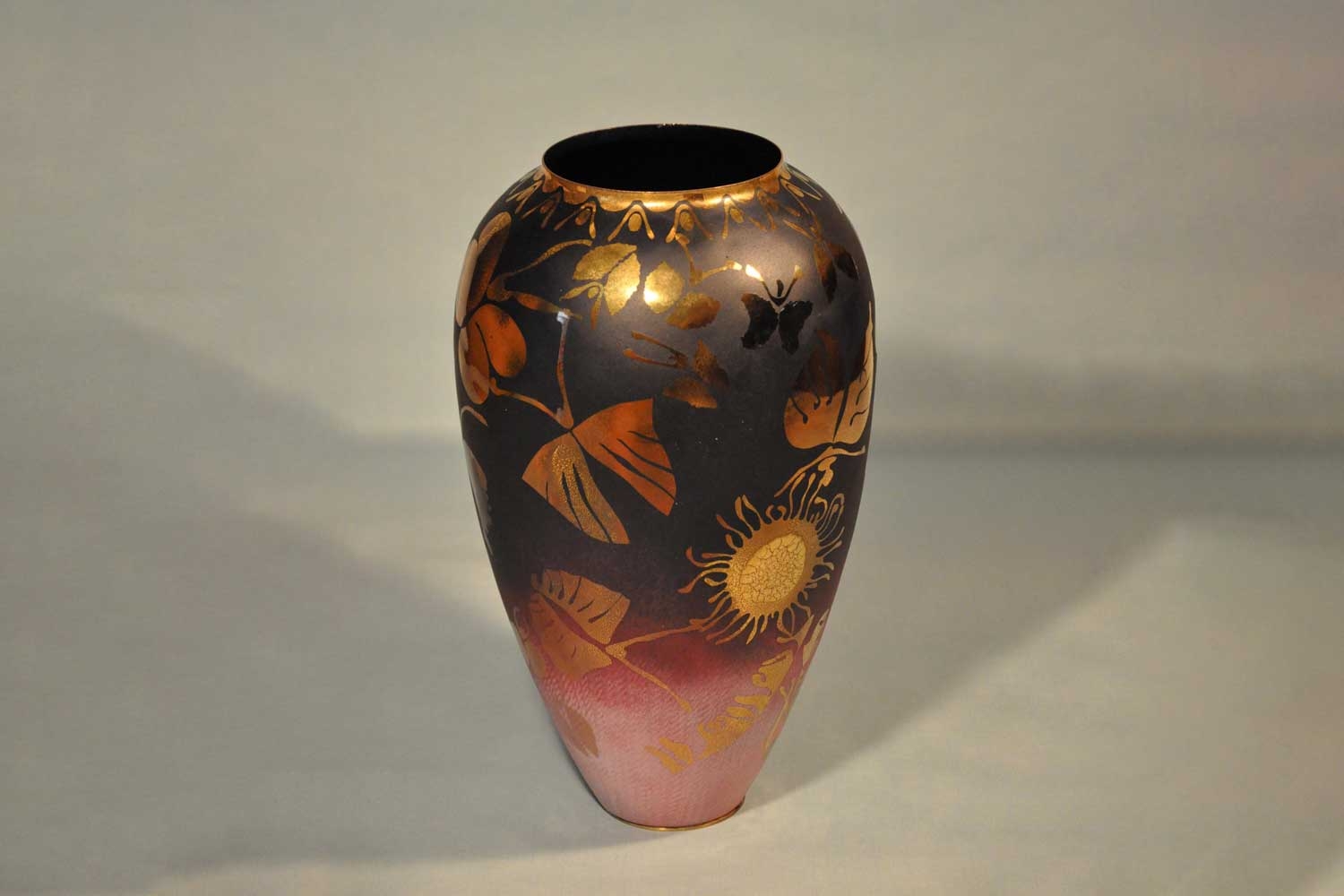
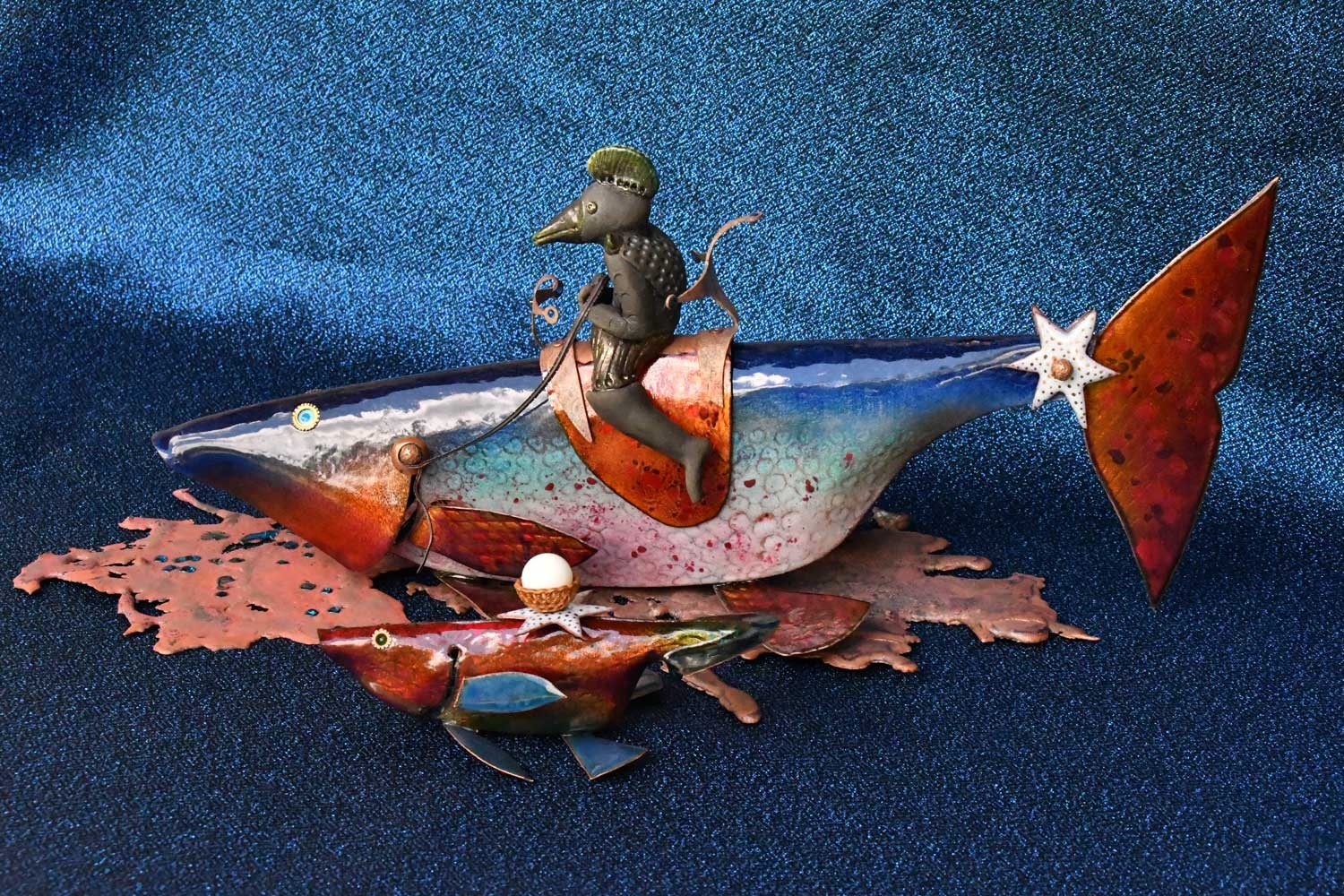
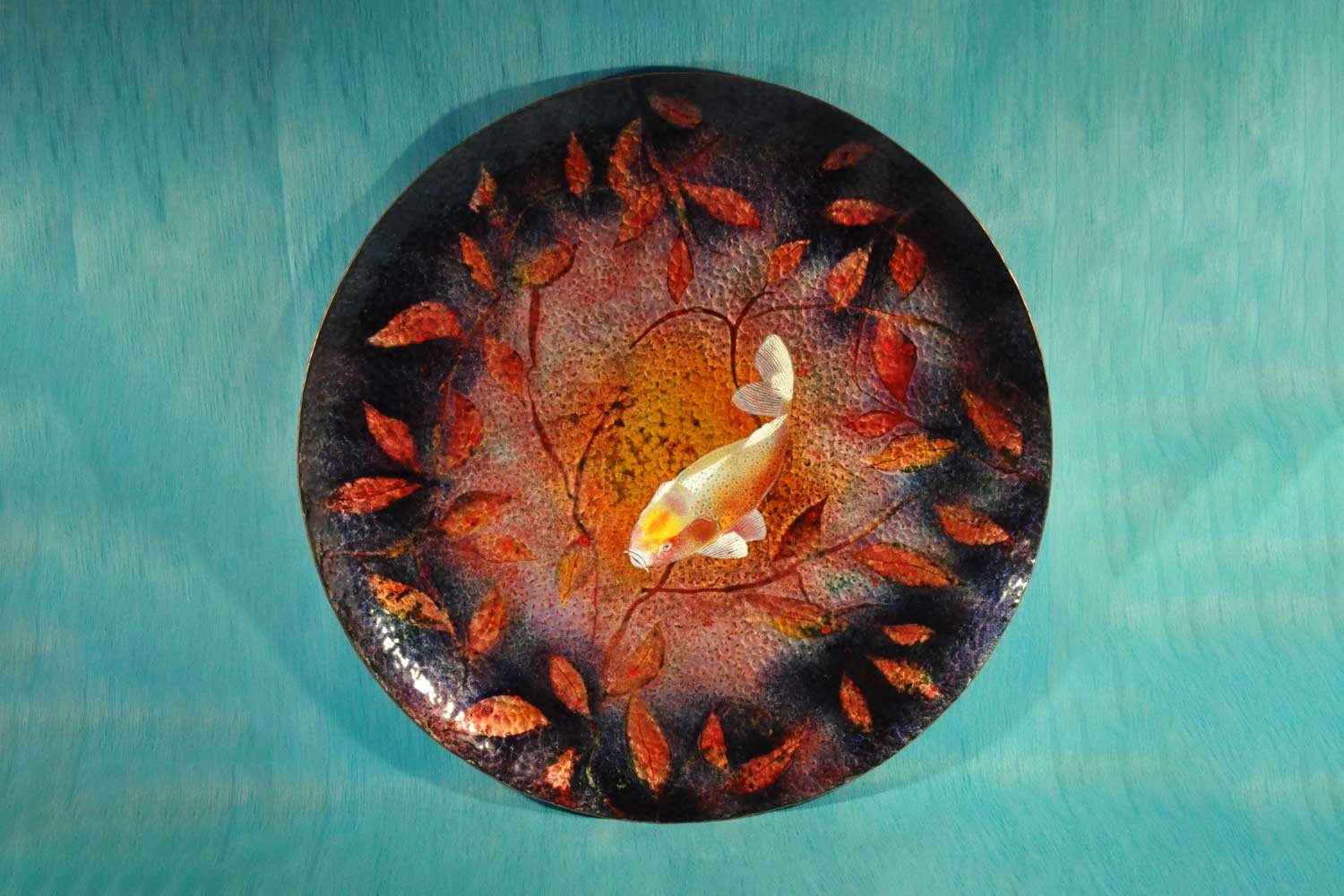
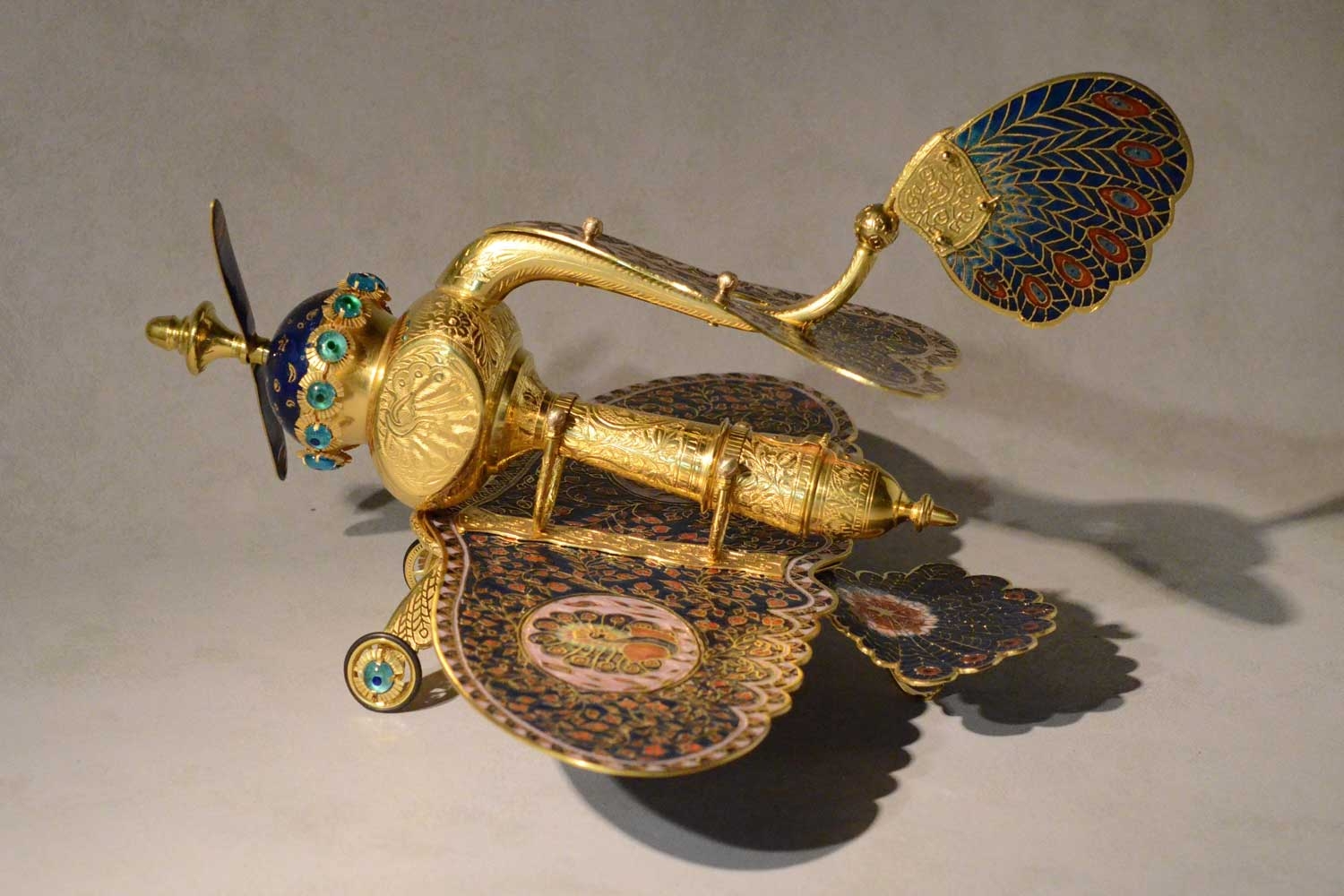
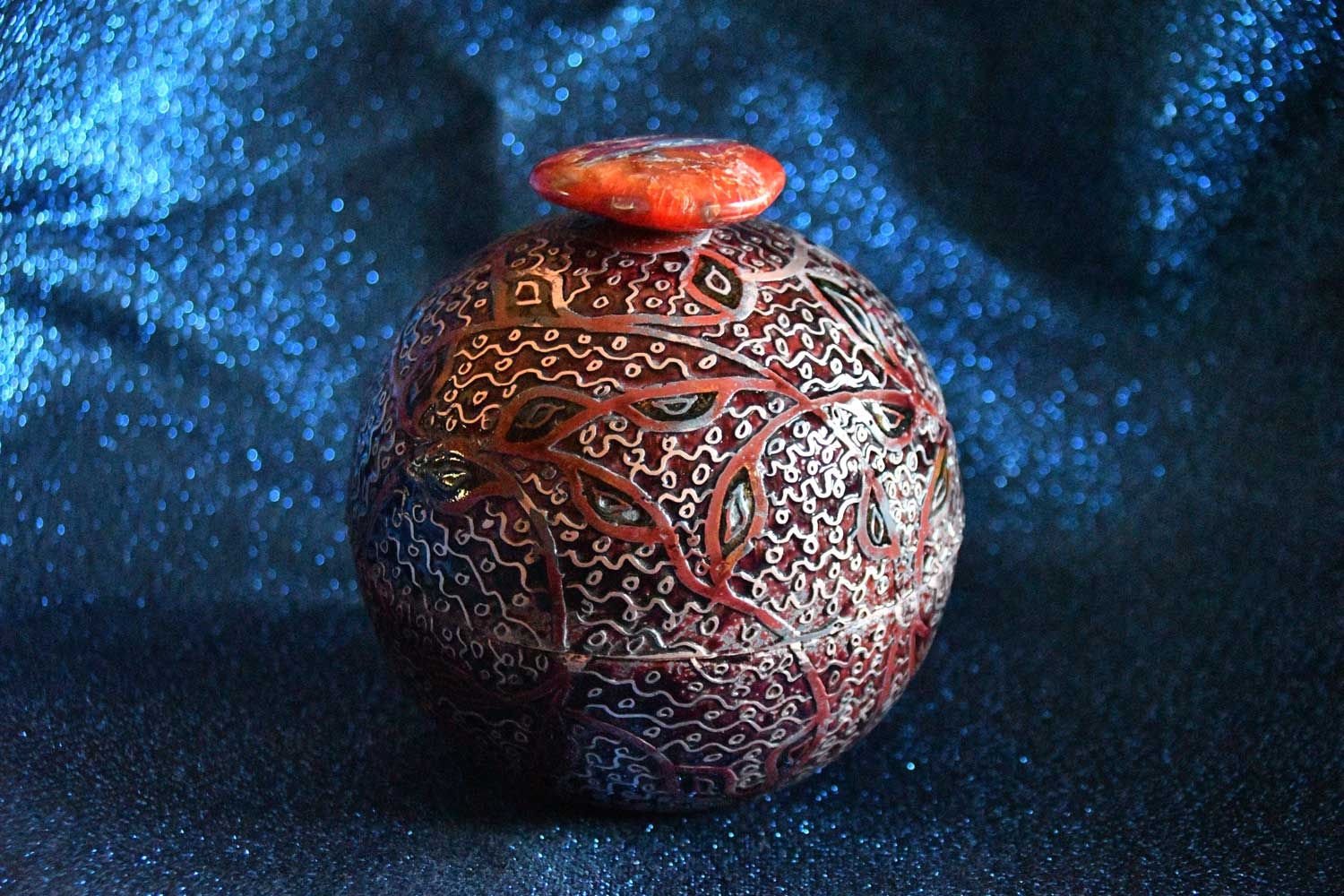
Bernard Gonnet has been exploring the art of enamel on metal since 1970. Thanks to his insatiable curiosity and interest in discovering other skills, he has been able to broaden the boundaries of this age-old craft. Whether it is with glass, chiselling, the raku ceramic technique or bronze, Bernard borrows techniques from a great variety of disciplines that he learns about, adopting them for his own craft. Vibrant with colours, his pieces reflect the multicultural inspirations he draws on and bear witness to his technical mastery – a delicate dialogue with fire. At 79, Bernard feels like the holder of a long-lasting tradition. “Enamel is a whole tradition that comes from Mesopotamia. I live from the desire to uphold it, and this fulfills me.”
Discover his work
INTERVIEW
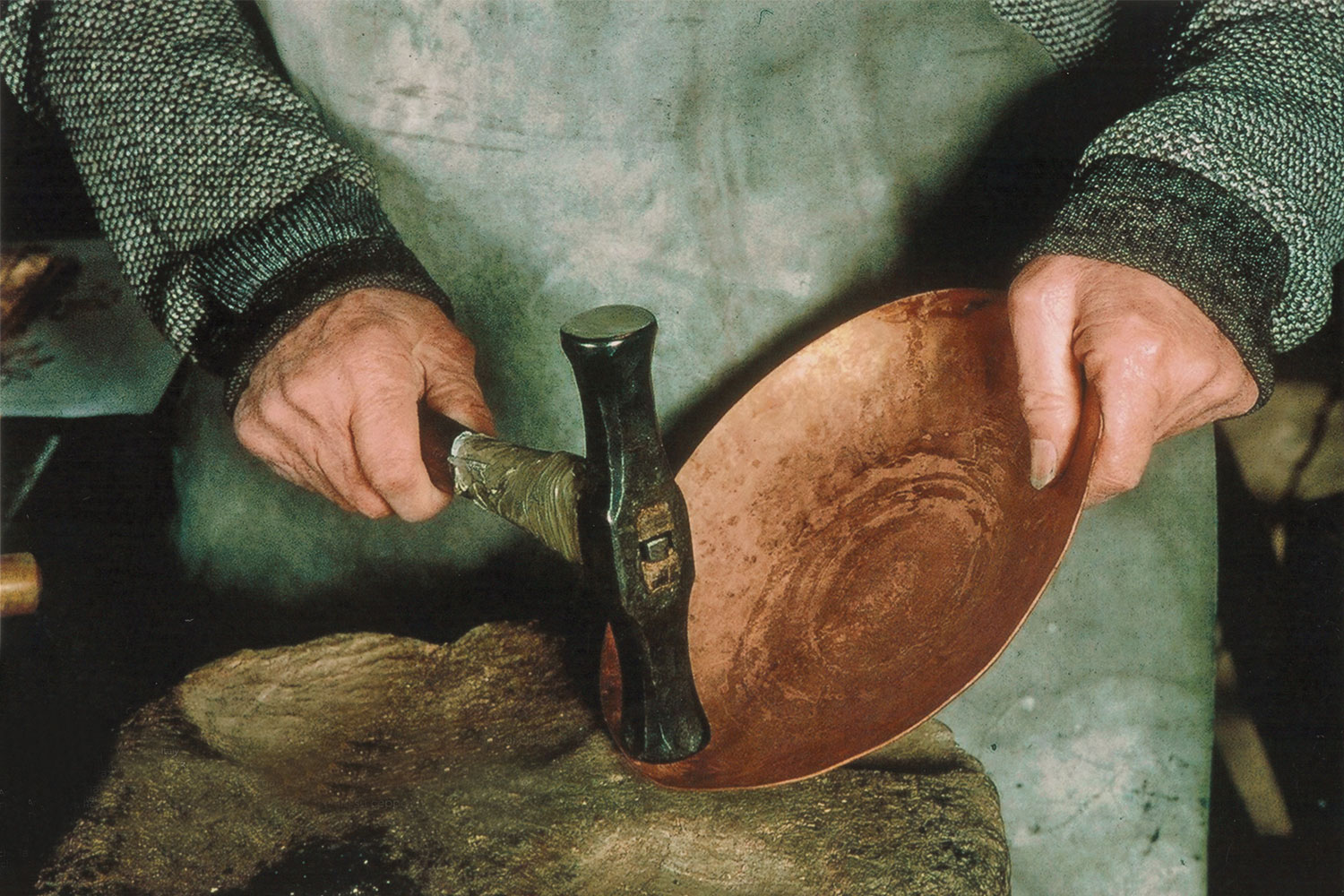
I have always made things with my hands. My parents always provided us with items so that we could model, draw, colour... My father was a blacksmith. I used to go to his workshop and see him working with fire. That is how I became familiar with the use of the forge at an early age.
I started by studying business management, but I never stopped drawing, and I practised photography. My sister was a chemistry teacher, and she taught me how to make negatives of photos. This cultivated my eye, and gave me a discipline in my practice, which acted as a preamble to my work.
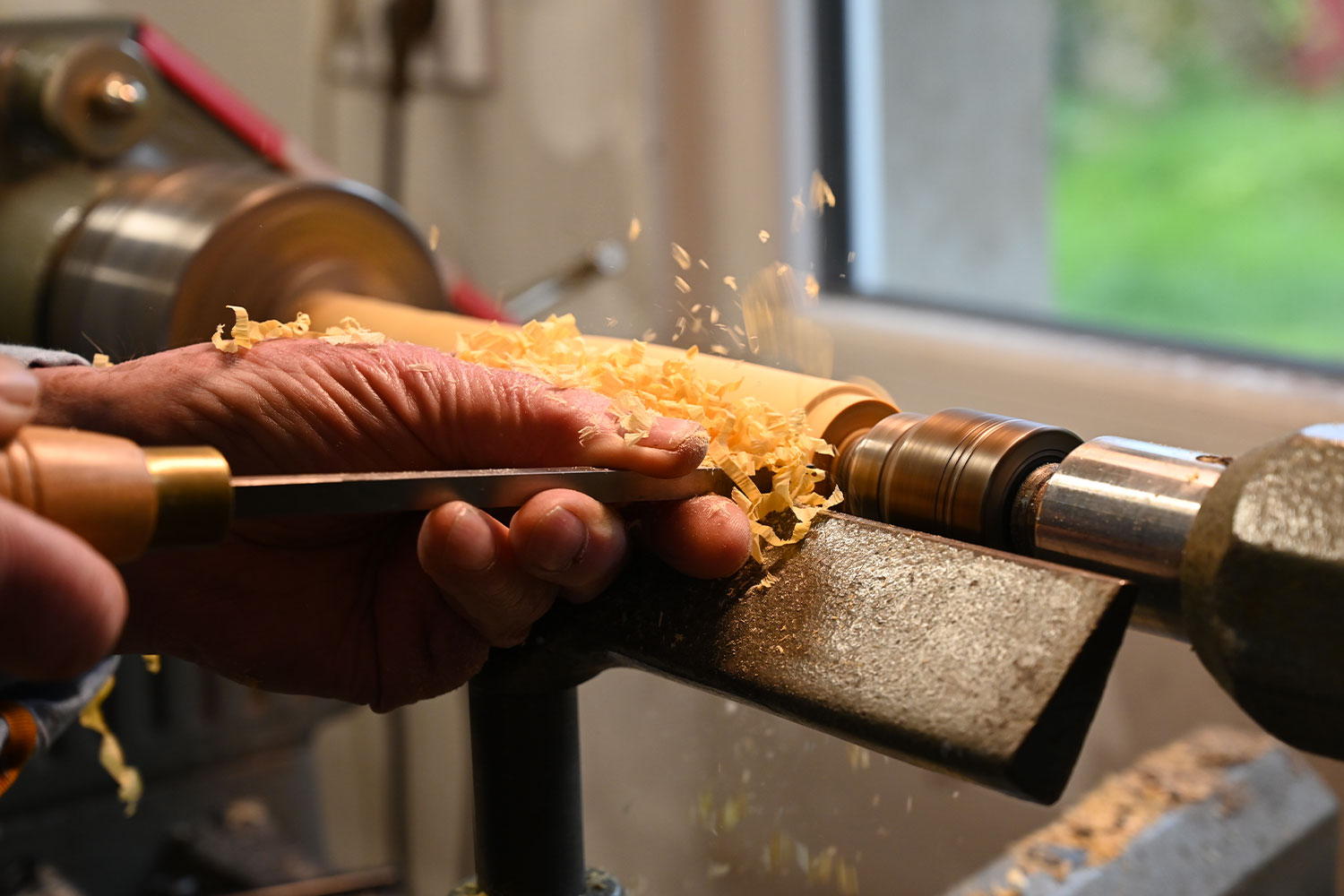
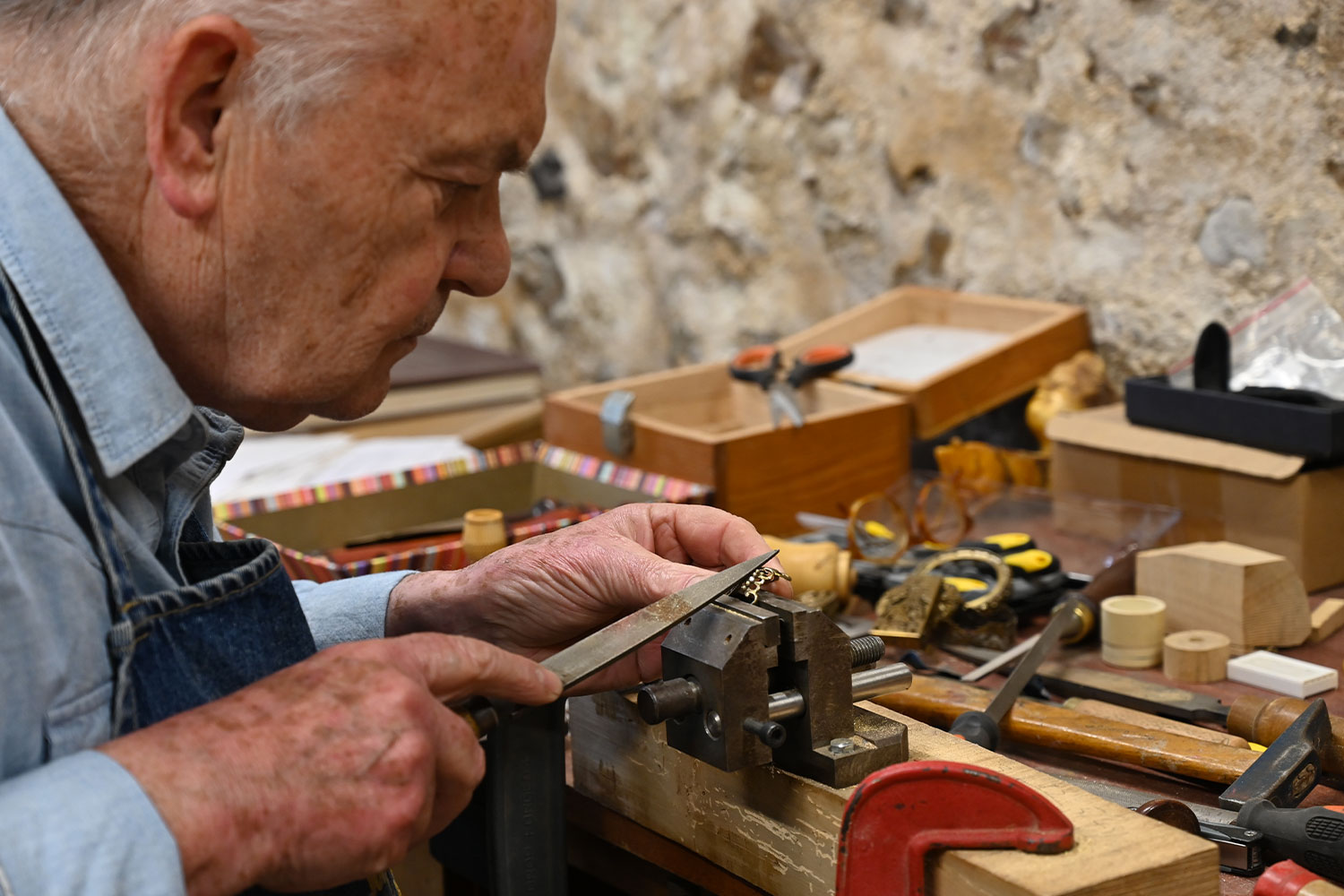
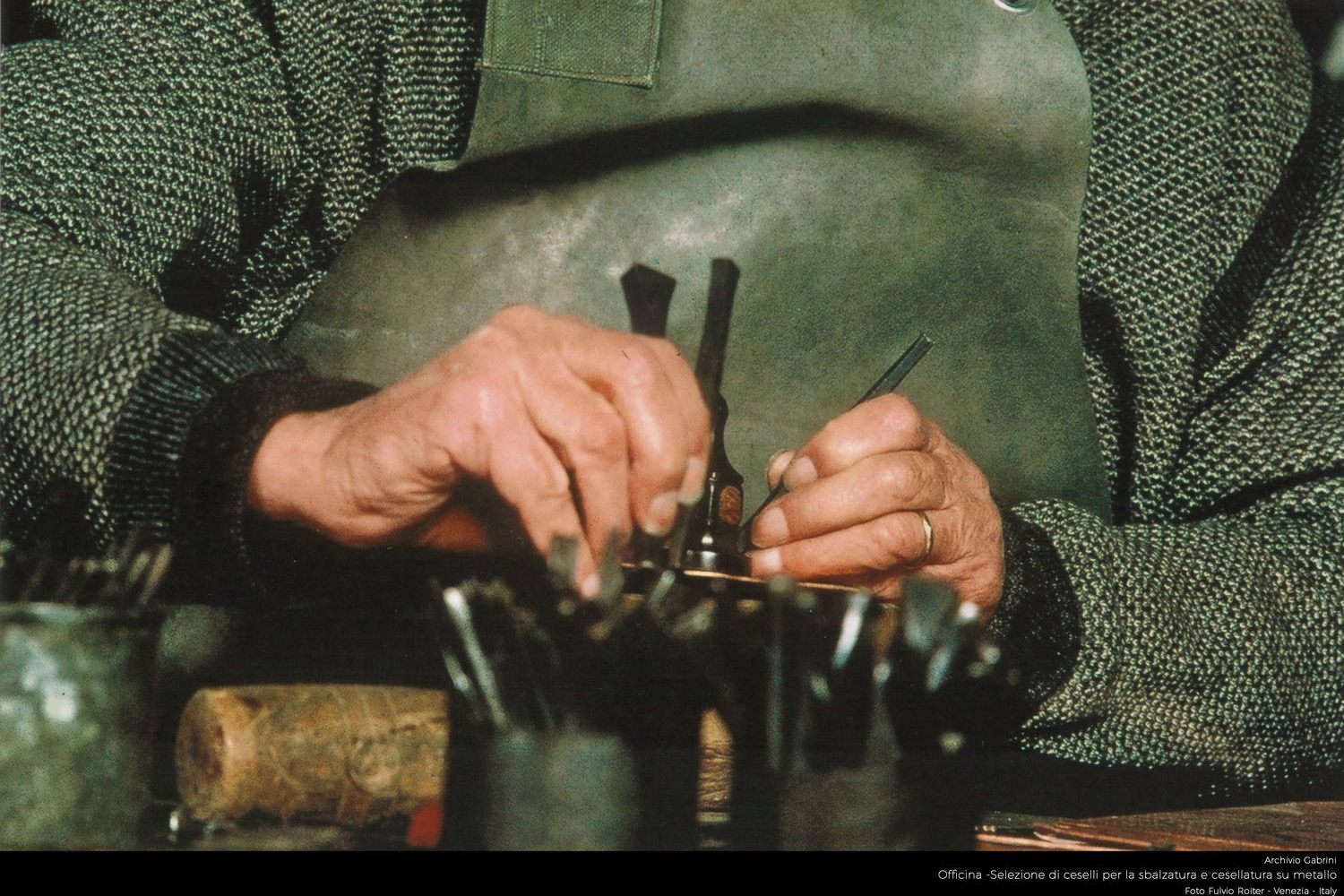
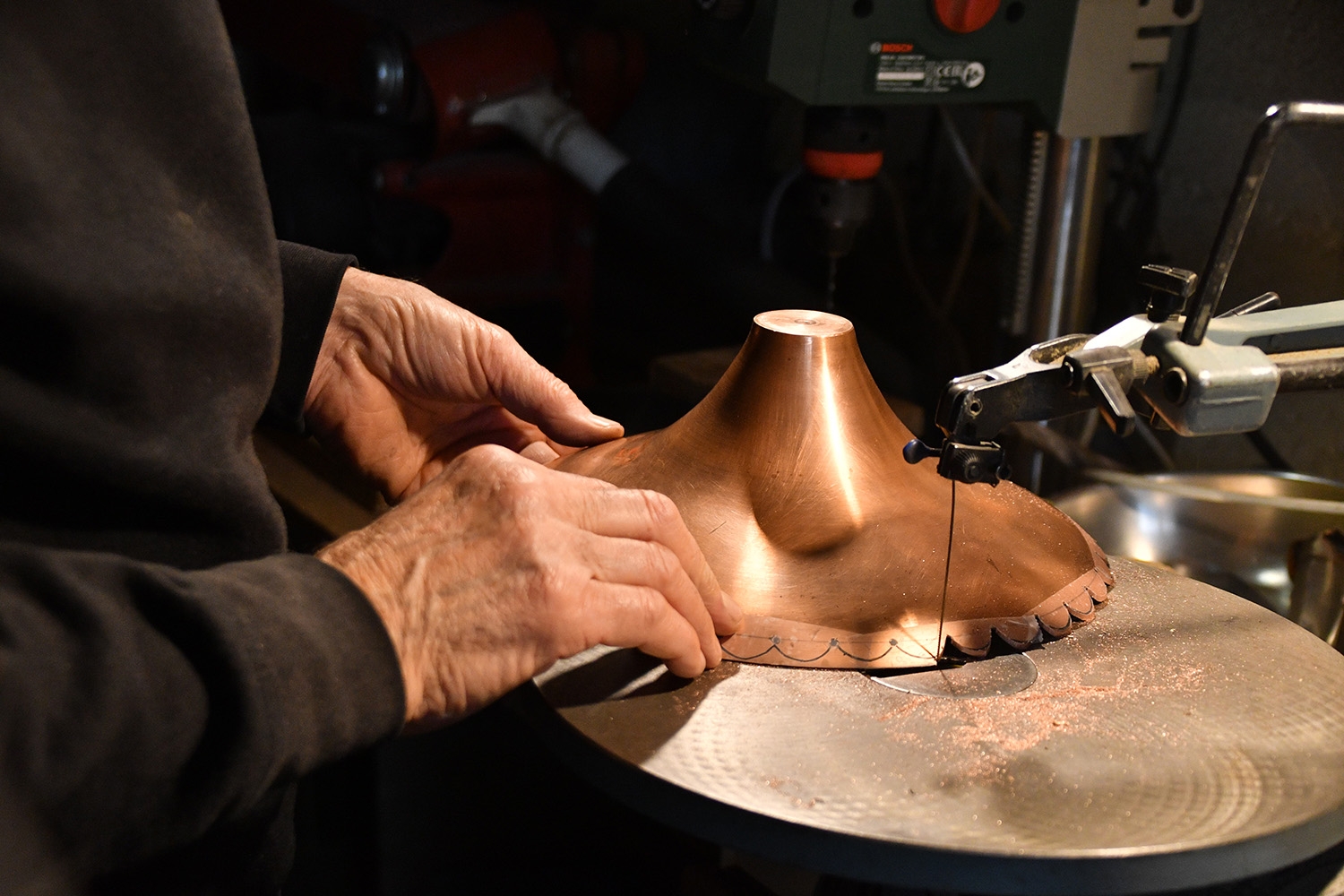
Yes, it is very important for me. In just a few days of initiation, you can discover the barriers of the craft. I studied chiselling at the Ecole Boulle, I did an internship in bronzesmithing, a glass training: I saw opportunities for techniques. Today, I have a lot of techniques at my disposal, that I can use to develop my own craft.
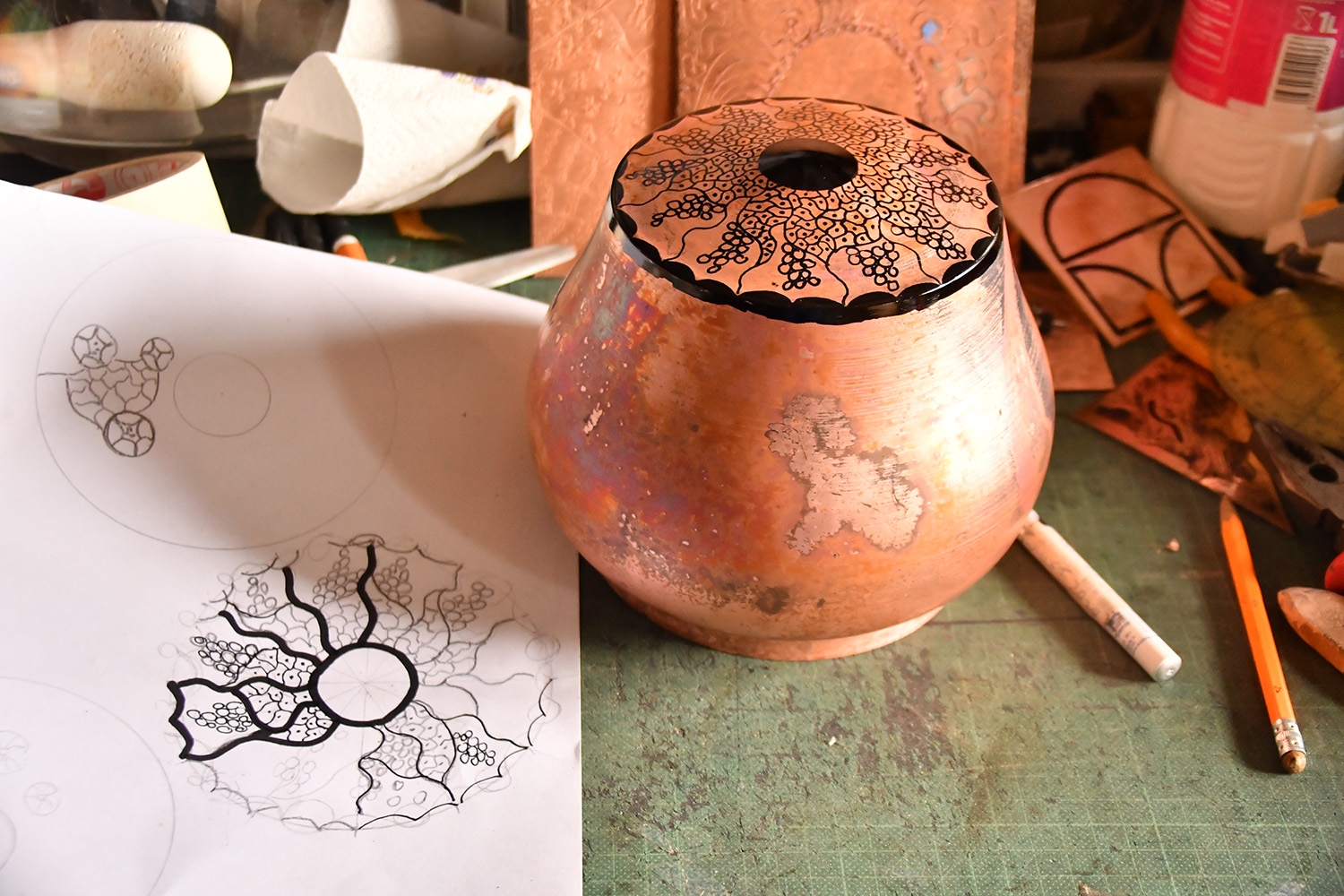
There is one in particular. I have always loved Art Déco vases from the École de Nancy. There was a real tradition of glass in Nancy, and these vases were made using a special process, involving the vases being soaked in chloridic acid. Influenced by the beauty of these pieces, I put this technique into practice using my own resources.
Bernard Gonnet
Enameller
Lescheroux, France
ADDRESS
Address upon request, Lescheroux, France
AVAILABILITY
By appointment only
LANGUAGES
French
Homo Faber Finds is a new service aiming to inspire admirers of craft to connect and collaborate with exceptional artisans.
We invite you to submit an enquiry here.