Begüm Durukan
Som Design Studio
Textile dyer
İzmir, Türkiye
Durability and aesthetic beyond trends
- Begüm stumbled on her artisan career by chance on a rainy day
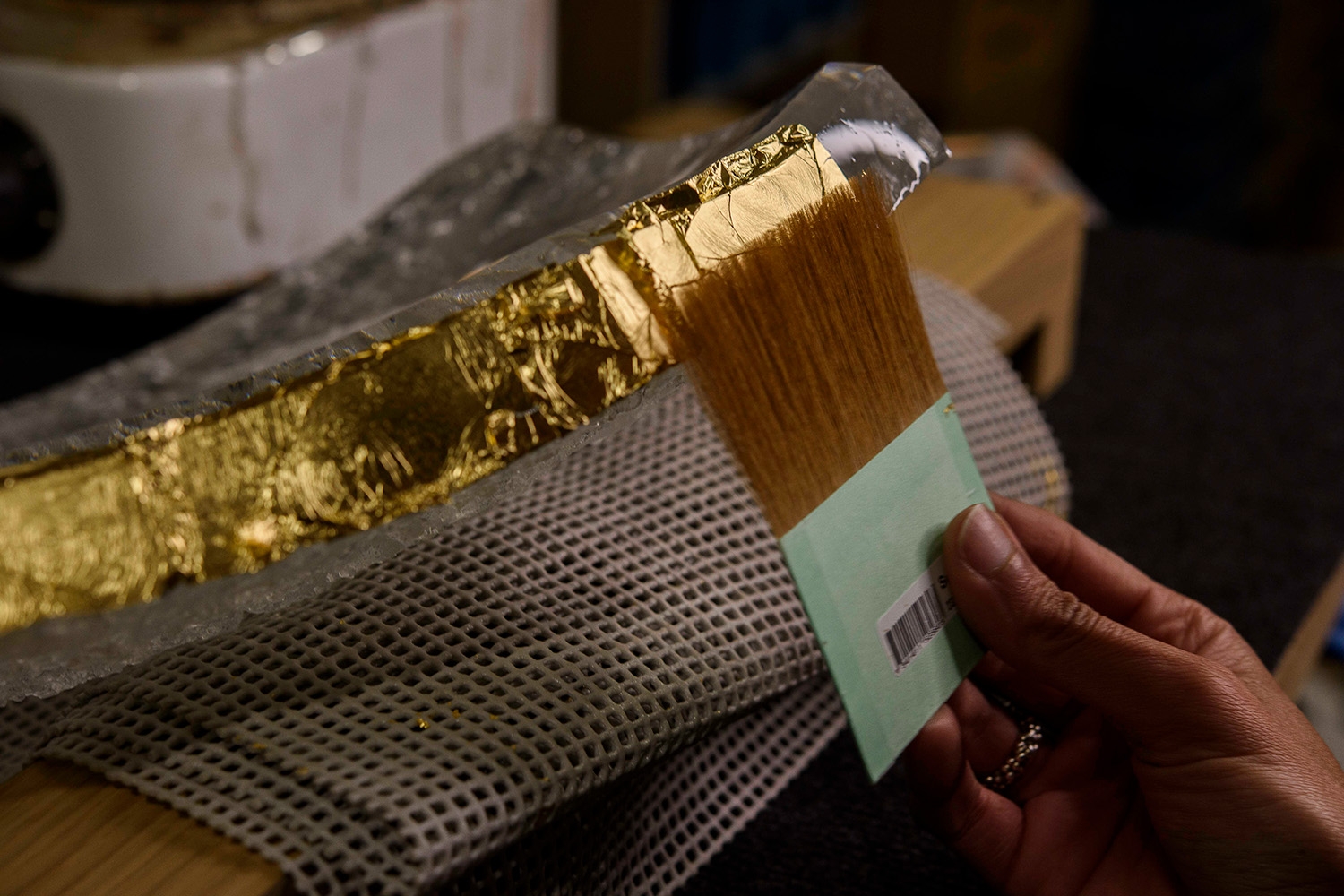
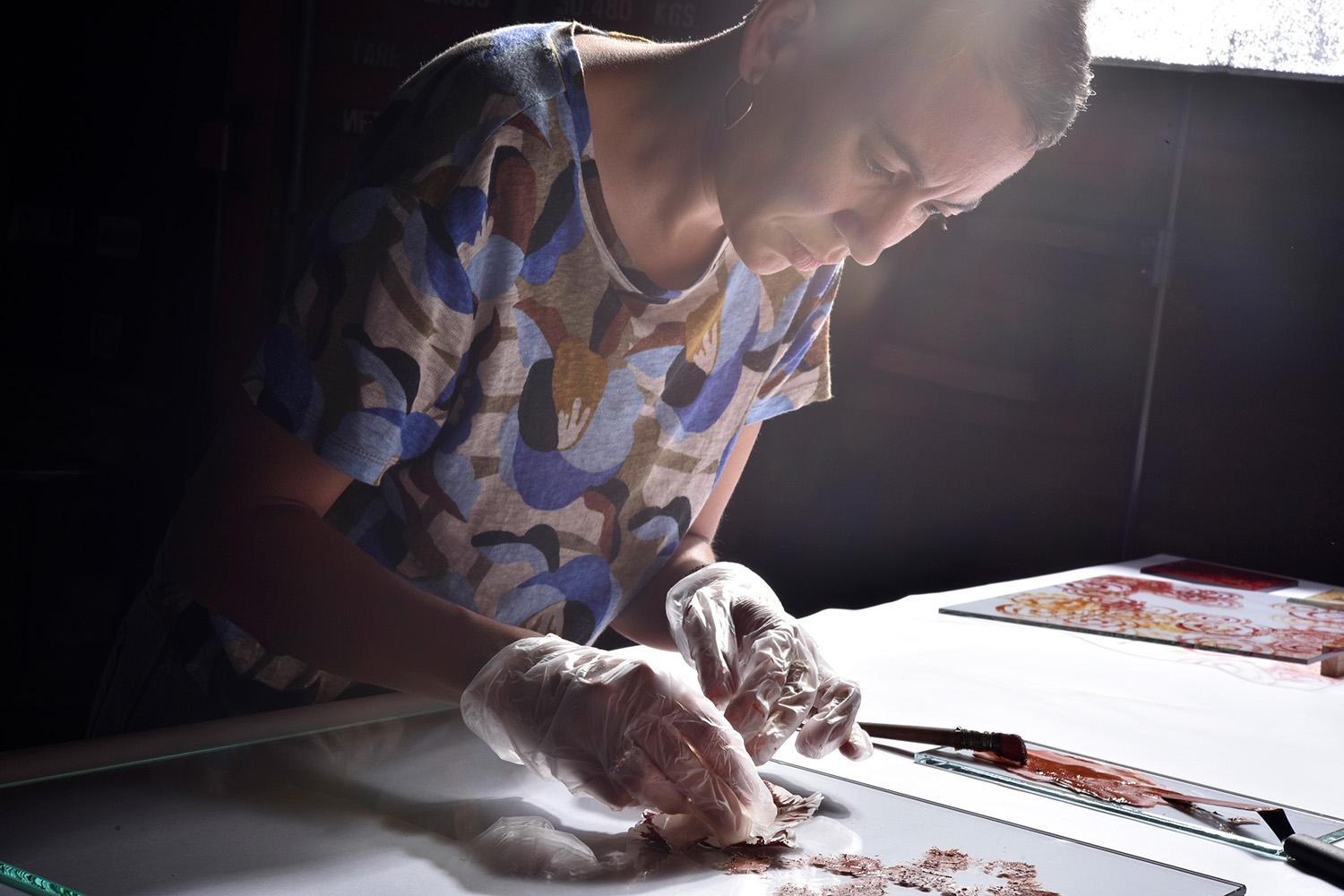
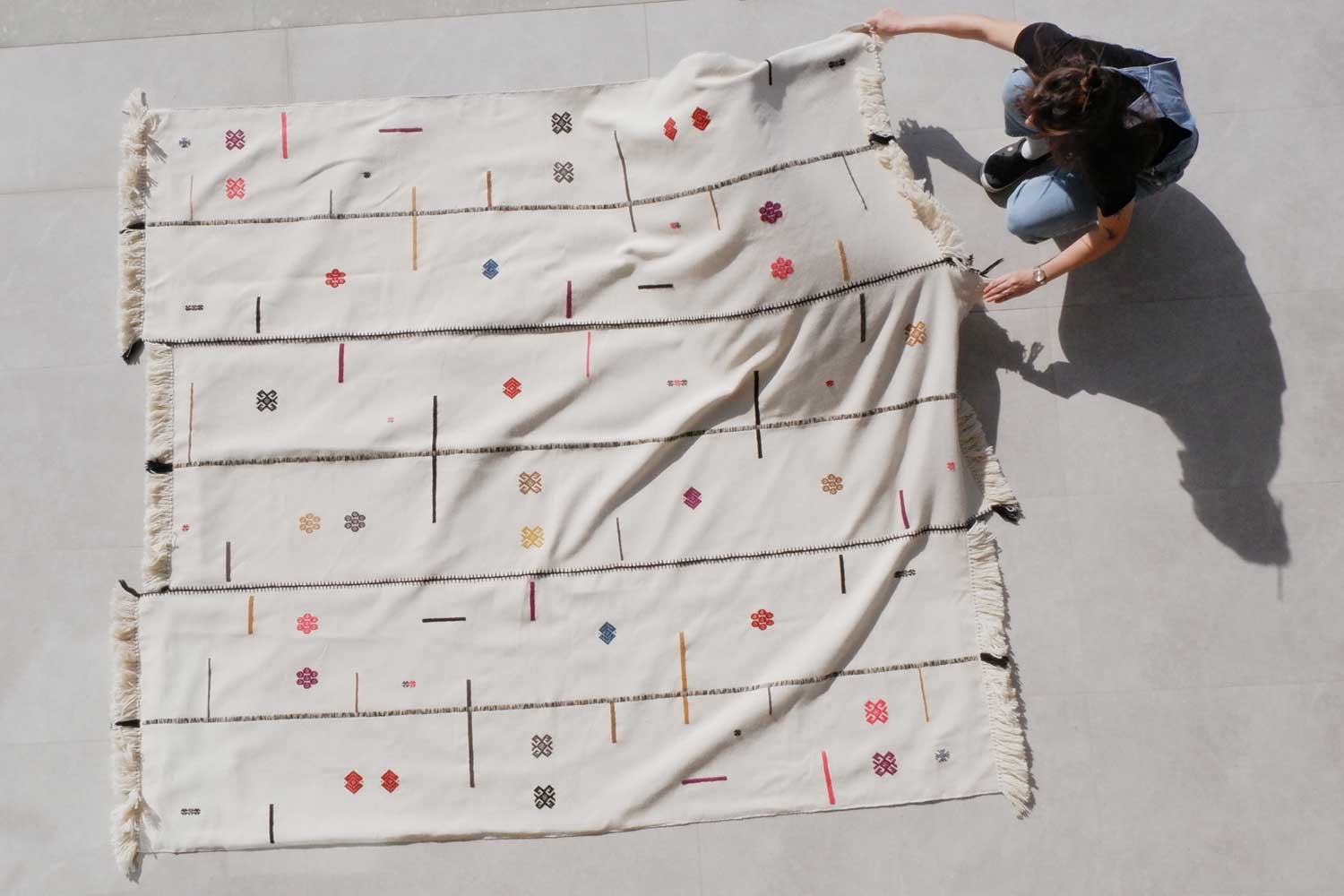
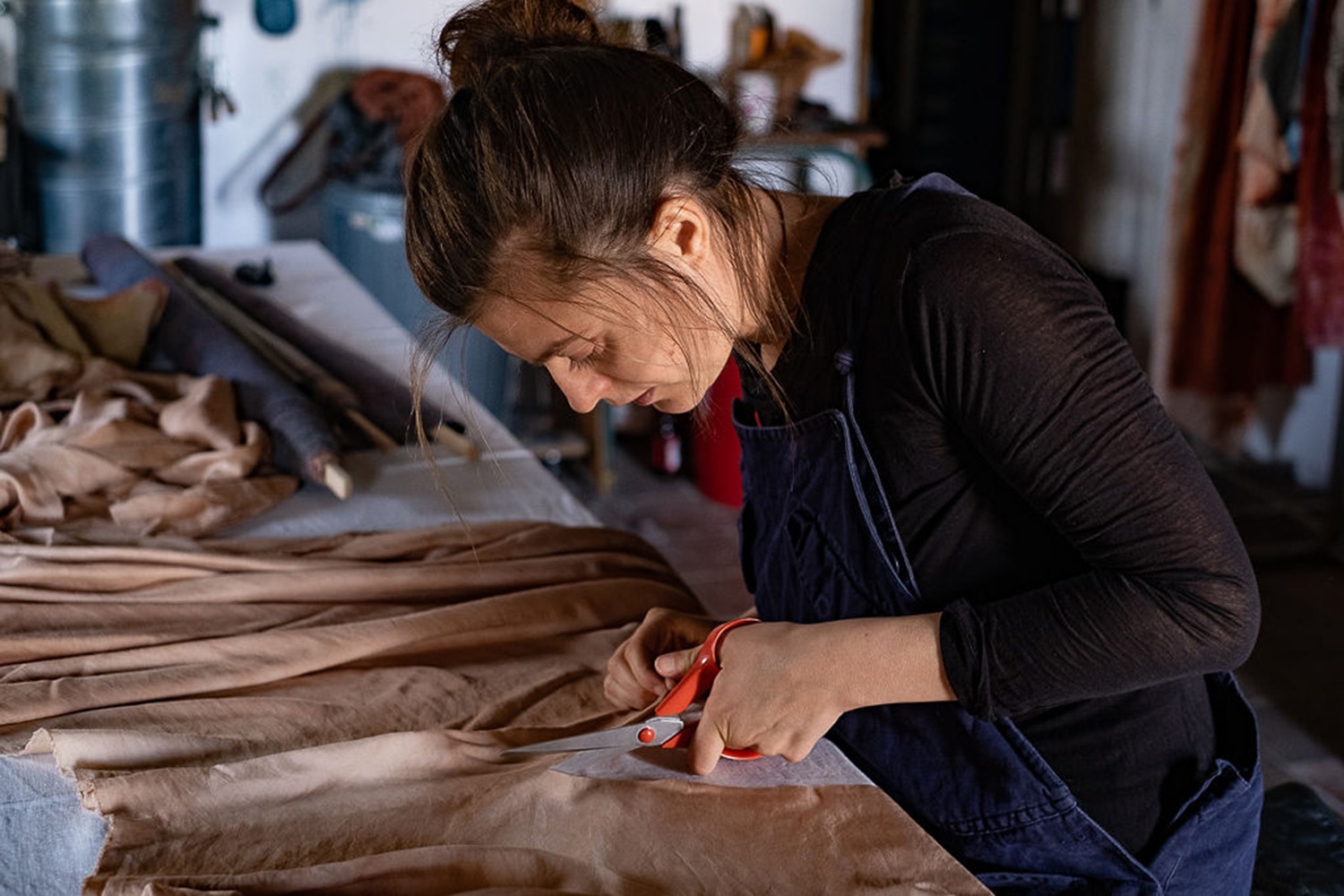
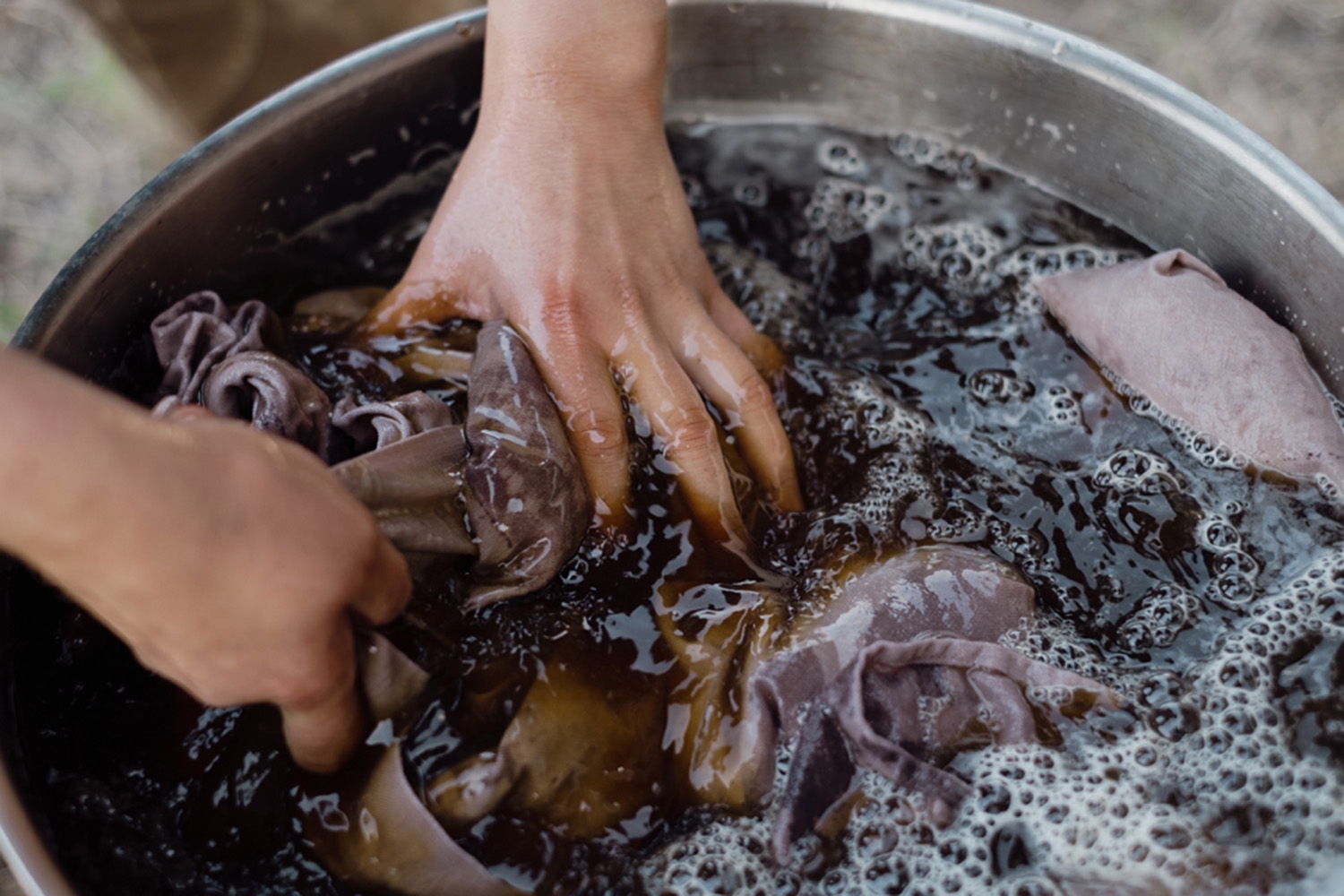
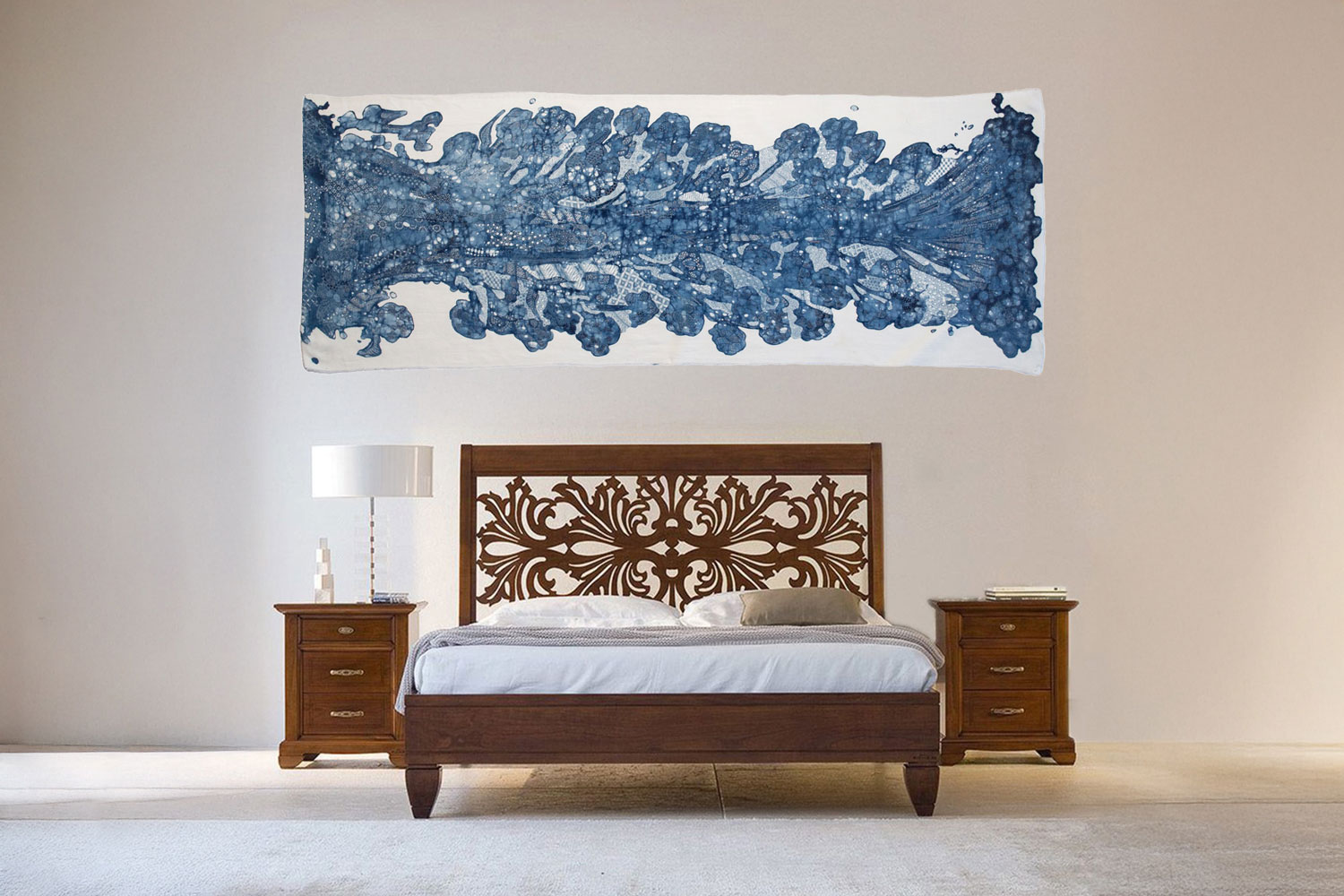
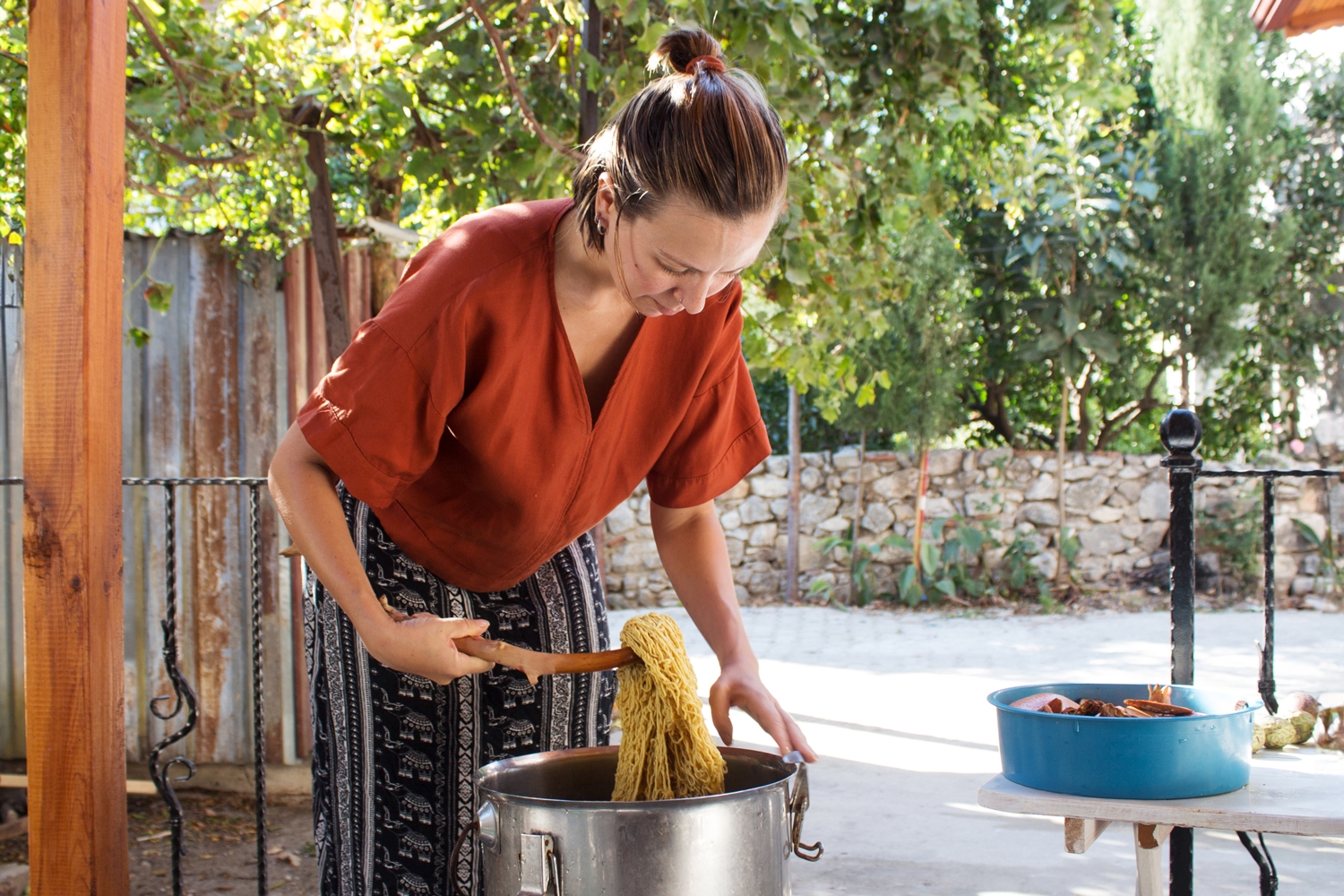
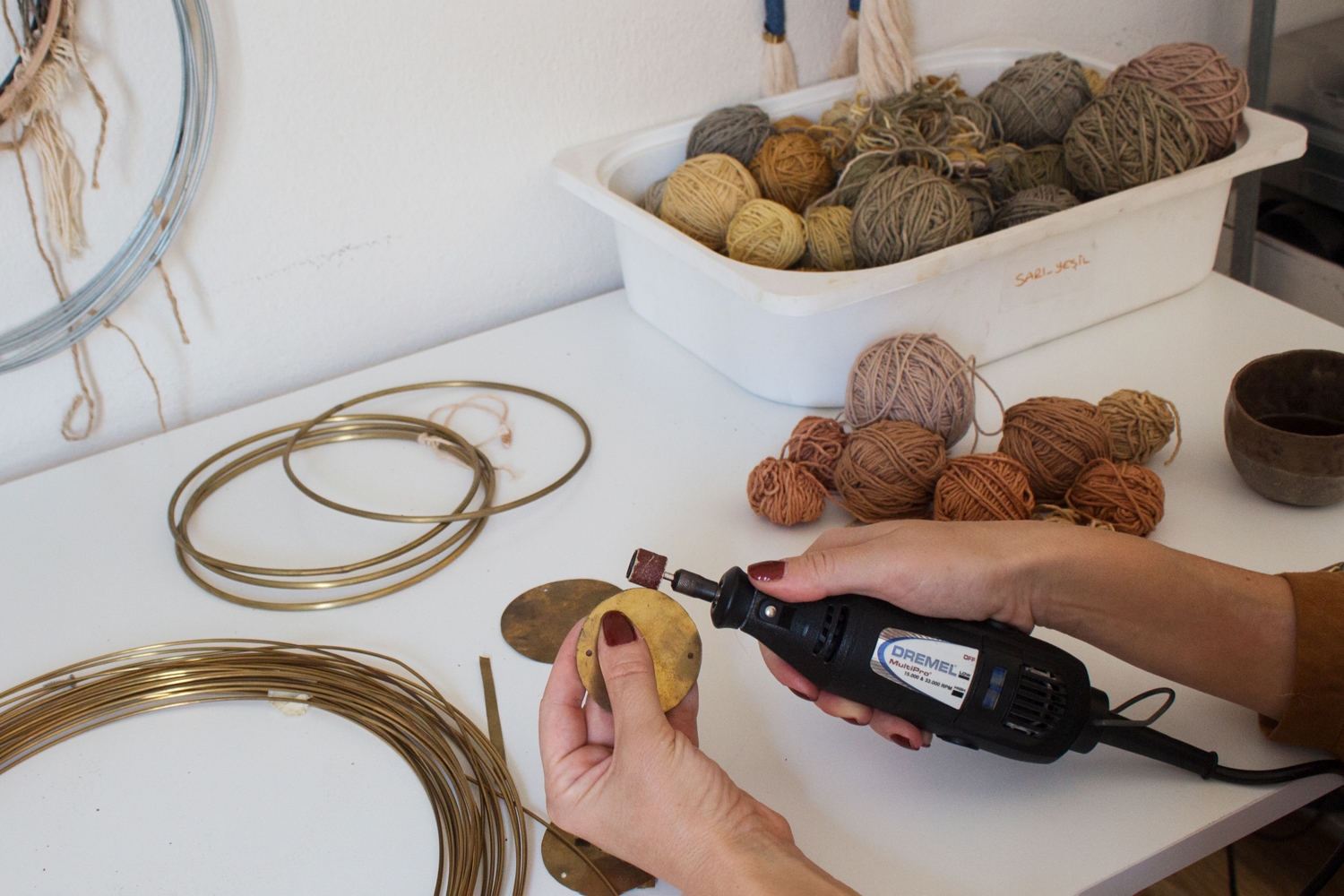
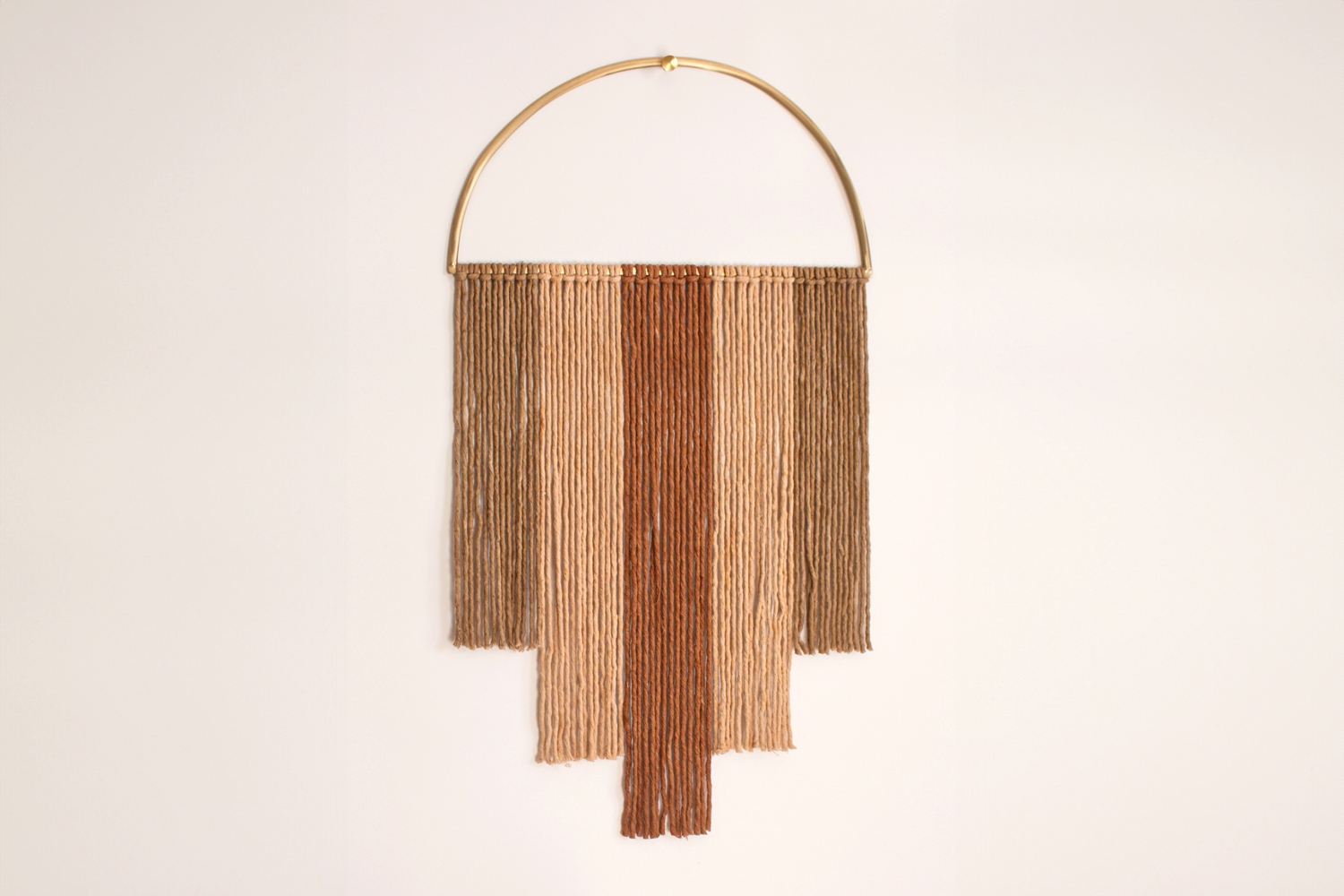
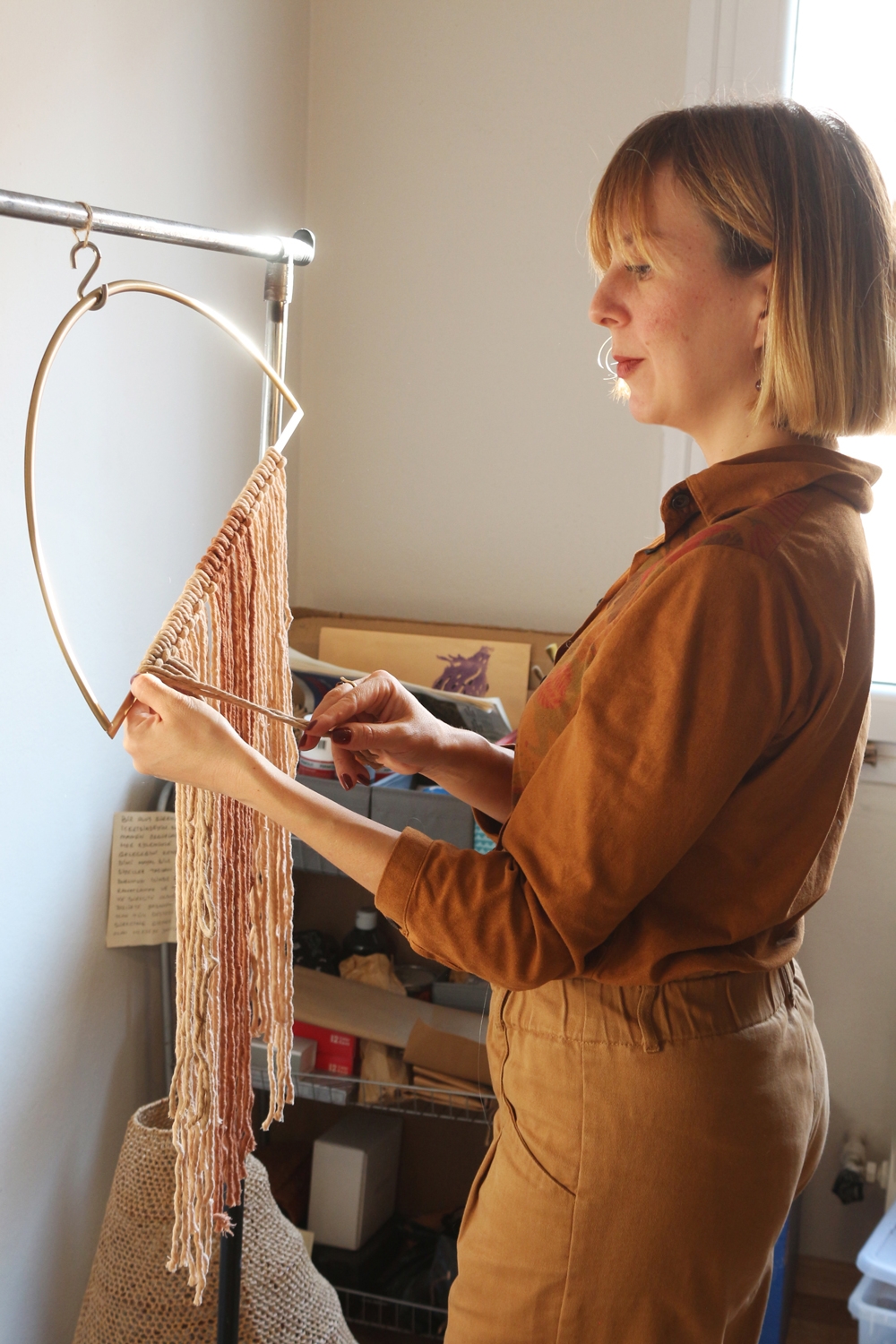
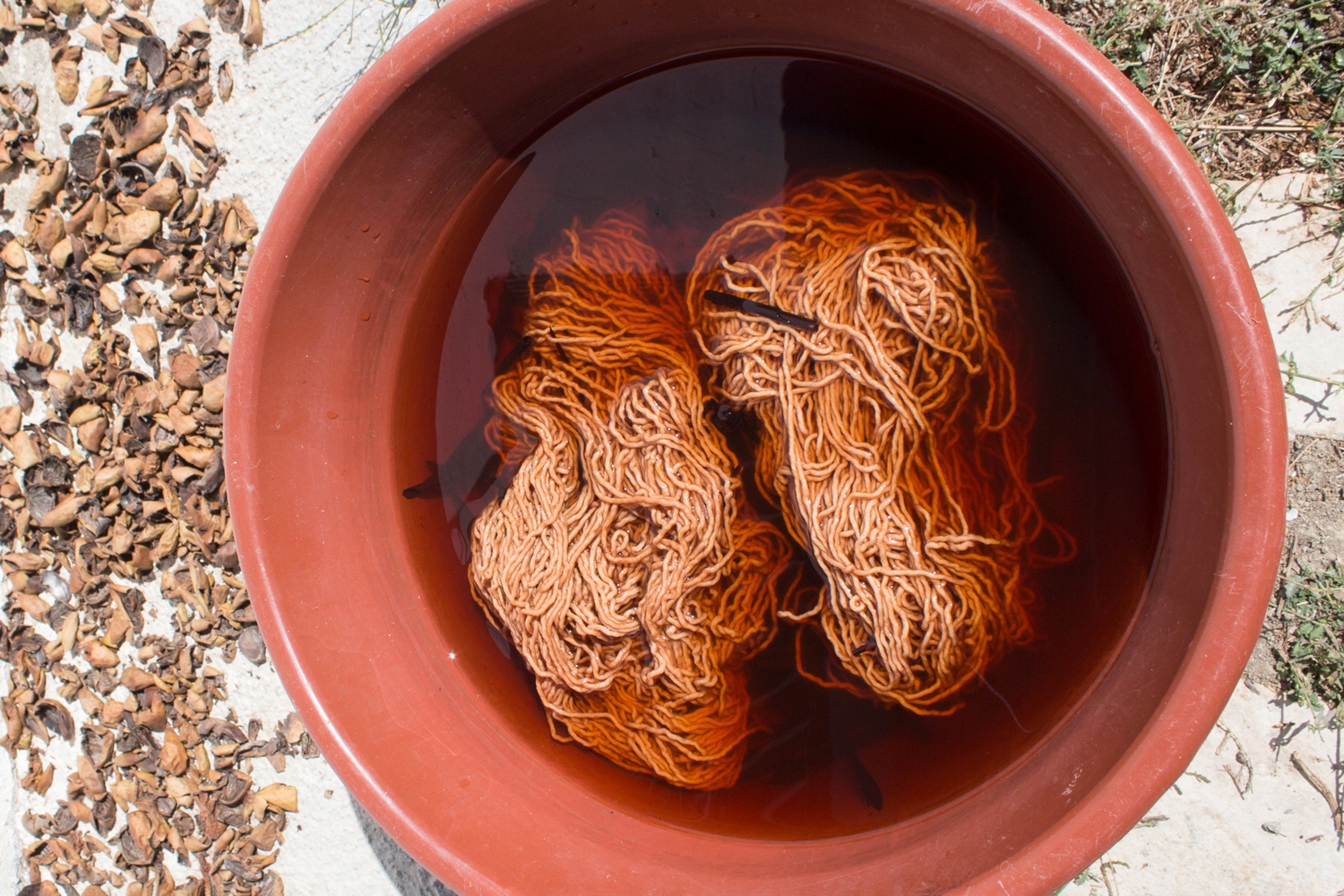
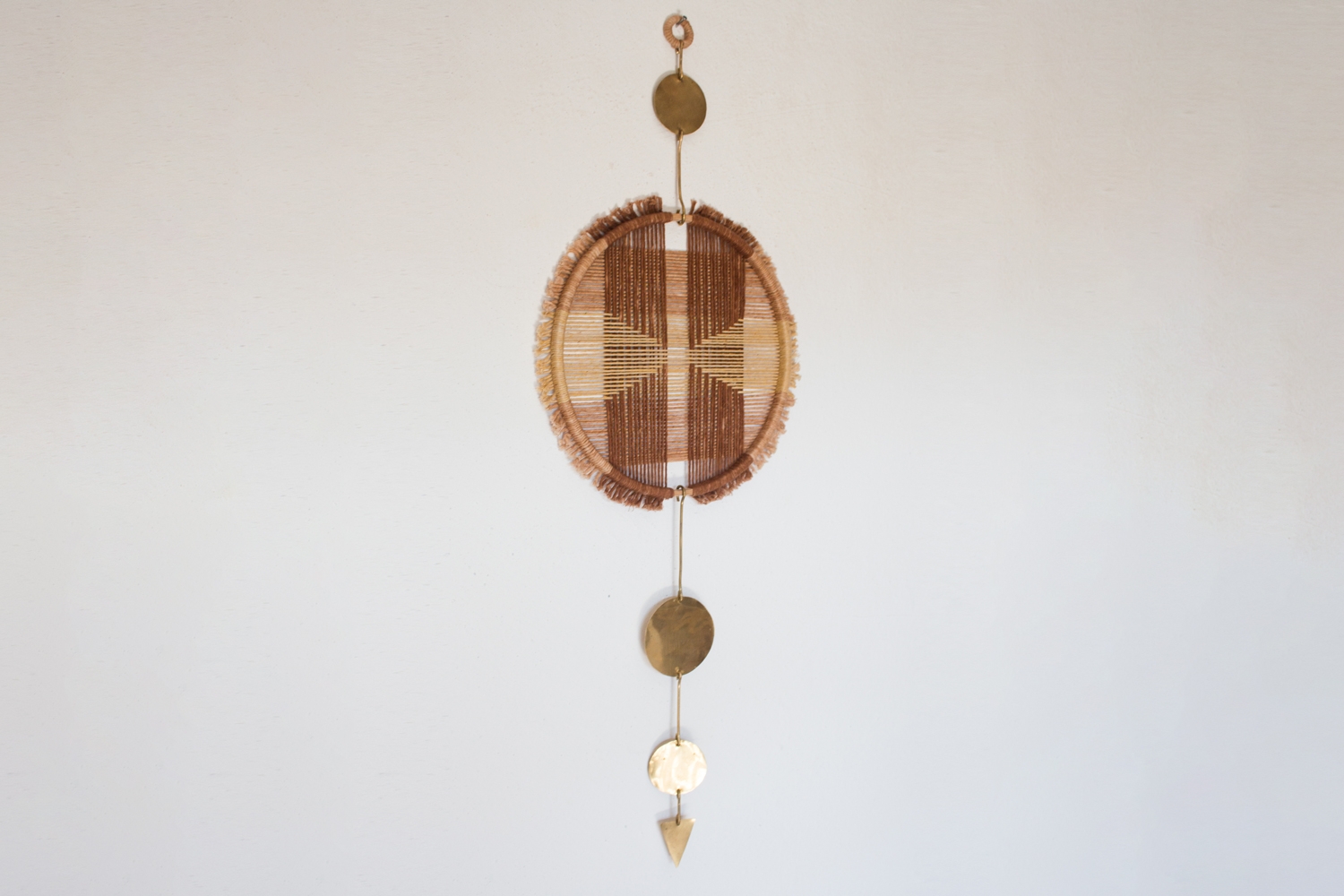
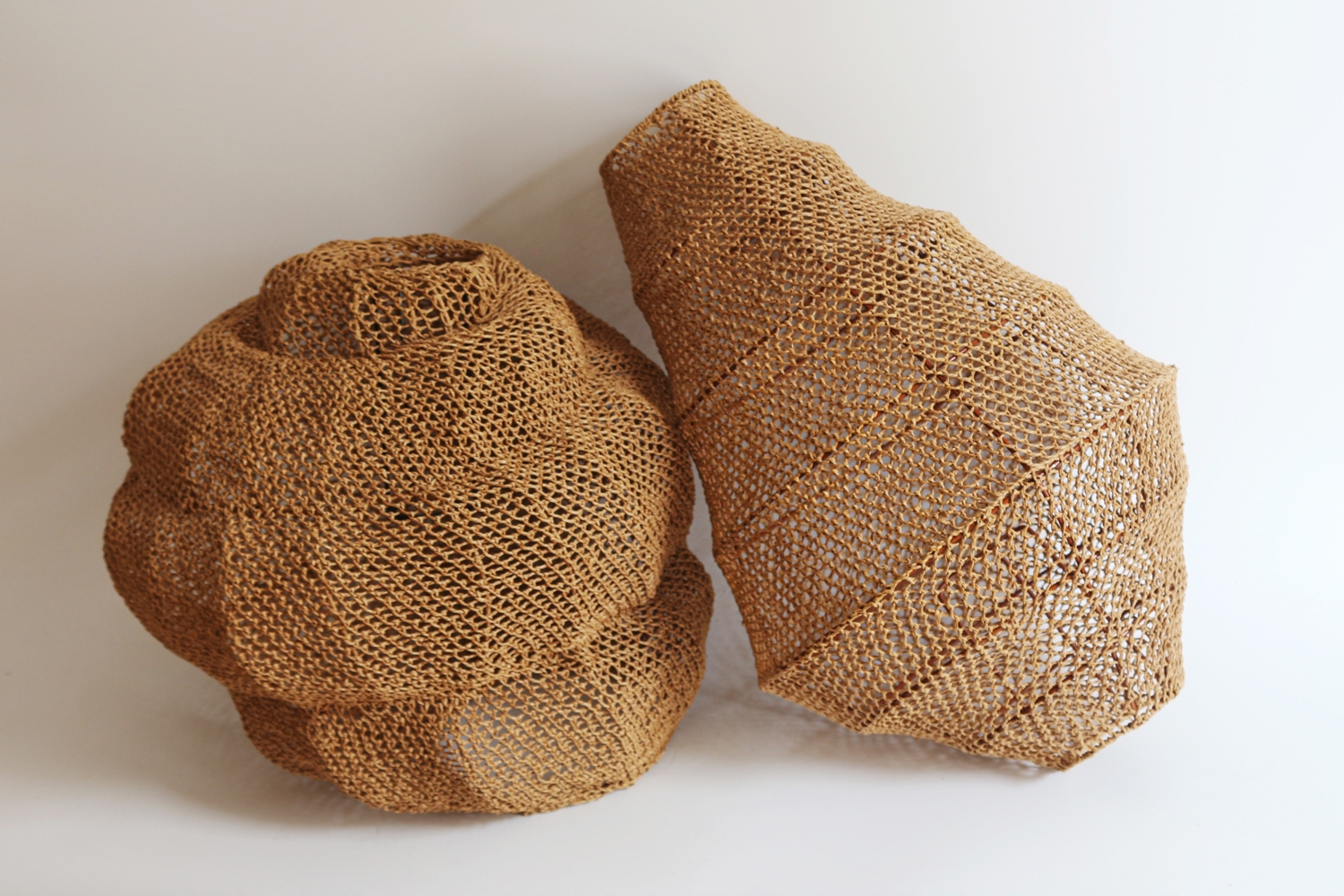
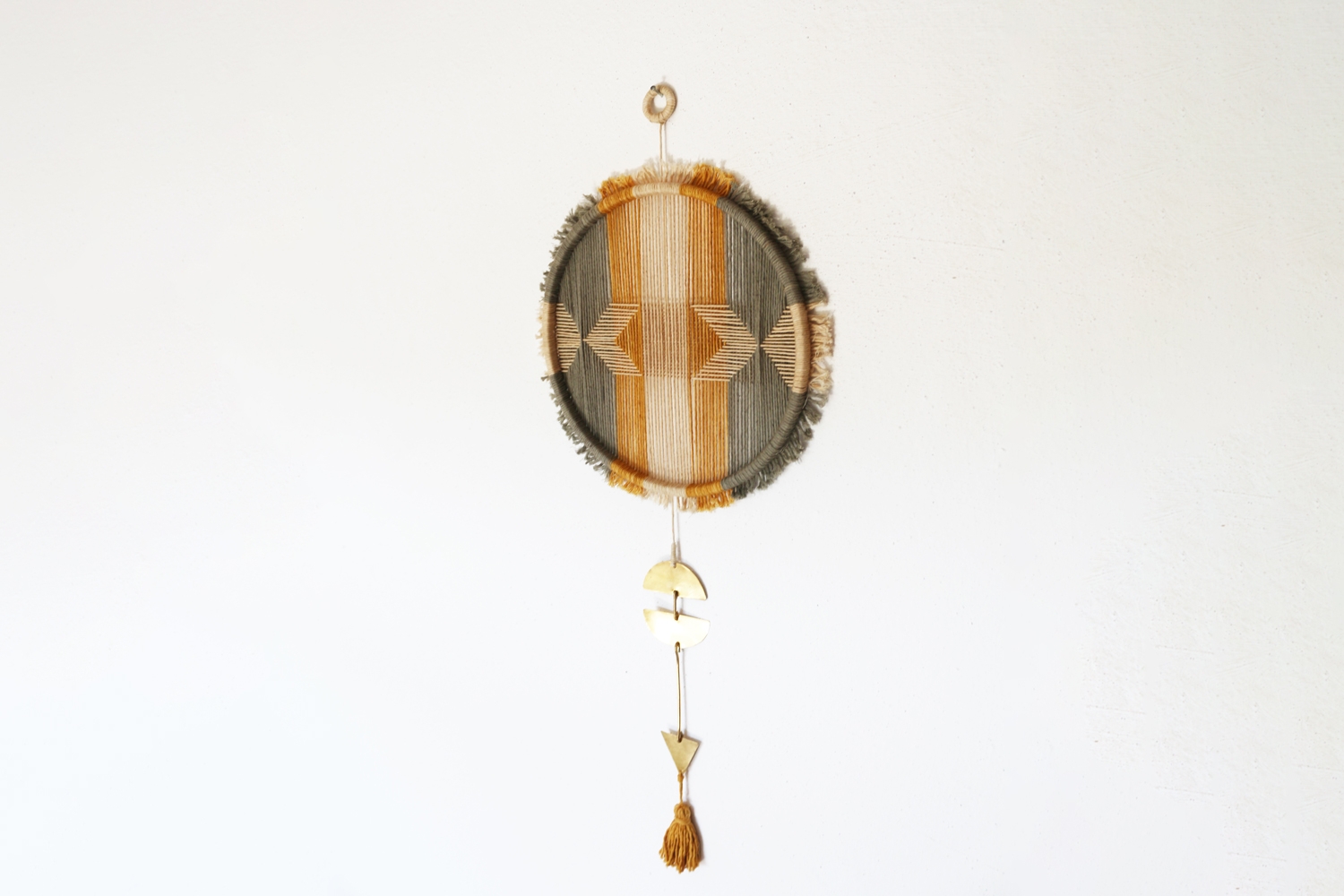
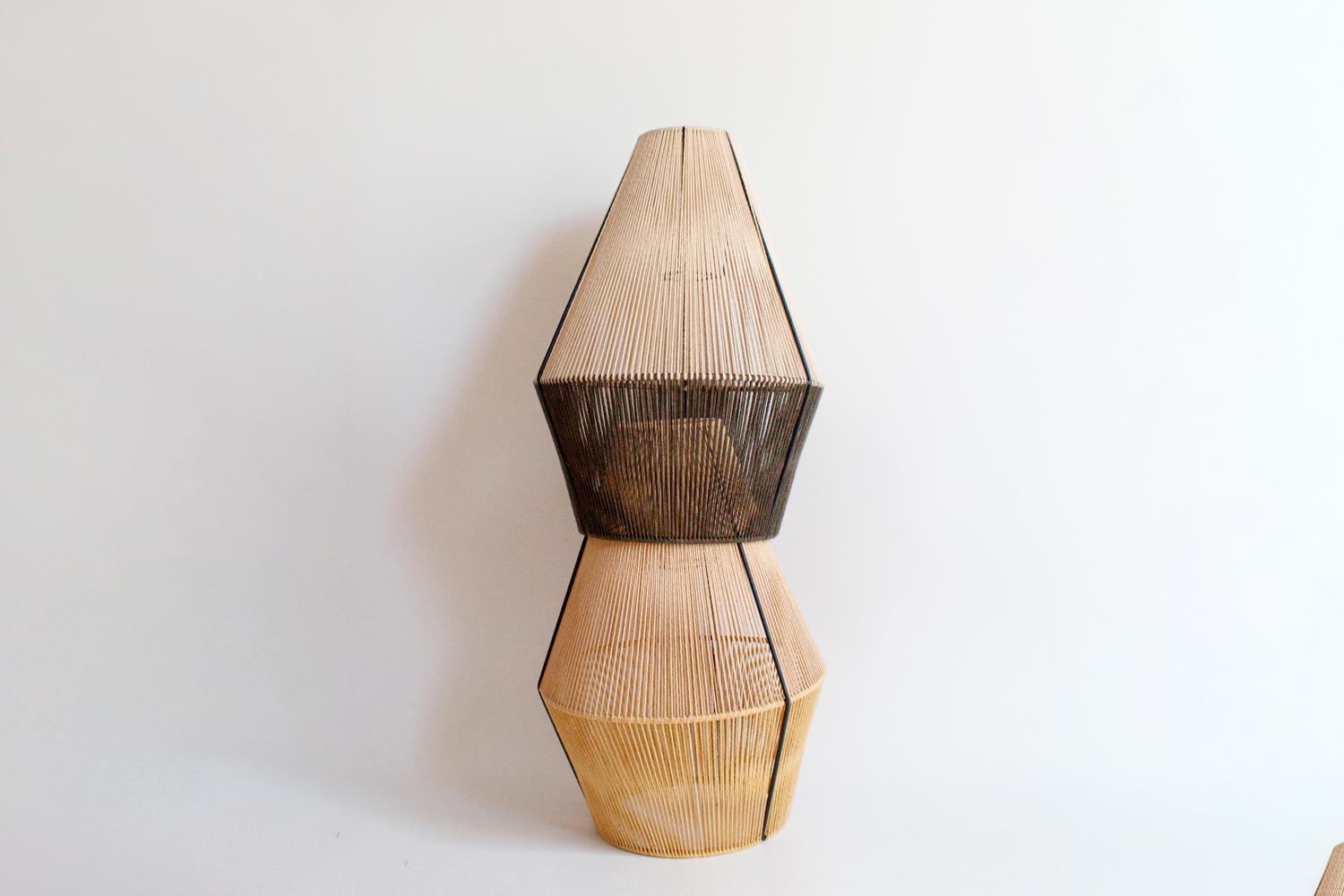
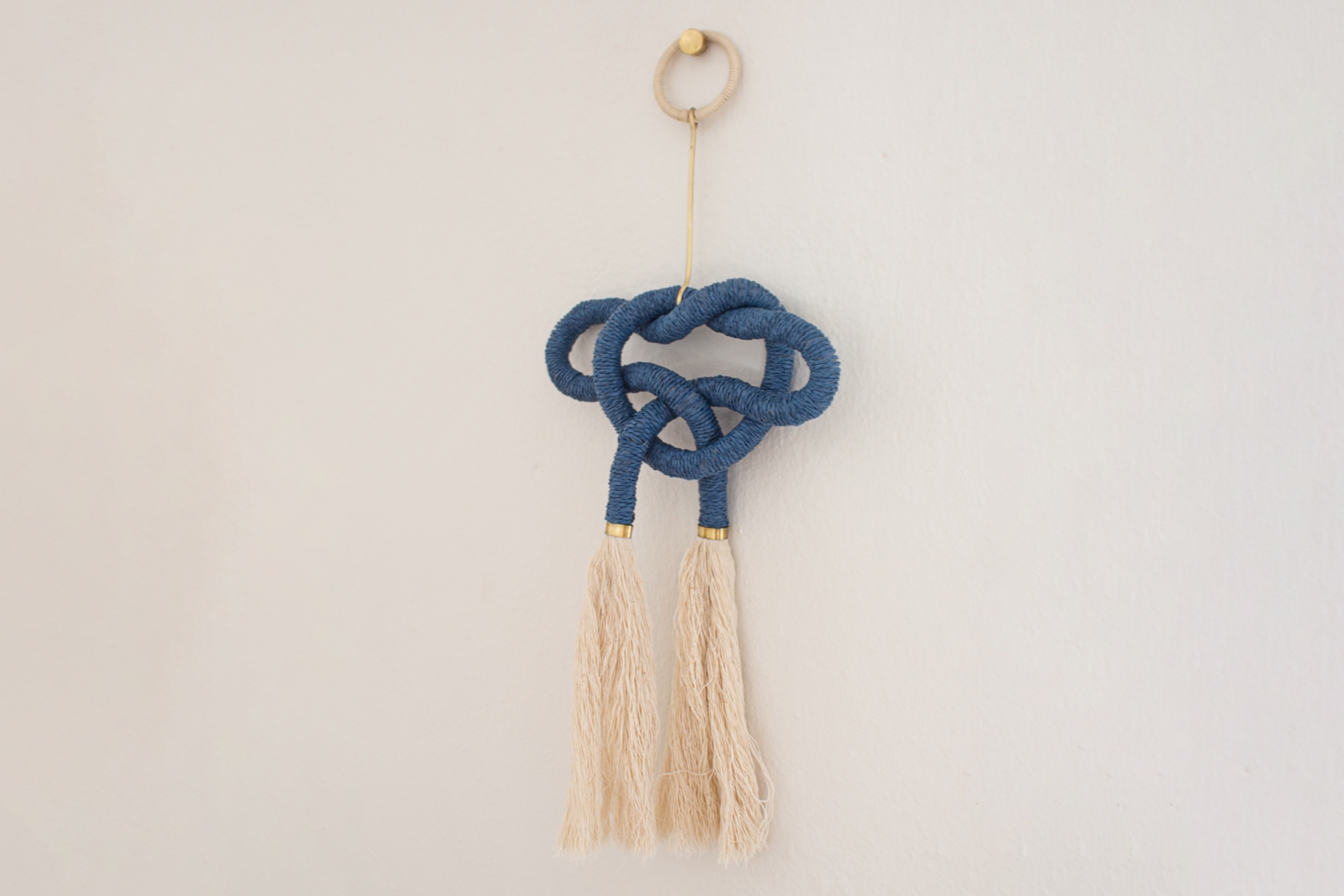
- She makes lighting fixtures and wall hangings with naturally-dyed textiles and fibres
- Her works gained rapid popularity in 2018 thanks to a TV appearance
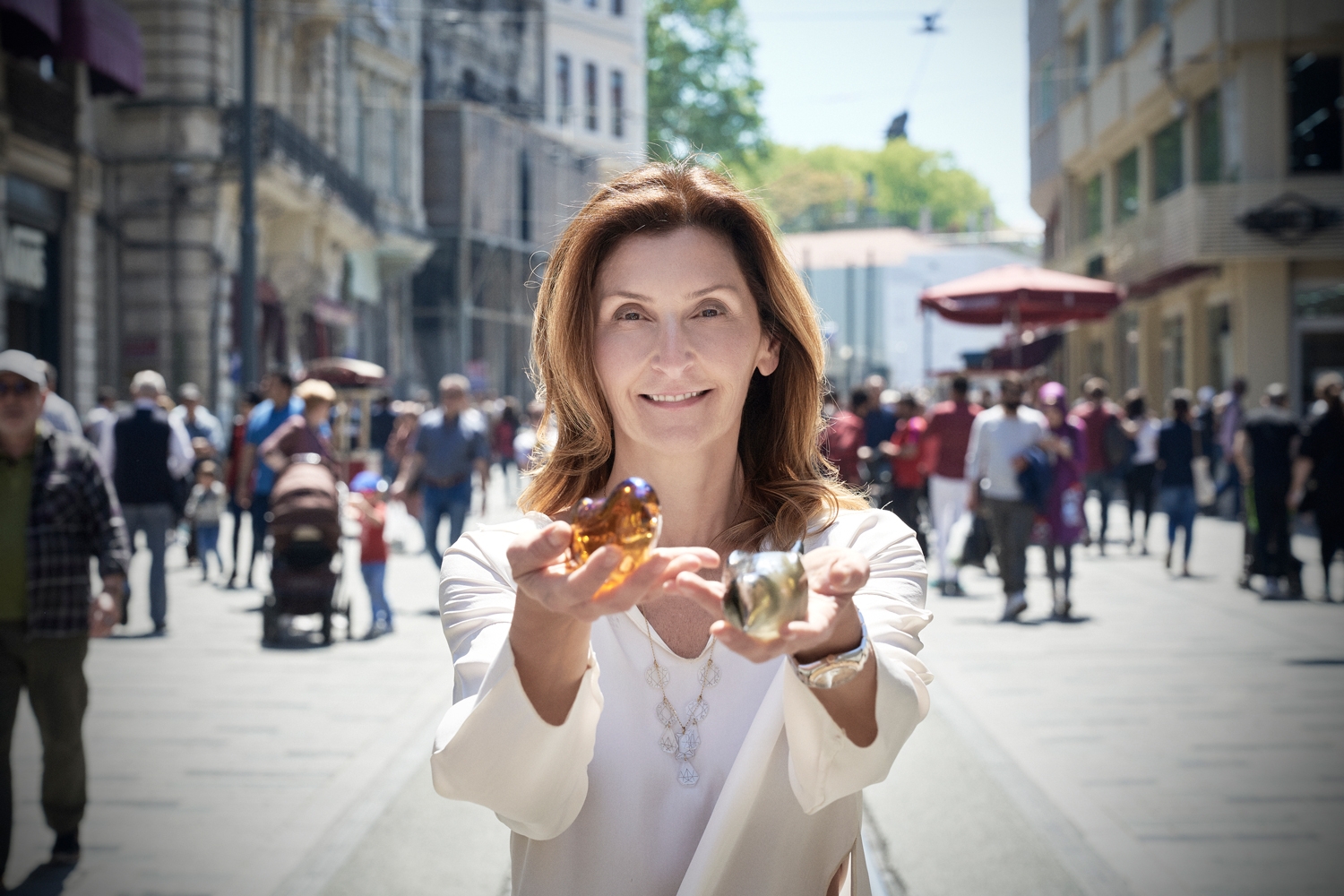
During a bout of many days of rain in a small seaside town, Begüm Durukan created her very first painting with fabrics, acrylic paints and twigs out of the boredom of having to stay indoors. When her friend wanted to purchase the piece in her restaurant the next day, Begüm knew she had stumbled on her true calling. “My painting is still in the restaurant. Seeing it there reminds me of that first excitement,” says the artisan. Begüm returned to Istanbul, left her job and began working with a design studio to continue creating her works. When one of her pieces was featured in a popular TV show, the orders started coming in for her lighting fixtures and wall hangings. Her use of hand weaving and naturally dyed threads was a success. Begüm found herself moving to the seaside town that had first inspired her, renting a workspace and setting up her own workshop.
Discover her work
INTERVIEW
Türkiye is a very rich country in terms of crafts, and natural dyeing is widely used for making carpets. I have met many female artisans who use natural dyeing in different fields such as textile and jewellery design. I hope there will continue to be many more who use this traditional method in innovative works.
Nature. When I moved to the countryside, I formed a strong connection with nature. I am always in awe when wandering through the forest here. Nature has always fascinated me in different ways and when creating forms, I start from the shapes of nature.
The value given to craft is decreasing with globalisation, rapid consumption and the development of technology. However, what is valuable should be to transfer craftsmanship techniques from the past to future generations. I think it is important to separate technology and craft.
Durable for long-term use and with an aesthetic taste beyond today's trends.
Begüm Durukan
Som Design Studio
Textile dyer
İzmir, Türkiye
AVAILABILITY
By appointment only
LANGUAGES
Turkish, English
Homo Faber Finds is a new service aiming to inspire admirers of craft to connect and collaborate with exceptional artisans.
We invite you to submit an enquiry here.