Arndís Jóhannsdóttir
Leatherworker
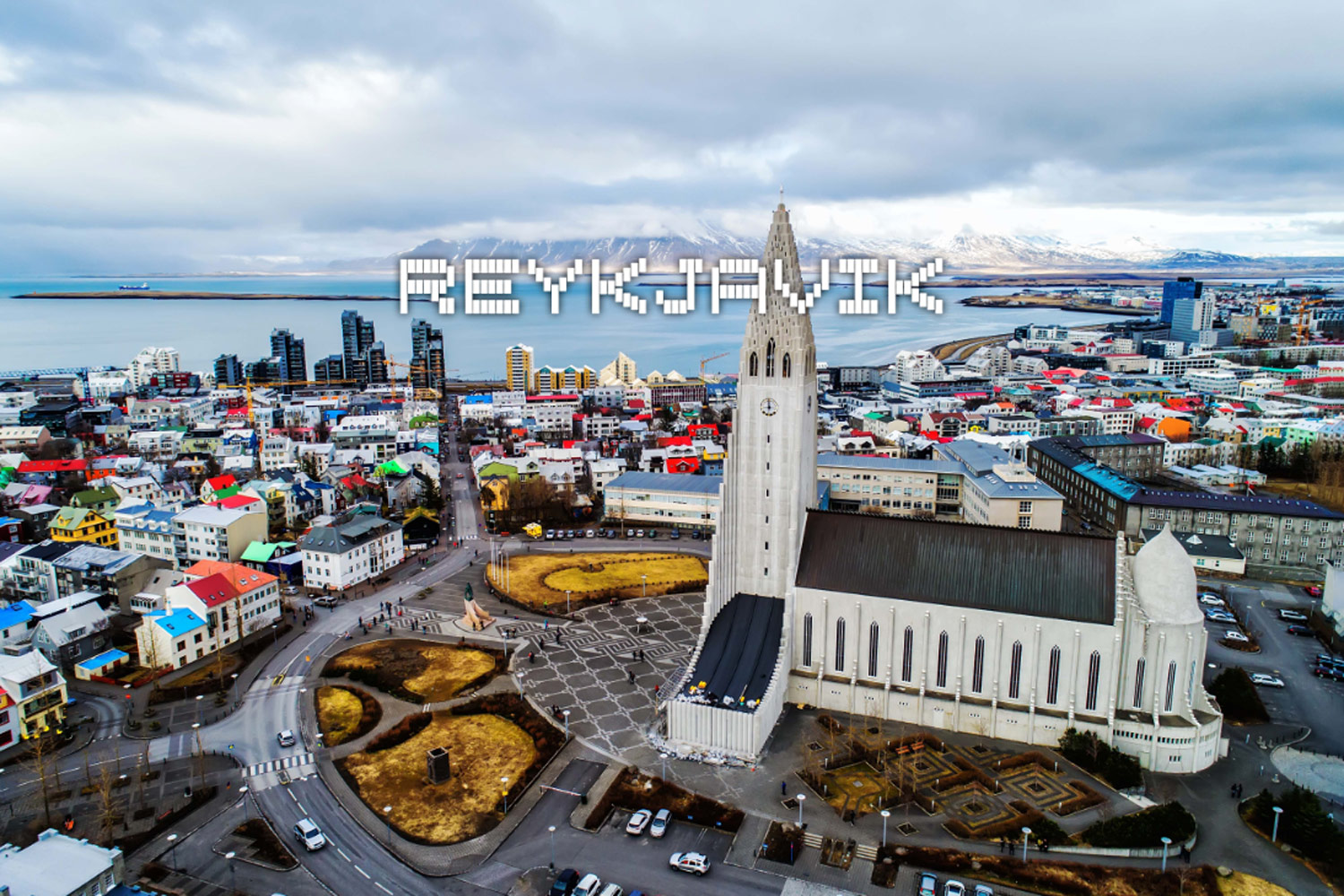
Reykjavík, Iceland
Against the tide
- Arndís uses fish skin, a zero-waste material
- She creates long-lasting statement pieces
- Her aim is to make the unexpected desirable
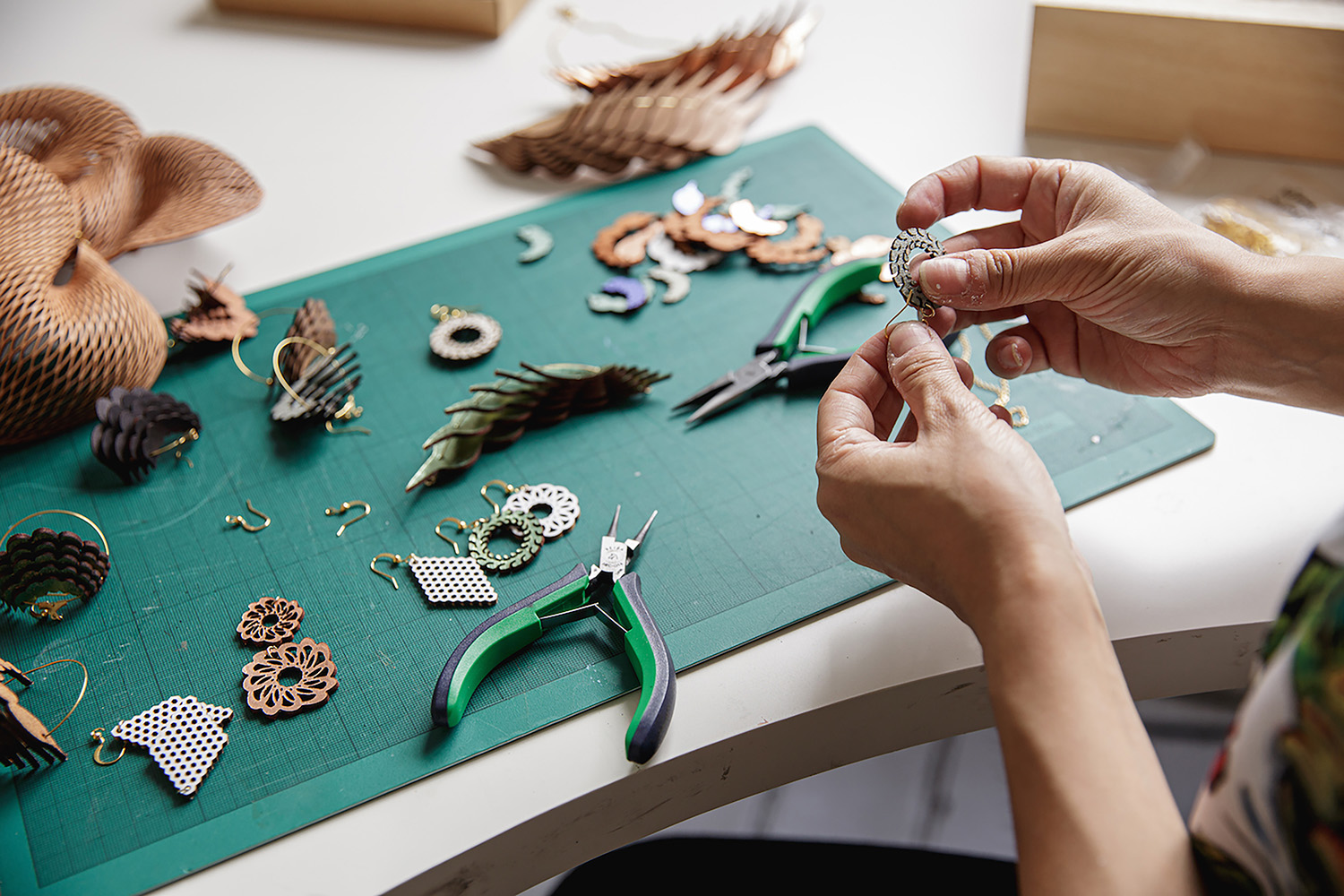
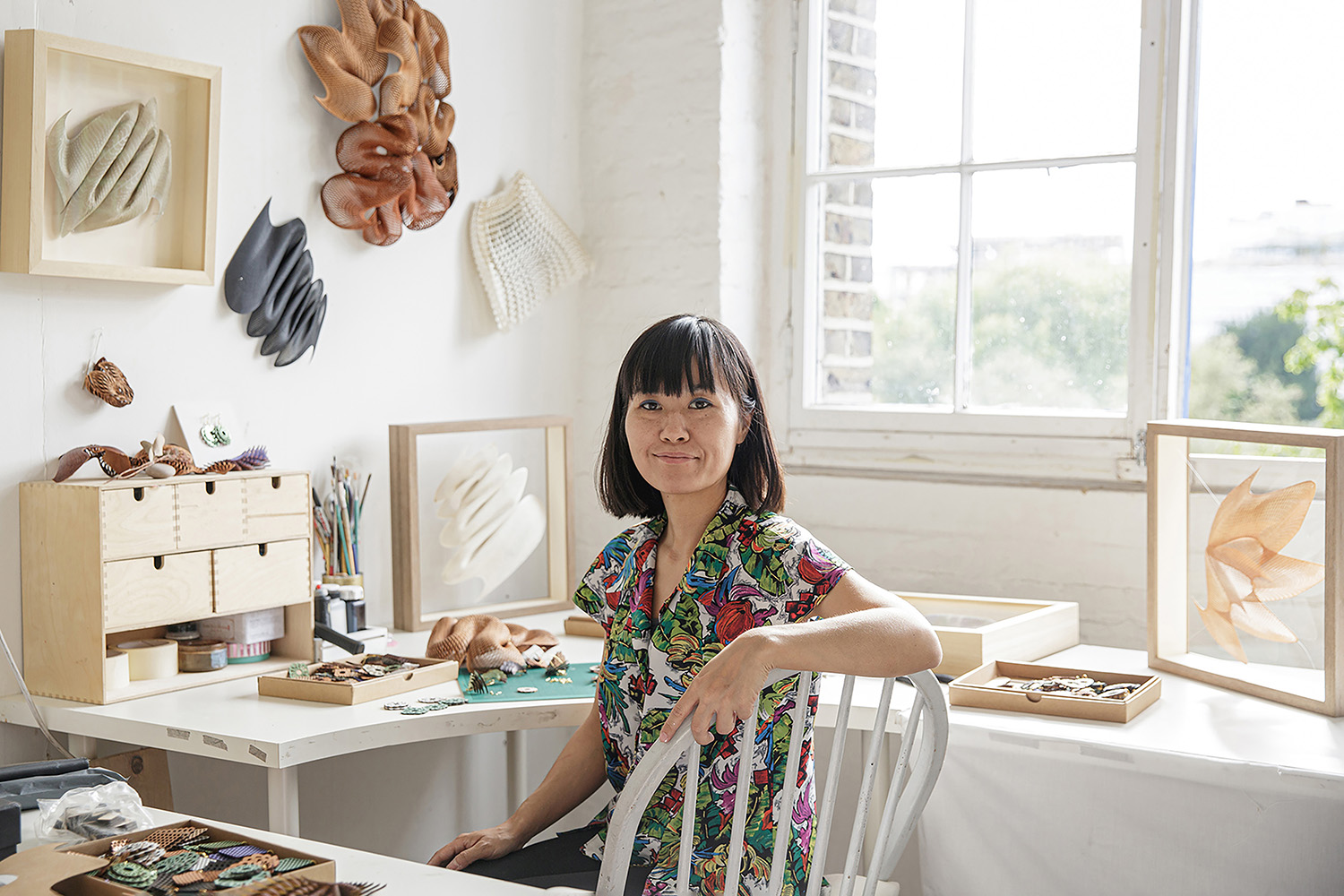
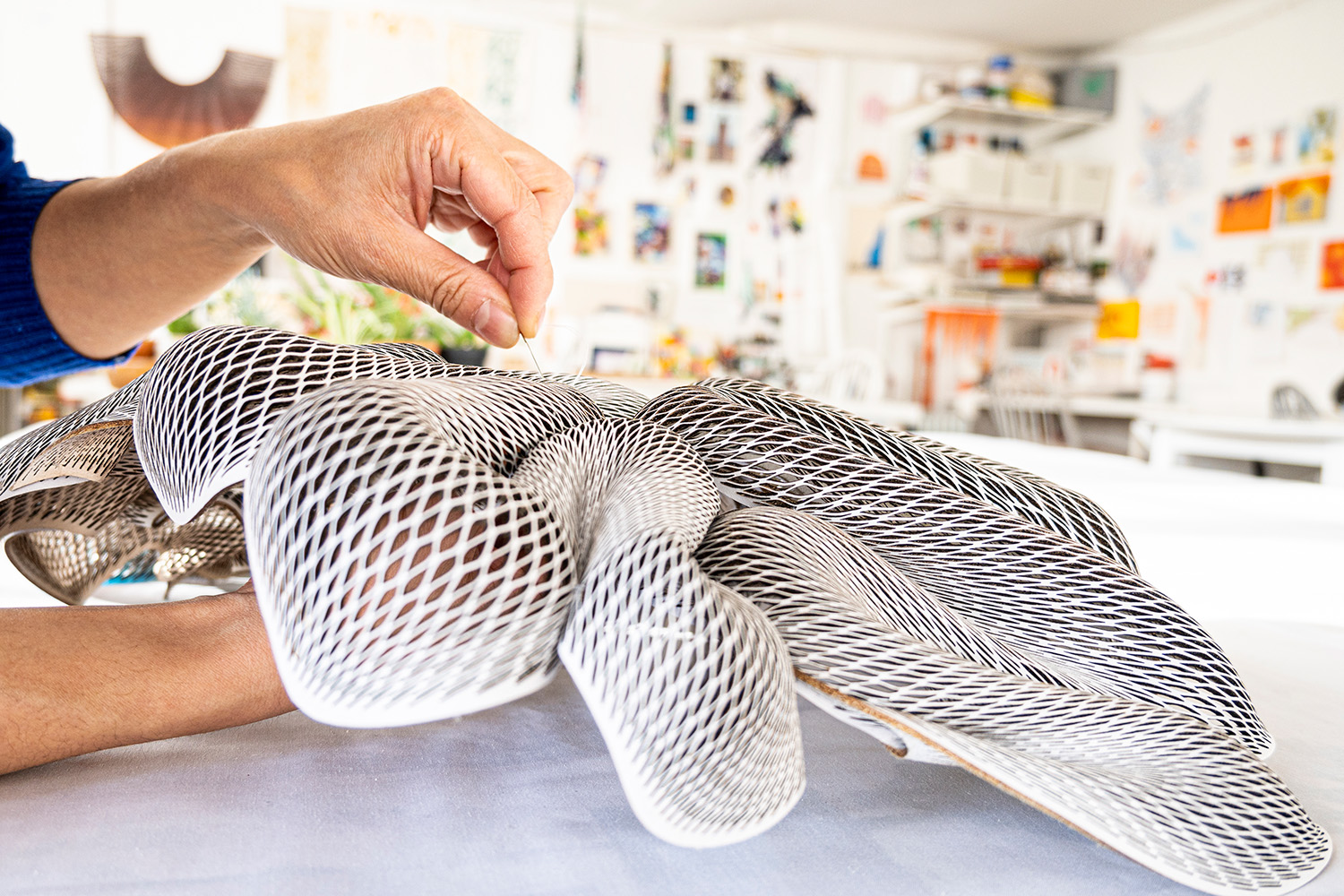
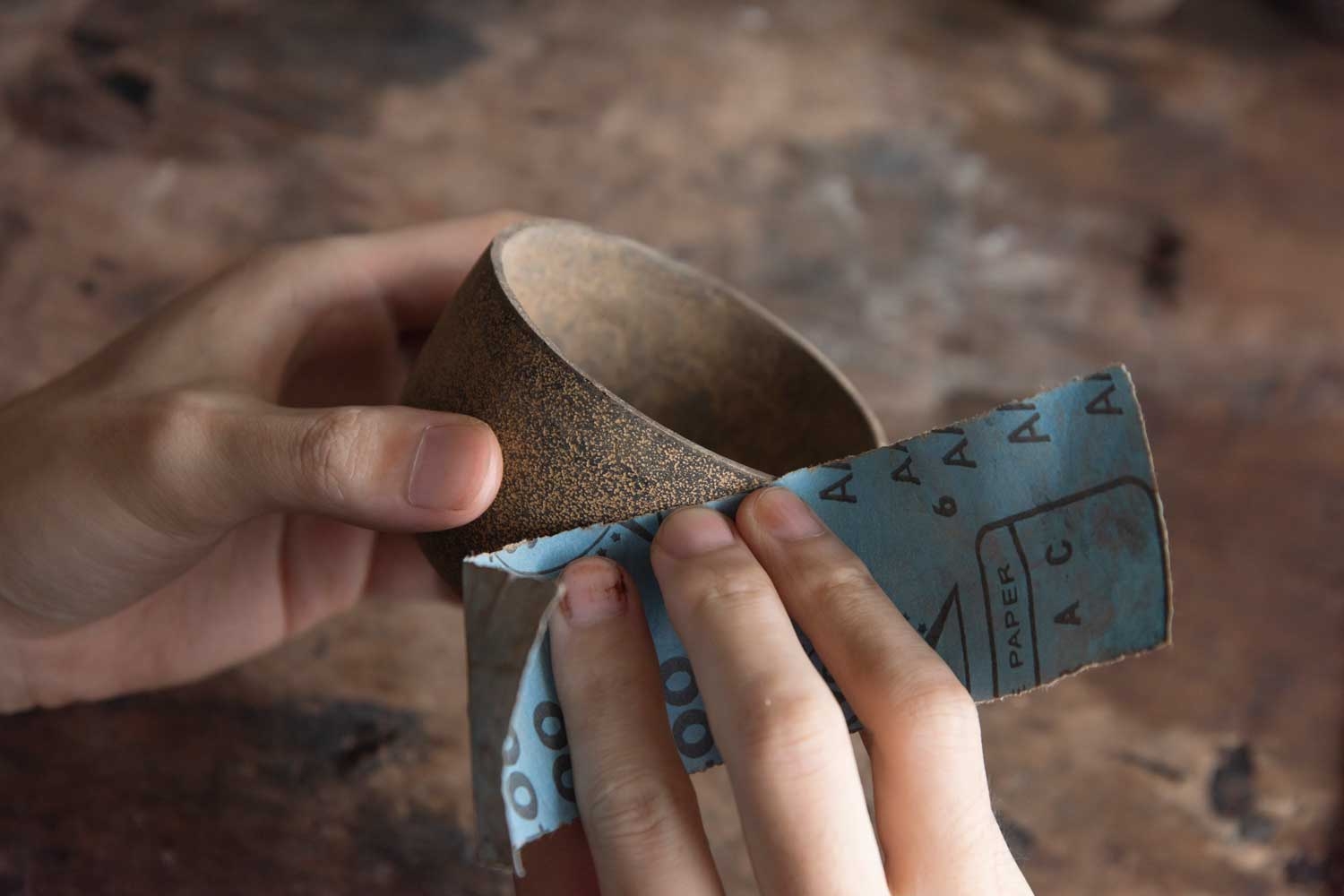
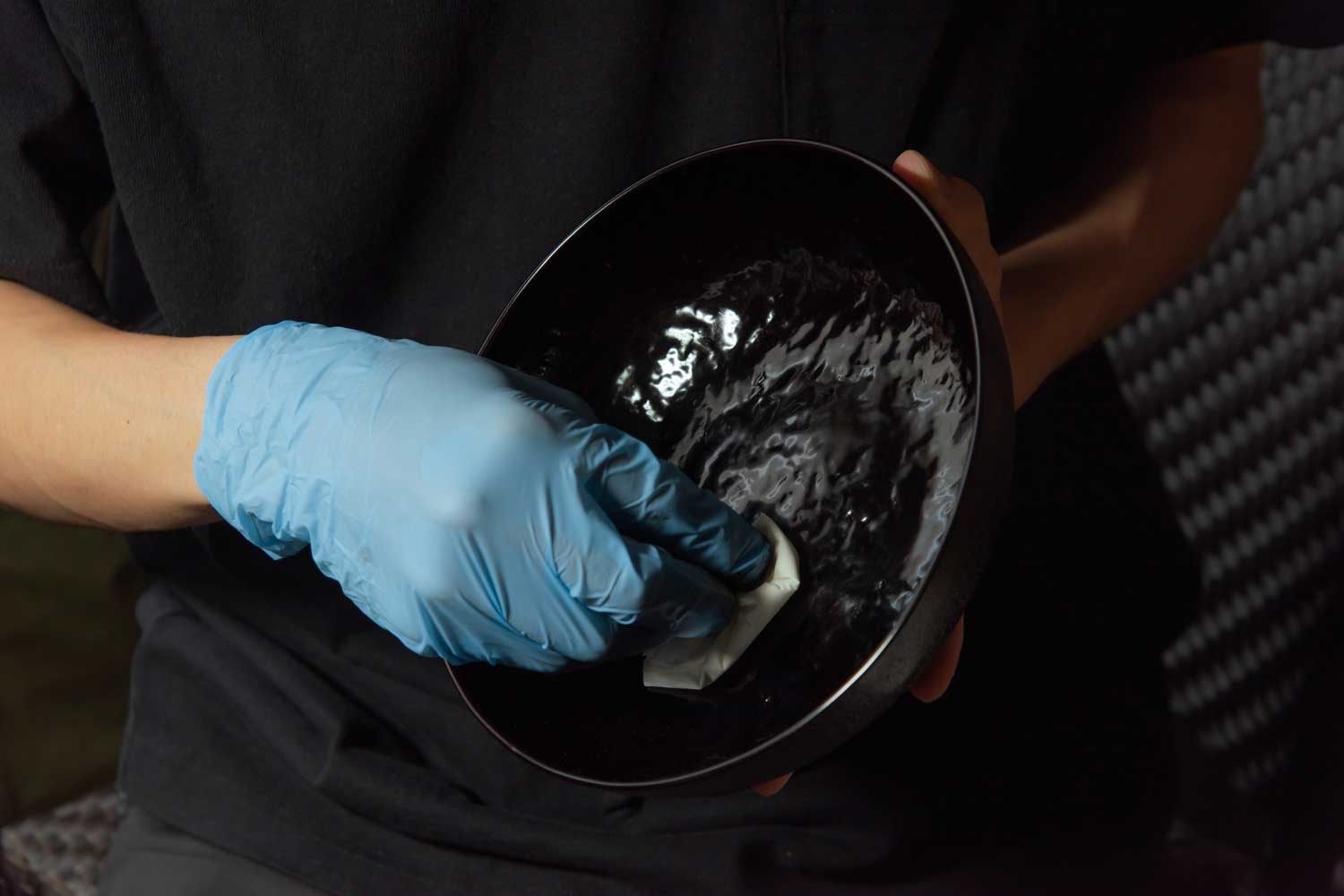
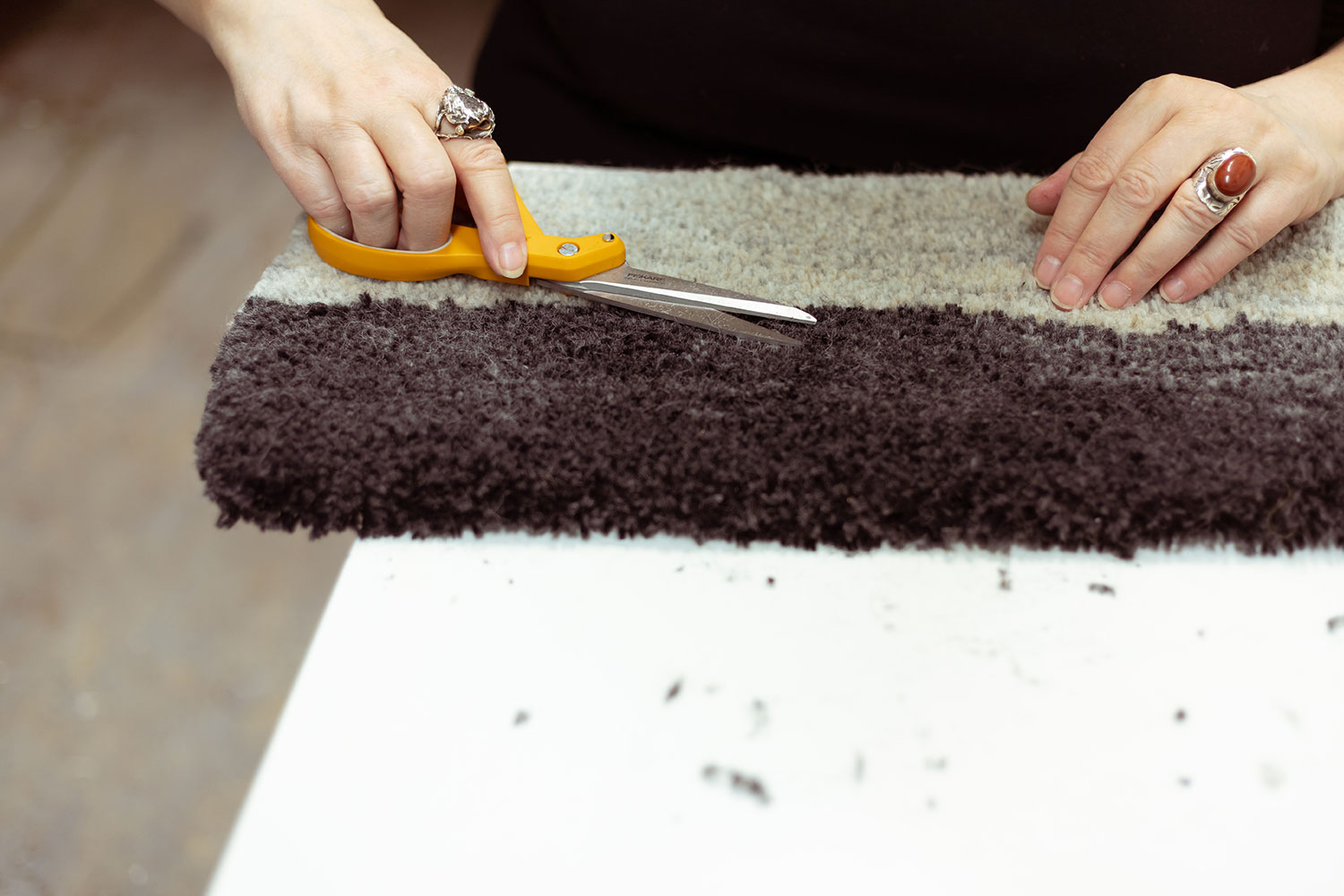
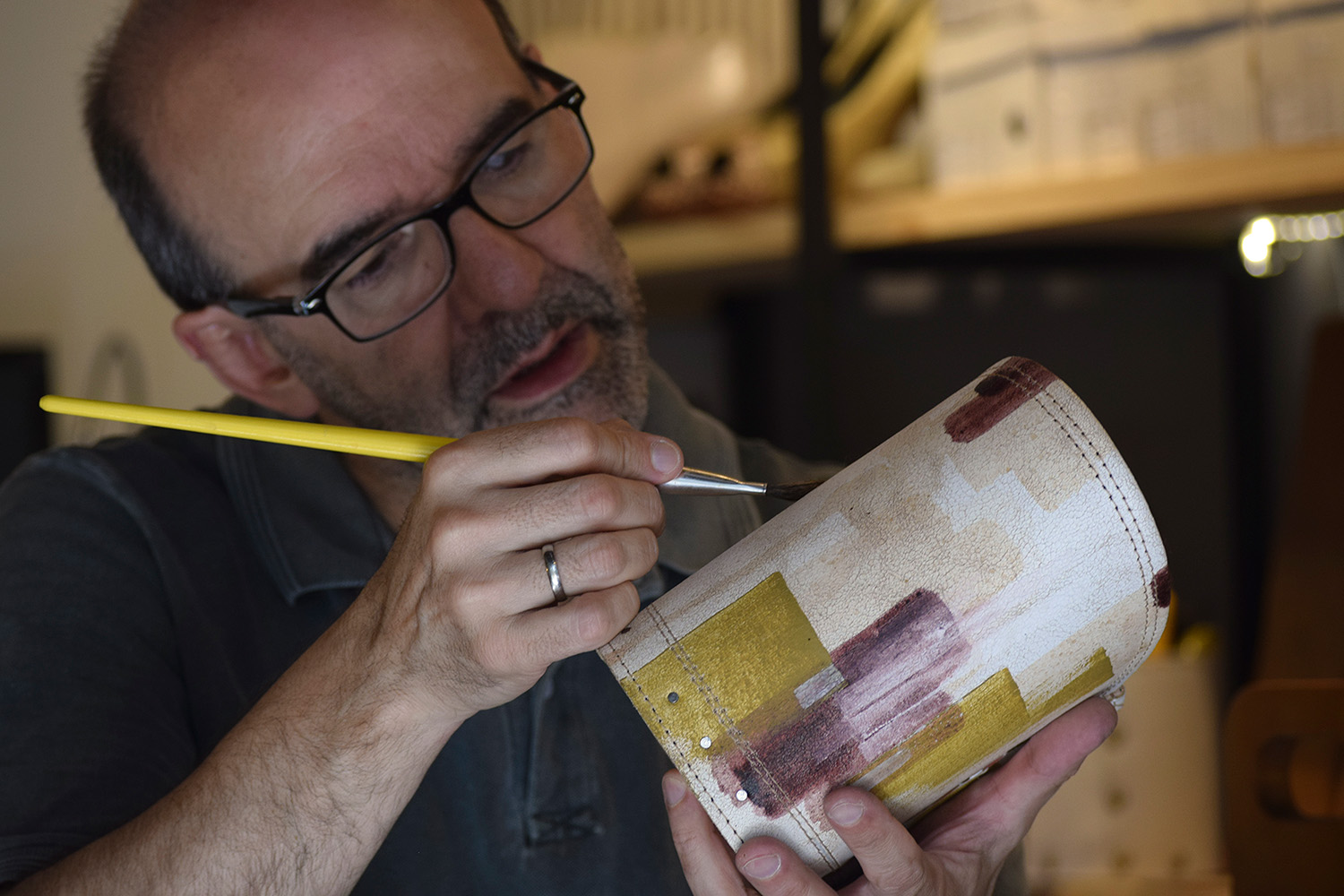
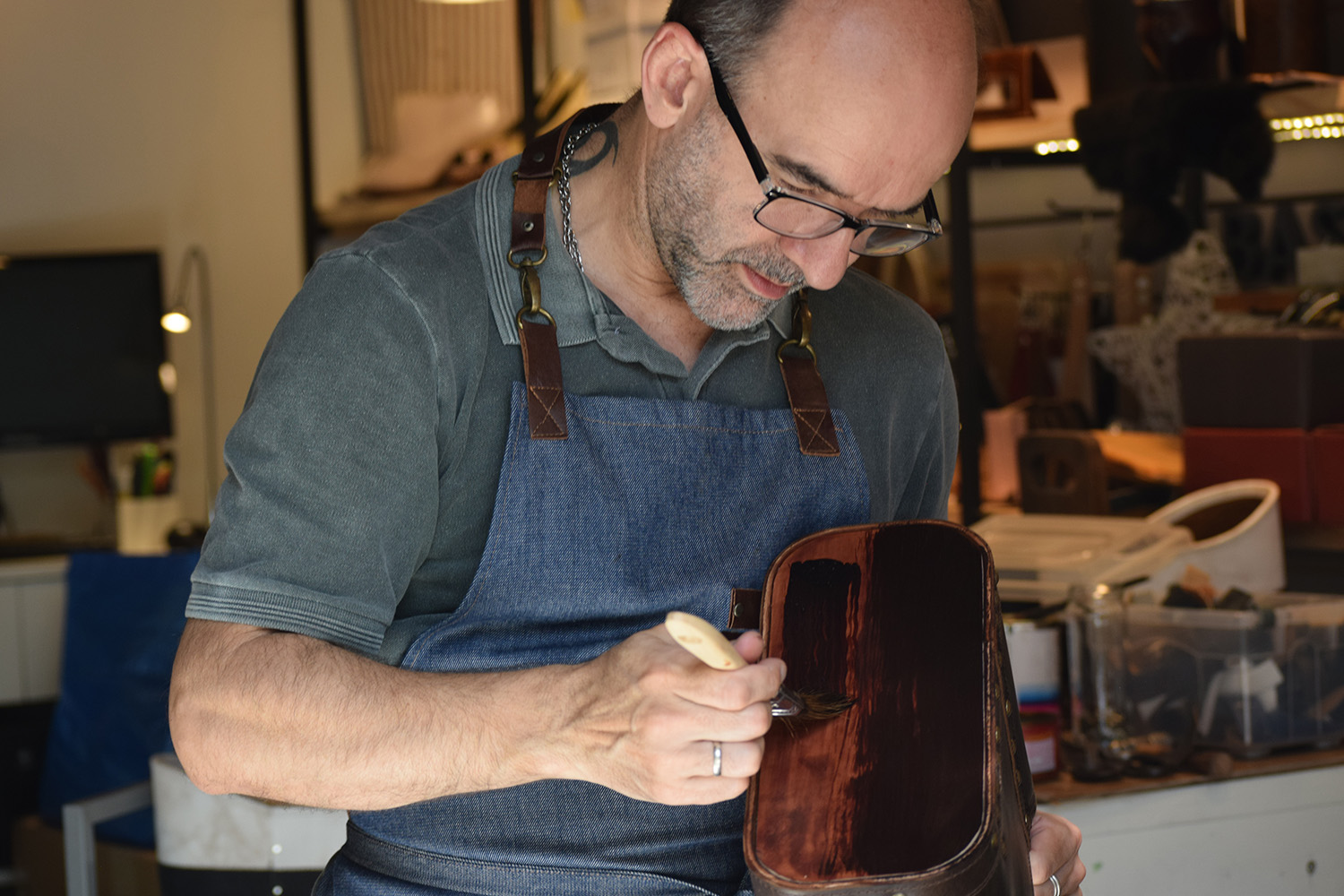
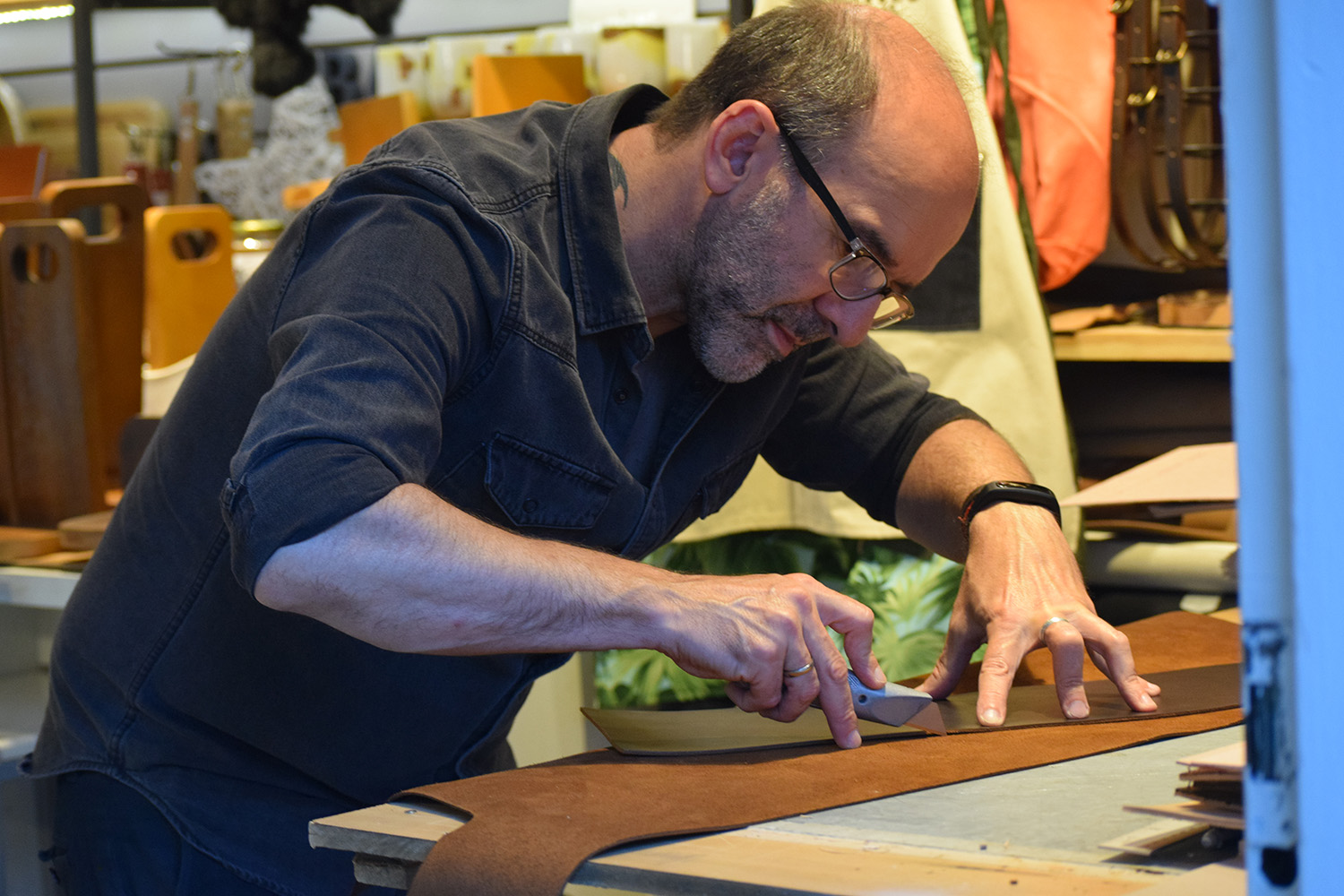
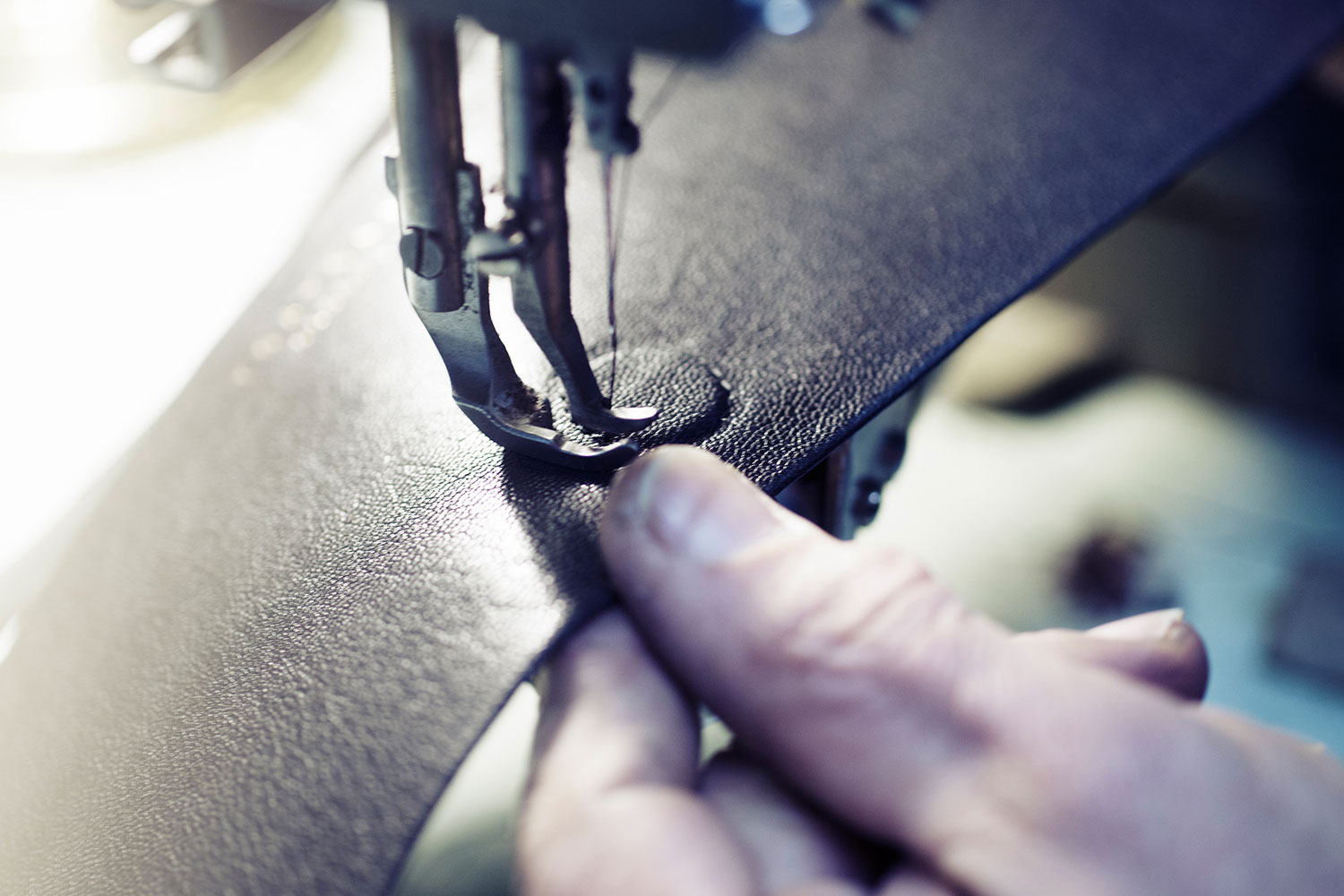
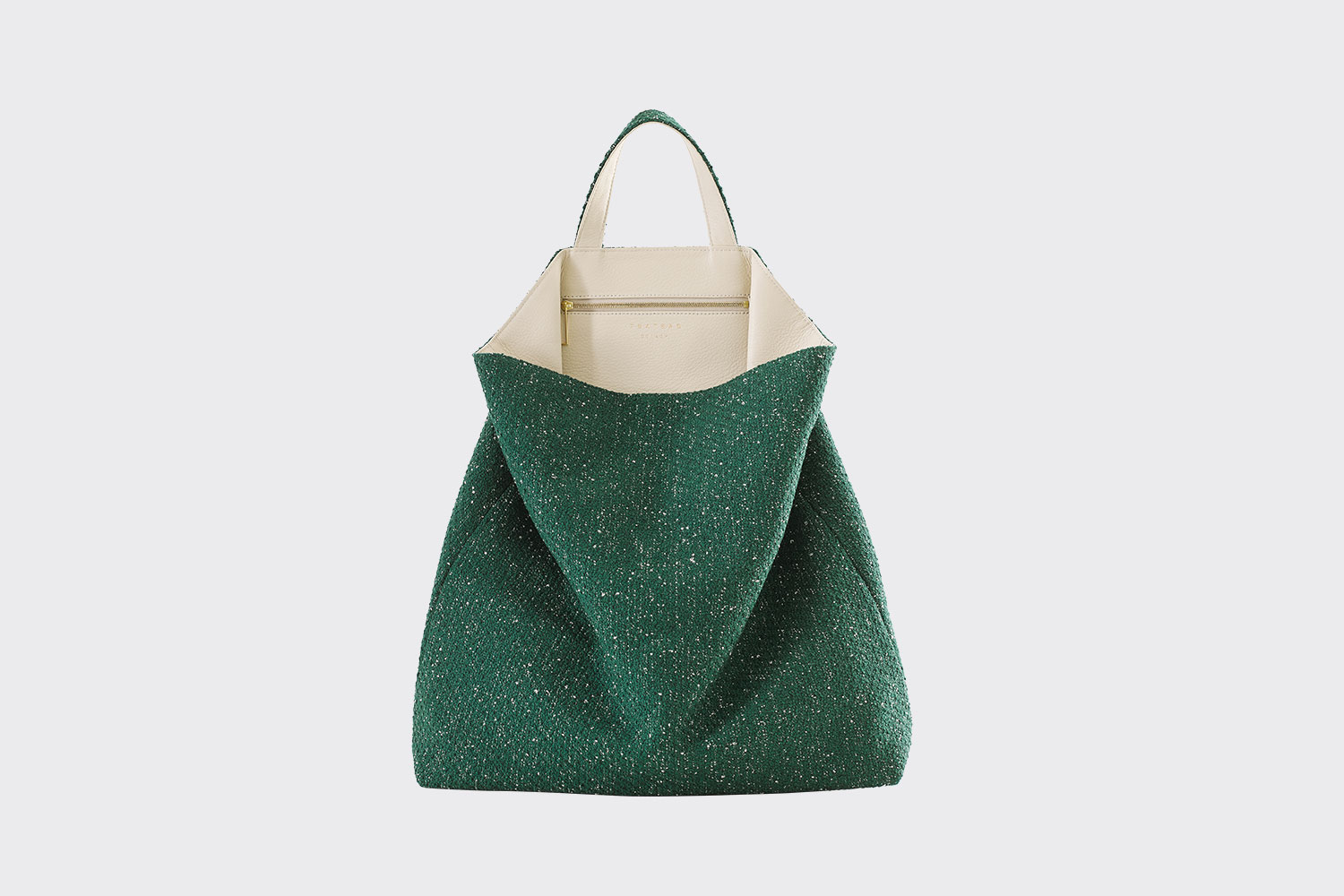
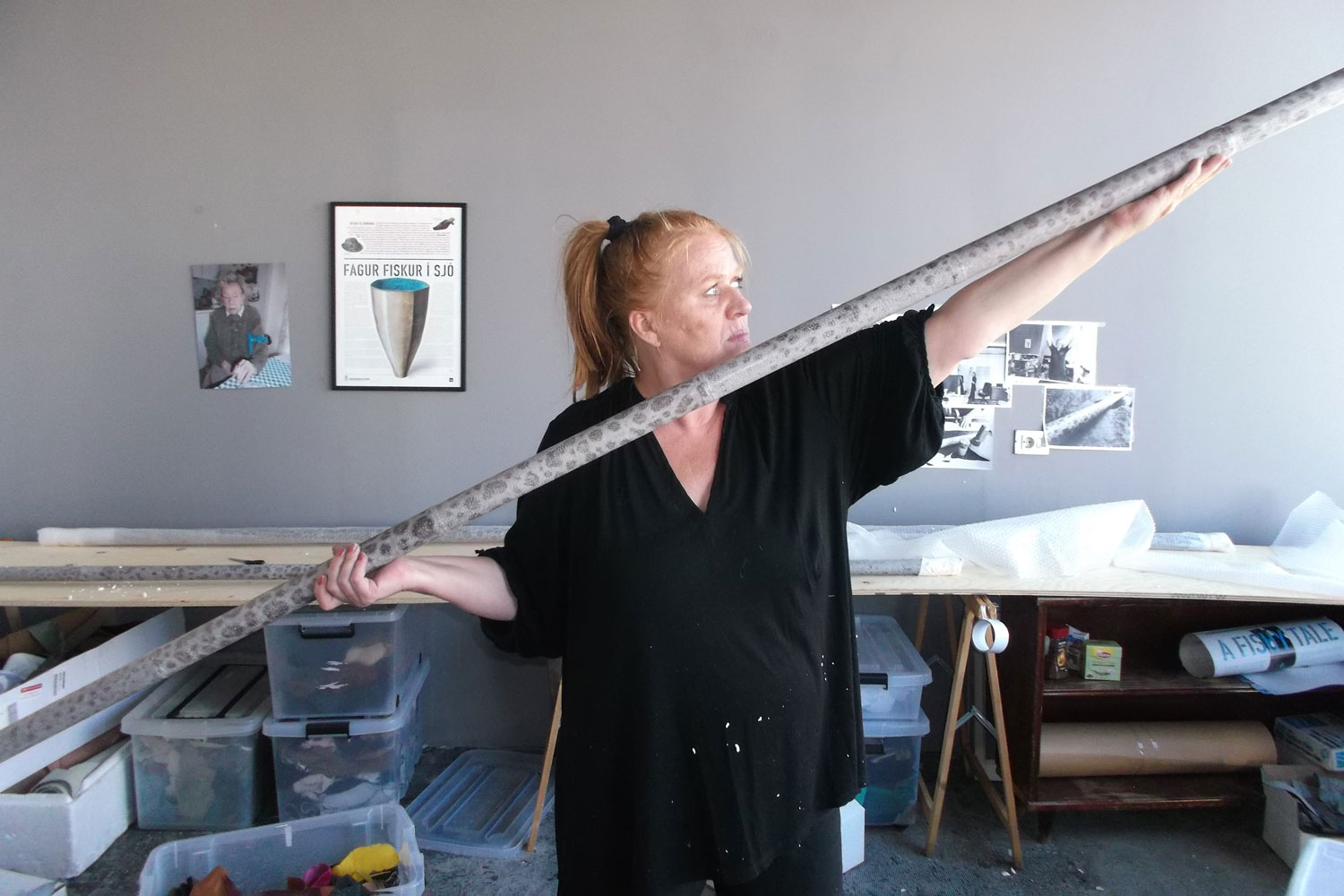
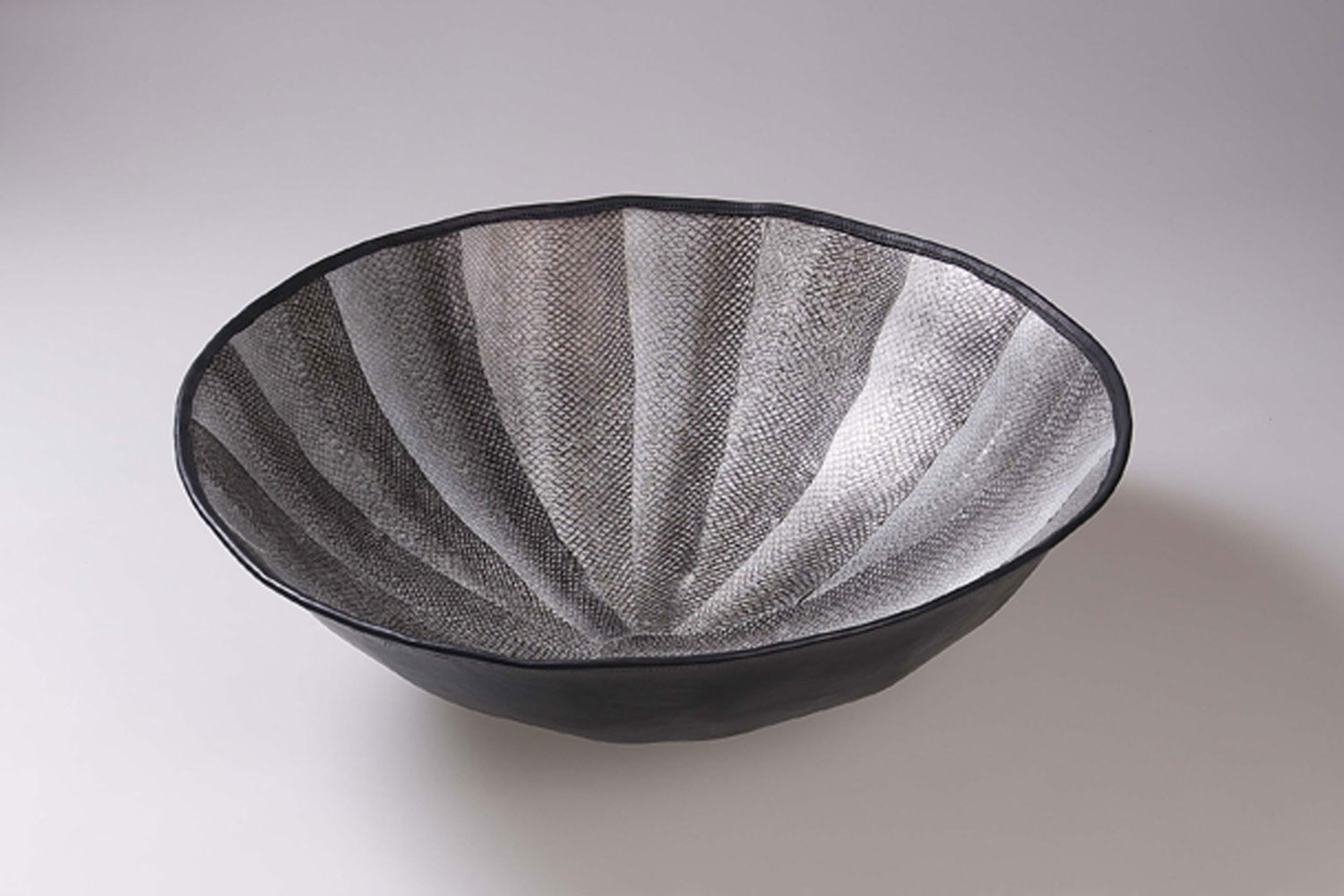
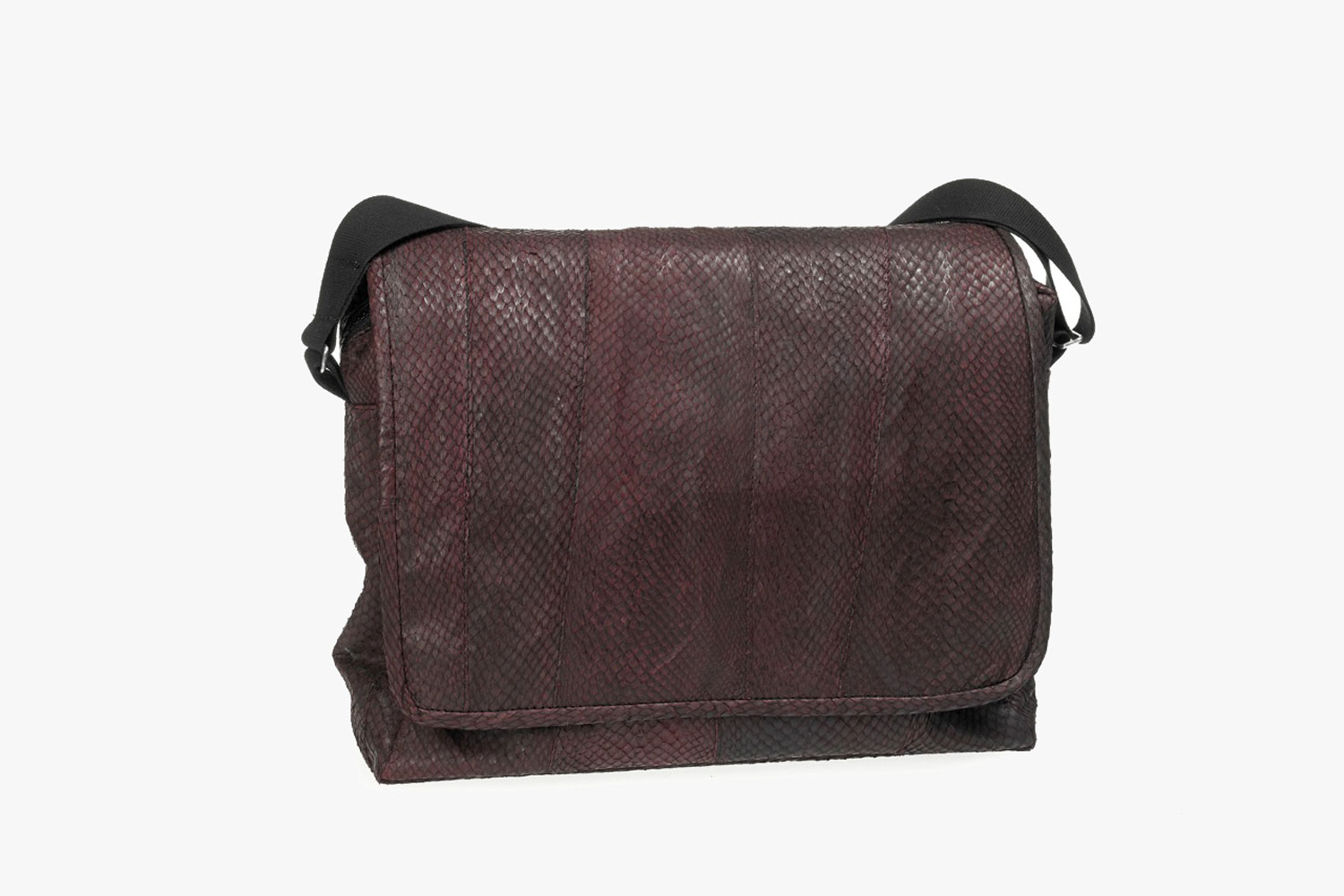
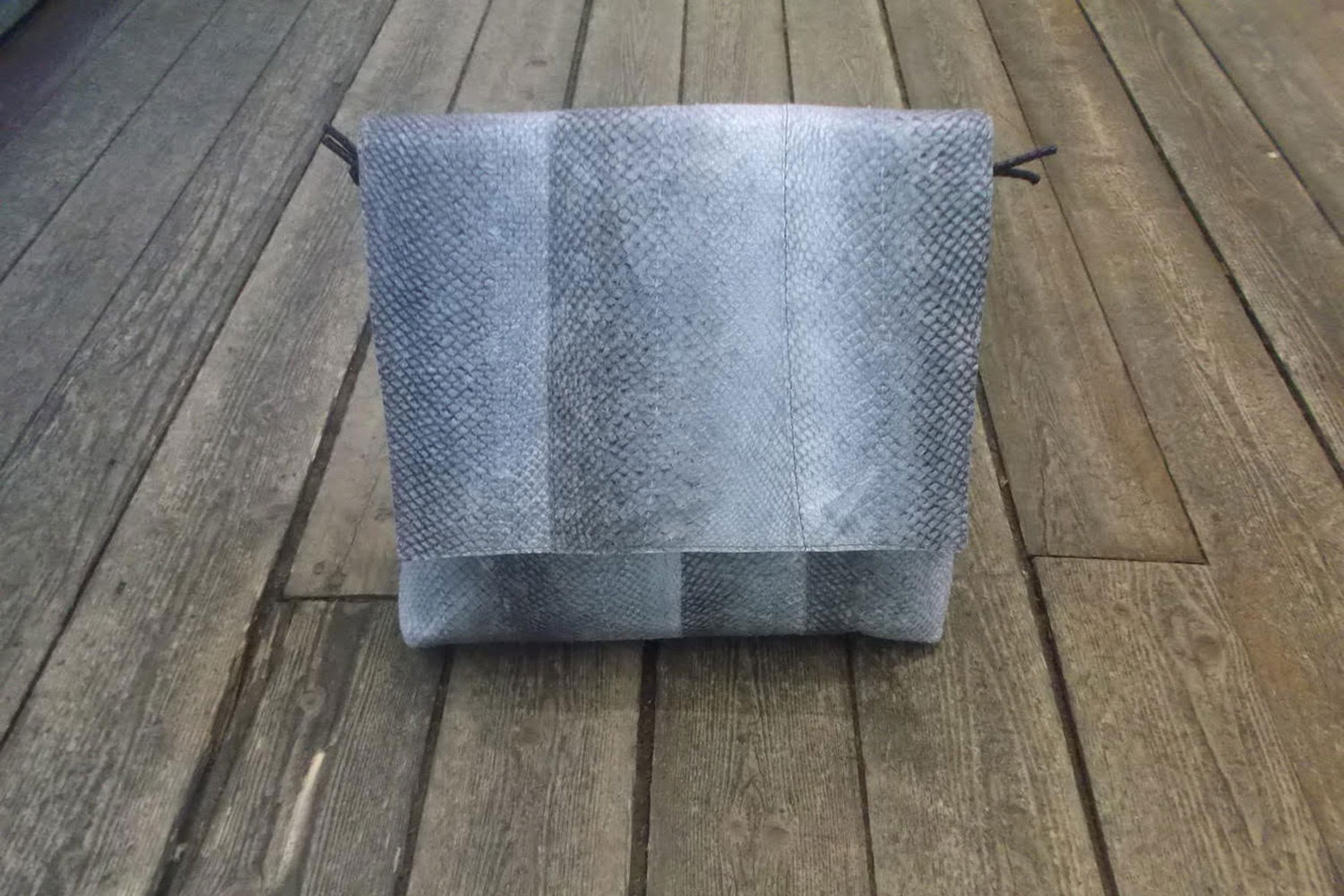
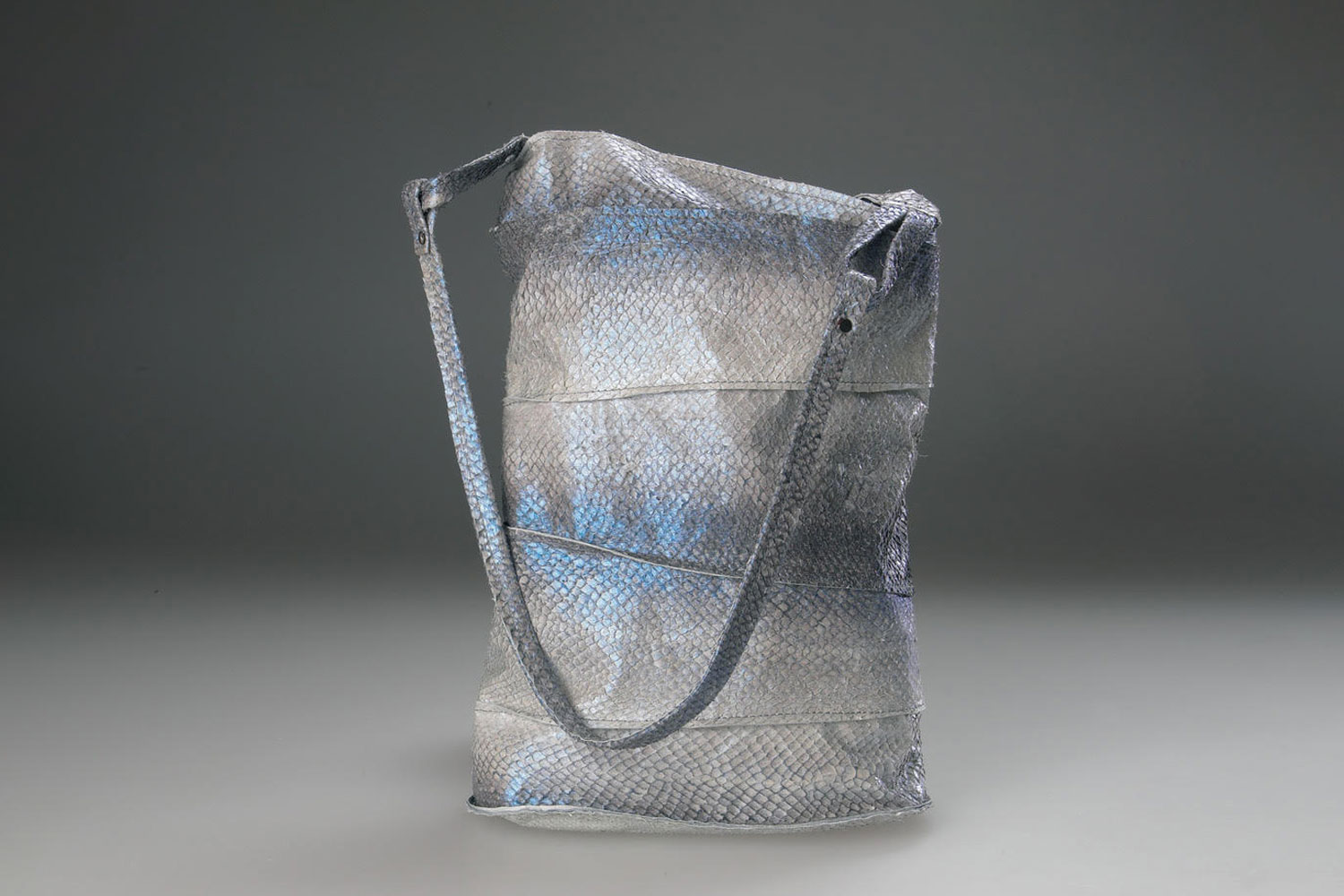
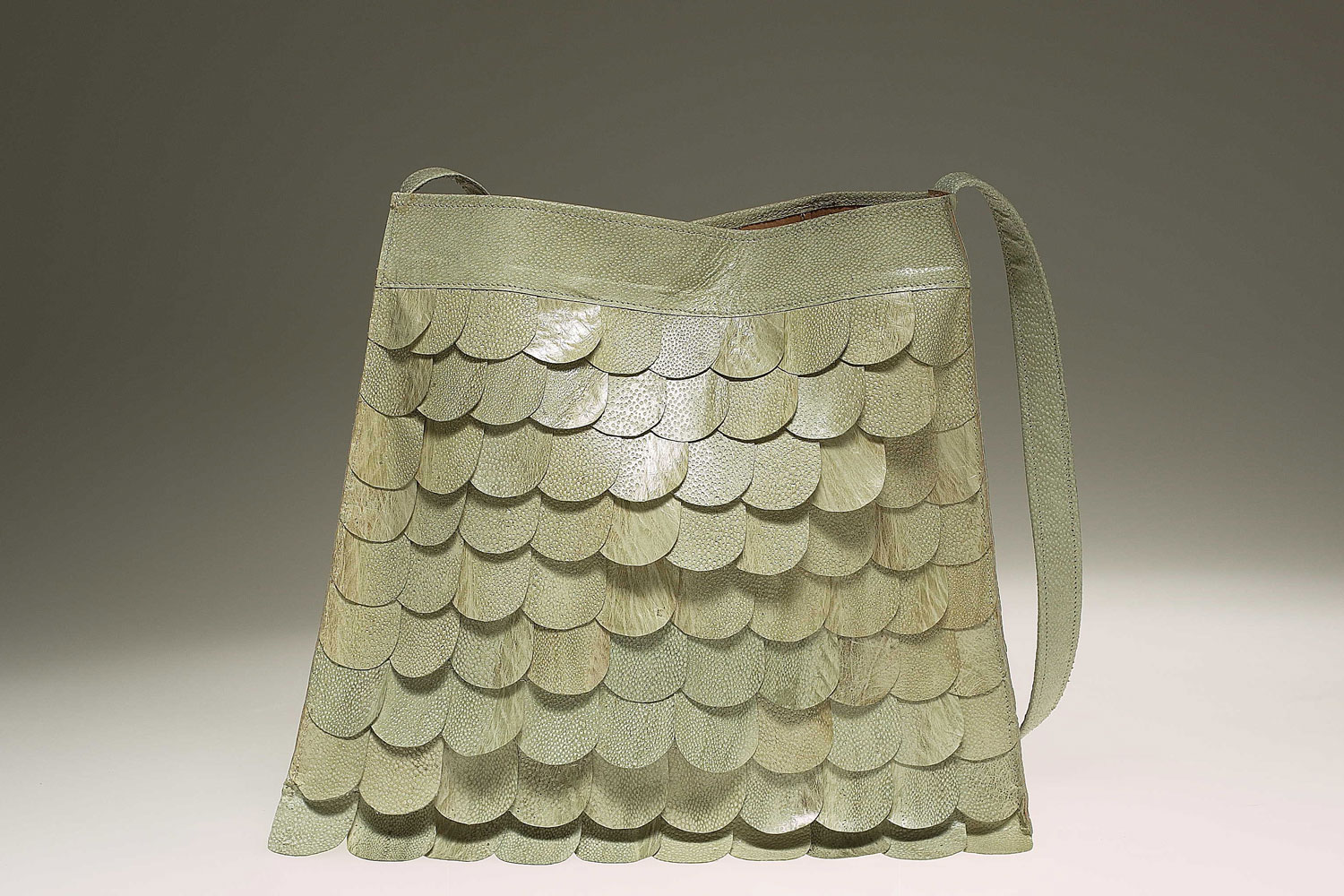
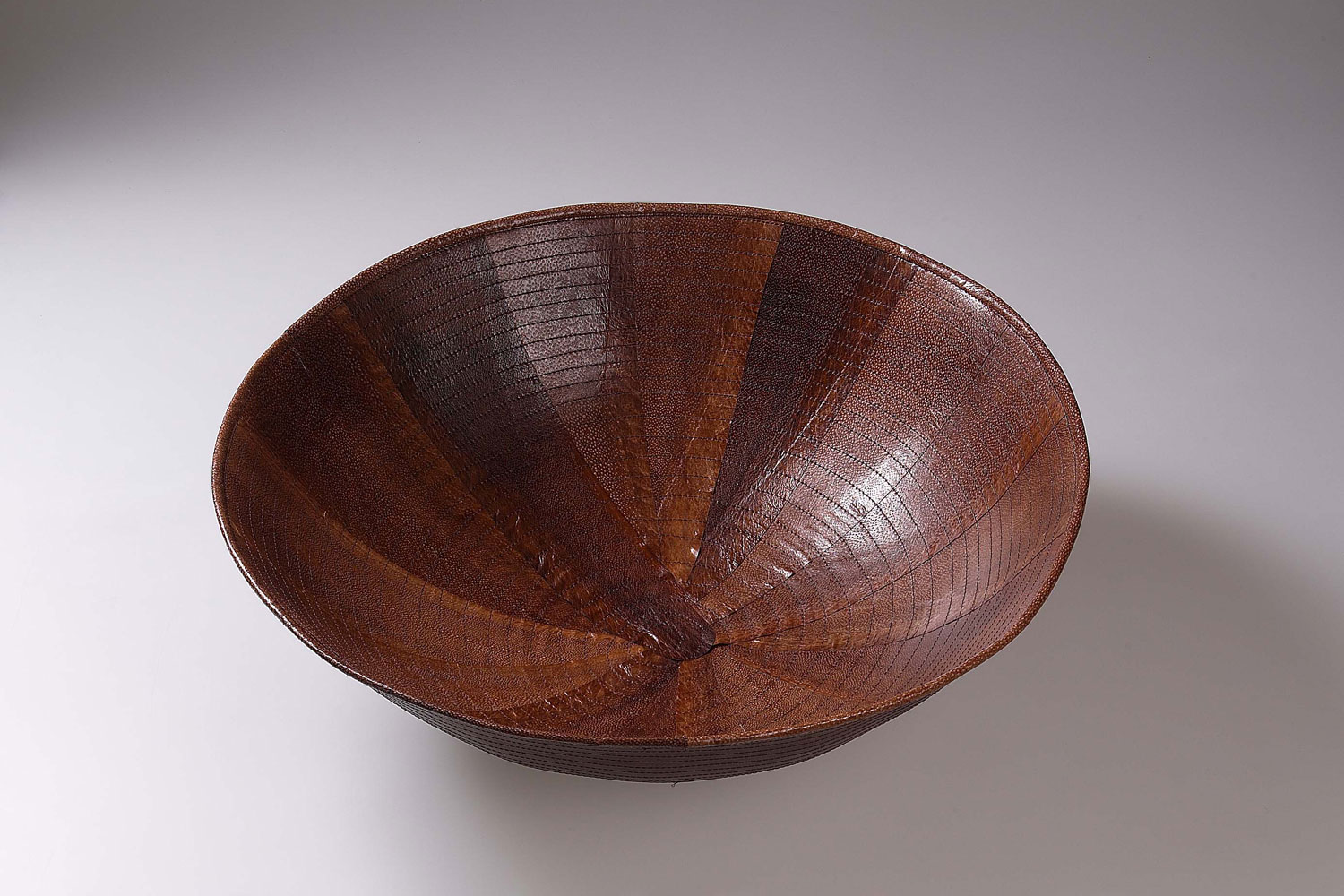
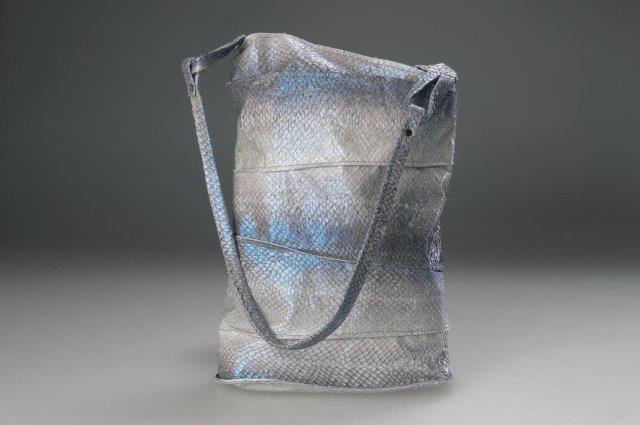
Fish skin may seem an unconventional choice, but it is environmentally friendly, lightweight and durable. Arndís Jóhannsdóttir has been working with fish skin since 1983. She trained as a saddler at the Cordwainers Technical College in London; then studied under master saddlers Þorvaldur Guðjónsson and Steinbjörn Jónsson. Her creations emphasis the balance between aesthetics and functional design. The natural gleam of the fish leather adds an ethereal quality to her products. Her work has been exhibited nationally and internationally, with her pieces being acquired for state collections including the collections of the Ministry of Fisheries and Museum of Design and Applied Art, Garðabær.
Discover her work
INTERVIEW
I was working as a saddler in 1983 when I saw tanned fish skin for the first time. It had been lying in a cellar for 40 years, but it was still strong and in perfect condition. I knew right away that I wanted to make something out of it.
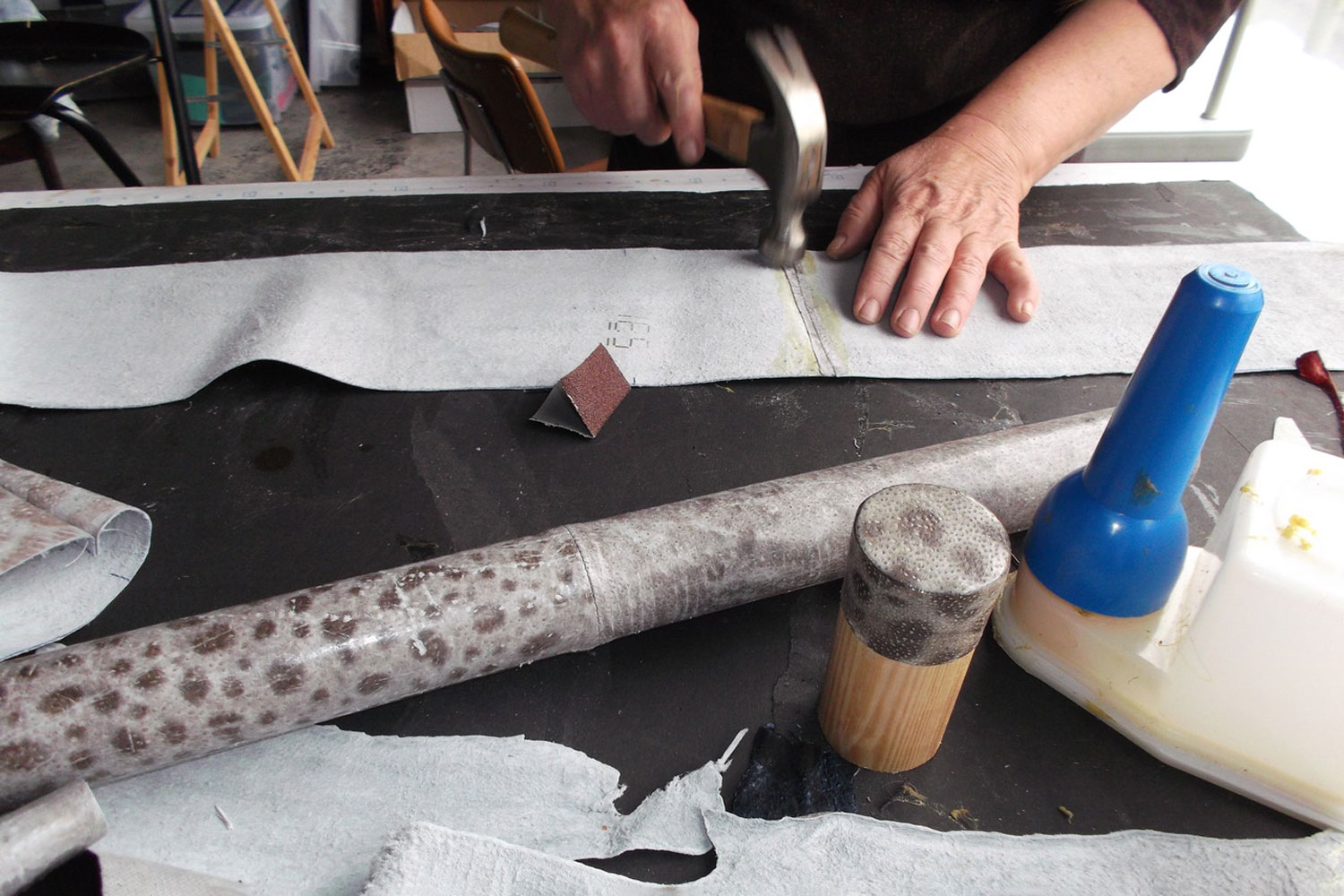
Fish skin is a material that was thrown away before but now it is very valuable and there is often more value in the skin than the fish itself. I love the texture of fish skin and the qualities of this material; beautiful, strong, thin and flexible.
The smell – or lack of a smell! People have the impression that leather made of fish skin will smell really bad, but by the time it reaches my studio to be made into products, it has been treated and just smells like leather.
Finding fish leather really changed my practice. When I realised that I could make a living out creating things from this unique material something awoke within me. For me, it is all about quality of materials and respecting the source of these gifts.

Arndís Jóhannsdóttir
Leatherworker
Reykjavík, Iceland
AVAILABILITY
By appointment only
PHONE
+354 8984925
LANGUAGES
Icelandic, English, Danish
Homo Faber Finds is a new service aiming to inspire admirers of craft to connect and collaborate with exceptional artisans.
We invite you to submit an enquiry here.