Ana Jakić Jevtović
Ceramicist
Kraljevo, Serbia
The thrill of creating
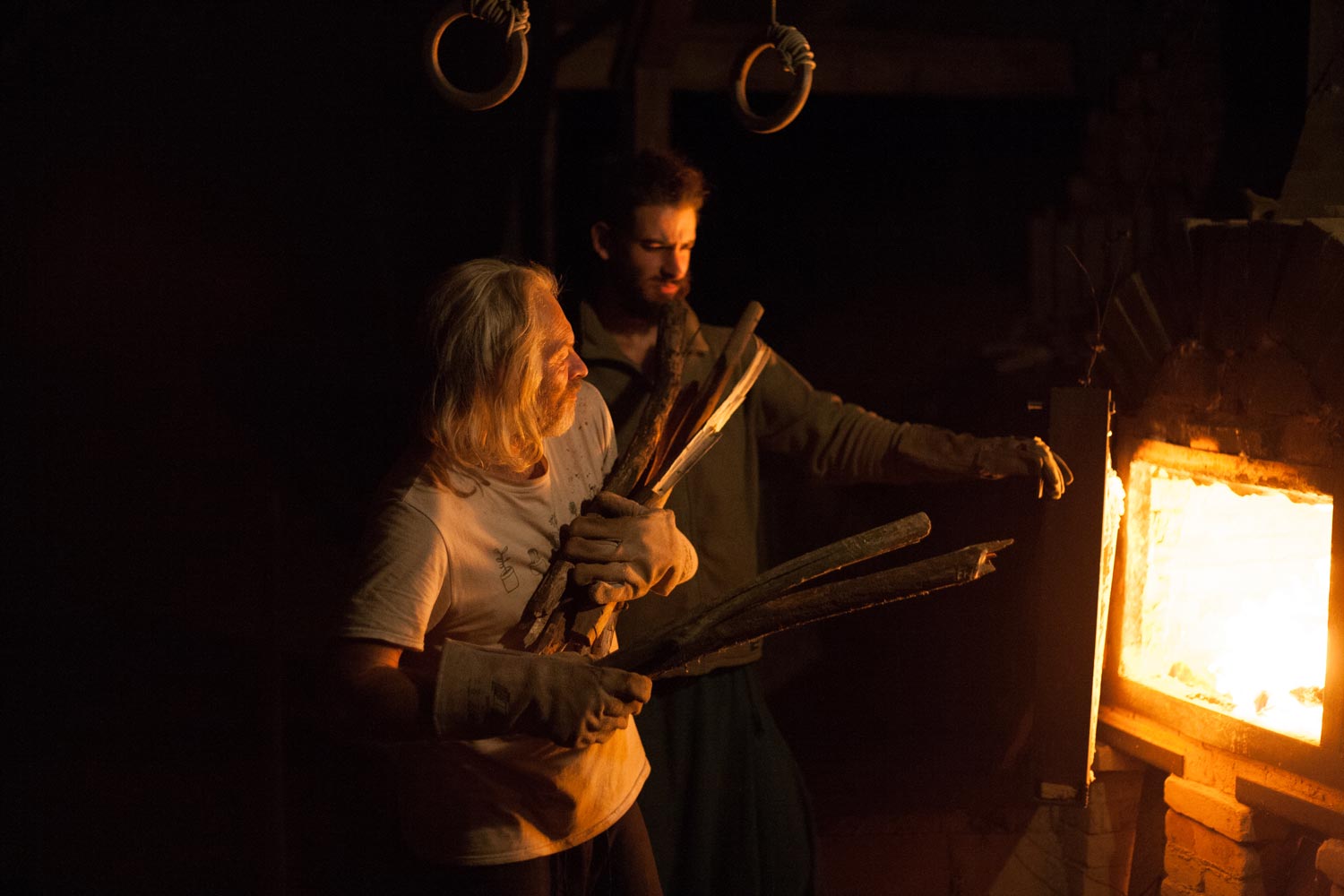
- Ana loves experimenting with ancient firing techniques
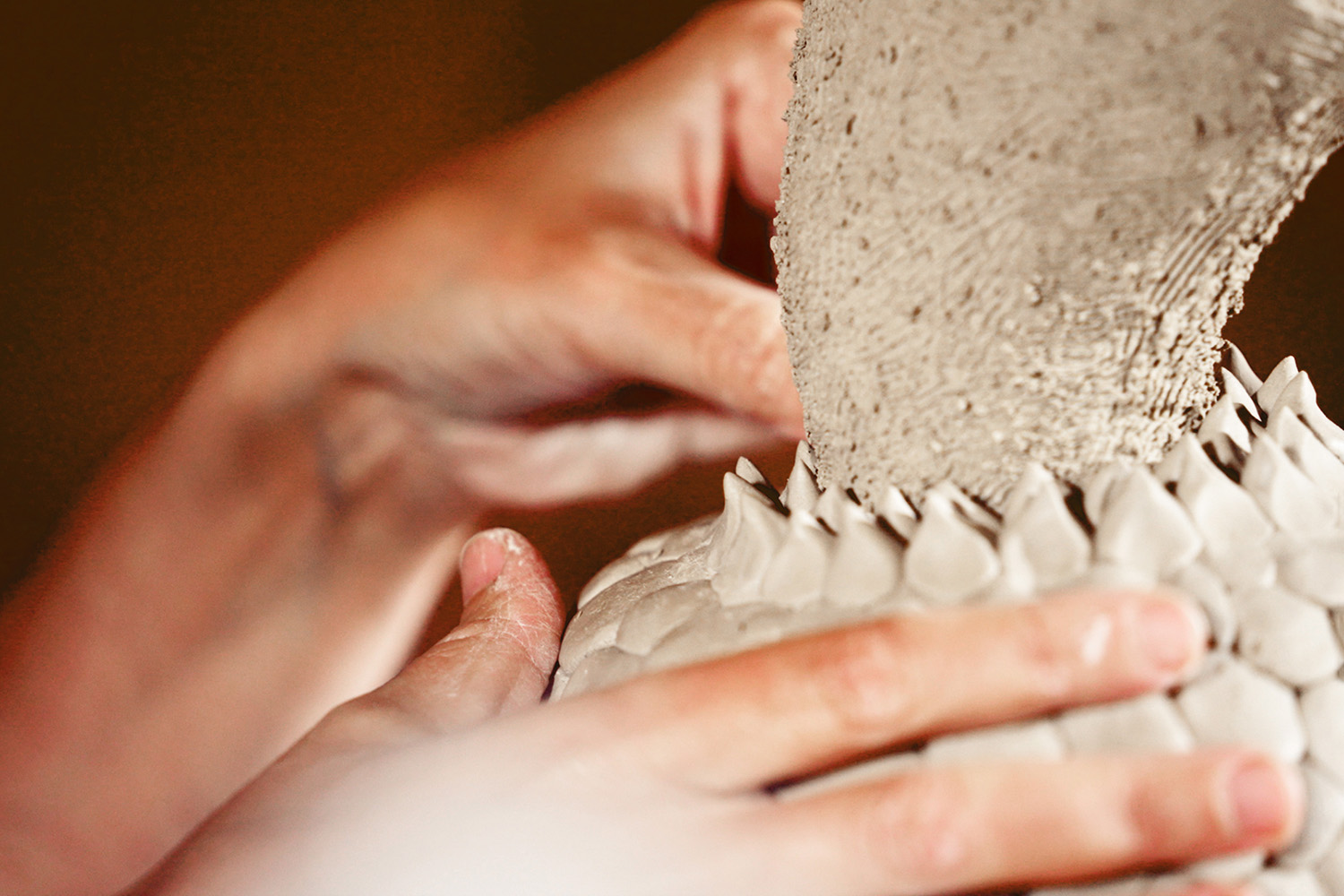
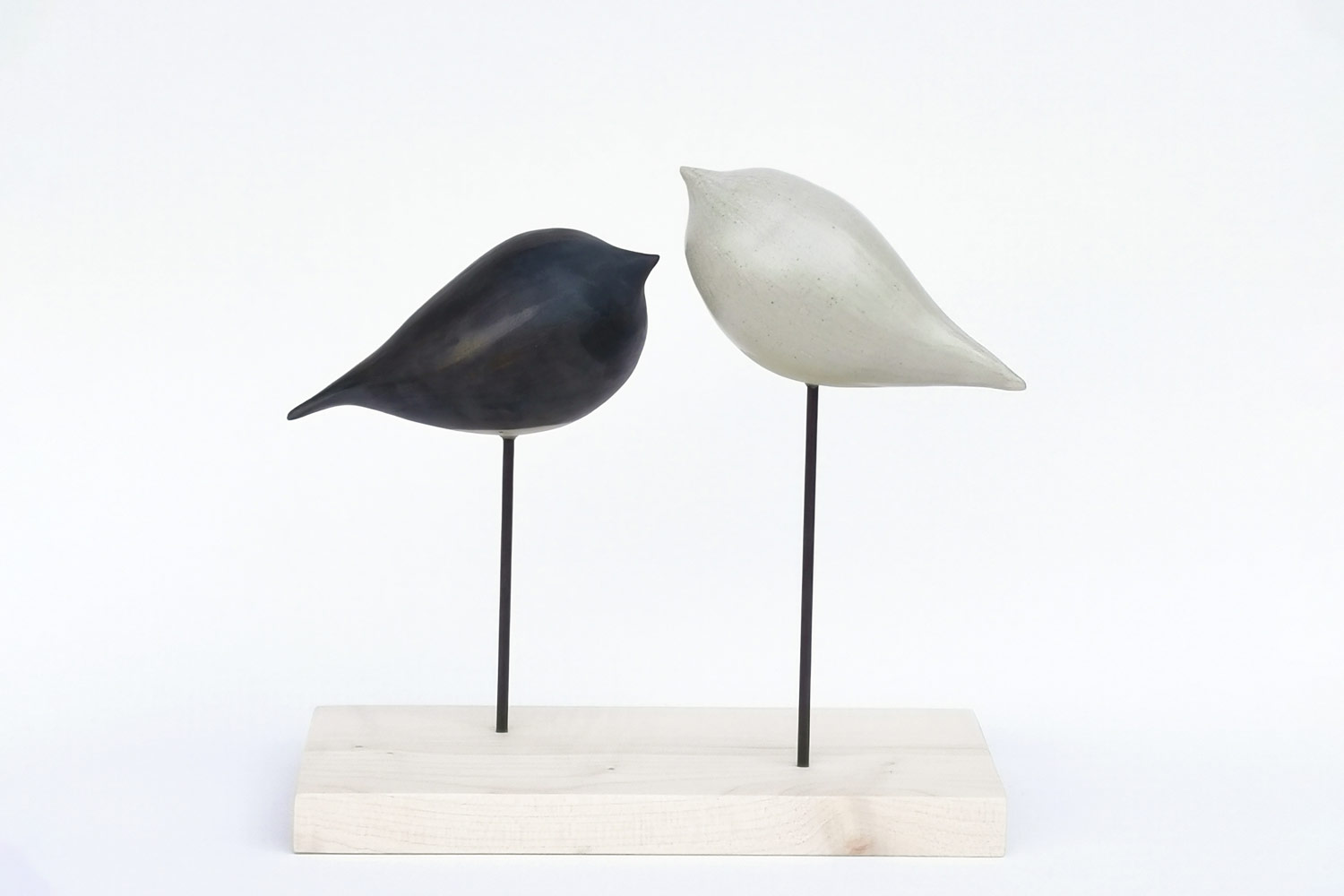
- She sees ceramic art as the perfect blend of colour and form
- By combining techniques, she keeps discovering new methods in ceramics
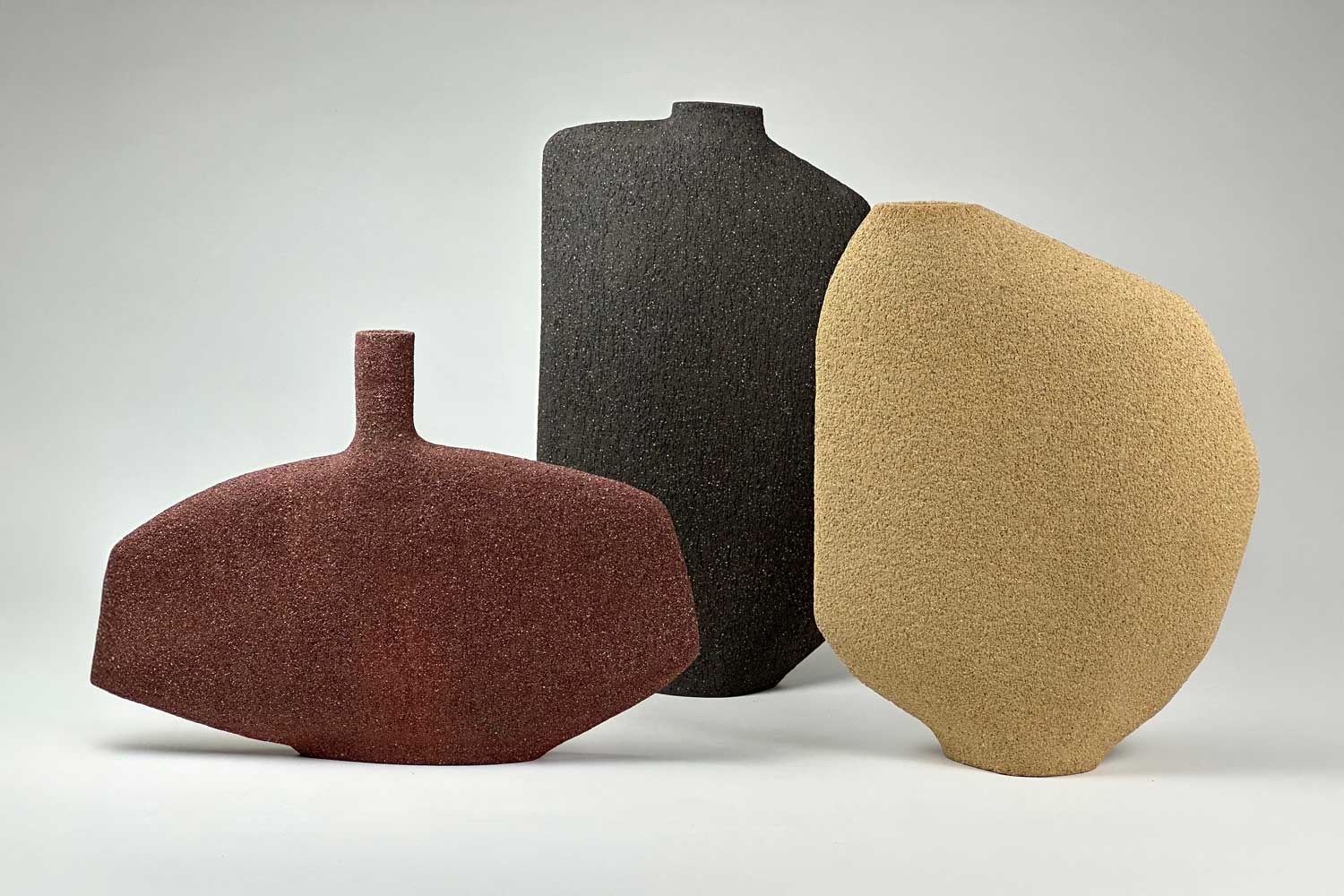
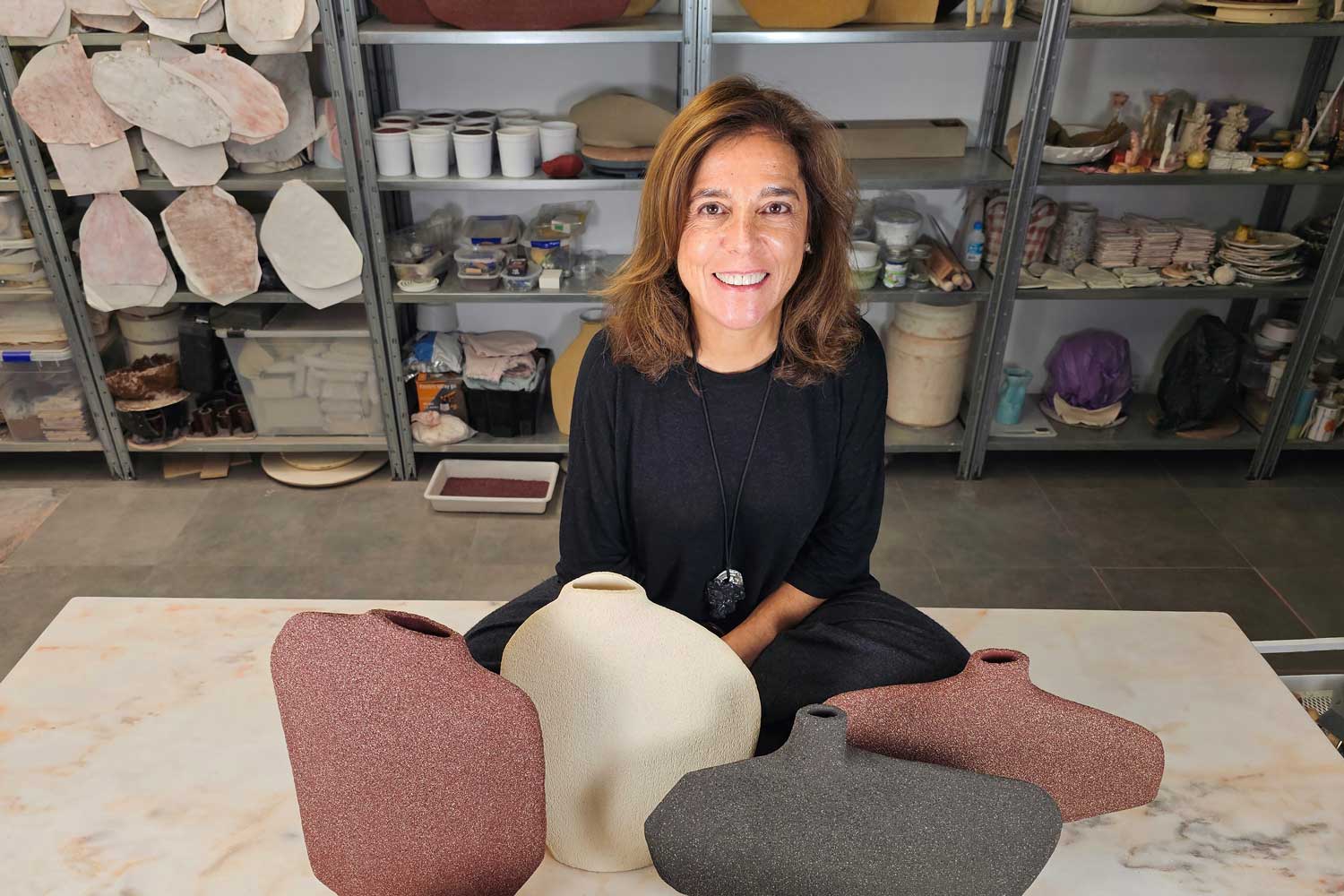
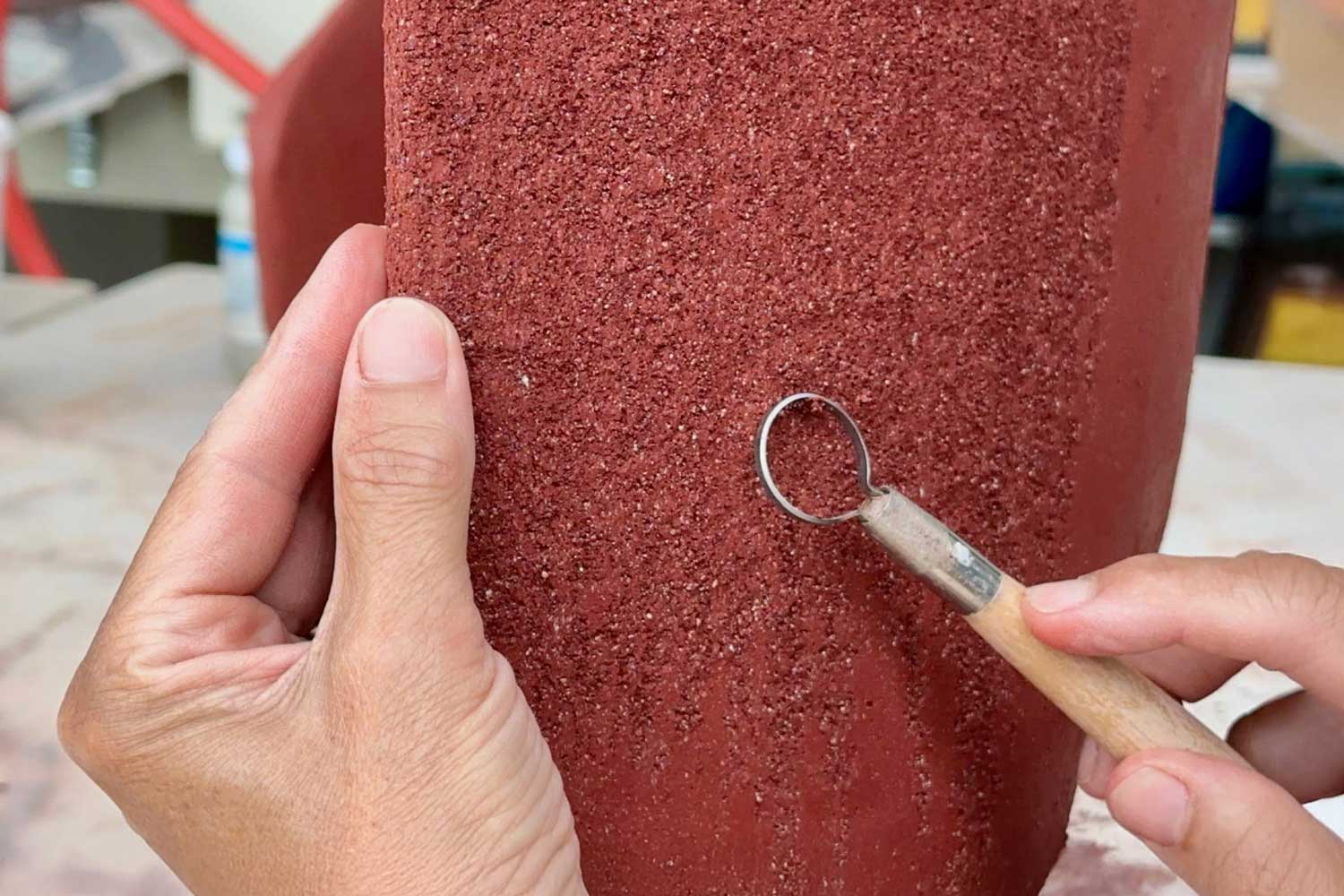
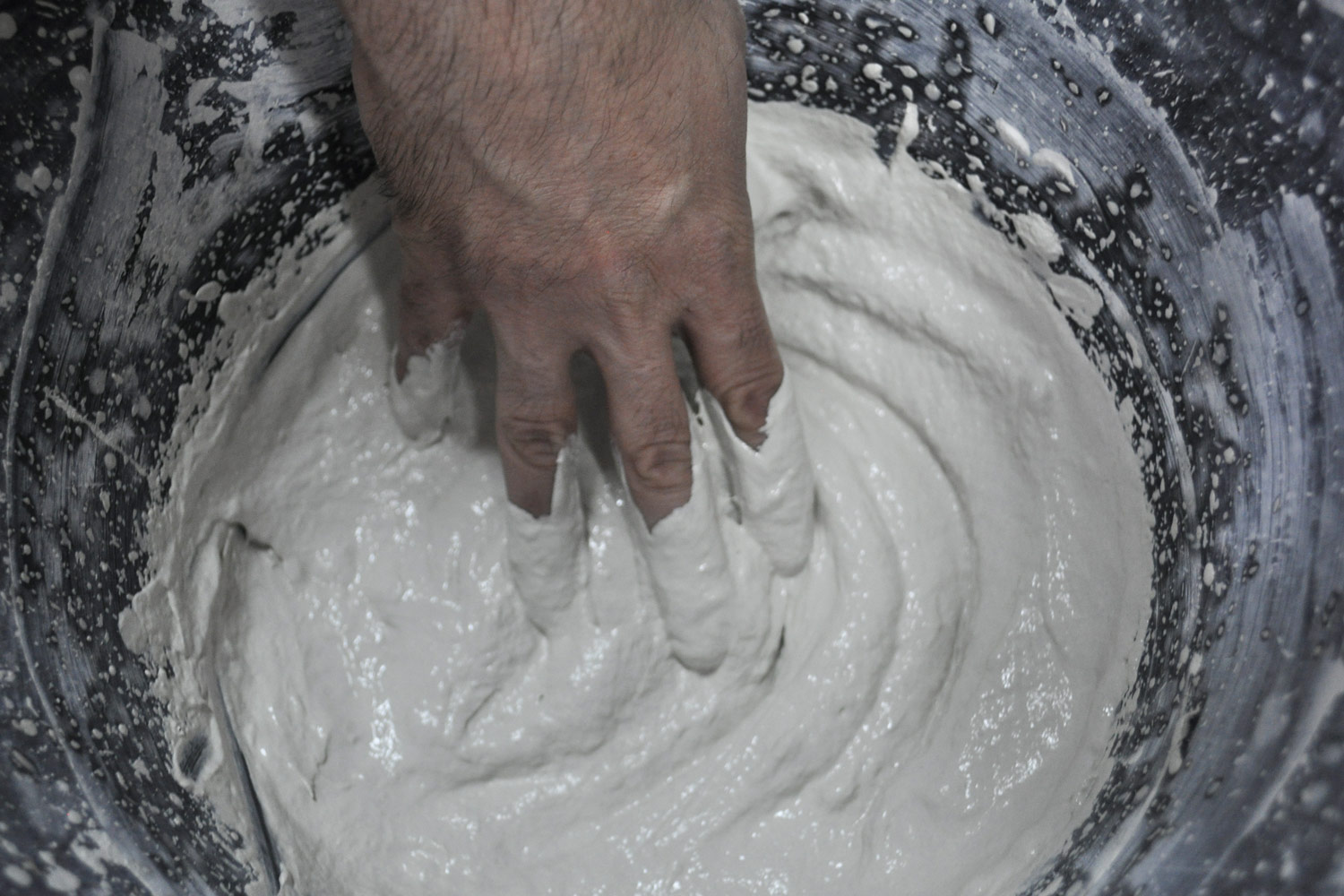
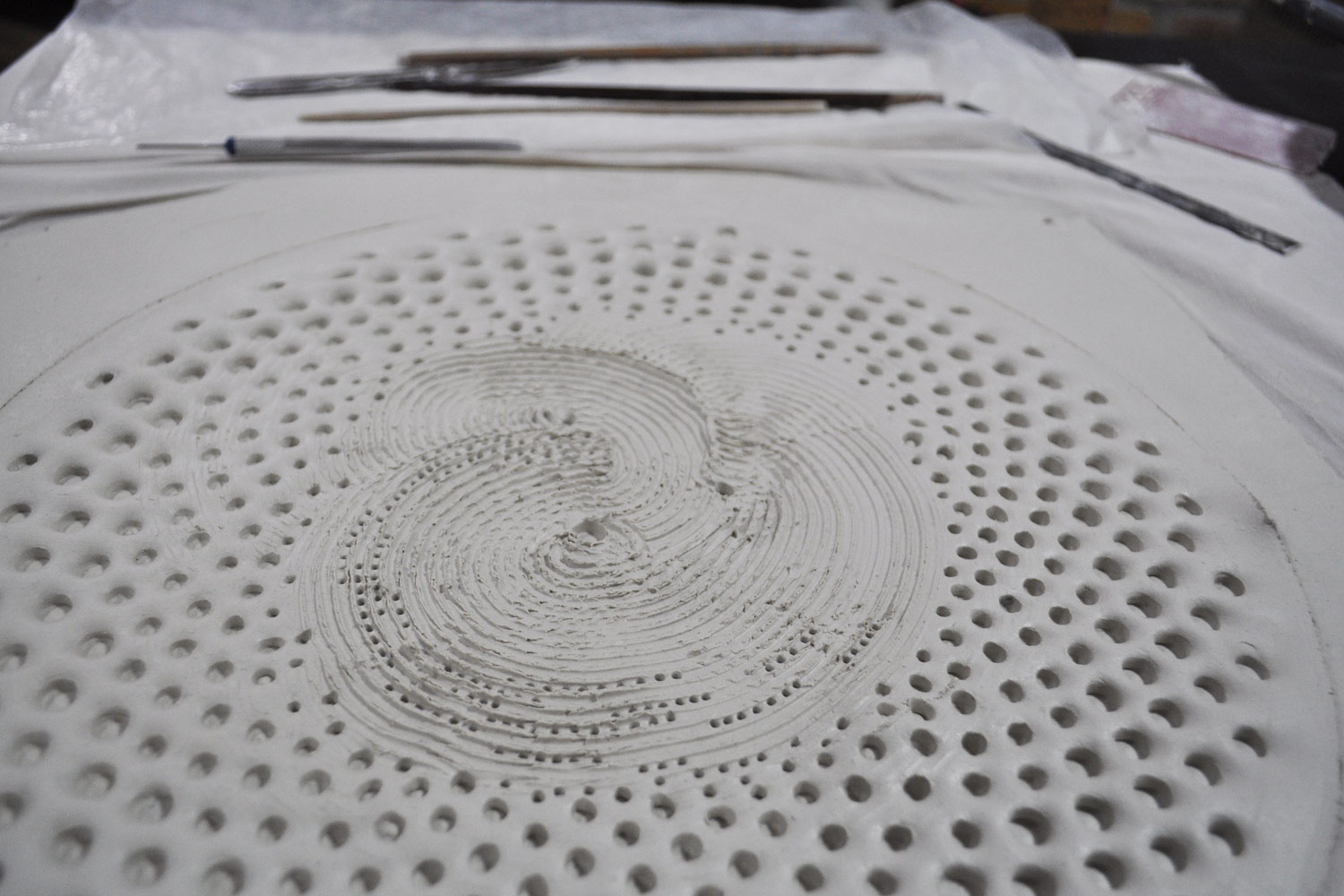
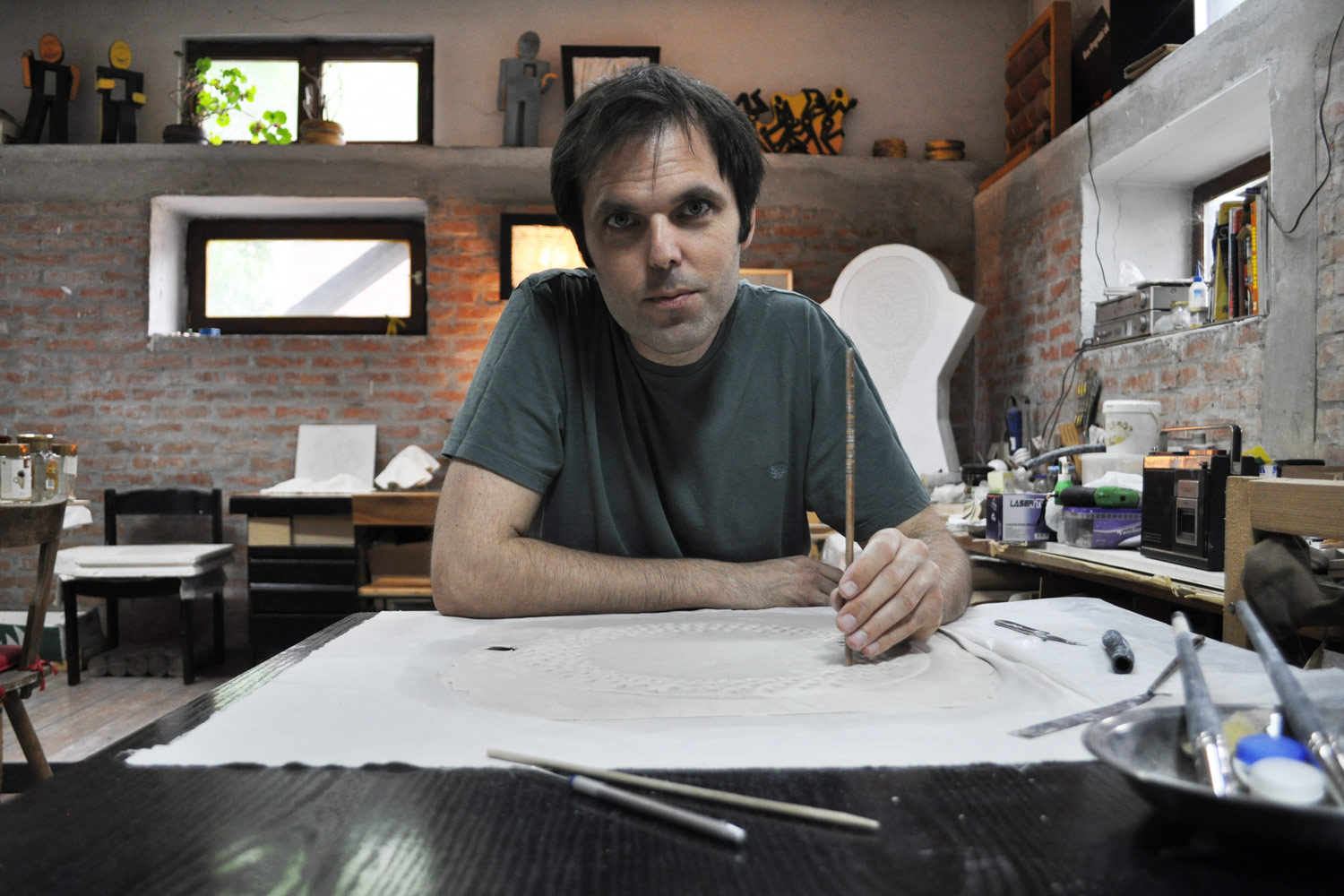
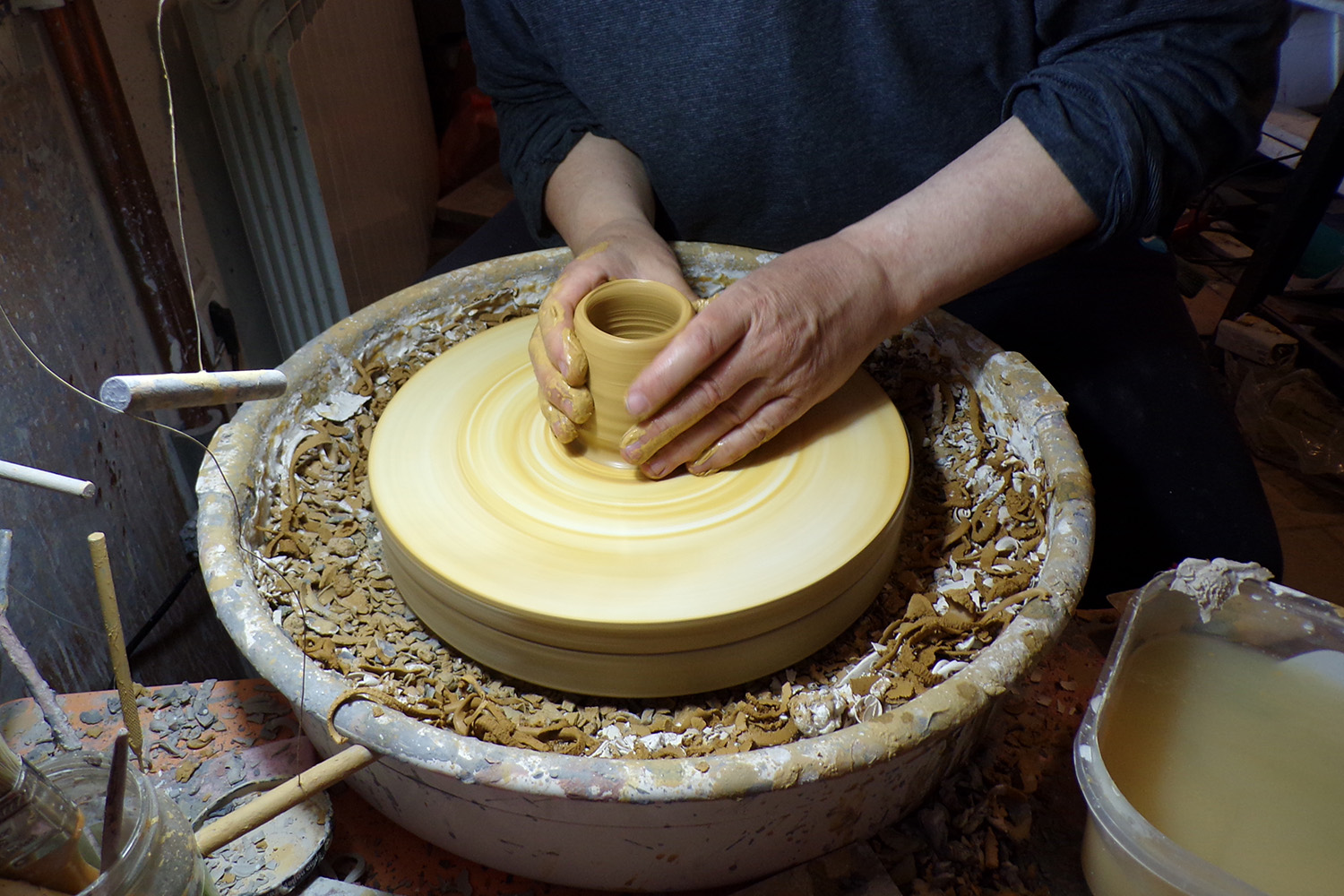
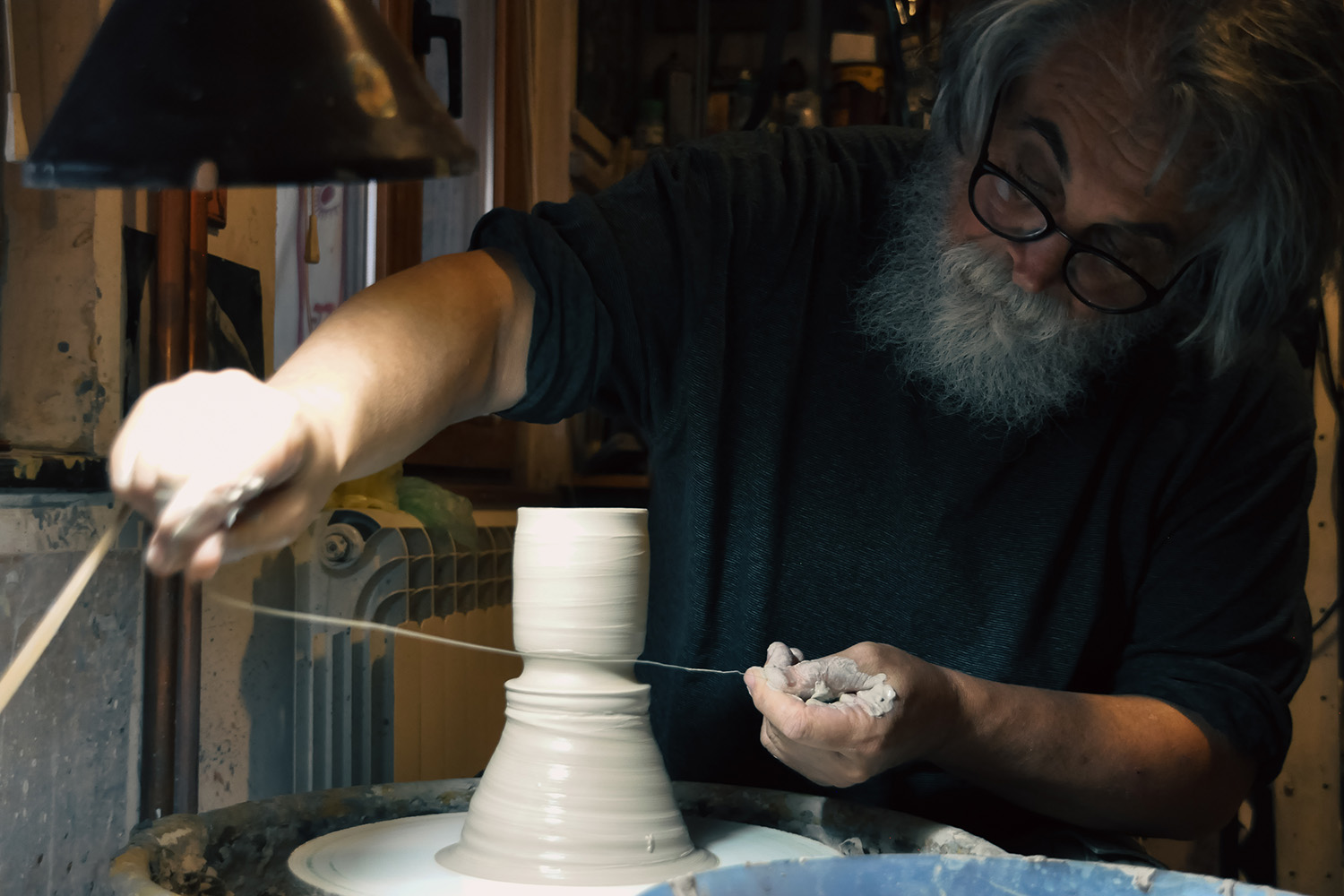
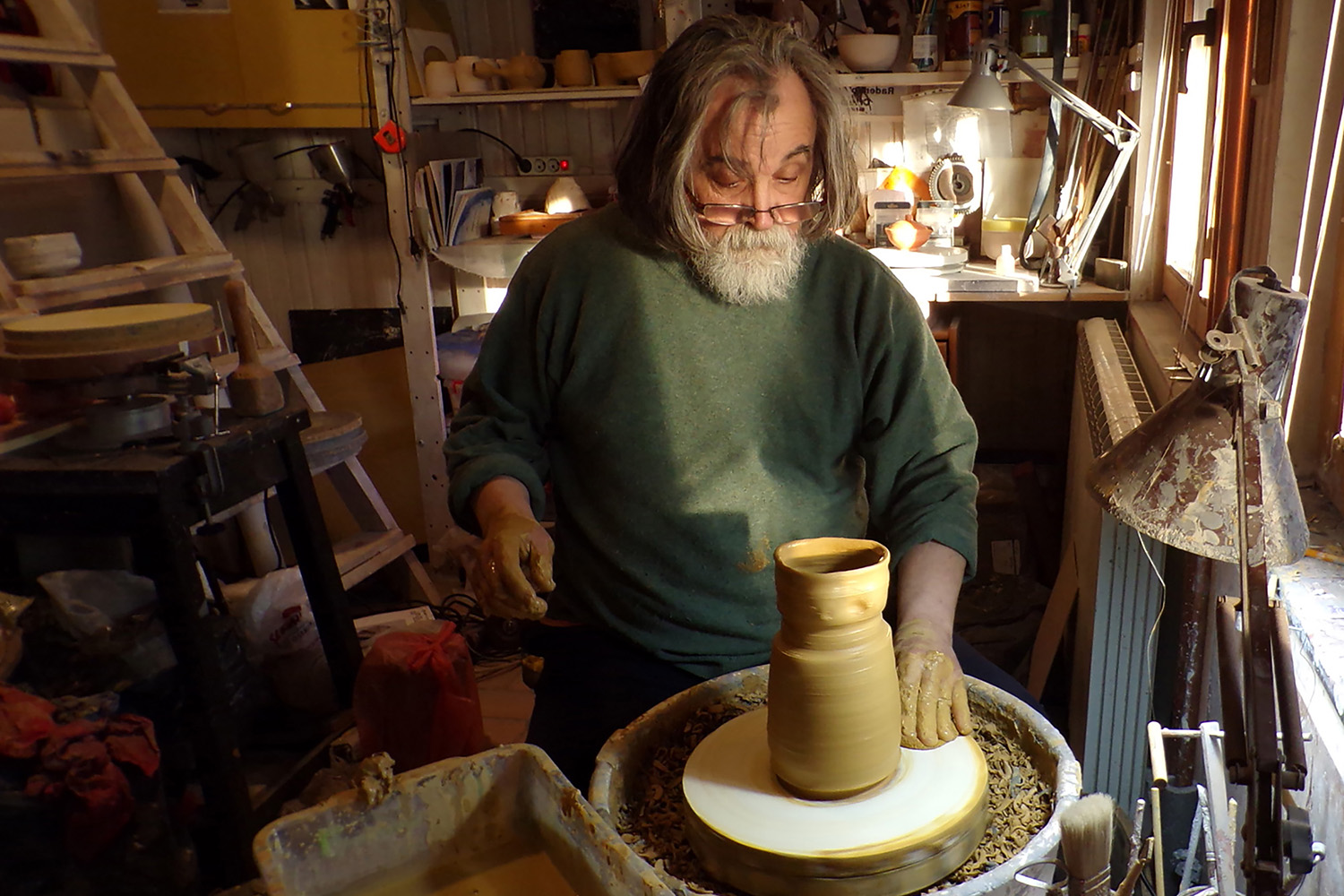
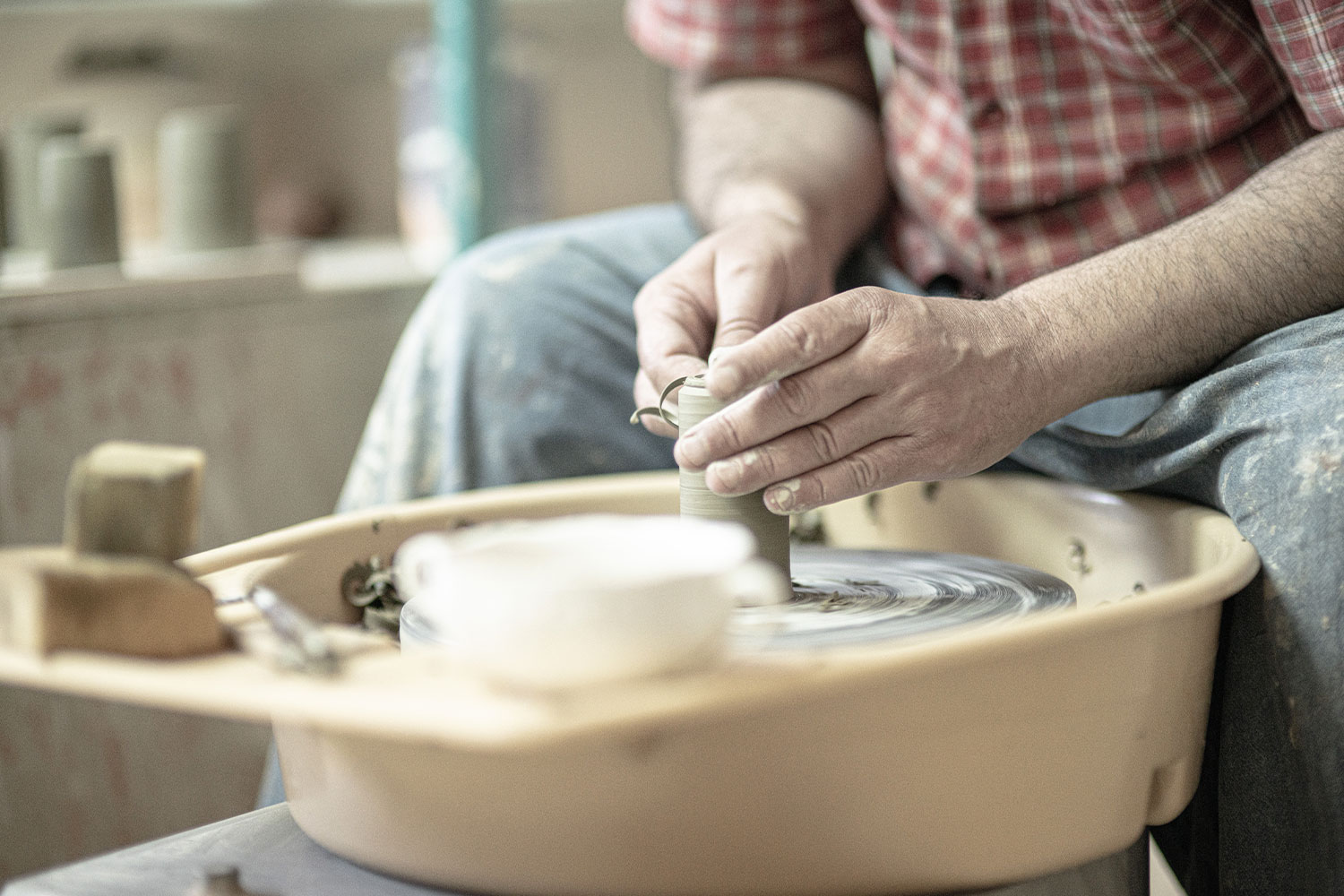
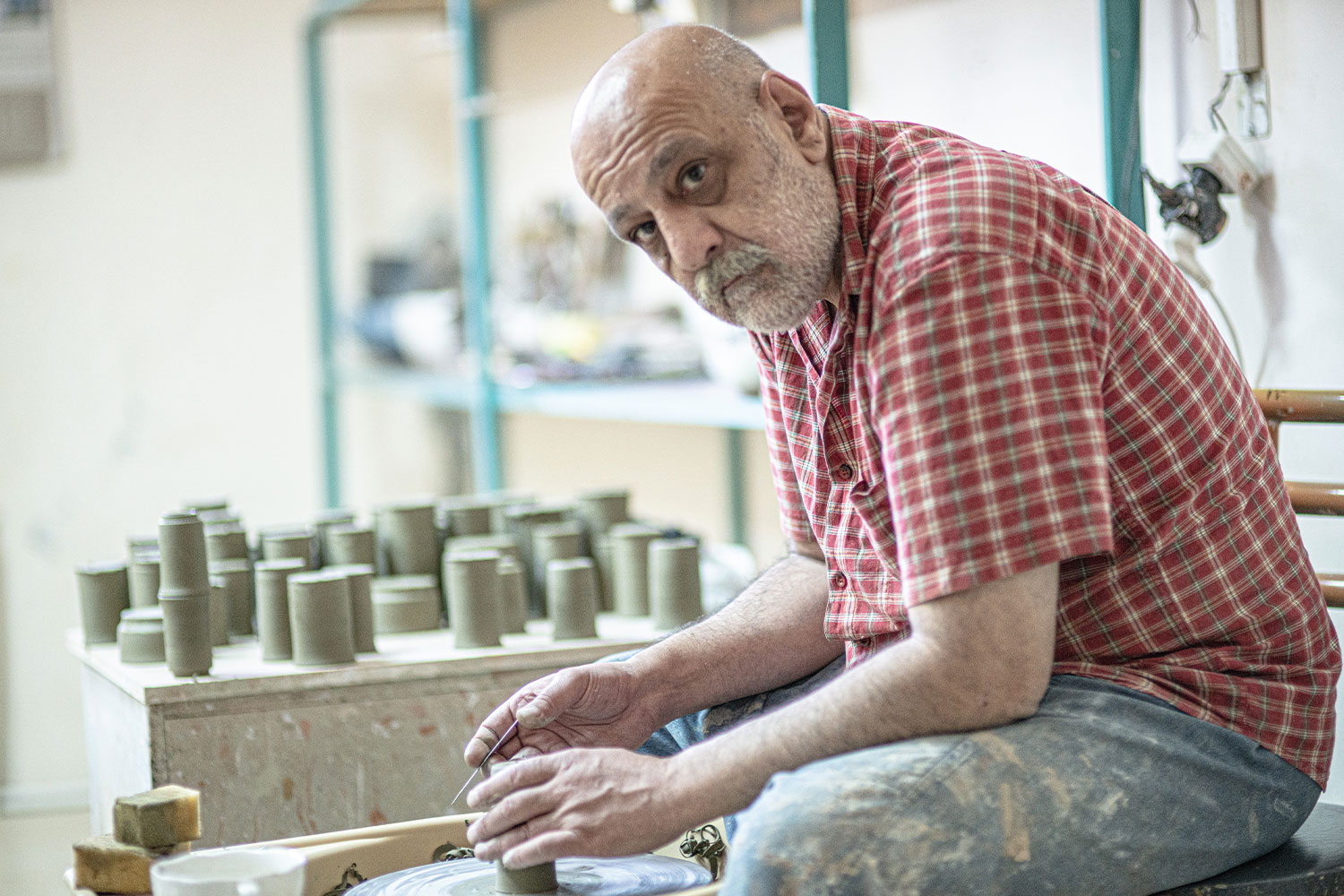
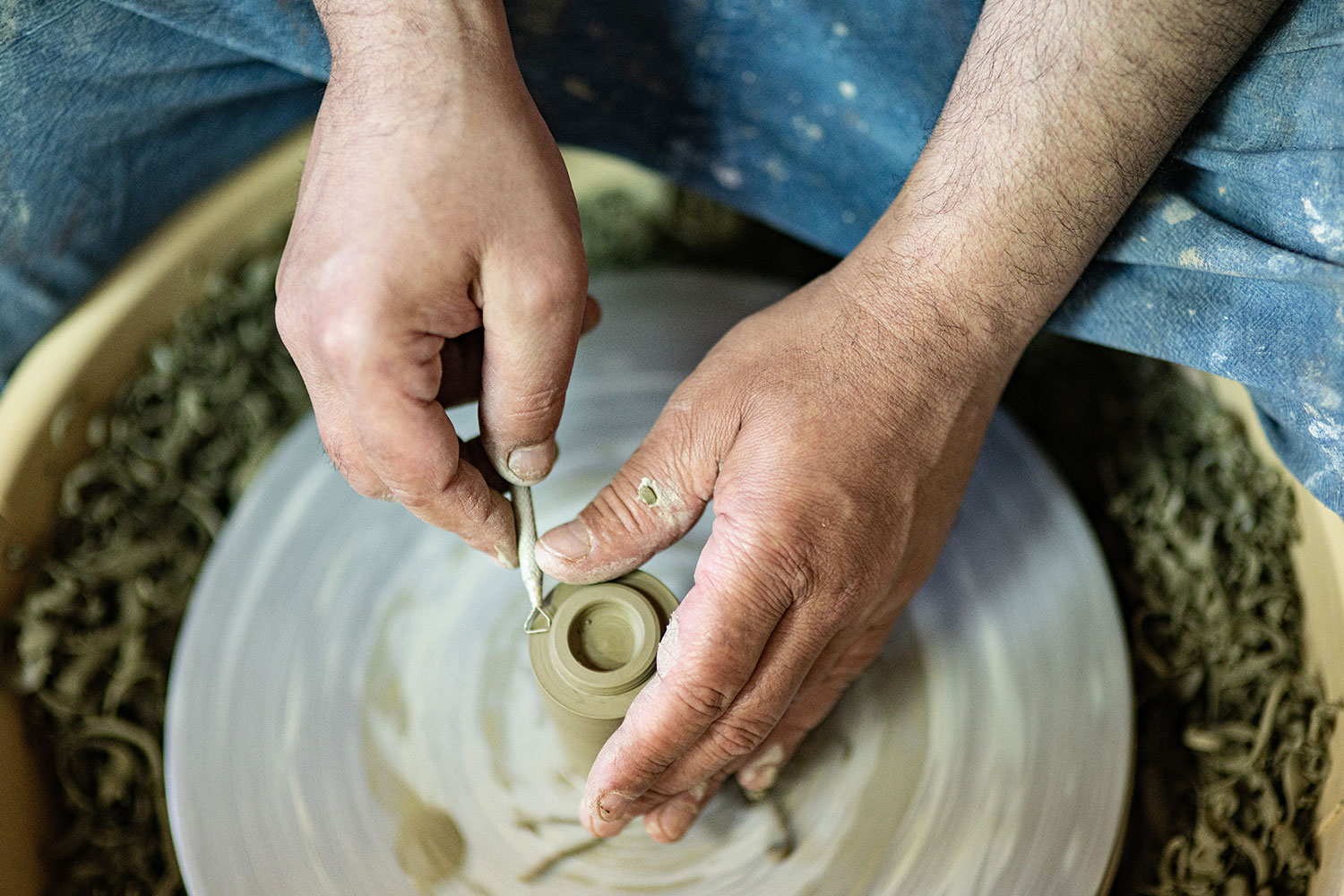
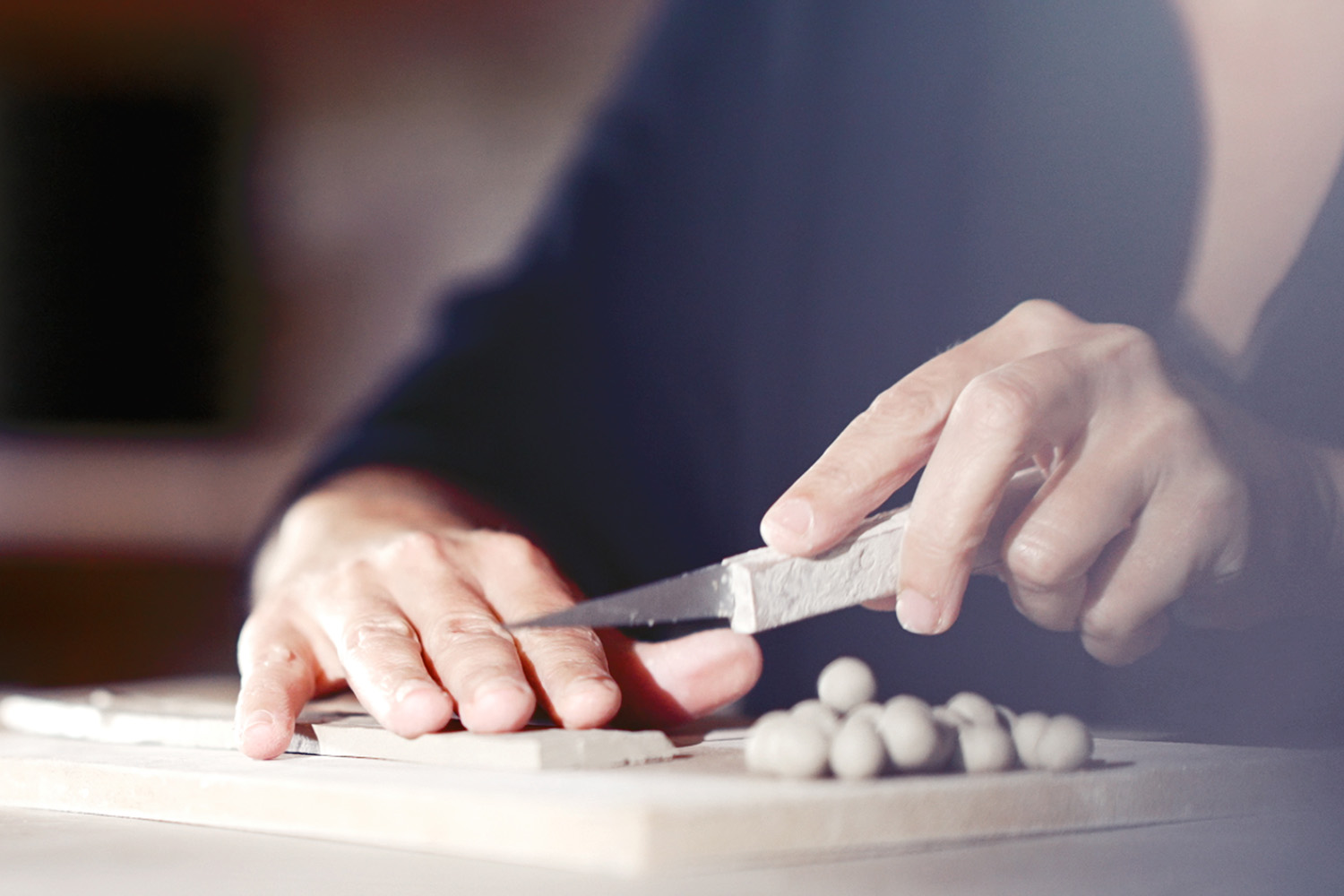
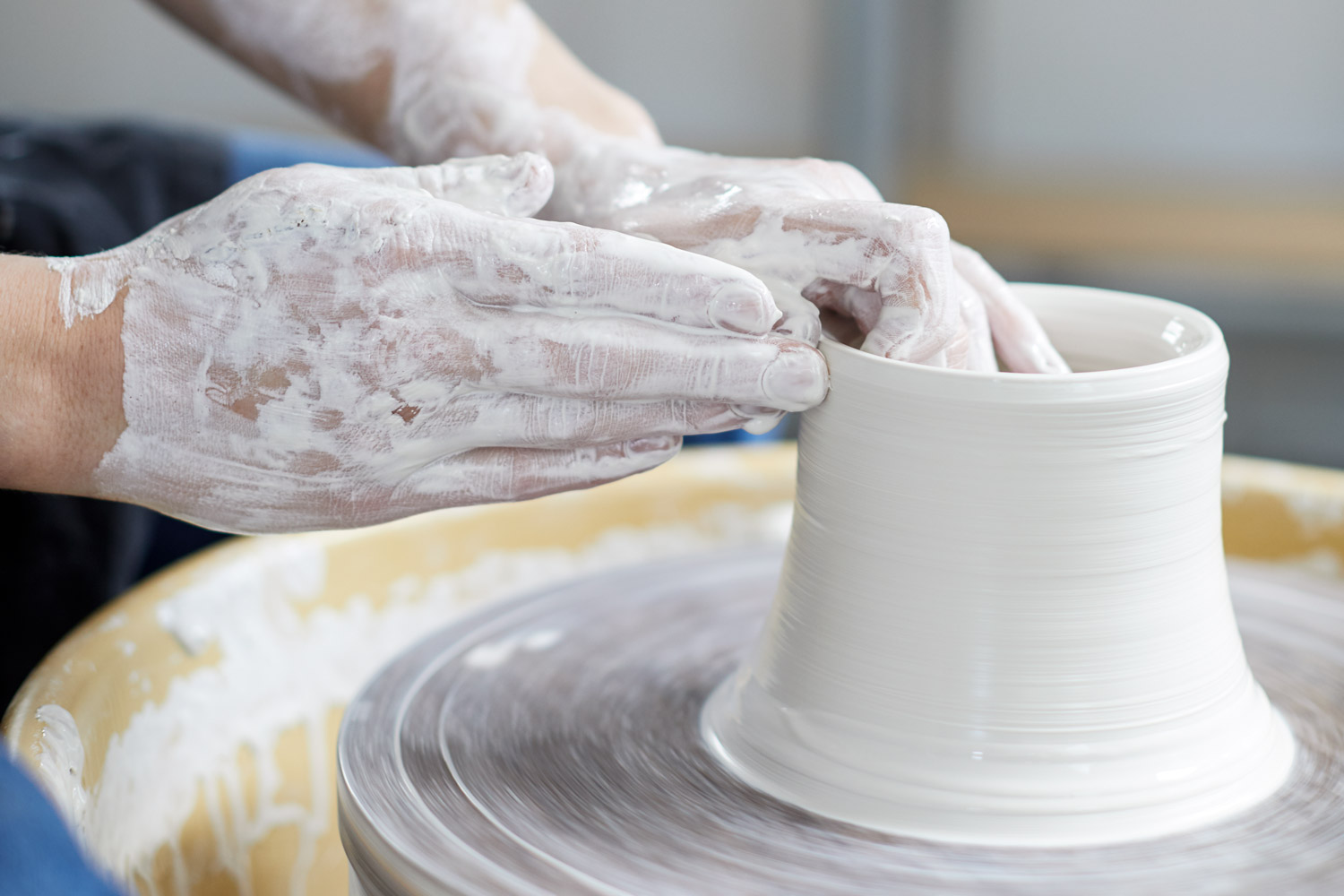
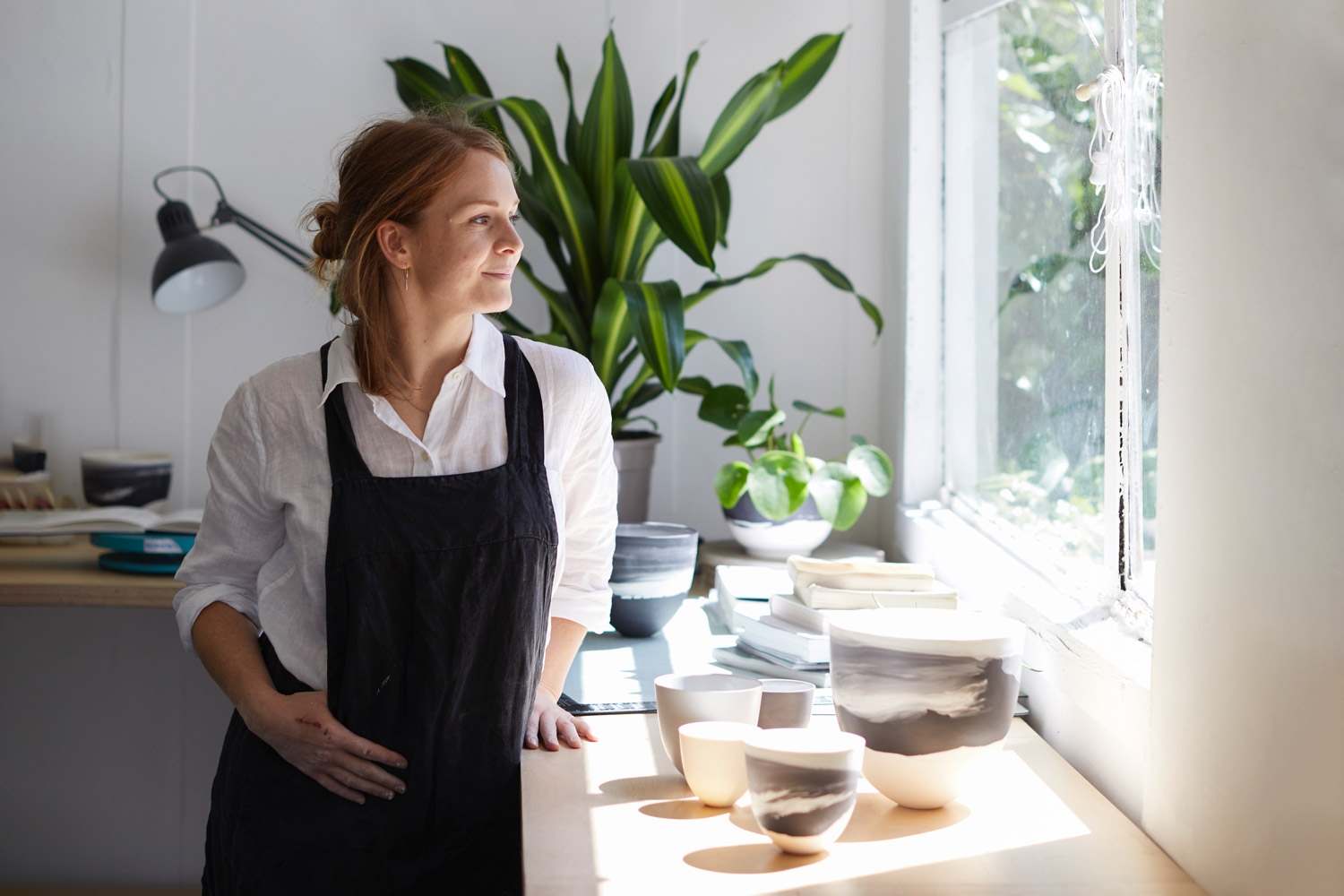
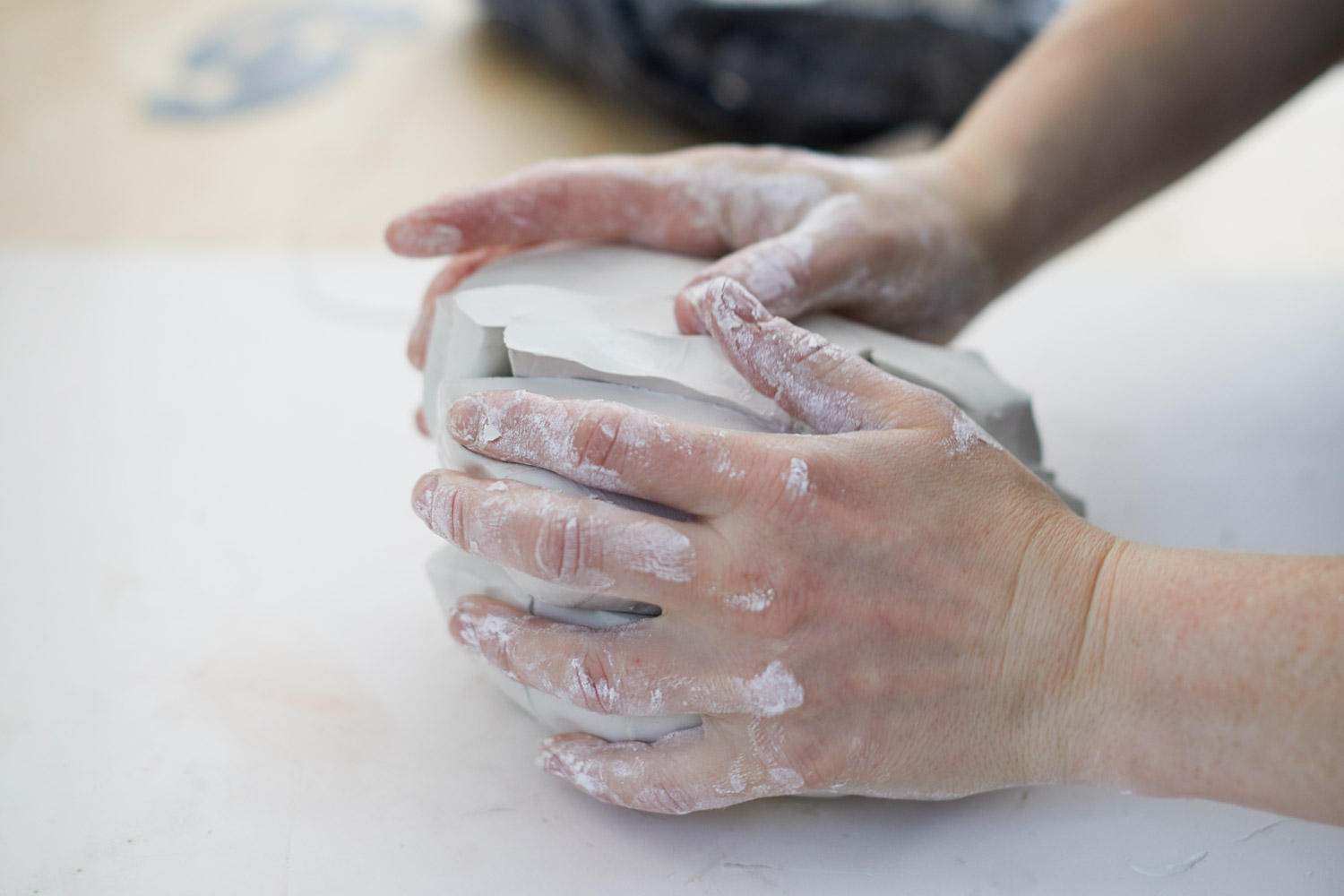
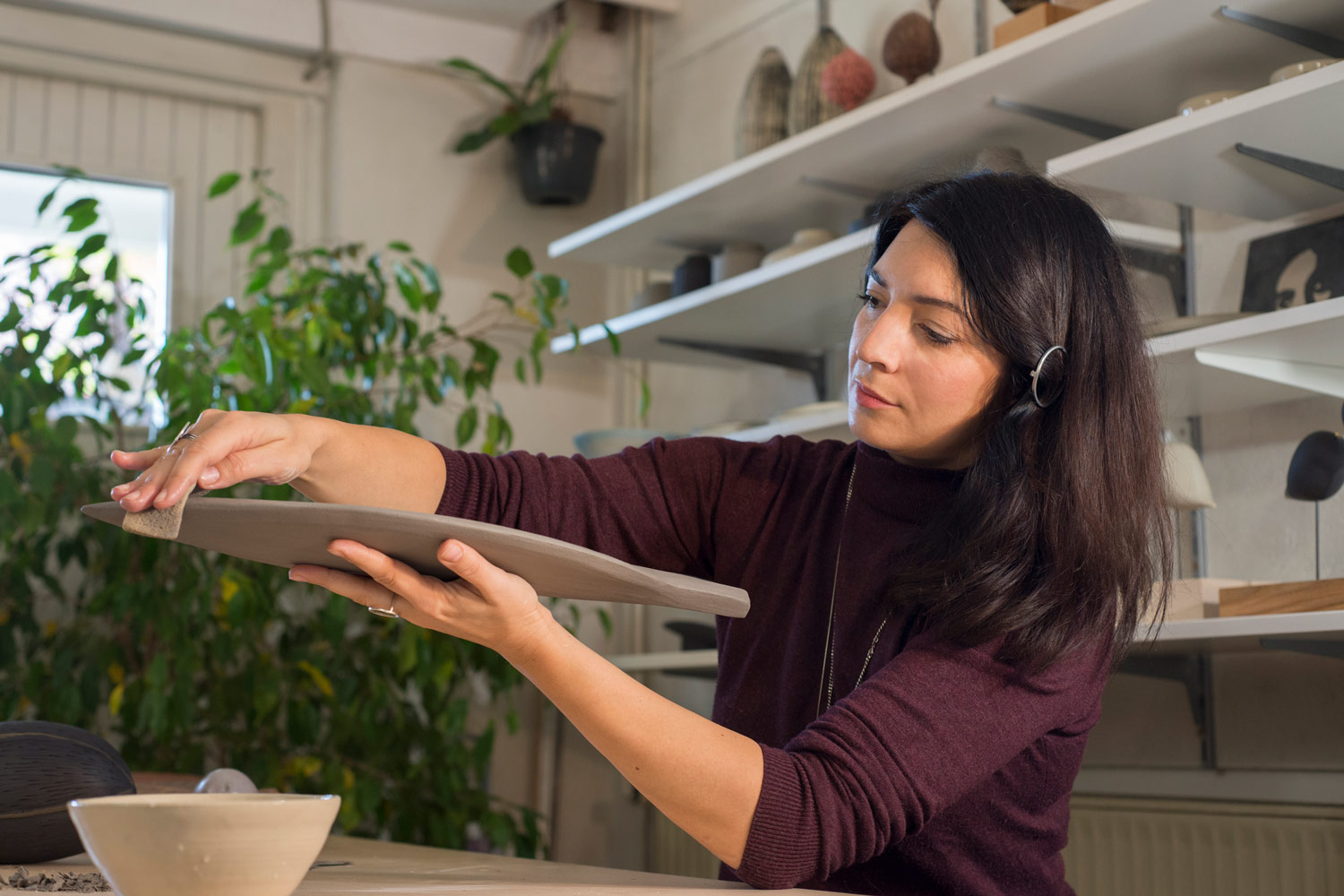
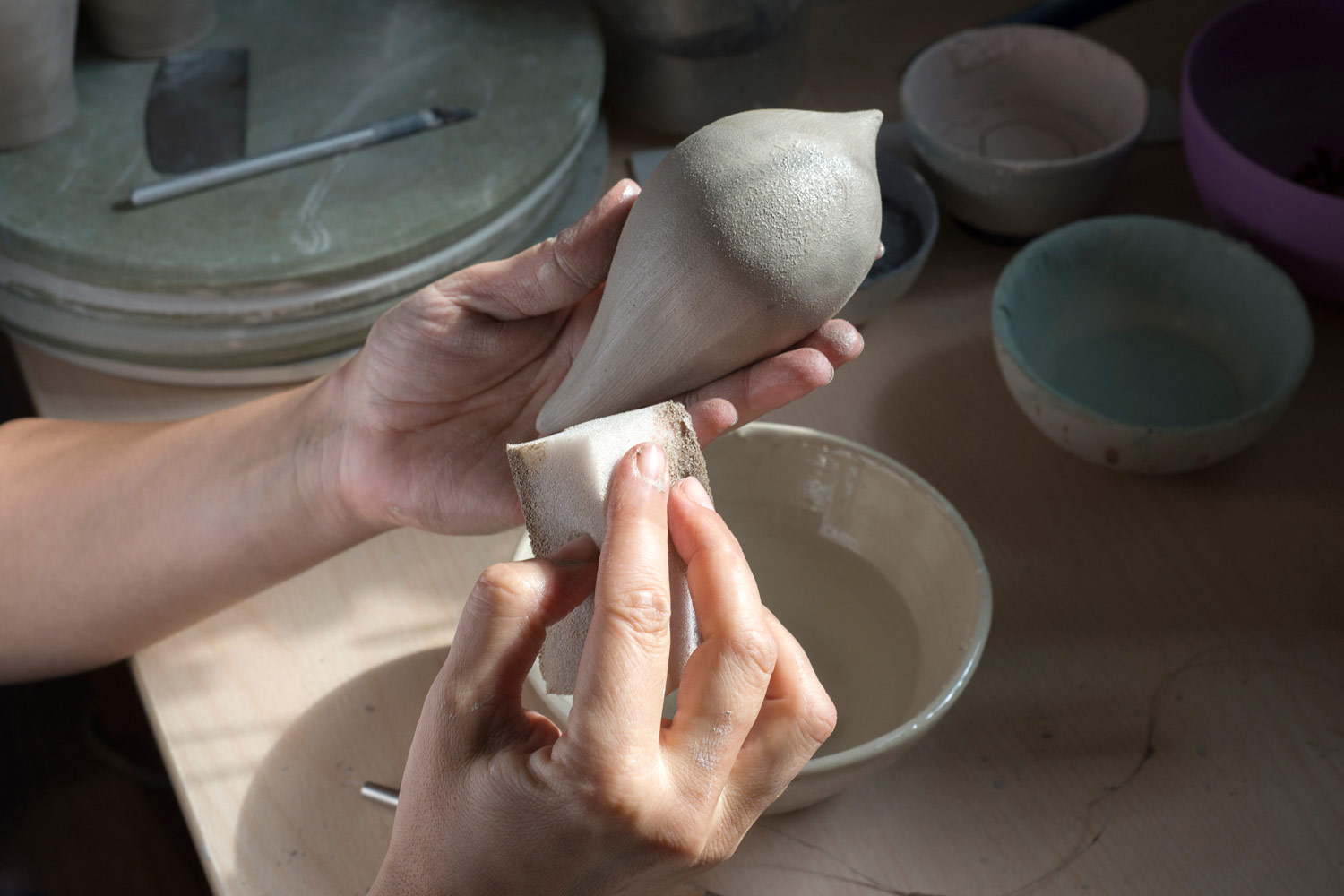
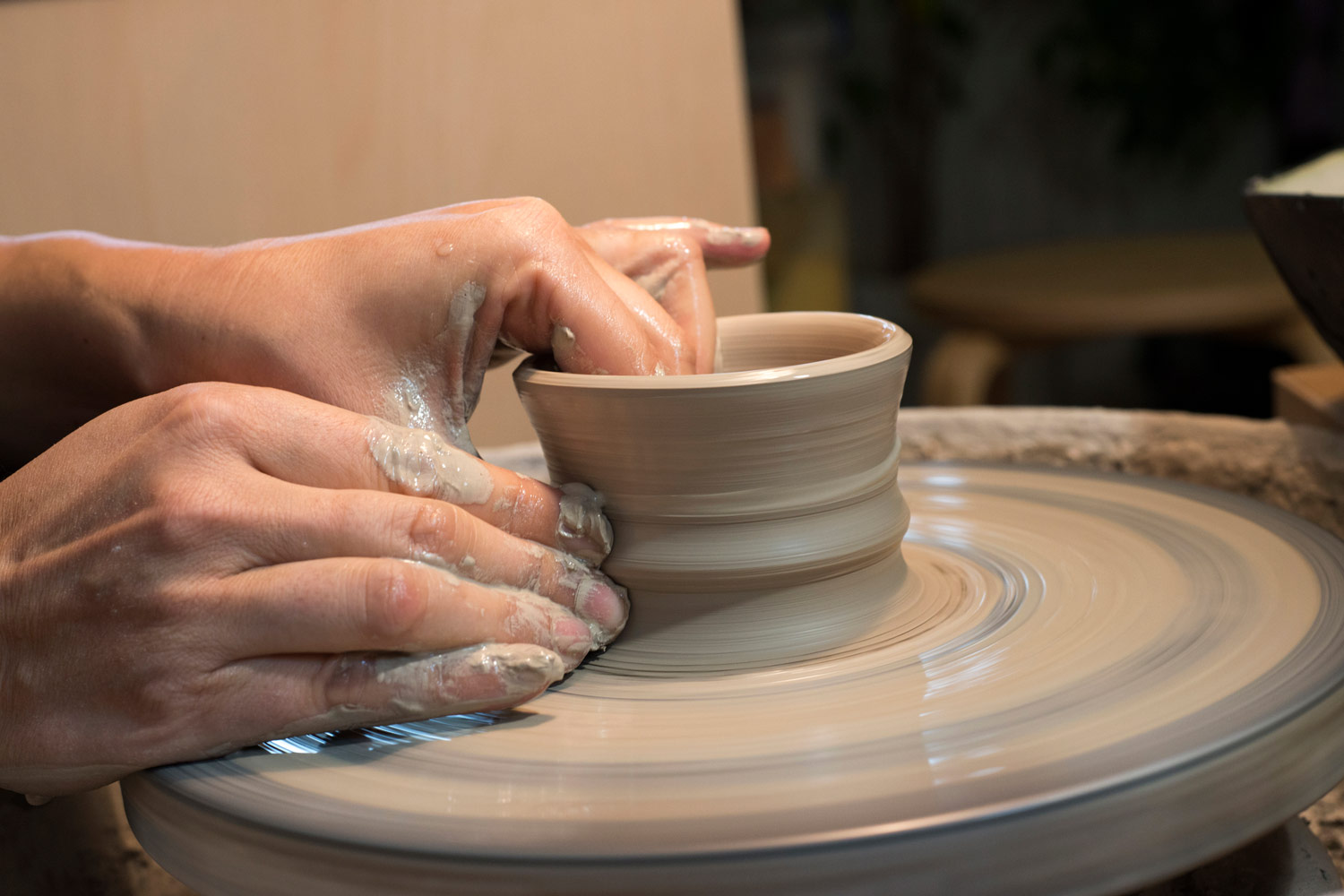
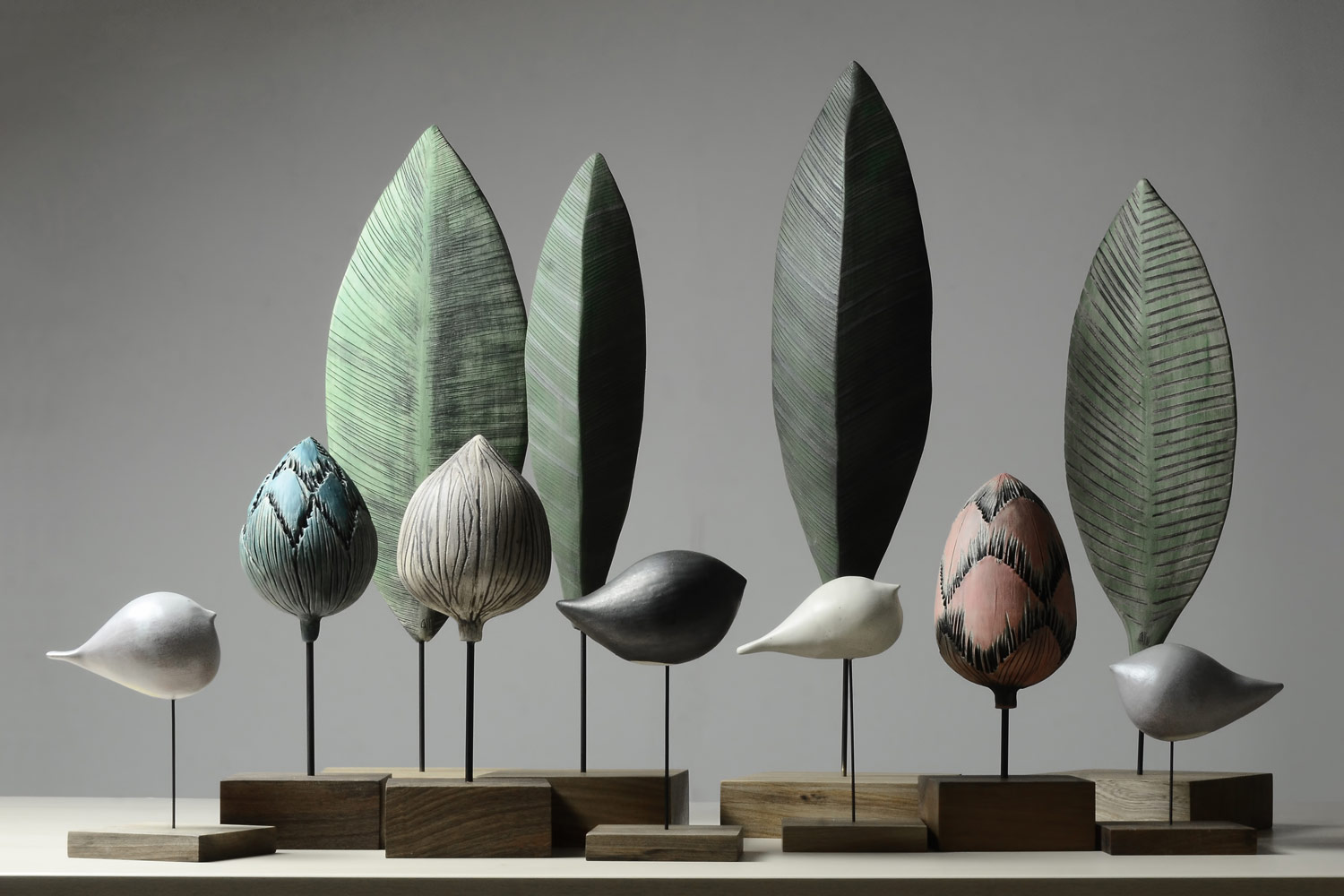
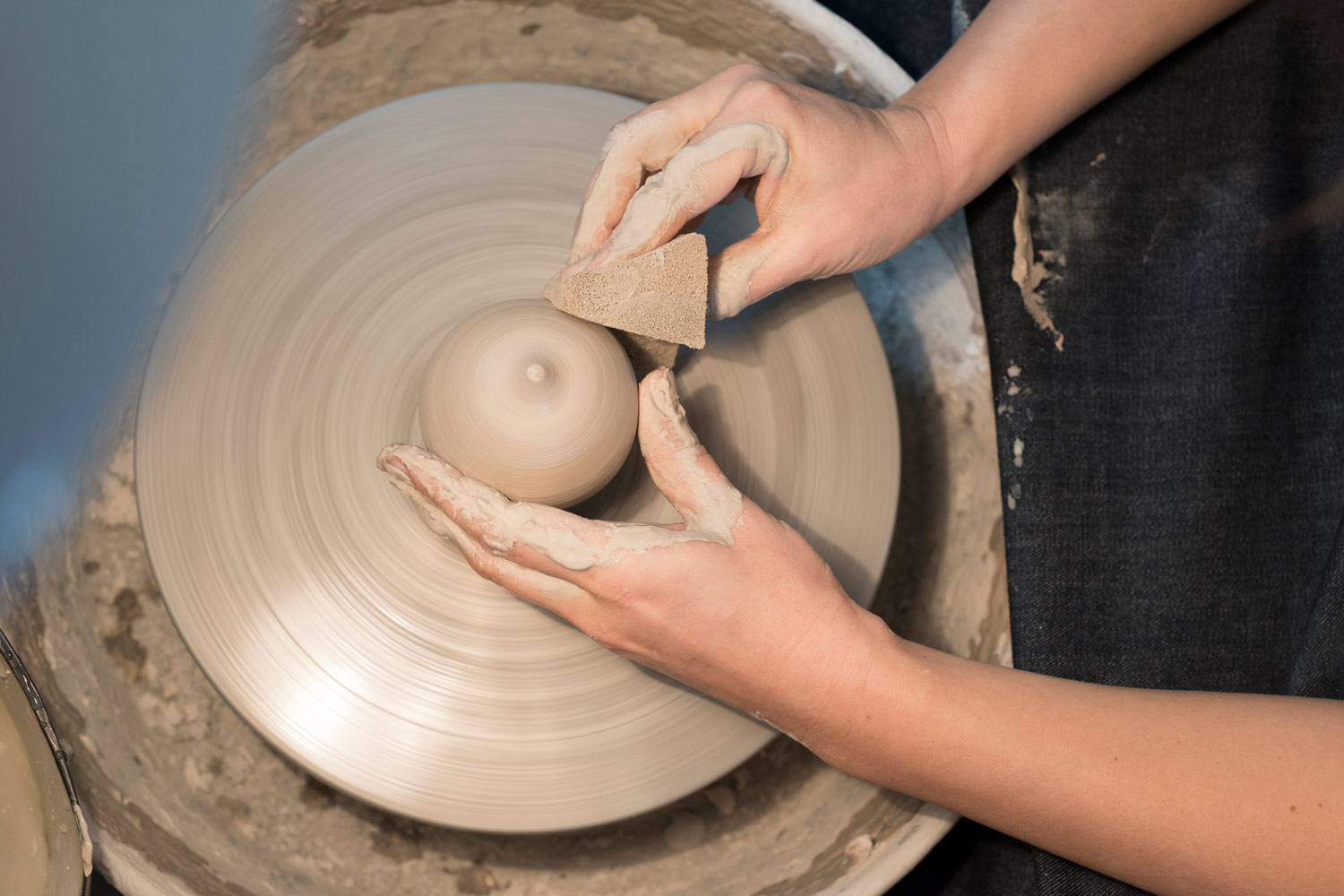
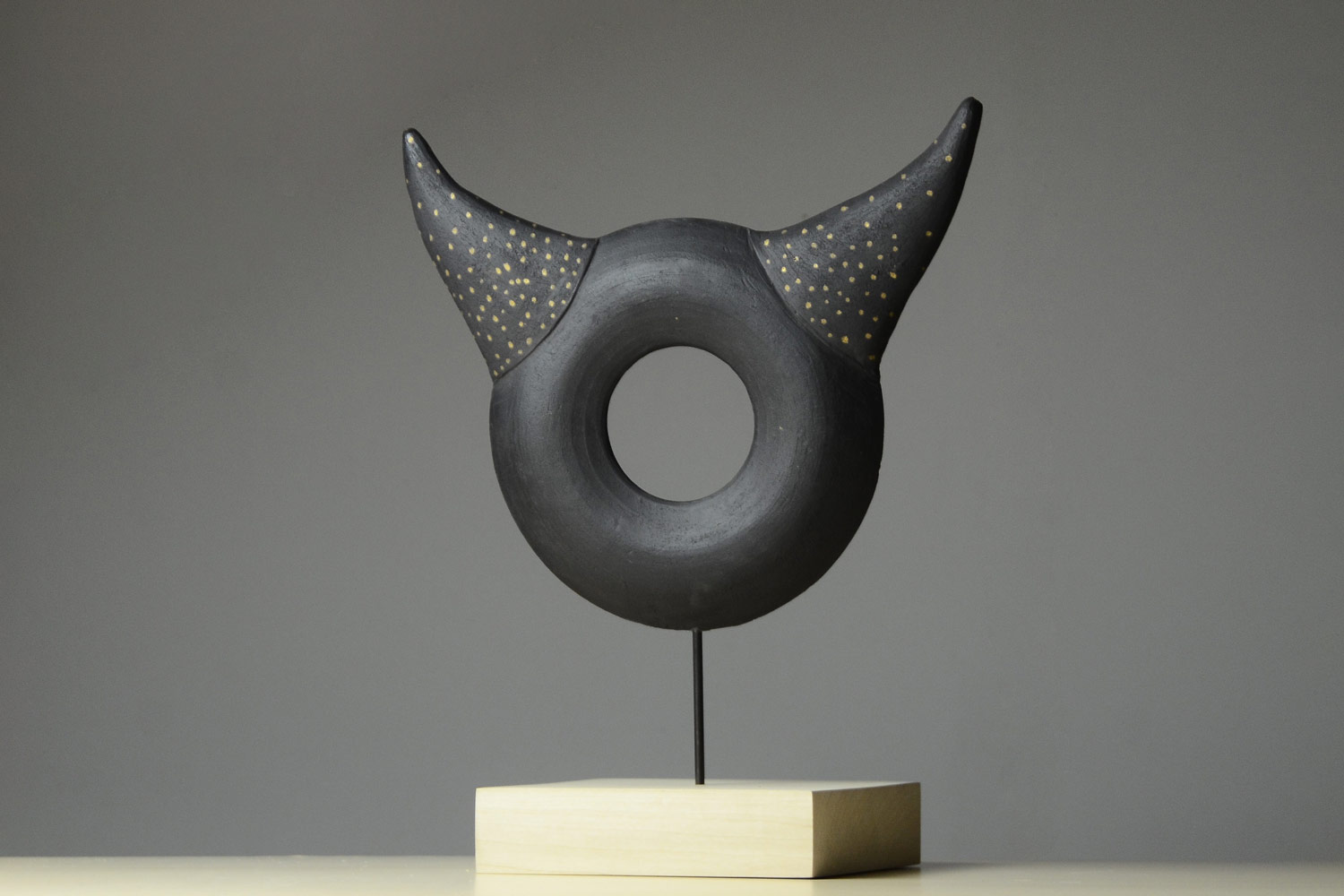
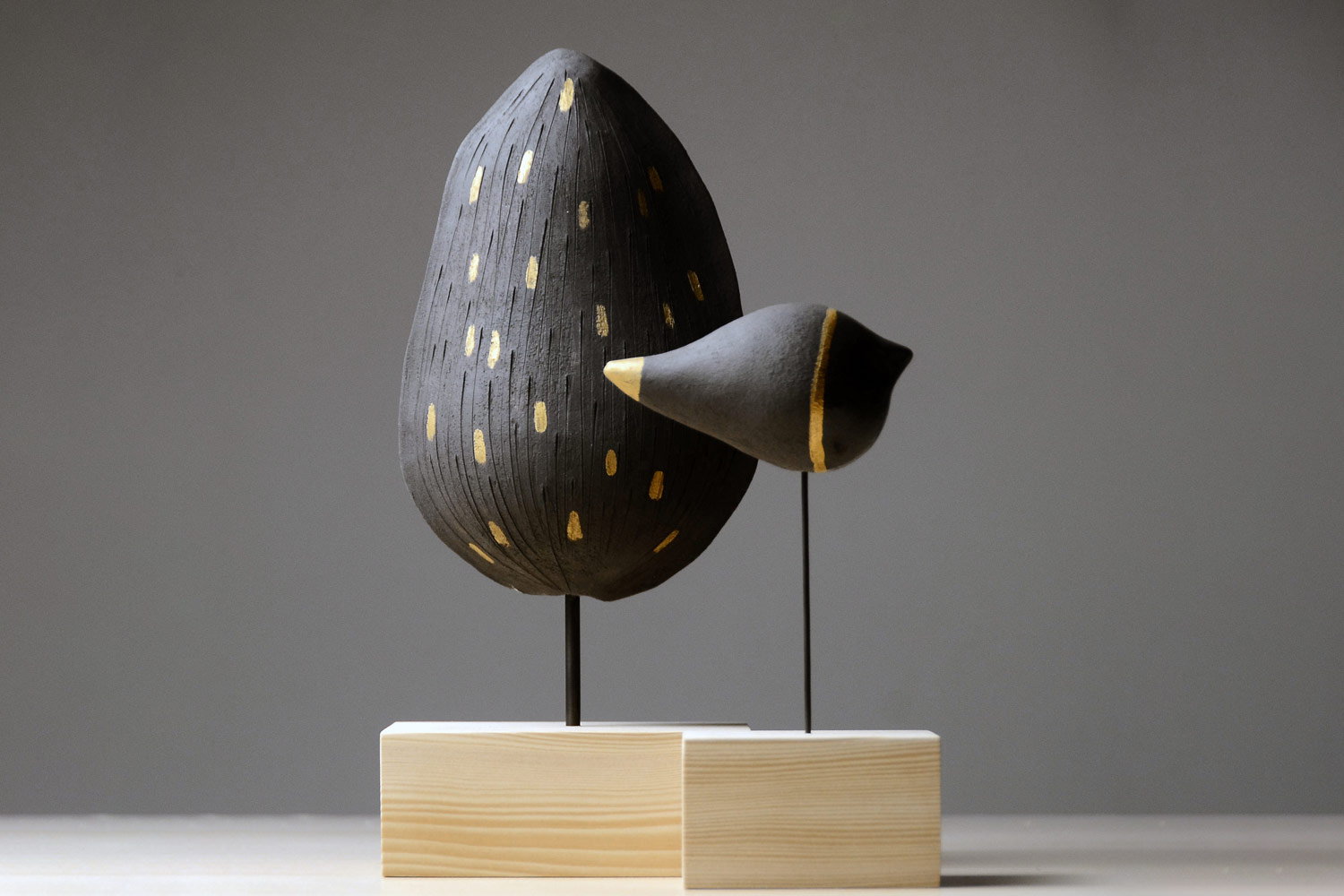
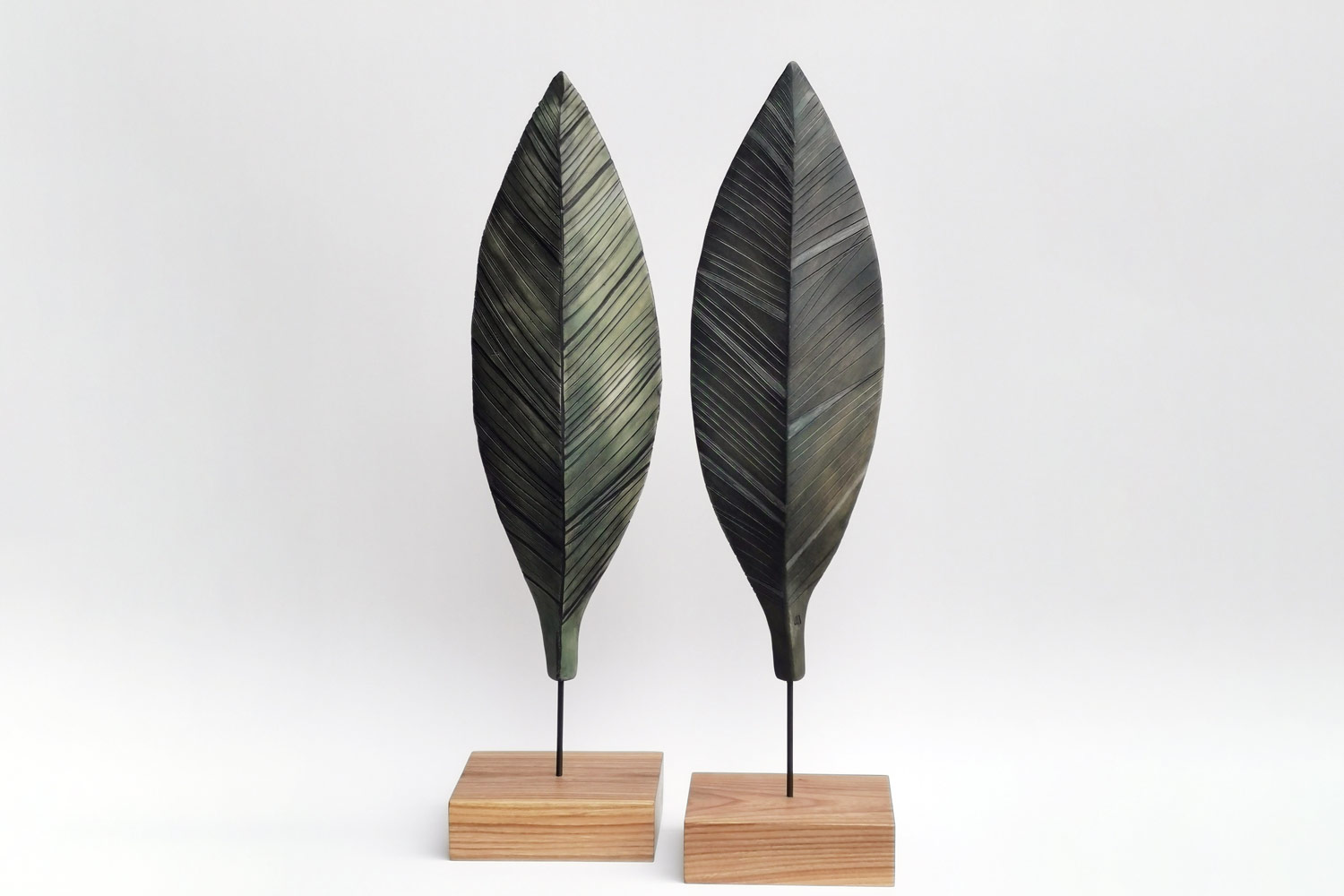
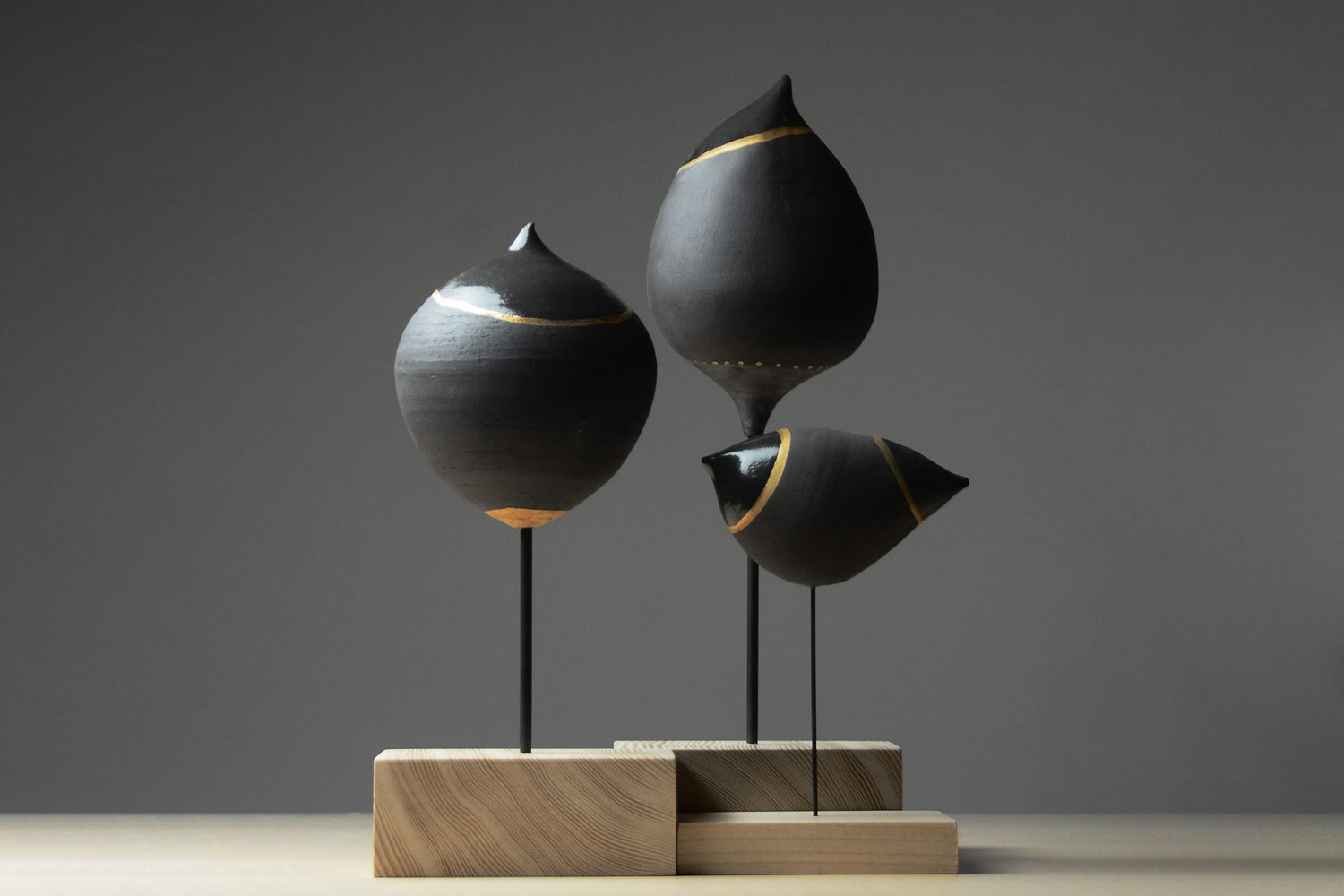
Straight after high school, Ana Jakić Jevtović knew ceramic art was her true calling. Her love of the craft is evident and her passion is contagious. Choosing to study ceramics, she was first fascinated by the possibility to merge colour and form. Experimentation became an integral part of her work, while she explored flatness and volume and the traditional ways of firing such as stoneware, porcelain and raku. Inspired by the peace she finds in nature, Ana immerses herself in the process completely. “I love trying out different colour solutions and the uncertainty of the procedure excites me” – it’s what initially attracted her to clay. Ana also works with young students as a teacher and quotes endurance as the main key to success.
INTERVIEW
There are a lot of ancient ceramics in our country. I certainly feel connected to the past through my work, I appreciate the old ideas and feel their energy. I find inspiration in ancient techniques as well, which is a part of universal ceramic art heritage.
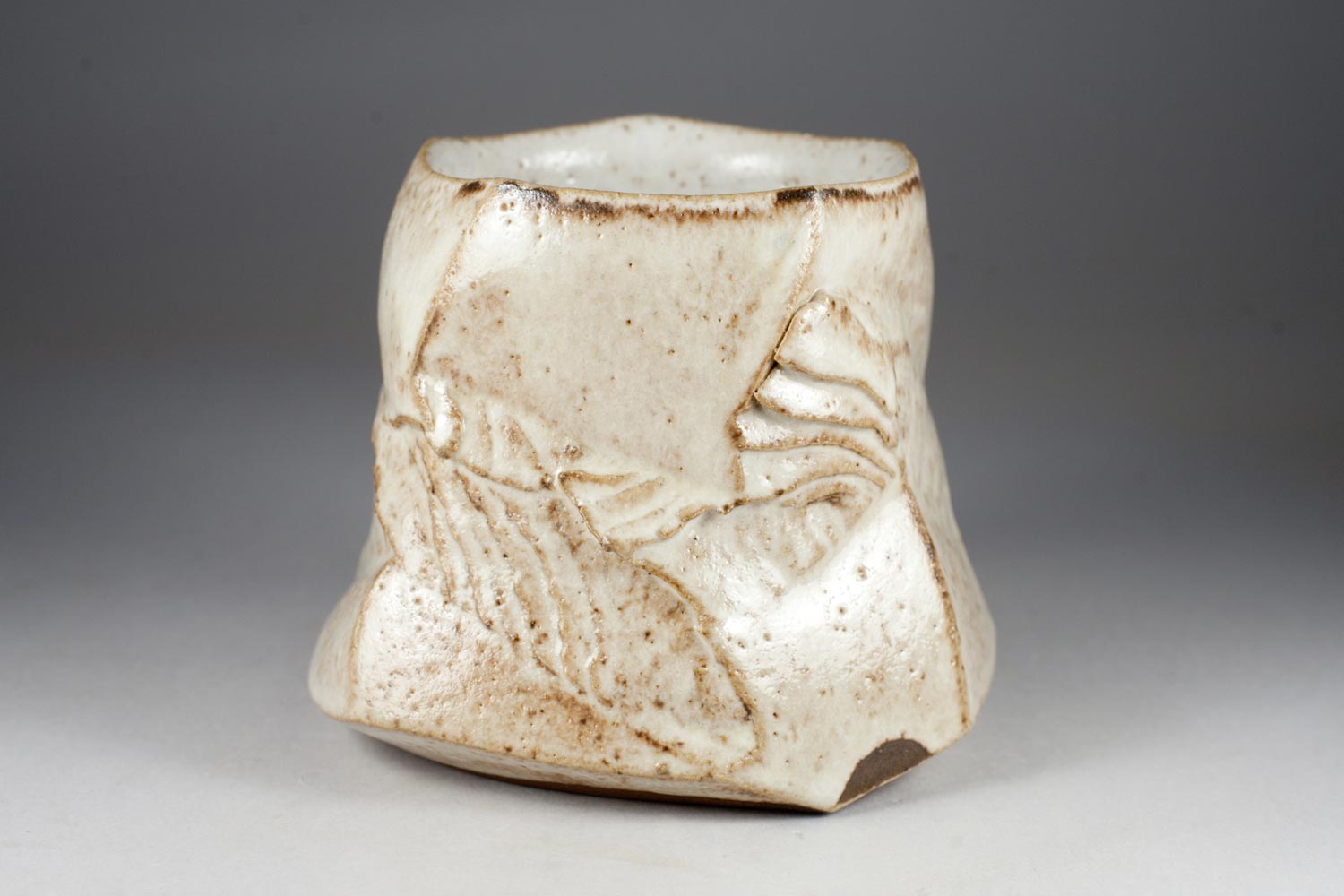
I combine a lot of known clay shaping and firing techniques, mostly stoneware, and porcelain. But I have a special spot for raku, an old technique that can give really special results in colour. I think the technical combinations I do are almost like new techniques.
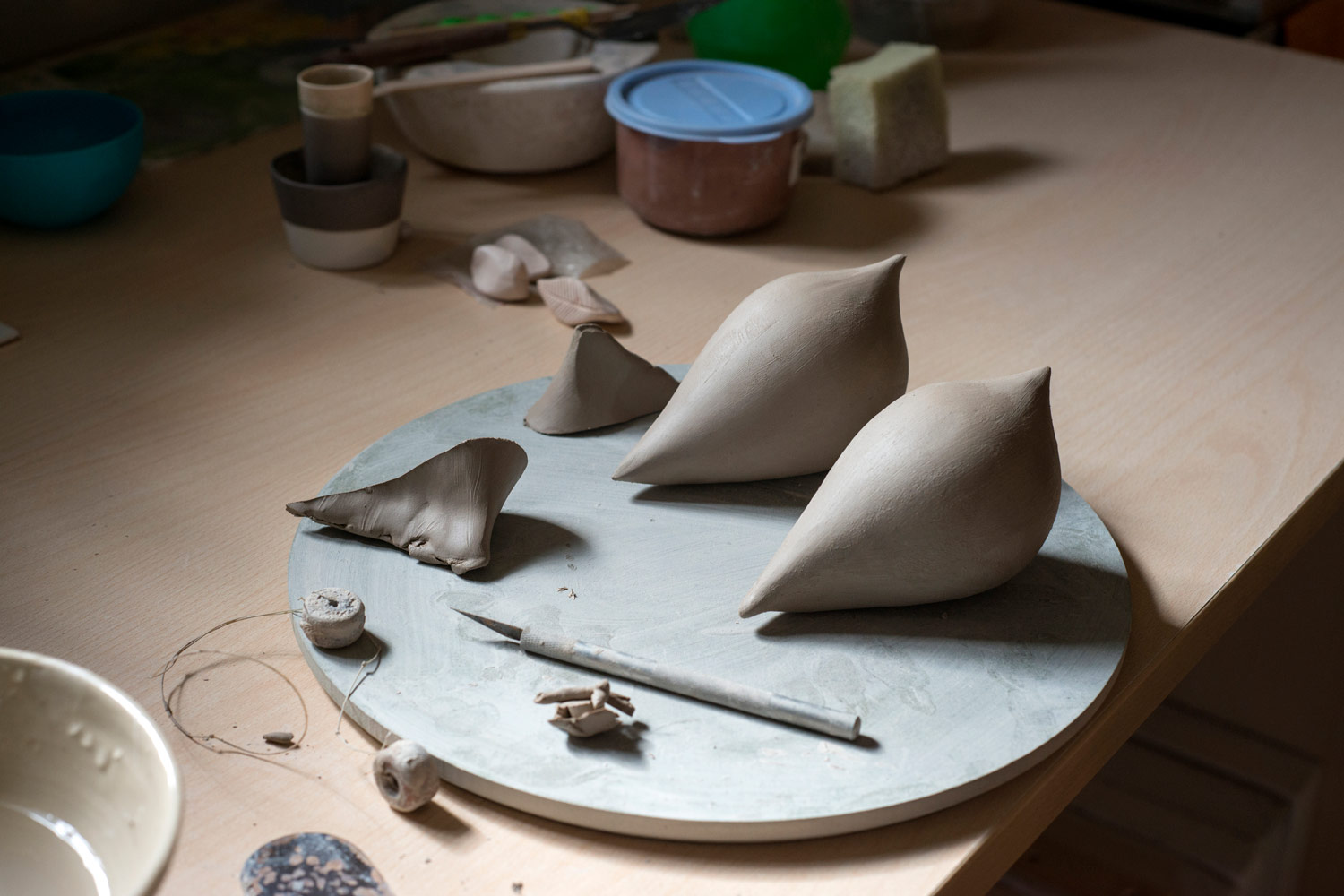
The way I build the form is definitely traditional, although the forms themselves are reduced. They seem minimalist and clean, but I also add texture and colour to them. So, it’s a combination of both, but I think my expression is my own.
I don’t think the craft itself is in any danger. There are high schools that teach ceramic art, and there are children who want to study and practice ceramics. When I started my studies at the University, ceramic art wasn’t very popular, but I think that has changed.
Ana Jakić Jevtović
Ceramicist
Kraljevo, Serbia
AVAILABILITY
Tuesday to Sunday 12:00-20:00
PHONE
+381 654343555
LANGUAGES
Serbian, English
Homo Faber Finds is a new service aiming to inspire admirers of craft to connect and collaborate with exceptional artisans.
We invite you to submit an enquiry here.