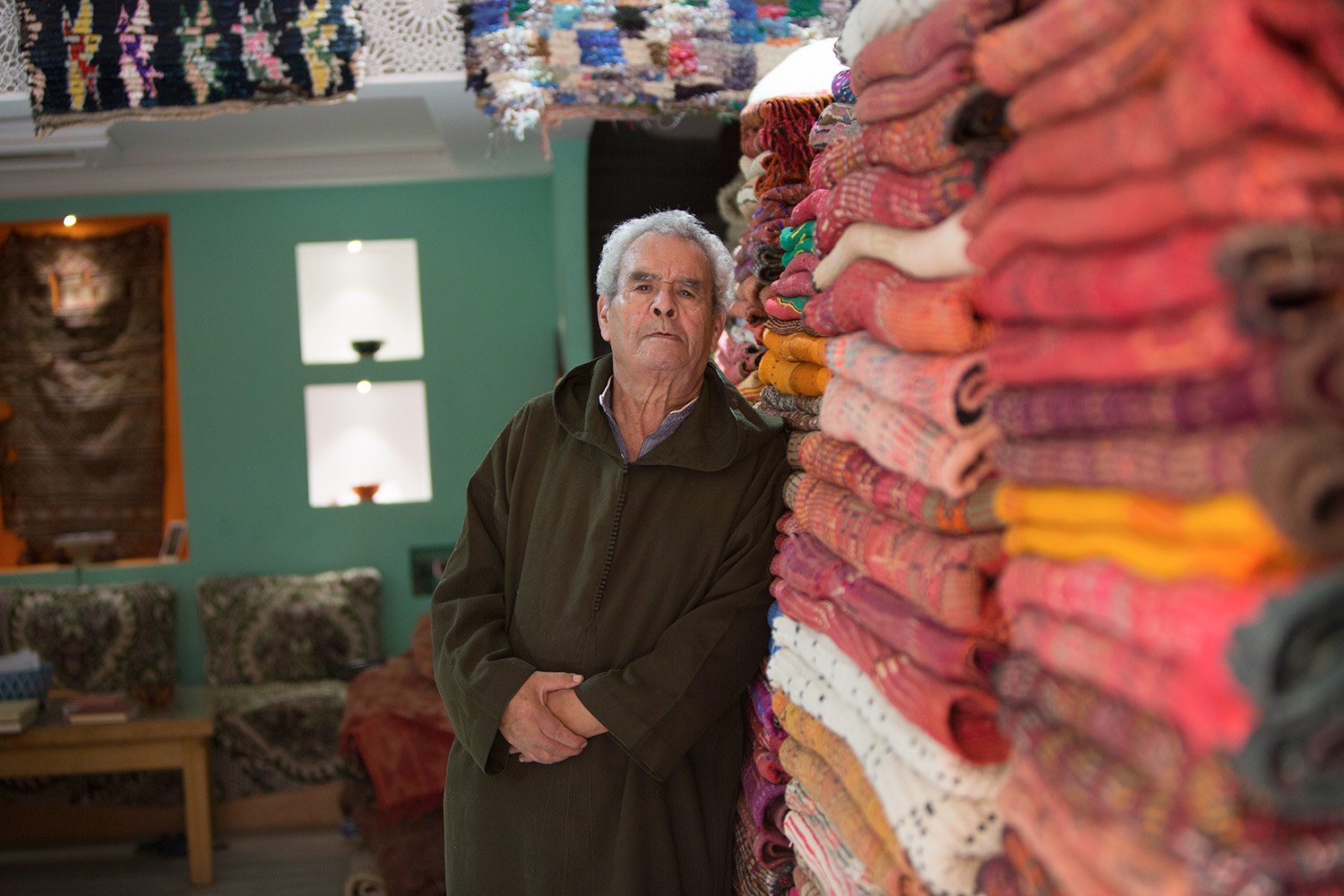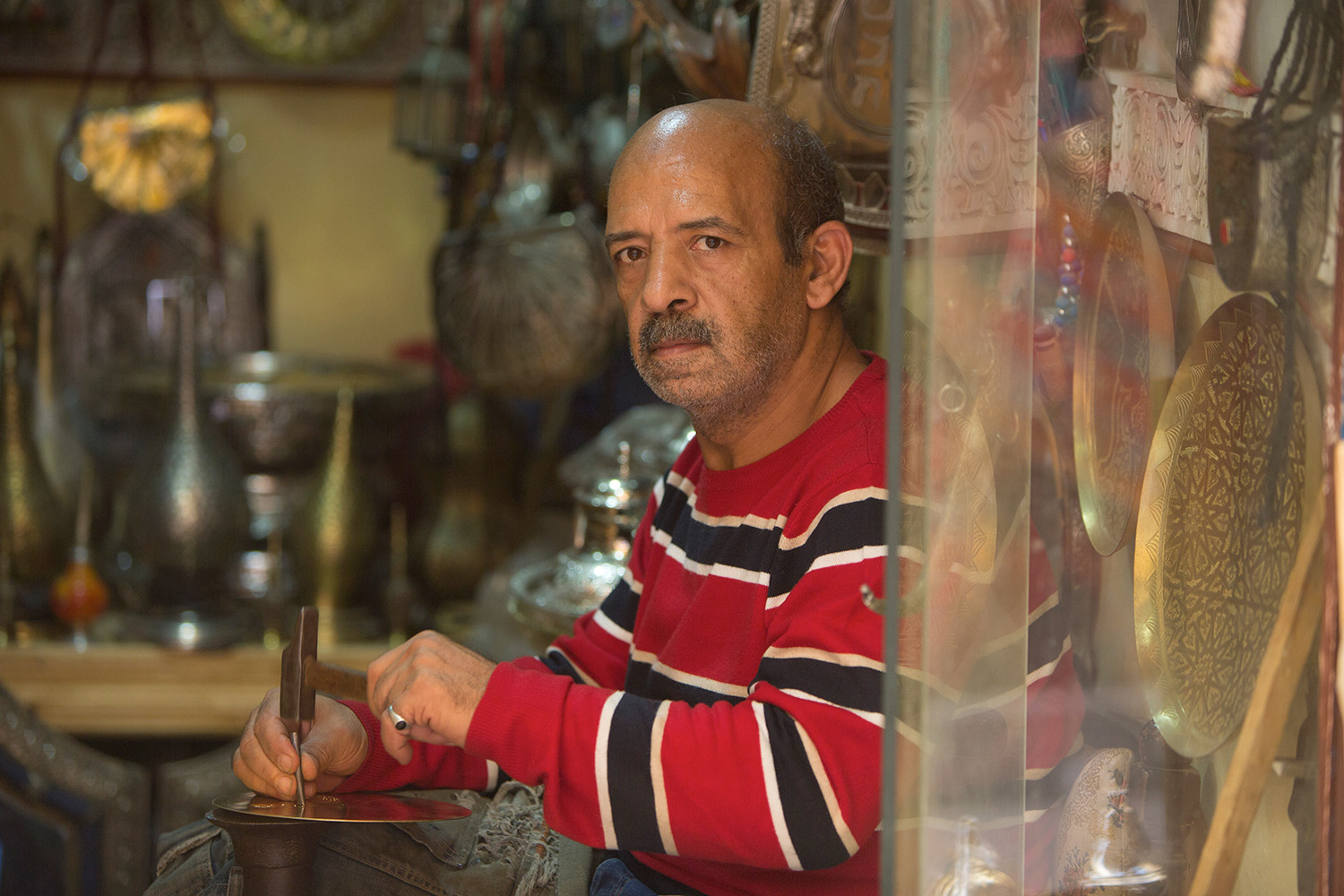
Ahmed Bouchaala
Shoemaker
Fez, Morocco
Recommended by Chambre d'Artisanat de la Région Fès
Babouches and a Moroccan savoire-faire
- Ahmed has been practising shoemaking since the 1980s
- His pieces are made with all natural ingredients, including plant-dyed leather
- He crafted a pair for Moroccan Prince Moulay Rachid
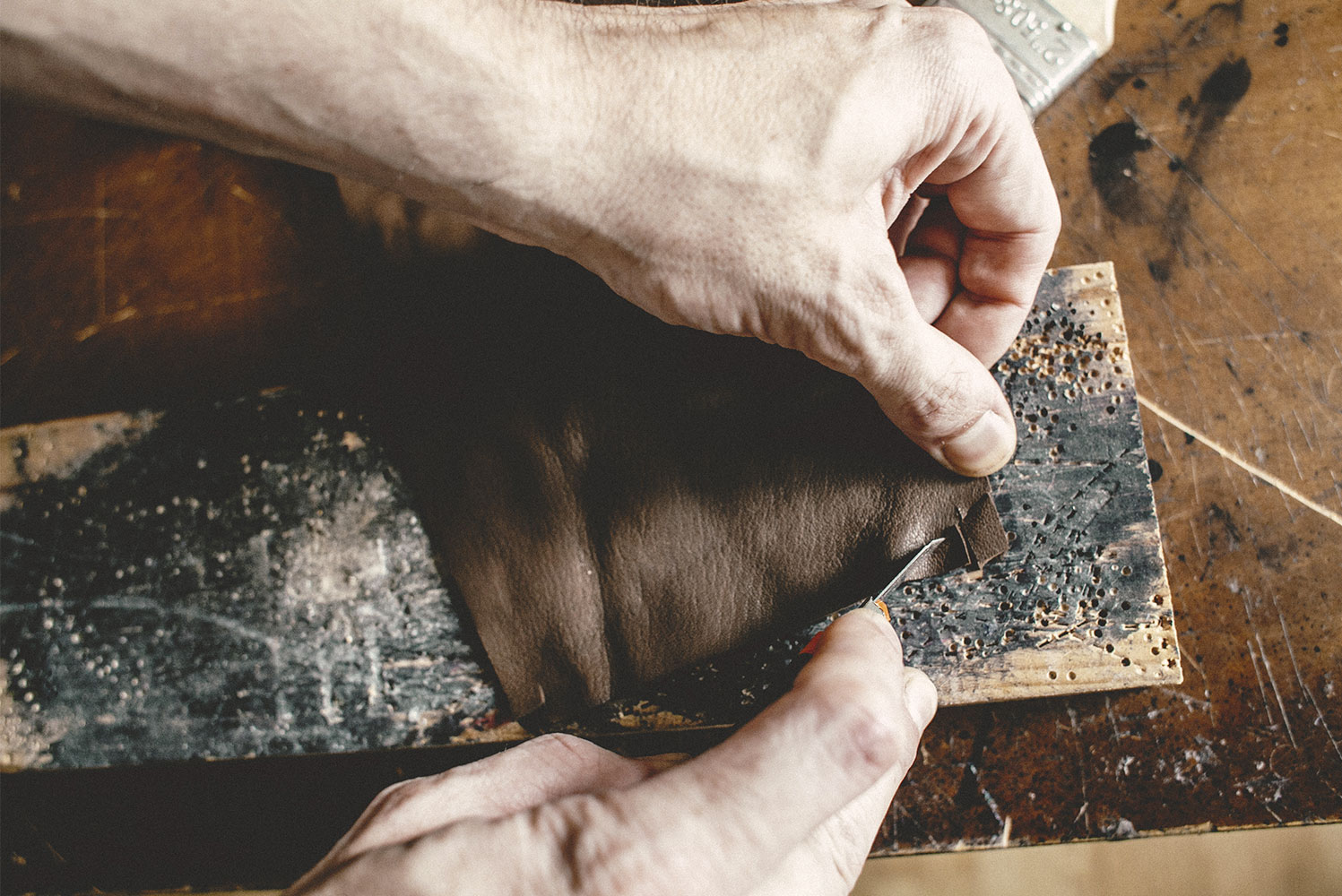
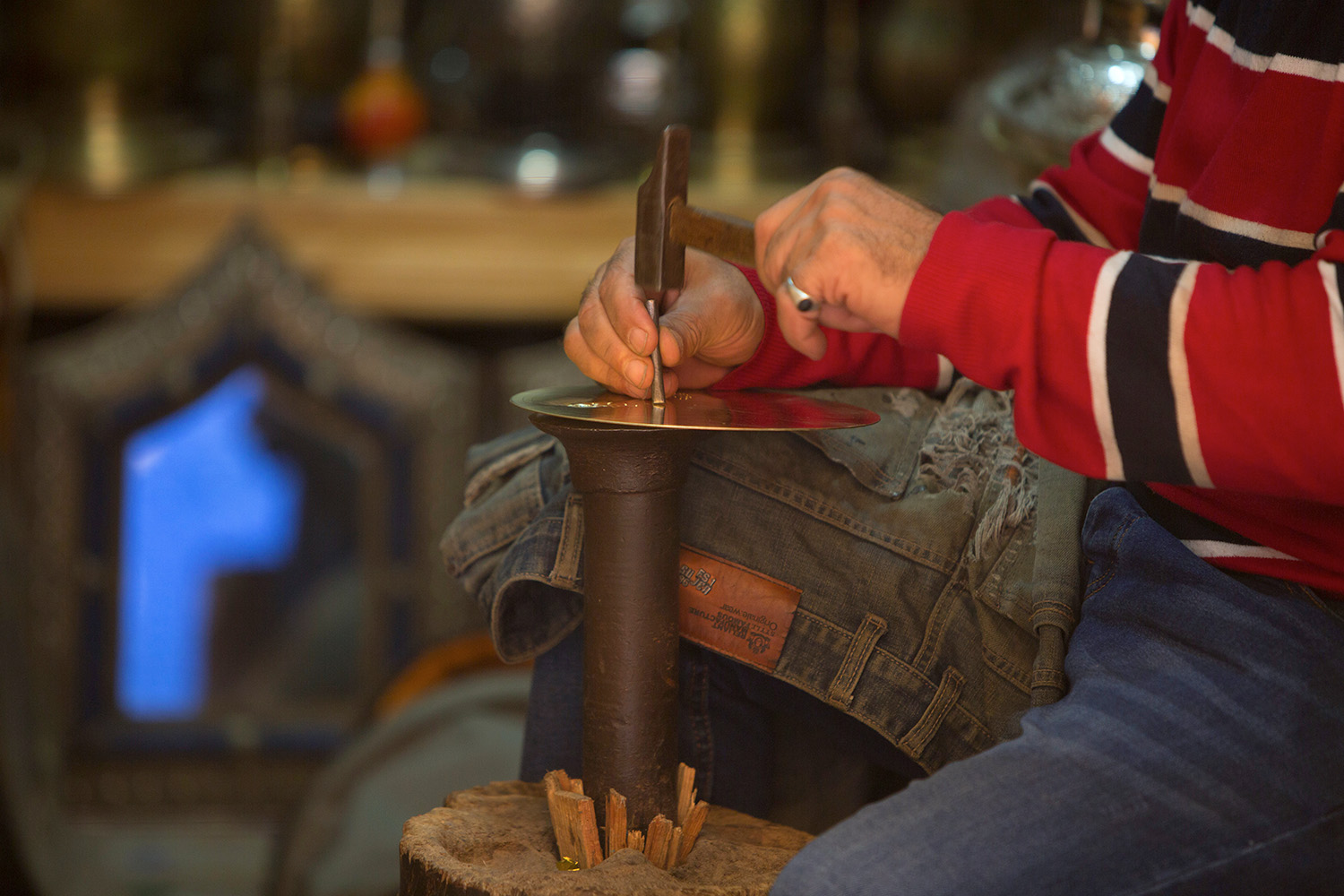
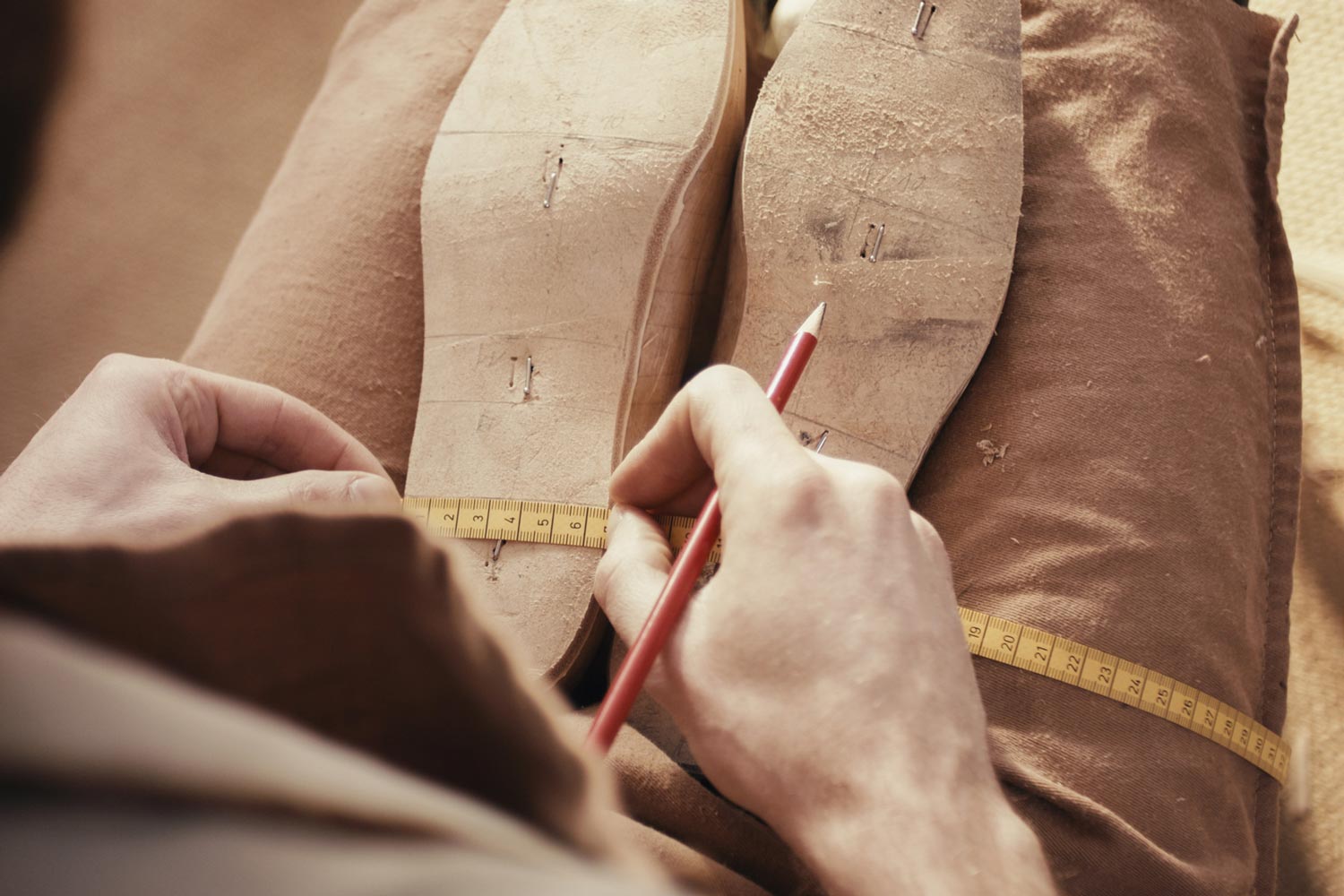
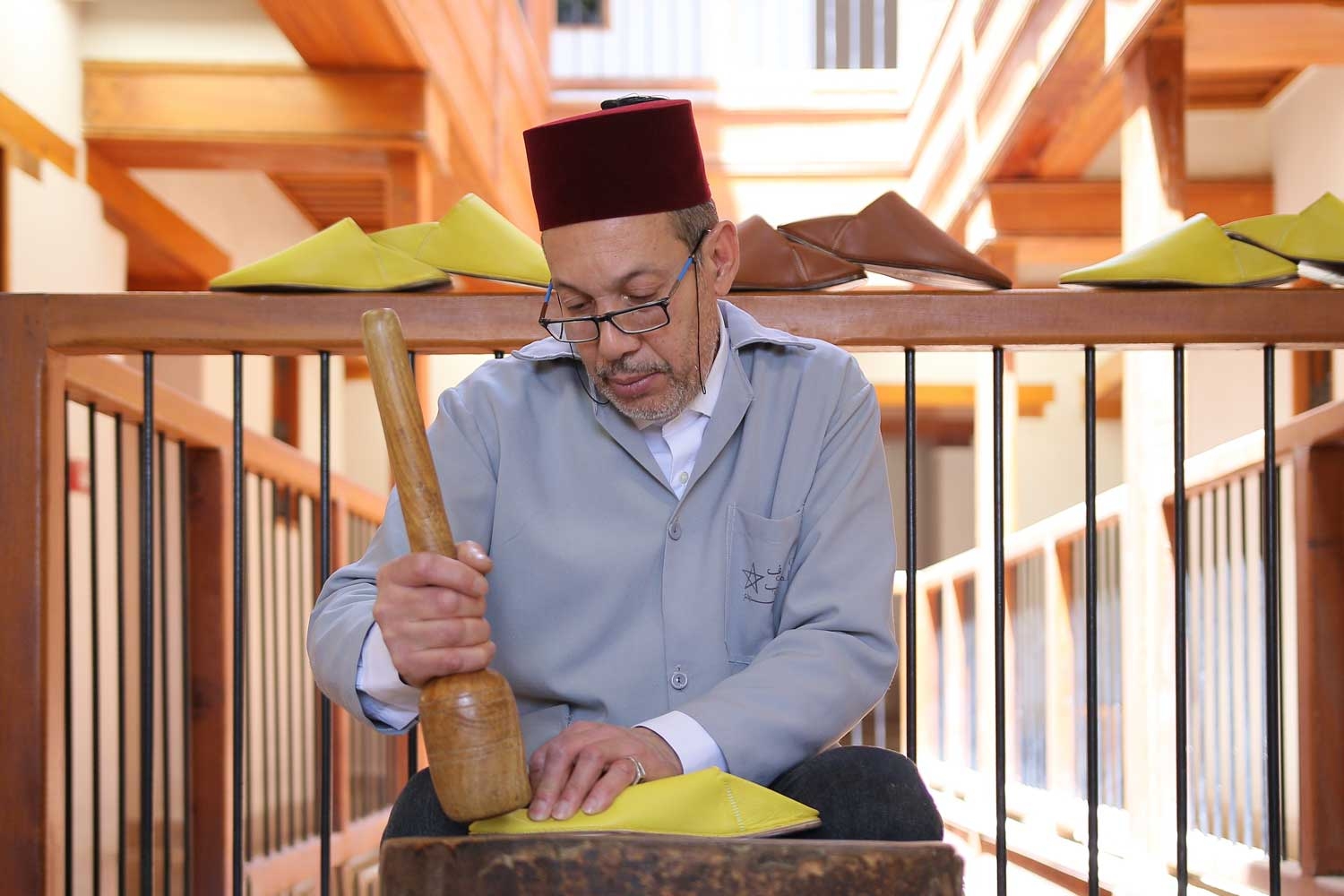
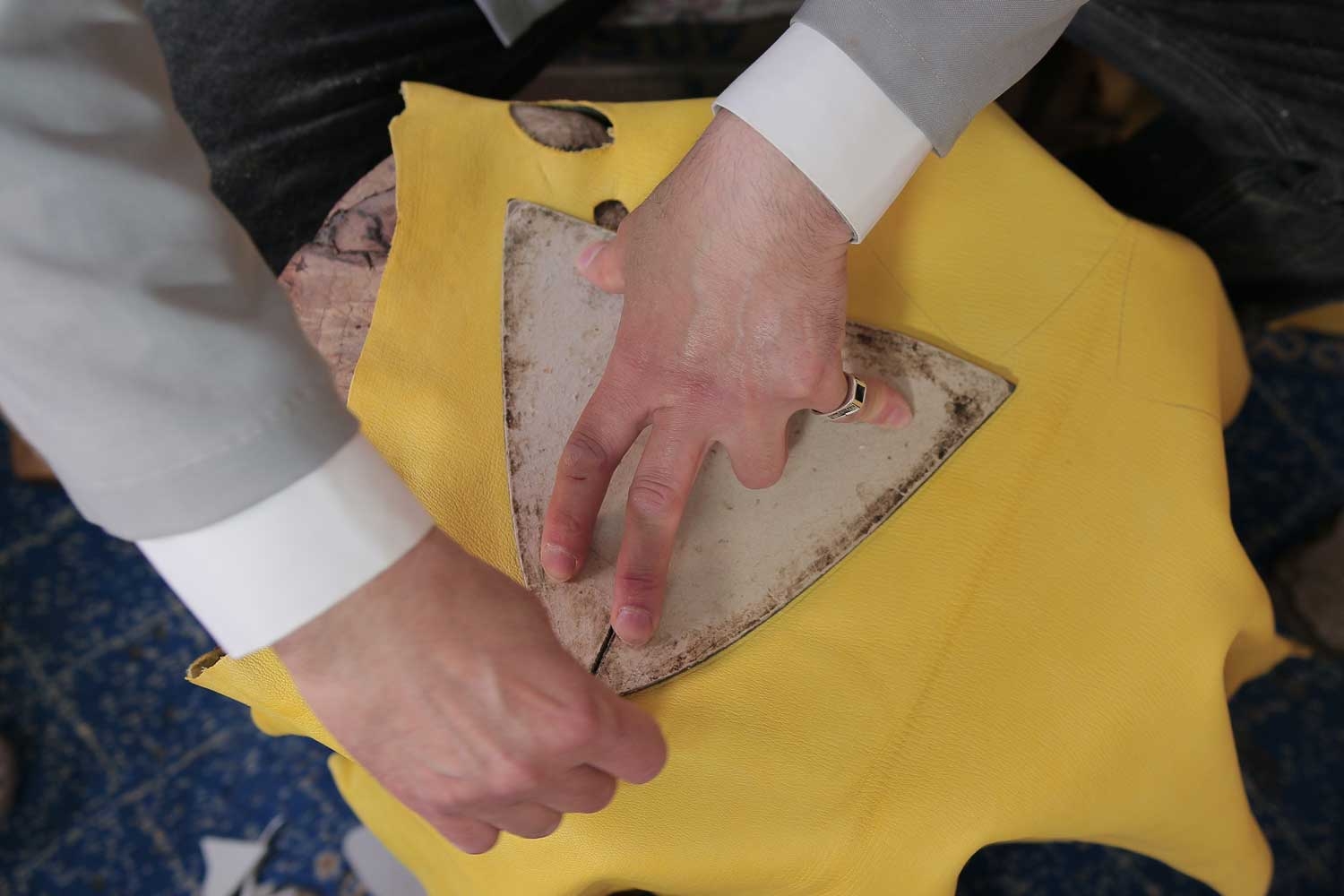
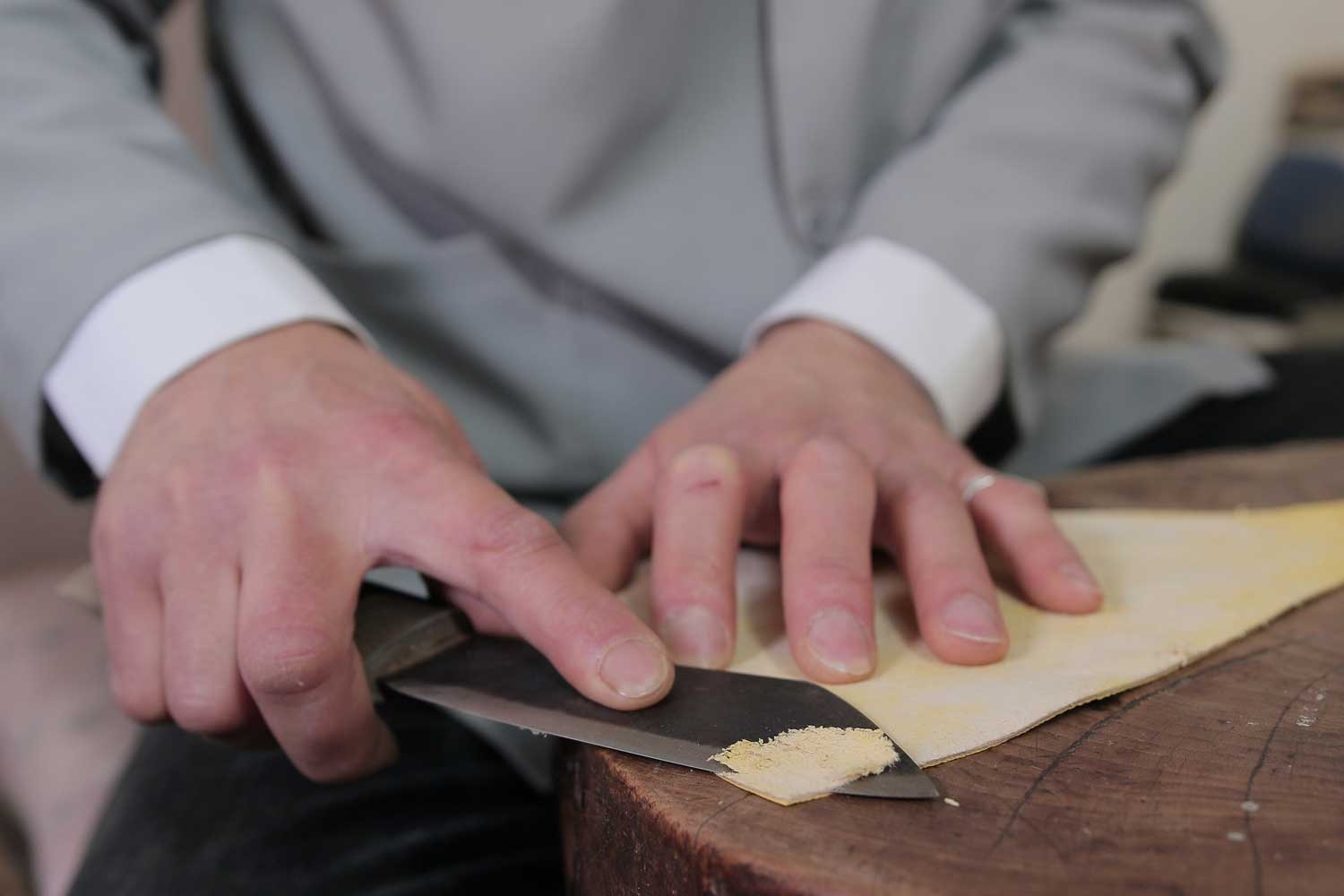
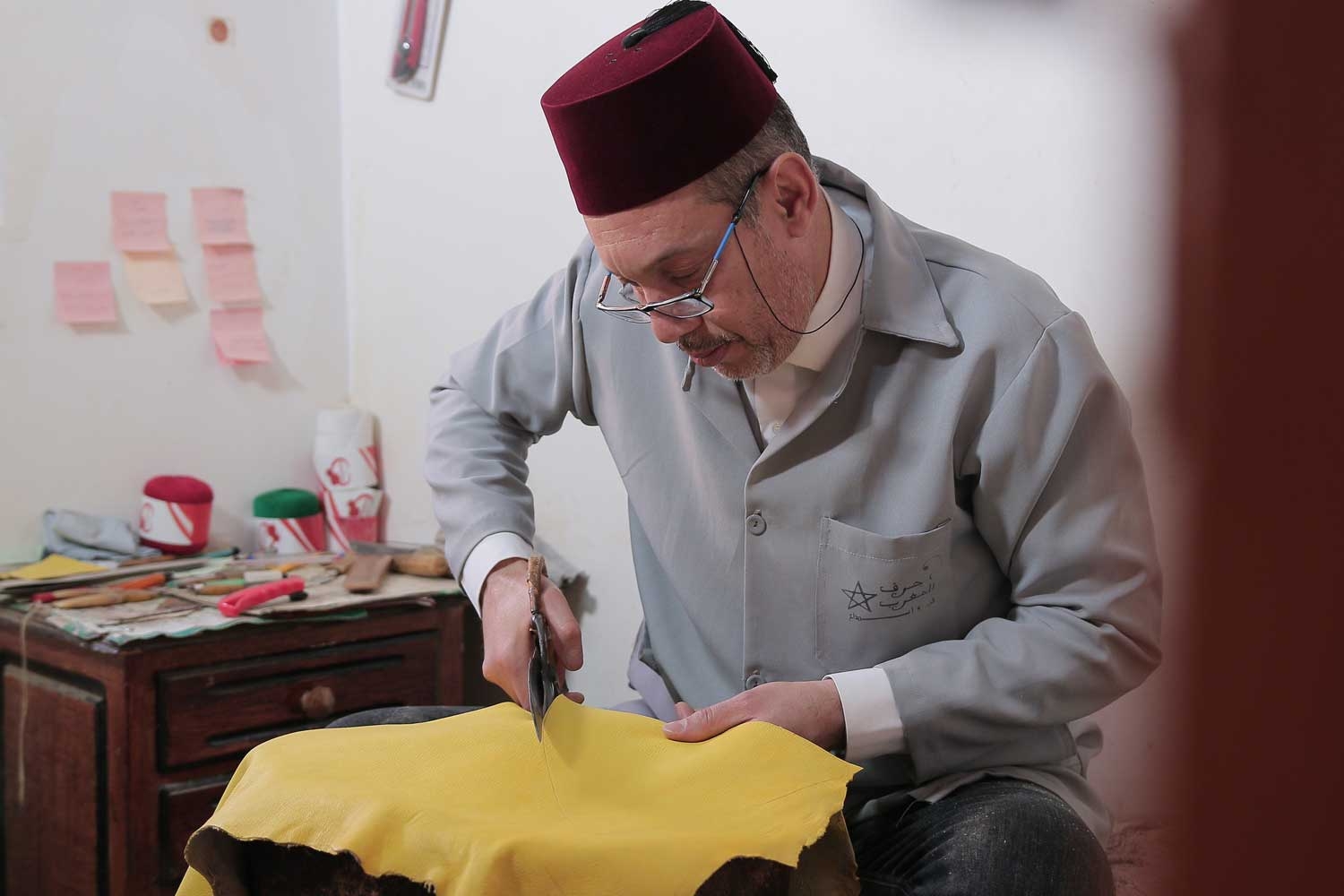
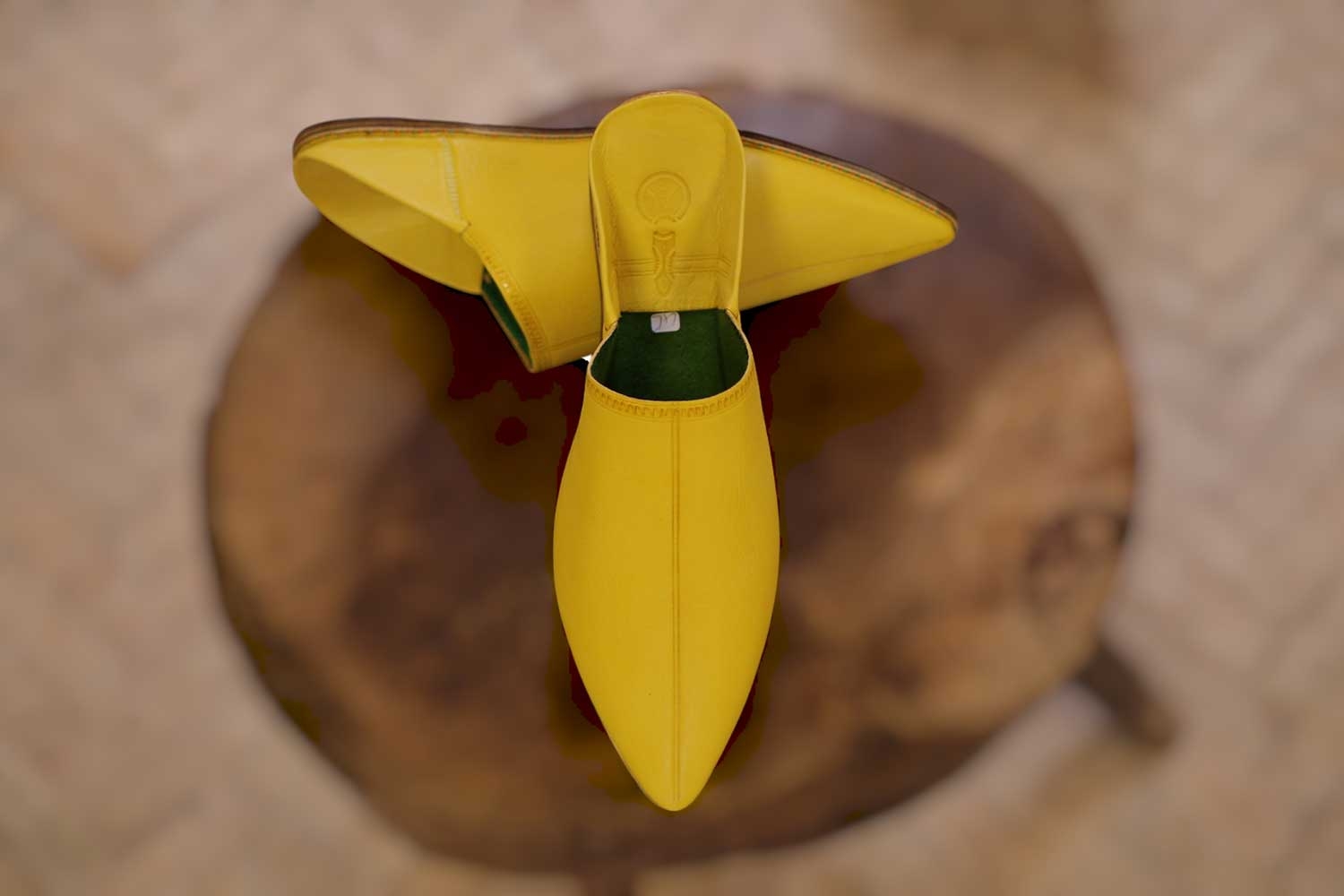
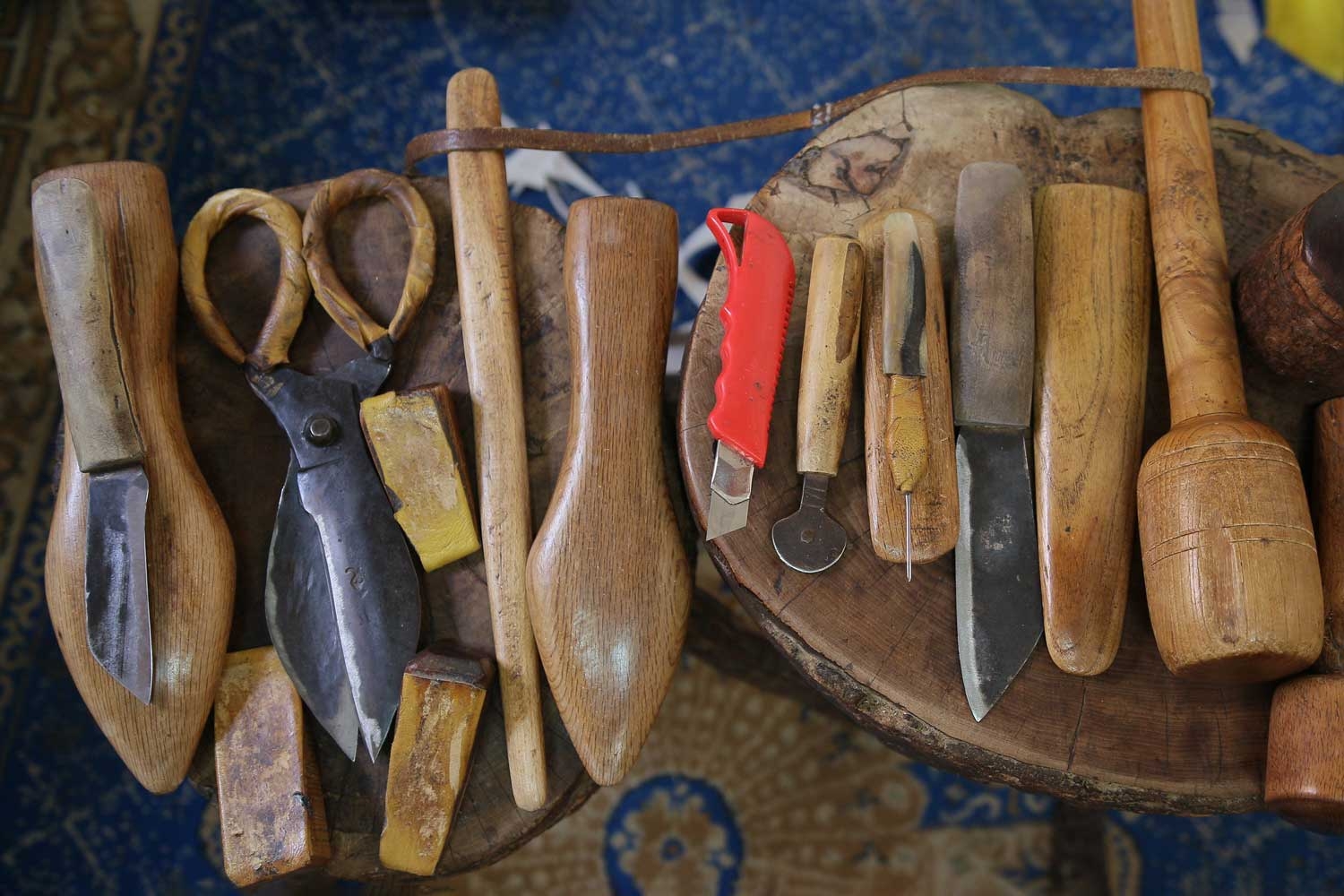
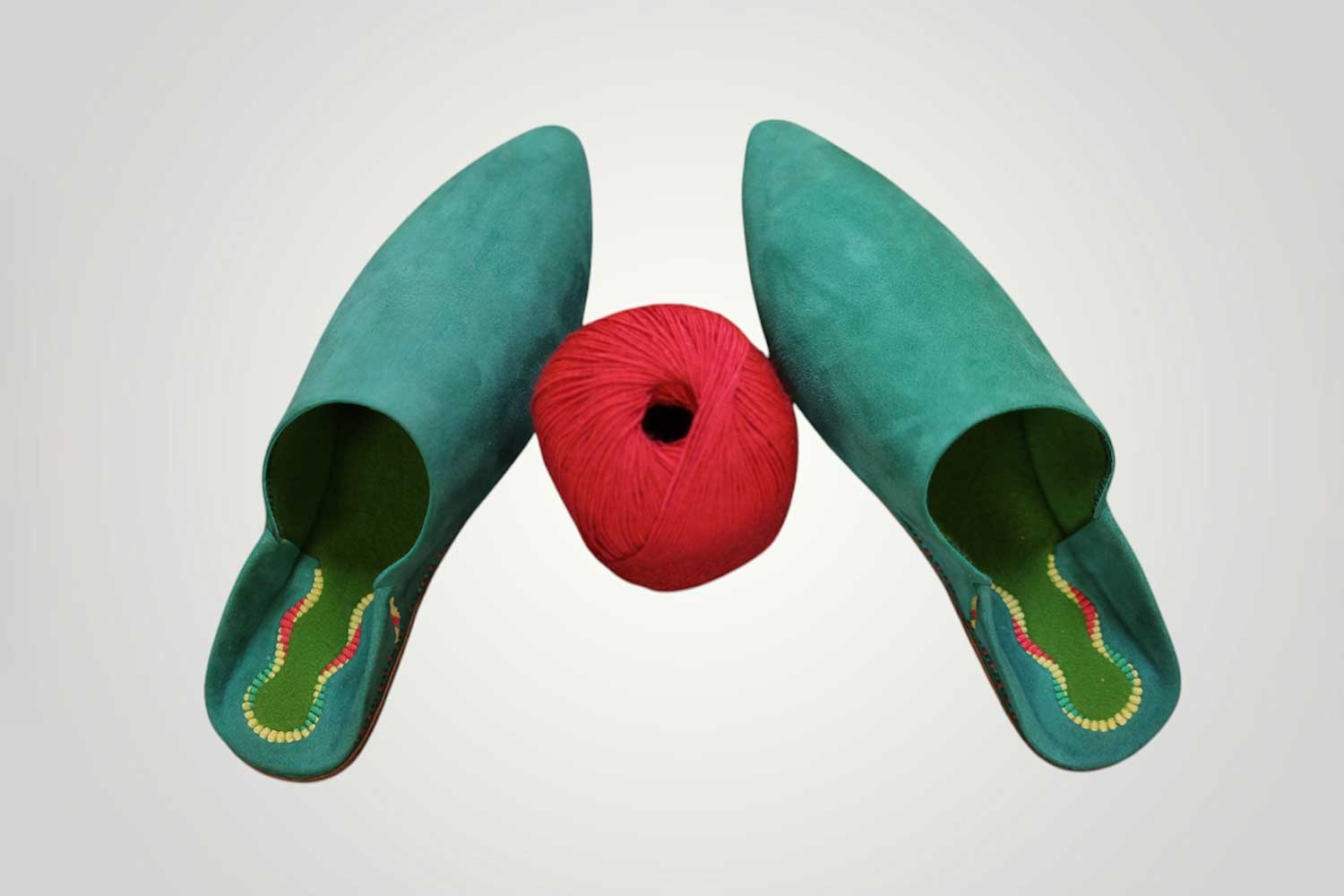
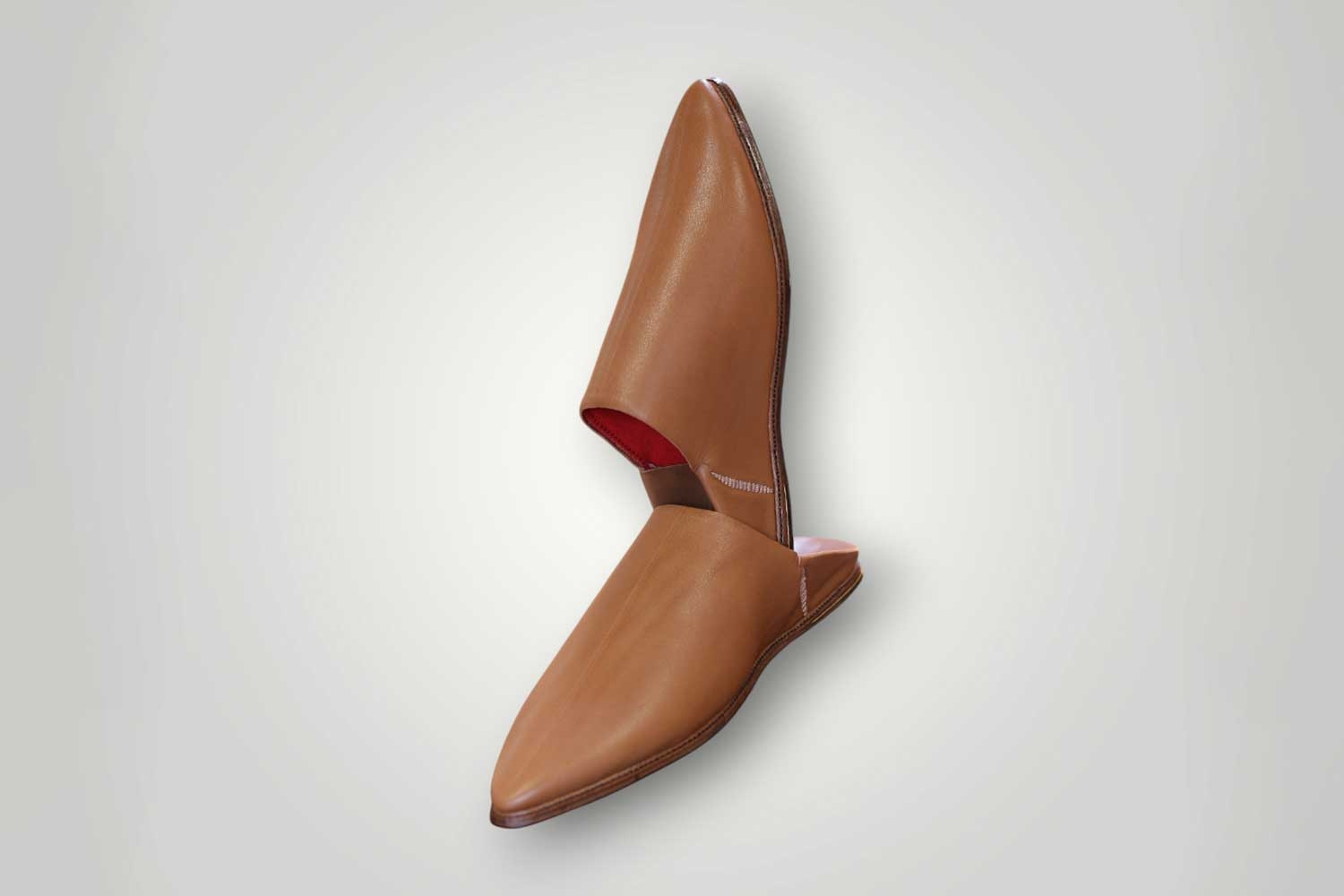
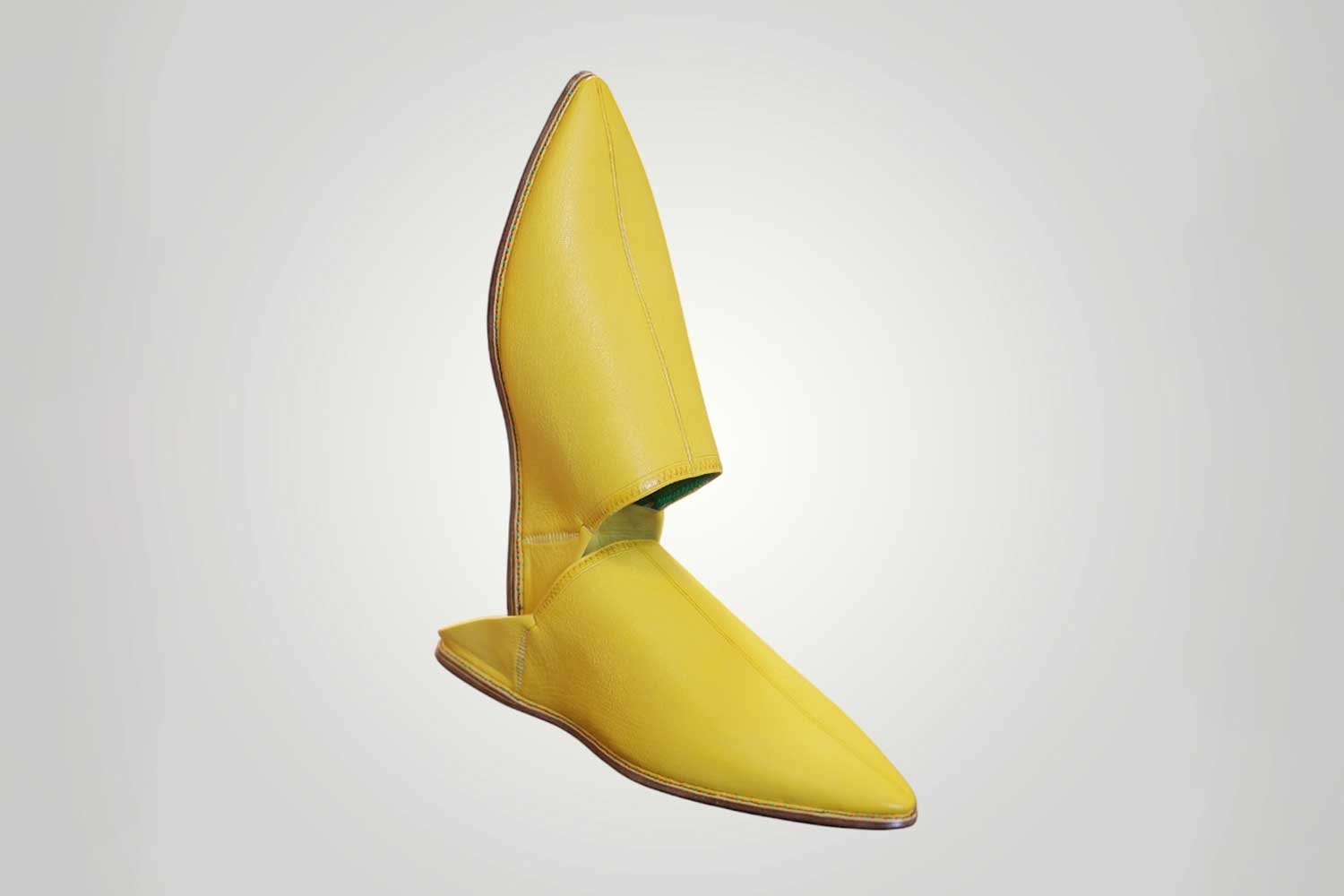
Ahmed Bouchaala specialises in crafting the Moroccan babouche, a traditional leather slipper. His journey began in the alleys of Fez, where as a child he watched master shoemakers at work. "I learned the craft through observation and consistent trial and error. Before I knew it, babouches had become more than a practice – they were a calling," Ahmed says. Today, in his workshop, he shapes each pair by hand with Ziwani leather dyed with wheat bran, herbs and even pigeon droppings. Ahmed's shoes reflect centuries of savoir-faire, but also a personal pride rooted in precision and tradition. He now sells his works in Morocco and abroad, with one royal commission standing out above all – a pair made for Prince Moulay Rachid.
Discover his work
INTERVIEW
My father asked a shoemaker to teach me the craft when I was younger. I learned shoemaking step by step, watching and practising. I tried other crafts, but always came back to shoes. Eventually, I opened my own workshop, which felt like the right place to be.
A pair of babouche shoes is known for its elegance and breathability. Fez babouches are made with Ziwani leather – yellow, soft and dyed entirely with plants. I use all natural materials, including bran, herbs, pomegranate and even pigeon droppings. People recognise them by colour and smell – they are pure Fez.
I am really proud of the pair of babouches I was commissioned to make for Prince Moulay Rachid. I handcrafted it with great care, detail after detail. This commission proved to me that traditional work is still valued at the highest of levels.
A fully handmade, detailed pair takes up to five days. A simpler version can take one day. I work alone, without shortcuts, to ensure each cut and stitch is executed precisely. It is not a fast process, but that is the whole point.
Ahmed Bouchaala
Shoemaker
Fez, Morocco
Recommended by Chambre d'Artisanat de la Région Fès
ADDRESS
Old Medina, Mourakab Sina’a Taqlidiya Llala Yadouna, Founduq Nakhla 12, Workshop 10, 30000, Fez, Morocco
View on MapsAVAILABILITY
Daily 08:30-13:00 / 14:00-18:00; Friday closed
PHONE
+212 672926155
LANGUAGES
Arabic
Homo Faber Finds is a new service aiming to inspire admirers of craft to connect and collaborate with exceptional artisans.
We invite you to submit an enquiry here.