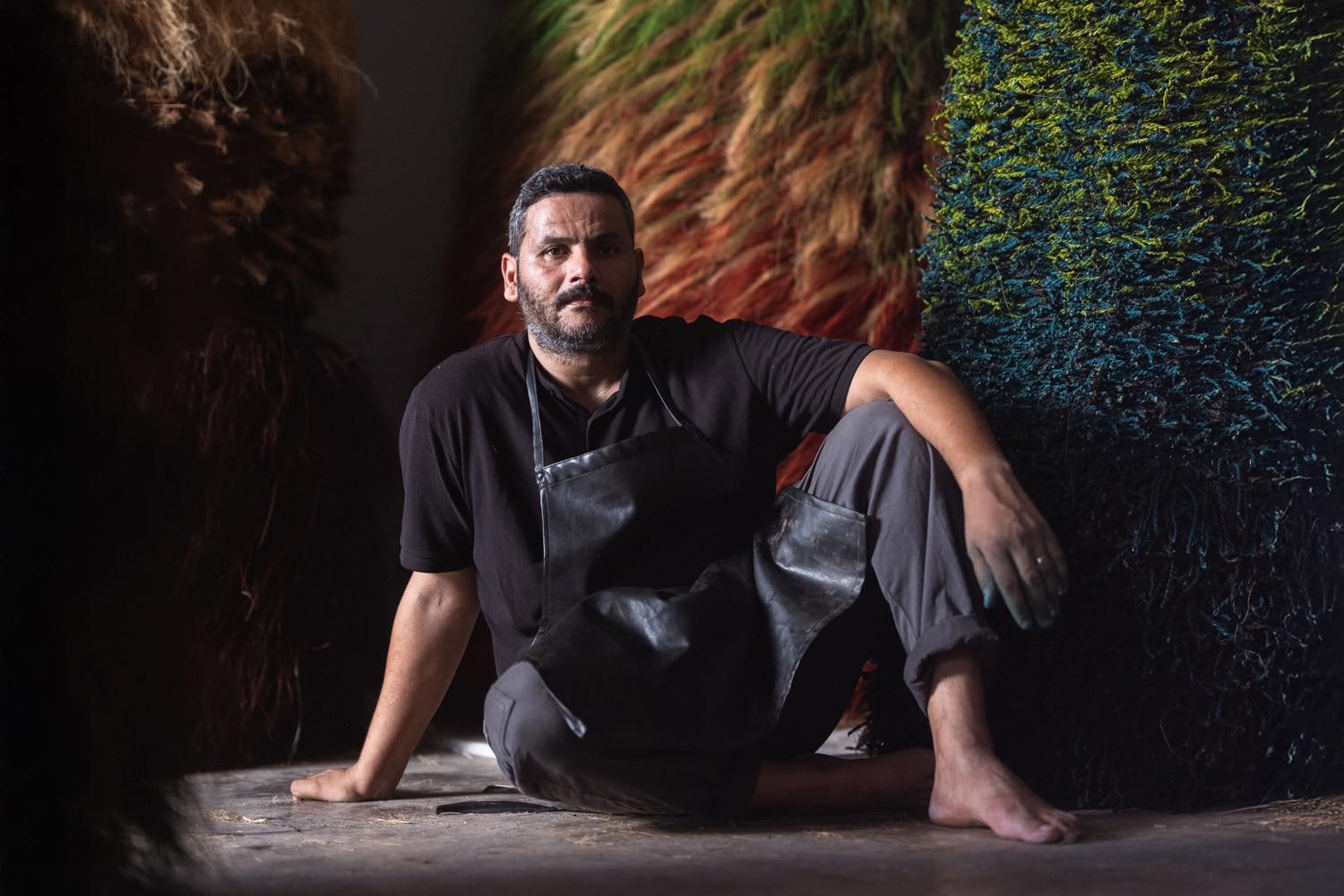
©Skander Khlif
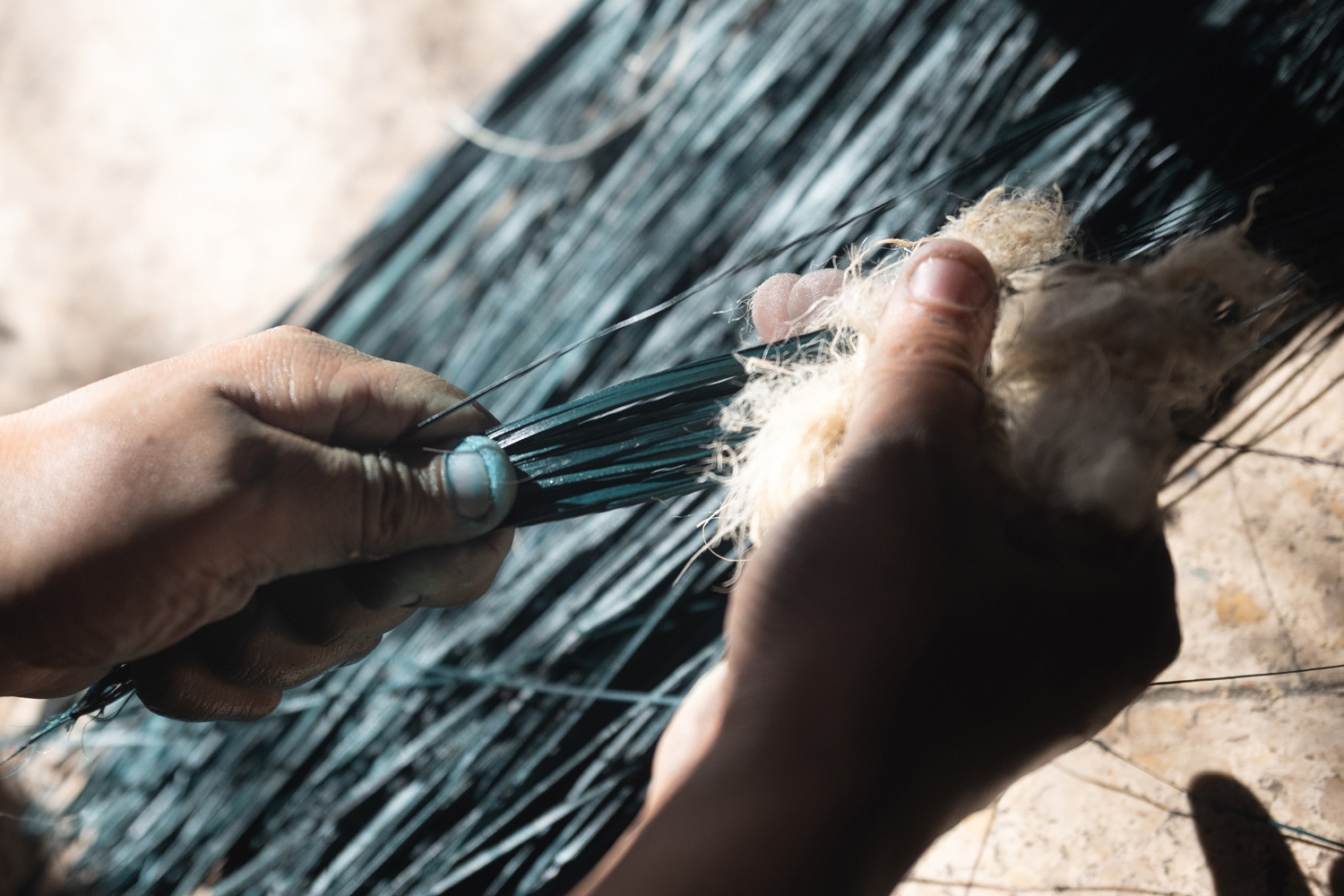
©Skander Khlif
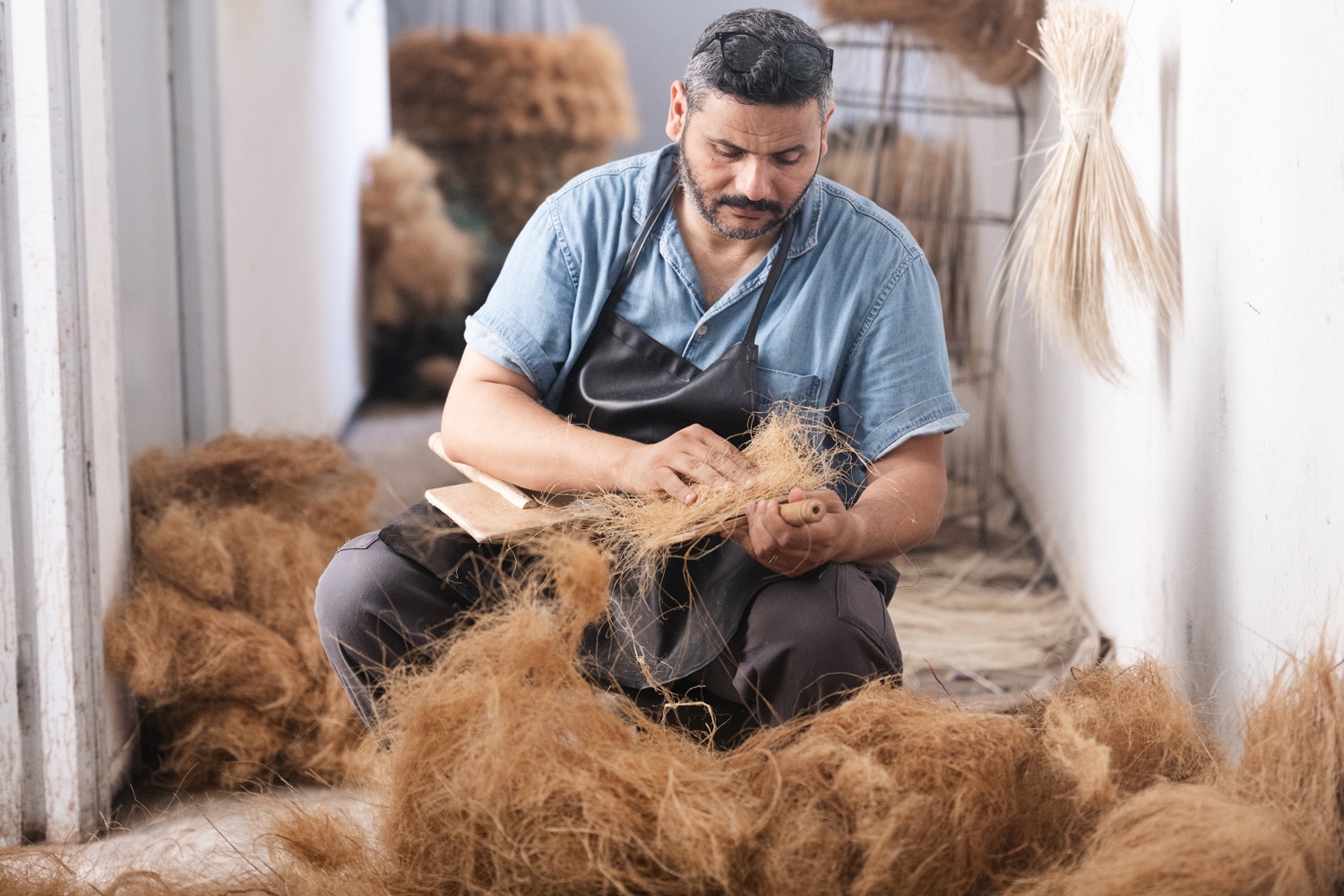
©Skander Khlif
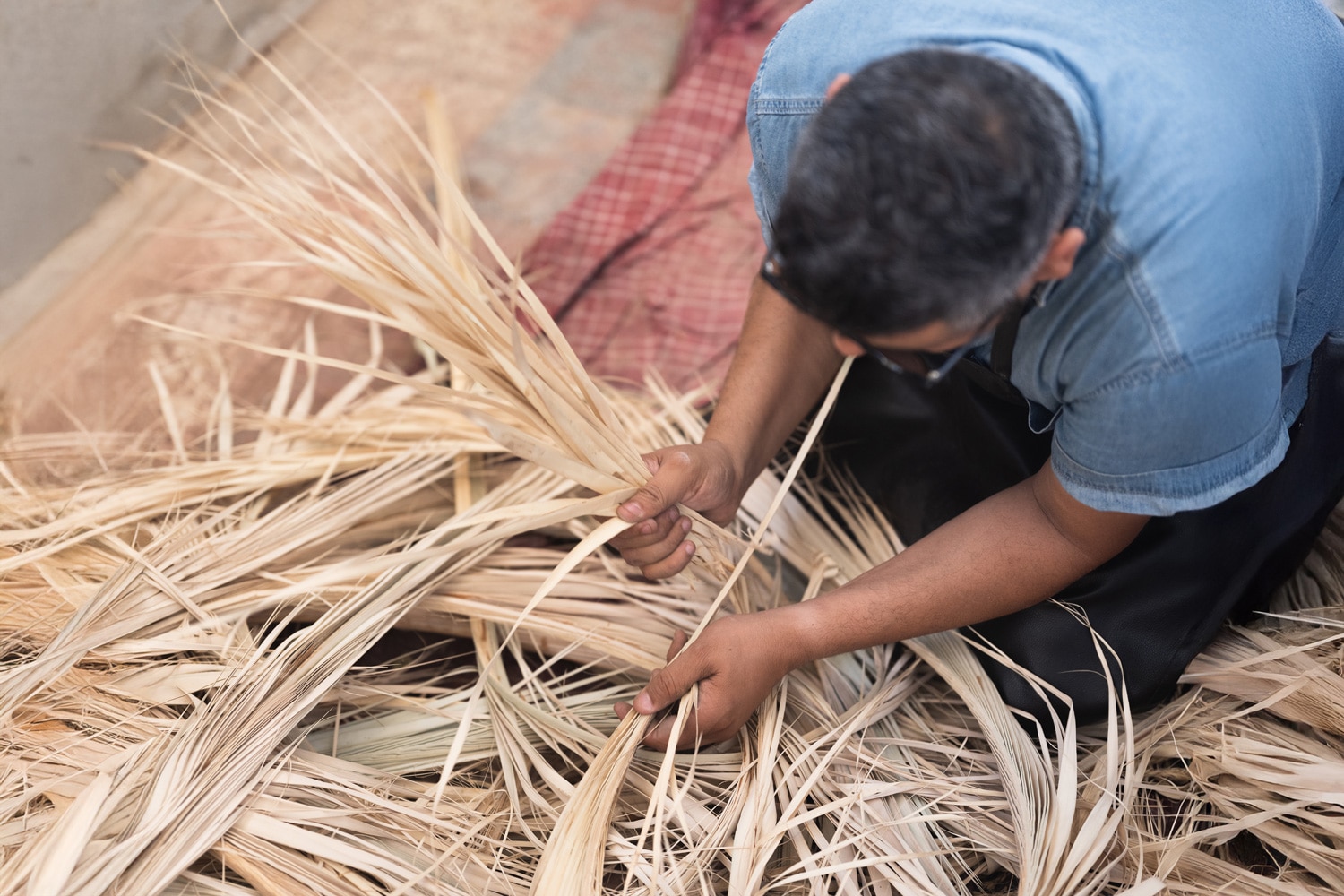
©Skander Khlif
©All rights reserved
©Skander Khlif
Mohamed Amine Hamouda
Botanical sculptor
Gabes, Tunisia
©Skander Khlif
©Skander Khlif
©Skander Khlif
©Skander Khlif
©Skander Khlif
©Skander Khlif
©Skander Khlif
©Skander Khlif
©All rights reserved
©All rights reserved
©Skander Khlif
©Skander Khlif
A woven voice for a threatened oasis
- Mohamed's research on oasis ecology guides his hand woven practice
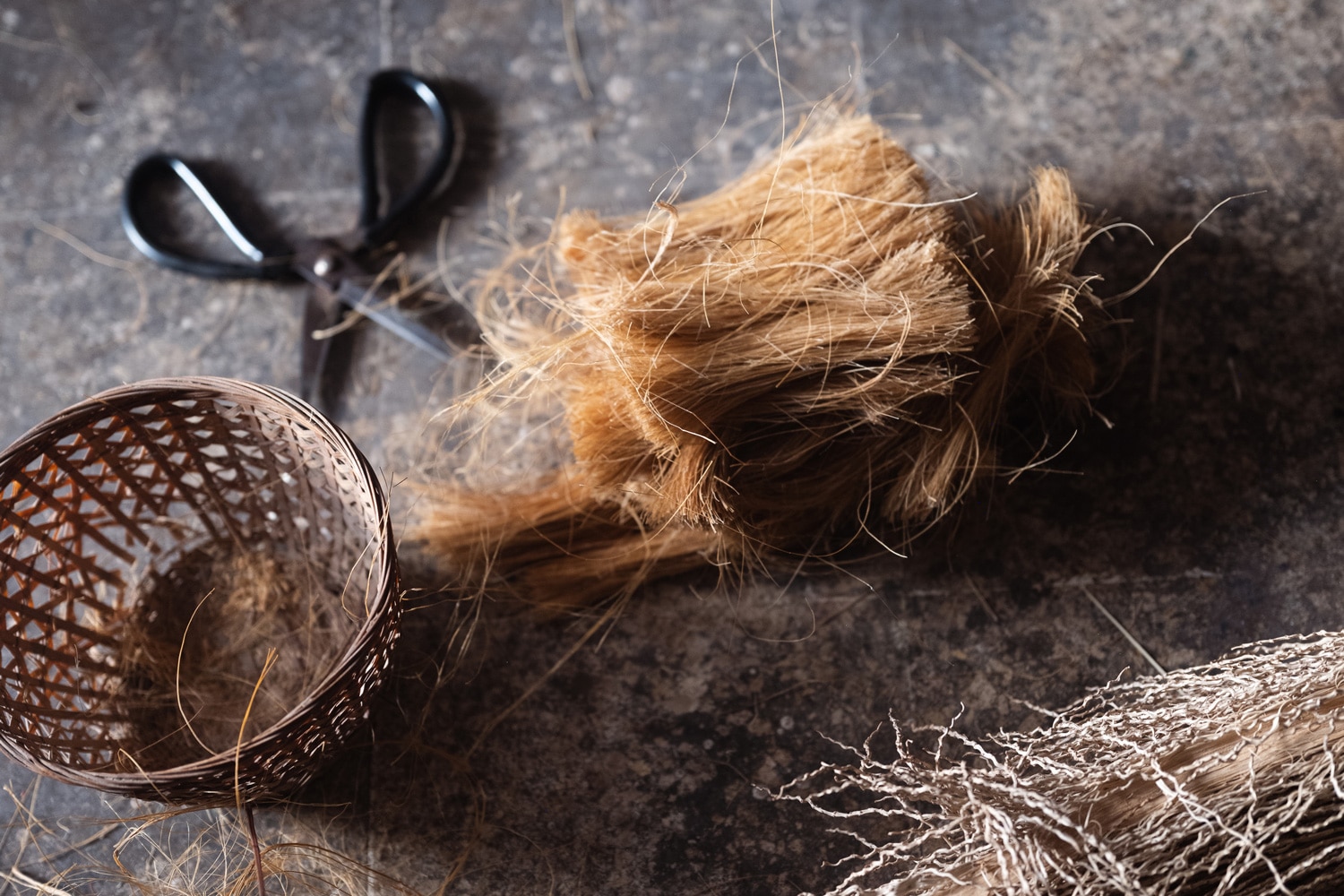
- He sources fibre from palm frond waste discarded by local weavers
- His practice is dedicated to defending the threatened oasis of Gabes
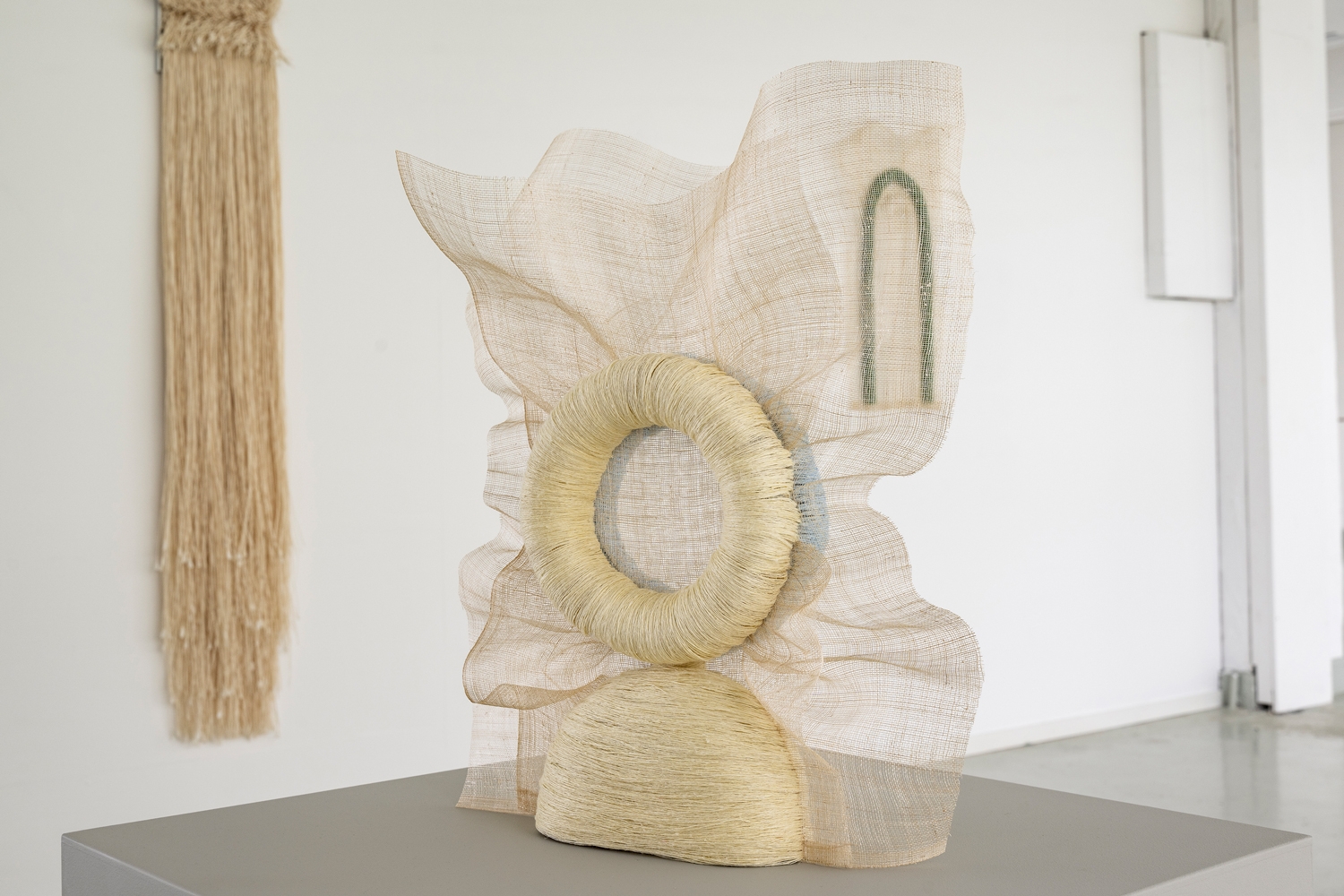
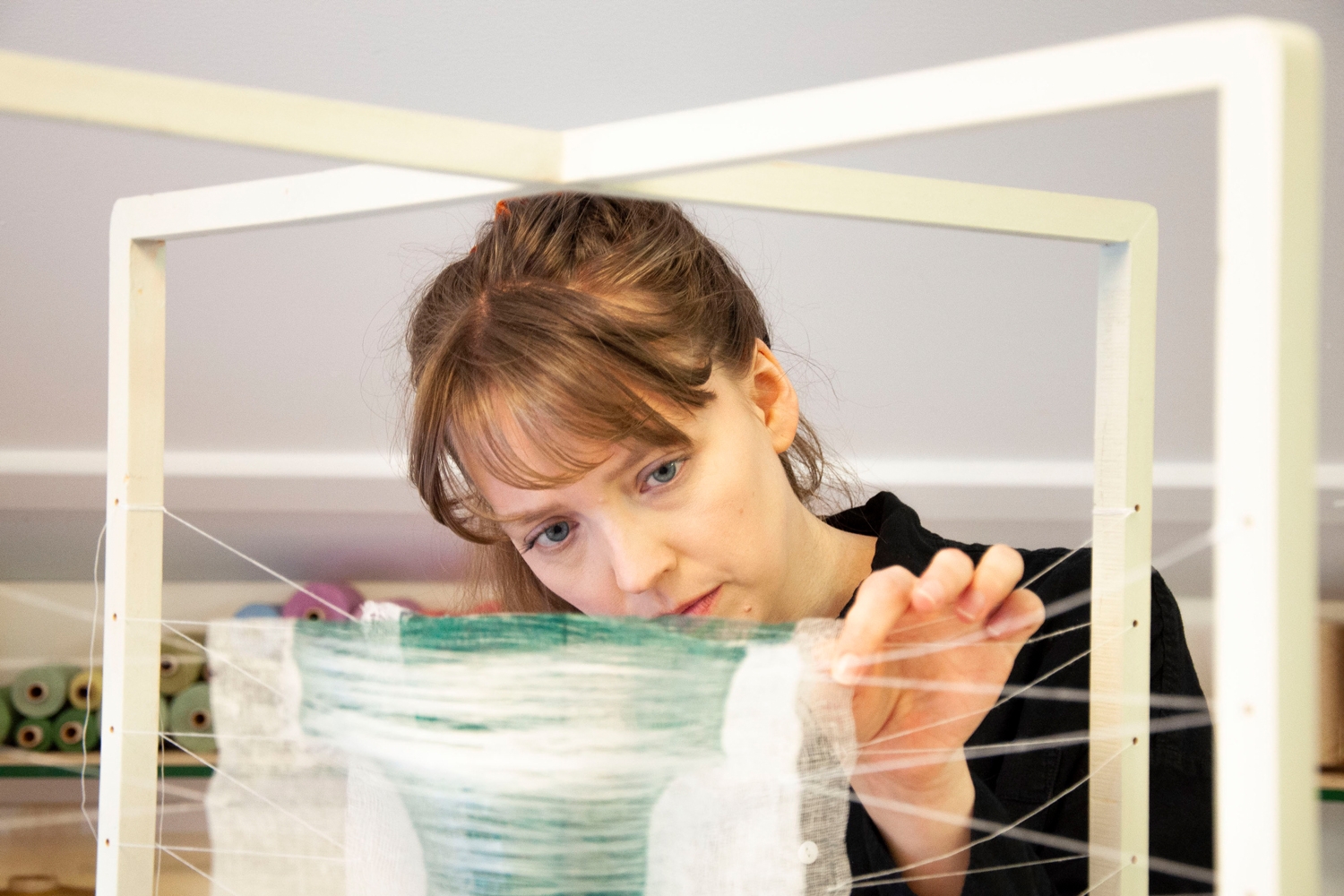
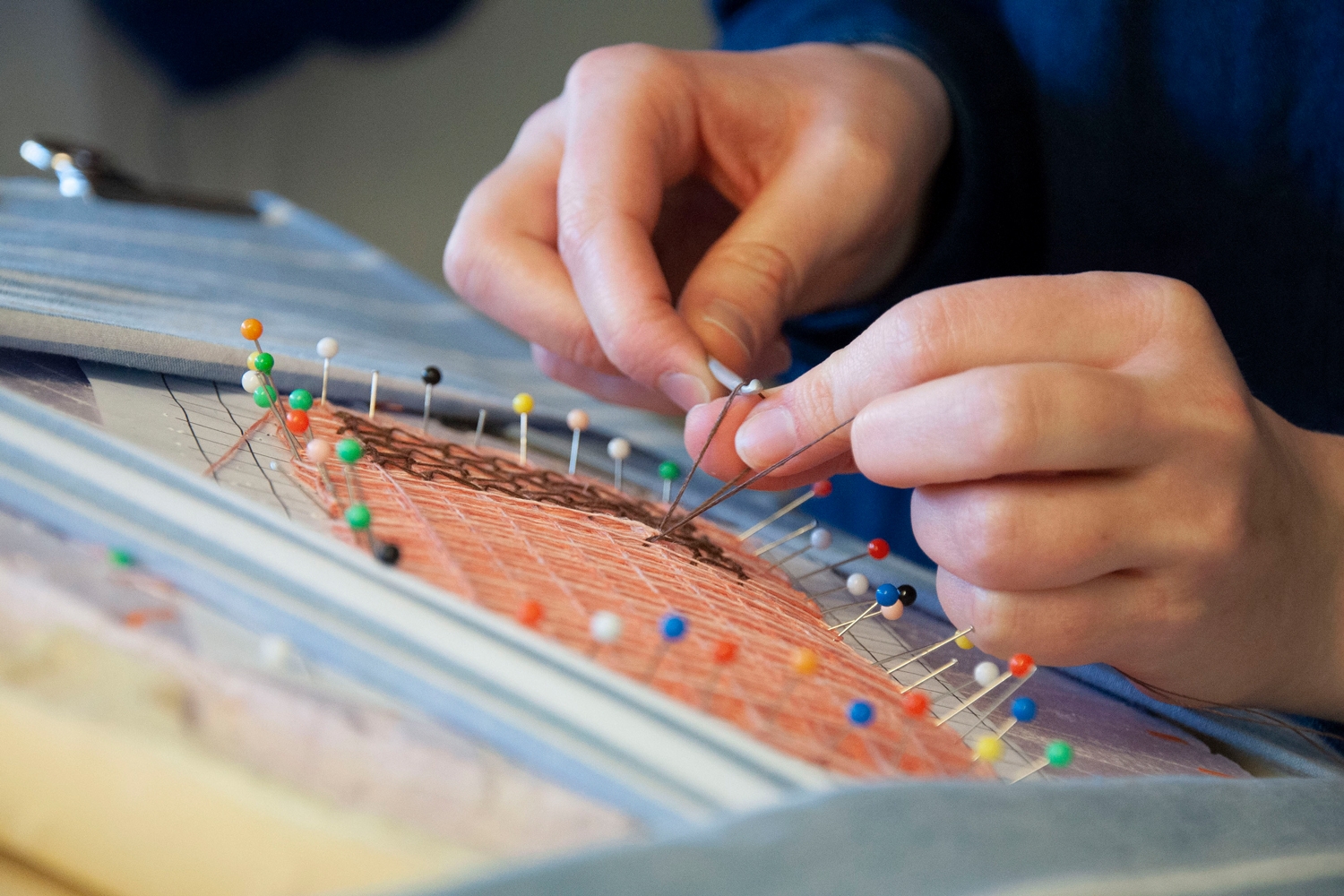
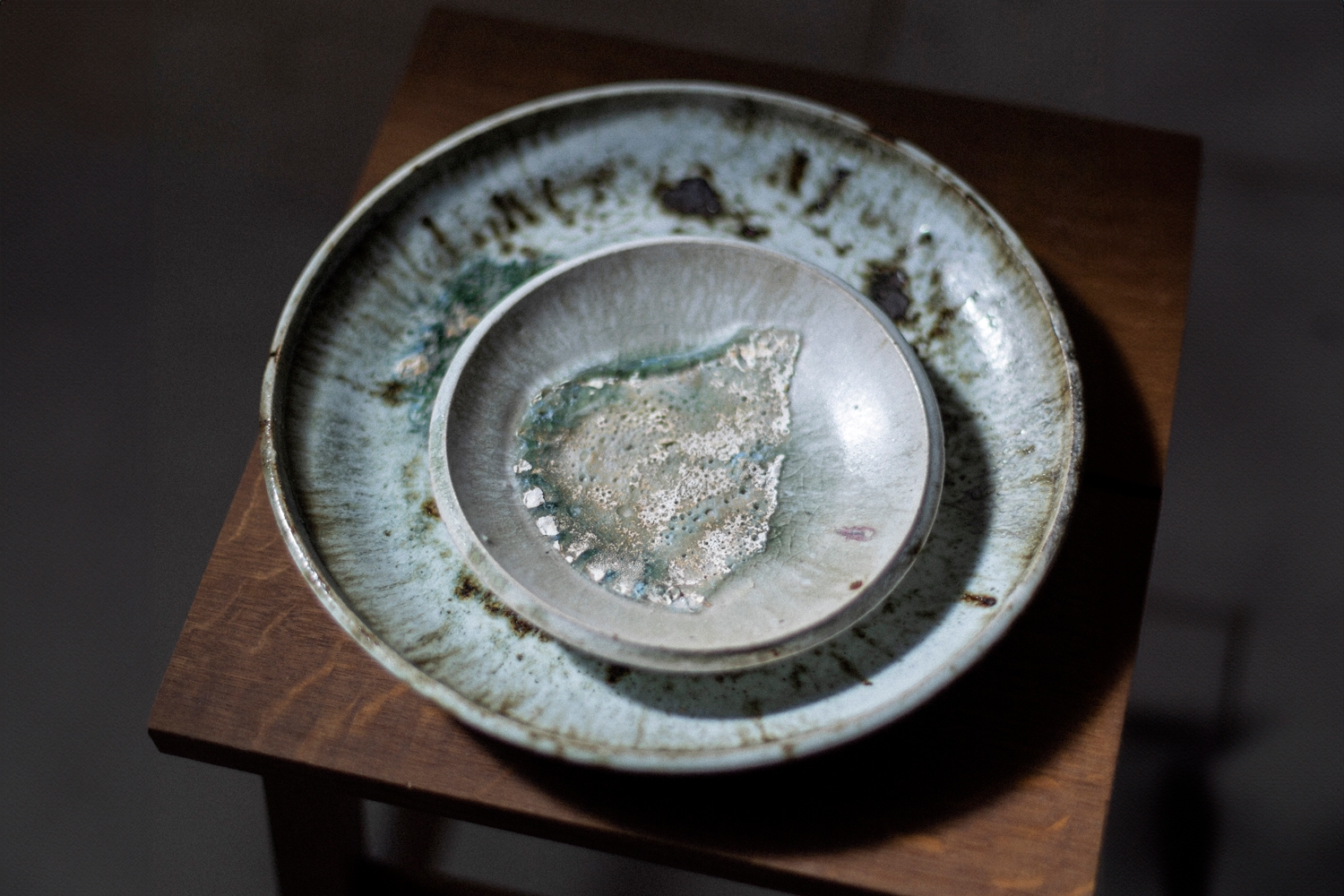
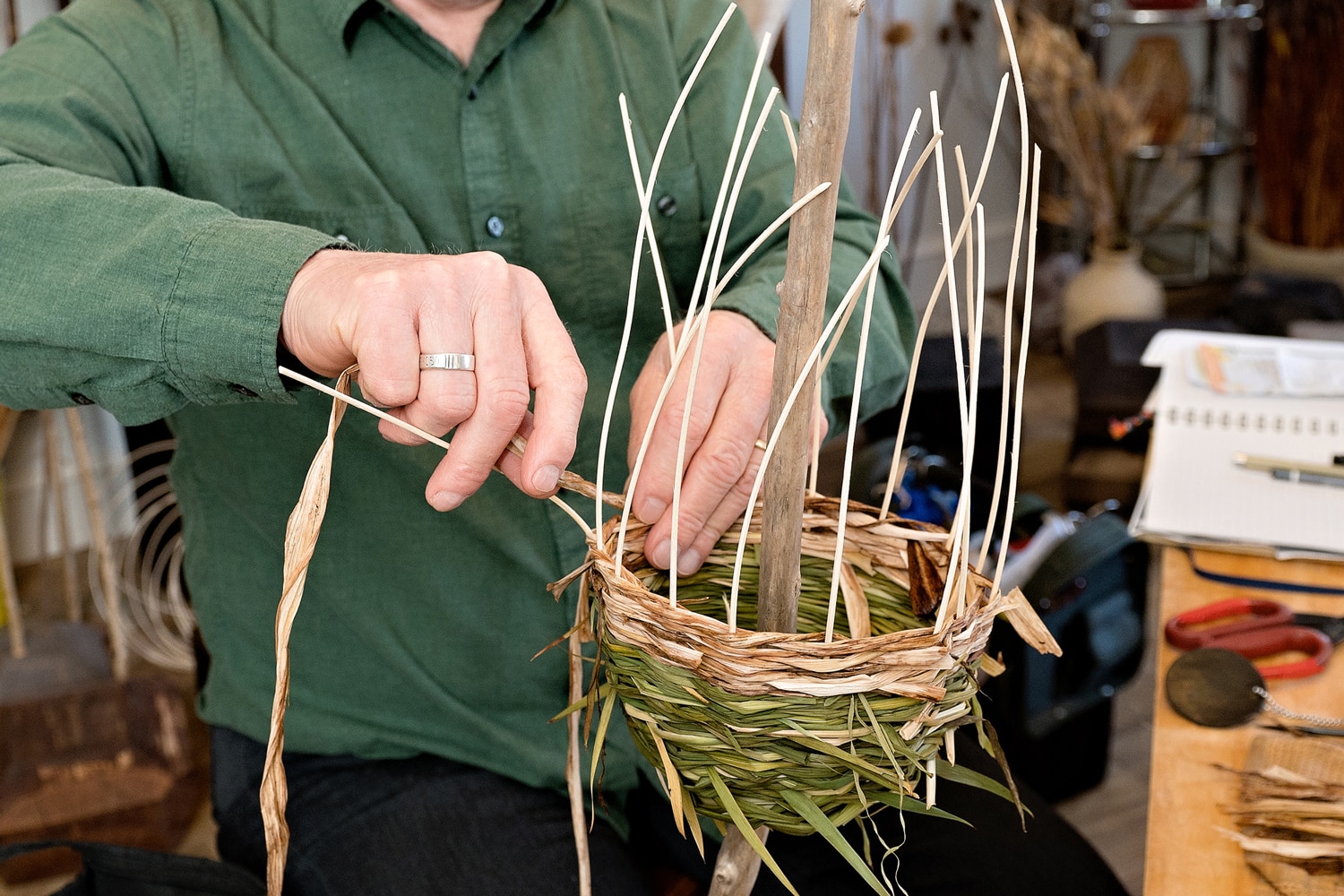
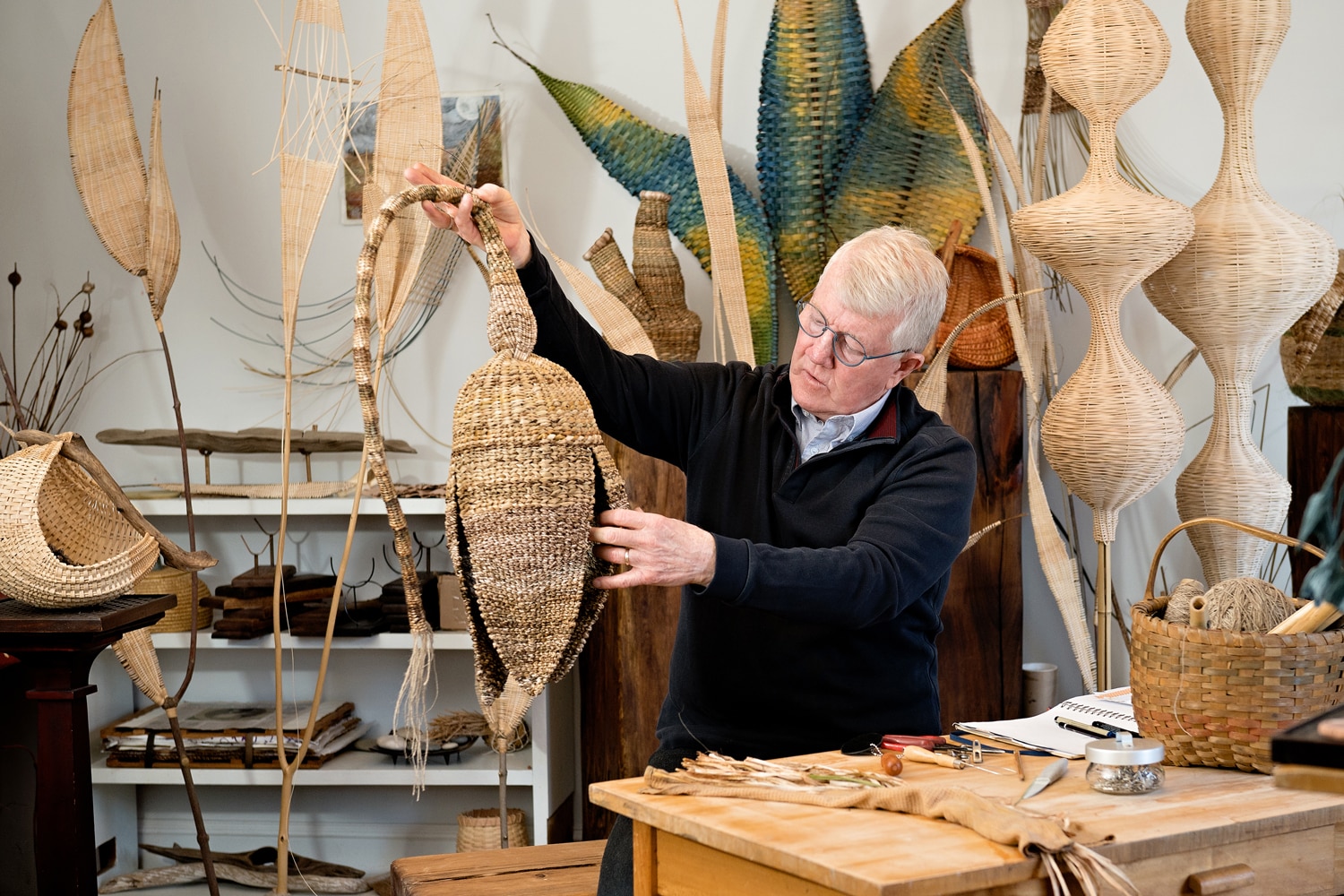
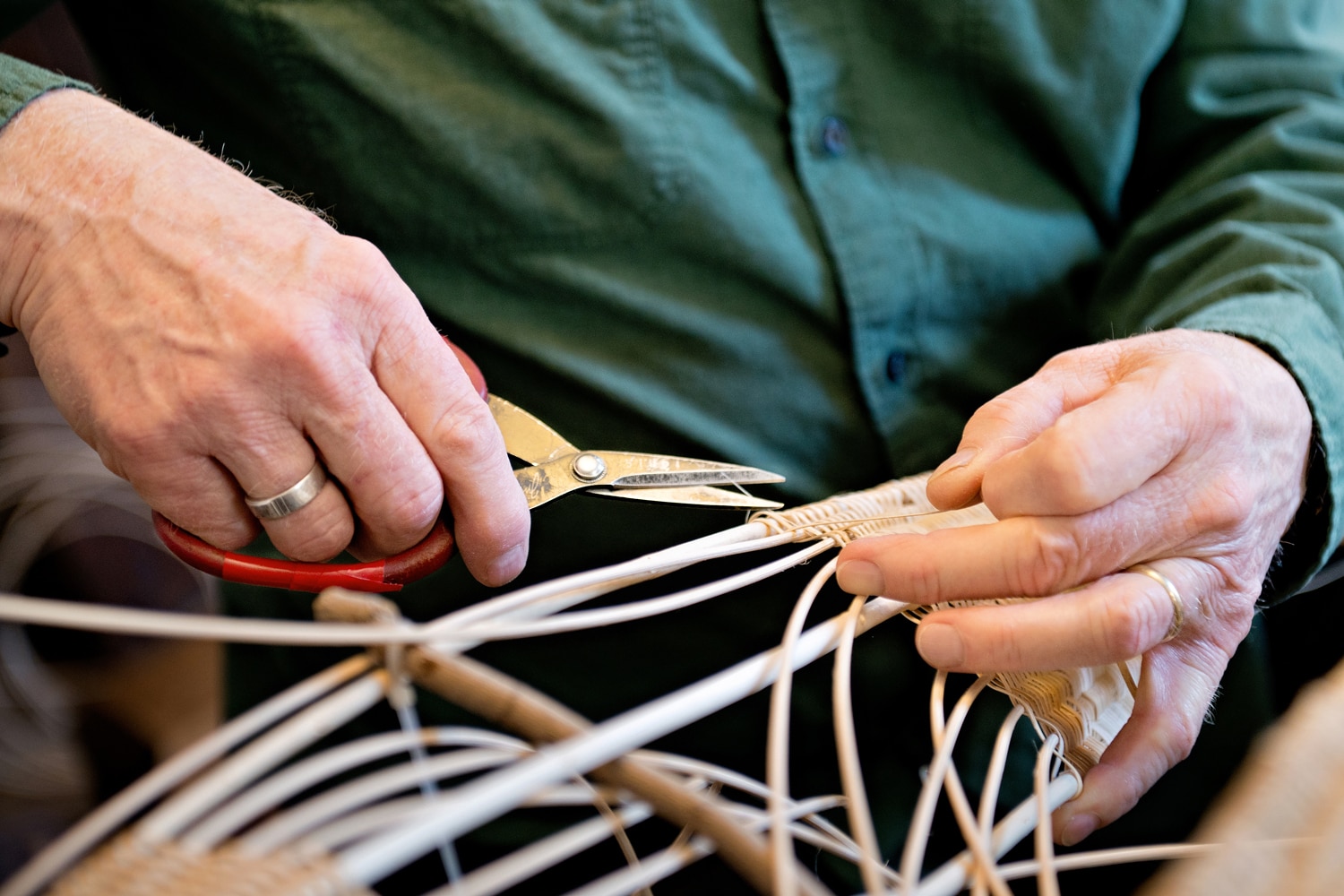
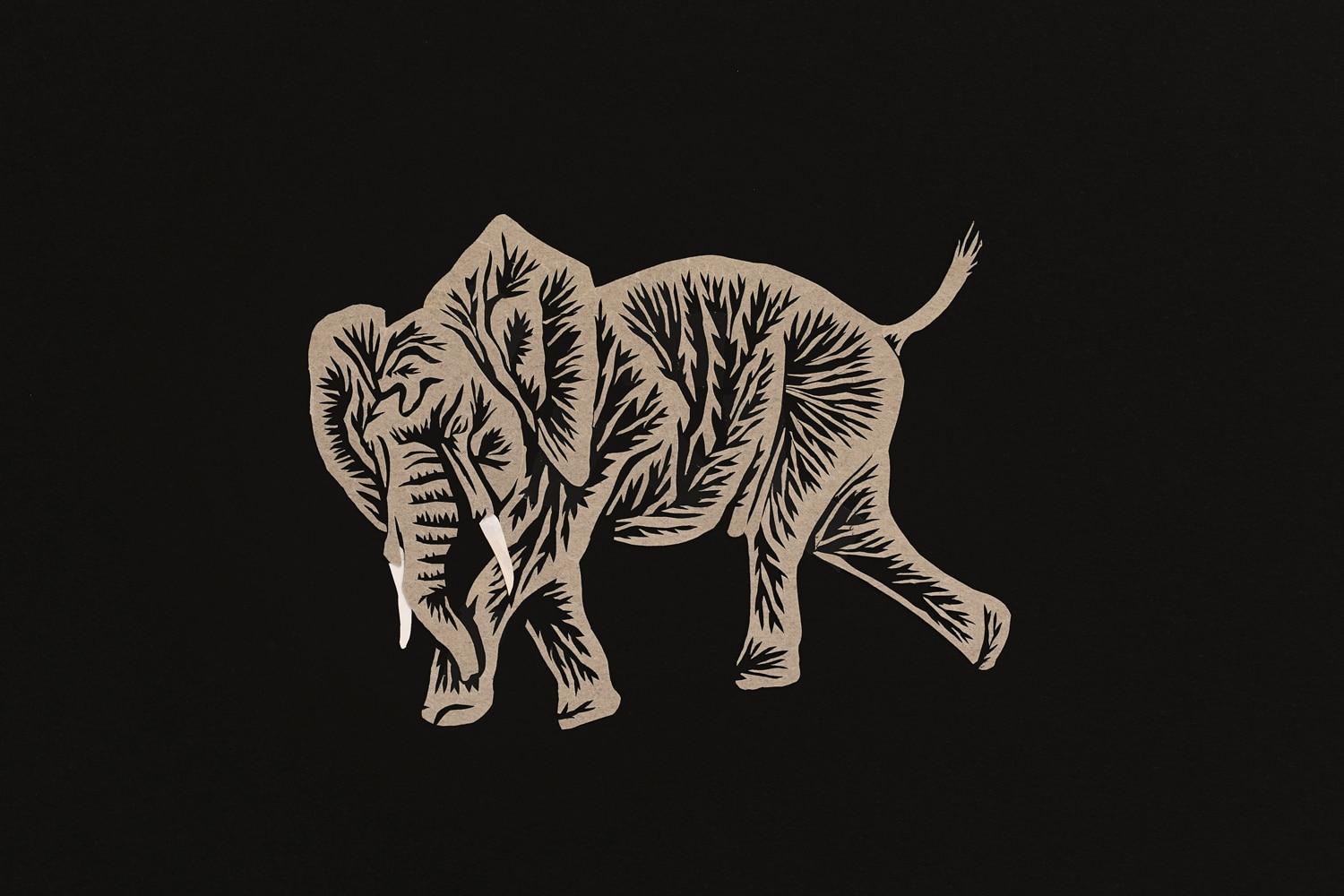
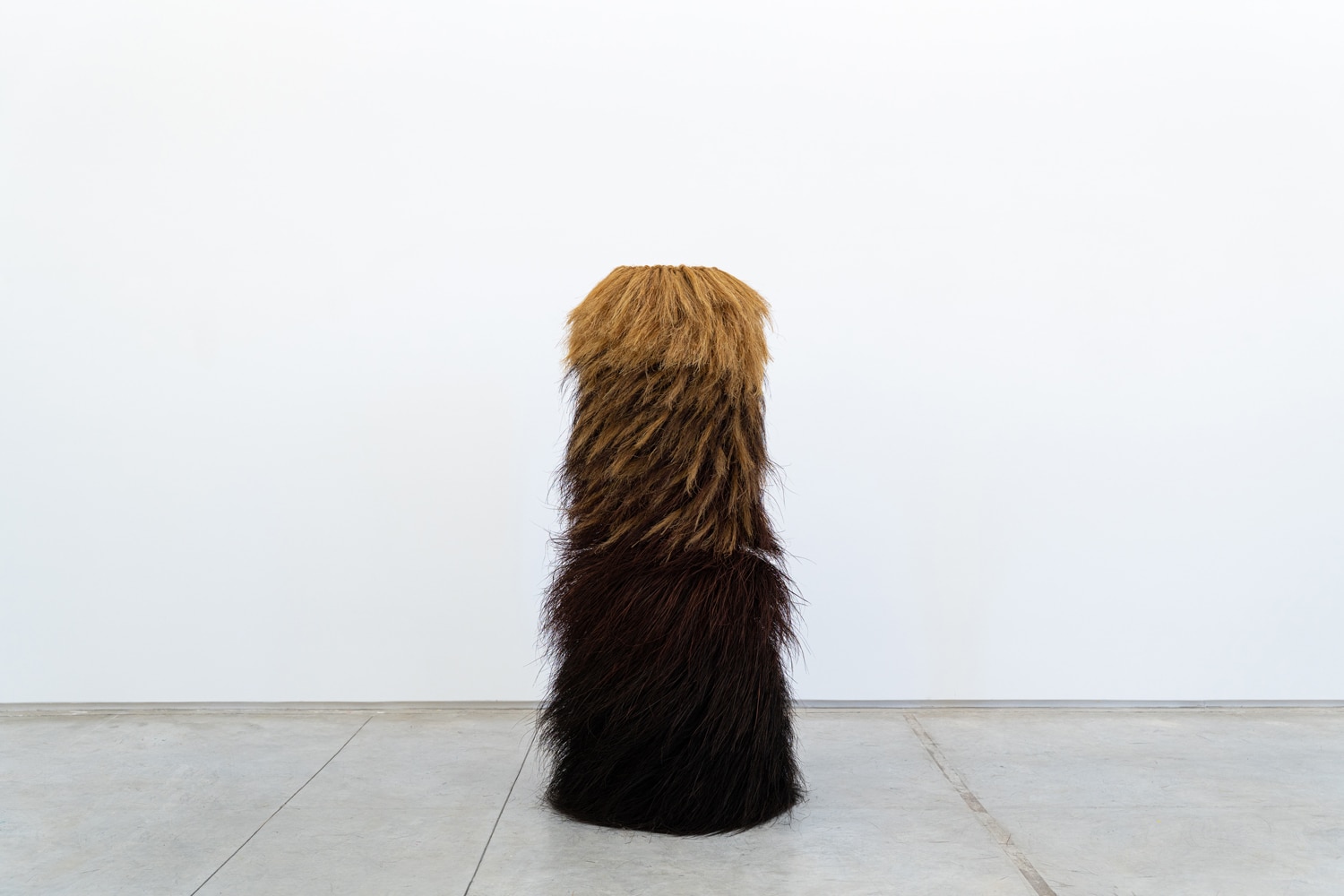
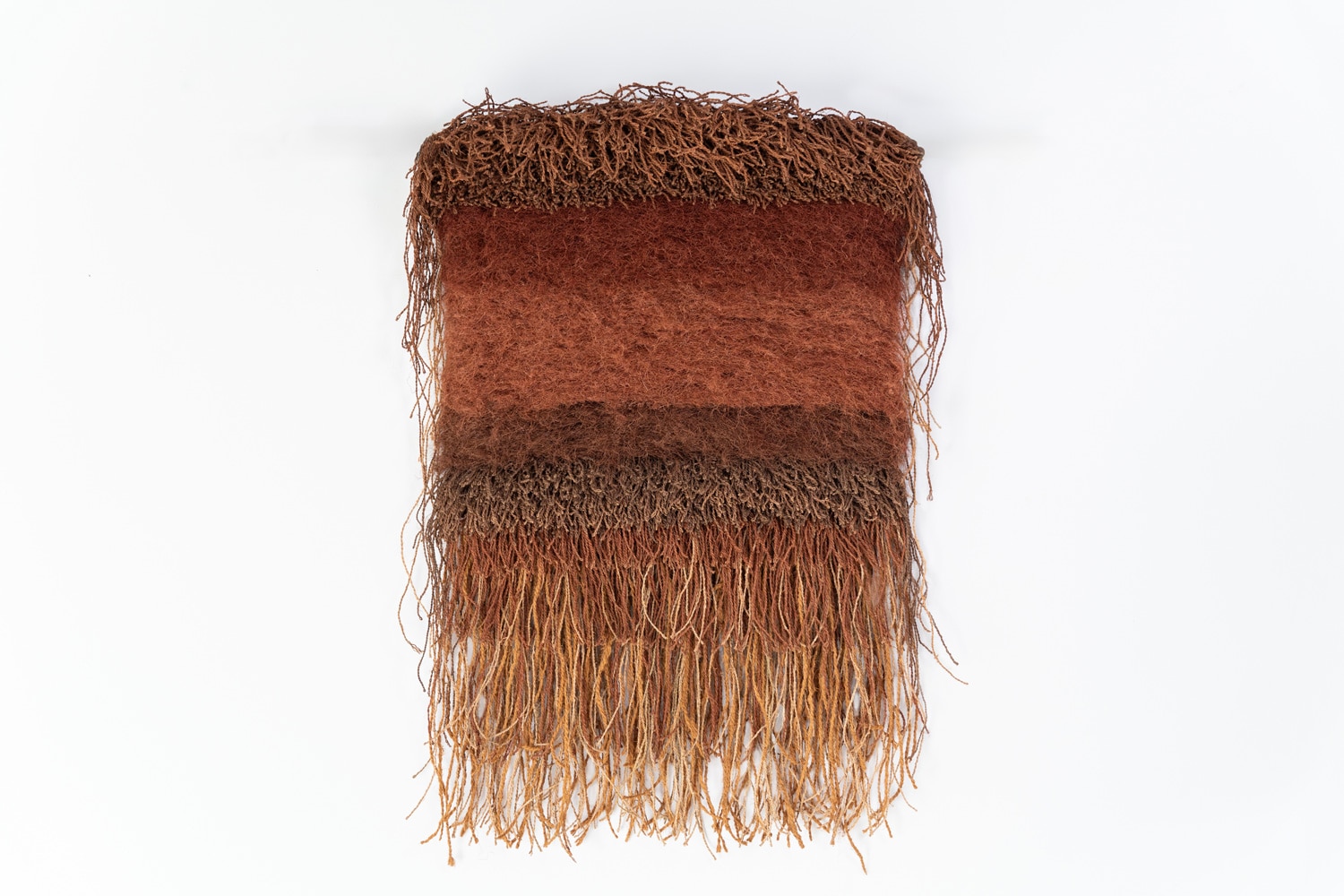
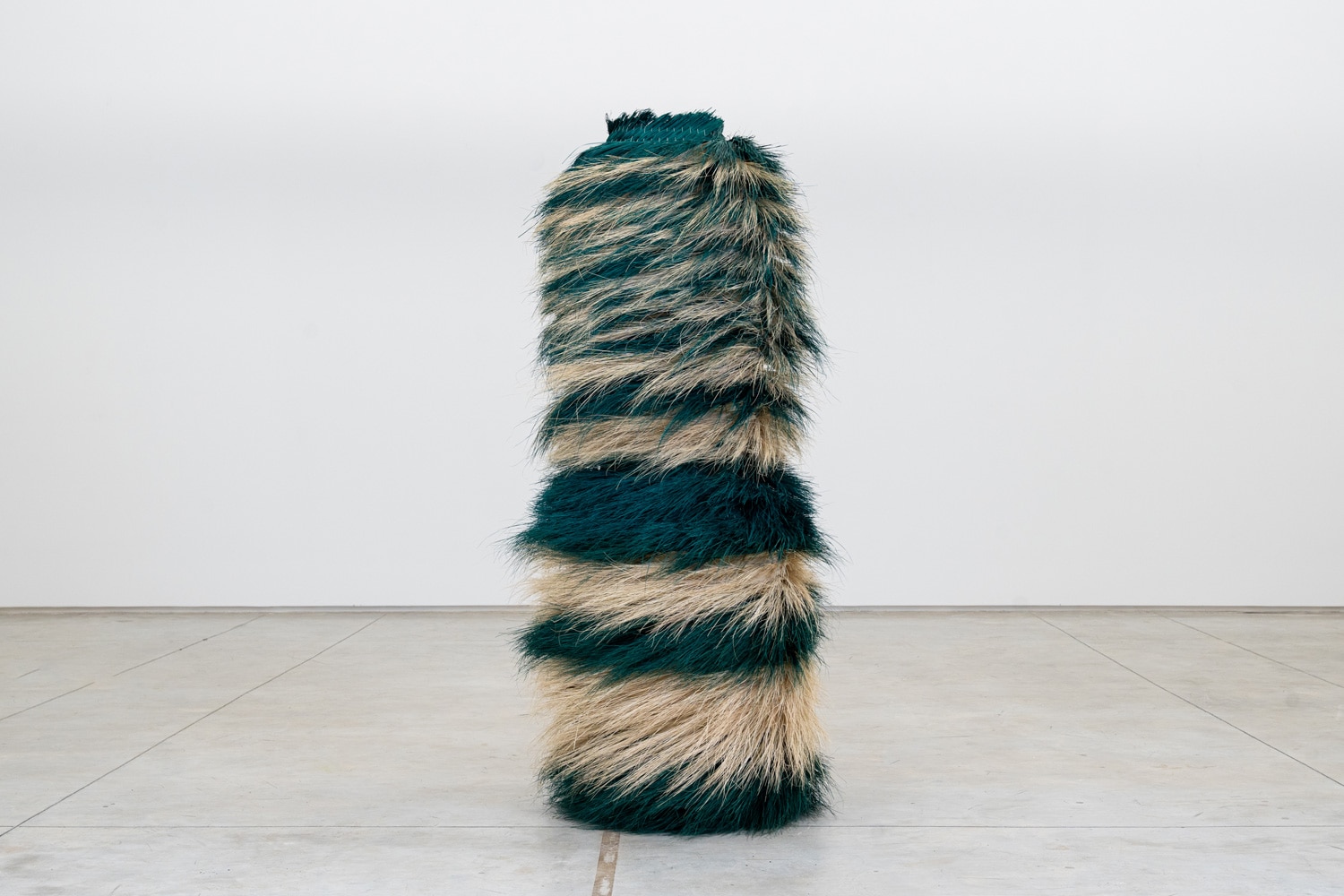
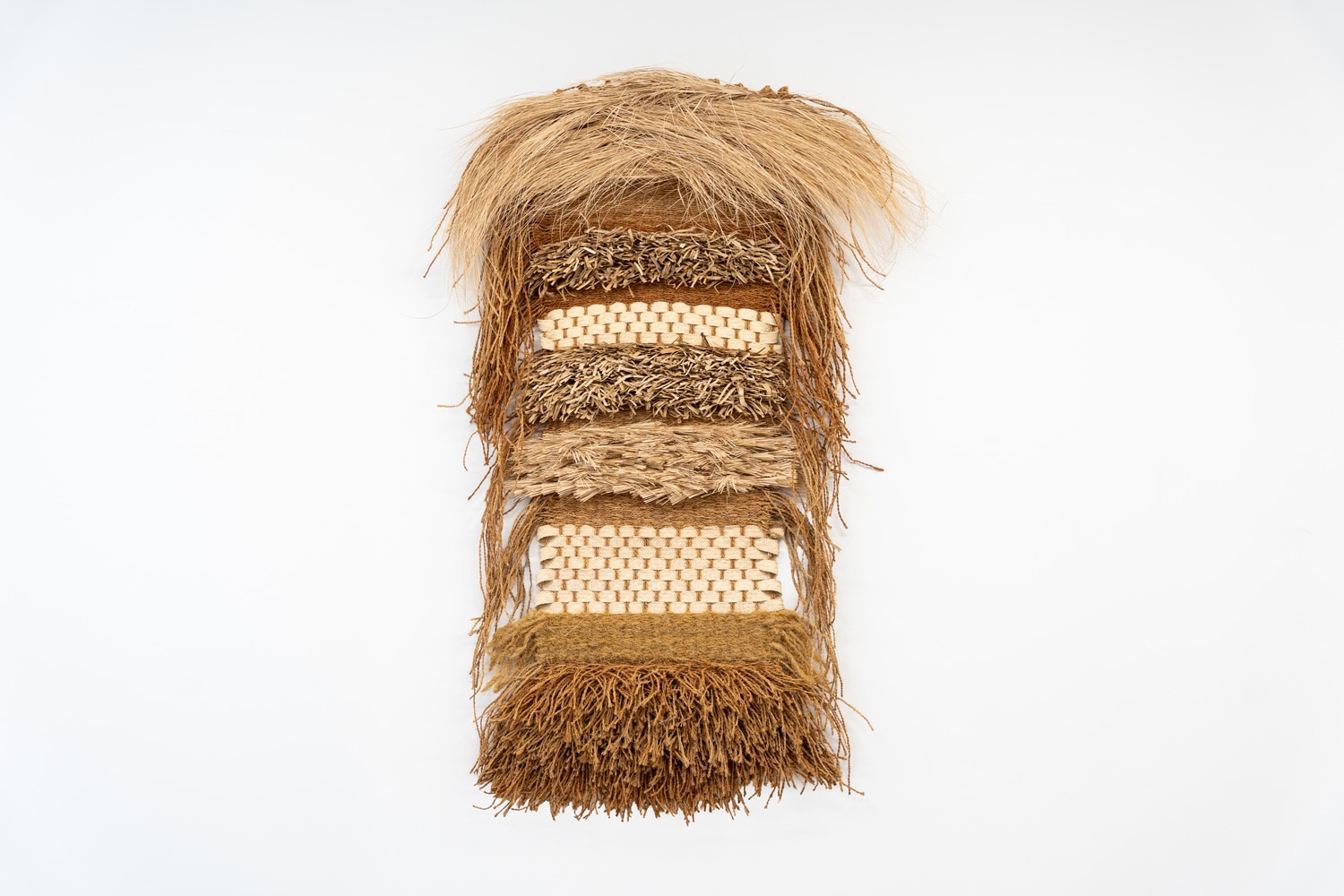
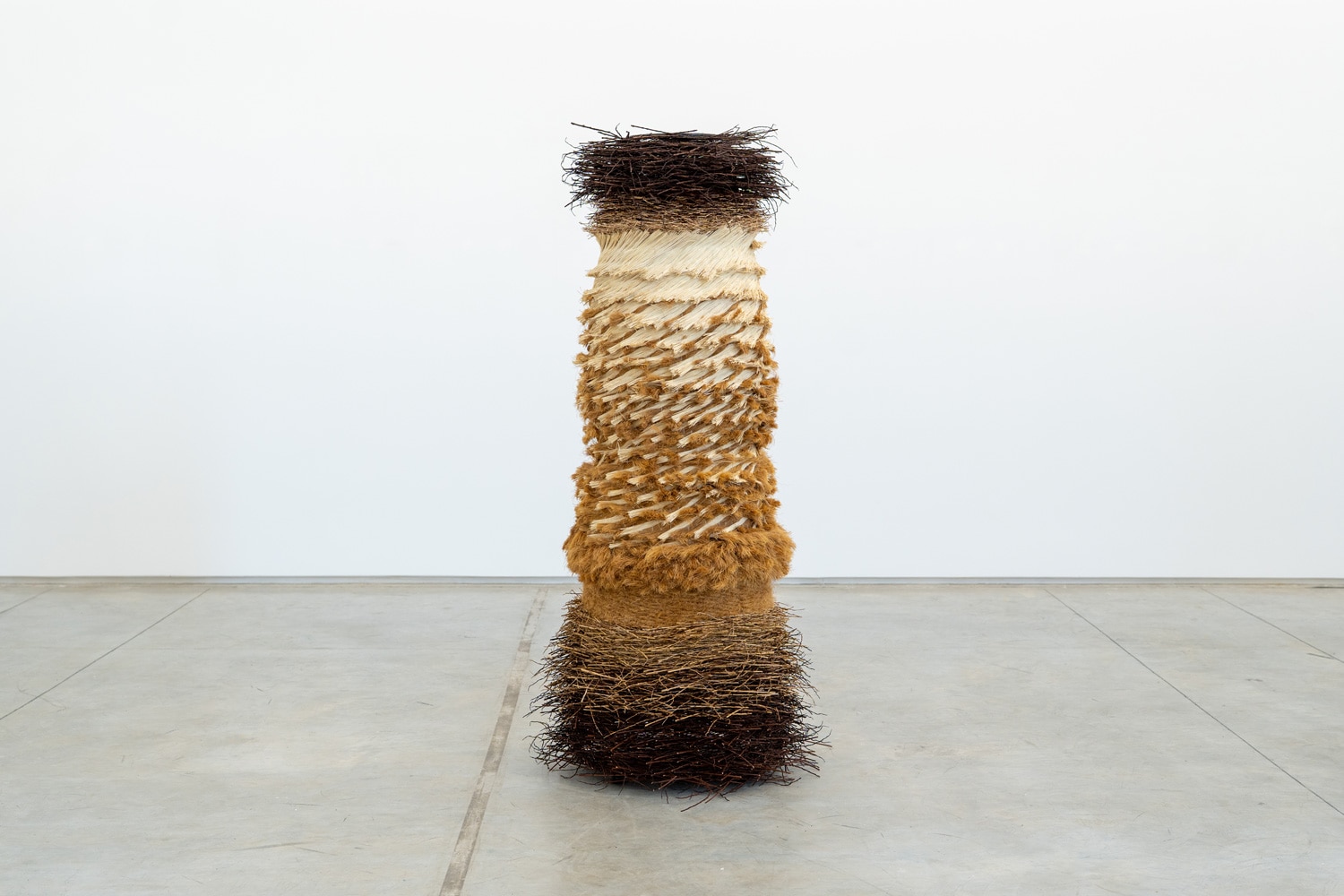
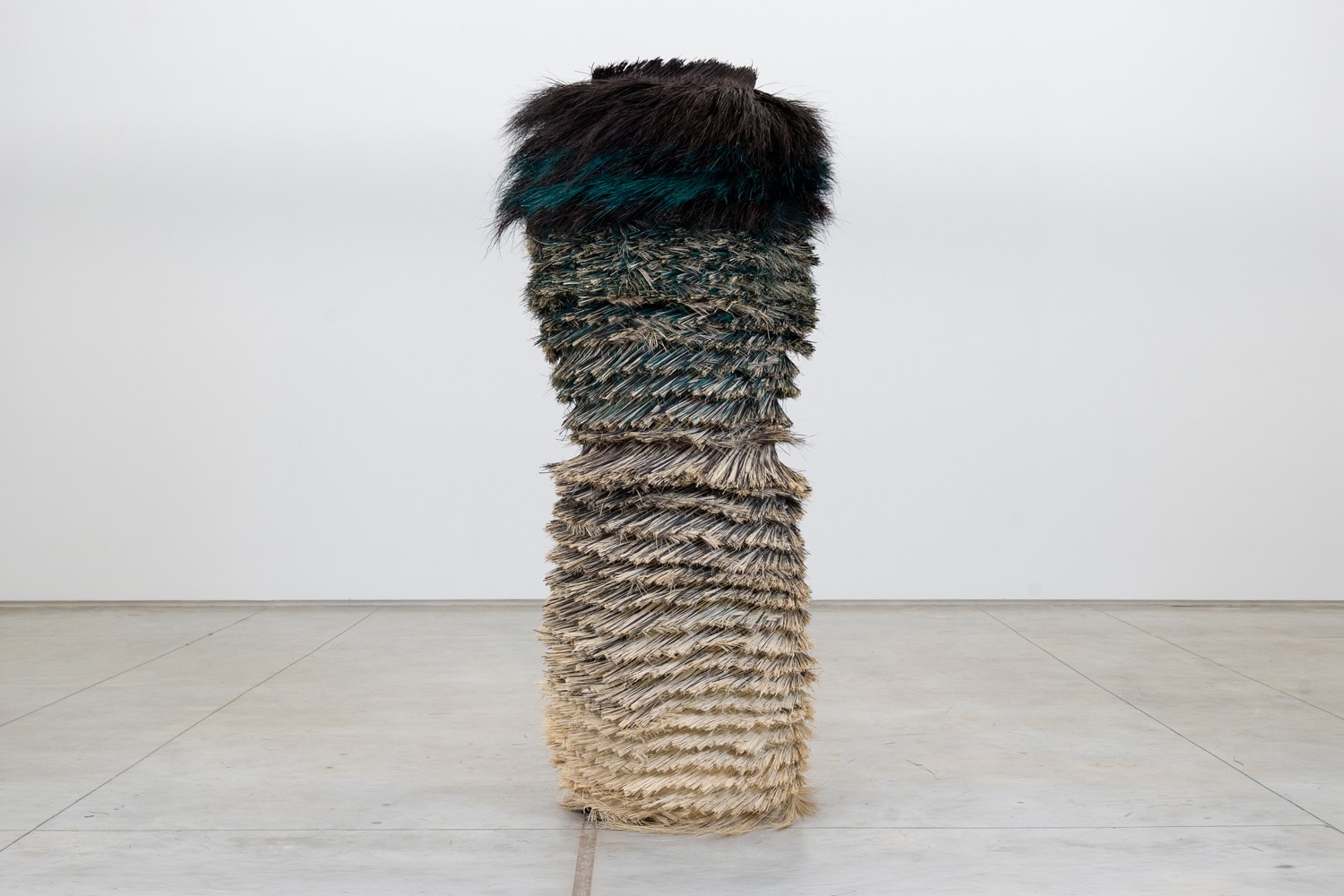
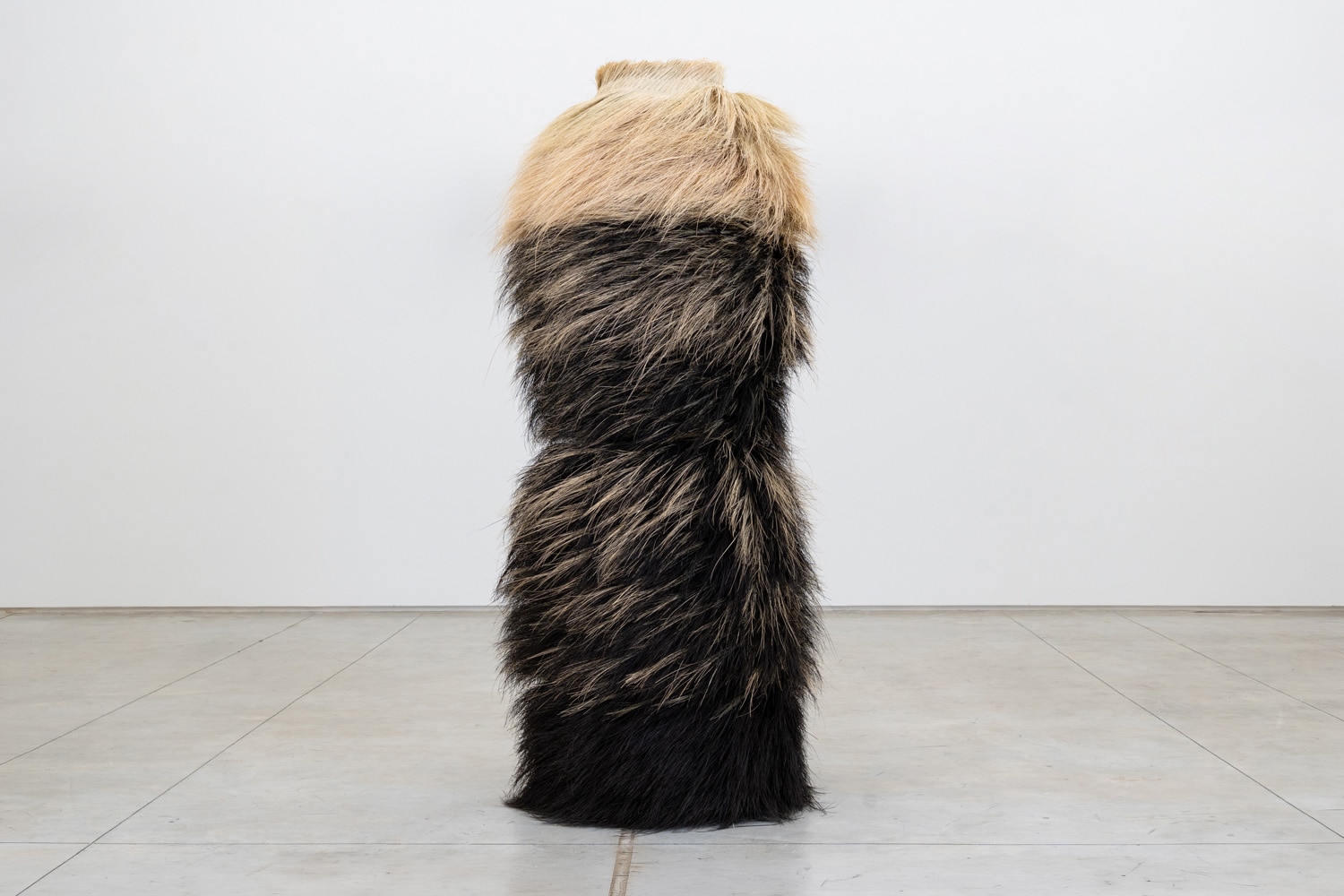
Through natural dyeing and weaving techniques, Mohamed Amine Hamouda creates abstract sculptures and installations from the heart of the Mediterranean’s only coastal oasis in Tunisia. Seeking a tactile practice with unconventional materials, he focused on work that reflects his values and culture. Mohamed's practice honours the endangered saaf bouhattam palm species native to Gabes, home to a rare oasis threatened by industrial pollution. He boils, beats and cards palm frond waste into paper and cord, which he then dyes with natural pigments he extracts from local plants sourced in traditional markets. Holding a master’s degree from the Higher Institute of Arts and Crafts of Gabes, he now teaches there while using his art as a form of advocacy. "Through my work, I defend the oasis and its culture. My goal is to shed light on its fragile richness," he says.
Mohamed Amine Hamouda is an expert artisan: he began his career in 2010 and he started teaching in 2010.
INTERVIEW
I trained as a fine artist, but I could not build a relationship with store-bought paints. I started making pigments from local plants then moved on to papermaking. Eventually, I began using leftover palm fronds from local weavers as fibre, and my whole practice grew from there.
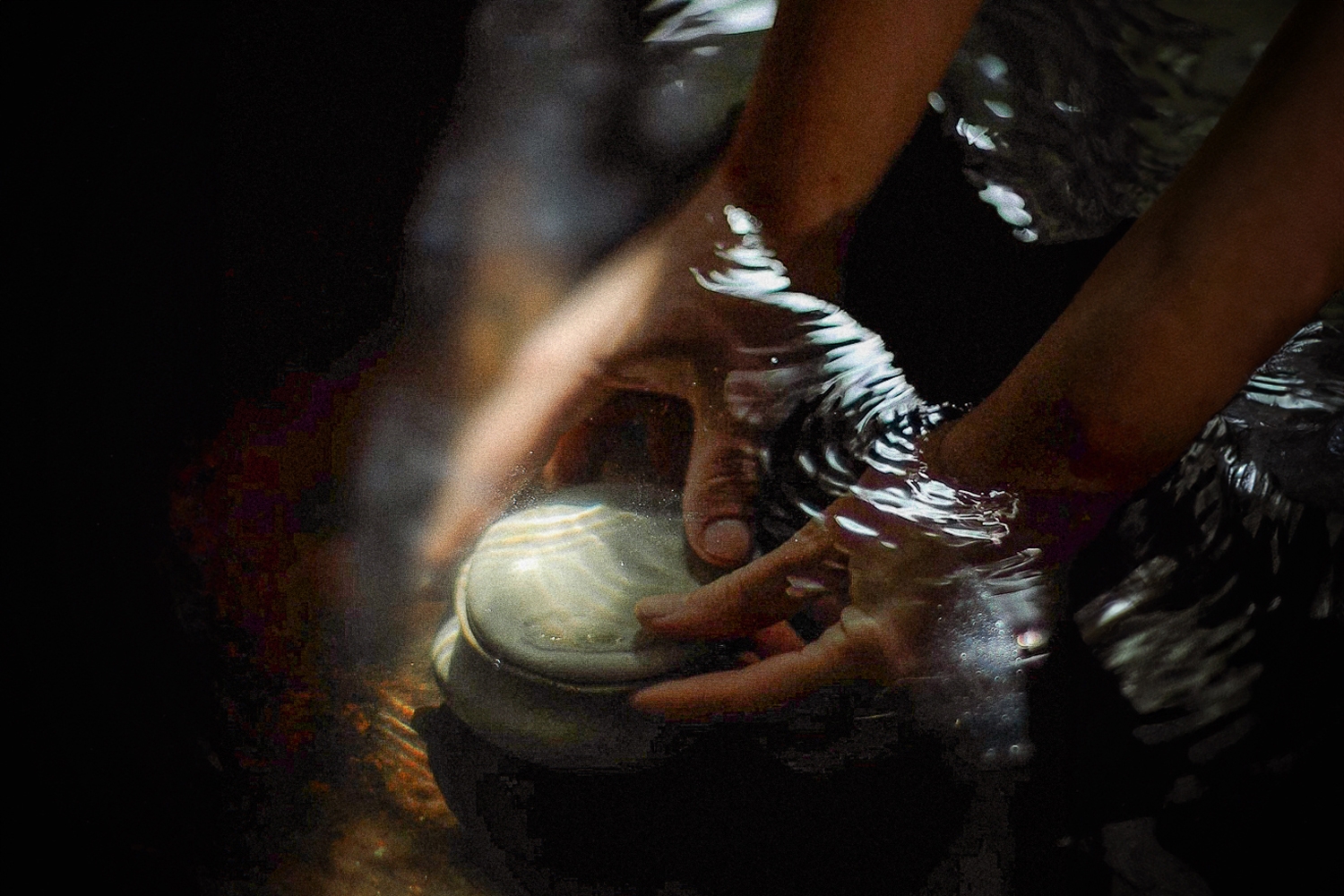
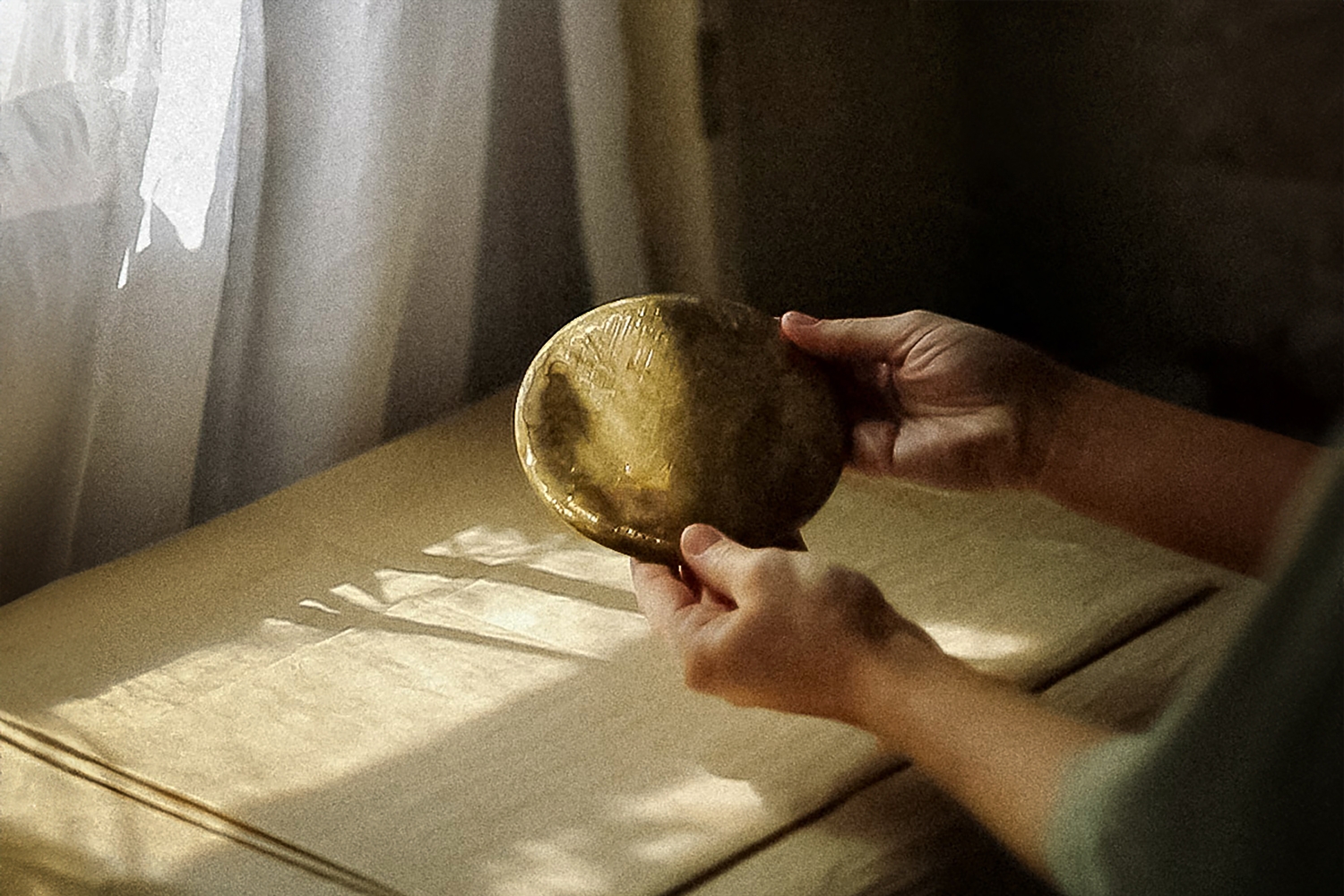
I gather discarded palm midribs from local weavers, boiling and beating them into fiber. After carding and dyeing, I turn the material into paper and cord. It is a true zero-waste process: whatever cannot be used for paper goes straight into the compost.
A 1970s chemical complex has devastated Gabes' ecosystem, public health and palm groves. After researching these socio-economic impacts, I sought to advocate for the oasis through artistic expression rather than direct protest.
Art should not be empty of meaning. I want to help nurture a culture rooted in Gabes, honouring the land and drawing from it honestly, rather than leaning on imported materials.
Mohamed Amine Hamouda
Botanical sculptor
Gabes, Tunisia
ADDRESS
Address upon request, Gabes, Tunisia
AVAILABILITY
By appointment only
LANGUAGES
Arabic, French, English
HOMO FABER FINDS
Homo Faber Finds is a new service aiming to inspire admirers of craft to connect and collaborate with exceptional artisans.
We invite you to submit an enquiry here.