Anya Midori
Origamist
Nuthe-Urstromtal, Germany
Finding meaning in miniature folds
- Anya's micro-origami sculptures require delicate precision work
- She discovered her craft during her occupational therapy training
- Through origami, she turns minimal means into valuable outcomes
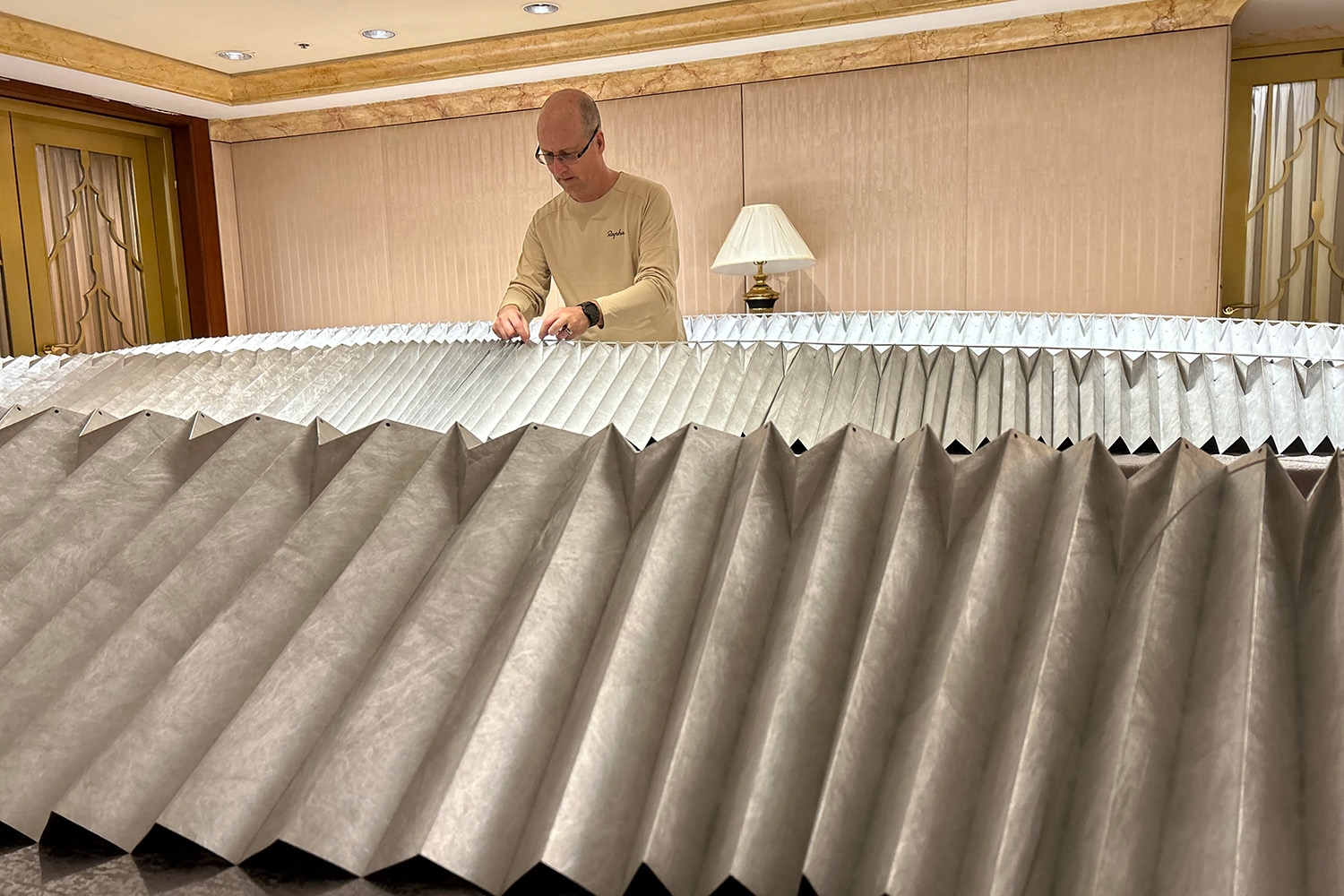
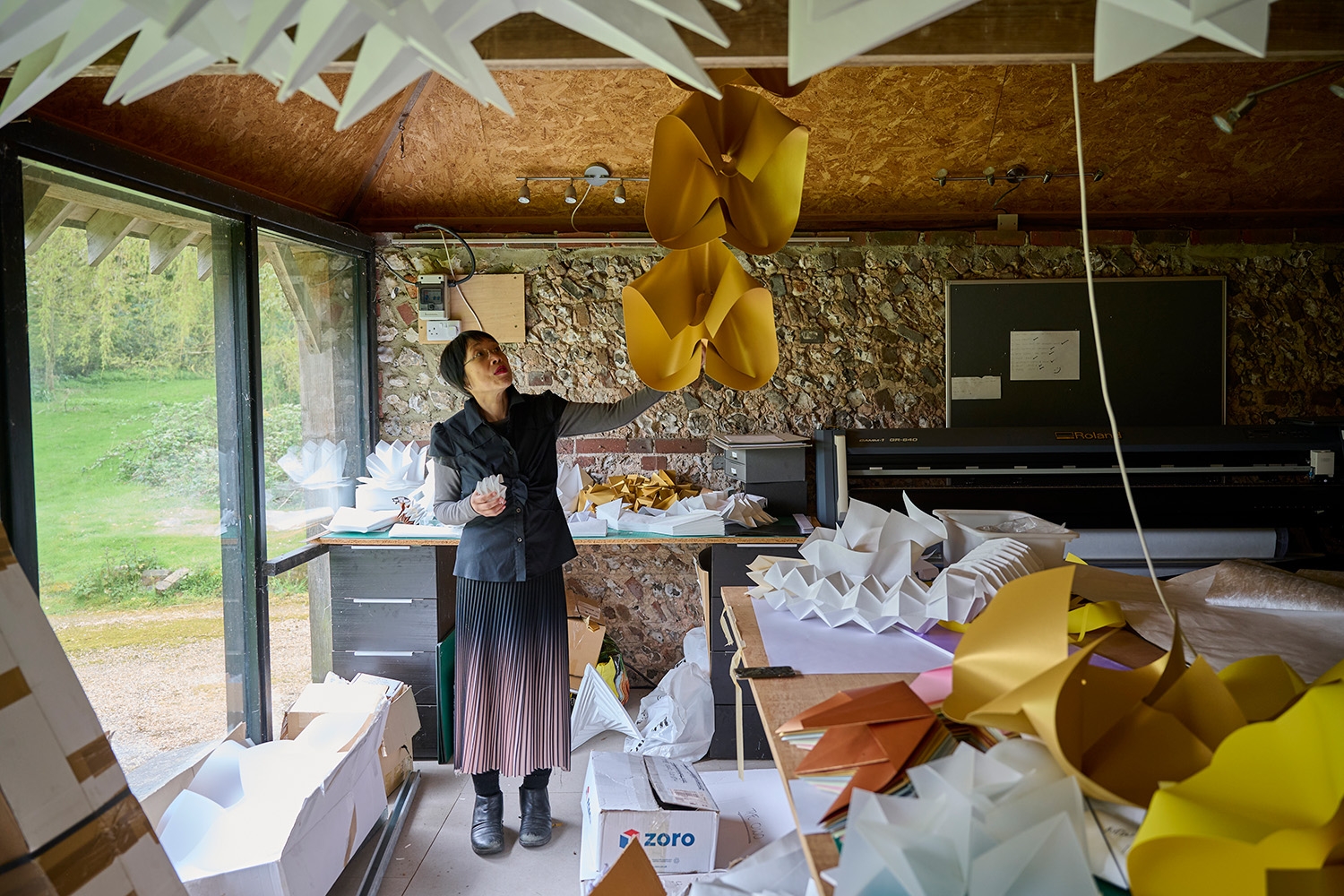
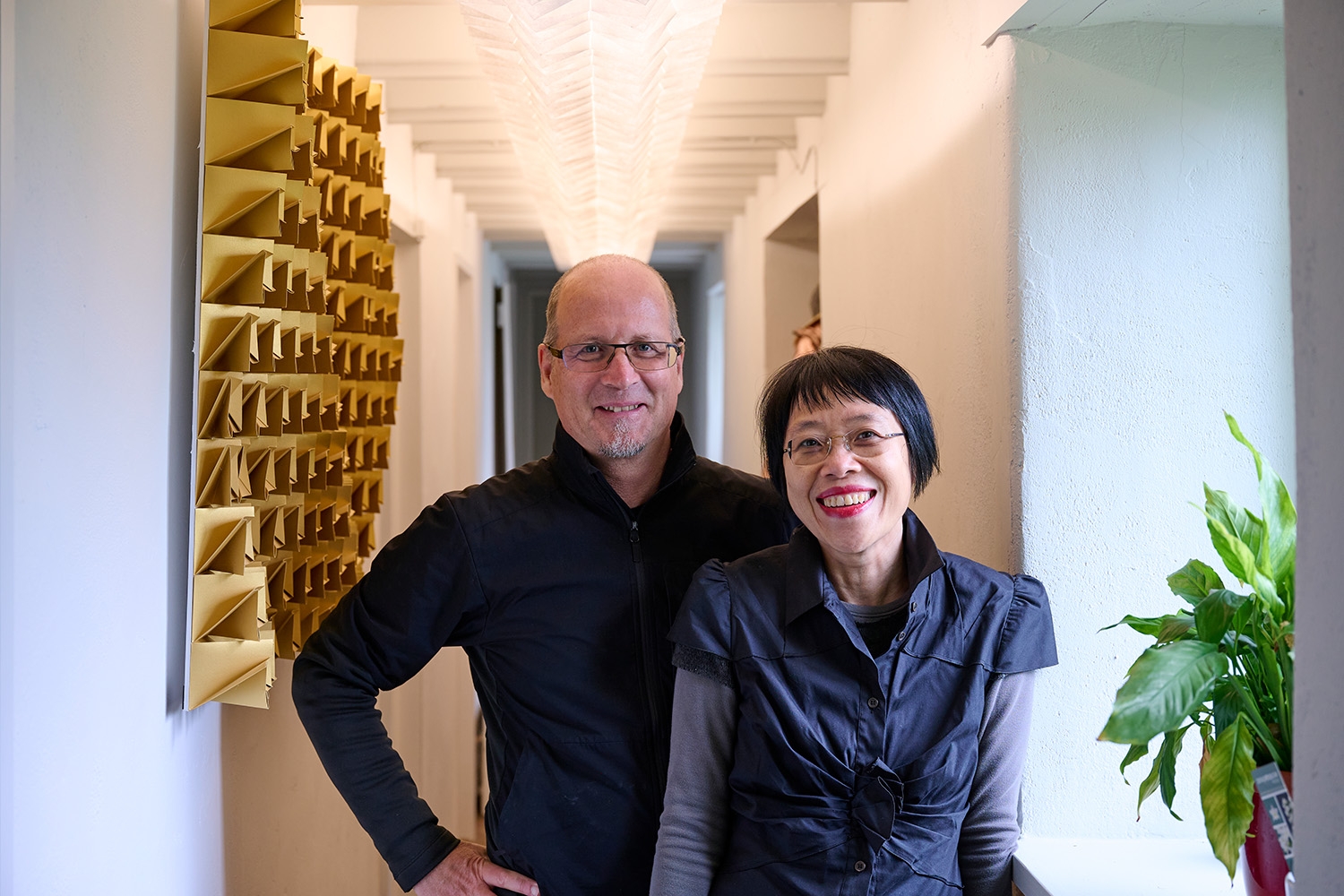
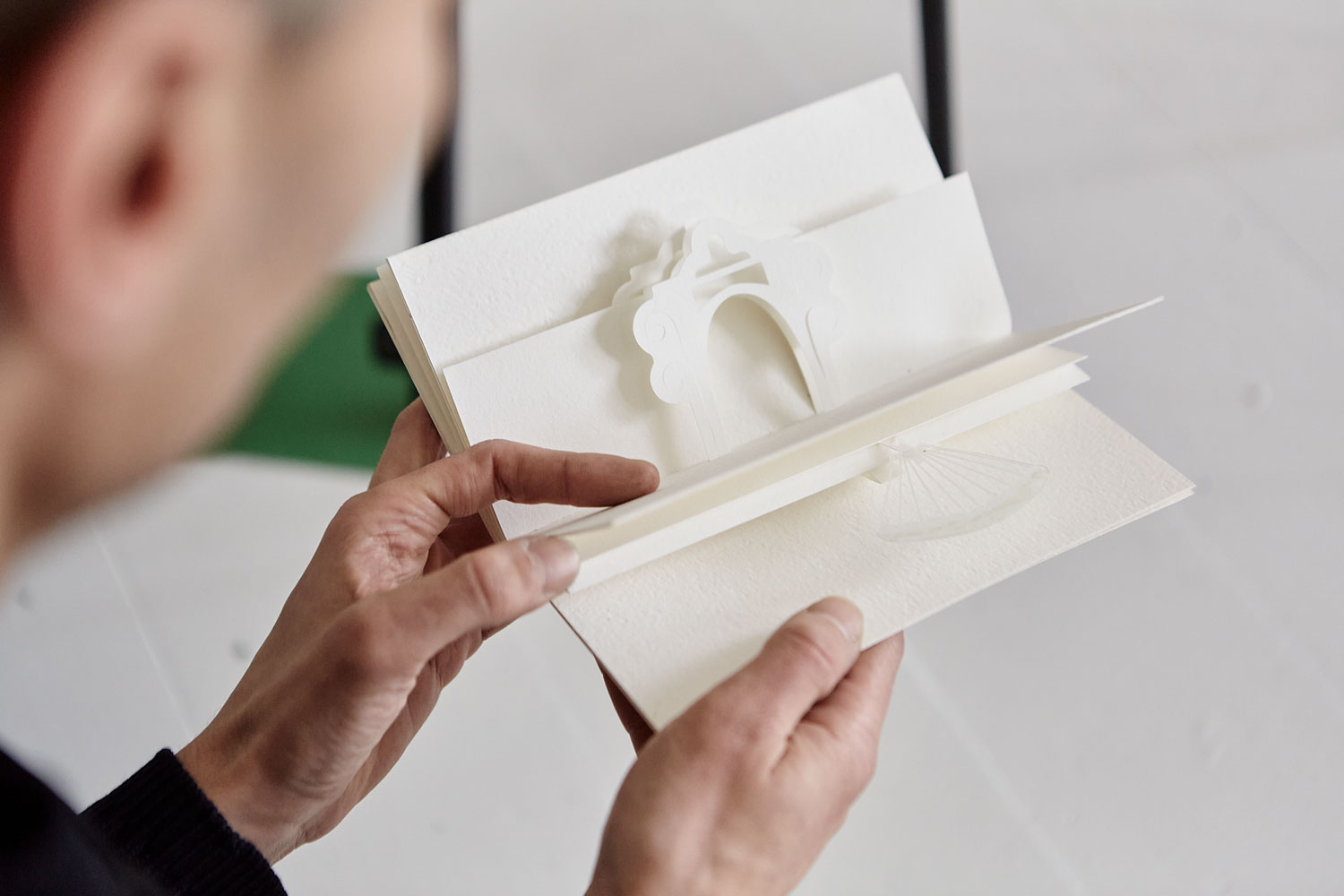
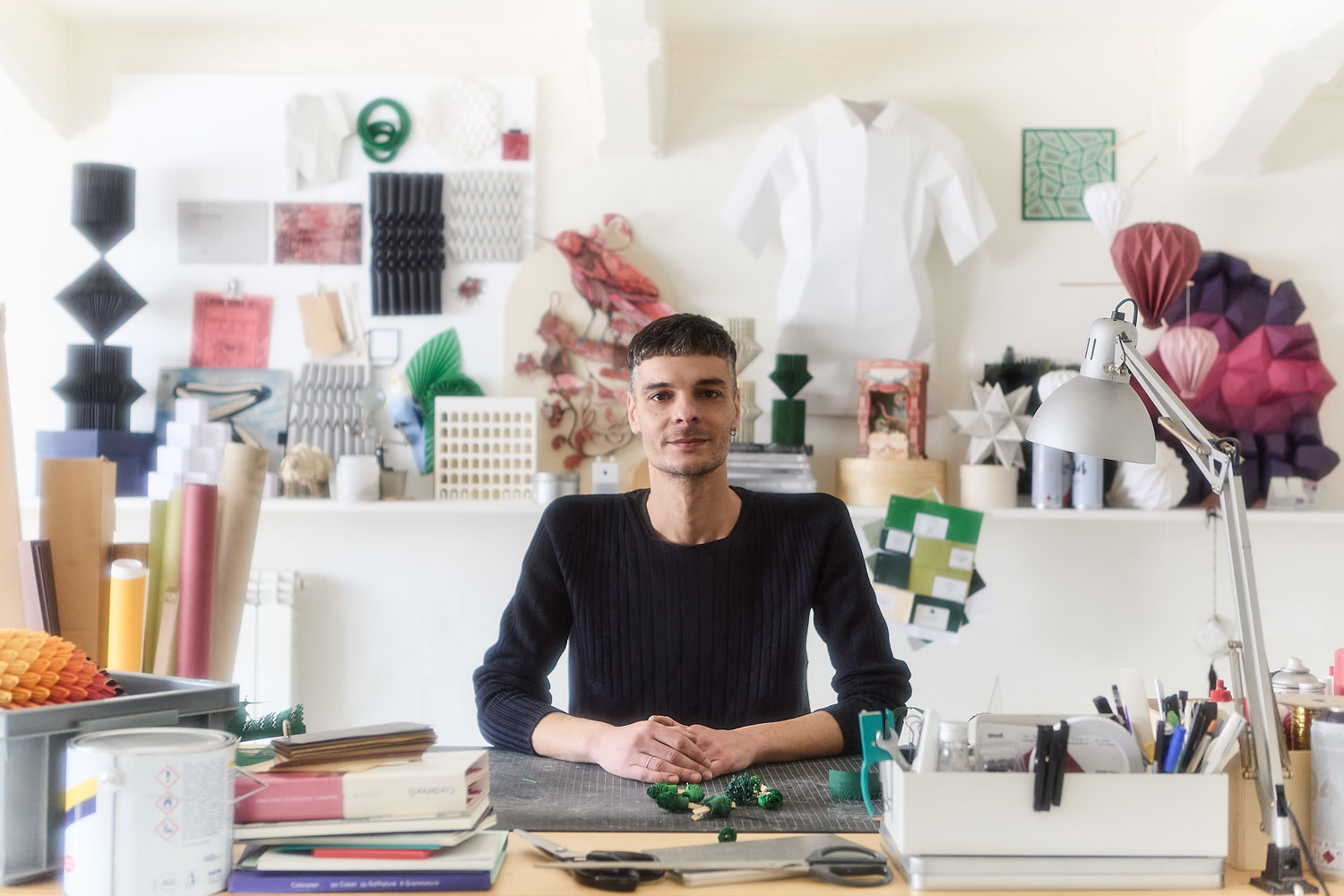
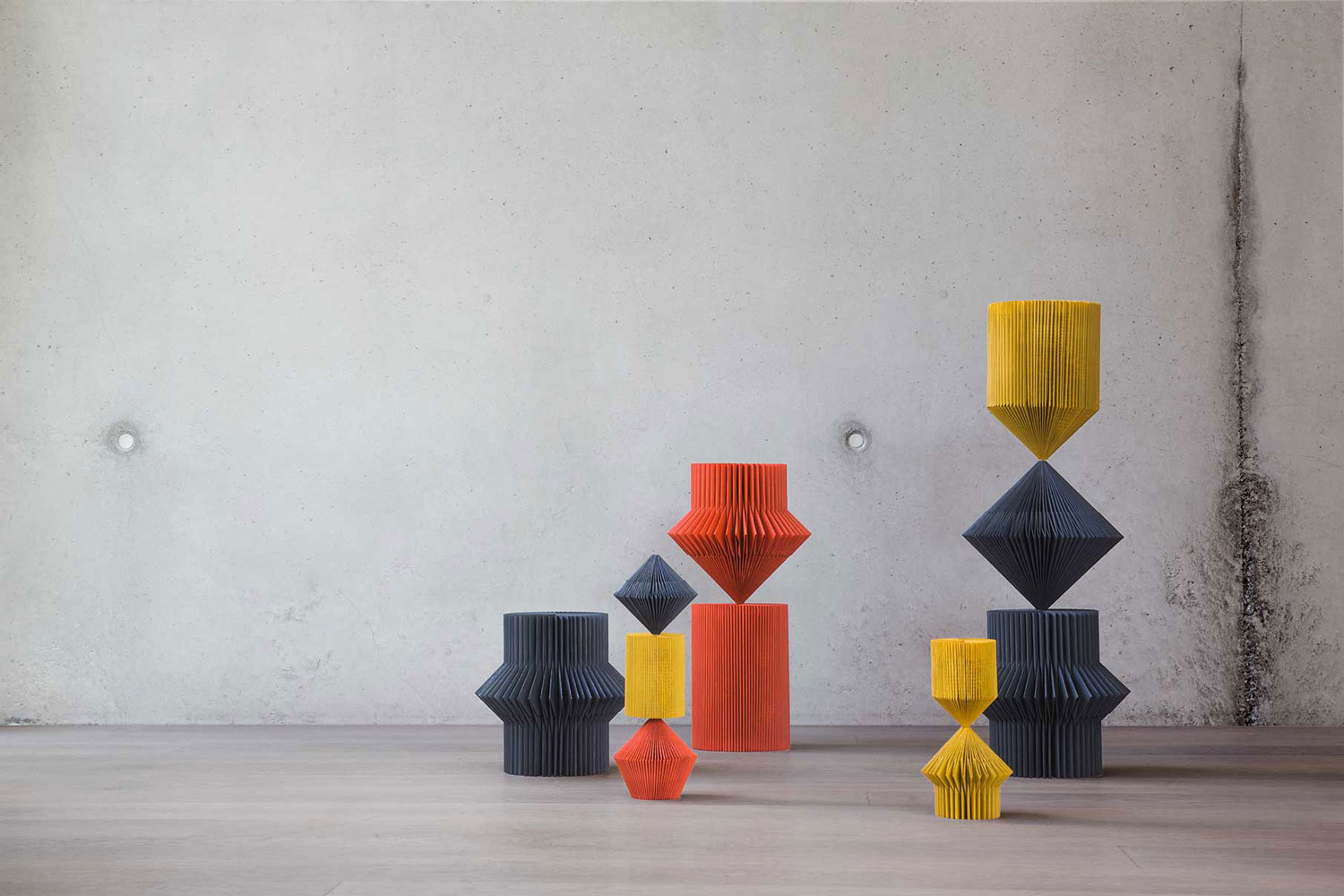
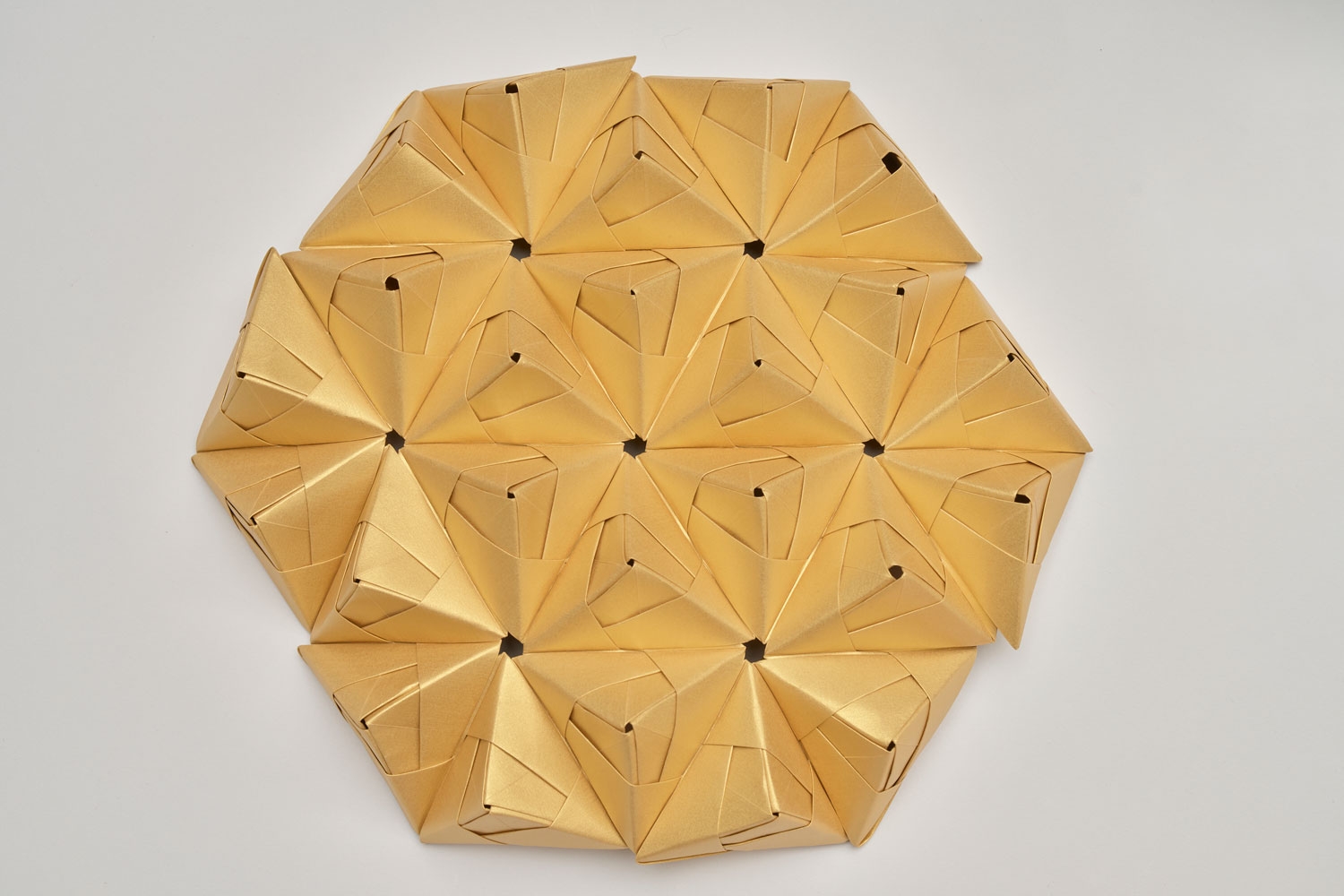
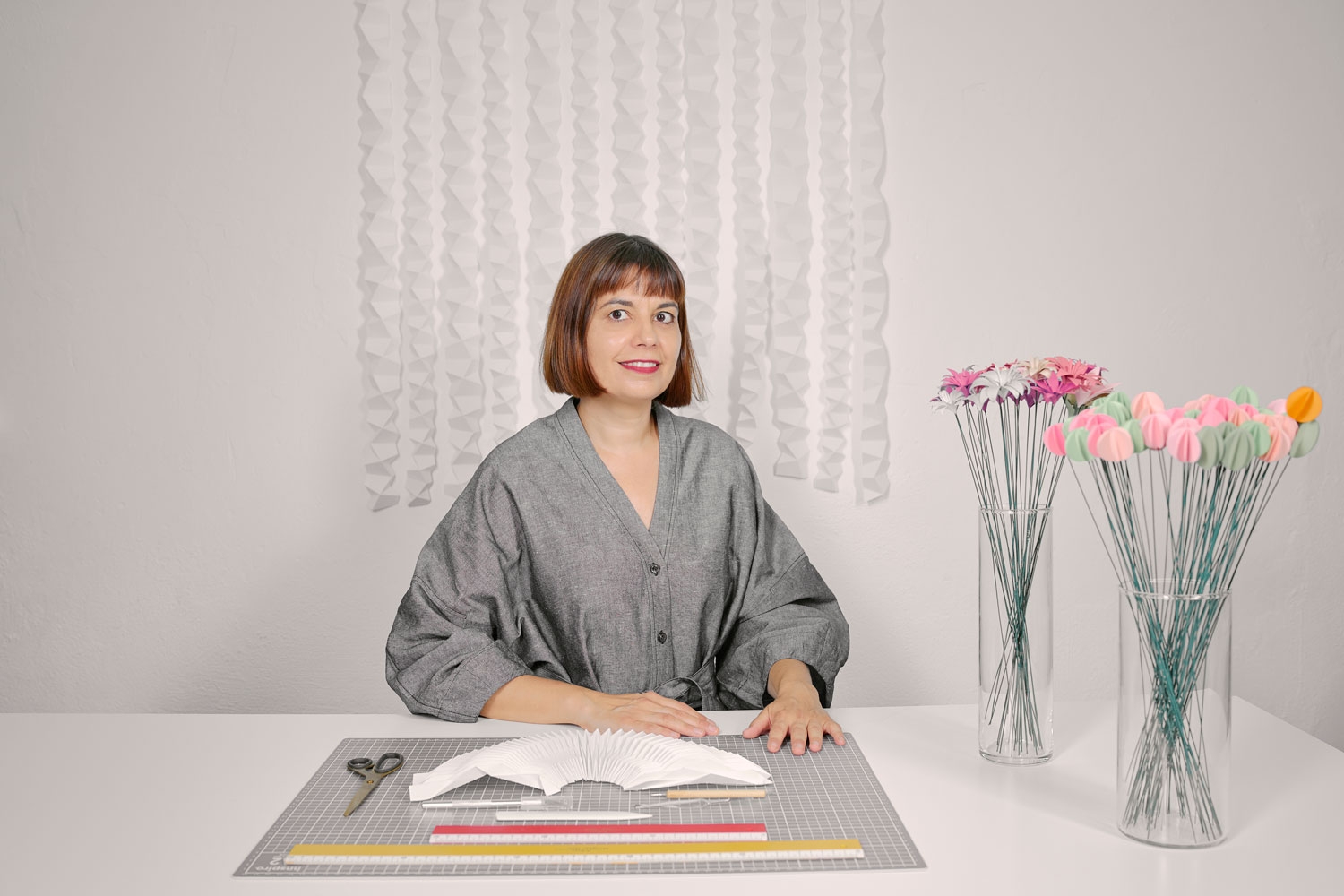
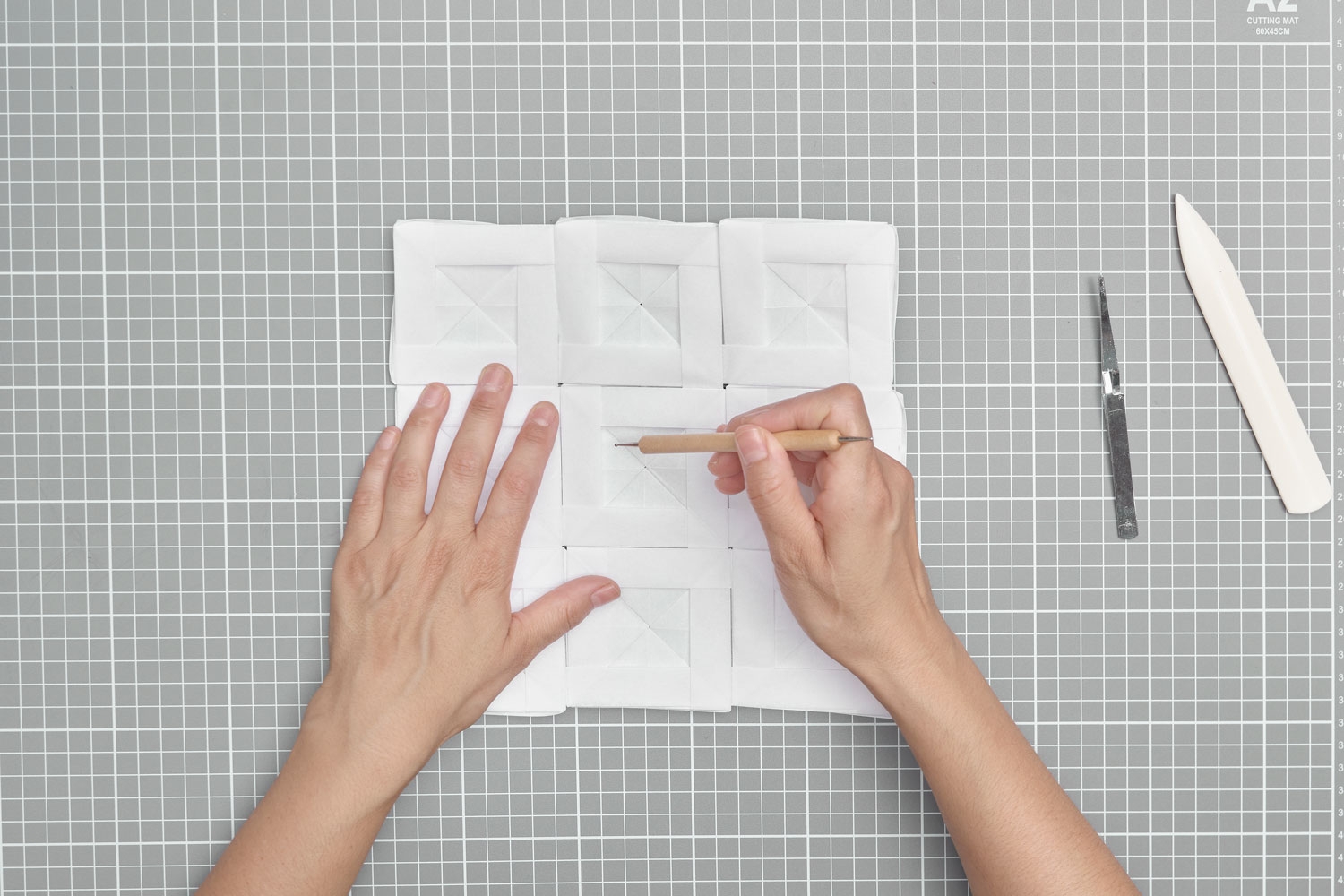
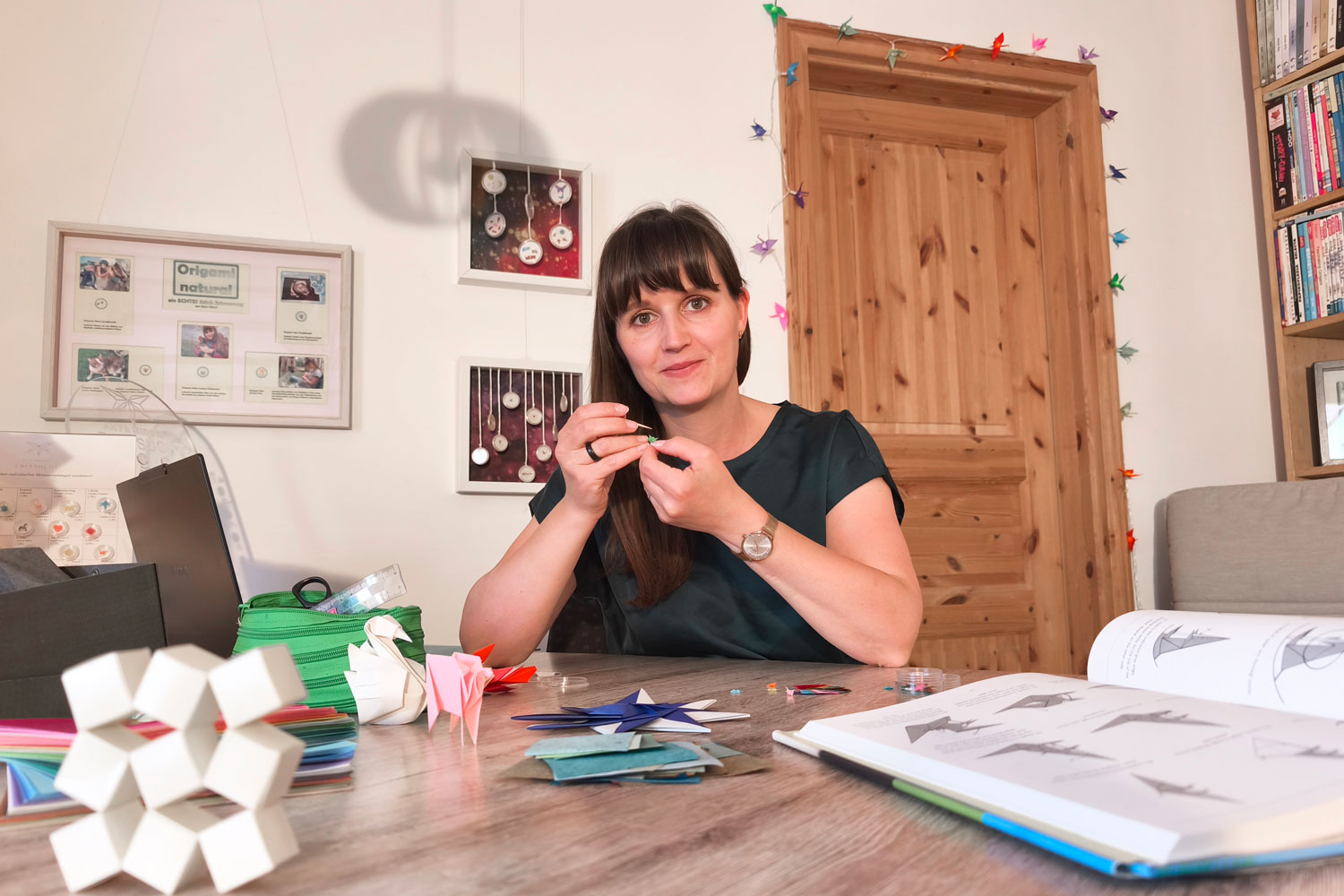
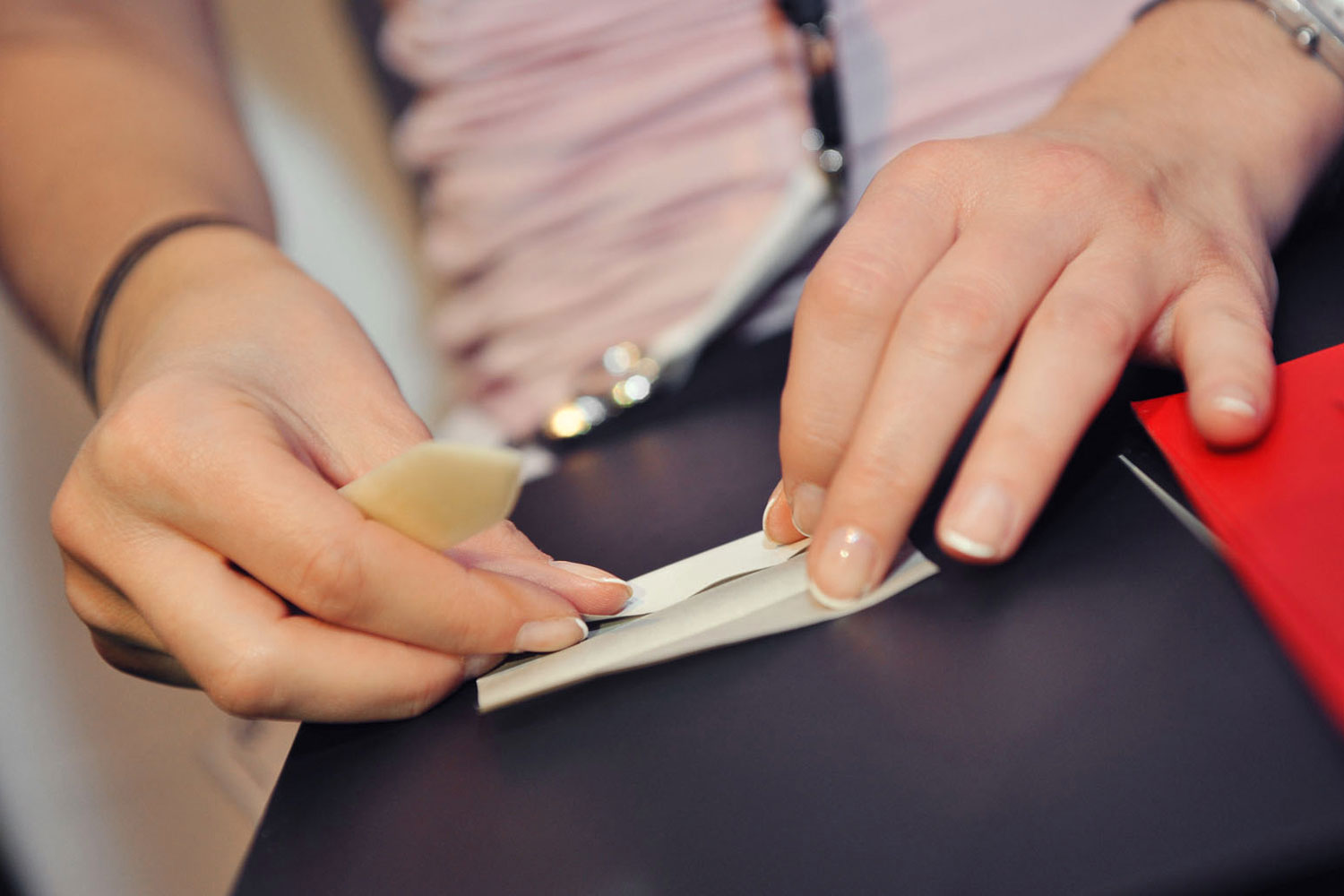
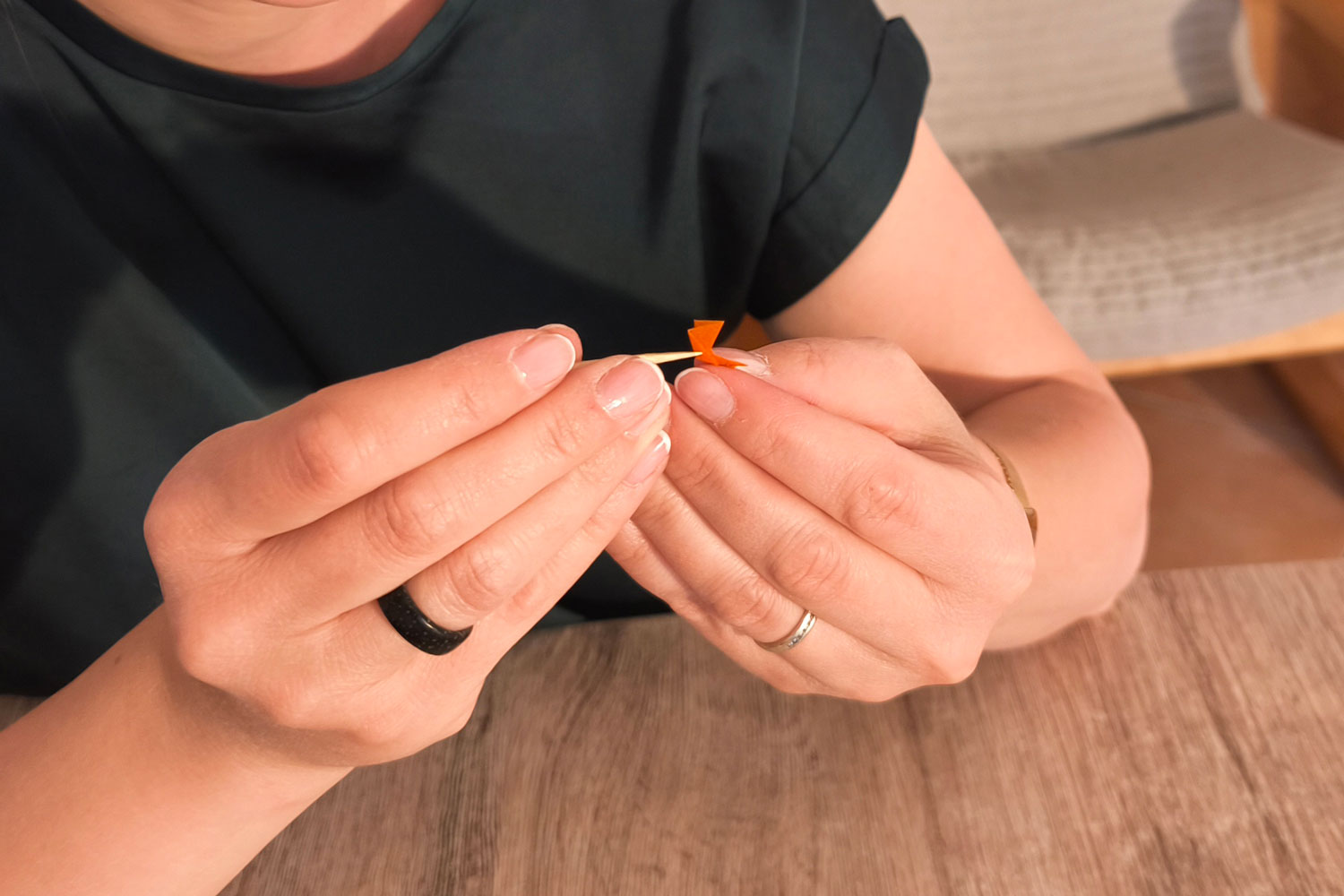
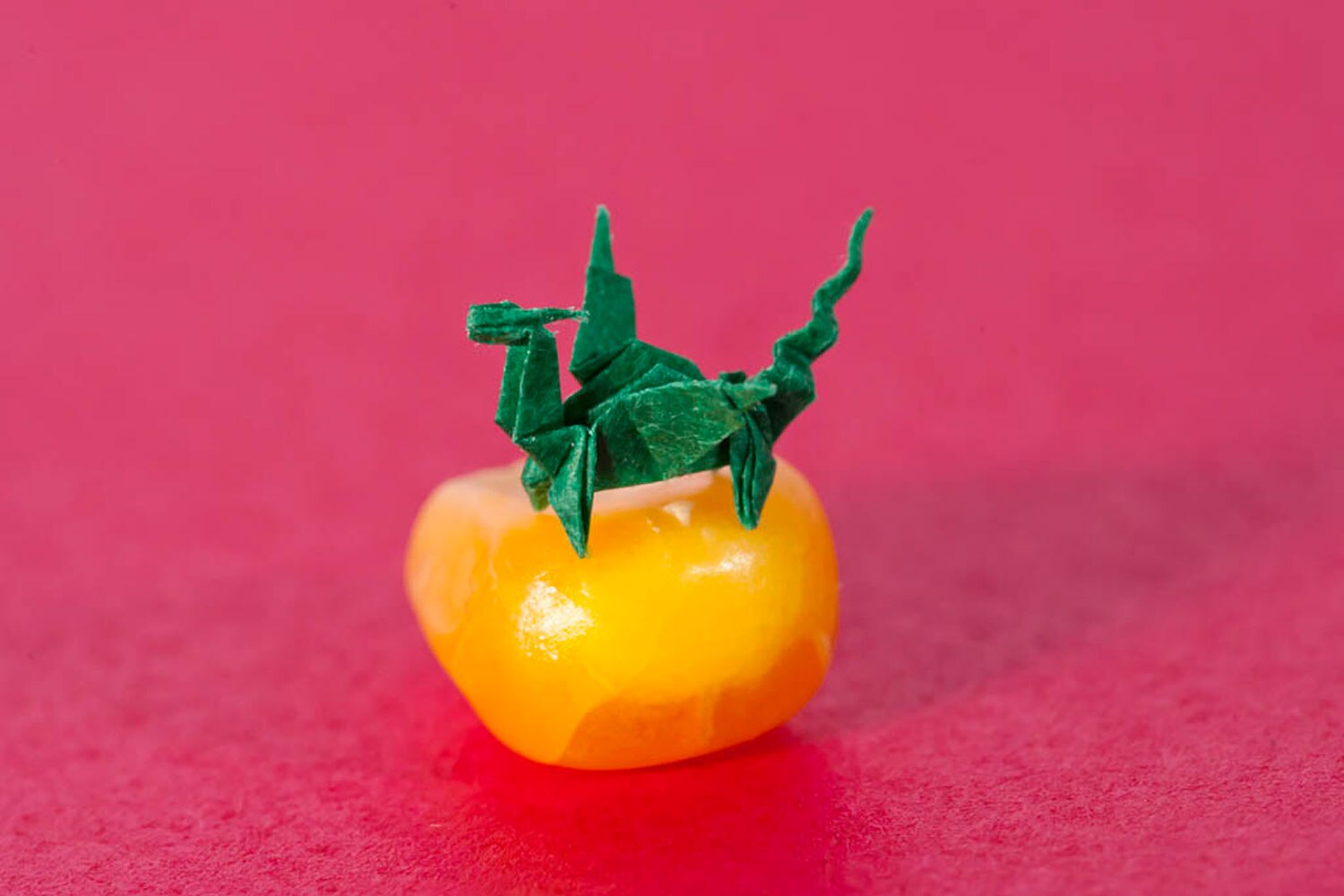
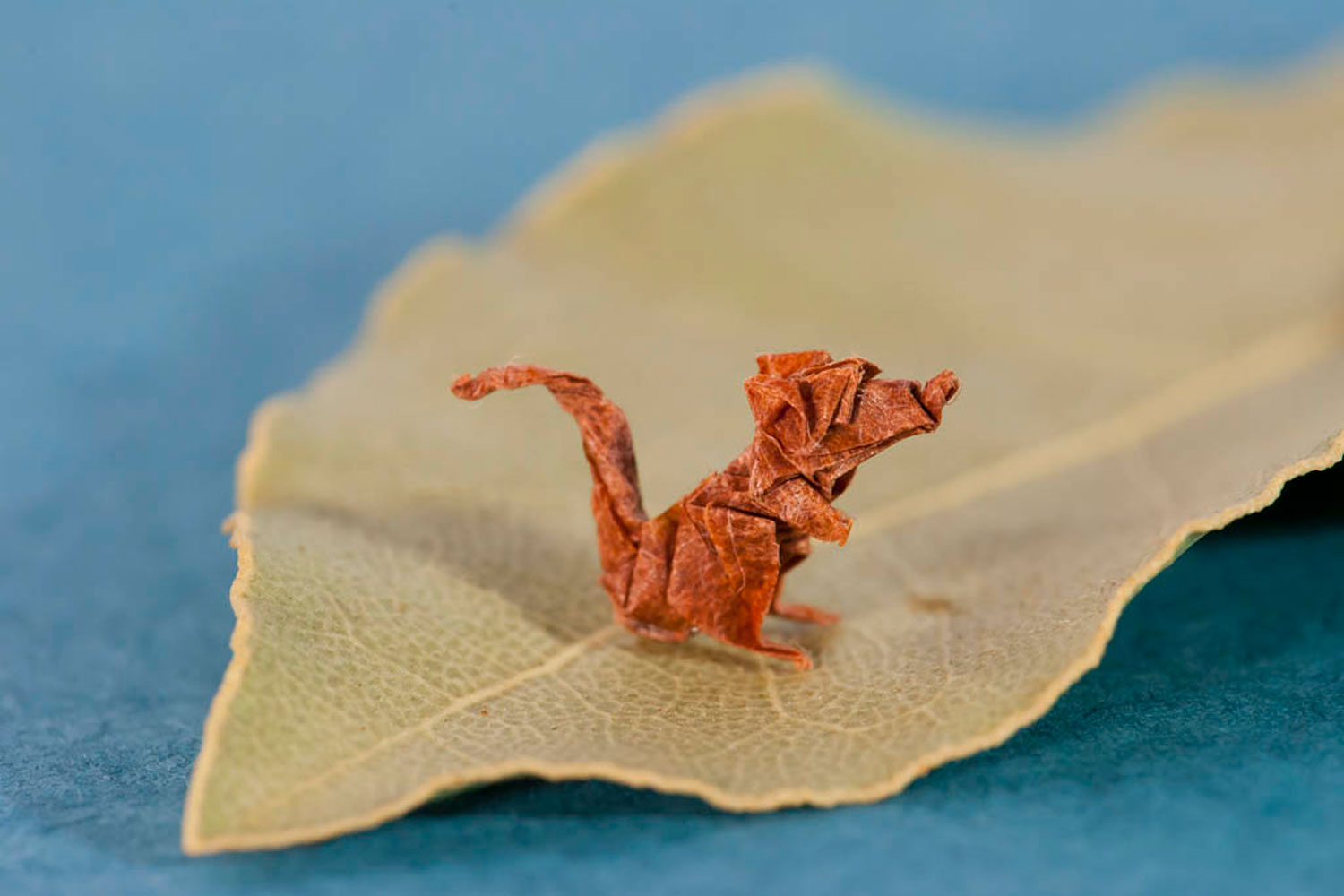
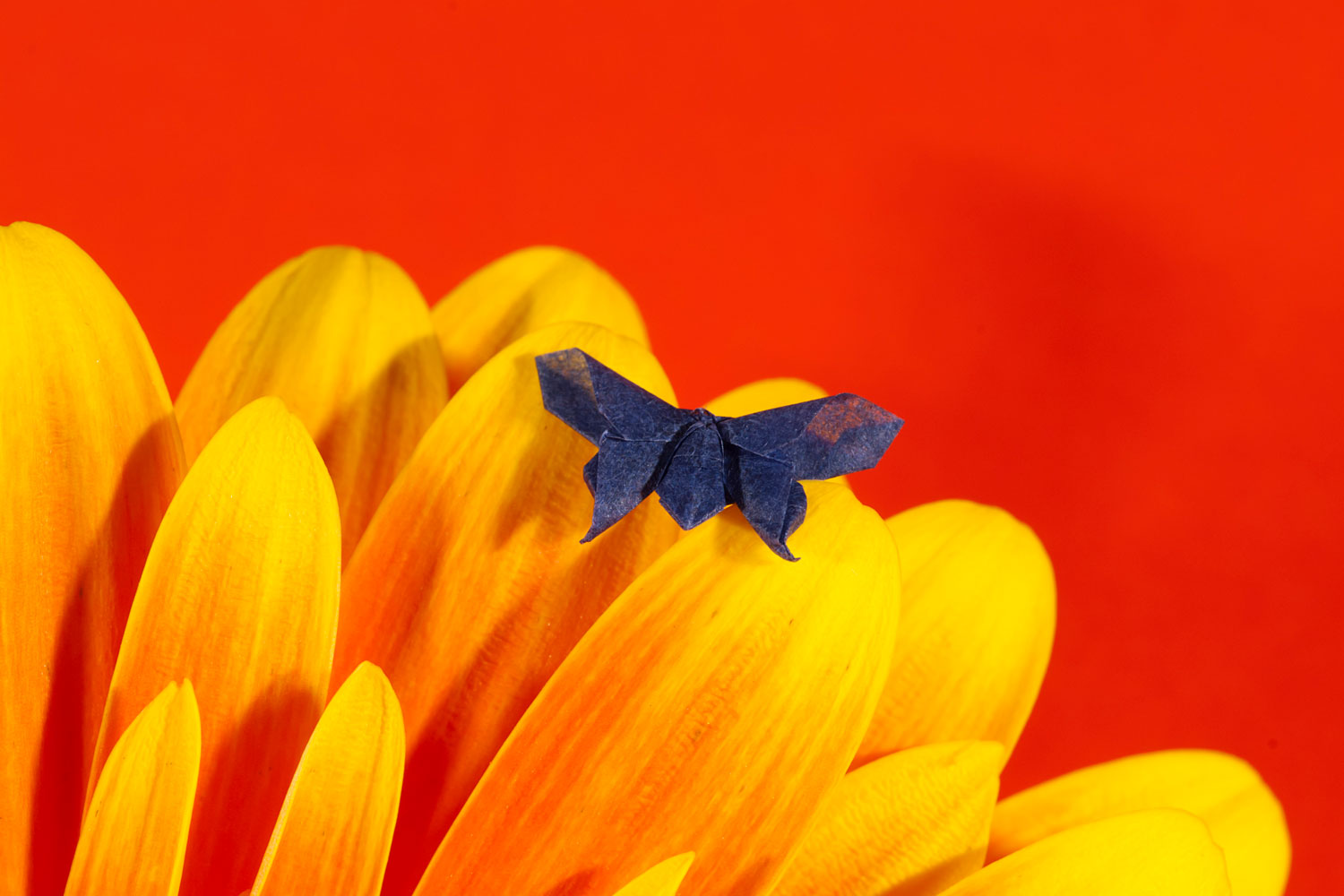
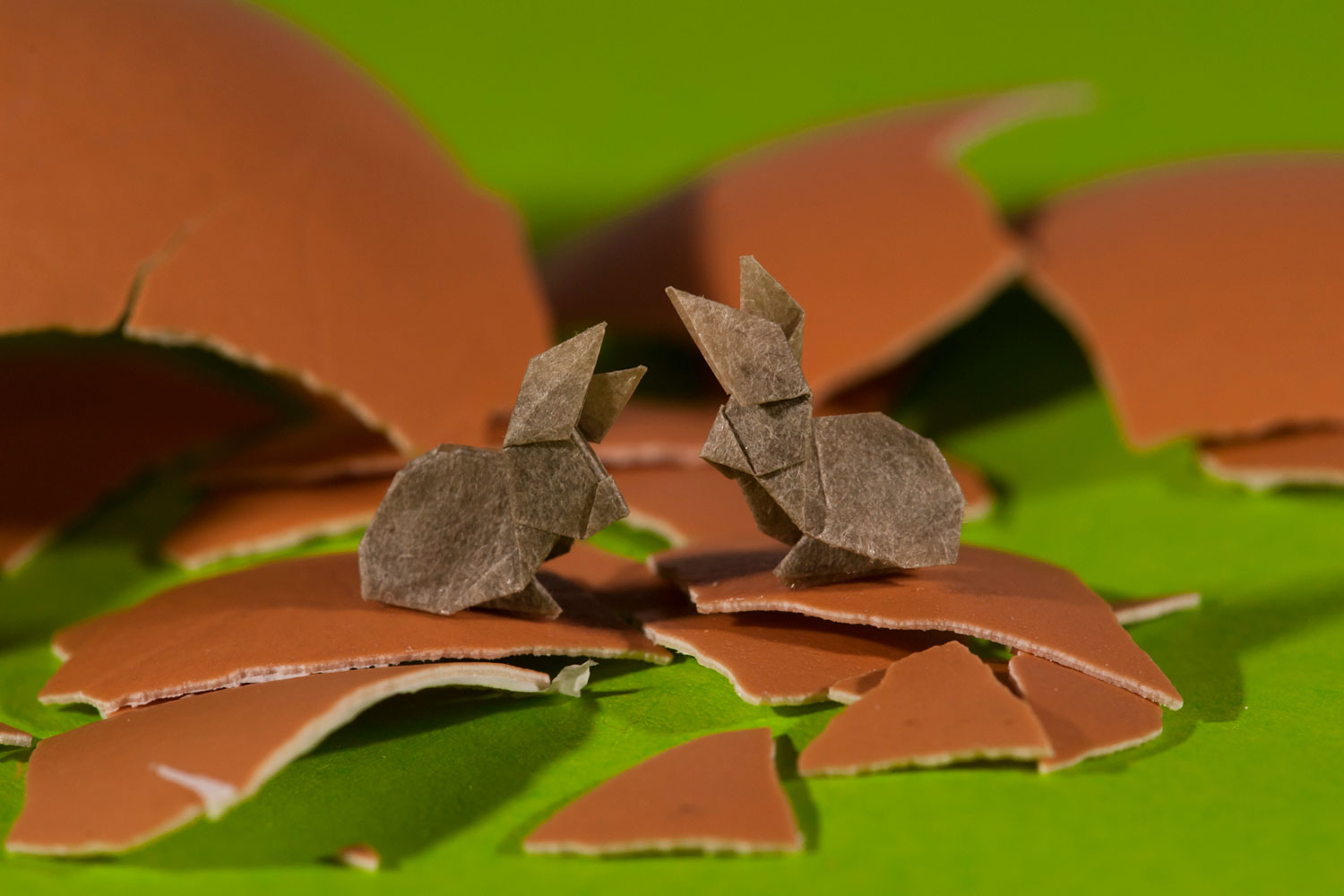
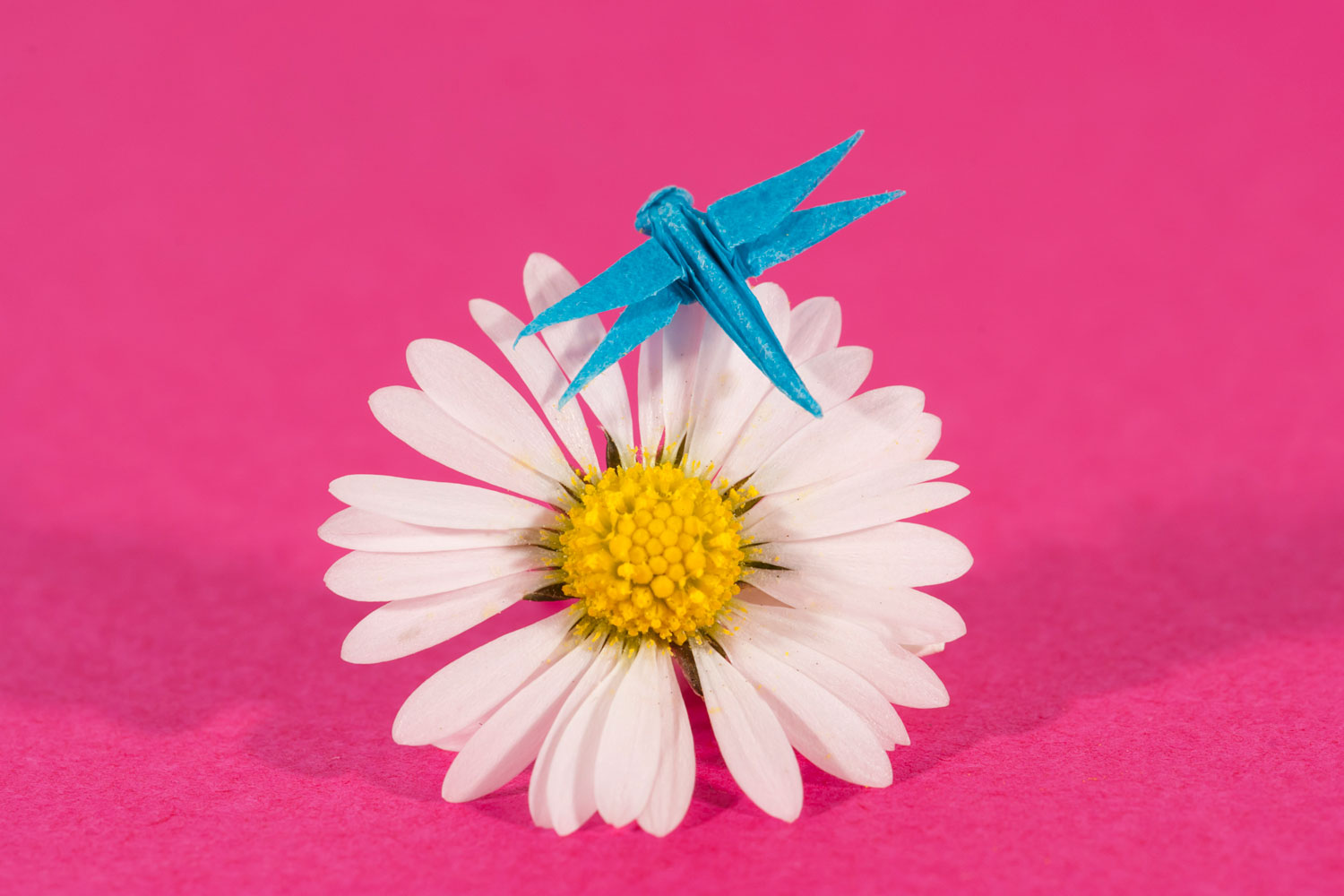
Anya Midori pushes existing origami models to their physical limits. Through micro-origami, she transforms a single sheet of paper into sculptures so small they challenge both sight and touch, some requiring more than 700 folds to take shape. "What I love about origami is that it asks for so little yet offers so much. A single sheet of paper can transform into a child's first boat or an intricate decorative sculpture," she explains. Anya's fascination began unexpectedly during her occupational therapy training, while learning how working with the hands can support body and mind. "The craft builds patience, confidence and joy," she says. "As a gift, it carries a quality no machine can reproduce: the feeling that someone made something just for you."
INTERVIEW
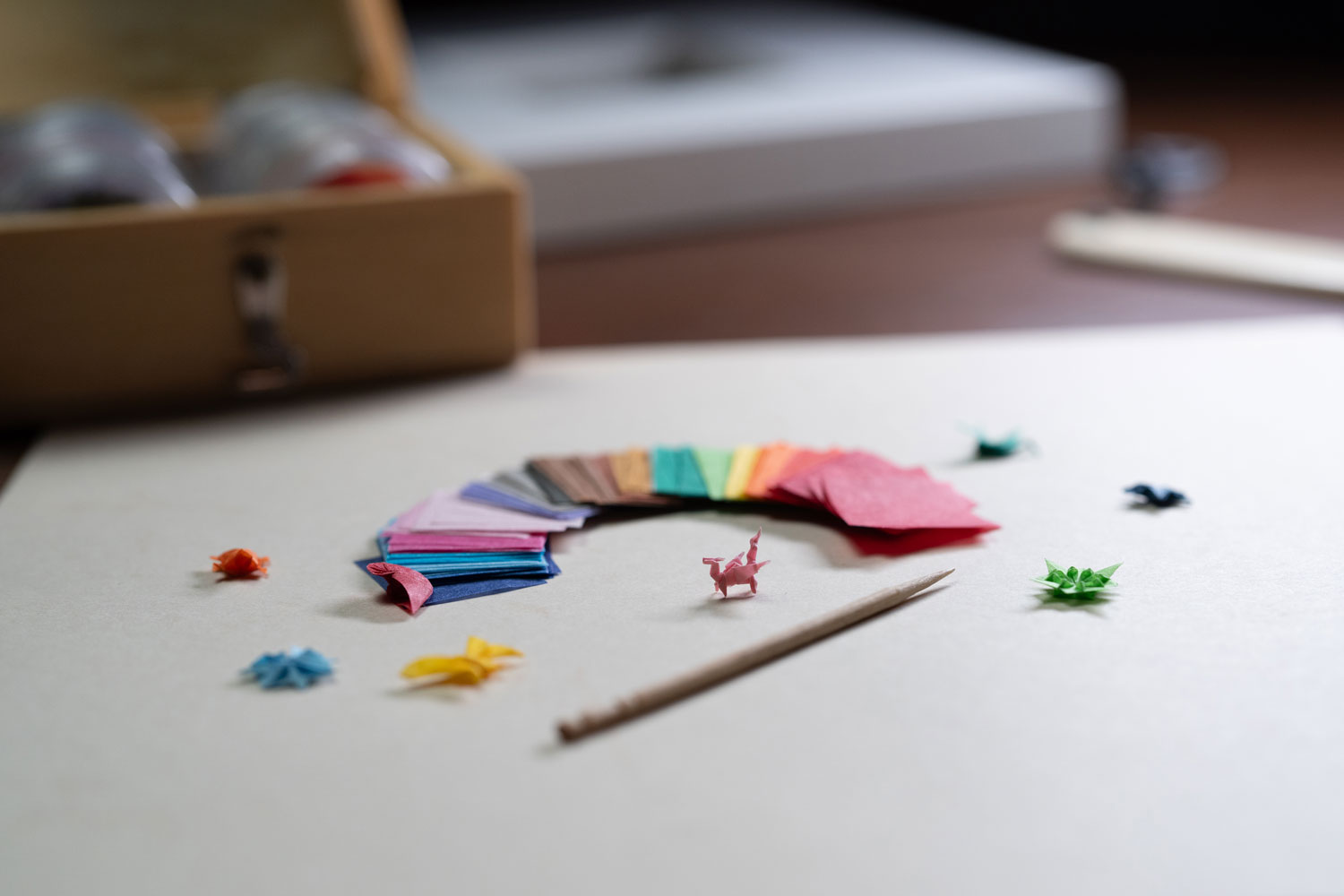
I have always been fascinated by tiny objects and delicate precision work. It was never only about reducing size, but also about increasing detail. I work with Japanese tissue paper as it is durable, stable and does not tear or smear.
Exchanging models and techniques is central to origami. I go to conventions and regularly meet a group of artists in Potsdam so we can learn from each other. I also offer individual courses and workshops for private celebrations, such as birthdays, weddings or company events.
I only design original works for commissions, as I believe every model belongs to its creator. For my webshop, I always ask permission before recreating someone else's design in miniature form. When I fold a miniature of an artist's design at conventions, they are often delighted and happy for me to include it in my repertoire.
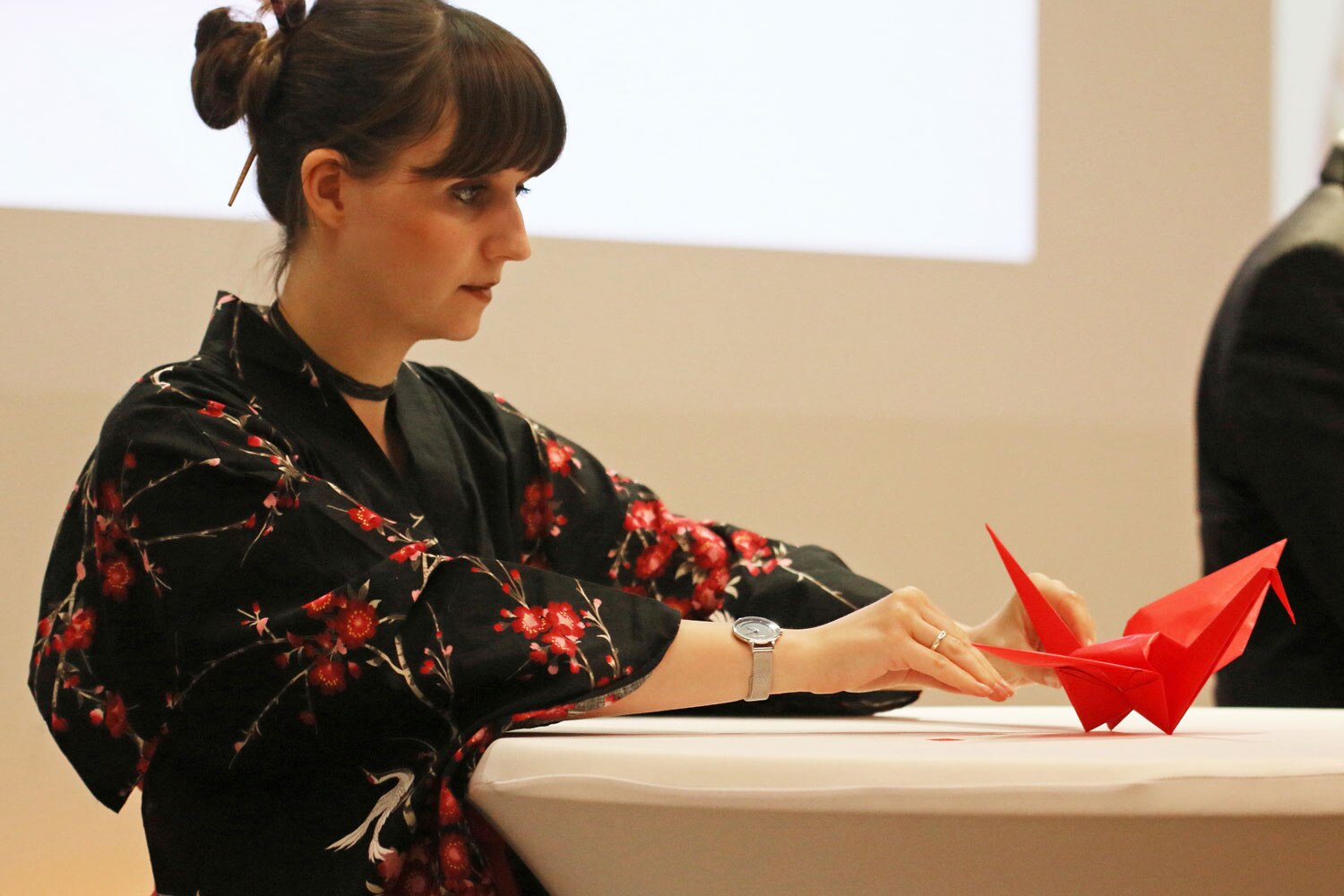
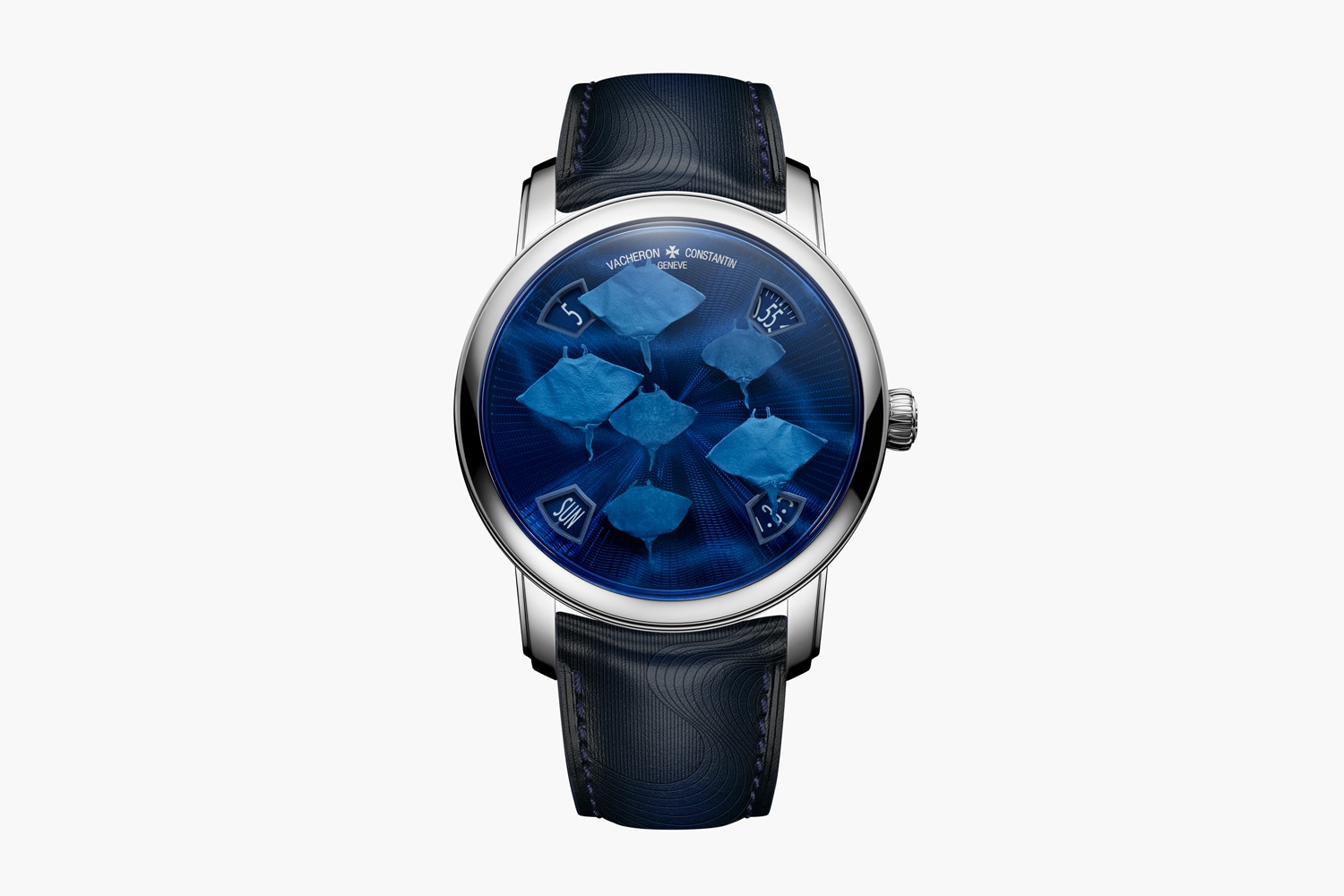
The very first time I folded a crane it took me around 30 minutes. Now, I can do it in about three minutes, while a miniature takes up to seven minutes. More complex models such as stingrays can take up to an hour, and designing new ones could even take a couple of months.
Anya Midori
Origamist
Nuthe-Urstromtal, Germany
AVAILABILITY
By appointment only
PHONE
+49 1731436972
LANGUAGES
German, English
Homo Faber Finds is a new service aiming to inspire admirers of craft to connect and collaborate with exceptional artisans.
We invite you to submit an enquiry here.