
Carving everyday dynamics
- Verónica hand carves wooden caricature sculptures
- The city is her main source of inspiration
- Her workshop opened in 2015
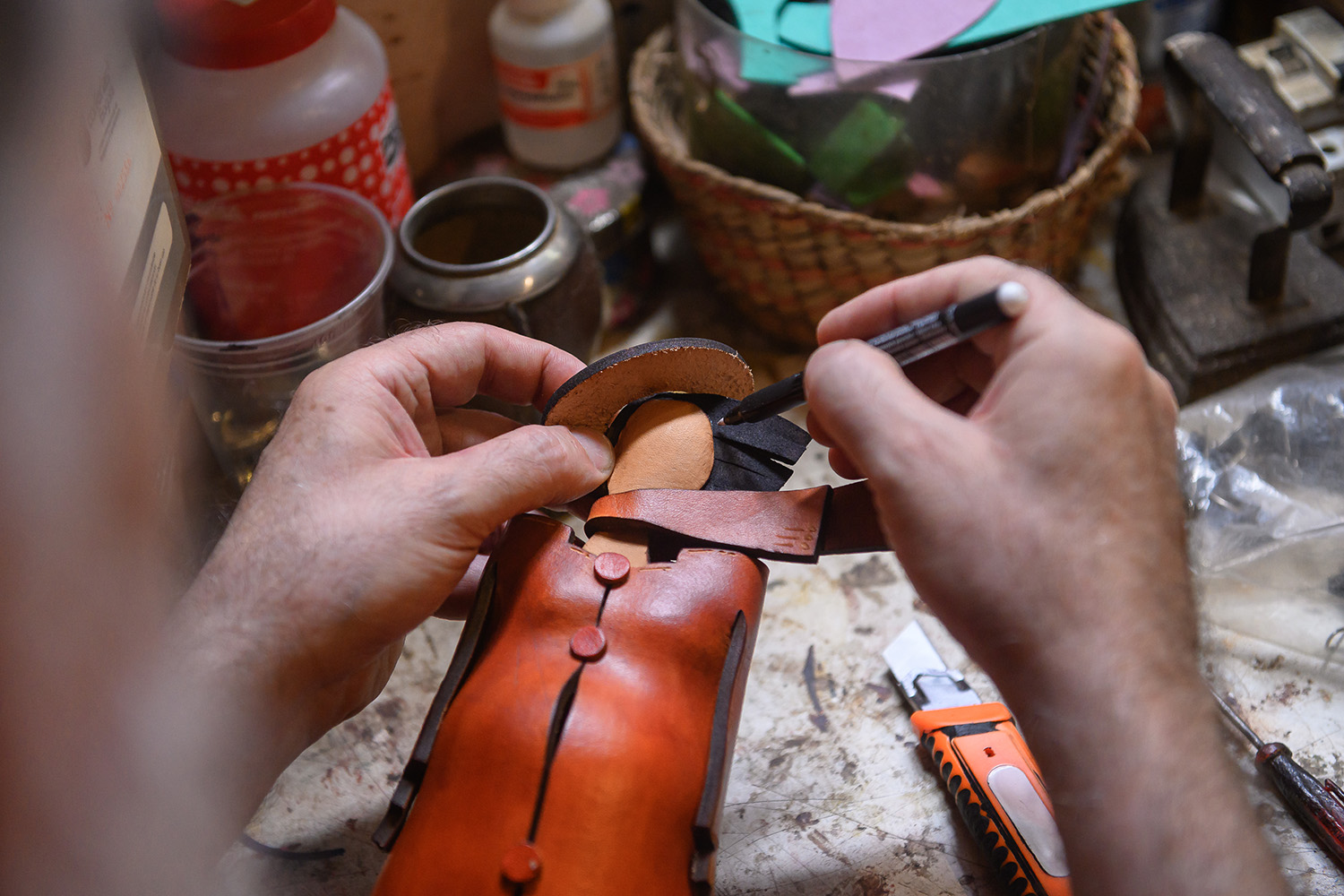
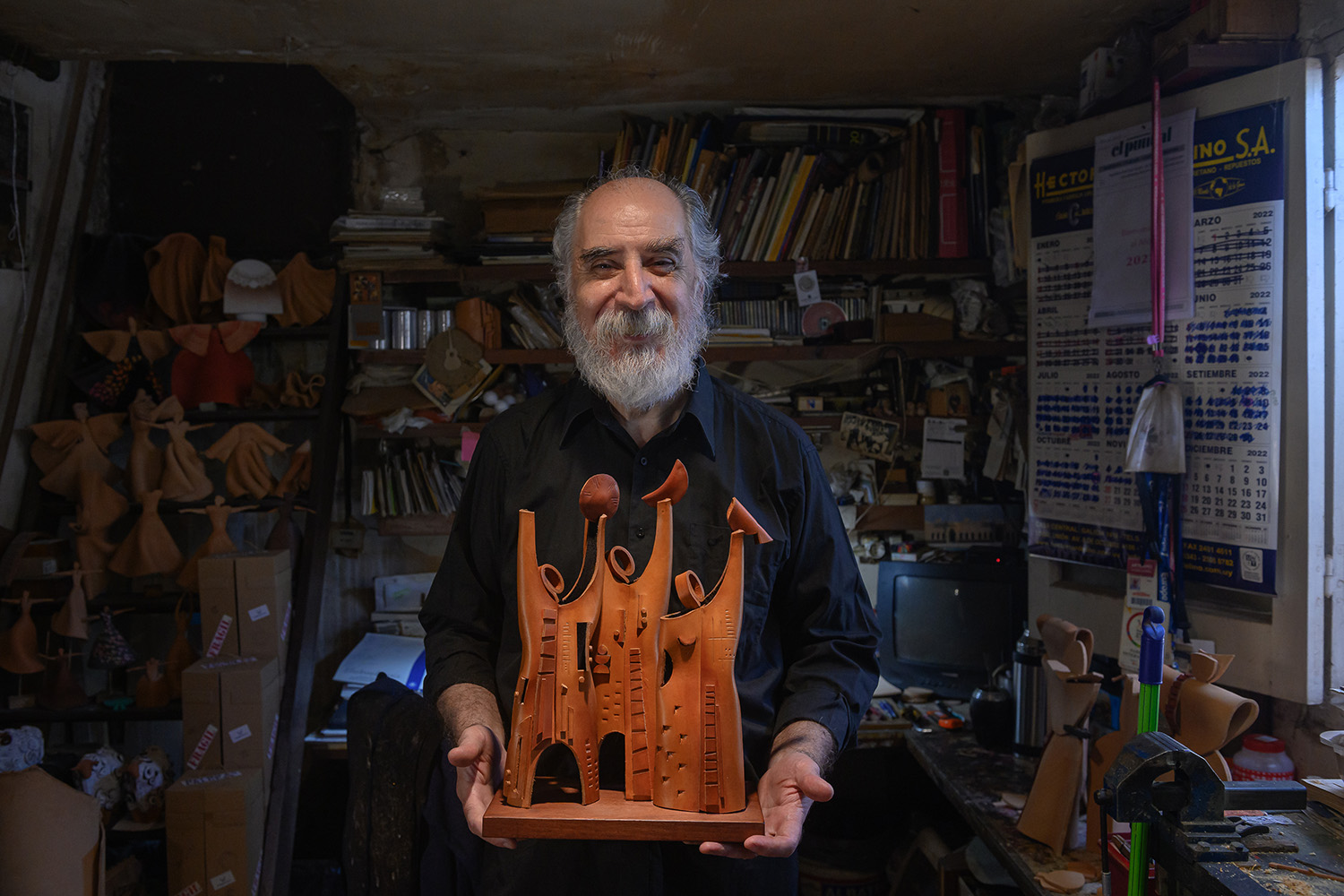
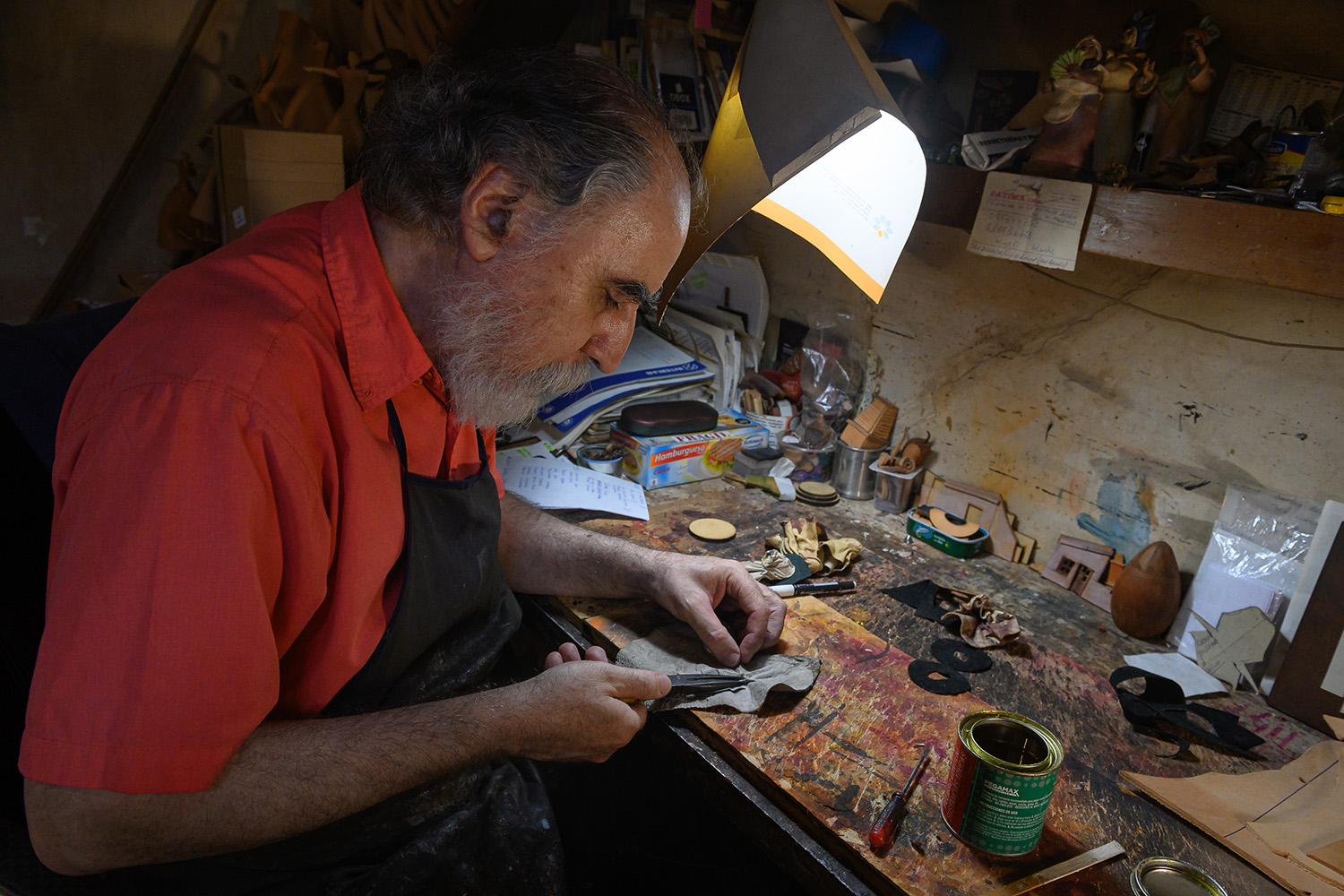
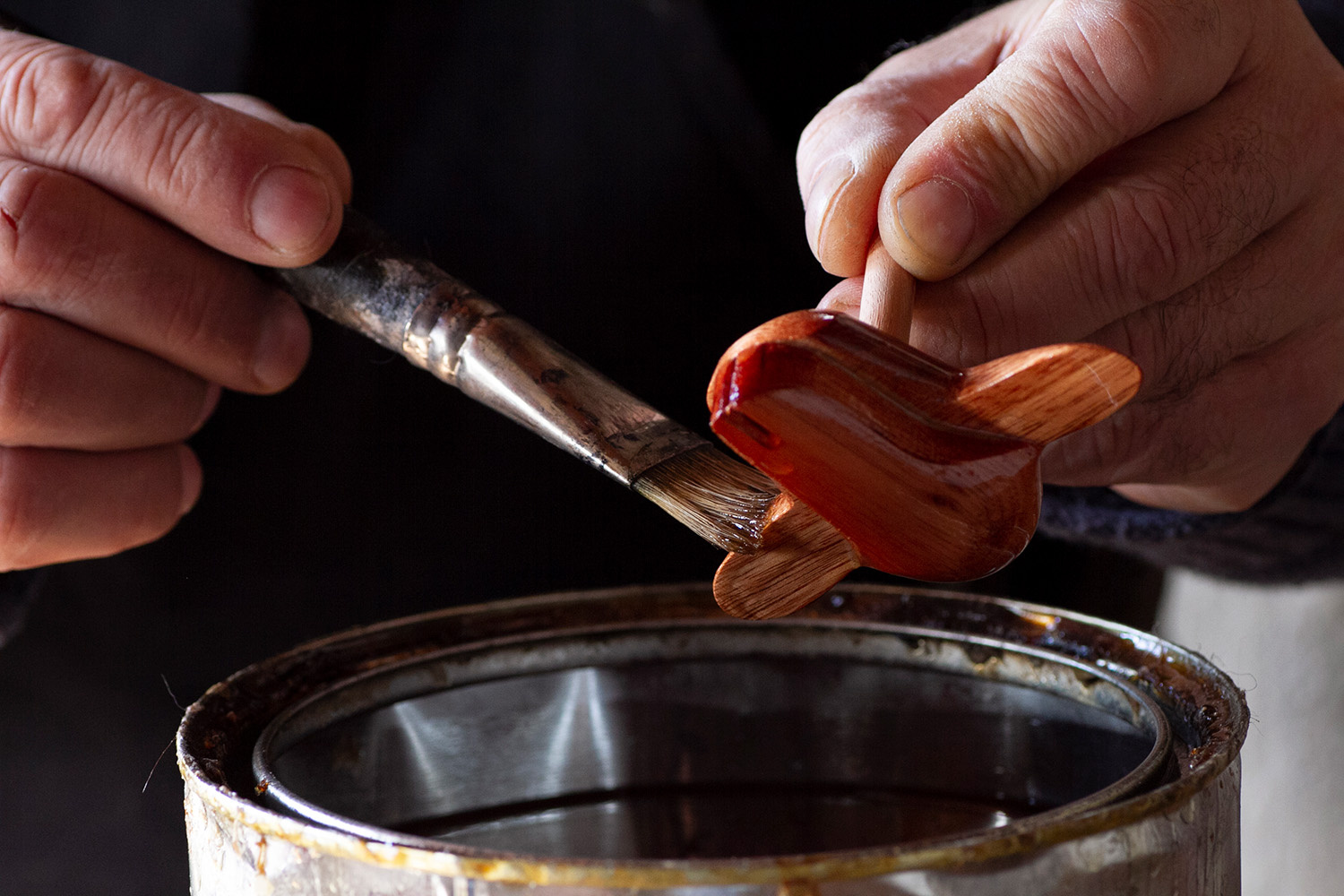
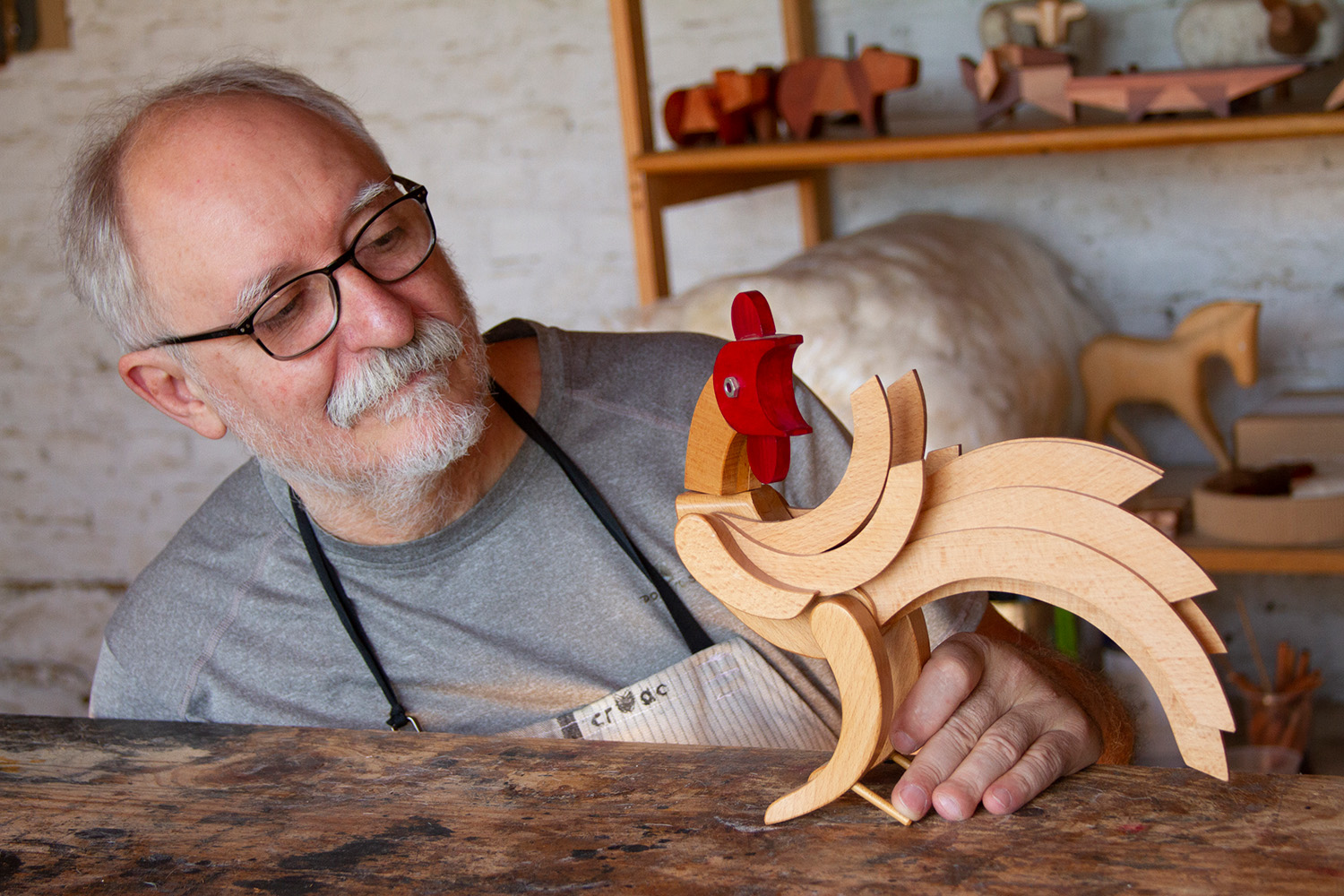
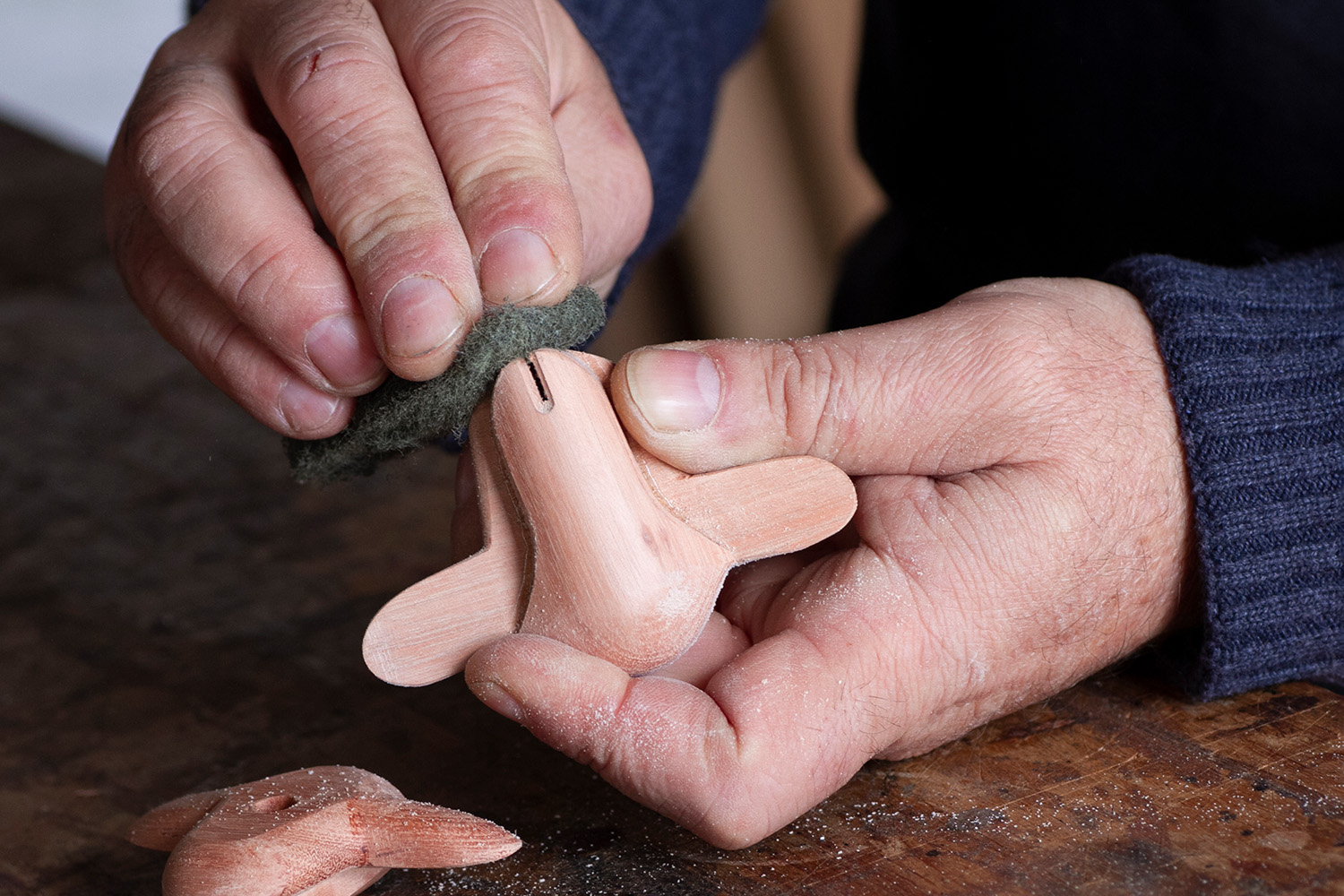
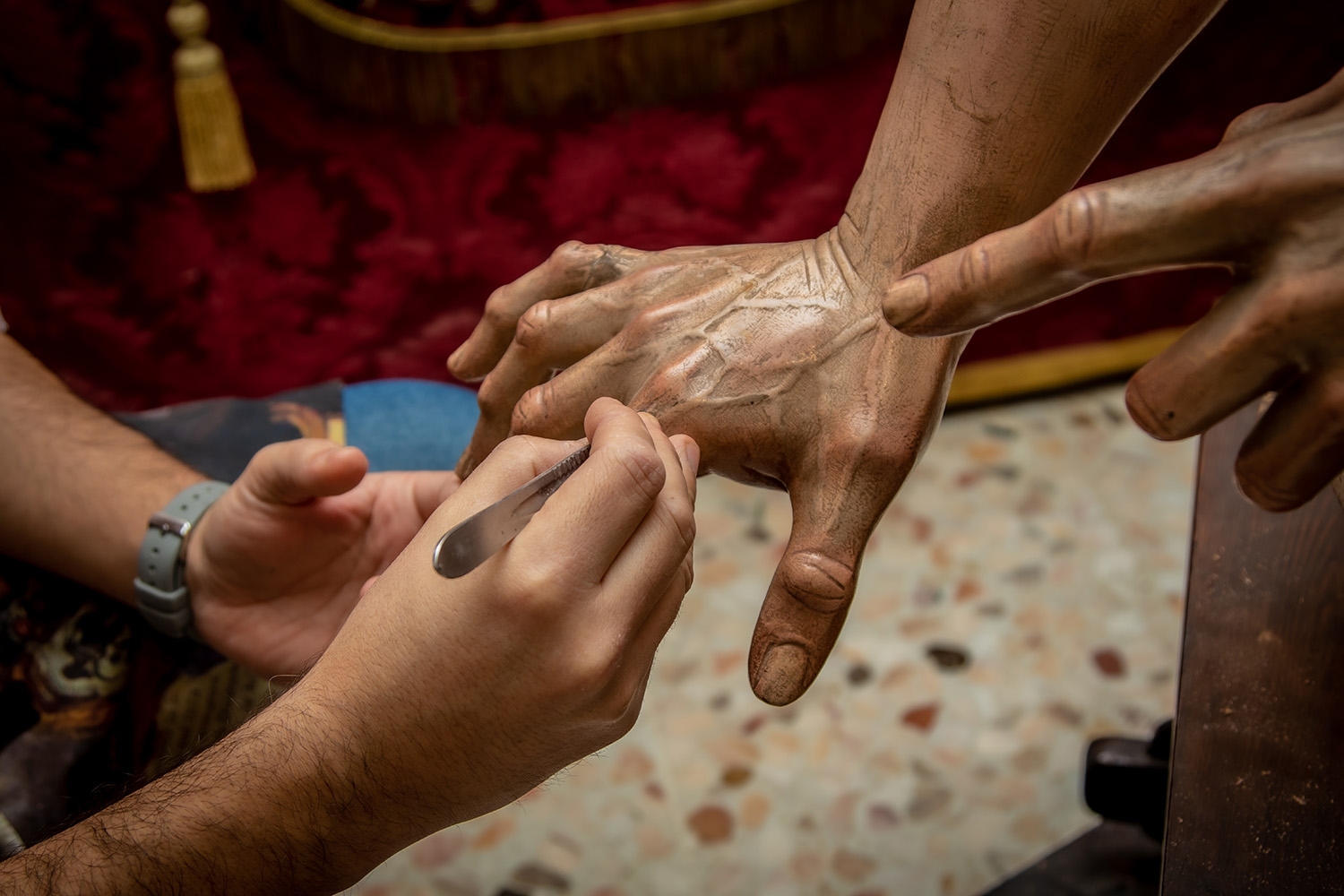
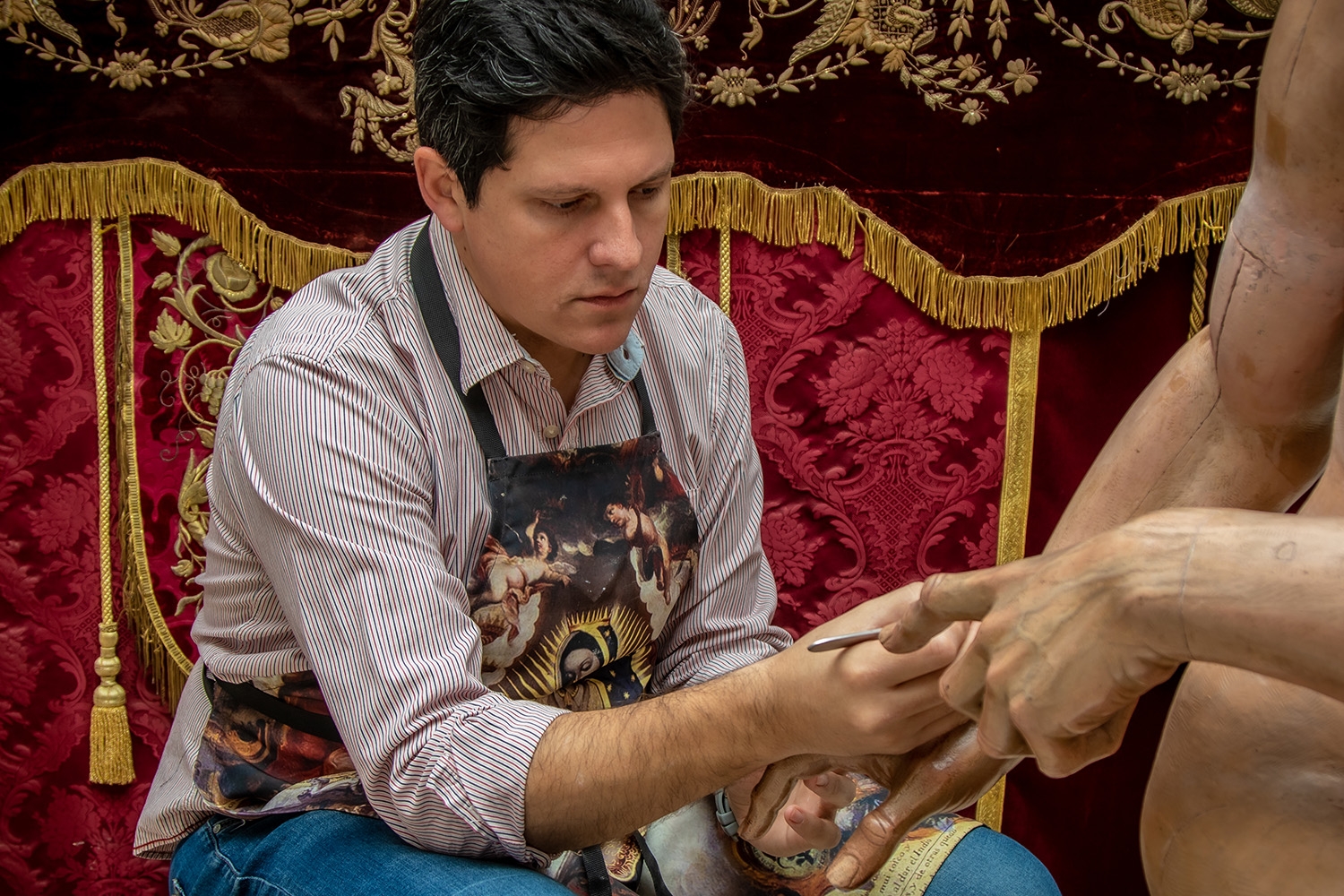
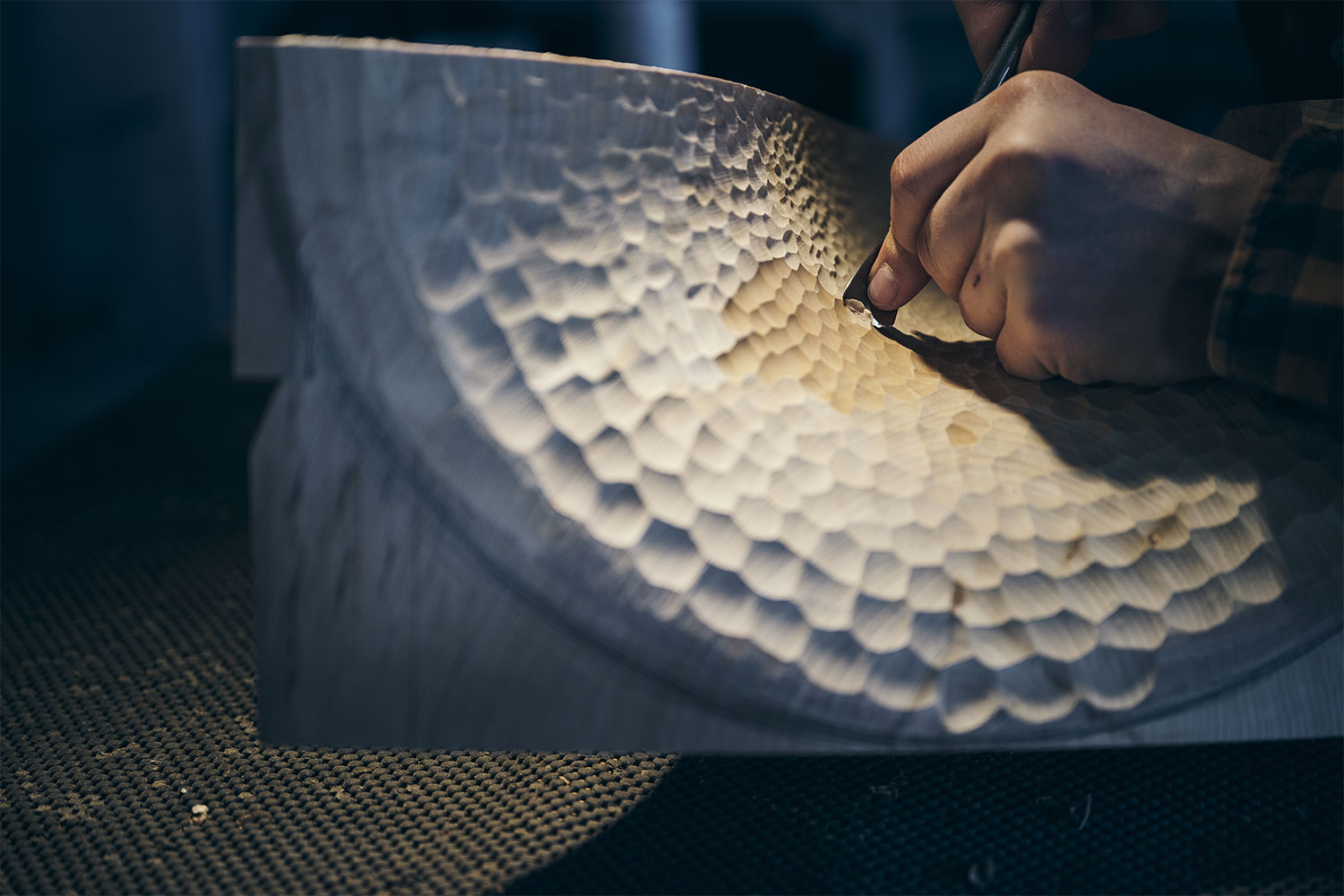
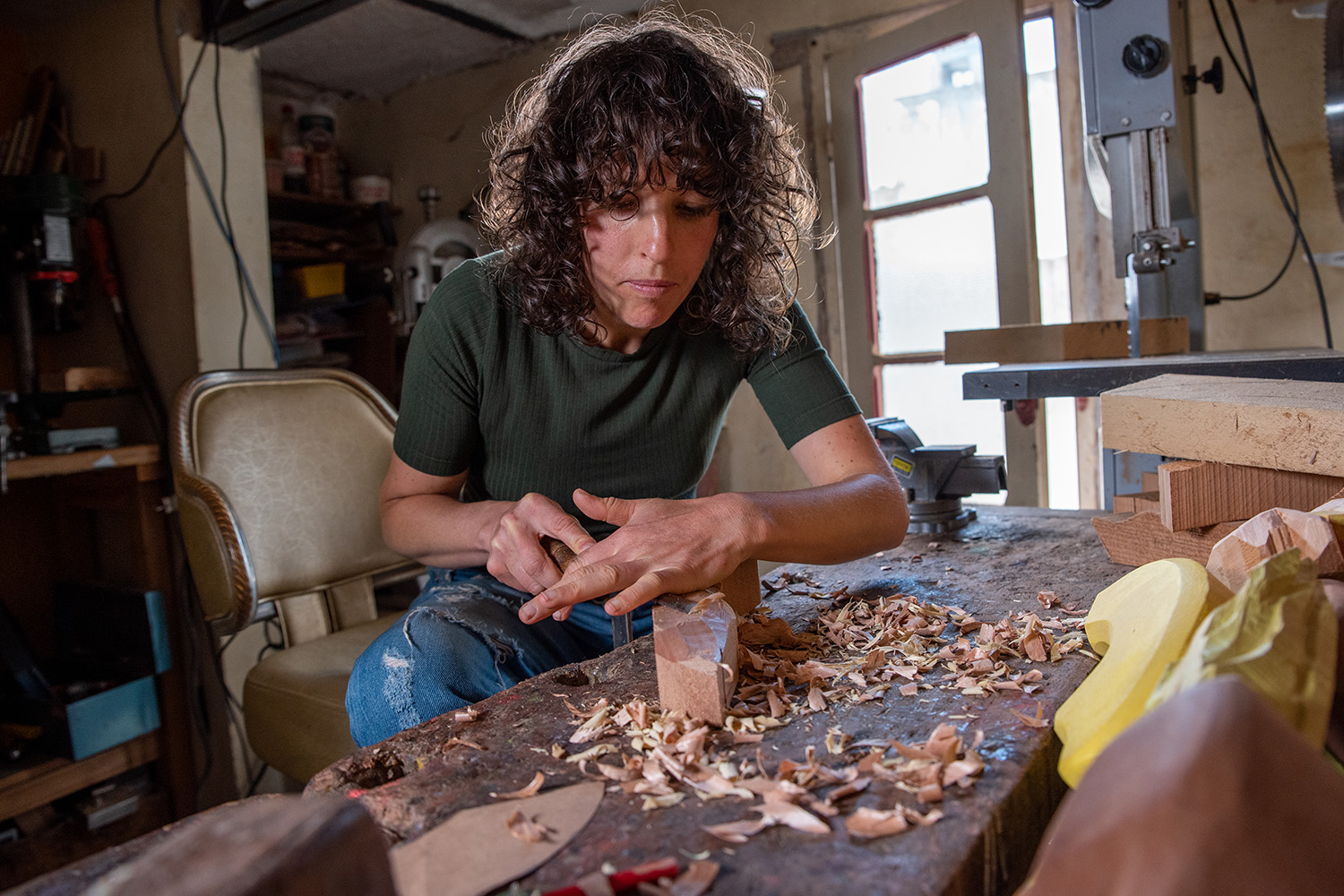
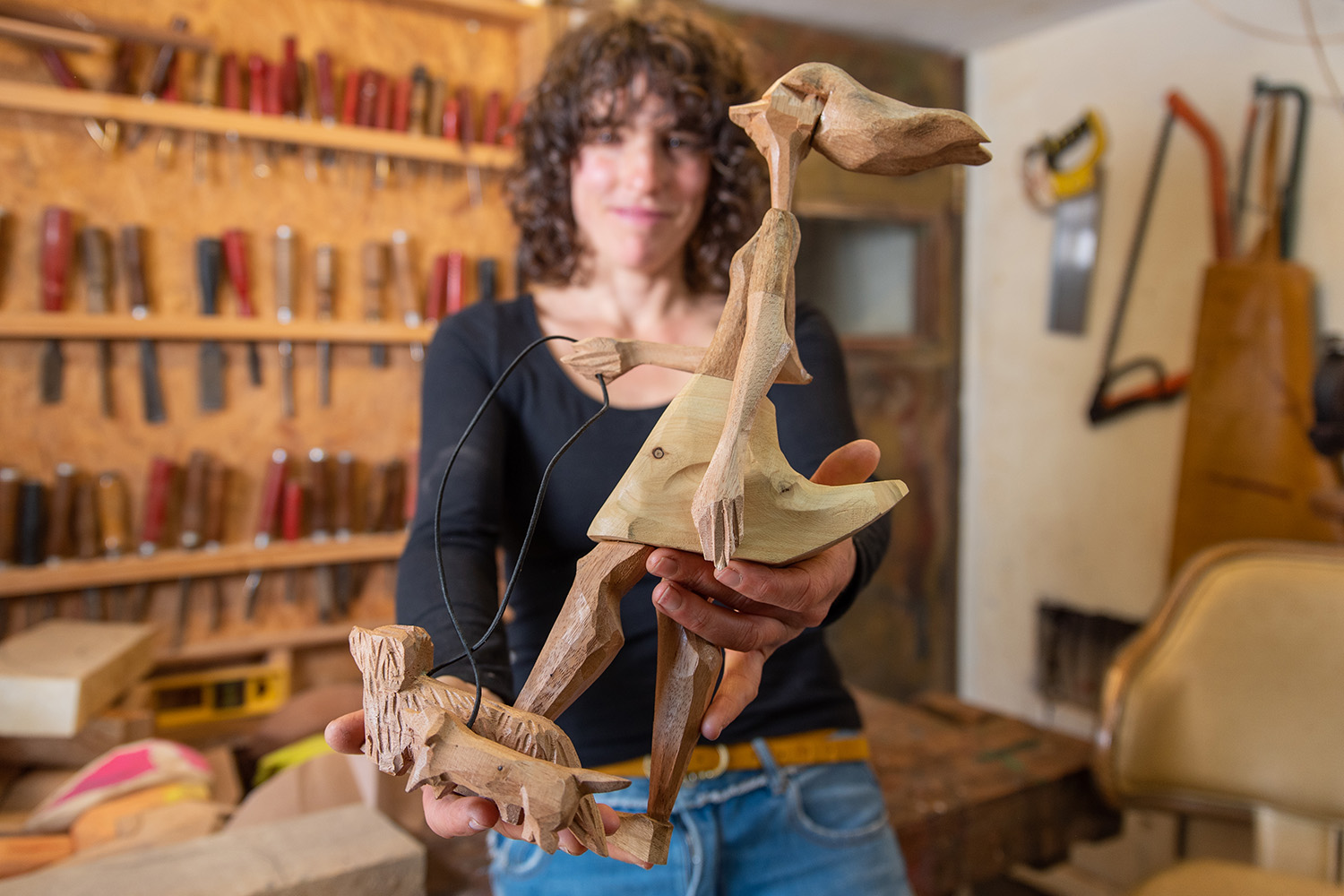
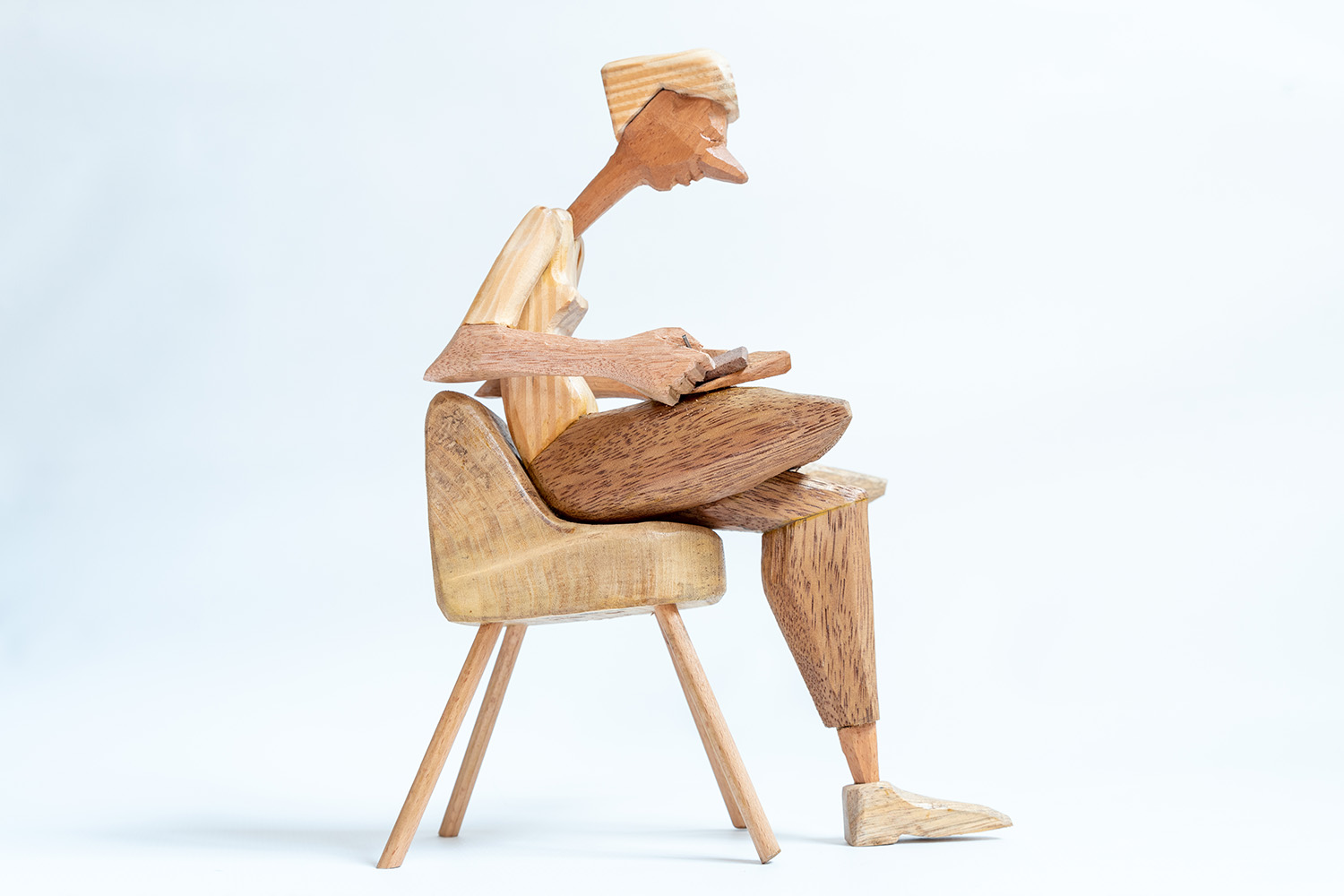
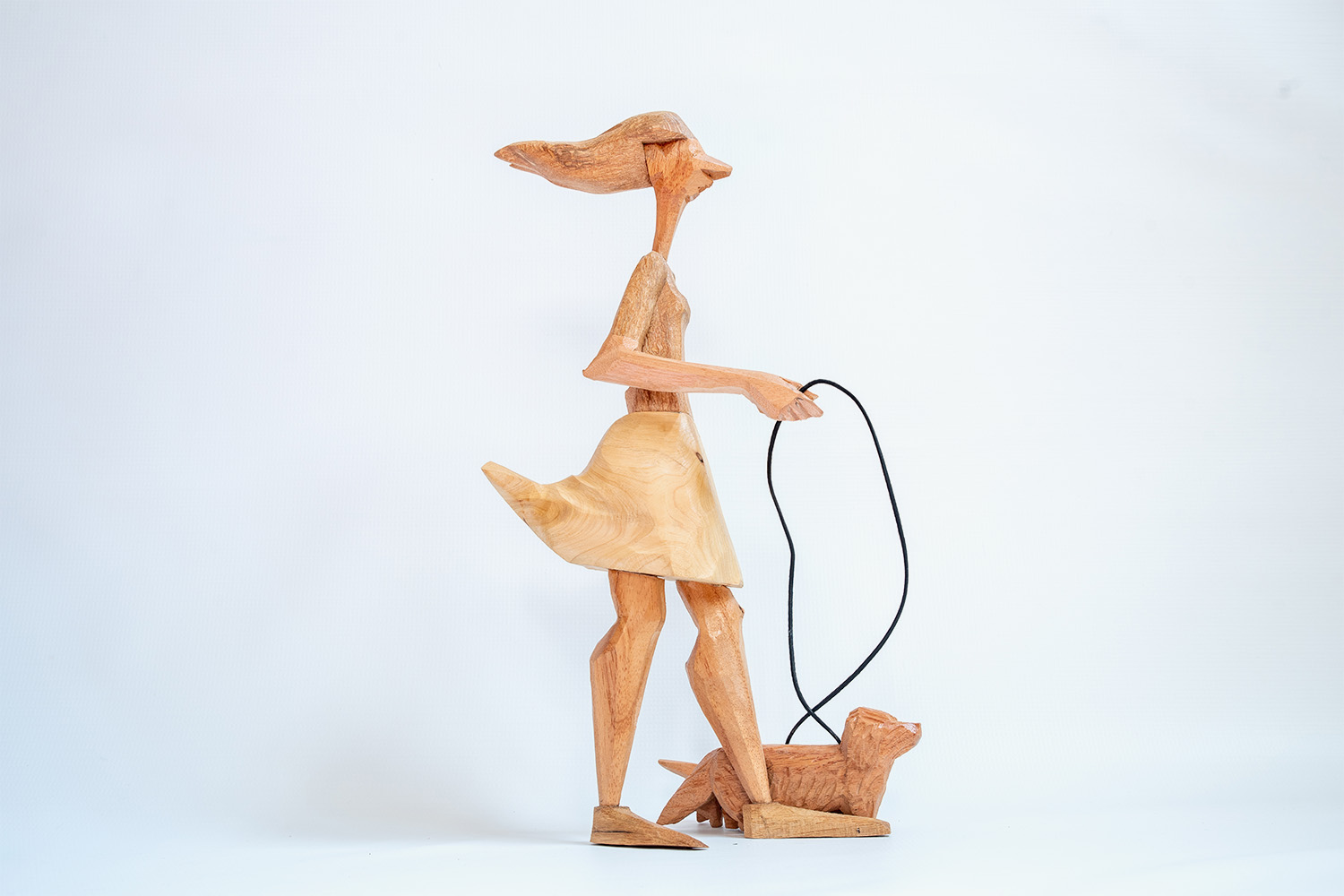
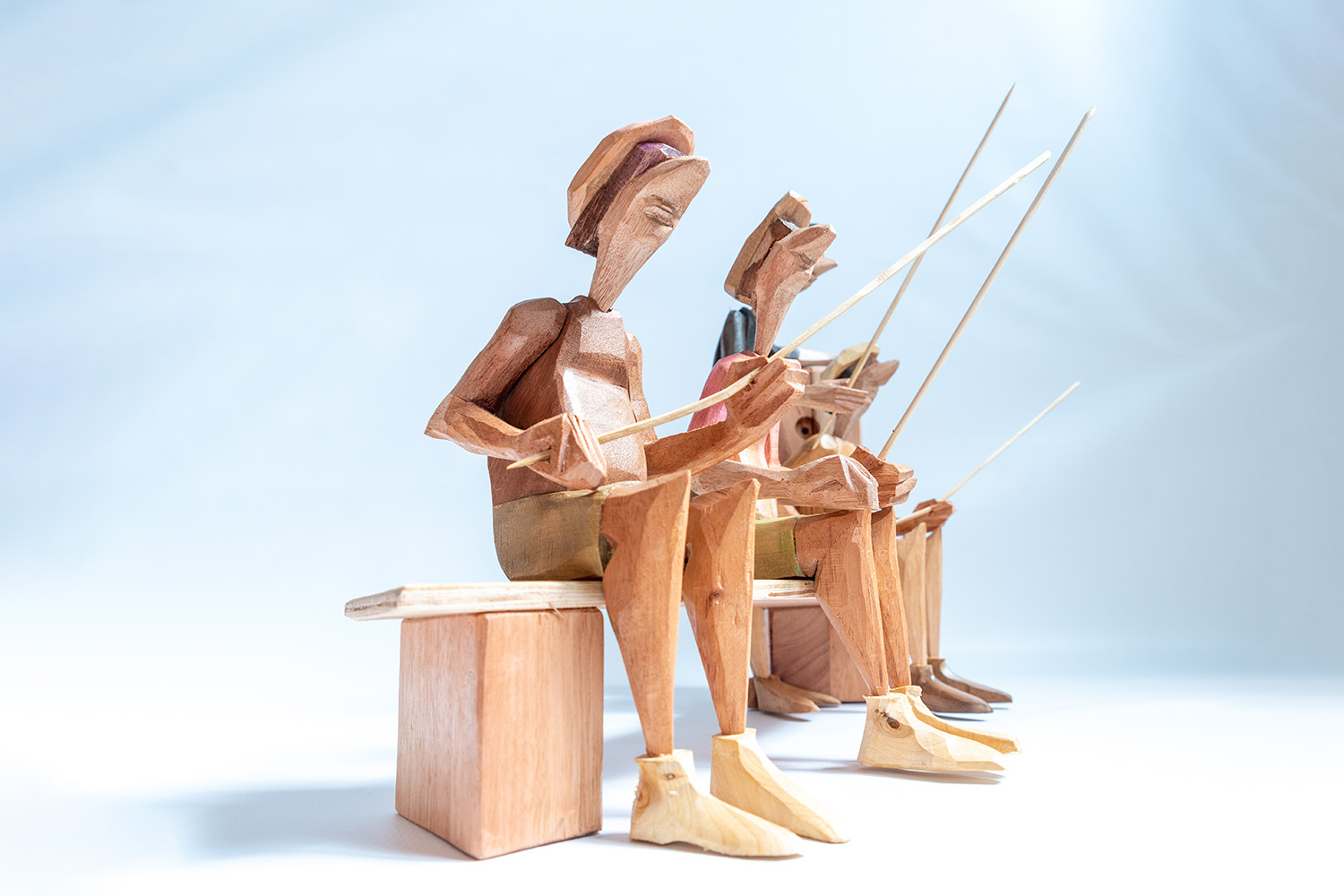
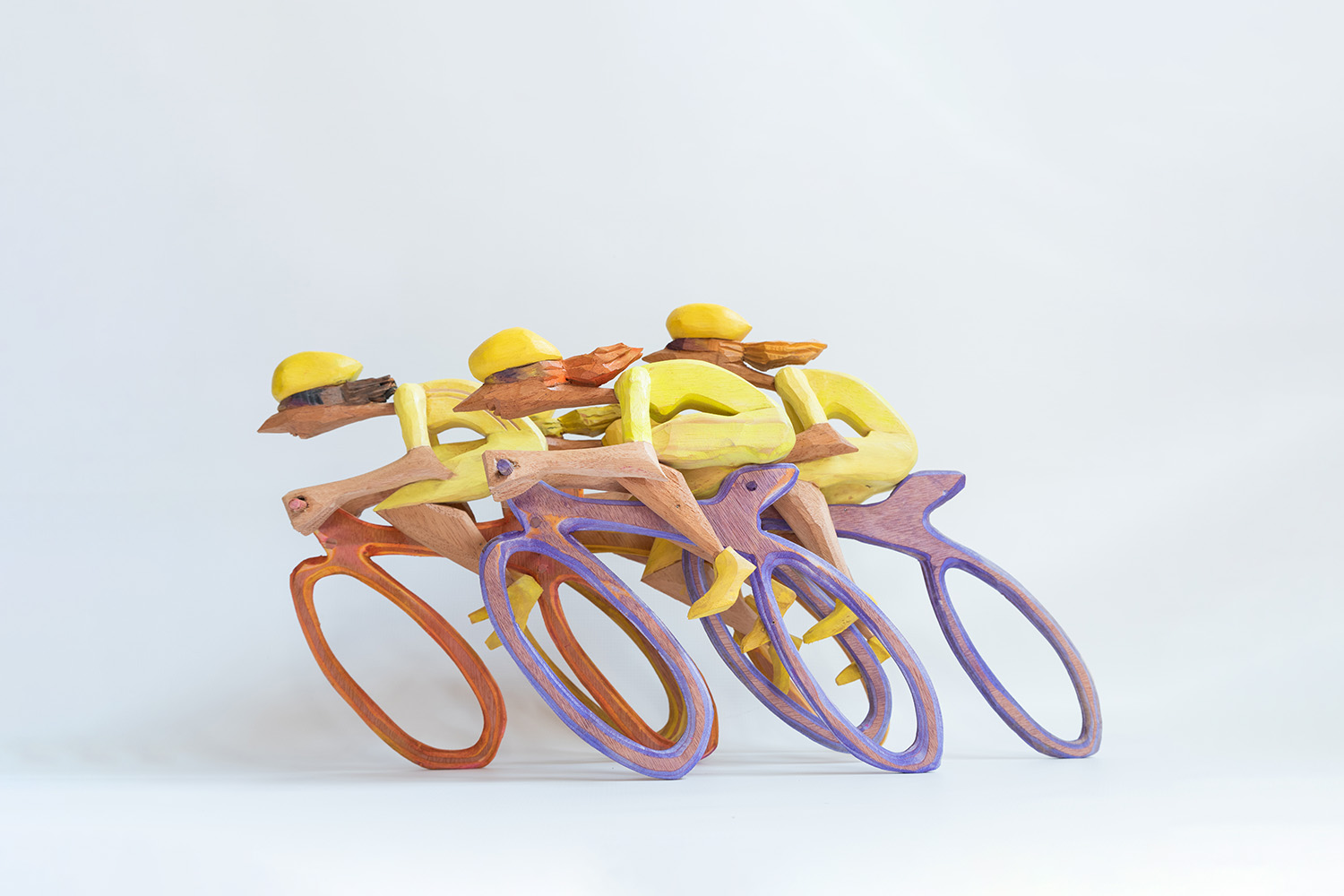
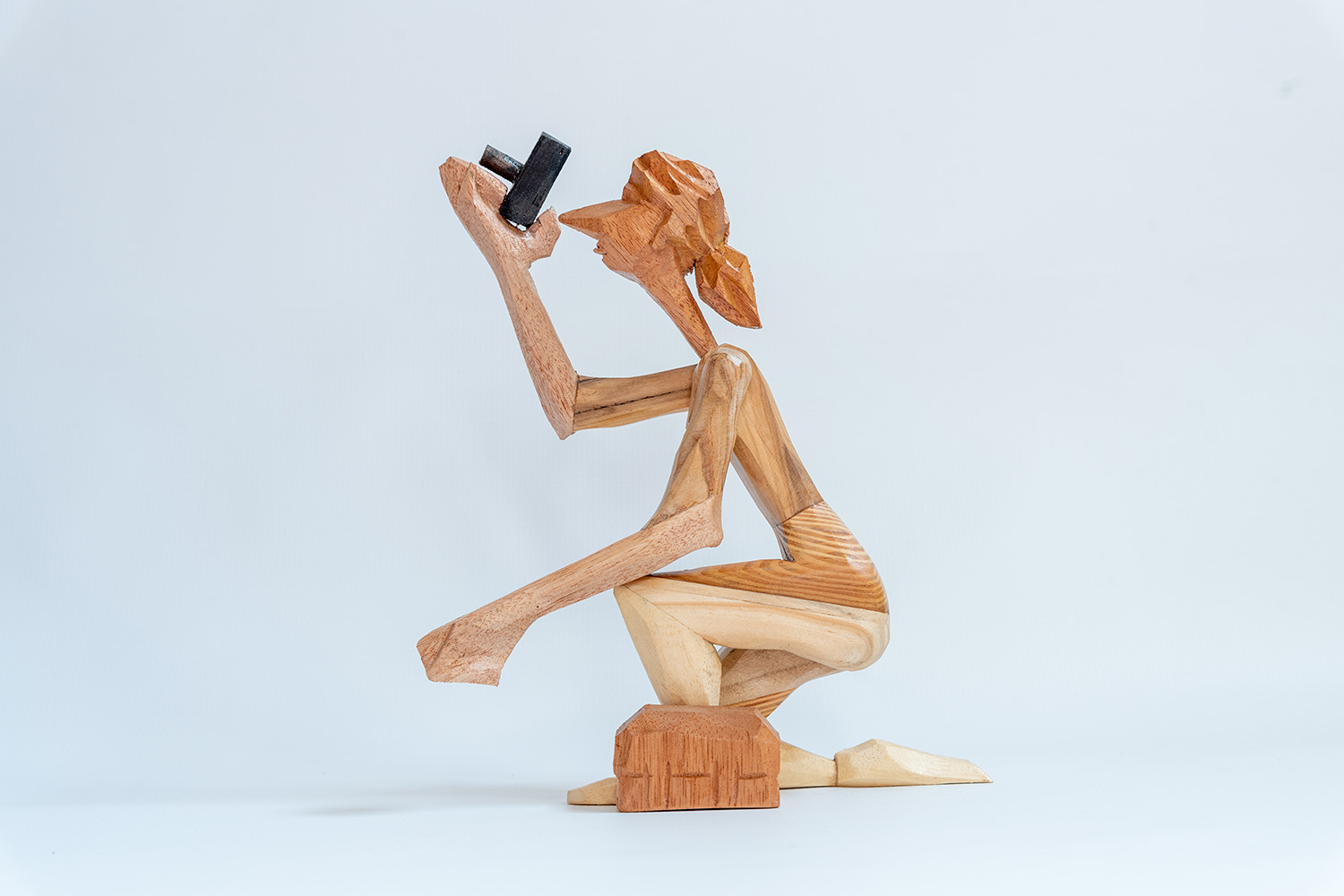
With a degree in Applied and Visual Arts from the Labour University of Uruguay in the discipline of wood carving, Verónica Clavelli understands her craft as a form of communication and expression. Verónica has been researching wood carving for more than 20 years and won the National Crafts Prize of Uruguay more than once. Her pieces have two lines to her practice. On one hand, she carves wooden animals such as cows, cats, or turtles, which she considers to be her more commercial pieces. On the other hand, she also works on pieces where she gives free rein to her more artistic side: these are human representations carved in wood. These urban characters portray the people of Montevideo, a city with more than 1.3 million inhabitants. "Direct carving is a very old craft everywhere in the world, my innovation is in that search for freedom of the caricaturist", says Verónica. "Ultimately it explores the plastic possibilities of the material as well as the drawing, and the demystifying of wood".
INTERVIEW
Since I was a child I have had contact with carpentry because my father had a workshop in the back of our house. The machines, the sawdust and the smell of wood. But formally, when I was a teenager, I took a wood carving course at UTU in 2007. That is where I began to explore wood for myself.
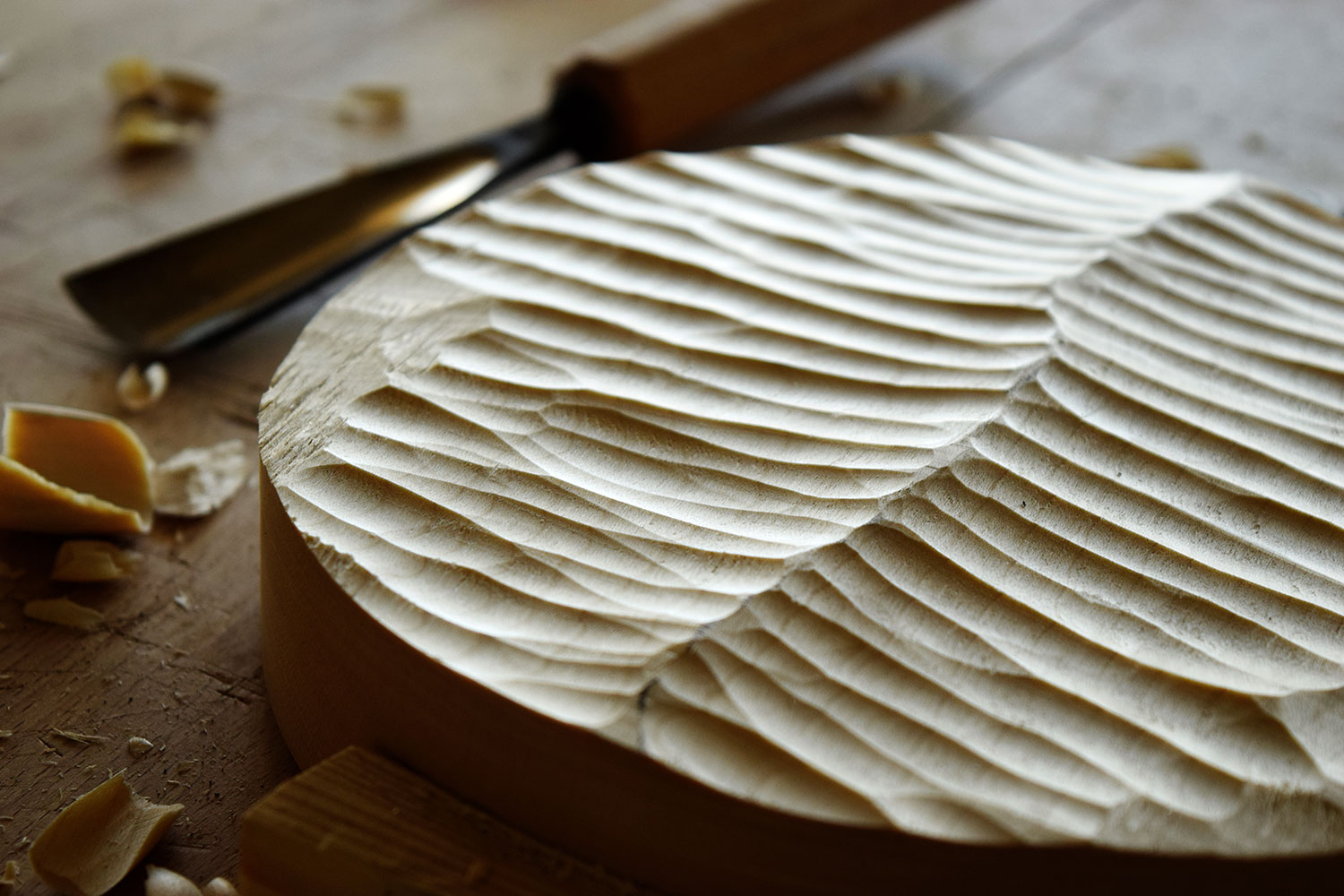
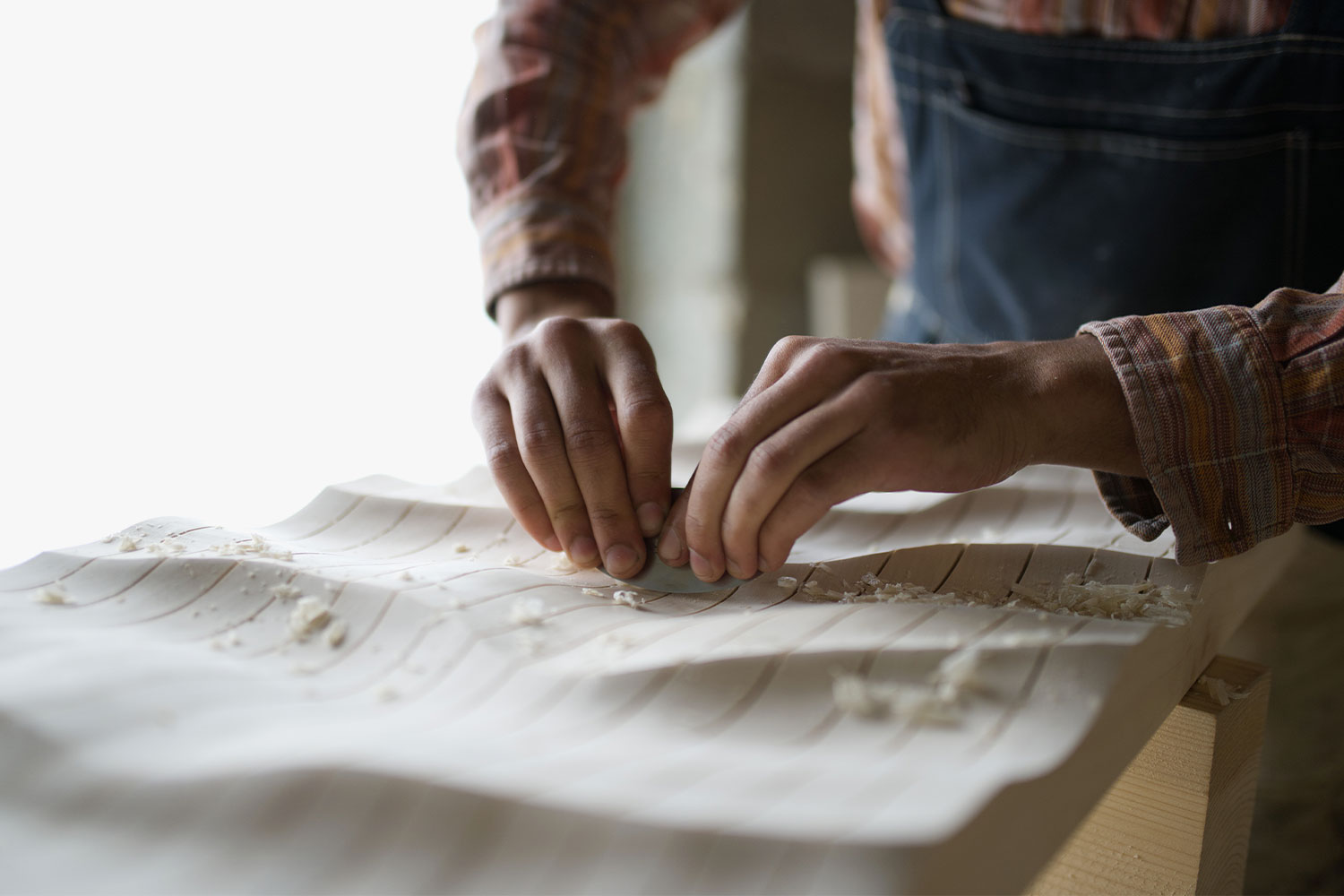
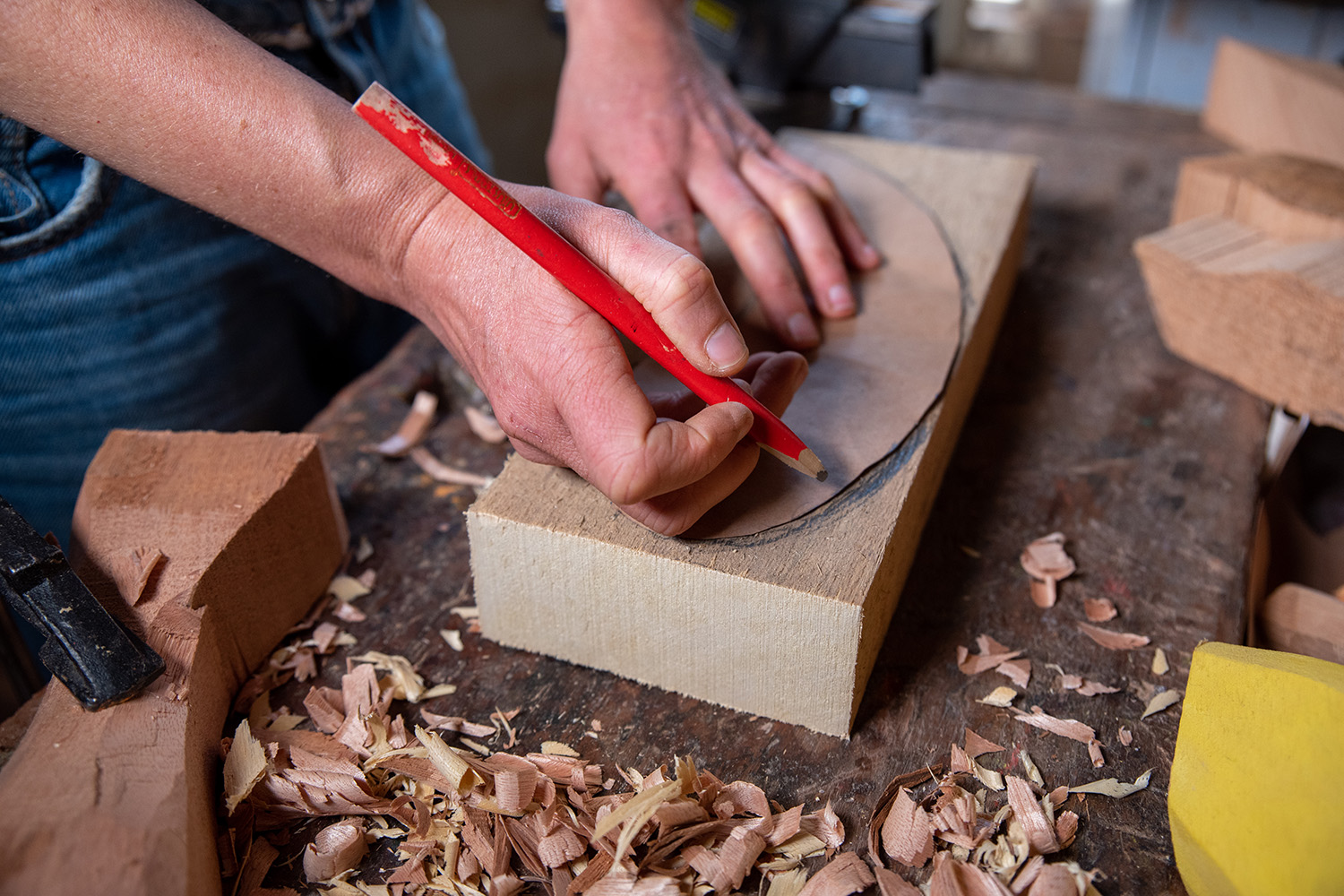
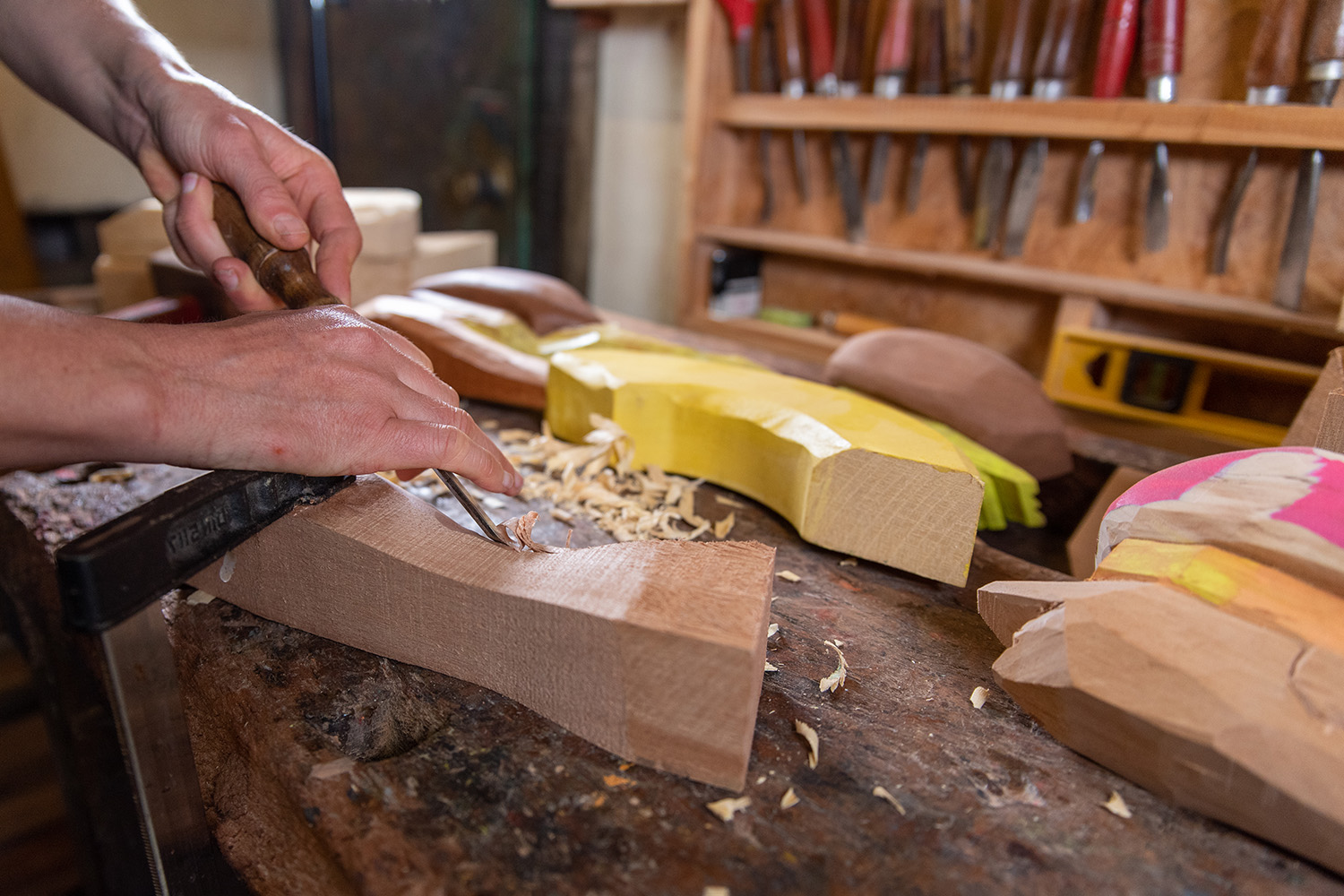
In particular, my work is inspired by what you can see when you walk around Montevideo, the people. Above all I like to dedicate a lot to leisure and free time. I specialise in direct hand carving. All my pieces are unique drawings.
I often work from photos, when they are commissioned sculptures to be given as gifts. Then they become personalised pieces, personalised caricatures. I like to make a variety of pieces, otherwise, I get bored.
I would tell them to have their own personality and language as well as technical skills. He or she should not copy, but invent. Just as we all have a signature and a way of writing, young artisans must develop their individuality.