Pablo Macadar
El Candil
Lamp maker
Montevideo, Uruguay
Driven to create the unexpected
- Pablo got into lamp making almost by accident
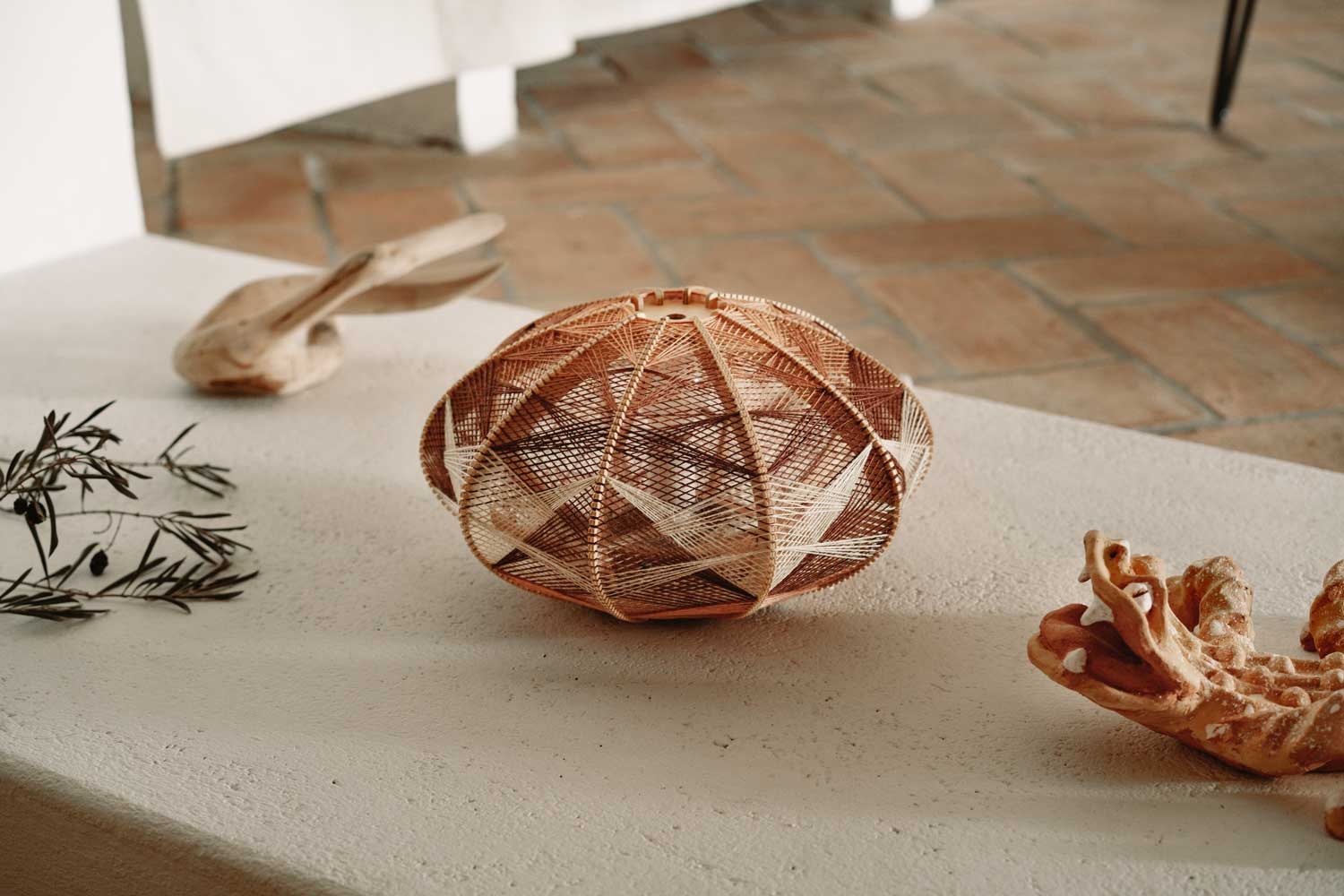
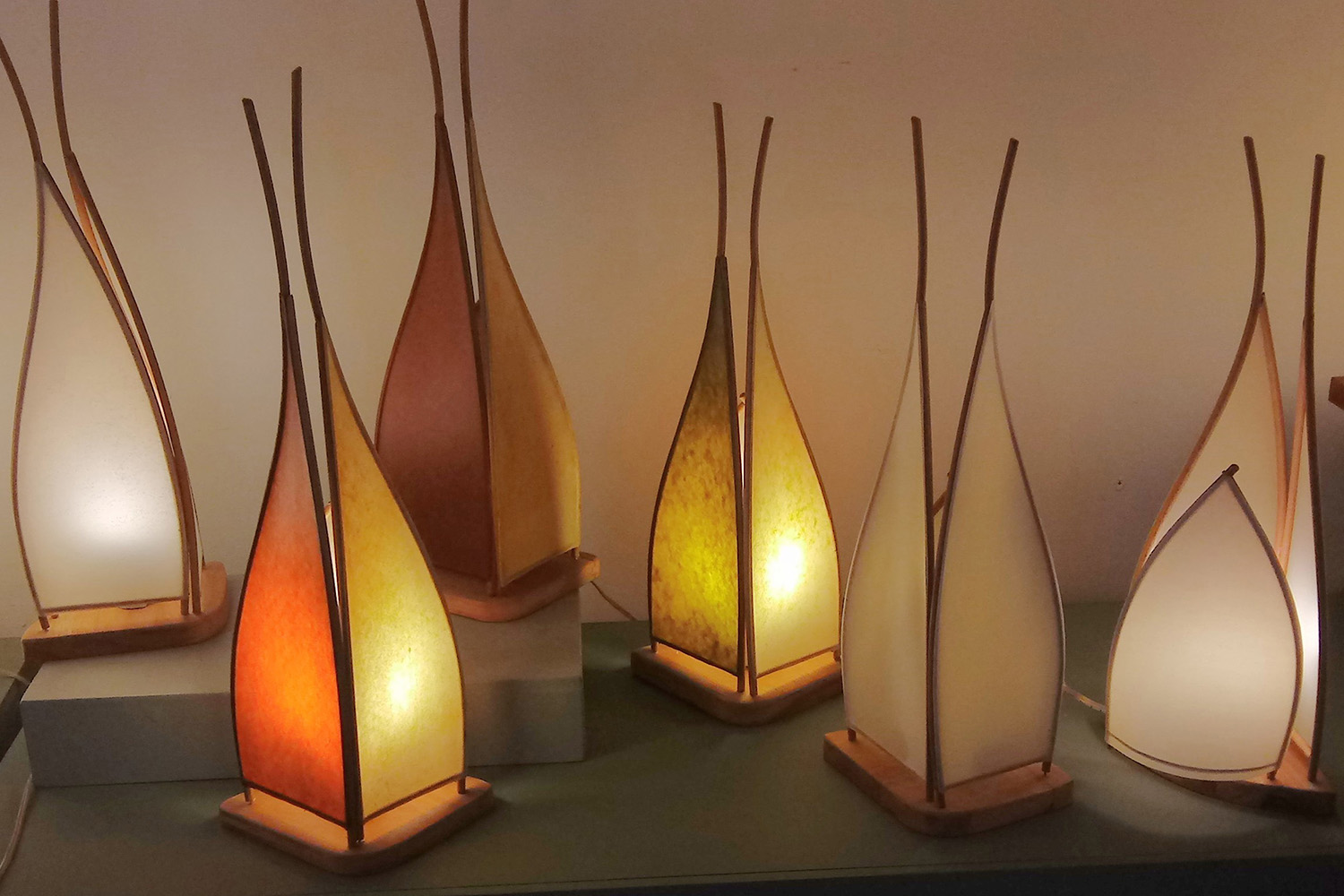
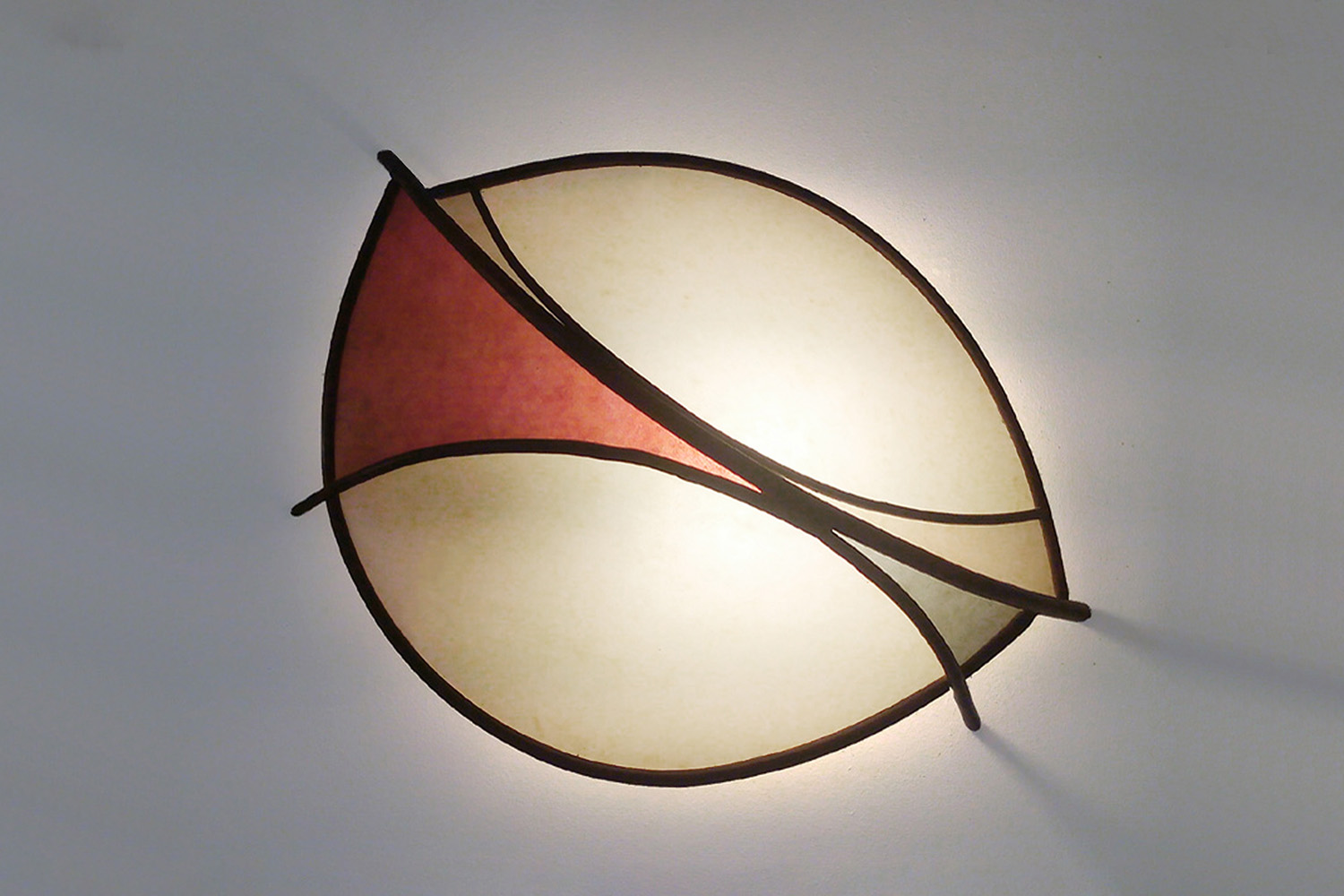
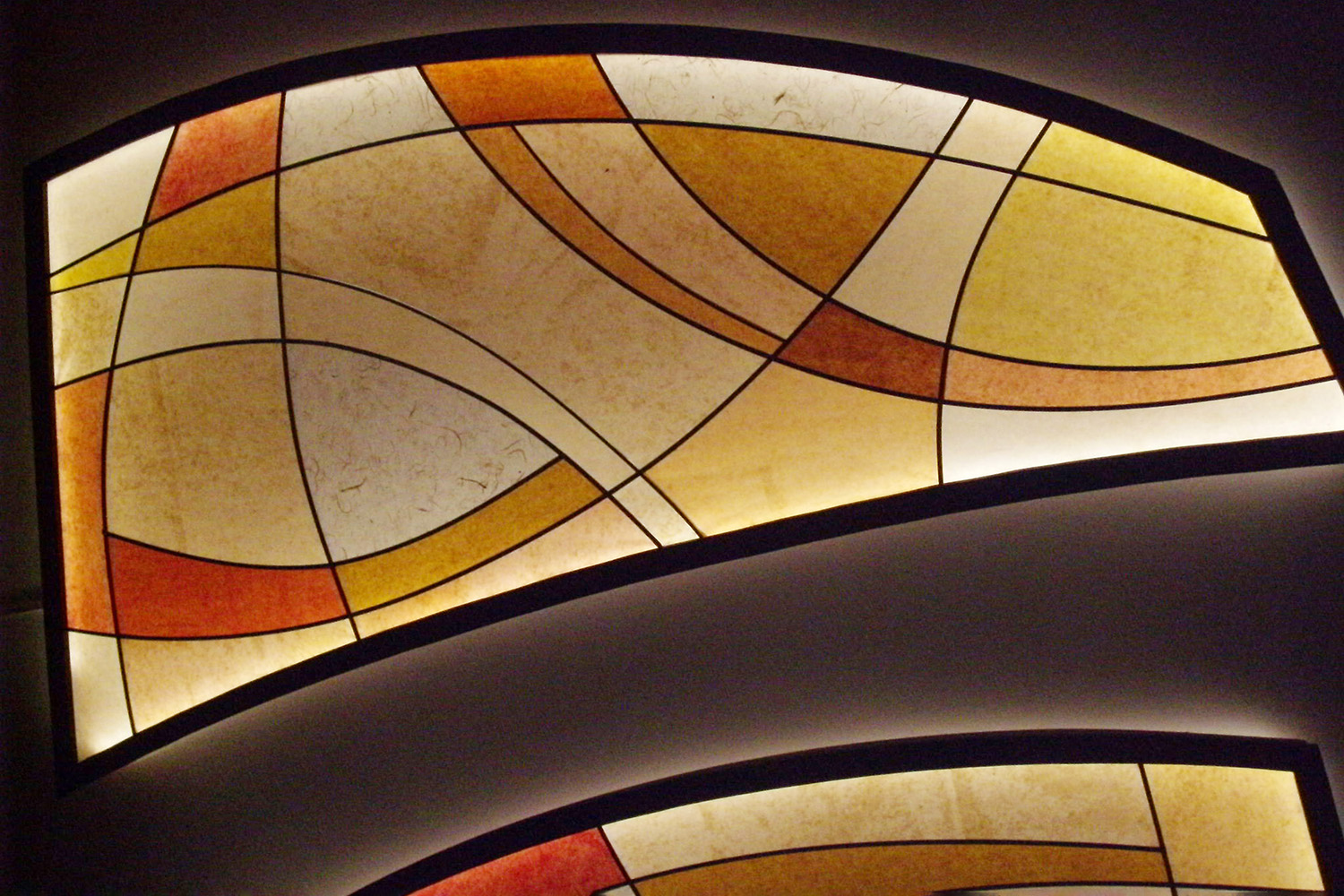
- His pieces are warm and translucent
- He uses local, renewable vegetation in making his pieces
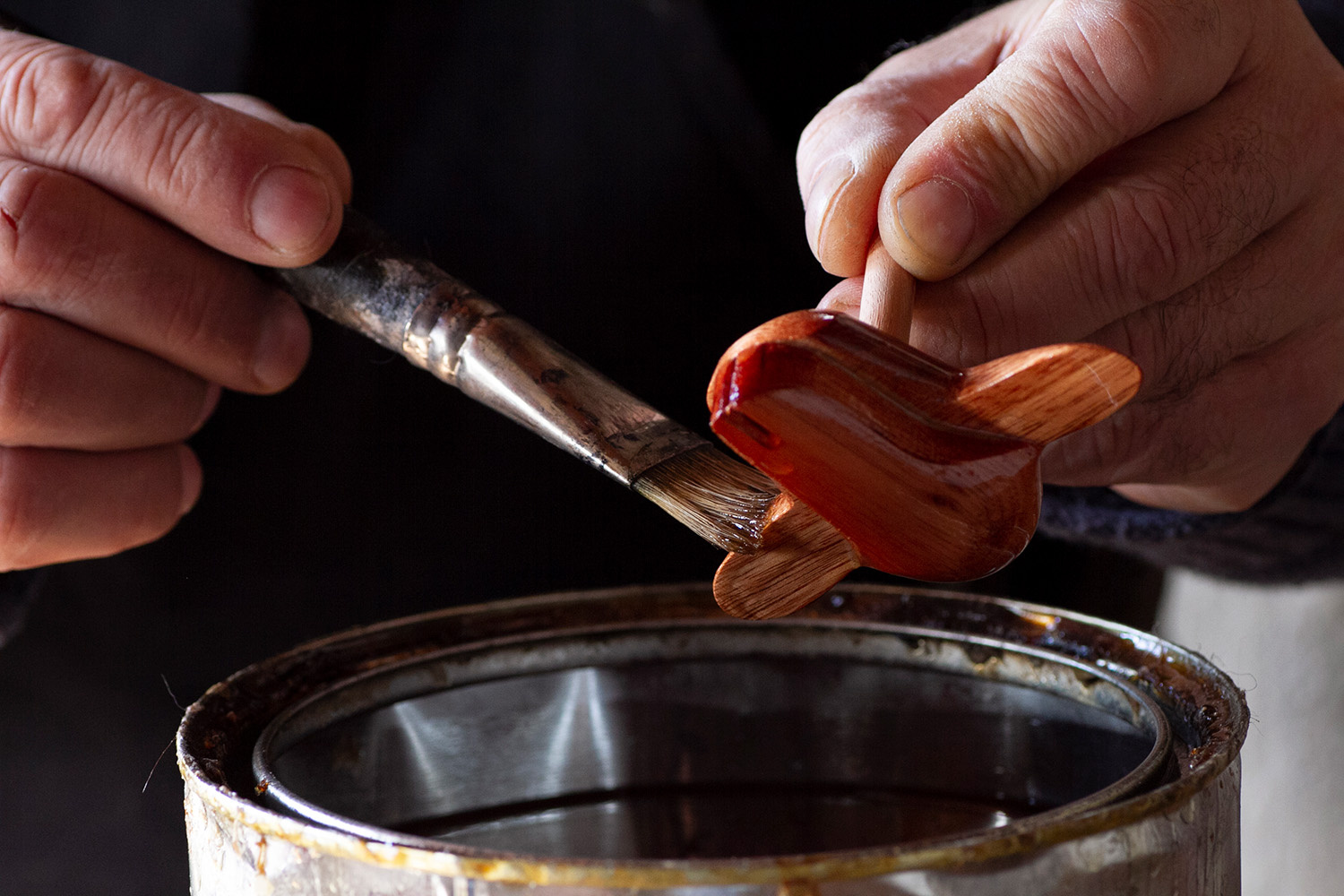
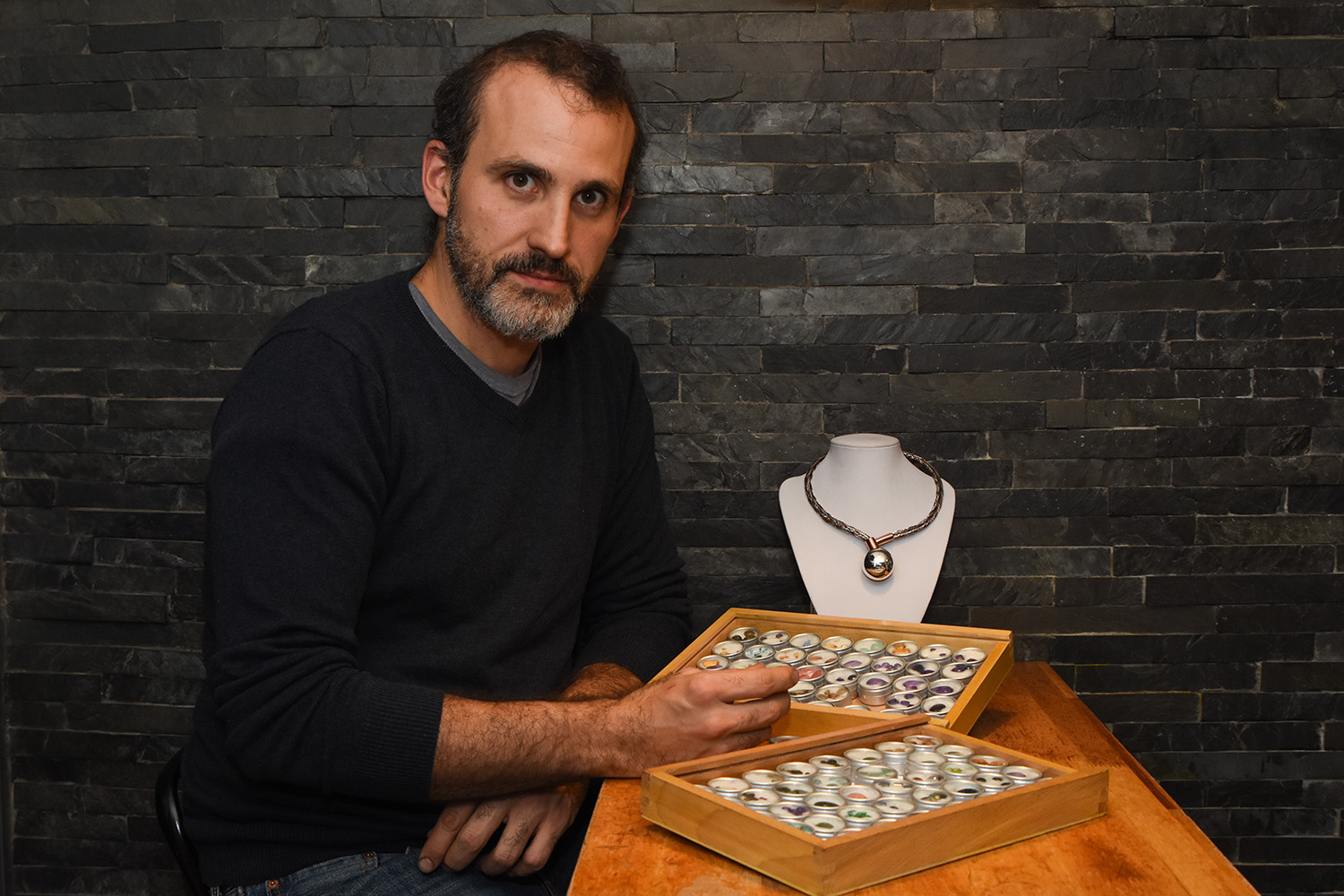
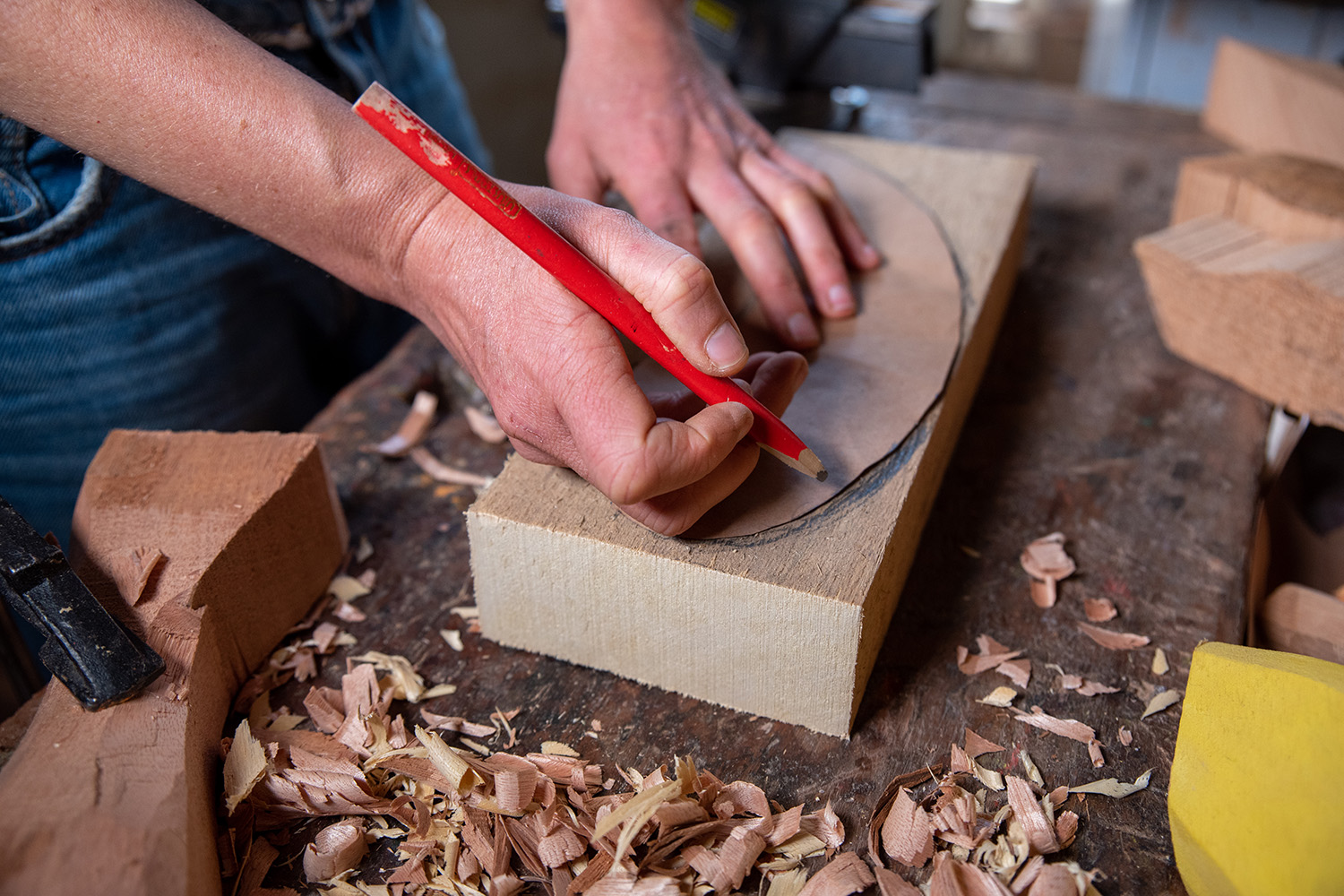
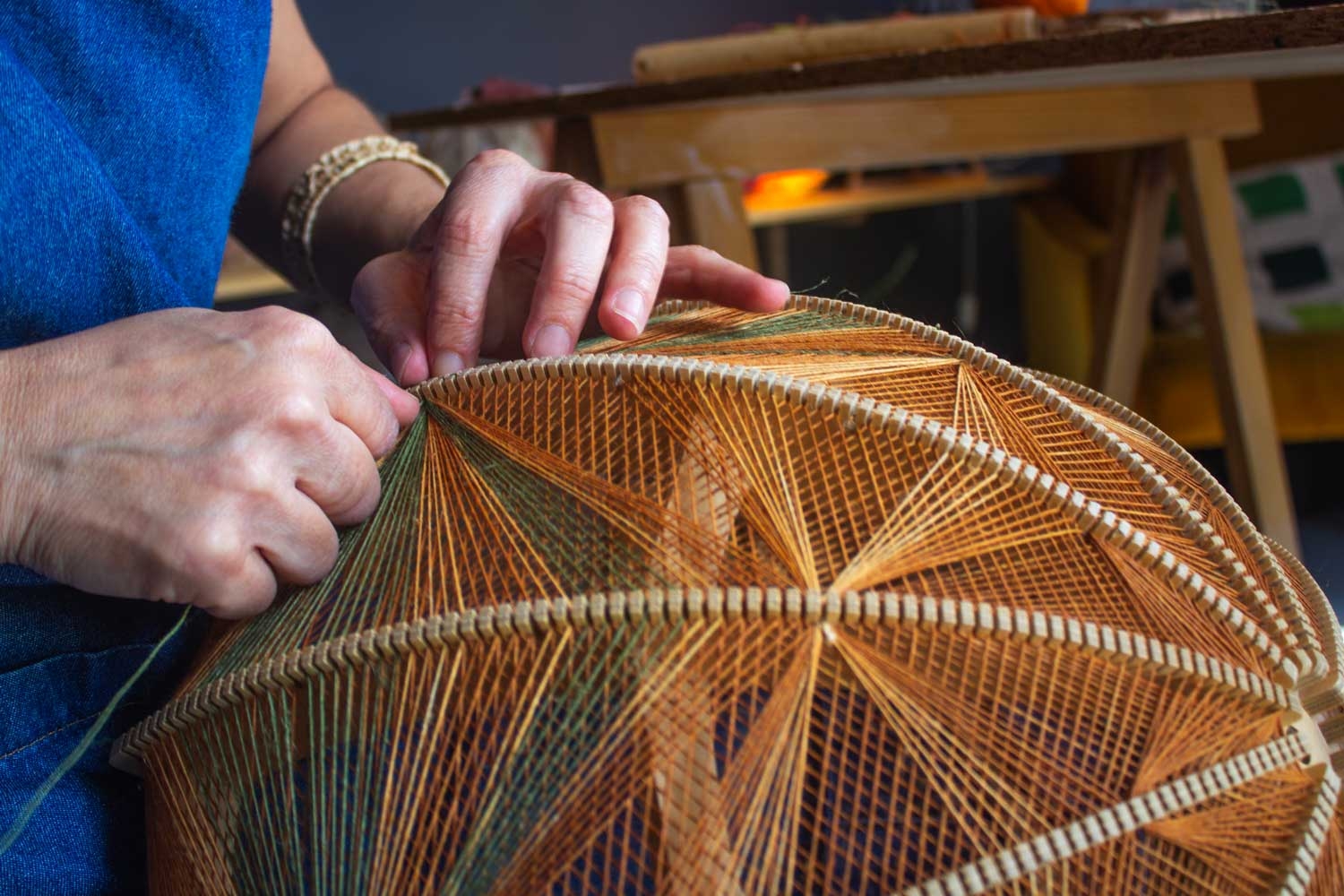
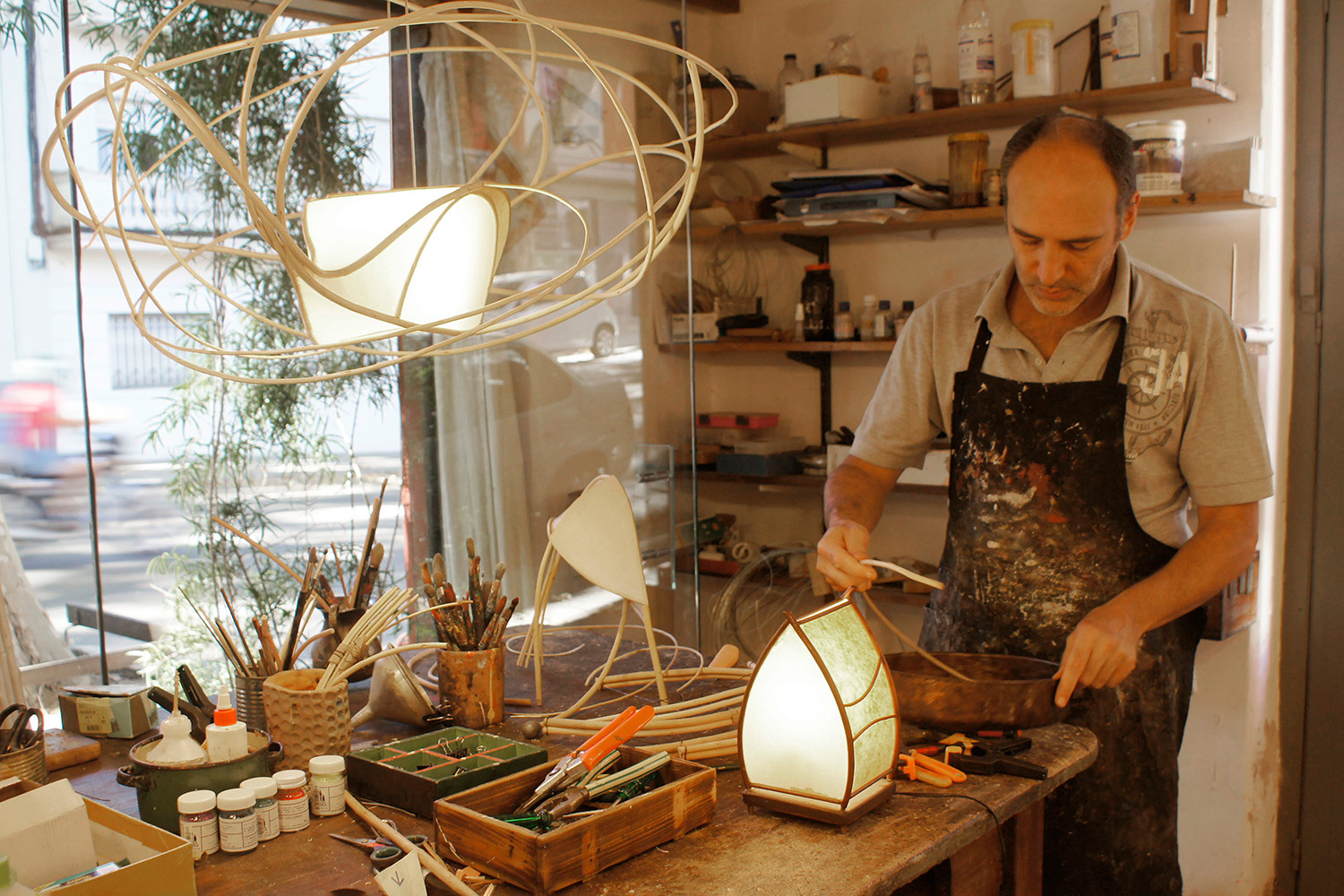
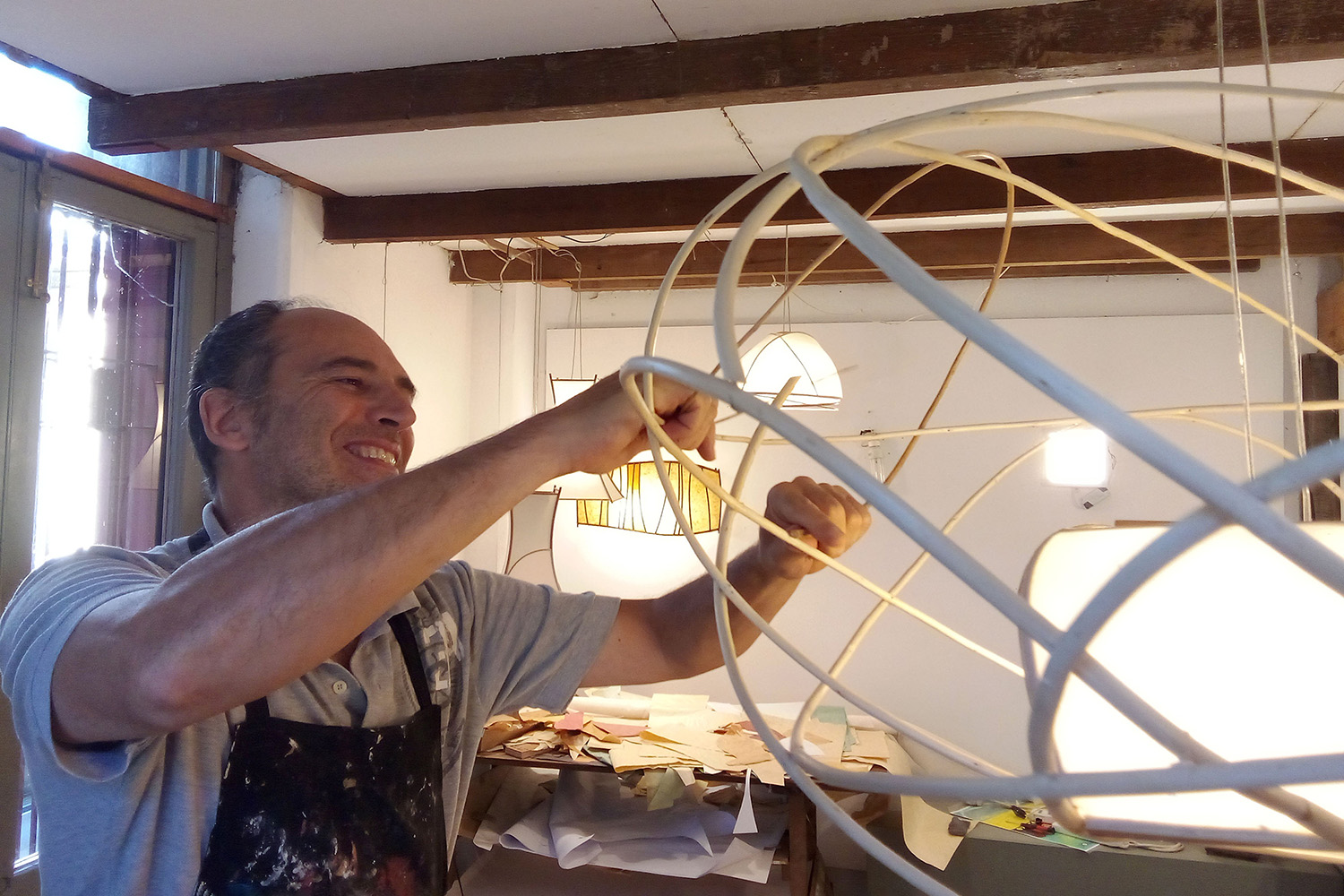
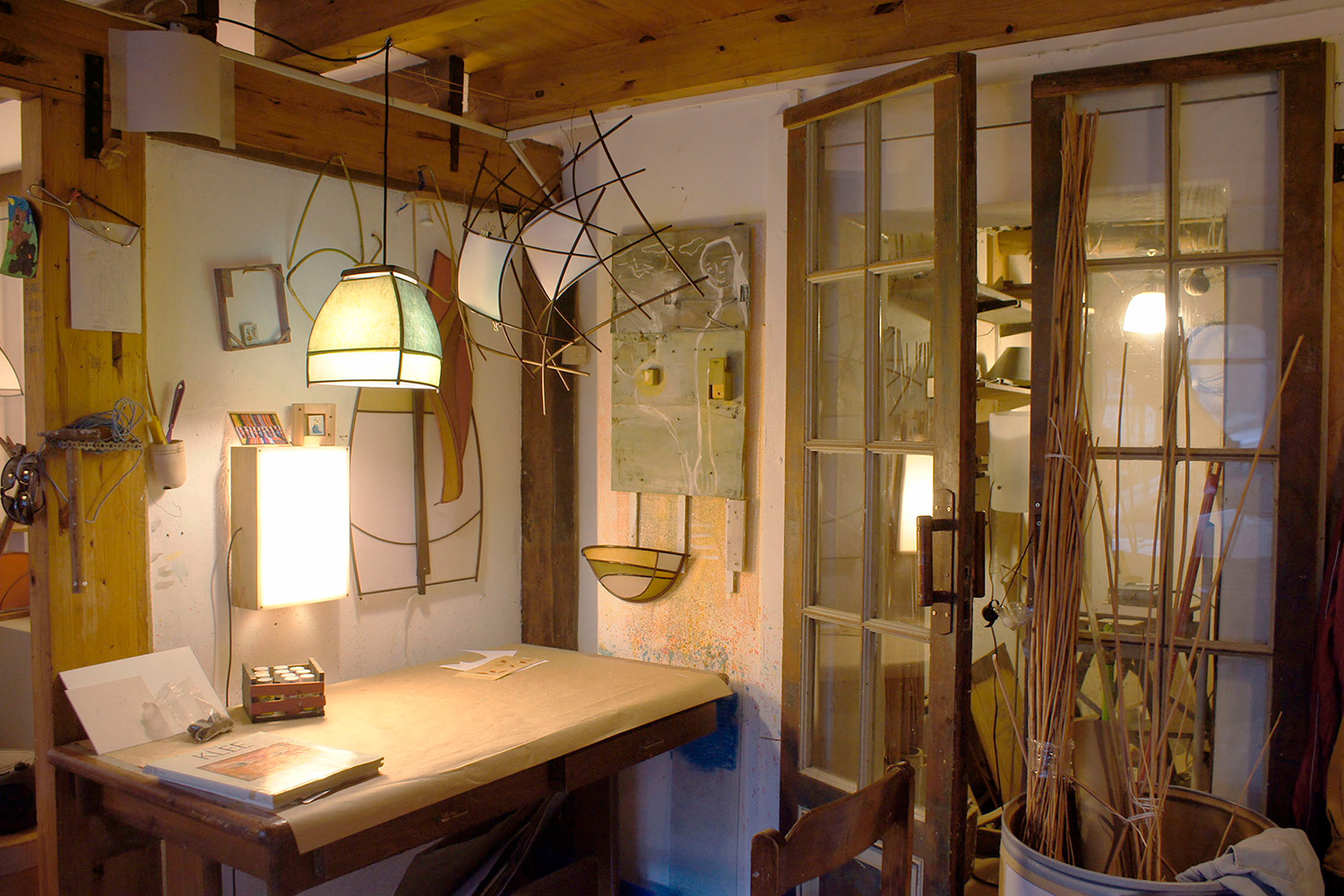
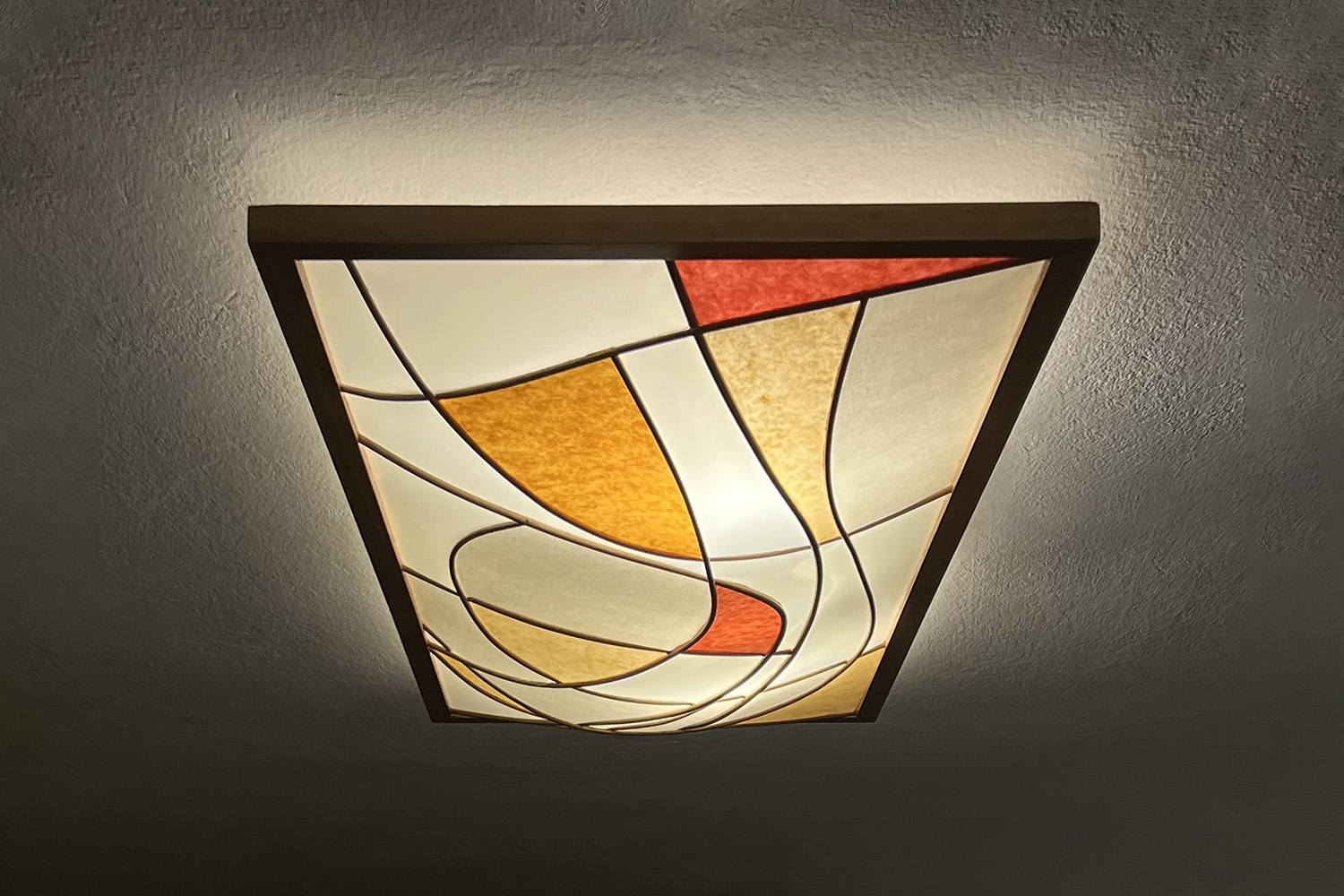
Although he studied architecture, Pablo Macadar was always interested in urban art, photography in the city, landscaping, and clay constructions. It was thanks to the invitation of Raffaela Medici, a teacher in plastic arts, that he began, almost unintentionally, to make handmade lamps. “In 1999 I started making a rather irregular table lamp, a similar floor lamp and then a ceiling lamp that we called Paneira. It was a success and from then on orders began to come in. This gave an extra impulse to the fascination I experienced when I saw the result of un-designed forms, textures and structures. This is still my main driving force today," says Pablo.
INTERVIEW
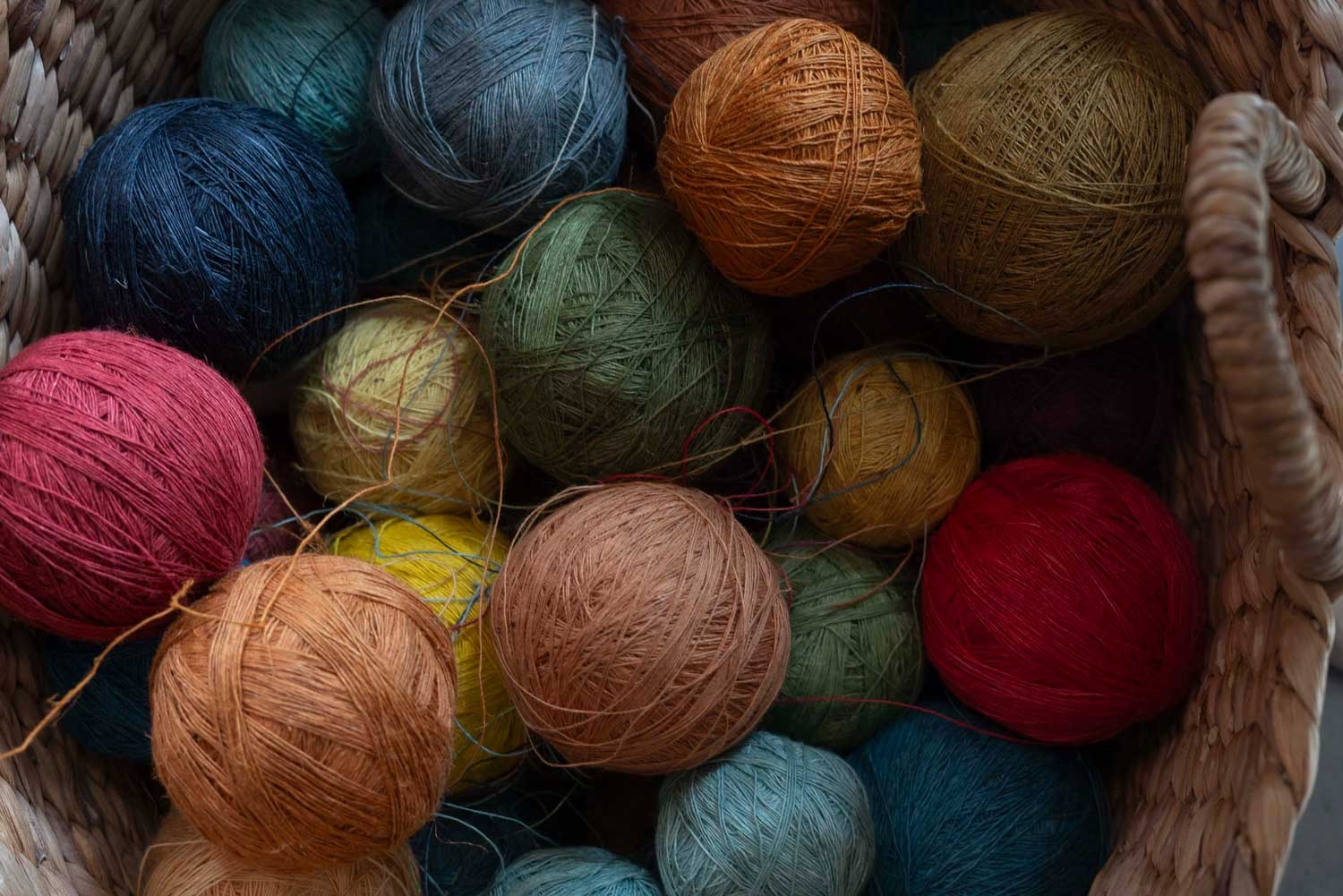
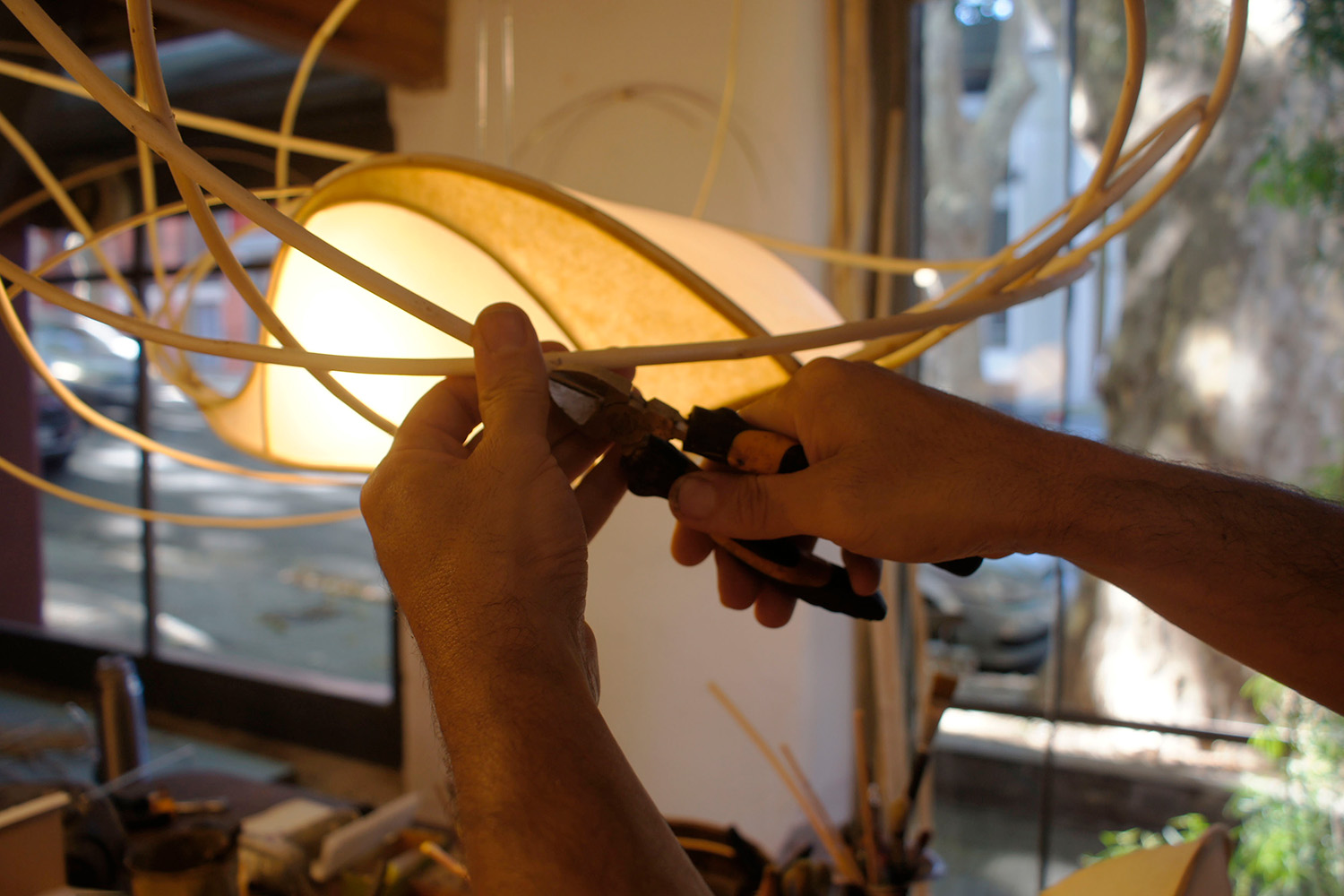
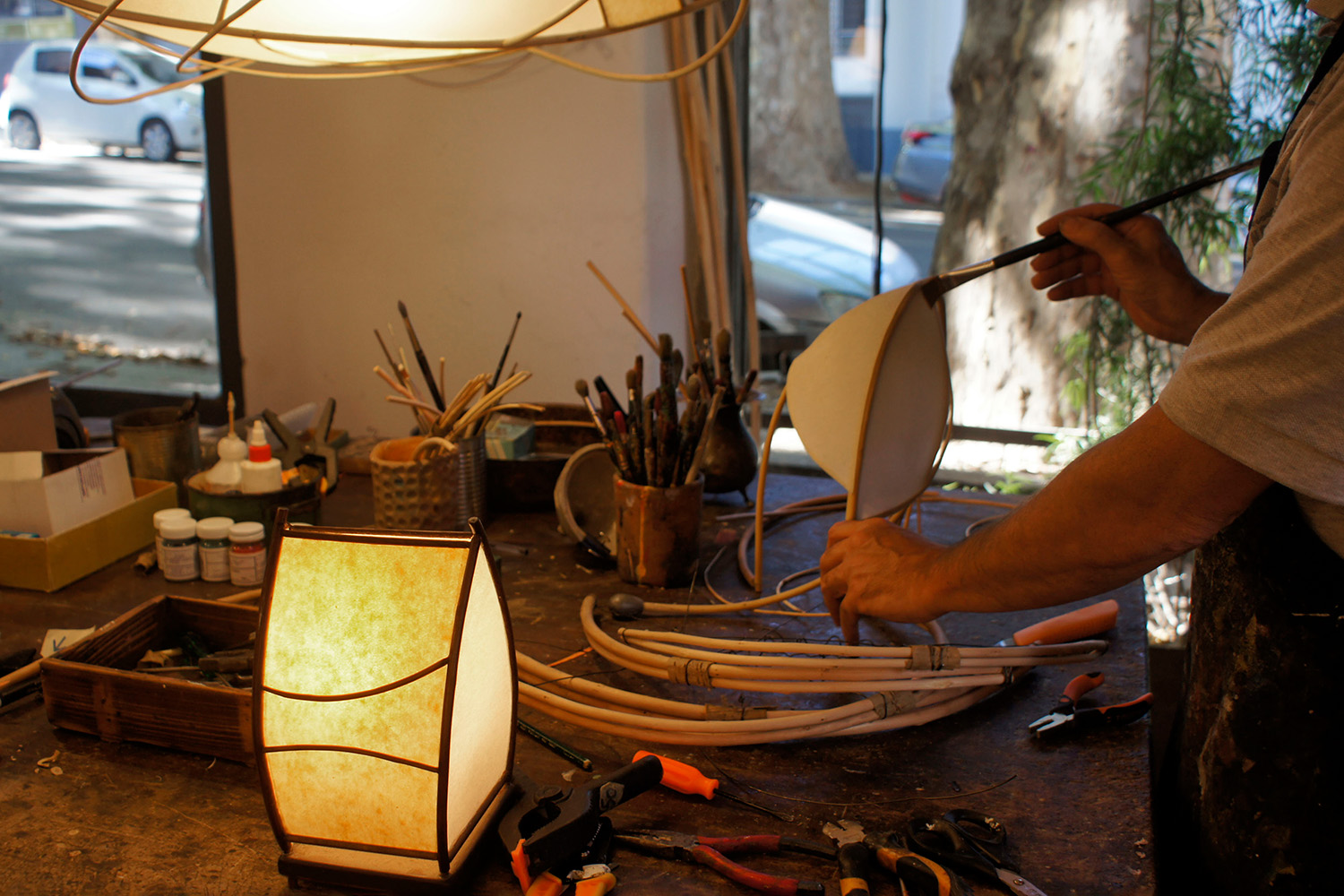
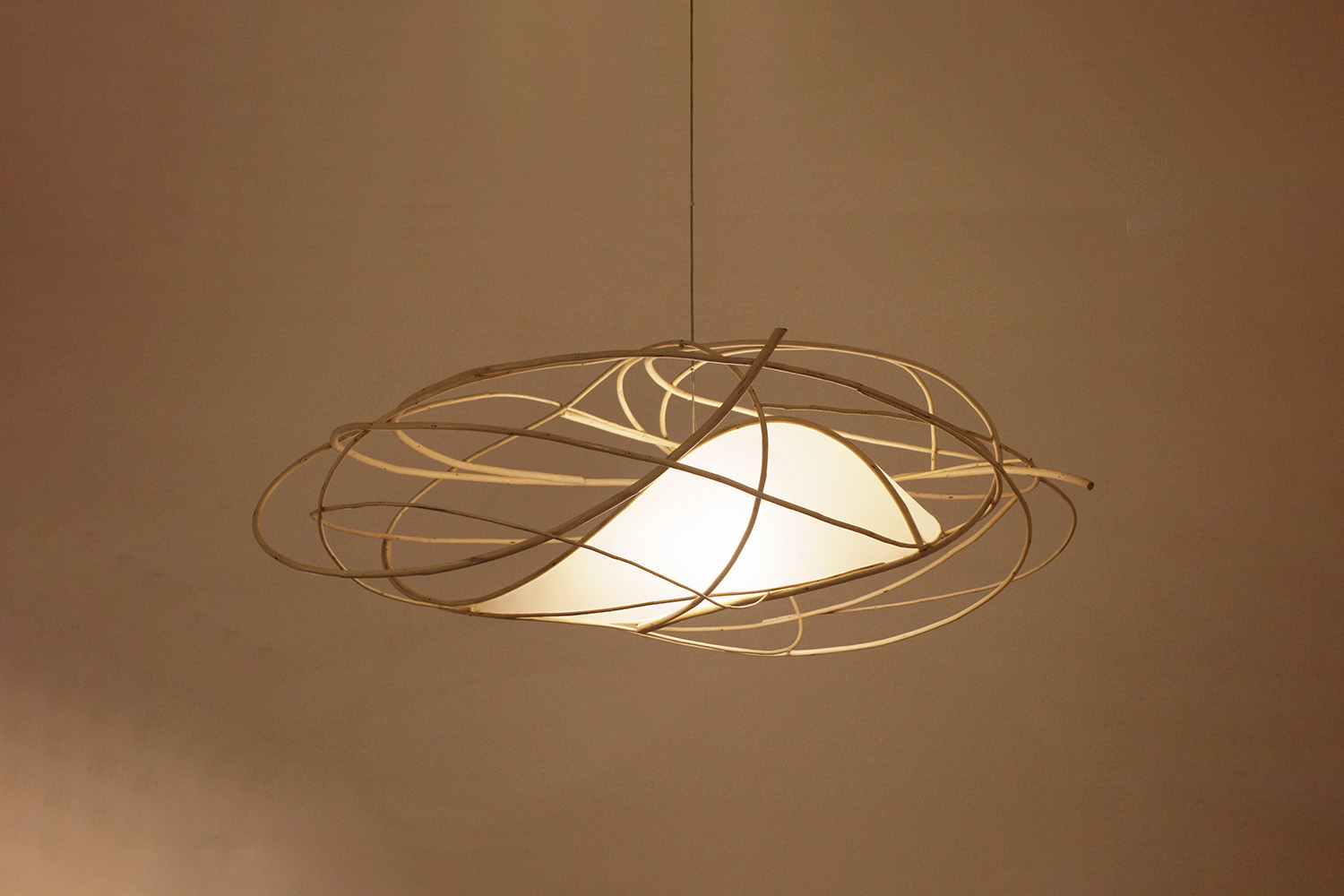
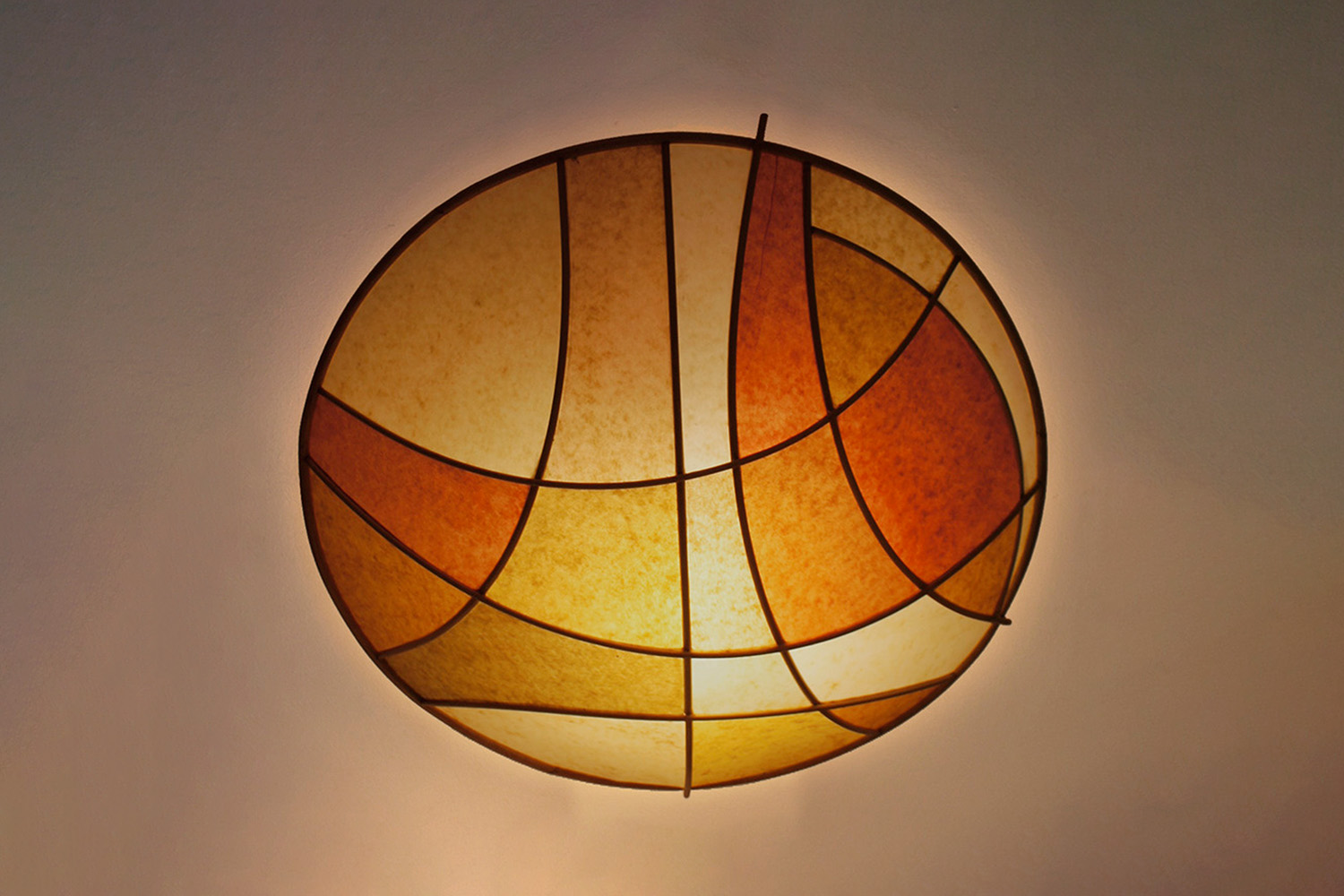
I use materials from the vegetation that grows everywhere in our land, such as wicker, which is renewable. Added to this is the paper that is produced here, as well as canvas. The appearance of my pieces seeks to resemble the dense canopy of our native forests and rolling landscapes.
When I find that it has a defined identity, coherence in all aspects and details, a good finish, that the paper or fabric does not wrinkle or pucker, and that it will last over time. If it is designed for a specific context, it must be harmonious with that context.
The warm and human atmosphere that these handmade lighting objects produce when they are incorporated into a living space is not easily achieved with lamps produced industrially. This is a factor that I believe continues to be a necessity in the world that surrounds us.
I would suggest following what moves them, to be persistent in the face of frustrations, which necessarily occurs. To be flexible in the face of the supply of available materials, not to abandon the spirit of research and to maintain motivation. We must always value what we do.