Thomas Kennedy
Scagliola maker
Bridgnorth, United Kingdom
Mirroring marble
- Thomas’s first workshop was in a disused bank near London’s Borough Market
- Scagliola, or imitation marble, dates from around 400 years ago
- His work involves the skill of an artist, chef and stonemason
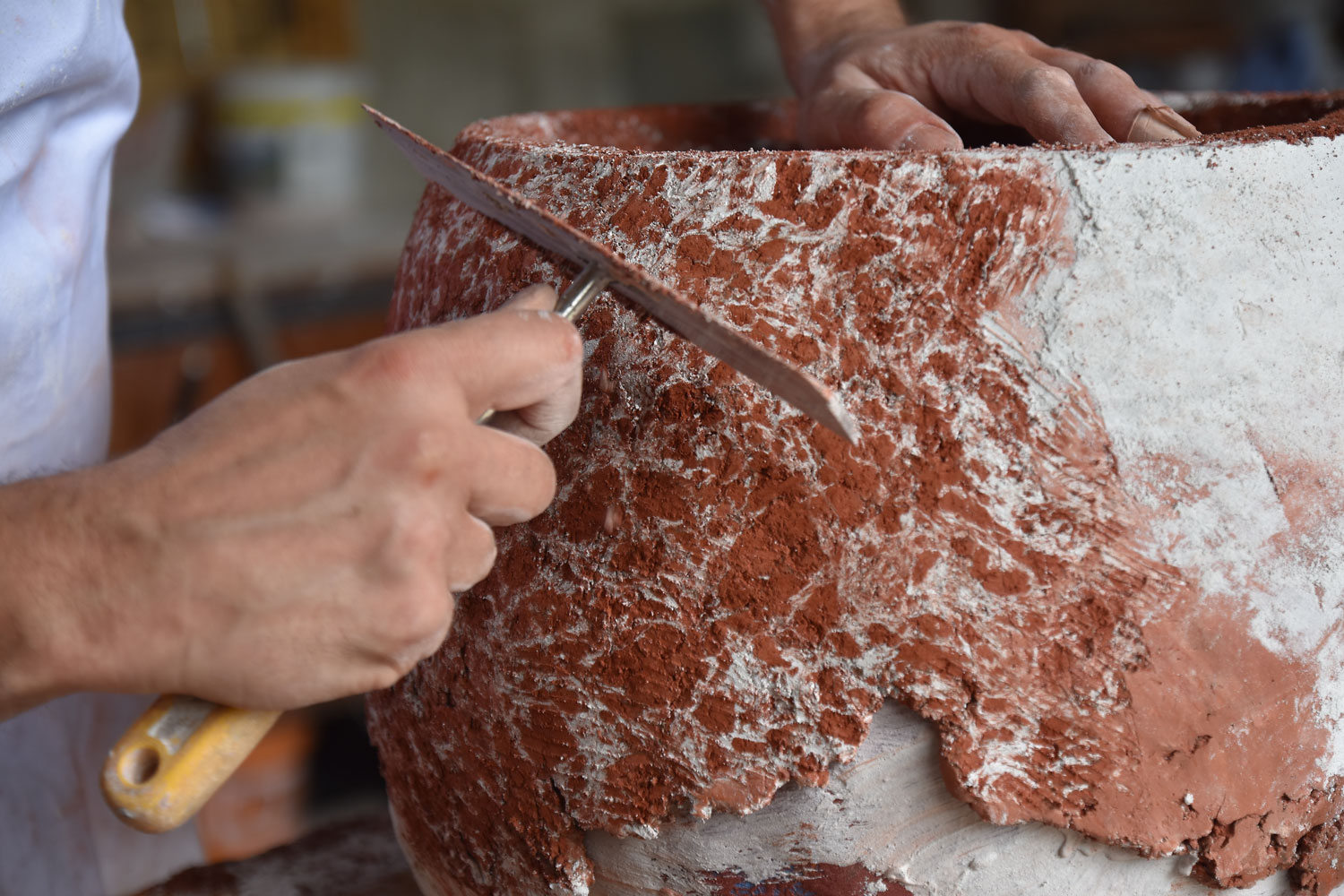
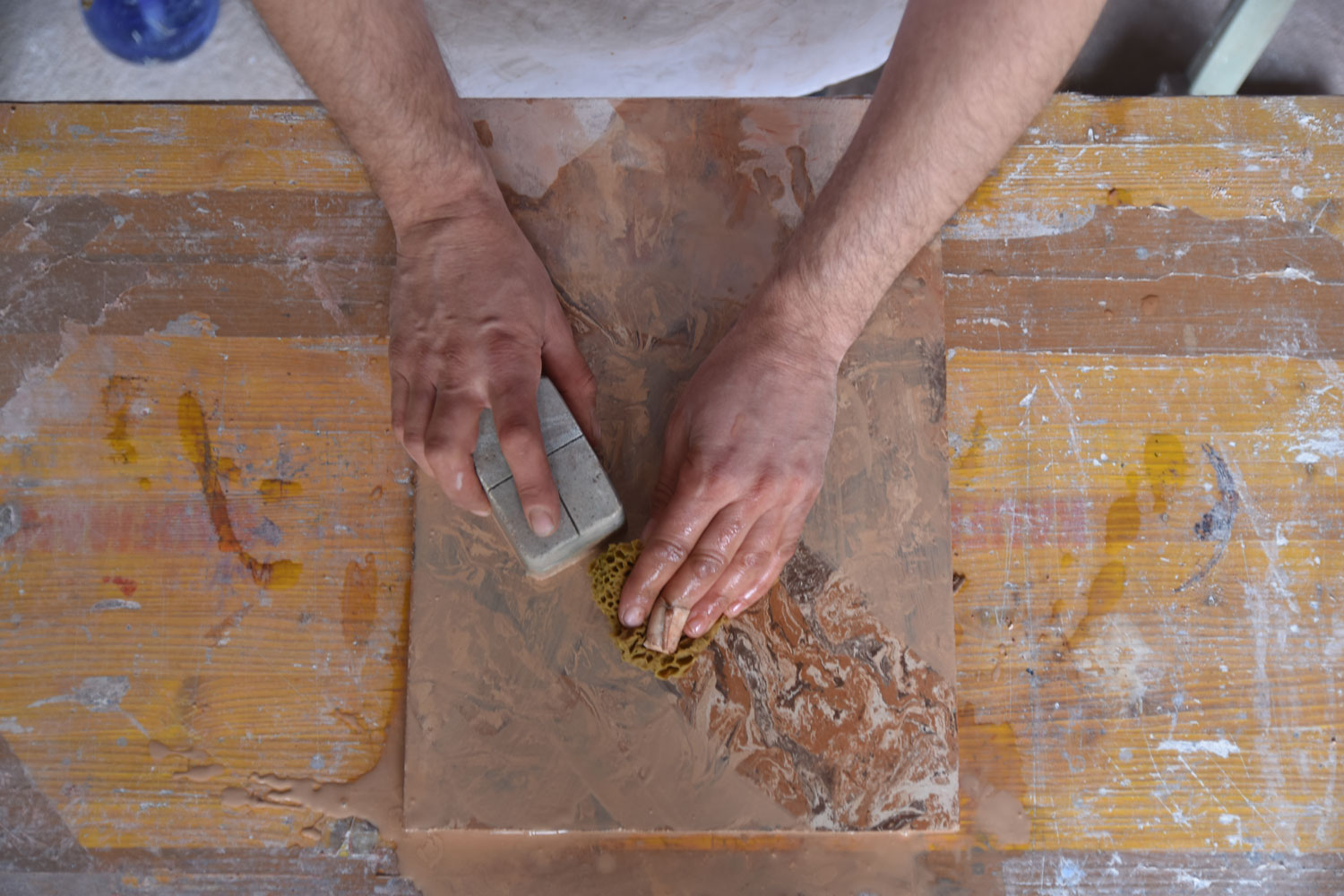
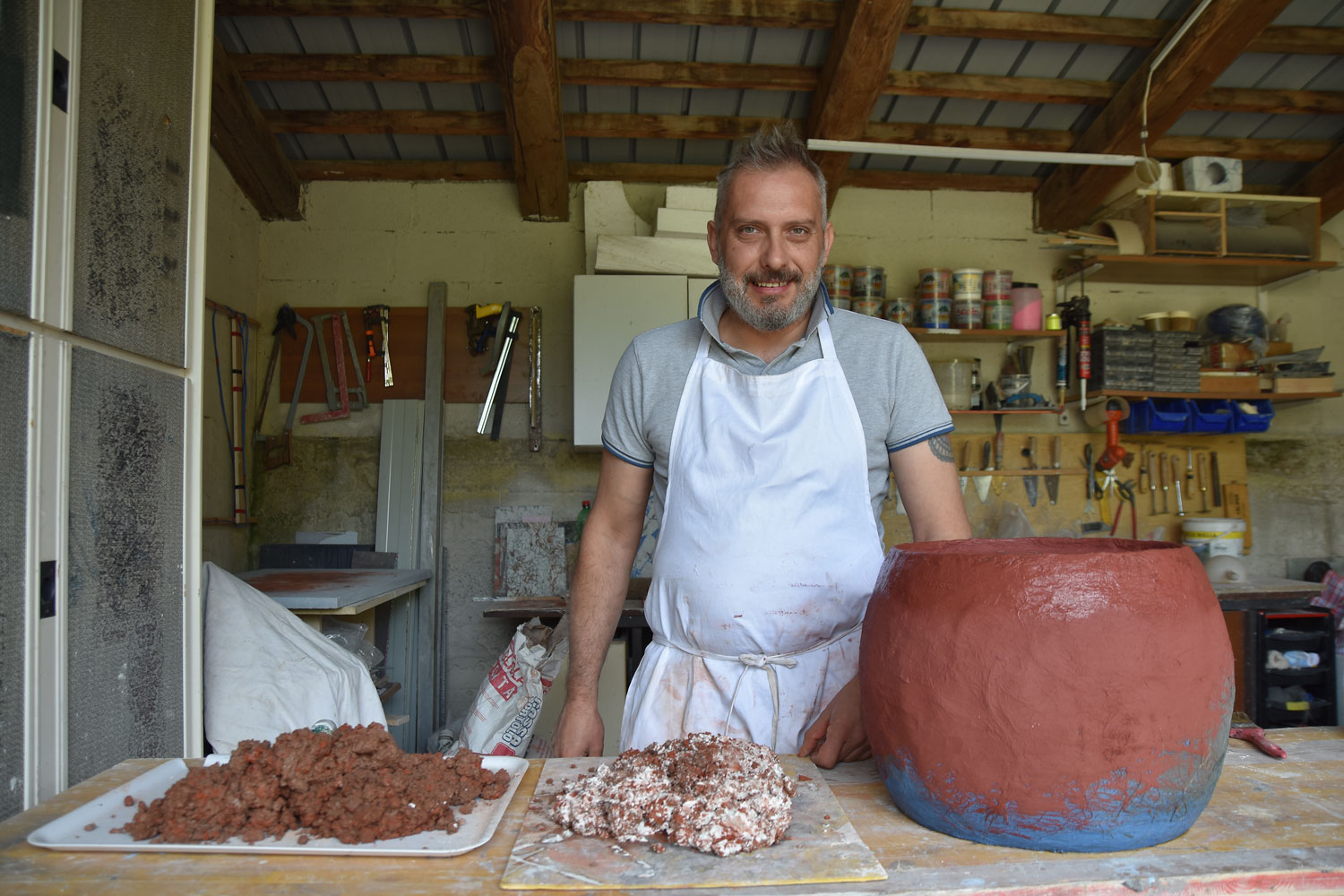
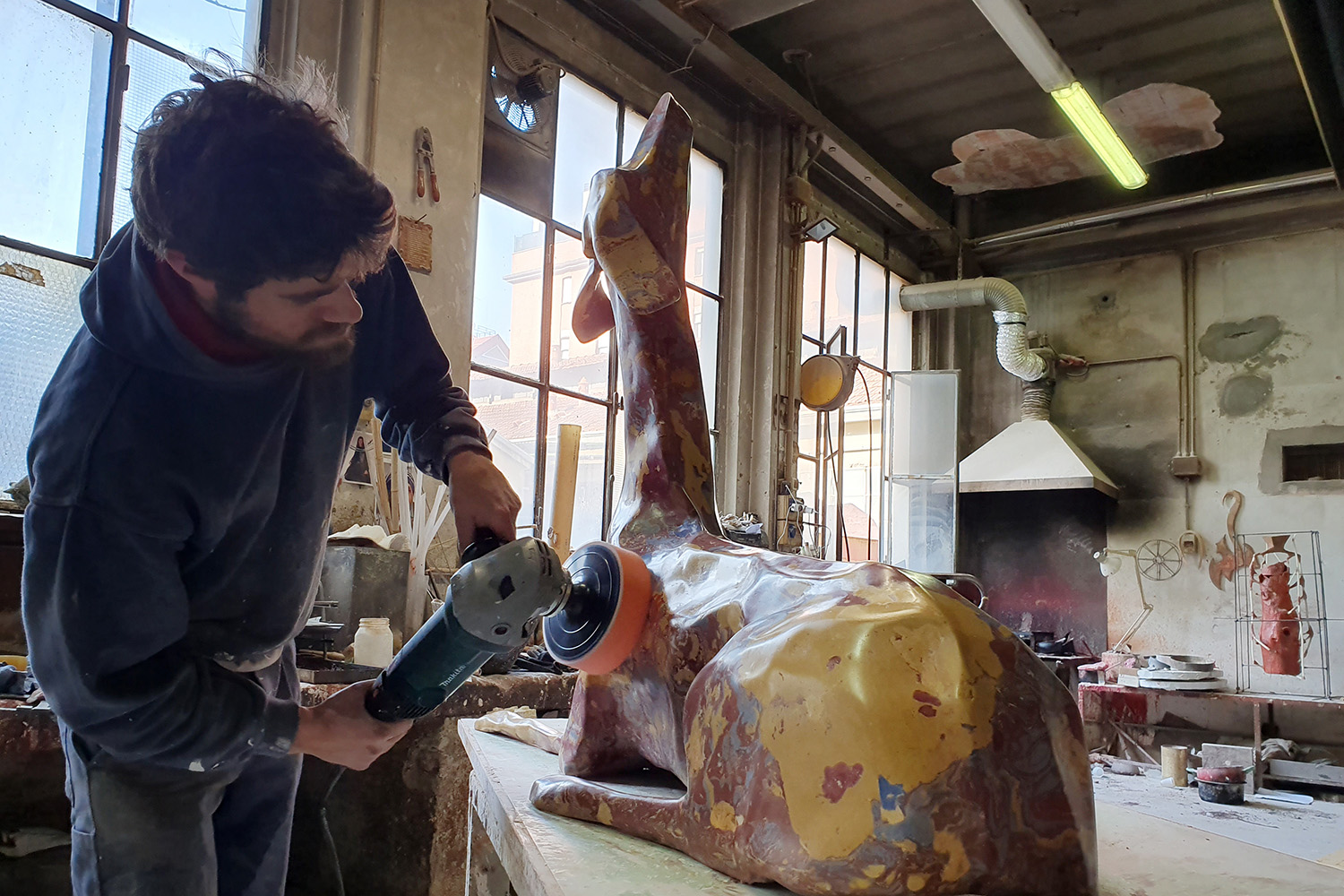
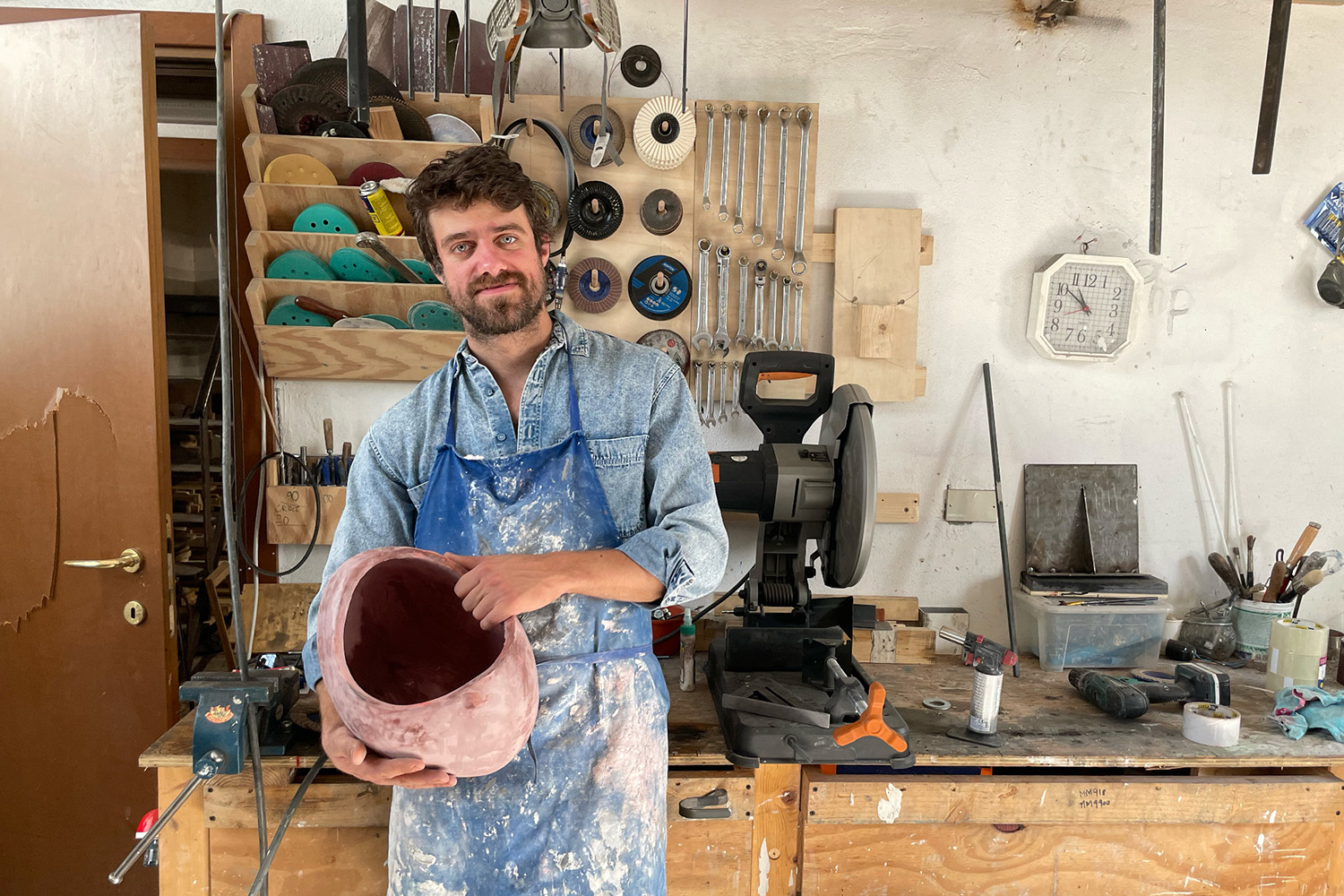
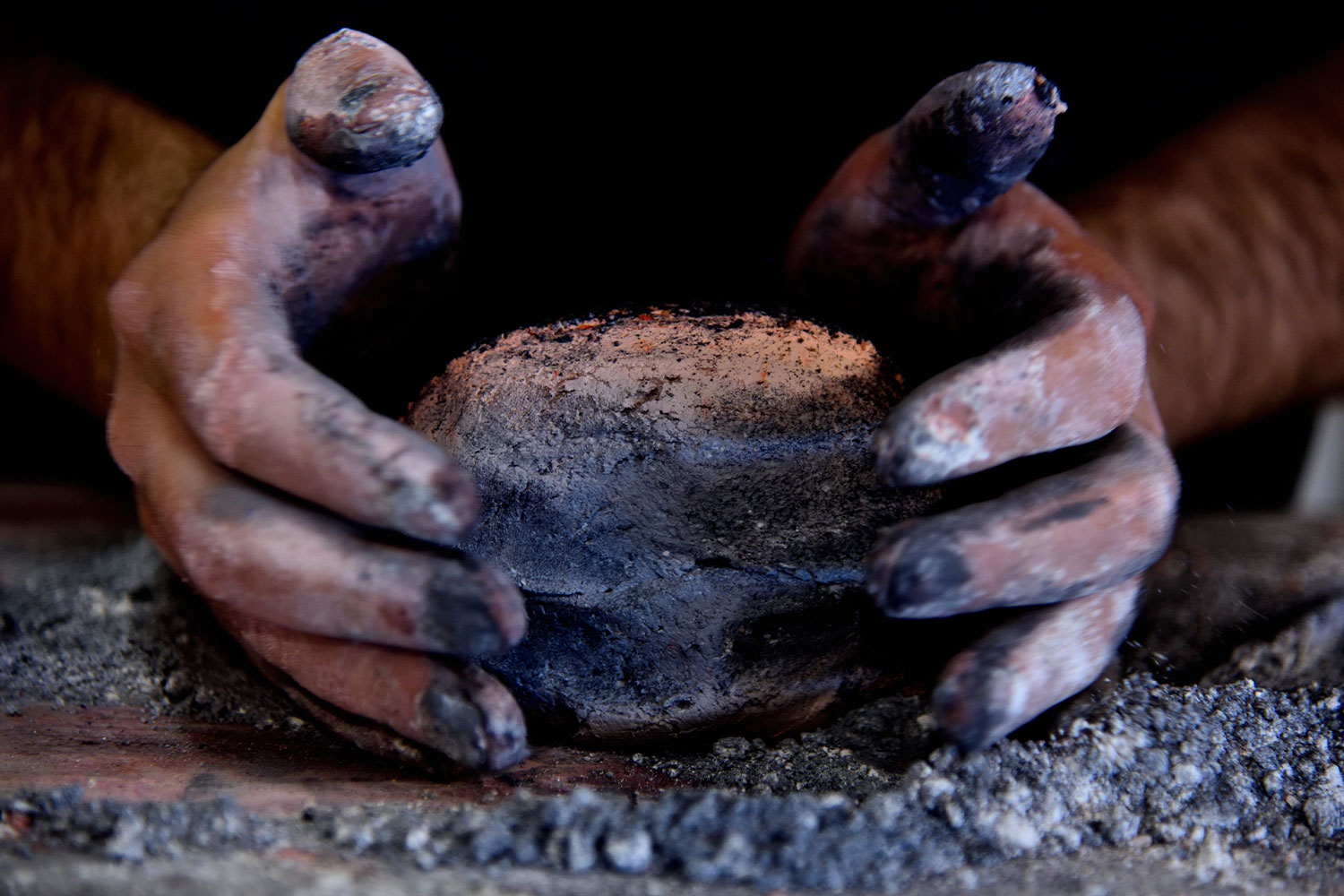
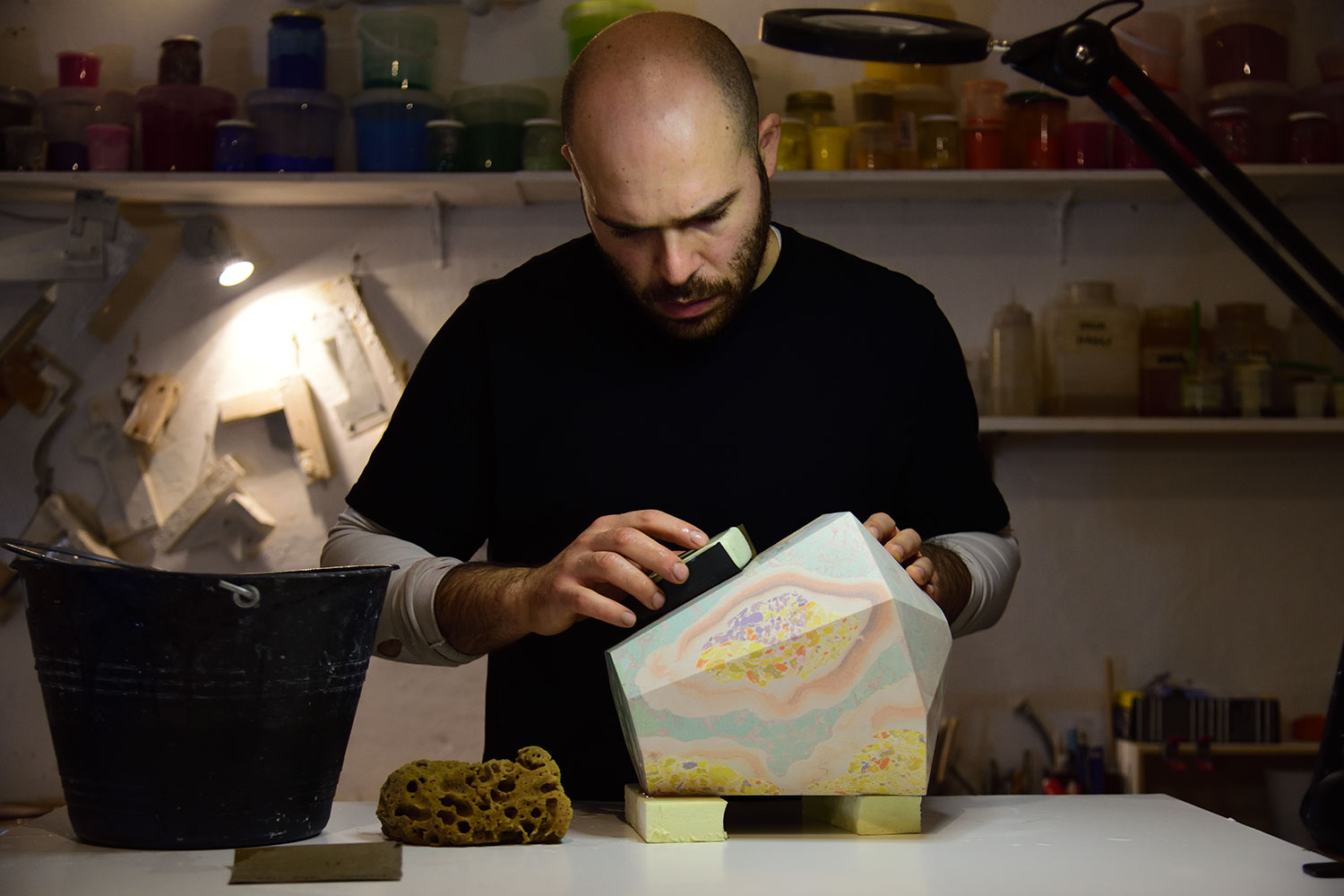
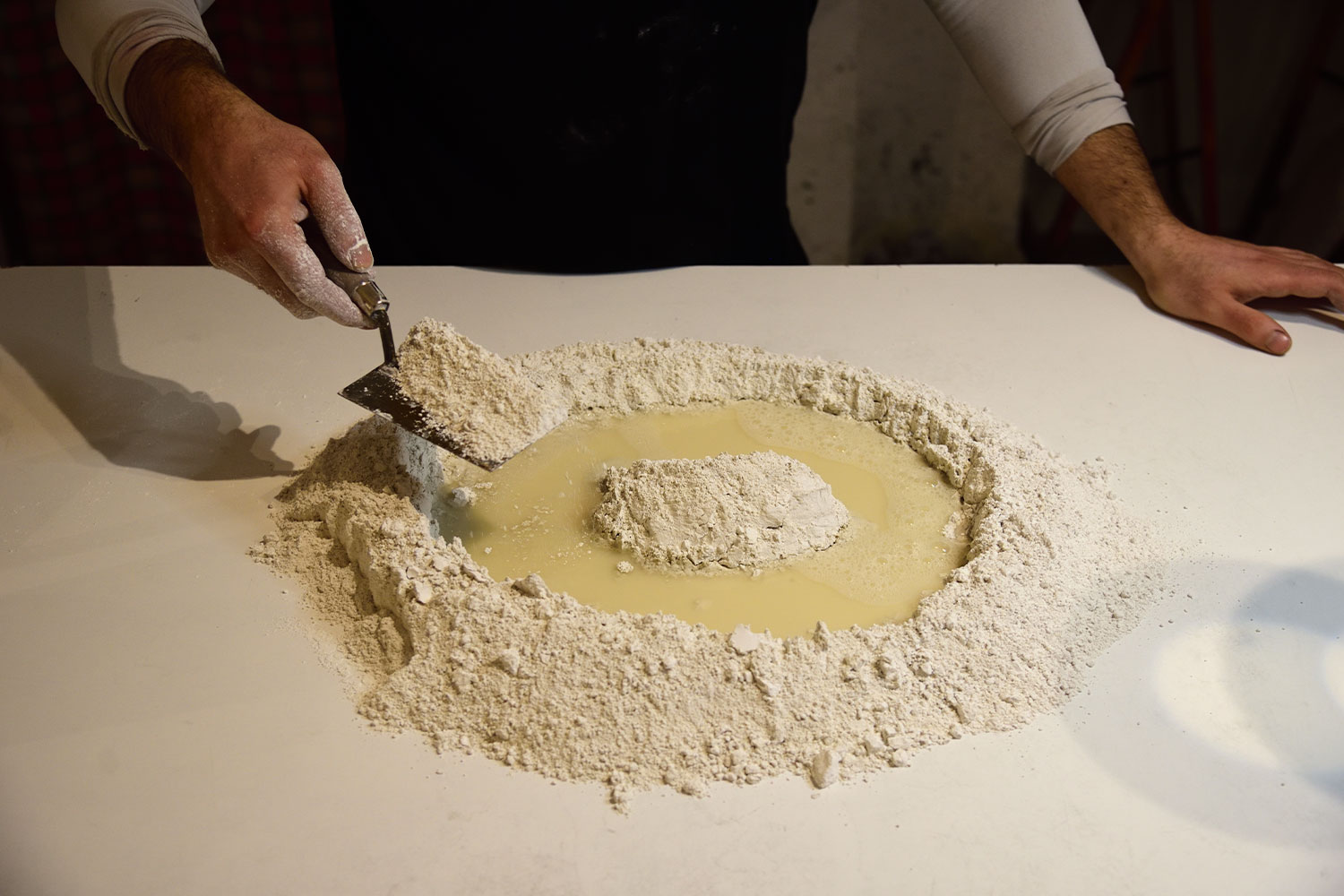
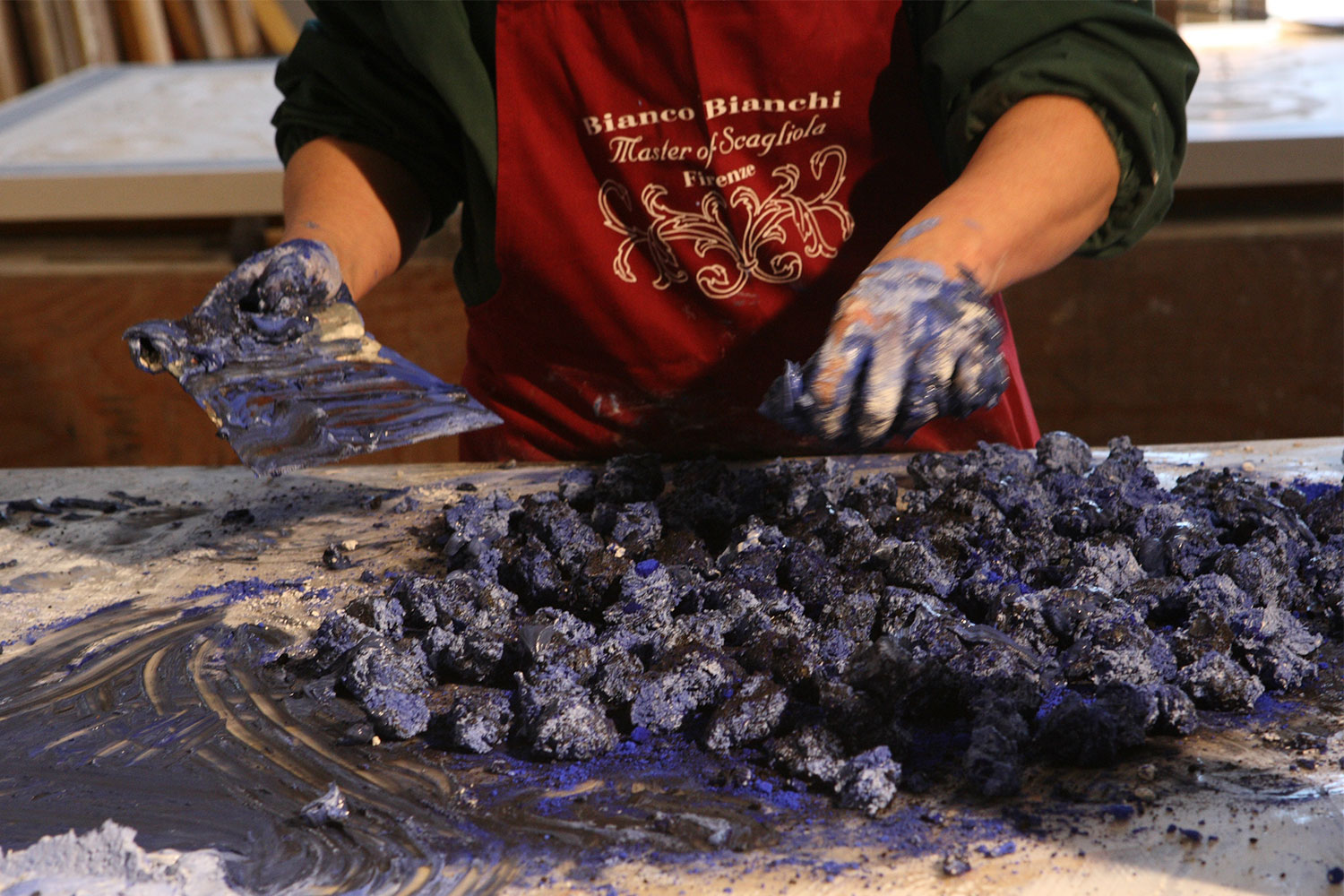
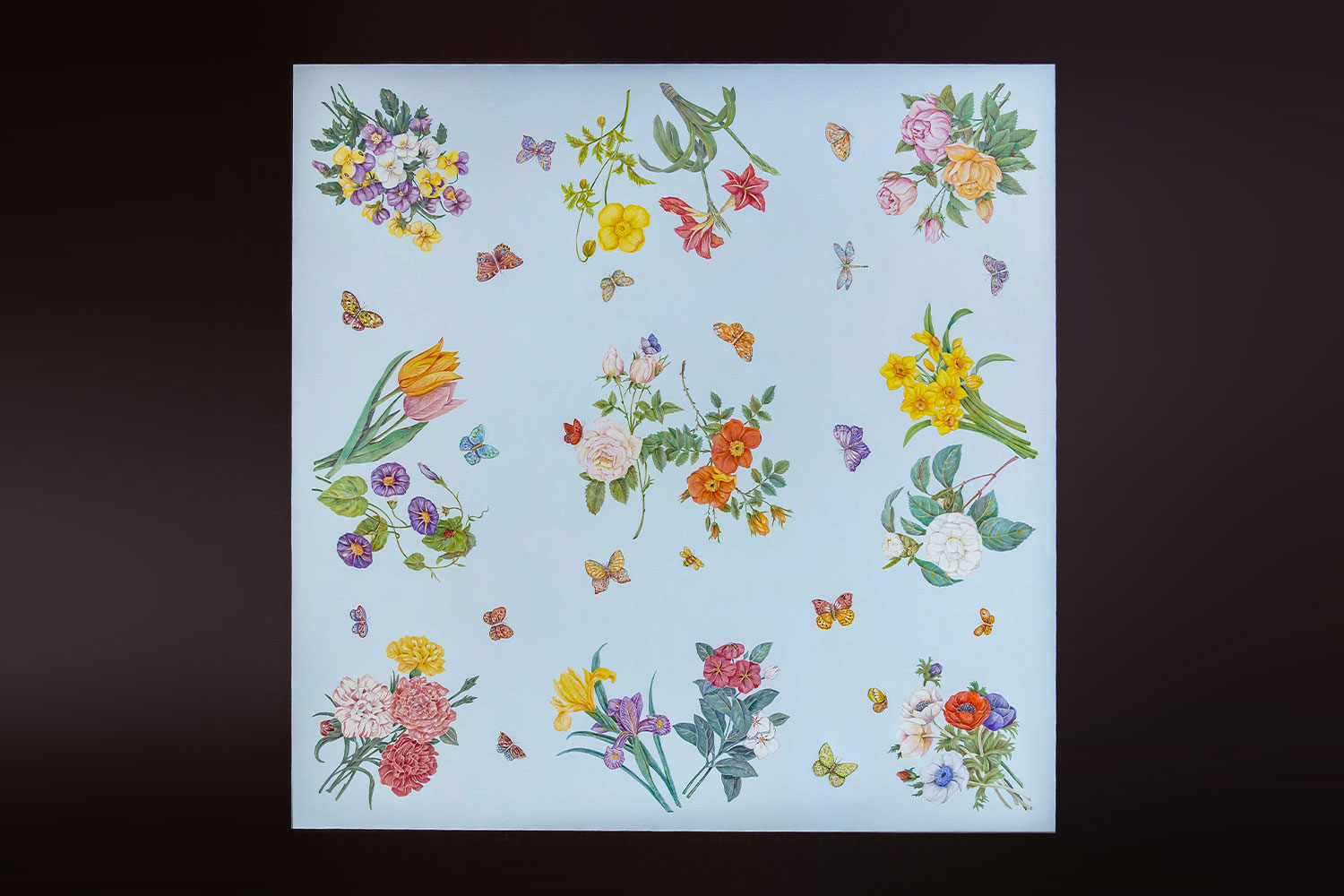
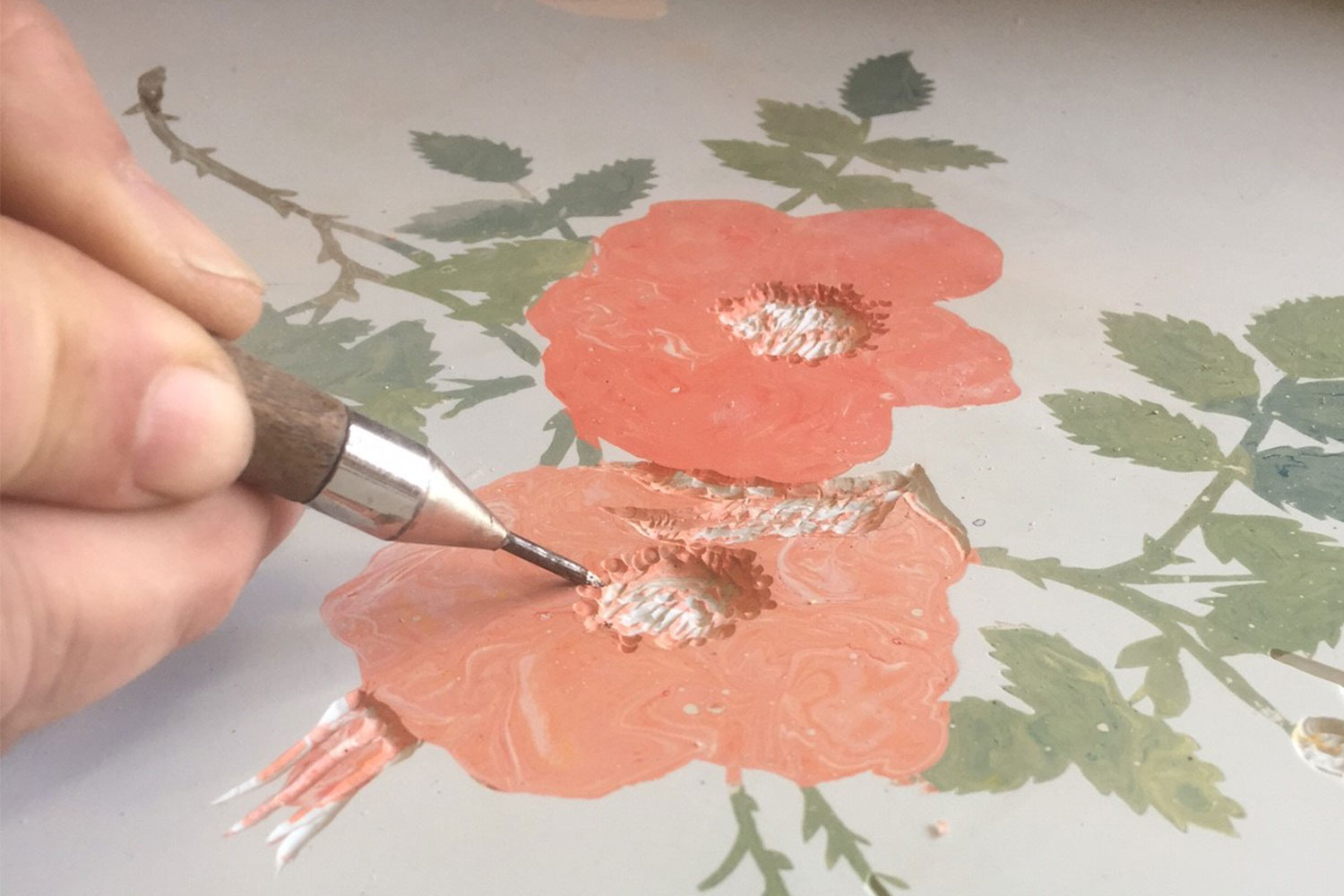
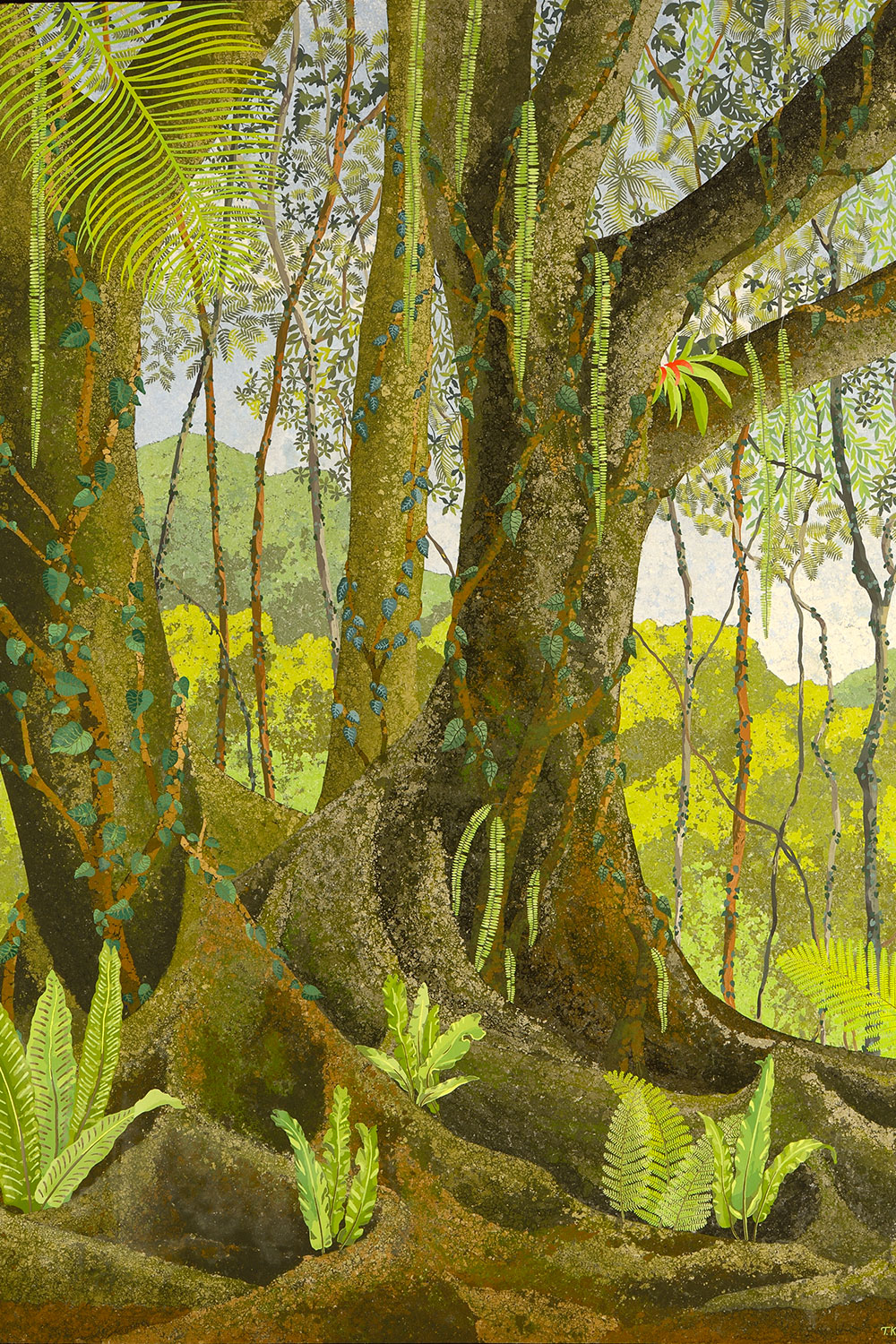
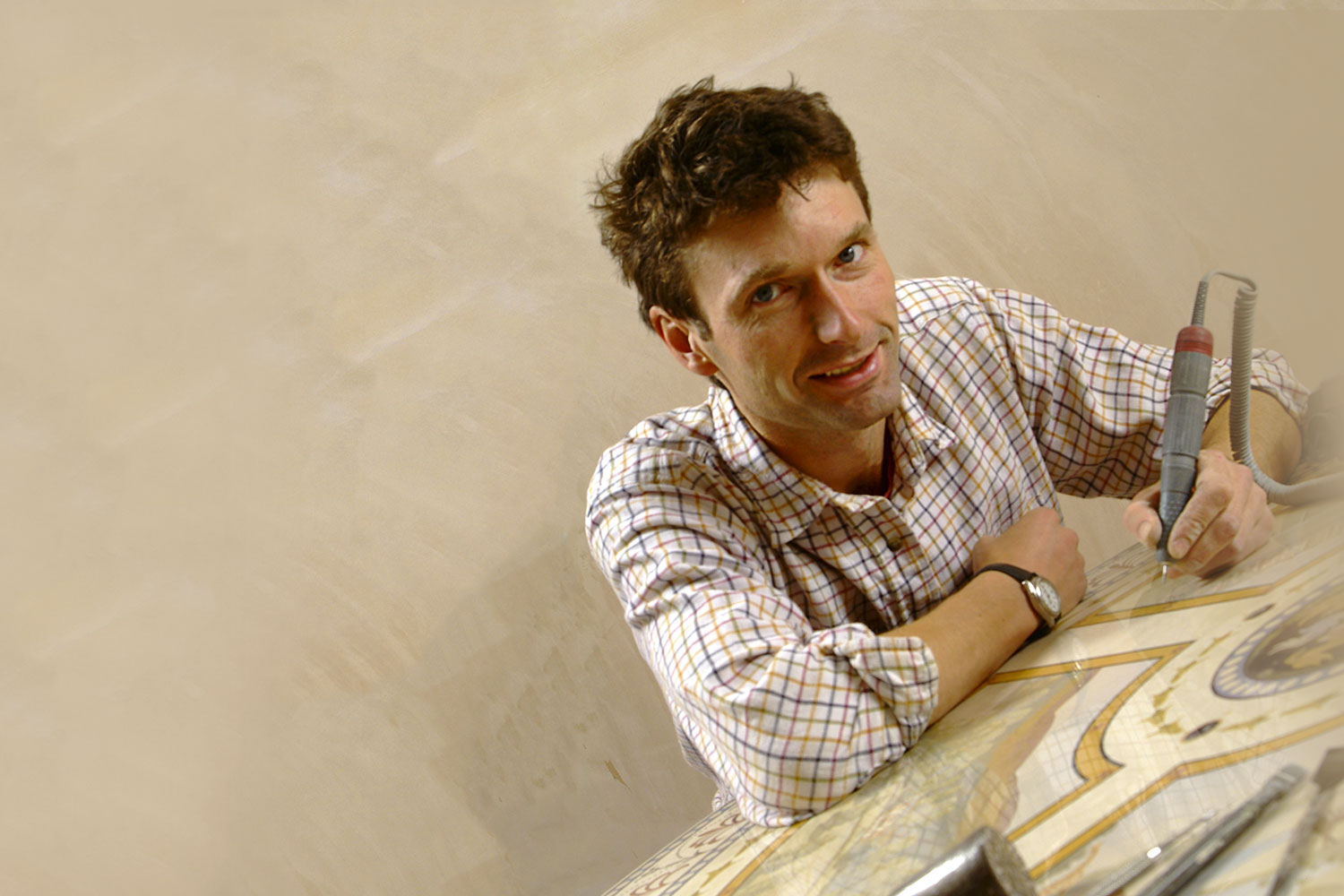
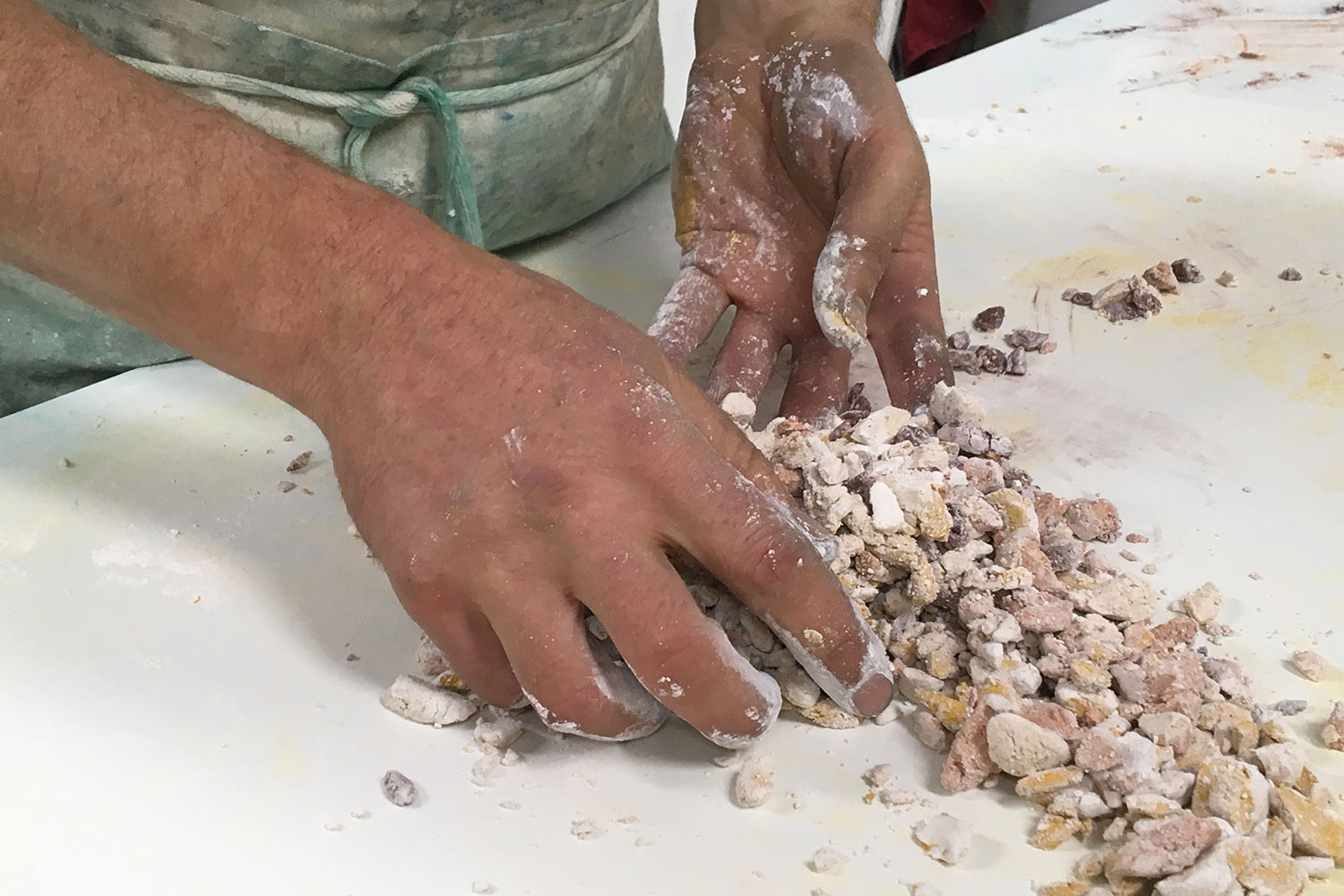
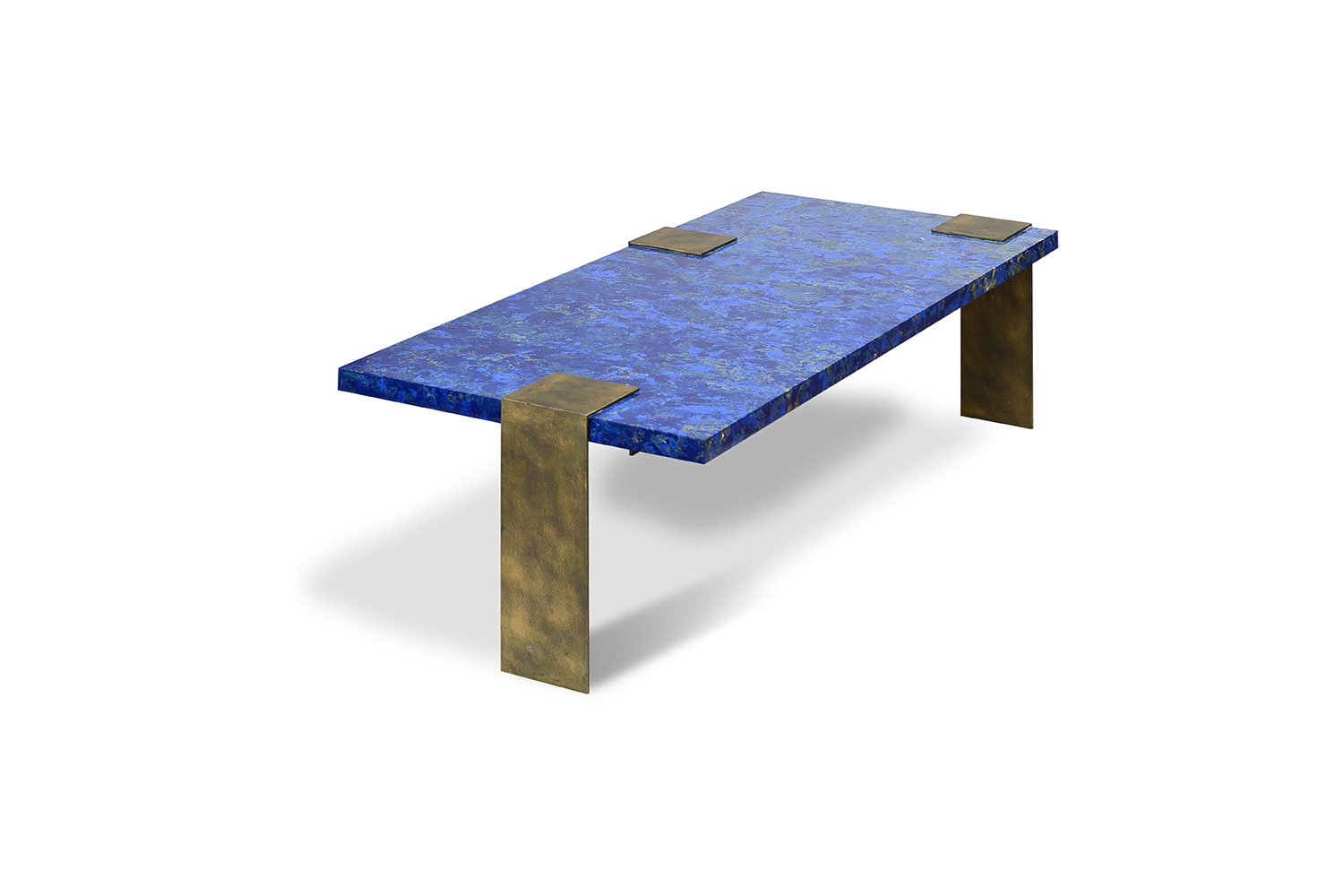
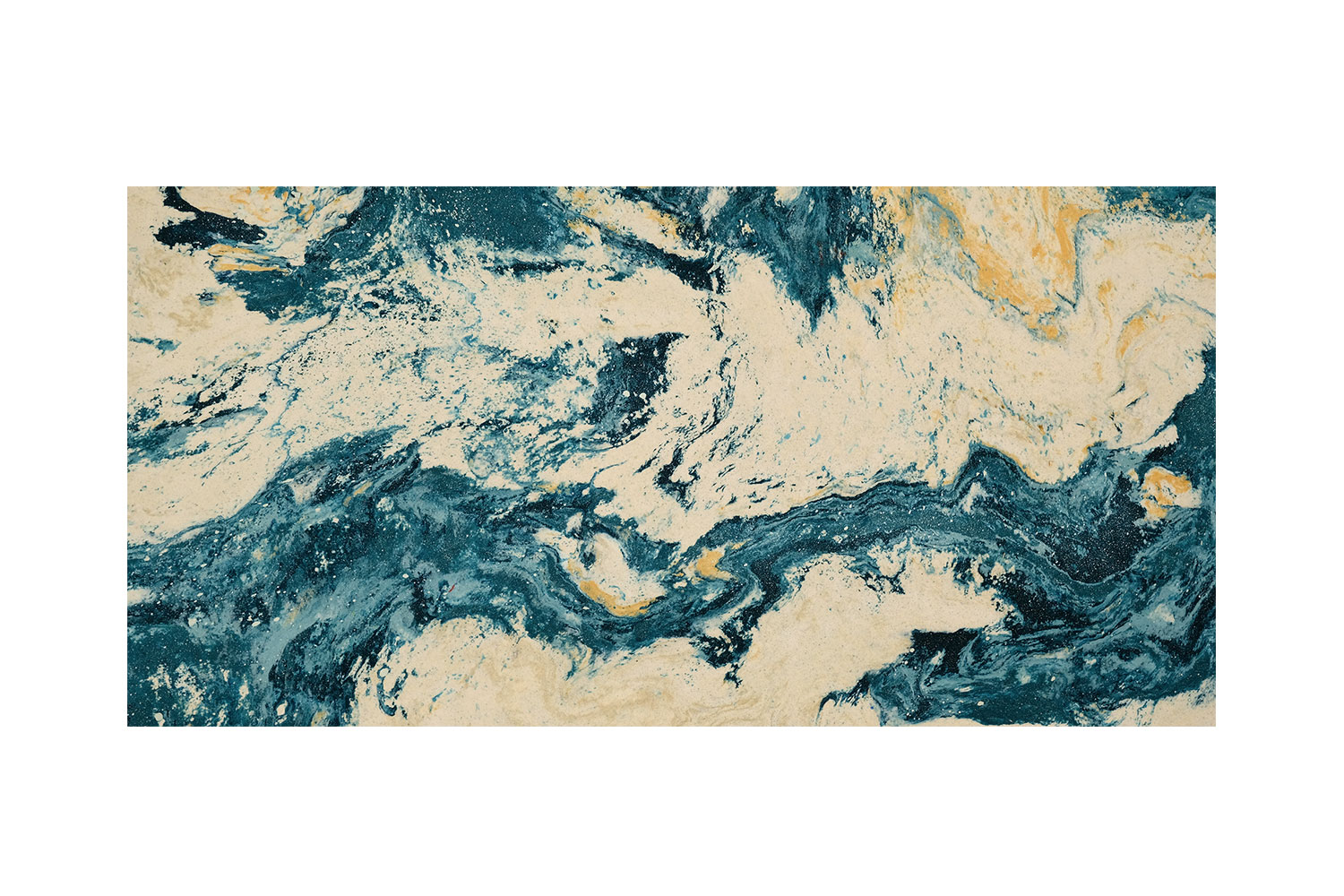
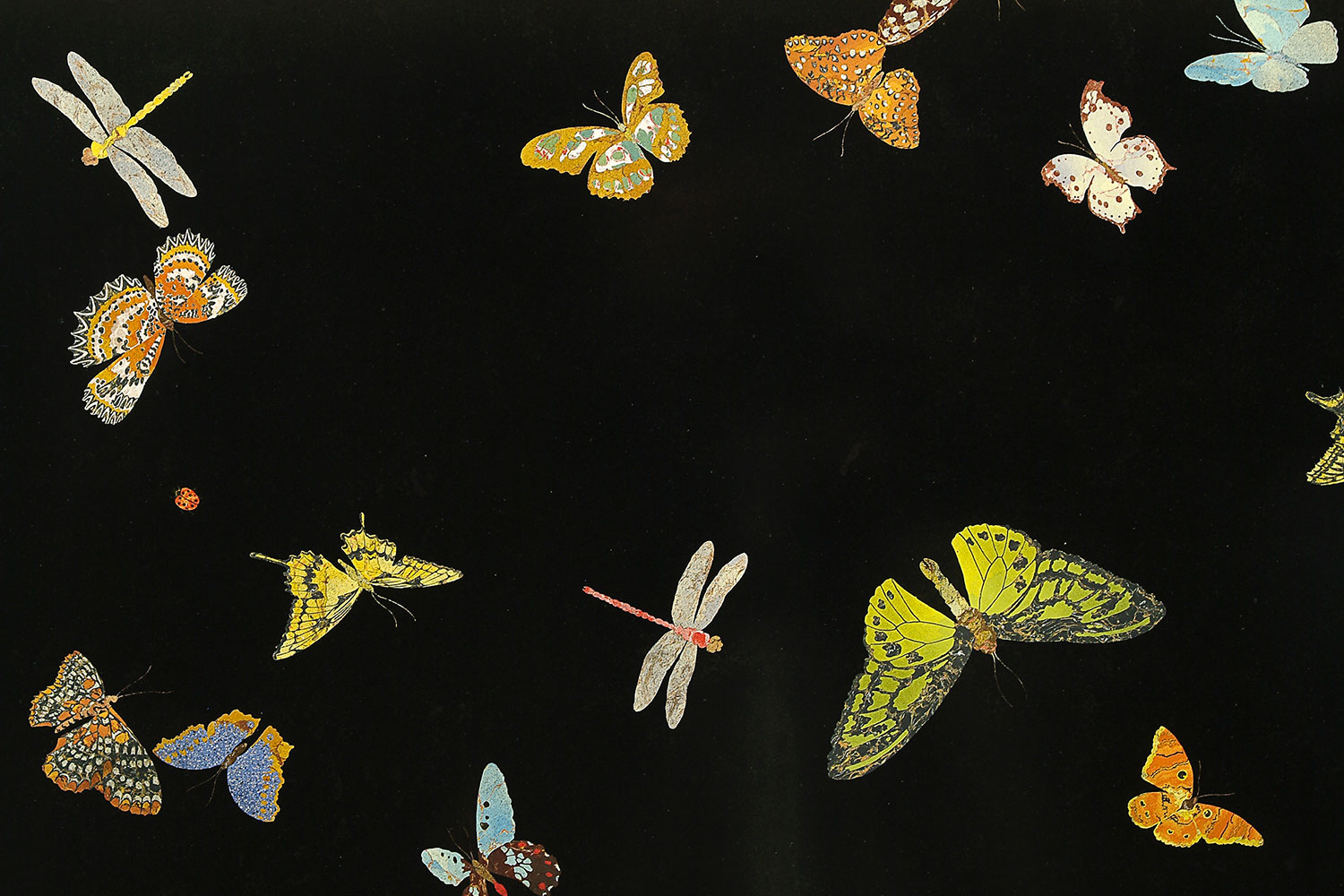
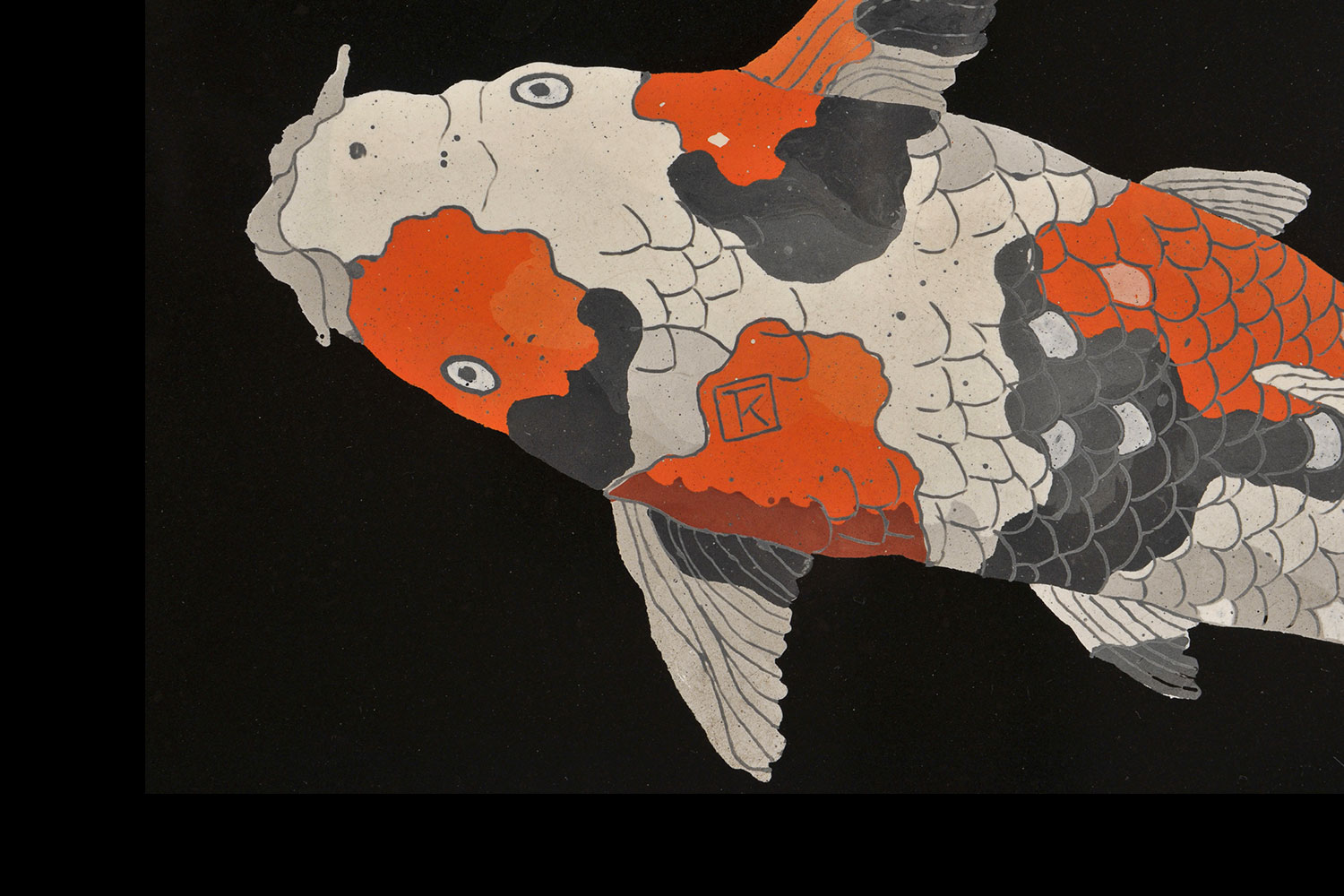
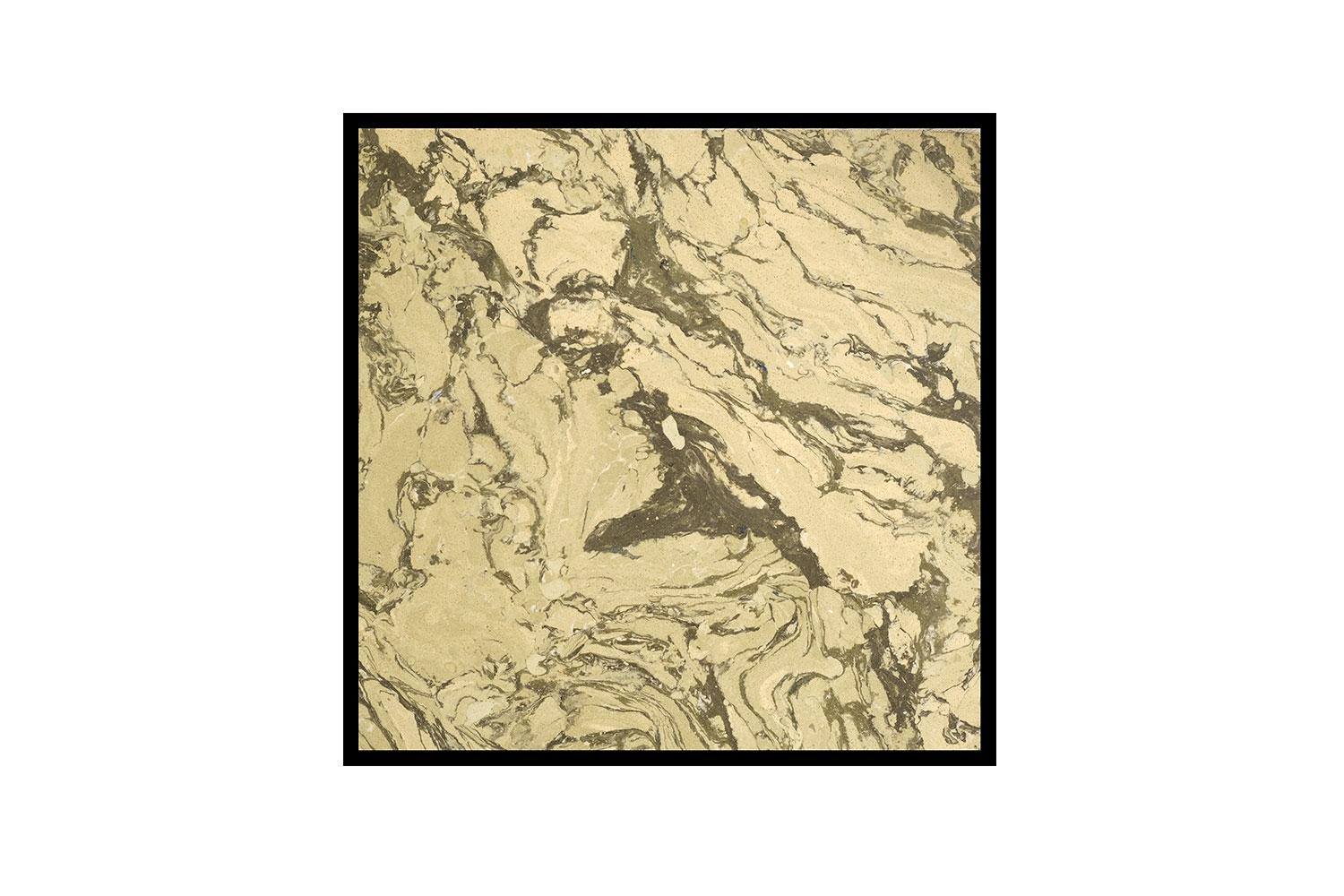
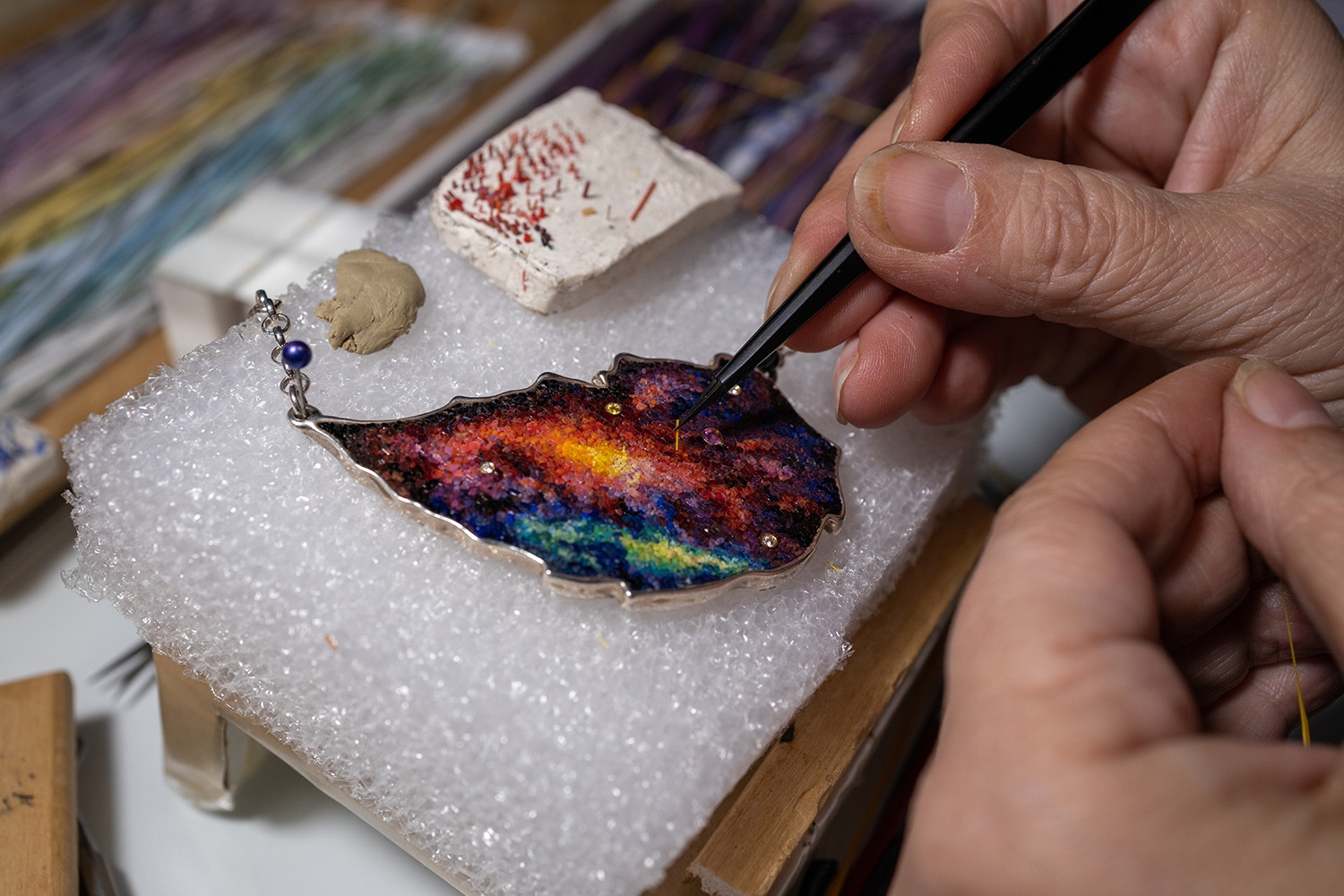
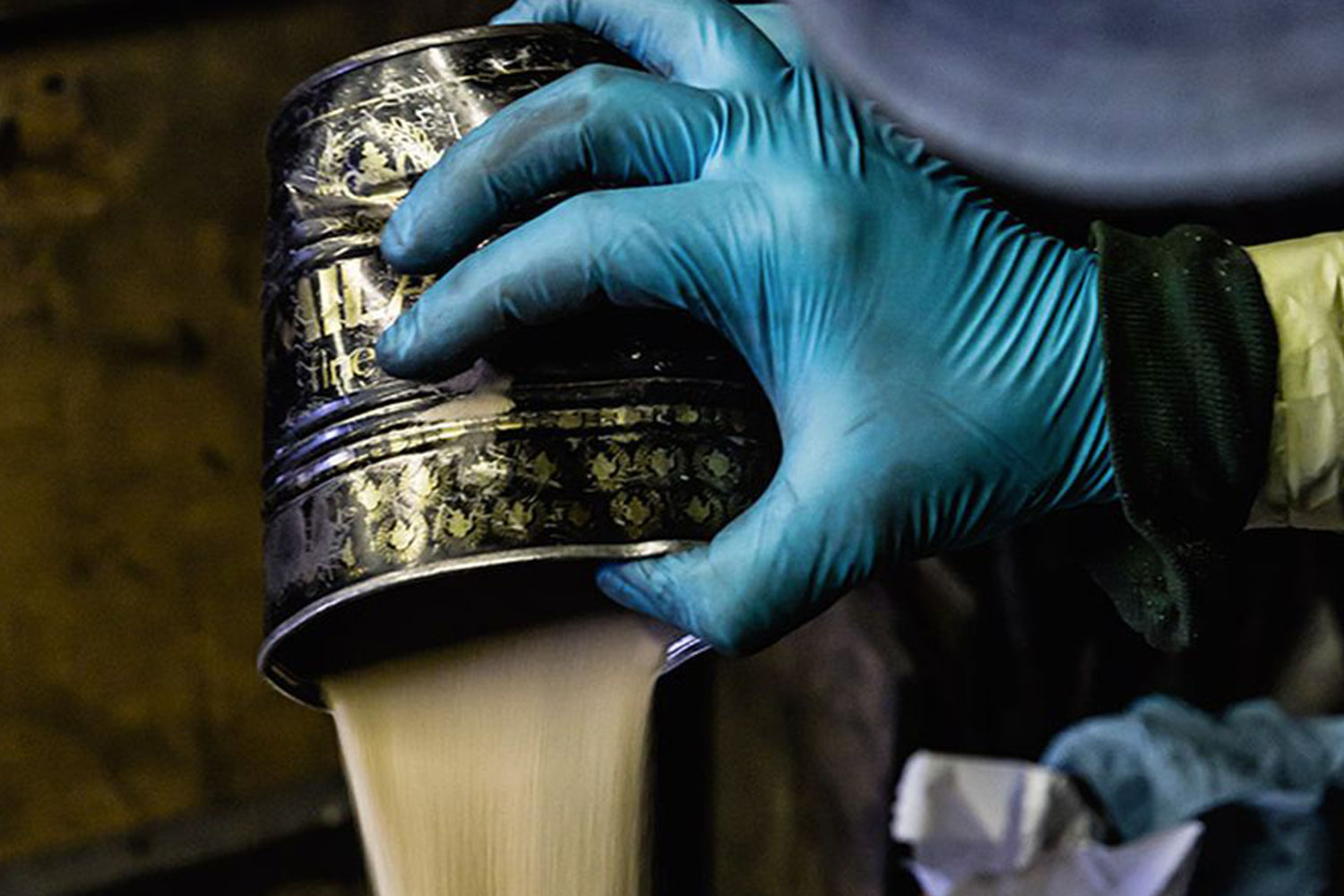
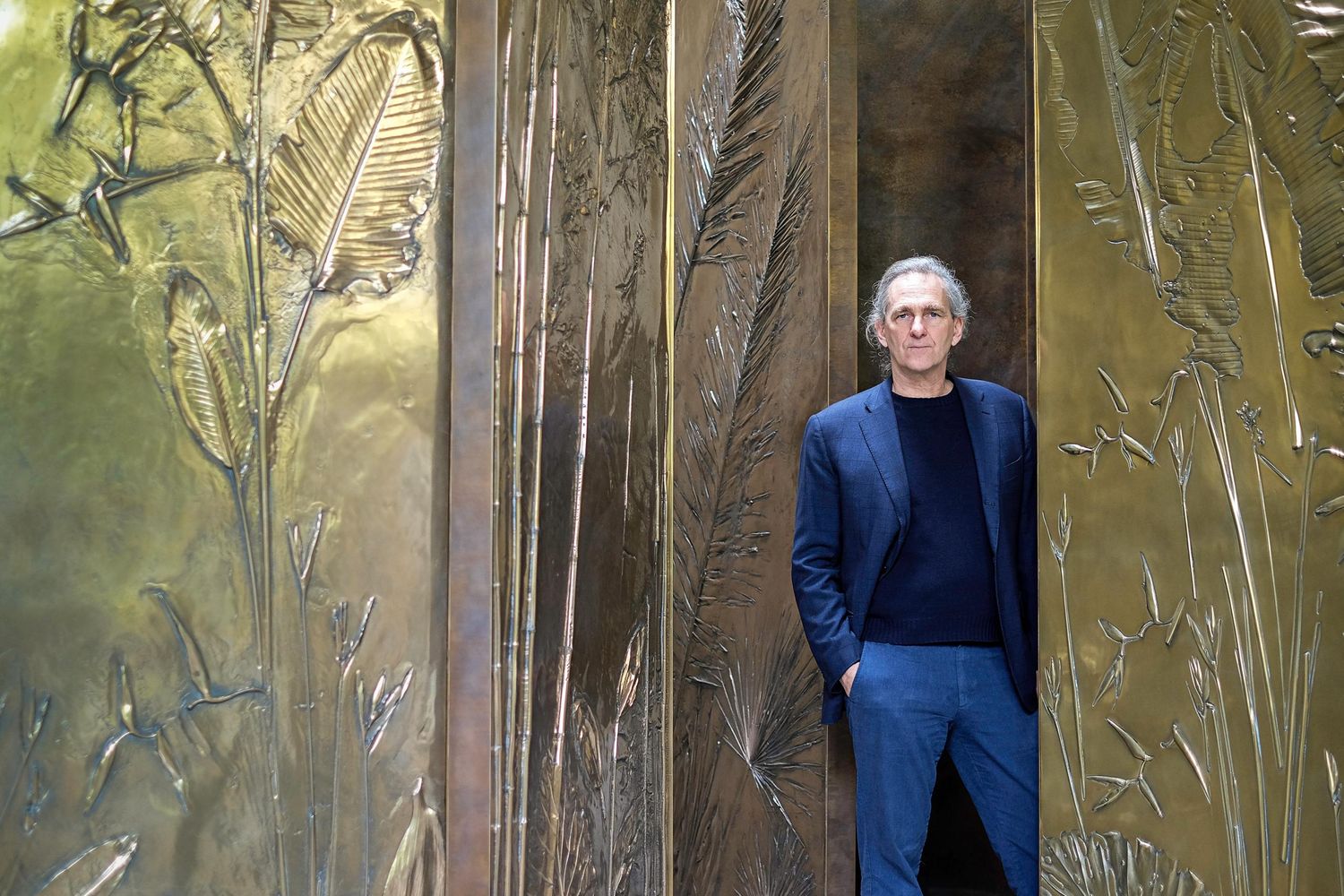
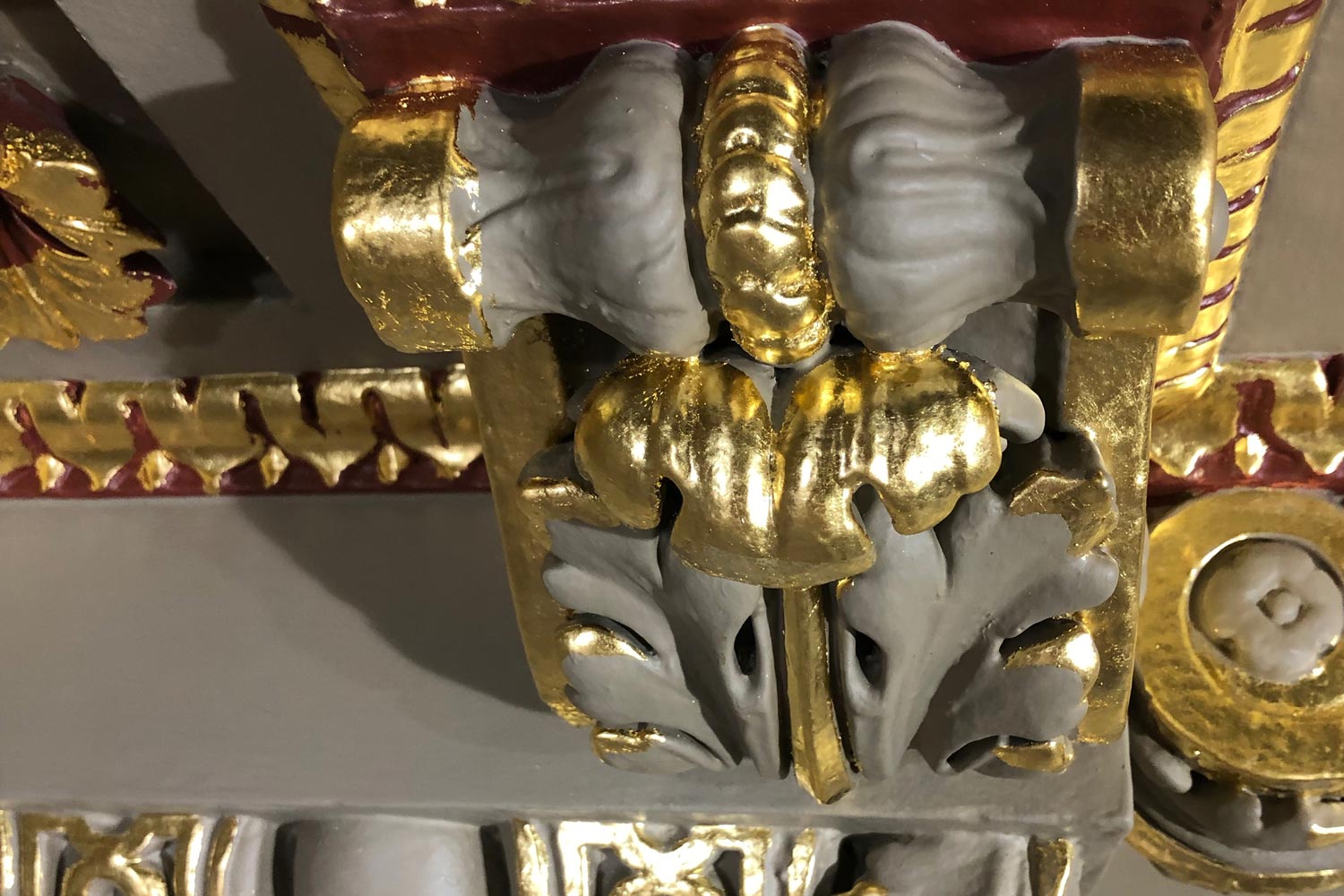
As a teenager, Thomas Kennedy often helped his father, an antiques dealer, with repairs and restorations. Later, as a student, he helped restore a Jacobean plaster ceiling, which in turn led to other similar projects. “All those years in conservation gave me a good training in materials and principles, which helped me learn scagliola,” he says. However, he had never even heard of the craft when he was commissioned to create his first scagliola tabletop. After much research, and realising few others were doing it, he decided to dedicate himself to this centuries-old craft of creating imitation marble. Using nothing but plaster, pigments and rabbit-skin glue, Thomas creates marble-like surfaces in myriad colours and patterns, usually for tabletops, inlay pictures and sculptures.
Discover his work
INTERVIEW
I was self-taught for about three years and then in 1998, I took a nine-day course at West Dean College in Sussex and was taught by David Hayles, the scagliola master of the time. He taught me a huge amount.
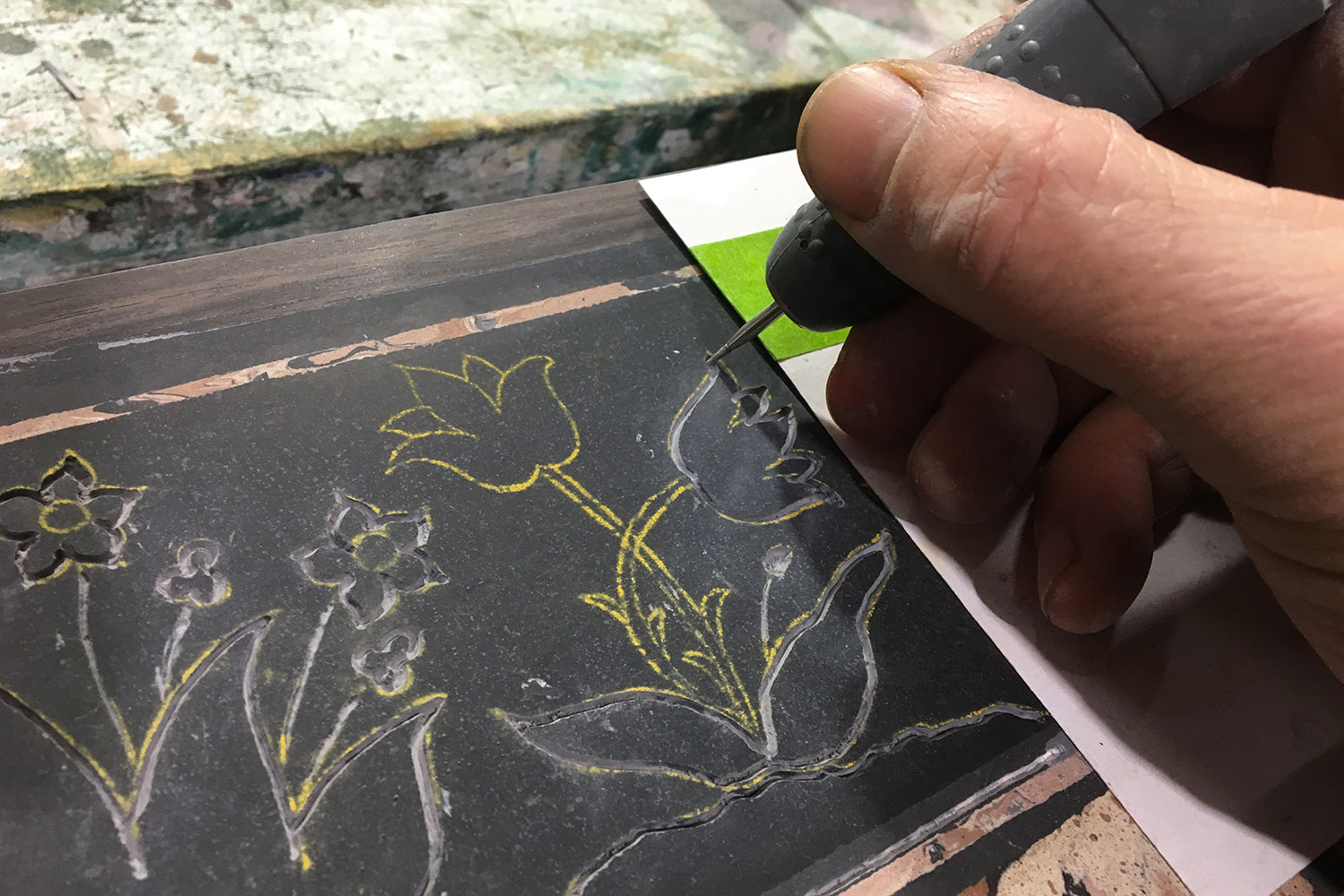
I love to look at scagliola made hundreds of years ago, because very little has changed since its beginning. I can look at something made in 1780 and repeat exactly what that person did with their hands. I can even tell whether they were right or left handed!
By encouraging furniture and interior designers to use it in contemporary settings. They can commission surfaces that have been seen before in real stone – and yet they look completely natural in scagiola. The element of exclusivity is also an appeal for today’s discerning clients.
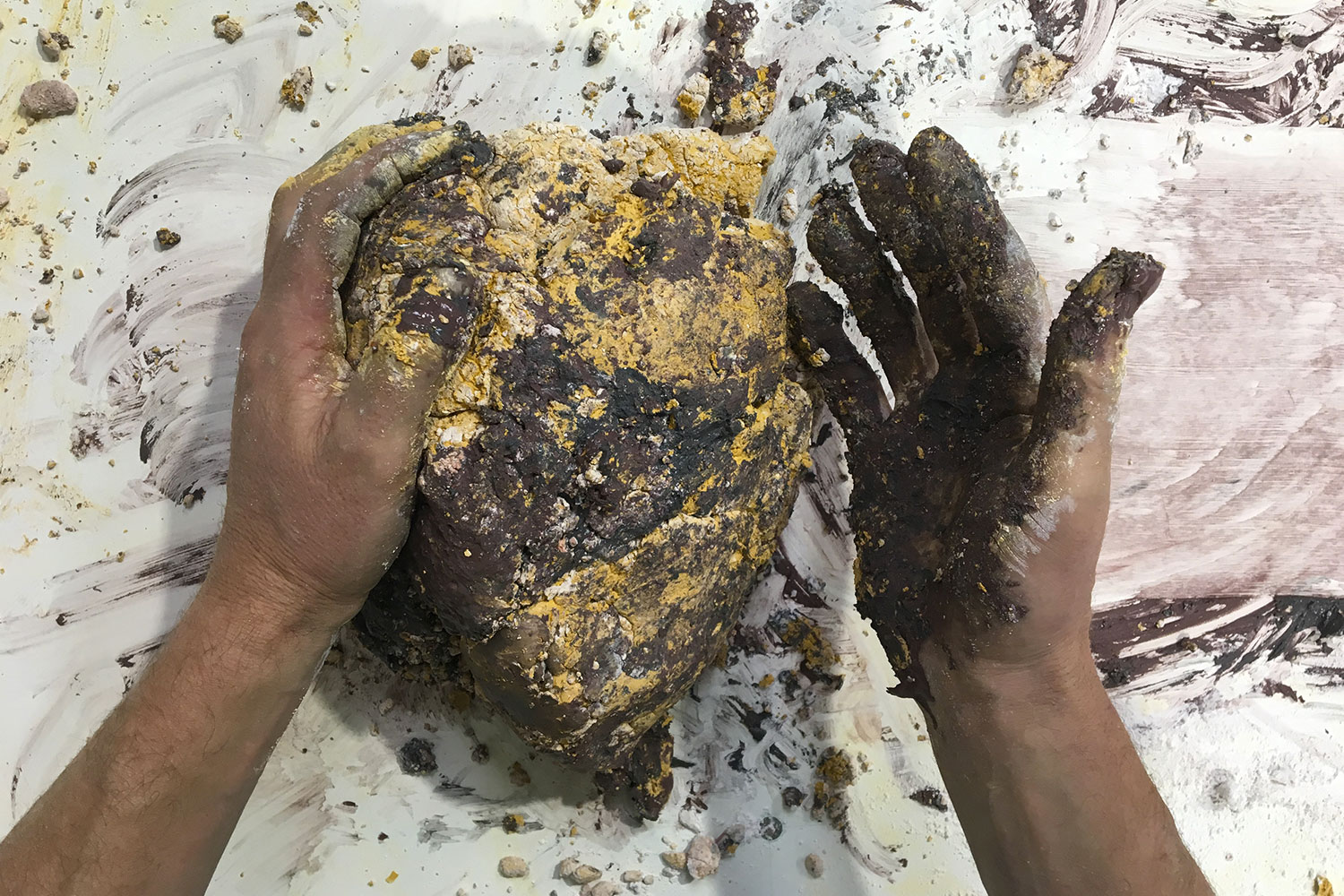
Every line must be crisp and perfect, and every colour must harmonise with the next one. It must also look as much like marble as possible, with an even finish. In my workshop it looks like the most appalling mess of pigments and plaster, but what comes out at the end looks beautiful and natural.
Thomas Kennedy
Scagliola maker
Bridgnorth, United Kingdom
AVAILABILITY
By appointment only
PHONE
+44 7790798320
LANGUAGES
English
Homo Faber Finds is a new service aiming to inspire admirers of craft to connect and collaborate with exceptional artisans.
We invite you to submit an enquiry here.
DSC02402_©Meg-Lovell.jpg)
DSC01379_©Meg-Lovell.jpg)
DSC01458_©Meg-Lovell.jpg)