Moray MacPhail
BronzeWork
Bronzesmith
Woodbridge, United Kingdom
New avenues in bronze
- Moray collaborates with many sectors
- He creates bespoke solutions for his clients
- He combines traditional skills with new technologies
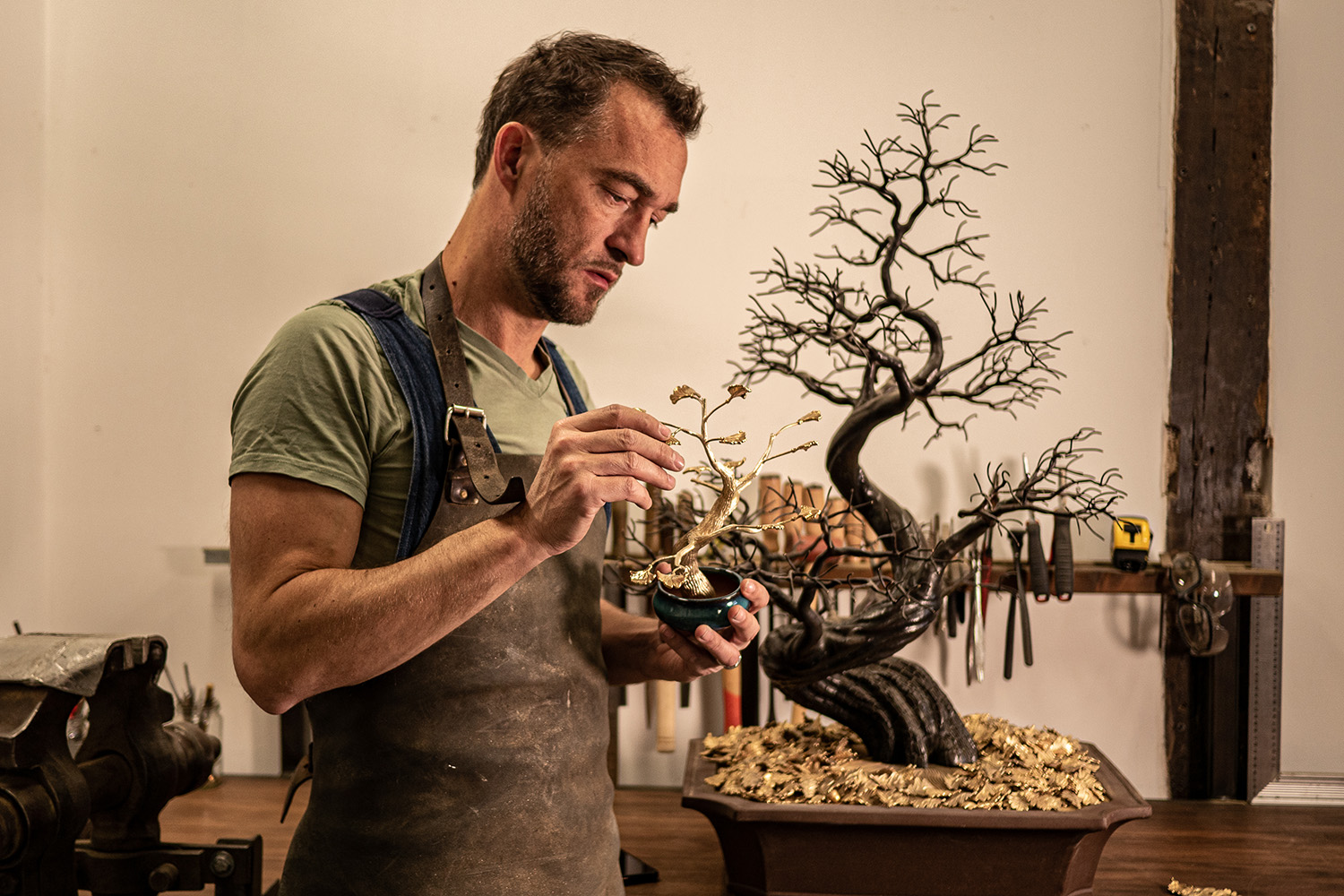
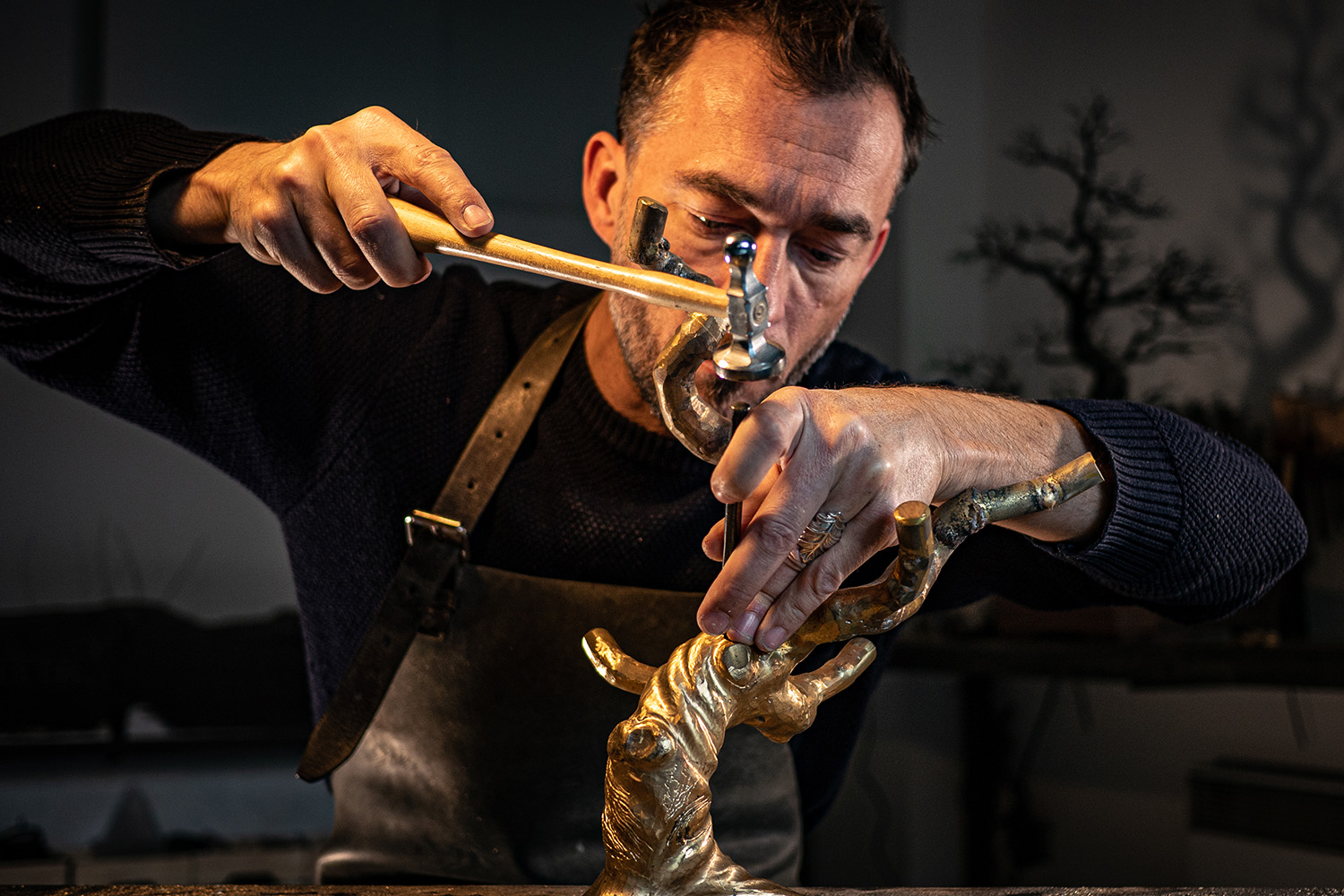
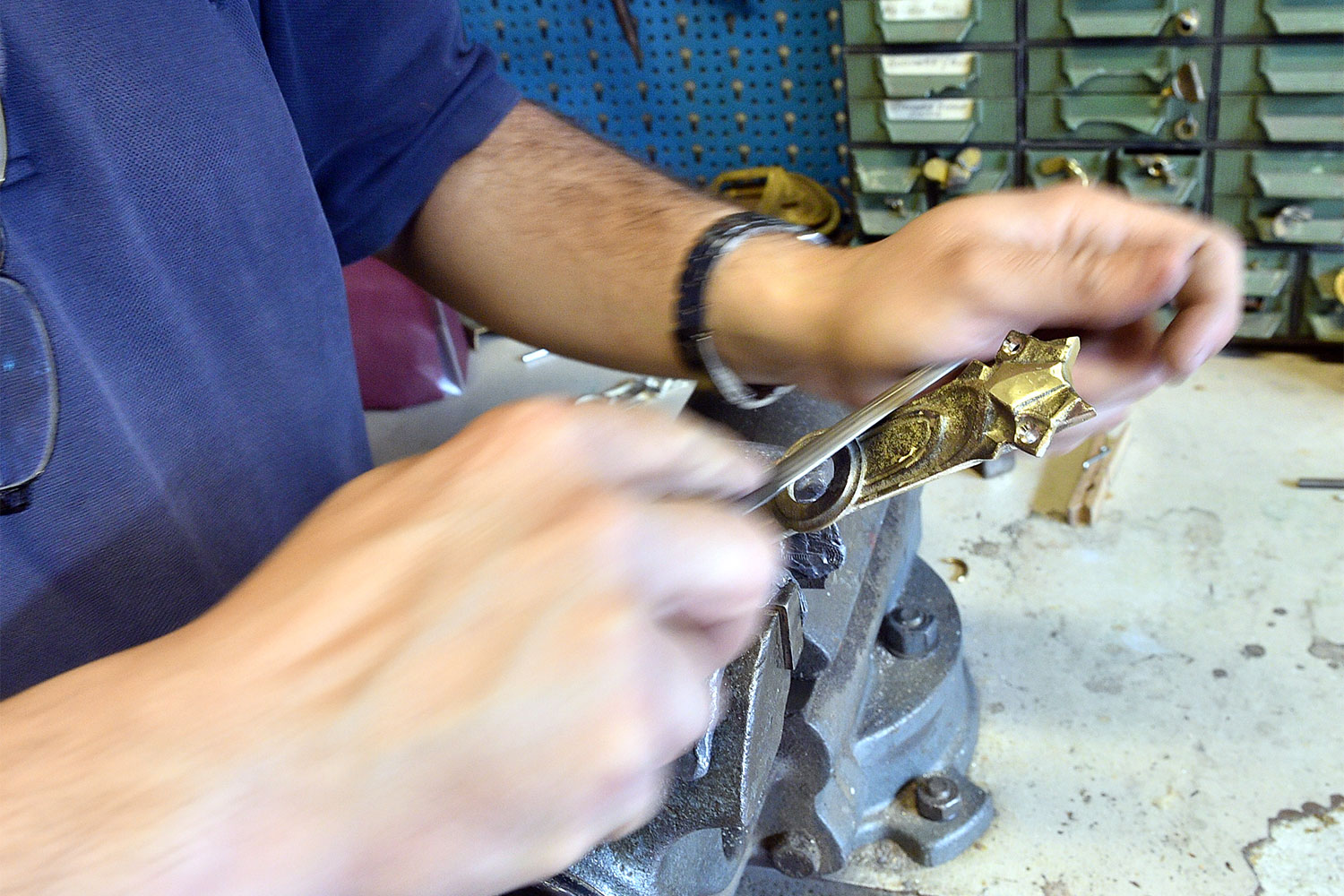
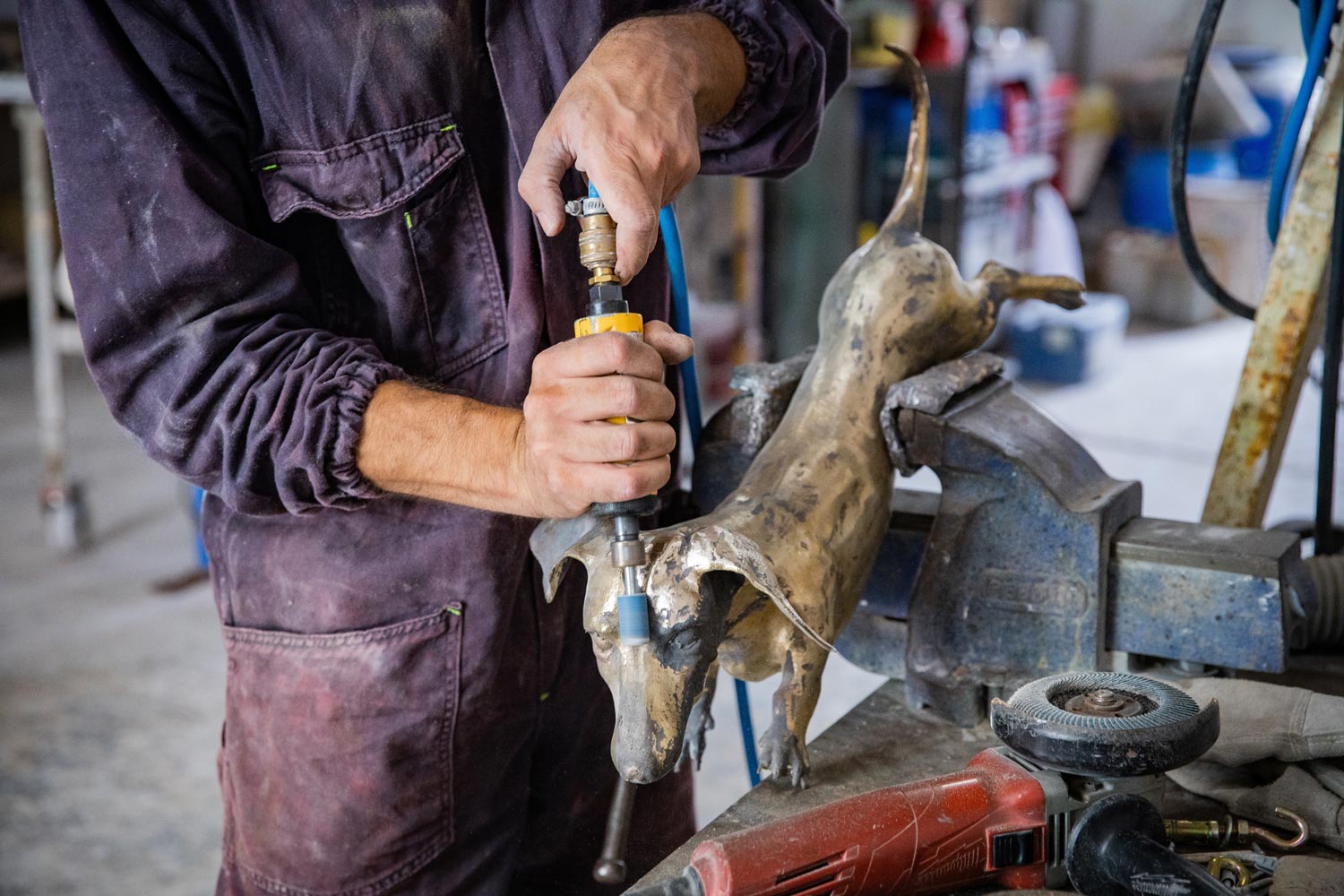
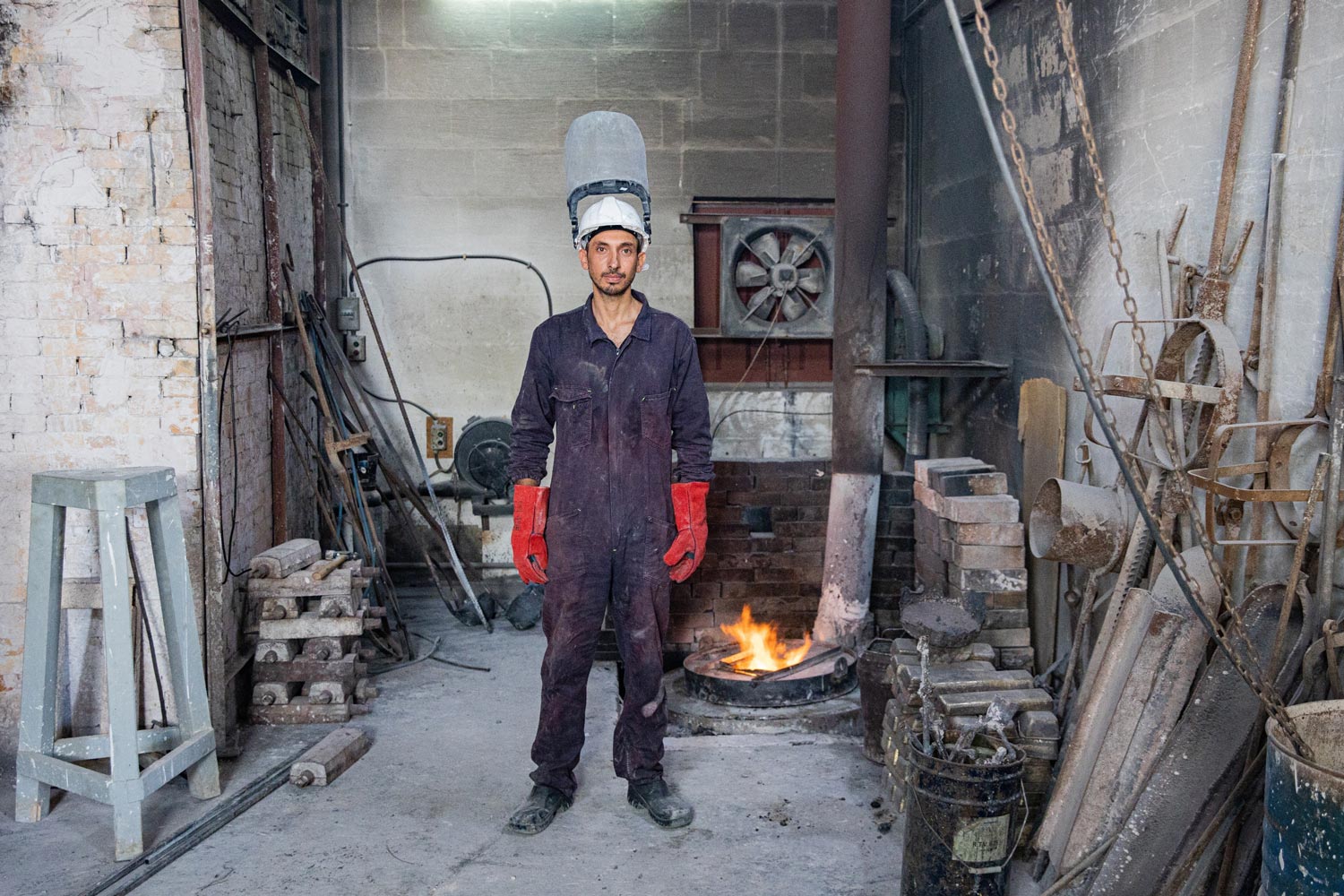
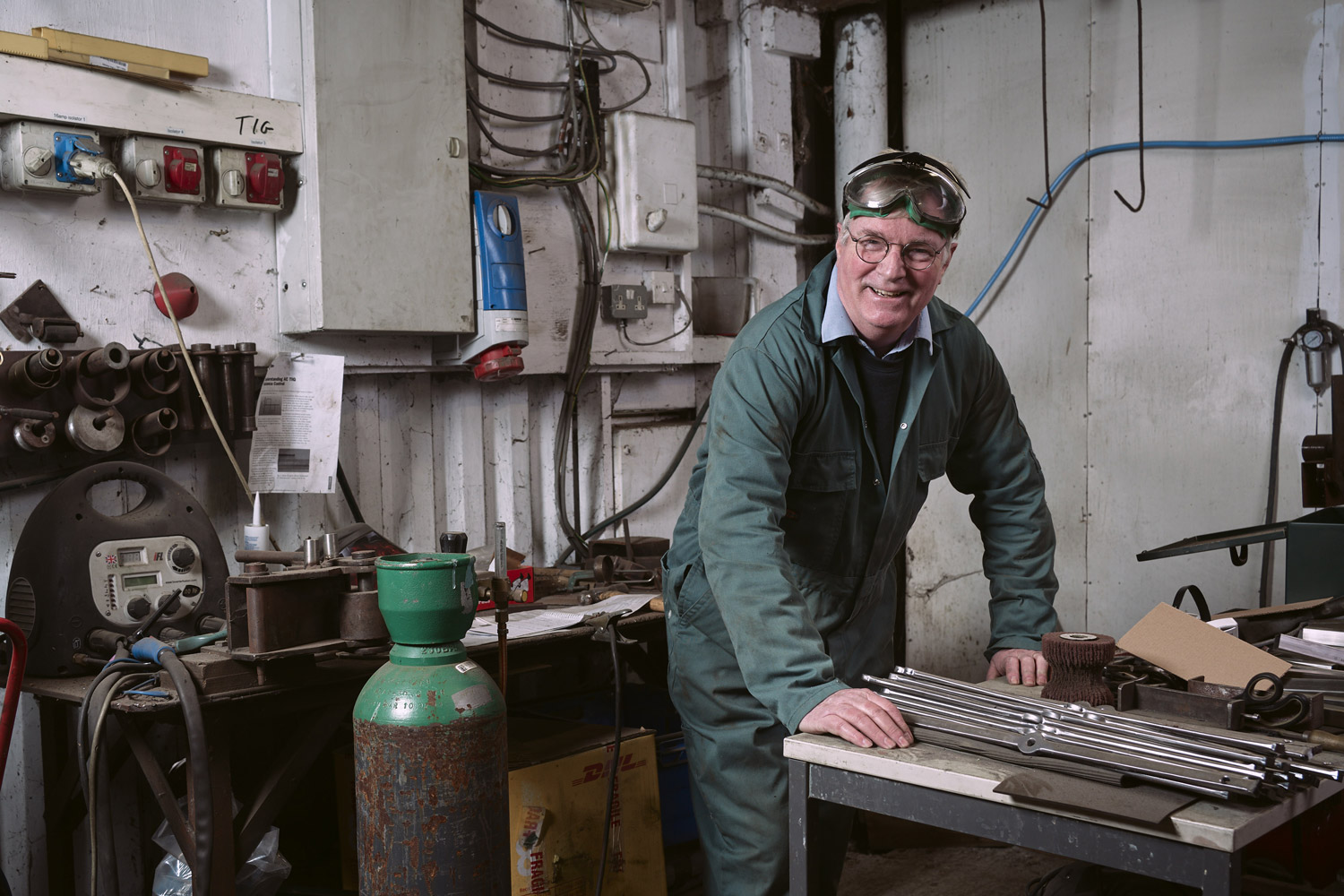
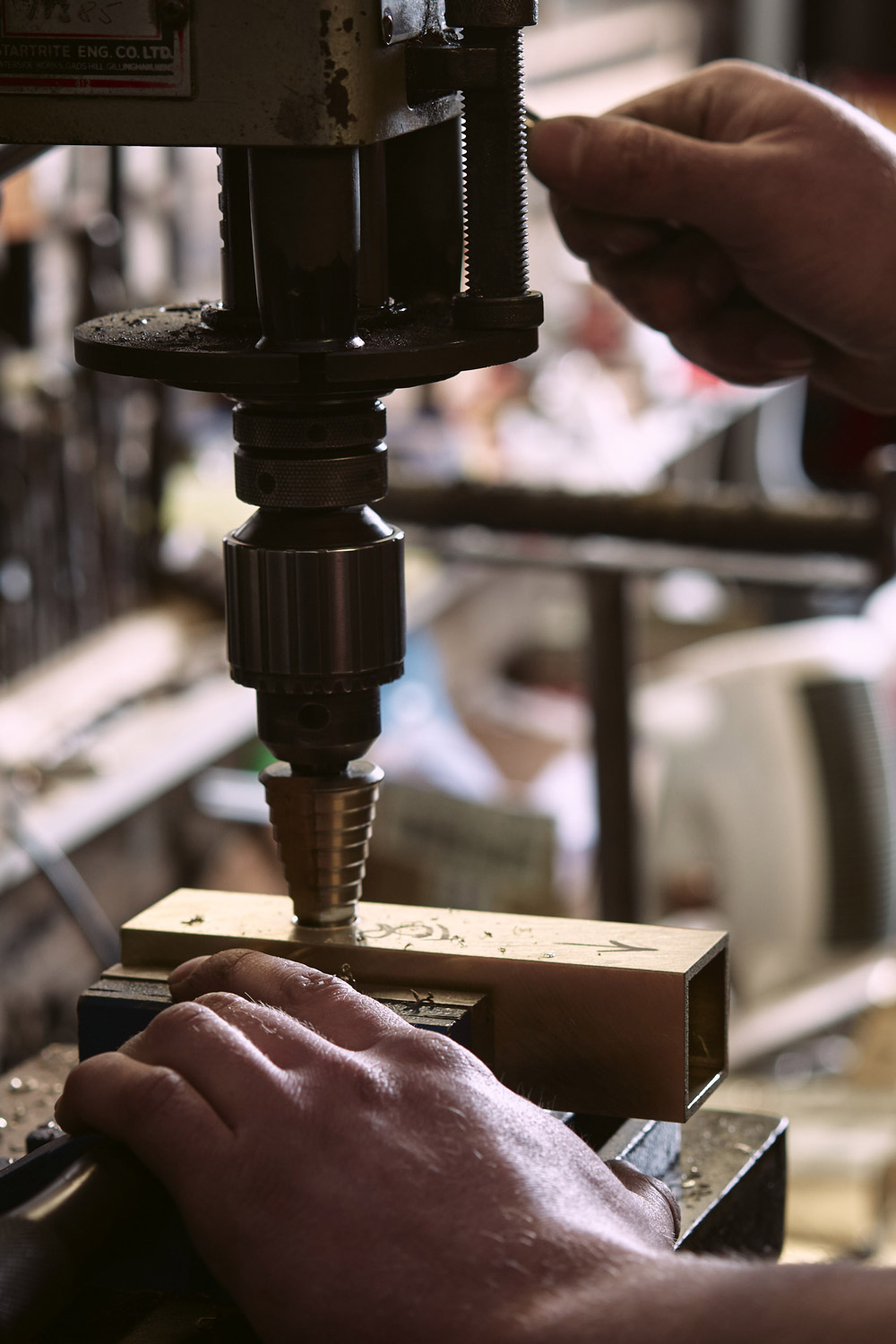
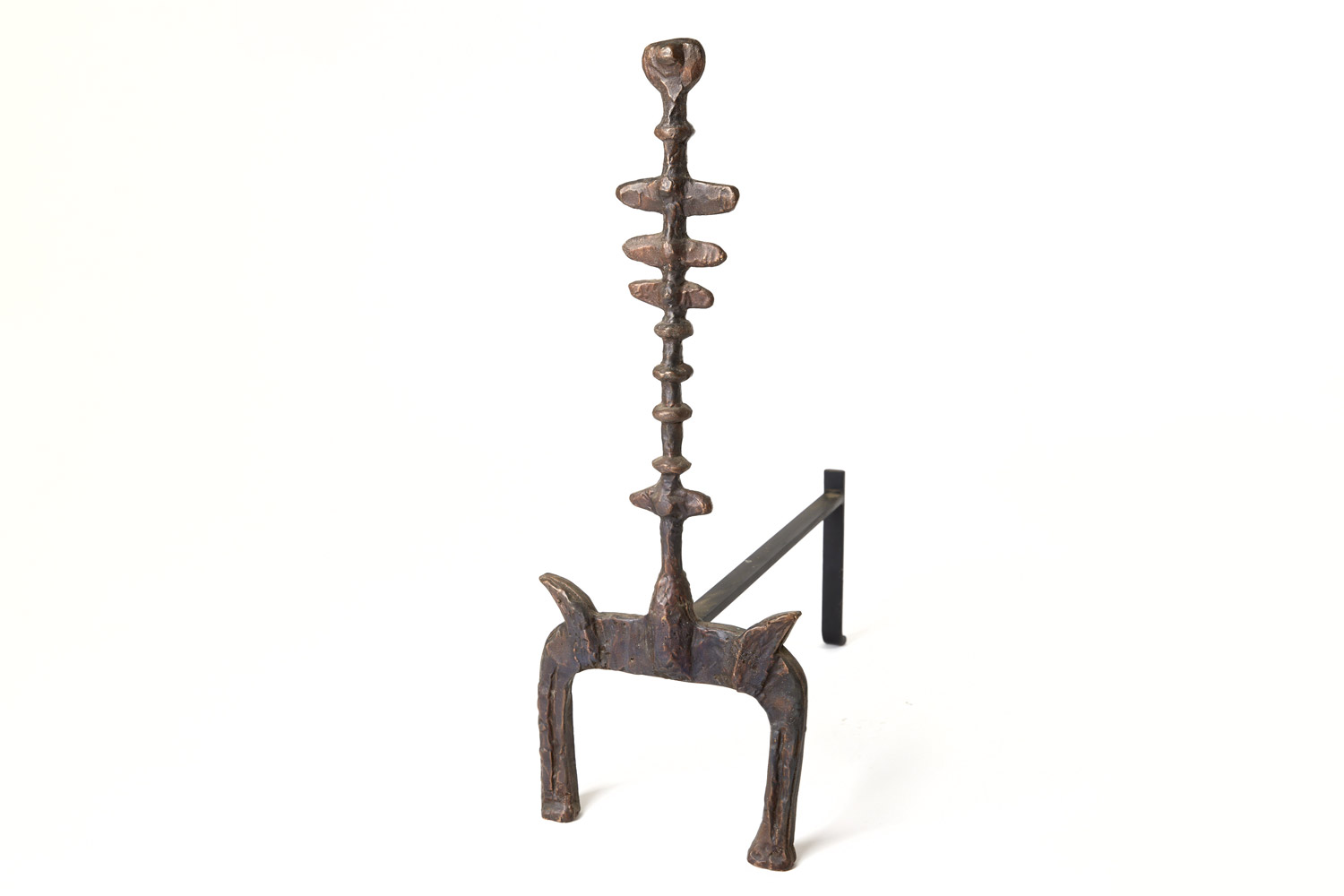
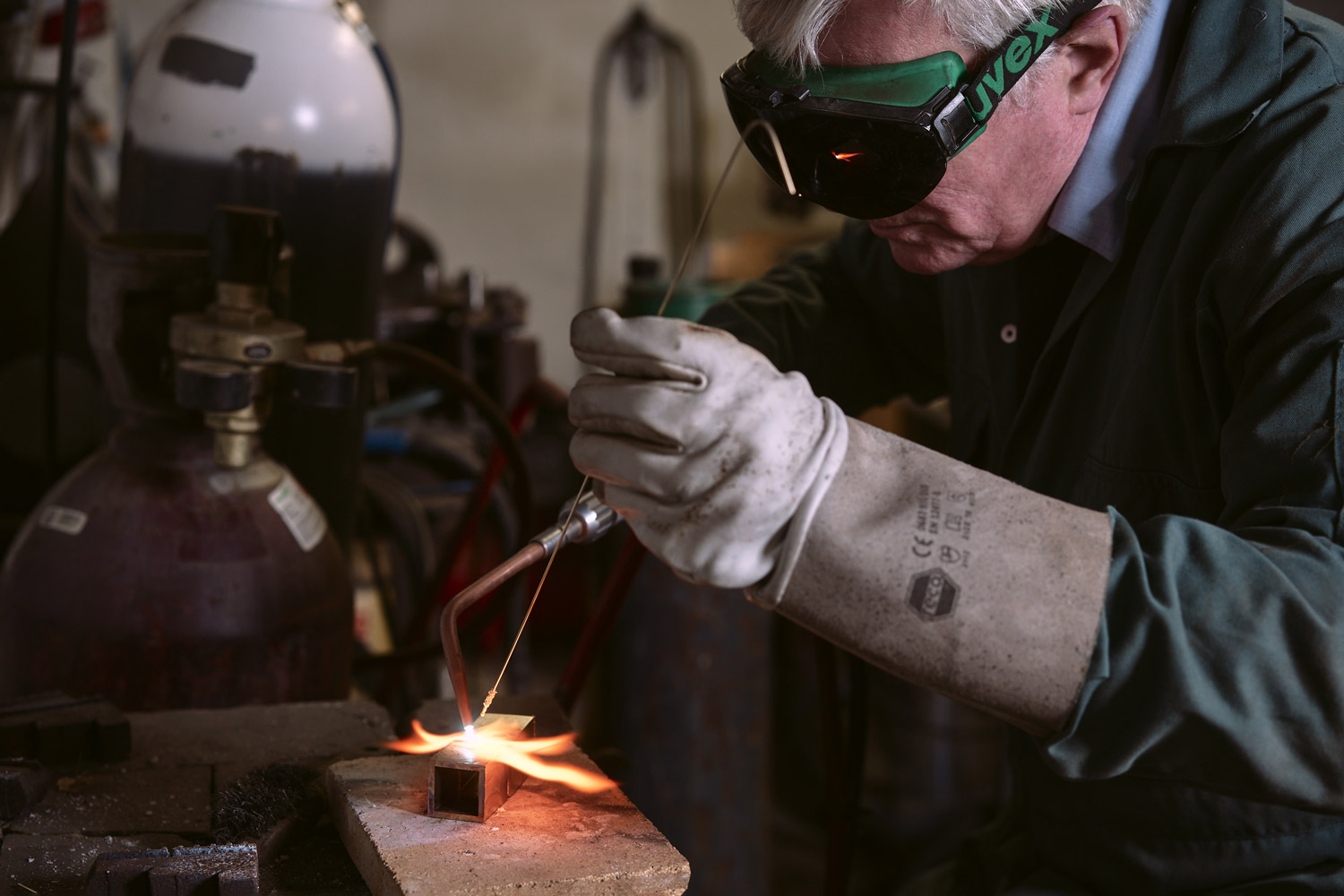
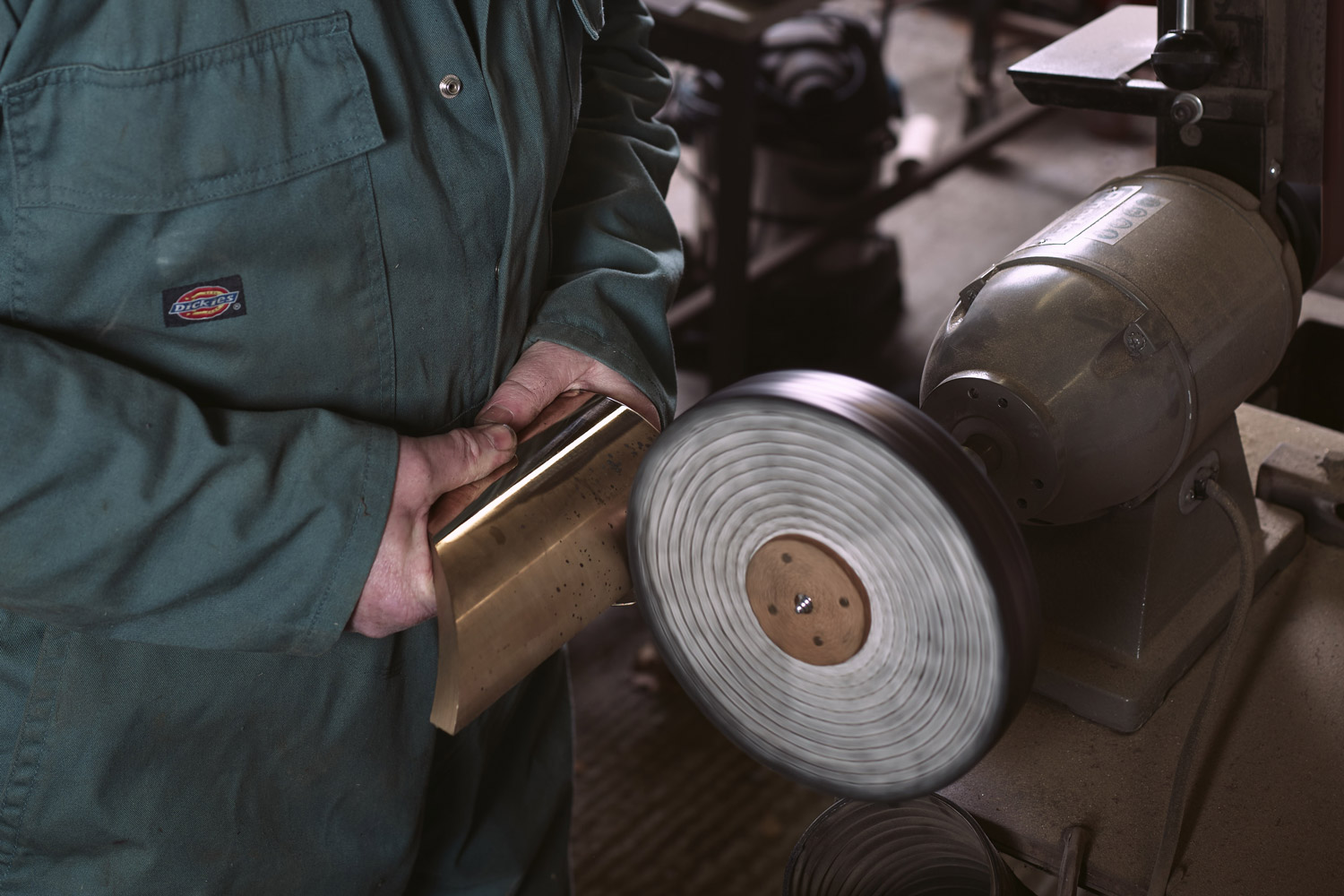
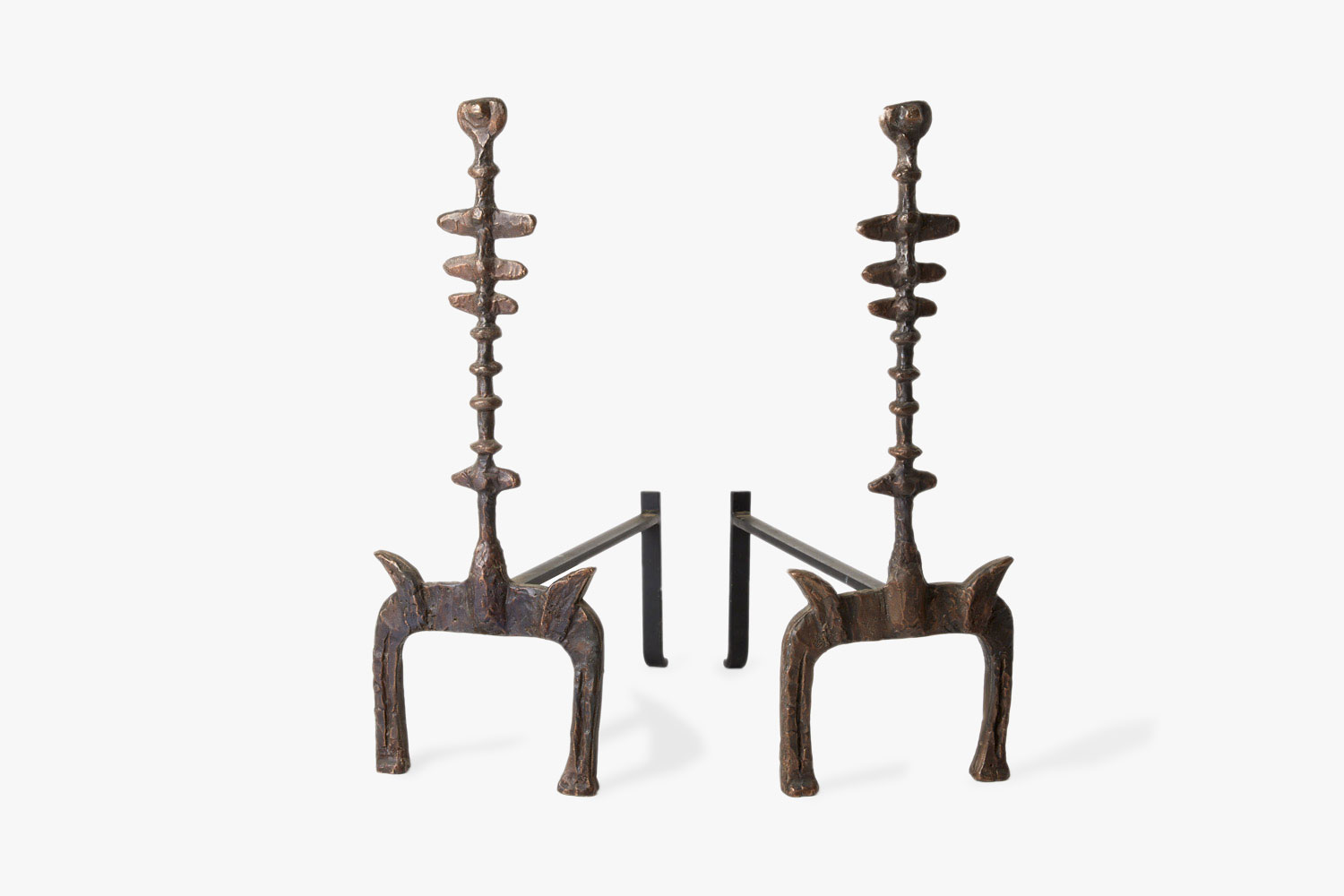
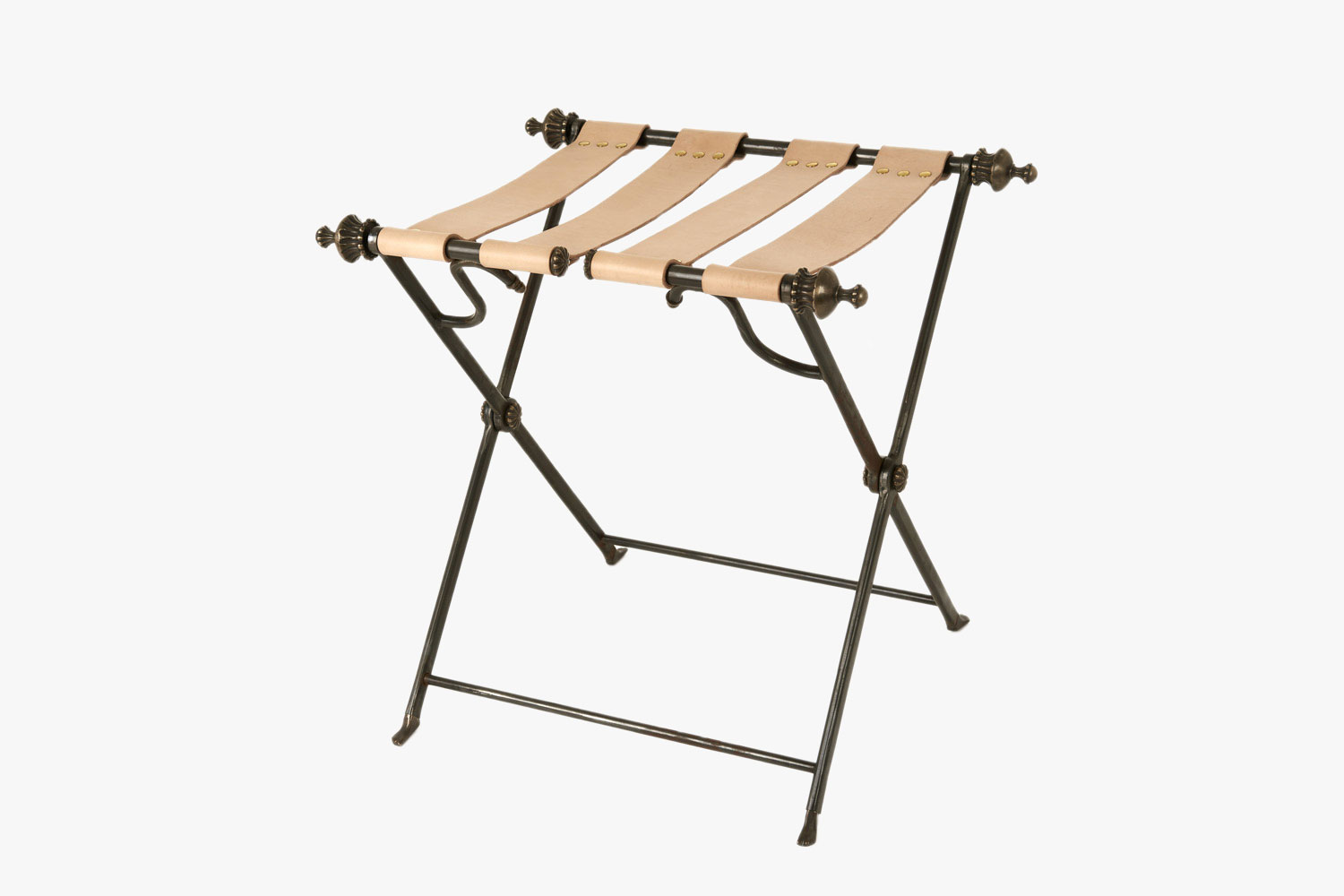
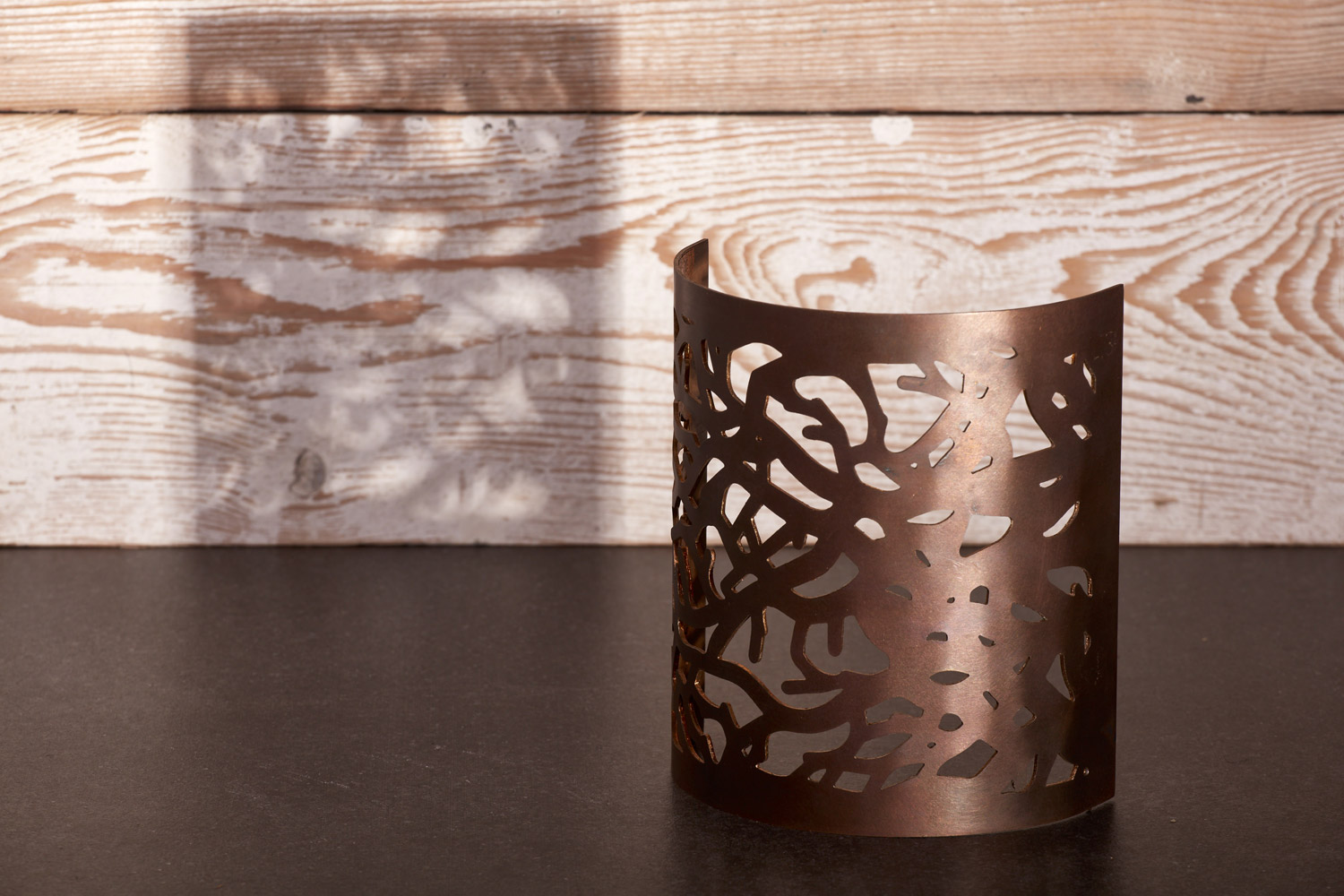
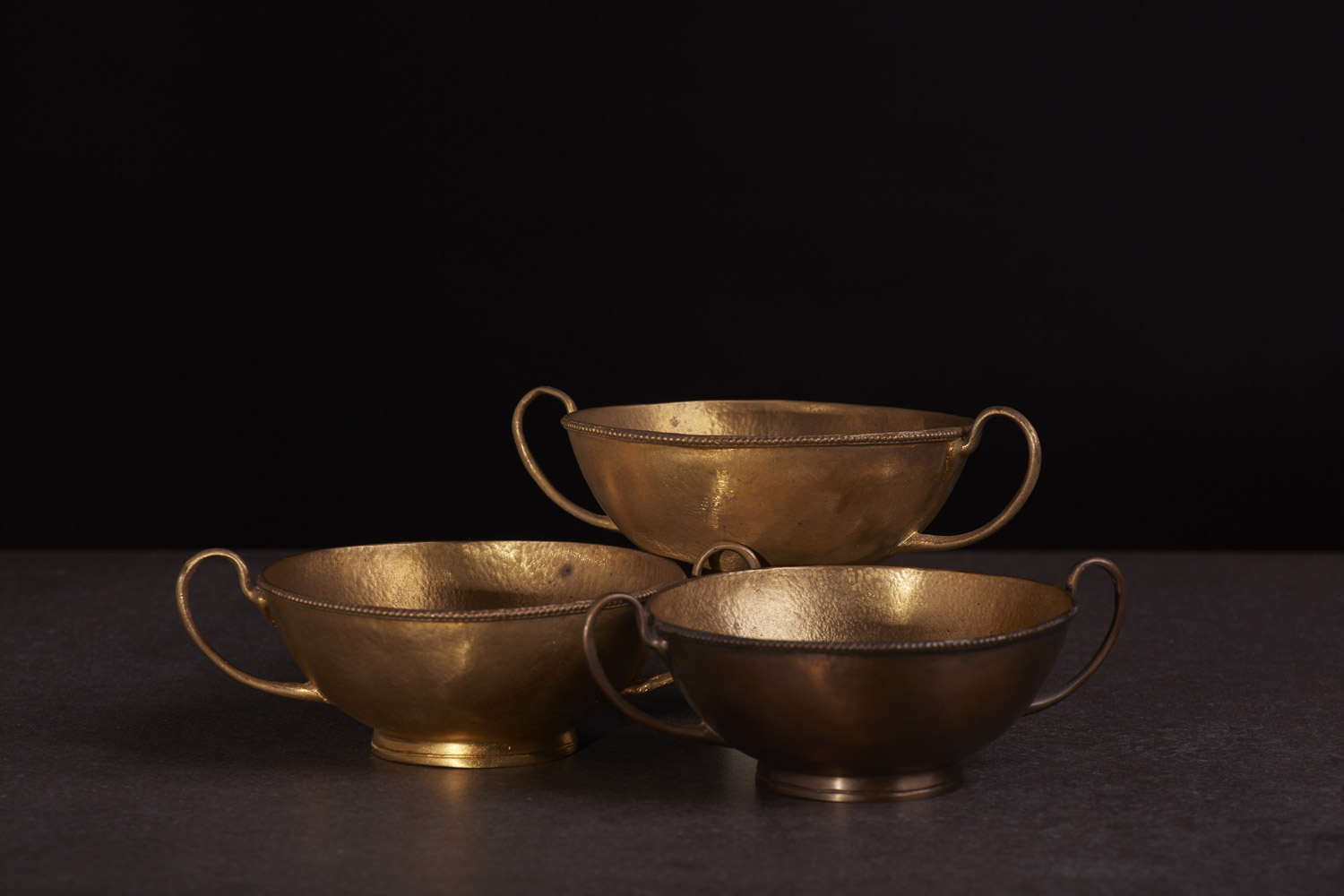
“This is what can happen if you stay curious - beware!”, warned Moray MacPhail jokingly but with an edge of seriousness. MacPhail is an engineer, craftsperson and businessman, combining all three to meet the complex needs of his clients. Starting out as an apprentice blacksmith, he then went on to train as a naval architect. This balance of art and science is still a huge influence in his metal work. He makes pieces for cathedrals, castles, boats and private commissions. His openness to continuously adapting has meant he has incorporated new technologies into his practice. He disagrees with the idea that technologies are the death of craftsmanship, rather he thinks they open up whole new avenues.
INTERVIEW
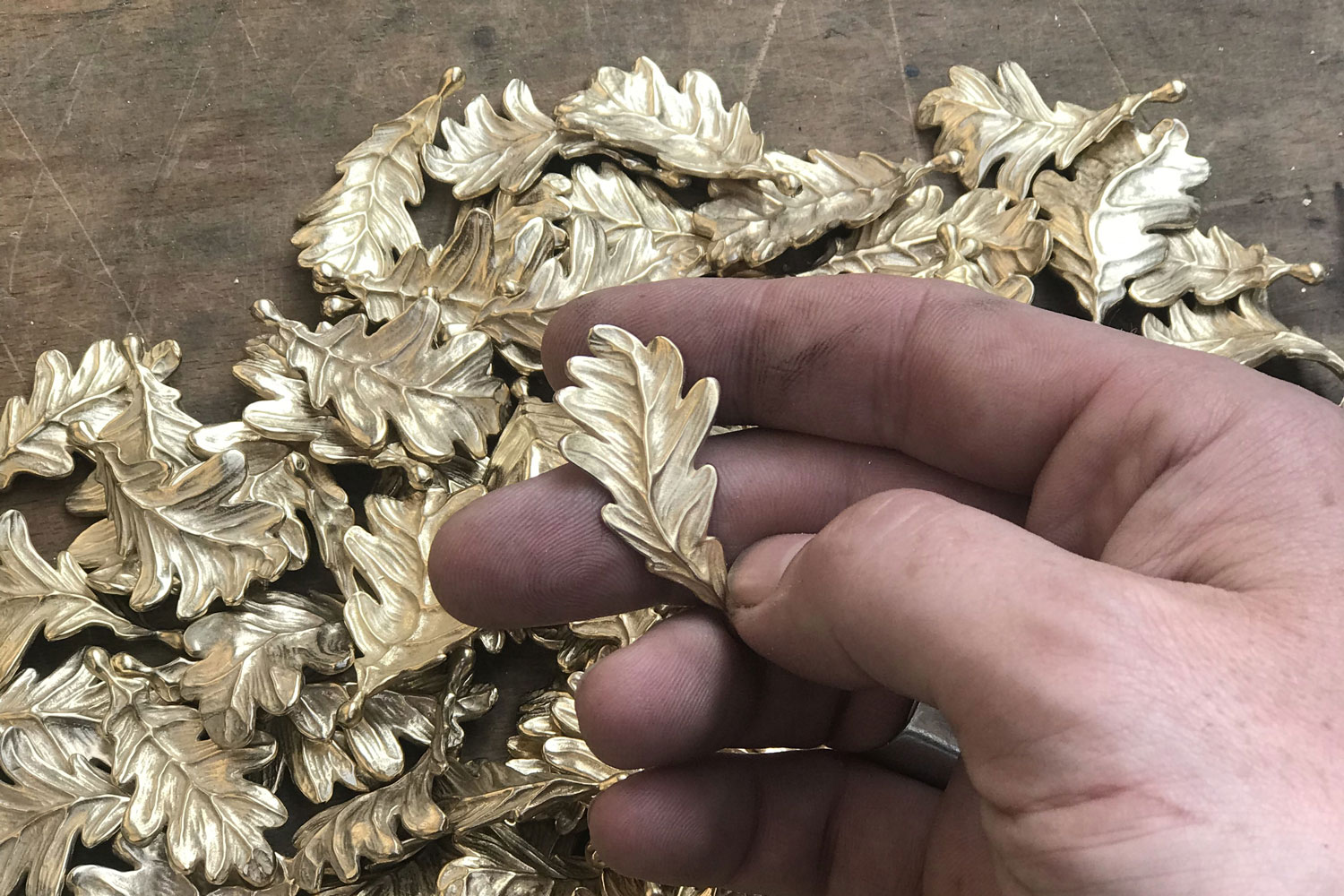
As with most things working in bronze happened by accident. Unable to buy what was needed for old boats, I started making hardware and fittings in bronze. Over the years the skills accumulated were transferred to the work I do today.
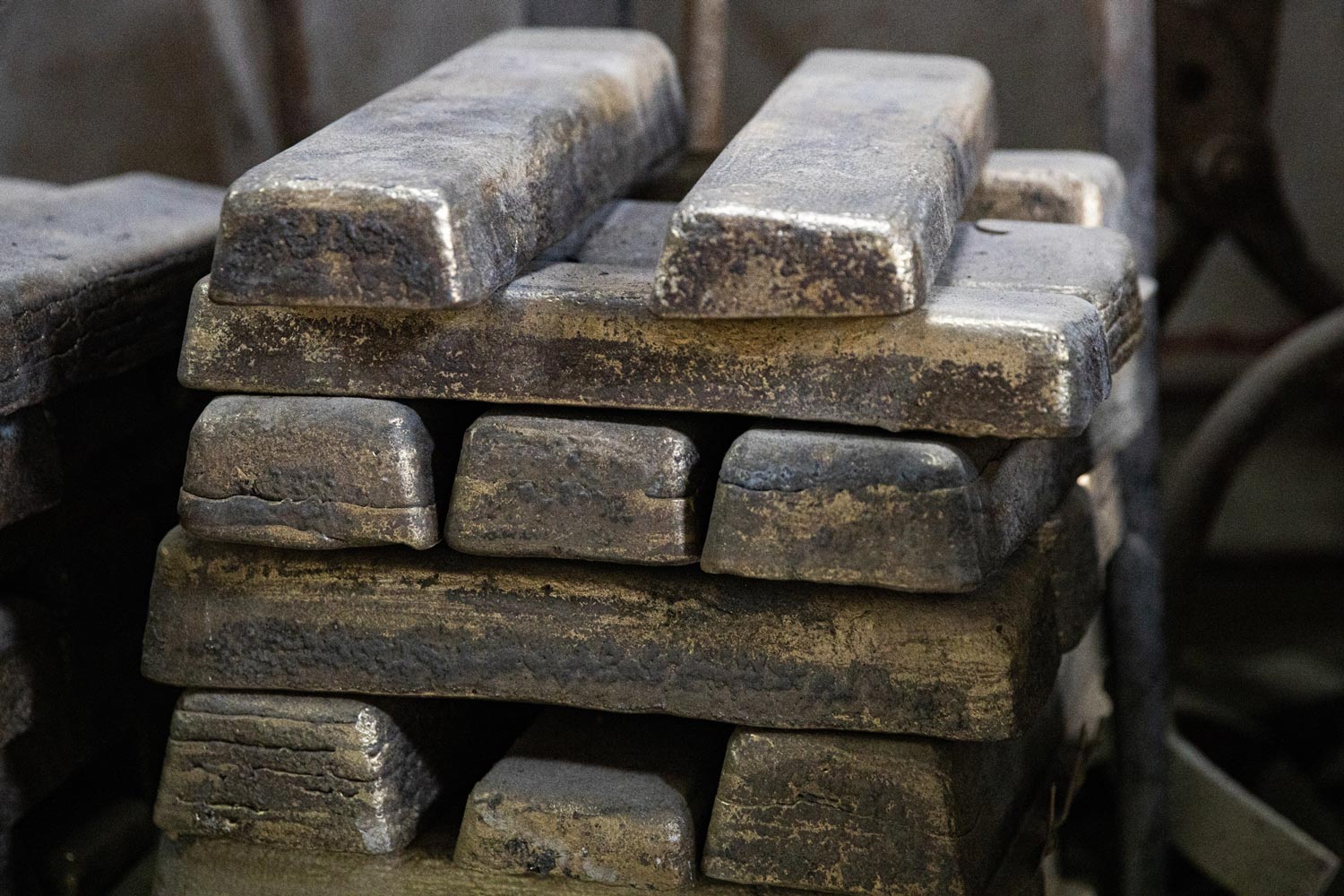
It doesn’t matter how long I work with bronze; I still get excited when a batch of castings arrive, or when some bits of dull sheet metal spring to life. It is very tactile, and it’s great to work with a material which will last for decades if not centuries.
I’m an engineer at heart, and engineers tend to worry about the insides of objects; the way things work, how they are made. Architects and designers tend to worry about the outside – together we create solutions neither of us could achieve independently.
For everyday items, I feel strongly that they should be designed for repair or upgrade. In my view, items which cannot be repaired are not well made, and are an irresponsible use of resources. I hope we have not permanently lost the skills needed for repair.
Moray MacPhail
BronzeWork
Bronzesmith
Woodbridge, United Kingdom
AVAILABILITY
By appointment only
PHONE
+44 7305426495
LANGUAGES
English
Homo Faber Finds is a new service aiming to inspire admirers of craft to connect and collaborate with exceptional artisans.
We invite you to submit an enquiry here.