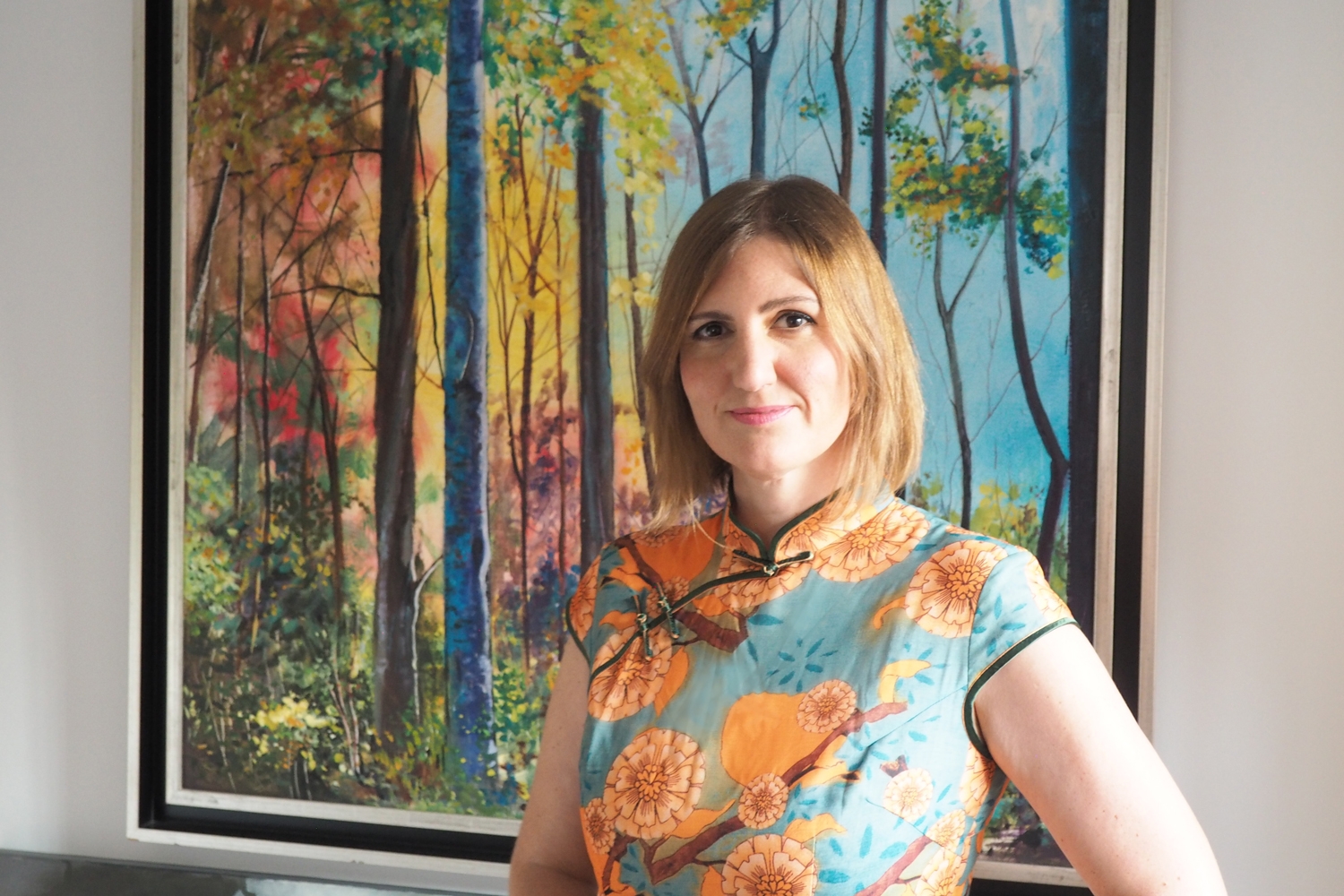
Kendal Murray
Miniature maker
Enmore, Australia
Metaphors found in little sanctuaries
- Kendal's miniatures explore the environment and nostalgia
- She uses both found and handmade objects within her work
- She aims to evoke emotions through her tiny scenarios
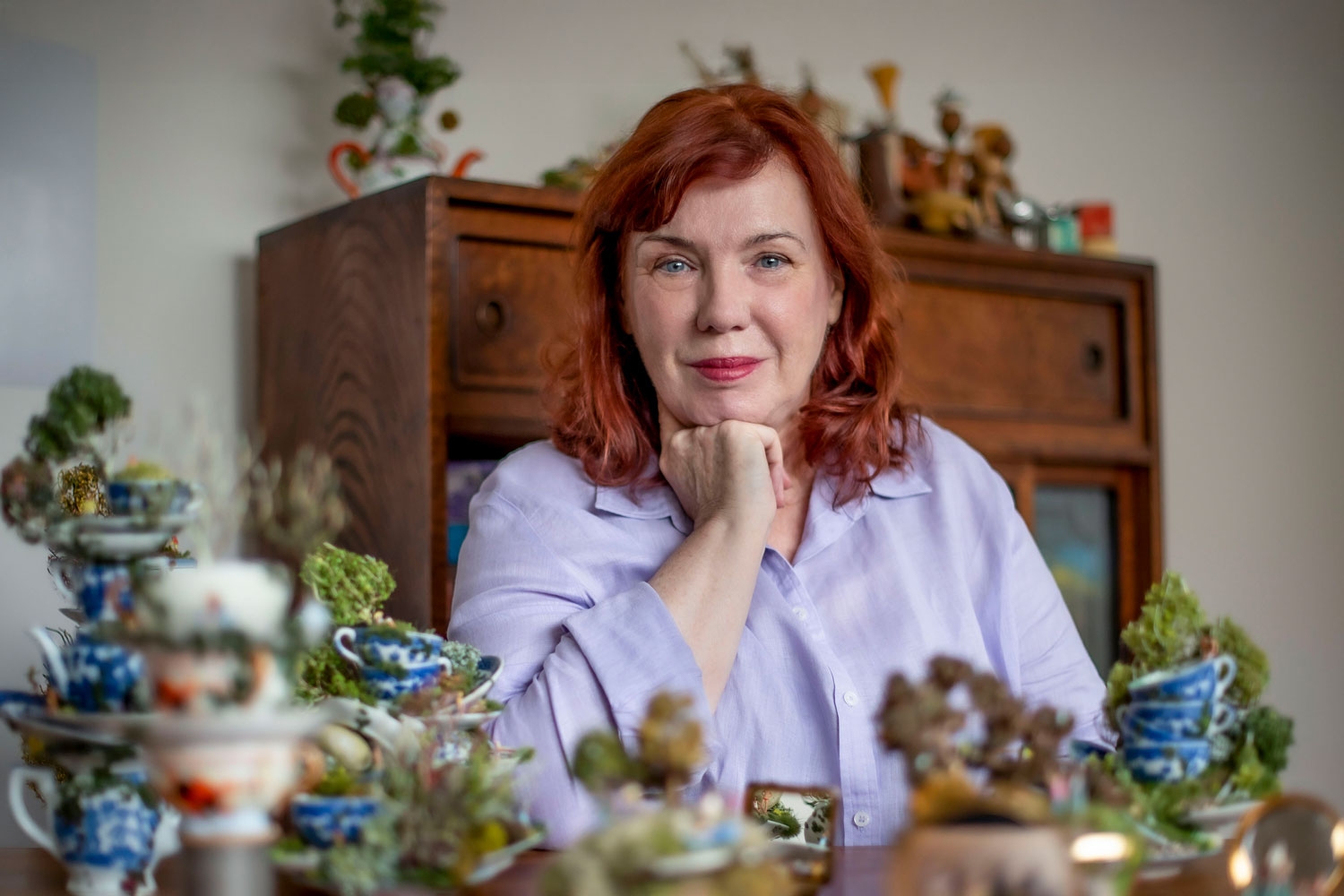
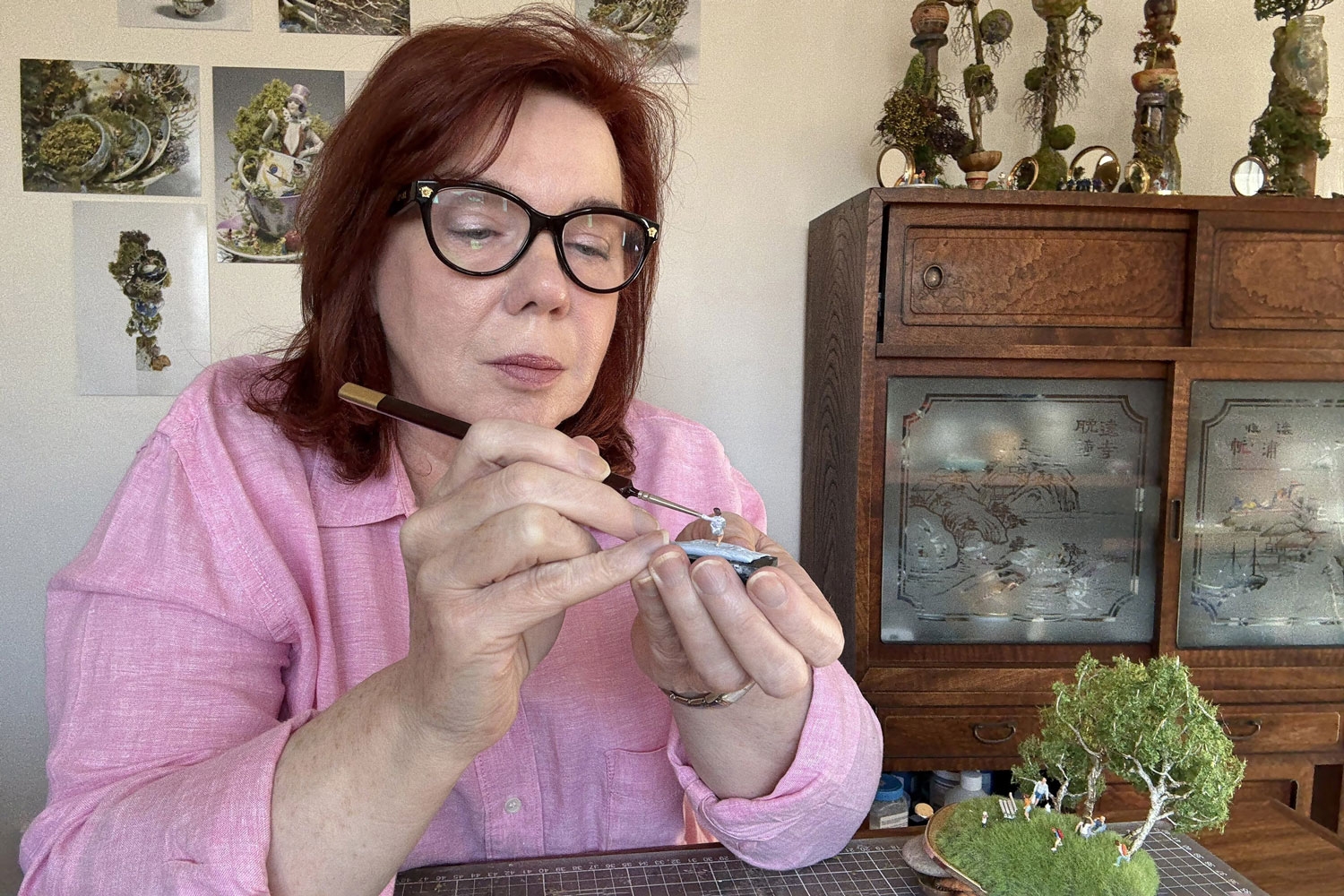
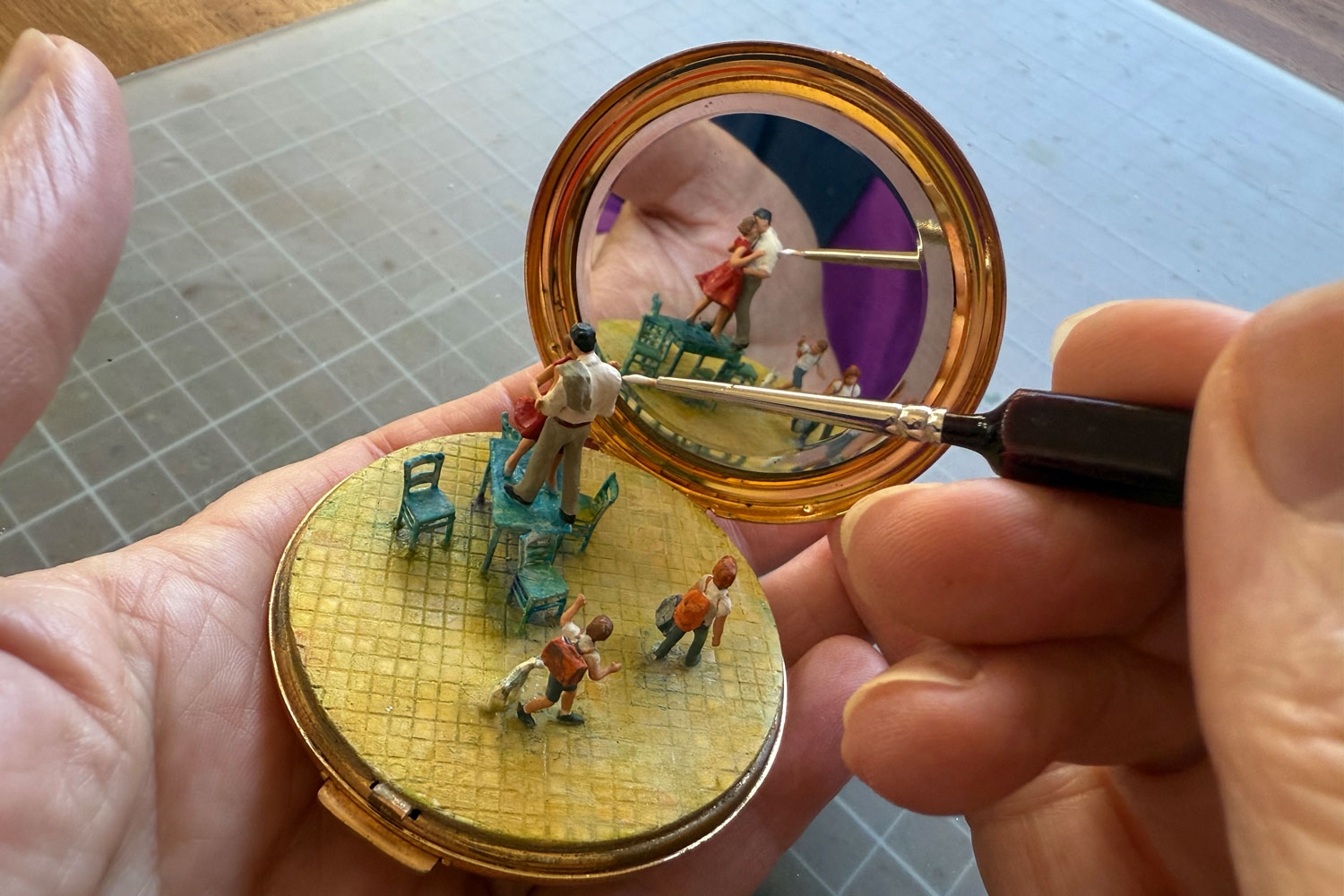
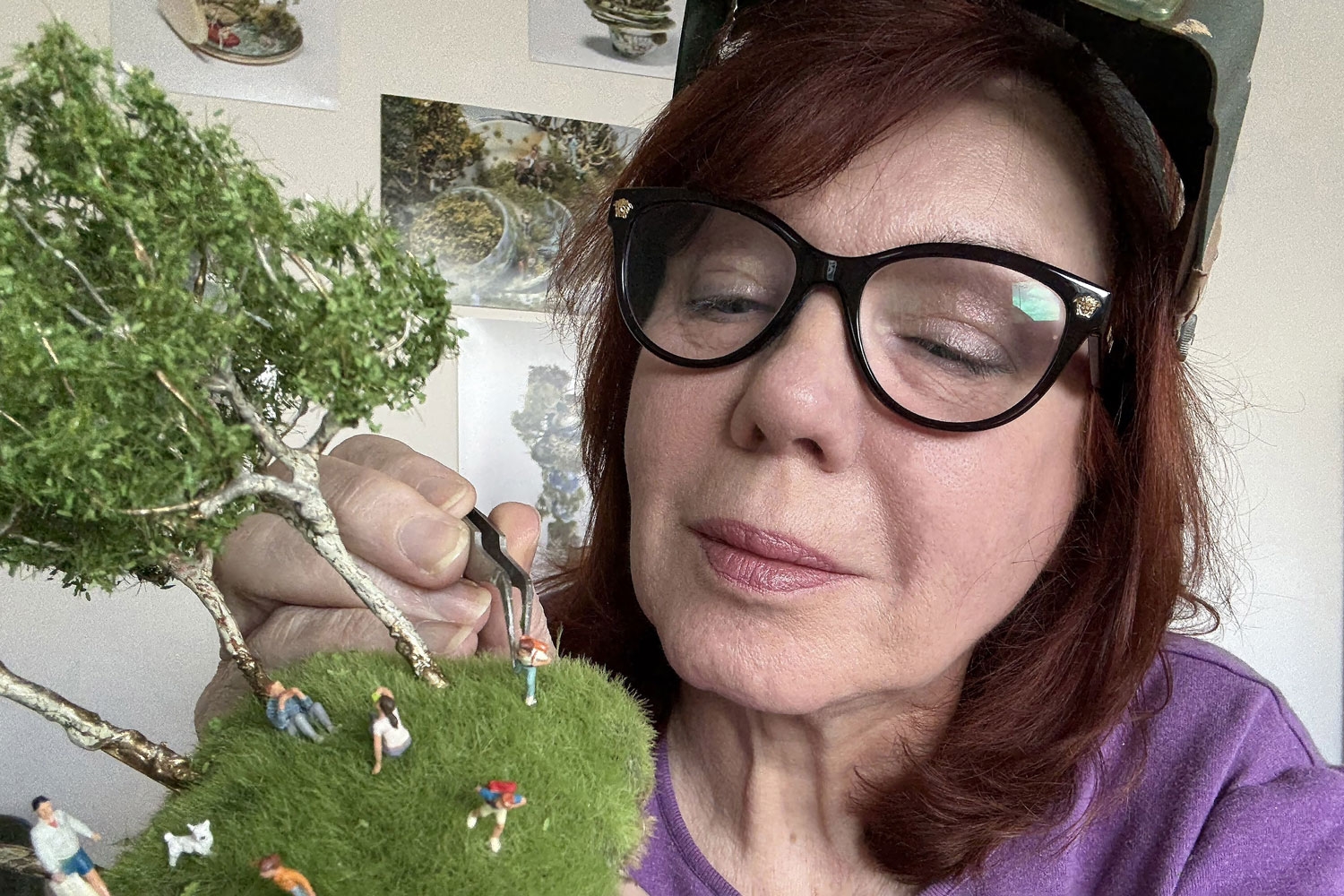
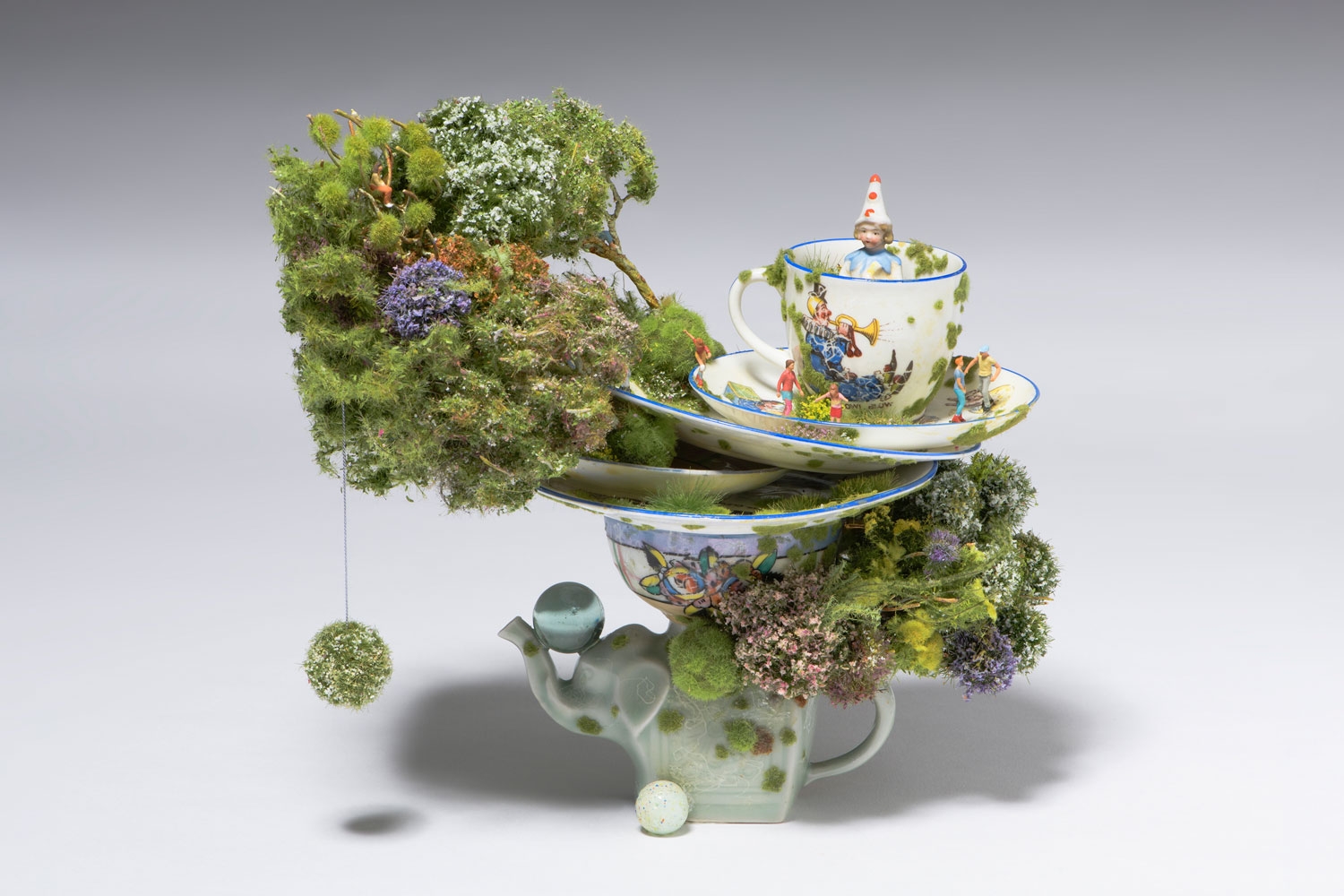
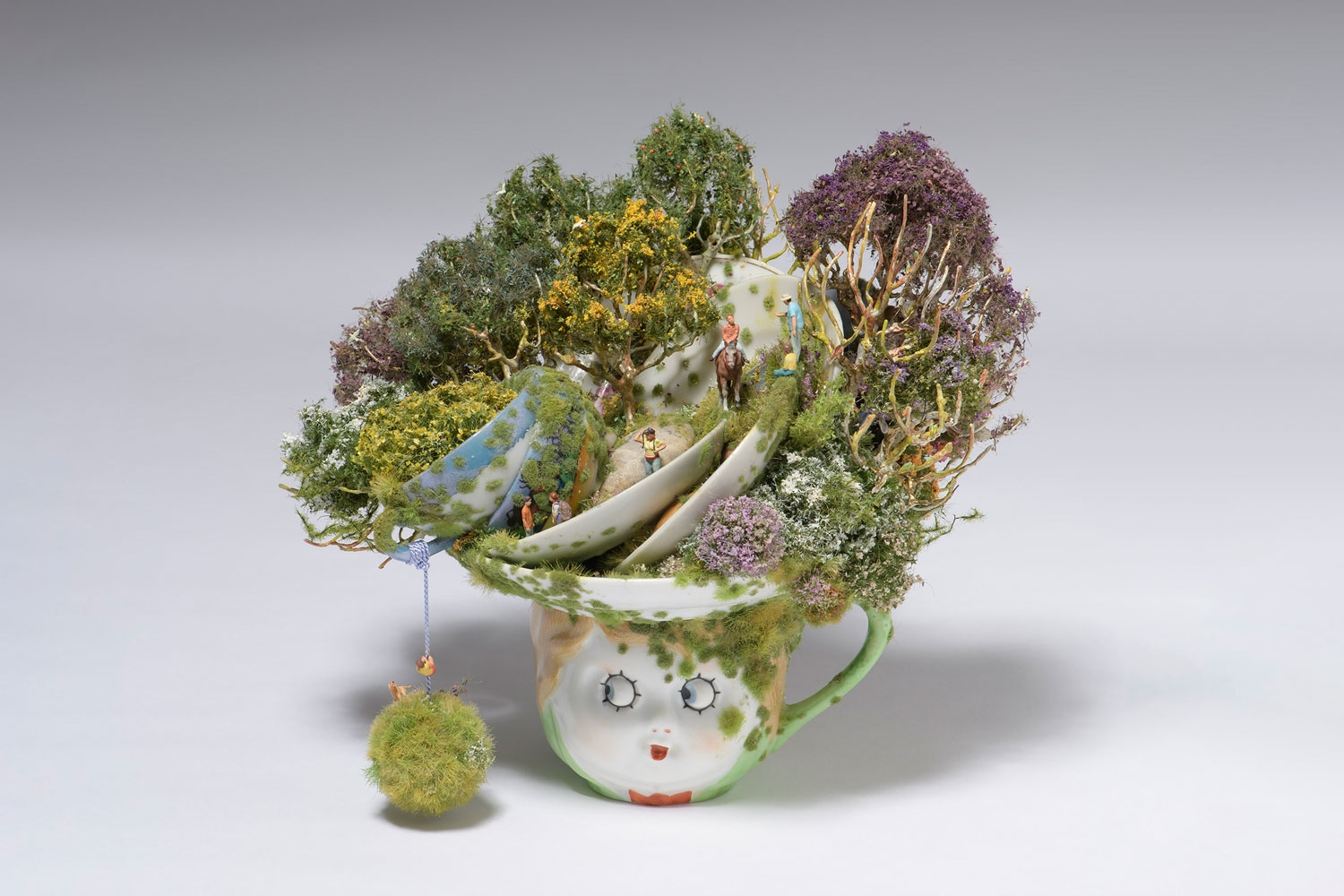
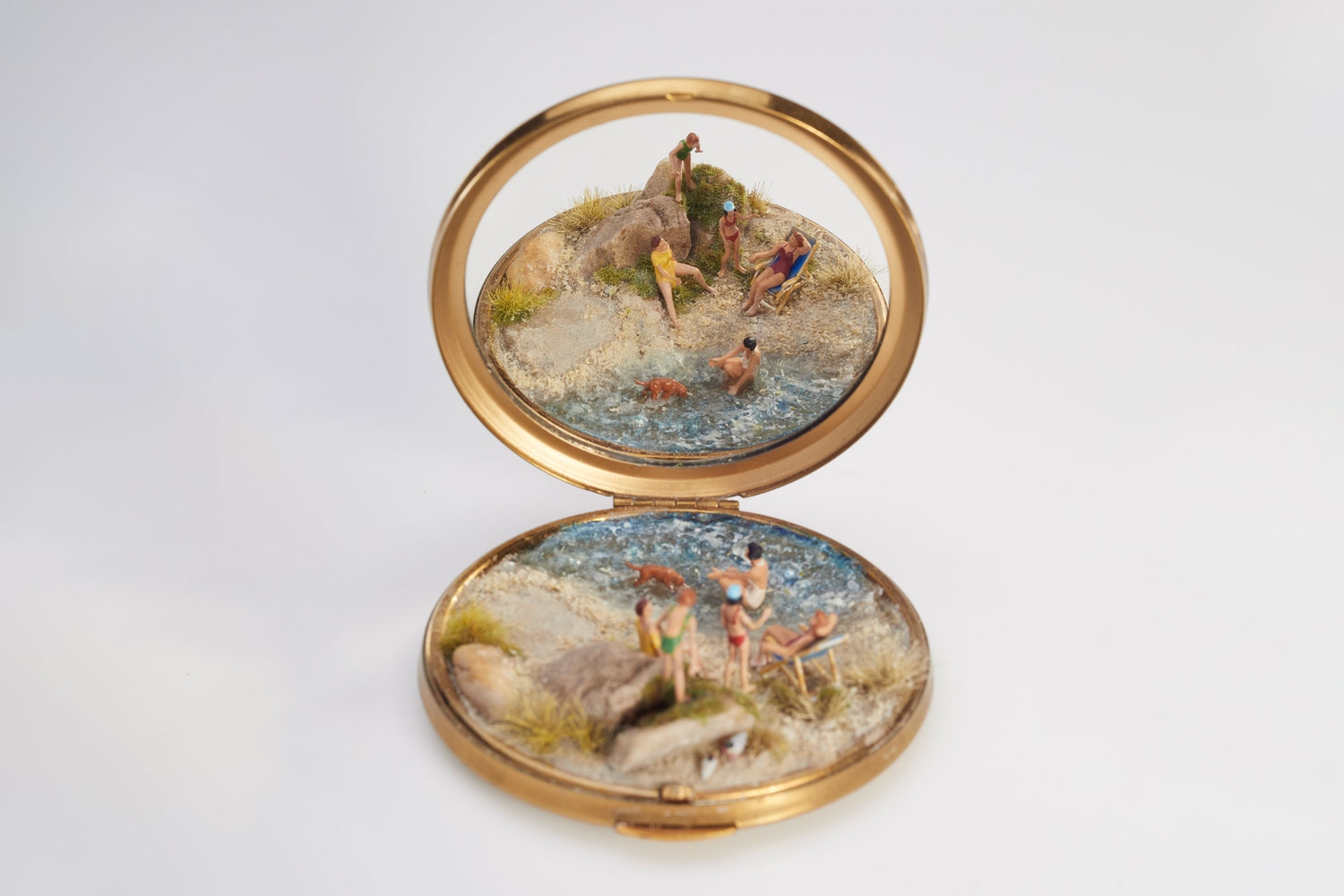
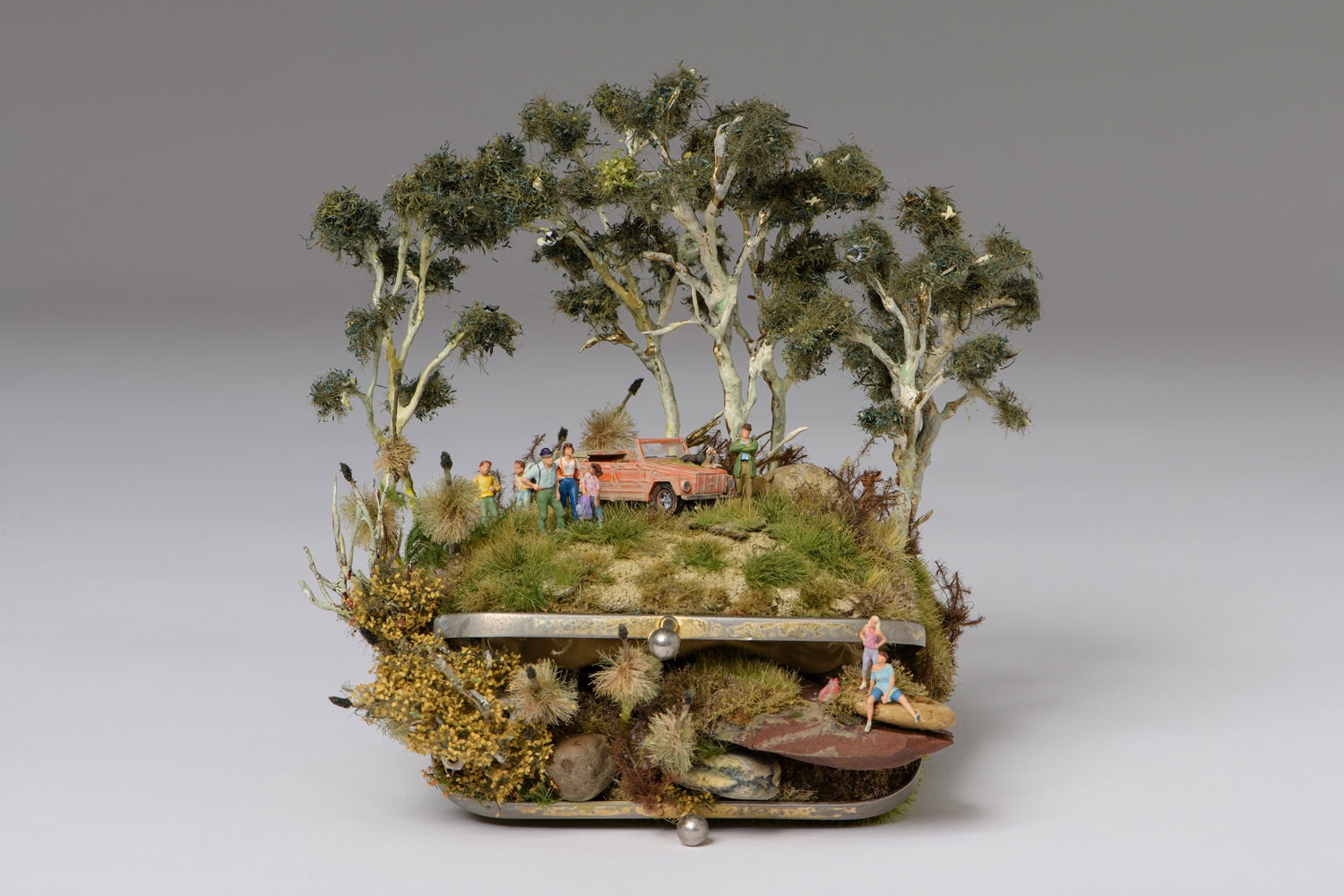
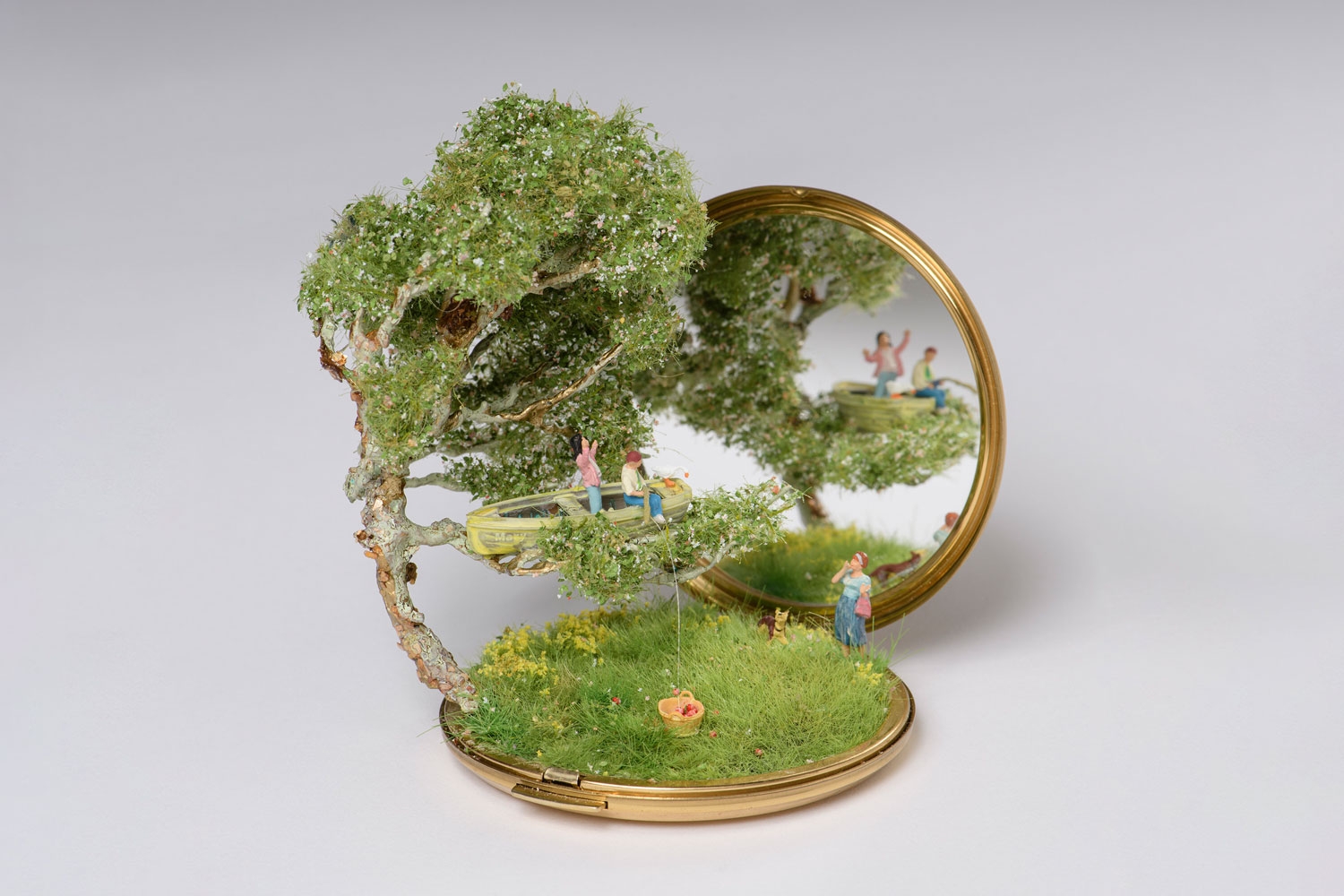
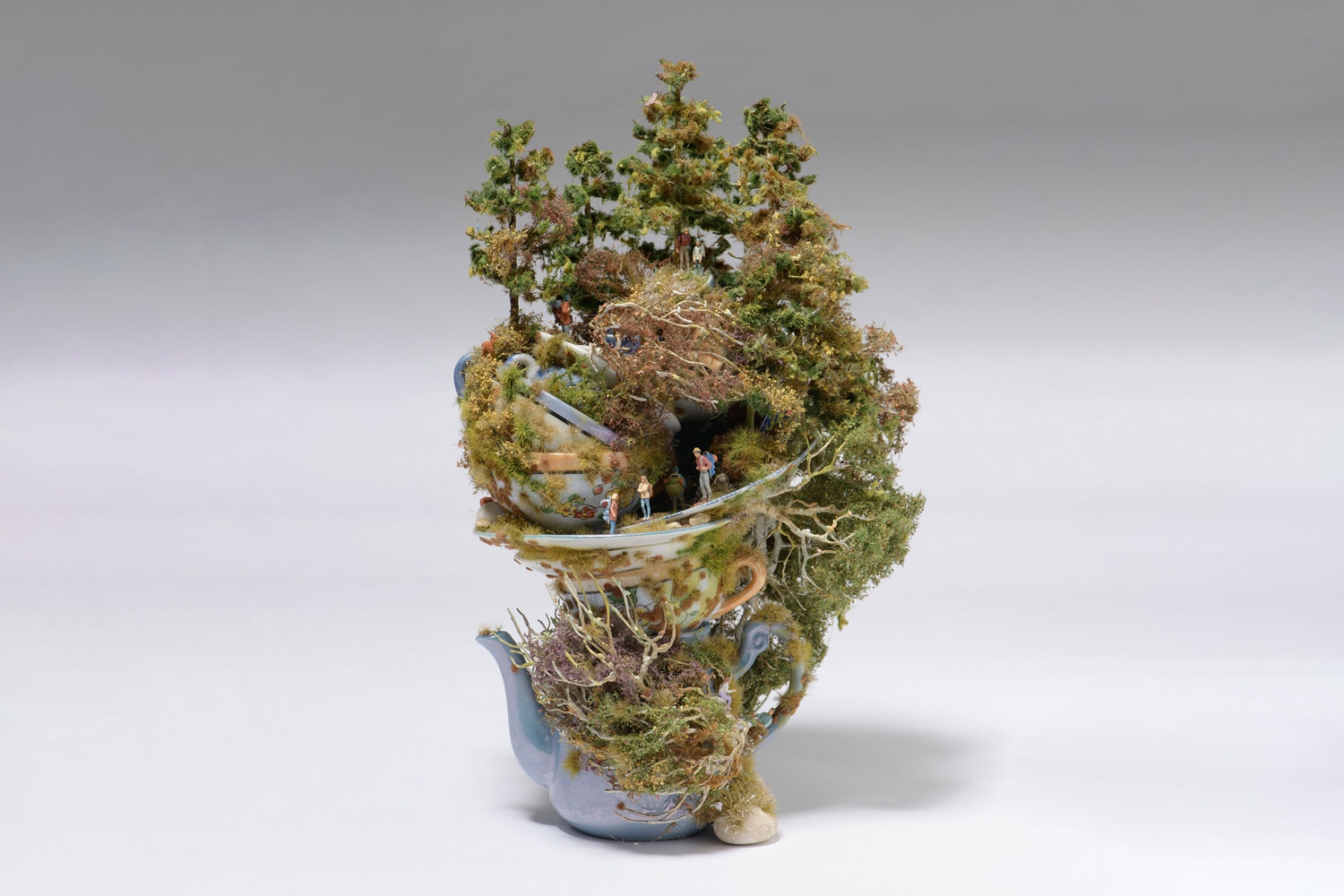
Kendal Murray was drawn to crafting tiny landscapes by the visual metaphors and psychological states they evoke. "I am an assemblage artist who works with 3D elements. I spend painstaking hours creating my scenarios, carefully positioning each figure within expressive landscapes, so the image and storyline will ring true," she explains. This precision encourages viewers to project their own experiences and desires into them, which creates little sanctuaries of emotional immersion. Whether encasing her populated landscapes in cosmetic compacts, layering them atop purses or assembling them within stacked children’s tea-sets, Kendal’s sculptures interrogate themes of environmental identity and evoke nostalgic fantasies.
Discover her work
INTERVIEW
My previous artworks focused on representing psychological states and using various artistic mediums to explore those experiences. When I wanted to explore how people fantasise about different ways of seeing themselves, I got the idea to create miniaturised scenes within compacts.
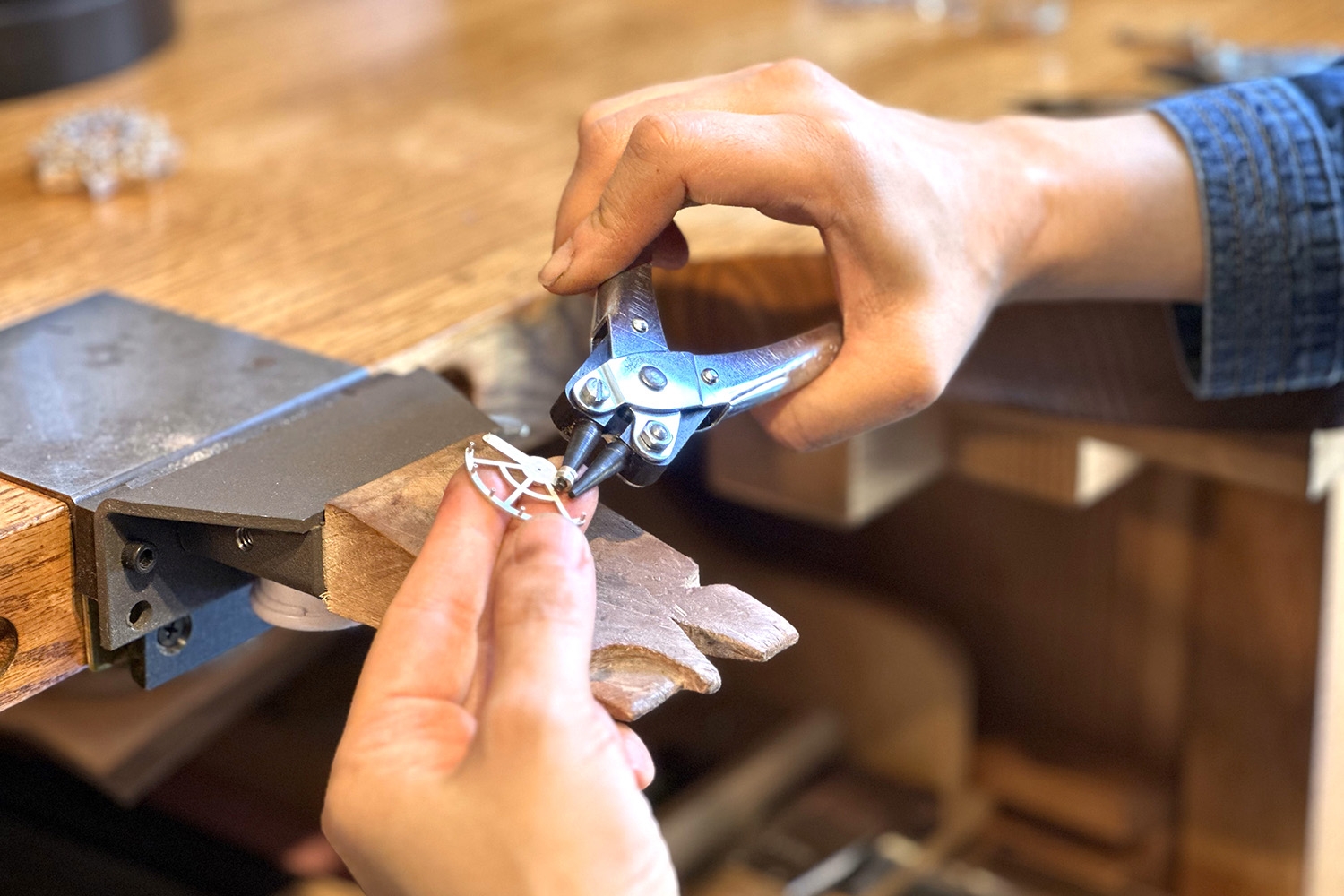
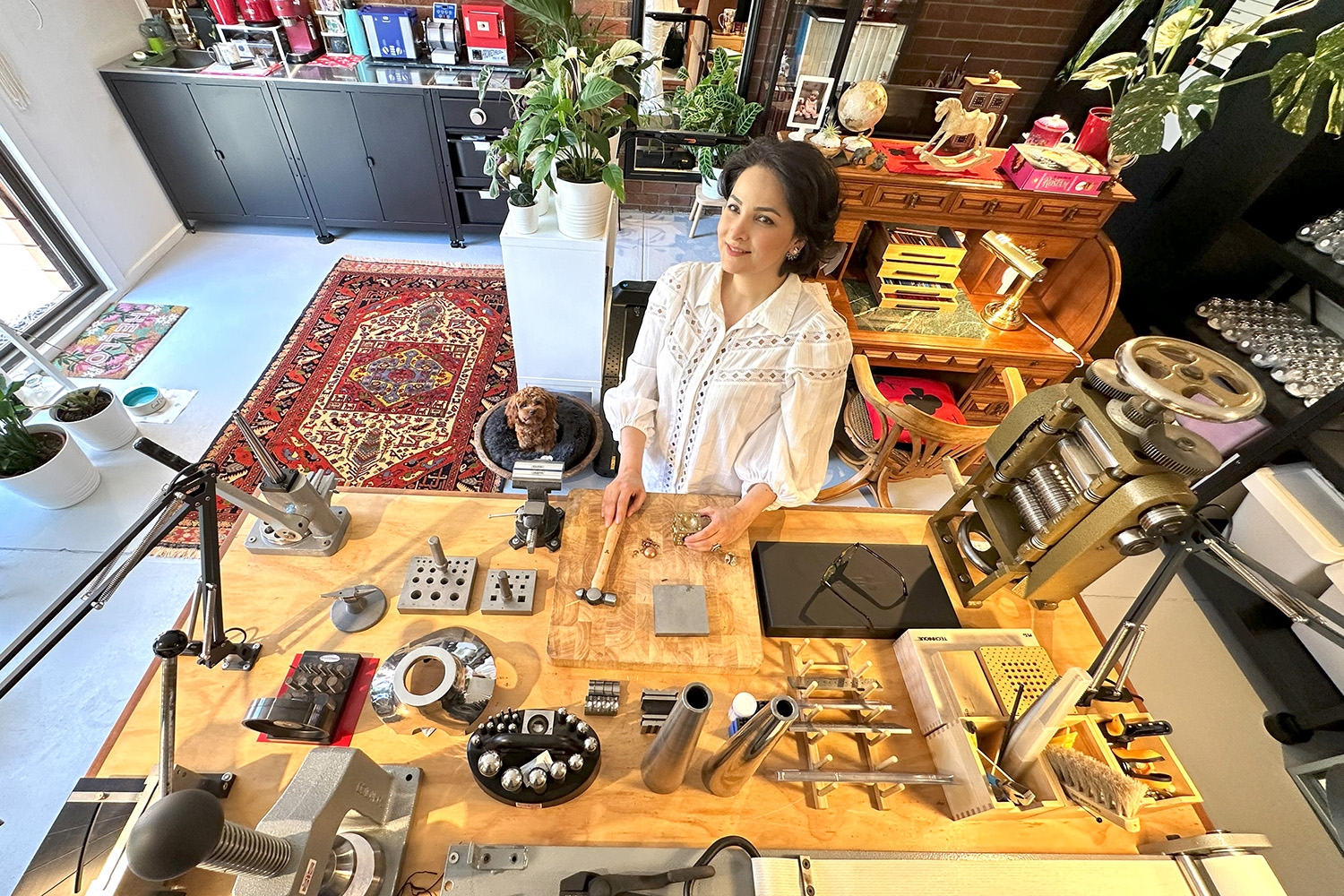
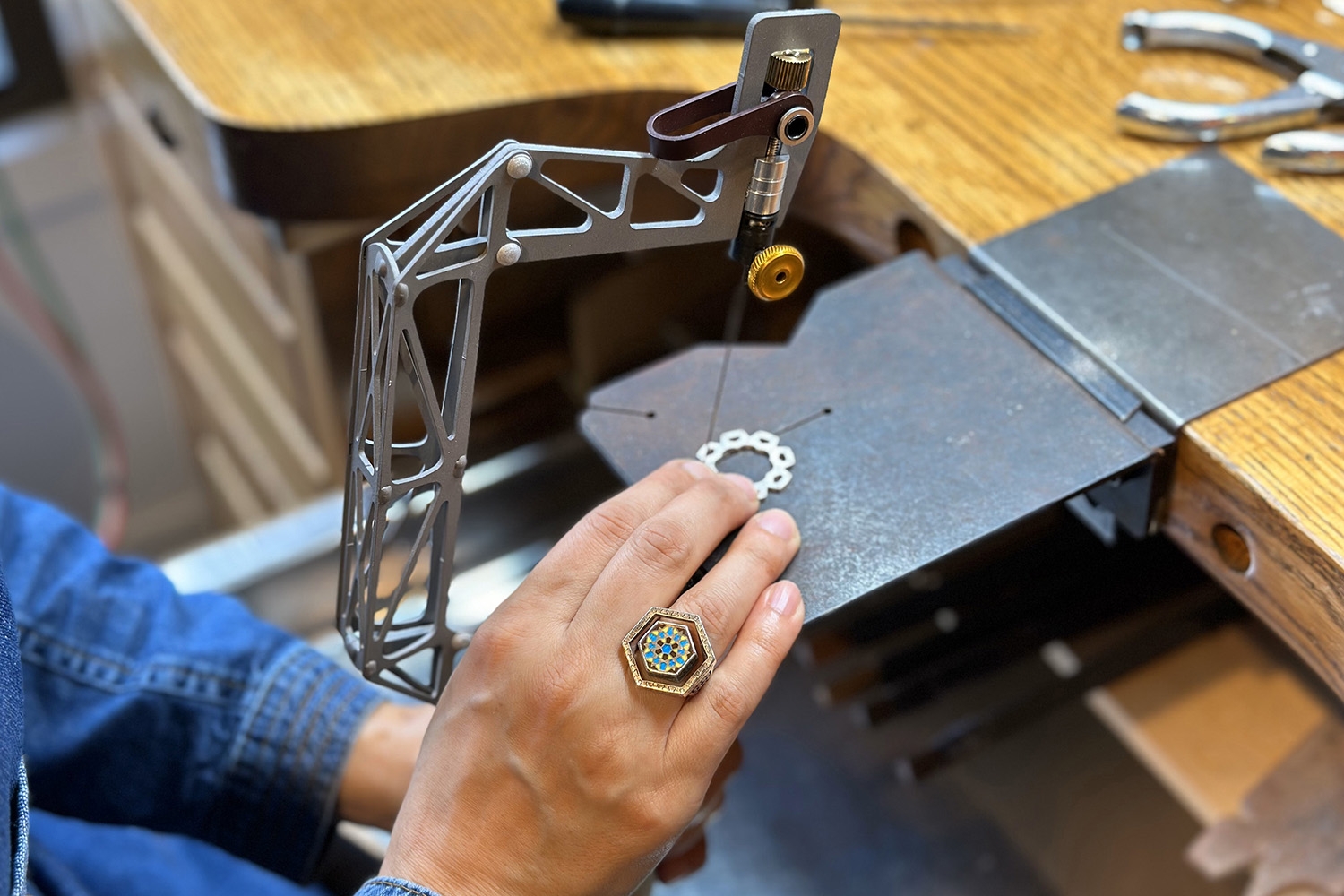
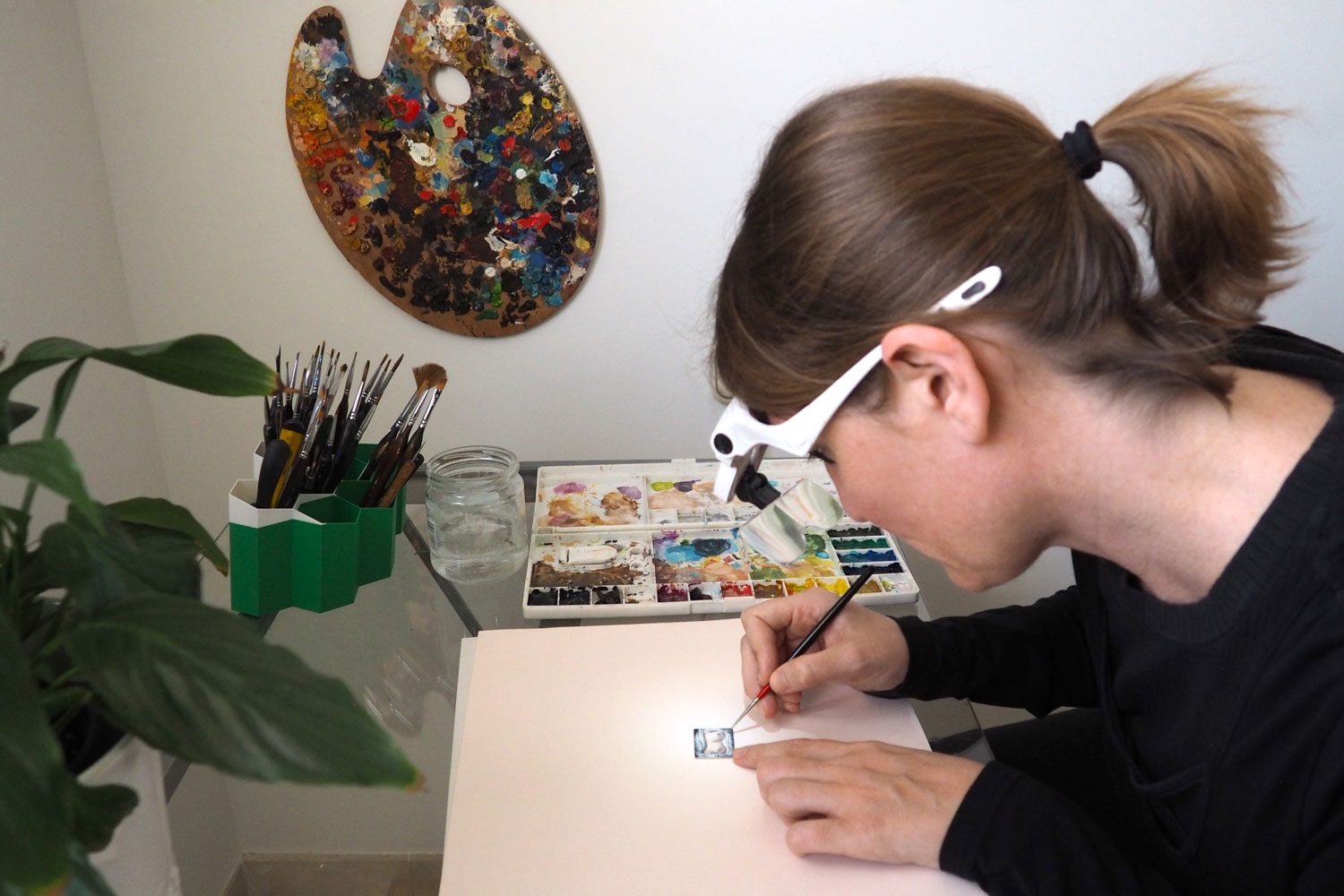
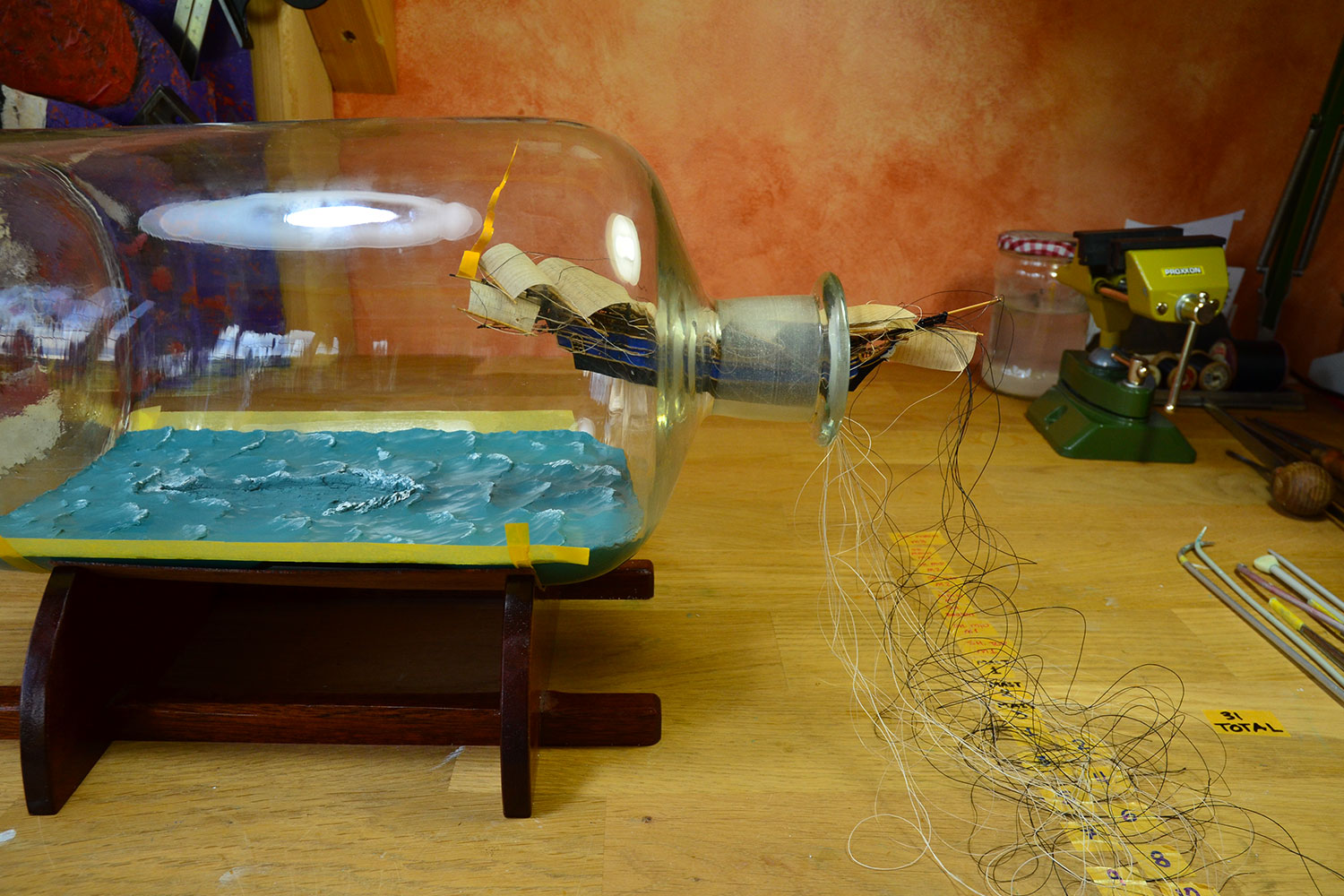
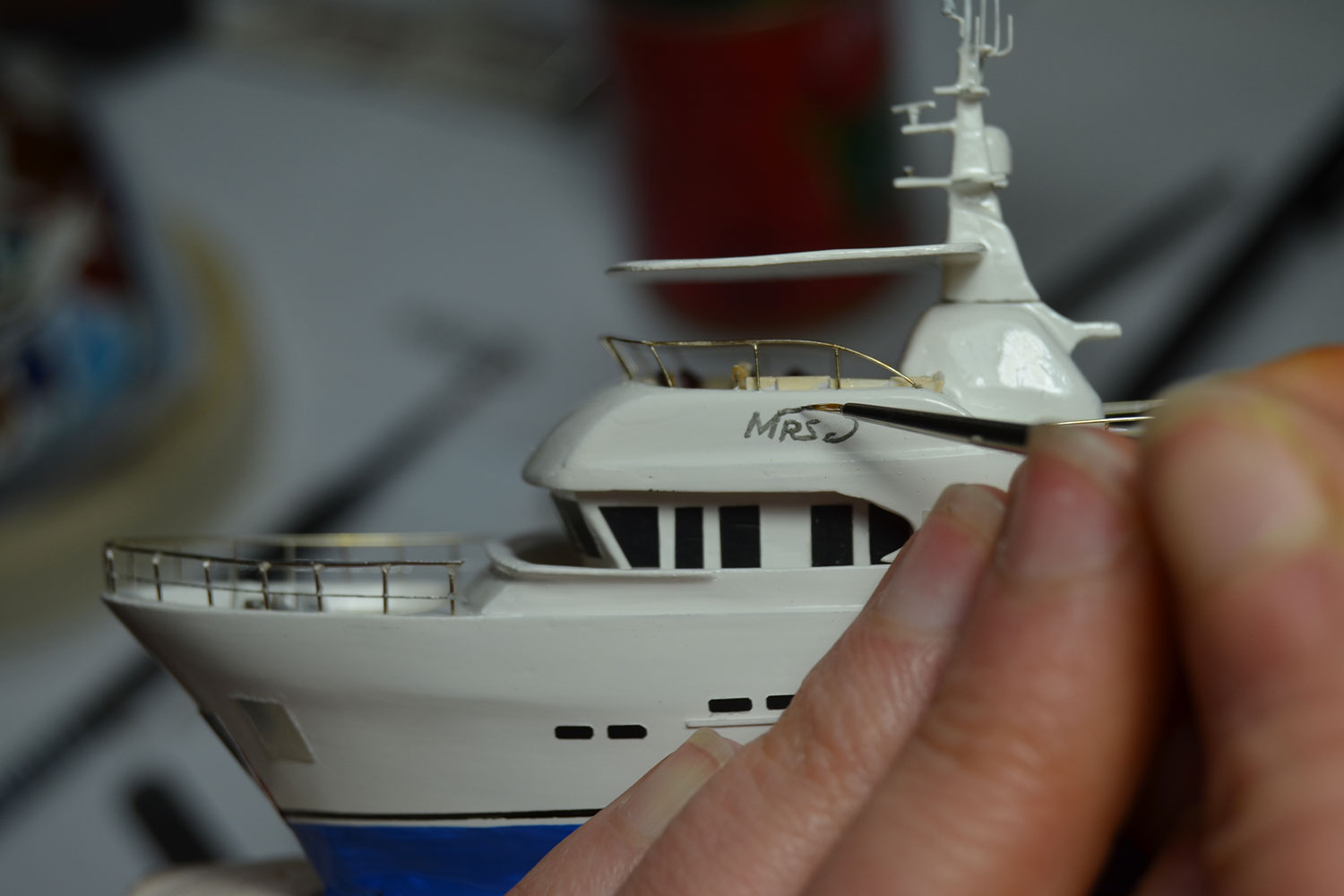
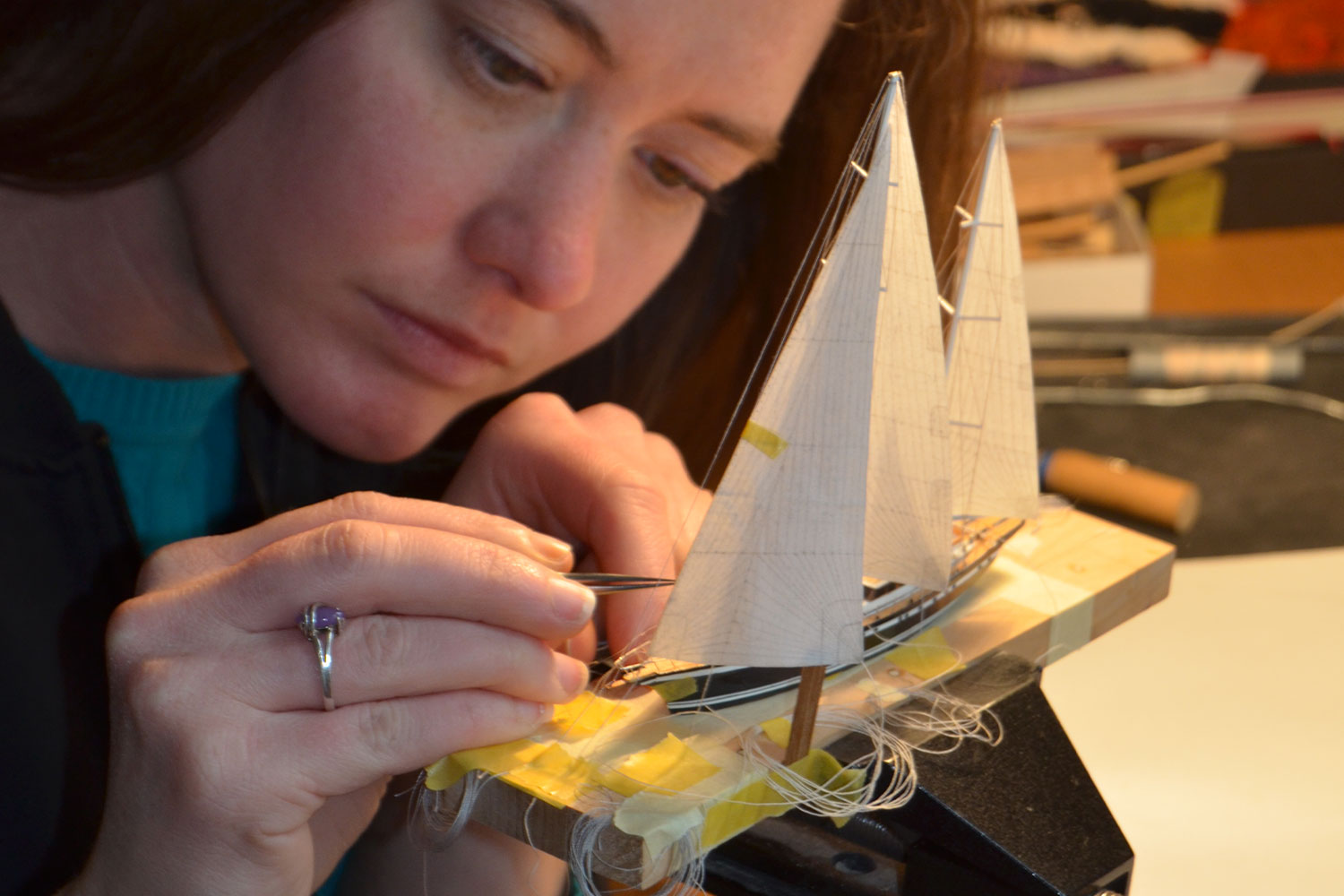
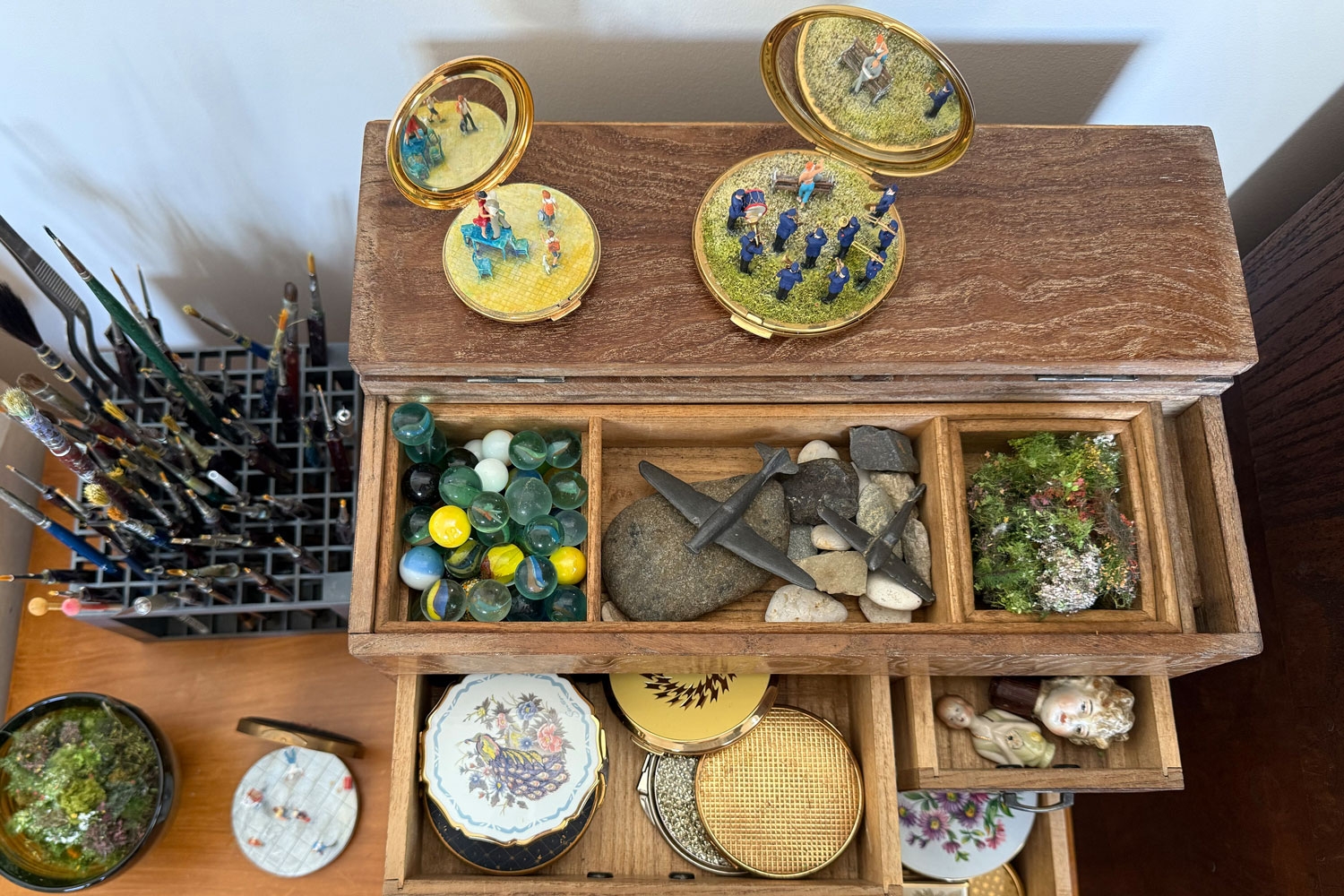
I use a range of assemblage techniques to create tiny worlds. I begin by finding a structure, such as a purse, a mirrored compact or by making stacked tea-set sculpture. I fashion the miniature elements, both found and handcrafted, in order to tell a story.
It is fascinating to see how people read the miniatures through their own experiences, and recognise something that has special and personal significance to them. I leave my scenarios as open as possible, so people can identify with different ways of reading the situation.
Making your work unique comes down to communicating concepts through an interrogation of artistic mediums and using techniques that challenge perception. Many of my students ask, ‘How do I develop my style?’ The answer is through working, working and working, style just develops, like our handwriting.
Kendal Murray
Miniature maker
Enmore, Australia
ADDRESS
Address upon request, Enmore, Australia
AVAILABILITY
By appointment only
LANGUAGES
English
Homo Faber Finds is a new service aiming to inspire admirers of craft to connect and collaborate with exceptional artisans.
We invite you to submit an enquiry here.
Bottle Marsupial 2017 Tom Moore.jpg)
Studio Portrait Tom Moore.jpg)
Blowing Glass 4 Tom Moore.jpg)